
Zoe Lodge
While a source of cheap labor, the maquiladora system is fraught with social and environmental issues.
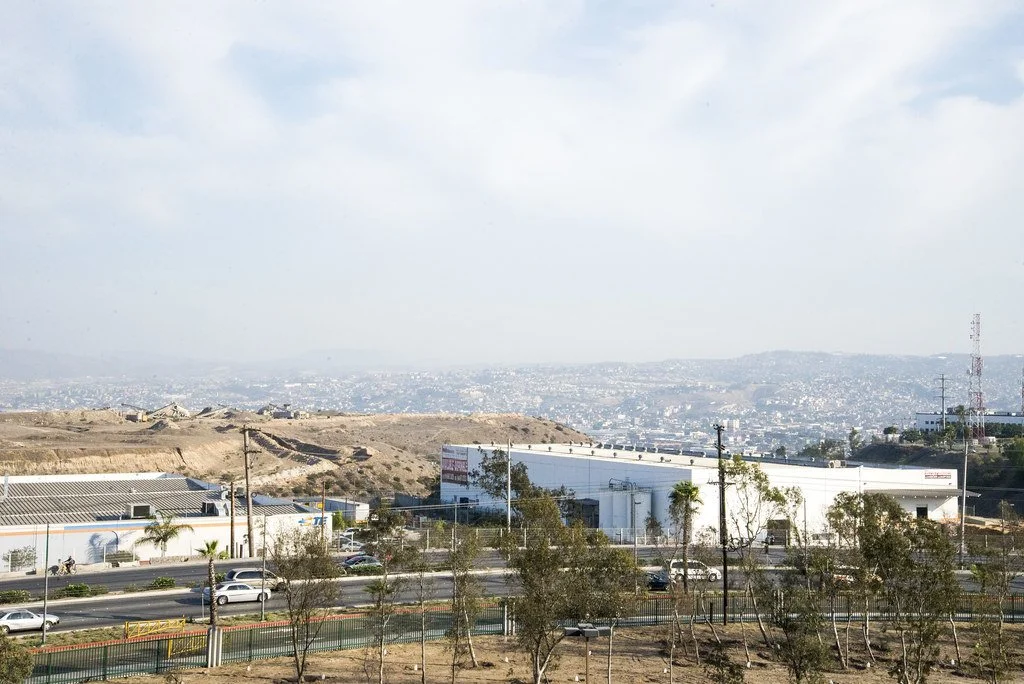
A maquiladora in Tijuana. Anthony Albright. CC-BY-SA 2.0.
Stretching across the U.S.-Mexico border is a belt of industrial factories known as “maquiladoras,” assembly plants primarily run by foreign companies such as Ford, Samsung and Boeing that churn out low-cost goods for global markets. Many of these factories are dedicated to electronics and vehicle production, representing an essential part of Mexico’s export economy. Yet, behind their barbed-wire fences and humming machinery lies a more unfortunate truth, one of social inequality, environmental degradation and economic vulnerability, happening just miles away from the United States.
Maquiladoras first gained traction in the 1960s under Mexico’s Border Industrialization Program. They were designed to stimulate the economy in northern Mexico while allowing U.S. companies to reduce labor costs. Today, there are thousands of maquiladoras across border cities like Tijuana, Ciudad Juarez and Reynosa, which employ over one million workers, many of whom are women.
Mexican women dominate the maquiladora workforce. Attracted by the promise of stable income, many migrate from southern Mexico or Central America to these border towns. But for many, the reality is grim. Unsafe working conditions, wages below a livable standard, limited breaks and inadequate protections tend to be consistent practices. In some cases, women are subjected to discriminatory practices, including illegal pregnancy testing during hiring processes or rampant workplace harassment. The promise of economic independence is quickly undermined by systemic exploitation within a capitalistic system dominated by major companies.
Maquiladoras don't just exploit labor; they also create environmental damage, particularly in low-income border communities. With minimal enforcement of environmental regulations, many factories discharge toxic chemicals into rivers and groundwater or improperly dispose of hazardous waste. This contamination threatens the health of both workers and residents, with elevated risks of respiratory illnesses, birth defects and cancers. One example is the New River in Mexicali, a waterway contaminated by industrial waste from nearby factories. Despite years of activism and attention, it continues to pose a health hazard to surrounding communities and ecosystems. Air pollution is another persistent issue. Border towns often record high levels of smog and particulate matter, yet few maquiladoras invest in cleaner technologies or waste-reduction initiatives.
Maquiladoras are dependent on the at times volatile turns of the global market. When supply chains shift, consumer demand dips or trade policies change, maquiladora workers are often the first to suffer. During the COVID-19 pandemic, many maquiladoras halted operations without compensation or severance for workers. Some shuttered altogether, leaving entire communities without income. As companies explore cheaper manufacturing options or automate their production lines, the future of the maquiladora model grows increasingly uncertain. Yet, little has been done to prepare these workers, many of whom lack formal education or alternative employment opportunities, for economic shifts beyond their control.
There is growing pressure on multinational corporations to take accountability for their global supply chains. Certifications for fair labor practices and sustainable sourcing can create incentives for better conditions, but voluntary guidelines often fall short without enforcement. Grassroots organizations and cross-border coalitions have long advocated for stronger labor rights, environmental protections and community investments. Consumers also play a major role. By demanding transparency from brands, supporting ethical alternatives and pushing for policy change, consumers can disrupt the cycle of exploitation that is ever-present in the maquiladora network.
GET INVOLVED:
The Maquiladora Health and Safety Support Network is a volunteer organization focused on bringing and enforcing safe and healthy employment practices in not just maquiladoras, but other manufacturing plants across the globe.
Based in Toronto but conducting most of its work in Mexico and Central America, the Maquiladora Solidarity Network is a group focused on fighting violations of labor rights in maquiladoras, particularly pertaining to their female employees.

Zoe Lodge
Zoe is a student at the University of California, Berkeley, where she is studying English and Politics, Philosophy, & Law. She combines her passion for writing with her love for travel, interest in combating climate change, and concern for social justice issues.