
Alex Jung
The significant return of the Chagos Islands, after centuries of British control, serves as a poignant reminder of the legacy of colonialism and the ongoing hurdles that must be overcome.
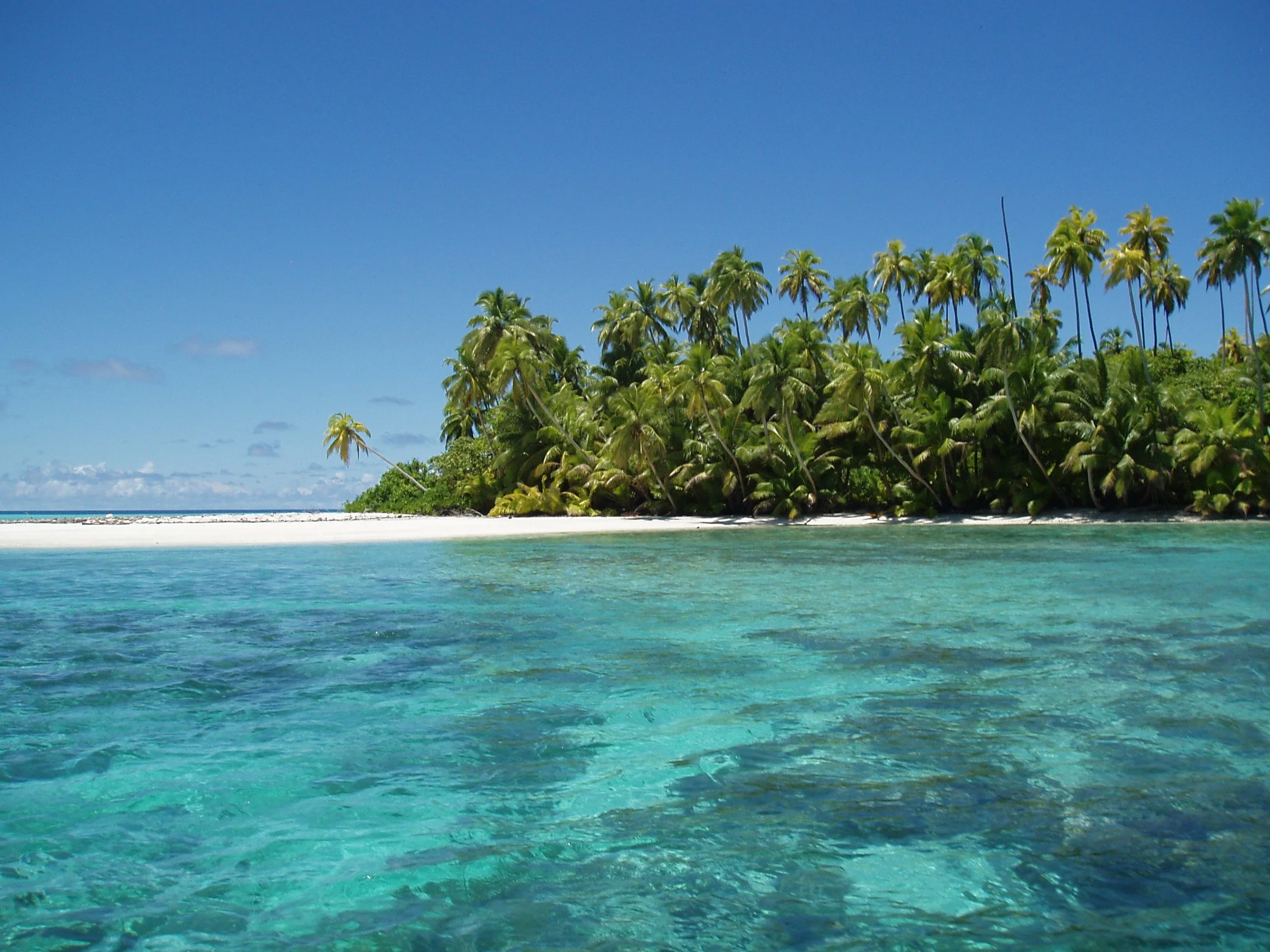
Salomons Atoll in the Chagos. Anne Sheppard. CC BY 3.0.
The Chagos Islands are situated in the Indian Ocean, comprising over 60 individual islands. The islands, which had long been a British territory, were handed over to Mauritius on May 22, 2025. The Chagos Islands have had a complex history of colonialism and human rights violations, many of which are still prevalent today. This colonial history included a period of slavery in the 18th century, where enslaved Africans worked on coconut plantations. In 1965, the islands officially became part of the British Indian Ocean Territory. Soon after, the entire population of the Chagos Islands had to leave their homes to build a military base; a move that has been criticised by many human rights organizations.
Furthermore, Britain has been critiqued by the U.N. for depriving the people of Chagos of fishing rights. Ultimately, in 2019, the U.N. General Assembly condemned the British occupation of the islands. The return of the Chagos Islands to Mauritius in 2025 symbolizes a multi-century struggle to achieve freedom and independence.
The human rights violations of the people of the Chagos Islands have continued from the 18th century to the present day — slavery, discrimination and forced displacement have been prevalent in the history of the islands. A large portion of the first inhabitants of the Chagos Islands were from Madagascar and Mozambique, originally under French rule. Many of these workers were oppressed on plantations; this oppression extended with the introduction of South Asian laborers into the islands. Significantly, U.S. involvement in the then-British territory heightened the human rights violations. As many as 2,000 people were displaced and shipped to Mauritius for the sole purpose of building a U.S. military base. Many residents of the Chagos Islands felt it was unjust to be displaced for the development of a military base for the West.
Even after the period of slavery ended, the people of the Chagos Islands have been subject to discrimination and abuse, seen as "non-permanent populations." In a series of leaked documents, British officials often referred to the Black population of Chagos as “Tarzans.” With the limited media coverage of the Chagos Islands, a large portion of this discrimination has remained overlooked and undocumented. In 2025, President Donald Trump still holds a large amount of power over the Chagos Islands due to the presence of the aforementioned American military base, bringing into question the autonomy that the people of Chagos truly hold over their country.
On May 22, 2025, the 2025 treaty on the British Indian Ocean Territory/Chagos Archipelago was signed. The treaty would allow Mauritius to exercise full sovereignty over the Chagos Islands. To enable a successful transition of sovereignty, the U.K. has promised to pay Mauritius around $136 million each year. Marine protected areas would also be established to prevent environmental degradation within the area. However, this treaty has sparked a debate amongst politicians. Kemi Badenoch, the leader of the opposition, claimed this deal was an "immoral surrender" due to the treaty's expensive nature. Many conservative British politicians viewed this treaty as taking priority over domestic issues such as the rising fuel costs. At an international level, the decolonial treaty has raised questions surrounding national security. Marco Rubio, the United States Secretary of State, claims the deal would "provide an opportunity for communist China to gain valuable intelligence on our naval support facility in Mauritius." However, the British government retaliated against these claims by affirming that the treaty would not return the military base, meaning national security of the U.K. and the U.S. in the Indian Ocean would not be compromised.
Ultimately, there is still a large amount of progress and action required to allow the population of Chagos to exercise internal and external sovereignty without poverty. However, this recent agreement, though reflecting an unfortunate state of colonialism, provides an optimistic vision and opportunity for post-colonial states to realize their freedoms and opportunities.
Alex Jung
Alex is from New Zealand and South Korea, and is currently a student at the University of Chicago. He is majoring in Political Science and International Relations, and minoring in Middle Eastern Studies. He is passionate about social justice for minorities and indigenous communities. In his free time, he enjoys learning languages (Korean, English, Mandarin, and Persian) and writing novels and short stories.