
Gabriella Farrell
Families grappling with post-pandemic economic decline are turning to child marriages, undermining efforts to eradicate the practice.
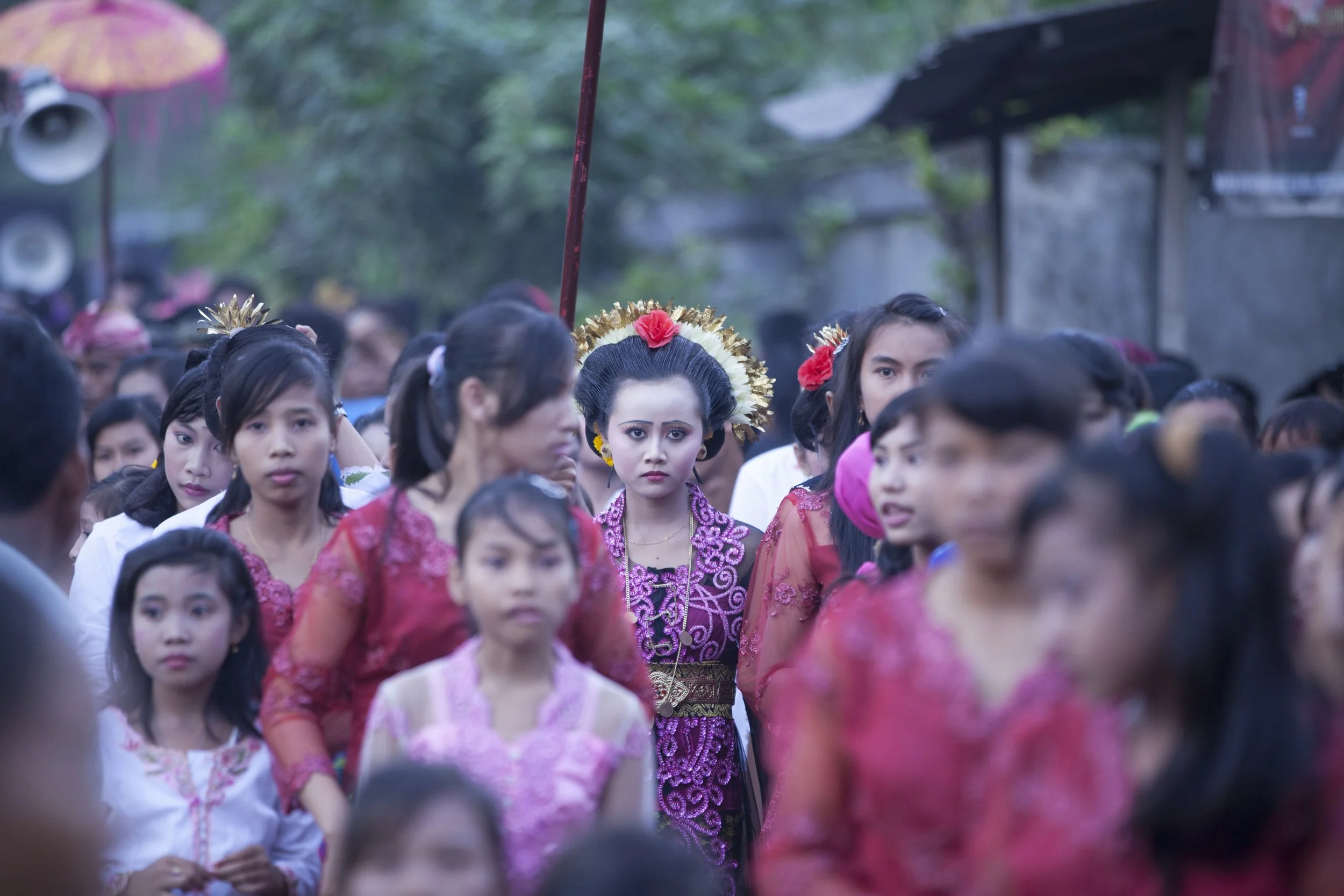
Underage Girl in Wedding Attire. Armin Hari. CC0
South Asia is home to 8.5% of the world's population, but strikingly claims nearly 45% of the global population of child brides, despite international and regional efforts to eradicate this practice. While there has been a steady decline in arranged child marriages in the last 50 years, the aftermath of COVID-19 provoked a resurgence in this practice. Now, approximately 2.5 million more girls are likely to be married before they reach the age of 18.
The pandemic created a vast number of issues for families in this area. Access to healthcare resources, education and socialization had been entirely cut off. Not only do families face physical and mental struggles, but a rapid decline in the economy has also had a monumental impact on the community. The economic fallout, which has caused more families to decline into poverty, was seen as equivalent to the 1997-98 Asian Financial Crisis. The economic strain, which has caused more households to decline into poverty, has led many families to consider child marriage as a way to secure their daughters’ futures as well as their own.
In times of grave financial or social hardship, some families perceive child marriages as a positive way to ensure their daughter’s future financial stability. There is often a dowry paid, or a demonstration of wealth from the groom, before the family is willing to engage in the marital process. This hypothetically secures a higher socioeconomic status for the child. It is also believed that child marriages serve as a way to protect girls from sexual violence and domestic abuse, especially if the groom is chosen by the child’s father. However, domestic abuse rates have not shown a significant statistical decline, raising questions about the validity of child marriages as a protective measure.
Many advocacy groups have challenged the practice of child marriages, claiming that early marriage is a pertinent danger to the girls involved. Studies have procured substantial evidence that girls in child marriages tend to suffer domestic abuse more often than those in adult marriages by a striking 50%. It has also become apparent that girls who marry young typically become pregnant in their youth. However, the human body at this time is not prepared for childbirth, leading to complications in pregnancy that result in dangerous or even fatal births. This evidence has caused many groups, both domestic and global, to begin pushing to end the practice as a whole.
South Asian countries have made moves pushing for the eradication of child marriage, with some governments raising the age for legal marriage from as early as 14 to between 18 and 21, except for Brunei, which has retained a minimum of 14 years old with parental consent. However, much of the legal action being taken was halted once the pandemic began due to the government shifting its focus to the newfound health crisis. The momentum for government involvement has resumed, but the recovery has been slow and inconsistent.
Beyond the complications with legislative movements, societal challenges surrounding child brides remain tumultuous. To make social change, economic recovery, especially in rural areas, needs to continue to be a priority in order to secure those turning to child marriage as a means for financial stability. Ultimately, sustainable efforts in favor of both the families’ economic situation and the girls’ prosperity will need to work in tandem for a viable solution to be found.
GET INVOLVED:
Individuals may contribute to the efforts addressing child marriage in South Asia. This can be done by supporting nonprofit organizations such as Unchained, Too Young to Wed and Equality Now that focus on areas such as education access for girls, family resource assistance and legal advocacy. Another way to be involved is to share information from verified sources or donate to programs that are striving to support families that are facing economic hardship after the pandemic. These actions are effective ways that people can engage with the issue at a community and global level.

Gabriella Farrell
Gabriella is a student at Rollins College studying English. She hopes to further her education and continue writing about the world around her. When she is not writing, she enjoys playing music, being with friends, and exploring nature.