
Paige Geiser
The roots of Kenya’s political crisis are echoed as protests shake the nation.
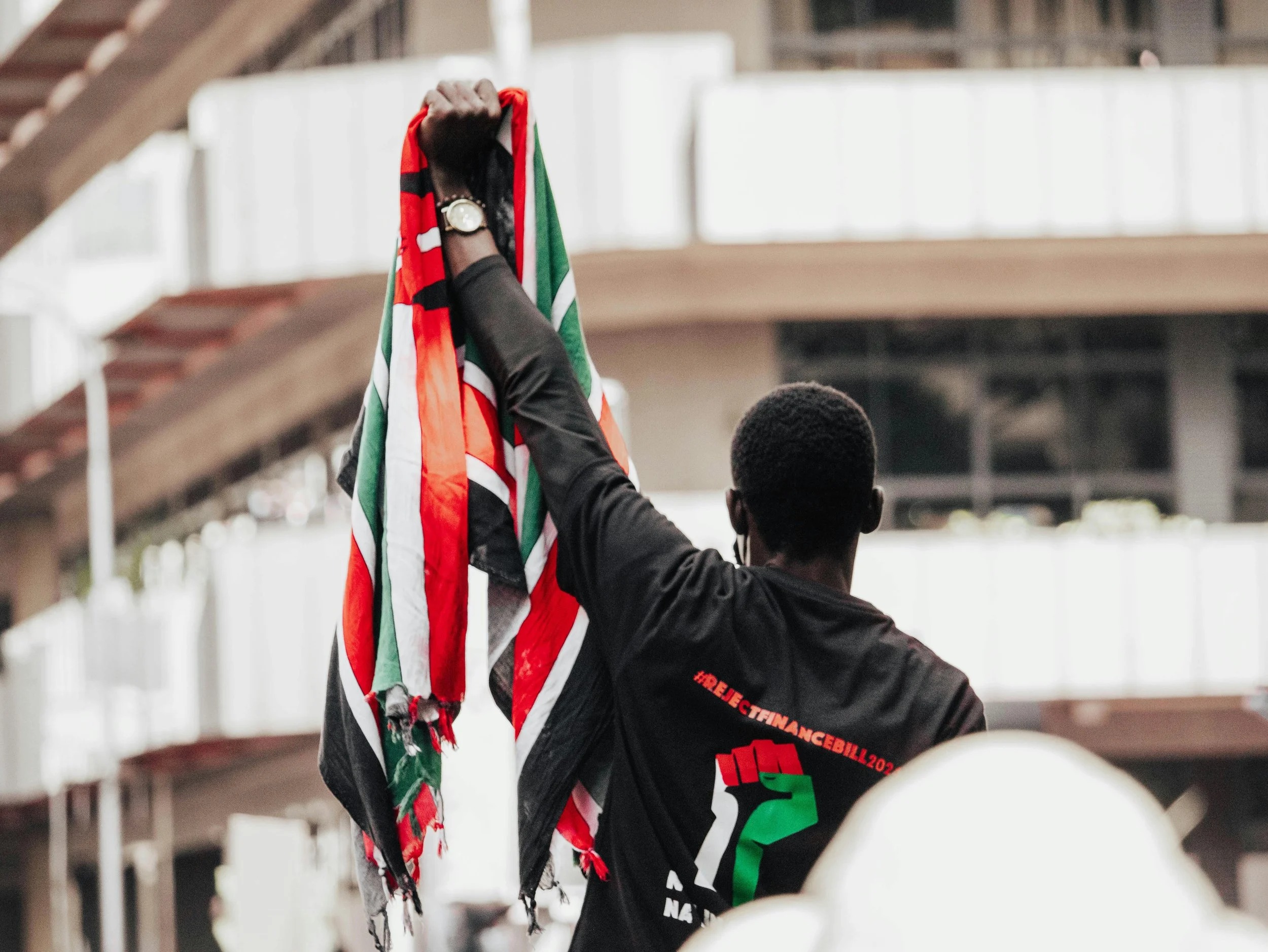
Protester in Nairobi, Kenya. MC G’Zay. Pexels.
In Kenya’s short time as an independent nation, it has strived for democracy. After gaining independence from British rule in 1963, a multiparty democracy was established and practiced for the next two decades. Aside from a brief period in the 1980s when Kenya transitioned into a one-party state under the rule of President Daniel arap Moi, the country has remained determined to uphold democratic principles. The strongest testament to this commitment was the new constitution drafted in 2010, which paved the way for legislative representation of women, persons with disabilities and other marginalized groups. In an opinion piece written by Keith Richburg, human rights activist Gitobu Imanyara said, “Kenyans, having tasted the fruits of the second liberation, are no longer going to accept a dictatorship like in Moi’s time.”
So far, the words of Imanyara have rung true, as this is the second year in a row that protests all around the country have been organized to oppose President William Ruto’s policies. In 2024, Ruto proposed a tax law that would raise the cost of every day goods for Kenyans. This law was meant to help alleviate the country's increasing debt, fix corruption throughout the government and focus on structural problems in the country's legislation. However, with the average Kenyan only making $3 a day, this increase in costs was detrimental. These protests also spoke up about corruption in the government. In recent years, government officials have had virtually no ramifications for charging an under-the-table fee for basic government services. Services such as getting a new passport could cost as much as $570. On top of these illegal fees, there have been claims that politicians are misappropriating taxpayer dollars. In addition, police officers can often be found pulling over motorists looking for a few shillings in bribes.
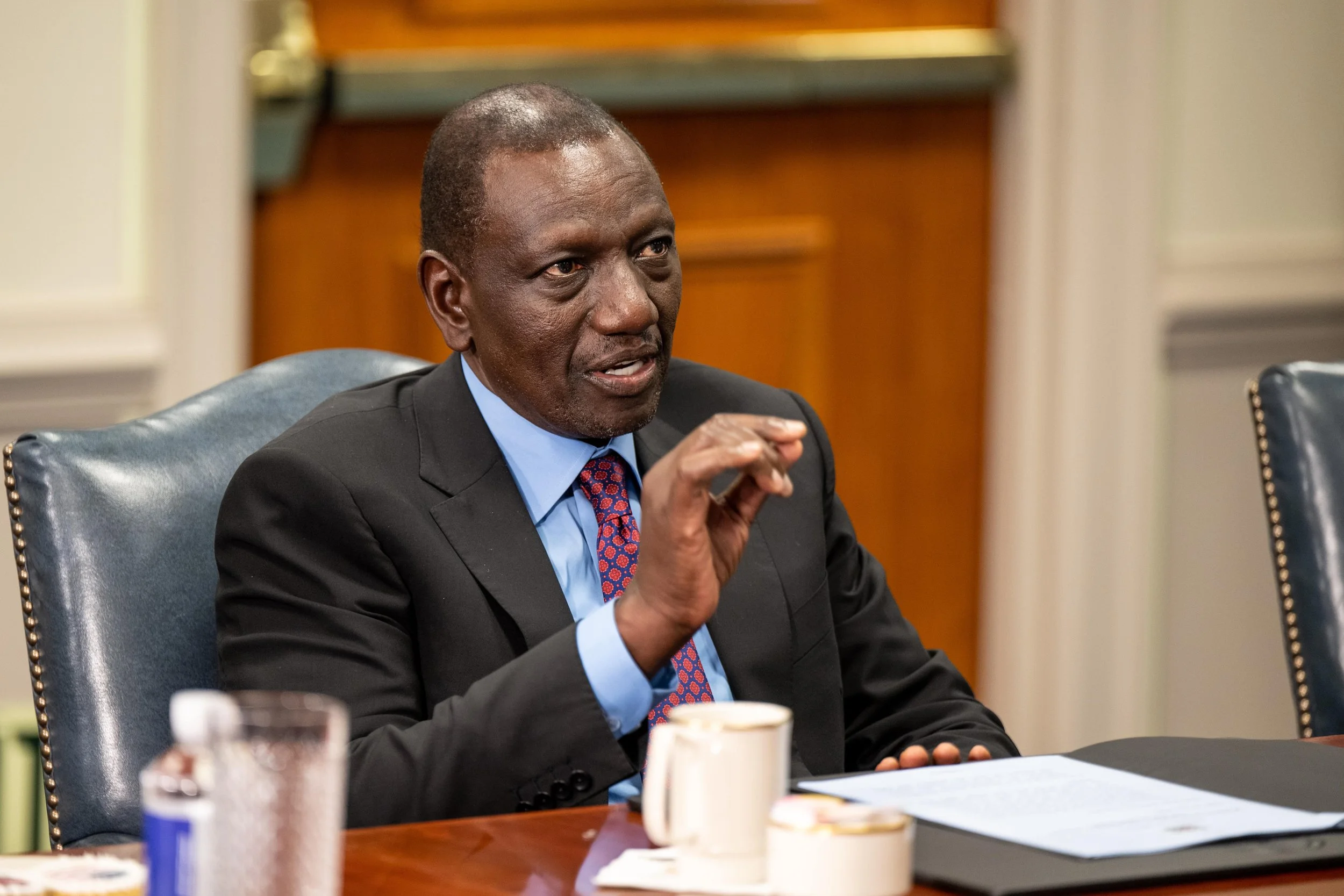
Kenyan President William Ruto. Sgt. Jack Sanders. CC BY 2.0
In objection to the governmental corruption and tax bill, thousands of Kenyans took to the streets to oppose the law before it was put in place. During the protests in 2024, 60 people died from police force and chaotic demonstrations. Dozens of people were abducted, interrogated and tortured by the government in the aftermath of these revolts. After the deadly protests, President Ruto conceded and withdrew the bill. However, only a few weeks later, he reimposed many of the controversial taxes and fees, sending more people up in arms.
On the one-year anniversary of the protests in 2024, Kenyans decided to have another uprising, showing their distaste for the current taxation, as well as how protesters were treated the previous year. Thousands swarmed the streets with Kenyan flags, chanting that President Ruto “must go.” In return, security forces fired live rounds, rubber bullets and tear gas into the crowds. As of June 26, 2025, sixteen people have been reported dead from the protests. An alliance of human rights groups reported on June 25 that more than 400 people were injured, 80 of whom had serious injuries.
While these protests have been costly in human suffering, experts say that the movement has had some observable impacts. Politicians are now slow to propose unpopular tax and economic bills, and police who have used violence against protesters have been arrested. In a country where voters have kicked out 60% of the sitting government, the next election cycle could change the entirety of the Kenyan political scene. With over half of the 47 counties in Kenya protesting the political class, the 2027 election is expected to see vivid turnover. When speaking with the New York Times about the impact of the protests, Meron Elias, an East Africa analyst at the International Crisis Group, said, “They want to remind the government that this is not a problem that will easily go away”.

Paige Geiser
Paige is currently pursuing a bachelor’s degree in English with a minor in Criminal Justice at the University of Wisconsin-La Crosse. She grew up in West Bloomfield, MI, and has been fortunate enough to travel all throughout the country. She is an active member of the university’s volleyball team and works as the sports reporter for The Racquet Press, UWL’s campus newspaper. Paige is dedicated to using her writing skills to amplify the voices of underrepresented individuals and aspires to foster connections with people globally.