
After its historic World Cup debut, Cape Verde is drawing new attention for its music, landscapes and morabeza culture.
Read MoreThe 5 Safest Cities for Solo Summer Traveling
Explore the world’s safest cities that make going solo the most fulfilling option.
Read MoreDresden, a City Resurrected
Explore Dresden, the Jewel Box of Europe, a city almost lost to war and time.
7 Forts in Rajasthan That Will Take Your Breath Away
From one inside a tiger sanctuary to another where 4,000 people still live, these are the most memorable forts in Rajasthan, India.
Read MoreThe Rise of the Coolcation: Scandinavia’s Answer to Summer Heat
As summer heat intensifies, it may be time to swap the traditional beach destination for a cooler climate.
Read MoreWorkaways on Irish Farms
Beyond Ireland's famous attractions, farm stays allow people to participate in work experiences that sustain rural communities and Irish culture.
Cesky Krumlov: The Heart of South Bohemia
This town in the Czech Republic feels frozen, but not lost, in time.
The Public Transit European Grand Tour
Here’s how to plan a sustainable multi-city European trip using world-class public transportation.
Read More10 Places to See Before They Disappear
The casualties of industrialization and climate change.
Read MoreThe Ethical Questions Surrounding “Dark Tourism”
“Dark tourism” attracts modern visitors to horrific sites, from concentration camps to war memorials, to view historical atrocities.
Read MoreFollow Alice: Adventure With Purpose
By Trisha Pillay | Follow Alice
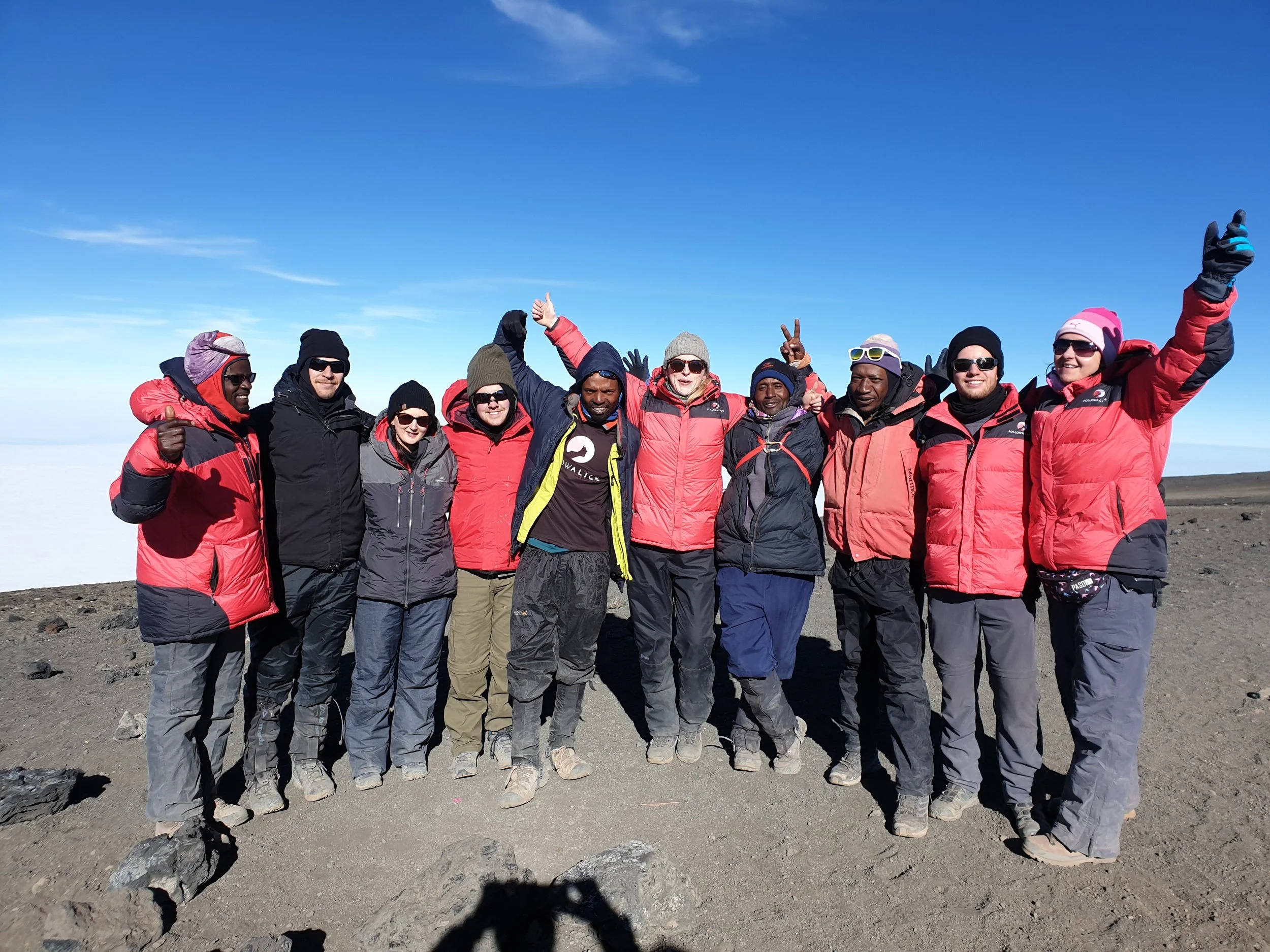
Group of trekkers on route to the summit of Mount Kilimanjaro with the Follow Alice team.
Some of the best things in the world are born from frustration: a bad meal that inspires a great chef; a long wait that sparks a better idea; and, in the case of Follow Alice, a Mount Kilimanjaro climb gone wrong that changed everything.
There’s a version of adventure travel that looks great in a brochure but feels hollow once you’re on the ground. It’s guides who don’t know the mountain, tour operators running trips they’ve never personally done and money that never makes its way back to the communities carrying your bags and cooking your food.
Follow Alice born on the side of a mountain
Follow Alice didn't start in a boardroom; it started on the slopes of Kilimanjaro. Co-founder Reto Bolliger had dreamed of climbing the mountain for years. But when he finally made it happen, the experience left him very disappointed. The company he'd booked through had outsourced everything to local operators who had little connection to the mountain and even less accountability to the people working on it. The tour felt impersonal, the logistics felt careless and most tellingly, the money wasn't going back to the people who deserved it most: the local guides, cooks and porters who made the climb possible.
Reto could see the gap clearly, and then, partway up that mountain, a porter named Chris Sichalwe started talking. Chris shared what life was really like on Kilimanjaro for the people doing the hard work behind the scenes: the inequalities, the unsafe conditions, the lack of fair pay and the sense that the people who knew the mountain best were the ones benefiting from it least. It was an honest, eye-opening conversation, the kind you only have when someone trusts that you actually care.
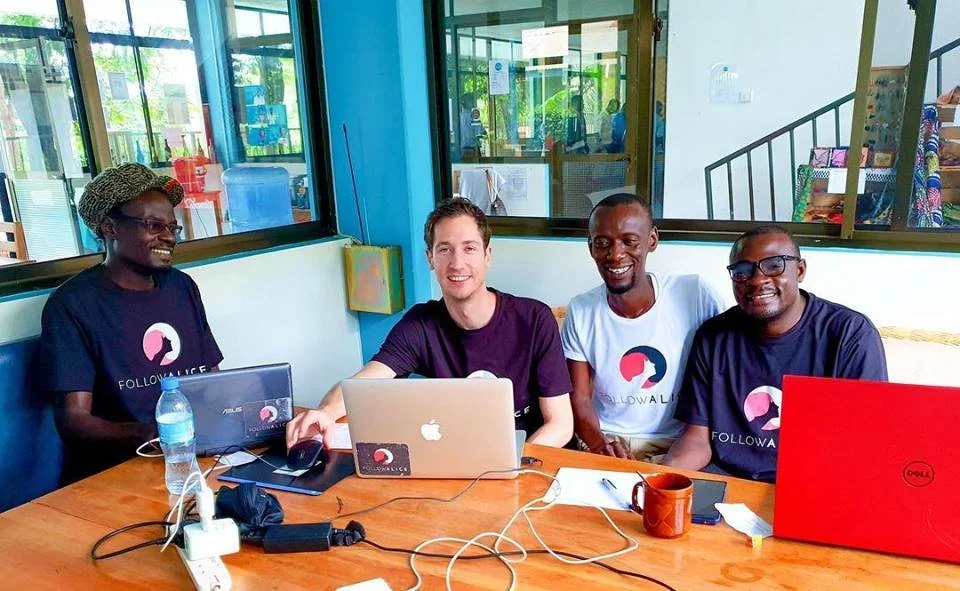
Reto, Chris and Rob Sichalwe joined another local leader to discuss operations in Tanzania.
Reto listened, and together with Daniel Louis, they decided to do something about it. That conversation became the seed of Follow Alice, a company built not just to run great adventures but to make sure the people at the heart of those adventures are respected, empowered and better off because of them.
Daniel with the Follow Alice team in Tanzania.
Fast forward to today, more than a decade later, and Chris Sichalwe is no longer a porter. He is the Director of Tanzanian Operations for Follow Alice. His journey from the trails of Kilimanjaro to the leadership of one of the company's most important operations is not a footnote in the Follow Alice story; it is the story.
Watch his story here: Chris’s Story | The Warm Soul Leading Follow Alice Tanzania
That progression says everything about the ethos of this company. Follow Alice is about sustainability and empowering local communities in every single place they operate, not as a side policy but as the entire point.
Follow Alice is now a boutique adventure travel company incorporated in both the U.K. and Tanzania, with a remote core team spread across the globe and on-the-ground crews that are 100% local. They operate across East Africa, South America, Asia and Iceland, running 50 adventures that have taken over 3,500 travelers to some of the world's most extraordinary places.
Watch Reto speak about Follow Alice: Meet Reto | The Vision And Founder Behind Follow Alice
View trips here: https://followalice.com/
What "responsible travel" actually looks like
The term responsible travel gets thrown around a lot. However, Follow Alice earns it by holding themselves to four honest questions for every trip they run:
Do our services offer local entrepreneurs genuine growth opportunities?
Does our business benefit the local community and economy?
Do we help protect or at least not harm the wildlife we encounter?
Do we help protect or at least not harm the natural environments we explore?
These aren't marketing talking points but a lens through which every itinerary, every partnership and every hire is evaluated. 70% of every trip price stays in the local economy, which is always channeled into fair wages, local empowerment and the partnerships that sustain communities long after the travelers have gone back home. Local teams don't just guide the adventures; they lead them, own businesses built around them and share in the revenue they generate.
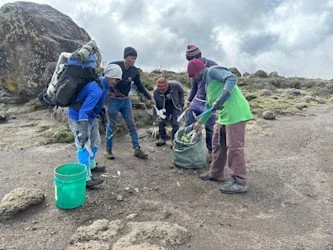
Follow Alice taking part in a Mount Kilimanjaro clean-up initiative in support of Leave No Trace principles.
Safety as the foundation
On Kilimanjaro and Mount Everest climbs, every Follow Alice guide holds a Wilderness First Responder (WFR) certification, an intensive program focused on trauma care, altitude illness, patient assessment and emergency response in remote environments. The qualifications are only part of it because the guiding philosophy matters too. Follow Alice chooses longer, safer acclimatization routes over rushed itineraries because getting people home safely matters more than getting them to the summit quickly. Every expedition carries comprehensive first-aid equipment, and guides are trained to make decisions based on client wellbeing rather than commercial pressure. Regular refresher training and emergency scenario drills help keep those skills current.
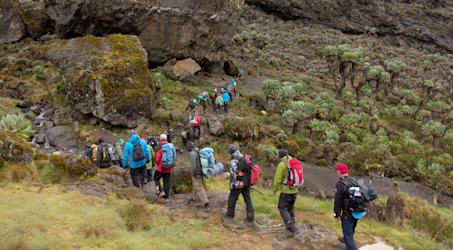
Trekkers making their way up Mount Kilimanjaro with the Follow Alice team.
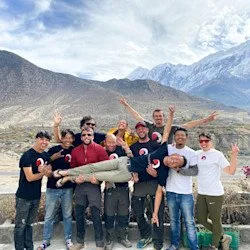
The Follow Alice team in Nepal take a picture with the Himalayas behind them.
The same approach extends across Follow Alice’s trips in East Africa. In Kenya and Zanzibar, the company works with trusted local teams who understand the rhythms of the places they operate in, right from the logistics of remote safari camps to the practical realities of coastal travel and changing weather conditions. The emphasis is on experienced local leadership, small groups and thoughtful planning rather than moving people through destinations as quickly as possible.
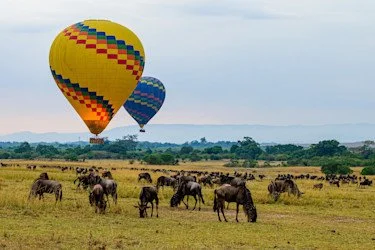
Balloon safari in Maasai Mara, Kenya, with wildebeests of the Great Migration beneath.
In Rwanda and Uganda, gorilla trekking is led in partnership with experienced local operators and park authorities who know these forests like the back of their hand and understand the responsibility that comes with taking visitors into one of the world’s most sensitive wildlife environments. Treks are paced carefully, group sizes remain small and the focus stays on respectful wildlife encounters that prioritize both traveler safety and gorilla conservation.
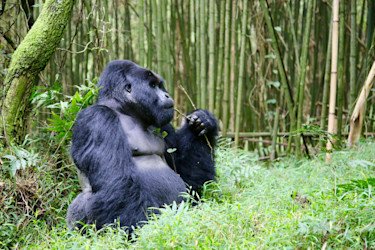
A silverback gorilla is captured chilling on a Uganda trekking experience.
In Iceland, trips are designed around guides and itineraries that respect how quickly conditions can change in the highlands, on glaciers and along the coast. Local knowledge matters in a landscape shaped by volcanic activity, shifting weather and long distances between services.
The people who make it happen
Follow Alice's guides are not interchangeable with service workers. They are storytellers, professionals and in many cases, business owners in their own right.
Khalfan Hamdun has guided travelers across the Serengeti for over three decades. Puru Sharma, who leads Nepal and Bhutan treks, studied law in the U.K. but kept coming back to the mountains and now personally curates every Himalayan adventure Follow Alice offers, ensuring Sherpas and local guides benefit through profit-sharing from every journey. In Uganda, guide Simon has become something of a legend among Follow Alice travelers, multiple testimonials singling him out by name.
Watch Puru in action: Everest Base Camp and the Three Passes Trek | Nepal | The Most Beautiful Trek in the World
Where Follow Alice goes
Follow Alice operates across some of the world's most iconic adventure destinations:
Africa: Kilimanjaro climbs via the Lemosho, Rongai, Machame and Northern Circuit routes; Tanzania and Kenya wildlife safaris; beach holidays in Zanzibar; and gorilla trekking in Uganda and Rwanda.
Asia: Everest Base Camp treks, peak climbing in Nepal, Annapurna Circuit, Manaslu Circuit, Meru Peak and cultural journeys through Bhutan.
South America: Inca Trail and alternative treks to Machu Picchu in Peru, as well as exploring the country’s capital, Lima.
Iceland: Seeing the Northern Lights in regions such as the Golden Circle, Akureyri and Snaefellsnes.
Each destination is personally tested by the Follow Alice team before it goes live. They walk every route, refine the logistics, stay in the accommodations and eat the food because no trip gets offered to travelers until the people behind it have experienced it themselves.
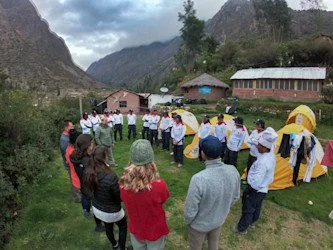
Follow Alice’s team training in Peru.
Travel that leaves things better
Follow Alice's sustainability commitments go beyond their guide partnerships. The focus is less on making broad sustainability claims and more on approaching travel thoughtfully:
Leave No Trace: Teams are trained to manage waste, protect wildlife corridors and tread lightly on fragile ecosystems.
Eco-conscious lodges: Accommodation is selected specifically for environmental responsibility.
Community cleanups: Local crews run trail cleanups, including a notable operation at Shira 2 Camp on Kilimanjaro.
Reforestation and NGO support: Travelers are given opportunities to contribute to local conservation, climb for charity and community projects.
Wildlife protection through tourism: The company actively supports the argument that tourism, done well, is one of the most powerful conservation tools available.
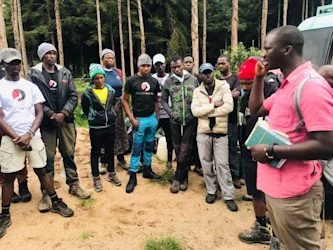
Follow Alice's team briefing for the KRTO clean-up initiative on Kilimanjaro
Why this matters in 2026
What matters now is not how often sustainability is mentioned but how it is reflected in the way trips are actually run. As more travelers look for experiences that feel responsible and meaningful, there is greater attention on who leads journeys, how local partners are involved and how tourism supports the places it moves through.
That is why platforms such as CATALYST PLANET are becoming more relevant. Their approach focuses on identifying operators built on long-term local relationships, experienced regional teams and a more grounded way of working in the destination. In a space filled with big claims, this kind of careful selection helps bring clarity to what is responsible.
Follow Alice has been included as part of this curated selection, reflecting a shared emphasis on working closely with local partners and shaping trips through established relationships on the ground rather than detached or one-size-fits-all models.
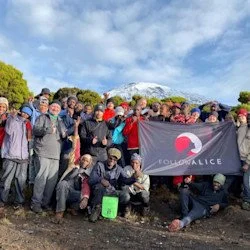
Follow Alice's team pose for a group photo.
Ready to Follow Alice?
The name Follow Alice comes from Lewis Carroll's Alice's Adventures in Wonderland, that little voice urging you to leap into the rabbit hole, to be curious, brave and open to the unexpected. The company's mantra is simple: come as a client, leave as a friend. If you're looking for an adventure that challenges you, connects you to real communities and leaves the places you visit better than you found them, Follow Alice is worth your attention.
Explore Follow Alice trips on the CATALYST PLANET Trip Finder, or visit www.followalice.com to browse their full range of adventures.
Follow Alice Contact: info@followalice.com
Follow them: @followalice on Instagram | YouTube | Facebook
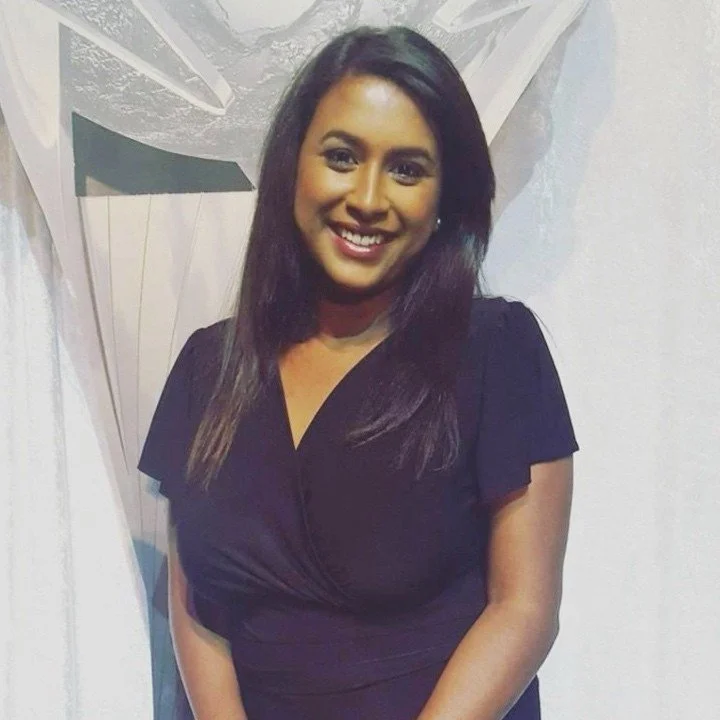
Trisha Pillay
Trisha is an award-winning journalist and Head of Written Content at Follow Alice, with over 14 years of experience in storytelling and editorial media. Her work focuses on adventure travel, culture, and thoughtful storytelling that explores the connection between travel and everyday life.
The Small Thai Town With a Dark Wartime History
Just a few hours from Bangkok, Kanchanaburi, the infamous Thai bridge is home to one of the most brutal wartime projects ever carried out and cost 16,000 lives.
Read MoreRoute 66 Centennial in California
Cruise through some of California’s most iconic stops along Route 66.
Read MoreSailing Beneath the Northern Lights on Norway’s Arctic Coast
Sophia Michelen
A journey through Arctic Norway examines the Northern Lights from scientific, geographic, and cultural perspectives, including aurora research, Sami traditions, and the landscapes of the Norwegian coast.
Images by Sophia Michelen
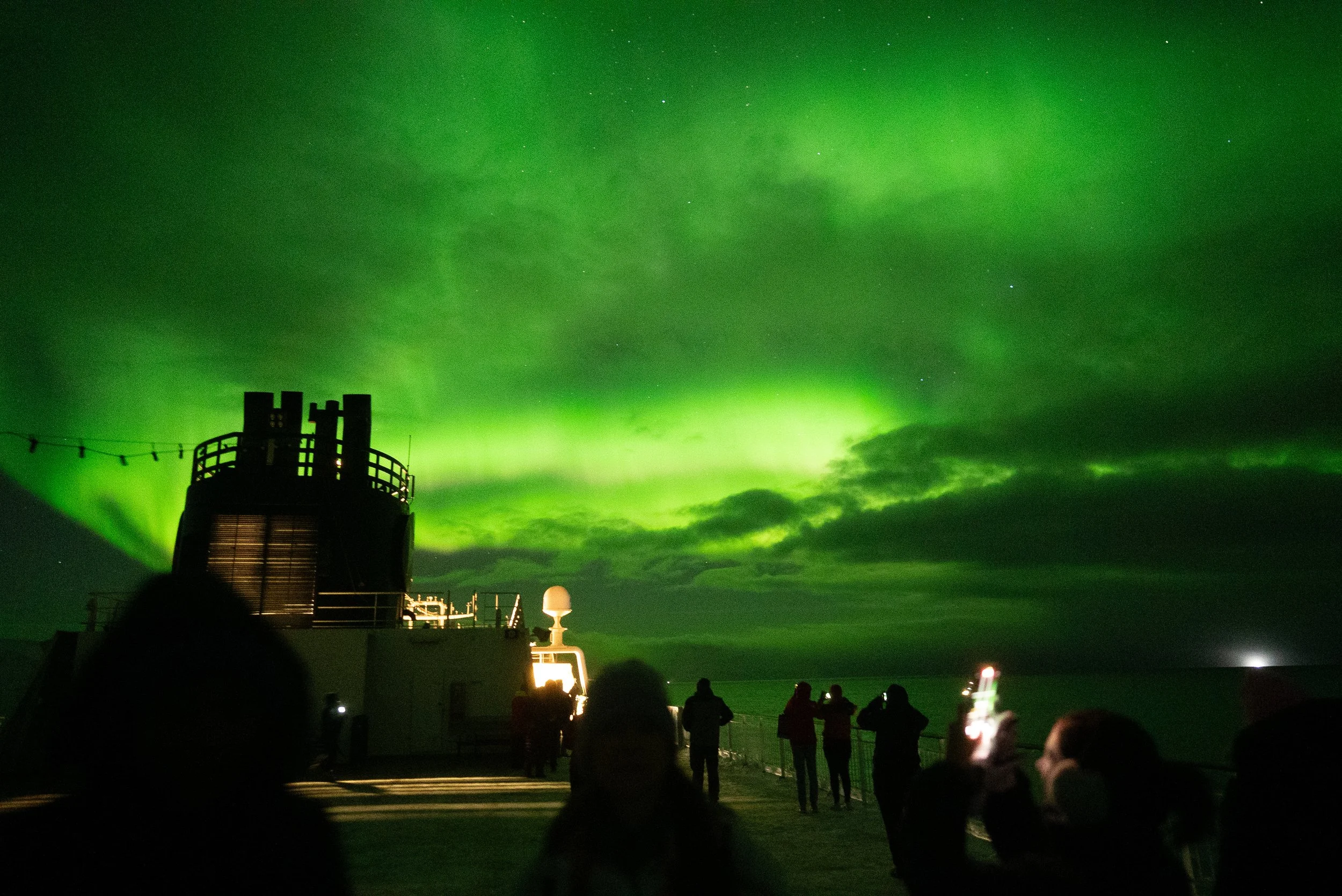
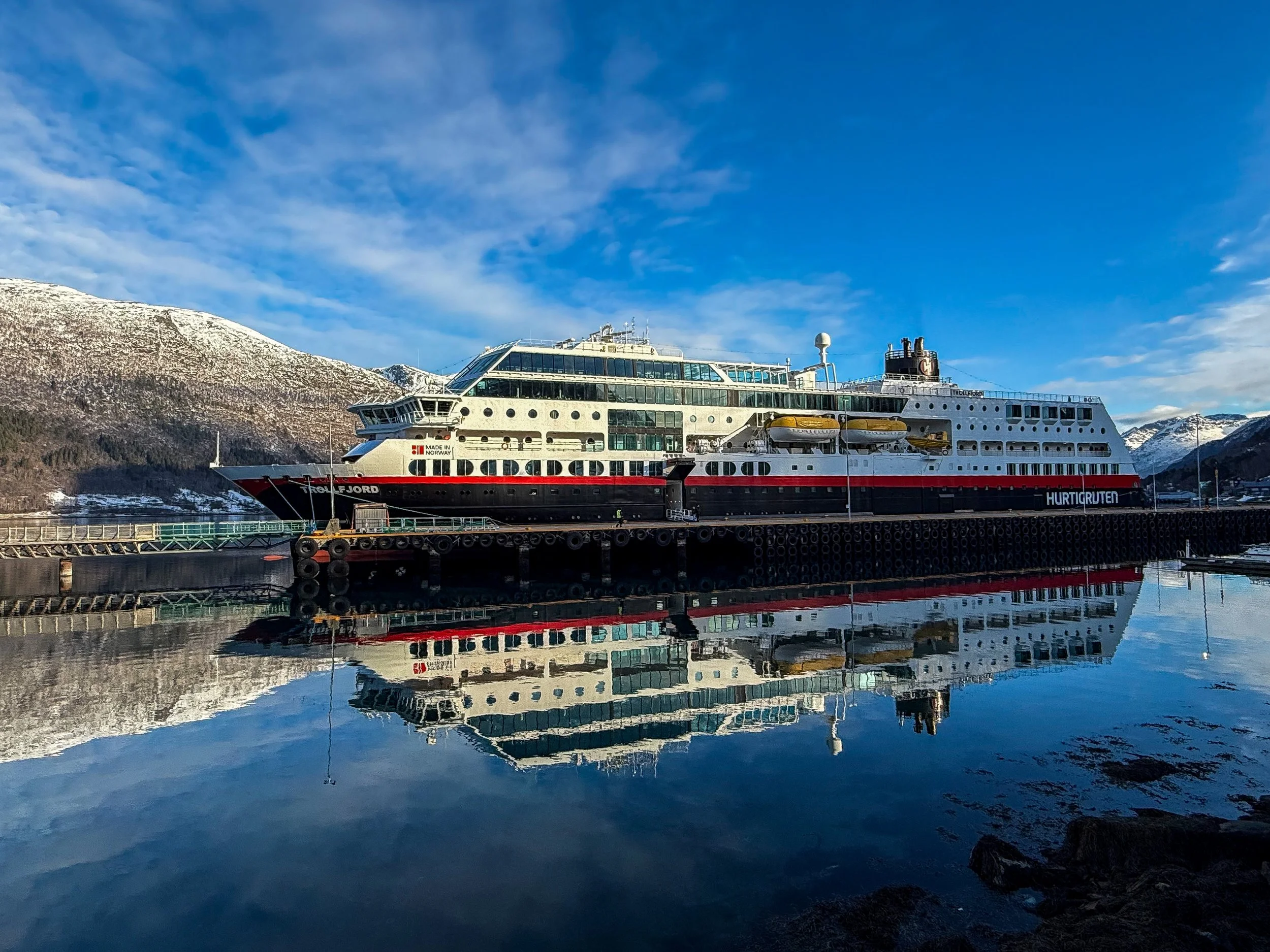
The deck lights are dimmed to red as the MS Trollfjord moves quietly through the Arctic night. Beyond the railings, the sea is black and nearly indistinguishable from the sky, and passengers stand in silence, watching. I am among them during the inaugural Hurtigruten Astronomy Voyage, sailing south from Troms along Norway’s northern coast aboard the North Cape Line. Over six winter nights, the ship travels through one of the world’s largest aurora hotspots: Troms, Finnmark, and Nordland, where long polar nights and clear Arctic skies create some of the best conditions on Earth for seeing the Northern Lights.
Above us, the first faint ribbon slowly appears. For centuries, the aurora has inspired mythology and speculation. Yet the phenomenon unfolding above the Norwegian coast begins far beyond the horizon, at the sun itself. “The aurora is the end of a chain of invisible processes,” explains astronomer Tom Kerss, Hurtigruten’s Chief Aurora Chaser, during a lecture earlier that afternoon. Charged particles carried by the solar wind collide with Earth’s magnetic field and are guided toward the poles. When those particles strike gases high in the atmosphere, they release energy in the form of light. From the deck of a ship moving through Arctic Norway, the science becomes something else entirely: a shifting curtain of green and pink rippling across the sky.
The Geography of the Lights
Northern Norway sits beneath the auroral oval, a ring-shaped zone around the magnetic poles where the lights appear most frequently. Long winter nights, minimal light pollution and open Arctic skies make the region one of the world’s most reliable places to witness the phenomenon.
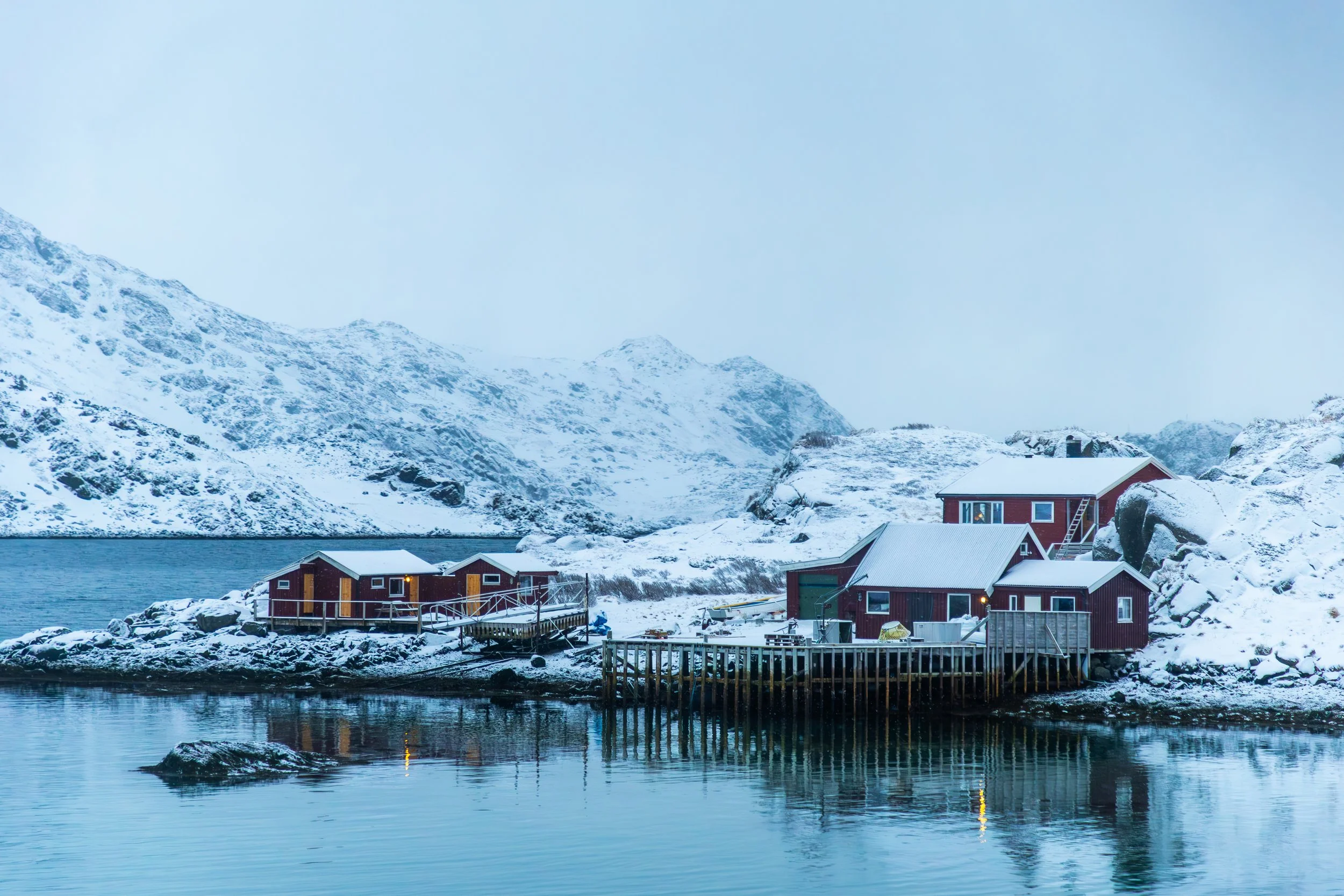
Traveling by sea also adds the advantage of mobility. Rather than waiting in a single location for the sky to clear, ships can move along hundreds of miles of coastline, navigating between weather systems and cloud cover. Along this stretch of Norway, the landscape unfolds gradually, with snow-covered mountains rising directly from the sea, small harbors tucked between fjords and villages that appear briefly along the shoreline before disappearing again behind headlands.
For Kerss, who has spent years studying and photographing auroras across the Arctic, Norway’s coast remains uniquely suited to observing the phenomenon. The lights themselves vary constantly, sometimes appearing as faint arcs barely visible against the stars and other times erupting into sweeping curtains of green stretching from horizon to horizon. On rare nights, red and violet hues ripple across the sky as oxygen and nitrogen react at different altitudes in Earth’s upper atmosphere. Even with the science explained, the moment when the sky begins to move feels almost surreal.
Life Along the Arctic Coast
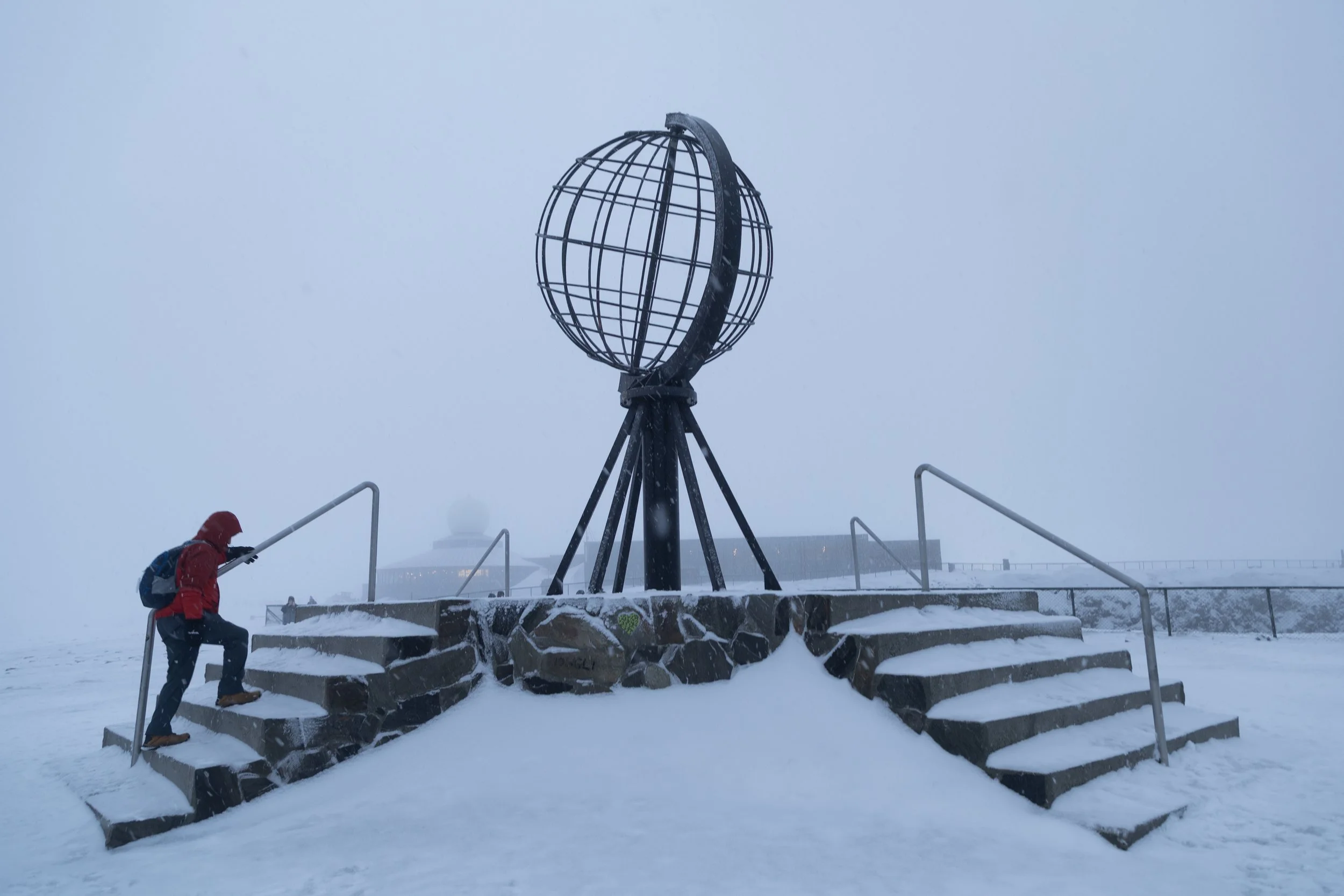
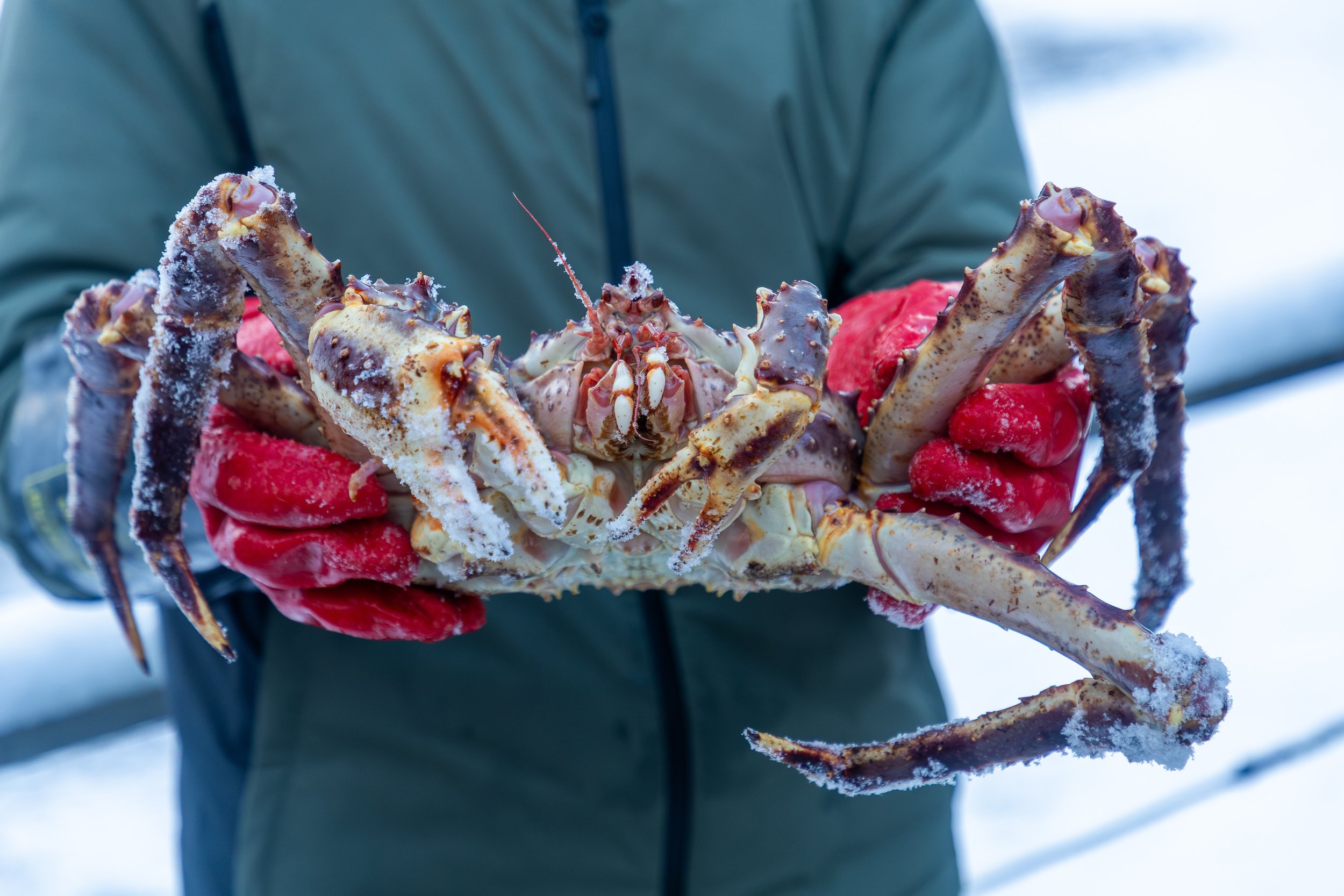
During the day, the voyage moves between small Arctic communities shaped by the sea. In Honningsvag, colorful wooden buildings cluster around a harbor where fishing boats remain central to the local economy. Offshore, the Barents Sea provides king crab, one of the region’s most recognizable delicacies. Originally introduced to these waters decades ago, the enormous crustaceans have become a defining part of northern Norway’s fishing culture. Visitors heading out onto the surrounding waters often end the excursion with a simple meal of fresh crab served with little more than bread and butter.
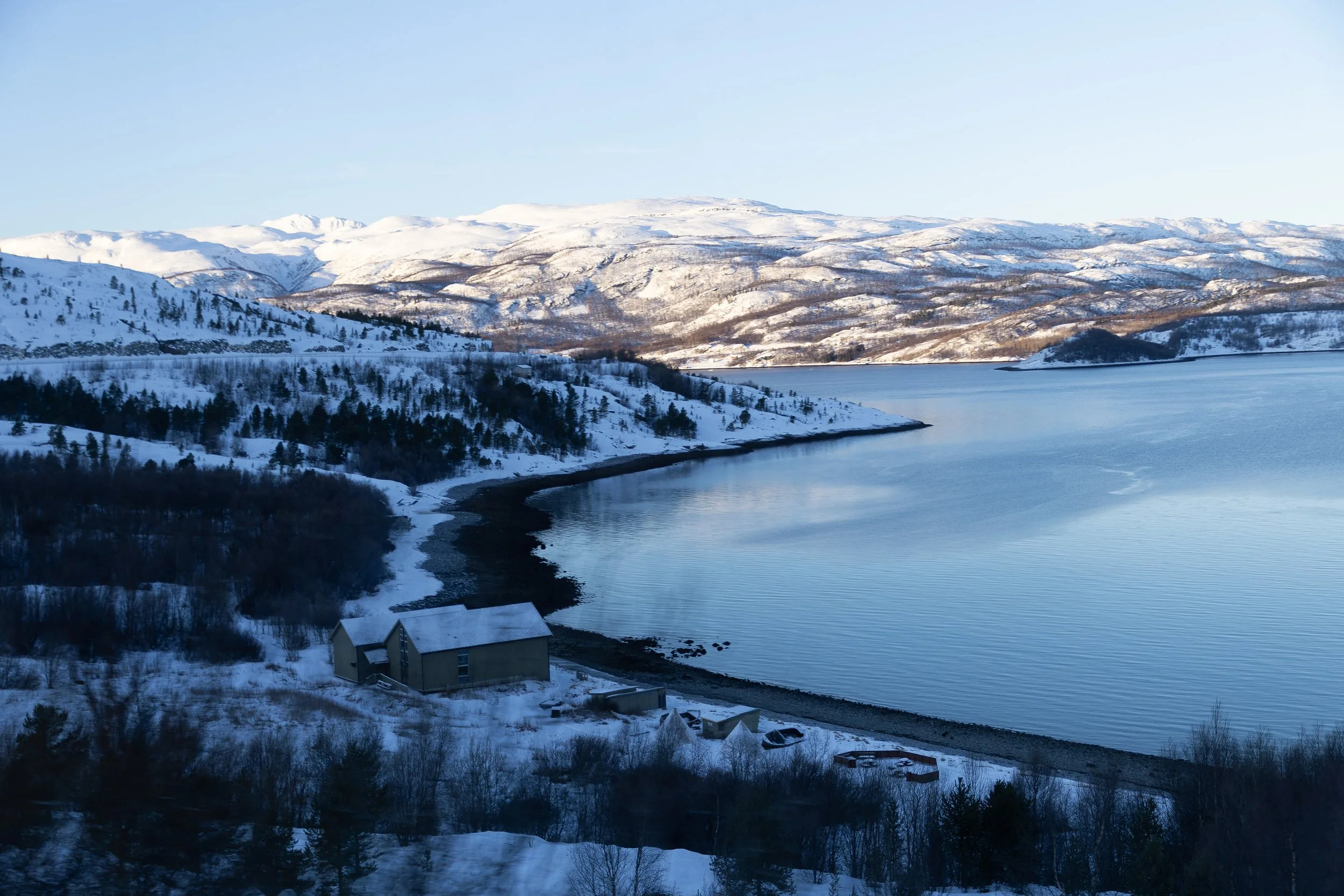
Further south, the landscape shifts again. Jagged mountain ranges rise sharply from the sea, their peaks dusted with snow even in early spring. The coastline twists through narrow fjords and open stretches of water, where the horizon seems to extend endlessly northward. Moving through these waters offers a sense of scale that is difficult to grasp from land alone.
Images by Sophia Michelen
Alta and the Study of the Aurora
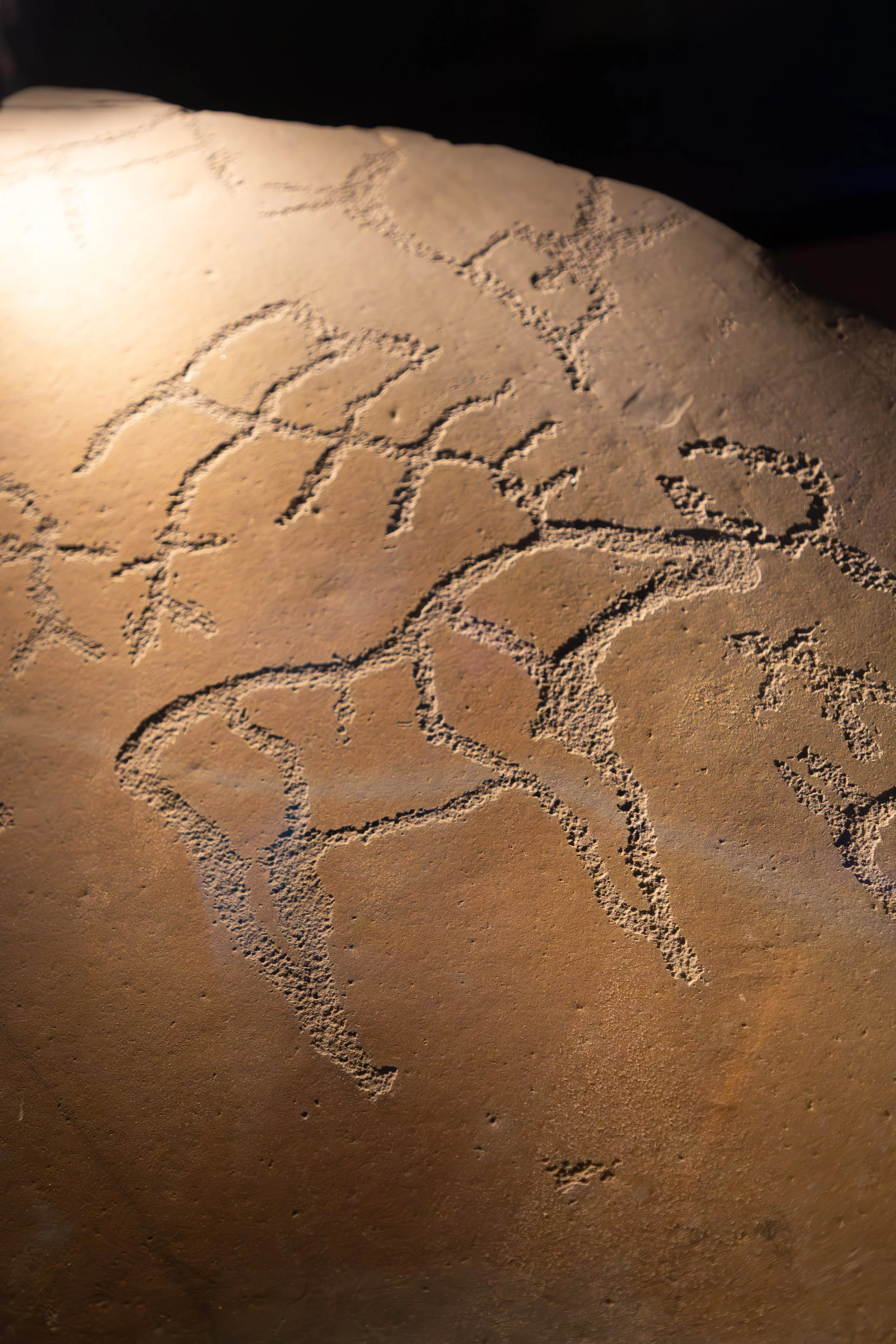
One of the most significant stops along the route is Alta, often referred to as the city of the Northern Lights. For more than a century, scientists have traveled here to study the aurora.
In the late 1800s, Norwegian physicist Kristian Birkeland conducted pioneering research that helped explain the connection between solar activity and the lights visible in Earth’s polar regions. His work laid the foundation for modern aurora science and helped transform what had long been considered a mysterious phenomenon into a subject of scientific investigation.
Today, Alta remains one of the best places in the world to see the aurora. Its inland location, wide skies and relatively dry climate create ideal viewing conditions during the long winter months. Yet even here, scientific explanation has never entirely replaced the sense of wonder that accompanies the lights.
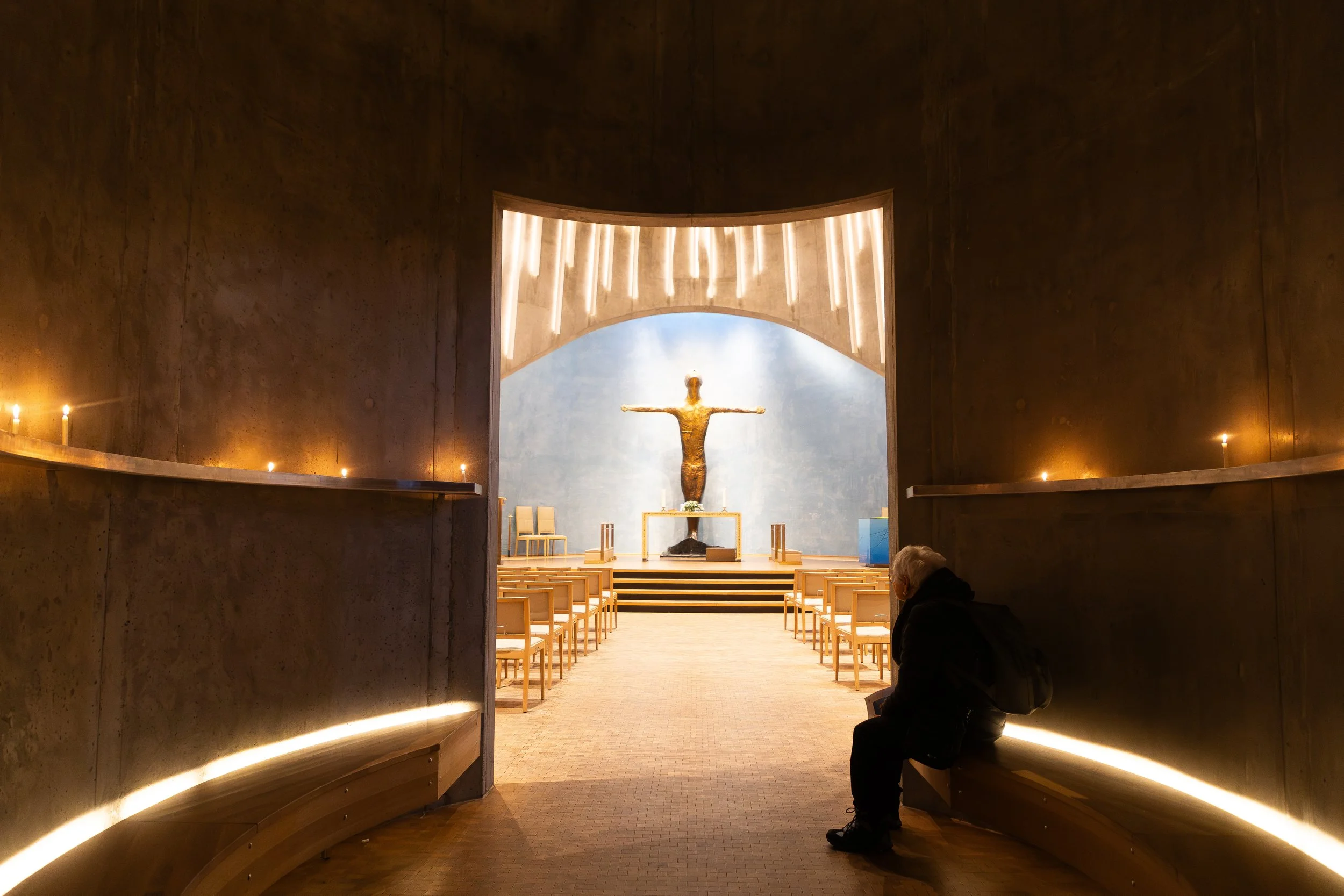
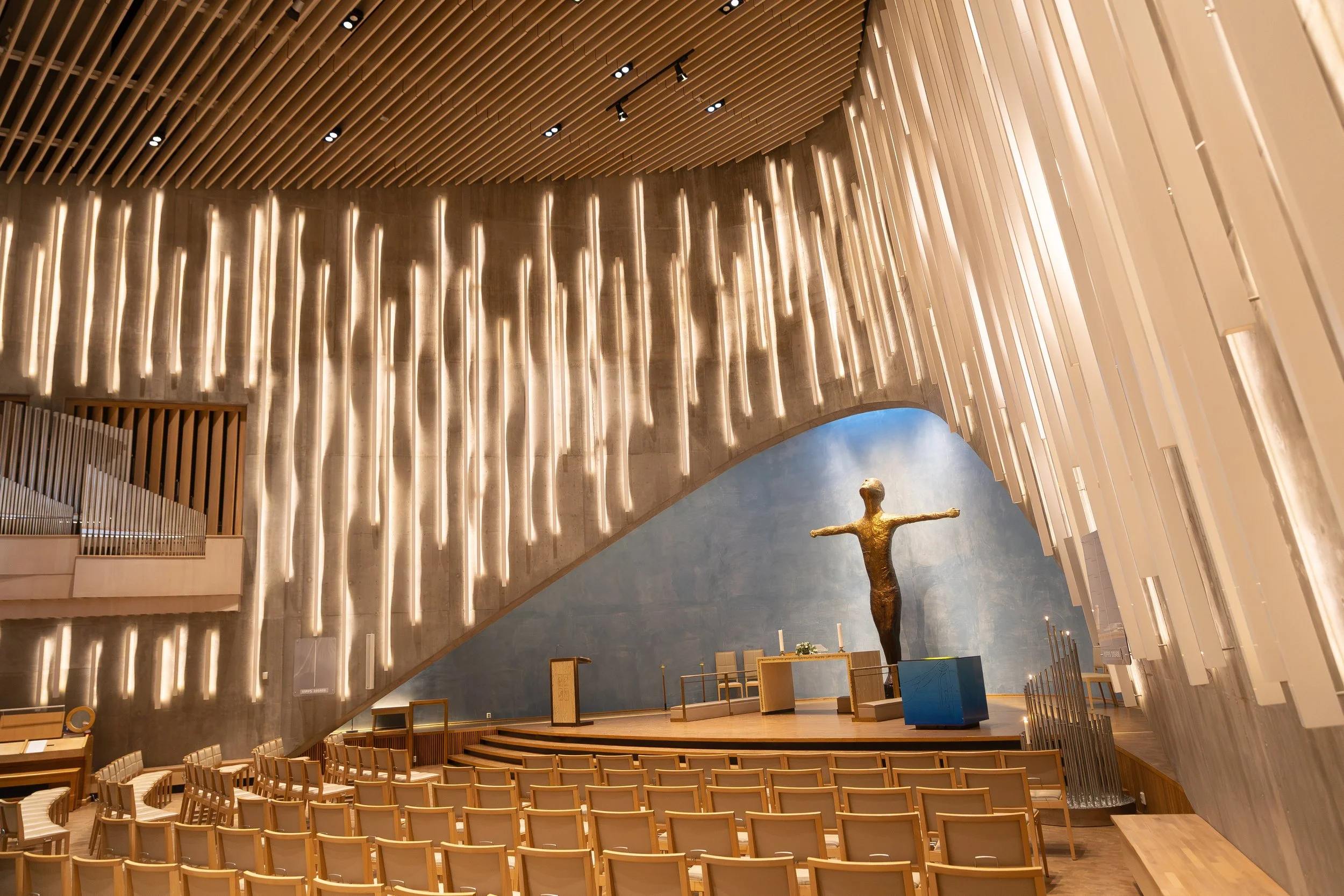
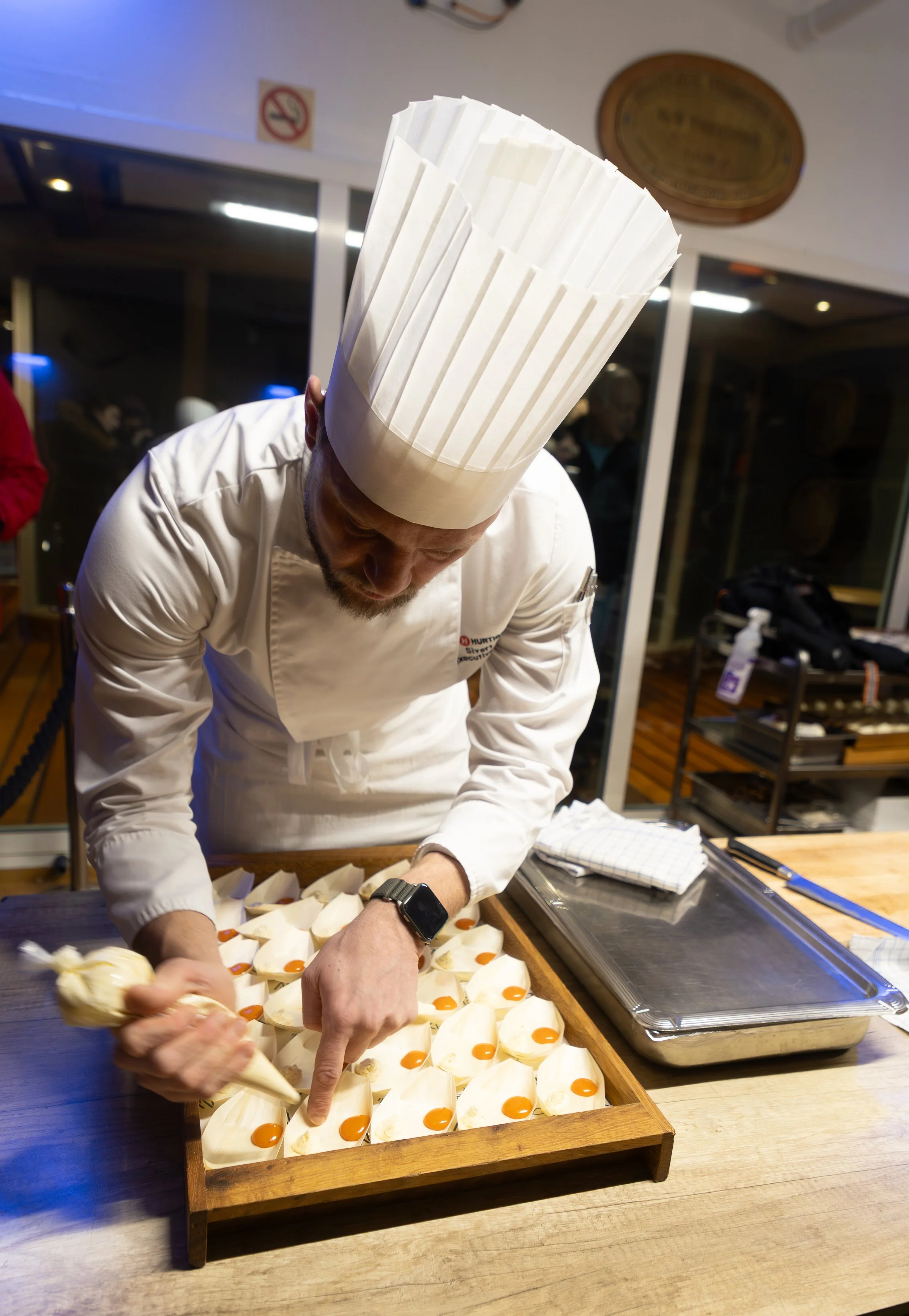
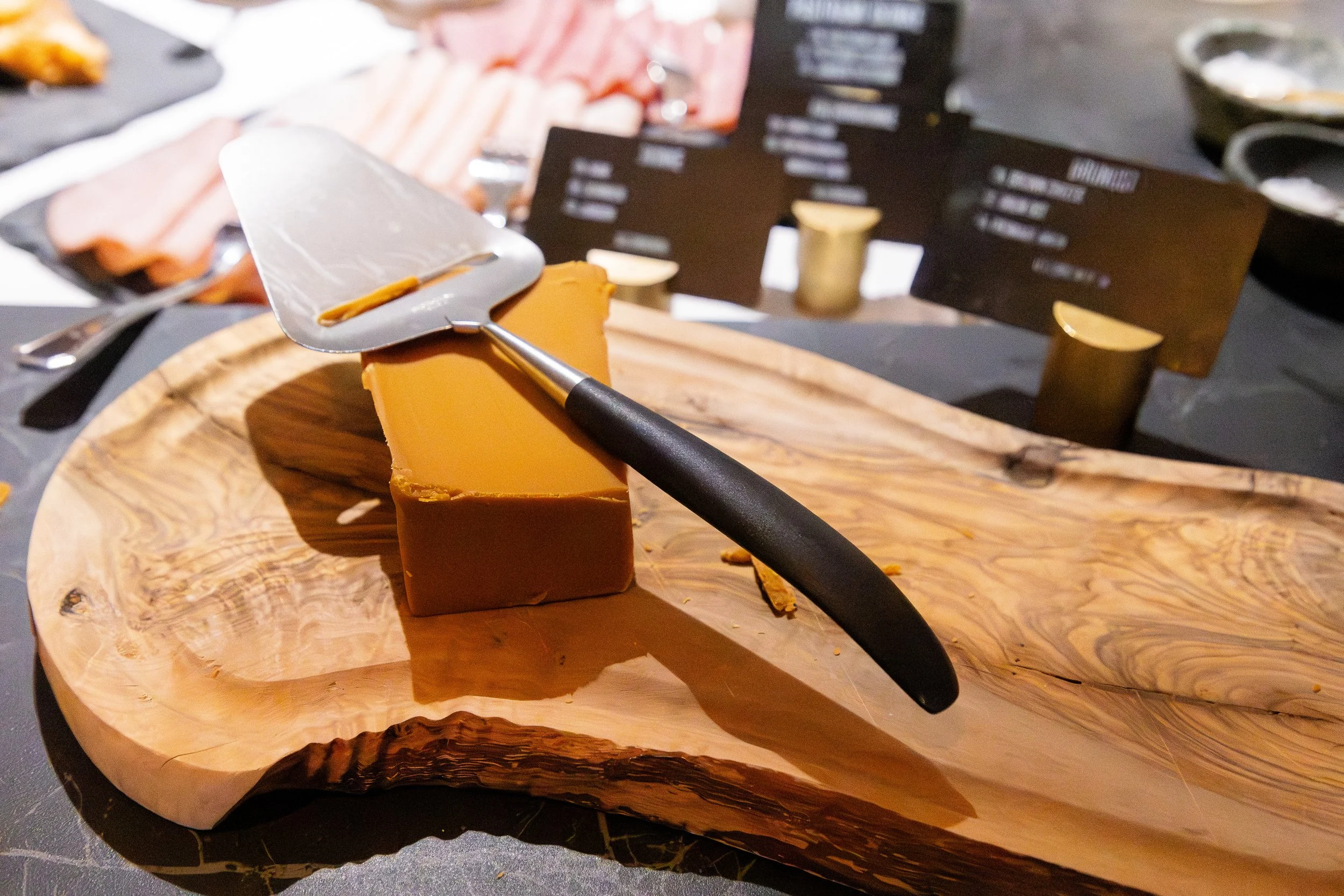
Indigenous Perspectives
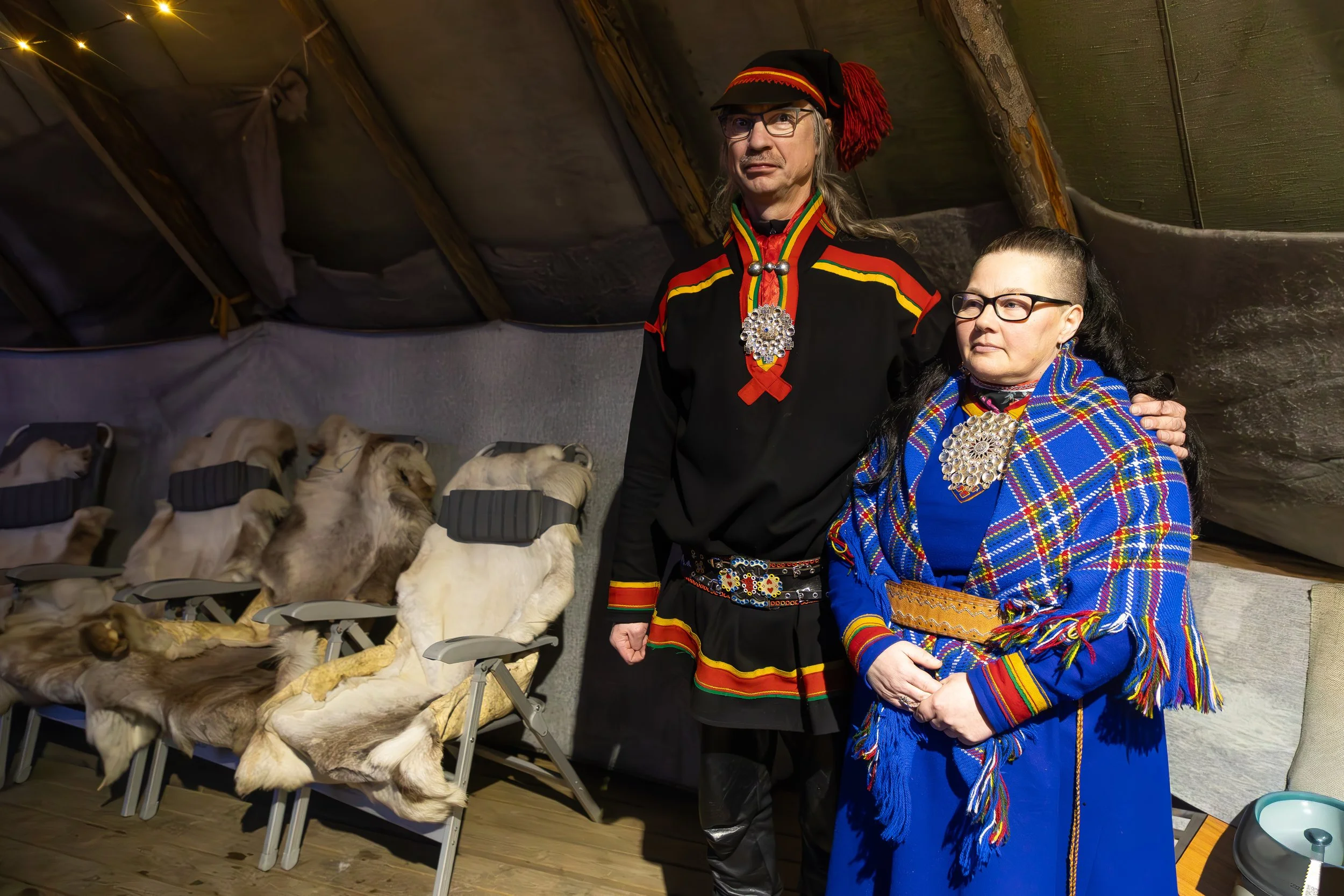
Long before scientists attempted to measure or photograph the aurora, the lights already held meaning for the Indigenous Sami people of northern Scandinavia. Their relationship with the Arctic landscape runs deep, shaped by centuries of reindeer herding, fishing and seasonal migration across tundra and forest. Their traditions reflect a worldview in which humans exist as part of a broader ecological system rather than separate from it.
That connection is increasingly visible in the region’s culinary traditions. Sami food culture emphasizes careful use of local resources, from reindeer meat to wild berries and Arctic fish, and reflects a deep respect for the natural environment. On Hurtigruten voyages, Sami culinary ambassador Maret Ravdna Buljo introduces travelers to these traditions and the cultural values behind them, offering a glimpse into a way of life rooted in balance with the surrounding landscape. For many visitors, the experience provides a deeper understanding of how people have lived within this demanding environment for generations.
Images by Sophia Michelen
When the Sky Comes Alive
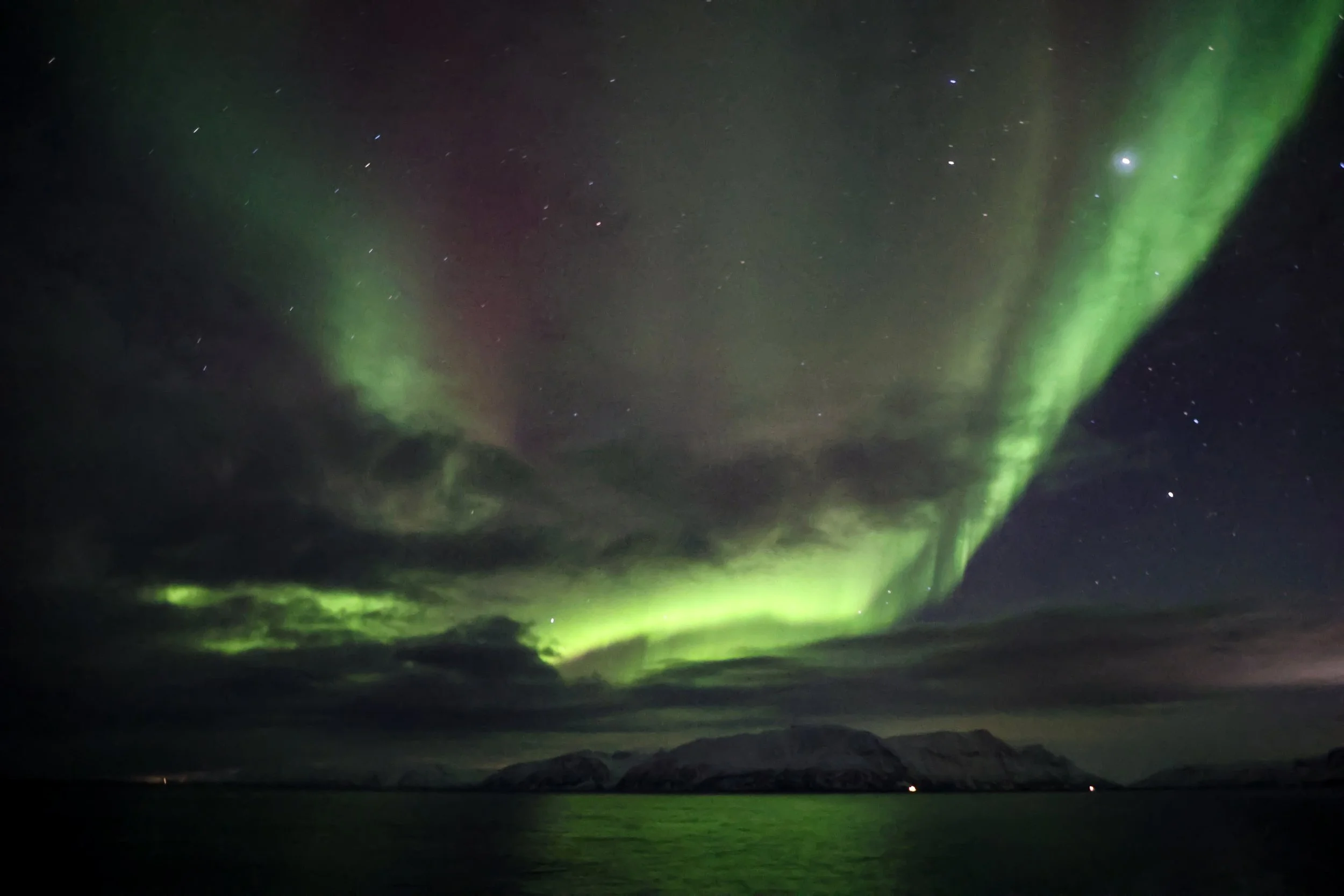
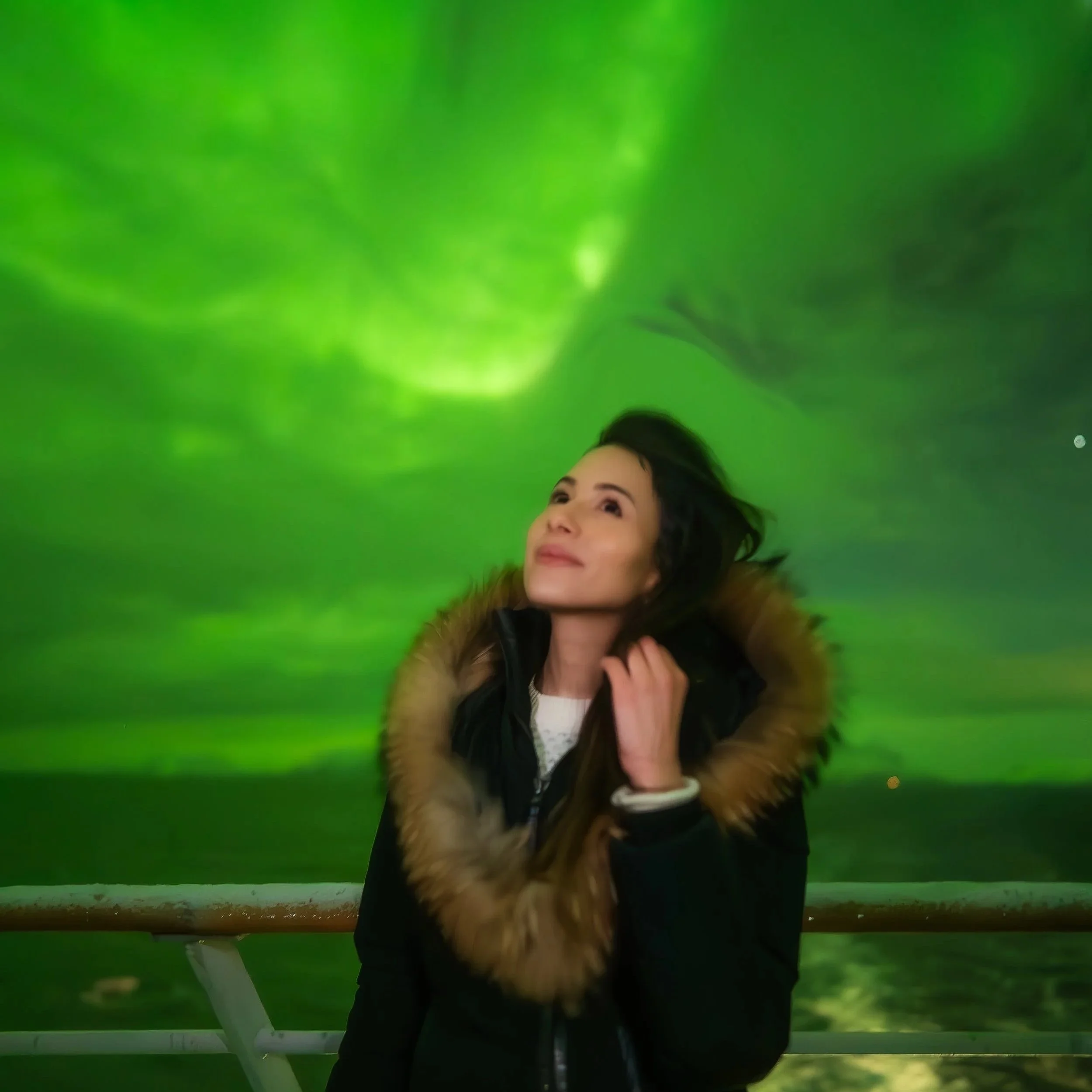
Late one evening, the ship slows as passengers gather again on the outer decks. The sky is clear, the stars unusually sharp in the cold Arctic air. At first, nothing happens. Then a pale band appears above the horizon. The light brightens gradually, stretching upward before folding into waves of luminous green. Within minutes, the entire sky seems to move. Curtains of color ripple and drift overhead, sometimes slow and graceful, other times flickering rapidly as if responding to an unseen current. The dark water below reflects faint streaks of color, doubling the spectacle.
Even with a scientific explanation in mind, the experience resists easy description. The aurora remains both predictable and mysterious, governed by solar physics yet endlessly varied in appearance. Standing on deck as the lights sweep overhead, it becomes clear to me why people have traveled north for centuries in search of this moment. Along Norway’s Arctic coast, the Northern Lights are more than a destination. They are a reminder that some of the most powerful natural phenomena unfold quietly, high above the horizon, waiting for those willing to look up.
Sophia Michelen
Sophia Michelen is a New York City–based photojournalist, travel writer and documentary producer whose work explores culture, environment and place through visual storytelling. She has reported from more than half of the world’s countries, with work appearing in publications including National Geographic Traveller India, Teen Vogue and Ms. Magazine. She is also a co-host of the PBS travel series America: The Land We Live In.
Opening the World to Deaf Travelers with Lily Yu
Zoe Lodge
The creator of Deaf Journey strives to make travel more accessible, one destination at a time.
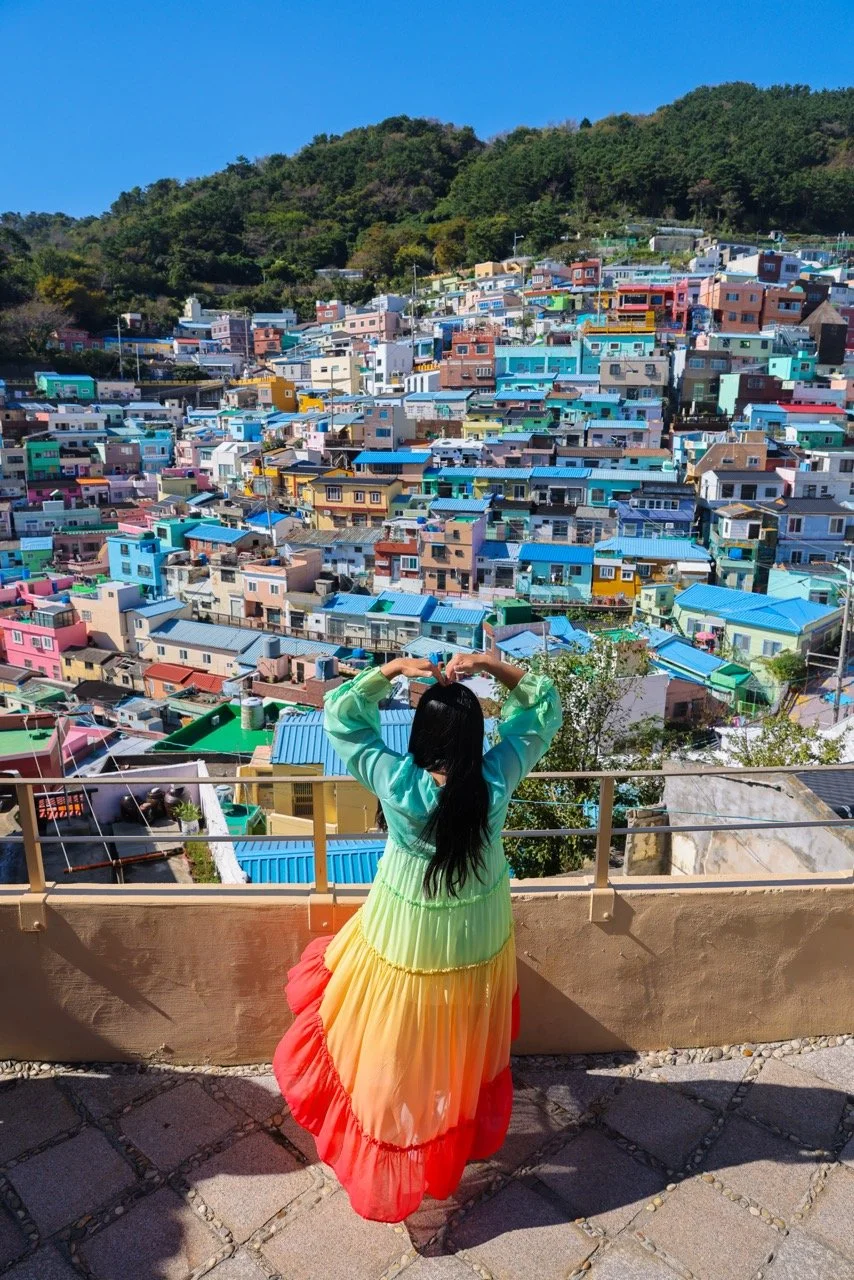
Gamcheon Culture Village in Busan, Korea.
When Lily Yu and her husband, Daniel Heidemeyer, both deaf individuals, began sharing travel photos on social media in 2018, she didn’t expect it to grow into a viral movement and a new career opportunity. What began as a private account for friends and family soon evolved into Deaf Journey, a travel media brand focused on sharing accessible guides, amassing over 100,000 followers across Instagram, Facebook, TikTok, YouTube and her blog.
Yu’s mission goes far beyond that of a typical content creator focused on travel. As a deaf traveler, she’s become a leading advocate for accessible travel, working to ensure that deaf and other disabled individuals are considered and included in every part of the travel experience, from hotel rooms to museum tours. “I want to make sure traveling is accessible for the deaf community,” Yu says. “That means having interpreters, flashing light fire alarms and visual doorbells in hotels, and captions or transcripts in museums and tours.”
Yu was raised on the East Coast and is a graduate of Gallaudet University, America’s only liberal arts university for the deaf. She began her travel content journey by posting photos from her trips for close friends. “People would ask, ‘How did you find that place?’” she said. “So I kept sharing, and then my husband and I created a public account. That’s when Deaf Journey really began.” Since then, the couple has traveled across all 50 U.S. states, partnered with nearly 40 tourism boards and visited 54 countries. Her husband often handles videography, while Yu takes the lead on editing and blogging. “I love writing and sharing stories that not only inspire but also educate,” she said.
Traveling while deaf presents unique challenges. Yu pointed out that travel accessibility tends to focus on mobility, including ramps, elevators and wheelchair access, but often allowing deaf-specific needs to fade into the background. “Hotels might have accessible rooms for wheelchairs, but nothing for deaf people. When we’re showering, we can’t hear someone knocking or a fire alarm going off,” she said. “I give advice to hotels about things like flashing light signals, visual doorbells or providing video relay services with interpreters.”
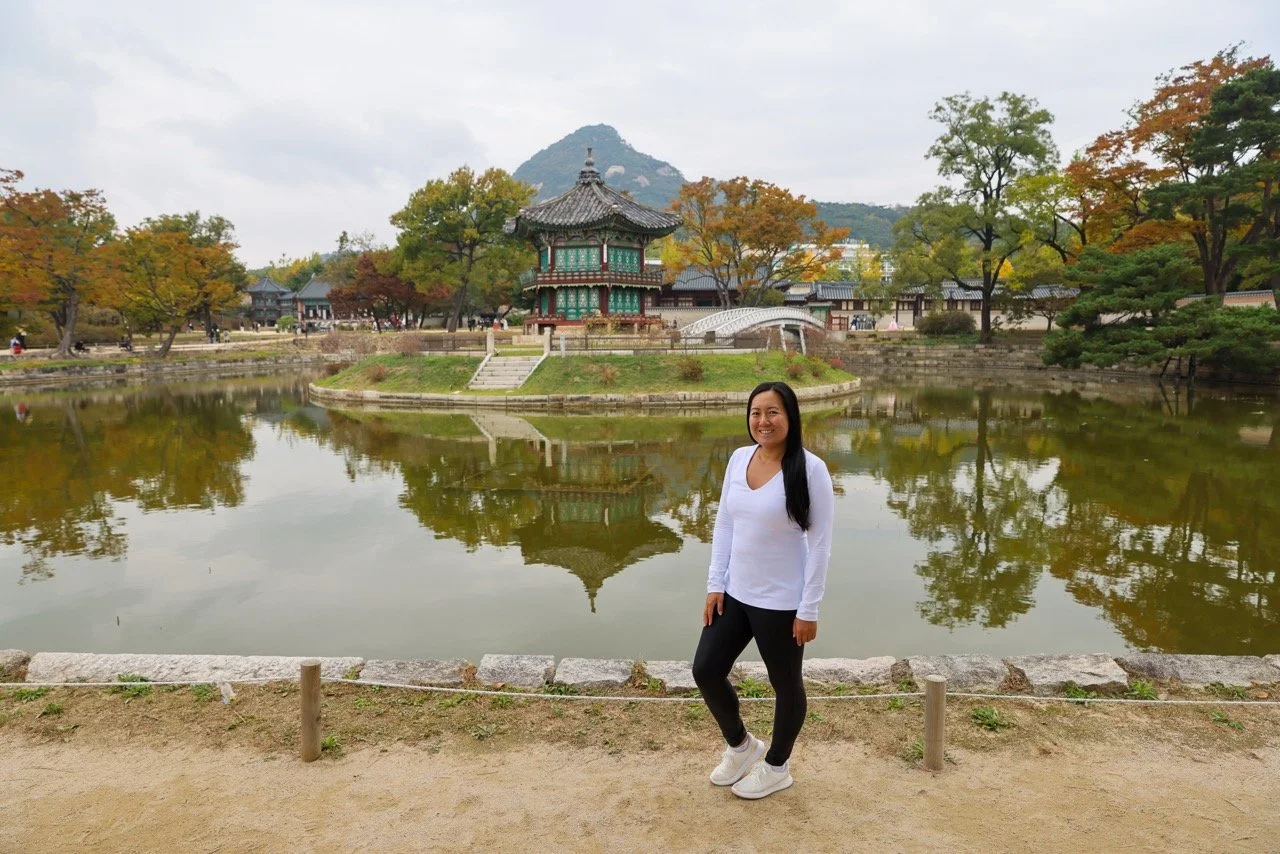
Gyeongbokgung Palace in Seoul, Korea.. Courtesy of Lily Yu.
From the sweeping beauty of national parks to hidden small-town charm, Yu's adventures have offered a broad view of the diverse travel landscape available within the United States. She described the natural beauty of Hawaii, noting the islands as one of her favorite destinations within the U.S. However, Yu was also surprised by smaller cities like Boise, Idaho, and Bentonville, Arkansas. “Boise had amazing food and outdoor activities. Bentonville really impressed me with its modern art museums and bike trails,” she said. “Every place is different, and that’s what makes traveling here so special.”
While visiting every corner of the U.S. was her first major travel goal, Yu is now setting her sights globally. She’s already visited 54 countries and has noted Japan as a particular champion of accessibility. “In Japan, even the soda cans have braille,” she says. “Crosswalks have both visual lights and floor indicators, which are helpful for blind travelers too. And in hotels, you can select your language on digital screens to communicate. I’ve never seen that level of accessibility before.” Yu also shared how museums in places like Ireland and Boston have become exemplary leaders in the world of accessibility. “During our trip to Ireland, the Guinness Storehouse provided us with an iPad featuring an International Sign interpreter. I’m also fluent in International Sign, which is different from American Sign Language (ASL). In Boston, there was a deaf guide giving an ASL tour. That kind of access makes a big difference.”
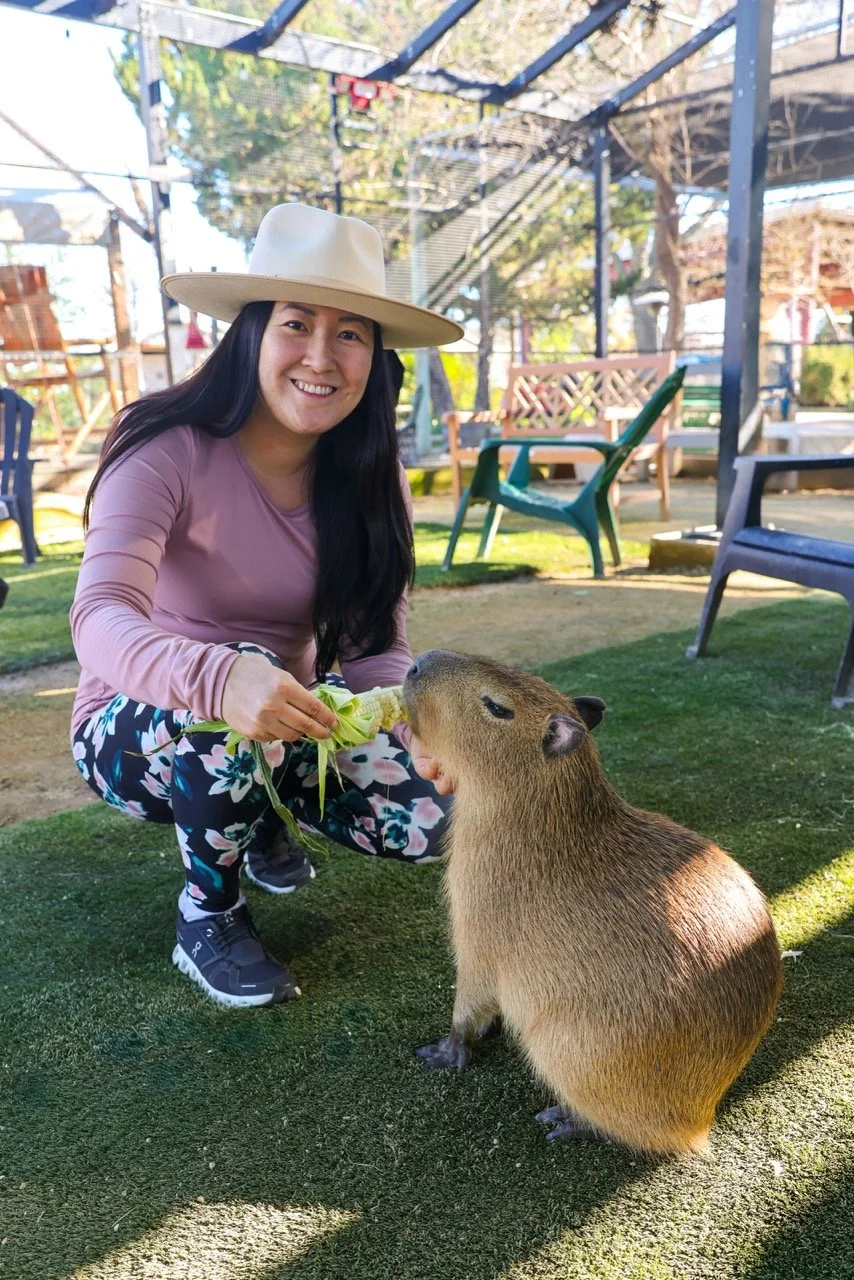
Yu with a capybara at Zoo to You in Paso Robles, California. Courtesy of Lily Yu.
Yu’s vision for Deaf Journey is not just to document her own experiences as a deaf traveler and content creator, but also to provide ease for future travelers. She’s passionate about providing accessibility tips, raising awareness on social media and consulting directly with businesses. “I think spreading awareness is key,” she says. “We need to educate hotels, airlines, museums and tourism boards on how to be more inclusive. And we need to share both the positives and the gaps, what works and what doesn’t, so we can keep improving.” Yu also emphasized the importance of using respectful and inclusive language. “We prefer to be called ‘deaf,’ not ‘hearing impaired,’” she said. “That term feels outdated and even offensive within our community.”
After conquering all 50 states, Yu’s next challenge is tackling the rest of the world, one accessible destination at a time. “I haven’t made a full plan yet,” she said. “TBut I’m hoping to partner with more tourism boards internationally. There’s still so much work to do.” With every post, blog and video, Lily Yu is proving that travel doesn’t have to be outside of the realm of possibility for disabled adventurers. It can, and should, be made accessible for everyone.
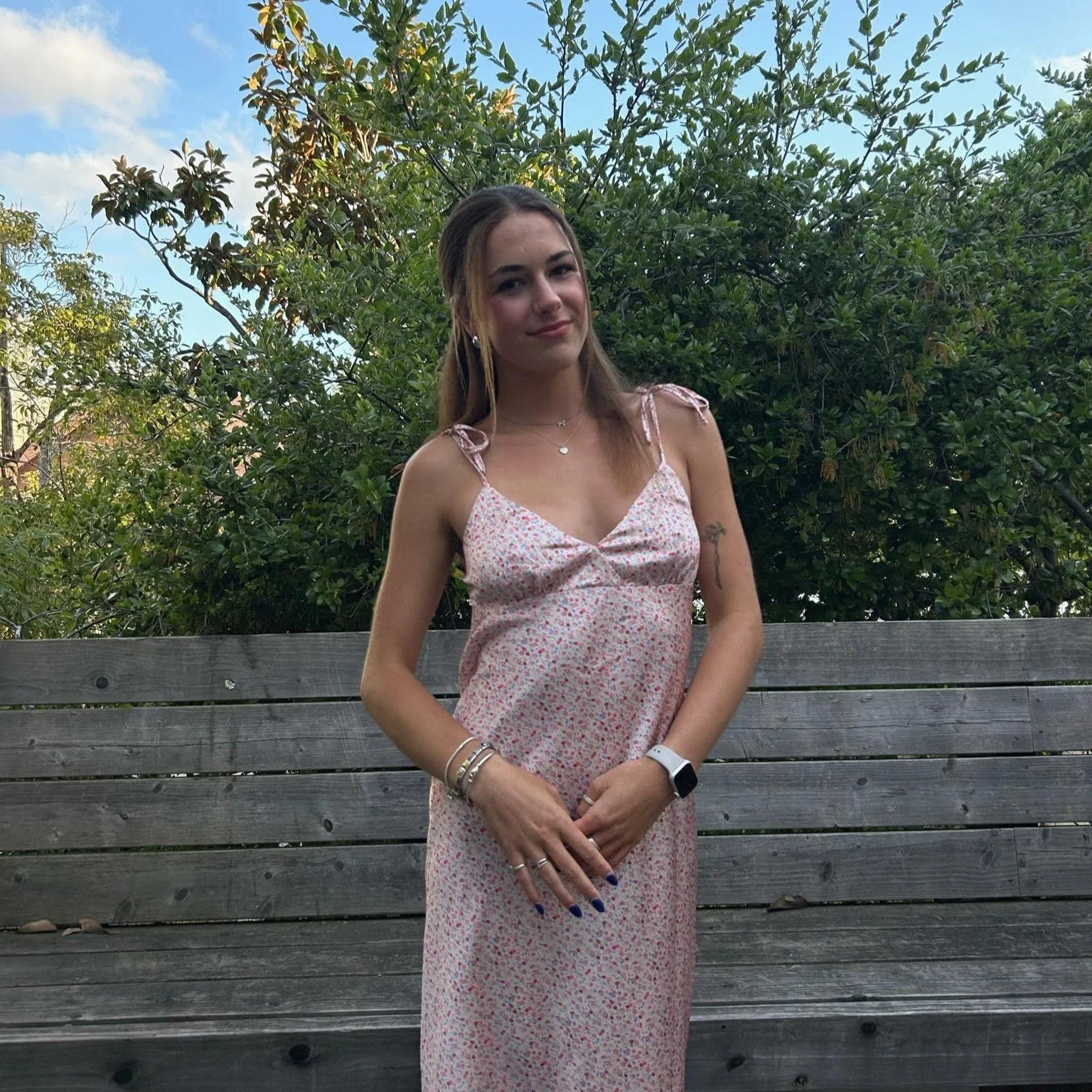
Zoe Lodge
Zoe is a student at the University of California, Berkeley, where she is studying English and Politics, Philosophy, & Law. She combines her passion for writing with her love for travel, interest in combatting climate change, and concern for social justice issues.
Train Ride the Sahara: Mauritania’s Hidden Adventure
One of the world’s least-visited countries, Mauritania is home to a travel experience like none other, inviting daring travelers to embark on an unpredictable journey through the desert.
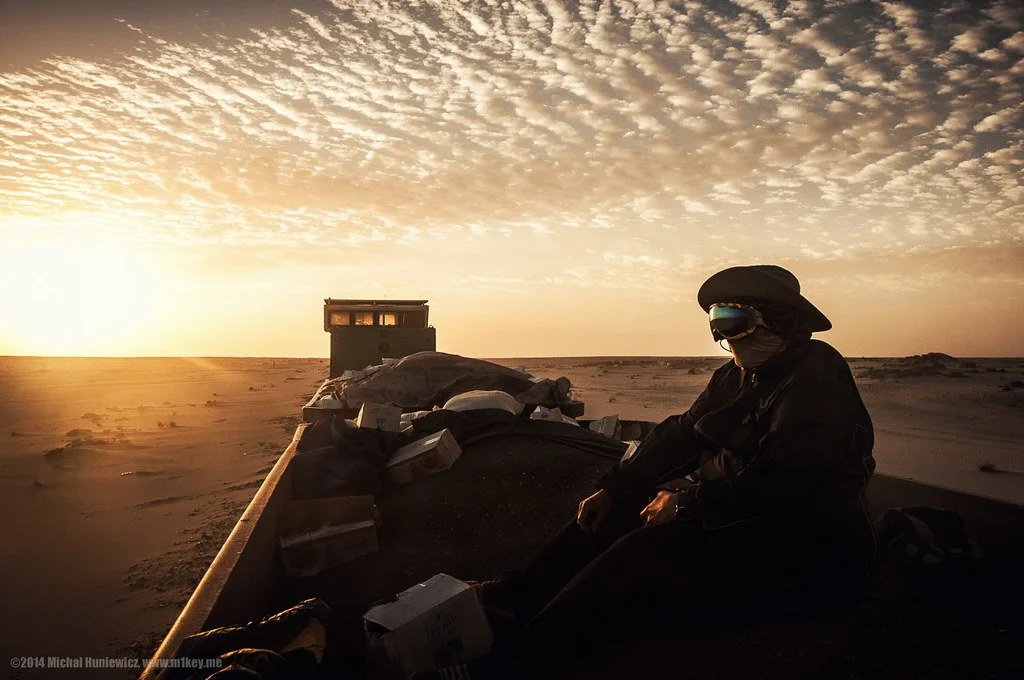
The desert nation of Mauritania attracts only around 30,000 visitors a year, making it one of the least visited countries in Africa and around the world. The country is not seen as a highly desirable travel destination due to the fact that it is only about 0.5% arable land and one of the least densely populated nations in the world. Mauritania is also one of the poorest countries worldwide, unable to provide the infrastructure required to accommodate more traditional forms of tourism.
However, Mauritania boasts a unique attraction that is rising in popularity among thrill-seeking travelers — a famous iron ore train. Its contents — the iron ore — account for half the country’s exports and are critical to its GDP. The train is known as “the Backbone of the Sahara,” due to its national and day-to-day significance in the lives of locals who rely on the train for personal transportation and its goods. The train is one of the longest in the world; the length of the car itself spans around 1.5 miles and the track stretches over 400 miles across the Sahara. Beginning in the mining town of Zouerat, the train stops again in Choum, where most travelers board. Then, across the next 17 hours, laden with iron ore, the train makes its way to the port city of Nouadhibou, where it empties and sets back to Zouerat.
The train runs daily, but not on any sort of fixed schedule, requiring no bookings or tickets. It’s hardly a passenger vehicle, as only one of the three daily trains has a paid passenger car attached. Many climb aboard one of the cargo wagons and ride alongside the ore for free.
The journey has been popularized in recent years by travel blogs and social media. The author of One Step 4Ward, Irish travel blogger Johnny Ward, has even begun to manage trips to Mauritania, leading groups on the train. Ward claims that he has completed the journey seven times, more than any foreigner on the planet. On his blog, he describes the expedition as difficult and cold but also as “one of the best travel experiences of your life.”
Another blogger, the author of Plug Me In Project, described the conditions of riding the train. They emphasize the importance of bringing goggles, gloves, a sleeping bag, a blanket and a face covering — necessary protections against the iron ore dust and frigid nightly temperatures. He wrote about the friendliness of the locals who showed him around the capital city upon arrival and guided him to the station.
The blog Sophie’s World highlights the thrilling yet unpredictable nature of visiting Mauritania as a tourist. She notes that it’s important not to make the journey alone, particularly as a female traveler. She also emphasizes the level of respect required for the locals in order to have an enjoyable experience.
Mauritania is home to one of the most unique travel experiences that the world has to offer, for those who dare to embark on the journey of a lifetime.
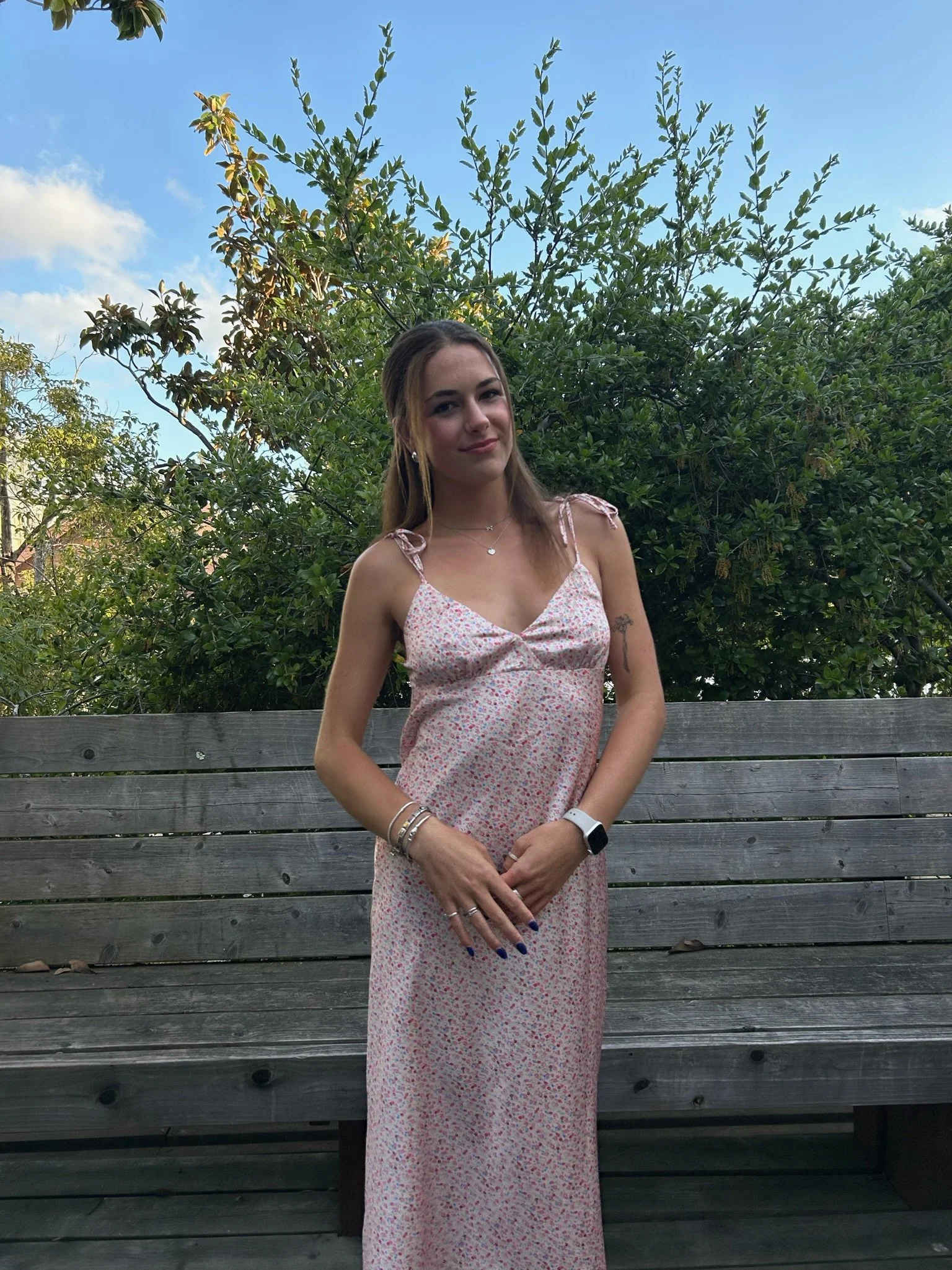
Zoe Lodge is a student at the University of California, Berkeley, where she is studying English and Politics, Philosophy, & Law. She combines her passion for writing with her love for travel, interest in combatting climate change, and concern for social justice issues.
Peru’s Floating Islands
The Uros Floating Islands on Lake Titicaca are man-made reed constructions in an Indigenous Quechua community.
Read MoreA Mindful Guide to Costa Rica’s Manuel Antonio
Long before it became one of the a popular ecotourism destination, this park was home to Indigenous communities whose relationship with the land and sea shaped the region for centuries.
Read MoreAn Overlooked Eden: The Islands of Seychelles
Seychelles is an island paradise home to stunning mountains, beaches and marine life.
Read MoreCuracao: the Colorful Caribbean Island
Get to know the Dutch island with a unique culture, artistic heritage and a restorative atmosphere.
Read More