
By Kate Dawson
As summer heat intensifies, it may be time to swap the traditional beach destination for a cooler climate.
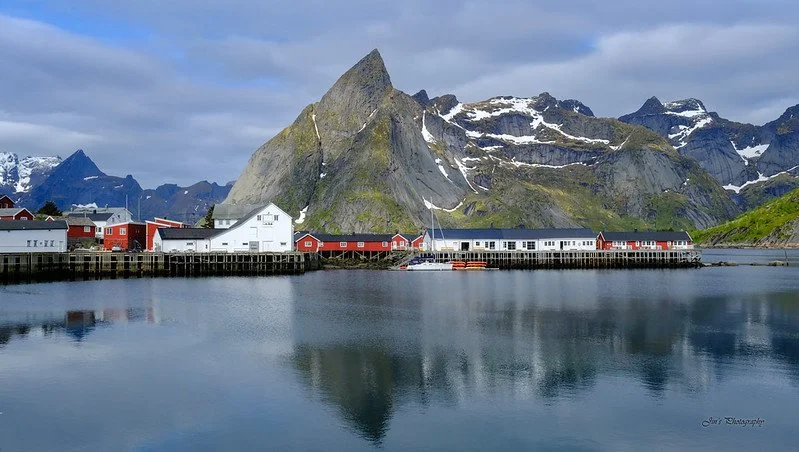
Norwegian village. Ning Goldtranquil. CC BY-NC-SA 4.0
A “coolcation” is not just the combination of “cool” and “vacation.” It represents a shift in how travelers think about summer escapes: away from crowded coastlines and toward destinations where fresh air, slower rhythms and nature-first experiences define the journey. As global temperatures rise, the appeal of cooler destinations has surged, and Scandinavia, a region consisting of Denmark, Norway and Sweden, perfectly captures this trend.
Scandinavian summers offer temperatures around 59 to 72 degrees Fahrenheit, or 15 to 22 degrees Celsius, creating an ideal escape for experiencing the midnight sun, discovering the fjords and exploring pine forests. For travelers seeking relief from heat waves, this northern region provides a climate that feels restorative.
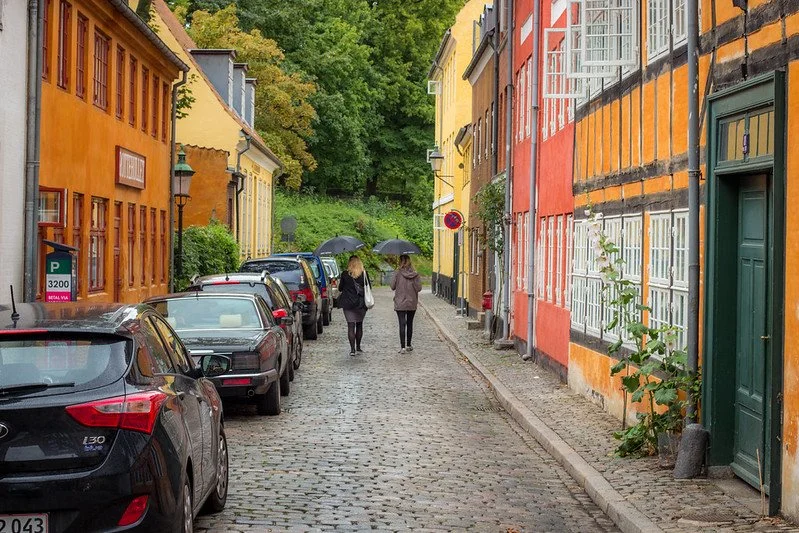
Walkers making their way through a Copenhagen street. Alex Berger. CC BY-NC-SA 2.0
In the peak heat of summer, data show that more travelers are heading north for cooler, calmer vacations. In fact, in 2025, bookings from France, Italy and Spain to cooler destinations in northern Sweden increased by 50% to 60%. What was once considered a niche preference has become a movement.
Scandinavian Airlines System saw dramatic surges in bookings in the summer 2025 season. Thomas Thessen, chief analyst at SAS, said, “For many, Scandinavia’s cool climate is no longer a disadvantage. In fact, it’s become a key reason to book a trip.” The numbers reflect a growing desire for destinations that offer a combination of physical comfort and meaningful, nature-centered experiences.
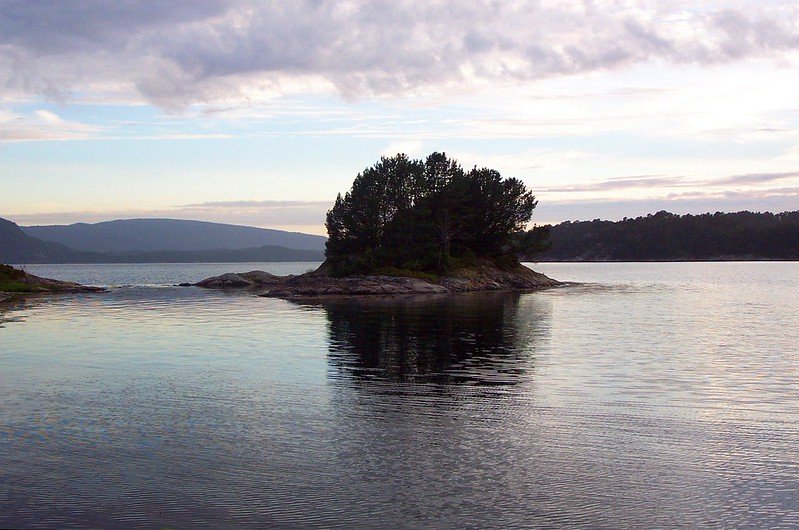
A summer evening on a fjord. Bosc d'Anjou. CC BY-NC-SA 2.0.
Norway, for example, offers glacier hikes, mountain cabins and fjords that coastlines do not. The country boasts long daylight hours and an increasing number of sustainable tourism options that help draw the attention of green travelers.
Scandinavia has become a leader in zero-emission maritime transport, operating almost 110 electric passenger ferries powered largely by renewable energy. These ferries help eliminate carbon dioxide emissions and reduce operating costs, enabling travelers to enjoy scenic views while remaining environmentally conscious.
Nordic culture values craftsmanship, simplicity and nature-based living, which fit with the coolcation philosophy: to prioritize quality, depth and meaningful trips that balance natural surroundings with experience.
The term “friluftsliv” encapsulates a core part of the Norwegian soul. It means “open-air life,” urging people to enjoy the great outdoors. The mild summer temperatures make it easier to stay active through hiking, climbing, cycling, kayaking, horseback riding, surfing, fishing and more.
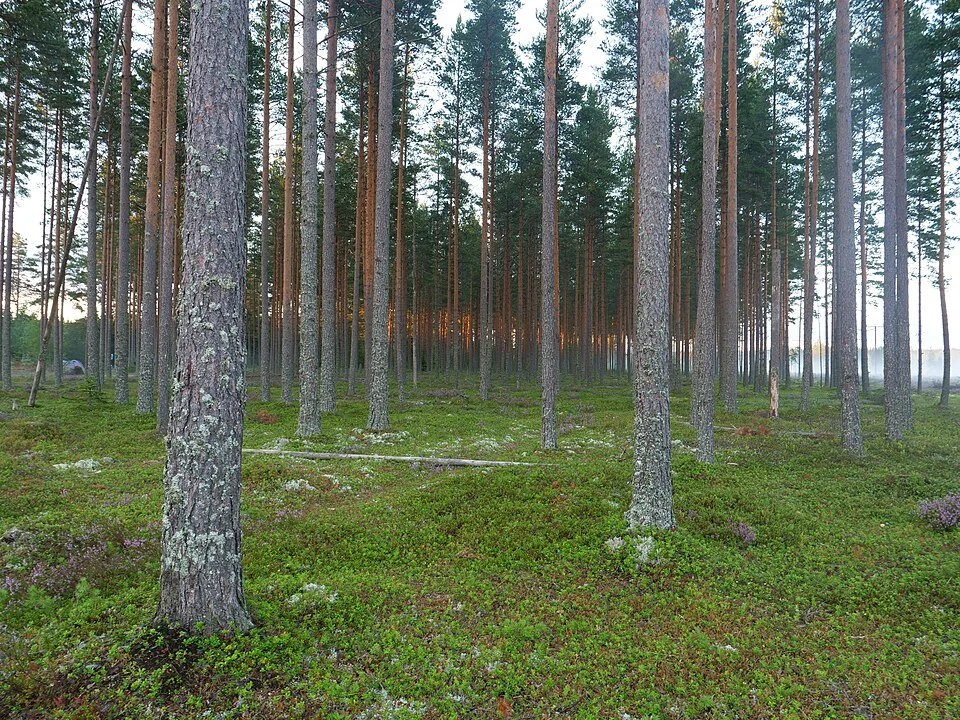
Swedish forest alongside a river. Leonhard Lenz. CC BY-NC-SA 4.0.
Trakt Forest Hotel in Sweden fits the coolcation-meets-sustainability criteria to a T. Its forest suites allow nature to remain undisturbed while still providing travelers with immersive views of the landscape. All the buildings use recycled and local materials.
Coolcations are sparking a new way of traveling. It deviates from fast-paced travel and explores how climate, culture and sustainability intersect. Instead of chasing the hottest beaches or the busiest cities, travelers are seeking destinations that allow them to breathe easier, move more slowly and experience nature more intimately. Scandinavia, with its cool breezes, wilderness and thoughtful approach to tourism, has become a blueprint for this emerging trend.

Kate Dawson
Kate is a student at the University of North Carolina at Chapel Hill, double majoring in Public Policy and Journalism. Her passion to share stories and love for environmental justice inspires her writing. She hopes to change the world by empowering others.