
By Caleb A. Yamamura
Learn about the little-known conflict in the Indonesian-controlled territory of Western New Guinea.
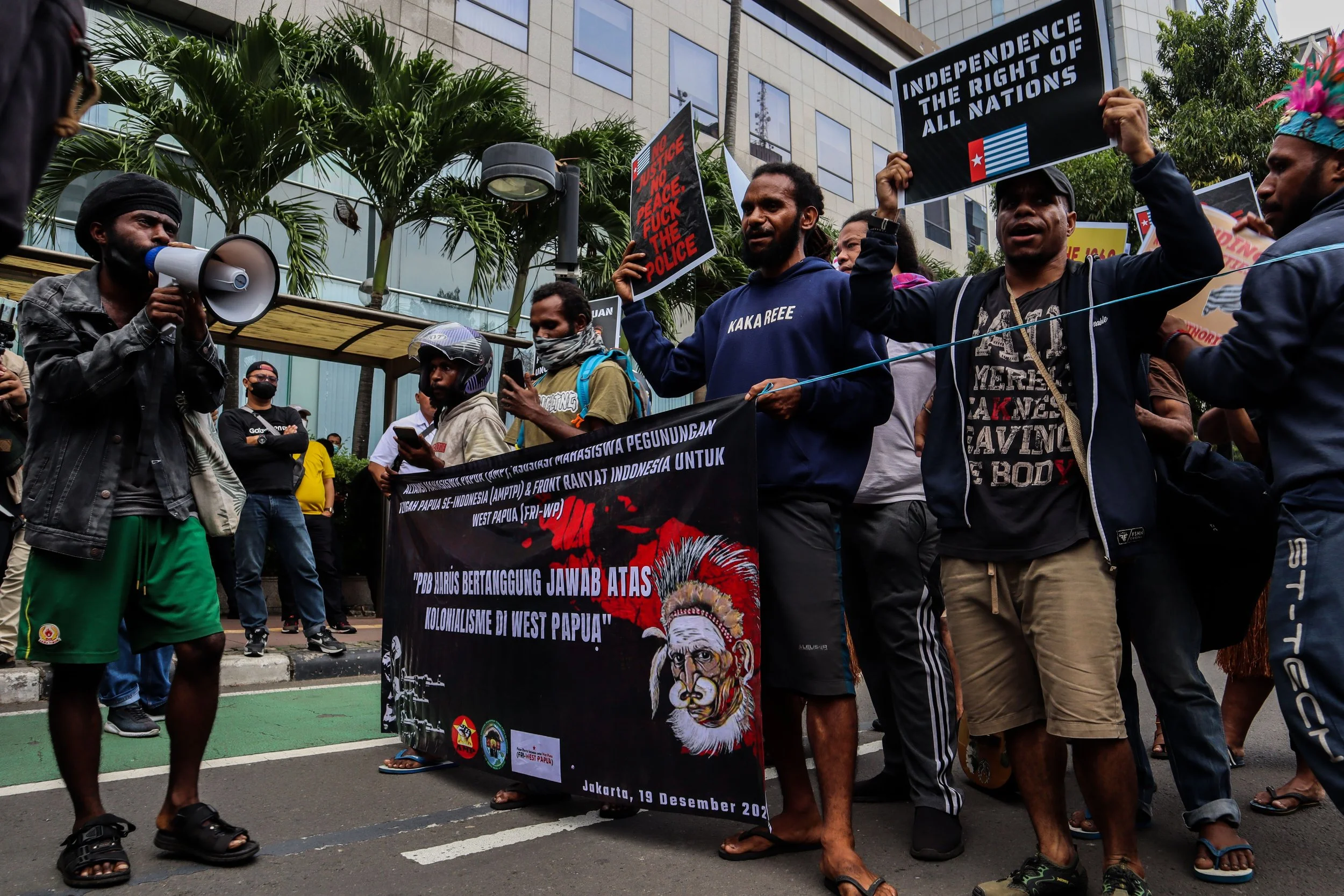
A West Papuan protest for independence in Jakarta, Indonesia. Ambrosius Mulalt. Pexels.
The Indonesian territory of West Papua, New Guinea, has been the site of a six-decade-long low-intensity conflict over West Papuan desires for self-determination and independence. An estimated 500,000 Papuans have died under Indonesian rule since it began in 1963 as a result of either Indonesian security forces’ attacks or environmental destruction. Many more Papuans have been subjected to human rights violations, such as forced displacement, kidnappings and unlawful imprisonments, torture and sexual violence.
When faced with the destruction of their home and culture, the West Papuan people have engaged in acts of resistance, both through diplomatic channels and violence.
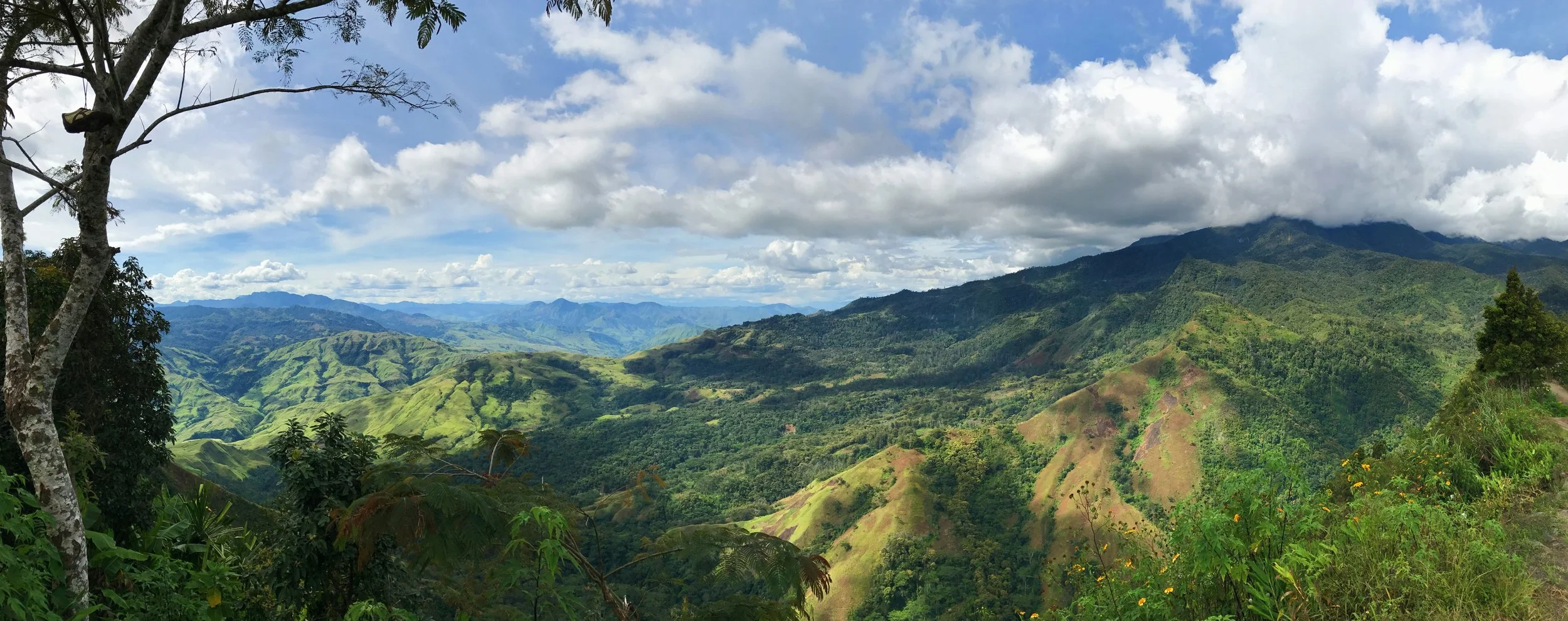
Highlands of Papua. Vika Chartier. Unsplash.
Papua New Guinea is a tropical island country of great geographical, biological and cultural diversity. Among its rolling, mountainous highlands, jungled tracts spread across the island and coral-lined shores, well over a thousand cultures live between thousands of clans, along with hundreds of languages.
A vertical split runs perfectly along the 141st meridian east and splits the island in half. This division dates back to the 19th-century Dutch and British colonial activity. While the east side of the island is the territory of the sovereign Papua New Guinea, the West side is now part of Indonesia, having been annexed in 1969 following an earlier 1963 invasion.
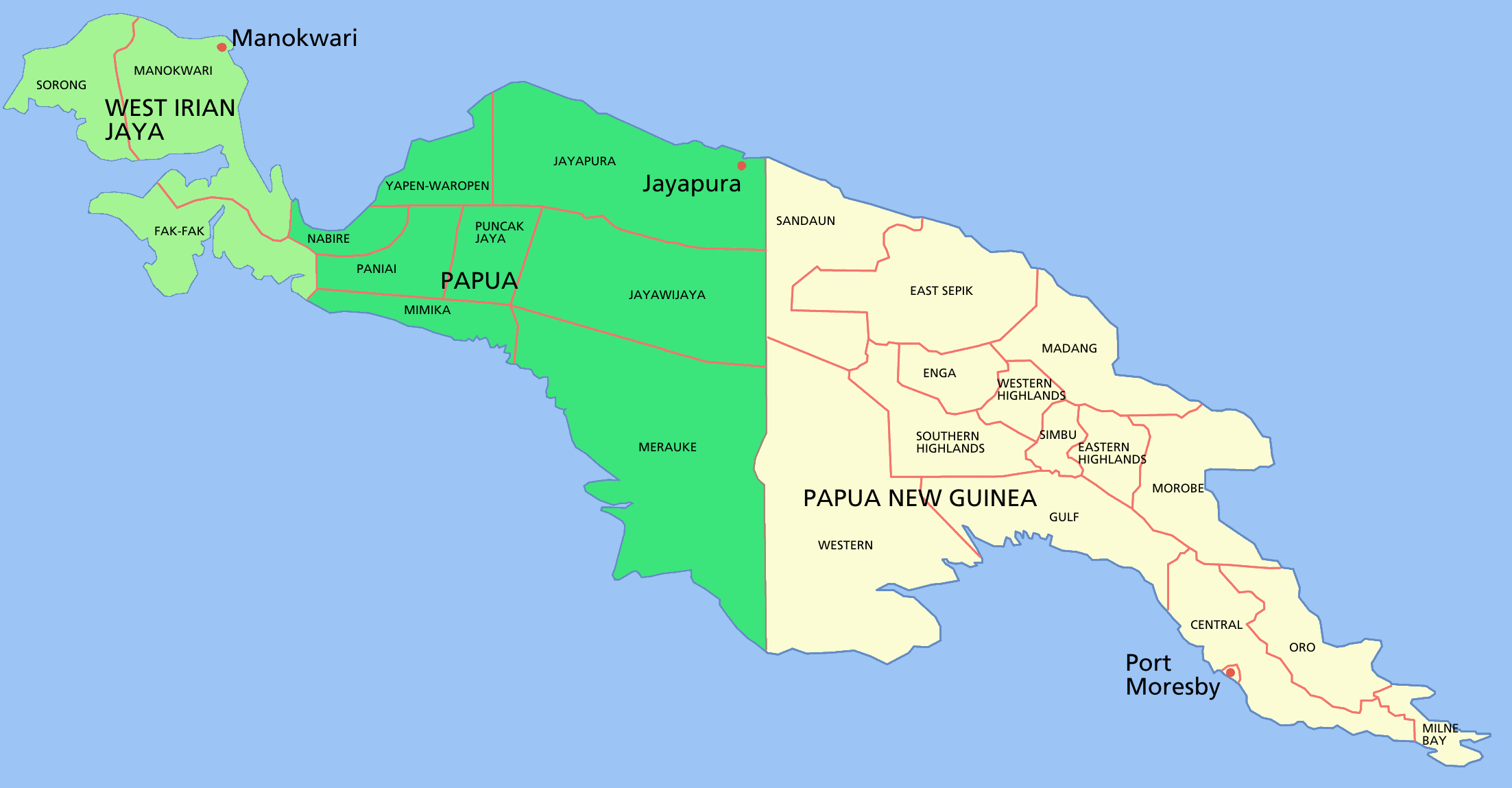
The geopolitical division of Papua. Roke. CC BY-SA 3.0.
Since Indonesia took over, many Papuans have been directly killed by Indonesian security forces’ attacks against both civilians and armed resistance groups. Most destructive are the raids and harassment of Papuans in their ancestral lands, which forcefully displace them in the name of private and government interests. Testimonies of these events from Papuan activists, such as Hana Yeimo and Elizabeth Ndiwaen, tell of the injustice and violence many Papuans are subjected to. One activist, Rosa Moiwend, describes, “We really feel like our identities are being transformed to be like the Indonesians.”
Others have died as an indirect result of Indonesian ecological destruction in those same development projects for which the Papuans are ousted. Such projects are connected to less intentional mass displacement of Indigenous Papuans, as well as widespread diseases and other fatal complications among the Papuan population, such as high rates of HIV/AIDS and malnutrition.
One such project is the Indonesian state-run Merauke sugarcane project, which has resulted in mass deforestation. There are also private and corporate projects, which are defined by mining-related ecological damage. The dumping of runoff from Freeport McMoRan’s Grasberg mine alone has affected over 138 square kilometers of land in both the highlands, lowland and the Arafura Sea.
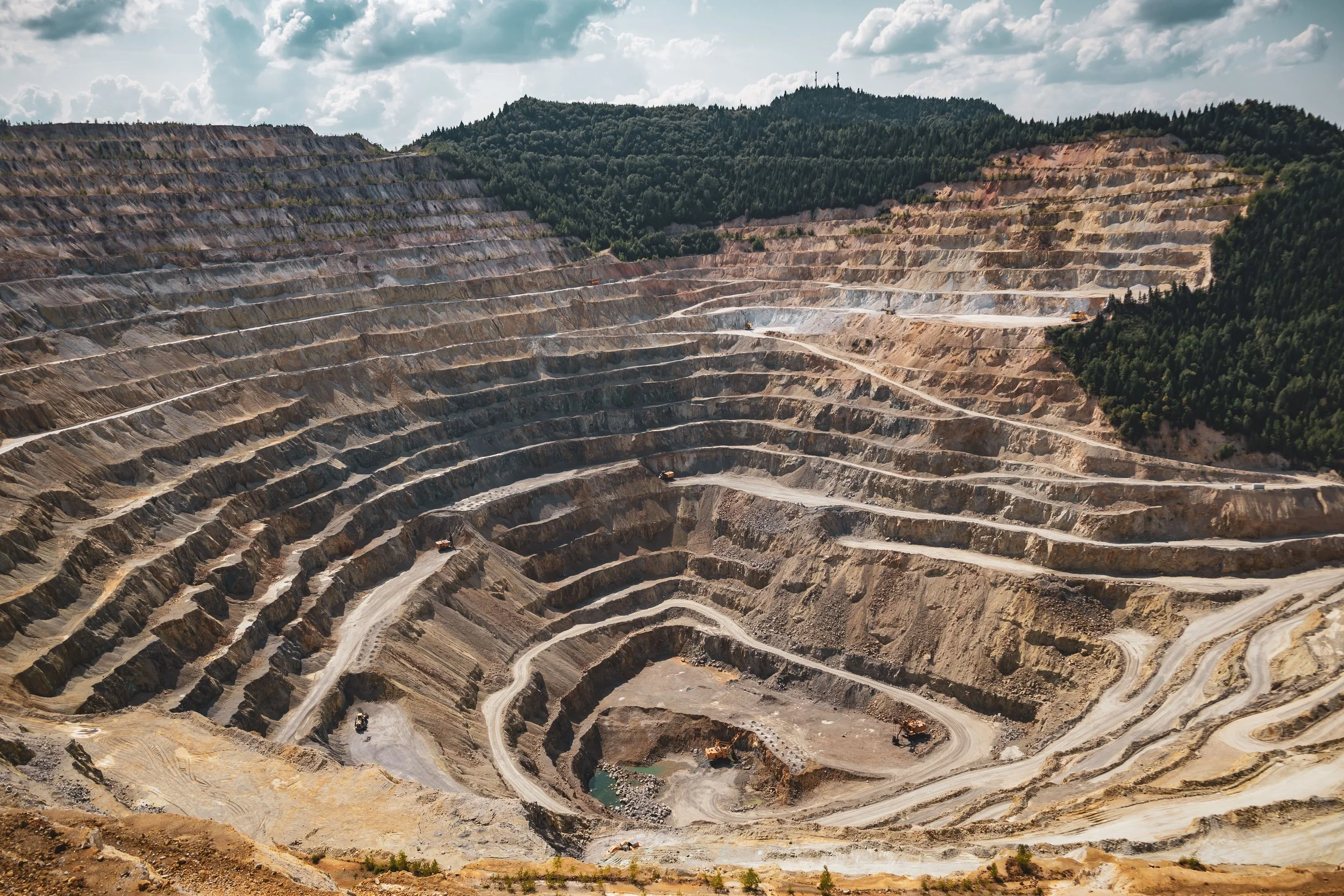
Grasberg copper and gold mine. Vlad Chetan. Pexels.
Historically, violent resistance has been conducted by groups associated with the Free Papua Movement, or the Organisasi Papua Merdeka (OPM). They were founded in the 1970s, roughly right after the annexation, and remain active to this day. Though sections of this decentralized group engage in peaceful political resistance, a large portion of the group is made up of guerrilla fighters who ambush military and police sites and personnel, as well as private and public infrastructure.
It is important to state that groups associated with the OPM have been cited to frequently target Indonesian civilian workers, such as in one report of 8 killed on May 22, 2026. Other recent reports have discussed continued violent conflict in West Papua, of both guerrilla attacks and Indonesian reprisals, which has displaced thousands of civilians.
Information surrounding the conflict is often confusing, as the Indonesian government has disputed the claims made by West Papuan resistance movements as well as suppressed reporting about the conflict.
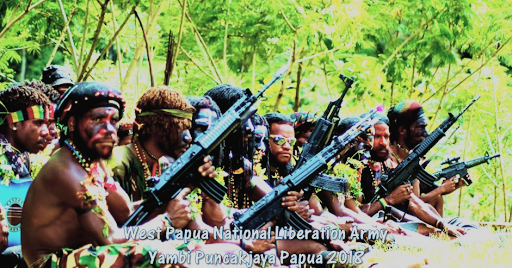
OPM-associated fighters. TPNPB News. CC BY-SA 4.0.
In response to resistance, the Indonesian government has pursued a Special Autonomy (Otsus) policy, formally established in 2001, which was stated to address Papuan concerns and protect Indigenous rights.
However, as discussed in an article by Indonesian researcher and reporter Cahyo Pamungkas, “Its execution has prioritised budgetary transfers over meaningful political transformation.” A 2021 expansion of Otsus only produced further resistance from Papuan leadership.
Currently, resistance and calls for independence are centralized within the United Liberation Movement for West Papua (ULMWP), which formed in 2014 from a collection of various West Papuan independence movements. This group primarily engages in peaceful political acts of resistance and protest against Indonesian rule.
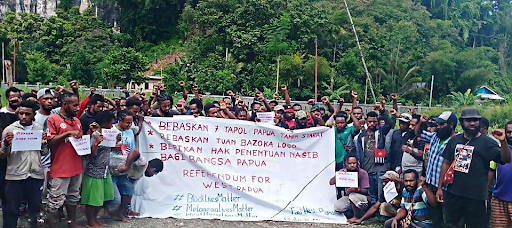
A West Papuan independence protest. Prachatai. CC BY-NC-ND 2.0.
However, this political resistance is severely undermined in two key ways. First, the state-sponsored mass migration of Indonesians into West Papua has weakened the voting power of Indigenous Papuans. These Indonesian migrants now make up the majority of the island’s population, primarily in urban centers, and they are typically the ones working on the development projects that have caused destruction. These civilian migrants are also often targeted by guerrilla forces.
Second, the stereotyping of Papuans as “primitive” has long been used to discredit their political resistance and calls for independence. It informed the UN acceptance of the 1969 Act of Free Choice referendum, which finalized the annexation of West Papua.
Despite stipulations from the 1962 New York Agreement, which ordered that Indonesia allow Papuans the right to choose self-determination, and a 1961 Papuan congress that had voted for independence, Indonesia declared that Papuans were too “primitive” to vote and handpicked 1,026 representatives to vote on the referendum.
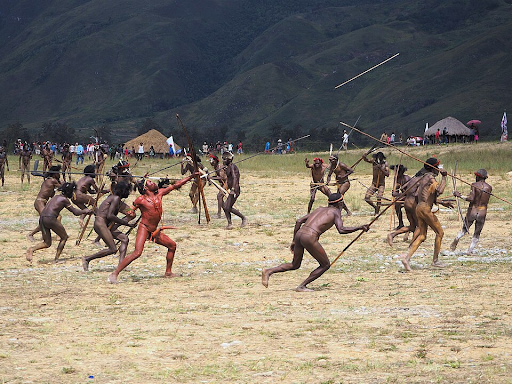
A West Papuan cultural celebration depicting traditional battle. Nurul Ichlasiah. CC BY-SA 4.0.
Today, this same stereotype weakens activism. Raki Ap, an ethnic Papuan activist living in the Netherlands, recalls his youth: “I was even ashamed to say that I came from West Papua. I was scared the kids would make fun of my people, label them as primitives who wear penis sheaths…our identity had quite literally been erased.”
Why this matters to us is that while it is similar to other well-known struggles for independence, such as Palestine’s, the Papuan struggle lacks global awareness. For outsiders, news of the conflict is difficult to come by due to Indonesian state repression of information and general historical recordkeeping around the subject, as well as Indonesian-enforced travel restrictions to the region, often attributed to tribal violence. By raising awareness of the struggle, the Papuan people’s desires for independence may carry more weight than they did in the 1960s.
I will end with an excerpt from a speech delivered on Dec. 1, 2025, by Benny Wenda, the current president of the ULMWP, which is currently in exile: “Every West Papuan knows that our fight is about justice, about right and wrong, and about international law. We are fighting to restore our stolen sovereignty.”

Caleb Yamamura
Caleb is from New York City, and is currently an undergrad at Vassar College, majoring in History and Psychology. He is also an avid traveler, having visited countries on each continent with his family (save for Antarctica… of course). He has a profound love for learning about the world, its cultures and people, and is happy to have the opportunity to share what he has learned about.