
By Claire Garvin
After its historic World Cup debut, Cape Verde is drawing new attention for its music, landscapes and morabeza culture.
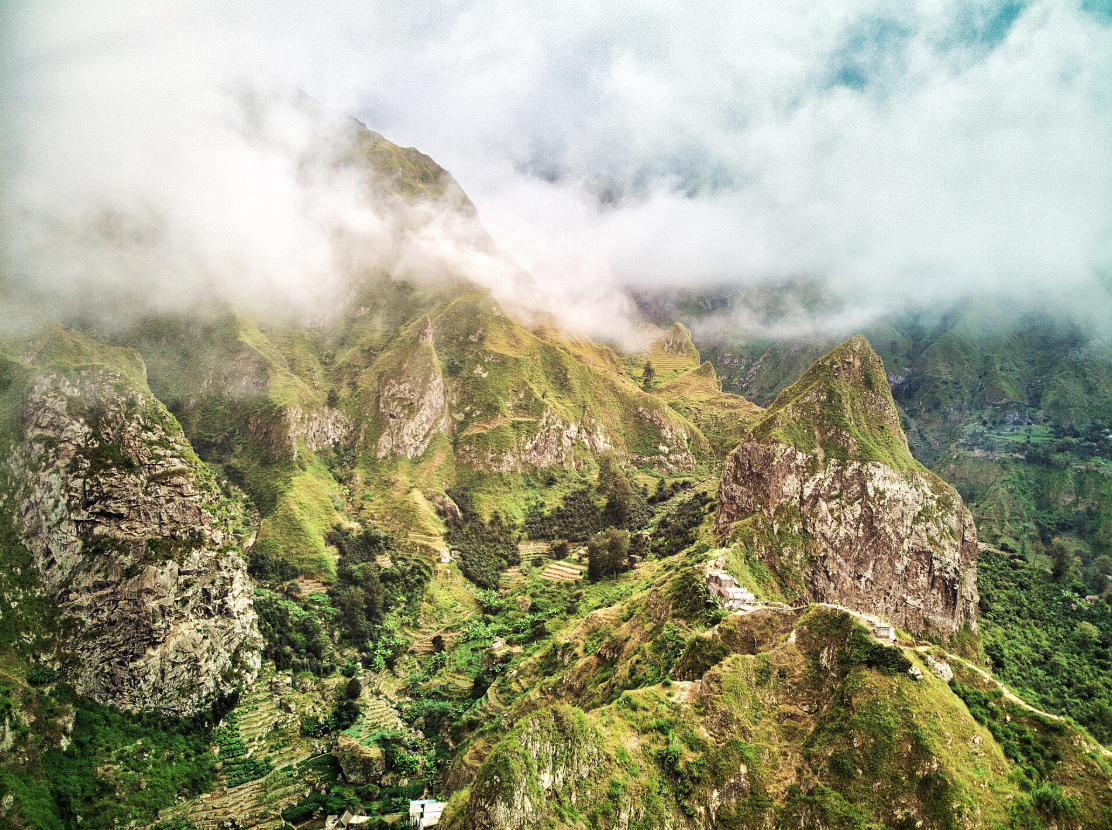
Paul Valley, Santo Antao. CaptainDarwin. CC BY-SA 4.0.
Following their impressive run in the nation’s first FIFA World Cup, Cape Verde has made headlines around the world this summer. Fans may have learned that the 10-island archipelago boasts a population less than half the size of Rhode Island, making it the third-smallest nation in Africa by population. Yet despite its small population, the nation is brimming with natural and cultural beauty, making it one of the top destinations of 2026.
One of the first things travelers to Cape Verde will notice is the defining culture of “morabeza,” a Cape Verdean Creole term loosely translating to “generosity without performance,” according to West Africa-based tour guide Matthew Christie. The word holds no direct English equivalent; in fact, it often extends beyond language, described as a feeling rather than a term. This morabeza culture permeates the islands, where it is not uncommon for locals to greet one another on the street or offer free sugarcane and fresh fruit to travelers. In fact, it is often considered rude to eat without sharing food with one another.
Santiago
Although there is no singular way to explore Cape Verde, the capital island, Santiago, is an excellent place to start. The island is home to the Nelson Mandela International Airport, a landing place for travelers around the world. After a visit to the Ethnographic Museum in Praia, the nation’s capital, visit the nearby UNESCO World Heritage site of Cidade Velha, which was the first European settlement in the tropics. Colonized by Portugal in the 15th century, the uninhabited land of Cape Verde became a central trading post in the transatlantic slave trade. Today, historic ruins of its slave trading past educate and inform travelers, who can view the nation’s past alongside its flourishing modern state.
While learning about Cape Verde’s history as a slave trade post at Cidade Velha, visitors can also discover more about the birth of the widely spoken Kriolu language, the oldest living Creole language in the world, as well as traditional batuku, folk music born from resistance. After European colonizers banned drums for African slaves on the island, women transformed loincloths into tchabeta, an instrument made of bundled cloth which could be held between one’s thighs. As an act of rebellion against slave traders, music formed an integral part of Cape Verdean cultural identity, and it continues to define the nation today.
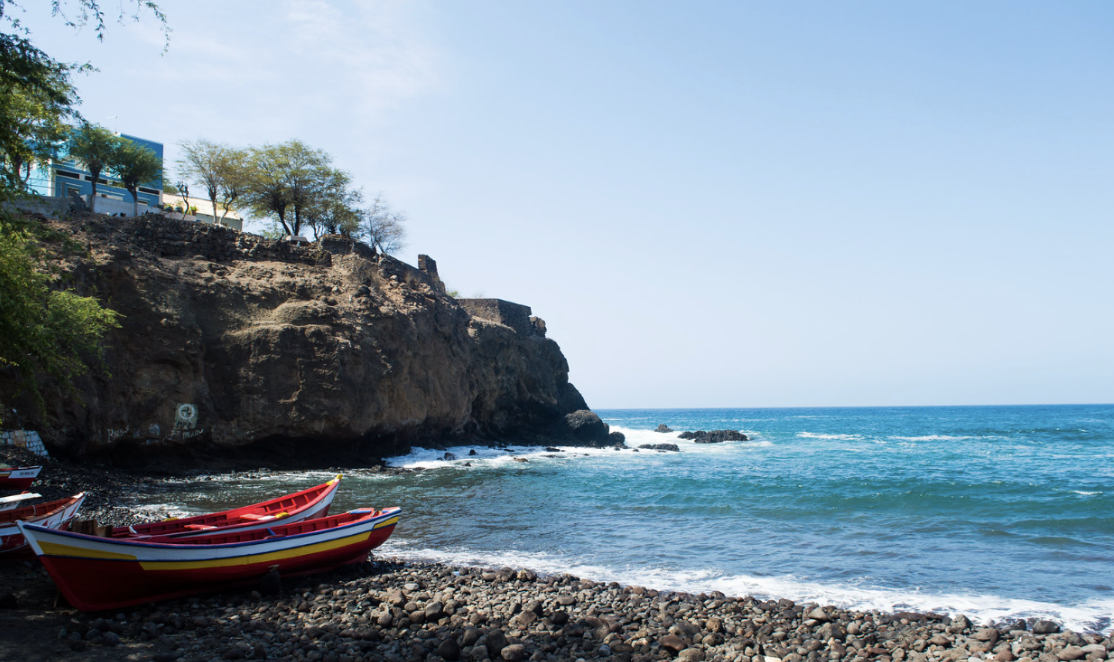
Cidade Velha, Cape Verde. Cha3kouka_lement. CC BY-NC-ND 2.0.
Sao Vicente
On the island of Sao Vicente, the enduring legacy of music is immediately apparent in Mindelo, the birthplace of Cesaria Evora. Nicknamed the “Barefoot Diva,” Evora spread the Cape Verdean morna music tradition around the world and became one of the most successful African artists of the 20th century. Visiting the Cesaria Evora museum, travelers can discover more about the singer’s early life as a restaurant singer and her international career. Nearby, the National Centre for Craftsmanship and Design can be immediately identified by the towering barrel-lid sculpture above it. Representative of the massiveness of the Cape Verdean diaspora, whose international population is more than double the domestic population. The array of multicolored barrel lids creates the score of a composition by the renowned Cape Verdean composer Vasco Martins
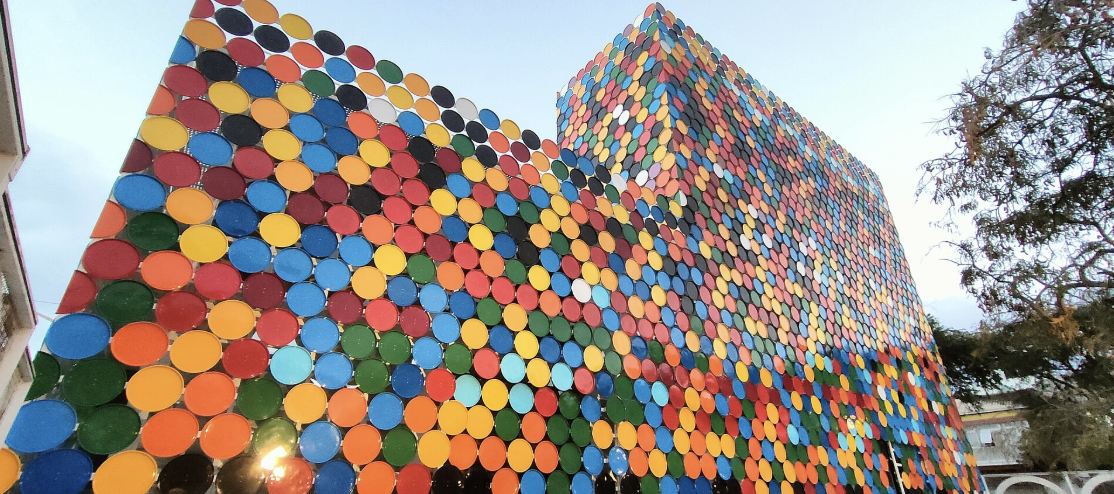
Exterior of the CNAD museum. SalviaRomana. CC0.
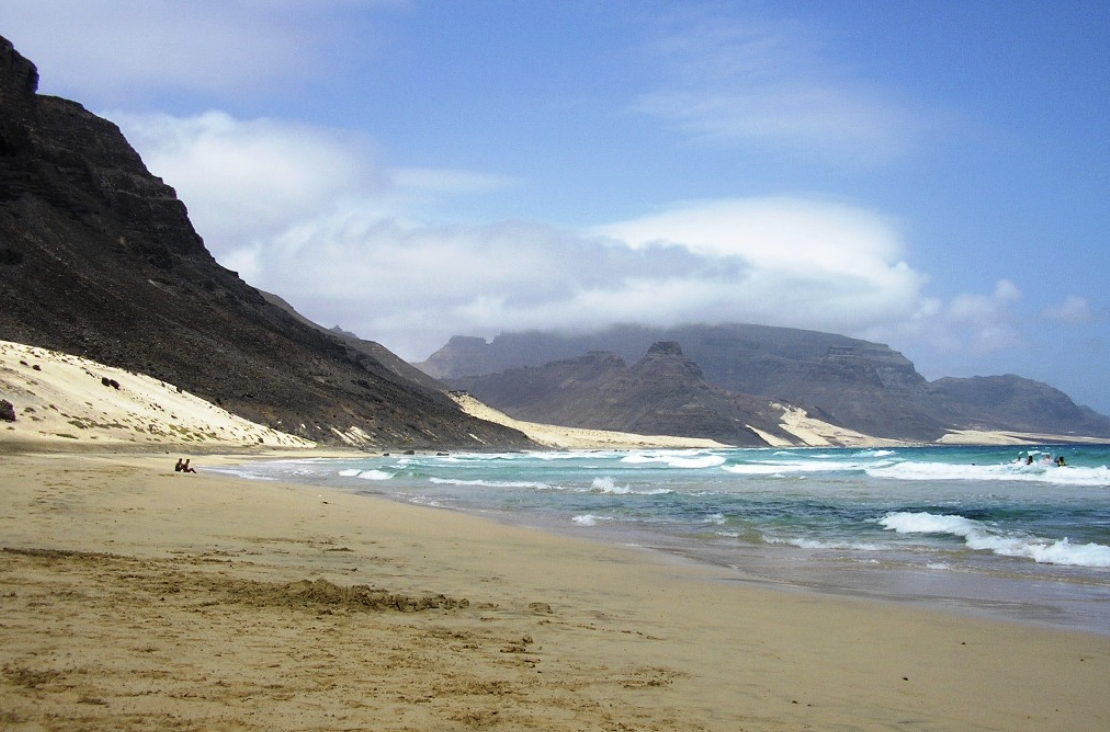
Beyond the city of Mindelo, Sao Vicente offers stunning nature, including the turquoise waters of Mindelo Bay and Laginha Beach alongside the moonlike crater of the now-extinct Viana Volcano, where visitors can meditate and practice yoga inside a dormant volcanic crater.
Santo Antao
A brief ferry ride away lies the island of Santo Antao, known for its incredible hiking and lush natural landscapes. In Cova Natural Park, visitors can tour sugarcane and coffee farms in Paul Valley, sample grogue, the national spirit of Cape Verde made from fermented sugarcane, and hike to the top of an extinct volcano at Cova Crater. The cliffside village of Fontainhas, recognized by National Geographic as one of the most beautiful views in the world, offers a cluster of colorful houses perched high on the mountainside.
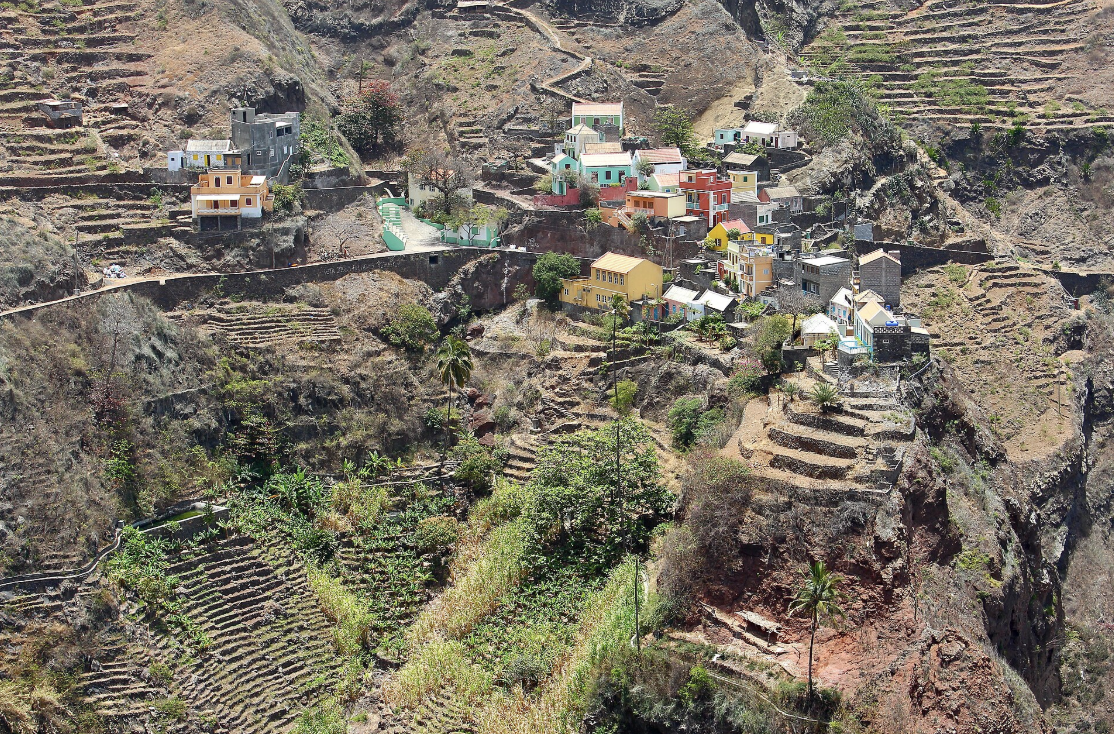
Fontainhas, Cape Verde. Zinneke. CC BY-SA 3.0.
Sao Nicolau
Often overlooked, the neighboring island of Sao Nicolau blends the nature and the city lifestyle of São Vicente and Santo Antao. Travelers eager to continue hiking can explore the striking Monte Gordo, the highest peak on the island, or swim in the natural pools of Juncalinho.
The island also boasts once-in-a-lifetime views, including valleys of centuries-old dragon trees in Faja de Cima, named for their blood-like, red sap. One of the oldest living tree species, the nearly extinct plant holds countless traditional medicine uses and was frequently used to color grogue. Nearby, Carbeirinho offers rock formations reminiscent of the moon’s surface. Naturally sculpted by the wind and sea, the rock formations and neighboring black sand beaches invite peaceful meditation for locals and travelers alike.
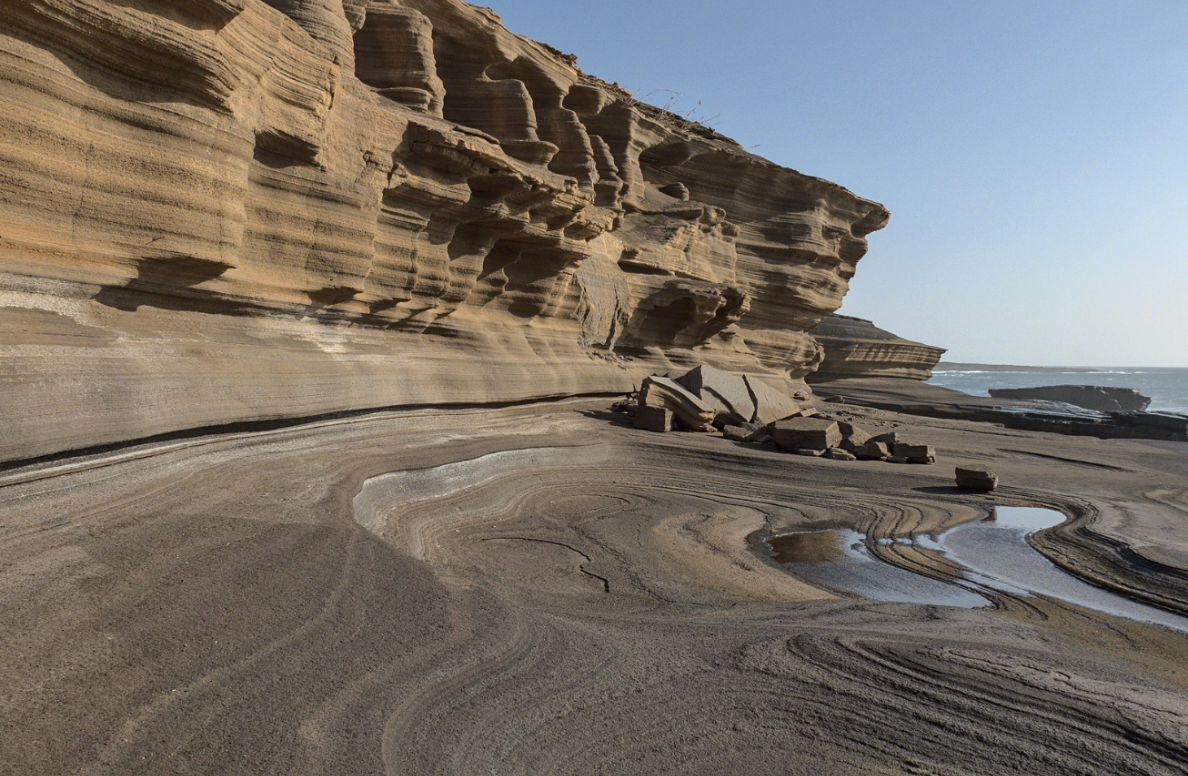
Rock formations in Carbeirinho, Sao Nicolau. Delphinidaesy. CC BY-NC 2.0.
In the center of the island lies the Ribeira Brava, a town of colonial architecture curled in the foothills of the surrounding Ribeira Prata Valley Mountains. After visiting the Mother Church of Nossa Senhora do Rosario, one of the nation’s oldest functioning churches, travelers can embark on the challenging hike to explore the undeciphered markings of Rocha Scribida, whose puzzling etchings remain a mystery today.
Sal and Boa Vista
The islands of Sal and Boa Vista are likely most familiar to international travelers, as they comprise over 90% of Cape Verde’s hotel stays. Beyond endless miles of pristine turquoise waters, the volcanic salt crater of Pedra de Lume illuminates Cape Verde’s history as an exporter of salt, or “white gold”, throughout the 19th century.
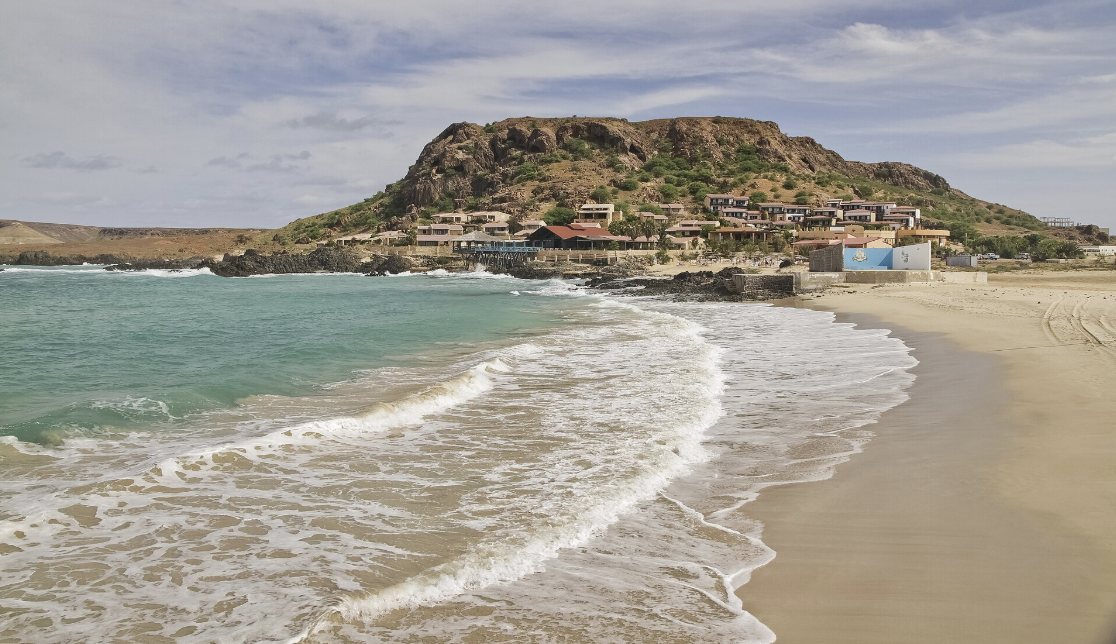
Praia de Cruz, Boa Vista, Cape Verde. Ximonic, Simo Rasanen. CC BY-SA 4.0.
Boasting 10 distinct islands, Cape Verde offers something for all travelers. Across all the islands, the nation’s history and welcoming morabeza culture weave throughout the museums, cities and natural landscapes, urging visitors to discover more about what makes Cape Verde so unique.
Claire Garvin
Claire is a fourth-year student at Barnard College, Columbia University studying Neuroscience. She is interested in writing as a means of understanding the world, and she hopes to ignite meaningful change through her journalism. Outside of class, she enjoys baking, painting, and reading.