
Aztec dances exist today as living prayers and powerful symbols of Indigenous survival, uniting Mexican Americans in the United States.
Read MoreThe Secret Behind Albania’s Bunkers
Albania’s bunkers were built during the Cold War but have since been repurposed as local businesses and tourist attractions.
Read MoreFrance Debates Ban on Childfree Hotels and Restaurants
In France, the debate on childfree hotels, restaurants, campsites and resorts is coming to a head.
Read More6 Bountiful Harvest Festivals Around the World
From enjoying mooncakes in China to throwing marjoram in Iran, cultures worldwide commemorate abundant harvests through traditional customs, family gatherings and celebrating nature.
Read MoreThe Global Story of Braids and Identity
Across continents and centuries, braids have been more than hairstyles; they’ve served as symbols of identity, resistance, status and survival, carrying the stories of entire cultures within them.
Read MoreThe Colorful Culture of Mexican Folk Arts
For thousands of years, unique folk art has held a significant place in Mexican culture, defining not only the country’s complex history but also its proud national identity.
Read MoreShamans: The Natural Healers of the World
Shamanism, a spiritual and natural healing method, doesn’t have one singular origin, but rather a translation of existence across communities, shaping their health traditions and culture.
Read MoreDhobi Ghat: The World’s Largest Open-Air Laundry
This massive outdoor wash yard continues to serve Mumbai’s hotels, hospitals and homes after more than a century of operation.
Read MoreWeddings Around the World: Traditions of Love and Unity
Internationally, weddings are celebrated with unique cultural traditions ranging from playful games to serious rituals that symbolize the blending of lives.
Read MoreHow a Colombian Music Genre Spread Across Latin America
Cumbia music began in Colombia and spread across Latin America, evolving into unique styles that reflect each region’s culture and social struggles.
Read MoreUshguli, Georgia: One of Europe’s Highest Inhabited Villages
In the highlands of the Caucasus, this stone-built village keeps going despite isolation, harsh winters and a changing world.
Read MoreEat the World: Memoirs and Food Writing by Cooks, Rebels, and Culture Shapers
A reading list for those who know the kitchen is political.
Read MoreUnderstanding Mecca’s Sacred Symbol: The Kaaba
Here is how the sacred site of Mecca in Saudi Arabia shapes faith, identity and worship in Islam.
Read More8 Musical Travel Reads
Refresh your playlist and discover musicians from around the world with these books.
Read MoreDrag Culture: A Global Perspective
Drag culture in Thailand, Brazil, South Africa and Australia has played a significant role in celebrating gender diversity and promoting freedom of self-expression.
Read More6 Best International Films Showcased at Cannes
From political thrillers to coming-of-age dramas, the 2025 Cannes Film Festival showcased stories about family, power, survival and more. Here are this year’s major award winners.
Read MoreSami Life in Scandinavia: An Indigenous Journey Through Reindeer Lands and Joik
A winter journey through where cultural traditions such as reindeer herding, joik and land rights endure amid growing climate and industrial pressures.
Read MoreIndigenous Voices Reclaim Language Through Story
In the wake of Canada’s residential school system, Indigenous writers like Gregory Scofield and Lindsay Nixon are reclaiming culture through ancestral language and storytelling.
Read More7 Loving Mother’s Day Traditions Across the Globe
From observing religious customs to simply gifting their mothers flowers, individuals around the world take part in cherishing maternal figures through their own Mother’s Day celebrations.
Read MoreThe Supernatural Role of Masks in Nigeria’s Yoruba Tribal Culture
Julia Kelley
Whether the feminine celebration of the Gelede mask or the spiritual transformation through the Egungun mask, these cultural objects perform an imperative role in the Yoruba people’s religious culture.

Egungun Festival Masks. Fermi12. CC BY-SA 4.0.
African masks have been functionally used for thousands of years. Recognized for their supernatural qualities, they transform wearers into new entities, symbolize animal or ancestor spirits, mythological heroes, or moral values, and can even be a way of honoring specific individuals. Moreover, specific ceremonies and masks act as visual representations of local customs. With a vibrant music and dance tradition, the Yoruba people are known for their notable mask culture. The Yoruba are one of Nigeria’s largest ethnic groups, mainly concentrated in the southwestern part of the country but also found in smaller groups throughout Benin and Togo. For over 1,500 years, they have also been defined by their advanced urban kingdoms, strong economy and unique artistic tradition. Ceremonies are imperative to their way of life; vibrant festivals, rituals and weddings display cultural pride, celebrate history and connect the physical realm to the spiritual. Beyond the symbolic instruments and costumes used during these occasions, masks are also extremely vital due to their mystic transformative qualities.
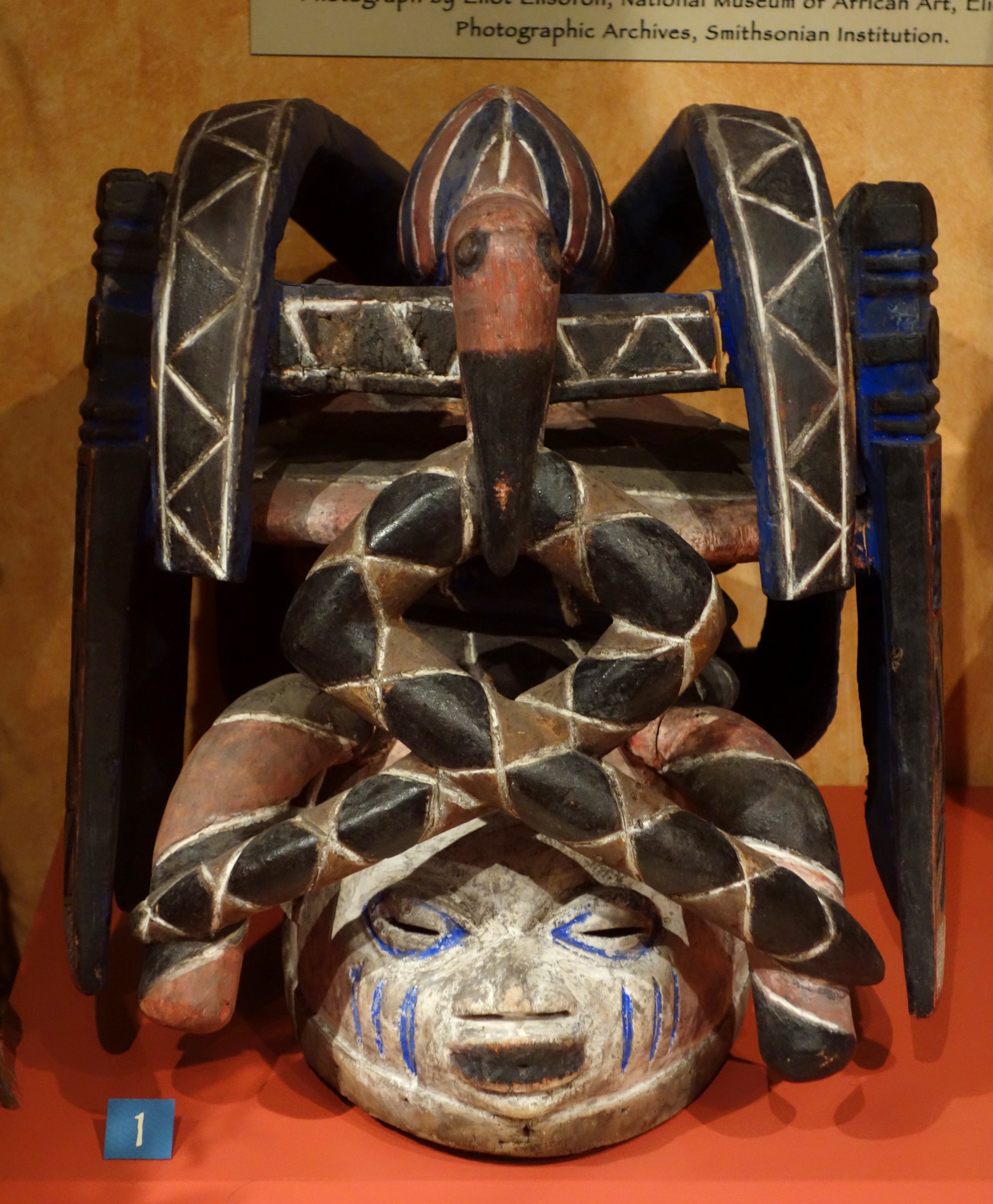
Gelede Mask With Animal Figure. Daderot. CC0 1.0.
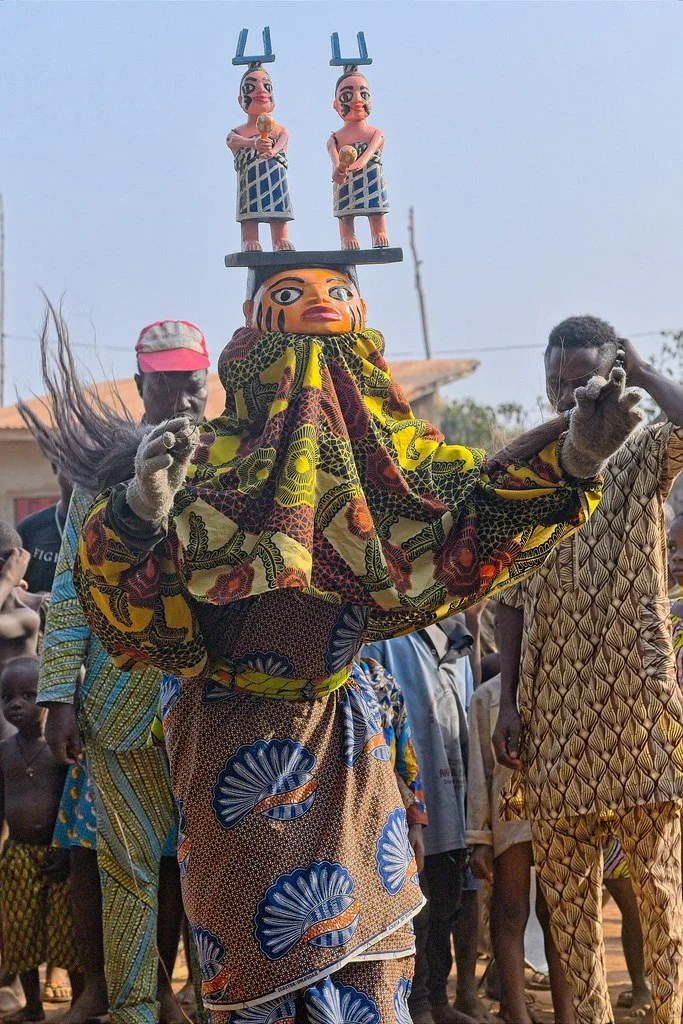
Gelede Dance. dave massie. CC BY 2.0.
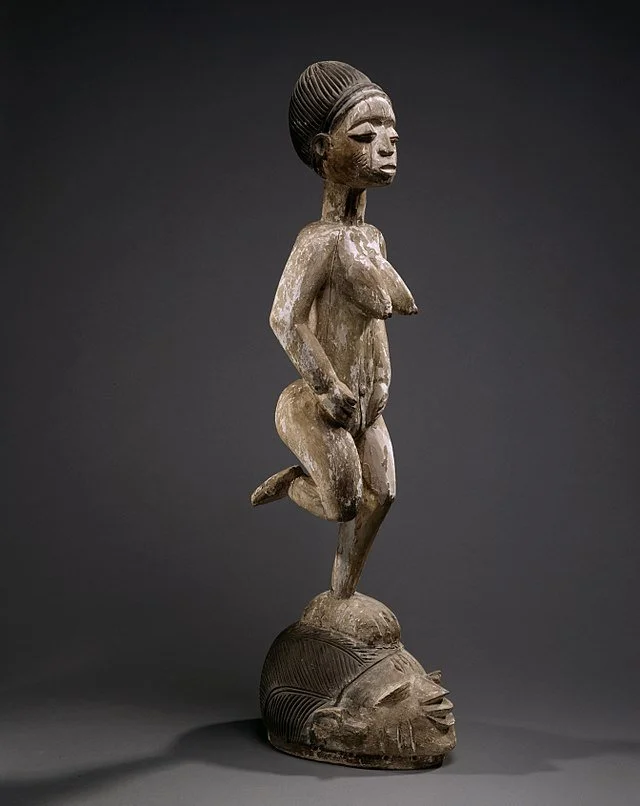
Gelede Mask With Woman Figure. Kugbenu (Vervaardiging). CC0.
However, when and how masks are used depends on their corresponding festivals. The Gelede mask, for example, is used during the Gelede dance. This ceremony is performed as a way to pay tribute to the primordial mother Iyà Nlà and recognize women’s role in social organization and development. Retracing the history and myths of the people, the Gelede takes place annually after harvests and during times of drought and epidemics. The masks, adorned with intricate motifs and vibrant colors, are worn as a way to honor “mothers,” or good witches who have power over bad ones, in their efforts to protect the community from negative forces. Individual masks reflect local traditions, such as through unique facial markings or figures included on the masks.
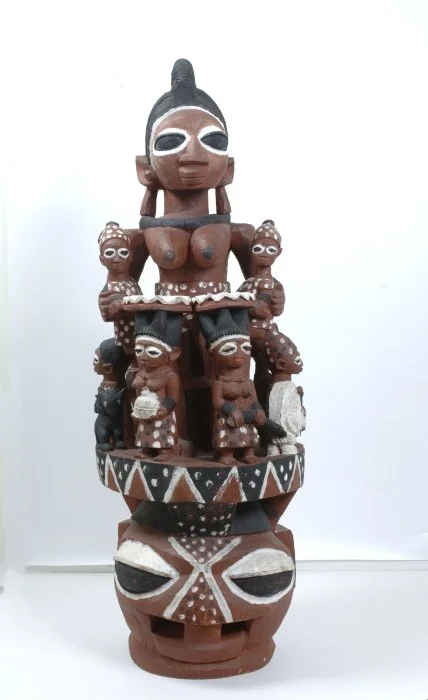
Epa Festival Mask. Beeldhouwer / sculptor: Jospeph Agbana. CC BY-SA 3.0.
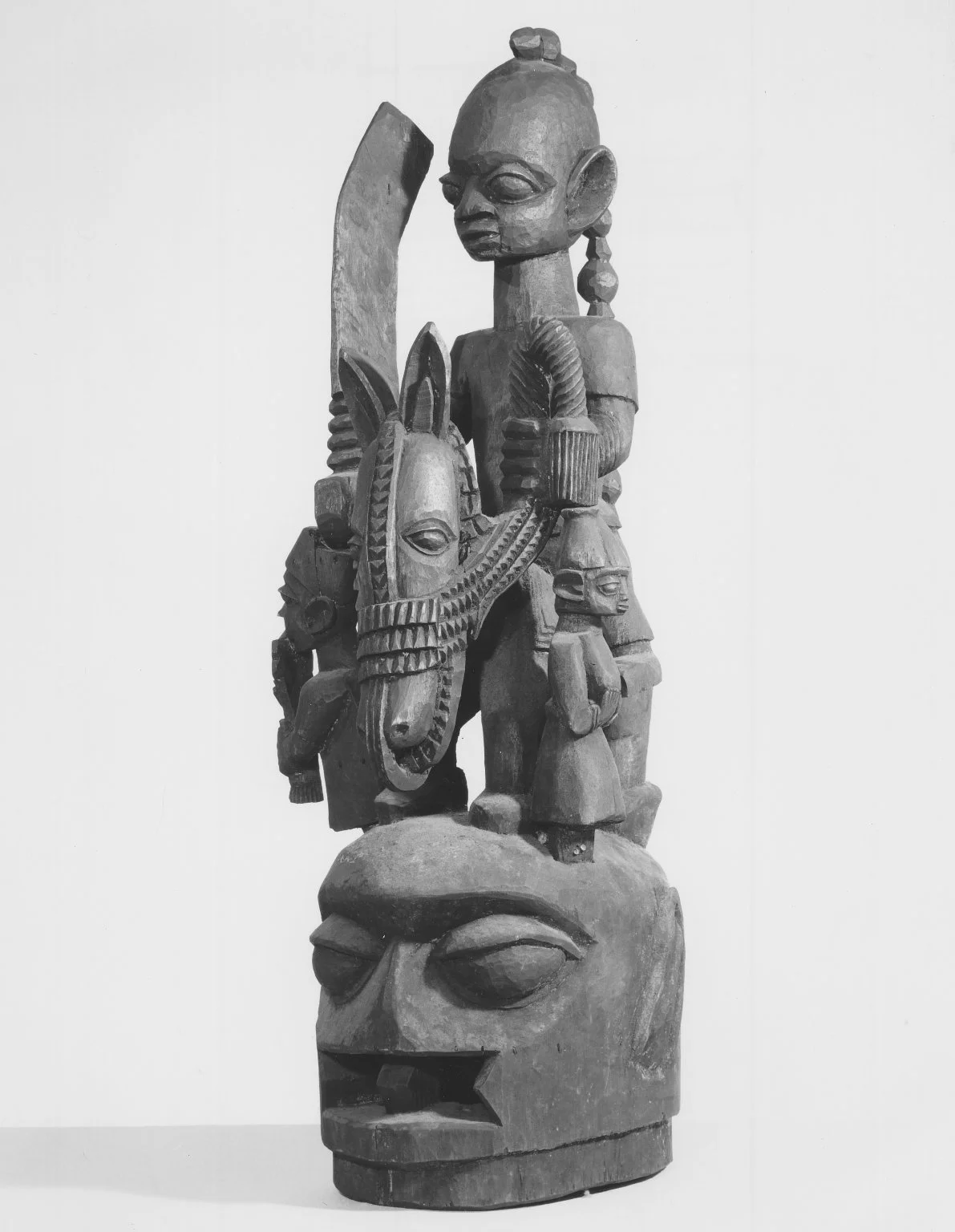
Epa Mask With Warrior Figure. Unknown author. CC BY 3.0.
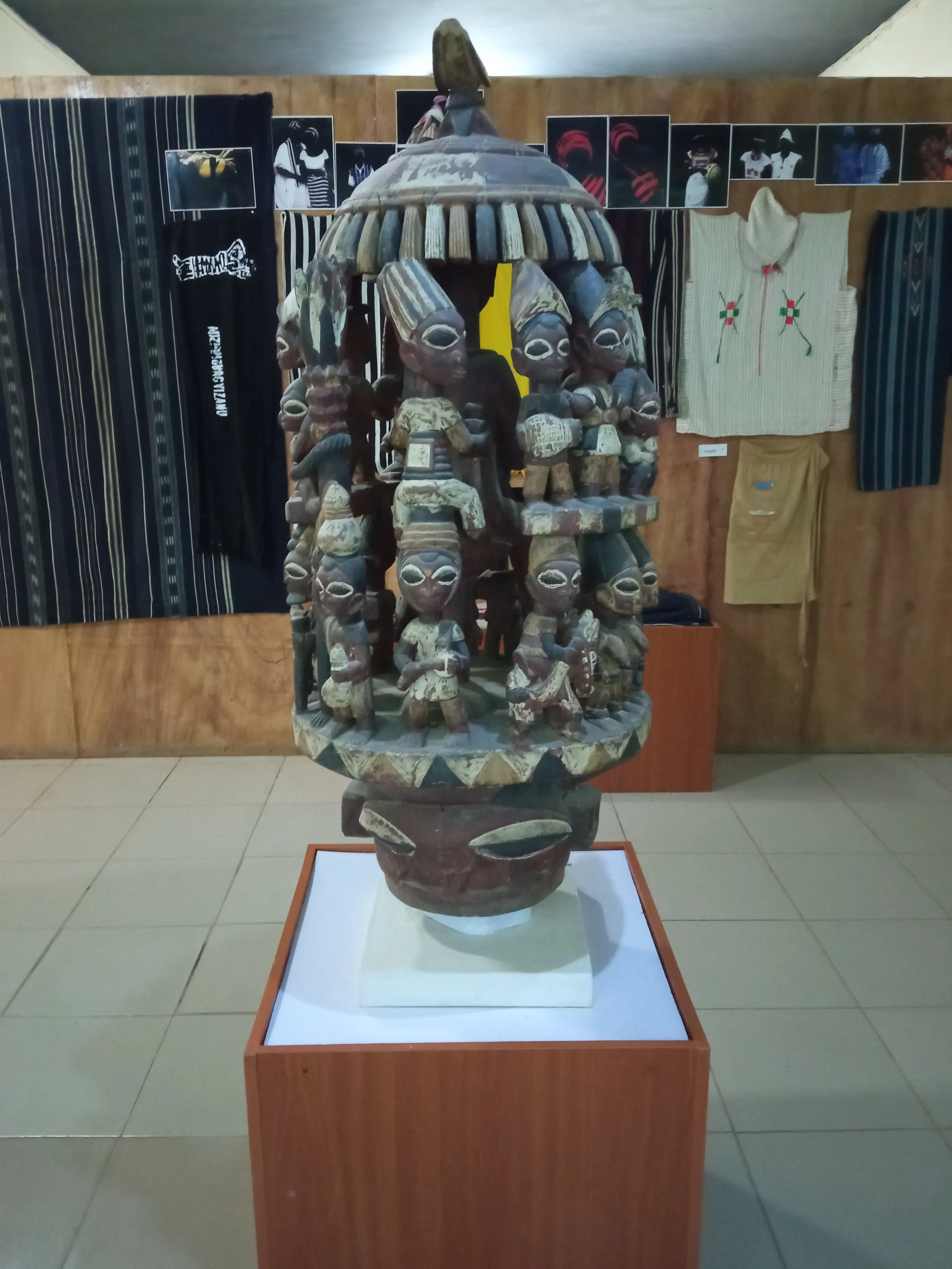
Large Epa Helmet Mask. Em-mustapha. CC BY-SA 4.0.
Epa masks are worn during yam harvest festivals by young male dancers as they leap onto mounds. The rigorous movements of this dance indicate the community’s fate over the next year; if the dancer successfully leaps, then all is well, but if not, sacrifices are made to the forces that made him fail. Leading up to these ceremonies, the masks are kept in shrines, where they are fed to increase their power and efficacy. Since they are believed to contribute to the wearer’s success, heavy weight and symbols associated with war are characteristic of these masks.
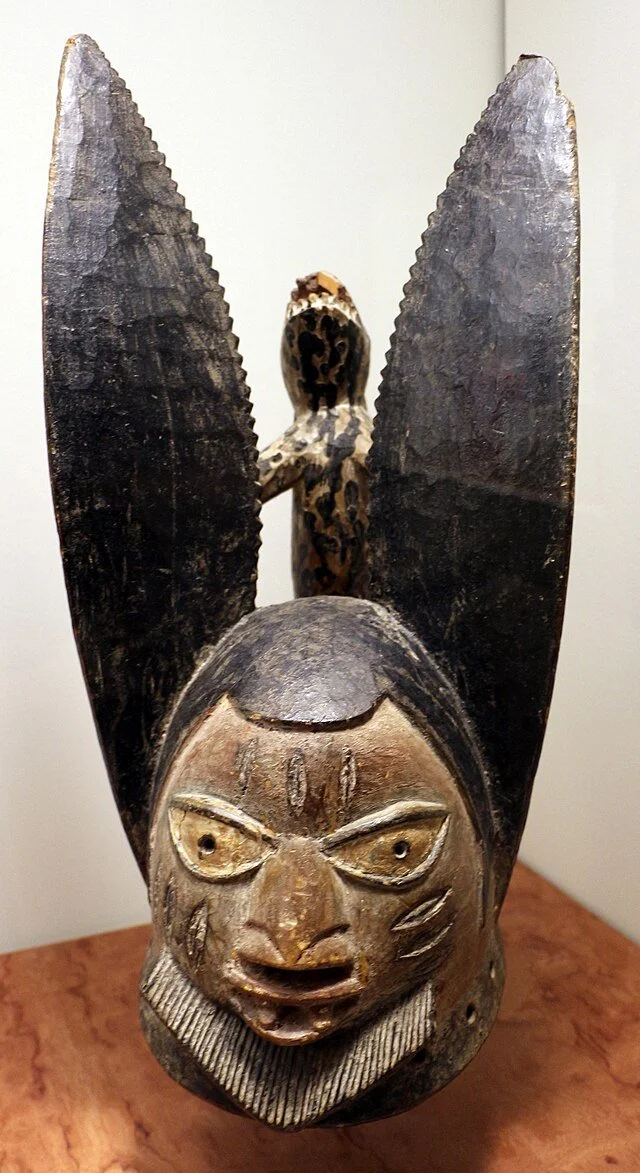
Ancestor Egungun Mask. Sailko. CC BY 3.0.

Egungun Festival. Fermi12. CC BY-SA 4.0.
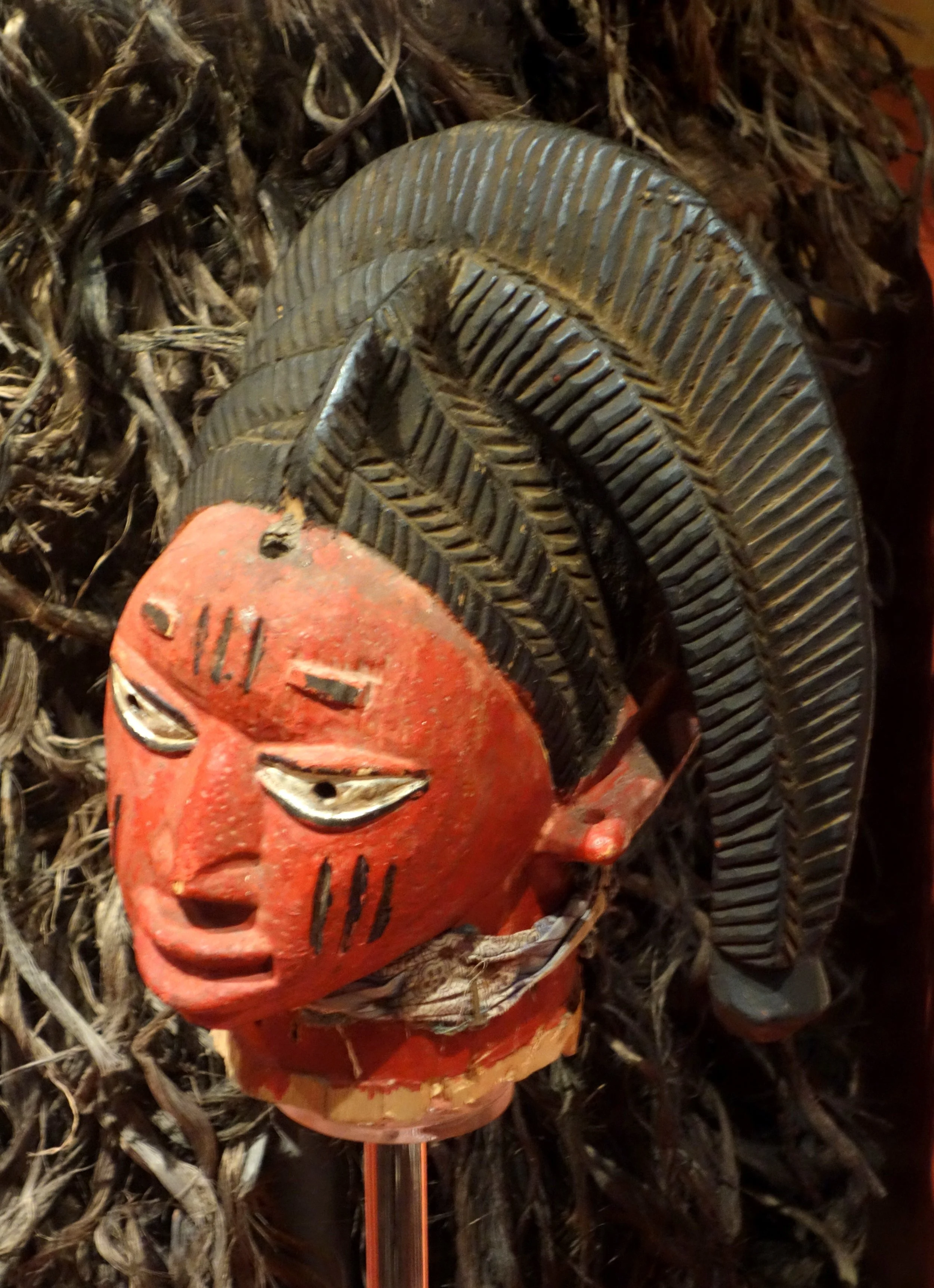
Yoruba Egungun Mask. Daderot. CC0 1.0.
One of the most important masks in their ritual culture, the Yoruban Egungun masks are worn to worship ancestors. These are used during Odun Egungun or “masquerade” festivals, during which men move through town wearing masks as they embody their ancestors. These masks act as a visual manifestation of those being depicted, offering members of the community the opportunity to strengthen their familial bonds and ask for protection or blessings.
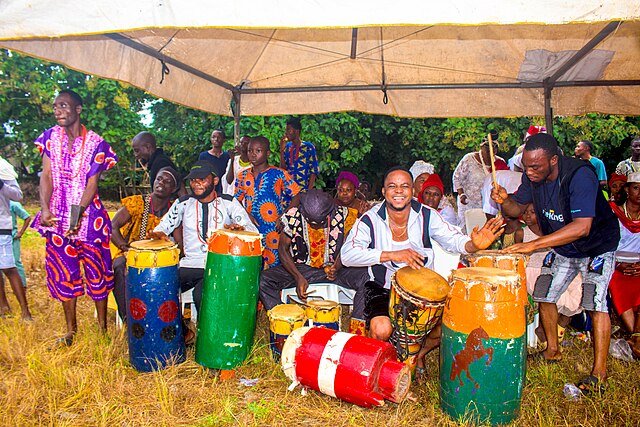
Yoruba Festival Music and Dance. Tunde Akangbe. CC BY-SA 4.0.
Developed over centuries, ceremonial masks remain a significant part of Yoruban culture. African masks have also become admired in museums worldwide for their intricate designs, but contemporary artists and historians have noted that they are exhibited mostly as ethnography. Moreover, African masks have inspired many well-known European artworks, most notably in Picasso’s 20th-century modernist paintings. This Westernization has helped shape stereotypes around African communities, decontextualizing their current cultural significance. However, as the Yoruba masks demonstrate, festivals recommence every year, and the masks continue to visually represent the community’s rich history and religious tradition.
Julia Kelley
Julia is a recent graduate from UC San Diego majoring in Sociocultural Anthropology with a minor in Art History. She is passionate about cultural studies and social justice, and one day hopes to obtain a postgraduate degree expanding on these subjects. In her free time, she enjoys reading, traveling, and spending time with her friends and family.