
Evelyn Garcia Medina
Across continents and centuries, braids have been more than hairstyles; they’ve served as symbols of identity, resistance, status and survival, carrying the stories of entire cultures within them.
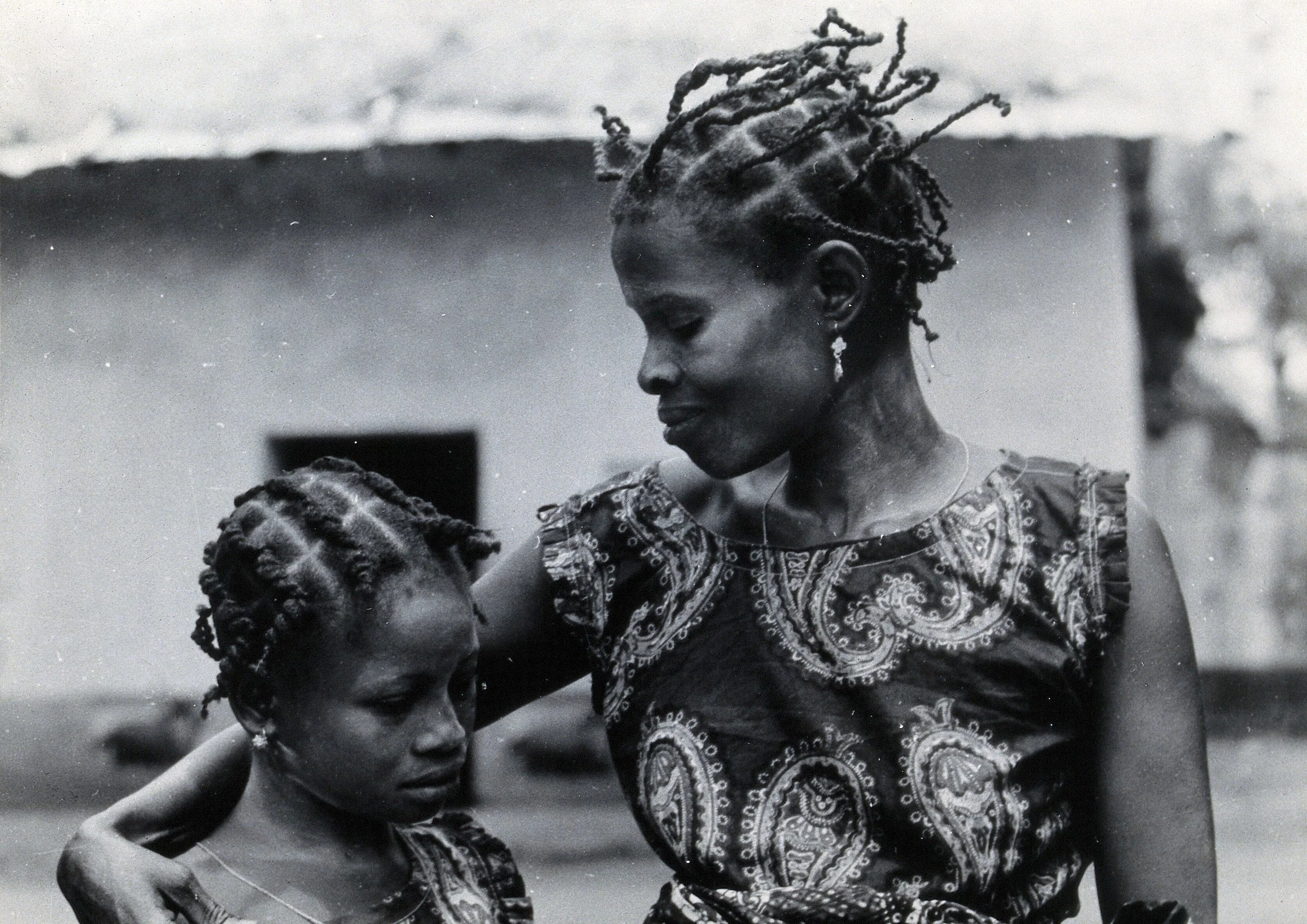
African woman and child wearing braids in the 1900s. H.V. Meyerowitz. CC0.
Some say that hair holds memories, and if this is true, it holds history and culture right along with it. There are different types and textures of hair that exist in various places, but there are also specific hairstyles that are symbolic of cultural beliefs and values. Historically, braids spanned across the world in their own unique ways, representative of how a simple braid can turn into intricate and meaningful hairstyles with deep cultural roots. Whether it’s an emblem of marital status or the cause of a revolution, each place has its own version of what a braid is and what it means to its people.
1. AFRICA
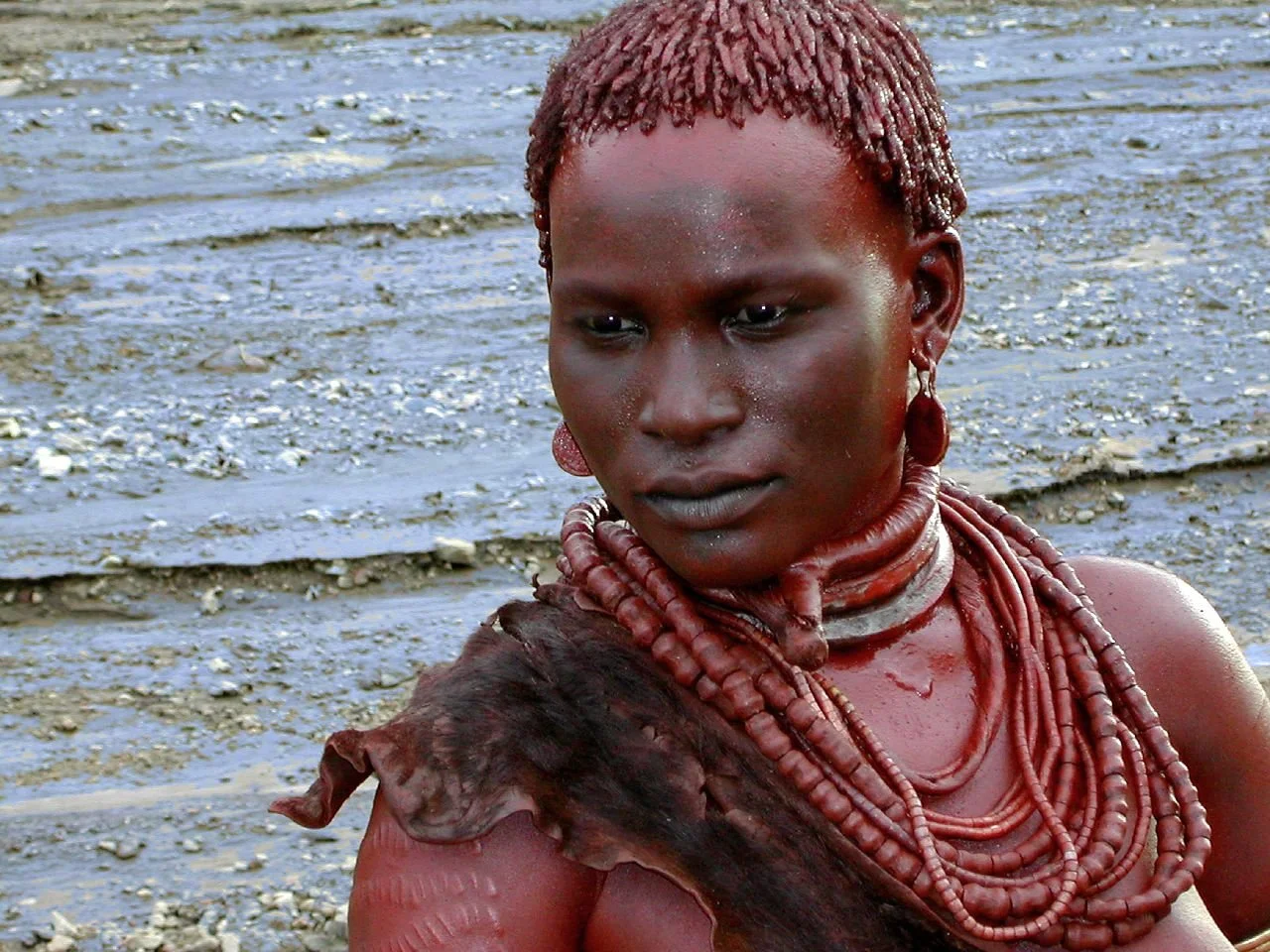
Newlywed bride in Ethiopia. Mark Knobil. CC BY 2.0.
Braids from African culture date back to tribes of 5,000 years ago and continue past the transatlantic slave trade. Early evidence of braids comes from drawings found from 3500 B.C. in ancient Egypt, as well as 3,000-year-old remains of woven hair extensions. Ancient African countries communicated through braids in unique ways and developed distinct symbolic styles that are still worn by many today. In Sudan, for example, young girls wore a style called mushat plaits, a symbol of femininity dedicated to matriarchs and their work protecting culture. There were sometimes also braiding events for women to gather and conduct braiding ceremonial practices. By the time of the transatlantic slave trade, African women’s braids became a way of survival. For example, many women preemptively braided rice and other grains in their hair to secure some kind of food for their voyage through the Middle Passage. Similarly, enslaved Africans would hide maps inside their braids or braid directional instructions to safety into their hair. Now, African-style braids are a popular style among many Black people across the world, and they continue to be a cultural and personal representation of braided importance in Africa.
2. MEXICO
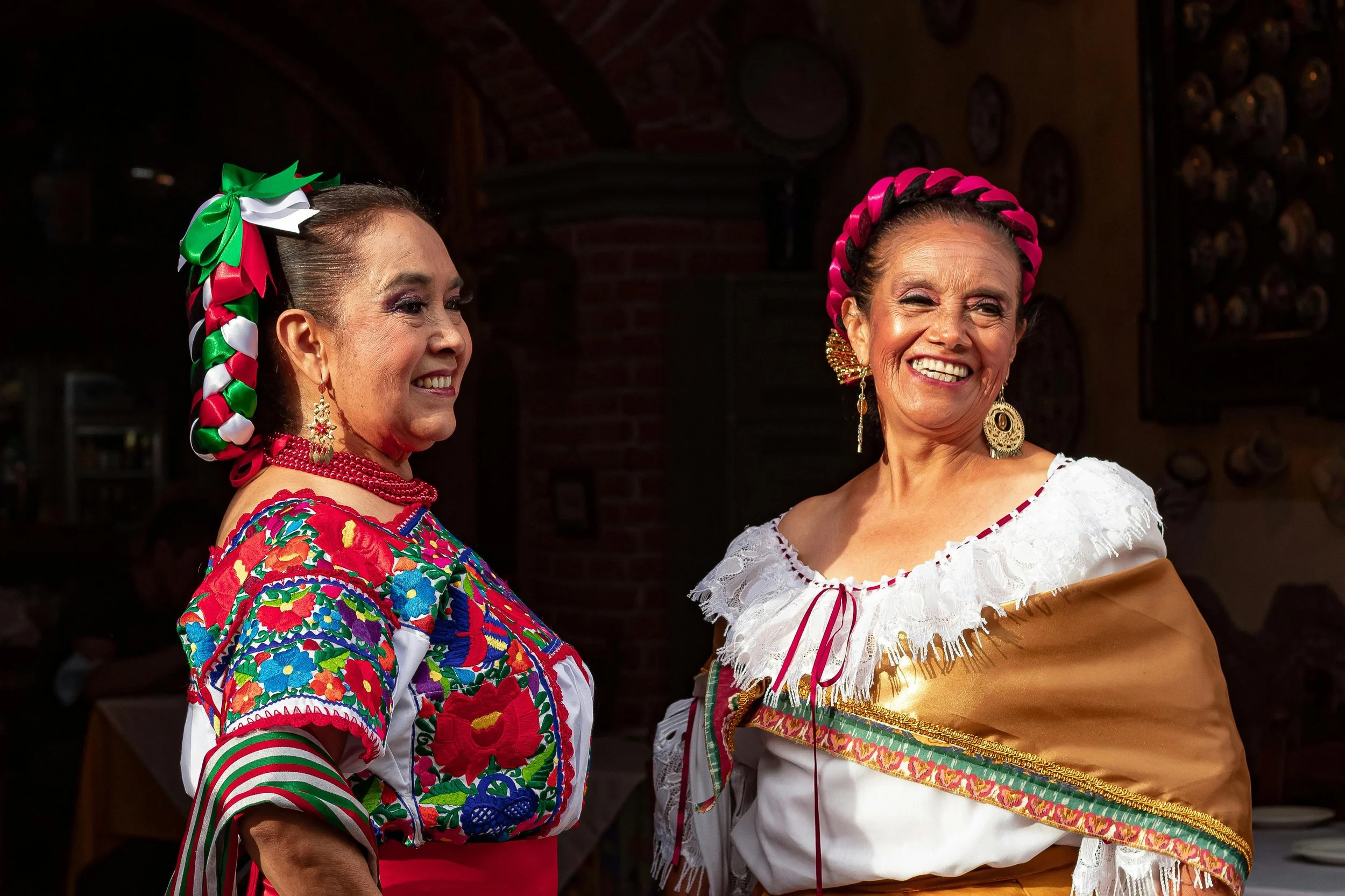
Mexican women wearing ribbon braids. Ivan Liceaga. Pexels.
In Mexico, braids stem from Indigenous communities like the Mazatec, who reside in northern Oaxaca, Puebla and Veracruz. For Mazatec women, braids denote personal and marital statuses. For them, wearing both braids to your back means that a woman is single, wearing one in the back and one in the front signifies engagement and both braids in the front show that a woman is married. For the Mexican Indigenous, braiding techniques can express strength in unity and the need to work together. Mexican Indigenous women wear their braids with pride because it’s a shared value that their communities advocate. Most states in Mexico have their own variation of braids, often incorporating color and ribbon to represent cultural pride, patriotism and history, a style that many Mexican women and girls still wear.
3. SCANDINAVIA
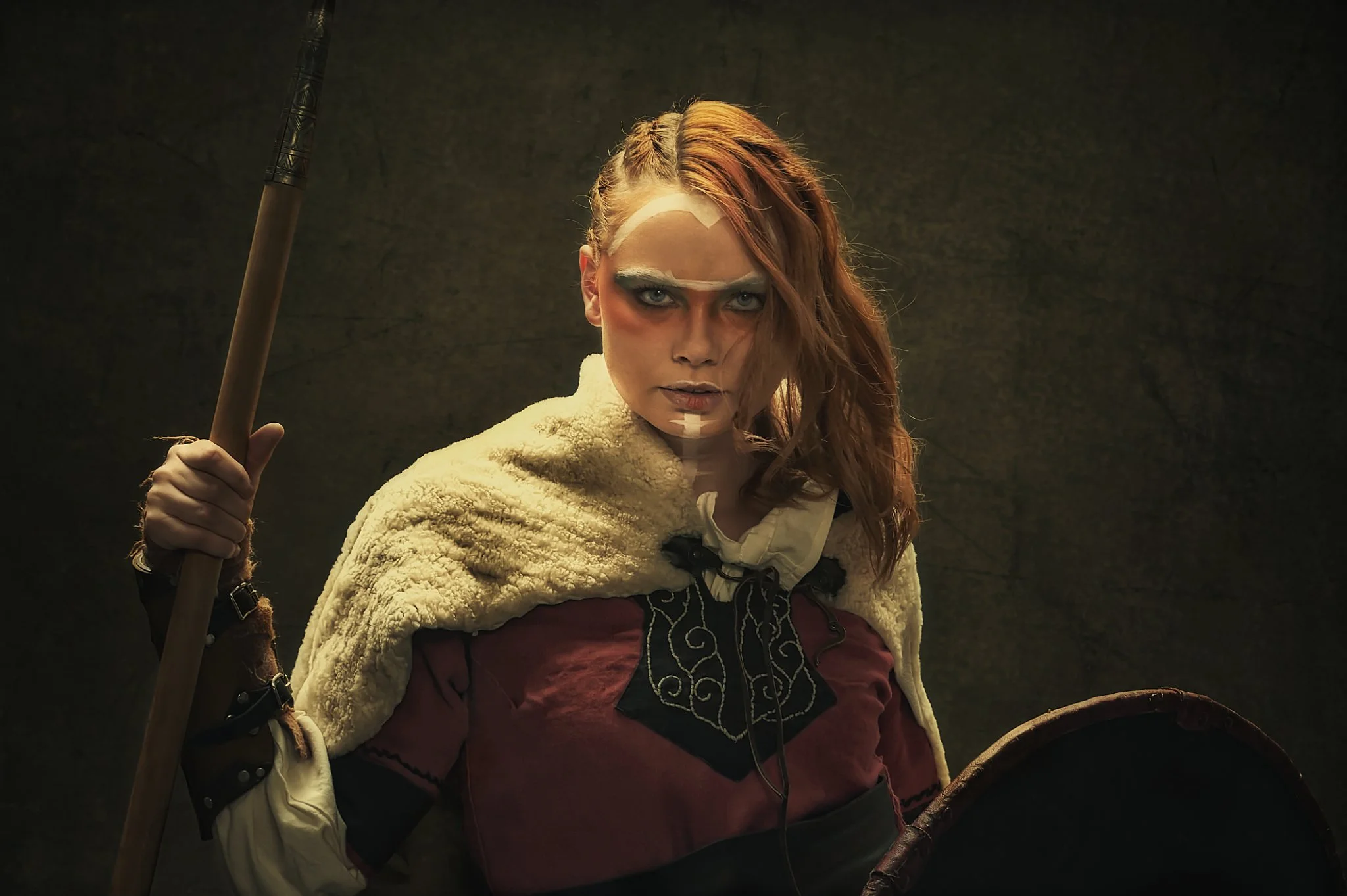
Viking impersonator with braids. Armand Rajnoch. CC BY-NC-ND 2.0.
When Scandinavia was a union of Norway, Sweden and Denmark, Vikings existed, and they are believed to have worn braids as a societal characteristic. There are only a few historical records that point to this, like some Viking Age art and other preserved artifacts, because the Vikings burned their dead, and thus, we have scarce physical remains to use as evidence for braids. However, there’s reasonable speculation that braiding was utilized practically to keep hair up during combat, work and travel, like many other cultures have. Vikings likely would’ve woven unique braid patterns in their hair to express marital status, with more complex hairstyles indicating belonging to a specific clan or a higher social standing. According to Tales of Valhalla, a company that produces handmade Viking products, Viking braids had spiritual significance. “Knots and braids could have been used to represent connections to the gods, to ward off evil spirits, or to symbolize the interconnectedness of life.” Braids were likely a status symbol with spiritual aspects for Vikings and their clans to communicate camaraderie and unity to others.
4. NATIVE AMERICA
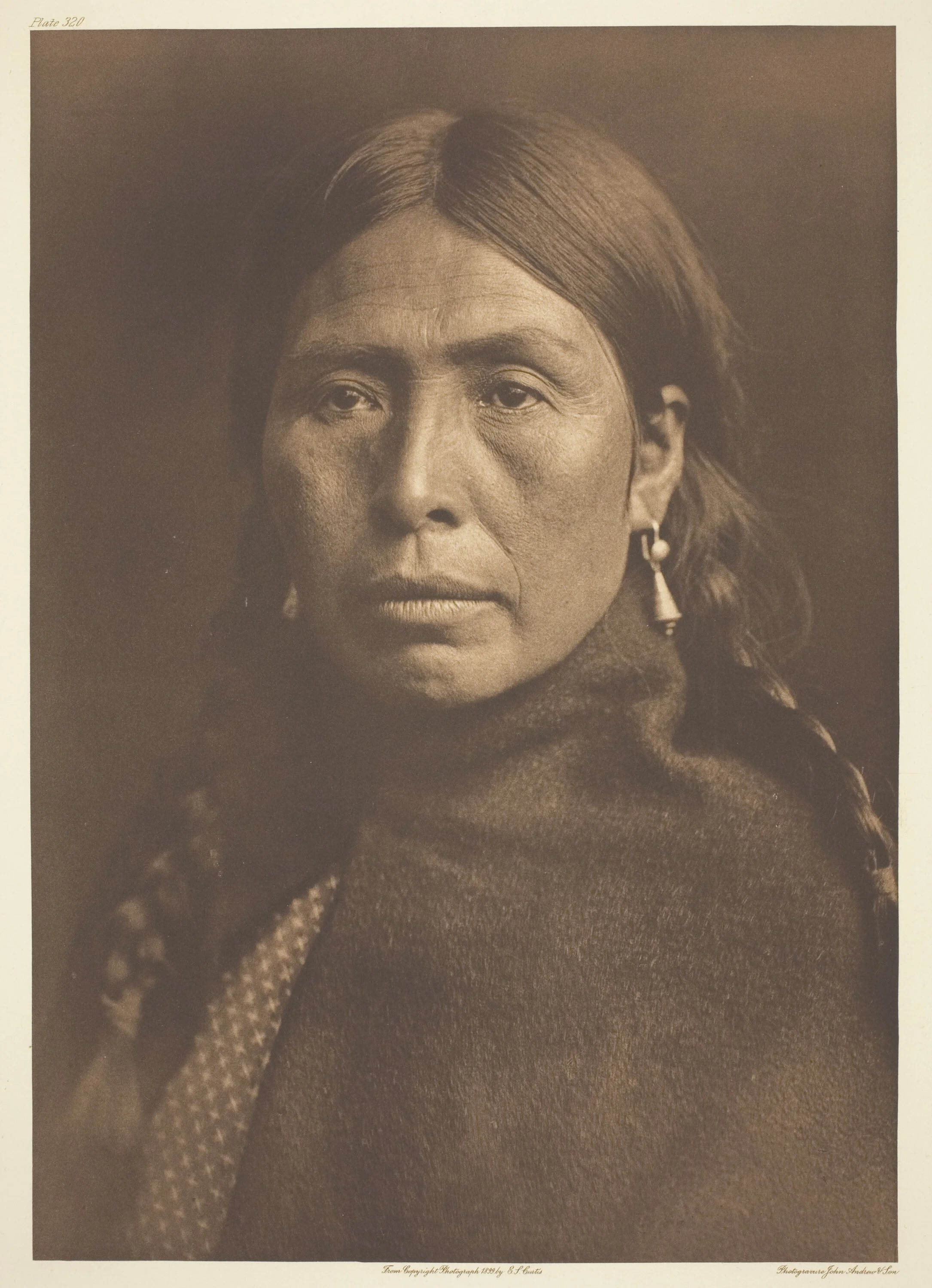
Native American person with braids. Edward S. Curtis. CC0.
The most common braid style worn by Indigenous Americans historically is two braids with a middle part. Whisper, an Indigenous hairstylist and member of the Anishinaabe Ojibwe and Oglala Lakota tribes, explains, “Across all tribes, pretty much, we all have the belief that the three strands in a braid represent the body, mind, and spirit.” A middle-parted braid style symbolizes physical, spiritual, tribal and natural equilibrium, often being a hairstyle that initiates many Natives’ cultural journeys. Hair itself is extremely important to Native culture; an example of this is their belief that when you cut your hair, you lose a small part of yourself. The only time you’re likely to see a Native person cut their hair is to mourn a close family member's death, but some tribes, like the Apache, have hair-cutting ceremonies, and others, like the Navajo tribe, cut one-year-olds’ hair before letting it continue to grow from there. To Native Americans, hair is a sacred portrayal of cultural identity, and it still plays an important role in their lives.
5. Greco-Rome
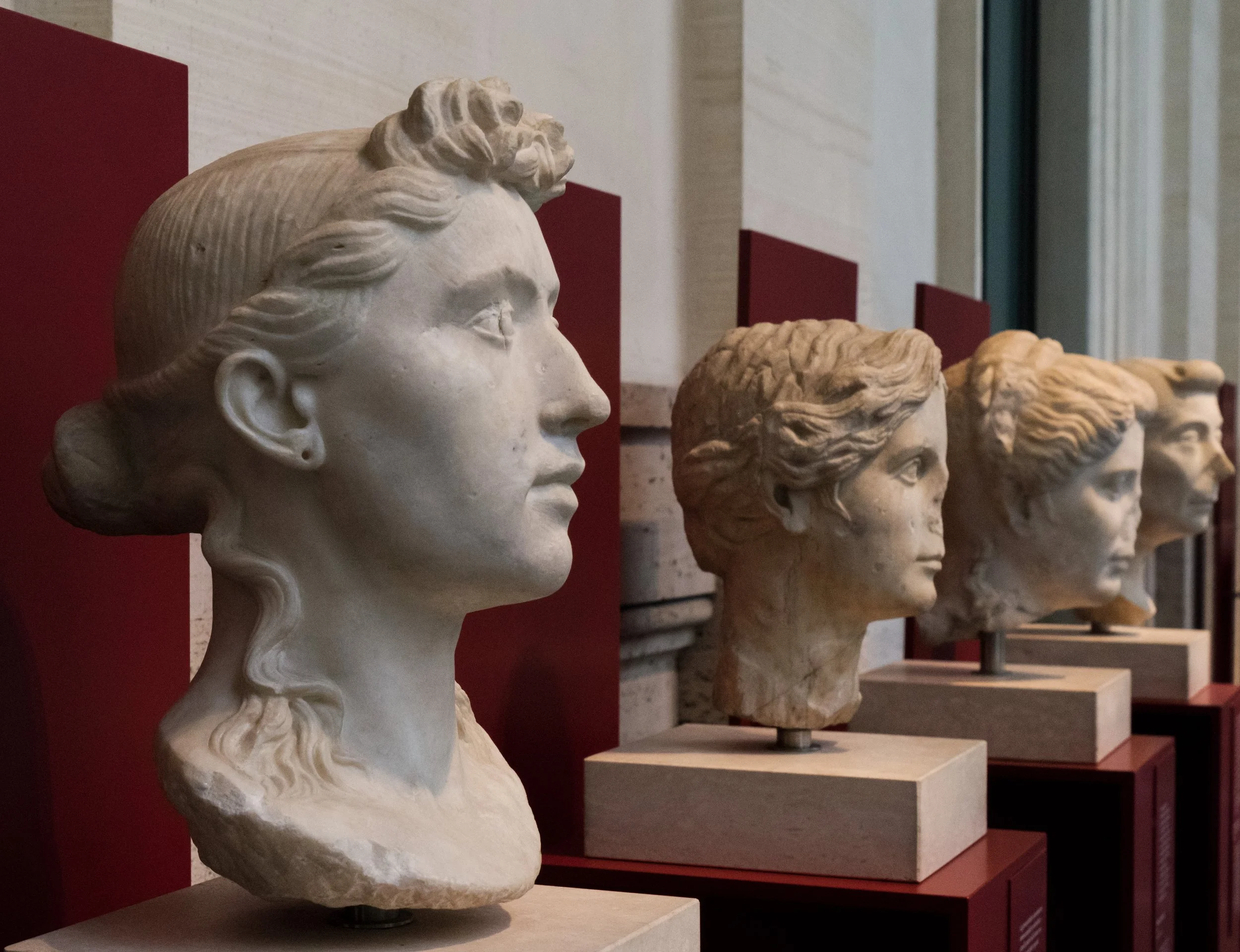
Ancient marble portraits depicting popular Greco-Roman hairstyles. Egisto Sani. CC BY-NC-SA 2.0.
During the Greco-Roman period, when Greek and Roman civilizations were culturally connected, women wore braids to show wealth, status and religious values. One popular style at the time was first worn by Roman empress, Livia Drusilla, consisting of a forehead roll braided into a bun in the back. According to Dr. Marice Rose, an art history professor at Fairfield University, Livia’s hairstyle “would have communicated that this girl would become an ideal wife and mother.” Livia’s carefully crafted hairstyle took off and became common amongst young girls as a symbol of self-control and virtue. There was a religious aspect to the Greco-Roman braid as well, specifically seen in the Caryatids of the Erechtheion on the Acropolis of Athens. They adorned their hair with long fishtail braids in the back, braids wrapping around the head and curls behind the ears. Another Fairfield University art history professor, Dr. Katherine Schwab, explains, “[T]his combination is unique and distinguishes these maidens who lead a religious procession.” Braids were more of an addition to hairstyles during this era, but they were a status marker for women that differentiated them from each other.
6. CHINA
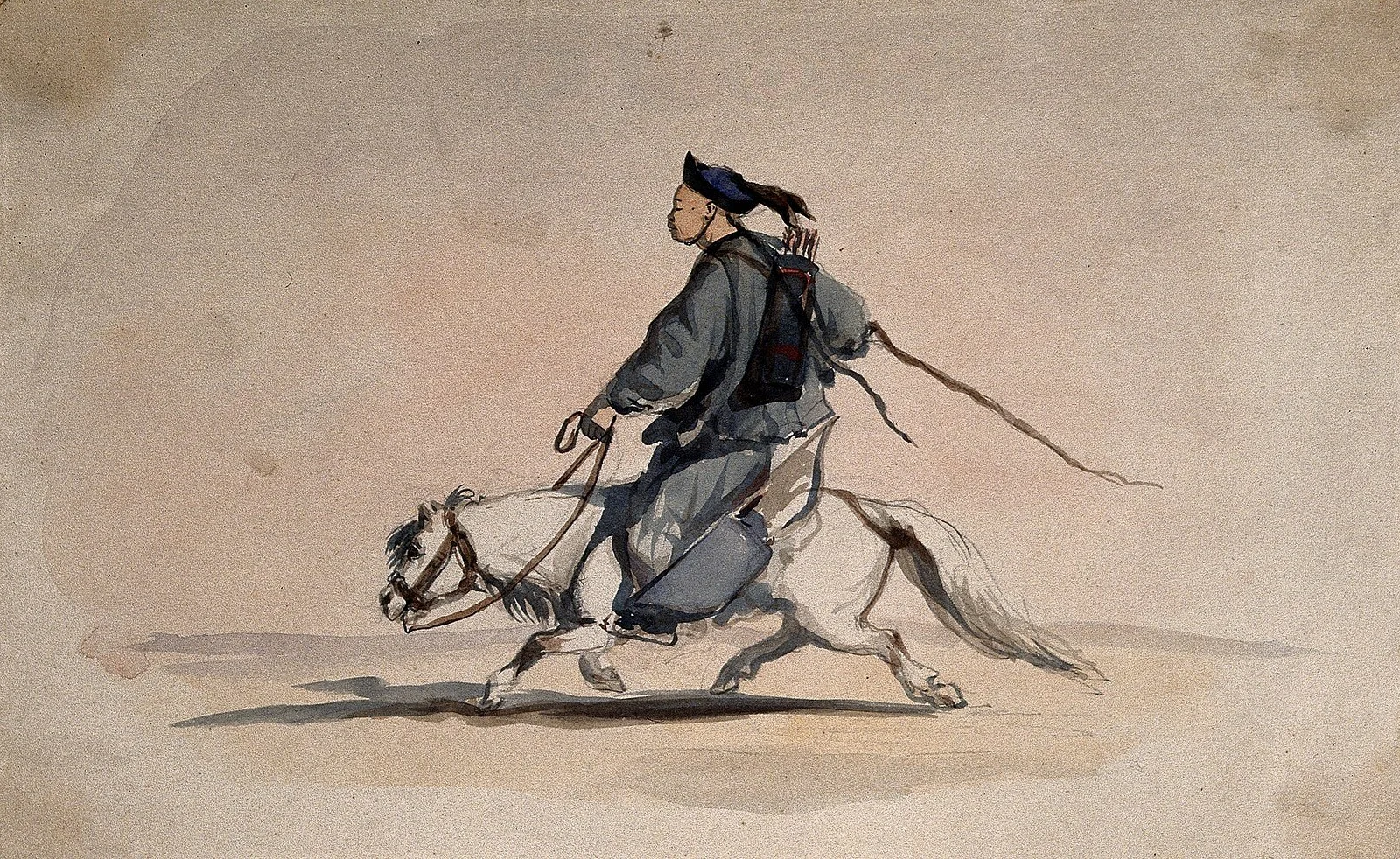
Chinese soldier with long braid during Qing Dynasty. Charles Wirgman. CC BY 4.0.
Similar to other cultures, China’s ancient braided styles were worn by young girls not yet eligible for marriage, but their braids also have a violent history attached to them. During the Qing Dynasty, Manchu Regent Dorgon adapted the Queue Order, a decree mandating the queue hairstyle for Han Chinese males to wear as submission to the dynasty. This style consisted of a shaved head in the front and a long braid in the back, woven with the remaining hair. Regent Dorgon’s hairstyle mandate received major backlash, and by 1645, the dynasty ruled that any men who didn’t follow the queue would be executed after ten days. The Chinese protested the queue from the very beginning because the hairstyle promoted compliance with the Qing dynasty and became the sign of a fallen government. Eventually, the revolutionists led to the demise of the Queue Order, and the Chinese people historically continued their revolutionary spirit through resistant hairstyle changes.
7. RUSSIA
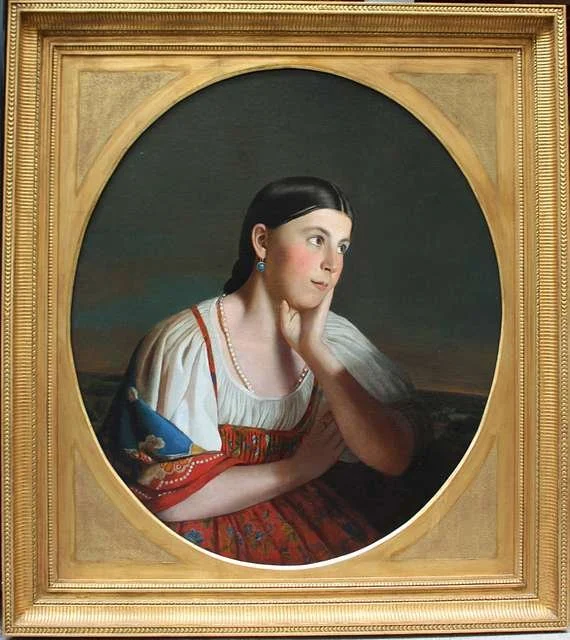
Portrait of a young Russian girl. Aleksey Venetsianov. PD.
In ancient Russia, most women kept their hair long and braided, an indicator of their relationship status. Their ideology was that the thickness and length of a girl’s braid constituted how marriageable she was. In one of their customs, a woman’s hair was unbraided the day before her wedding as she transitioned into marriage. In some regions, girls gifted their braids to their future husbands to signify their trusting him with their lives. After marriage, women had to keep their heads covered outside of the family, so while their braids became more complex, they had to stay under a kokoshnik, or headscarf. If their husbands passed, women would sometimes cut off their braids to mourn and express that they didn’t want to marry again. For ancient Russians, braids were a symbolic signifier of women’s availability for marriage, and they revolved around transitions into maturity.
Braided hairstyles are still widely worn by all cultures, with many of them having their own renditions of braids, but an issue has arisen in today’s braid culture. Many question whether it’s appropriate to wear cultural braids from a place one isn’t from, leading to a distinction between cultural appropriation and appreciation. Cultural appreciation seeks to learn about other cultures to understand them better and may indulge in some cultural aspects that are generally open to anyone. Cultural appropriation is when someone uses a part of someone else’s culture for their own personal gain. For example, wearing a culturally significant piece of clothing as a mere fashion statement is considered appropriation. Similarly, braided styles can be worn by anybody, but when it comes to specific styles with historical significance and important cultural contexts, it’s probably better to leave the style alone.

Evelyn Garcia Medina
Evelyn is a recent Chicana graduate with a B.A. in English and Comparative Literature. Born and raised in the Bay Area, she draws inspiration from her passions: her cultural roots, environmentalism, and human rights. In her free time, she goes on hikes and enjoys learning about current social issues, history, and animals.