
Kelcie Lee
Albania’s bunkers were built during the Cold War but have since been repurposed as local businesses and tourist attractions.
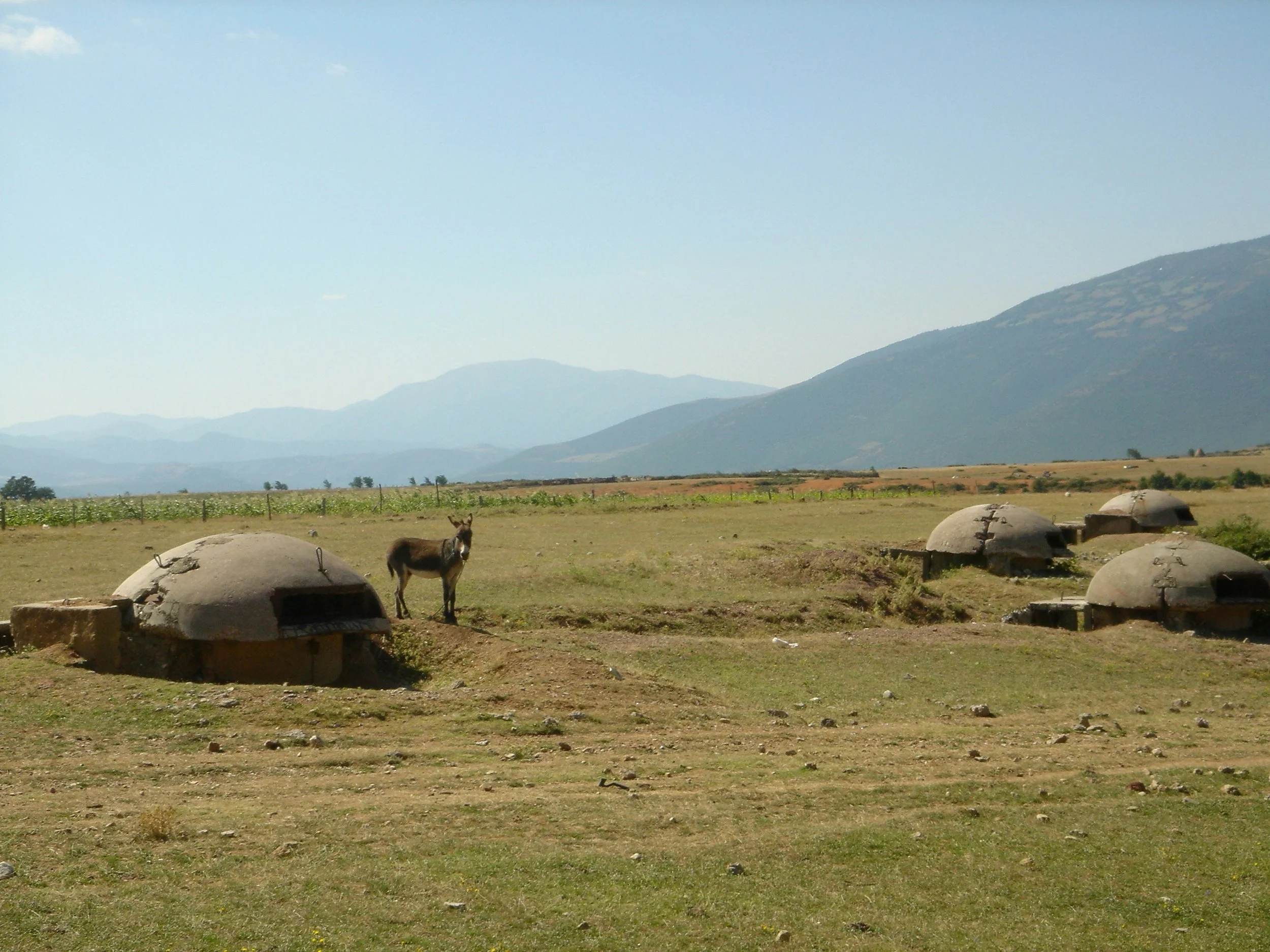
Bunkers in the outskirts of Albania. Paul Blenkhorn. Unsplash.
In between the hills and valleys of Albania, you might find a cafe, gift shop, art gallery or history museum within one of many hidden bunkers. Scattered throughout Albania are more than 750,000 concrete bunkers built during Albanian Prime Minister Enver Hoxha’s communist regime. Bunkers were built in multiple sizes, varying in how many people were intended to be held within them. While the bunkers represent isolation and paranoia during the intense Cold War political climate, the country has repurposed thousands of them to create unique spaces.

Bunker in Albania. Adventure Albania. Unsplash.
In the 1960s, Hoxha ordered the construction of the bunkers through his “bunkerization” program due to his fear that Albania would be invaded during the Cold War. While he felt that neighboring countries might invade the country, many believe Hoxha’s program was considered a symbol of his paranoia because no invasion ever occurred.
The bunkers were built in all corners of the then-People’s Socialist Republic of Albania, found anywhere from the countryside to city streets. The cost of constructing hundreds of thousands of concrete bunkers drained Albania’s financial resources, leading the country to lack public services, such as infrastructure, education and health care. Following the dissolution of the communist government in 1992, the bunkers were left abandoned.
Since then, the Albanian people realized that just as constructing the bunkers drained their money, removing them entirely would also prove to be an expensive task. While some of them have been left abandoned, others have been repurposed for a variety of causes. Some of the bunkers were transformed into animal shelters or temporary homeless shelters, while others became tourist attractions to showcase Albania’s creativity and art.
“Bunkers are an essential part of Albanian identity,” said Elian Stefa, who started a business that repurposes Albanian bunkers. “They represent 45 years of communism that changed this country in so many ways. They might be a scar, but a scar is just a good story to tell.”
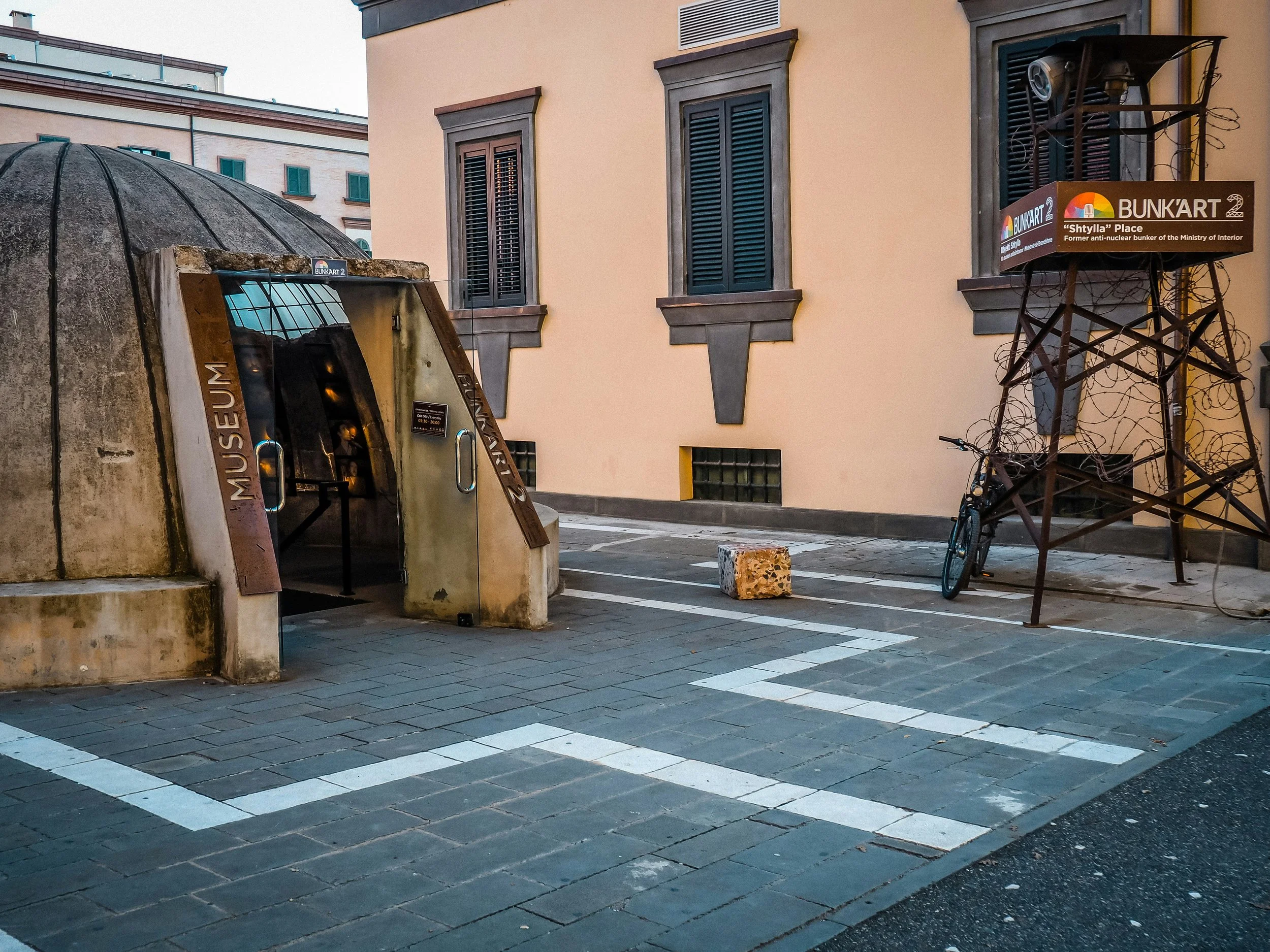
Museum bunker in Albania. Adventure Albania. Unsplash.
Some of the bunkers have been built into cafes and bars, with tables and seating both inside and outside. The bunkers have also made functional wine cellars and storage areas because of the low temperatures inside. Other bunkers have transformed into small restaurants, art exhibitions and history museums. One larger bunker contains historical exhibits from World War II and the Hoxhaist period.
Beachside bunkers have become home to businesses that rent out beach umbrellas and chairs to travelers. As the functional bunkers boast something unique, travelers from around Europe and all over the world have come to see and experience them.
While the Albanian bunkers have often represented a bitter history of what once was, it has also been used as an effective way to teach younger generations about the country’s history. The bunkers once symbolized an extreme paranoia and a time period that took a toll on the country’s infrastructure and resources, but they have since been transformed from a negative past to a reflection of a positive future.
The repurposing of the bunkers has led them to reclaim Albanian history and culture. It signifies the nation’s strength in shaping what is defined as the Albanian identity. As Altin Prenga, an agricultural engineer in Albania, put it, “Step by step, we have rediscovered what we lost from communism.”

Kelcie Lee
Kelcie is a second-year student at UC Berkeley majoring in history and sociology, with a minor in journalism. She developed her passion for writing and journalism in high school, and has since written for a variety of news and magazine publications over the last few years. When she isn't writing, Kelcie can be found drinking coffee, listening to music or watching the sunset.