
Evelyn Garcia Medina
Shamanism, a spiritual and natural healing method, doesn’t have one singular origin, but rather a translation of existence across communities, shaping their health traditions and culture.
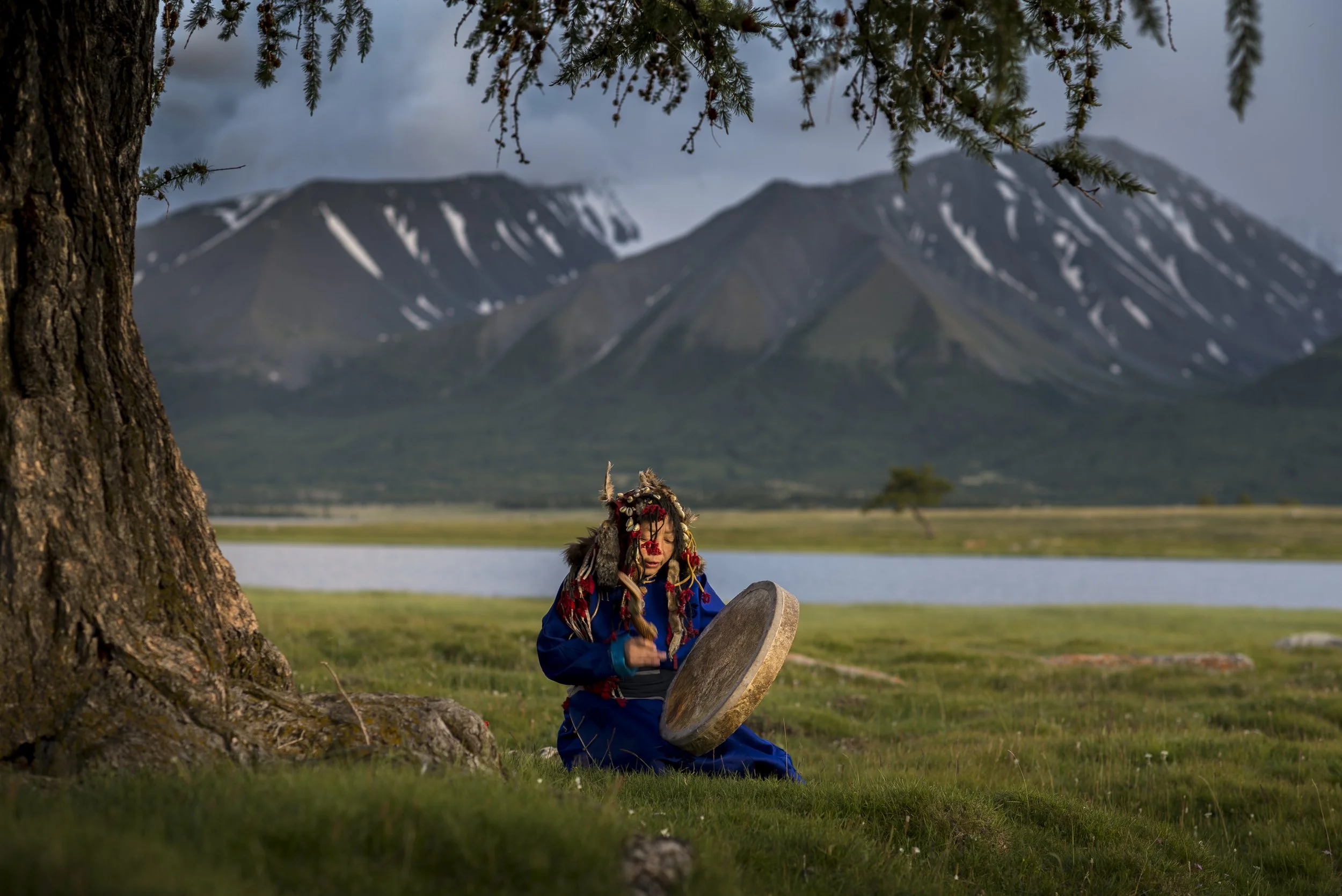
Mongolian female shaman. David Baxendale. CC BY-ND 2.0.
In nearly every culture, there is some form of spiritual practice that heals inner and physical ailments. Oftentimes, that practice is shamanism, but it can’t be categorized as one singular method of healing. It’s generally defined as a religion in tune with the supernatural, and while that part of it exists across all of its manifestations, communities around the world practice differently based on their past and present cultural identities. Shamanism has spread across countries and continents, including Siberia, Mexico, Hmong culture originally from Southern China, Native America and the Amazon basin. These are just a few of the regions that demonstrate shamanism’s diversity and express what medicine looks like in different parts of the world.
Siberia

Siberian shaman wearing traditional attire and carrying a drum. Rita Willaert. CC BY-NC-SA 2.0.
Some of the first records of shamanism can be traced back to Siberia, which is commonly accepted as the birthplace of “the shaman.” Associate Professor at Hacettepe University, Neyir Kolankaya Bostanci, defines a shaman as “a religious leader of the community whose principal role is to act as a mediator” for the sky, earth and underground worlds. Based on Siberian ethnographic evidence, Bostanci says it’s possible that “hunter-gatherer groups would have seen the environment as giving and reciprocating” and that their spiritual worlds would include natural elements. Siberian shamanistic rituals were conducted with natural materials like herbs and fire, and they also used drums, horned masks and models of spirits. A shaman was considered able to communicate with the supernatural realm to heal, make divinations, improve fertility, manipulate weather and ensure successful hunting trips. Ultimately, Siberian shamans were an important figure for the community because they helped villagers with health and prophecy, but they also overall initiated the documentation of shamanism thus far.
Mexico
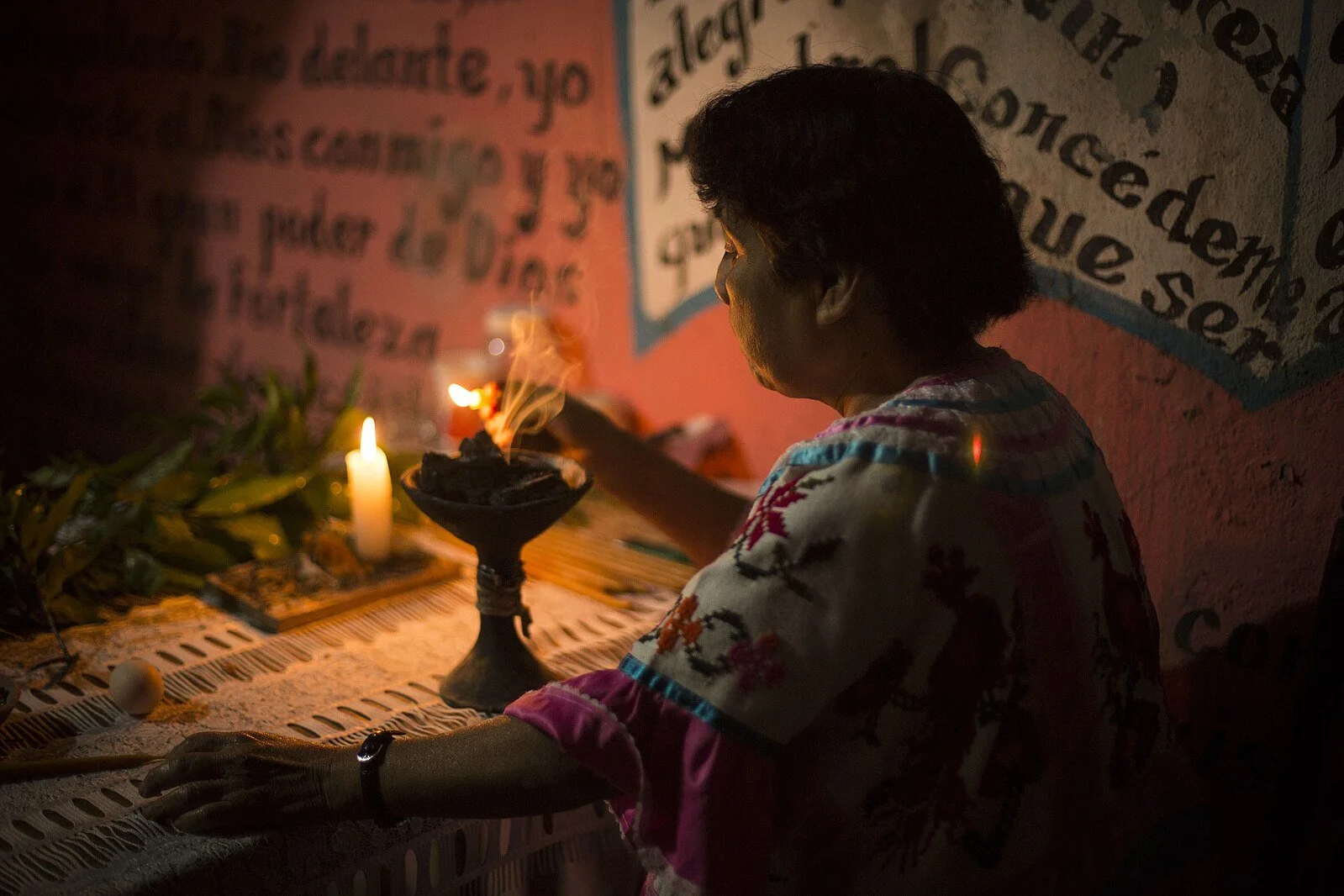
Curandera lighting a fire for a cleansing ritual. EfrenDelRosal. CC BY-SA 4.0.
Mexico’s shamans are called curanderas, traditional female folk healers who utilize objects like sage, eggs, herbs and teas, as well as communicate with deities for prayers and offerings. Mexican shamanism originated as a female-dominated practice, but over time, men joined and became curanderos. Curanderismo, or Mexican shamanism, is rooted in the Aztec culture of the 1400s, a time when Aztecs “sought remedies in the plants that grew in the surrounding forests,” according to writer and reporter Thomas Ragan. In 1521, the Spaniards invaded the Aztec empire, in which “Tenochtitlan and 3,000 medicinal plants [were] destroyed,” as stated in a presentation published by professor and administrator at the University of New Mexico, Eliseo Torres. Before the invasion, curanderas are said to have remedied ailments like numb feet and pains in the stomach, in addition to curing lightning strikes and black blood, which was the Aztecs’ label for melancholy. This was mostly done with an egg cleansing ceremony, where curanderas extracted negative energy and translated the patient’s concerns through a yolk reading. The egg cleansing ceremony is still an important part of curanderismo today and has traveled all the way to the United States, where it’s present within Mexican communities and keeps an important part of Mexican history alive.
Hmong
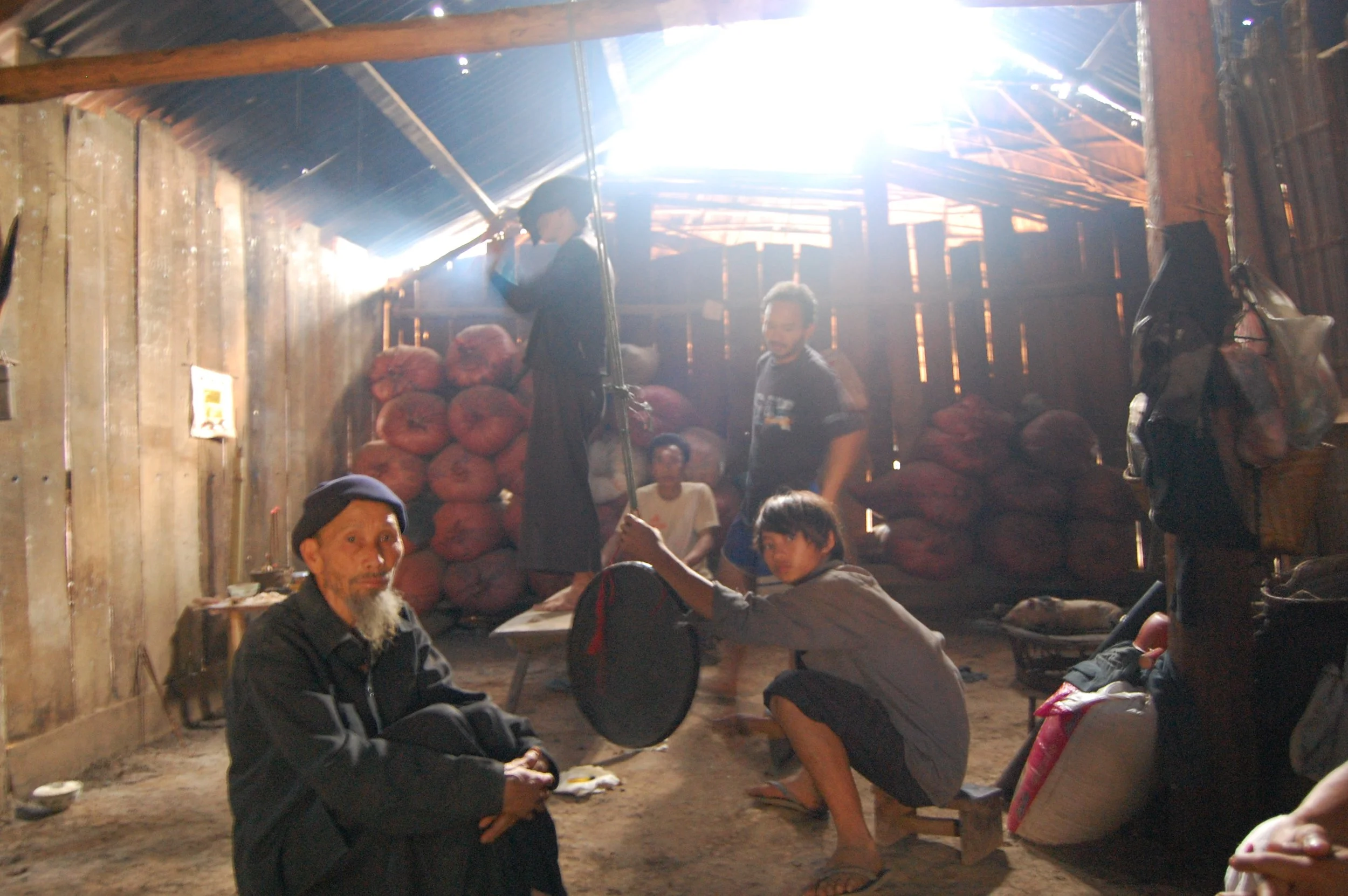
Hmong shaman performing a ritual with helpers. Fraser Reid. CC BY 2.0.
Shamanism in Hmong culture is a well-known healing practice used to treat illnesses like lost and evil spirits. Its origins involve the deity of death, Ntxwj Nyoog, and the mortal Siv Yis. Siv Yis was given healing powers from the deity of life, used them to protect humans from death and eventually shared his healing abilities with human successors, thus leading to Hmong shamans. A shaman is only considered such if they possess the necessary healing abilities, but there are also some herbalists who use plants to heal illness. Additionally, there are “magical” healers who, according to ReligiousMN, an online hub from Minnesota with religious scholarly articles, chant rituals with the help of spirit guides and are claimed to cure “burns, broken bones, vomiting, babies’ chronic nocturnal crying, rash, children’s fright,” and more. Hmong shamanistic culture has remained alive and followed its people to the United States, where it has adapted to Hmong American culture.
Amazon basin
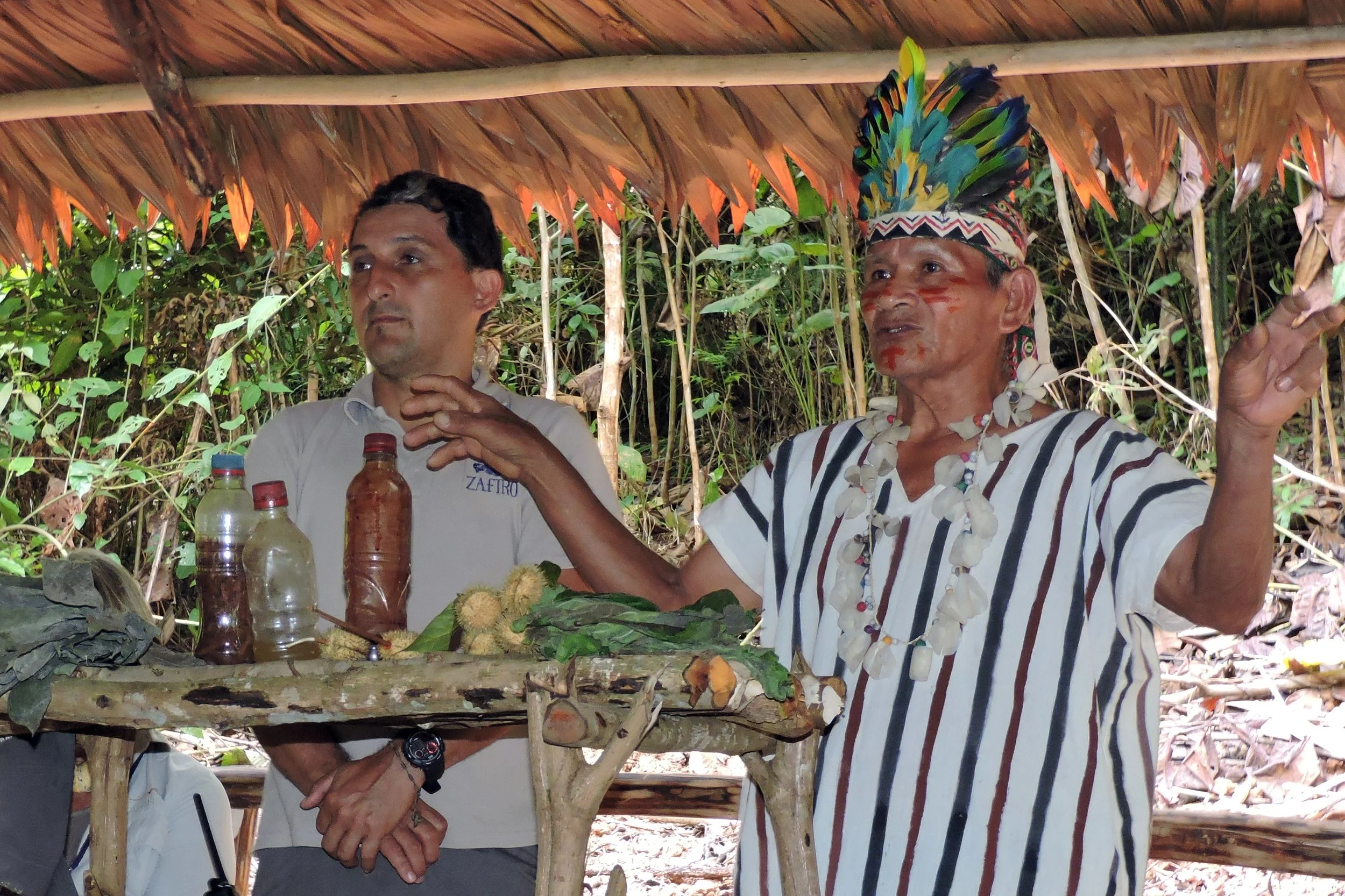
Village shaman and his naturalist prepare herbal medicine. Alan Kotok. CC BY 2.0.
Nature sits at the core of shamanism, and almost all elements of nature are incorporated into it. In Amazonian shamanism, this includes ayahuasca, a sacred drink made from a psychedelic plant used in rituals to reach elevated levels of consciousness. In the Amazon, shamanism holds a strong force in indigenous tribes and communities because they are symbols of spiritual leadership and mastery, possessing a mix of traditional medicine used to care for people’s physical and spiritual well-being. It’s not easy to become a wise shaman in the jungle, though. According to Responsible Travel, a German-Ecuadorian tour company, becoming a shaman involves a nearly lifelong apprenticeship with a mentor, long stages of isolation, “fasting practices, and the consumption of ancestral plants such as the well-known ayahuasca.” A shaman takes ayahuasca to make their healing abilities easier to grasp and better understand the spiritual balance between the world, human beings and nature. Amazonian shamans have physical and spiritual healing skills that sometimes require the patient to take ayahuasca as part of the ceremony, highlighting the sacred plant as a key component to the Amazon’s shamanistic ideology. They use ayahuasca to “awaken visions and link individuals with their inner and spiritual world,” says Responsible Travel. Nature tends to be at the foundation of shamanic spirituality, but Amazonian shamanism brings it to a different level with its knowledgeable use of ayahuasca.
Native America
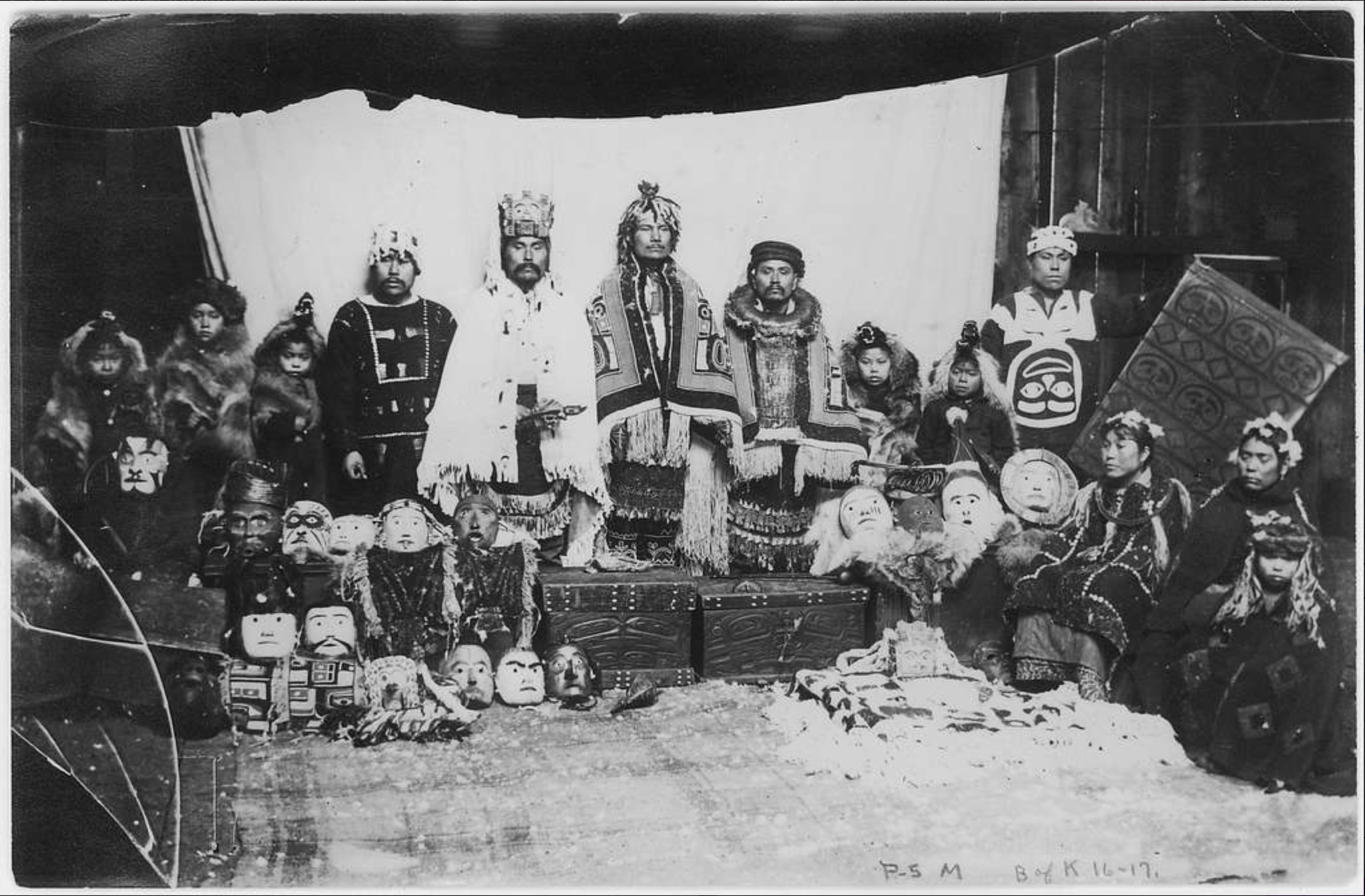
Native shamans posing for a picture in ceremonial attire. B.A. Haldane. PD.
Native American shamanism today is derived from a mixture of pre-colonial tribes from the North Pacific Coast, including large tribes like the Kwakiutl and Salish. Susan Shannon, interfaith minister and self-labeled mystic, says that European and American colonists “sorted indigenous peoples into a few dozen territorial groupings” that didn’t reflect their cultural norms. But there were still a lot of similarities between them, especially environmental ones, like animals, plants and trees that “led to a natural cultural resonance among tribes,” explains Shannon. Generally, there are two roles in Native American shamanism: a shaman or medicine man and a priest. A shaman used spiritual tools to heal patients, while a priest used his extended spiritual knowledge to lead ceremonies. During ceremonies, shamans and priests would enter a trance, and they had multiple ways to enter one, including with peyote. Native American shamans are similar to Amazonian shamans in that sense; they utilize plants with mind-altering abilities to improve rituals. Author and professor in the Department of Anthropology at California State University, Chico, Dr. Stacy B. Schaefer, explains that indigenous people have used peyote for centuries and understand it to be “a sacred plant that helps one talk to God and follow a good life path.” Schaefer describes that Catholic and Protestant missionaries attempted to force their values onto Native Americans and get rid of peyote, but the natives resisted and instead combined peyote beliefs with the Christian doctrine. By 1918, their fusion of religions became a federally recognized religion named the Native American Church, in which members now understand that peyote is both medicinal and holy. American indigenous history with peyote had to endure many obstacles, but natives’ efforts ensured that today, there is a more nuanced understanding of mind-altering substances like peyote.
Shamans possess an important role in many cultures, but because of the supernatural nature of shamanism overall and the psychedelic drugs used in some rituals, there are a lot of skeptical people, including many health professionals. This is a reasonable take due to a lack of evidence that magic is real and the general disapproval of drugs, but there is still validity to shamanism’s medicinal system that can’t be ignored. Much of shamanism is working with medicinal plants, and according to the World Health Organization, “around 40% of pharmaceutical products today have a natural product basis, and landmark drugs derive from traditional medicine.” Herbs, plants and natural objects are the starting point for many of the things we use every day, including the pharmaceutical medicine that helps heal us. Psychedelic drugs specifically have been studied for a long time as well, and there is evidence correlating psychedelic substances with improved health, an idea that indigenous cultures have already known for a long time. Nature is in almost everything around us, and without it, the world wouldn’t have evolved into what it is today.
Evelyn Garcia Medina
Evelyn is a recent Chicana graduate with a B.A. in English and Comparative Literature. Born and raised in the Bay Area, she draws inspiration from her passions: her cultural roots, environmentalism, and human rights. In her free time, she goes on hikes and enjoys learning about current social issues, history, and animals.