
Caleigh Capio
Refresh your playlist and discover musicians from around the world with these books.
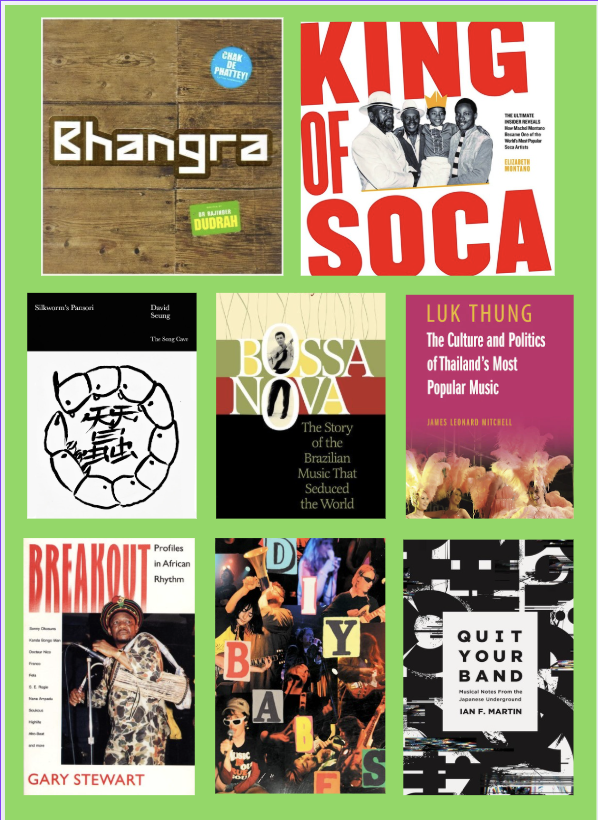
Whether you’re looking to discover a new song or learn about a city through its local music scene, here are 8 books to read on international music genres if you have a passion for music and travel.
1. “DIY BABES” by Billie Estrine (Australia)
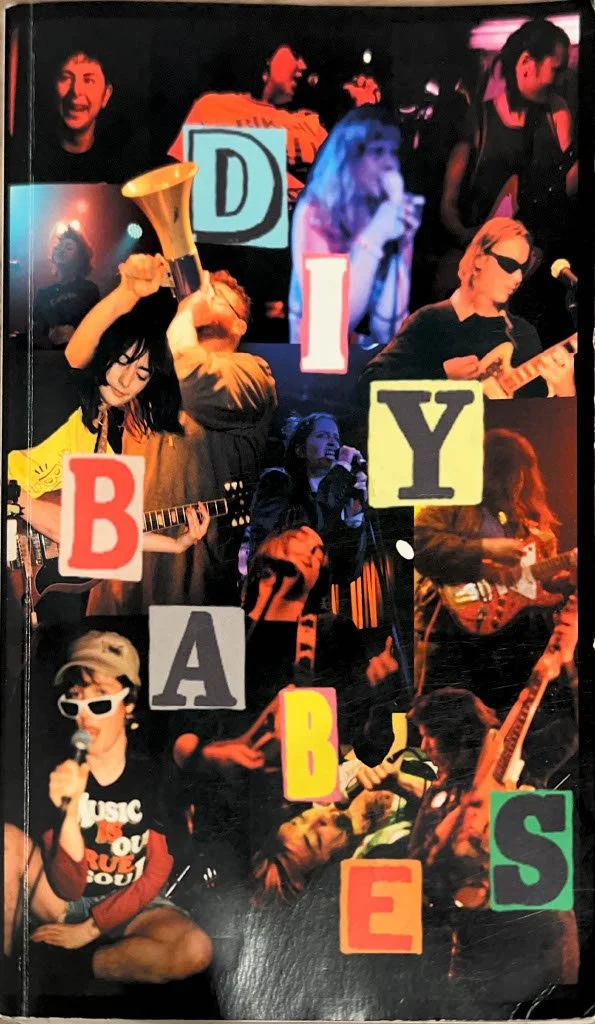
Originating in New York during the ‘70s, the punk scene was founded on anti-establishment and do-it-yourself philosophies that drive the messages behind its music. In cities around the world, the punk music scene has fostered tight-knit communities united by shared values and a commitment to alternative living. In “DIY BABES,” music journalist Billie Estrine shares interviews with key figures and artists involved in the current underground punk music scene in Naarm, the Traditional Place name for Melbourne, to discover how their vibrant community, politics and ideals influence their art. Estrine’s book offers an intimate look at the relationship between music and politics, reminding readers that punk is inherently political, no matter where you are.
Song Selection: “Horse of Freedom” by The Vovos
2. King of Soca” by Elizabeth Montano (Trinidad and Tobago)
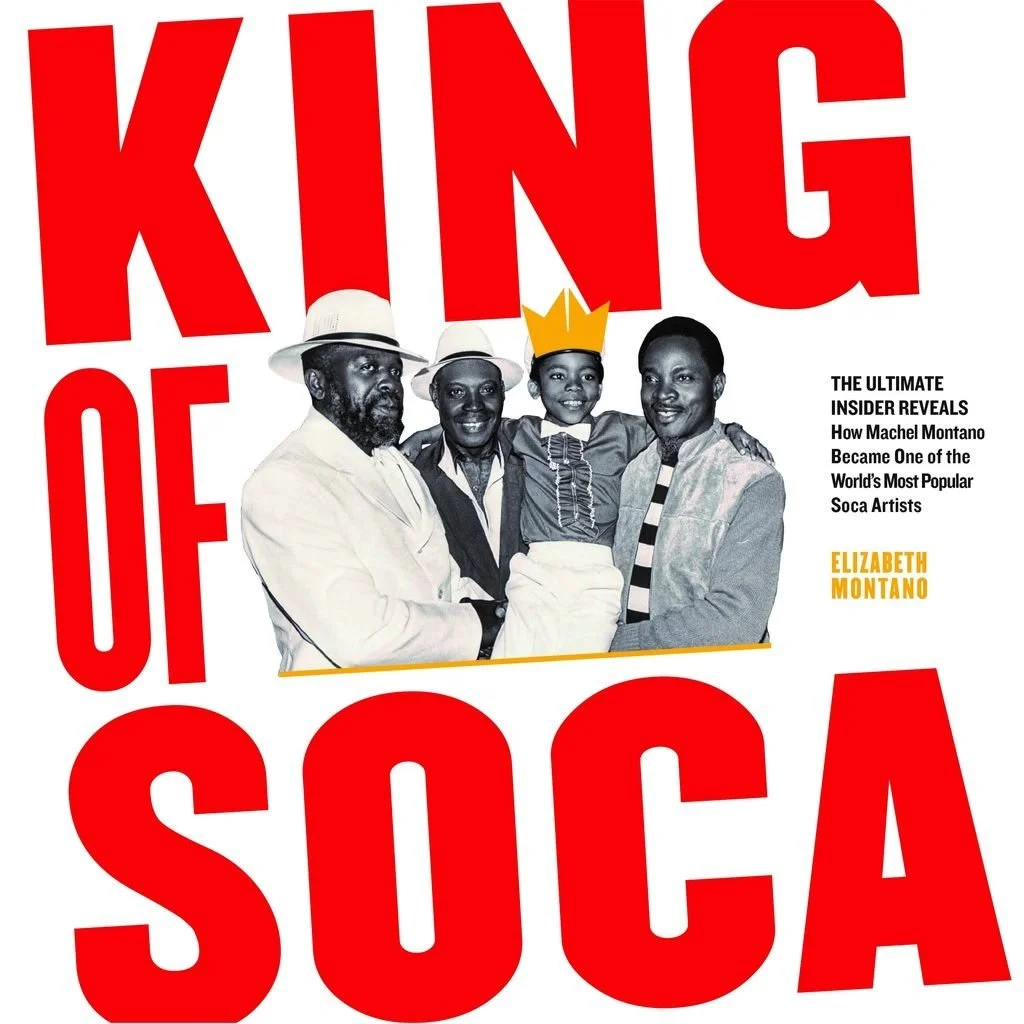
Soca is a hybrid genre influenced by Afro-Caribbean and Indo-Caribbean Carnival celebration music from Trinidad and Tobago, invented by the artist Lord Shorty with his 1973 release, “Indrani.” Since its inception, soca has gained international recognition; this year, Machel Montano became the first soca artist invited to perform on NPR’s Tiny Desk Concert. Known as the King of Soca, Montano’s music helped define the sound of the genre and popularize it outside of Trinidad and Tobago. Written by the artist’s mother and manager, “King of Soca” by Elizabeth “Lady” Montano is both a personal account of her son’s success in the global music industry and an overview of soca’s rich musical lineage in the Caribbean.
Song Selection: “Ministry of Road (MOR)” by Machel Montano
3. Bossa Nova: The Story of Brazilian Music that Seduced the World” by Ruy Castro (Brazil)
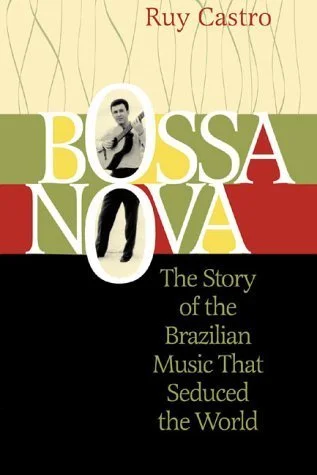
Bossa nova was Rio de Janeiro’s soundtrack in the 1950s and '60s, influenced by a combination of traditional Afro-Brazilian samba rhythms and American jazz melodies. Originally written in Portuguese and translated into English, journalist Ruy Castro’s book traces the spread of bossa nova through interviews with popular artists, such as Antonio Carlos Jobim and Joao Gilberto. Castro’s account of the budding bossa nova scene examines how the sound of nylon-stringed guitars first flooded Rio’s beach towns and nightlife, later becoming a pop sensation worldwide.
Song selection: “The Girl From Ipanema” by Stan Getz and Astrud Gilberto
4. Silkworm’s Pansori” by David Seung (South Korea)
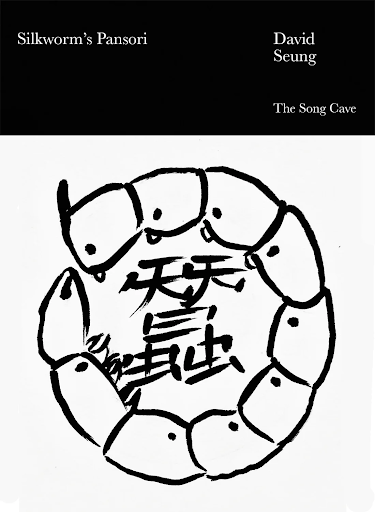
The title of David Seung’s collection of English-language sijo poems references pansori, a traditional form of Korean musical storytelling popular during the Joseon Dynasty. In pansori narratives, folktales are performed for hours by a single vocalist accompanied by a drummer. Seung’s choice of title and poetic form addresses the central theme of his collection, reflecting on his family’s history and his Korean identity, inseparable from memories of war and resistance. Seung places his sijos in conversation with the Korean Declaration of Independence, as he is a direct descendant of an original signer of the document.
Sijo selection: “Plates of Fruit, Cut and Peeled”
Song selection: “Sarang-ga (Love Song)” from the Story of Chunhyang by Seoyoon Jang
5. “Bhangra: Birmingham and Beyond” by Rajinder Dudrah (U.K., India, Pakistan)
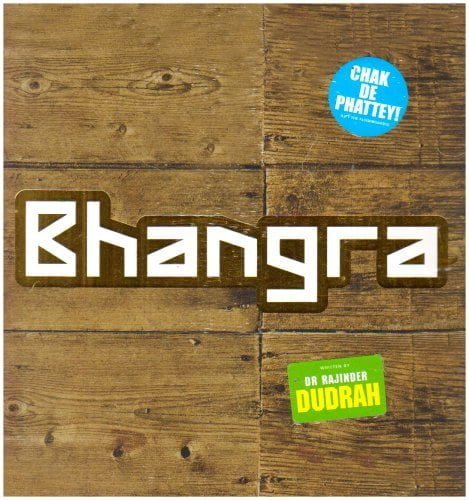
Bhangra is a genre of upbeat folk dance music from the Punjab region of India and Pakistan. “Bhangra: Birmingham and Beyond” markets itself as the world’s first book published on the British bhangra subgenre, with exclusive interviews from the scene’s most influential artists. Highlighting British bhangra’s cross-cultural origins, Dudrah tracks the rich history of traditional bhangra music in the U.K. and how other genres such as U.K. pop, R&B and U.S. rap music helped shape the unique sound of British bhangra.
Song selection: “Mundian To Bach Ke (Beware of the Boys)” by Panjabi MC featuring Jay Z
6. “Quit Your Band! Musical Notes from the Japanese Underground” by Ian F. Martin (Japan)
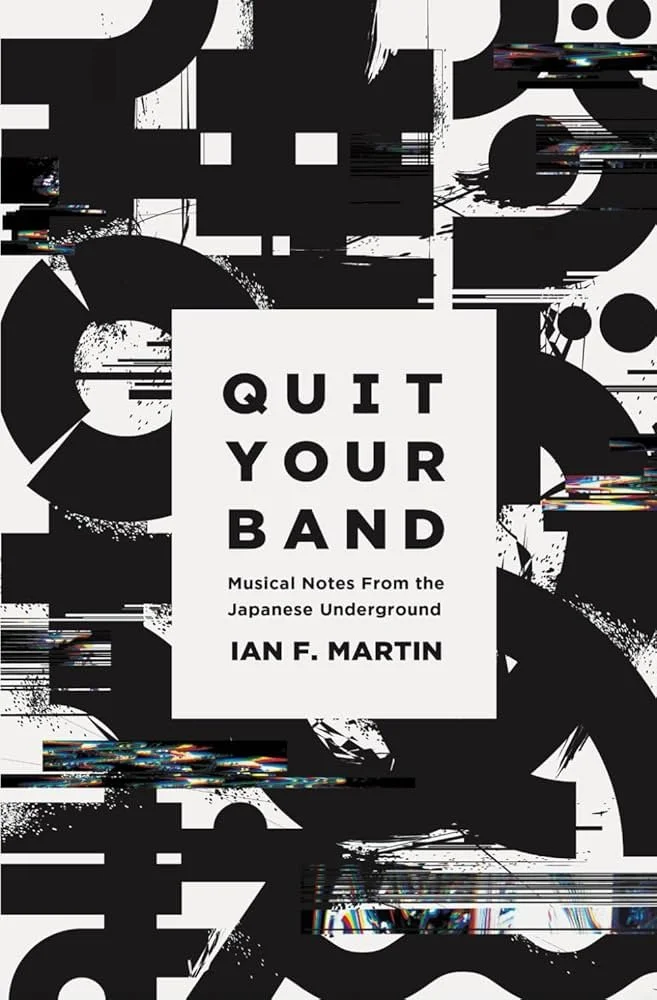
Japan Times columnist and indie record label owner Ian F. Martin guides readers through a musical history of Tokyo. Drawing on the author’s personal experiences covering Tokyo’s music scene, “Quit Your Band!” introduces the city’s noteworthy musicians and provides insight into the mechanics of the Japanese music industry. From commentary on J-pop idol culture to interviews with underground indie and punk artists, Martin’s immersive writing captures the variety of sounds that make up Tokyo’s lively musical landscape.
Song Selection: “Drop You Vivid Colors” by Luminous Orange
7. “Breakout: Profiles in African Rhythm” by Gary Stewart (Dominican Republic of Congo, Ghana, Nigeria, Sierra Leone)
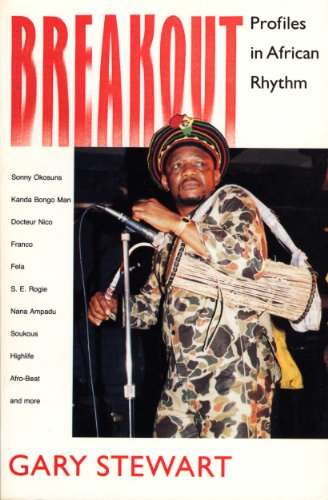
Published in 1992, Gary Stewart’s 14-chapter book introduces pop artists across four different African genres: soukous, highlife, afro-beat and palm wine music. Stewart’s goal is to raise awareness of the thriving music industry in various African countries through interviews with popular and unknown musicians from Congo (Zaire), Ghana, Nigeria and Sierra Leone. These profiles explore the artists’ inspirations, messages and their perspectives on the growth of African pop music within the context of the larger global pop scene.
Song selection: “Water No Get Enemy” by Fela Kuti
8. “Luk Thung: The Culture and Politics of Thailand’s Most Popular Music” by James Leonard Mitchell (Thailand)
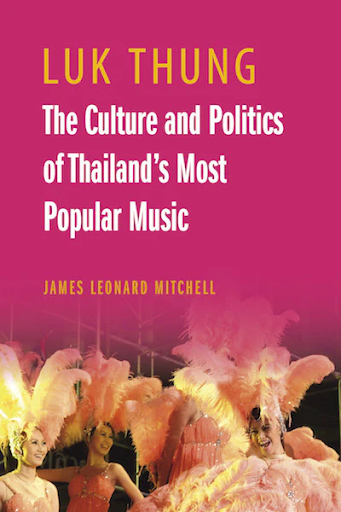
Luk thung, meaning “child of the fields,” is a Thai genre of country music that combines traditional folk and contemporary musical elements. Lyrically, luk thung songs reflect on depictions of rural life and the hardships of the working class in Thailand. Professor of ethnomusicology James Leonard Mitchell examines the role of luk thung, arguing against the belief that the genre is not political. Through research and interviews with Luk Thung musicians, fans and songwriters, Mitchell writes a vivid historical account of how Thai pop music developed.
Song selection: “Kaew Ror Pee” by Pumpuang Duangjan

Caleigh Capio
Caleigh is a recent graduate from Wellesley College with a B.A. in English and a minor in Italian Studies. She has always had a passion for storytelling, language and culture studies, and all things literary, and will continue to pursue these interests. In her free time, she enjoys reading, writing book reviews, spending time with friends, and discovering new music.