
Julia Kelley
Preserved in the idyllic waters and lush landscapes of Norway’s fjords are the country’s Viking history and mythology, presenting travelers with unique cultural adventure opportunities.
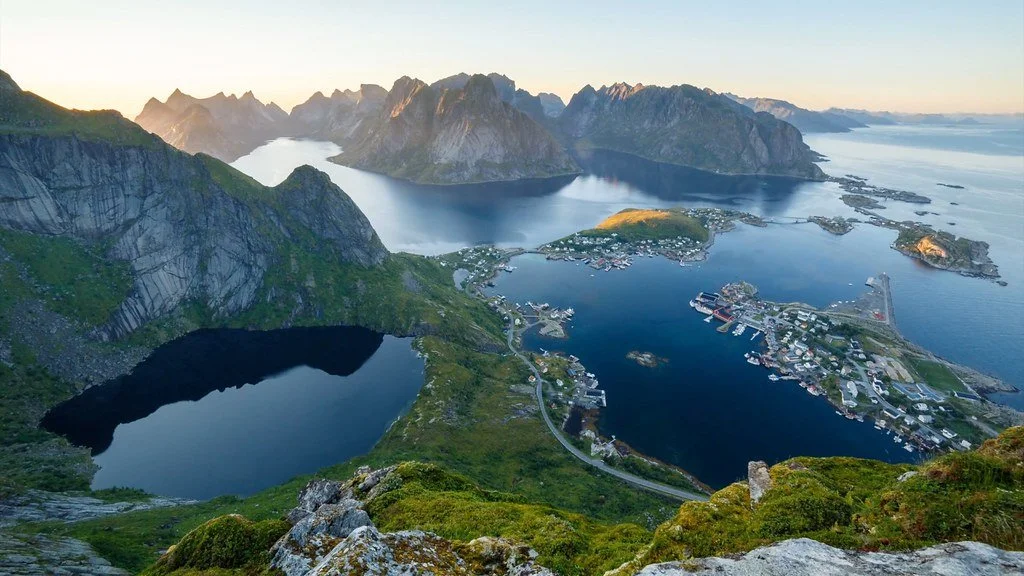
Norway Fjords. Werner Bayer. CC0.
Carving out the coast of Norway are its famous fjords, long and narrow bodies of water that run deep inland from the sea. These inlets were formed as Ice Age glaciers gradually moved across vast valleys. While these landscapes have been created in many areas far north and south, Norway is home to some of the world’s largest and most dramatic fjords, exemplified by those such as the Sognefjord, Lysefjord and Geirangerfjord. These landmarks are additionally illustrative of the country’s strong cultural ties to the landscape, particularly through Viking mythology. Vikings were knowledgeable seafarers from Scandinavia, known for their colonization of many parts of Europe from the 9th to 11th centuries. Although they had a profound effect on the societies they encountered, much of their history is lost, now mainly told through songs, poems or other oral traditions. Because of this lack of information, Vikings have become stereotyped as barbaric, but many researchers note how their lives revolved around farming and trading around fjordlands and across the sea. As such, fjords are interwoven not only in their history but also in their mythology and culture.
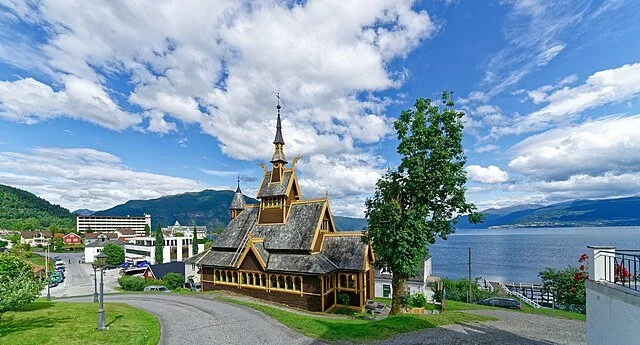
Balestrand on the Sognefjord. Holger Uwe Schmitt. CC BY-SA 4.0.
According to Norse mythology, the universe emerged from a void, known as the “Ginnungagap,” between a landscape of fire and ice, through which gods and giants were created. In many stories, fjords are considered to be created by such beings. Mother Nature is said to be born from the body of a dead giant: the Earth made of its flesh, the oceans corresponding to its blood and sweat, and the clouds to its brain. The longest, deepest fjord, Sognefjord, is reminiscent of this impotent power attributed by the Vikings. It is known as “The King of the Fjords” due to its vast size, which branches out to several valleys and villages on the western side of the country. In Norse mythology, the Jormungand, a large snake or dragon that surrounds the Midgard, or visible world, is often believed to be hiding here because it measures so deep, at 4,275 feet. It also offers countless adventure opportunities that take advantage of the awe-inspiring natural beauty, including kayaking, especially in the UNESCO World Heritage Site of the Naeroyfjord branch, hiking through coastal meadows and exploring the Jostedalsbreen glacier. Spring and summer, while busy with tourists, are the best times to visit and experience this beauty, as foliage is blooming and the temperatures are warmer. Fall and winter, on the other hand, are cold times of the year, and many tours and activities remain closed. Residing in the neighboring towns, like Balestrand or Laerdal, provides perfect opportunities to encounter local cultures and historic buildings, like wooden houses from the 16th and 17th centuries.
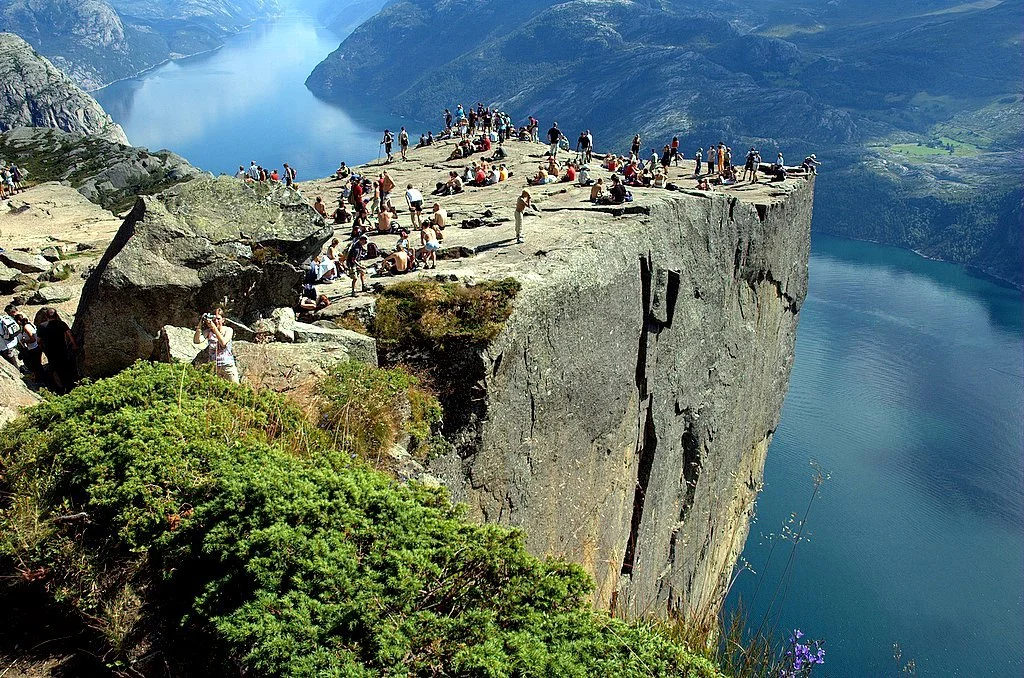
Pulpit Rock Above the Lysefjord. Ken Douglas. CC BY-NC-ND 2.0.
Additionally, the Lysefjord, known as the “Light Fjord” because of the light reflected off the water, offers even more dramatic views in the southwest of Norway’s towering rock formations and lush forests. This fjord was significant in Viking culture as well, used as an important trade route that is marked now with ancient rock carvings and historical sites. Along the coast of this fjord is the Pulpit Rock, a flat plateau reaching 1,982 feet into the air, a well-known hike for breathtaking views. This spot also finds significance in Norse legend for the large crack on its side, telling of how the rock will break apart when seven brothers marry seven sisters. In addition to this, travelers also enjoy the Kjerag Bolt, a boulder wedged in between two rock formations, and the Florli, the world’s longest set of wooden stairs. Much like in Sognefjord, spring and summer months are ideal times for visiting the region as they offer the best temperatures and longest daylight hours. Moreover, the best way to experience its pristine waters is by embarking on a cruise stretching across its 26 miles; from here, one can see the surrounding cliffs, such as the Preikestolen and Kjerag, and waterfalls that the area is known for.
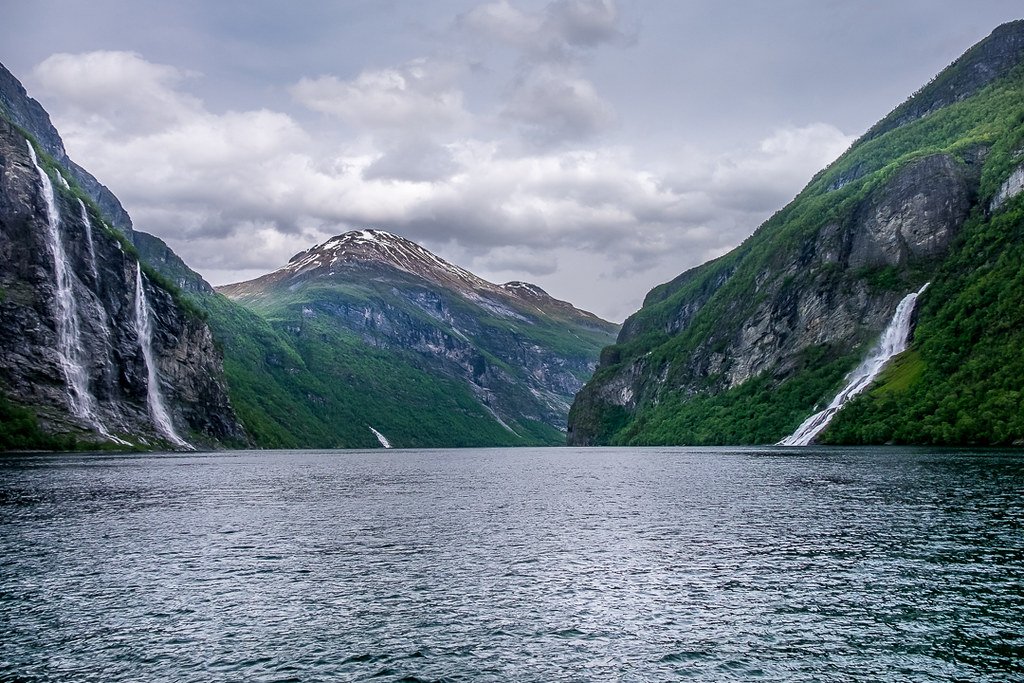
Seven Sisters and Suitor Waterfalls. Luis Ascenso. CC BY 2.0.
Lastly, the Geirangerfjord, another UNESCO World Heritage Site in western Norway, is marked as one of the most spectacular fjords in the world for its abundant vegetation and scenery. The area has been inhabited by small communities since medieval times and was home to Viking groups that focused on fishing and farming; part of its name, “geirr,” comes from Old Norse, meaning “spear,” as a reference to its long, tapered shape. In the Viking era, Geirangerfjord also served as an important meeting and trading place between those on the coast and inland, imperative in growing the area’s economy. Today, many historic farms, such as the Skageflå, continue production, and tourists from around the world visit to encounter their history and the surrounding landscape. Other abandoned small towns, such as Knivsfla, are perfect for those learning about the culture of Norway’s farm life in the fjord country and looking for a hike with panoramic views. A unique landmark of the fjord’s coast is its waterfalls, many of which are included in Norse mythology. Two, for example, named The Seven Sisters and The Suitor, are opposite each other and tell the story of a suitor who tried to court seven sisters, but was unsuccessful.
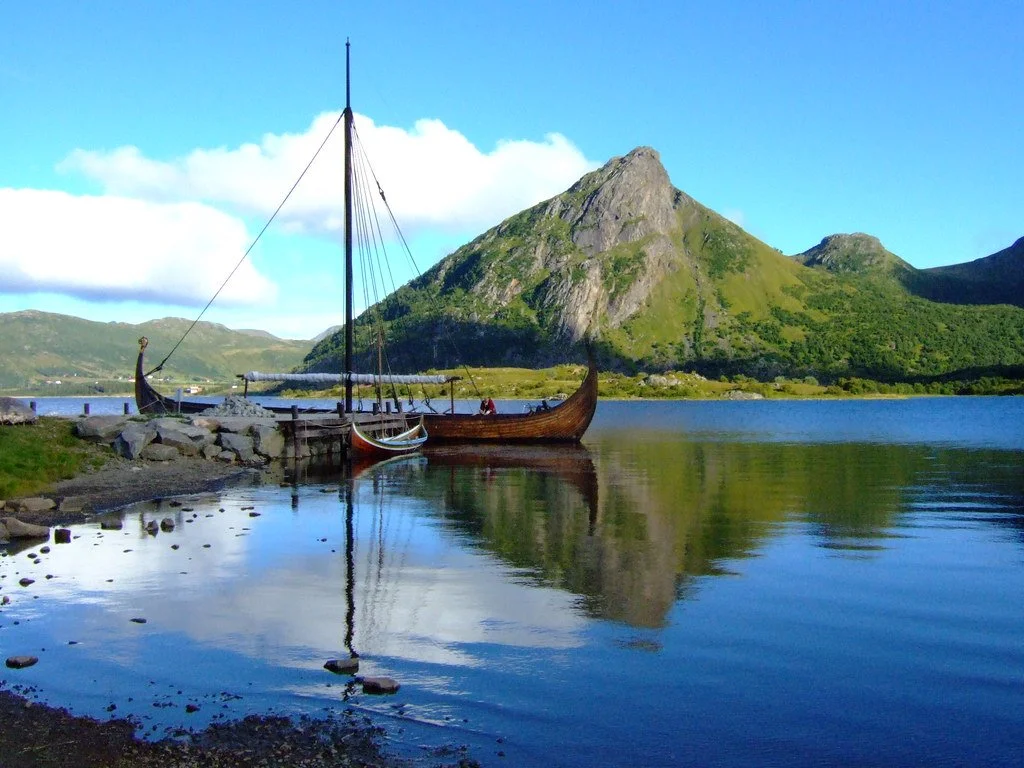
Viking Ship Replica in Fjord. Juanjo Marin. CC BY-SA 2.0.
Across the Norwegian coast, fjords remain a striking image of the country’s Viking history and enduring seafaring folklore, seen in the Norse legends that continue to shape its culture. It is this distinctive tradition and the spectacular landscape views and outdoor adventures that draw visitors to Norway from around the world. From kayaking past waterfalls to experiencing historic sites, such travelers are able to experience the unique heritage of the fjords.

Julia Kelley
Julia is a recent graduate from UC San Diego majoring in Sociocultural Anthropology with a minor in Art History. She is passionate about cultural studies and social justice, and one day hopes to obtain a postgraduate degree expanding on these subjects. In her free time, she enjoys reading, traveling, and spending time with her friends and family.