
Julia Kelley
From observing religious customs to simply gifting their mothers flowers, individuals around the world take part in cherishing maternal figures through their own Mother’s Day celebrations.
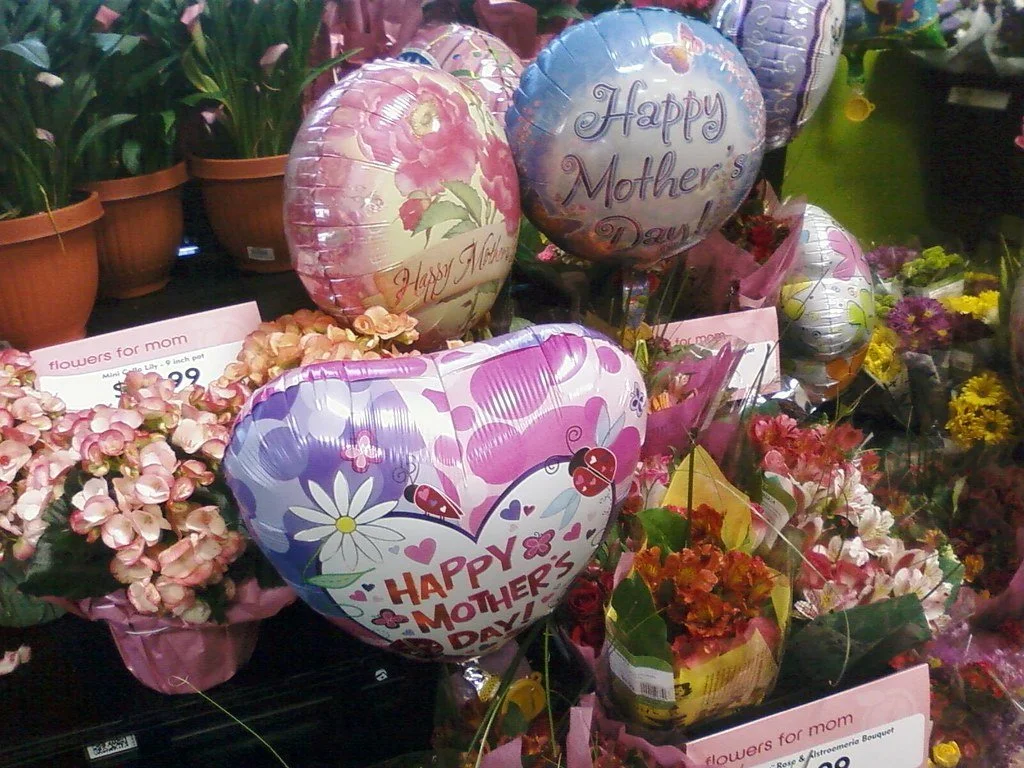
Mother’s Day Flowers and Balloons. Susansfh. CC BY-NC-ND 2.0.
Every year on the second Sunday of May, people in the United States commemorate Mother’s Day, a celebration of deep love and appreciation for the mother figures in one’s life. After Anna Jarvis established the holiday in 1914 to honor her mother, Ann Jarvis, and her work in many public health movements, it has been recognized in across America. However, countries and communities around the world have also established their own traditions focused on praising important feminine figures and matriarchal family members. Varying across times and historical roots, these diverse festivals and celebrations demonstrate the unique heritage of respective cultures, all while expressing the importance of mothers.

Worshipping Our Lady of Guadalupe. José Luiz. CC BY-SA 4.0.
1. Mexico
Unlike the United States, Mexico celebrates Mother’s Day, or El Dia de la Madre, annually on May 10. Beginning in 1922, when a Mexican journalist invited families nationwide to celebrate their mothers, today the holiday is characterized by eating tasty dishes, gifting flowers and treating one’s mom as “La Reina de la Casa,” or “Queen of the Home.” Waking up mothers with music is also a popular custom, many times including mariachi bands and traditional songs like “Las Mananitas.”
Mother’s Day is not only an important cultural holiday, but a religious one as well, as celebrants across the country attend special church masses focused on Jesus and his mother, the Virgin Mary. Moreover, Our Lady of Guadalupe, an important symbol of motherhood in Mexico, is remembered on this day for her role in shaping Mexican identity and culture.
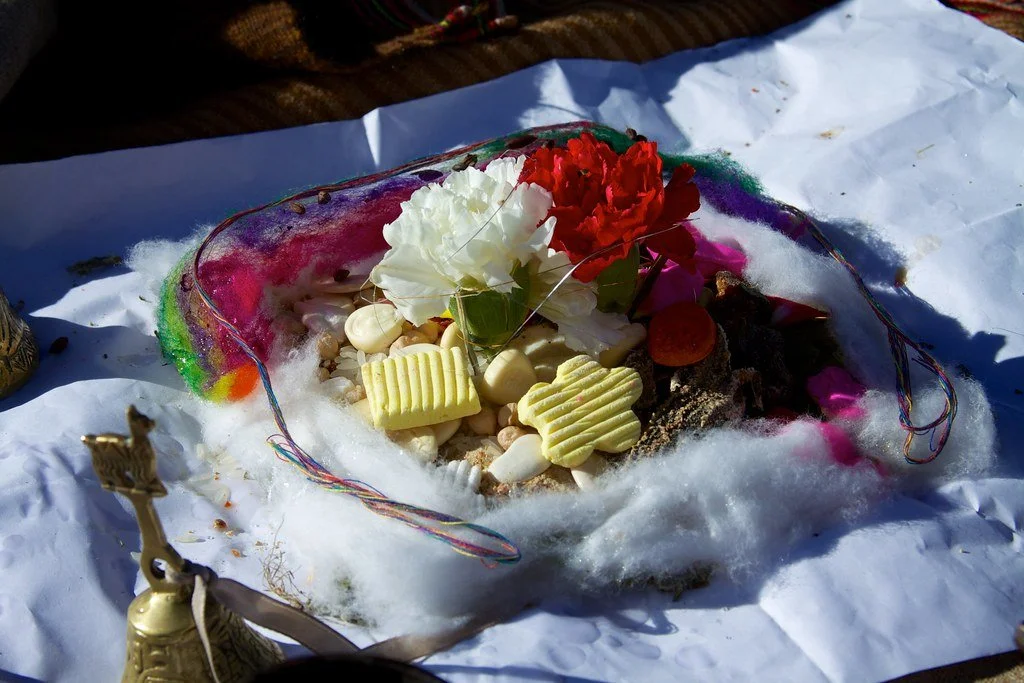
Cemetery Offering in Ollantaytambo, Peru. mckaysavage. CC BY 2.0.
2. Peru
Alternatively, those in Peru celebrate Mother’s Day on the second Sunday in May every year. A very popular holiday, festivities begin a week before Mother’s Day itself. During this time, companies host lunches and dinners to celebrate mothers, and schools invite moms to shows where their children perform and give them handmade gifts.
When it finally reaches Sunday, mothers receive flowers and cards, and spend time with their families at special outings and parties. What makes Mother’s Day so important in Peru is the special time taken on this day to honor the deceased. Many make trips to cemeteries to remember their deceased mothers and grandmothers and to continue expressing their love and gratitude. This is not a time for sorrow, however, but a celebration of life.
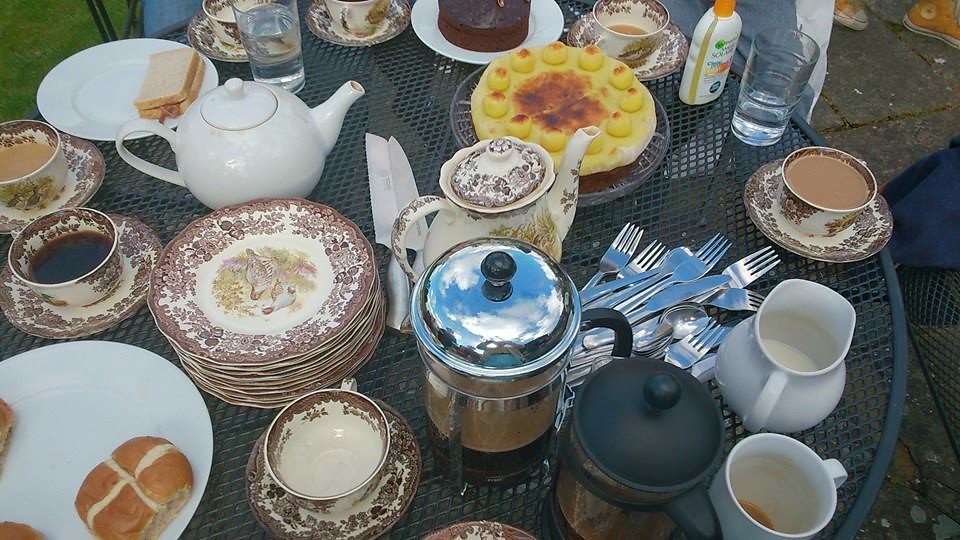
Simnel Cake and Tea. felibrilu. CC BY-NC 2.0.
3. United Kingdom
Mother’s Day in the United Kingdom, commonly referred to as “Mothering Sunday,” is traditionally said to have developed during the Middle Ages as a way to allow those who moved far away to visit their parishes and their mothers on the fourth Sunday of Lent. Still observed on this day, in modern times, the day has become less focused on its religious roots and more on honoring motherly figures.
Families show their appreciation by gifting cards or eating a simnel cake and drinking tea. Flowers are especially important, a reminder of when individuals would customarily gather wildflowers on their way to their home church, and are expressed through presenting vibrant hand-tied bouquets. In addition to heartfelt gifts from their children, mothers are also recognized through special church services.
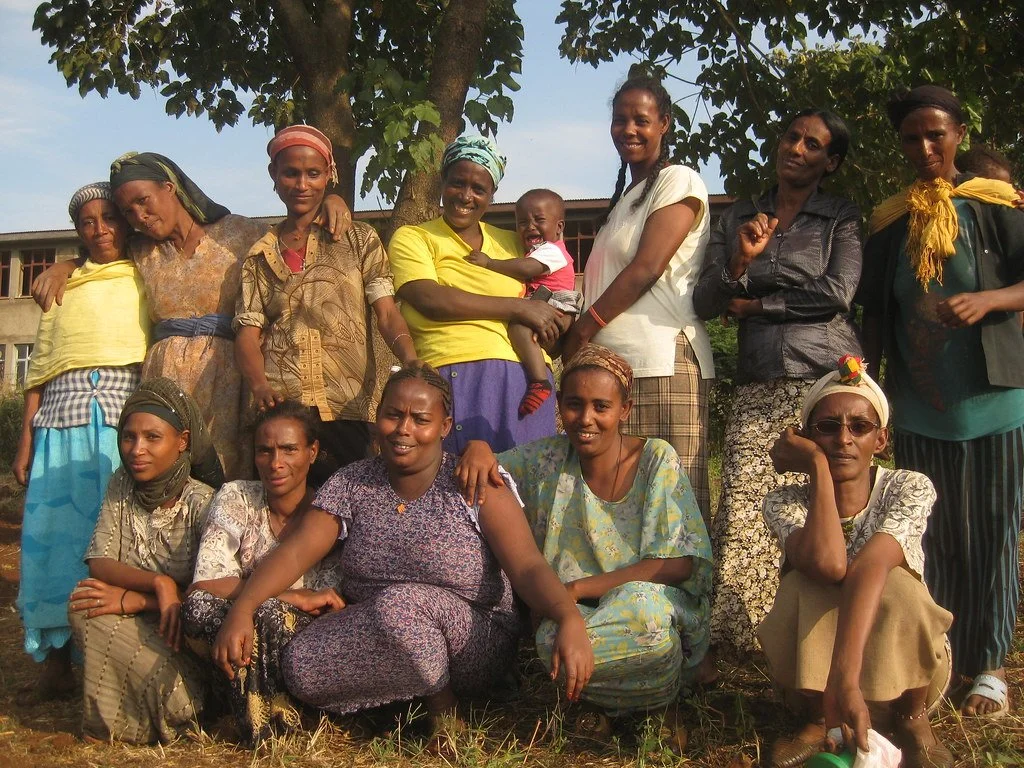
Group of Mothers in Ethiopia. USAID_IMAGES. CC BY-NC 2.0.
4. Ethiopia
Contrasting with Mother’s Day traditions in most other countries, Ethiopia celebrates the holiday in mid-fall, usually between October and November. The unique timing comes at the end of the country’s rainy season, making the day even more special as a celebration of clear weather. This calls for “Antrosht,” a three-day feast during which the entire family prepares a traditional hash. While children bring the ingredients, moms spend time cooking, diverting from other cultures where mothers step away from daily tasks. Mothers and daughters also share a unique ritual, both putting butter on their faces and chests while men sing traditional songs. Singing and dancing are important hallmarks of the festivities, telling stories of family and heroes.
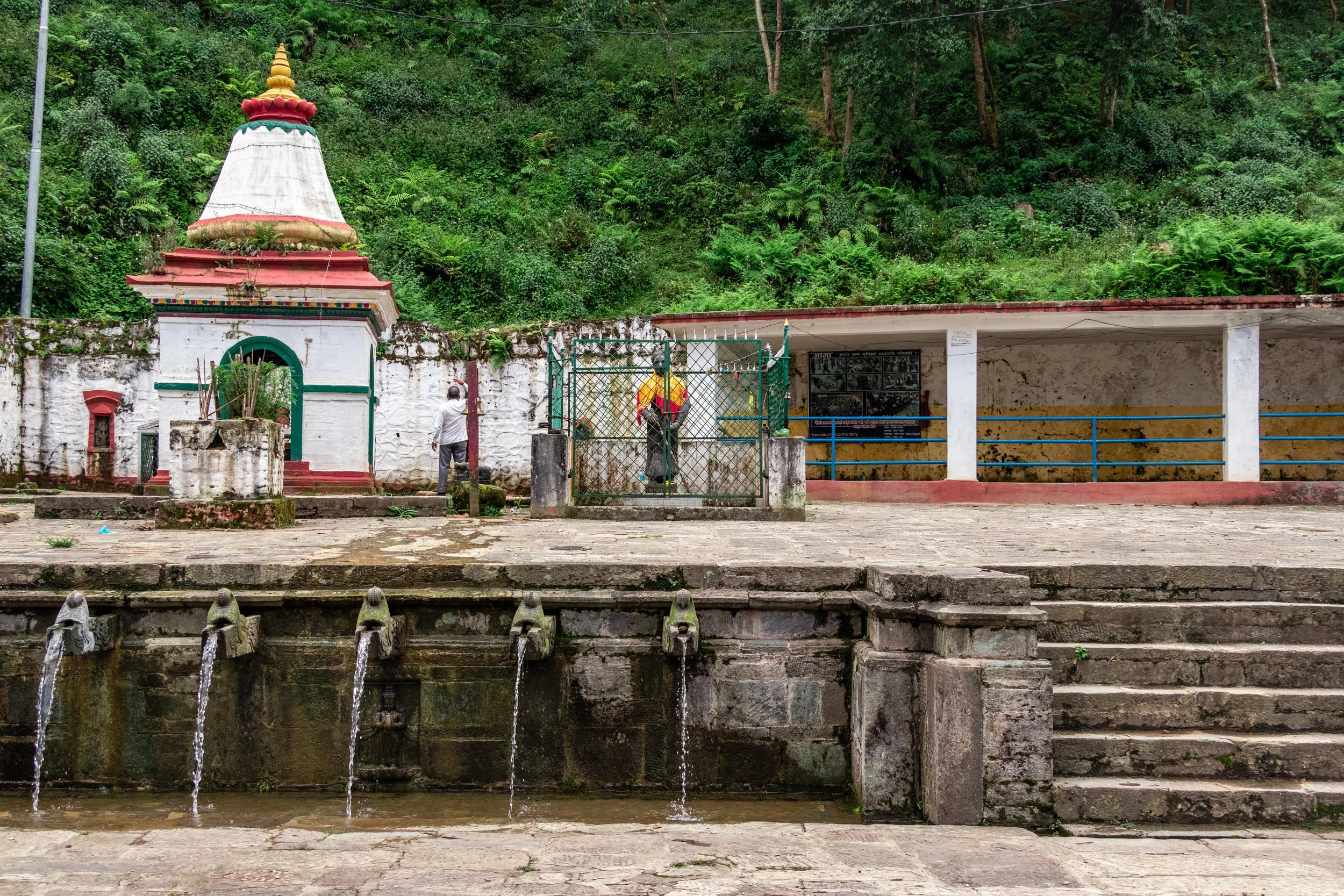
Sacred Mata Tirtha Pools. Bijay Chaurasia. CC BY-SA 4.0.
5. Nepal
Those in Nepal celebrate mothers during an annual festival known as “Aama Ko Mukh Herne” or “Mata Tirtha Aunsi,” falling on the new moon in Baishakh according to the Sambat Nepali calendar. It finds its roots in local myths about a cowherd who, after losing his mother, prayed before the Mata Tritha pools until her face appeared to him on the water and accepted his offerings. Over centuries, these pools have become a traditional pilgrimage site in Kathmandu, where many travel to honor matriarchal figures, both alive and in memory.
During the festival, now marked as a time to honor mothers, individuals take holy baths and perform special ceremonies called “tarpan,” making offerings to ancestors as a gesture of respect. It is also important to visit one’s mother no matter how far away she may be, and to give her traditional gifts such as clothes jewelry or her favorite dish.
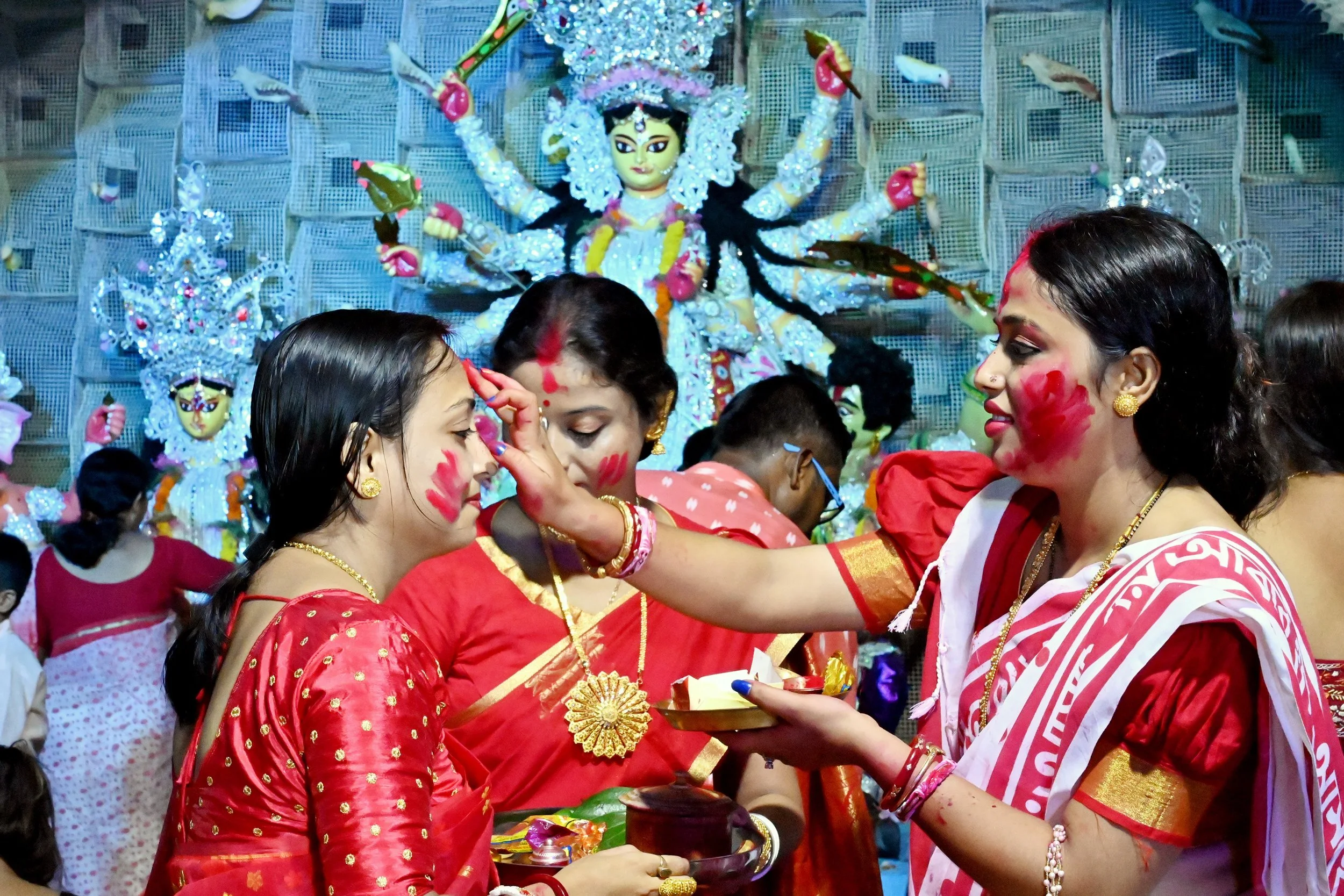
Women at Durga Puja Festival. Digantatalukdar. CC BY-SA 4.0.
6. India
Every year, India takes part in observing Mother’s Day on the second Sunday of May with many other countries. However, in a festival named Durga Puja during October, many also celebrate mothers by remembering the Hindu goddess Durga, also known as the Divine Mother.
Dating back to the 16th century, the festival takes place over 10 days while individuals worship the goddess, remembering her victory against the demon Mahishasura in a fight between good and evil. This day has become synonymous with celebrating feminine energy and establishing peace across the universe, as families spend time together preparing food, gathering gifts and decorating their homes. Mothers are honored for their nurturing qualities as well as for their representation of the Divine Mother.
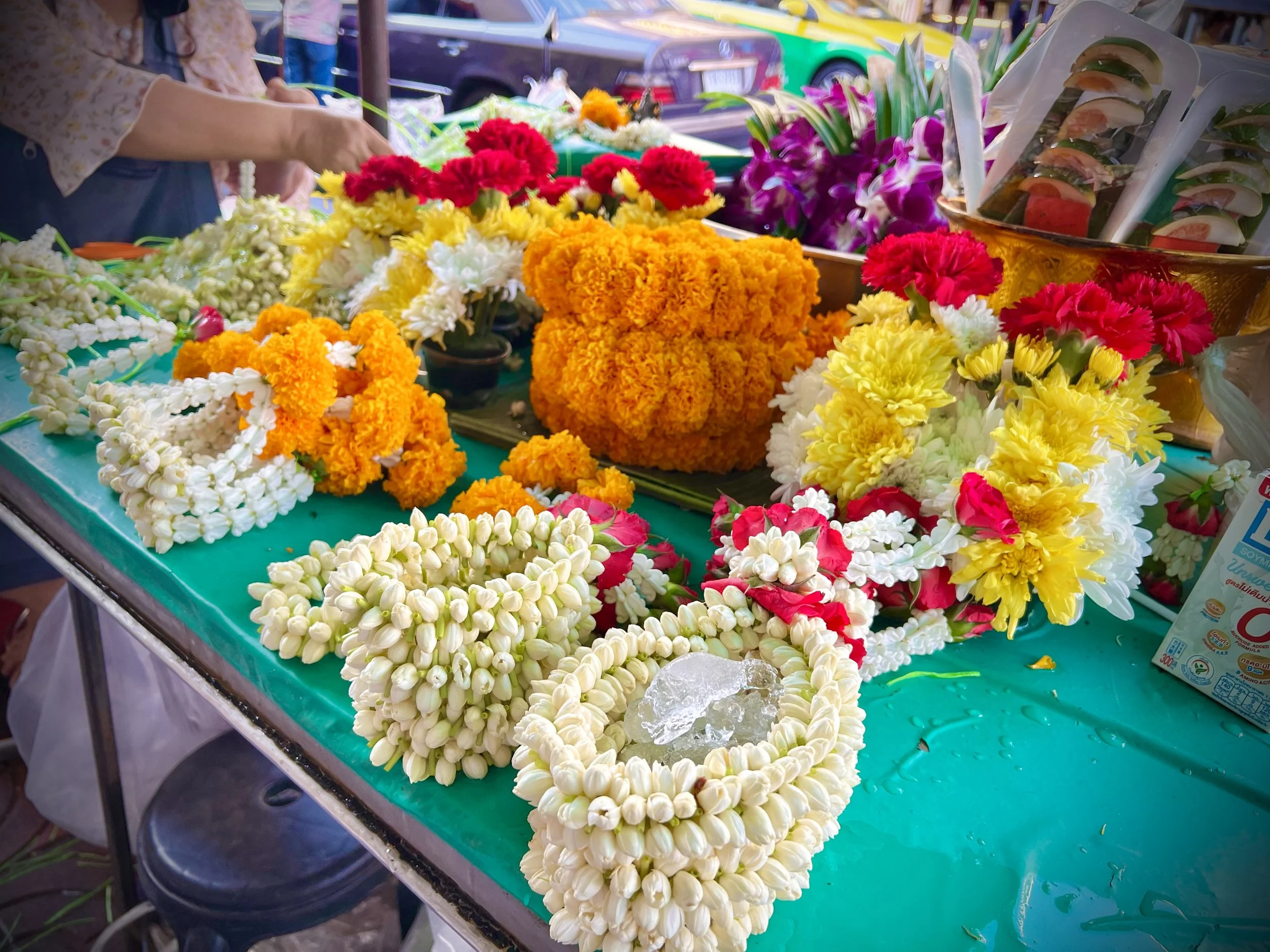
Jasmine Flower Garland in Thailand. Sharon Hahn Darlin. CC BY 2.0.
7. Thailand
Also celebrating an important feminine figure, Mother’s Day, or “Wan Mae” in Thailand, takes place on August 12, the birthday of Her Majesty Queen Sirikit. The holiday was originally introduced to the country on April 15, 1950, but was later changed to commemorate the Queen as the mother of the nation. During her reign, she became known for her love of the people through her work empowering Thai women to earn their own money and helping lift rural communities out of poverty.
On this day, children celebrate their mothers by giving loving presents and spending time together through special events and meals. Gifting jasmine is customary, as it is associated with purity and gentleness in Thai culture, while wearing the color white is also common. In a traditional gesture called the “Wai,” children will also show deep gratitude through taking a prayer-like manner and bowing to their mothers.
Julia Kelley
Julia is a recent graduate from UC San Diego majoring in Sociocultural Anthropology with a minor in Art History. She is passionate about cultural studies and social justice, and one day hopes to obtain a postgraduate degree expanding on these subjects. In her free time, she enjoys reading, traveling, and spending time with her friends and family.