
Alex Jung
With fewer than 4,000 travelers each year, the beautiful island nation of Tuvalu is a perfect destination for exploring rich Pacific culture, ecotourism and marine conservation.

Tuvalu Team. 350.org. CC BY-NC-SA 2.0.
Amid the ongoing climate crisis, Tuvalu is one of several island countries at risk of sinking by 2050. As a result, many travelers are encouraged to engage in ecotourism. Likewise, Tuvaluans, including the nation's tourism board, "Timeless Tuvalu," have promoted unique experiences for travelers that are both enjoyable and sustainable. Tuvalu has a history of rich culture, islands, landscapes and a resilient population.
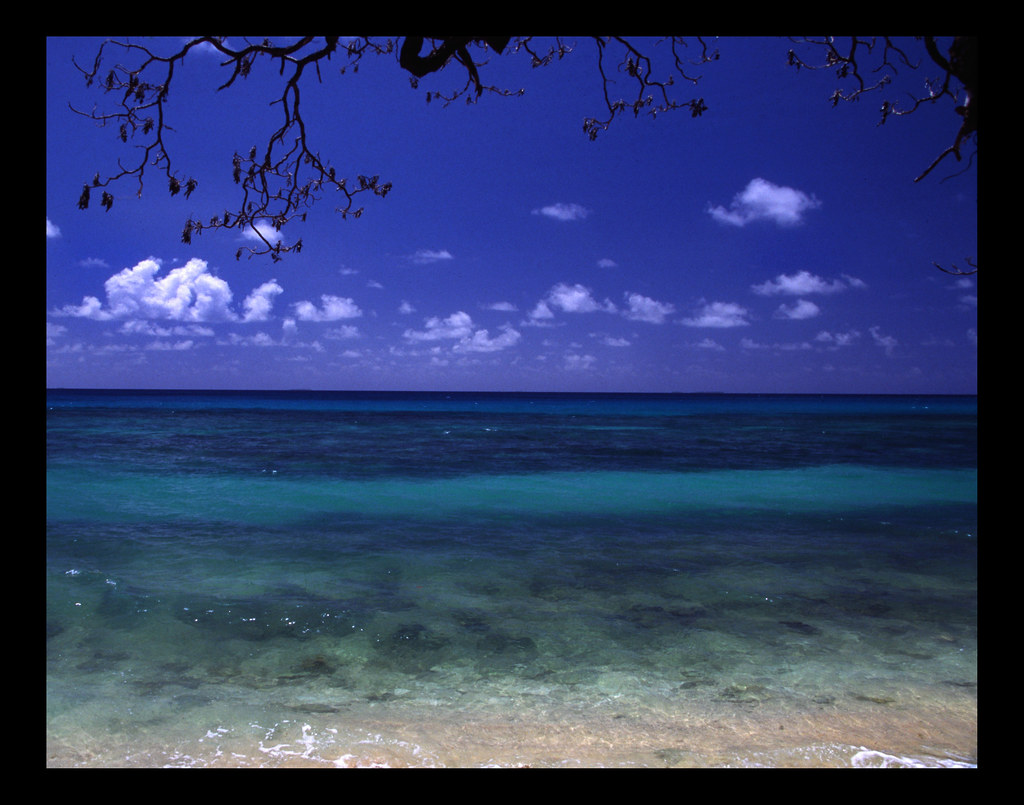
Funafuti Marine Conservation. Stefan Lins. CC BY 2.0.
1. Funafuti Marine Conservation Area
Funafuti is the capital city of Tuvalu, home to 6,000 Tuvaluans and the endangered green sea turtle, black noddies and coconut crabs. This protected area, or “Kogatapu” in Tuvaluan, was initially made in 1999, covering 33 square kilometers. The Funafuti Marine Conservation Area is also made up of several “motu” or islets where travelers can find invertebrates living near the rocks. In this conservation site, there is an abundance of coral reefs, lagoons and several species of fish.
Funafuti Marine Conservation Area is an enjoyable and sustainable place to engage with marine life without disrupting their habitats. No fishing is allowed in these areas, but there are many places to eat fish caught sustainably by Tuvaluan “tautai” or fishermen. While accessing the Funafuti beach is free, an estimated cost of $30 will be needed for snorkel rental.
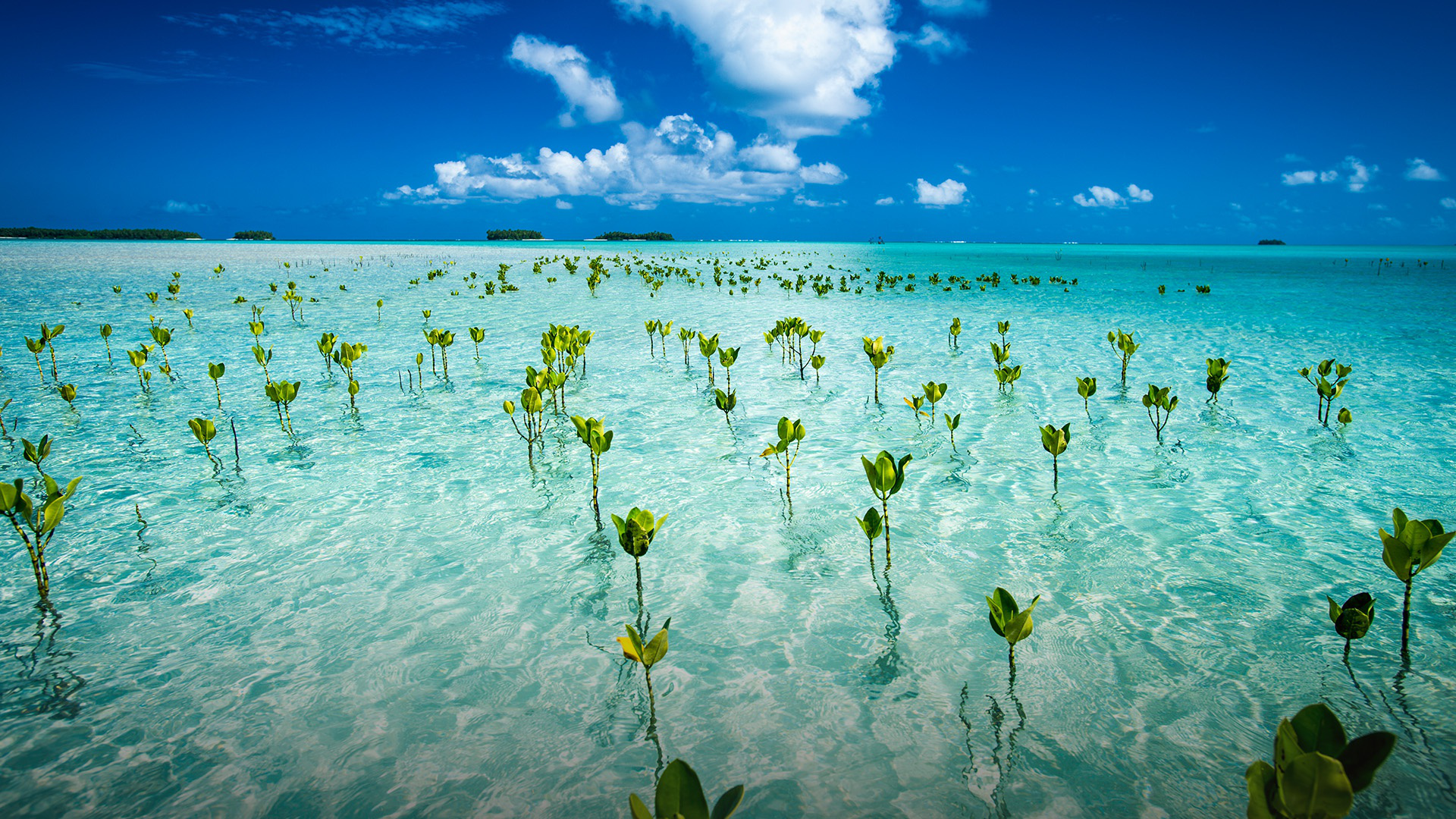
Mangroves in Nanumea atoll. Pauchok. CC BY-NC 4.0.
2. Mangrove Planting in Nanumea atoll
Nanumea is one of five coral atolls in Tuvalu. This experience for passionate ecotourists has a conservation and community benefit for the Tuvaluan community. Through helping to plant 1,000 mangroves along a one-kilometer coastline, a new two-acre lagoon-based mangrove reserve can be established. Mangroves are vital for protecting the island from storm surges. This mangrove also has a community benefit of enhancing local fisheries and providing materials for handicrafts and firewood. Nanumea is a Tuvaluan symbol for Te Kete, the national efforts for sustainable development.
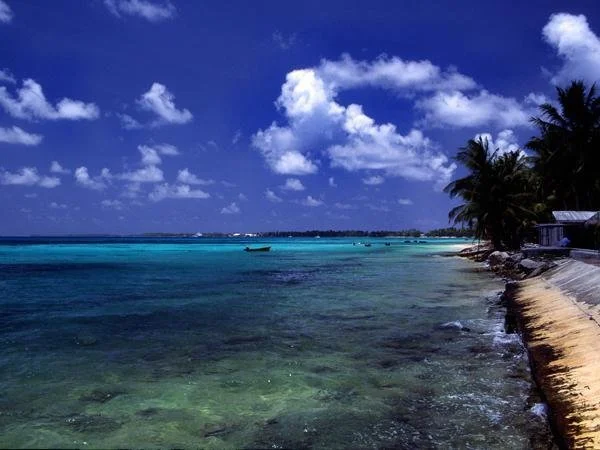
Afelita Island. Stefan Lins. CC BY 2.0.
3. Afelita Island
For only $45 a day, you can have the whole Afelita Island to yourself. This island is located just 10 minutes away from the capital, Funafuti. The Afelita Island Resort has just one room, owned by a local family on the island. Here, travelers swim in the ocean, enjoy the sunrise and sunsets, watch hermit crabs, and see several double rainbows. The unique experience of a private island also allows travelers to eat locally caught and cooked food, including tuna ceviche, cassava, and the luau, a beloved Tuvaluan feast.
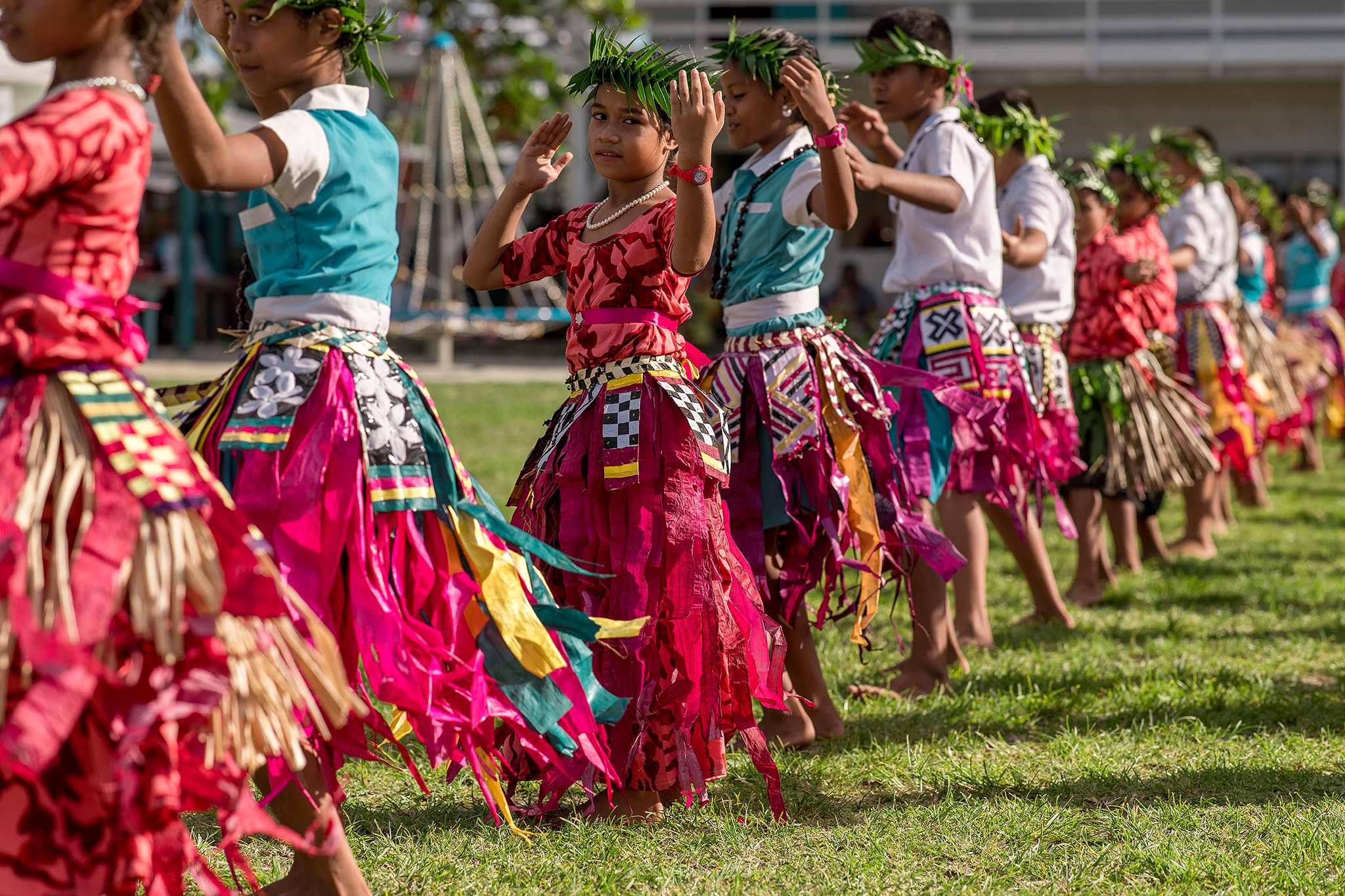
Fatele. Zǒngtǒng fǔ CC BY 2.0.
4. Maneapa
The local town hall of Tuvalu, Maneapa, is home to several traditional and cultural ceremonies year-round. Travelers will see talented performers showcase fatele, the traditional dance of Tuvalu, colorful costumes and weaving from flax. This welcoming environment allows travelers to immerse themselves in not only a great night of entertainment but a meaningful connection with the Tuvaluan heritage and rich tapestry of a captivating culture. The island is also home to vibrant nightlife. The Matagigali bar has live music with traditional instruments fused with contemporary beats.
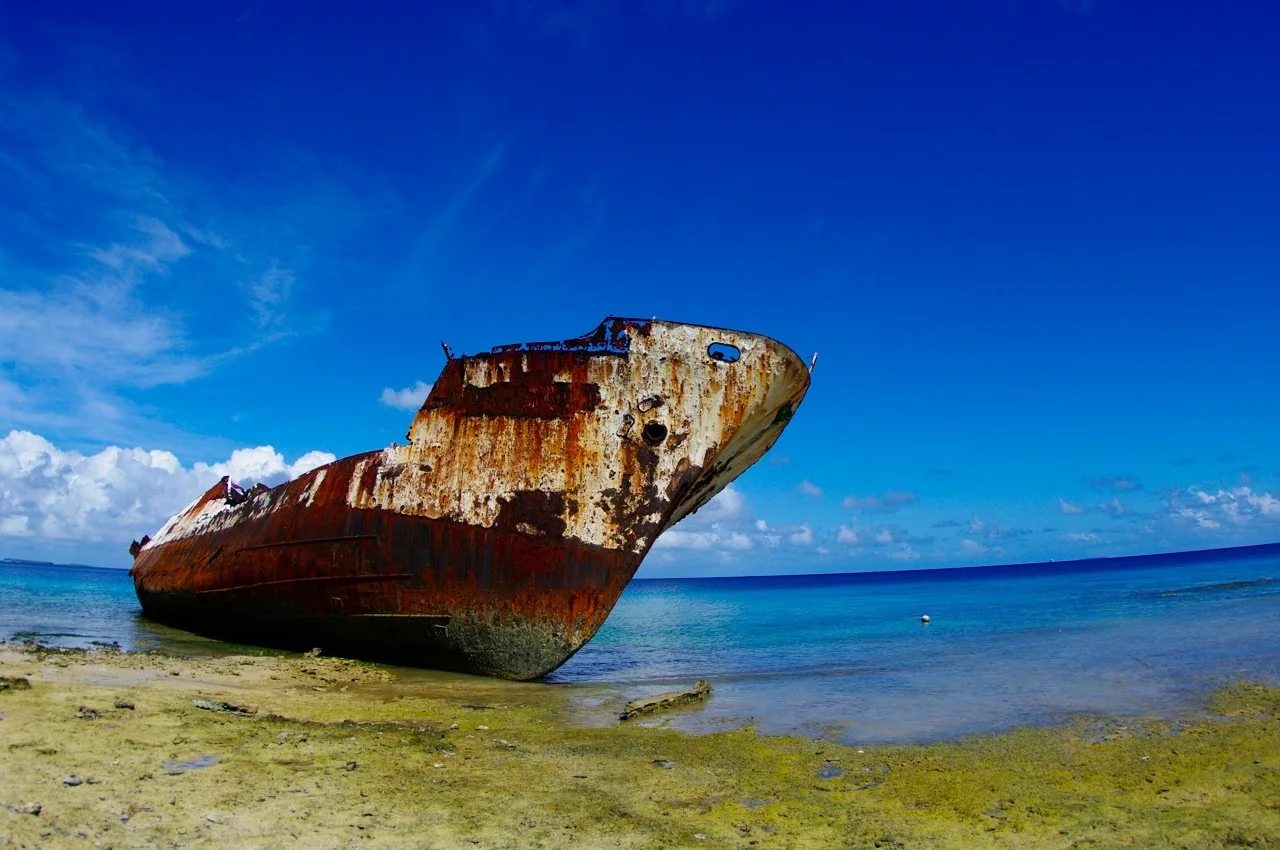
Shipwreck in Funafuti. Tomoaki Inaba. CC BY-SA 2.0
5. and Archaeology in Tuvalu
Tuvalu also offers many historical and archaeological sites. During World War II, many air force bases were situated on the islet of Motulalo in Nukufetau, Funafuti atoll, Fongafale and the northeastern side of Nanumea. Travelers can still see remains of plane and shipwrecks today. There is also an underground bunker on the islet of Tepuka that has been preserved since World War II.
Travelers can also see remnants from Charles Darwin's experiments for his theory on the formation of atolls. David's Drill is a popular spot in Funafuti where Darwin proved coral atolls rest on a volcanic base. This drill reached a whopping 928 feet but did not hit volcanic rock. The holes from drilling can still be seen in the Fongafale village.
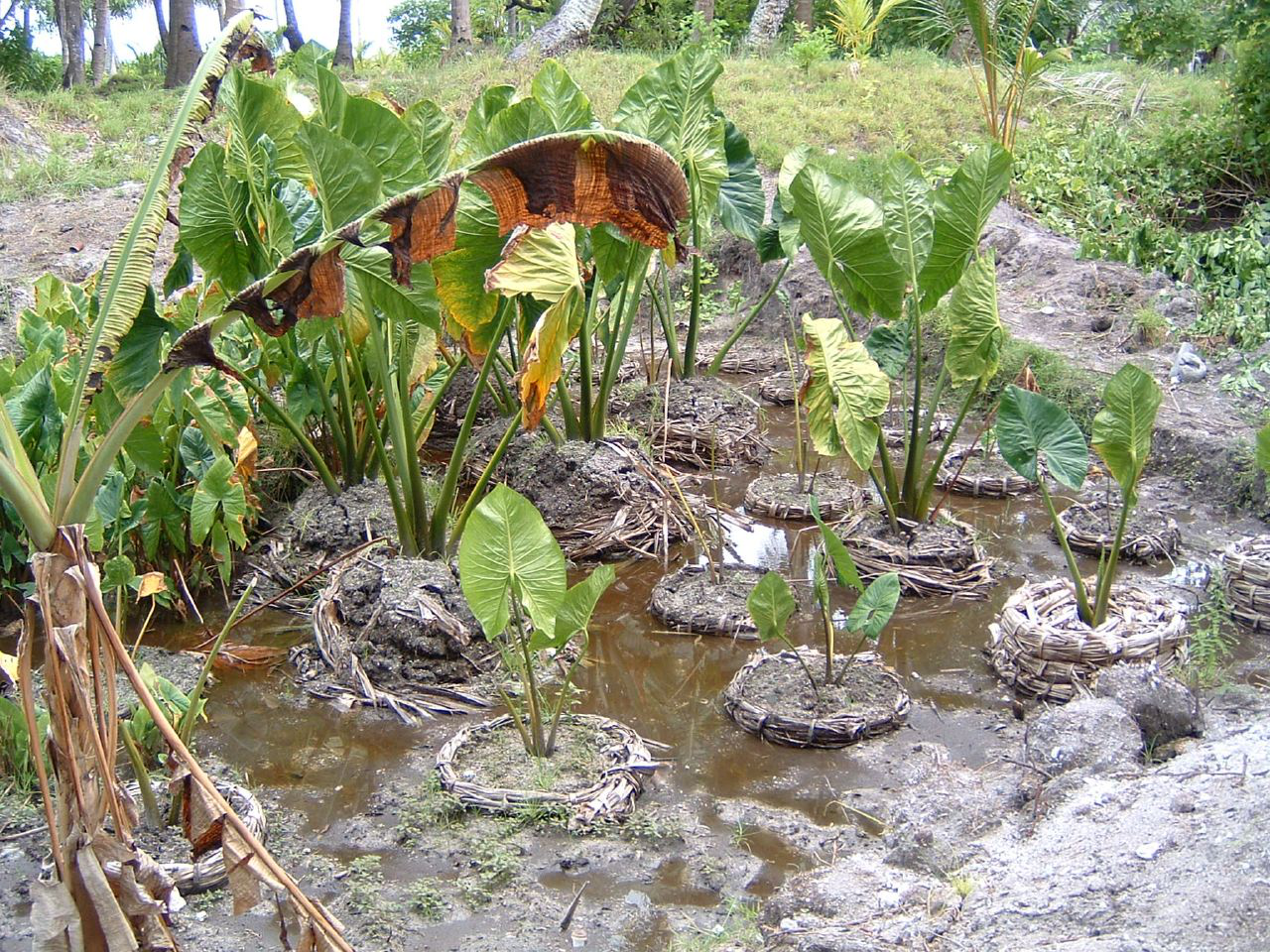
Pulaka Farm. Albert Herring. CC BY 2.0.
6. Local Food
From fresh seafood to locally grown and sourced vegetables and herbs, Tuvalu has a long list of fresh and flavorful local dishes. There are limited imported ingredients in this subsistence-style economy, as the majority of citizens are fishermen and farmers. Many of the country’s dishes share an origin with neighboring Pacific Islands, includingFiji, Samoa, Nauru and Tonga.
Pulaka is the staple crop of Tuvalu. This vegetable plant, also known as "swamp taro," is added to many meals due to its earthy flavor and high nutrients. One famous dish in Tuvalu that uses pulaka is fekei, which mixes pulaka with coconut cream and is steamed inside pulaka leaves.
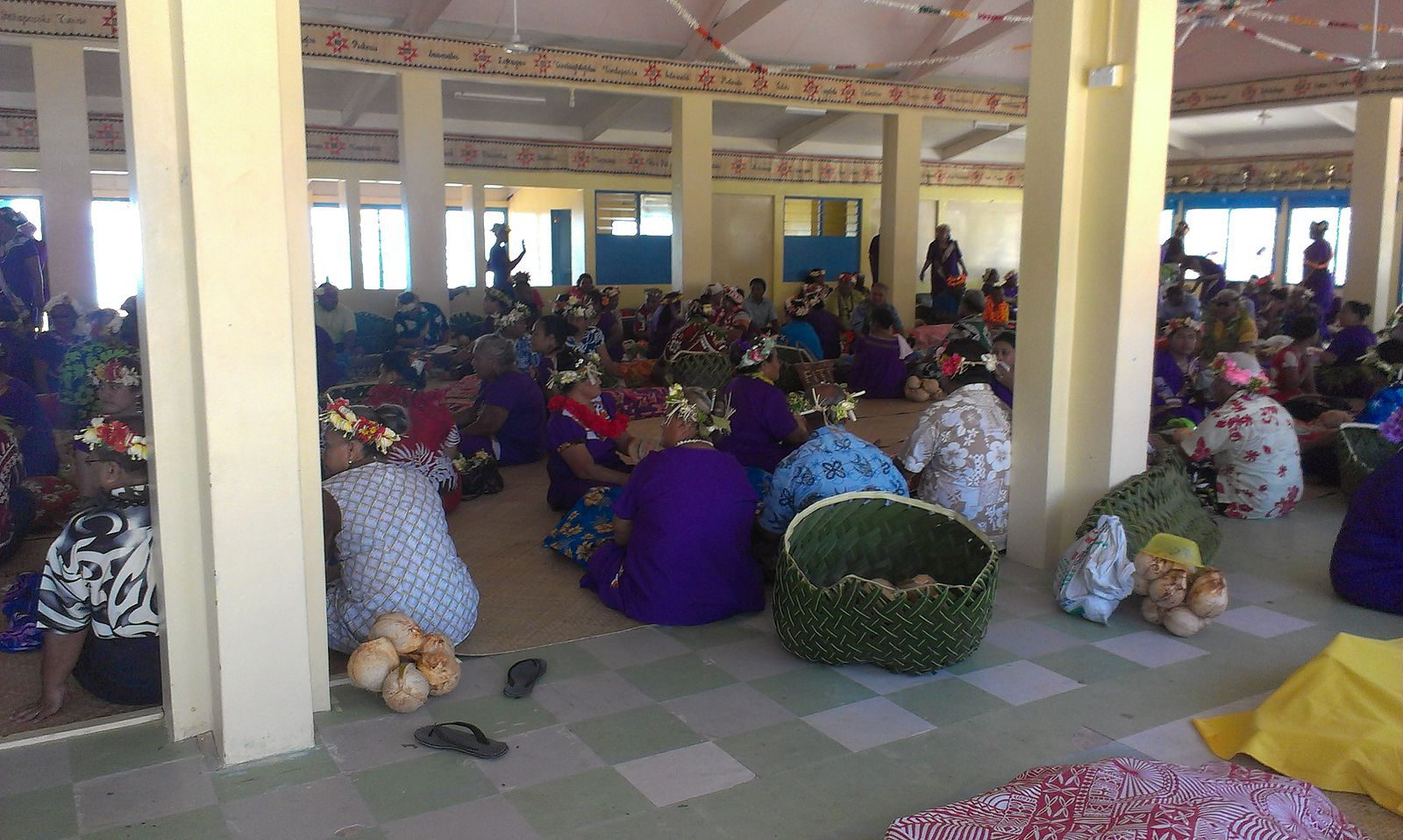
Community Event in Funafuti. Rafael Ávila Coya. CC BY-SA 3.0.
7. Tuvalu National Library and Archives
Following Tuvaluan independence in 1978, the government set up the National Library and Archive to safeguard Tuvaluan public records and heritage as well as increase literacy. Although it is the only library in Tuvalu, travelers can enjoy community events such as flax weaving and find many archives on Tuvalu's rich history.
For travelers who enjoy collecting stamps, the Tuvalu Philatelic Bureau has a large variety of collectible stamps featuring the beautiful Tuvaluan landscape. These stamps have been eagerly sought out by over 60 countries due to their unique and original design.
Alex Jung
Alex is from New Zealand and South Korea, and is currently a student at the University of Chicago. He is majoring in Political Science and International Relations, and minoring in Middle Eastern Studies. He is passionate about social justice for minorities and Indigenous communities. In his free time, he enjoys learning languages (Korean, English, Mandarin, and Persian) and writing novels and short stories.