
Zoe Lodge
California’s Fashion Accountability Act is bringing environmental transparency to the trillion-dollar industry.
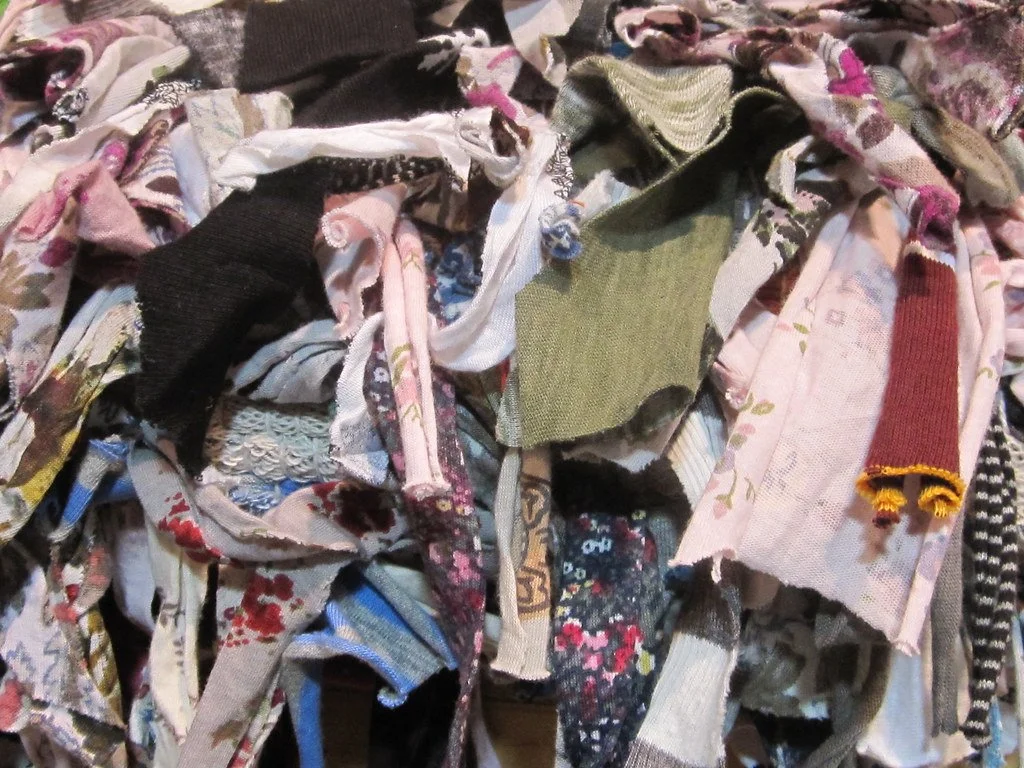
Fast fashion leads to massive amounts of textile waste. Sherrie Thai. CC BY 2.0.
Following the initial introduction of the Fashion Accountability Act to the New York State Senate and Assembly in 2022 and ongoing efforts to get it signed into law, California Assemblymember Dawn Addis proposed a version of the bill promoting environmental and social transparency within the fashion industry in February 2025. The bill is under consideration in the 2025-2026 legislative session in New York and California, but has yet to receive a voting date. In New York, it is currently still in committee. In California, it passed in the Natural Resources Committee following a few small adjustments, but still needs to go through the state Assembly and Senate. As the state with the largest economy and the second-largest fashion industry, second only to New York, California is a powerful state to introduce such legislation. California is also known to be a trailblazer in progressive politics, particularly regarding environmental regulations, paving the way for the rest of the United States to follow suit.
Fashion is one of the largest-polluting industries domestically and globally, exacerbated by fast fashion and the disposability of modern trends. Californians throw away over 1.2 million tons of textiles yearly, approximately 3% of landfill volume. The fashion industry is also associated with up to 8% of worldwide greenhouse gas emissions, a problem identified by the UN Alliance.
In California, the bill is known as AB 405: Fashion Environmental Accountability Act of 2025 and covers a wide range of important aspects of social and environmental accountability for fashion sellers operating within the state. The bill would require all fashion sellers to adhere to a legal standard of “Environmental Due Diligence,” increasing environmental awareness and protection within the fashion industry. The bill defines “fashion sellers” as entities that engage in the sale of fashion goods and reach $100 million in gross receipts annually, which is a relatively low threshold. Thousands of companies meet this minimum and would be required to adhere to the bill’s instructions.
Companies within the bill’s scope will be expected to establish a quantitative baseline for greenhouse gas emissions with short- and long-term targets to reduce emissions, as aligned with the Science-Based Targets Initiative. They will also be required to disclose the details of their supply chains beginning in 2027 and in an effort to increase accountability and responsibility for the sourcing of goods. By 2028, companies will be required to release information regarding chemical and wastewater testing, including chemical concentrations and wastewater usage in the process of making their products. The companies will then compile this information into an “Environmental Due Diligence Report,” which will be available to increase social and environmental transparency within the fashion industry.
The bill includes clauses that prohibit fashion manufacturers from utilizing and distributing fashion products that contain regulated chemicals, aiming to reduce chemical exposure and mitigate potential health issues and environmental damages. Chemical and wastewater compliance would be monitored by the Department of Toxic Substances Control. Greenhouse gas emissions will be overseen by the State Air Resources Board, and there will be monetary fines for instances of noncompliance.
The bill has garnered some big-ticket support, from major fashion brands such as Reformation, Patagonia and GANNI to celebrities like Jane Fonda, Angelina Jolie and Leonardo DiCaprio.
GET INVOLVED:
Students and recent graduates can sign an open letter to California Governor Gavin Newsom to encourage support for the passing of the bill.
Any California resident can find their representative and contact them via phone or email to express their support for the bill.
National and global citizens can visit the Fashion Act’s website for further options and suggestions on taking action to support accountability within the fashion industry. The website provides templates for texts, emails and social media posts to increase awareness about the bill.

Zoe Lodge
Zoe is a student at the University of California, Berkeley, where she is studying English and Politics, Philosophy, & Law. She combines her passion for writing with her love for travel, interest in combatting climate change, and concern for social justice issues.