
Alex Jung
Drag culture in Thailand, Brazil, South Africa and Australia has played a significant role in celebrating gender diversity and promoting freedom of self-expression.

Drag queens at a Pride parade. Ivan Radic. CC BY 2.0.
Drag culture has been important in promoting LGBTQ+ rights and challenging traditional gender norms. Drag performers and performances have been celebrated in many countries around the world. Though celebrated in many countries, many nations outlaw drag culture and homosexuality in general. Drag artist Ri Baroche claims drag culture is heavily critiqued as "queer bodies are regarded as problematic and inappropriate." Furthermore, drag performers have been subject to discrimination and abuse by many tourists and employers. US Senator Steve Daines claims drag culture has "dire consequences that are on full display for the entire country [the U.S.] to see." This highlights the importance of ethical drag culture to promote gender-based equality. For this year's Pride Month, here are four countries that have widely celebrated drag culture.
1. Thailand
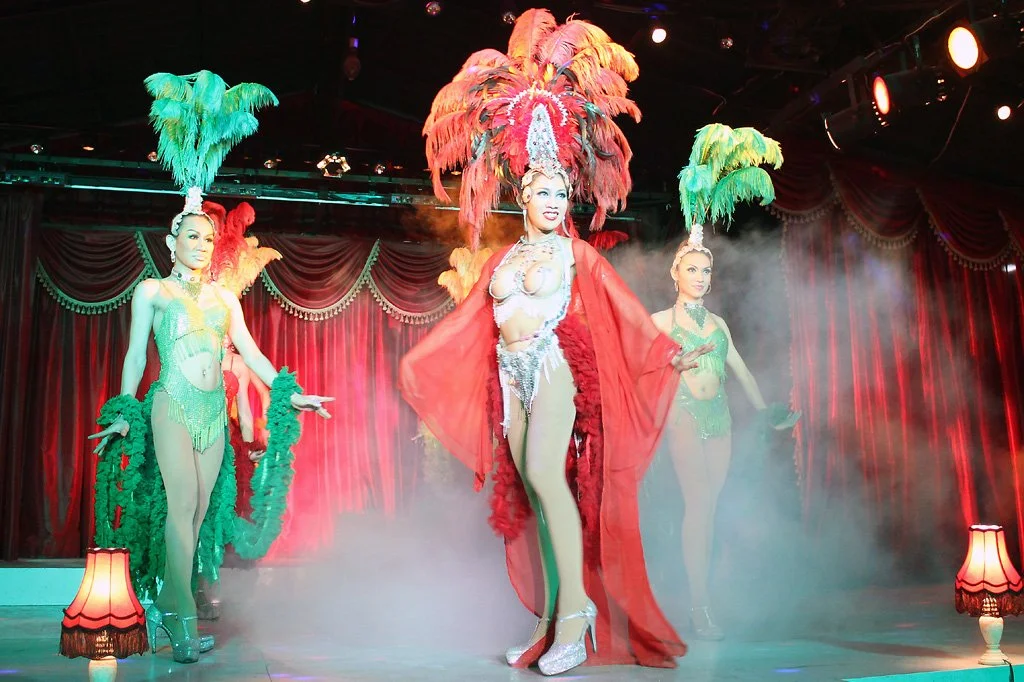
Thai Cabaret Show. Per Meistrup. CC BY-SA 4.0.
Thailand is the country with the most drag performers in Asia. Many drag performers and performances are presented in the form of cabarets. This form of performance features vibrant music, dance and drama. Drag culture is widely accepted in Thailand, represented in the media with TV shows like Drag Race Thailand. Drag culture and performances in Thailand contribute 150 million baht (US$4 million) annually to the Thai economy, with this number projected to increase. For Pride Month 2025, the "Born This Way" Pride Festival was celebrated in Bangkok. However, despite the liberal attitudes towards drag culture, many drag performers have spoken out regarding the presentation of performers as products rather than people. Narong, a drag performer, claims, "The only career people see visibly for drag performers is in ‘showbiz’ or sex tourism.” Therefore, it is important for travelers to respect the performers and their identities.
2. Brazil
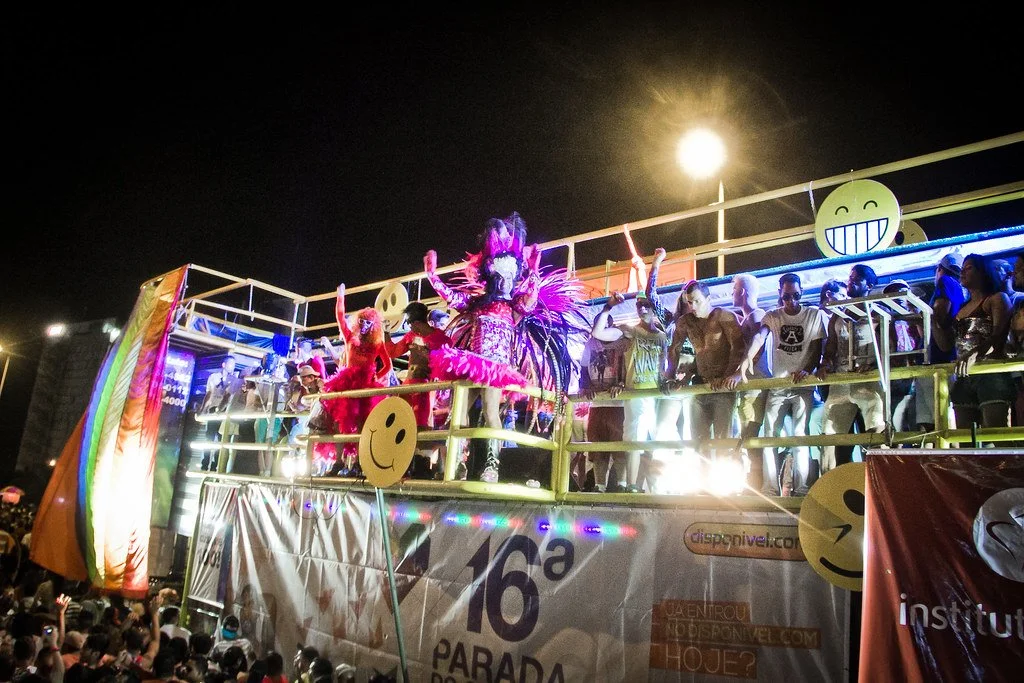
Pride Celebration at Carnival. Mídia. CC BY-NC-SA 2.0
The Rio Carnival is the biggest festival in Brazil. Each year, more than 53 million travelers arrive in Rio de Janeiro to celebrate the festival. During the Carnival festival, many street parades and performances are visible. While many of the performances celebrate Brazilian and Latin American culture, many argue that Carnival has been an important event for the LGBTQ+ community and drag performers to perform freely. Brazilian law has stronger protections against LGBTQ+ discrimination, showing the state’s role in ensuring drag performers can participate in this large-scale event. Each year, the Rio Carnival celebrates the Carnival Muses, a group of drag performers. Brazil remains a leading example of the promotion of LGBTQ+ performers.
3. South Africa
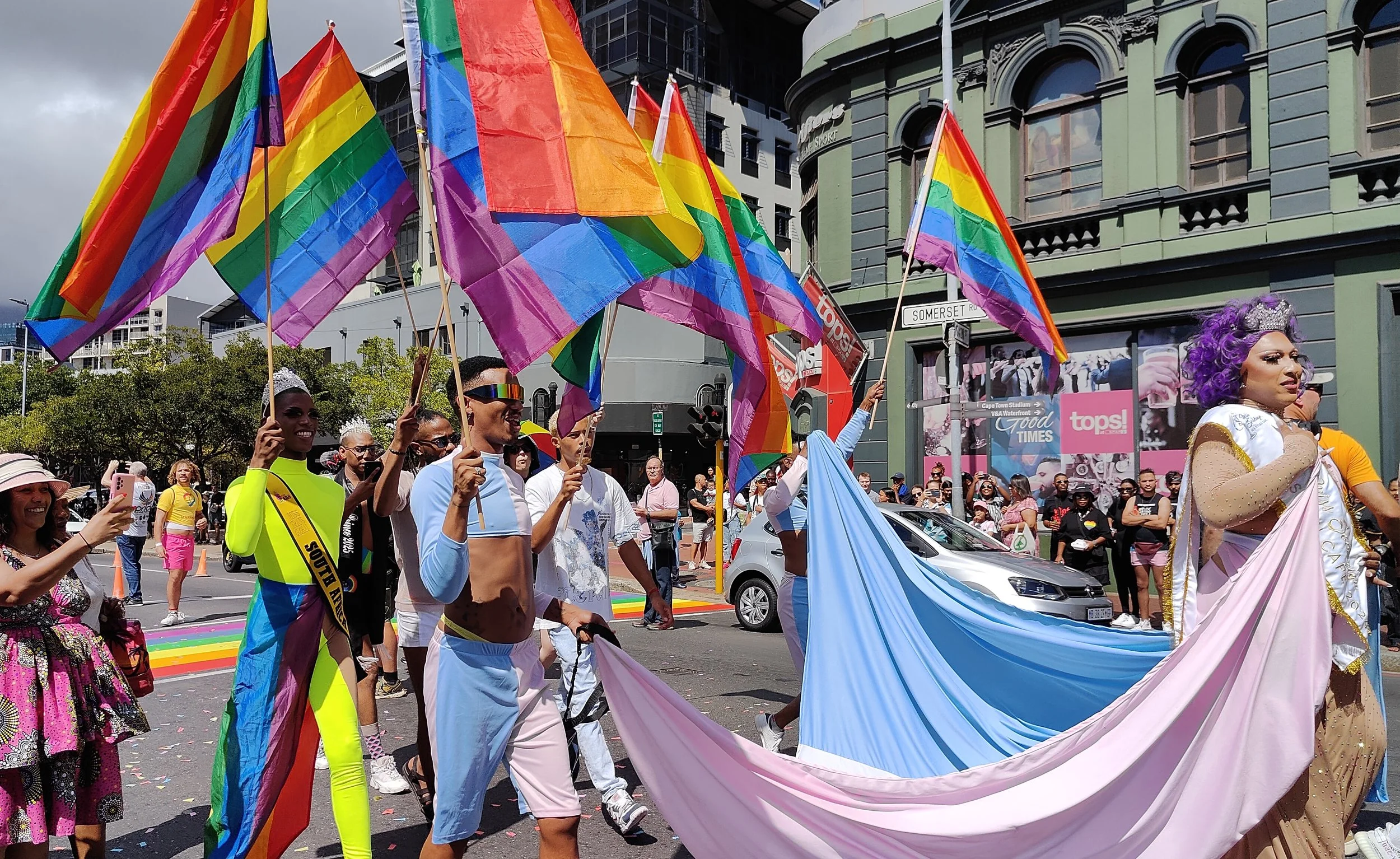
Cape Town Pride Parade 2025. Husskeyy. CC BY-SA 4.0.
Drag culture is extremely popular in South Africa. Drag queen contests in South Africa began in 1996, showcasing the relatively long-standing culture of drag within the nation. Significantly, South Africa struggled with a long history of apartheid, a systematic form of racism and segregation. Drag culture and performers in South Africa have often included themes and notions surrounding race and gender. For example, Belinda Qaqamba Ka-Fassie, a drag queen, makes a deliberate choice to wear clothes that celebrate the roots and challenge dress codes for men and women through their traditional apparel. Significantly, Ka-Fassie states, "We cannot separate our queerness from our Xhosaness (a South African language)." Though drag culture has been in South Africa for a long period of time, discrimination and challenges for drag performers exist. Only 54% of South Africans in 2019 believed homosexuality should be accepted in South Africa.
4. Australia

Sydney Mardi Gras. Hasitha Tudugalle. CC BY 2.0.
Drag culture has been widely celebrated in Australia. Dame Edna Everage, an Australian satirist and comedian, has been on TV shows and social media and is loved by many Australians. Under Australian law, discrimination, harassment and violence against trans and gender-diverse people are strictly prohibited. Australia has many drag bars and performers that have been seen as a safe space for many members of the LGBTQ+ community in Australia. The annual Sydney Mardi Gras has been an important platform for drag performers. Sydney was the drag capital of the world in the 1960s and continues to be a city that celebrates drag culture. The Sydney Mardi Gras has been celebrating drag culture for over 40 years, with over 10,000 attending each year.
Alex Jung
Alex is from New Zealand and South Korea, and is currently a student at the University of Chicago. He is majoring in Political Science and International Relations, and minoring in Middle Eastern Studies. He is passionate about social justice for minorities and indigenous communities. In his free time, he enjoys learning languages (Korean, English, Mandarin, and Persian) and writing novels and short stories.