Rohingya Muslims Trapped At Sea For Months While Fleeing Myanmar 

Since February, Rohingya Muslims have been stuck at sea while fleeing persecution in Myanmar due to COVID-19.
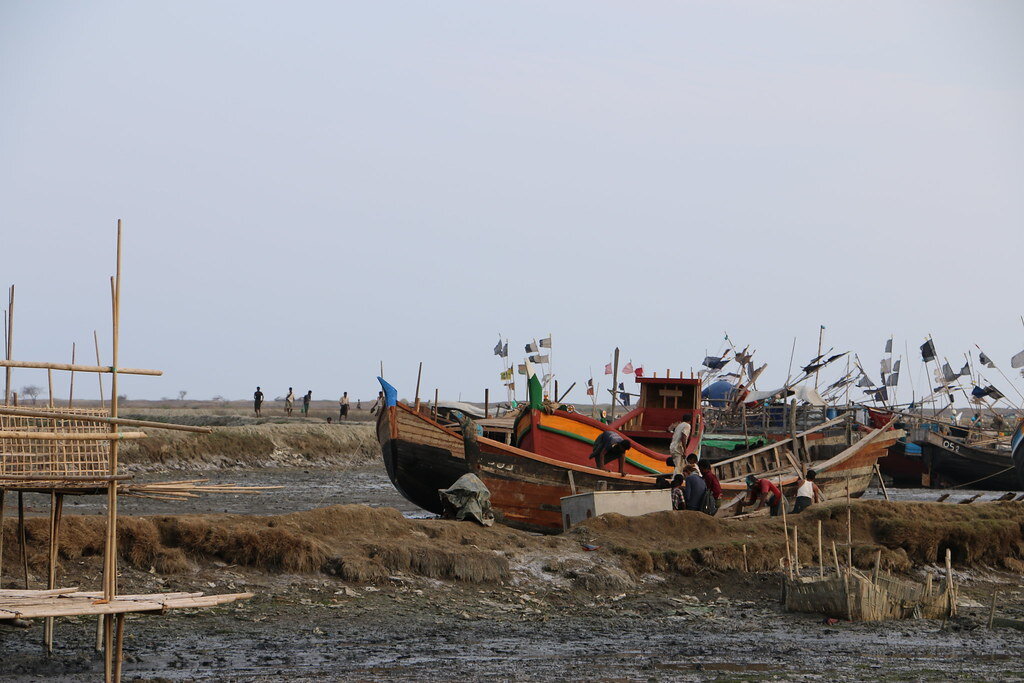
Rohingya Muslims refugee boats. United to End Genocide. CC BY-NC-ND 2.0

Since the mid-1820s Myanmar has looked down on the Rohingya Muslims, who were once laborers under the area’s British colonization. Following independence in 1948, the Buddhist-majority government began to deny citizenship to Rohingya who had come to live in the country. They could hold identification cards yet this severely diminished job prospects and even places where they could live. Eventually, they would settle within the Rakhine state.

It led to crackdowns in the 1970s to get the Rohingya out of Myanmar. It began with rapes, murders and arsons by government security forces. As a result, the Rohingya began fleeing into Bangladesh, Thailand and Malaysia.
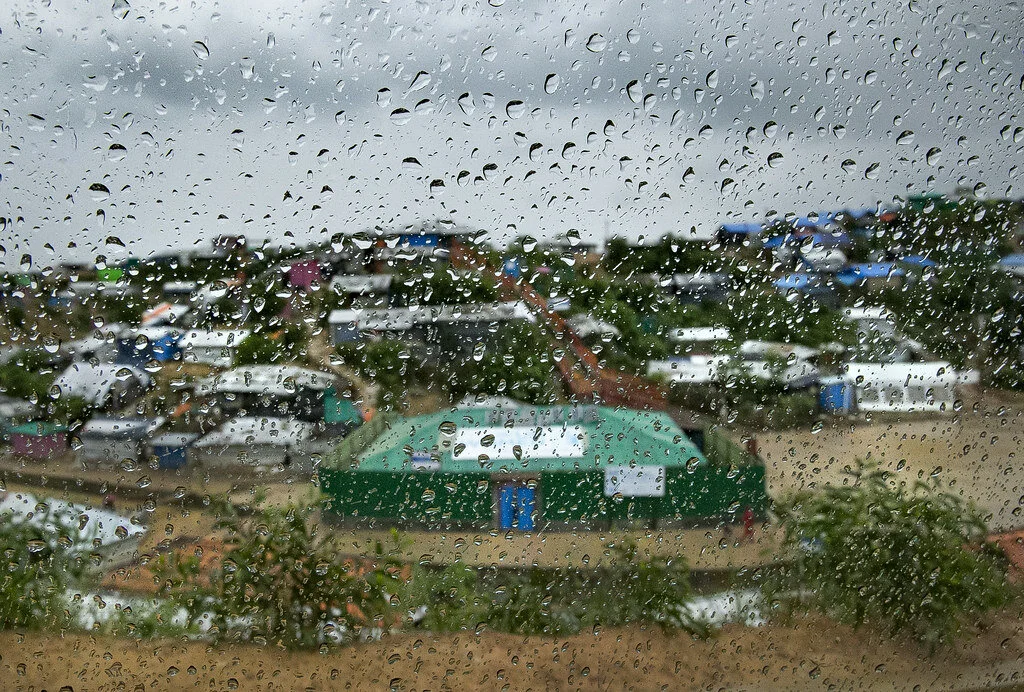
Refugee camp in Bangladesh. UN Women Asia & The Pacific. CC BY-NC-ND 2.0

The most notable and deadliest crackdown occurred in August 2017 when Myanmar began to conduct an ethnic cleansing against the Rohingya. It began when Rohingya militants attacked 30 Myanmar police posts. The Rohingya as a whole were labeled as terrorists and the ethnic cleansing began. According to Doctors Without Borders, approximately 6,700 Rohingya were killed, along with the rape and abuse of many more Rohingya women and girls. Since 2017, Myanmar’s government has refused to take responsibility for the ethnic cleansing, including de facto leader Aung San Suu Kyi who was once seen as a human rights advocate. They have even gone to the extent of highlighting the Rakhine state as a stable tourist location.

In 2018, the U.N. accused Myanmar’s military of conducting genocide and rapes. With failure to acknowledge the claims, the court ordered Myanmar to take measures to protect the Rohingya from being persecuted. Yet, the conflict is still ongoing which has led to more people fleeing.

In February 2020, Rohingya were boarding boats in Southeast Asia to head out of Myanmar. This has been a trend for years with most voyages occurring from November to April when the seas are calm. Around 730,000 Rohingya make the trip every year out of Rakhine state since 2017, hoping to reach Malaysia, Thailand or Indonesia. Bangladeshi refugee camps have become less popular due to overcrowding, with nearly a million refugees living there. However, due to COVID-19, many Rohingya have been stranded offshore due to borders closing to try to contain the virus. The location of many of these boats is not even known since they were not able to dock right away.

Traffickers have begun to demand money from the families of those on board in order to get them off. Essentially, these traffickers have turned these boats into their own camps where those on board are held hostage until payment. The cost for one person is 12,000 ringgit ( $2,800). Those on the boats have been rationing food and water since April with many people still dying. Unfortunately, many are unsure if there is a guarantee to get their families off the boats.

There is also the harsh reality that those who end up off the boats could be sent back to Myanmar. Currently, Malaysia is currently considering sending Rohingya back to sea due to COVID-19 concerns after 269 ended up on its shores. It has asked Bangladesh to take back refugees who have traveled, but Bangladesh has refused. The boats were damaged on the journey but once repaired, could be forced to go back out to sea with their boats resupplied.

Human Rights Watch, however, has called on Malaysia and Thailand to allow the Rohingya refugees on land. HRW has acknowledged that the one most responsible is Myanmar, but it is the duty of neighboring countries to take in and protect refugees who are seeking asylum.

Eva Ashbaugh

is a Political Science and Gender, Sexuality, and Women's Studies double major at the University of Pittsburgh. As a political science major concentrating on International Relations, she is passionate about human rights, foreign policy, and fighting for equality. She hopes to one day travel and help educate people to make the world a better place.
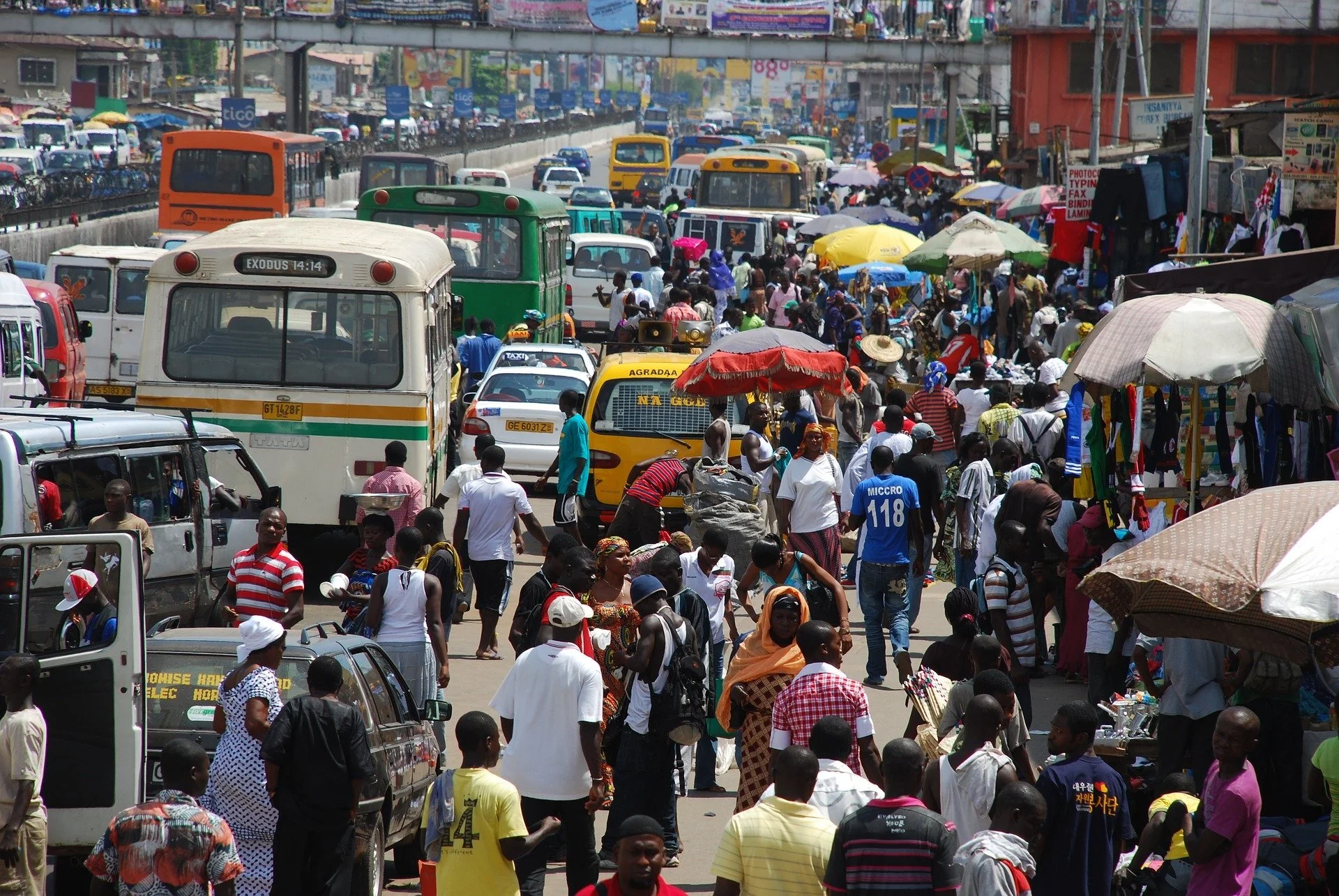
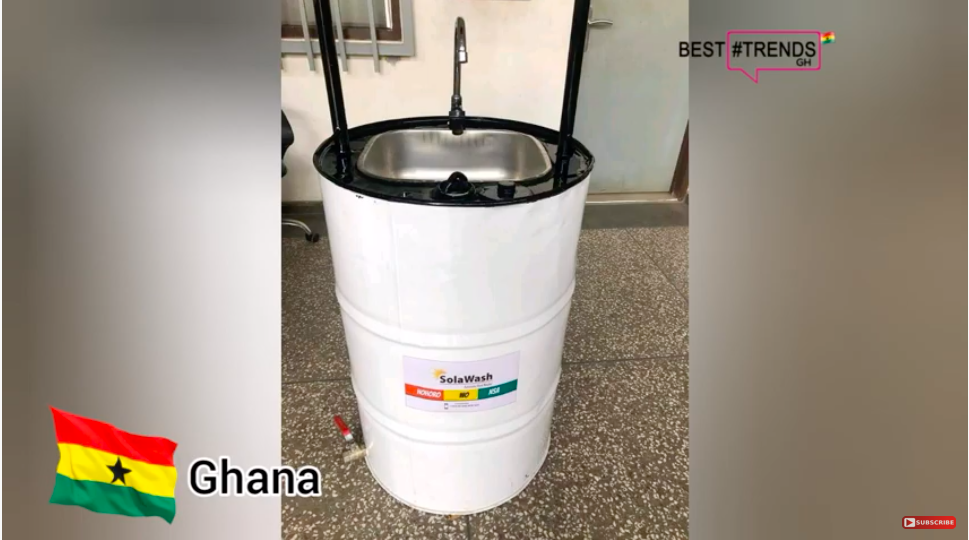




Mexico Continues to Reopen Despite a Severe Undercount of COVID-19 Cases

Mexico has continued the process of reopening its economy despite a severe undercount of COVID-19 cases and not having reached the peak of the virus’s spread in the country. As of this article’s publication, the National Council for Science and Technology had reported 191,410 cases and 23,377 deaths. This is currently the fourth highest number of cases in Latin America after Brazil, Peru and Chile, and the second highest number of deaths in the region after Brazil.

Read More

5 Spots for a Uniquely Uruguayan Experience

Uruguay is sandwiched between Argentina and Brazil, has a population of just over 3.5 million, and is home to miles of coastline facing the Atlantic Ocean. Although the climate is fairly mild throughout the year, the warmer summer months are when the tourist attractions really come alive. Uruguay pairs a generally laid-back culture, full of food and art, with trendy nightlife. Visitors can also venture away from the cities to more rural areas and explore an expansive countryside. Given Uruguay’s diverse landscapes and activities, any visitor is sure to have a memorable experience.

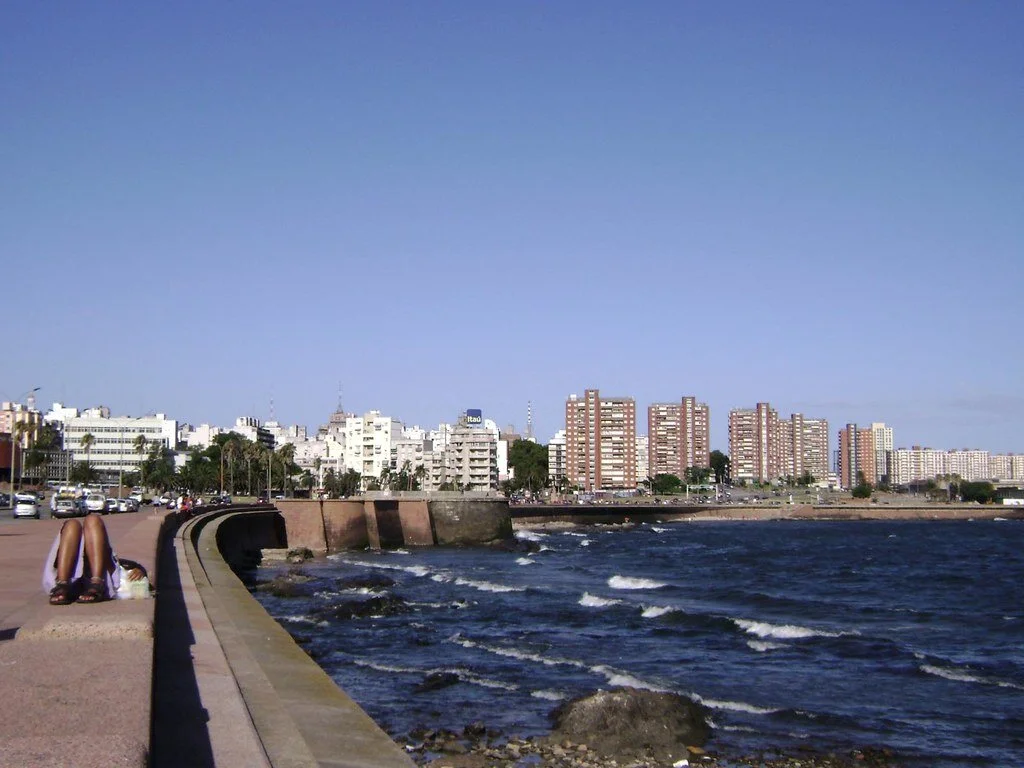
A view of the Rambla and the Montevideo skyline. Marisali. CC BY-NC-ND 2.0


Montevideo

Montevideo is the largest city in Uruguay as well as the capital. With a vibrant art scene and culture, Montevideo is an exciting place to explore. You can take a walk down the Rambla, a 14-mile boardwalk that offers an unobstructed view of the ocean as you wind through various neighborhoods in Montevideo. If you want to go to the beach, visit the Pocitos neighborhood, which is known for its beach and hosting nautical events throughout the year. In the Old City, tour the Solís Theater, a grand performance venue designed in a neoclassical style that echoes many of the other European-influenced buildings across the city. If you are craving a bite to eat stop by the Mercado del Puerto (Port Market), a hub of restaurants, cafes and shops overlooking the water. This is a great place to try eating at an Uruguayan parrilla, or wood-fired barbecue. 

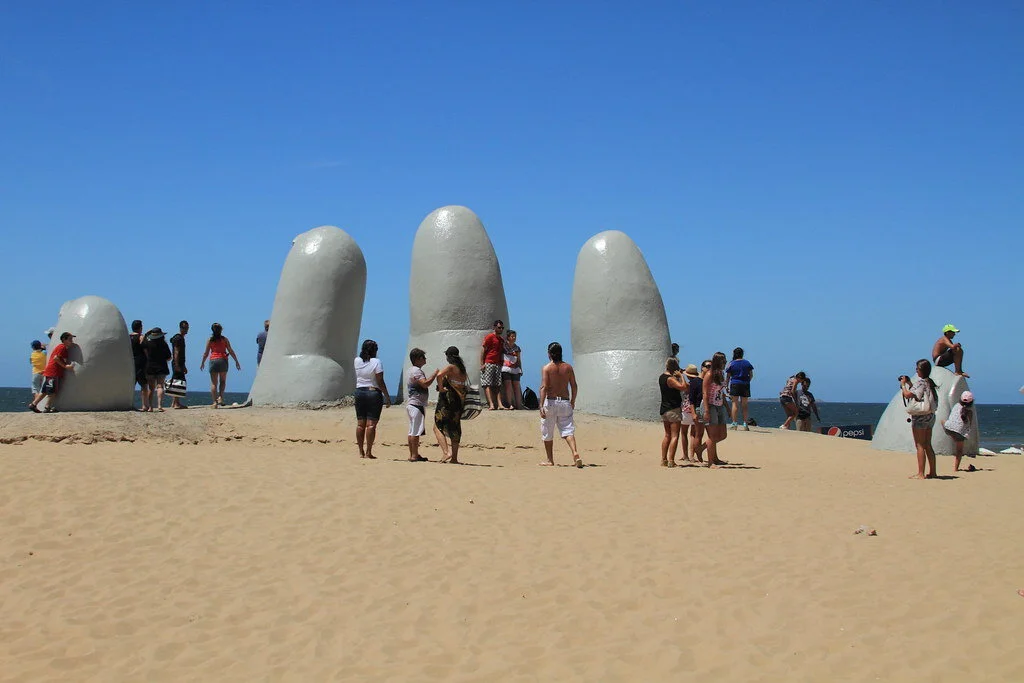
La Mano in Punta del Este. Gamillos. CC BY-SA 2.0

Punta del Este

Two hours away from Montevideo is Punta del Este, a trendy summer spot and a popular escape from the bustling city. Punta del Este has expansive beach access, some of which are rougher and face toward the ocean (such as Playa Brava) while others are calmer and preferred by those with young families (like Playa Mansa). At night, people can go out to bars, restaurants and clubs all over the city, where events can go on until the sun comes up. If you’re interested in a sleepier part of town, visit José Ignacio, a seasonal fishing village to the east. The national dish of Uruguay, the chivito, originated in Punta del Este. You would be remiss if you did not take a moment to sample a chivito (a beef sandwich with a variety of toppings such as cheese, egg and tomato) while visiting. For a taste of the arts, you can visit the iconic hand sculpture, crafted by Chilean artist Mario Irarrázabal, or the gallery and sculpture park of renowned artist Pablo Atchugarry. 

An old building in Colonia del Sacramento, Uruguay. DiegoOlivera_Uy. CC BY-NC 2.0

Colonia del Sacramento

A city with Portuguese roots, Colonia del Sacramento looks across the Rio de la Plata to Buenos Aires, Argentina. The cobbled streets of the Barrio Histórico are popular with visitors and this part of the city is labeled a UNESCO World Heritage Site. To enter this part of town you will cross a drawbridge of a former fortress. Notable landmarks include the Basilica of the Holy Sacrament, Convent of San Francisco, Calle de Portugal and the Colonia del Sacramento Lighthouse. This city will appeal to a wide range of visitors, from historians to vintage car enthusiasts.

Grapes hanging from the vine. UGA CAES/Extension. CC BY-NC 2.0

Wine Country

While in Uruguay, consider visiting one of many vineyards scattered across the country. Uruguay produces a variety of wines, but its signature red wine is called tannat. Although the wine originated in France, the Uruguayan version is considered to be softer due to the warmer climate. Many wineries will allow visitors to sample their wine and tour the grounds. You can visit popular wineries such as Bodega Bouza and Alto de la Ballena or organize a wine tour so you can experience a wide selection. Enjoy a glass while taking in the scenic Uruguayan landscapes.

Gauchos practicing in the countryside. Nicoyogui. CC BY-NC 2.0

Gaucho Country

Another part of Uruguayan culture worth learning about is gaucho culture, which was formed around the romanticized idea of a horse riding hero of the land who cannot be tamed. One standout detail of gaucho culture is the drinking of yerba mate, a bitter tea one drinks from a modified gourd. While the traditional gaucho is no longer as prevalent, modern-day gauchos can be found working on estancias, cattle ranches that can span hundreds of acres. With meat, especially beef, a major component of the Uruguayan economy, these estancias are extremely important. Nowadays, some gauchos have joined the tourist industry in Uruguay and are open to hosting visitors or providing guided rides where they can educate others about their culture. 

Phoebe Jacoby

is a Media Studies major and Studio Art minor at Vassar College who believes in the importance of sharing stories with others. Phoebe likes to spend her free time reading, drawing, and writing letters. She hopes to continue developing her skills as a writer and create work that will have a positive outward effect.

Overpopulated Indonesia Fears Baby Boom Due to Coronavirus

After months of telling its citizens to stay at home, Indonesia is now facing fears of a potential baby boom.

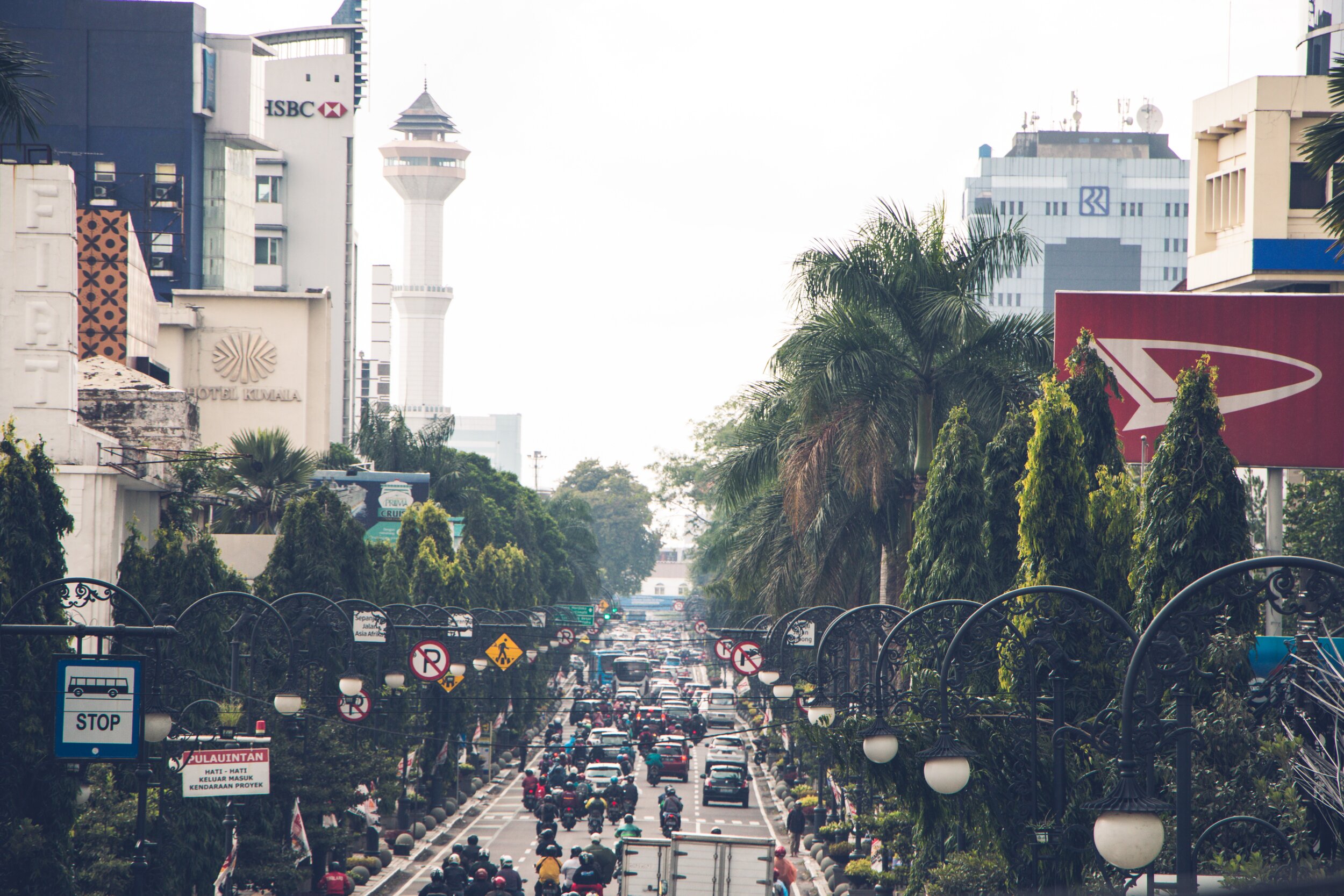
Traffic in Bandung, Indonesia. Ikhsan Assidiqie. Licensed by Unsplash.

With the country under quarantine from COVID-19, many people have stopped going to clinics to get contraceptives out of fear of catching the virus. This projected increase in pregnancies comes after extensive efforts by the country to encourage smaller families, an action taken in order to fight against the concern of child malnutrition. This problem is so severe that government vehicles drove around the cities and pleaded with the public through loudspeakers: “You can have sex. You can get married. But don’t get pregnant. Dads, please control yourself. You can get married. You can have sex as long as you use contraception.”  

The National Population and Family Planning Board (BKKBN) is Indonesia’s government-backed family planning program tasked with helping married couples manage the creation of their families. BKKBN is widely successful and employs 24,000 counselors to help execute their mission, much of which includes distributing free contraceptives to the public. 

The agency recently determined that there had been a significant decrease in the use of contraception between March and April of 2020 and that about 10 million couples in the country no longer had access to a form of birth control. An increase in pregnancy rates is deeply concerning for the Indonesian government because the country is struggling to manage the current population size given its available space and resources. In order to try and alleviate some of these effects, the government has openly discouraged people from having large families for years and freely provided various forms of birth control. About half of those who use contraceptives receive monthly or trimonthly hormone injections, 20% use birth control pills and many use IUDs. Condoms remain unpopular, though, across the country. It is worth noting that abortion in Indonesia is only permitted if it is “to save the woman’s life.” There are many possible contributors to the drop in contraceptive use during this quarantine period, such as a fear of leaving the house to acquire contraceptives (especially from hospitals), closed contraception clinics and other closed health care providers. 

One significant consequence of Indonesia’s population struggles is child malnutrition, a problem that Indonesian President Joko Widodo promised to alleviate within 4 to 5 years. More severe cases of child malnutrition (especially when paired with poor hygiene) can result in child stunting, a condition where the child is more than two standard deviations below the median of child growth standards as determined by the World Health Organization. If children are experiencing stunting then they are more susceptible to pneumonia, diarrhea and a weakened immune system. Given that COVID-19 is known to be more fatal for those with compromised immune systems, this is an especially pertinent concern. Long-term effects include an increased chance of experiencing chronic diseases such as hypertension and a lowered IQ. According to the organization 1,000 Days Fund, a group dedicated to the elimination of stunting, children with stunting can miss about a year of school because of the sickness. While Widodo has found some success in lowering the number of child stunting cases in the past few years, this period of quarantining may prove to be a major setback.

BKKBN announced that Indonesia should expect about 420,000 more babies than the average 4.8 million in the upcoming year. One demography expert at the Indonesian Institute of Sciences, Dr. Augustina Situmorang, believes pregnancy spikes are most likely to occur in low-income families who relied on the previously-accessible birth control provided by BKKBN in addition to young women who lost their jobs, had to return to their hometowns, and then had to get married due to social pressures. 


Indonesia’s health care system is already working overtime and has suffered considerably from COVID-19, registering more than 33,000 cases and over 1,900 deaths. Nevertheless, the government is attempting some preventive measures to combat more potential pregnancies. This includes allowing access to multiple months of birth control pills at a time, making door-to-door deliveries of contraceptives along with emergency supplies, and hoping to distribute contraceptives to 1 million people on June 29, dubbed “National Family Day.” Going forward, the Indonesian government will have to move efficiently if it wants to limit the burden felt by the Indonesian health care system with future generations.

Phoebe Jacoby

is a Media Studies major and Studio Art minor at Vassar College who believes in the importance of sharing stories with others. Phoebe likes to spend her free time reading, drawing, and writing letters. She hopes to continue developing her skills as a writer and create work that will have a positive outward effect.