• Travel Features
  • Global Action
  • Take A Trip
  • Travel Guides
    • Podcast
    • Courses
    • Bookshop
  • About
  • Sign Up
Menu

CATALYST PLANET

  • Travel Features
  • Global Action
  • Take A Trip
  • Travel Guides
  • Discover
    • Podcast
    • Courses
    • Bookshop
  • About
  • Sign Up

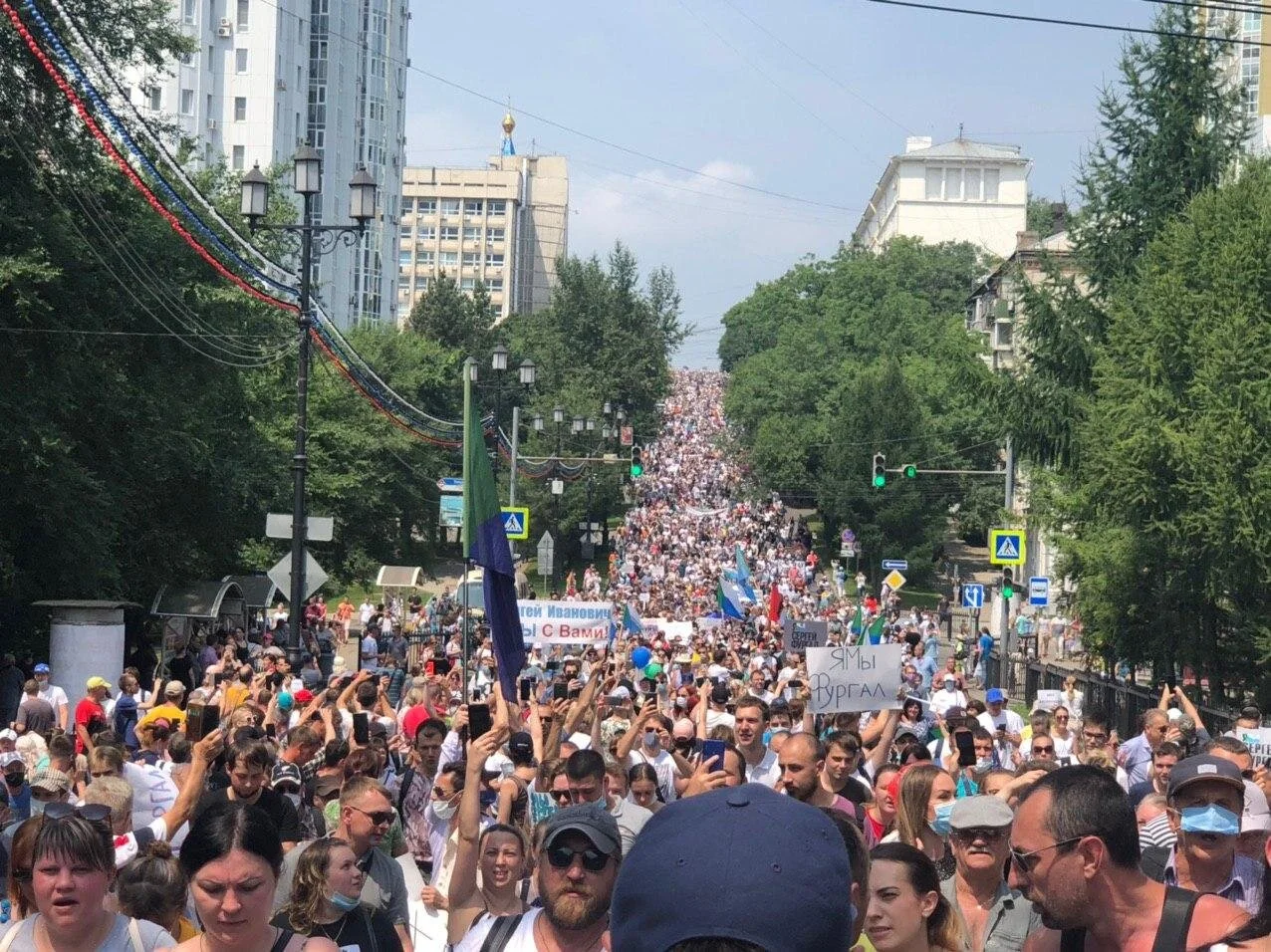
Protesters marching in Khabarovsk on July 18. Штаб Навального в Хабаровске // CC0 1.0.

Russian Protests Continue for Unprecedented Third Week Straight

July 29, 2020

Tens of thousands of protesters continue to demonstrate in Khabarovsk, Russia, for the third week straight in an forceful show of civil disobedience against the Putin administration. The protests, which began on July 11, are in response to the Kremlin-led arrest of the popular Khabarovsk Krai governor Sergei Furgal for accusations of multiple murders.

Khabarovsk is the administrative center of Khabarovsk Krai and a city of almost 600,000 people who live over 4,000 miles away from Moscow. Governor Sergei Furgal, who was elected to his position in September 2018, beat Kremlin-backed incumbent Vyacheslav Shport and has since been viewed negatively by President Vladimir Putin. Furgal is a member of the Liberal Democratic Party, while Shport is a member of United Russia, the country’s ruling party.

Governor Furgal was arrested on July 9 on allegations that he played a role in the murders of several businessmen in the region in 2004 and 2005. He was flown to Moscow shortly after to be placed on pretrial detention and was replaced by Mikhail Degtyarev, who previously served in the State Duma, Russia’s lower house of its Federal Assembly.

“How can Putin's trust be more important than the trust of the people?” protester Zahar Zaripov said in an interview with Deutsche Welle. “Our governor was dismissed by Putin, because he supposedly lost his trust. And what about our trust? We were the ones who elected the governor, not Putin!”

The protests have since spread to other cities in the region, such as Novosibirsk and Vladivostok. Protests in Russia’s Far East are rare; most take place in Moscow or St. Petersburg, where the Kremlin is generally able to exercise its control much more easily.

Many of the protesters not only view the ongoing demonstrations as a show of support for Furgal, but as an act of defiance against a corrupt presidential administration. A little over four weeks ago, President Putin won an allegedly fraudulent constitutional referendum which would allow him to hold his current position through 2036.

“When a person lives not knowing how things are supposed to be, he thinks things are good,” protester Artyom Aksyonov said in an interview with The New York Times. “But when you open your eyes to the truth, you realize things were not good. This was all an illusion.”

Another protester, Alexander Gogolev, expressed his disdain toward the Kremlin in an interview with The Guardian.

“The center is sucking resources from the Far East,” Gogolev said. “[And we get] nothing in return.”

This defiance toward the Putin administration has not been limited to the protesters in Khabarovsk Krai. Vladimir Zhirinovsky, the leader of the Liberal Democratic Party, protested the results of the constitutional referendum as well as the arrest of Furgal.

“We gave you the constitution, and you’re putting us in handcuffs,” Zhirinovsky said. “Shameless! You are sitting in high office and start acting like Stalin!”

Zhirinovsky later signaled that his supporters in the Federal Assembly may resign in protest if the situation does not improve.

Governor Furgal is currently in custody in a Moscow jail as he awaits his trial, which does not yet have a definitive date but may take place as early as Sept. 9. Protests are expected to continue throughout Khabarovsk Krai for the foreseeable future.

Jacob Sutherland

is a recent graduate from the University of California San Diego where he majored in Political Science and minored in Spanish Language Studies. He previously served as the News Editor for The UCSD Guardian, and hopes to shed light on social justice issues in his work.
Tags Russia, protest, Khabarovks, President Vladimir Putin, Putin, Moscow, demonstration, trial, custody, Federal Assembly, resignation, International Affairs
Comment

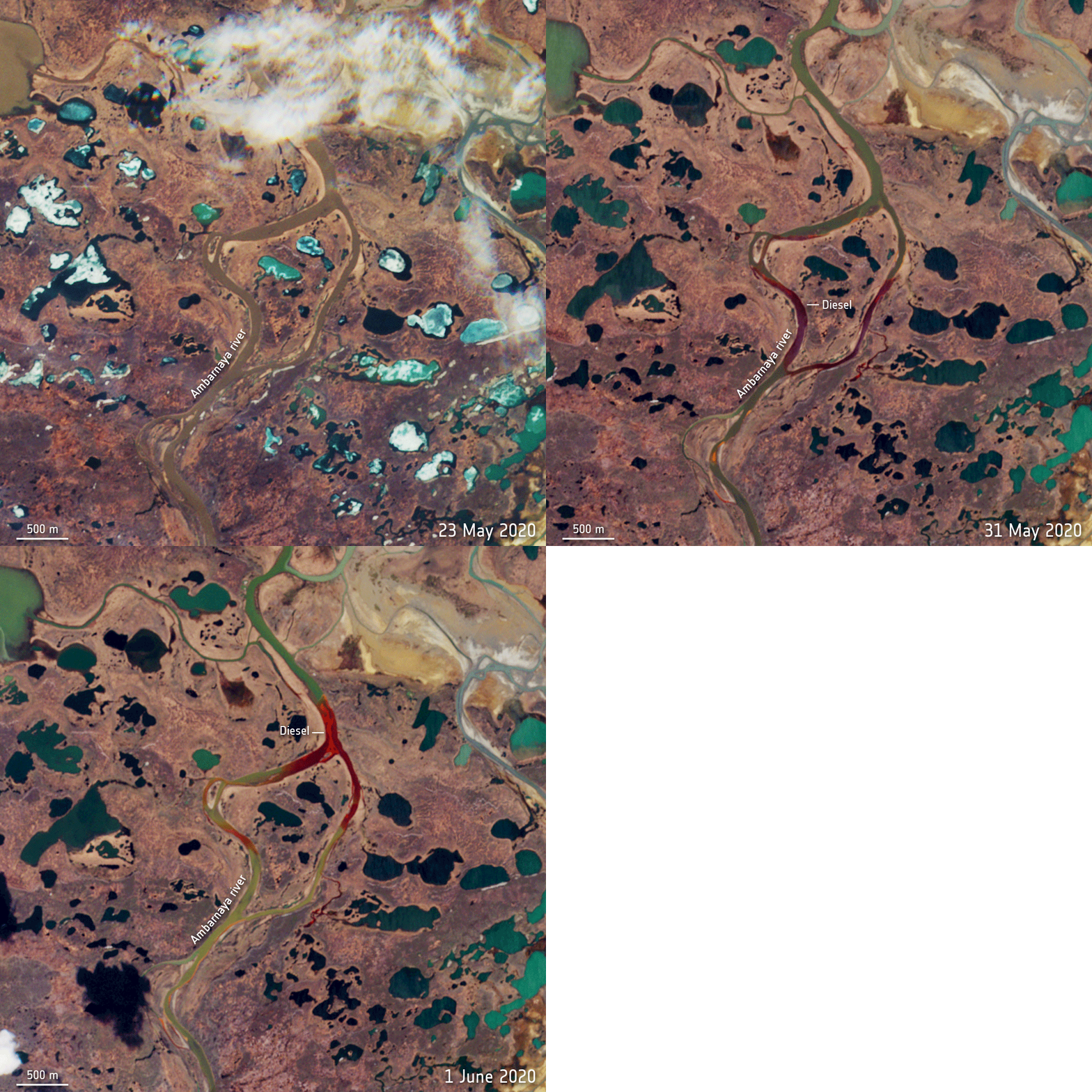
Arctic oil spill over time as seen by the European Space Agency’s Copernicus Sentinel-2 satellite. CC BY-SA 3.0 IGO.

Russia’s Oil Disaster in the Arctic Circle

June 11, 2020

On June 4th, 20,000 tons of diesel fuel spilled into the Russian Arctic after a fuel reservoir collapsed at a power plant near the city of Norilsk. It is considered Russia’s second largest oil spill in modern history. The site of the spill is the Ambarnaya River. The site of the spill, the Ambarnaya River, has turned into a deep red pool of deadly oil.  Since then, Russian President Vladimir Putin has instituted a state of emergency for the region around Norilsk, and investigations into the power plant are beginning. 

In terms of economics, it is vital that Russia acts with speed in order to clean up the oil, as they are the world’s third largest oil producer. Environmentally, though, the disaster is even worse. This oil spill has the potential to wipe out entire species in the region, literally poisoning and suffocating the plants and animals that rely on the Ambarnaya. 

How it happened  

There was a slight delay between the actual spill and reporting of the incident to the public, so the investigation process is playing catch-up. As investigations are ongoing, it is not entirely clear how such a massive disaster could have happened. The power plant claims that the fuel reservoir possibly collapsed due to thawing of permafrost below it. This could be a result of the larger issue of global warming and over-construction on unstable permafrost. 

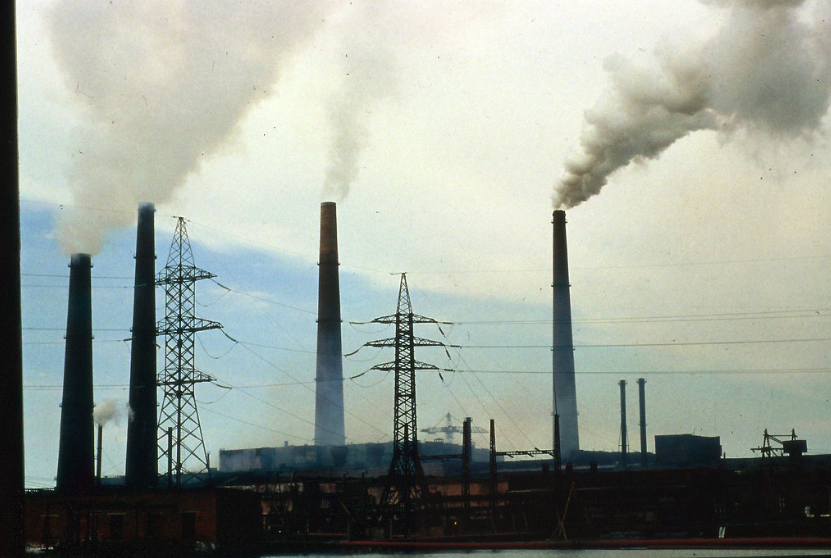
Norilsk, Siberia, Russia. GRIDArendal. CC BY-NC-SA 2.0

Norilsk Nickel, the company that owns the power plant under investigation, is a huge economic force in Russia as they lead the world in nickel and palladium production. This has not stopped the Russian government from taking the power plant director, Vyacheslav Starostin, into custody. It is pursuing a criminal case of pollution and alleged negligence against the company.

What is being done

Putin began the work to remedy the spill by declaring a state of emergency over the region, but he expects the company to pay for the costs of damages. In collaboration with Norilsk Nickel, the Russian government’s state of emergency allows for more clean up personnel to be dispatched to the area. According to BBC, Oleg Mitvol, former deputy head of Russia's environmental watchdog Rosprirodnadzor, said there had "never been such an accident in the Arctic zone". Mitvol said the clean up could potentially cost 100bn roubles (£1.2bn; $1.5bn) and take between five and 10 years

Cleanup efforts have been difficult because of the remote location of the plant. The crews are unable to use barges due to the shallow water, and there are no roads leading to Norilsk. Sergey Dyachenko, chief operating officer of Norilsk Nickel, told reporters on June 4 that the company plans “to transport contaminated oil to temporary sites for remediation.”

To prevent the oil from spreading to other areas, containment booms have been placed on the Ambarnaya River. In response, Greenpeace stated on its website that it “will help collect only a minor part of the pollution, and therefore it would be safe to say that nearly all of the diesel fuel will remain in the environment.”

U.S. Secretary of State Mike Pompeo. Gage Skidmore. CC BY-SA 2.0.

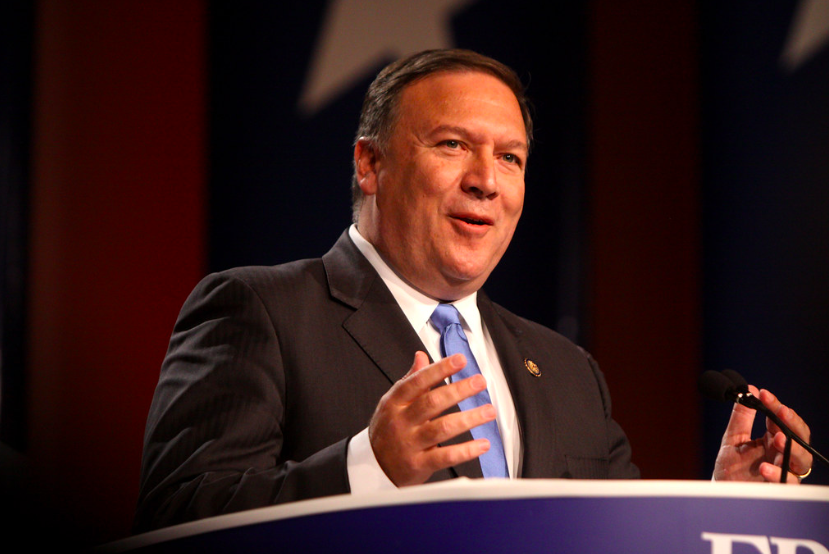
The United States has also offered its help. U.S. Secretary of State Mike Pompeo tweeted on June 6, "Saddened to hear about the fuel spill in Norilsk, Russia." He added that despite their disagreements, “the United States stands ready to assist Russia to mitigate this environmental disaster and offer our technical expertise.” Although the U.S. State Department and White House have not specified the ways they plan to help, efforts are in progress. 

The future 

It is not known how long the process to clean up the oil will take, or if all of the oil can even be cleaned up. Until then, it is important to note how environmental disasters in the Arctic like this are a result of the other dangerous environmental practices in place. The soil, plants and animals in this region of Siberia will be undoubtedly impacted and some species may never recover. This is not the first oil spill of its kind, and it will likely not be the last. 


Renee Richardson

Renee is currently an English student at The University of Georgia. She lives in Ellijay, Georgia, a small mountain town in the middle of Appalachia. A passionate writer, she is inspired often by her hikes along the Appalachian trail and her efforts to fight for equality across all spectrums. She hopes to further her passion as a writer into a flourishing career that positively impacts others.

In News and Social Action, Global Health & Crisis Tags Russia, deisel fuel, President Vladimir Putin, economics, oil spill, state of emergency, Ambarnaya River, Greenpeace, oil, Arctic Circle, Disaster Relief
Comment

Also check out...

Featured
Vietnam’s Floating Markets Are Disappearing
The Supernatural Role of Masks in Nigeria’s Yoruba Tribal Culture
Opening the World to Deaf Travelers with Lily Yu

Featured trips

Featured
Offer NGO Support While Visiting Quito
Experience Life as a Mongolian Nomad
Help Grow Organic Costa Rican Coffee

Sign up for the CATALYST newsletter

Sign up for our newsletter to get the scoop on international travel, global social impact insights, our latest podcast releases, and more from around the world, all delivered right to your inbox!

We respect your privacy.

Thank you!
Newsletter Sign Up | Advertise | Careers + Internships | Privacy Policy | Submissions | Contact Us

Copyright © 2025, MISSION MEDIA LLC. All rights reserved.