Unexpected Paradise: 6 Macaronesian Islands That You May Not Have Heard Of

Off the coast of Europe and Africa, the Macronesian islands offer unspoiled landscapes, quaint towns, and stunning coastlines.
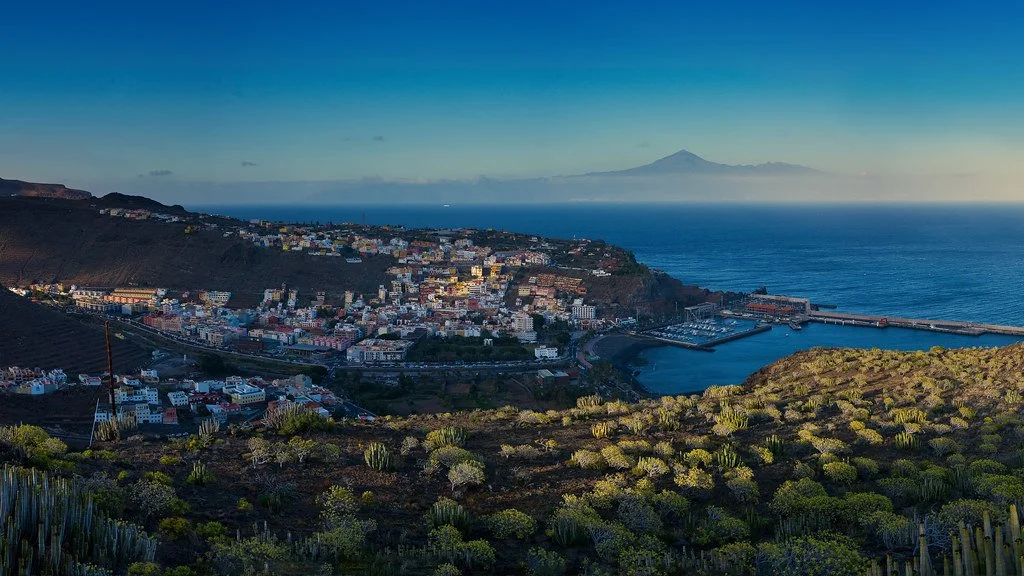
The island of La Gomera is located in the Canary Islands, one of the island chains that make up Macaronesia. Jörg Bergmann. CC BY-NC-ND 2.0.

Macaronesia is a group of archipelagos in the North Atlantic Ocean. off the coast of Europe and Africa. It consists of the islands of the Azores and Madeira, (part of Portugal) the Canary Islands (part of Spain) and Cabo Verde  (an independent group of islands formerly controlled by Portugal). Some of these islands are only a short flight away from many major cities in Western Europe and becoming more popular, leading to more development on some of them, but unspoiled wilderness remains prevalent. 

1. São Miguel, Azores
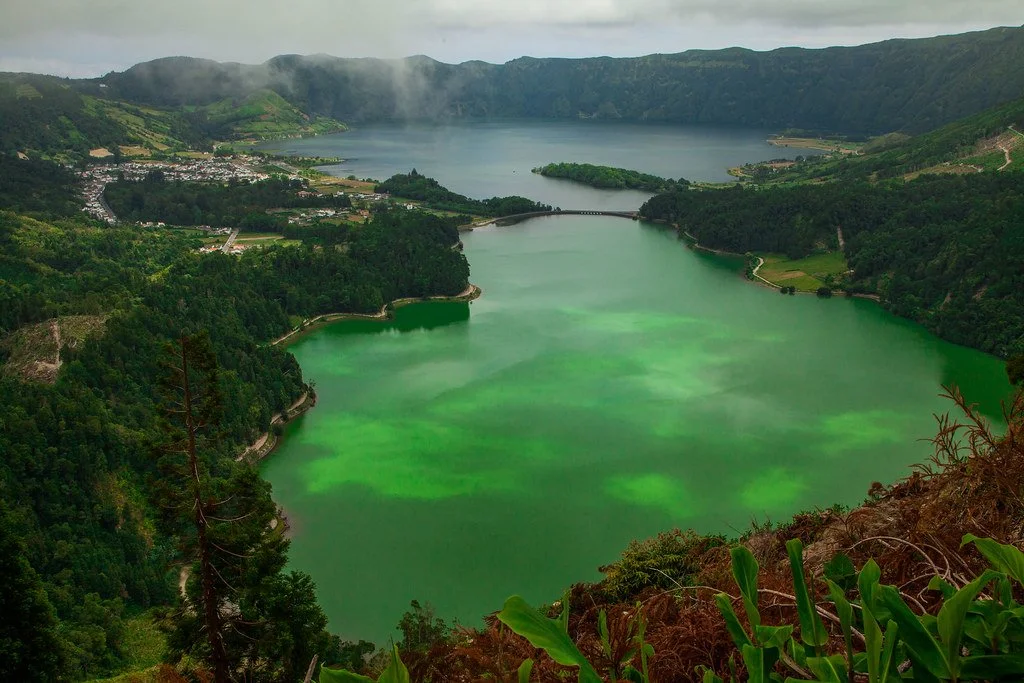
The Lagoa das Sete Cidades features colorful lakes in the remnants of volcano calderas on São Miguel. energeticspell. CC BY-NC 2.0.

The largest island in the Azores, São Miguel features numerous beautiful natural sights for hikers and/or tourists. Due to minerals in the water, the lakes on the island come in various tints of green and blue. At a more temperate climate than many of the other Macaronesian islands, São Miguel receives more rain, resulting in many waterfalls on the island. Some companies lead rappelling excursions at the waterfalls. The seas around São Miguel are also prime for whale watching.

2. Flores, Azores
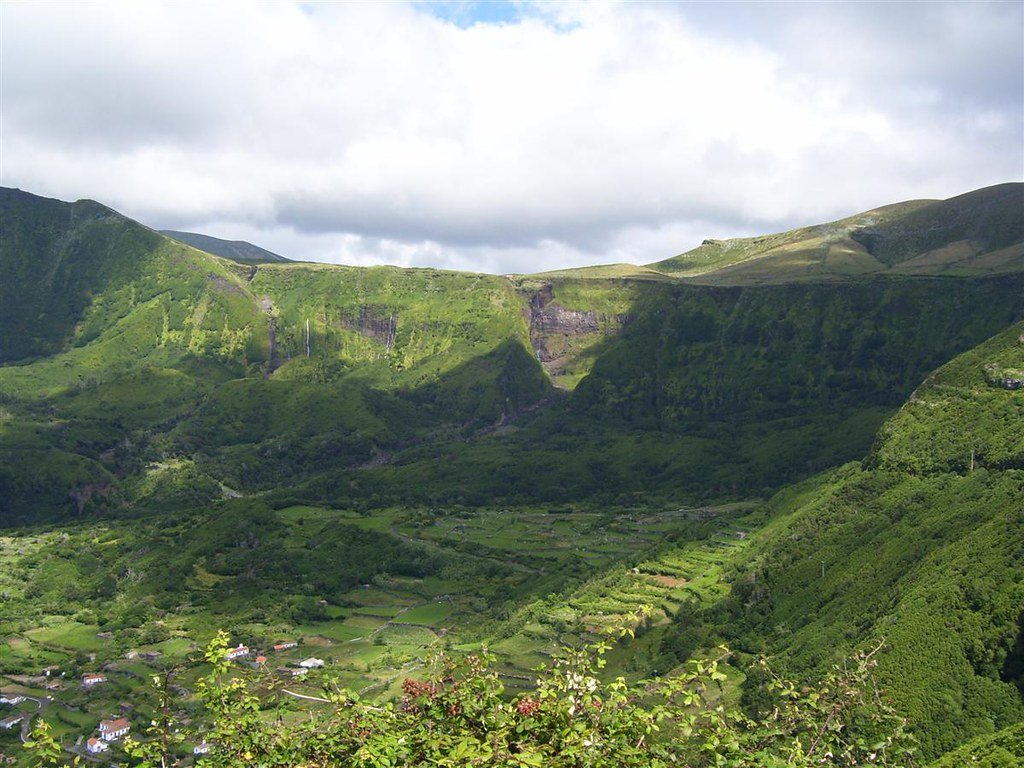
Lush, green cliffs characterize the island of Flores in the Azores archipelago. Paulo Corceiro. CC BY-ND 2.0.

One of the more remote islands in the Azores archipelago, Flores literally translates to “flowers” in English. Its stunning lush mountains are well-suited for hiking and canyoneering, with trails leading to some unique geological formations. Some places on the island to visit include the village of Fajã Grande, which is tucked in between cliffs and the Atlantic Ocean, and the 7 lagoons, the remnants of ancient volcanoes. 

3. Madeira
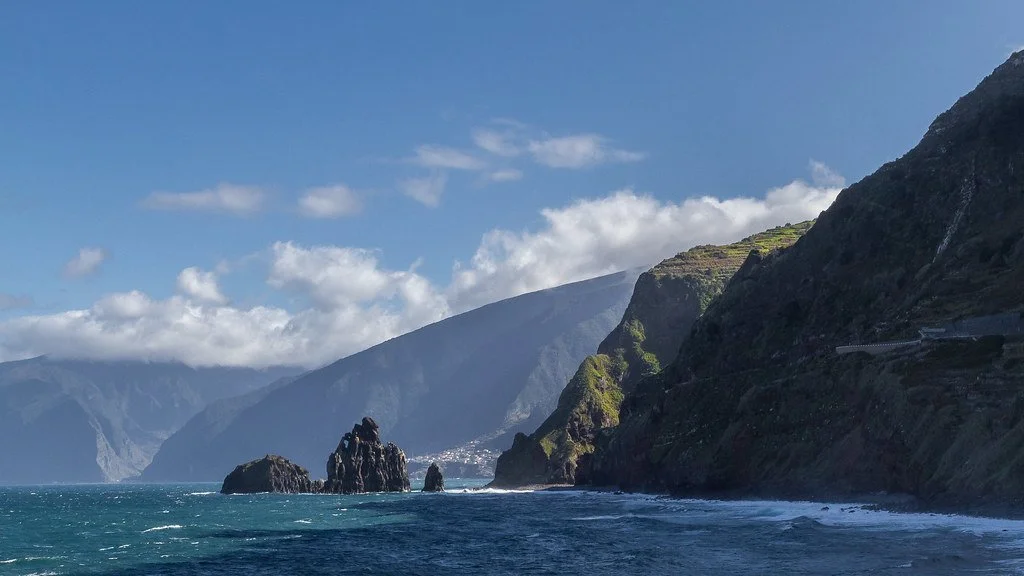
The cliffs of Madeira. Kacper Gunia. CC BY-NC 2.0.

After a thrilling landing at one of the most challenging airports for pilots in the world, visitors step into a green oasis with dramatic mountains and steep drop-offs. In the past, Madeira was a maritime center with Christopher Columbus and James Cook making stops there on their voyages. Later, rich landowners built ornate summer estates on the island, such as the Monte Palace Madeira, which is a present-day vast botanical garden. Hiking trails criss-cross the island, with many built on the remnants of levandas, irrigation canals used to feed water to drier areas of the island. A strenuous hike to Pico Ruivo, the highest point on the island, rewards intrepid hikers with vast views.

4. La Palma, Canary Islands
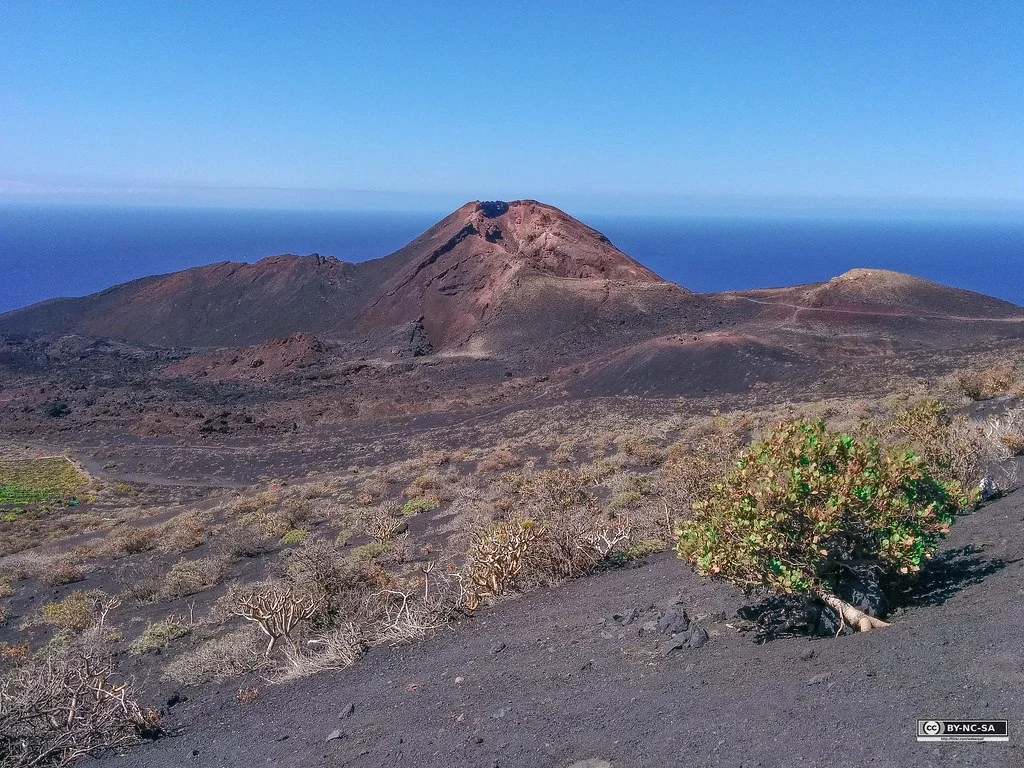
The volcanic landscape of the island of La Palma. weberpal. CC BY-NC-SA 2.0. 

The island of La Palma in the Canary Islands is fully operational again after the Cumbre Vieja volcano stopped erupting in December 2021. While it is still advisable to exercise caution around the eruption area, the rest of the island is free to be explored. Past volcanic eruptions have created unique rock formations underwater, making diving a popular activity off the coast of the island. Watersports such as kayaking and canoeing are also popular, especially along the sheltered coast of Fuencaliente. There is also an extensive network of hiking paths on the island, leading to a variety of unique landscapes.

5. Fuerteventura
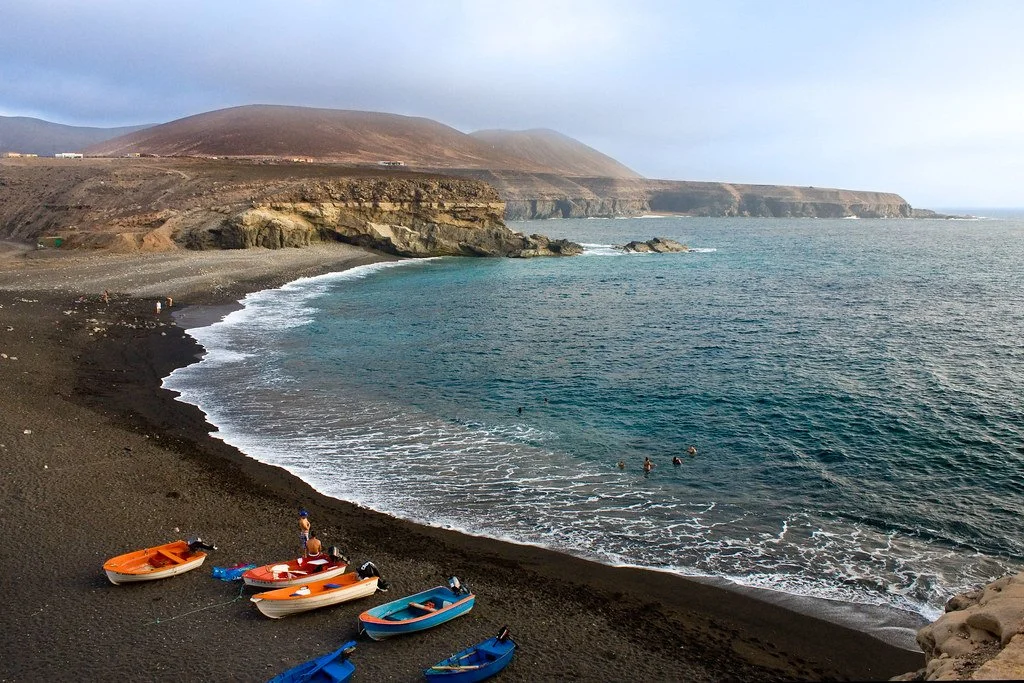
Popular beaches and desert landscapes combine on the island of Fuerteventura. xavipat. CC BY-NC-ND 2.0.

The more southern islands of Macaronesia have a more arid climate, leading to more desert-like landscapes. Less than 100 kilometers from the coast of Africa, Fuerteventura consists of many popular beaches but also has quaint towns and rolling hills. As the first of the Canary Islands to be settled by Europeans, its first capital city of Betancuria was founded in 1404 and remains to this day and is a great place to learn about the island’s pre-Hispanic history. The island is also famous for its cuisine featuring majorero cheese and papas arugás with mojo (wrinkly potatoes with a local sauce).

6. Sal, Cabo Verde
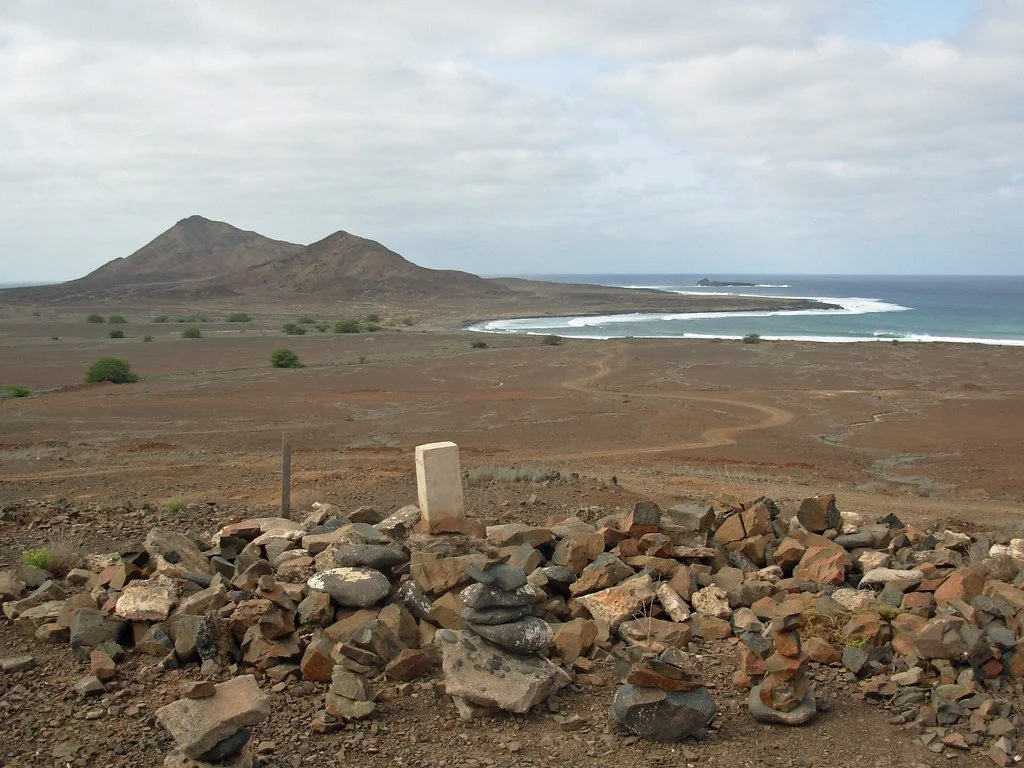
The barren landscape of Sal is much more than what it seems. Phil Thirkell. CC BY-NC 2.0.

Another desert-like island, Sal is located in the northeast of the Cabo Verde archipelago and used to be the least populous island of the country until recent developments that have caused rapid growth. Like Fuerteventura, Sal has many beaches which are known as prime kiteboarding areas. Away from the beaches and resort areas lies what seems like a barren landscape, but tours on jeep and horseback can bring visitors to the remote interior to secluded areas. The island also has a legacy of salt mining, and it is possible to visit the Pedra de Lume area, which preserves the remnants of salt extraction operations.


Bryan Fok

Bryan is currently a History and Global Affairs major at the University of Notre Dame. He aims to apply the notion of Integral Human Development as a framework for analyzing global issues. He enjoys hiking and visiting national parks.
Indoor Skiing As Far Afield as Dubai

With massive, man made indoor ski resorts, skiing is no longer a winter-only sport. 

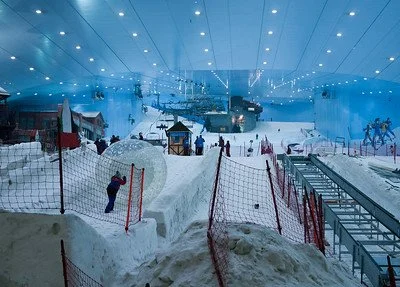
Ski Dubai. Neekoh.fi. CC BY 2.0

In 1927, Vienna, Austria opened up the first indoor ski slope called Schneepalast. The slope was 65.6 feet tall, and the building was eventually destroyed, but the idea has stayed around. People have improved on it by creating larger and larger indoor ski slopes for people to enjoy not just during the normal skiing season, but also in warm temperatures where and when snow doesn’t fall. Indoor ski resorts are all over the world, with at least one on every continent. Ski Dubai in Dubai, United Arab Emirates was voted the best indoor resort back in 2016 and 2017, and it used to be the biggest, though Harbin Wanda Indoor Resort in Harbin, China surpassed Ski Dubai in 2017. Wintastar Shanghai in Shanghai, China is currently on track to being the largest once it is completed in 2022. There are also indoor slopes that are meant only for practice in the summer. These are training centers for athletes, without man-made snow and more akin to treadmills.

Though an indoor resort will likely never be as large as an outdoor one, Ski Dubai is one of the largest indoor ski resorts in the world. It is the first indoor ski resort in the Middle East, featuring  a chairlift, a freestyle snowboarding area, an area for toboggans and snowball fights, an indoor zipline and five ski runs, including a black diamond run, the highest level of difficulty in skiing. Ski Dubai also has a penguin colony of Gentoo and King penguins that people can meet and interact with. Though not the only indoor ski resort with penguins, Ski Egypt has Gentoo and Chinstrap penguins, which is the most well-known. The entire area is extremely family friendly, which is why it continues to be one of the most popular attractions in Dubai.

King Penguins at Ski Dubai. Pranav Bhasin. CC BY-NC-ND 2.0

For an avid skier, indoor skiing might be a very interesting experience, but it doesn’t come close to skiing on an actual mountain. Having such a limited space can lose interest towards experienced skiers, but less experienced people tend to enjoy indoor resorts more. Another factor that could affect this is that skiing on fake snow is different than skiing on real snow. 

Fake snow is stickier than real snow, and it’s much harder and more packed. Skiing on it isn’t as smooth as on real snow. The composition of real snow is around 10% ice and 90% air, but man-made snow is closer to 30% ice and 70% air. Of course, indoor ski slopes can’t exactly use real snow, so these resorts are made entirely of this kind of snow. However, since it is still snow, it will melt in heat. Indoor ski resorts have to be cold to maintain it. Ski Dubai stays at a constant -4Celsius, or 24.8 Fahrenheit. Therefore,  despite being located in the desert, the inside of Ski Dubai is fairly cold and a stark contrast to the outside heat.


Katherine Lim

Katherine Lim is an undergraduate student at Vassar College studying English literature and Italian. She loves both reading and writing, and she hopes to pursue both in the future. With a passion for travel and nature, she wants to experience more of the world and everything it has to offer.

Restoring the Amazon Rainforest

Deforestation of the Amazon rainforest has hurt it immensely but reforestation efforts are working to restore its former glory.

Amazon Rainforest. Neil Palmer. CC BY-NC-ND 2.0

Deforestation is the process of destroying the tree cover in a forest, so technically it started when humans first started cutting down trees for fires and to build homes. However, the Industrial Revolution in the 1800s caused a massive jump in deforestation, with 177 million square miles of trees having been destroyed just by 1850. Though the issue has persisted, it is only in the last 70 years that people have realized it is a major environmental problem. Even today, around 25 million hectares of forest are being destroyed every year. The agricultural industry is the leading cause of deforestation as people destroy forest land for commercial farming, especially for livestock feeding, soy and palm oil. Other industries such as the textile industry, food industry, chemical and construction industries also benefit from the deforestation. Also, one method of deforestation is slashing and burning the trees, which harms the soil and makes it harder for plants to grow in the future. This affects not just the forest, but the farmers who take over the land because they are unable to grow crops for many years and need to keep cutting down more trees. 

One forest in particular that has continuously suffered from deforestation is the Amazon rainforest, the largest rainforest in the world. It spans across Bolivia, Brazil, Colombia, Ecuador, French Guiana, Guyana, Peru, Suriname and Venezuela, which covers around 40% of South America. The ecosystem of Amazon forest is incredibly diverse, with more species of plants and animals than any other terrestrial ecosystem in the entire world. With industrialization and the continuous deforestation, large sections of the rainforest have vanished.

However, many forest restoration efforts have happened in an attempt to save it. Forest restoration is a process to improve the health of a forest, though nothing will fully restore it to its original glory because of destroyed soil and invasive species of both plants and animals. The process aims to heal the destruction caused by deforestation as much as it can, but it isn’t as simple as people replanting the trees. The soil has to be improved, the wildlife must be protected and anyone who uses the land needs to use it sustainably. 

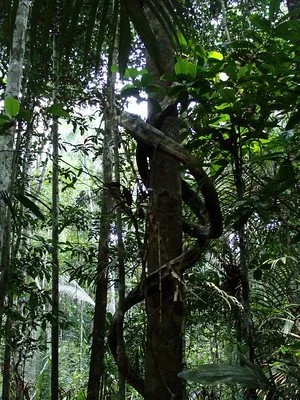
Vine in the Amazon Rainforest. Ben Sutherland. CC BY 2.0

In terms of the Amazon specifically, many efforts are starting to be made as people recognize the increasingly negative impact they have been causing on the rainforest. For example, in Colombia, a business in bioeconomy is gaining popularity. Forest schools such as the Amazonía Emprende - Escuela Bosque teach local communities to have sustainable business practices, and restore thousands of hectares of land within the next few years. Nature tourism is another method that people are using. It is a way for Indiginous communities to show and teach others about the rainforest, and raising awareness like this also helps improve the living conditions of the people. Another way Colombia is making efforts to preserve the rainforest is simply just growing food more sustainably. There are companies that grow plants in an eco-friendly way, and help families who make a living doing this. 

There are also programs such as the Amazon Sustainable Landscape Program (ASL), which aims to improve the overall management of landscape and ecosystem of the rainforest. The ASL combines efforts from many organizations, such as the World Bank, World Wildlife Fund, International Fund for Agricultural Development and more. With the ASL, these groups have a way to collaborate in a massive effort to restore the rainforest. Big organizations and communities working together is needed for large scale efforts like this to be truly effective in restorating the Amazon.

To Get Involved

There are many organizations trying to help rainforests. The Rainforest Action Network RAN) has a Protect an Acre program, similar to buy-an-acre programs that allow for people to buy an acre of forest land so it won’t be destroyed. The Amazonía Emprende school mentioned earlier educates people about sustainable business practices. The ASL wants to better the management of the Amazon.

To discover more about the Amazonía Emprende school, click here.

To discover more about the ASL and its goals, click here.

To discover more about the RAN and how to donate to them, click here.


Katherine Lim

Katherine is an undergraduate student at Vassar College studying English literature and Italian. She loves both reading and writing, and she hopes to pursue both in the future. With a passion for travel and nature, she wants to experience more of the world and everything it has to offer.

7 Sites of Mexico City’s Architectural Diversity, from Baroque to Brutalist

Mexico City is a flourishing metropolis with a plethora of historic and modernist architectural sites. Here are a few attractions scattered around the city.

Read More

The Decriminalization of Illicit Drugs in British Columbia

Canada has announced their plans to decriminalize small amounts of illicit drugs in British Columbia by January of 2023. They are hopeful this will lower high rates of overdoses.

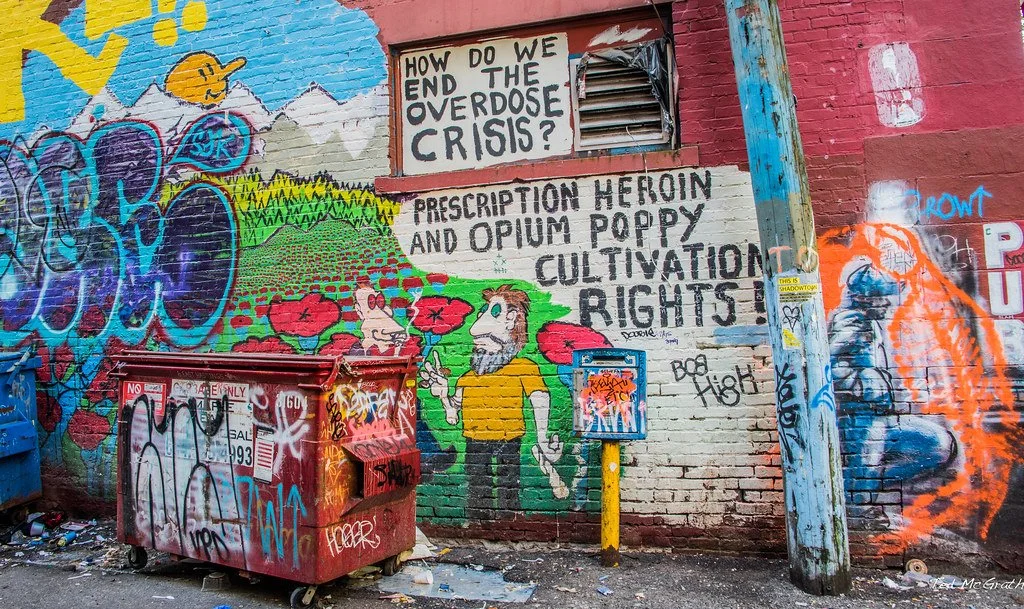
Graffiti about drug decriminalization. Ted’s Photos. CC BY-NC-SA 2.0.

In British Columbia, Canada, where thousands of overdose deaths occur each year, officials have decided to try decriminalizing small amounts of illicit drugs. The illicit drugs in question include heroin, cocaine, opioids, methamphetamine and more. Residents of British Columbia 18 years or older will be allowed to possess a maximum of 2.5 grams of these drugs without penalty, a policy that will take effect in January of 2023. This policy comes from an exemption from the Controlled Drugs and Substances Act that makes these drugs illicit, which was granted to British Columbia for a three-year trial run.

Officials hope that by decriminalizing small amounts of these drugs, dependent users will feel less afraid of prosecution and stigmatization if they do decide to seek drug-related help. Further, by tackling rates of drug deaths as a public health issue, BC Government News says “the Province will create new pathways to support those seeking treatment.”

Since the height of the pandemic in 2020, British Columbia has struggled with high rates of illicit drug abuse and overdose deaths. In 2020, drug-related death rates rose into the two-thousands, a problem that since 2016 had been declared a public health crisis. Most of these deaths occur when drug users hide their addiction from friends and family, fearing the reaction or stigmatization that will come from their loved ones learning of their addiction.

By decriminalizing these drugs, Canada hopes to reverse this effect; Dr. Theresa Tam, Canada’s chief public health officer, wrote in a tweet: “Stigma and fear of criminalization cause some people to hide their drug use, use alone, or use in ways that increase the risk of harm. This is why the Government of Canada treats substance use as a health issue, not a criminal one.”

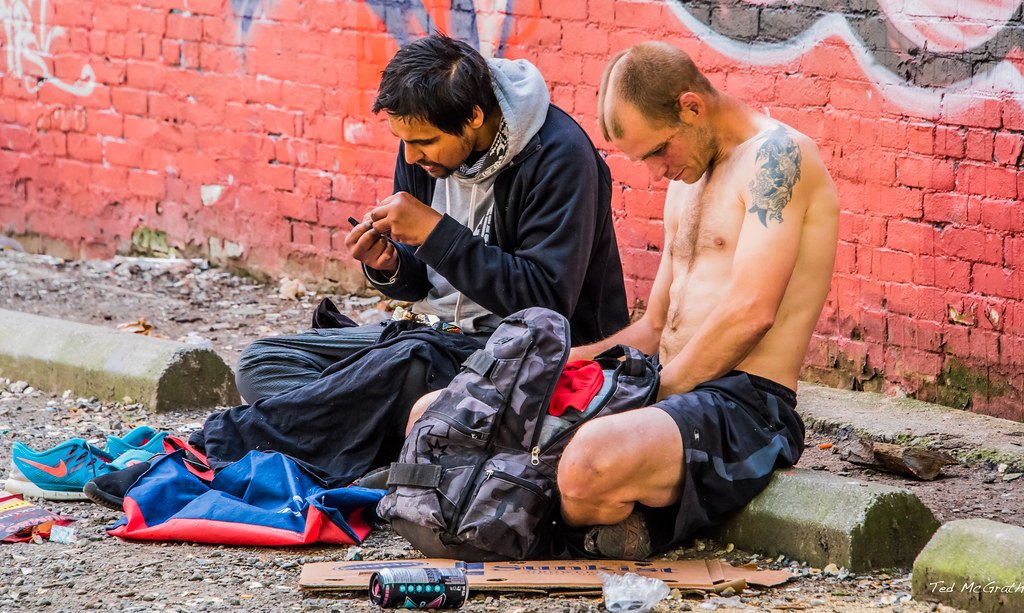
Street use in Vancouver. Ted’s Photos. CC BY-NC-SA 2.0.

The exemption to be instituted in 2023 has found support from family and friends of deceased drug users and was even supported by the police associations and chief coroner. Though some call for even further decriminalization – a policy that would expand the 2.5 gram limit to larger amounts – health officials in Canada believe 2.5 grams is a good trial starting point. Harm reduction is their main goal; British Columbia’s Provincial Health Official Dr. Bonnie Henry stated, “This is not one single thing that will reverse this crisis but it will make a difference.”

In requesting an exemption from the Controlled Drug and Substances Act, British Columbia also stated that drug-related felonies and arrests disproportionately affect already marginalized communities. In decriminalizing small amounts of drugs, the authorities will reduce  punitive actions and may help to decrease the stigmas around drug use that cause people to hide their addictions. 

Turning Point of Tampa has also stated that experts on drug incarceration have stated that imprisonment does not deter drug use, and problems such as substance abuse, mental health issues and fear of open drug use worsen when sentenced to prison time. Peer clinical adviser Guy Felicella told the New York Times, “Arresting me and incarcerating me for all those years for using drugs never stopped me once from using drugs — even when I went to prison. It didn’t do anything except create stigma and discrimination, shame,” which is the exact thing Canada is trying to end through decriminalization.

Hoping to reduce the stigma surrounding drug use that leads to deaths due to fear of judgment and sequentially more dangerous usage, Canada is waiting to see how this exemption in 2023 will reduce rates of drug-related deaths, and whether further decriminalization is needed. 

To Get Involved:

The Canadian Drug Policy Coalition (CDPC) is an advocacy organization that is fighting against the harm caused by drug prohibition laws. Campaigning with a platform centered on decriminalization, the Coalition strives to reduce the high rates of drug overdose deaths in Canada. To learn more about the CDPC’s mission and to support their work, click here.


Ava Mamary

Ava is an undergraduate student at the University of Illinois, double majoring in English and Communications. At school, she Web Writes about music for a student-run radio station. She is also an avid backpacker, which is where her passion for travel and the outdoors comes from. She is very passionate about social justice issues, specifically those involving women’s rights, and is excited to write content about social action across the globe. 

6 Secret Spots in Greece You Should Know About

Greece’s natural beauty and history extends far beyond the well-traveled islands of Santorini and Mykonos.

The isolated Vlacherna Monastery off the coast of Corfu.. Daniel Solabarrieta. CC BY-SA 2.0.

Though Greece has 6,000 islands and islets, only 227 of them are inhabited. Many are famous for picturesque beaches and nightclubs that welcome more than 34 million tourists every year. It is no surprise that the country is a favorite for travelers looking to explore the natural beauty of the Mediterranean, to learn more about the ancient civilization that once called the islands home or just to escape the monotony of everyday life. However, there is much more to the country than its white stucco buildings and tzatziki including cliffside monasteries, man-made lakes, and hidden fishing villages just waiting to be discovered.

1. Monastery Republic of Mount Athos, Chalcidice

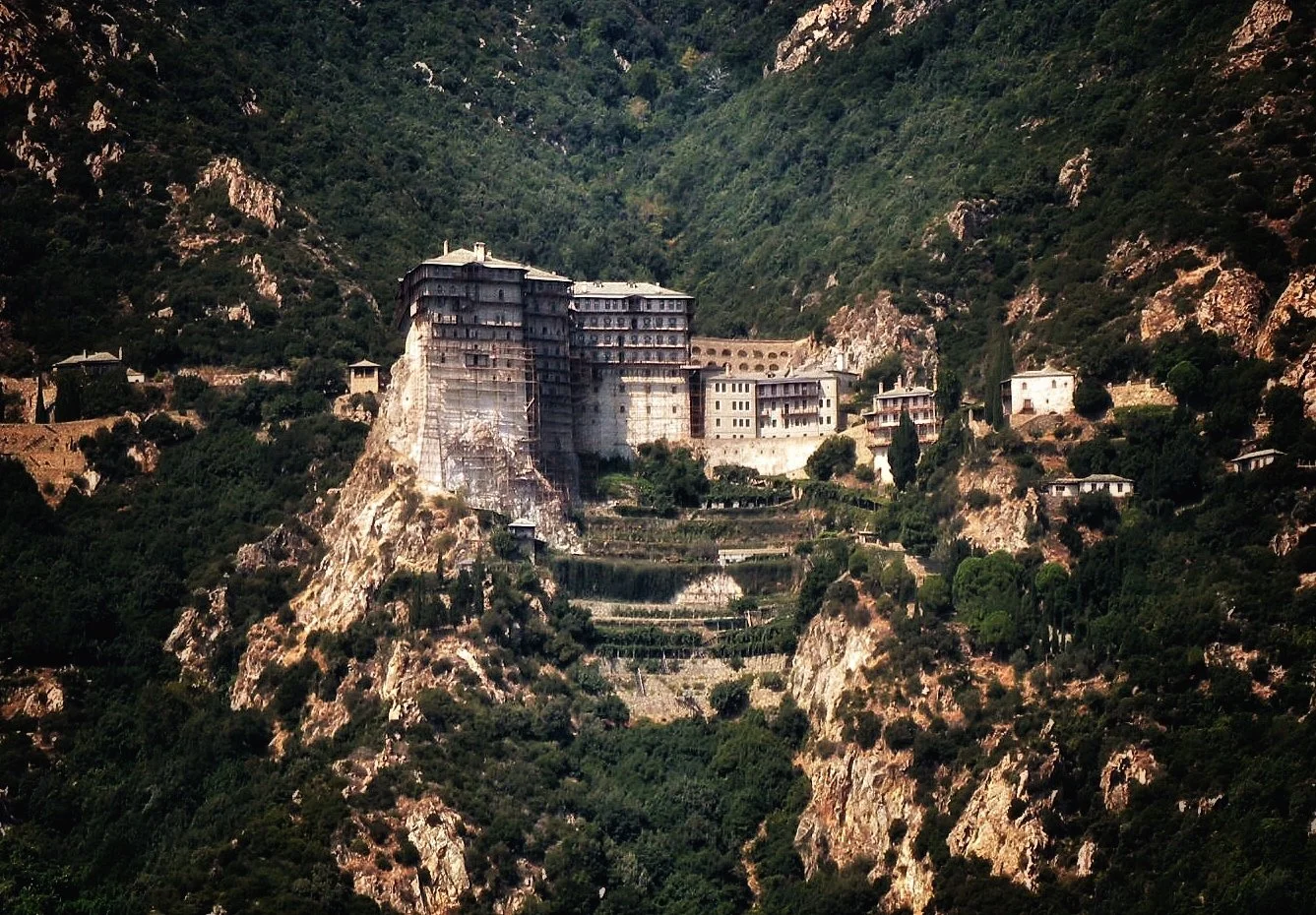
The holy monastery at Mount Athos. Maite Elorza. CC BY-NC-SA 2.0.

Located on the northern Greek peninsula of Chalcidice, Mount Athos is home to twenty ancient monasteries that date back to Byzantine times. Known to locals as the “Holy Mountain,” the recognized heritage site is off limits to women and children, but is home to approximately 1,400 monks. Its religious significance stems from legends that the rock face was once the location of a sanctuary of Zeus, but the mountain was also subjected to a number of attacks and attempted invasions over the years. The mountainous state officially became an autonomous region on October 3 ,1993and legally lies under the religious jurisdiction of the Patriarch of the Greek Orthodox Church from Constantinople.

2. Lake Doxa, Corinthia

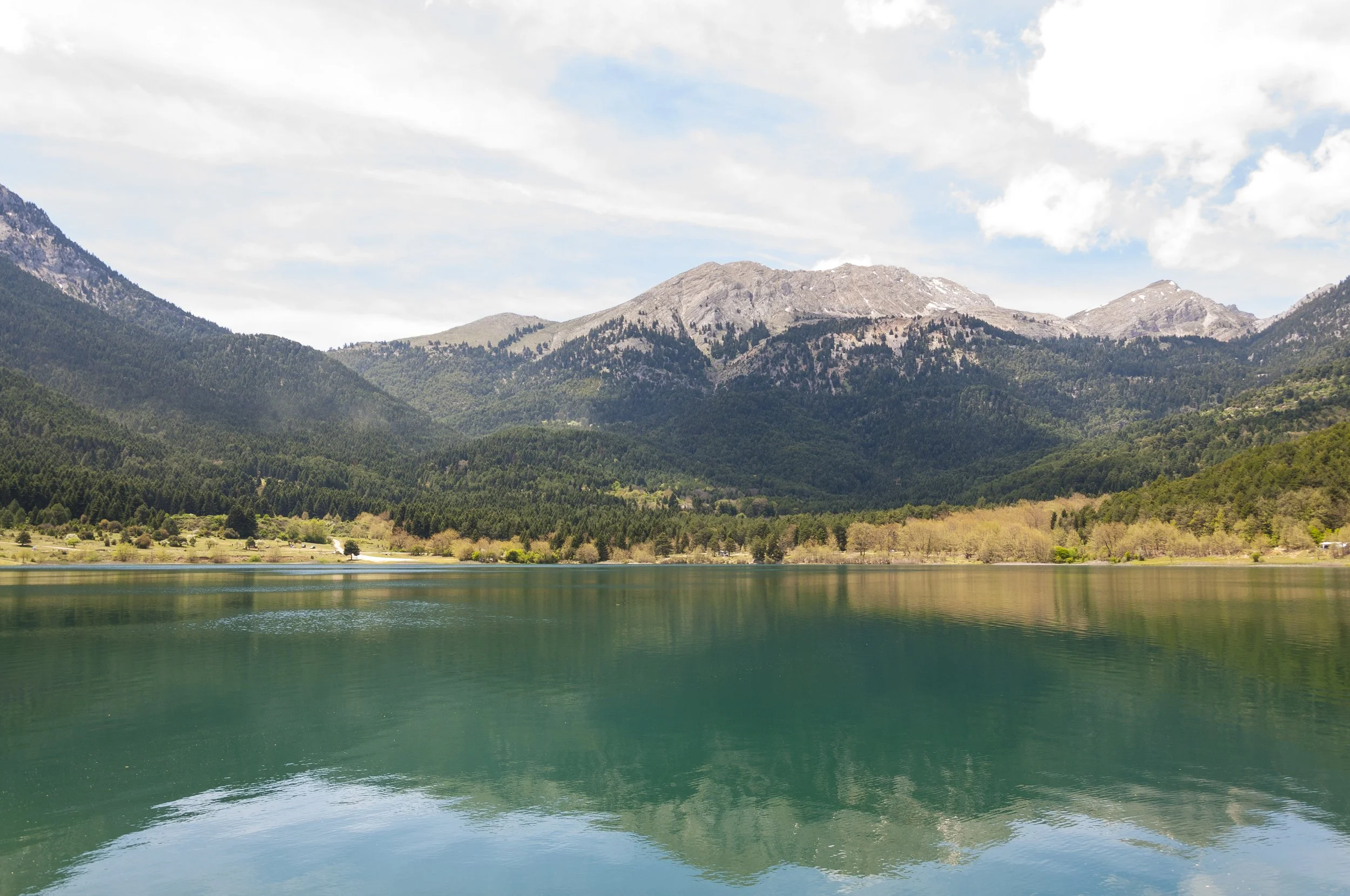
Artificial Lake Doxa in western Corinthia. Ava Babili. CC BY-NC-ND 2.0.

Surrounded by fir-tree covered mountains, the man-made Lake Doxa was built about fifteen years ago to help counter the high water levels. These tides also caused the Monastery of Agios to relocate at the center of the lake, and now appears as though it is floating on the water’s surface. The lake is in the village of Archaia Feneos which is located at the base of Mount Cyllene, the supposed birthplace of the god Hermes. According to popular Greek myth, there is also a subterranean canal underneath the lake that was dug by Hercules as one of his Twelve Labors

3. Klima Fishing Village, Milos

The colorful fishing village of Klima. Ioana. CC BY-SA 2.0.

Located on the volcanic island of Milos, the tiny fishing village of Klima has an extensive history that stretches all the way back to around 3,000 BC. The island was occupied by Athenians, Macedonians and Romans over the next few centuries, each leaving their own architectural mark. Visitors can still see remnants of aqueducts, catacombs, theaters and even ancient gymnasiums. After its eventual liberation in the Greek Revolution, the population of Milos began focusing on agriculture and fishing, leveraging the unique volcanic soil and rocks to build garages and houses (known as “syrmatas”) that would protect them from bad weather. Many of the fishermen painted their doors and balconies with bright colors, giving the village its picturesque facade.

4. Voutoumi Beach, Antipaxos

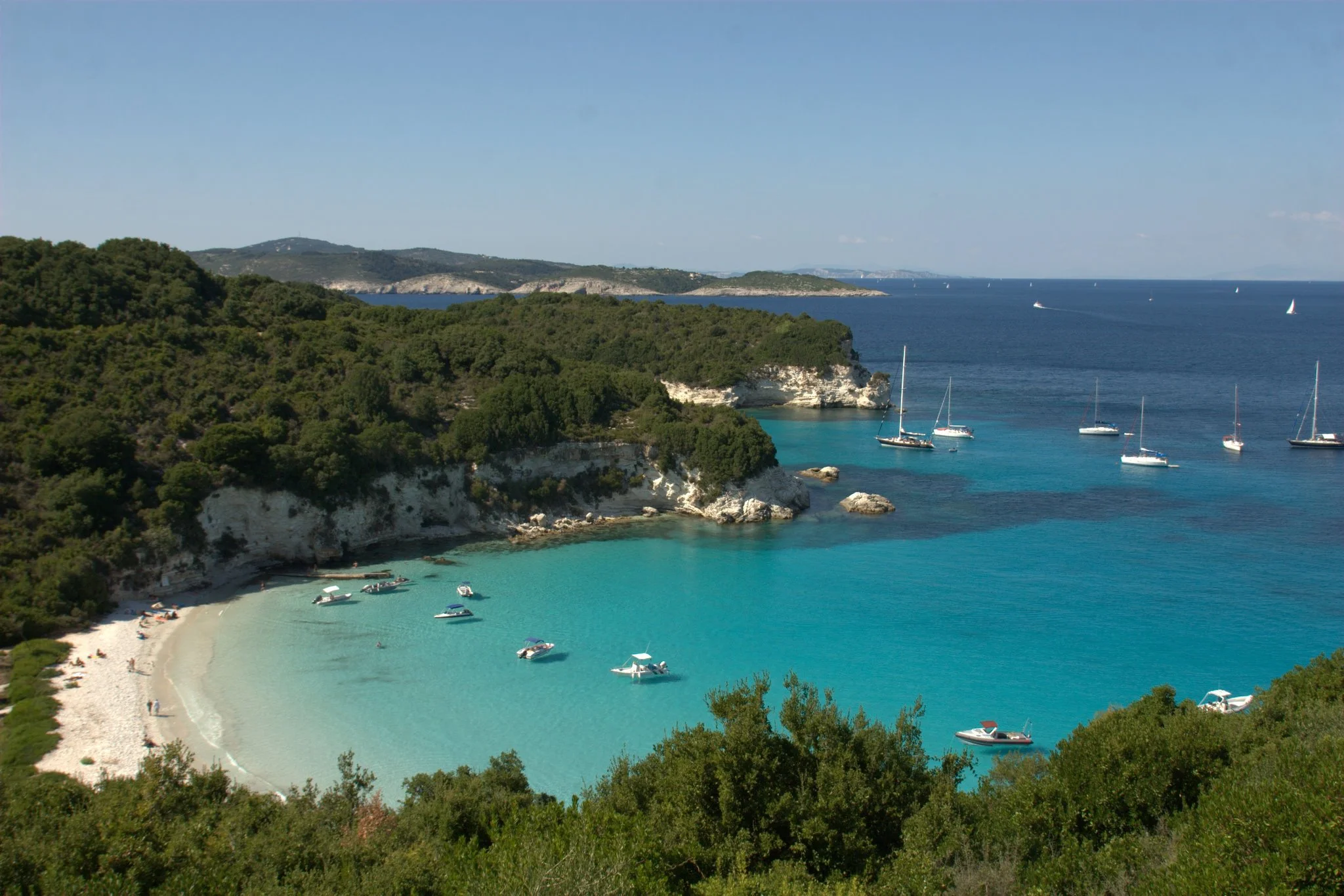
The isolated Voutoumi beach on Antipaxos Island. Ari Bakker. CC BY 2.0.

As the smallest of the Ionian Islands, Antipaxos’ beaches are popular among locals from the neighboring islands of Paxi and Corfu but are relatively unknown to foreign tourists. Voutoumi beach is the largest of these and has some of the clearest waters in the Greek archipelago. It is also the preferred destination for private yachts because of its isolated location in a hidden cove on the north eastern side of the island. In fact, the pebble beach is so secluded that there aren’t any shops aside from a local tavern on a nearby hill that serves traditional Greek snacks. There are also a number of smaller coves that are easily reachable from Voutoumi by boat.

5. Melissani Cave, Kefalonia Island

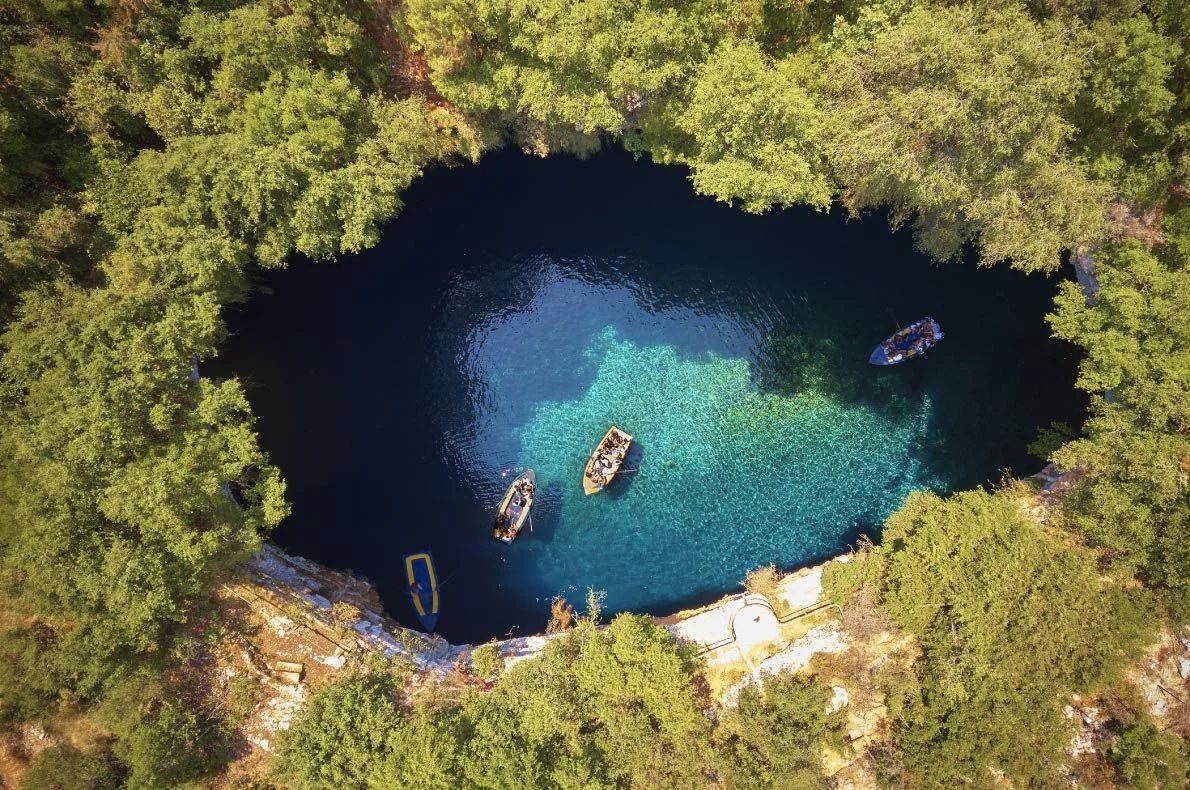
An overhead view of the Melissani Cave. jordeangjelovik. CC BY 2.0.

Kefalonia is conversely the largest of the Ionian Islands and is home to an underground grotto located 20 meters (roughly 60 feet) below the surface of the Earth. The Melissani Cave is made up of two rooms, one of which is bright and sun-lit while the other is fully roofed with dark stone stalactites. The chambers are connected by a pool of water that runs about  30 meters (about 90 feet) deep. Legend has it that the cave is named after the nymph Melissanthi who perished in these waters after being rejected by the satyr god Pan. Excavations carried out in the 1950s and 1960s discovered small terracotta statues in the cave depicting the myth and commemorating her unrequited love. 

6. Ancient Greek Ruins, Delos

Ruins of the House of Cleopatra on the island of Delos. Bgag. CC BY-SA 2.0.

The island of Delos was once the religious epicenter of the Cyclades. It is now home to a large collection of archaeological ruins that commemorate Artemis and Apollo, the Olympian twins that are believed to have been born on the island. There are also beautifully preserved remnants of civilization from the archaic, classical and Hellenic periods in the form of ceramics, statues and mosaics. En route to the island’s highest point at the summit of Mount Cynthe is the ancient theater district and temples dedicated to the Egyptian deities Isis and Serapis. In fact, many foreign gods have dedicated shrines on Delos because it was a crucial trading port and hosted many sailors from overseas.


Tanaya Vohra

Tanaya is an undergraduate student pursuing a major in Public Health at the University of Chicago. She's lived in Asia, Europe and North America and wants to share her love of travel and exploring new cultures through her writing.

LGBTQ+ Life and Culture in Iceland

Iceland has a reputation for being one of the safest and most accepting countries for the LGBTQ+ community, travelers as well as Icelandic residents.

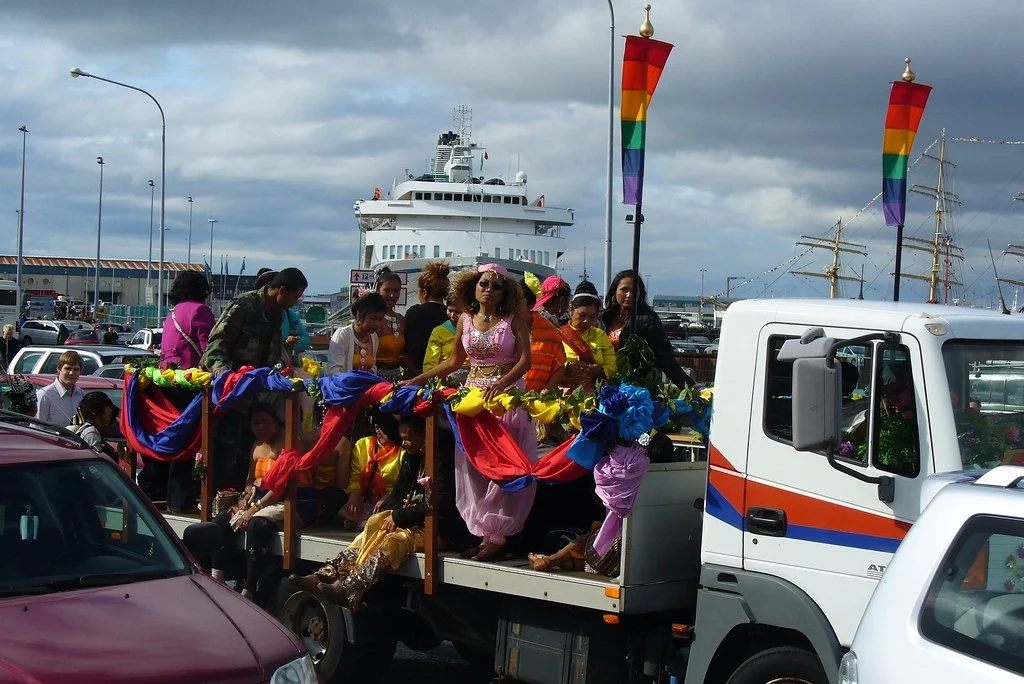
Pride flags in Reykjavík. Symbioticadesign. CC BY-NC 2.0.

While Iceland is an unusually safe and accepting place today, it has had a rocky history with LGBTQ+ rights just like everywhere else. Because Iceland is so geologically isolated from the rest of the world, Icelandic people rarely even married people from other countries prior to World War II. During World War II, Icelandic women began coupling up with and marrying non-Icelandic soldiers who were stationed in the country, and even these heterosexual relationships were met with disdain. This attachment to “traditional marriage” bled over into the public perception of LGBT+ relationships, meaning that homophobia was also rampant at that time. Even thirty years later, the first famous Icelander to come out as gay in the 1970s, Hörður Torfason, was driven out of Iceland by the extreme homophobia he faced.

However, the tide turned relatively quickly in Iceland between the 1970s and the 1990s, but not without great struggle. In 1978, the Icelandic National Queer Organization was formed, which played a major role in promoting gay rights in Iceland. In 1996, Iceland became the fourth European country to officially recognize same-sex unions. By 2004, 87% of Icelanders supported gay marriage (which was officially legalized in 2010) while in 2004, only 42% of Americans did.

Today, Iceland is a popular travel destination for LGBTQ+ travelers wishing to go somewhere that they can feel comfortable and safe. In fact, Iceland has several popular travel guides and agencies that specifically serve LGBTQ+ travelers: Gay Ice and Pink Iceland. While these websites acknowledge that like anywhere, queer people can still be targetted in Iceland, it is apparently rare, and most hotels, nightlife, gyms and other public places are known to be accommodating of same-sex relationships as well as transgender and nonbinary identities, providing gender-neutral facilities and acknolwedging and respecting preferred pronouns. 

Reykjavík Pride 2009. Filip J. Cauz. CC BY-NC-SA 2.0. 

A large number of businesses and homes in Iceland have pride flags outside their windows, and Iceland hosts several LGBTQ+ events throughout the year that attract hundreds of thousands of tourists. In fact, travelers for the Reykjavík Pride Festival, which occurs in August, account for nearly a quarter of the people in Iceland that month. Reykjavík Pride is regarded as one of the major events of the year in Iceland for everyone, not only people who identify under the queer umbrella. How widespread and anticipated Reykjavík Pride is each year reflects how far Iceland has come in terms of acceptance and safety for LGBTQ+ people. Reykjavík also has a festival in February, called the Reykjavík Rainbow Festival. This is another highly anticipated and attended LGBTQ+ festival in Iceland. Additionally, there are smaller celebrations throughout the year all over the country. 

Iceland is known for being very open about same-sex relationships, with queer couples openly showing affection in public generally without fear. There are also LGBTQ+ historical landmarks in Iceland: Gay Ice recommends the LGBT History Walk, which is a walking tour through Reykjavík’s most important LGBTQ+ destinations, along with information about historical events in Iceland throughout the LGBTQ+ rights movement. 

Iceland is an excellent destination at any time of year for anyone, but especially travelers in the LGBTQ+ community. However, August and February are two of the most interesting and inspiring times to visit, so that one can catch the famous pride festivals.


Calliana Leff

Calliana is currently an undergraduate student at Boston University majoring in English and minoring in psychology. She is passionate about sustainability and traveling in an ethical and respectful way. She hopes to continue her writing career and see more of the world after she graduates. 

Ethical Travel: Is it Possible in a World Beset by Climate Inequality?

The tourism industry supports many countries’ economies, but this financial gain can also have environmental consequences. Traveling ethically is possible but requires research and dedication on both sides to ensure the health of unique cultures and wildlife. 

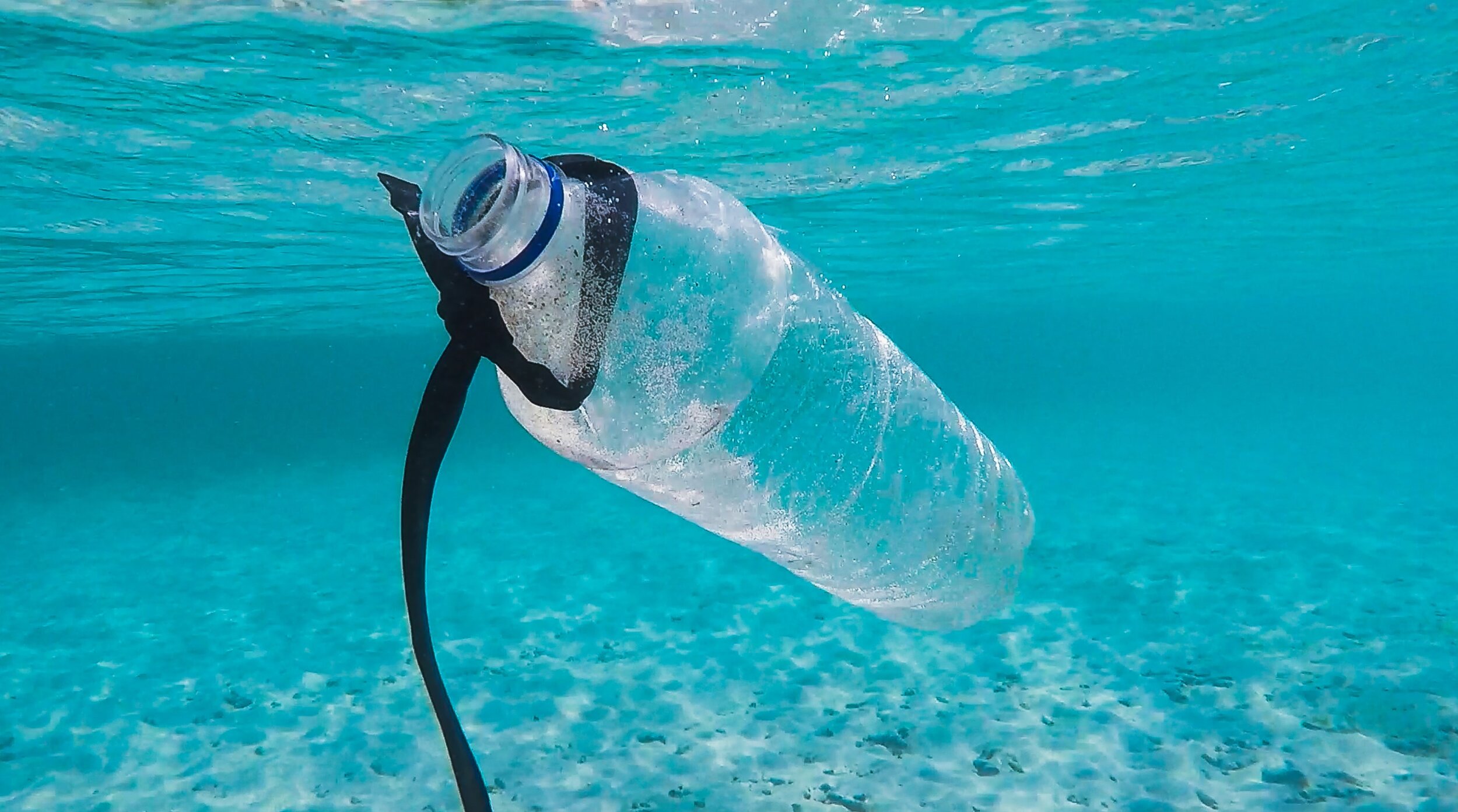
A single-use plastic water bottle found in the Gili Islands of Indonesia. Brian Yurasits. Unsplash (Public Domain).

2020 is on track to become the hottest year on record. With wildfires scorching the American West Coast and threats of drought plaguing India, it is clear that the effects of climate change can no longer be ignored. Subsequently, many are asking: can sustainability and tourism coexist? 

In a 2017 study published by the Journal of Sustainable Tourism, researchers Xavier Font and Ann Hindley highlight the “travel entitlement that is enshrined” in Western culture. The study also found that people felt their “sustainable behavior at home” absolved them of their holiday emissions.

Between 2009 and 2018, the tourism industry’s carbon emissions jumped from 3.9 to 4.5 billion metric tons. Vulnerable destinations like Iceland and the Maldives are further strained by a constant influx of tourists and their expected needs. While minimizing environmental extraction would aid the planet’s livelihood, Font and Hindley’s study also suggests the importance of reexamining human motivations and behavior.

In “Hosts and Guests: The Anthropology of Tourism,” Dennison Nash defines imperialism as an expansion of a society’s influence abroad whether through political or economic means. Tourism can ultimately be viewed as a modern form of imperialism meant to bring leisure to one population at the cost of another’s resources and people.

The outbreak of COVID-19 revealed how many countries are reliant on the tourism industry. In Mexico alone, tourism provides 11 million jobs to people directly and indirectly. Despite the ease at which COVID-19 can spread, many in Mexico are ready to return to work. As quoted in The Washington Post, Rodrigo Esponda, head of the Los Cabos Tourism Board, said, “It’s life or death for us … it’s tourism or nothing.”

Consequently, some are taking the pandemic lockdown as an opportunity to overcome these dependencies. Sociology professor Mimi Sheller at Drexel University released a 2020 study on the intersections of pandemic recovery, climate resilience and ethical tourism in the Caribbean. Instead of waiting for timeshare holders and cruise companies, Sheller writes on the necessity of returning to original practices that might make the Caribbean more resilient to climate disaster. Caribbean activists themselves are setting up vertical gardens, hydroponics systems and other sustainable methods to overcome “extractive and colonial legacies” that have prevented the islands from achieving true economic independence.

Countries like Bhutan set their own measures, thus returning some agency into their hands. The country exacts its own “tourist fee” which caps the number of tourists, consequently mitigating environmental and social disruption. On Sept. 9, Thailand took advantage of pandemic conditions to reevaluate its animal welfare policy, namely the treatment of its elephants and monkeys.

Ultimately, the path to sustainable tourism is possible and relies on the efforts of both host nations and guests alike. Before heading out, travelers can minimize their impacts by researching cultural norms beforehand, supporting family-owned hostels instead of corporate ones, refusing plastic and keeping consumption—from souvenirs to food—local.


Rhiannon Koh

Rhiannon earned her B.A. in Urban Studies & Planning from UC San Diego. Her honors thesis was a speculative fiction piece exploring the aspects of surveillance technology, climate change, and the future of urbanized humanity. She is committed to expanding the stories we tell.

The Influx of ‘Pisupo’: Food Colonialism in the South Pacific

Globalization has created an influx of unhealthy canned food in the South Pacific region, leading to a dependency on it and increasing health issues associated with an unhealthy diet. 

The influx of canned food in the South Pacific has led to a variety of problems. Salvation Army USA West. CC BY 2.0.

The legacy of colonialism has a lasting impact on the island of the South Pacific. Many of those islands have been colonized by Western powers, and some of them are still under the control of foreign countries. Due to this, Western influences are still pervasive throughout the region. 

One lasting legacy of Western imperialism in the South Pacific is the introduction of canned and processed food. The first canned food to be brought to the region was pea soup, and therefore, Samoan and a few other languages of the region, the word for canned food in general is “pisupo.” Today, the predominant type of canned food in the region is corned beef.

The prevalence of canned food in the South Pacific has changed the diets of the people living there and has caused a dependence on them. The new diets of the South Pacific Islanders are not necessarily an improvement from their traditional diets. However, as canned and processed foods are generally unhealthy and lacking in nutrients. That has resulted in an increase of obesity, diabetes and heart disease. Between 1990 and 2010, the total disability-adjusted life years lost to obesity also quadrupled in the region.

The traditional diets of South Pacific Islanders provide the nutrients needed for a healthy life. whl.travel. CC BY-NC-SA 2.0.

In order to provide these new foods, livestock such as cattle and pigs have been introduced to the islands, causing ecological damage. The island ecosystems are fragile, and large-scale ranching can easily destroy them. The dependence on canned food introduced by the West has resulted in not only harm to health, but also harm to the environment.

The proliferation of packaged and processed food has affected other parts of society as well, not just the typical diets. In marriage and birthday ceremonies in traditional South Pacific cultures, people often exchange gifts. While in the past, common gifts included fine mats and decorated barkcloths, but today, canned corned beef is one of the more popular gifts at those events. The introduction of canned foods has even changed traditional practices and contributed to the prevalent unhealthy diets of the South Pacific Islanders.

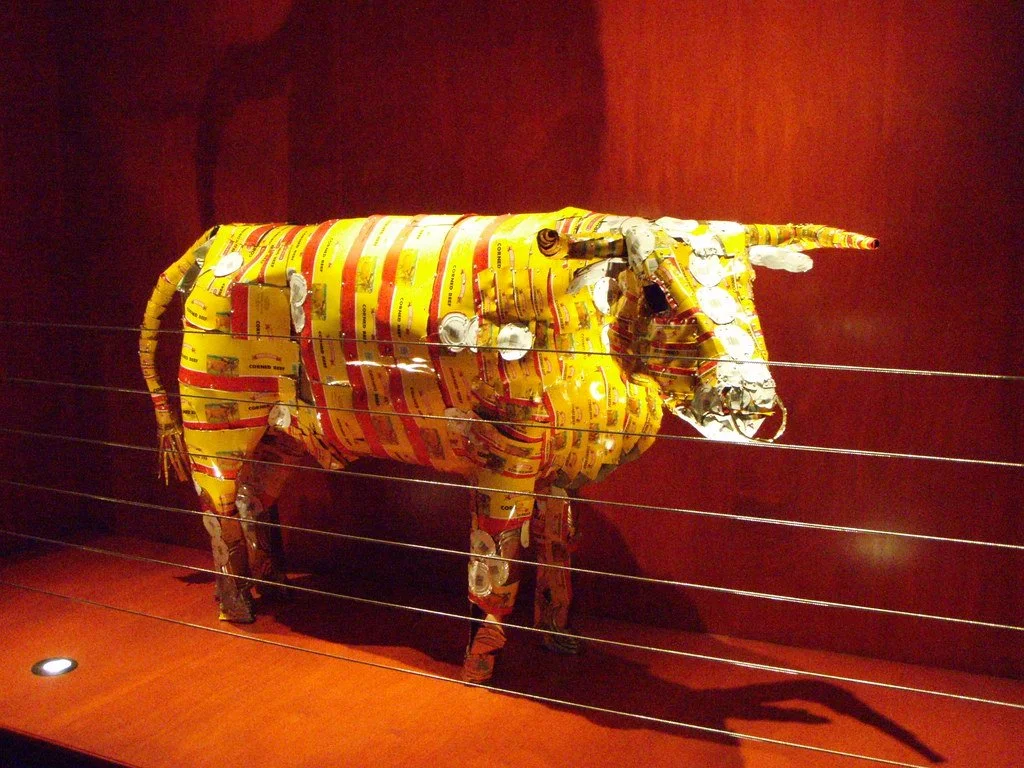
“Pisupo Lua Afe (Corned Beef 2000)” is a piece of art by Michael Tuffery that critiques the food dependency of the South Pacific. Sheep’R’Us. CC BY-NC-ND 2.0.

The neocolonial nature of these developments has its critics. One of them, Michael Tuffery, offers a unique interpretation through his artwork, with one of the most notable being “Pisupo Lua Afe,” a sculpture of a bull made from canned corned beef. He says that his art addresses the impact that the “exploitation of the Pacific’s natural resources has wrought on the traditional Pacific lifestyle.” His choice of subject matter and the material show his thoughts on the influx of canned food in the South Pacific. Bulls were a common presence at the aforementioned ceremonies, and the fact that the bull is covered in canned corned beef represents the fact that more traditional practices. Tuffery laments the changes that globalization has brought to his traditional Samoan culture, which has led to a “decline of indigenous cooking skills.”

With so much waste being created in the making of “Pisupo Lua Afe,” Tuffery calls into question whether the physical and cultural costs of food dependence are worth it. Could the South Pacific do better without the influx of canned food? Tuffery argues that it could. But even if the South Pacific Islanders decide to shun the prevalence of canned food, hurdles remain to improve the health of both the land and people of the region.


Bryan Fok

Bryan is currently a History and Global Affairs major at the University of Notre Dame. He aims to apply the notion of Integral Human Development as a framework for analyzing global issues. He enjoys hiking and visiting national parks.

Holding Corporations Responsible For Abusive Practices

The supply chain of a company represents every step along the way of production, meaning that abuses can happen thousands of miles from a company’s base and never be caught or noticed.

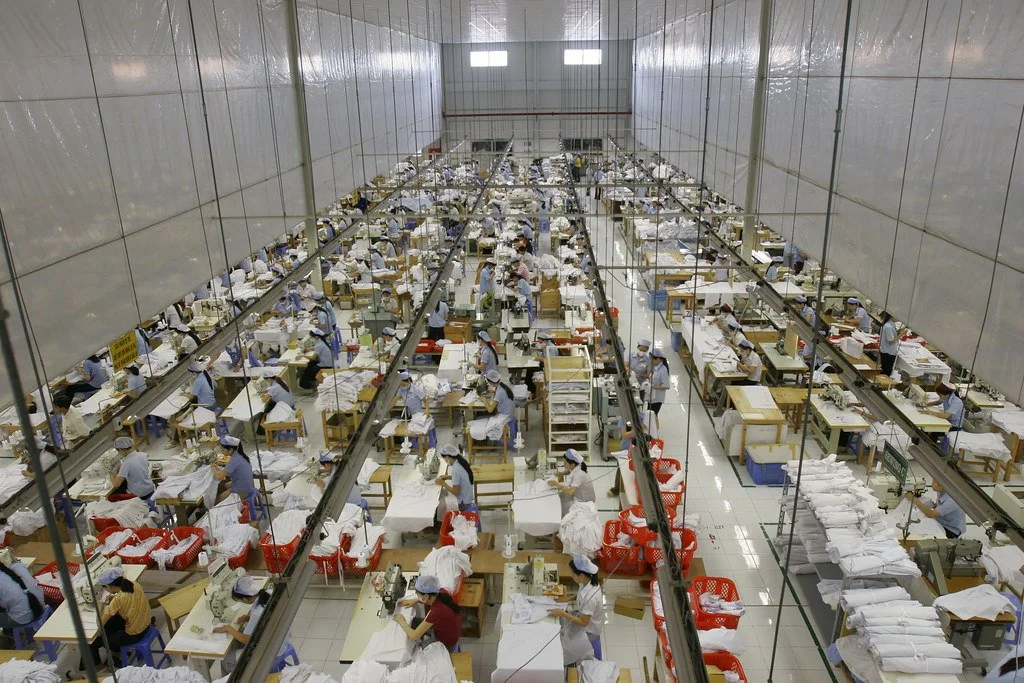
Garment factory in Vietnam. United Nations Industrial Development Organization. CC BY-ND 2.0.

A corporation’s supply chain is the structure of sources, suppliers, and producers of a corporation’s products . Because there are so many steps between an idea and the sale of the actual product, it’s easy for companies to engage in unethical work conditions—whether that be environmental or in terms of human rights—and often these abuses go unaccounted for. Recently, there’s been a push to track and regulate companies’ supply chains to reduce the number of environmental and human rights abuses throughout supply chains.

The most prominent issue in most companies’ supply chains is some form of forced labor. This can present in a very straightforward way: full on modern slavery, with workers working entirely against their will(s). However, this can also manifest in less obvious but also horrifying ways such as unfair and unlivable wages, unsafe working conditions and the impossibility for workers to quit if and/or when they want to. The reason that all of these abuses are called “supply chain issues” is because whichever company that makes the final product must be held responsible for human rights abuses at any point in its production, even if it seems far removed from the final product. 

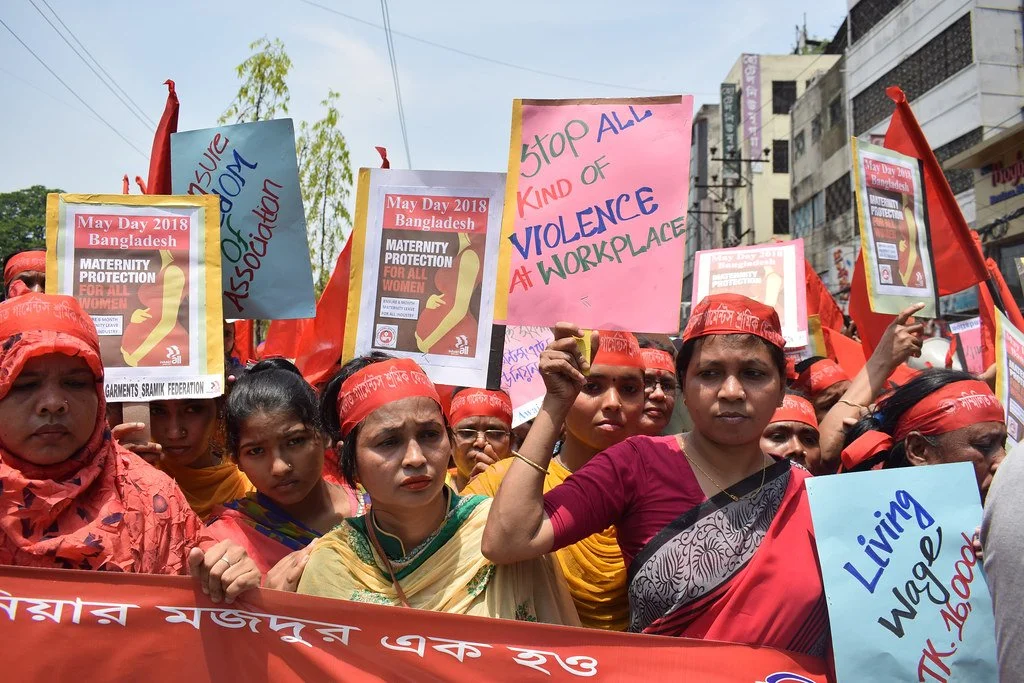
In addition to overworking and underpaying workers overseas, there have been many reports of sexual violence and even murder within garment factories. In 2021, a garment worker in India named Jayasre Kathiravel was murdered by her boss after months of sexual harassment at his hands. Prior to her death, she reported to friends and family that she felt extremely unsafe and did not feel it was possible to leave her job. There have also been fires in garment factories due to unsafe and crowded working conditions, such as the fire in 2012 in Bangladesh which tragically killed at least 112 people. Despite efforts following the fire to improve safety in these factories, garment workers in Bangladesh continue to report feeling unsafe today. There are several organizations that are striving to hold companies accountable for egregious abuses such as these, because even if the company is based halfway across the world, if the root of the problem is not regulated, change is unlikely.

Women in Bangladesh protest for workers’ rights. USAID U.S. Agency For International Development. CC BY-NC 2.0. 

Another issue, in addition to human rights abuses, is the environmental impact of large corporations. The fast fashion industry alone is responsible for 10% of pollution. Much of this pollution occurs in ways that the consumer doesn’t see. By producing so much clothing so rapidly, and then having to transport all of that clothing all around the world on a daily basis, massive amounts of resources are used, and a massive amount of CO2 is released into theatmosphere. Many of the same laws and organizations that are tackling the regulation of working conditions for large corporations are also pushing for environmental regulations. 

One organization that is working hand in hand with lawmakers in the U.S. to improve supply chain issues is the New Standard Institute. The New Standard Institute primarily focuses on the fashion industry, which is widely known for being one of the worst industries in terms of egregious human rights abuses as well as environmental damage. The New Standard Institute is working to push for The Fashion Sustainability and Social Accountability Act (The Fashion Act), a law which has been proposed in the state of New York  but would have repercussions throughout the entire world. The Fashion Act would regulate clothing and footwear brands with over $100 million revenues, forcing them to map the majority of their supply chain. The brands would then have to figure out which area of their supply chain produces the worst environmental and social effects (in terms of pay equality and greenhouse gas emissions specifically) and provide an enactable agenda for how to improve in those areas. If the brand in question has not made the progress that they promised within 12 to 18 months they would be subject to fines of up to 2% of their annual income. The companies would also have to make their environmental and human rights statistics readily available on the internet. While this law has only been proposed in New York, most supply chain abuses for major companies occur outside of the United States, and since New York provides such a major market, it will be in these corporations’ best interests to comply with the The Fashion Act if it is passed.

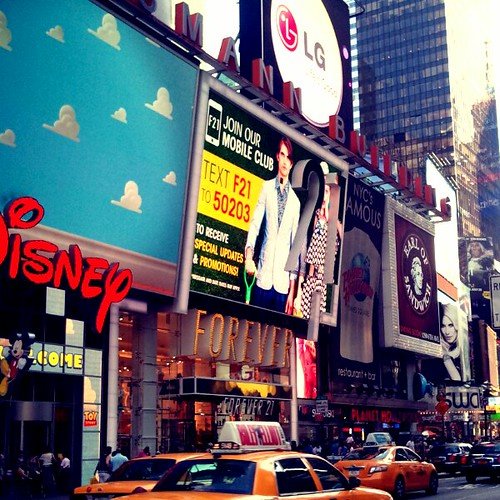
 Forever 21 in Times Square. Krogers2013. CC BY-ND 2.0.

California passed a similar law in 2010 which focused on slavery in the garment industry, and other European countries as well as Australia have fair trade laws. So, the Fashion Act would not be the first law of its kind if passed, but given the revenue brought in from New York, it would likely have a significant impact globally.


TO GET INVOLVED

There are several things that an individual can do to support supply chain regulation and a decrease in human rights abuse and pollution. As a consumer, one can be mindful of the brands that they support, and research a brand’s track record when it comes to workers’ rights and the environment. Unfortunately, most affordable brands are able to stay so affordable due to poor wages or completely unpaid labor. However, if limiting where you buy from is not an option, you can also research to see which affordable brands have plans in place to decrease their negative impact within the next few years. Additionally, there are several organizations pushing for regulation to support, such as the New Standard Institute (mentioned above), and the Ethical Training Initiative, which hosts training on how to be an ethical consumer, and supports workers in their unionization efforts and more. Additionally, you can contact your representative and tell them you support The Fashion Act, and ask what they have done to support regulation in their area. And finally, the simplest way to help with this problem is just to buy less.


Calliana Leff

Calliana is currently an undergraduate student at Boston University majoring in English and minoring in psychology. She is passionate about sustainability and traveling in an ethical and respectful way. She hopes to continue her writing career and see more of the world after she graduates. 

South Africa’s Town of Penguins

The small port town Simon’s Town is full of amazing marine life, most notably the African Penguin colony that is  just outside the town center.

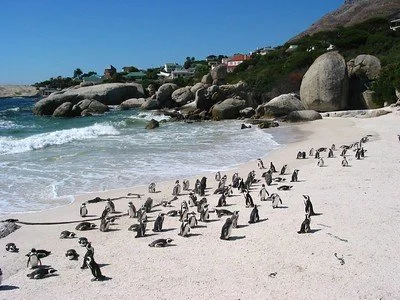
Jackass Penguins Simon’s Town SA. Donnie Ray. CC BY-NC-ND 2.0

Located on the southwestern coast of South Africa, Simon’s Town is a small village surrounded by both the ocean  and the mountains. Being so close to Cape Town, Simon’s Town is a beautiful, small port city. 

Simon’s Town is on a part of the Cape Peninsula known as False Bay. This area is a Hope Spot, an important and protected area for the ocean’s health. It is a valuable area for wildlife, with various species of birds and marine life coming to live off the area. Large marine creatures such as dolphins, whales, seals and sharks can be found near the town, some close enough to see while kayaking and others closer to Seal Island, 8 nautical miles away from the harbor.

However, much smaller than these other sea creatures is Simon’s Town’s famous attarction –the penguin colony. Penguins are found on every continent in the Southern Hemisphere, all the way from the Galápagos Islands at the equator to Antarctica. Here in this small town in South Africa, one colony of African penguins known as the Boulders Colony regularly comes ashore. Because of the colony, the town is also named Penguin Town. Breeding season for these birds is between February to August, so it is more common to see penguins during those months, but the birds will also come to land while they are molting. People can watch them from afar, and even swim alongside them, as long as they don’t get too close or chase them because the penguins will bite.

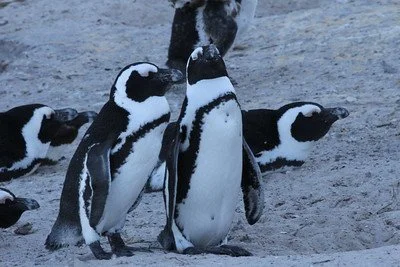
Simon’s Town (9). Joe Pyrek. CC BY-SA 2.0

African penguins–also known as black-footed penguins, Cape penguins, and jackass penguins (the last one because of their unique braying-like sounds)–are an endangered species of penguins, with only around 140,000 penguins in the world. They are small birds, only growing between 24-27 inches and weighing around 8-9 pounds. In addition to the black backs and white fronts, they have a black, parabolic band across their chests, though chicks and juvenile members are brown and gray. The population of this species started declining in the 1980s due to commercial fishing and oil pollution. Though penguins do eat more than just fish, it is the largest part of their diet and commercial fishing has been taking all the species that the penguins eat. Luckily, commercial fishing has been banned in False Bay, so African penguins’ food supply belongs to them and the other sea creatures again. The oil pollution is another serious issue for the birds because the oil will destroy their waterproof feathers, making it hard for them to swim.

There are 27 breeding sites for African penguins, and each of them is a protected habitat, including Simon’s Town, though the town did have to erect fences and boardwalks to prevent the penguins from wandering too far inland and into people’s gardens and backyards. The entire area is a sanctuary for penguins, and keeping them from invading residents’ properties can help people respect the animals, as well as helping the number of penguins to increase.


Katherine Lim

Katherine Lim is an undergraduate student at Vassar College studying English literature and Italian. She loves both reading and writing, and she hopes to pursue both in the future. With a passion for travel and nature, she wants to experience more of the world and everything it has to offer.

The Efforts to Rid Italy of Organized Crime

Images of the Mafia are ingrained in the public imagination of Italy. However, steps have been taken to eliminate it, making the country safer than in prior generations.

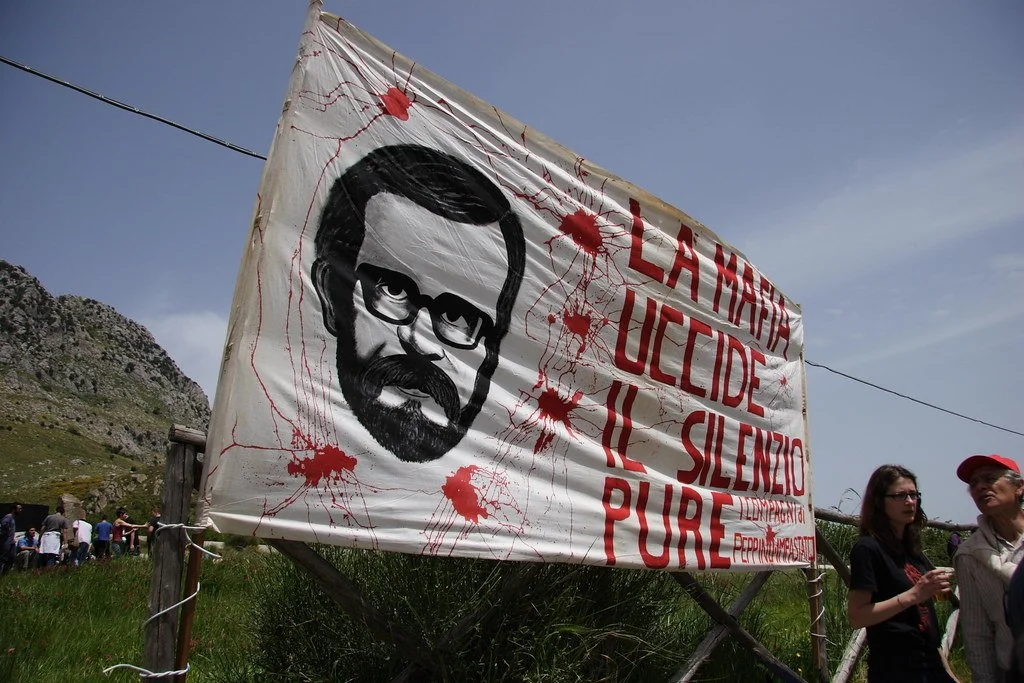
A protest banner erected after the murder of Peppino Impastato that says, “The mafia kills; so does silence.” ragnagne. CC BY-SA 2.0.

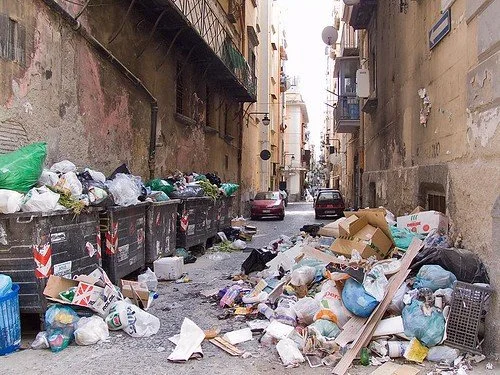
The proliferation of movies and television shows on the subject have caused some Americans to associate Italy with the Mafia. While it is true that organized crime is still causing headaches to law enforcement today, organized crime in the country is much more than just the Mafia, which is confined to Sicily. Other criminal organizations exist, such as the ‘Ndrangheta in Calabria and the Sacra Corona Unita in Apulia. The Camorra, which is based in the region of Campania and the city of Naples, is notable for using illicit methods to gain control of building contracts and garbage disposal, allowing them to control a large portion of Neapolitan society. Their negligence has also resulted in a lack of garbage collection services, causing large piles of trash on the streets to the ire of many residents of Naples. 

Each of these organizations operate somewhat differently, but they are all powerful players in the international drug trade. However, great strides have been made to eliminate their threat.

Some of the criminal organizations have their roots in the 18th century, when southern Italy was under Spanish rule. They prospered in the 19th and early 20th century, bribing politicians to ignore their activities. Sporadic but well-intentioned efforts emerged in the late 20th century to curb their influence. In the 1970s, Peppino Impastato emerged as a lone voice in questioning the tight grip the Sicilian Mafia held on his hometown of Cinisi, mocking them in his radio show, but it resulted in his murder in 1978. The Maxi Trials, the largest trial to occur in history, lasting from 1986 to 1992, resulted in the conviction and sentencing of 338 Mafia members. However, the aftermath of the trial showed that there was still a long way to go; the two judges leading the trial, Giovanni Falcone and Paolo Borsellino, were killed shortly after its conclusion.

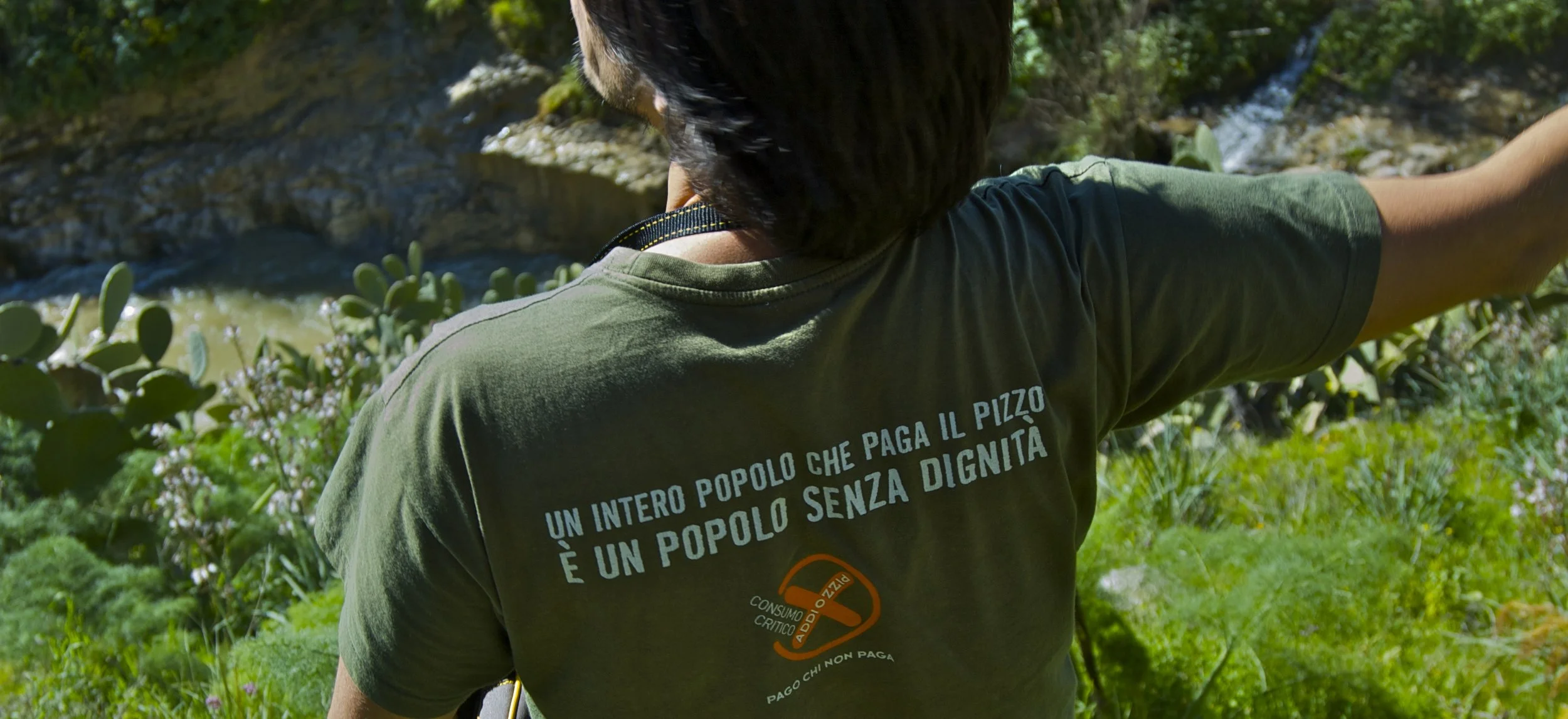
An Addiopizzo branded T-shirt,  encouraging critical consumption by only supporting businesses that do not pay extortion money to the Sicilian Mafia. Addiopizzo Travel. CC BY-NC 2.0.

Today, interventions with widespread community support have been more successful in limiting the reach of organized crime. A more recent push includes more grassroots efforts, such as Addiopizzo, which is the movement for businesses to refuse to pay extortion money, called “pizzo,” to the Mafia. Businesses had traditionally paid the Mafia money to be left alone, but in 2004, a group of young university graduates started the campaign to end the practice. Soon, the entire Palermitan community was in solidarity with them, causing untold misery to the Mafia bosses still operating by cutting their main source of income. Relying on the slogan, “An entire population that pays the pizzo is a population without dignity,” Addiopizzo has galvanized Sicilian society to push back against paying the Mafia.

Now based in several organizations in both Palermo and Catania, two major cities in Sicily, Addiopizzo is encouraging ordinary people to only buy from places that do not pay the pizzo. Stores that refuse to pay the protection money are labeled with a sign that says, “Pago chi non paga [I pay those who do not pay].” The organization Addiopizzo Travel also provides visitors to Sicily with sustainable accommodations and encourages them to frequent those businesses. 

Negligence by the Camorra, the criminal organization of Naples, has caused trash to pile on the streets. chrisjohnbeckett. CC BY-NC-ND 2.0.

The government is also taking action against organized crime. With the public getting tired of the control over garbage disposal by the Camorra in Campania, the governments of some cities are taking action. In the city of Castellammare, near Naples, the government is cutting off all contracts with the Camorra, while insisting it “will not stop the city” by doing so. The city prefect is going even further by declaring that “unwelcome people are not even candidates” for mayor.

To fully eliminate the threat of organized crime in Italy, however, their effects must be addressed. The organization Libera. Associazioni, nomi e numeri contro le mafie works to invest in education to spread knowledge of the extent of the networks of organized crime. It also repurposes property confiscated from criminal organizations for social uses by the community, helping to mitigate the effects of organized crime. The combination of grassroots, governmental and nonprofit movements ensure all aspects of organized crime are being eliminated.


Bryan Fok

Bryan is currently a History and Global Affairs major at the University of Notre Dame. He aims to apply the notion of Integral Human Development as a framework for analyzing global issues. He enjoys hiking and visiting national parks.
Kyrgyzstan: From the Silk Road to the Celestial Mountains

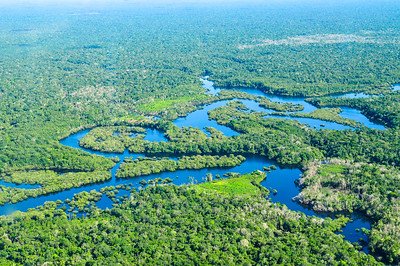
A Central Asian country not known for its tourism, Kyrgyzstan boasts three Unesco World Heritage Sites. Each differs greatly in terms of its cultural significance, all providing different experiences for a traveler. 
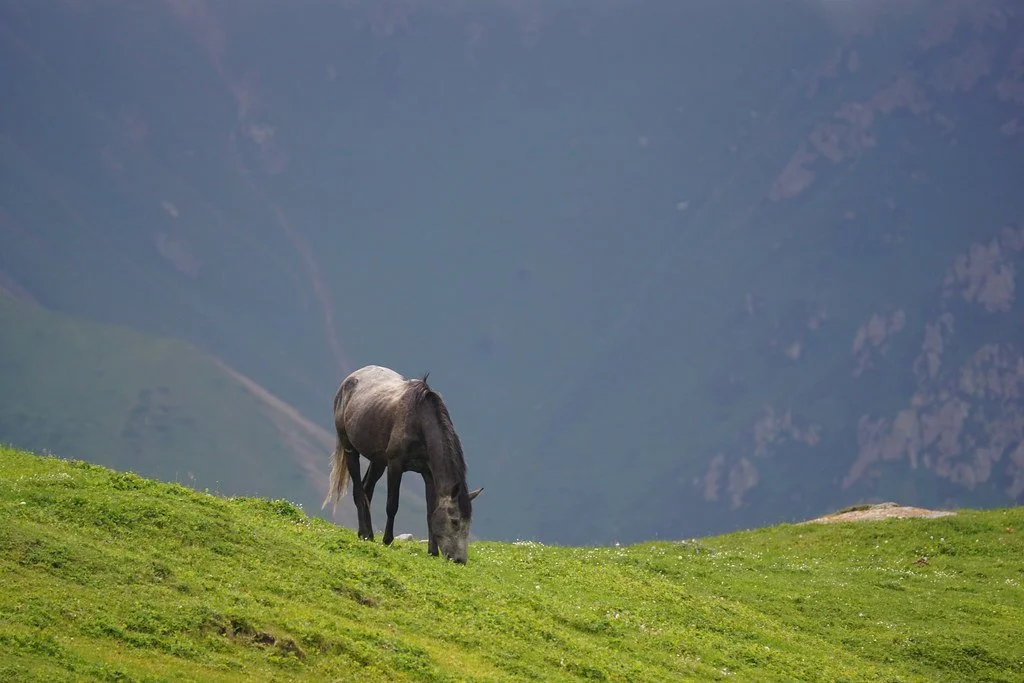
Wildlife in Kyrgyzstan. Charles Fred. CC BY-NC-SA 2.0. 

Kyrgyzstan is known for its beautiful scenery; for example, there are two stunning canyons in Kyrgyzstan: the Fairy Tale Canyon and the Konorchek Canyons. The Kyrgyz people lived a nomadic lifestyle well into the 20th century, and aspects of this rich culture are still recognizable in architecture today. For example, a traveler to Kyrgyzstan can see a Bozui house—a type of architecture distinct to the Kyrgyz—and learn how it is built. In terms of the UNESCO World Heritage Sites, the three sites are deeply historically and culturally significant, as well as breathtaking.

1. The Chang'an-Tianshan Corridor of the Silk Road

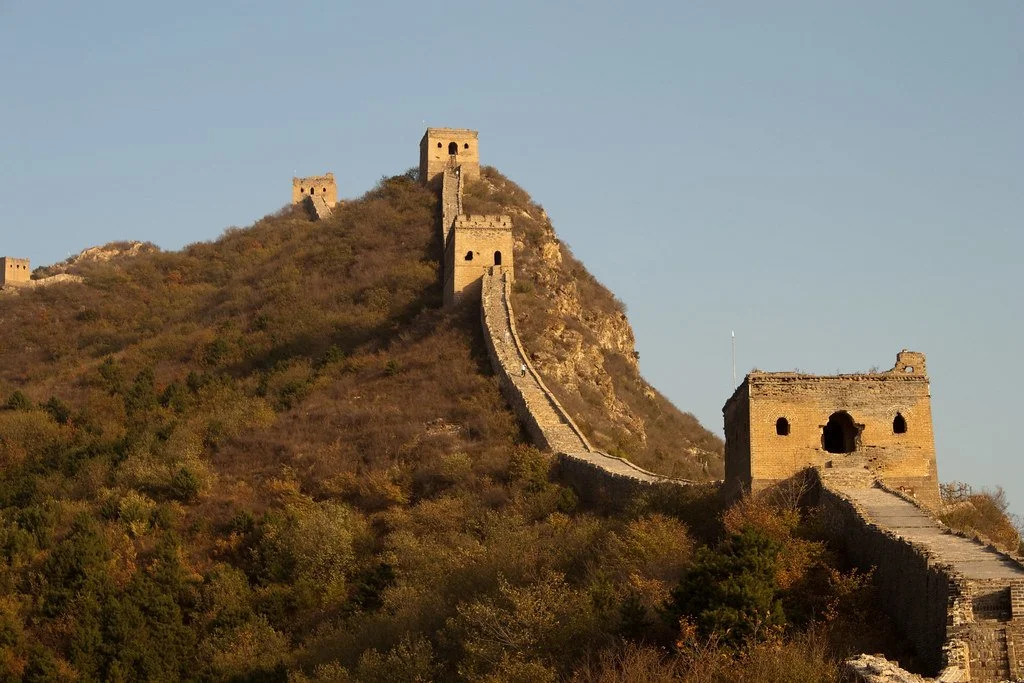
Section of the Great Wall of China in Kyrgyzstan. Matt Barber. CC BY 2.0. 

The Chang’an-Tianshan Corridor is a section of the Silk Road, the most used collection of trade routes during ancient times, which primarily connected China with countries in Europe, the Middle East and East Africa. The Chang'an-Tianshan Corridor was named a UNESCO World Heritage Site in June of 2014, due to the historical significance of the Silk Road, which had been used until as late as the 16th century. The Chang’an-Tianshan Corridor in Kyrgyzstan is an especially interesting and important sector of the Silk Road due to its beauty, rocky terrain and historical significance. The Chang’an-Tianshan Corridor was used from the 4th through 16th century to transport mostly luxury goods, with its use beginning to facilitate trade between the Chinese and Roman empires. It was also very difficult to navigate due to its massive peaks and valleys—the climate of which ranges from snowy to arid to humid. In addition to natural sites, the corridor contains many cultural and historical destinations. Parts of the Chang’an-Tianshan Corridor run along the Great Wall of China. Additionally, there are several Buddhist temples, ancient palaces and tombs along the corridor

2. The Sulaiman-Too Sacred Mountain

View of Sulaiman Too-Sacred Mountain from Osh. Christian Gawron. CC BY-SA 2.0.

Also located on the Silk Road, the Sulaiman-Too Sacred Mountain (located next to the city of Osh) was declared a UNESCO World Heritage Site in 2009. The Sulaiman-Too Sacred Mountain has been regarded for hundreds of years as a sacred destination, primarily in Islam, but also in religions and belief-systems that contain only some aspects of the Islamic faith. The mountain contains two reconstructed mosques from the 16th century, caves with ancient petroglyphs and many other sites for worship—17 of which are still in use today. One of the main non-Islamic groups which has historically worshiped at the Sulaiman-Too Sacred Mountain is the cult of the horse, which is reflected in much of the cave art. 

3. The Tien-Shan Mountains

The Tien-Shan Mountains. Bruno Rijsman. CC BY-SA 2.0.

“Tien-Shan” in Chinese means “celestial.” The mountains may have gotten their name from their extremely high peaks; the highest points of the Tien-Shan mountains are also the highest points in all of Kyrgyzstan. The peaks in Kyrgyzstan were officially declared a World Heritage Site in 2016, although the parts of the mountains in China had been named a World Heritage Site in 2013. The Tien-Shan Mountains are mostly known for their diverse wildlife and for being home to several ethnic groups such as the Uyghur people and various Buddhist sects. While the oppression of the Uyghur people is not nearly as severe in Kyrgyzstan as it is in China, in recent years, there have been reports of violence from the Kyrgyz majority towards the Uyghur, as well as governmental interference in Uyghur political organizing. Despite Kyrgyzstan’s treatment of the Uyghur people, the Tien-Shan Mountains remain the home of many Uyghur people in the country. The mountains are covered in glaciers, many of which are threatened by climate change. This could change the entire geological landscape of the Tien-Shan mountains. Wildlife found on Tien-Shan include snow leopards and the Himalayan snowcock. Out of the three World Heritage Sites in Kyrgyzstan, the Tien-Shan Mountains is the most focused on the nature of Kyrgyzstan as opposed to the history featured in the other two sites.


Calliana Leff

Calliana is currently an undergraduate student at Boston University majoring in English and minoring in psychology. She is passionate about sustainability and traveling in an ethical and respectful way. She hopes to continue her writing career and see more of the world after she graduates. 

Why Explosive Population Growth Is Unsustainable

The world is experiencing massive population growth, most of it in the Global South. If nothing is done to slow the rate, repercussions will be felt in politics, the economy and the environment.

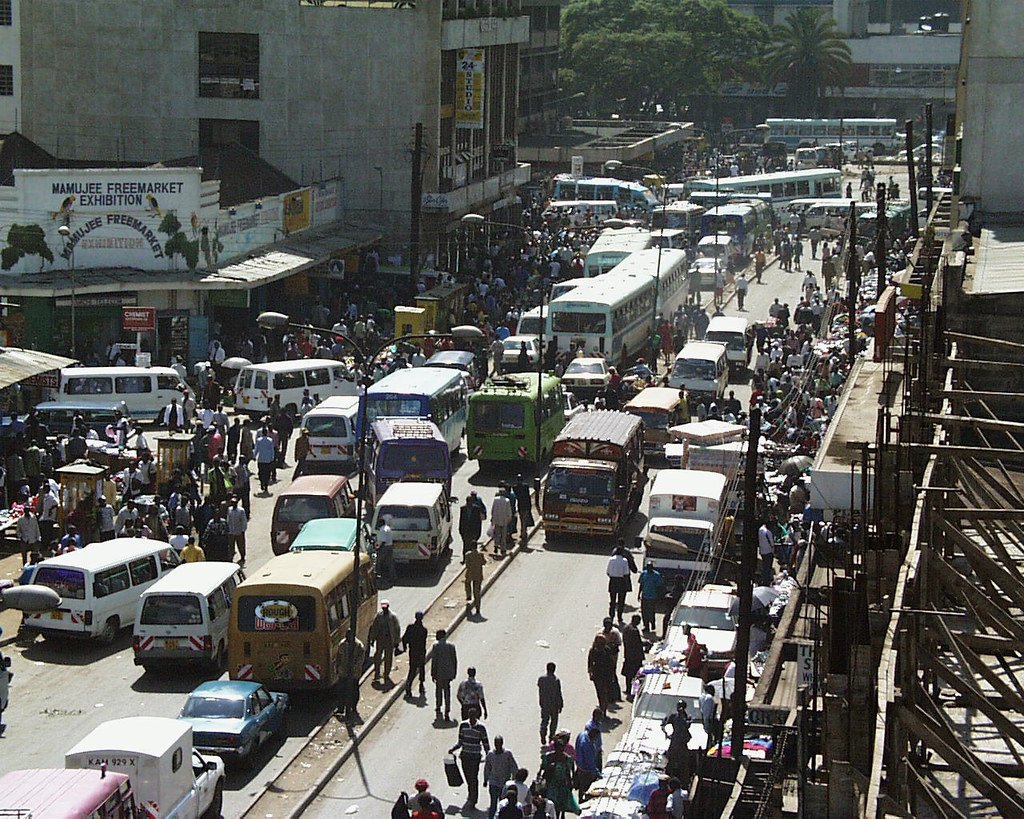
A crowded street in Nairobi, Kenya, which has one of the highest population growth rates in the world. rogiro. CC BY-NC 2.0.

The world’s population is growing at an alarming rate. In 1950, the world’s population was estimated to be around 2.6 billion. In 2022, it is almost 7.9 billion. While it is true that the world theoretically has enough resources to support the entire current global population with room to spare, the rate of population increase is a cause for concern. Most of the world’s resources are concentrated in the countries of North America and Europe, but most of the world’s population growth is located in the Global South, which can negatively affect the development of those countries.

When agricultural societies start to industrialize, the death rate usually drops due to advances in medical care. The birth rate stays high for a while until social changes encourage more women to join the workforce and have fewer children. Many countries in sub-Saharan Africa are stuck in a demographic transition trap.

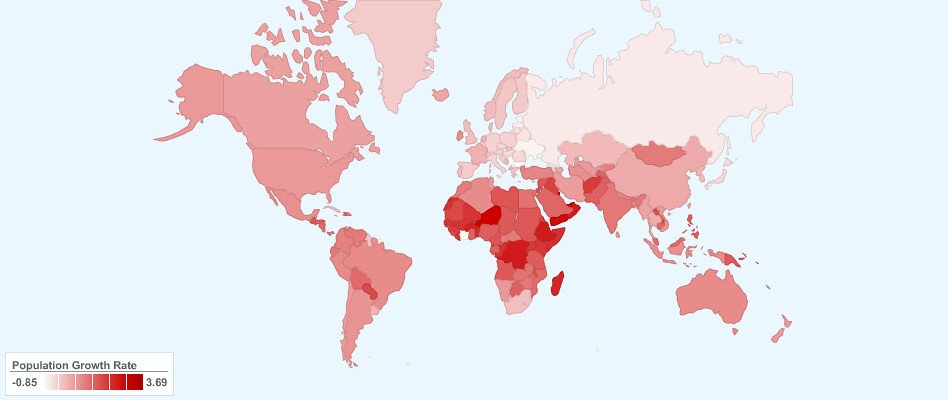
Current world population growth rate by country. Digital Dreams. CC BY 2.0.

As countries in the Global South start to industrialize, their death rates are falling, but their birth rates are not dropping to match the death rate, resulting in explosive population growth. This demographic trap occurs when “falling living standards reinforce the prevailing high fertility, which in turn reinforces the decline in living standards.” When developing countries do not make the necessary social changes to accompany industrialization, the birth rate stays high even as the economy transitions away from agriculture. These countries are slow to change their view on the ideal family size in light of emerging industrialization, and many are still engaged in labor intensive industries which reinforce the need for many children to provide free labor.

This explosive population growth has detrimental effects on both the developing country’s economy and environment. It leads to political instability, as the deluge of people overwhelm governments, causing states to fail. Governments likely cannot provide enough resources to the ever-growing population, trapping people in a cycle of poverty. Many families are impoverished due to using their resources for taking care of many children, perpetuating a cycle of poverty. 

The inability for a government to provide for its population results in a failed state. Of the 20 top failing states defined by the Failed States Index, 15 of them are growing between 2 and 4 percent a year. In 14 of those states, 40% or more of the population are under the age of 15. Large families are the norm in failing states, with women having an average of six children.

Not only does excessive population growth lead to failed states and economic problems, but it also leads to environmental problems as well. As the Global South develops, more and more people there are becoming consumers of energy and resources, contributing to climate change. In Madagascar, population growth has “triggered massive deforestation and massive species extinction.” The current rate of population growth is unsustainable in the long run economically, politically and environmentally.

However, previous efforts to decrease the birth rate in the Global South has led to the dehumanization of many women. According to Columbia professor Dr. Matthew Connelly, Americans developed programs to “motivate medical workers to insert IUDs [intrauterine devices] in more women” in South Korea and Taiwan, causing “untold misery” as there were not enough clinics to deal with the possible side effects of those procedures. Puerto Rico became a “proving ground for both the birth control pill and state-supported sterilization” due to American policy despite pushback from religious authorities. These efforts deprive women of their agency to plan their own families.

Interventions to limit population growth must ensure that families, and specifically women, have agency over their bodies. Comprehensive sexual education is an option to enable people to understand the reasons behind the different methods to decrease birth rates. Families must be able to make an informed choice on their family size, and such sexual education is a popular idea to achieve that in a humane and dignified manner.


Bryan Fok

Bryan is currently a History and Global Affairs major at the University of Notre Dame. He aims to apply the notion of Integral Human Development as a framework for analyzing global issues. He enjoys hiking and visiting national parks.