How Drones are Protecting the Amazon

Carson Jelinek

With the Amazon nearing a critical ecological threshold, drones have emerged as innovative forest guardians.
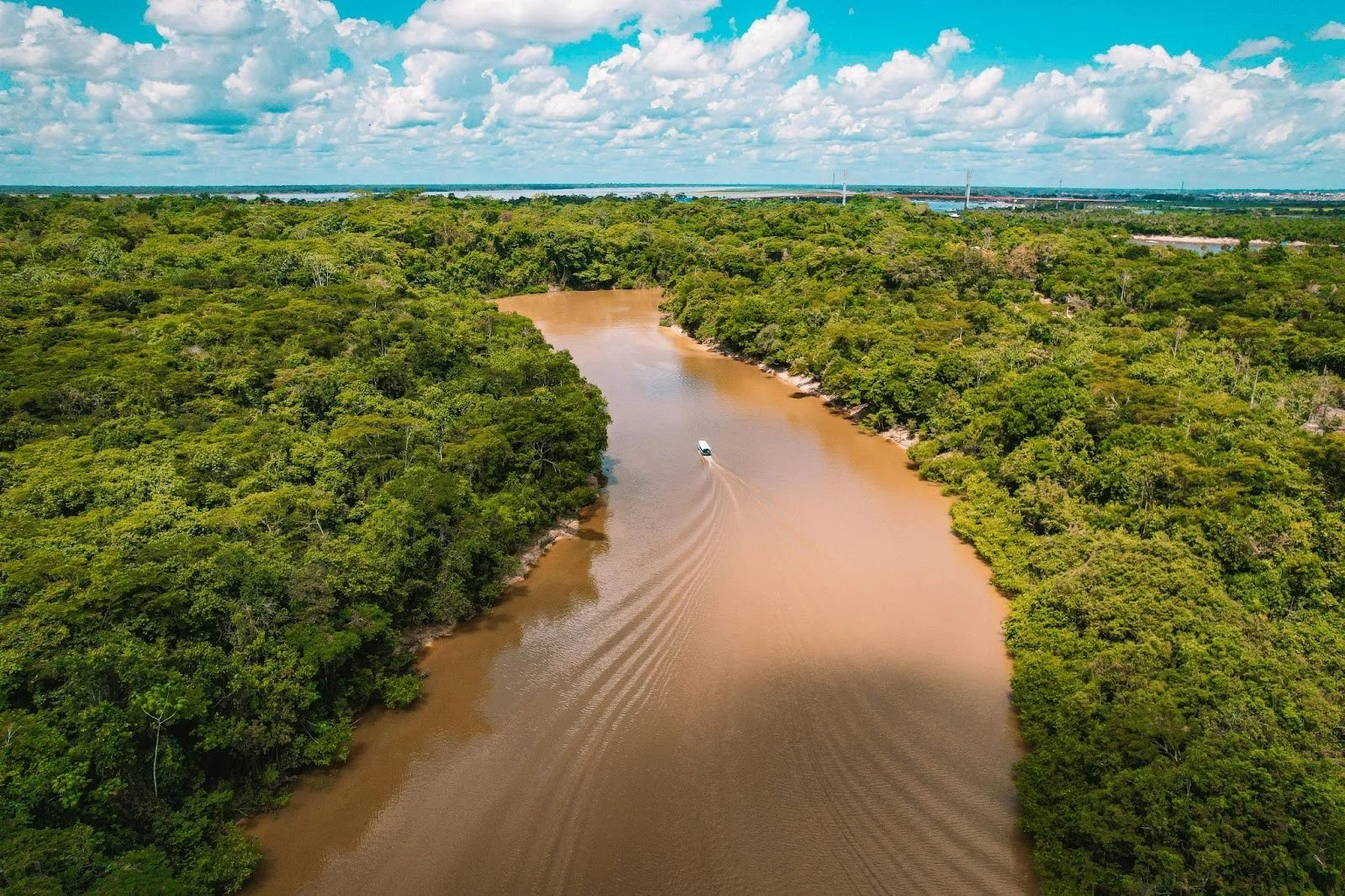
Amazon River. Nando Freitas. Pexels.

For 50 years, the Amazon Rainforest has experienced extensive deforestation due to illegal land grabbing, cattle ranching and agricultural expansion, particularly soy cultivation. There have been some signs of improvement, such as deforestation falling 30% at the end of 2024, but ultimately, activities have pushed the ecosystem to a critical tipping point. Illegal forest fires, for instance, increased in 2025, having been set to clear land and thus leaving the forest more vulnerable to future damage.
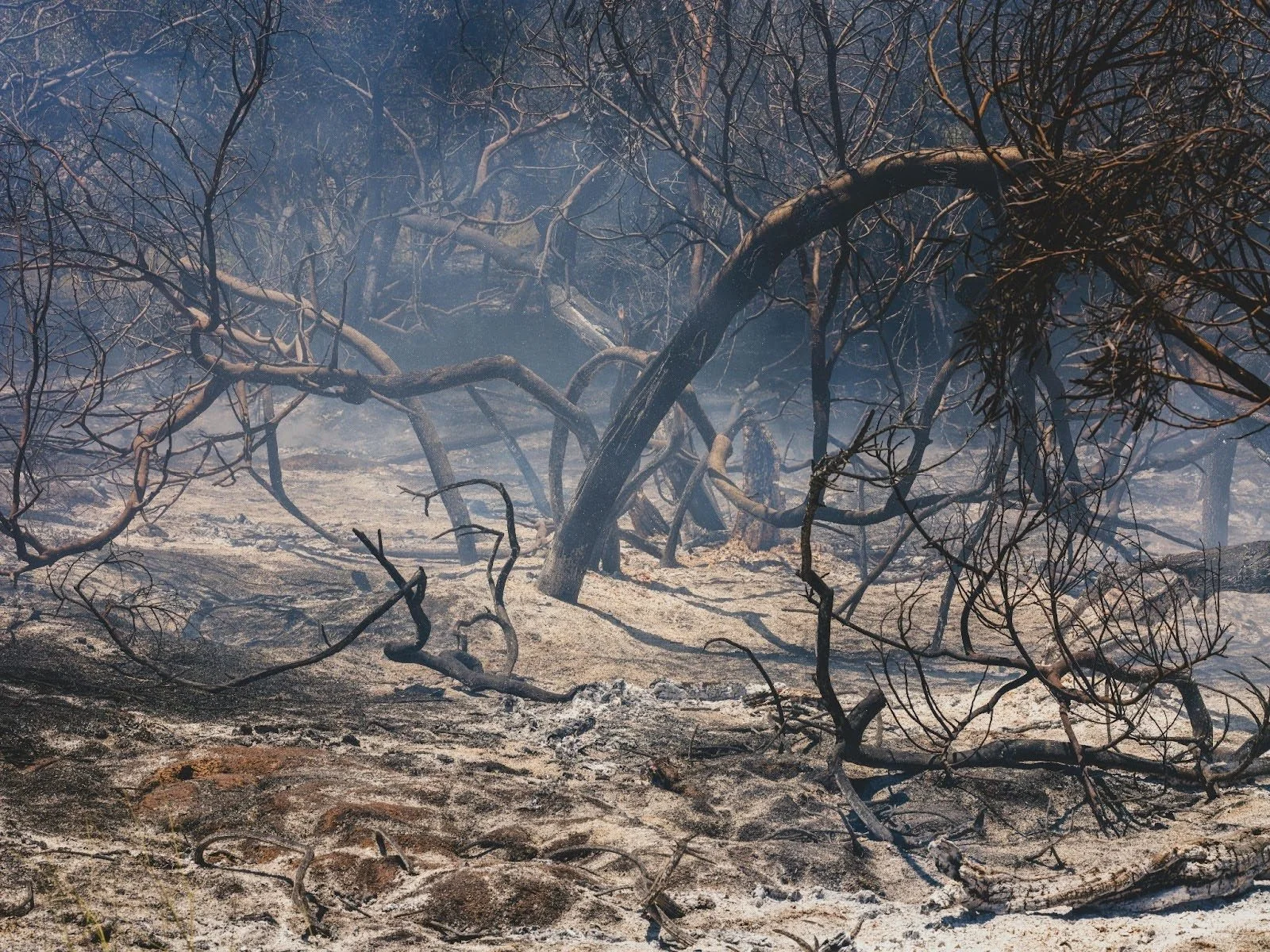
Aftermath of forest fire. Engin Akyurt. Pexels.

MORFO is a French-Brazilian climate tech startup working to restore ecosystems like the Amazon. The company operates in Rio de Janeiro, Brazil, and Montpellier, France, where they focus on science-based, nature-oriented solutions and reforestation led by drone imagery. The mission at MORFO is more than just planting trees; it is about making tropical forest restoration reliable, measurable and investible. The company currently has 24 ongoing projects and 2,000 hectares under active restoration with long-term monitoring and compliance.
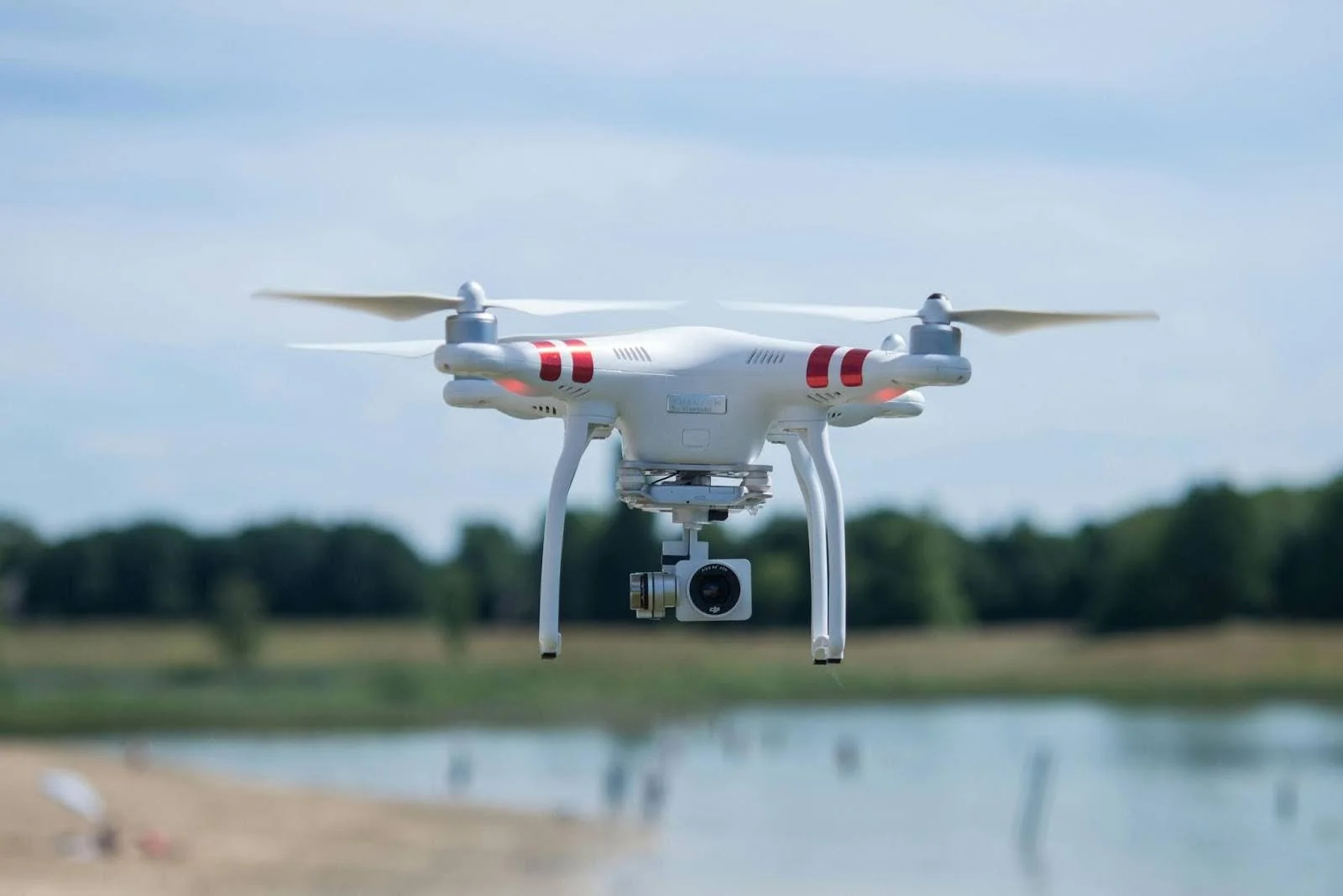
DJI drone. ClickerHappy. CC0.

One of MORFO’s projects was an old gold mining site in the Amazon that had less than 1% vegetation cover at the start of their involvement. Local environmental authorities gave MORFO permission to help reforest the area, and now the site has reached 81% vegetation cover. The project, which started at about 10 hectares and has grown to nearly 100 hectares,  has demonstrated how technology can accelerate forest recovery alongside regulatory approval.
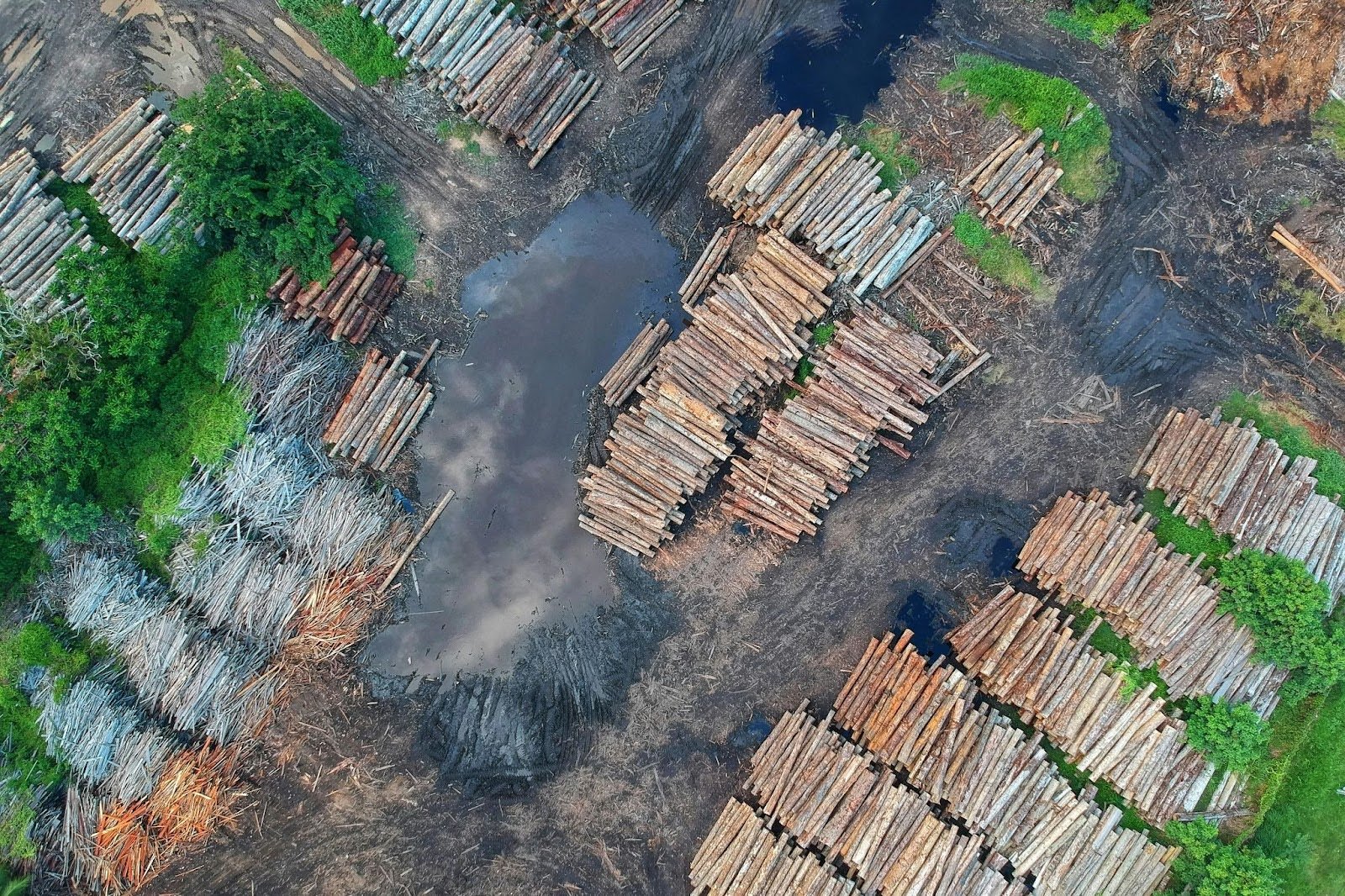
Woodpile. Pok Rie. Pexels.

Additionally, Indigenous groups are increasingly employing drones to monitor their territories and detect illegal logging or other potential threats. Members of the Uru-Eu-Wau-Wau tribe, for instance, have utilized drone technology to identify the deforestation of 200 hectares of their land. As a result of this surveillance, they successfully intervened to halt further deforestation. The implementation of drones within tribal communities has facilitated the development of technological skills among village members, with each village seeking to train at least seven individuals in drone operation.

GET INVOLVED:

WWF Brazil and the Kaninde Association of Ethno-Environmental Protection: WWF has helped train Indigenous youth, including the Uru-Eu-Wau-Wau tribe, to use drones for patrolling. 

Rainforest Foundation US: Donate to support Rainforest US and their working directly with Indigenous peoples, where technicians analyze high-resolution aerial images, GPS data and videos to detect illegal land clearing.
MORFO: Check out MORFO’s website to learn more about their organization, as well as other activities they do.


Carson Jelinek

Carson is a 22 year old writer and filmmaker studying film and media productions at Arizona State University. His work explores travel, culture, and the people behind the places, with a focus on stories that encourage curiosity and global understanding.
Restoring the Amazon Rainforest

Deforestation of the Amazon rainforest has hurt it immensely but reforestation efforts are working to restore its former glory.

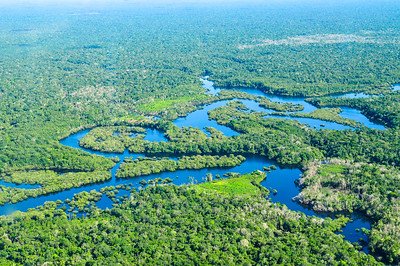
Amazon Rainforest. Neil Palmer. CC BY-NC-ND 2.0

Deforestation is the process of destroying the tree cover in a forest, so technically it started when humans first started cutting down trees for fires and to build homes. However, the Industrial Revolution in the 1800s caused a massive jump in deforestation, with 177 million square miles of trees having been destroyed just by 1850. Though the issue has persisted, it is only in the last 70 years that people have realized it is a major environmental problem. Even today, around 25 million hectares of forest are being destroyed every year. The agricultural industry is the leading cause of deforestation as people destroy forest land for commercial farming, especially for livestock feeding, soy and palm oil. Other industries such as the textile industry, food industry, chemical and construction industries also benefit from the deforestation. Also, one method of deforestation is slashing and burning the trees, which harms the soil and makes it harder for plants to grow in the future. This affects not just the forest, but the farmers who take over the land because they are unable to grow crops for many years and need to keep cutting down more trees. 

One forest in particular that has continuously suffered from deforestation is the Amazon rainforest, the largest rainforest in the world. It spans across Bolivia, Brazil, Colombia, Ecuador, French Guiana, Guyana, Peru, Suriname and Venezuela, which covers around 40% of South America. The ecosystem of Amazon forest is incredibly diverse, with more species of plants and animals than any other terrestrial ecosystem in the entire world. With industrialization and the continuous deforestation, large sections of the rainforest have vanished.

However, many forest restoration efforts have happened in an attempt to save it. Forest restoration is a process to improve the health of a forest, though nothing will fully restore it to its original glory because of destroyed soil and invasive species of both plants and animals. The process aims to heal the destruction caused by deforestation as much as it can, but it isn’t as simple as people replanting the trees. The soil has to be improved, the wildlife must be protected and anyone who uses the land needs to use it sustainably. 

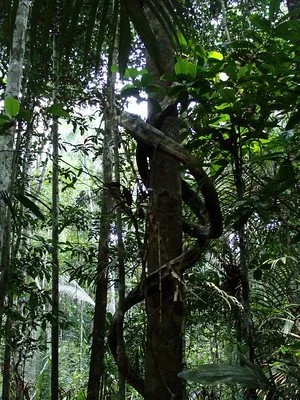
Vine in the Amazon Rainforest. Ben Sutherland. CC BY 2.0

In terms of the Amazon specifically, many efforts are starting to be made as people recognize the increasingly negative impact they have been causing on the rainforest. For example, in Colombia, a business in bioeconomy is gaining popularity. Forest schools such as the Amazonía Emprende - Escuela Bosque teach local communities to have sustainable business practices, and restore thousands of hectares of land within the next few years. Nature tourism is another method that people are using. It is a way for Indiginous communities to show and teach others about the rainforest, and raising awareness like this also helps improve the living conditions of the people. Another way Colombia is making efforts to preserve the rainforest is simply just growing food more sustainably. There are companies that grow plants in an eco-friendly way, and help families who make a living doing this. 

There are also programs such as the Amazon Sustainable Landscape Program (ASL), which aims to improve the overall management of landscape and ecosystem of the rainforest. The ASL combines efforts from many organizations, such as the World Bank, World Wildlife Fund, International Fund for Agricultural Development and more. With the ASL, these groups have a way to collaborate in a massive effort to restore the rainforest. Big organizations and communities working together is needed for large scale efforts like this to be truly effective in restorating the Amazon.

To Get Involved

There are many organizations trying to help rainforests. The Rainforest Action Network RAN) has a Protect an Acre program, similar to buy-an-acre programs that allow for people to buy an acre of forest land so it won’t be destroyed. The Amazonía Emprende school mentioned earlier educates people about sustainable business practices. The ASL wants to better the management of the Amazon.

To discover more about the Amazonía Emprende school, click here.

To discover more about the ASL and its goals, click here.

To discover more about the RAN and how to donate to them, click here.


Katherine Lim

Katherine is an undergraduate student at Vassar College studying English literature and Italian. She loves both reading and writing, and she hopes to pursue both in the future. With a passion for travel and nature, she wants to experience more of the world and everything it has to offer.