
The festival of lights honors and worships Lakshmi, the Hindu goddess of wealth, prosperity and beauty, and celebrates the relationship between humans and animals.
Read MoreMexico Continues to Reopen Despite a Severe Undercount of COVID-19 Cases
Mexico has continued the process of reopening its economy despite a severe undercount of COVID-19 cases and not having reached the peak of the virus’s spread in the country. As of this article’s publication, the National Council for Science and Technology had reported 191,410 cases and 23,377 deaths. This is currently the fourth highest number of cases in Latin America after Brazil, Peru and Chile, and the second highest number of deaths in the region after Brazil.
Read More
Ghanaian street market. Jozua Douglas. Pixabay.
Shoemaker’s Solar-Powered Hand-Washing Station Protects Ghana from COVID-19
As COVID-19 slowly spreads throughout the world, some have used this experience as an opportunity to create. 32-year-old shoemaker Richard Kwarteng and his brother Jude Osei are two brothers who are certainly included in this innovation boom. Located in Kumasi, Ghana’s cultural capital, the brothers used the city’s two-week lockdown as time to invent a solar-powered hand-washing basin called SolaWash.
They noticed that opportunities to wash one’s hands were often slim in Ghana. One day, while staring at a pile of recyclables and other materials, Kwarteng had a brilliant idea.
In a statement obtained by CNN, he said, “My brother and I decided we would create a basin to encourage regular hand-washing etiquette." They took this observation and from it came the first solar-powered hand-washing machine in Ghana. They designed it so that the faucet would run for 25 seconds, following guidelines from the Centers for Disease Control and Prevention, then shut off without even having to touch it. A video of their product quickly went viral on Twitter, and it caught the attention of many.
The Building Process
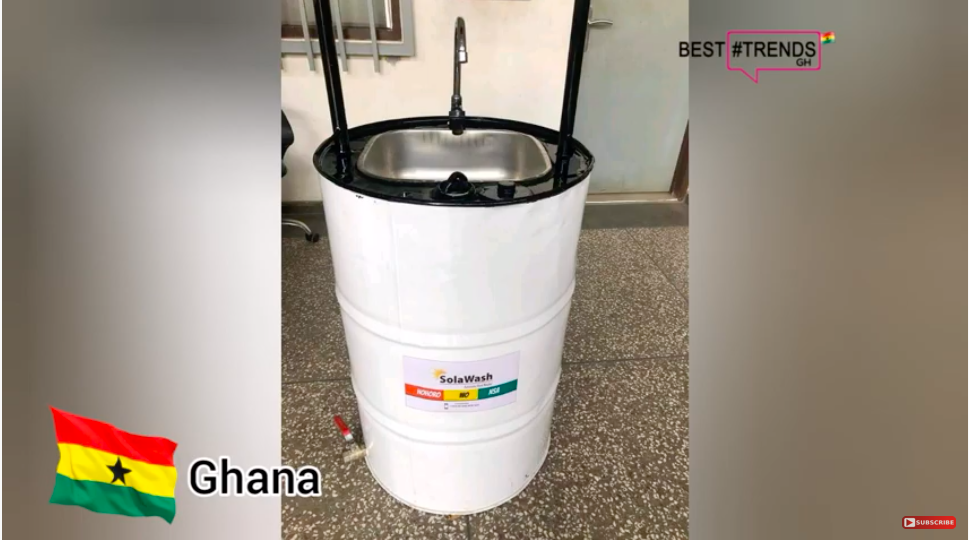
The SolaWash hand-washing machine. Best Trends gh. YouTube.
To create such an invention, the brothers began with the recycled materials they had and then headed to the market. They already had the large barrel their design would revolve around so they only had to purchase a sink, a faucet, a motherboard, a solar panel, a sensor and an alarm. After obtaining all the materials, they knew they needed help with the electrical work so they called upon their friend Amkwaah Boakye to do the wiring. They were able to gather the materials in only 48 hours and complete their project in just five days.
How Does It Work?
To wash your hands using the basin, you simply place them under the faucet. The device, programmed by the brothers, releases soapy water when hands or other items are picked up by the sensor installed underneath the faucet. The faucet runs for 25 seconds, then an alarm beeps to let the user know their hand-washing is complete. Water is then released again to rinse off any excess soap before drying. Their design is meant to not only be sanitary but also to conserve as much water and energy as possible.
What Will They Do With It?
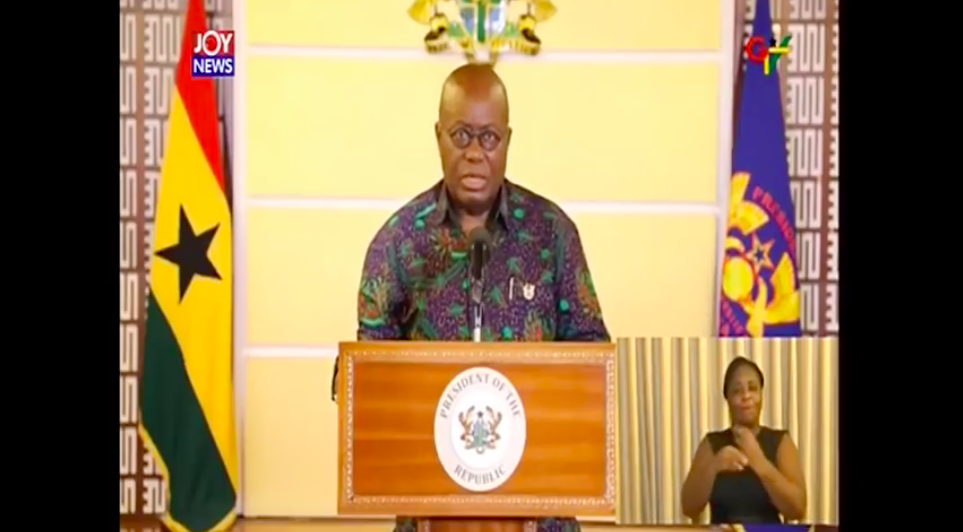
President Akufo-Addo addresses Ghana about COVID-19. Joy News. YouTube.
The brothers have been commended by Ghanaian President Akufo-Addo for their incredible work, and he hopes to make their product widely available. Ghana's Ministry of Environment, Science, Technology and Innovation also reached out to the brothers in order to plan for mass distribution. They are hoping to quickly manufacture and distribute these hand-washing basins in order to curb the spread of COVID-19, and Kwarteng is encouraging this as well.

Richard Kwarteng receiving his product certification. Best trends gh. YouTube.
This process can officially begin as the Ghana Standards Authority released their official certification of the product. Professor Alex Dodoo, director-general of the GSA, has his full support behind the brothers as well. He presented the certificate to a manufacturer in Accra on Wednesday, and said the product had been tested for its safety and efficiency. Dodoo also noted that the hand-washing basin was ready for mass production, and he hopes to see this product used around the world. The certification given by the GSA attests to the product’s quality as it met international standards for electrically-controlled machines. That means that the hand-washing basin has the potential to not only save Ghanaian lives, but also many others around the world especially in places that do not have widespread sanitation accessibility.
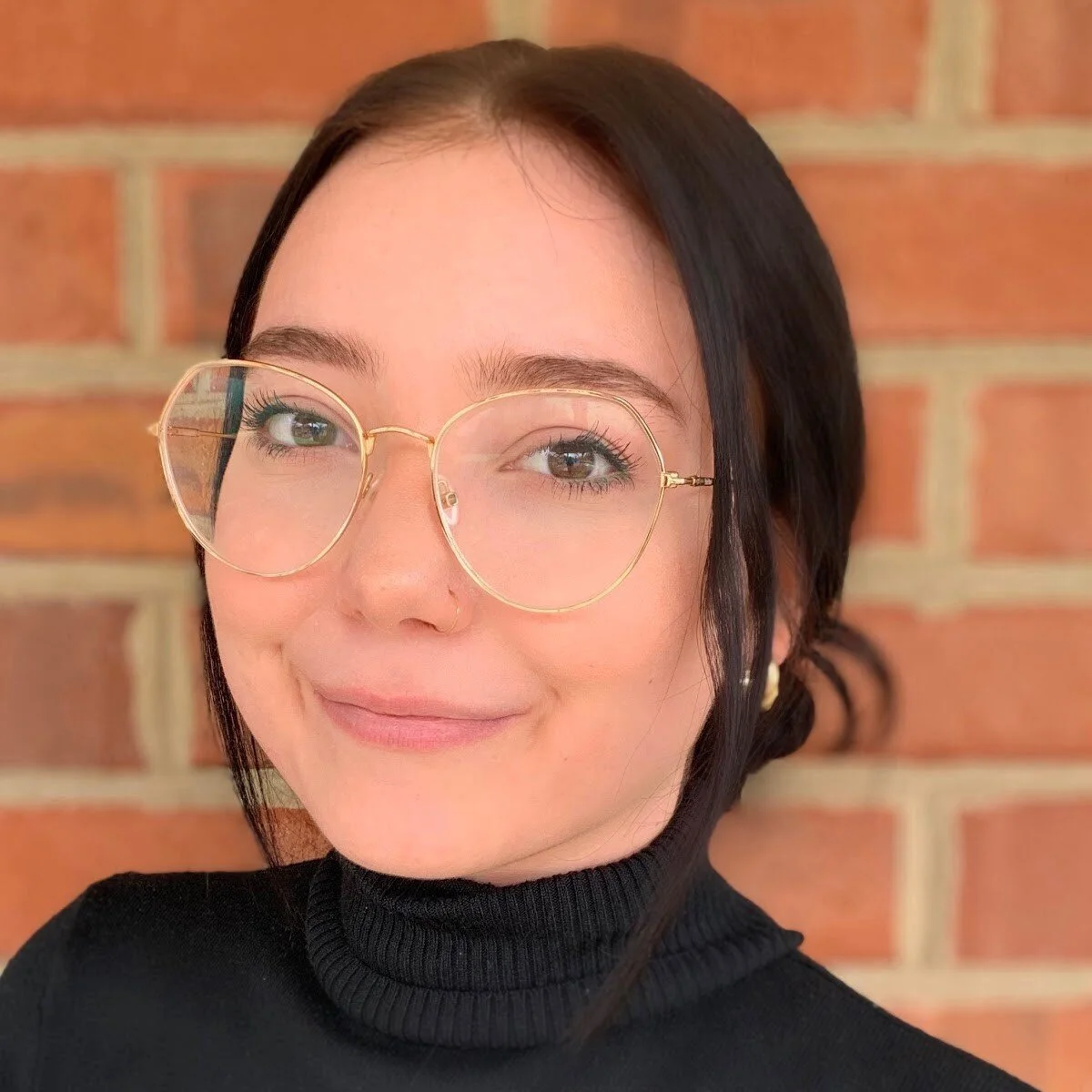
Renee Richardson
Renee is currently an English student at The University of Georgia. She lives in Ellijay, Georgia, a small mountain town in the middle of Appalachia. A passionate writer, she is inspired often by her hikes along the Appalachian trail and her efforts to fight for equality across all spectrums. She hopes to further her passion as a writer into a flourishing career that positively impacts others.
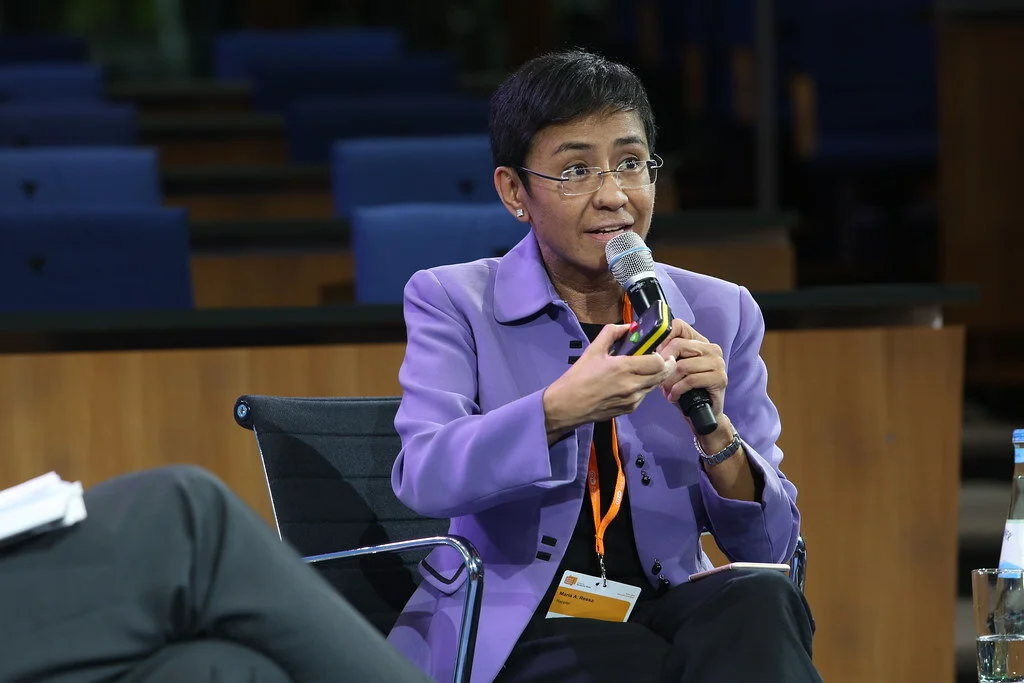
Maria Ressa speaking at a conference. Deutsche Welle Unternehmen. CC BY-NC 2.0.
Guilty Verdict of a Heralded Filipino Journalist Poses a Setback to Press Freedoms
Following years of threats and lawsuits by Philippine President Rodrigo Duterte, the heralded journalist Maria Ressa faces up to six years in prison for cyber libel. Ressa is known as one of Time magazine’s People of the Year in 2018, as a co-founder of the online news website Rappler, and as a previous CNN investigative reporter. The verdict is widely seen as a blow to press freedoms in the Philippines and a result of Duterte’s political motivations.
On June 15, a Manila court found both Ressa and her former Rappler colleague Reynaldo Santos Jr. guilty of cyber libel. The indictment is based on a story that was published by Rappler in 2012 that tied wealthy businessman Wilfredo Keng to then Philippine Chief Justice Renato Corona, who was impeached and removed from office shortly thereafter. “The article also alleged that Keng was involved in human trafficking and drug trafficking, among other illegal activities,” according to Forbes.
The controversy of the charge lies not only in its alleged attack on journalistic freedoms but also in its genesis. The story was written in 2012, four months before cyber libel even became a charge in the Philippines. Additionally, the case was filed in 2017, five years after the article’s publication. Rappler did concede that the story was edited to fix a misspelled word in 2014, but argued that the law still cannot be upheld retroactively. Moreover, the libel law states that a complaint must be filed within one year. After the back and forth over the validity of the charge, The Diplomat reported that “the Department of Justice argued a complaint can be filed under the 2012 cybercrime law for up to 12 years, countering Rappler’s argument that Keng’s complaint was invalid due to being outside the one-year deadline for libel.”
This is seen as yet another attack on press freedoms following Duterte’s shutdown of ABS-CBN, the Philippines’ largest broadcast media network, which according to The New York Times is “in some of the country’s most remote regions is the only available news source.” To frame the defeat in the context of the U.S., Ressa said, “Imagine an order by a regulatory agency telling CBS or CNN to shut down, and they do? And it’s nationwide.” The pattern behind the stifling of journalistic freedoms is thought to be due to the extensive coverage of Duterte’s deadly drug war by Rappler and ABS-CBN since he was voted into office in 2016.
In a press conference following the hearing, Ressa was unwavering in the mission of Rappler going forward, stating that the mission of Rappler would remain unchanged. “We’re at the precipice,” Ressa said. “If we fall over we’re no longer a democracy.” Various human rights groups have spoken out since the guilty verdict, with the National Union of Journalists of the Philippines adding that the verdict “basically kills freedom of speech and of the press.”
Duterte’s intimidation tactics toward the media, such as stating in 2016 that “just because you’re a journalist, you are not exempted from assassination,” were just a portent of what was to come. While Ressa has the opportunity to appeal, the mark of Duterte’s intent and message for journalists has been made clear to the Philippines and other countries in this guilty verdict.

Hanna Ditinsky
is a sophomore at the University of Massachusetts Amherst and is majoring in English and minoring in Economics. She was born and raised in New York City and is passionate about human rights and the future of progressivism.
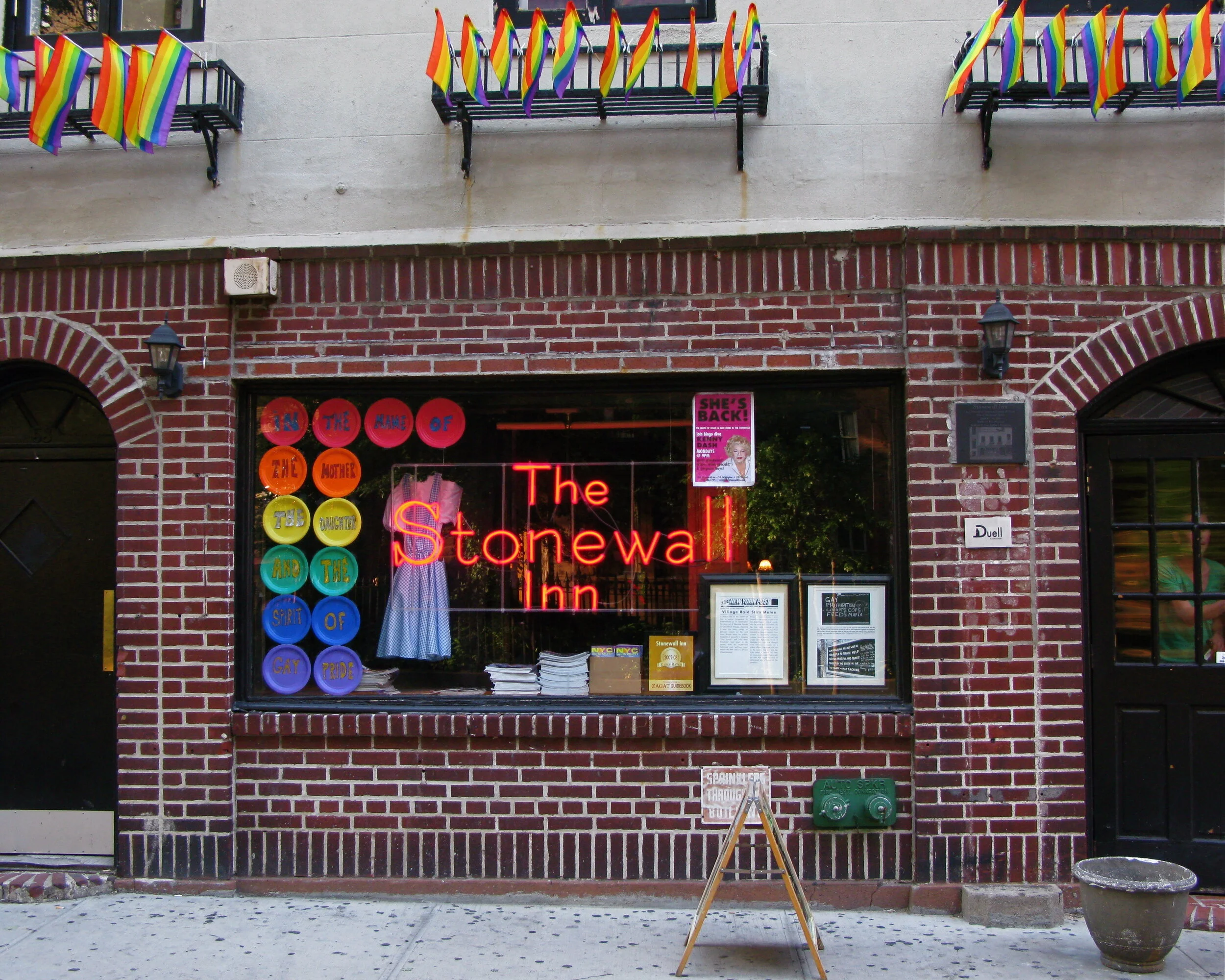
The Stonewall Inn in New York City. This is the site of the Stonewall riots which kickstarted the modern LGBTQ+ rights movement. Annulla. CC BY-SA 2.0.
10 Virtual Events to Celebrate Pride in the World of COVID-19
With the ongoing COVID-19 pandemic, many festivals, concerts and celebrations have been canceled across the globe. Pride Month has been no exception. The annual June recognition of the Stonewall riots, which started the contemporary LGBTQ+ rights movement, has seen cancellations amid the pandemic.
However, a number of LGBTQ+ activists, organizations and municipalities have taken it upon themselves to adapt to a global climate which favors remote gatherings rather than in-person celebrations. Below is a selection of 10 Pride events hosted around the world which you can participate in remotely from the comfort of your home.
Global Pride
Hosted by InterPride and the European Pride Organisers Association, Global Pride will be an online event held on Saturday, June 27, the 51st anniversary of the start of the Stonewall riots. Featuring musical performances, speeches and other festivities, the event will aim to serve as a way for members of the LGBTQ+ community to celebrate in spite of any canceled local events.
“For millions of people around the globe, Pride is their one opportunity each year to come together and feel a part of a community, to feel loved, connected and to know they aren’t alone,” Kristine Garina, president of the European Pride Organisers Association, said in a press release for the event. “It’s essential this year that as Pride organizers we ensure there is still the opportunity to connect, even if we are connecting from home.”
Digital Dublin Pride Festival
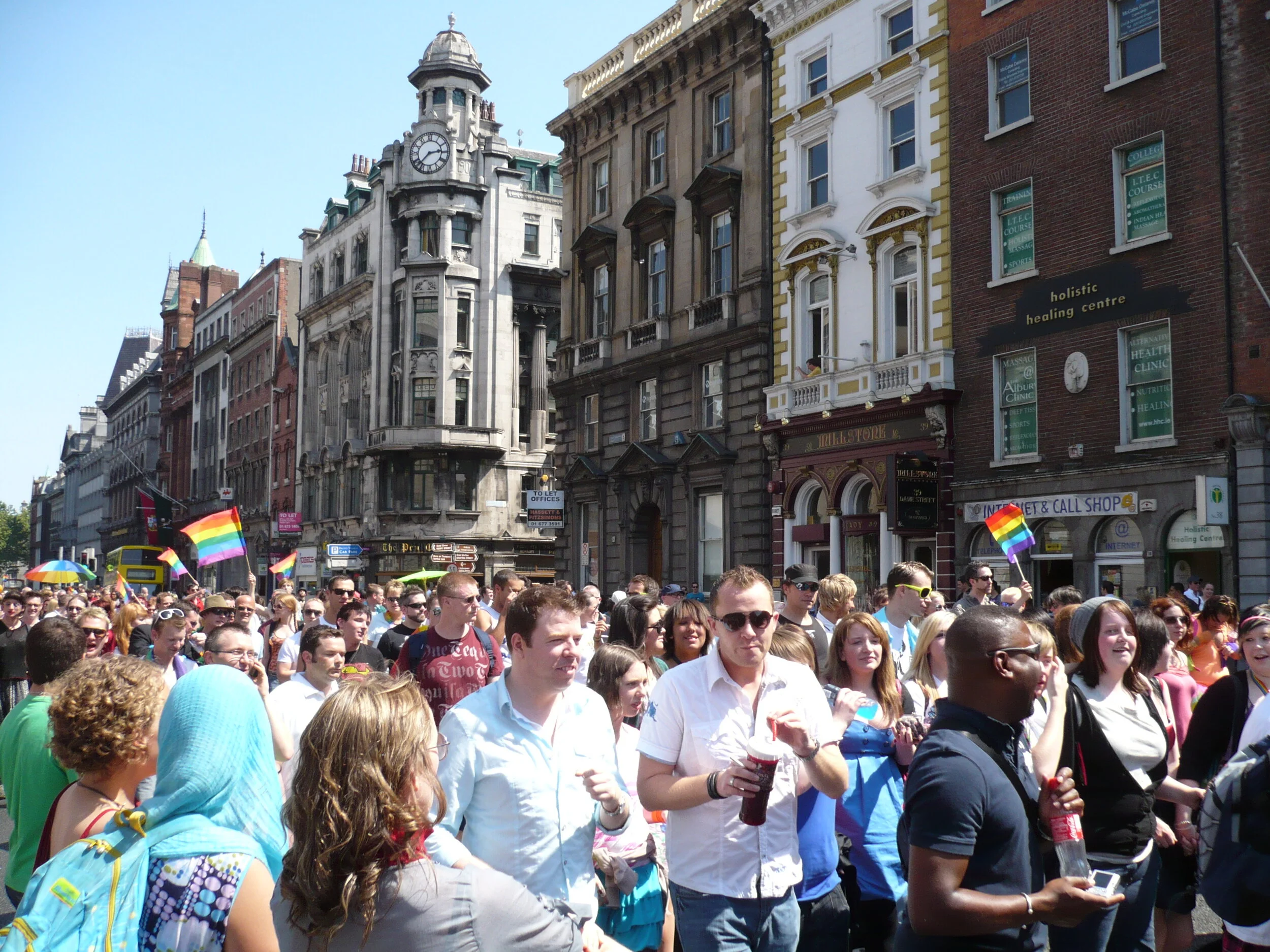
Dublin Pride, 2009. Charles Hutchins. CC BY 2.0.
Dublin, Ireland, will see its annual celebration go virtual from June 18 through June 28. The festival will kick off with a political debate to discuss issues such as hate crime legislation, LGBTQ+ inclusive education and global LGBTQ+ persecution. Other highlights from the event include the Dublin Pride Pet Show on Sunday, June 21, and a virtual parade on Sunday, June 28.
The Digital Dublin Pride Festival is hosted by Dublin LGBTQ Pride and the National LGBT Federation. The event began in March 1983 with a protest march through the heart of Dublin, and has continued annually to this day.
New York City Pride
One of the epicenters for the contemporary LGBTQ+ rights movement, New York City will see the 50th anniversary of its annual Pride event go digital this year. The event, which will be broadcast via New York’s ABC7 on Sunday, June 28, will feature appearances and performances by celebrities including Dan Levy, Yanzi Peng, Janelle Monáe and Billy Porter.
NYC Pride will also host a number of virtual events leading up to the June 28 broadcast. These include the Human Rights Conference on June 25, Savor Pride from June 22 through June 27, and a virtual rally co-hosted by GLAAD on June 26.
Madrid Pride
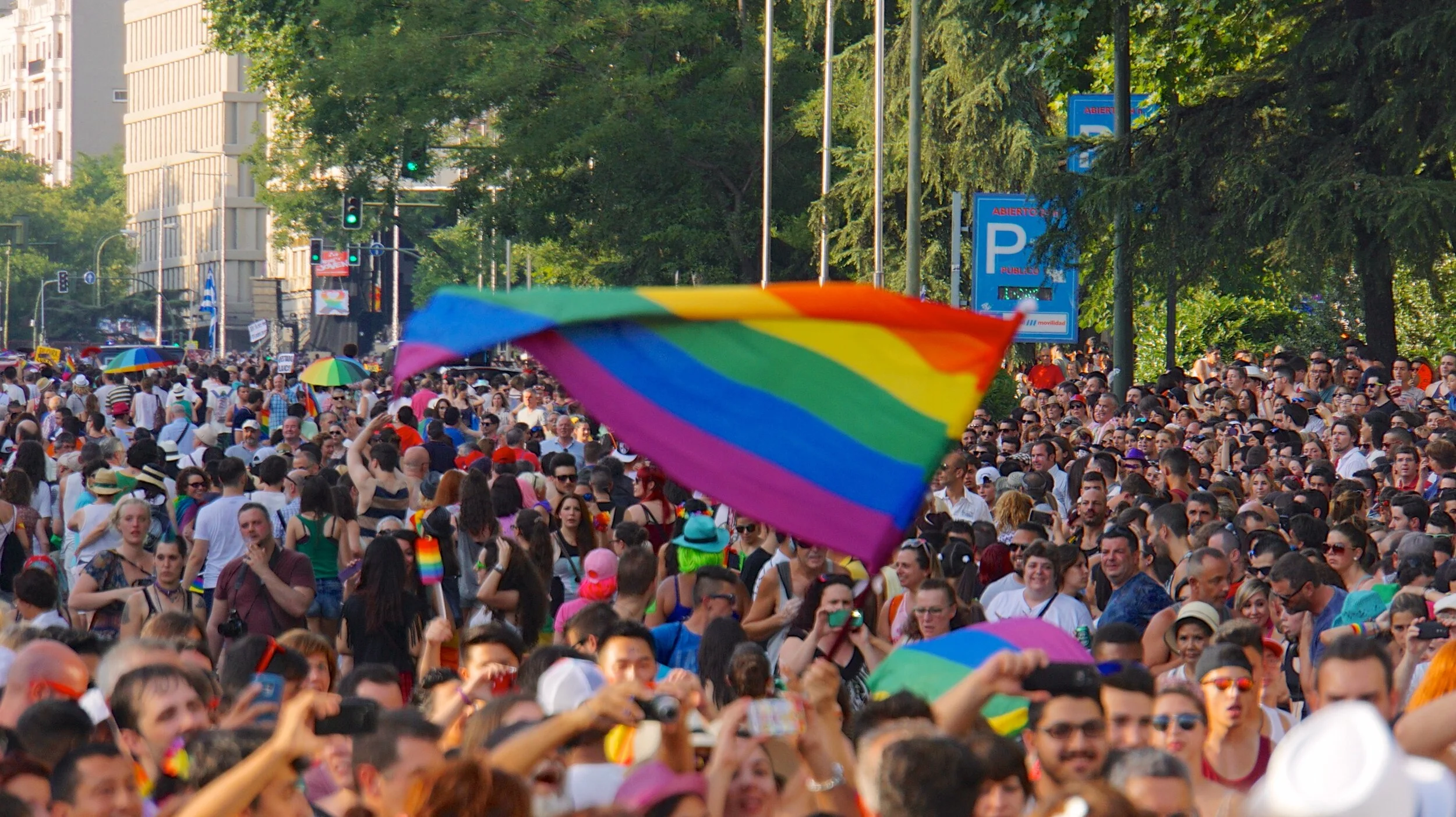
Madrid Pride, 2015. Ted Eytan. CC BY-SA 2.0.
The Organizing Committee of the LGBTI State Pride will host a virtual festival from July 1 through July 5 in lieu of Madrid’s annual in-person event. While the organization has yet to release official details as to what will take place during the virtual event, the event will be significant considering that it marks the 15th anniversary of the legalization of same-sex marriage in Spain.
“This Pride is more necessary than ever and we will continue to celebrate and defend [our rights] as we have done for the past 40 years,” the event’s organizers stated in Spanish in a press release. “Pride 2020 will serve to give voice to the distinct realities faced by the [LGBTQ+ community] during this crisis.”
Black Queer Town Hall
Co-hosted by NYC Pride and GLAAD, the Black Queer Town Hall will be a three-day event dedicated to financially supporting black, queer organizations and black LGBTQ+ performers and activists. The event replaced the Pride 2020 Drag Fest, and hopes to shed light on the experiences of black members of the LGBTQ+ community in response to recent global demonstrations against police brutality.
The organizers of the Black Queer Town Hall are currently accepting donations ahead of the event via a GoFundMe page. At the time of this article’s publication, the page had raised over $98,000.
#PrideEverywhere
The Trevor Project, a crisis intervention and suicide prevention nonprofit for LGBTQ+ youth, is hosting the #PrideEverywhere campaign throughout June. According to the organization’s website, the campaign “is about remembering what’s at the heart of our community—values we live every day, and values the world needs so much right now. No matter how challenging things may seem, this much is true: Pride isn’t going anywhere, because Pride is everywhere.”
The #PrideEverywhere campaign includes social media filters, a video by singer Demi Lovato, and a donation drive to help support the work done by The Trevor Project.
PRIDE Virtual 2020 - Marcha de la Diversidad
Costa Rica will celebrate it’s 11th annual March of Diversity Pride event on Sunday, June 28. While the organizers of the event have not yet released details on what will take place, the celebration is significant this year because Costa Rica became the first Central American country to legalize same-sex marriage on May 26, 2020.
The annual event in San Jose has grown to be one of the largest LGBTQ+ events in Latin America, seeing tens of thousands of participants in 2019.
50 Years of Pride
The GLBT Historical Society is currently working with the several San Francisco-based organizations to showcase its 50 Years of Pride online exhibition. The virtual gallery, which was curated by artist Lenore Chinn and Pamela Peniston, artistic director for the Queer Cultural Center, features historical photos from various Pride events around the San Francisco Bay Area from 1970 through the present day.
A larger photography exhibition which will continue the work of this current project will be housed in San Francisco City Hall at a later date.
Unity Pride
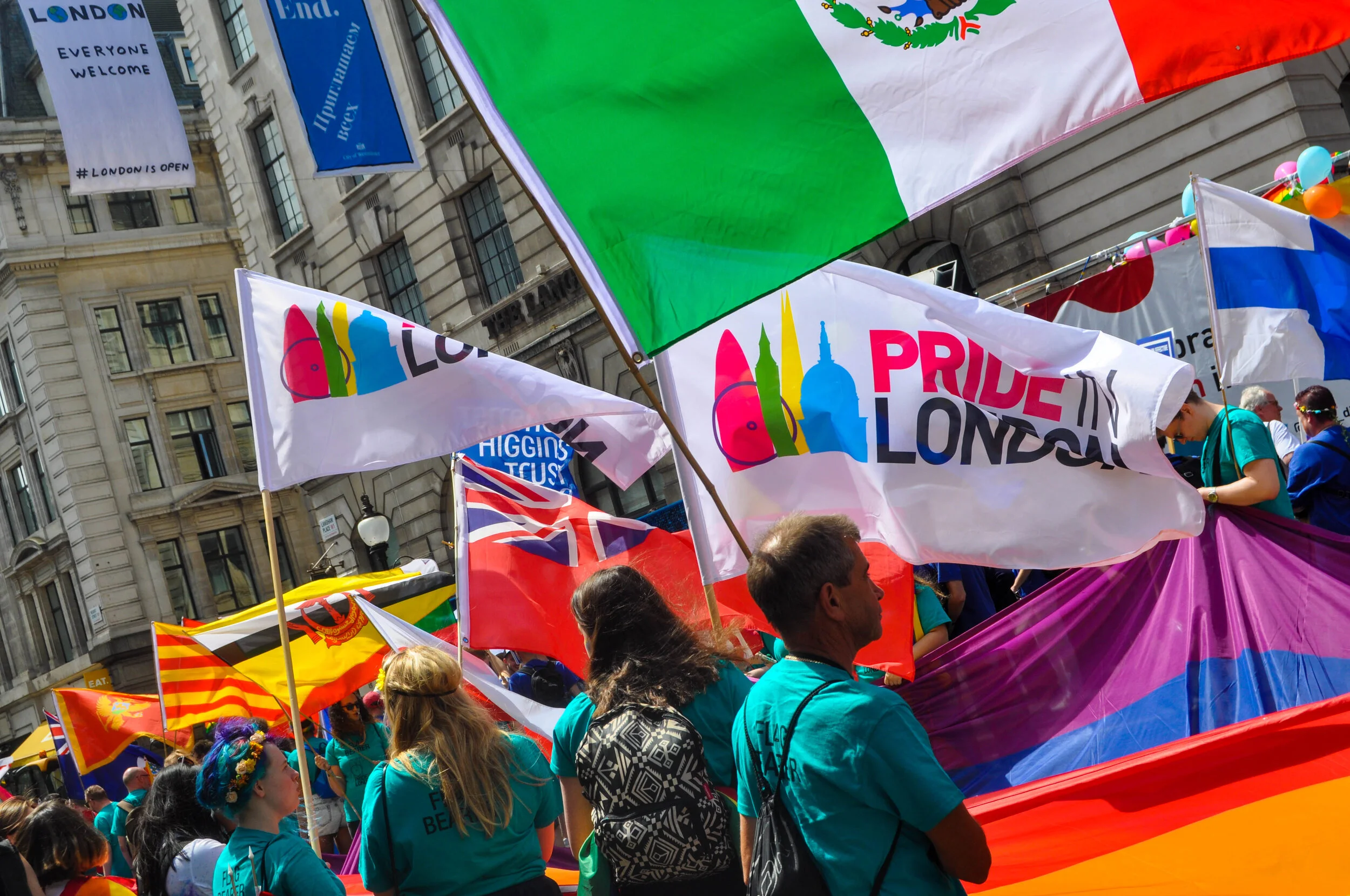
London Pride, 2017. MangakaMaiden Photography. CC BY 2.0.
Unite UK, a digital LGBTQ+ publication, will host a number of discussions and performances on Friday, June 19. The event, titled Unity Pride, will feature discussion panels such as “Stop Sexualising Queer Womxn” and “Celebrating Body Image & Fashion in the LGBTQ+ Community.”
Unity Pride is one of several virtual United Kingdom-based Pride celebrations. Others throughout the month include the weeklong Pride at Home, hosted by Attitude magazine, and Essex Pride Uploaded, which will be held on Saturday, June 20.
Out Now Live
Online magazine Them will host its inaugural virtual Pride celebration on Monday, June 22. Out Now Live, happening on YouTube, will feature performances, speeches and messages from a number of prominent figures in and allies to the LGBTQ+ community, including Adam Lambert, Bretman Rock, Cara Delevingne, Elton John, Princess Nokia, Shangela and Whoopi Goldberg.
The event will also include a fundraiser for the Ali Forney Center, an organization based out of New York City which works to combat the LGBTQ+ homelessness crisis.

Jacob Sutherland
is a recent graduate from the University of California San Diego where he majored in Political Science and minored in Spanish Language Studies. He previously served as the News Editor for The UCSD Guardian, and hopes to shed light on social justice issues in his work.
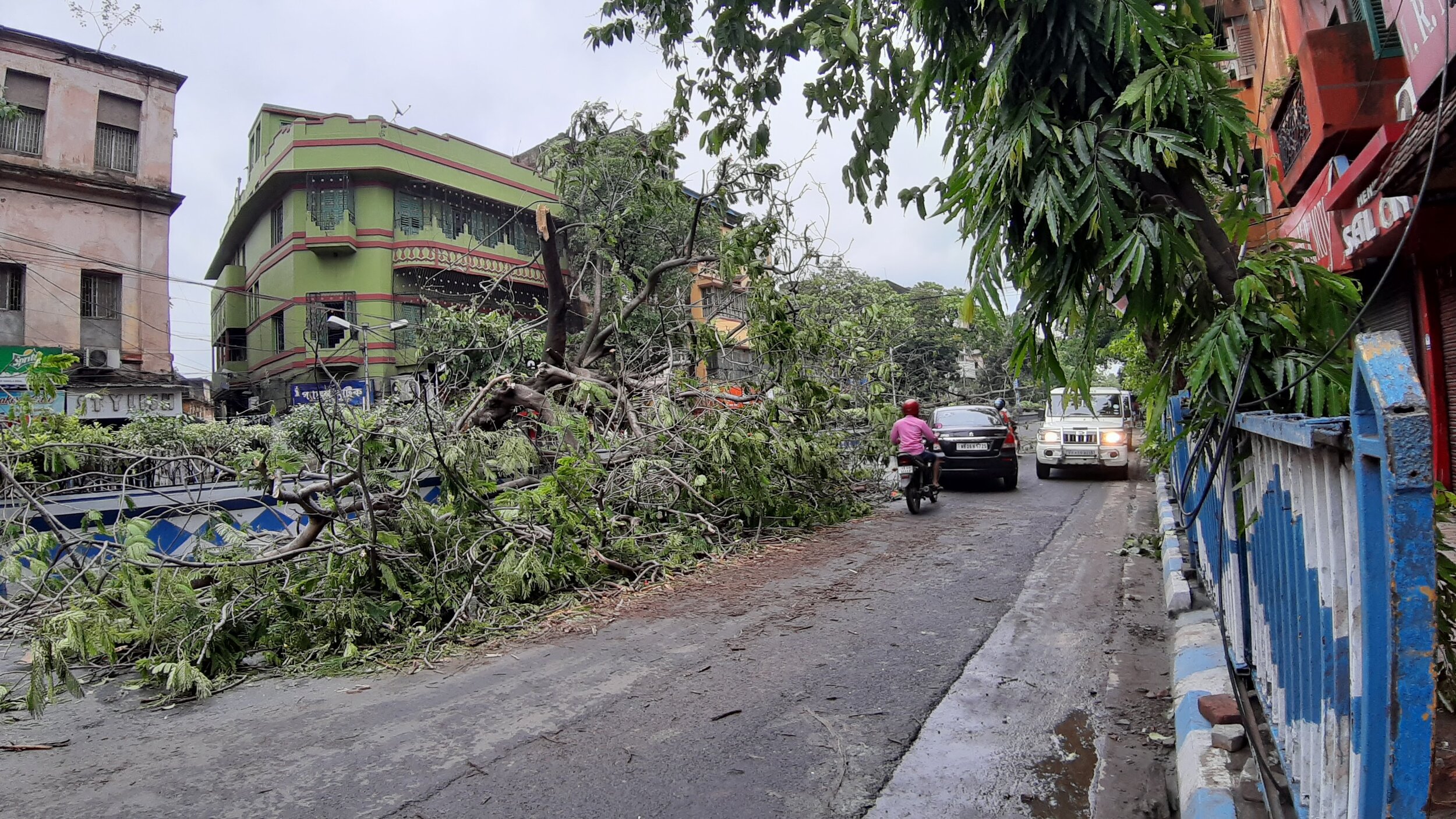
A fallen tree in the streets of Kolkata, India. Santanupyne. CC BY-SA 4.0
Super Cyclone Amphan Ravages East India and Bangladesh
Split trees, washed away bridges, dead livestock—this was the scene following Super Cyclone Amphan, which tore through India’s West Bengal region and Bangladesh. From May 16 to May 21, the Category 5 hurricane whipped through coastal villages, ravaging areas with fierce winds and rain.
One of the most powerful storms ever recorded in South Asia, Super Cyclone Amphan devastated coastal infrastructure, causing millions of people to flee from their homes to packed shelters. These cement block structures and repurposed community spaces have proven safe in past storms, offering respite and relief to displaced villagers. As Amphan gained momentum, officials urged people to leave their homes. Emergency crews lined the beaches, alerting passersby through megaphones. Television stations, text messages and door-to-door pleas also advised evacuation.
Crowded shelters pose a public health threat in the coronavirus pandemic. Physical distancing is unfeasible in the packed, enclosed spaces. Extra isolation rooms, masks, and sanitizers have done little to mitigate the rapidly spreading virus, while the need for social distancing has complicated Amphan relief efforts and shelter capacities. "The coronavirus restrictions have obviously made things much more difficult, especially with regards to evacuation to cyclone shelters," said Azmat Ulla, head of the International Federation of Red Cross and Red Crescent Societies’ office in Bangladesh. On May 20, India reported that it had recorded over 100,000 coronavirus infections.
Refugee camps, held in predominantly flood-prone areas, raised concerns during the cyclone. In Bangladesh, 306 Rohingya were moved from their refugee camp in Bhasan Char, an island in the Bay of Bengal, to mainland cyclone centres. A few years ago, these refugees fled massacres in Myanmar and built makeshift homes on coastal Bangladesh’s muddy hillsides. Amnesty International advised governments to protect Rohingya refugees stranded at sea. “They are in rickety boats; these are fishing trawlers that they use to take a very dangerous route in the hope of a better life. The Bangladesh government and others must do everything to save their lives,” declared Saad Hammadi, Amnesty International’s South Asia campaigner. Fortunately, the cyclone weakened as it made its way down the Bangladeshi coast, unleashing nothing more than heavy rains in the refugee-concentrated city of Cox’s Bazar. The U.N. estimates that, throughout Bangladesh, 10 million people were affected by the storm, and 50,000 people lost their homes. Economic production has been compromised at the region’s croplands and fisheries, striking away people’s long-term livelihoods.
The storm devastated the Sundarbans, the world’s largest mangrove forest and the home to endangered Bengal tigers. According to Belinda Wright, the Executive Director of the Wildlife Protection Society of India, villages on the outskirts of the wildlife refuge have been badly hit. Around 70% of the 4,000-square-mile forest lies at sea level, rendering the animals especially vulnerable to flooding and exacerbating India’s existing wildlife crisis. Urbanization, hunting and illegal animal trade have dwindled the global population of tigers down from 100,000 last century to 4,000 today. In response to the storm, the remaining few hundred Bengal tigers in the Sundarbans have been pushed out of their forest habitats and into human-dominated areas.
Scientists predict that tropical storms like Amphan will increase in strength and quantity going forward due to climate change.

Anna Wood
is an Anthropology major and Global Health/Spanish double minor at Middlebury College. As an anthropology major with a focus in public health, she studies the intersection of health and sociocultural elements. She is also passionate about food systems and endurance sports.
7 Whimsical Outdoor Adventures Sure to Pique Your Interest in New Zealand
From natural wonders such as glowworm caves and geothermal pools (considered Maori sacred waters) to whimsical spots such as Teapotland, home to a garden of 1,200 quirky teapots—New Zealand will not disappoint.
Read More
Young black woman taking a photo of Barcelona. (photo via iStock / Getty Images Plus / skyNext)
How the Travel Industry Can Do Its Part in the Fight Against Racism
One of the first features I wrote about the subject of race and racism in the travel industry, a travel executive reached out to me to ask me who or what had made me so angry to write the piece. As a brown woman of color, he was essentially inferring that I was an “angry brown woman,” a stereotype that has long been used to highlight women of color who discuss controversial topics such as racism.
To say that I wasn’t surprised by his reaction is accurate. The travel industry tends to think of itself as a space of leisure, fun, and escape where such things like racism are left behind for good times. The problem is, for black individuals and people of color, escaping racism is not something they can do by taking a vacation. Racism, like in many other sectors of society, has been built into the travel industry, both knowingly and unknowingly.
It’s the travel industry’s responsibility to do something about it.
I can showcase the pervasiveness of racism in the travel industry through study after study, through anecdotes of racial attacks on planes and racial biases in hotels or cruises. I can provide interviews with black men and women and people of color who share stories of harassment in various destinations, even those by travel agents like Alfred W. who told me, “I get looks all the time when I travel. I'm a 6' 6" 270 lbs. black male and when I enter a room/resort lobby/airplane/restaurant, I see it on some of the faces. You should see the looks of shock I get when I sit down in first-class seating.”
I’ve provided travelers of color, travel agents of color, and travel industry leaders of color a space to share their experiences through my articles, but it has not been enough to dismantle systems of racism in the travel industry. As we watch the Black Lives Movement work to topple racism in our justice and law enforcement systems through protests, it’s a good time to consider how the travel industry can do their part to fight racism.
The travel industry is trying to rebuild their companies after a devastating blow from the pandemic, making it the most opportune time to reevaluate how the travel industry has done business in the past, and creatively work toward a future in which the travel industry can be better.
I don’t have all the answers, but whether you’re a travel agent, tour guide, the owner of a hotel or airline company, the captain of a cruise ship, working in travel PR, or a travel employee in between, please read how the travel industry can fight racism.
Recognize Racism
The first thing the travel industry must do is recognize racism, and accept that we all have biases and blind spots. I have it, you have it. We all have it.
I once asked a group of travel agents: “How do you best serve travelers of color? How could you serve them better if you’ve yet to try to connect with them?”
The responses I received were eye-opening and I wrote about them in an article: “Many agents were uncomfortable with the question, stating things like, ‘My agency doesn't base service on a particular 'color,' we service everyone.’ Others, in some form or another, said they ‘don’t see color’—a well-meaning response meant to indicate they're not racist, but inadvertently meaning they don’t recognize that systems of racism exist and that they don't ‘see’ that the experiences of people of color are different. Some agents turned it around on me, claiming I was biased and my question inappropriate.”
The clear discomfort that these travel agents had speaking about race only highlighted that people in the travel industry would rather ignore that racism exists in the industry than do something about it. Start by accepting that racism is here; it is in your company and it affects travelers. Don’t ignore it, don’t attack people of color or others who point it out. Sit in those feelings, accept it, and know you’re not alone on this learning journey.
Inform Yourself About Racism in the Travel Industry and Beyond
If we don’t know what racism looks like in the travel industry, how then can we fight it? Racism in the travel industry is no longer overt, such as in the 1950s when hotels refused black travelers a place to stay. Rather, racism has been built into the travel industry through a lack of equal opportunity, travel technology, poorly designed customs and immigration systems, and ignorance about the experiences of people of color.

PHOTO: Women going through airport security. (photo via E+ / vm)
You can inform yourself as to what racism looks like in the travel industry by reading articles and studies related to racism on TravelPulse and other outlets, as well as memoirs written by black travelers and travelers of color like Maureen Stone’s Black Woman Walking and Amanda Epe’s Fly Girl, a memoir written by a black female flight attendant. Consult sites like Travel Noire, a digital media company serving African Diaspora travelers.
Better yet, hire a consultant within the Diversity, Equity, and Inclusion (D.E.I.) Industry to assist your travel company. They’ll develop courses and sessions about unconscious bias within your company and services. They’re equipped to lead small and large groups on conversations about racism, how to be an ally to people of color, set up systems in place to stop microaggressions that people of color experience within the company, and more.
It Starts From the Top
Dismantling systems of racism and inequality start at the top of a travel company. When travel company owners and CEOs don’t recognize that racism exists, it’s much harder to fight against.
On June 1, Royal Caribbean Cruises Ltd. CEO and chairman Richard Fain sent a message to his employees discussing racism in the travel industry. He pointed out: “Racism is chronic, a condition of the system that has afflicted us for centuries. And like any chronic condition, we can never stop fighting it, or it will overwhelm us.”
I was glad to see him discuss white privilege and the consequences of racism left unchecked: “At the end of the day, it is still much harder to be a person of color in America than it is to be white. We can go months trying to tell ourselves otherwise; then there is yet another episode like George Floyd's to remind us of the hard reality.”
Fain noted that Royal Caribbean’s Employee Resource Groups would be leading the way on virtual discussions of racism within the company and that they are “evaluating philanthropic partners who are demonstrating an ability to mobilize for change on this subject.”
As a white male CEO, Fain’s words to his employees create an environment in which promotes conversations of race and racism within the company. This is extremely important: if your company does not discuss racism, the likelihood of the company improving the experiences of black travelers, travelers of color, or black employees and employees of color are minimal.
Diversify Your Travel Company
One of the most effective ways the travel industry can fight racism is to diversify their staff and employ people of color at the highest levels of that company.
I had the opportunity to speak with Sheila Johnson, CEO of Salamander Hotels & Resorts, who spoke to this: “As both an African American and a woman – one who came of age in the very heart of the white and male-dominated 1950’s and 60’s – I’ve spent my entire life working and fighting, often against the longest of odds, to gain even the smallest toehold on the American Dream.”
“It is our obligation [as hospitality leaders] to continue to elevate the curious, intelligent, inspiring leaders of the black community and remove the preconceived notion of what that looks like in hospitality.”
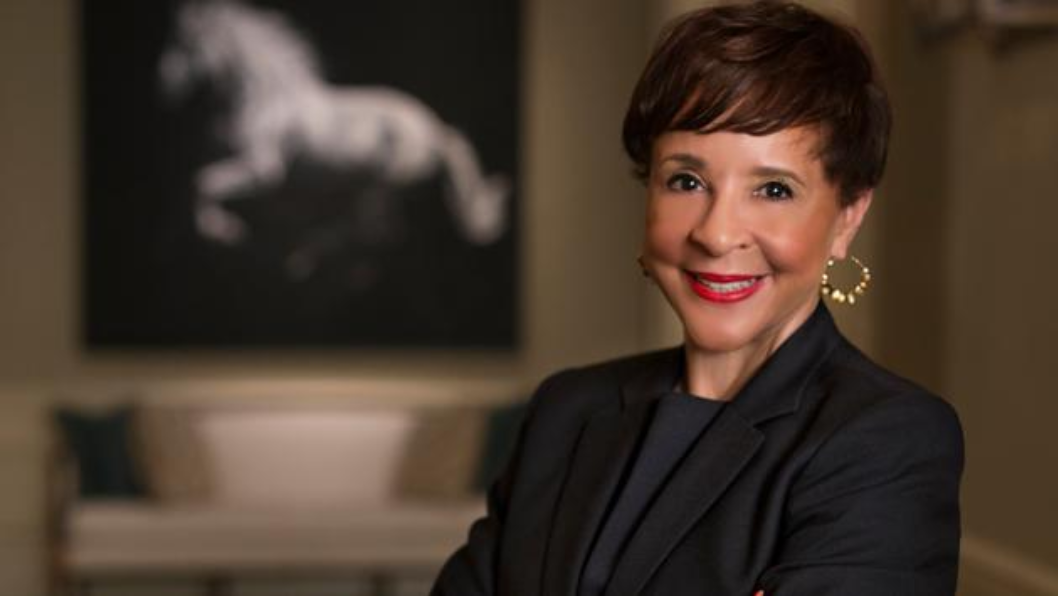
Sheila Johnson is the CEO and Founder of a luxury hotel management property chain, Salamander Hotels & Resorts. (photo via Sheila Johnson)
She added: “There needs to be a recognition that people of diverse backgrounds bring forth new ideas and experiences and look at life from a different perspective. It is the only way we are going to evolve the industry and make an impact.”
“Change truly starts at the top, and at Salamander Hotels and Resorts, it begins with me.”
More Representation in Sales and Marketing
Look through your marketing materials and travel ads from the past five years: who do you see? Do the people you use in your travel branding look the same? How many people of color are clearly visible? Count them.

Grandparents and granddaughter on vacation. (photo via E+ / FG Trade)
If you want to make your travel company more inclusive of people of color, you must provide visible representation across your sales and marketing plan. Not only does this mean showcasing black families traveling, solo Muslim travelers, groups of Asian and Latinx friends, and interracial couples on romantic trips, but this also includes hiring writers and editors of color to shape the messages in your ads, social media, branding copy, etc.
Make a Plan to Fight Racism
Travel companies know that the first step to success is a good plan. So, make one to fight racism. It might look like this:
Create an anti-racism committee of diverse employees who will lead the fight against racism within your company and through the services provided to travelers. Have this committee remove racial bias in job descriptions and create policies that allow employees to call out and discuss racial bias and racism in company meetings and policies.

Employees work together in a meeting. (photo via E+ / Cecilie_Arcurs)
Have them create a mentorship program that helps people of color move up in the ranks of the company. Urge your recruiters and hiring managers to look for diverse candidates, at historically black colleges and through groups that uplift people of color. And encourage your committee to create opportunities and events for open dialogues and the exchange of new ideas to fight racism.
For small companies or solo entrepreneurs, analyze your travel services. Are they inclusive of diverse groups of people? Does your branding promote unconscious bias? Are you sensitive to the needs to travelers of color or supporting travel companies that fight racism and promote diversity?
Speak Up
If you see racism occur, whether systematically, subtly, or overtly, call it out. Bring it to the attention of your managers and human resources department. If you don’t feel like your travel company is doing enough to fight racism, gather coworkers for support and approach management with an idea for a committee against racism.
You have power and you have a voice, even at the lowest levels of a travel company, to fight against racism. It’s up to you who work in the travel industry to fight racism from within so that everyone can enjoy the joys of traveling equally.
To Sum it Up…
I’m amazed at what travel companies will do to help their customers. I’ve seen airport employees search planes for lost stuffed toys to bring joy to a child, travel agents move mountains to get their clients a new hotel when the initial one cancels their reservations unexpectedly, and hotel managers craft elaborate surprises to bring cheer to their guests.
I want to see that same enthusiasm, creative thinking, and teamwork among the travel industry to fight racism.
As your employees, company, destination, or industry works hard to make your service or place safe for travelers again after the pandemic, I’d urge you to take on racism now. Not tomorrow. Not next year. Not five years in the future. Now.

Alex Temblador
is a travel writer for TravelPulse and author of Secrets of the Casa Rosada. She's based in Dallas, Texas, and has had publications in Fodor's, Shermans Travel, Oyster, Hotels.com, among many others. When she's not jet-setting, she's usually addicted to a book or TV show, crafting art or sewing, or hanging with family and friends on a patio somewhere. You can reach her at alexrtemblador@gmail.com
THIS ARTICLE WAS ORIGINALLY PUBLISHED ON TRAVEL PULSE
5 Spots for a Uniquely Uruguayan Experience
Uruguay is sandwiched between Argentina and Brazil, has a population of just over 3.5 million, and is home to miles of coastline facing the Atlantic Ocean. Although the climate is fairly mild throughout the year, the warmer summer months are when the tourist attractions really come alive. Uruguay pairs a generally laid-back culture, full of food and art, with trendy nightlife. Visitors can also venture away from the cities to more rural areas and explore an expansive countryside. Given Uruguay’s diverse landscapes and activities, any visitor is sure to have a memorable experience.
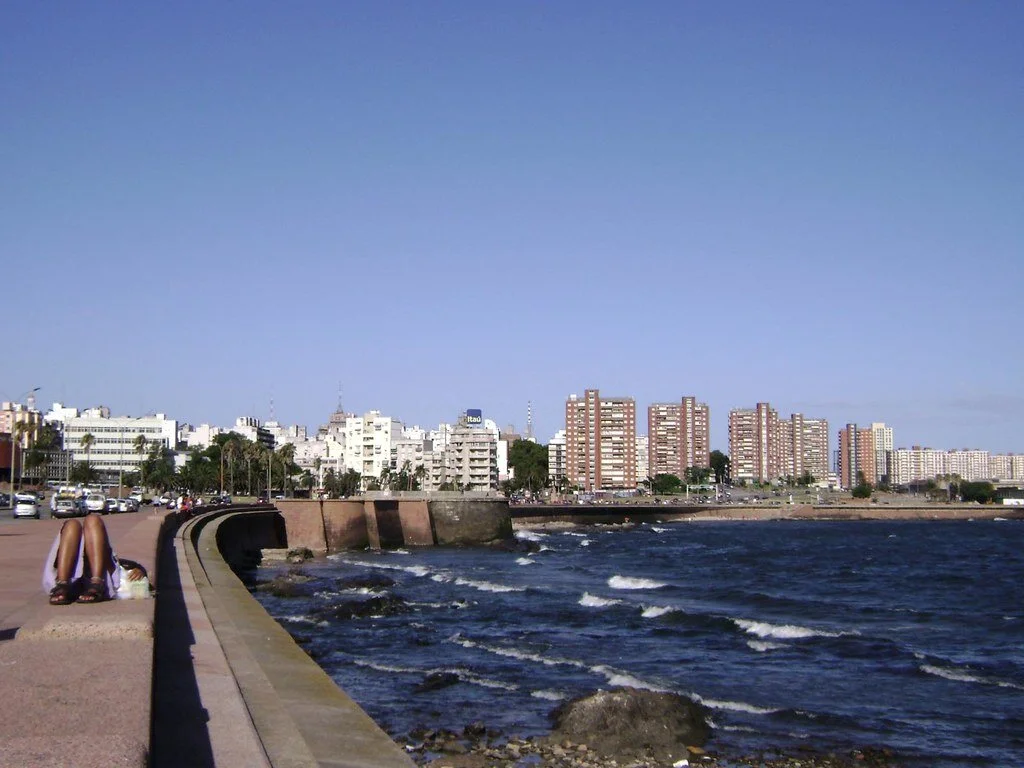
A view of the Rambla and the Montevideo skyline. Marisali. CC BY-NC-ND 2.0
Montevideo
Montevideo is the largest city in Uruguay as well as the capital. With a vibrant art scene and culture, Montevideo is an exciting place to explore. You can take a walk down the Rambla, a 14-mile boardwalk that offers an unobstructed view of the ocean as you wind through various neighborhoods in Montevideo. If you want to go to the beach, visit the Pocitos neighborhood, which is known for its beach and hosting nautical events throughout the year. In the Old City, tour the Solís Theater, a grand performance venue designed in a neoclassical style that echoes many of the other European-influenced buildings across the city. If you are craving a bite to eat stop by the Mercado del Puerto (Port Market), a hub of restaurants, cafes and shops overlooking the water. This is a great place to try eating at an Uruguayan parrilla, or wood-fired barbecue.
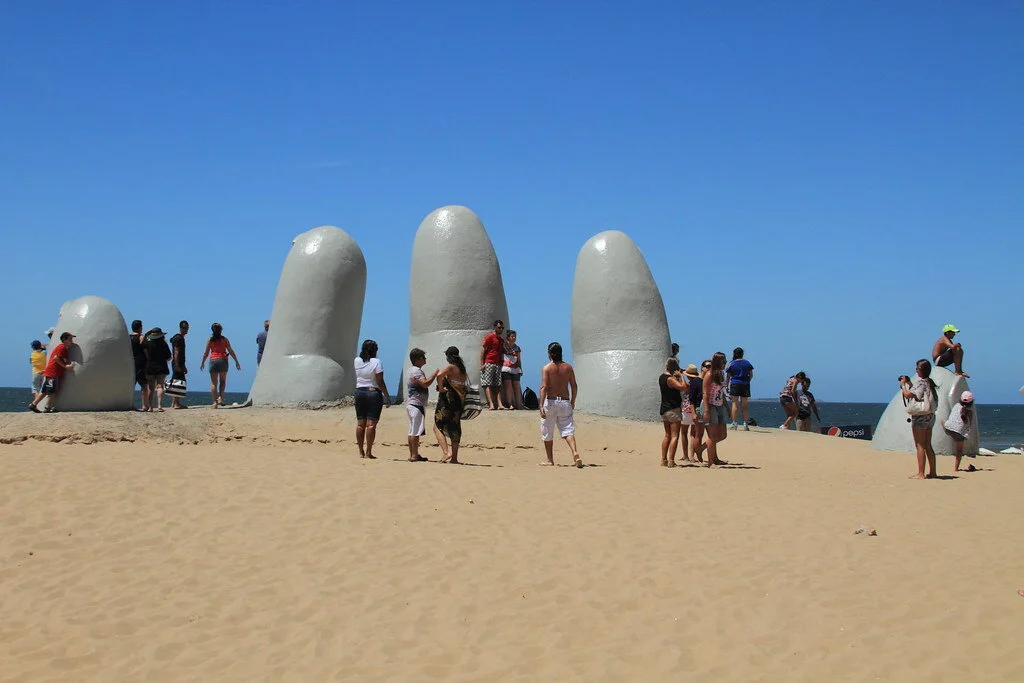
La Mano in Punta del Este. Gamillos. CC BY-SA 2.0
Punta del Este
Two hours away from Montevideo is Punta del Este, a trendy summer spot and a popular escape from the bustling city. Punta del Este has expansive beach access, some of which are rougher and face toward the ocean (such as Playa Brava) while others are calmer and preferred by those with young families (like Playa Mansa). At night, people can go out to bars, restaurants and clubs all over the city, where events can go on until the sun comes up. If you’re interested in a sleepier part of town, visit José Ignacio, a seasonal fishing village to the east. The national dish of Uruguay, the chivito, originated in Punta del Este. You would be remiss if you did not take a moment to sample a chivito (a beef sandwich with a variety of toppings such as cheese, egg and tomato) while visiting. For a taste of the arts, you can visit the iconic hand sculpture, crafted by Chilean artist Mario Irarrázabal, or the gallery and sculpture park of renowned artist Pablo Atchugarry.
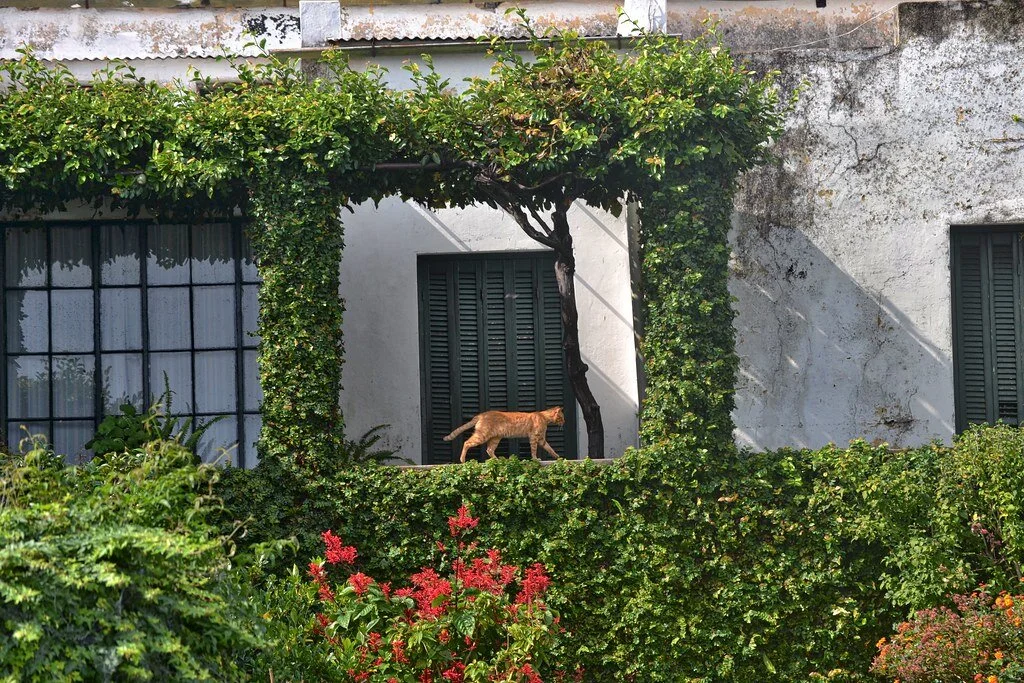
An old building in Colonia del Sacramento, Uruguay. DiegoOlivera_Uy. CC BY-NC 2.0
Colonia del Sacramento
A city with Portuguese roots, Colonia del Sacramento looks across the Rio de la Plata to Buenos Aires, Argentina. The cobbled streets of the Barrio Histórico are popular with visitors and this part of the city is labeled a UNESCO World Heritage Site. To enter this part of town you will cross a drawbridge of a former fortress. Notable landmarks include the Basilica of the Holy Sacrament, Convent of San Francisco, Calle de Portugal and the Colonia del Sacramento Lighthouse. This city will appeal to a wide range of visitors, from historians to vintage car enthusiasts.
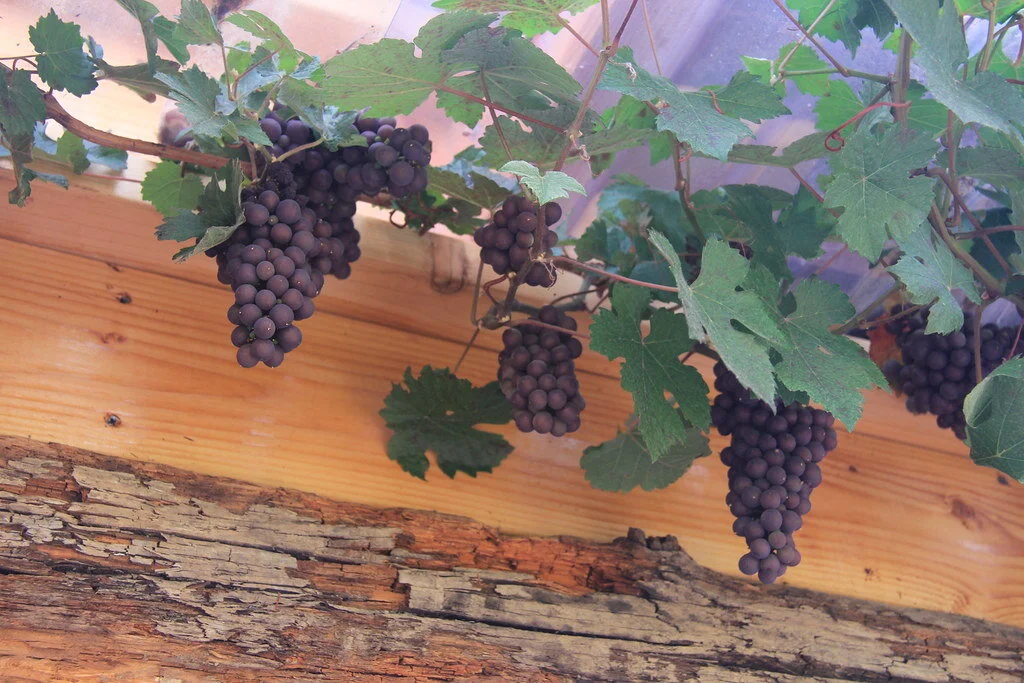
Grapes hanging from the vine. UGA CAES/Extension. CC BY-NC 2.0
Wine Country
While in Uruguay, consider visiting one of many vineyards scattered across the country. Uruguay produces a variety of wines, but its signature red wine is called tannat. Although the wine originated in France, the Uruguayan version is considered to be softer due to the warmer climate. Many wineries will allow visitors to sample their wine and tour the grounds. You can visit popular wineries such as Bodega Bouza and Alto de la Ballena or organize a wine tour so you can experience a wide selection. Enjoy a glass while taking in the scenic Uruguayan landscapes.
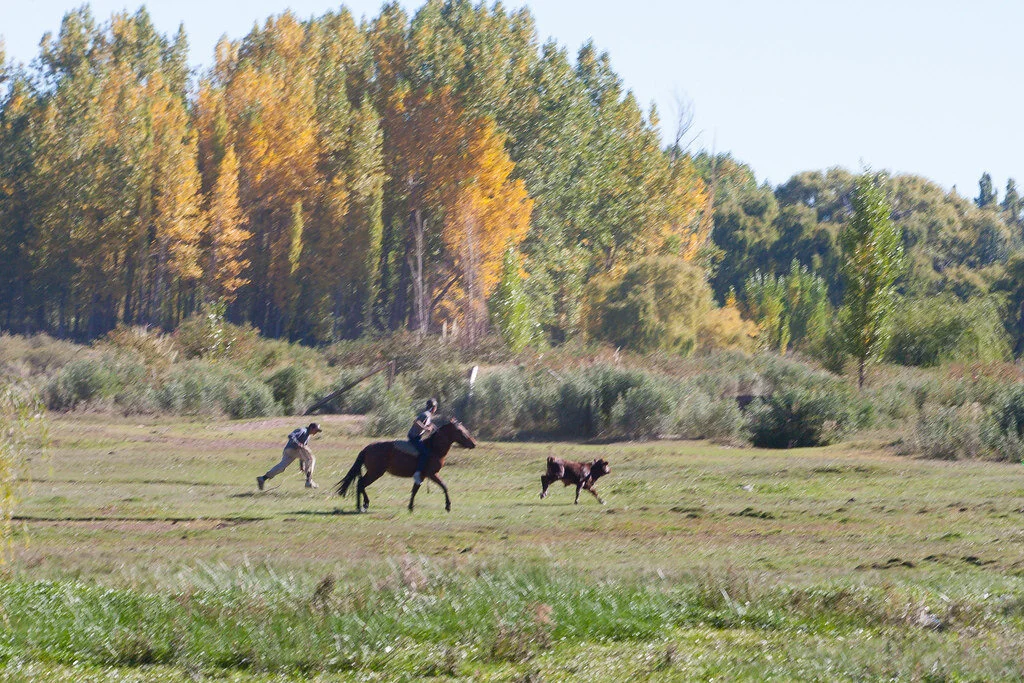
Gauchos practicing in the countryside. Nicoyogui. CC BY-NC 2.0
Gaucho Country
Another part of Uruguayan culture worth learning about is gaucho culture, which was formed around the romanticized idea of a horse riding hero of the land who cannot be tamed. One standout detail of gaucho culture is the drinking of yerba mate, a bitter tea one drinks from a modified gourd. While the traditional gaucho is no longer as prevalent, modern-day gauchos can be found working on estancias, cattle ranches that can span hundreds of acres. With meat, especially beef, a major component of the Uruguayan economy, these estancias are extremely important. Nowadays, some gauchos have joined the tourist industry in Uruguay and are open to hosting visitors or providing guided rides where they can educate others about their culture.
Phoebe Jacoby
is a Media Studies major and Studio Art minor at Vassar College who believes in the importance of sharing stories with others. Phoebe likes to spend her free time reading, drawing, and writing letters. She hopes to continue developing her skills as a writer and create work that will have a positive outward effect.
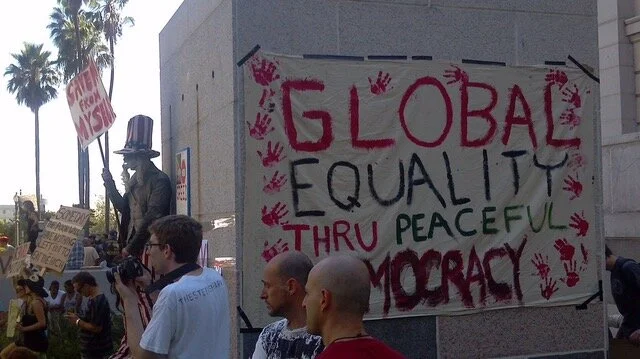
Protest in Los Angeles. Steve Devol. CC 2.0
How Defamed Statues Reflect Protests Around the World
On May 25, the world erupted in response to the death of George Floyd. That moment and the protests that followed led to actions such as public marches in the face of COVID-19 guidelines and the painting of murals in places as far off as Idlib, Syria. In the past week, however, the most prevalent form of the protests have been the tearing down of statues of figures affiliated with racism.
The Movement Revitalized
The entire world has reacted to the events that happened in Minneapolis, but Floyd’s death only served to highlight current battles against racism. In London, 29-year-old Alex, an organizer for Black Lives Matter U.K., stated that “we stand alone in terms of creating our own moment- not just responding to what’s happened in the U.S.” The United Kingdom was one of the first places to start tearing down statues, sparking a movement that resonated on a global scale.
In Bristol, England, a statue of Edward Colston, known for his involvement with the trans-Atlantic slave trade, was torn down and thrown into the harbor. In Brussels, Belgium, “demonstrators tore down a statue of King Leopold II, the Belgian ruler who killed millions of Congolese people, and hoisted the flag of the Democratic Republic of Congo below it.” In Richmond, Virginia, a statue of Confederate Gen. Robert E. Lee has been defaced and ruined. Even in New Zealand, a statue of British Capt. John Fane Charles Hamilton has been defaced and attempted to be torn down because of his killing of thousands of Maori people in the 19th century. Destroying statues is not necessarily a new thing, normally coming about in rebellion when people believe a certain message is being praised when it shouldn’t. “We have as humans been making monuments to glorify people and ideas since we started making art,” says art historian Jonah Engel Bromwich,” and since we started making statues, other people have started tearing them down.” The act of citizens tearing down statues all across the world serves to show the feelings of injustice that many have felt for a long time regarding issues such as racism.
The world has been battling racism for a long time and the events in Minneapolis only brought more attention to antiracist movements. Especially in light of recent events, the destruction and defamation of statues created to honor public leaders has been a common way to showcase discontent. These acts have worked to bring attention to the inequality and problems that exist today as citizens across the world work tirelessly to bring light to problems of racism found in every culture.
Elizabeth Misnick
is a Professional Writing and Rhetoric major at Baylor University. She grew up in a military family and lived in Europe for almost half her life, traveling and living in different countries. She hopes to continue writing professionally throughout her career and publish her writing in the future.
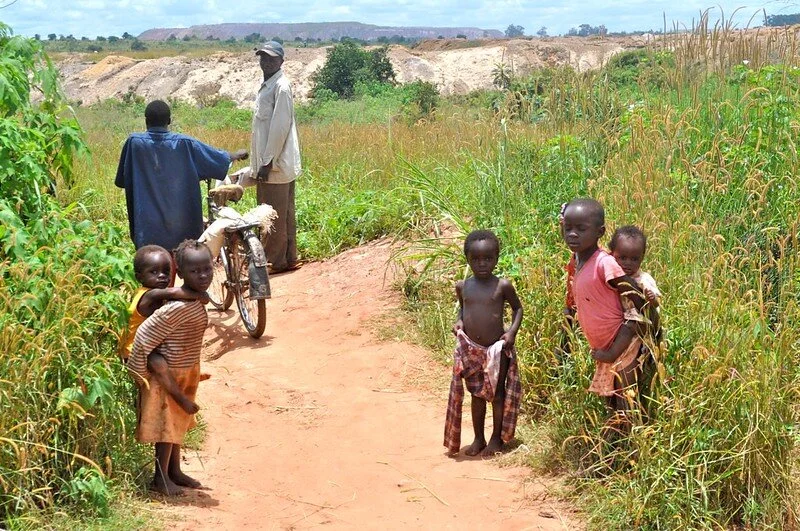
Congolese overlook the site of a copper mine in the country’s Haut-Katanga province. Fairphone. CC BY-NC 2.0
Coronavirus—the Newest Excuse for Miners’ Mistreatment in the Congo
In the far south of the Democratic Republic of Congo lies the Copperbelt, a region that leads Africa in copper production and accounts for 70% of the world’s cobalt supply. The area’s mines play a key role in supplying the world with electrical wires and the batteries found inside smartphones and electric cars.
The Congo’s Copperbelt is also a region of severe worker mistreatment. Miners, often children, receive around $1 a day as they toil in shafts prone to collapse for long hours. This occurs while cobalt’s market price hovers at nearly $30,000 per ton.
As COVID-19 ravages Africa, copper and cobalt mines in the Congo have adjusted by instituting harsh rules to curb the virus’s impact on their production levels. The mines’ provisions have, unsurprisingly, not been in workers’ favor. The adjustments, confirmed by workers and union representatives, include:
· Mandatory confinement at mine sites, 24 hours per day, or risk losing employment
· Extended shifts without receiving additional pay
· Inadequate food and water rations
· Overcrowded sleeping arrangements and unsanitary toilet and hand-washing facilities
· Limited or nonexistent communication about the confinement’s duration or future COVID-19 measures
The response to allegations of further worker mistreatment in the Congo has been immediate. Eleven human rights groups, including Amnesty International and Human Rights Watch, sent a letter to 13 mining corporations across the region setting standards for worker treatment.
“We believe that companies around the world will be remembered,” the letter states, “by how they treat their workers during these challenging times. At a minimum, companies should not require workers to be held in mandatory confinement under threat of unemployment, should provide adequate personal protective equipment and access to water and sanitation facilities for all workers, and employ social distancing measures at all times.”
Whether the suggested guidelines will be followed in the Copperbelt remains to be seen. Mining titans Glencore, Eurasian Resources Group, Chemaf, Huayou Cobalt and Ivanhoe Mines declined to immediately respond to requests for comment.
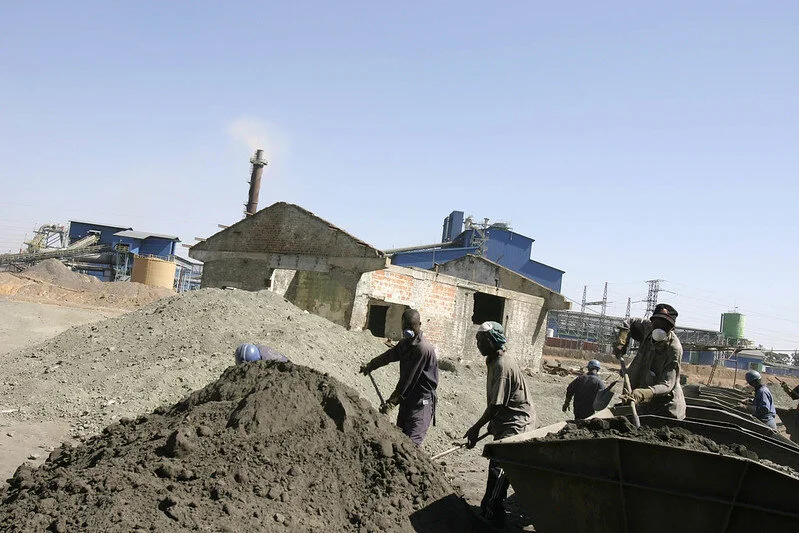
Workers shovel copper into railway cars at a processing plant in Lubumbashi, from where it will be sent abroad. International Labour Organization ILO. CC BY-NC-ND 2.0
Pressure has been mounting on copper and cobalt producers – and their recipients – for years. International Rights Advocates, a human rights lobbying group, filed suit against Apple, Google, Microsoft, Dell and Tesla in December 2019 accusing them of “knowingly benefiting from” the use of child labor at Congolese mines. While the companies restated their commitment to “only sourcing responsibly-produced materials,” very few tangible steps have been taken.
The problem, then, continues today. Though Apple revealed its full list of cobalt suppliers upon request, many major companies cannot verify that their supply chains are free of worker mistreatment. Faced with slim human rights pressure from buyers and a generally impoverished workforce, most cobalt and copper producers feel little incentive to change. Their COVID-19 response so far stands as only the most recent example.
Accountability remains the first step toward ending the mistreatment of Congolese miners. Supply chain traceability alone could prevent companies from buying minerals unearthed by unprotected workers facing mandatory confinement. A positive step came in late May when Huayou Cobalt, China’s top producer, agreed to temporarily stop sourcing cobalt from the informal sector “until relevant standards can be recognized and supported by the whole industry.”
While this step is welcome, much more can be done. COVID-19’s spread complicates mines’ production efforts, but by no means necessitates mandatory confinement, threats to employment, and steep cuts to health and wellness standards. Groups such as Amnesty International, Human Rights Watch, and Rights and Accountability in Government are working to fight against worker mistreatment, and this letter is just the first move.
Stephen Kenney
is a Journalism and Political Science double major at the University of North Carolina at Chapel Hill. He enjoys sharing his passion for geography with others by writing compelling stories from across the globe. In his free time, Stephen enjoys reading, long-distance running and rooting for the Tar Heels.
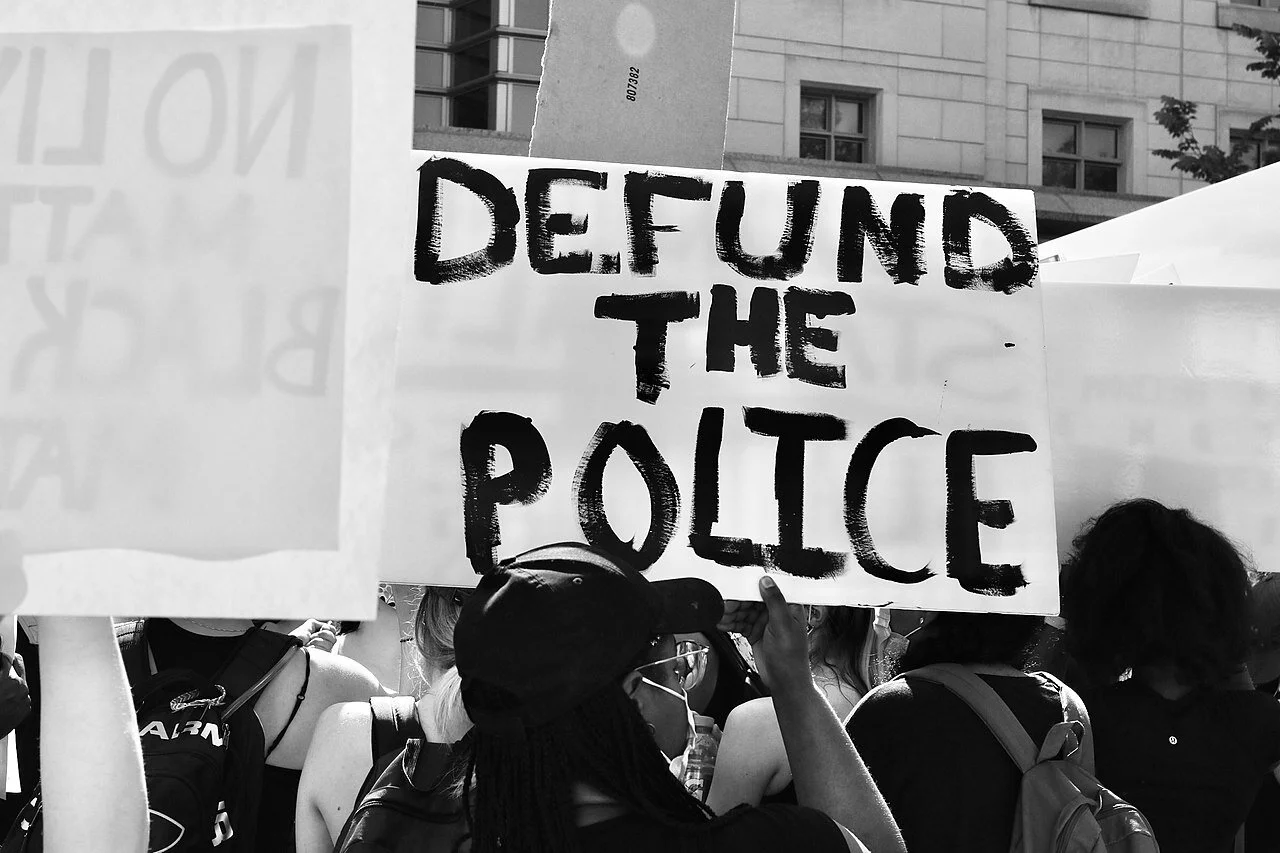
A protester holds a “Defund the Police” sign. Taymaz Valley. CC BY 2.0
Defunding the Police: What it Means and How it Works
Amid protests against racism and police brutality, Minneapolis has pledged to dismantle its police department and restructure its system of public safety. To further promote reform in the city of George Floyd’s murder, Minneapolis Mayor Jacob Frey announced, “We need a new compact with police, one that centers around compassion and accountability, one that recognizes that the way things have been done for decades and decades is not acceptable. We need change."
Cities across the United States have joined this movement to defund and downsize their police forces. Police departments currently oversee an array of services, including monitoring the homeless, resolving domestic disputes, receiving mental health calls, disciplining students, and addressing minor complaints like a counterfeit $20 bill, the accusation that led to George Floyd’s death. Many activists urge funds to be reallocated towards neglected social services, such as mental health, education and housing. By assisting underprivileged and overpoliced neighborhoods, these programs would alleviate the underlying causes of crime. Thus, defunding the police means a “divest and invest model: divesting money from local and state police budgets and reinvesting it into communities.”
According to the American Civil Liberties Union (ACLU), 14 million students attend schools with police officers but no counselors, nurses, psychologists or social workers. With few behavioral resources, teachers and principals turn to law enforcement to discipline children. This results in an increased criminalization of minors, especially marginalized students of color. Black students are three times as likely to be arrested as their white counterparts, and black students with disabilities account for 12% of school arrests. The ACLU also found that roughly 25% of school police had no prior experience working with youth. Police are trained to arrest and detain, not to oversee the social and emotional well-being of minors. Schools with health and youth professionals see improved attendance, lower rates of disciplinary incidents and higher rates of graduation.
Rather than funding police officers, Chicago Public Schools hires counselors from Alternatives, a multicultural youth development organization. Alternatives operates as a support system for more than 3,000 students in Chicago. Counselors promote “restorative justice,” teaching students leadership, responsibility, community-building and respect. Last year, in schools with Alternatives, reports of misconduct dropped by 31% and out-of-school suspensions dropped by 50%, showing that police may not be necessary in schools.

A protester in Minneapolis holds a sign that explains defunding police. Featous. CC BY 2.0
Criminalization of drugs also drives violent encounters between police and citizens, like the tragic shooting of Breonna Taylor. Since the “War on Drugs” began in the 1970s, police have targeted black neighborhoods, implementing stop-and-frisk protocols to subject thousands of “suspicious” minorities to searches. Higher arrest and incarceration rates in these communities reflect oversurveillance, not increased drug use. In the 2015 National Survey on Drug Use and Health, about 17 million white people and 4 million black people reported using an illicit drug within the last month. However, black Americans are six times more likely to be incarcerated for drugs than whites. Prosecutors are also twice as likely to issue a mandatory minimum sentence for black people than for white people charged with the same offense. Those selling small amounts of drugs to support their addiction may face decades of jail time. Since prisons rarely offer addiction treatment, released convicts often endure a cycle of drug abuse and arrests.
Oregon is at the forefront of decriminalizing drugs. In November, voters will review Initiative Petition 44, a measure to reduce possession of illegal drugs to a $100 citation. This citation could be waived if the person agrees to a health assessment at a drug recovery center. Drug trafficking and possession of large quantities of drugs would still result in criminal penalties. The initiative also includes $57 million a year for funding drug treatment programs. “We are trying to move policy towards treatment rather than prison beds,” former state senator Jackie Winters told the Washington Post in 2017 ahead of a similar bill. “We can't continue on the path of building more prisons when often the underlying root cause of the crime is substance use.”
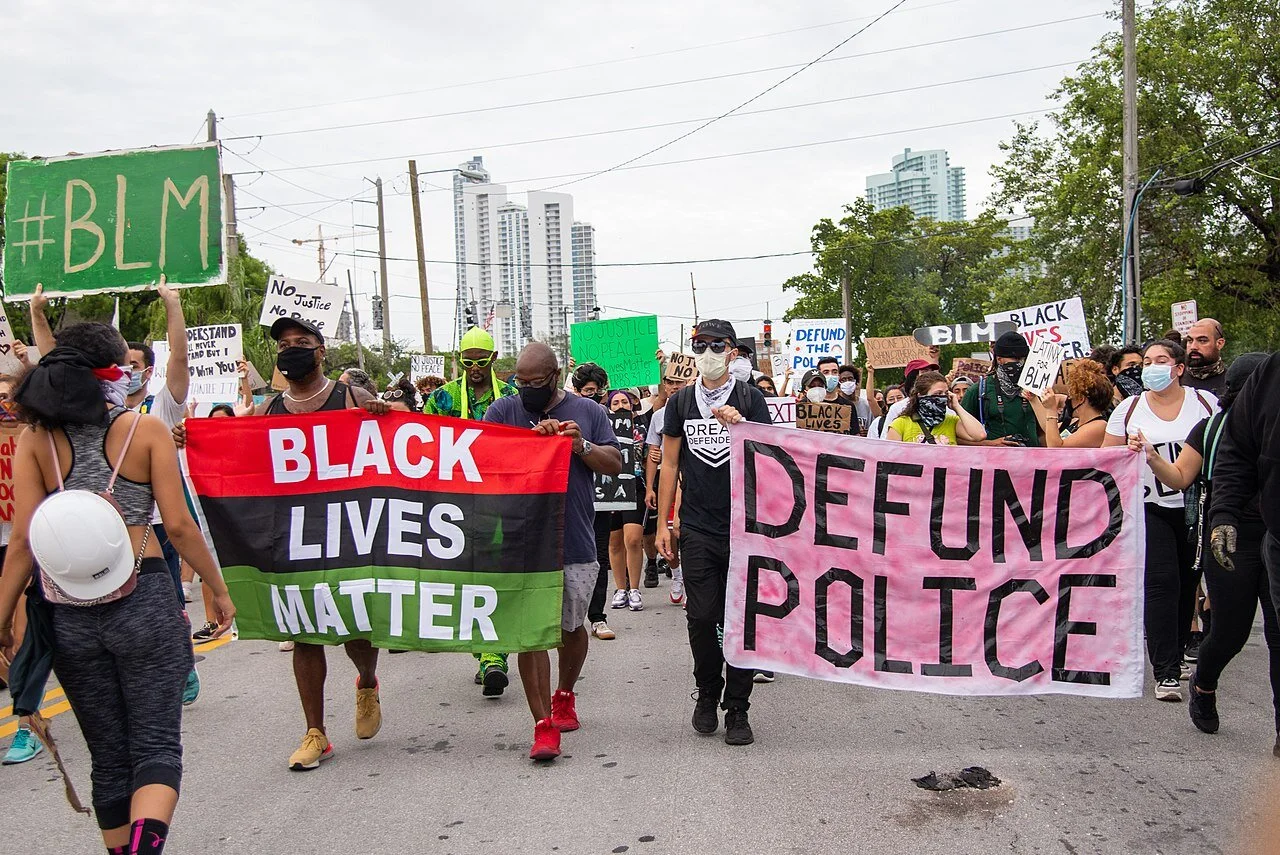
George Floyd protest in Miami. Mike Shaheen. CC BY 2.0
Every year, two million Americans with mental illnesses will be jailed. People living with mental illnesses are also 16 times more likely to die as a result of a police encounter compared to the general public. In 2017, one in four killed by police suffered from mental illness. These statistics prove that people experiencing a mental health crisis are more likely to encounter police than medical professionals. Although officers may receive crisis intervention training, police continually shoot and kill schizophrenic and mentally disabled people.
To prevent these senseless killings, cities have diverted funding to mental health programs. Austin, Texas, recently revamped its public safety department by adding millions of dollars to its mental health budget. Now, 911 operators inquire whether the caller needs police, fire or mental health services. The Crisis Intervention Team (CIT) refers to a group of law enforcement officers specifically trained in mental health crises. CIT diverts patients from the criminal justice system, instead connecting them with mental health services. Eugene, Oregon, also launched a service called CAHOOTS (Crisis Assistance Helping Out on the Streets) which deploys a medic and a mental health crisis worker to emergency calls. CAHOOTS avoids the need for law enforcement by providing immediate stabilization to urgent medical and psychological needs.
While defunding the police may seem inconceivable, programs and initiatives across the country are already similarly preventing crime. By reducing the reliance on police, community-driven solutions can de-escalate situations that result in arrests and police violence. Globally, the U.S. has the highest rate of police brutality and the largest prison population, with black people constituting 34% of the total 6.8 million inmates. One in 13 black Americans are now denied the right to vote due to laws that disenfranchise people with felony convictions. To afford such mass incarceration, the U.S. spends an estimated $100 billion on their police forces annually and $80 billion on incarceration. Yet, social services remain underfunded. It’s evident that people of color experience discrimination at every stage of the criminal justice system. With police brutality and incarceration on the rise, activists urge the United States government to finally reimagine policing in America.
Shannon Moran
Shannon is a Journalism major at the University of Georgia, minoring in English and Spanish. As a fluent Spanish speaker, she is passionate about languages, cultural immersion, and human rights activism. She has visited seven countries and thirty states and hopes to continue traveling the world in pursuit of compelling stories.
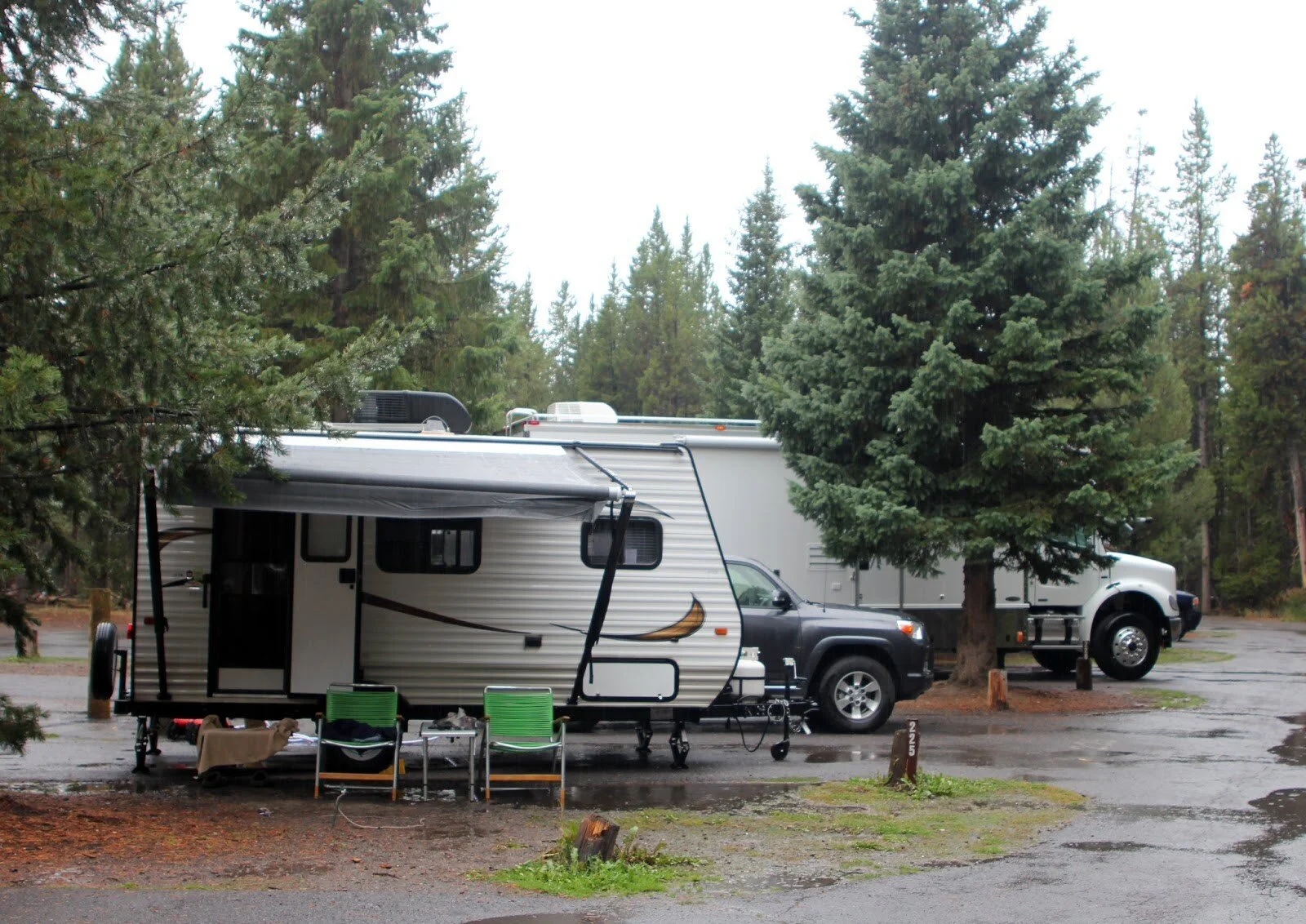
RVs at Fishing Bridge RV Park in Yellowstone. Yellowstone National Park. CC0.
RV There Yet? 8 Great RV Adventures for a Socially Distanced Summer
As COVID-19 changes the way we can travel or feel comfortable traveling, people are considering renting RVs to take on road trips as an alternative summer adventure. State parks and campgrounds are beginning to reopen across the U.S., but have restrictions in place in order to balance public safety with the enjoyment of being outdoors. Some major national parks like Death Valley do not yet have plans to reopen for the summer. For the parks that do open, it is inevitable that the limited spaces will fill up quickly, so you might want to plan to visit less popular scenic destinations. And with many visitor centers and hotels remaining closed, renting an RV might be the best way to have a safe, fun summer. Be sure to check local regulations often as closures and travel restrictions change quickly.
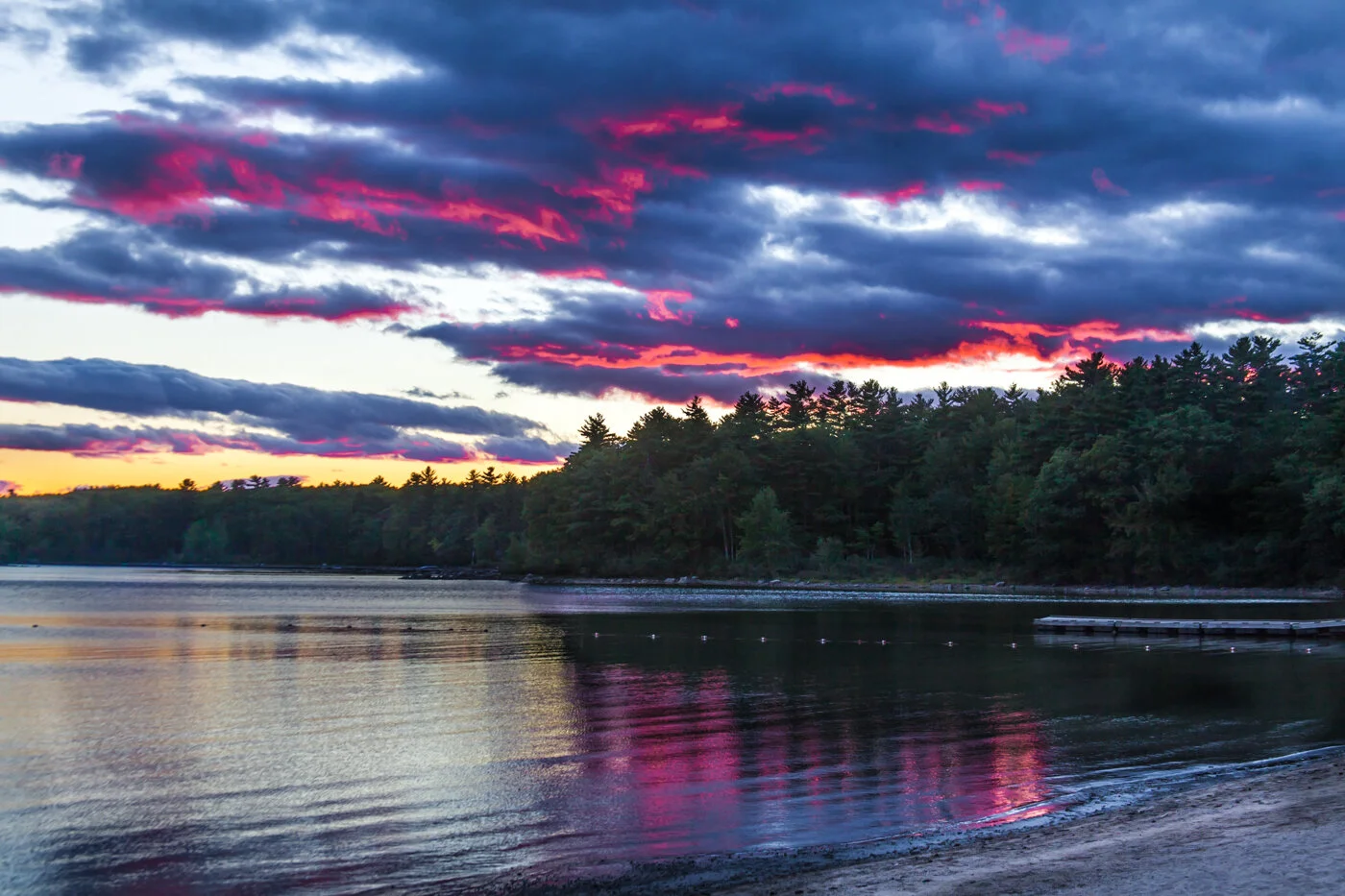
A beautiful sunset over Sebago Lake in Maine. Paul VanDerWerf. CC BY 2.0.
New England – Sebago Lake, Maine
Nestled in southern Maine is the deepest and second largest lake in the state—Sebago Lake. Visitors can fish for Atlantic salmon, lake trout and large and smallmouth bass, among others. Locals advise anglers to use live or realistic bait when fishing because of Sebago Lake’s crystal-clear water. Visitors interested in swimming can head to any of the many sandy beaches on the shores of the lake, but should keep in mind that some of the beaches do not have lifeguard supervision. If you are more interested in hiking and biking, the nearby White Mountains provide the perfect opportunity to explore marked trails. While Sebago Lake also offers activities such as an amusement park and golf courses, they may likely be closed for summer 2020. RVs can be parked at any campground on the lake’s shores.
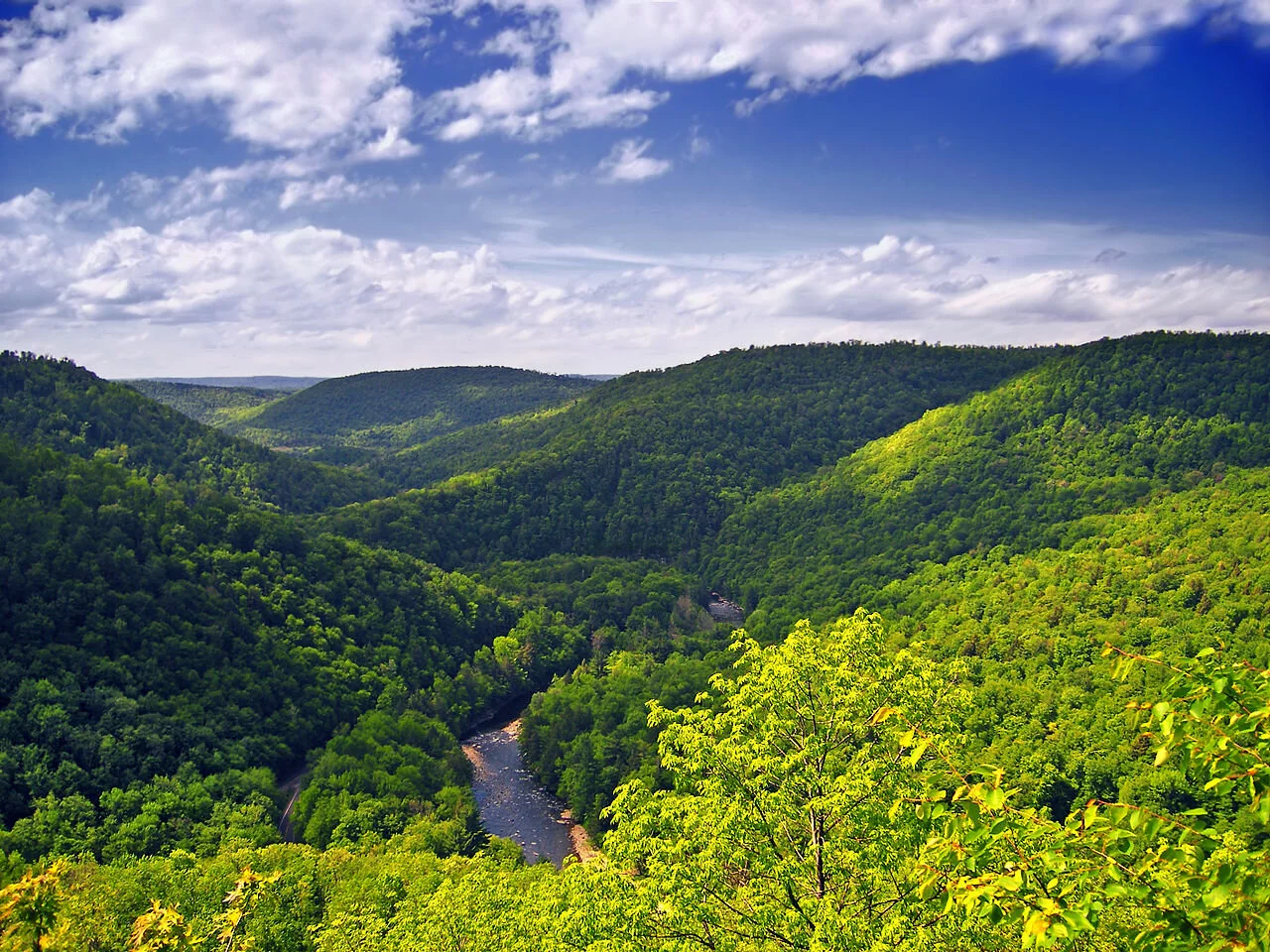
A beautiful view of the Loyalsock Valley in Worlds End State Park. Nicholas Tonelli. CC BY 2.0.
Mid-Atlantic – Worlds End State Park, Pennsylvania
One of the best places for a socially distanced outdoor adventure is Worlds End State Park in Sullivan County, Pennsylvania. The popular 59.2-mile backpacking trail—the Loyalsock Trail—plays host to a multitude of waterfalls and impressive views. For those who are not interested in hiking but still want to see what the region has to offer, Dry Run Falls is easily accessible in the neighboring Loyalsock State Forest and is located close to a parking area. Splashing in Loyalsock Creek’s ice-cold water is sure to be refreshing as the summer sun turns up the heat. Keep in mind that swimming is prohibited in any other water source at the park, and lifeguards are not on duty. Worlds End offers 70 camping sites, half with electric hookups.
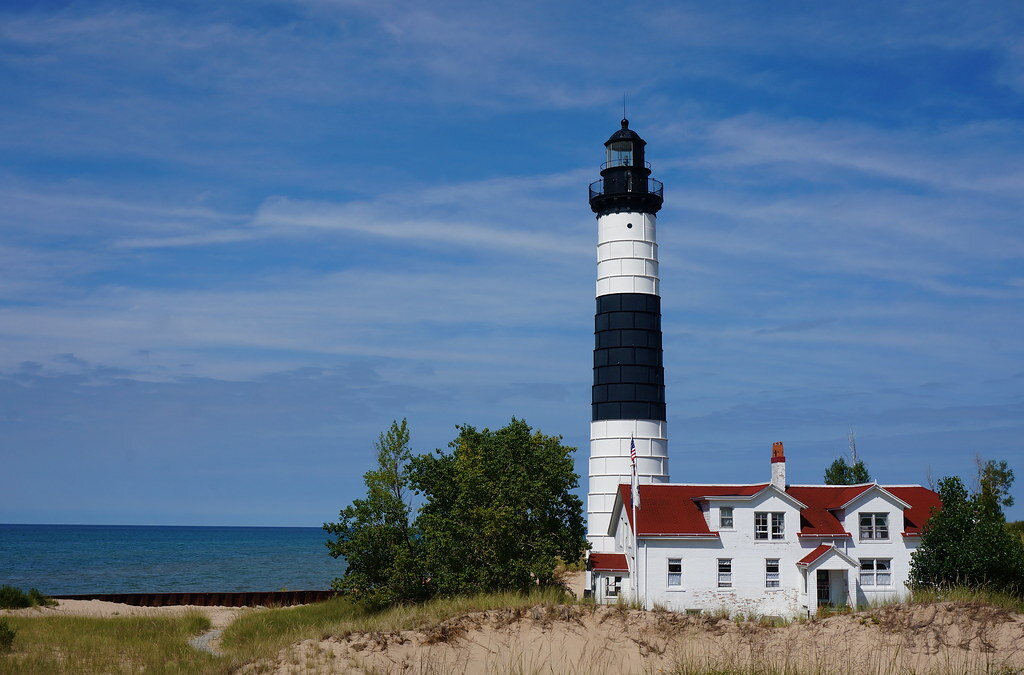
Big Sable Point Lighthouse in Ludington State Park. Rachel Kramer. CC BY 2.0.
Midwest – Ludington State Park, Michigan
If you are most interested in fishing, Ludington State Park offers an abundance of bass, northern pike, bluegill, perch and walleye. A favorite hiking destination is the 112-foot Big Sable Point Lighthouse on the shores of Lake Michigan. Visitors can choose from any of the eight marked hiking trails or can head to the picturesque canoe pathway that is sure to attract avid canoers and kayakers, along with novices. The park offers plenty of RV parks and campgrounds, some with free Wi-Fi, showers and restrooms. Visitors should keep in mind that the Michigan State Park Recreation Passport, which costs Michigan residents $12 and nonresidents $34 per vehicle, is required to enter Ludington State Park.
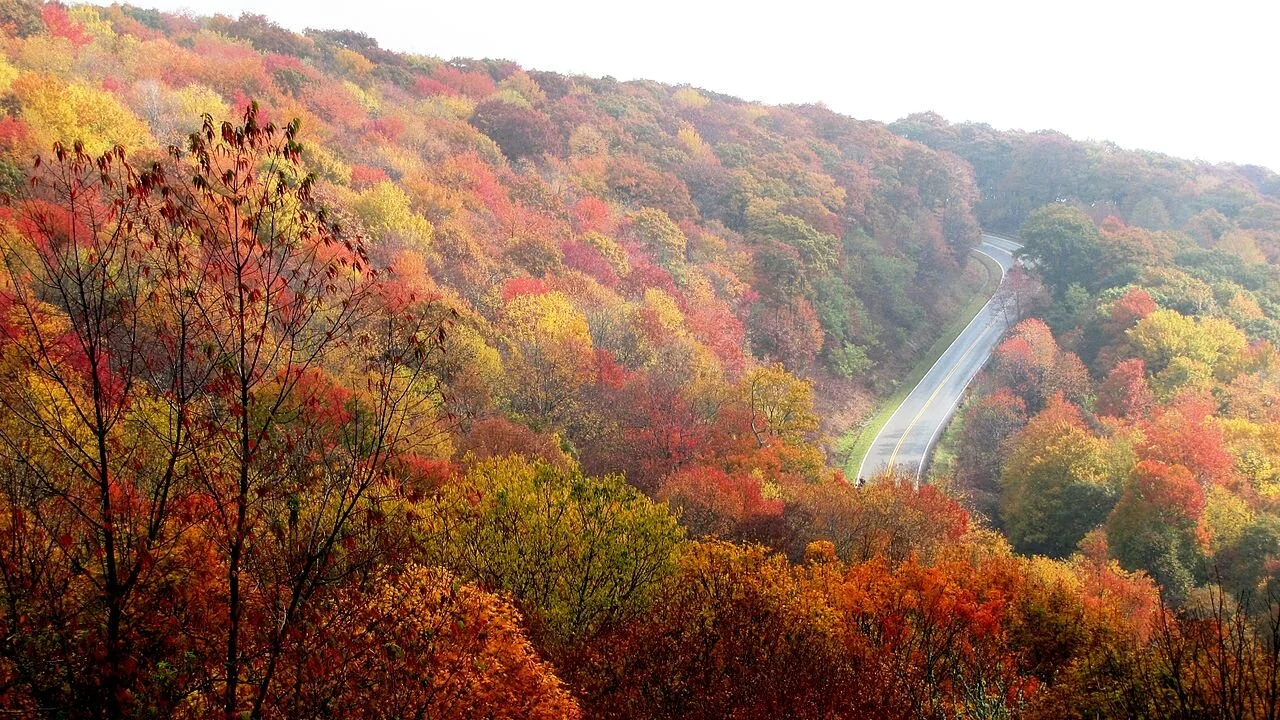
View of the Cherohala Skyway with the fall canopy of the adjacent northern hardwood stands, in Graham County, North Carolina. Brian Stansberry. CC BY 3.0.
South Atlantic – Cherohala Skyway, North Carolina to Tennessee
The 43-mile Cherohala Skyway is the perfect ride for those looking for vistas of forested mountainside, hiking trails, waterfalls and unobstructed scenic overlooks. The National Scenic Byway climbs up mountains for 18 miles in North Carolina and winds down the Appalachian mountainsides for another 23 miles into the deep forests of Tennessee. The Cherohala Skyway, named after the Cherokee and Nantahala National Forests that it crosses through, is free from crowds—making it a perfect destination for this summer. Along the scenic highway is Indian Boundary Lake, the Tellico River and Bald River Falls, and of course, many beautiful spots for long or short hikes. There are plenty of campgrounds along the scenic route, some more popular than others, so choose according to your comfort levels and COVID-19 regulations.
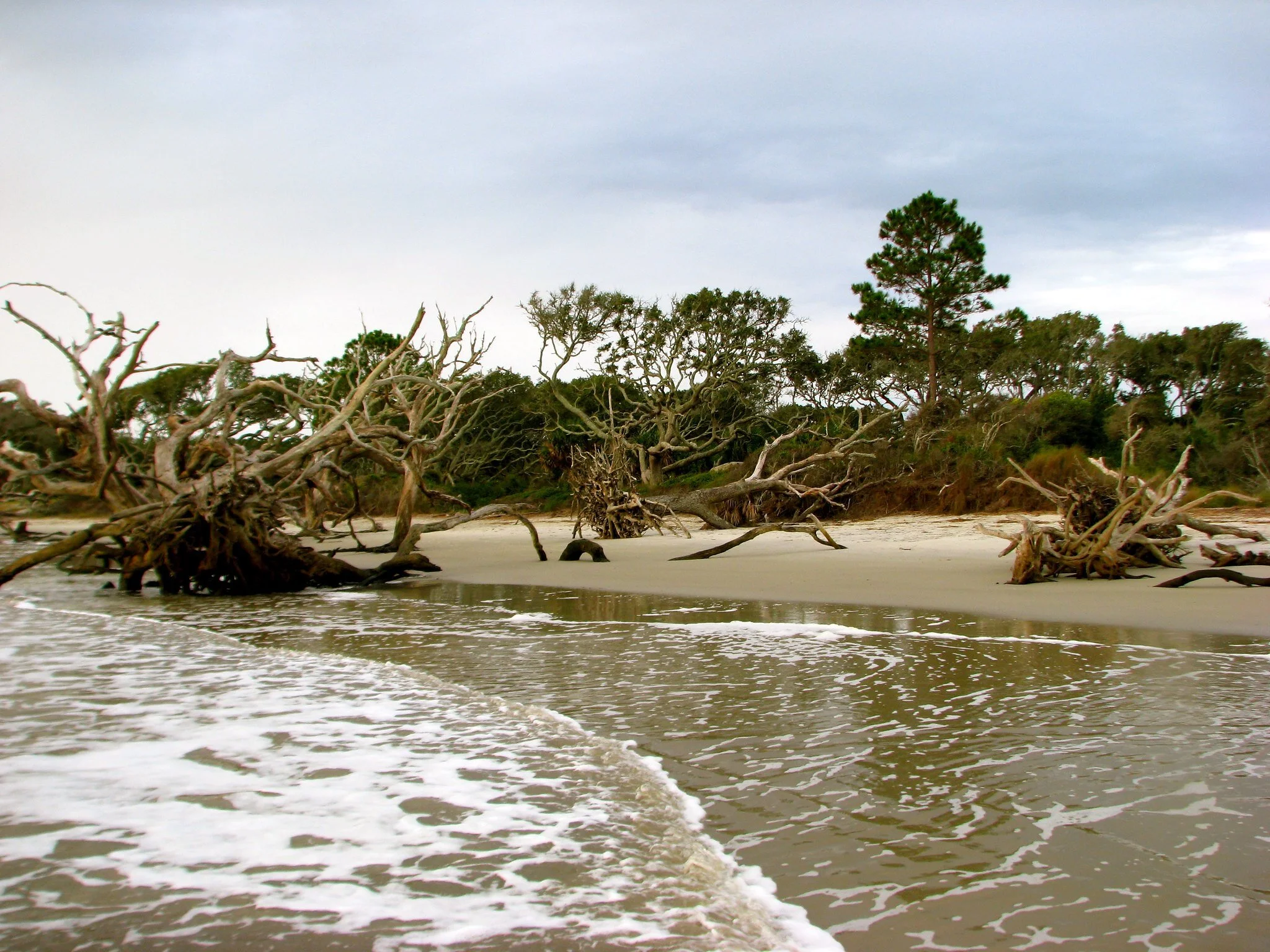
Southeast – Jekyll Island, Georgia
For a truly unique RV destination, Jekyll Island is a great choice. Bird-watching, biking, swimming and kayaking are only some of the activities you can choose from. One of the most interesting sites to see on Jekyll Island is Driftwood Beach, which transports visitors to a surreal world. The bleached and preserved oak trees appear as though they are growing out of the sand, like a spooky, living boneyard. The Georgia Sea Turtle Center is beginning to reopen and is currently limiting admissions to 50 people at a time. Some activities at the rehabilitation center have been canceled for the time being, but keep it in mind for any future trips to Jekyll Island. The Jekyll Island Campground is available for parking an RV this summer, but reservations should be made to ensure your spot is secured.
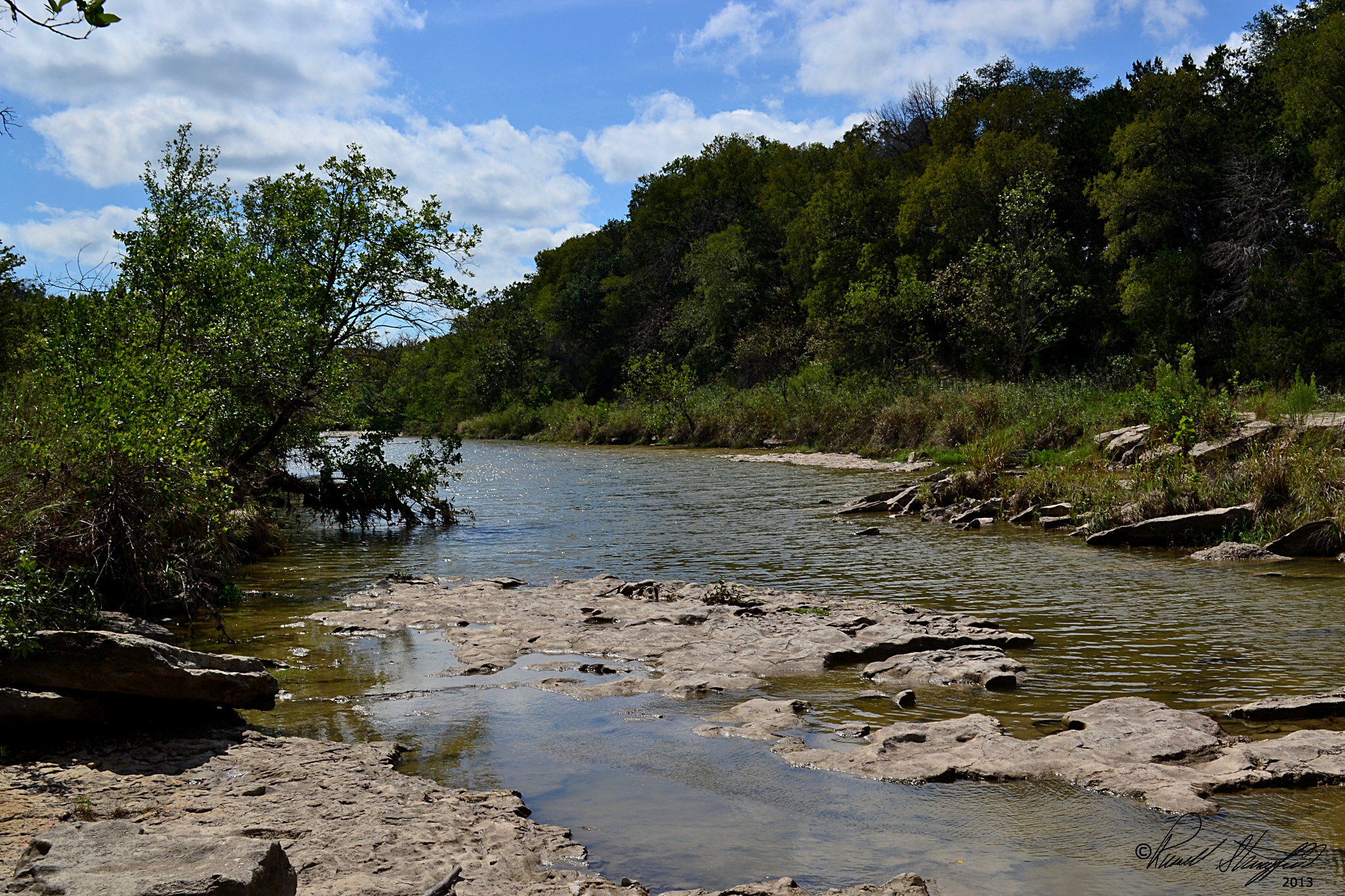
Paluxy River in Dinosaur Valley State Park. Russ. CC BY-SA 2.0.
Southwest – Dinosaur Valley State Park, Texas
Dinosaur Valley State Park earned its name from the fossilized dinosaur tracks left in the mud along the edges of the Paluxy River in Glen Rose, Texas. The park has over 20 miles of trails to explore and hike. Visitors can book a horseback riding lesson from the Eagle Eye Ranch Carriage Company or go geocaching if they are not interested in visiting the Paluxy River to swim, kayak or fish. Park your RV in any of the 41 fully-electric campsites. Advance reservations are required.
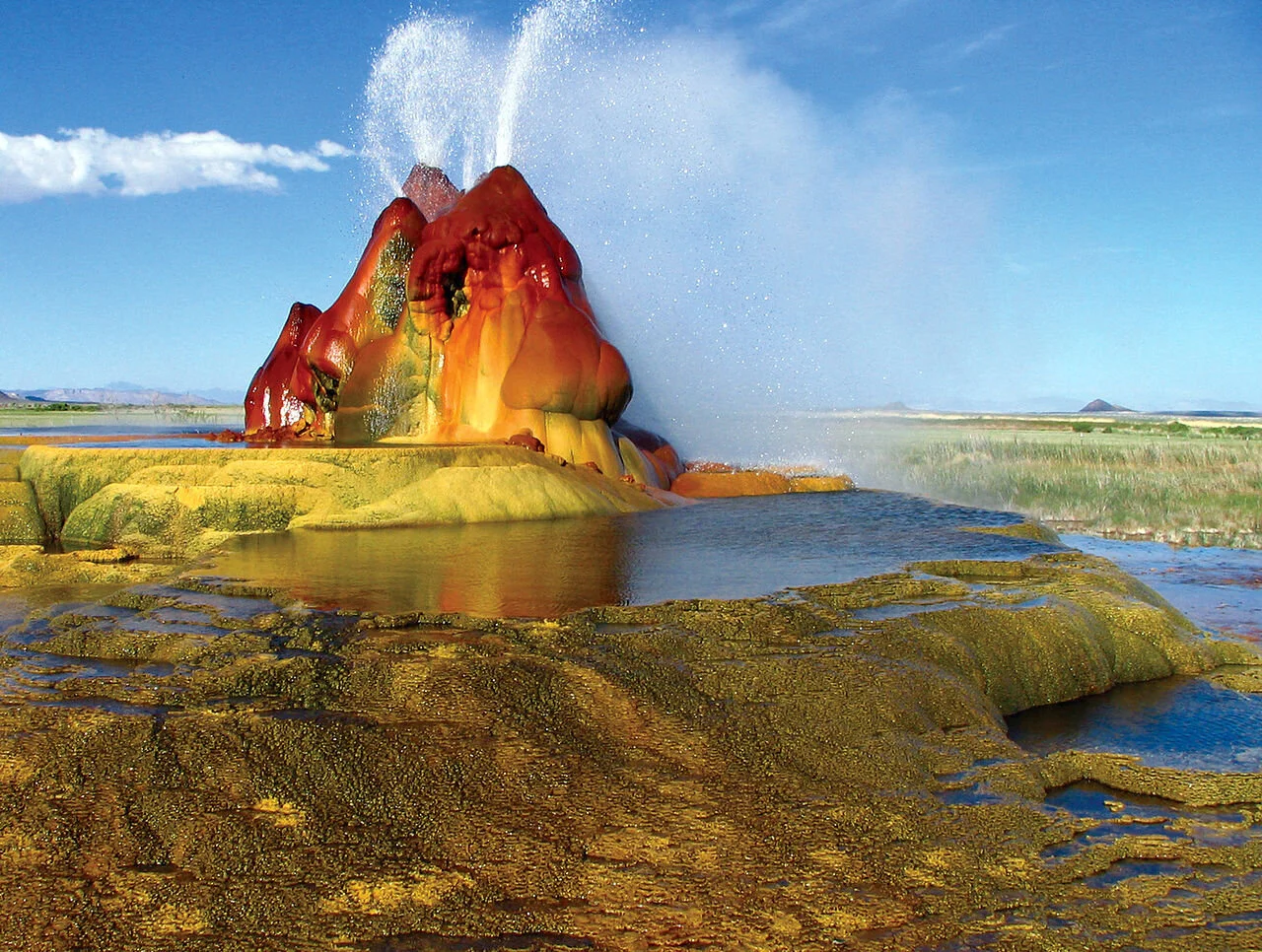
The Fly Geyser in the Black Rock Desert Wilderness. Jeremy C. Munns. CC0.
Mountain West – Black Rock Desert Wilderness, Nevada
The enchanting Black Rock Desert Wilderness is made up of lava beds and various playas, including the dry lakebed of the prehistoric Lake Lahontan. It is home to the annual Burning Man festival, which will take place virtually this year. Visitors can hike any of the 180 miles of nearly-unexplored trails that wind through the area. One of the most exciting sites is the rainbow-colored Fly Geyser. The geyser is the man-made result of a 1964 drilling accident by a geothermal power company that was drilling a test well. Over the years, calcium carbonate deposits have formed over three large mounds that have grown to almost 6 feet tall. Artificial or not, the Fly Geyser is truly a captivating, colorful sight. RV campgrounds do not have any amenities, so keep that in mind when deciding whether to stay at the Black Rock Desert or a private campground in bordering towns.
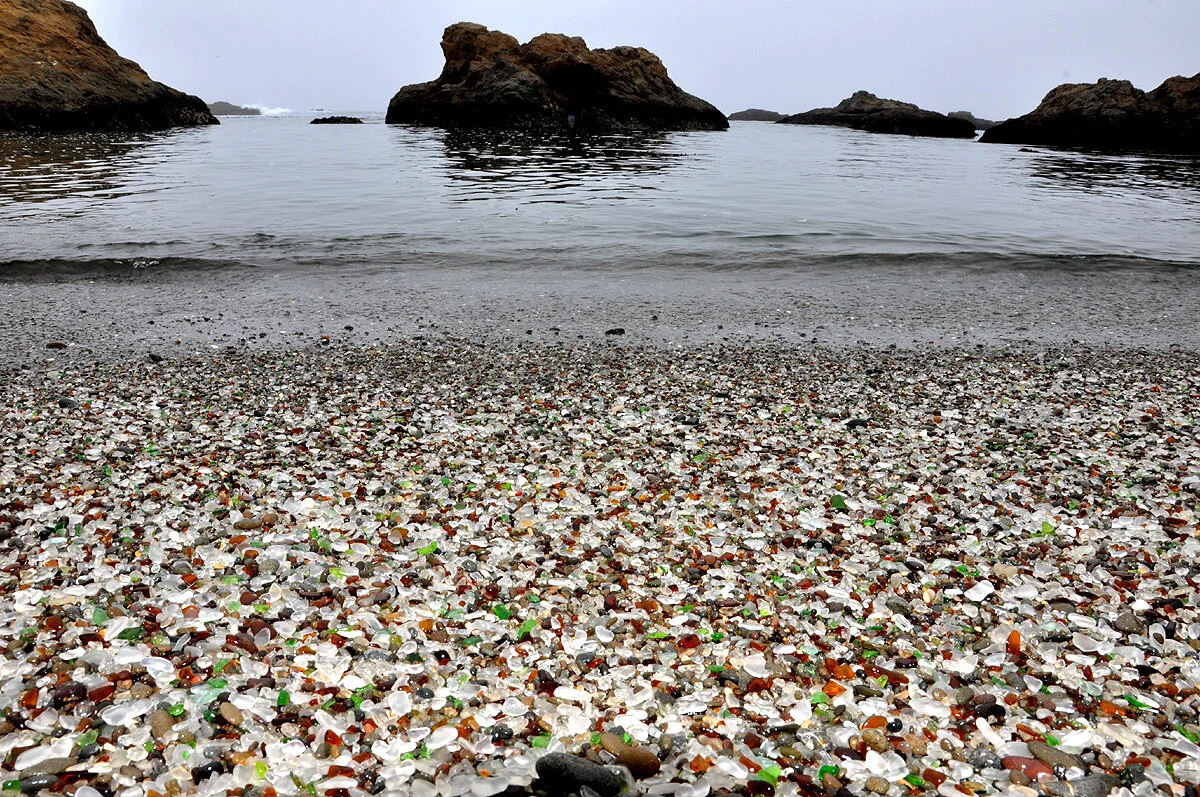
Colorful beach glass on Glass Beach in Fort Bragg. Gustavo Gerdel. CC BY-SA 4.0.
Pacific West – Fort Bragg, California
For a beachier RV destination, the coastal city of Fort Bragg in Northern California is a great choice for its charming views. Glass Beach at the southern end of MacKerricher State Park offers an interesting alternative to plain sand beaches with its countless beads of naturally polished sea glass. Don’t miss out on Van Damme State Park’s miniature Mendocino cypress forest and be sure to visit the Mendocino Coast Botanical Gardens, most known for their rhododendrons that thrive in the humid, coastal climate. The Mendocino Coast Botanical Gardens are not yet open to the general public, but are gradually lifting COVID-19 restrictions so it’s worth it to keep checking when they’ll be open to all visitors. Some RV parks and campgrounds in and around Fort Bragg (in particular the campgrounds in the California State Park System) are temporarily closed, while others are slowly reopening for business. Be sure to call and reserve a spot before you go.
Asiya Haouchine
is an Algerian-American writer who graduated from the University of Connecticut in May 2016, earning a BA in journalism and English. She was an editorial intern and contributing writer for Warscapes magazine and the online/blog editor for Long River Review. She is currently studying for her Master’s in Library and Information Science. @AsiyaHaou
Belgium Acknowledges Racist Past with Removal of King Leopold II Statue
The Black Lives Matter movement in the United States has encouraged many to speak up against the racism that continues to plague the world. Along with addressing present injustices, people are starting to take a look at the past.
Read MoreTunisia
“A montage from Tunisia made after a week-long photography trip.” -James Shannon
New Zealand: Aotearoa
“Rich greenery, rough landscapes and unreal scenery. Footage shot over a time period of eight months features New Zealand in a way never seen before. German electronic music artist “The Road up North” exclusively created surreal soundscapes to accentuate the unique mood of this journey through territory and changing seasons.” -Birk Poßecker
Overpopulated Indonesia Fears Baby Boom Due to Coronavirus
After months of telling its citizens to stay at home, Indonesia is now facing fears of a potential baby boom.
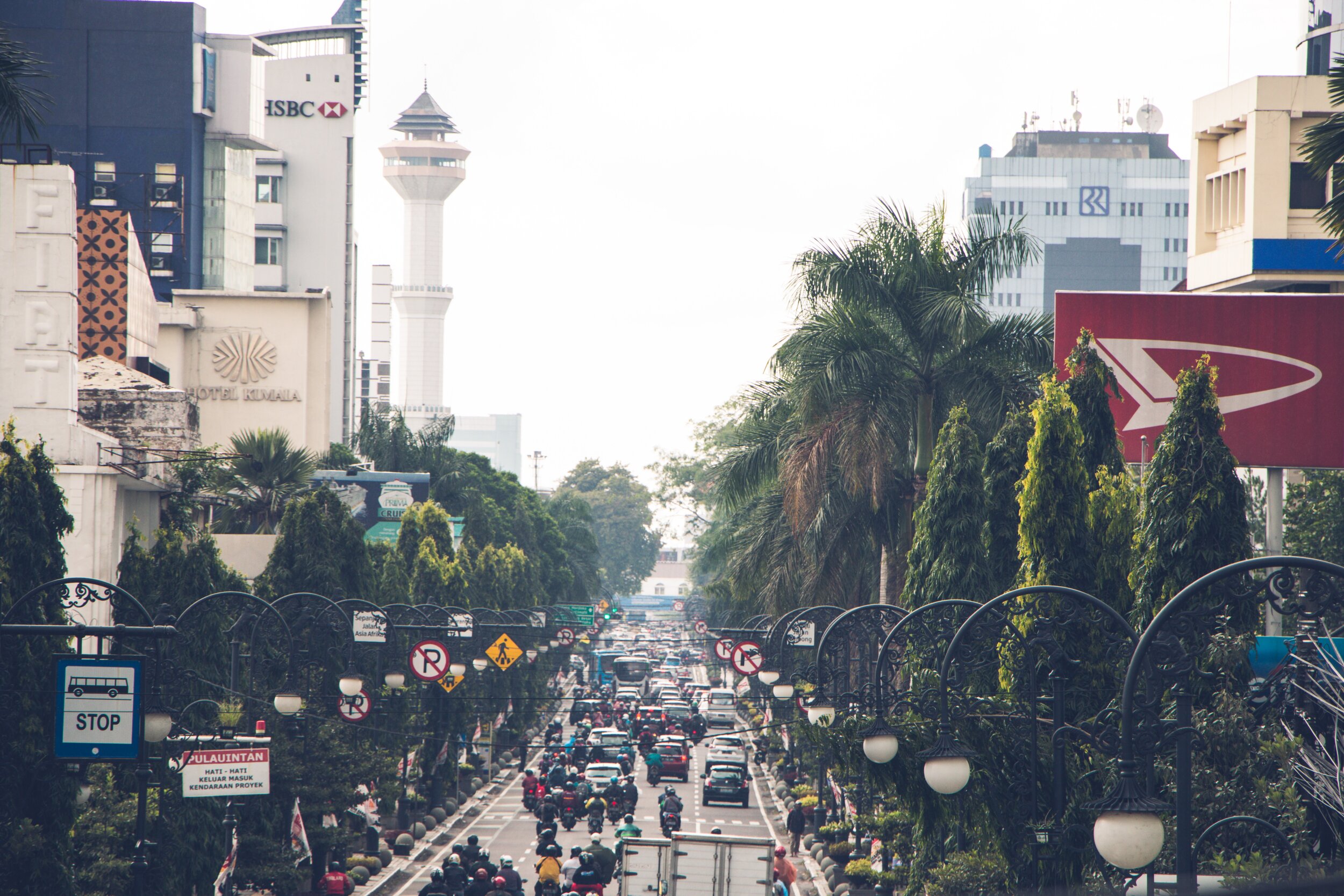
Traffic in Bandung, Indonesia. Ikhsan Assidiqie. Licensed by Unsplash.
With the country under quarantine from COVID-19, many people have stopped going to clinics to get contraceptives out of fear of catching the virus. This projected increase in pregnancies comes after extensive efforts by the country to encourage smaller families, an action taken in order to fight against the concern of child malnutrition. This problem is so severe that government vehicles drove around the cities and pleaded with the public through loudspeakers: “You can have sex. You can get married. But don’t get pregnant. Dads, please control yourself. You can get married. You can have sex as long as you use contraception.”
The National Population and Family Planning Board (BKKBN) is Indonesia’s government-backed family planning program tasked with helping married couples manage the creation of their families. BKKBN is widely successful and employs 24,000 counselors to help execute their mission, much of which includes distributing free contraceptives to the public.
The agency recently determined that there had been a significant decrease in the use of contraception between March and April of 2020 and that about 10 million couples in the country no longer had access to a form of birth control. An increase in pregnancy rates is deeply concerning for the Indonesian government because the country is struggling to manage the current population size given its available space and resources. In order to try and alleviate some of these effects, the government has openly discouraged people from having large families for years and freely provided various forms of birth control. About half of those who use contraceptives receive monthly or trimonthly hormone injections, 20% use birth control pills and many use IUDs. Condoms remain unpopular, though, across the country. It is worth noting that abortion in Indonesia is only permitted if it is “to save the woman’s life.” There are many possible contributors to the drop in contraceptive use during this quarantine period, such as a fear of leaving the house to acquire contraceptives (especially from hospitals), closed contraception clinics and other closed health care providers.
One significant consequence of Indonesia’s population struggles is child malnutrition, a problem that Indonesian President Joko Widodo promised to alleviate within 4 to 5 years. More severe cases of child malnutrition (especially when paired with poor hygiene) can result in child stunting, a condition where the child is more than two standard deviations below the median of child growth standards as determined by the World Health Organization. If children are experiencing stunting then they are more susceptible to pneumonia, diarrhea and a weakened immune system. Given that COVID-19 is known to be more fatal for those with compromised immune systems, this is an especially pertinent concern. Long-term effects include an increased chance of experiencing chronic diseases such as hypertension and a lowered IQ. According to the organization 1,000 Days Fund, a group dedicated to the elimination of stunting, children with stunting can miss about a year of school because of the sickness. While Widodo has found some success in lowering the number of child stunting cases in the past few years, this period of quarantining may prove to be a major setback.
BKKBN announced that Indonesia should expect about 420,000 more babies than the average 4.8 million in the upcoming year. One demography expert at the Indonesian Institute of Sciences, Dr. Augustina Situmorang, believes pregnancy spikes are most likely to occur in low-income families who relied on the previously-accessible birth control provided by BKKBN in addition to young women who lost their jobs, had to return to their hometowns, and then had to get married due to social pressures.
Indonesia’s health care system is already working overtime and has suffered considerably from COVID-19, registering more than 33,000 cases and over 1,900 deaths. Nevertheless, the government is attempting some preventive measures to combat more potential pregnancies. This includes allowing access to multiple months of birth control pills at a time, making door-to-door deliveries of contraceptives along with emergency supplies, and hoping to distribute contraceptives to 1 million people on June 29, dubbed “National Family Day.” Going forward, the Indonesian government will have to move efficiently if it wants to limit the burden felt by the Indonesian health care system with future generations.
Phoebe Jacoby
is a Media Studies major and Studio Art minor at Vassar College who believes in the importance of sharing stories with others. Phoebe likes to spend her free time reading, drawing, and writing letters. She hopes to continue developing her skills as a writer and create work that will have a positive outward effect.
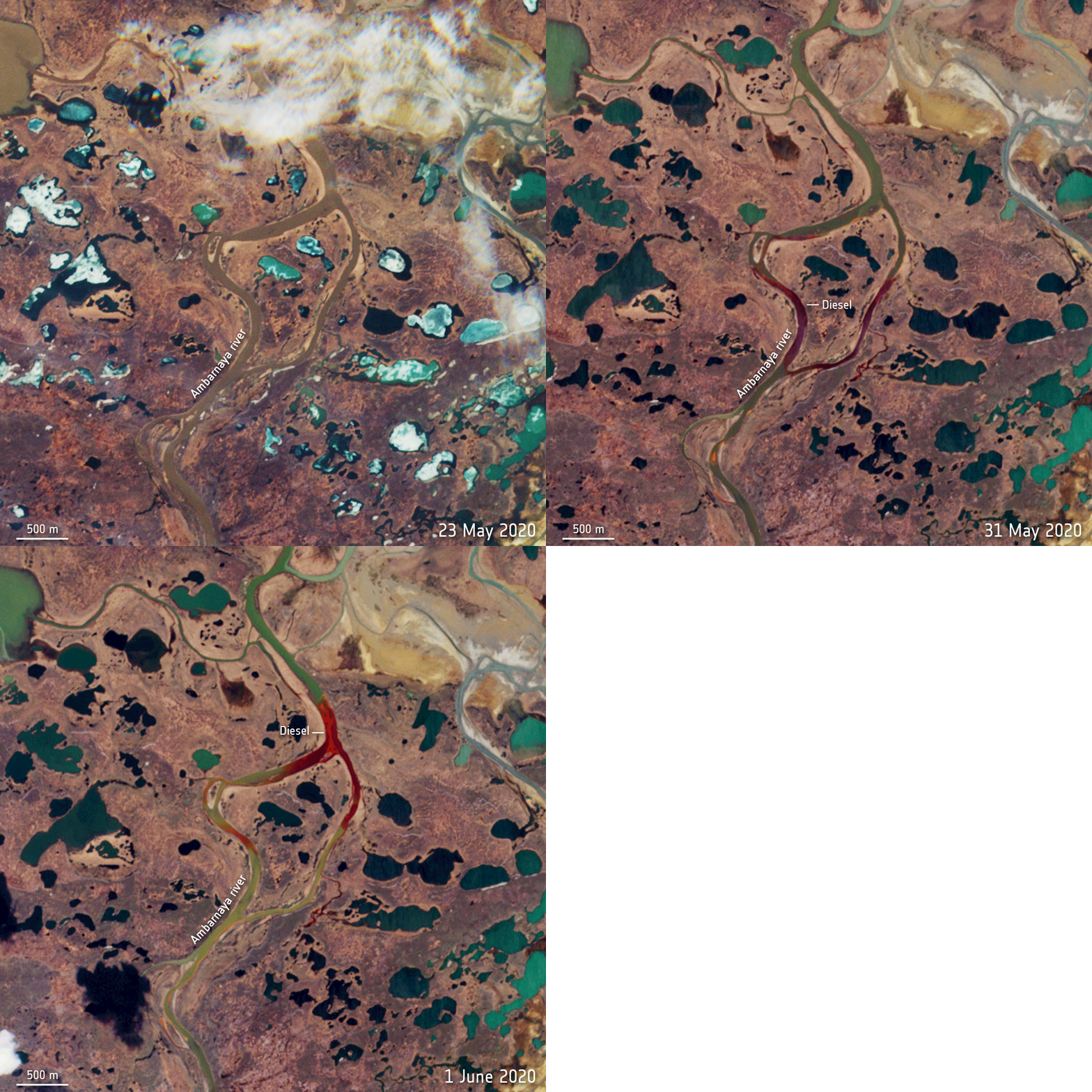
Arctic oil spill over time as seen by the European Space Agency’s Copernicus Sentinel-2 satellite. CC BY-SA 3.0 IGO.
Russia’s Oil Disaster in the Arctic Circle
On June 4th, 20,000 tons of diesel fuel spilled into the Russian Arctic after a fuel reservoir collapsed at a power plant near the city of Norilsk. It is considered Russia’s second largest oil spill in modern history. The site of the spill is the Ambarnaya River. The site of the spill, the Ambarnaya River, has turned into a deep red pool of deadly oil. Since then, Russian President Vladimir Putin has instituted a state of emergency for the region around Norilsk, and investigations into the power plant are beginning.
In terms of economics, it is vital that Russia acts with speed in order to clean up the oil, as they are the world’s third largest oil producer. Environmentally, though, the disaster is even worse. This oil spill has the potential to wipe out entire species in the region, literally poisoning and suffocating the plants and animals that rely on the Ambarnaya.
How it happened
There was a slight delay between the actual spill and reporting of the incident to the public, so the investigation process is playing catch-up. As investigations are ongoing, it is not entirely clear how such a massive disaster could have happened. The power plant claims that the fuel reservoir possibly collapsed due to thawing of permafrost below it. This could be a result of the larger issue of global warming and over-construction on unstable permafrost.
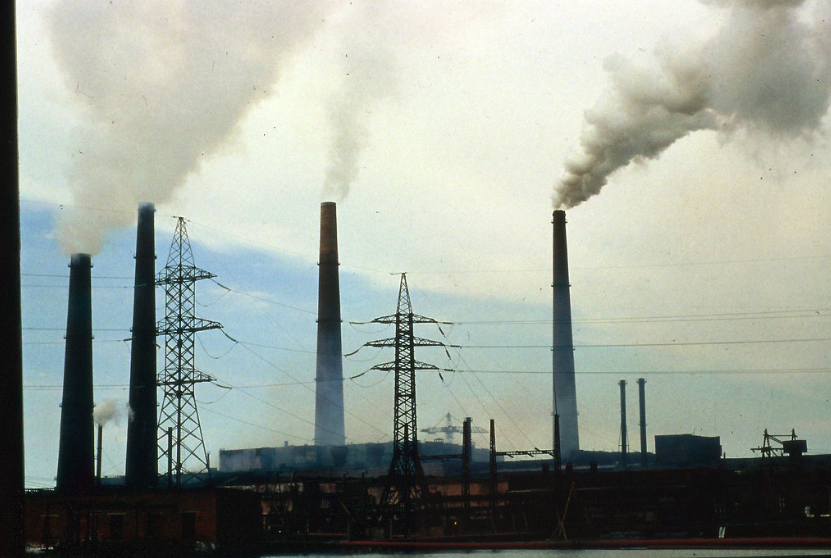
Norilsk, Siberia, Russia. GRIDArendal. CC BY-NC-SA 2.0
Norilsk Nickel, the company that owns the power plant under investigation, is a huge economic force in Russia as they lead the world in nickel and palladium production. This has not stopped the Russian government from taking the power plant director, Vyacheslav Starostin, into custody. It is pursuing a criminal case of pollution and alleged negligence against the company.
What is being done
Putin began the work to remedy the spill by declaring a state of emergency over the region, but he expects the company to pay for the costs of damages. In collaboration with Norilsk Nickel, the Russian government’s state of emergency allows for more clean up personnel to be dispatched to the area. According to BBC, Oleg Mitvol, former deputy head of Russia's environmental watchdog Rosprirodnadzor, said there had "never been such an accident in the Arctic zone". Mitvol said the clean up could potentially cost 100bn roubles (£1.2bn; $1.5bn) and take between five and 10 years
Cleanup efforts have been difficult because of the remote location of the plant. The crews are unable to use barges due to the shallow water, and there are no roads leading to Norilsk. Sergey Dyachenko, chief operating officer of Norilsk Nickel, told reporters on June 4 that the company plans “to transport contaminated oil to temporary sites for remediation.”
To prevent the oil from spreading to other areas, containment booms have been placed on the Ambarnaya River. In response, Greenpeace stated on its website that it “will help collect only a minor part of the pollution, and therefore it would be safe to say that nearly all of the diesel fuel will remain in the environment.”
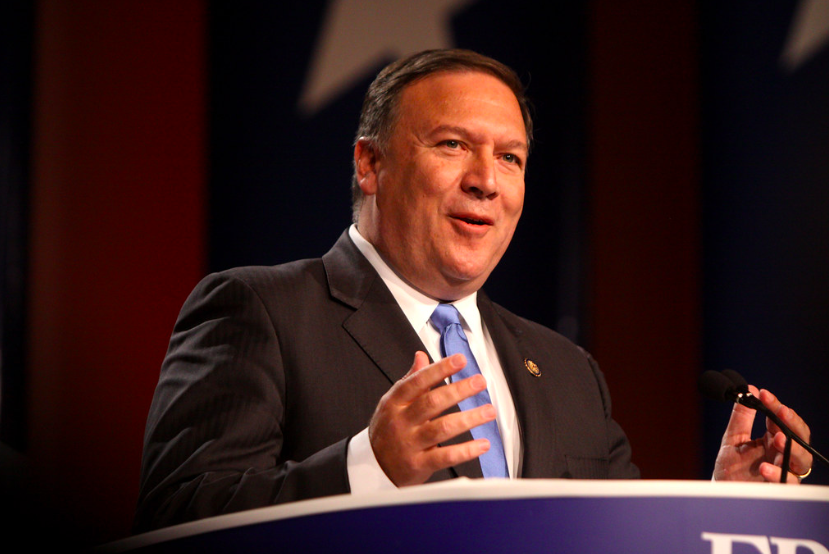
U.S. Secretary of State Mike Pompeo. Gage Skidmore. CC BY-SA 2.0.
The United States has also offered its help. U.S. Secretary of State Mike Pompeo tweeted on June 6, "Saddened to hear about the fuel spill in Norilsk, Russia." He added that despite their disagreements, “the United States stands ready to assist Russia to mitigate this environmental disaster and offer our technical expertise.” Although the U.S. State Department and White House have not specified the ways they plan to help, efforts are in progress.
The future
It is not known how long the process to clean up the oil will take, or if all of the oil can even be cleaned up. Until then, it is important to note how environmental disasters in the Arctic like this are a result of the other dangerous environmental practices in place. The soil, plants and animals in this region of Siberia will be undoubtedly impacted and some species may never recover. This is not the first oil spill of its kind, and it will likely not be the last.
Renee Richardson
Renee is currently an English student at The University of Georgia. She lives in Ellijay, Georgia, a small mountain town in the middle of Appalachia. A passionate writer, she is inspired often by her hikes along the Appalachian trail and her efforts to fight for equality across all spectrums. She hopes to further her passion as a writer into a flourishing career that positively impacts others.
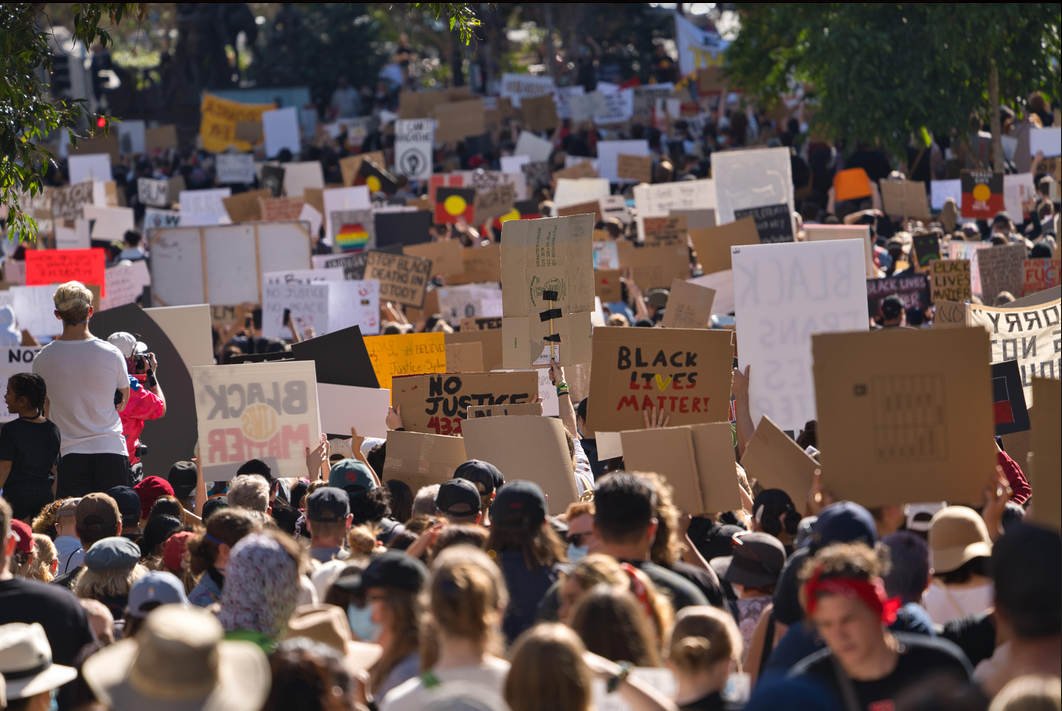
A June 6 anti-racism protest in Brisbane, Australia. Andrew Mercer. CC BY-SA.
‘Same Story, Different Soil’ as Police Brutality Hits Home for Indigenous Australians
Joining millions of activists around the globe, tens of thousands of Australians have taken to the streets over the past two weeks to stand in solidarity with the Black Lives Matter movement. However, for many of these protesters, the demonstrations are about more than standing in solidarity with their American counterparts — Australian activists have used the movement to place an international spotlight on Indigenous Australian deaths in police custody.
According to The Guardian’s database on Indigenous Australians’ deaths in custody from 2008 until today, 164 Aboriginal and Torres Strait Islander people had died while in police custody. As of June 2018, Aboriginal and Torres Strait Islander people made up 28% of Australia’s prison population, despite making up 2.8% of the country’s total population as of the 2016 census.
This widespread issue draws parallels to police brutality against African Americans in the United States. While no official data has been released on deaths in police custody in the U.S. despite the passage of the 2013 Death in Custody Reporting Act, African Americans in 2019 were 2.5 times more likely than white Americans to be killed by police officers. Broken down, 24% of all police killings in the U.S. in 2019 were of African Americans, despite only 13% of the nation’s population identifying as black.
Many Australian activists were further galvanized to take to the streets after a video surfaced of a Sydney police officer slamming an Indigenous boy to the ground on June 1. This video is similar to the countless ones in the United States which have documented instances of police brutality.
These activists have expressed how the issues in the United States and in Australia are one and the same. “It’s the same story on different soil,” 17-year-old activist Ky-ya Nicholson Ward said during a June 6 rally in Melbourne.
Justin Grant, an activist who attended the Melbourne rally, spoke on the historical relationship between the police and Indigenous Australians in an interview with Al-Jazeera. “[The police] are breaking our trust and scaring our people ... they [don't] respect our culture, our laws or our practices."
These parallels have been emphasized during the protests, with chants such as “I can’t breathe” taking on new meanings outside of their American context. Several protesters’ signs have echoed this sentiment, with phrases such as “Same Story, Different Soil” popping up on protest materials throughout the country.
However, others have diminished the similarities between the motivations behind the Black Lives Matter movement and Indigenous Australian deaths in police custody. Prime Minister Scott Morrison said during an interview with local Sydney radio station 2GB that: “There’s no need to import things happening in other countries here to Australia … Australia is not the United States.”
Black Lives Matter protests both within Australia and around the world are expected to continue throughout the coming weeks. As of this article’s publication, there have been no major responses to the protests within the Australian Parliament House to address Indigenous deaths in police custody.
Jacob Sutherland
Jacob is a recent graduate from the University of California San Diego where he majored in Political Science and minored in Spanish Language Studies. He previously served as the News Editor for The UCSD Guardian, and hopes to shed light on social justice issues in his work.
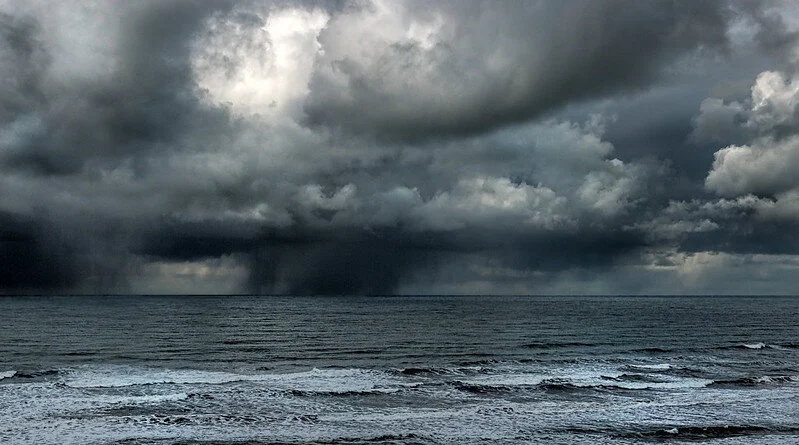
Storm clouds gather over the Pacific, where countless workers endure slavery and abuse aboard fishing vessels. Sheila Sund. CC BY 2.0
Slavery and Torture Bait Fishermen in the Pacific
Tuna is a $22 billion industry across the Pacific Ocean, where over 60% of the world’s supply originates. That much is known. Look much farther, though, and the subject becomes quite murky.
Try finding out about the treatment of workers aboard fishing vessels, as the corporate watchdog Business & Human Rights Resource Centre did at the end of 2018. Unsurprisingly, companies were tight lipped in their responses. Out of 35 canned tuna companies and supermarkets surveyed, only four reported following due diligence procedures to prevent modern slavery in their supply chains. 20 companies, including tuna giant StarKist, refused to even respond.
There are strong reasons for the tuna companies’ silence; slavery runs rampant throughout the industry. Incredibly low oversight has allowed for the rise of third-party recruitment agencies, who often find willing employees in less developed nations. These workers, desperate for money, pay thousands of dollars to brokers who connect them with fishing vessels – for a price.
The price is high. When workers cannot pay their allotted amount, recruiters cover the costs by removing the loaned money from future wages. What fishermen are not told is that their wages are often as low as 70 cents an hour, if they are paid at all.
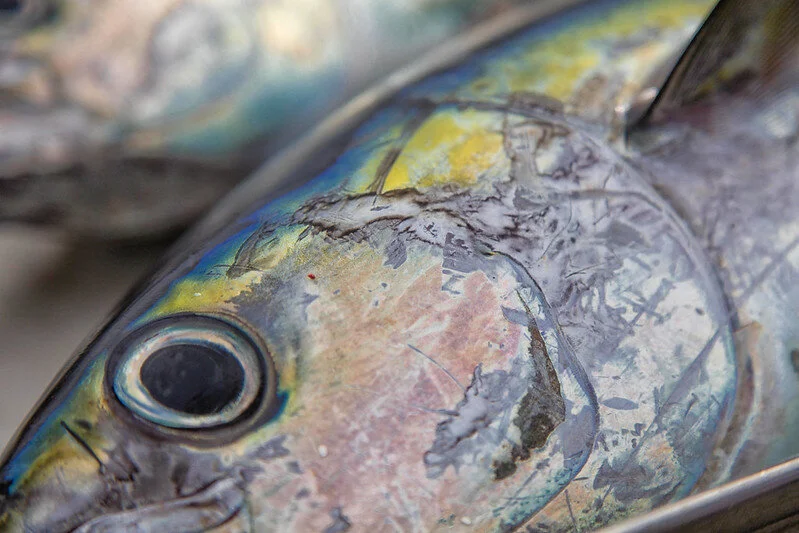
A close-up of a yellowfin tuna caught in waters off the coast of Fiji. Arnie Papp. CC BY 2.0
The story of Supriyanto, an Indonesian fisherman, shines a painful light on the system’s injustices: a recruitment company offered him a contract for $350 per month. He found out on the job, though, that $200 per month would be withheld in fees to keep him from running away. In the end, Supriyanto ended up with little over $100 per month to offer his recruiter, to whom he owed thousands. He had no chance of escape, much less with any money to spare. Supriyanto died four months after starting work on the vessel, a victim of debt bondage.
This experience is far from uncommon. Those who escape Pacific fishing boats usually tell similar tales of debt servitude. Yet somehow, the horrors run far deeper than this. While enslavement traps the workers, torture and abuse truly break their spirits.
In 2011, 32 Indonesian fishermen escaped from the South Korean-flagged Oyang 75 while it docked in New Zealand. They told horrifying tales of being physically and sexually assaulted repeatedly by Korean officers, who would chase them as they returned from the showers. Punishments on board included being fed rotten fish bait and being locked inside of refrigerators. On good days, fishermen worked for 20 hours straight. On bad days, up to 48.
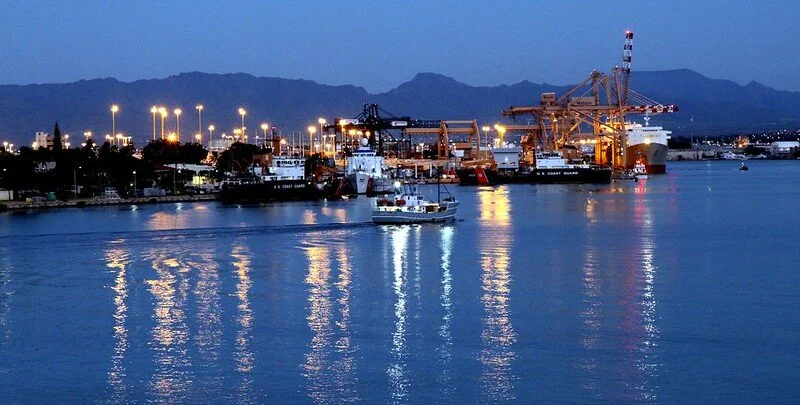
Honolulu Harbor in Hawaii is a common port of call for ships that practice slavery, as U.S. officials often look past it. Prayitno. CC BY 2.0
Nearly every country across the Pacific has turned a blind eye to the slavery on tuna boats, including the United States. Take, for example, the case of Sorihin. He paid $6,000 to a broker who connected him with the Sea Queen II, a tuna vessel that trawled the waters between American Samoa, Hawaii and California. Despite nearly losing a finger while wrestling a shark, he was denied medical attention. Safety gear aboard the ship was only offered for a price – as was escape. He finally ran away while the boat was docked in San Francisco after realizing he would never be able to fully pay back his debt to recruiters. Also, Sorihin mentioned, “If I stayed on that boat I was going to die.”
The United States has codified laws that effectively protect human traffickers and slaveholders who ply the Pacific. Tuna boats are permitted to dock at U.S. ports such as Honolulu and San Francisco if the foreign workers remain on board the vessel. Since the fishermen are denied U.S. visas, no on-board inspections are performed and the workers’ conditions rest outside of the U.S.’s responsibility. So, the inhumane treatment of workers is tolerated while the Coast Guard looks the other way.
Similar examples of forced labor, slavery, human trafficking and child labor can be found throughout the Pacific, from New Zealand and Taiwan to Fiji and Thailand. Solutions can only come through greater clarity and stronger efforts on the part of tuna producers. Unfortunately, workers’ voices continue to be silenced by powerful vessel owners, lackadaisical companies and complicit authorities. Organizations such as Human Rights at Sea, Amnesty International and Anti-Slavery International are working to bring awareness to the mistreatment of the region’s fishermen. As the public learns more about the issue, there is hope that slavery in the Pacific may end once and for all.
Stephen Kenney
is a Journalism and Political Science double major at the University of North Carolina at Chapel Hill. He enjoys sharing his passion for geography with others by writing compelling stories from across the globe. In his free time, Stephen enjoys reading, long-distance running and rooting for the Tar Heels.