sdfsdfd
Read MoreA Hong Kong high school student wearing a gas mask. Joseph Chan. Unsplash.

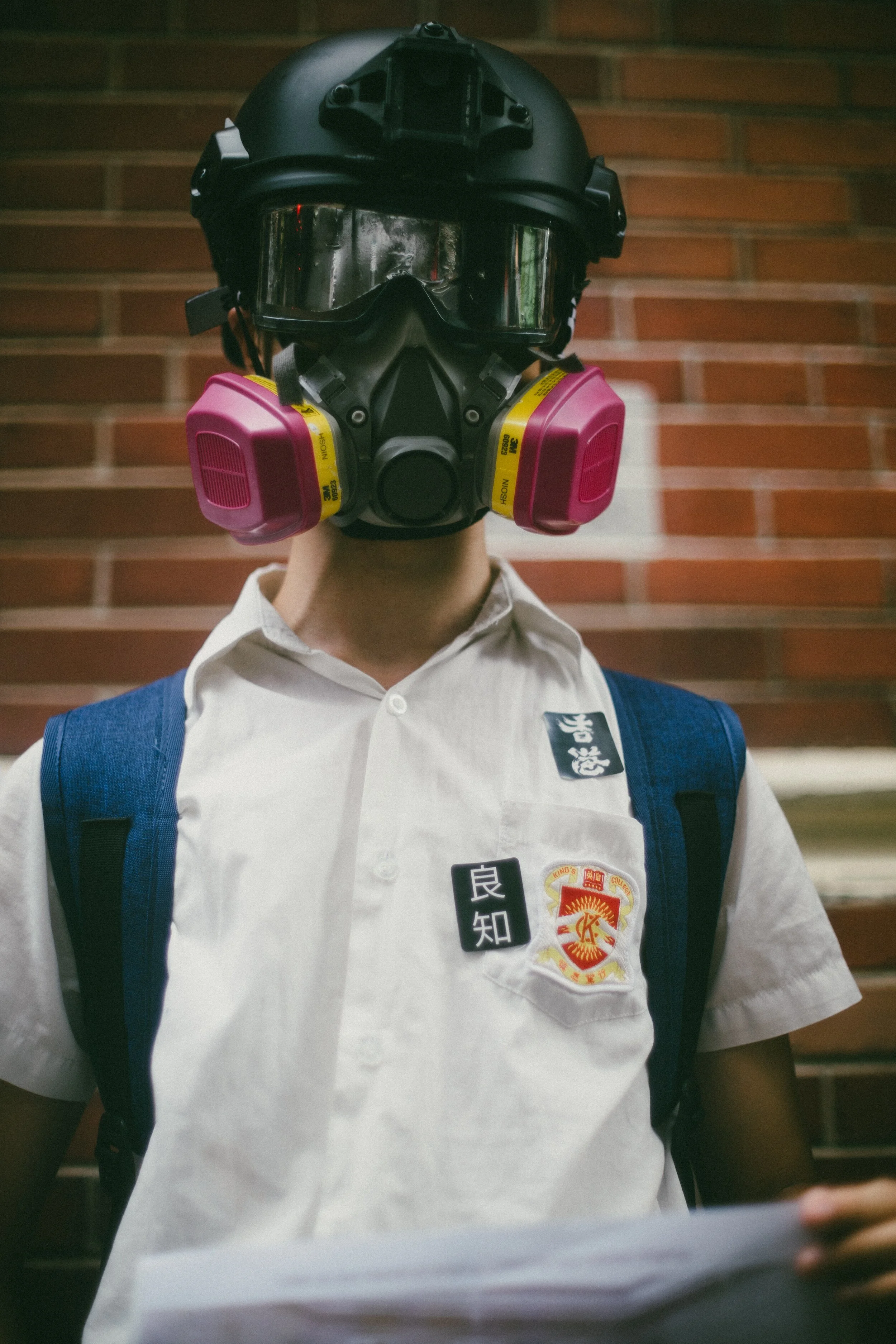
A Hong Kong high school student wearing a gas mask. Joseph Chan. Unsplash.
sdfsdfd
Read More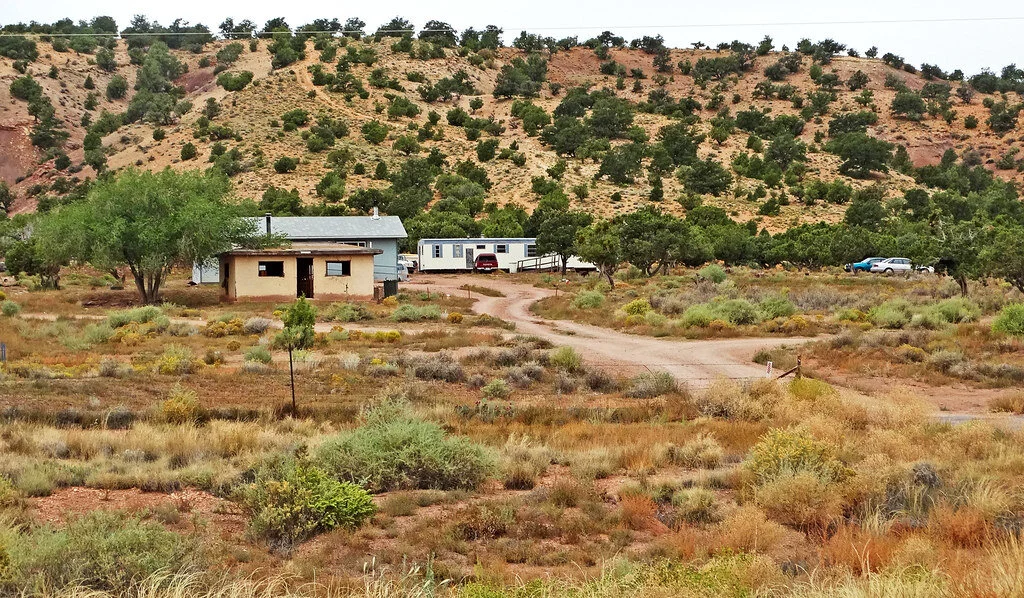
A family compound in the Navajo Nation. Don Graham, AZ 9-15
In the coronavirus pandemic, the Navajo Nation has seen the highest per capita rate of COVID-19 infection rates in the U.S., surpassing densely populated, urban hotspots. As of May 31, there have been 5,348 positive cases and 246 deaths out of 173,000 residents. These infections stem from governmental neglect and underfunding, as many in the Navajo Nation lack running water, COVID-19 resources and federal assistance. Additionally, preexisting health conditions and lifestyle factors prominent within the Navajo Nation render its residents especially vulnerable to the virus. Homes are often cramped with several generations of families, and lack of food access elicits widespread dietary illnesses on the reservation.
"You got the feds, you got everybody saying, 'Wash your hands with soap and water,' but our people are still hauling water,” said Navajo Nation President Jonathan Nez in a digital town hall meeting on May 12. Roughly 40% of Navajo homes do not have running water, and 10% do not have electricity. This conflicts with guidelines from the Centers for Disease Control and Prevention which call for the thorough washing of hands. Although the Navajo Nation government has called for mask wearing and issued lockdown curfews, it cannot implement all preventative measures ordered by the CDC. Respiratory complications are also brought on by indoor pollution, as Navajo homes are often heated with wood and coal.
The largest Native American reservation in the U.S., the Navajo Nation contains 173,000 people. Its 27,413 square mile semi-autonomous territory spans across parts of Arizona, New Mexico and Utah. Like all Native Americans, the Navajo people have faced generations of genocide, dispossession, and forced relocation that came with colonization. Mark Charles, a Native American activist and U.S. presidential candidate, traces disproportionate infection and death rates to the inequities caused by settler colonialism. “It's a problem 250 years in the making, going back to how this nation was founded. The ethnic cleansing and genocidal policies … that's where the problem lies. Health care is poor, treaties are not being upheld,” he told Al-Jazeera.
Indeed, the COVID-19 outbreak parallels previous epidemics, such as smallpox, the bubonic plague, and Spanish flu that devastated indigenous peoples. The Navajo Treaty of 1868, signed by the Navajo and U.S. government, promised federal support to the Navajo Nation, including health care, infrastructure and water access. The U.S. government has since then failed to uphold this treaty. The $8 billion relief package for Native American communities, prompted by the COVID-19 stimulus bill, was only put to use by mid-May, long after the initial outbreak. This delay in funding left essential workers without protection, and led to a shortage of critical resources in health facilities.
Preexisting health conditions brought on by reservation lifestyle habits highlight the social determinants of health that have been continuously exacerbated in communities of color. Specifically, European colonization hindered Native Americans’ agricultural methods and eating practices, resulting in current diet-related illnesses. Since the mid-1900s, reservation bound Native Americans have experienced problematic blood sugar levels, obesity, diabetes and cardiac stress. American Indian adults are over three times more likely than non-Hispanic white adults to be diagnosed with diabetes, and over 50% more likely to be obese. According to CDC data, about half of the hospitalized coronavirus patients are obese, and face higher risks of severe illness.

Anna Wood
Anna is an Anthropology major and Global Health/Spanish double minor at Middlebury College. As an anthropology major with a focus in public health, she studies the intersection of health and sociocultural elements. She is also passionate about food systems and endurance sports.
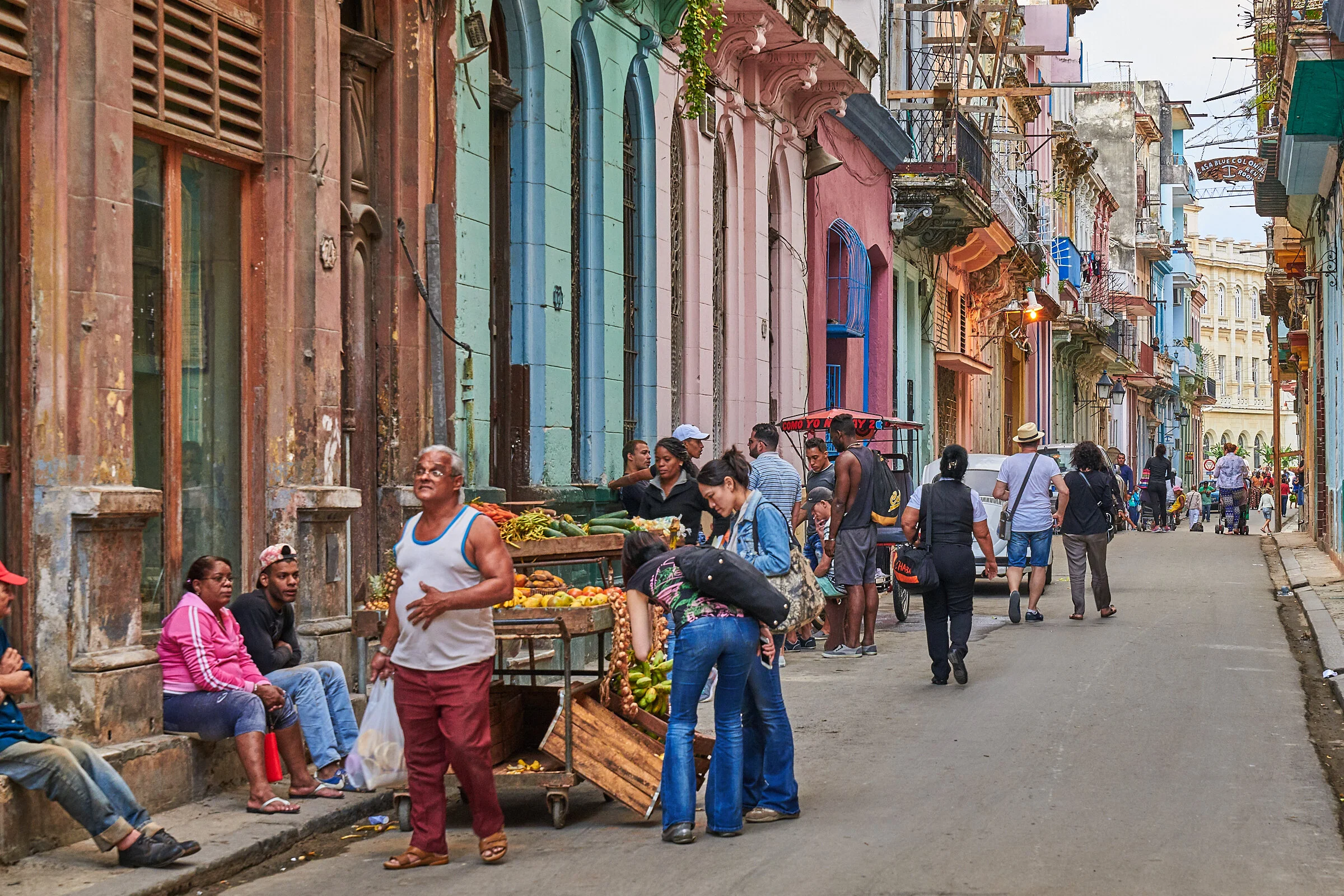
Cubans walking through downtown Havana. Pedrod Szekely CC BY-SA 2.0
Cuba has long been renowned for its health care system. The island nation of 11 million maintains a ratio of 8.4 doctors per 1,000 citizens, the highest for any country according to the World Bank.
The COVID-19 pandemic posed a significant threat to this system, as housing shortages and limited financial resources continue to remain widespread issues for the country. Despite this, Cuba has maintained a relatively low number of cases in comparison to similar-sized countries, with The New York Times reporting 2,119 total cases and 83 deaths as of June 5.
This has led some to argue that the successes of the Cuban health care system and COVID-19 response can serve as a model for other countries still combating the virus.
Universal Health Care
One of the hallmarks of the Cuban health care system is that it is available to all citizens either for free or at a significantly reduced cost. This can be attributed to the nation maintaining a deeply centralized authoritarian government, which allows for strict control on the prices of medical goods and services.
Cuba’s health care system is by no means perfect. The nation still faces shortages on a number of medical resources, and access to more advanced procedures is often limited to the larger cities like Havana and Santiago de Cuba. However, Cuba has continued to retain low infant mortality rates and high life expectancies, numbers which outpace similarly developed countries and are on par with those of the global north.
A Rapid Domestic Response
The Cuban Ministry of Public Health implemented a “prevention and control” plan on January 28, a solid month and a half before the country would see its first positive COVID-19 case on March 18. The plan outlined concrete details as to when and how the nation would limit international travel in the name of public health, as well as policies for how virus relief resources would be distributed throughout the island.
The plan was fully implemented on March 20 with a ban on tourist arrivals to the island and the enforcement of domestic quarantine procedures. At the time, Cuba had only 21 confirmed COVID-19 cases. The nation began mass testing on May 11 to further contain the spread of the virus.
The swift implementation of the “prevention and control” plan proved successful; the number of active COVID-19 cases peaked at 849 on April 25. The Ministry of Public Health reported that the number of active cases in the country had dropped to 161 as of May 28.
Cuban Doctors Abroad
Beginning in 1963 with the stationing of 56 Cuban doctors in Algeria, Cuba has continued to send doctors, nurses and health care workers abroad on both a voluntary and monetary basis, which has grown to an estimated 28,000 Cuban medical professionals working abroad today. This practice of medical diplomacy has continued into the COVID-19 era, with the nation having sent over 2,300 medical personnel abroad to over 24 countries to combat the virus as of May 26.
While some countries like the United States have refused this sort of outside medical aid, others have been more welcoming to Cuban health care workers. Italy welcomed two separate teams of Cuban doctors to Lombardy and Piedmont, two of the hardest hit regions in the country, during the pandemic’s height in the country.
Critics have argued that the practice of sending doctors abroad is merely a form of exploitative diplomacy done in an effort to legitimize the leadership of the Communist Party of Cuba. That said, the vast majority of Cuba’s medical diplomatic efforts are done in developing countries whose citizens would otherwise have no access to quality medical care.
Jacob Sutherland
is a recent graduate from the University of California San Diego where he majored in Political Science and minored in Spanish Language Studies. He previously served as the News Editor for The UCSD Guardian, and hopes to shed light on social justice issues in his work.

Protest in northern Nigeria in March 2020. Abubakar Shehu. CC 2.0
Since April 2020, Nigeria has seen an extreme increase of sexual violence and police brutality. However, attention was gained on the issue after the death of three women. In April, an 18-year-old woman known as “Jennifer” was gang raped by up to five men. Toward the end of May, 22-year-old Vera Uwaila “Uwa” Omozuma was also sexually assaulted and killed. Around the same time, 17-year-old Tina Ezekwe died after police opened fire on her as she sat at a bus station during a curfew established due to COVID-19.
Unfortunately, the main reason why arrests in Uwa and Jennifer’s cases were made in the first place was due to public outcry, especially from family members of the victims. There was a great fear that those at fault may never be held accountable and that families would never get justice for the wrongful deaths of their loved ones. #JusticeForUwa, #JusticeForTina and #JusticeForJennifer have been used in campaigns across Nigeria, all inspired by Black Lives Matter protests over the past week in the U.S. For Jennifer’s family, it also took the release of a video of her family trying to comfort her to trigger national response.
Arrests, not all, have been made for the death and sexual assaults of Uwa and Jennifer. On the other hand, police who were found guilty for killing Tina have been dismissed by the police department of Lagos but still must face internal disciplinary actions upon further investigation. The regional governor of southern Edo, home of Uwa, also pledged to investigate her case to bring all those to justice.

Photo of Vera Uwaila “Uwa” Omozuma. CNN. CC 2.0
However, many across the country are also fearful of the increase of rapes due to many individuals across the region being displaced. Nigeria has a long history of violence between tribes which makes women feel more vulnerable. Those who are supposed to be watching over the refugee camps have been held responsible for raping girls as young as 9. Being displaced has also caused a phenomenon where families are selling their young daughters for marriage in exchange for money.
In 2014, a survey found that one in four Nigerian women experienced sexual violence. 70% of women even experienced multiple incidents of abuse yet only 5% reported the crimes. Many have linked President Muhammadu Buhari to U.S. President Donald Trump due to the lack of national support and resources readily available to survivors. Most women cannot even receive treatment without filing a police report first. Just as with the assaults in refugee camps, it has caused hesitation in women for filing reports
The internet has become the main outlet for these protests unlike what has been seen in the U.S. Protesting on the street is highly discouraged as protesters could be punished for their actions. Thus, having access to the internet has been able to highlight the injustices of the police in Nigeria. Currently, the #WeAreTired campaign is aimed at not only raising awareness of violence against women in Nigeria, but the overall dissatisifcation with the government in its lack of action.
Just as in the U.S., this has been an ongoing struggle for many Nigerians that has lasted for generations. Since 2015, there has been demand to pass the Violence Against Persons Prohibition Act nationwide which would better define rape in court cases. It is hoped that through these hashtags, people can use their voices effectively and help amplify the message of reform in Nigeria.

Eva Ashbaugh
is a Political Science and Gender, Sexuality, and Women's Studies double major at the University of Pittsburgh. As a political science major concentrating on International Relations, she is passionate about human rights, foreign policy, and fighting for equality. She hopes to one day travel and help educate people to make the world a better place.
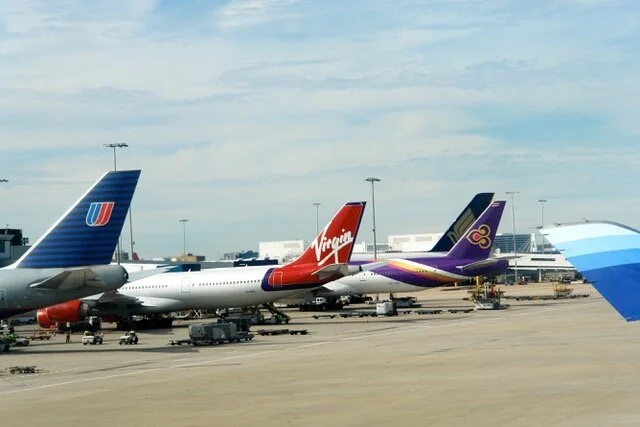
International flights at Sydney Airport in Australia. Alex Proimos. CC 2.0
COVID-19 has disrupted nearly every aspect of the world, including the business of air travel. What at first glance may look like a benefit to travelers may actually be a warning for what’s to come in the future. Since the virus began to spread in the beginning of the year, airfares have dropped significantly bringing round-trip tickets to Paris to under $300 and to Rio de Janeiro under $600. These fares, however, are a harrowing red flag to the problem that will undoubtedly arise once the world returns to normality and travelers start their treks around the globe once again.
Supply and Demand
It’s been estimated that the aviation industry won’t return to “pre-pandemic numbers” until at least 2022 or beyond. This is due to factors that have impacted the industry such as airline bankruptcies, early aircraft retirement and supply and demand. These factors together have created a problem that for the time being has dropped prices to seemingly “miraculous” numbers but in the long run may point to a bigger issue. Across the globe, nearly every industry has severely cut employee numbers to keep their businesses afloat. United Airlines will be “displacing” over 4,000 out of their 12,000 pilots, while British Airways furloughs over 30,000 workers and Lufthansa begins placing 80,000 workers on reduced hours. With so many employees laid off, airlines are understaffed – but most have only been filling their cabins to between 50 and 60% capacity to honor social distancing guidelines designed to protect their passengers. This has led to an estimated over $5 billion worth of airplanes stored and ultimately retired several years too early. Additionally, airlines have filed for bankruptcy – such as LATAM Airlines and Avianca – and are actively searching for ways to increase the number of passengers they have on their next flights. These strategies include Frontier Airlines’ option to pay a $39 fee to ensure that the middle seats remain clear to maintain distance between passengers to hopefully make them feel more comfortable to fly.
The Thinking Behind Airfares
Another issue that has risen out of the pandemic is the lowered demand for passengers. With countries all over the globe dealing with the crisis, many borders are closed to foreign travelers like countries in Asia and Europe. That being said, most people do not feel comfortable flying on full airplanes anyway, due to fears of the virus’s easy spread. It has been stated that the price of airline tickets is something of both a “science and an art”, created by balancing the thought of the “customer’s motivation to travel and how much they are willing to pay for it.” In the current situation, airlines have been forced to increase their safety measures to match COVID-19 guidelines and lure more passengers to travel. This has been successful in the last few weeks as countries have hesitantly started to reopen their borders, but only in limited numbers and with strict procedures. Airline analyst Henry Harteveldt stated, “what’s crucial to restoring that demand, is restoring a sense of safety.” That being said, airlines respond to the demand their customers have for their services. A solid answer remains unknown as the pandemic situation remains unstable.
Currently, airline ticket prices seem almost too good to be true. However, dropped ticket prices signal the coming problem of airline bankruptcies. The answer to whether or not airline ticket prices will increase dramatically in the coming years remains to be seen. What can be said is that the airline industry will not return to normal for at least the next few years. The world is still reeling from a pandemic that seems to come in waves, and the future remains unclear for laid-off employees, airlines and public officials under pressure to keep their citizens safe.

Elizabeth Misnick
is a Professional Writing and Rhetoric major at Baylor University. She grew up in a military family and lived in Europe for almost half her life, traveling and living in different countries. She hopes to continue writing professionally throughout her career and publish her writing in the future.

Mural of George Floyd in Berlin, Germany. Singlespeed Fahrer. CC0
The world has united against the murder of George Floyd, as parallel protests and shared outcry about the universal inequalities in the U.K., Germany, Japan, Canada, South Africa, Zimbabwe, Turkey and Chile take place.
Read More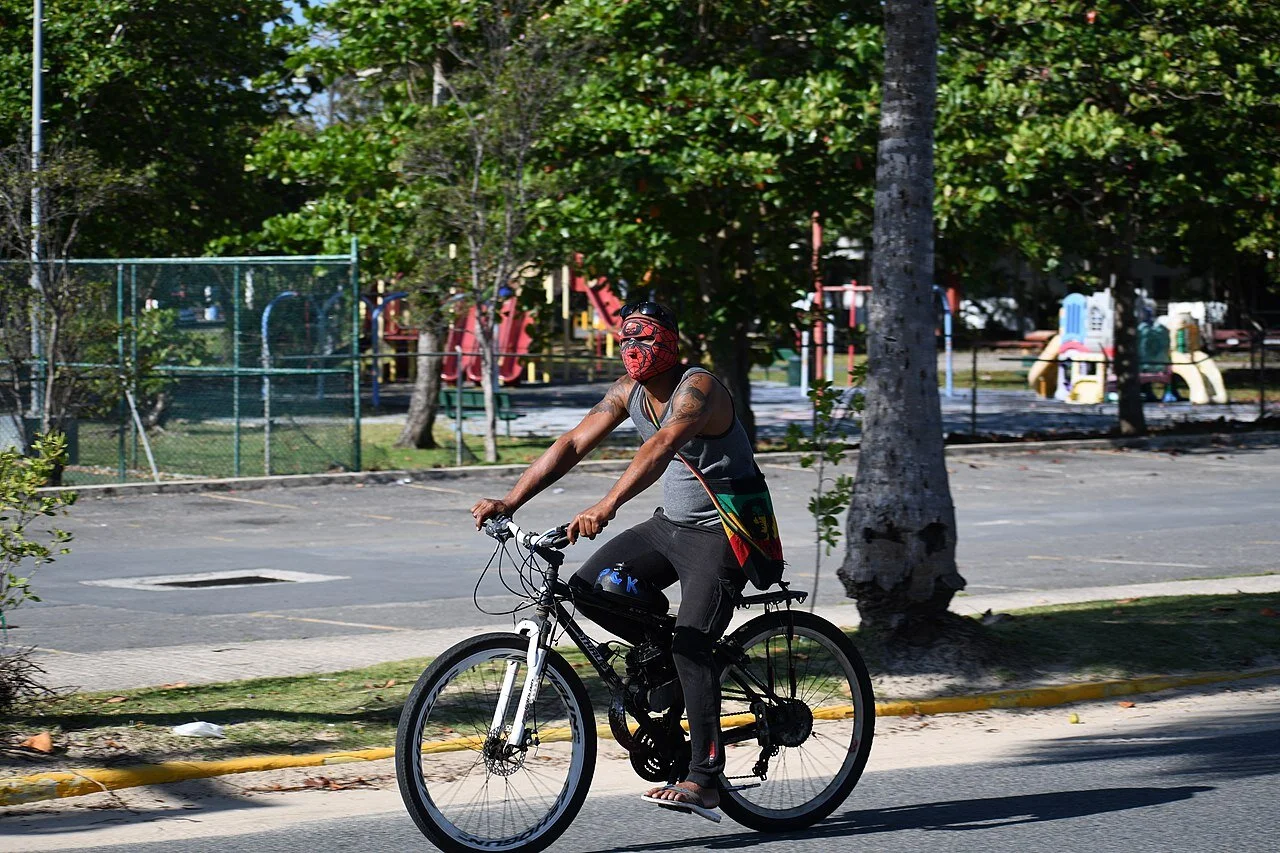
“A man wears a protective mask while riding a bike in Ocean Park, San Juan, Puerto Rico, during the coronavirus quarantine, on March 29th, 2020.” Maryamarce. CC BY-SA 4.0
On May 15, 2020, the U.S. House approved the $3 trillion HEROES Act, which contains a second round of coronavirus relief aid for state and local governments, and for American taxpayers who are struggling due to the pandemic. Although the bill passed in the House, it is unlikely to be approved by the Republican-dominated Senate. Nonetheless, many Americans, about 20 million, are still waiting for their stimulus checks from the CARES Act, which was signed into law on March 27, 2020.
Included in the group of U.S. citizens still waiting for the first round of relief aid are residents of Puerto Rico who have yet to receive their stimulus checks. In an interview with MSNBC on April 25, San Juan Mayor Carmen Yulín Cruz said, “No one in Puerto Rico has received the $1200 from the federal government. We’re having problems with a local $500 check that the governor said was going to be distributed.”
On a May 19 update on the COVID-19 Economic Impact Payments (EIP), the Social Security Administration said they anticipate “that beneficiaries in the territories could begin receiving their EIP in early June.” June is a long time to wait to receive aid that is necessary right now. As of May 23, 276,737 Puerto Ricans have filed for unemployment since March 14—a little more than a quarter of their labor force.
The coronavirus pandemic is not the only crisis that Puerto Rico is facing as they are slowly recovering from Hurricane Maria, which devastated the island in September 2017. A 5.4 magnitude earthquake struck Puerto Rico on May 2, displacing at least 50 families and knocking out power—power which has yet to be fully restored since the total blackout caused by Hurricane Maria. The island has been without full power for 981 days and counting. The displaced families have formed impromptu camps: living in tents and lacking “even basic supplies, including sufficient food,” according to Direct Relief, a humanitarian aid organization.
Months after the 6.4 magnitude earthquake that struck the island on January 7, “thousands of people are still slumbering each night under camping tents, on cots, in their cars and in enormous open tents that serve as government shelters,” according to The New York Times. Their situations are made more dire by the coronavirus pandemic.
Experts worry the pandemic will threaten Puerto Rico’s health care system that is already in crisis. Before the outbreak, access to medical resources and services was limited. NBC News reported that, “according to the Health Resources and Services Administration, 72 of the island’s 78 municipalities are considered to be medically underserved and face ‘unmet health care needs.’” The limited number of physicians and lack of funding for hospitals, clinics and labs make it more difficult to treat patients who have fallen ill from a virus that disproportionately affects communities of color.

Asiya Haouchine
is an Algerian-American writer who graduated from the University of Connecticut in May 2016, earning a BA in journalism and English. She was an editorial intern and contributing writer for Warscapes magazine and the online/blog editor for Long River Review. She is currently studying for her Master’s in Library and Information Science. @AsiyaHaou
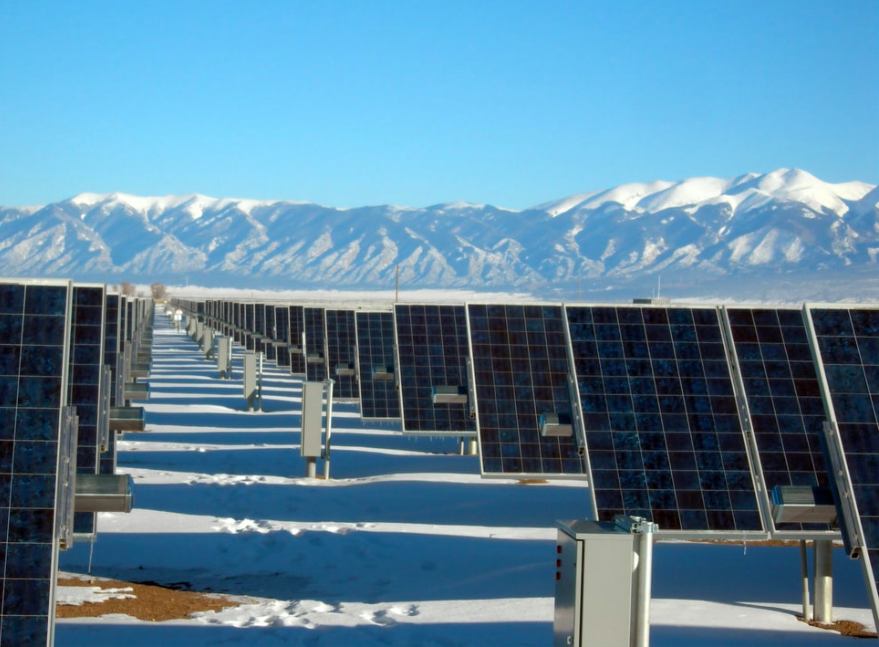
Solar energy plant in Colorado. Science in HD. Unsplash License
In the face of a global economic crisis brought on by COVID-19, many countries are turning greener, and they are calling upon the international community to follow their lead. Several regions have used this time to complete renewable energy projects, and others are just beginning. The world is preparing itself for many transformations, with less reliance on coal and fossil fuels being a part of that. Of course, there have been setbacks and slowdowns in terms of creating the infrastructure for greener energy due to the virus, and it will take a large change in consumer attitudes to implement progress. As the oil market plummets and coal prices shift unpredictably, renewable solutions are emerging to sustain economies weakened by the virus.
Progress in Europe and The United States
Many countries have been preparing to transition to more renewable energy for some time now. The economic crisis revolving around crude oil markets and the increasing cost of coal has furthered the motivation to do so. In Europe, much of the EU has been on track to reduce their use of both coal and gas. Following Belgium’s lead, Sweden and Austria closed their very last coal plants two years ahead of schedule. Seven more countries are preparing themselves to move on from coal by 2025, including France (2022), Slovakia (2023), Portugal (2023), the UK (2024), Ireland (2025) and Italy (2025), as noted by EURACTIV.

Zollverein Coal Mine Industrial Complex, Essen, Germany. Kai Pilger. Unsplash License.
The United States has also made incredible strides. For the very first time in any month in the United States, renewables from solar, wind and hydropower generated more electricity than coal on every day in April 2019, according to data from the Energy Information Administration (EIA). They have instead focused their efforts on renewable sources, setting more records in the process. As cited by the EIA, the significant rise in renewable energy can be attributed to record generation from wind and near-record generation from solar. Wind and solar electricity generation has also increased as the capacity for implementing their infrastructure has expanded.
International Efforts
Among the success stories are countries still working toward progress. The continent of Africa is setting an incredible example for others as top officials encourage leaders to implement renewable energy in their communities. Agreeing to work closely together, the African Union Commission (AUC) and the International Renewable Energy Agency (IRENA) are advocating for the advancement of renewable energy across the continent. In doing so, they hope that this will further their efforts to stop the spread of COVID-19. By providing more renewable energy resources, rural communities that make up large portions of the countries will now have the opportunity to provide health centers with cleaner water pumping systems and reliable power for critical medical services.
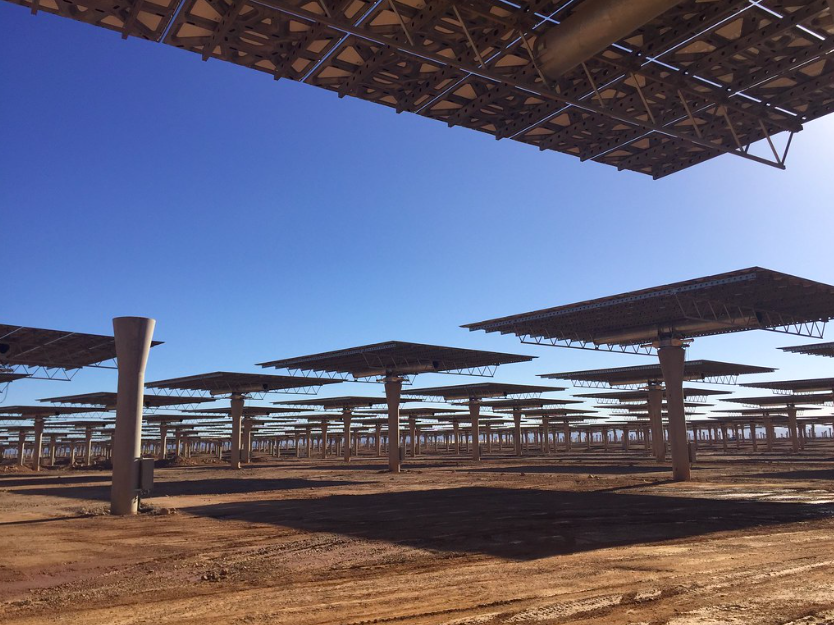
IRENA World Bank’s Noor III Solar Farm in Morocco. International Renewable Energy Agency (IRENA). CC by BY-NC-ND 2.0
With the same motivations in mind, Asia-Pacific’s response to COVID-19 has also involved a push toward renewable energy. The IRENA has partnered with the United Nations Economic and Social Commission for Asia and the Pacific (ESCAP) to work toward the improvement of access to sustainable energy. Already pushing toward wind energy, Asian countries are working to install nearly 100 gigawatts of offshore wind capacity by 2030, according to the Global Offshore Wind Report 2019 published earlier this year. Asia-Pacific is home to half the world’s population, and its current reliance on fossil fuels is not sustainable, especially under the strain of combating a widespread virus. While their budgets are also strained, a recent COVID-19 policy report for Asia and the Pacific shows that one of the main sectors for many stimulus packages throughout the region is renewable energy. The hope is that the investment in clean energy will not only improve the overall health of Asia-Pacific’s communities, but also provide the vital infrastructure needed to distribute lifesaving medical resources.
A Sustainable Solution
Many countries and regions that have relied on fossil fuels and coal are now facing an issue of widespread applicability of those energy practices and must turn to renewable solutions in order to save their communities from further strife. As money is being put toward green energy and other projects are completed, the way we use and consume energy is becoming much more sustainable. Despite all the anxieties and stresses caused by COVID-19, a cleaner world is coming.

Renee Richardson
is currently an English student at The University of Georgia. She lives in Ellijay, Georgia, a small mountain town in the middle of Appalachia. A passionate writer, she is inspired often by her hikes along the Appalachian trail and her efforts to fight for equality across all spectrums. She hopes to further her passion as a writer into a flourishing career that positively impacts others.
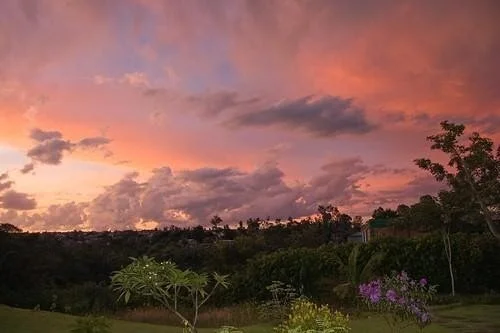
Brazilian Sunset. Christoph Diewald. CC 2.0
The world has been turned upside down in the last few months as COVID-19 ravages countries all over the globe. While some countries have successfully slowed the spread, others have not had as much luck or organization. In the past few weeks, Brazil has reported a shocking rise in cases, effectively taking second place in the world’s most infected countries, just behind the United States.
Brazil’s Global Stance
Currently, the United States is ranked number one in the world for infected countries, with Brazil climbing the ranks right behind. Last Monday alone, Brazil reported a shocking 14,300 cases. Numbers keep getting even higher, and the country overall has reported 394,507 cases and just over 24,500 deaths. These numbers, however, also largely depend on testing and Brazil is testing fewer than 3,500 people per million, making them, according to Forbes, “definitely the worst one when you look at the infection rates and mortality rates” in the world. Brazil’s infection rate is 1.3, meaning that each infected person spreads it to more than one person on average. While Russia and India have the same infection rate, the difference lies in how coordinated their national lockdowns have been. Brazil has found it hard to coordinate an organized lockdown and set specific guidelines nationwide as COVID-19 has only been one of their worries in recent months. “The country is living its worst public health crisis since the Zika virus outbreak in 2015,” while also having to work through political and economic pressures.
The State of Affairs in Brazil
Much like the United States, Brazil is “running hearings and political investigations in the middle of a pandemic” while their president, Jair Bolsonaro, reportedly has “more enemies than friends” in the country. He has already lost two health ministers in less than a month after holding crowded political rallies outdoors against their wishes. Local residents have been left to wonder how they can continue to sustain their own families as the government approves and launches an economic stimulus program providing insufficient funds to support families in the long term. With the ongoing investigations and clear political priorities in the country, the president is facing a lot of dissent and distrust from citizens who do not feel the country has done enough to set down hard COVID-19 policies to keep residents safe, especially considering their late response to the pandemic. “Bosonaro’s early decision to deny the severity of the pandemic,” according to Forbes, “led to a haphazard, confused public health response that has divided the country in a time of intense social and economic stress.” Lastly, the Brazilian real is down 31% against the dollar, effectively becoming the worst performing major emerging market currency.
Brazil is the world’s leading producer and exporter of sugar and coffee, but is facing a two-pronged crisis with a global pandemic and political investigations at the same time. Locals have found outside aid “as much as you can hope for” but still find a shortage of medical supplies such as COVID-19 tests and protective gear. After taking second place in global case count, Brazil is working to create a plan to get the country back on track and contain the virus’s spread among its citizens.

Elizabeth Misnick
is a Professional Writing and Rhetoric major at Baylor University. She grew up in a military family and lived in Europe for almost half her life, traveling and living in different countries. She hopes to continue writing professionally throughout her career and publish her writing in the future.
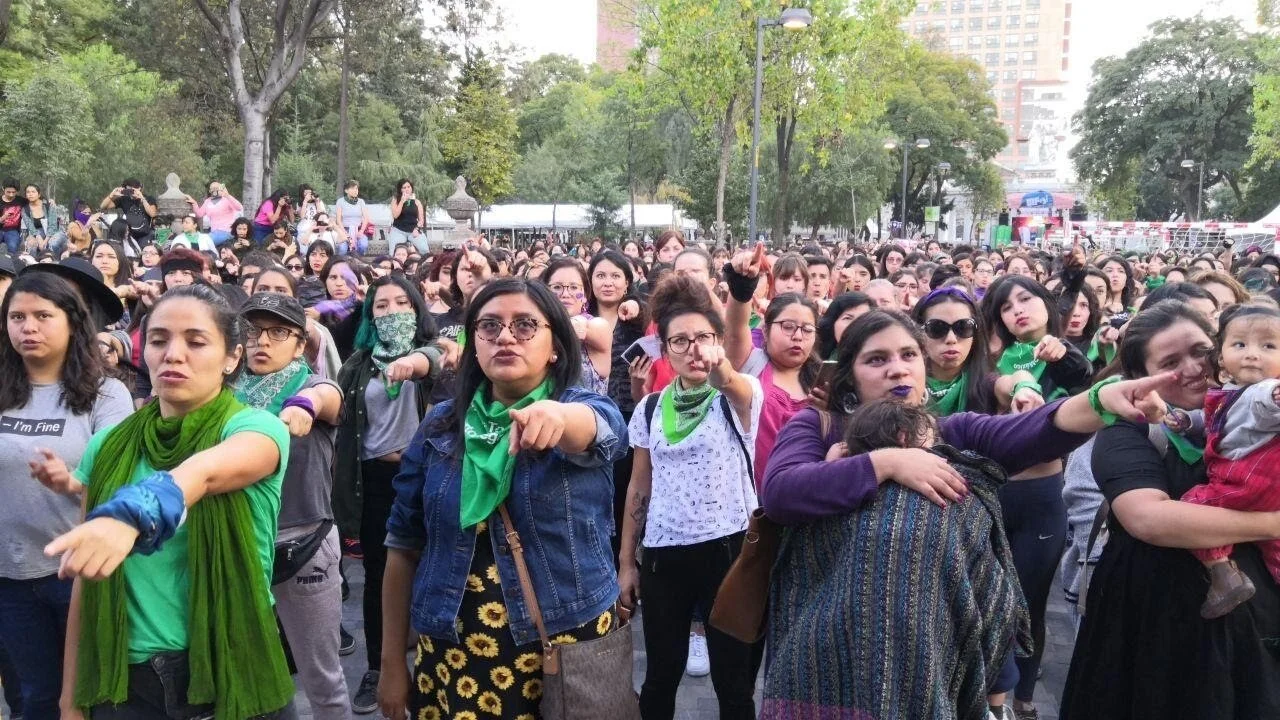
A female-dominated protest moving to "Un Violador en Tu Camino" (“A Rapist in Your Path”). Wotancito. CC BY-SA 4.0
On the 2019 International Day for the Elimination of Violence Against Women, over 10,000 women gathered outside Chile’s Santiago National Stadium, a former detention and torture center from Chile’s military dictatorship. “Patriarchy is our judge/That imprisons us at birth/And our punishment/Is the violence you DON’T see” the group chanted, their clothes and bodies marked with anti-violence slogans. “It's femicide!” they shouted into the frigid air. “It's not my fault, not where I was, not how I dressed!” They placed their hands behind their heads, then squatted up and down, mimicking the movements that Chilean police officials and prison wardens force females to perform while naked.
This is the movement that has globally spread, dismantling the structural forms of gender violence set in place by police and judiciary systems. The protests feature the Chilean song “Un Violador en Tu Camino,” or “A Rapist in Your Path.” Created by the Valparaíso feminist collective Las Tesis, it challenges the gender violence so prominently institutionalized by political structures. Las Tesis works closely with various activists and scholars to demystify rape as an act of pleasure. Specifically, “Un Violador en Tu Camino” is based on the work of Argentine-Brazilian anthropologist Rita Segato, one of Latin America’s most celebrated anthropologists of gender violence. Las Tesis also investigates the sexual violence, homicide and rapes within Chile that are left unaddressed in the criminal justice system.
The song was first publicly performed in front of a Valparaíso police station. As the initial protest, women merely sought to impose small-scale street interventions. However, as the visceral lyrics moved through global media, they inspired similar demonstrations throughout Latin America and beyond.
Thousands of women performed the piece at the Zócalo, Mexico City’s main square, on November 29, 2019, roughly a week after the Valparaíso protest. Since then, Las Tesis’ song has spurred movements in Latin American countries such as Colombia, Venezuela, Peru and Argentina, and has even spread to global protests in London, Berlin, Paris, Madrid, Barcelona, Tel Aviv, New Delhi, Tokyo, Beirut, Istanbul and New York City.
Each protest site transforms the musical base, adapting the movements and song to their national identity. Within Latin America, green scarves represent the campaign for legal abortion. Black blindfolds acknowledge the ways that women are made vulnerable by Chilean police. Brazilian activists add the lyrics, “Marielle is present. Her killer is a friend of our president.” They reference Marielle Franco, an assassinated city council member from Rio de Janeiro. An ongoing investigation will determine if Brazilian President Jair Bolsonaro was involved in her killing.
“It’s the cops. It’s the judges. It’s the system. It’s the president. The rapist is you.” This phrase has been chanted around the world, demanding rectification for years of human rights violations. As female protesters gather in urban areas and repeat these words, they point— physically and metaphorically—to the courthouses, police headquarters, and presidential palaces that have systematically dehumanized women, promoting gender violence and oppression. Media, movement and song give women the platform to insert their collective power and instill political change.

Anna Wood
is an Anthropology major and Global Health/Spanish double minor at Middlebury College. As an anthropology major with a focus in public health, she studies the intersection of health and sociocultural elements. She is also passionate about food systems and endurance sports.
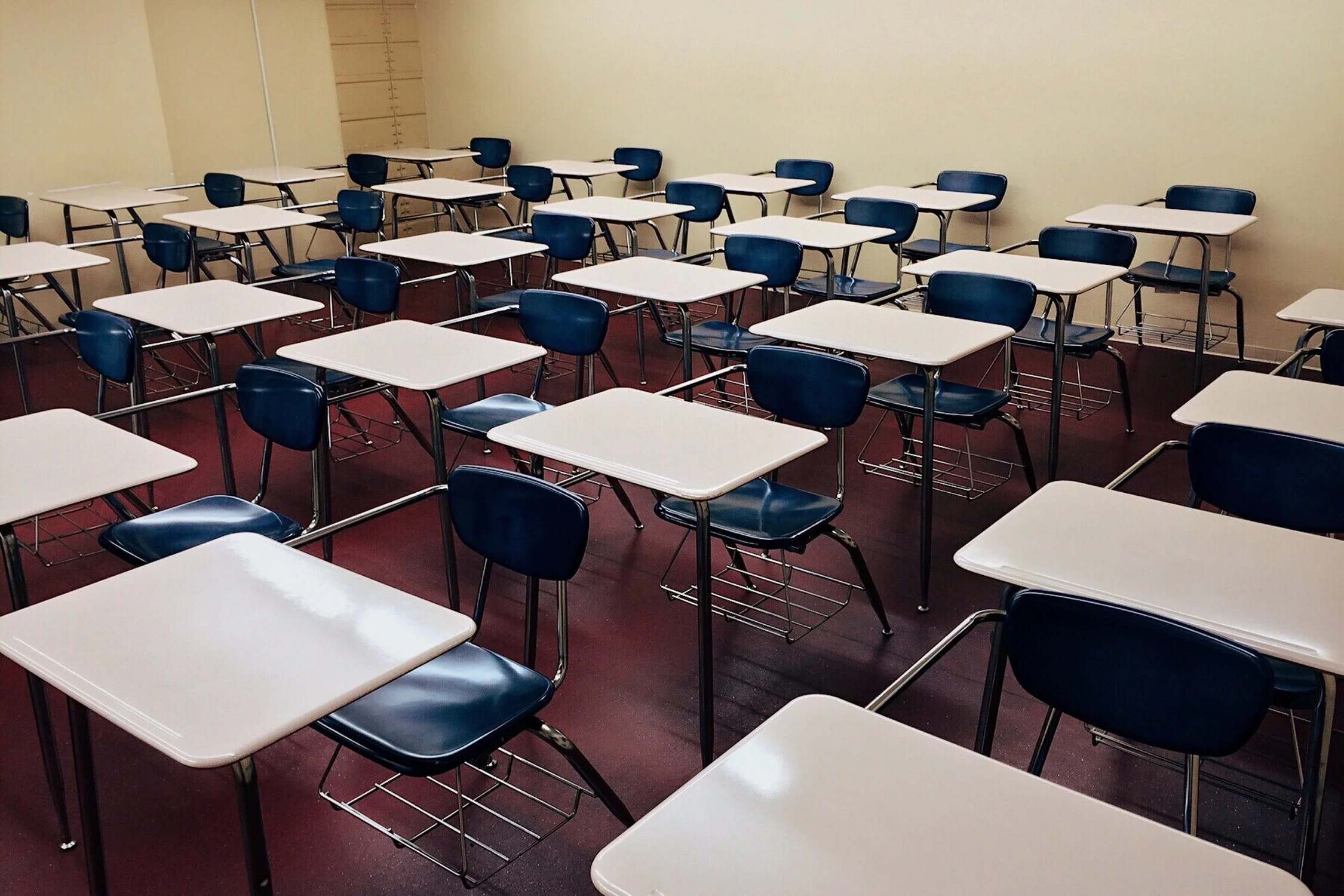
An empty classroom. Pixabay. This photo is licensed under the Pexels license.
Despite COVID-19 forcing schools across the globe to abandon their classrooms over these past months, a handful of nations are cautiously reopening their schools. Leading this mission are countries such as China, Japan and Denmark. Although the reopening of schools has numerous potential benefits, such as providing much-needed childcare and valuable in-person education, many are wary of the risks that come with such a monumental decision.
There is considerable scientific debate over the impact that children have in the spread of COVID-19. While many fear that there will be a spike in virus cases if children resume in-person school, others counter with data suggesting that children not only make up a remarkably small percentage of severe coronavirus cases but also seem less likely to spread the virus than adults.
Even with the decreased risk of children being infected or developing acute symptoms, a recent study of children in Wuhan, China, and Shanghai concluded that ultimately, the children attending schools were just as likely to spread the virus as adults. Closing schools, however, had the potential to reduce a surge by 40% to 60%.
The inconsistencies in data can be credited to difficulty tracking enough children, especially now that schools are closed, as well as a shortage of available tests and diagnoses.
With a handful of countries feeling confident about their decreasing infection rates, some schools are beginning to reopen. Many schools in China reopened in March, including in Wuhan, where the COVID-19 outbreak began. Another example is Denmark, the first European country to restart classes after major shutdowns. Beginning on April 15, younger children were the first to return because of their perceived lower health risks and since they were benefiting the least from distance learning.
For those resuming in-class school, the experience looks considerably different than before. Students in Taiwan, the place with perhaps the most success at keeping schools open, wash their hands and sanitize their shoes when they arrive at school. In Israel, children cannot check books out of the school libraries or borrow pencils from classmates. At Yangzheng Elementary School in Hangzhou, China, young students are given hats to wear with a three-foot diameter to encourage distancing. Across the world, schools are implementing numerous measures to manage the virus. Sporting events, field trips and other large physical gatherings have been dropped. Instead, schools have taken up practices that include regular temperature checks, staggered entry times, and constant cleaning. There are many tactics being used to encourage social distancing such as spaced-out desks and the use of outdoor spaces for classrooms.
Despite the multitude of precautionary measures, some places have not found as much success. Some students in France, for example, have been sent back home after just one week of schooling. Despite only 30% of students returning to school, 70 new COVID-19 cases prompted seven of those reopened schools to close again. French Education Minister Jean-Michel Blanquer claimed that those who spread the virus were “likely” infected before schools had resumed, especially given COVID-19’s two week incubation period. In Germany, schools have generally been successful in their reopening, but one school was shut down again after a teacher tested positive for the virus. Singapore also closed schools down again after a brief reopening, but the outbreak that prompted this closure was not school-related.
While it is impossible for schools to safely resume activities as they were before the pandemic, there are still options for schools that wish to reopen in the future. Having said that, schools cannot rush to reopen or they will risk another surge in infections. Once they are ready, however, schools must learn from those that have already opened and are finding success with their updated safety measures. If schools can adopt suitable new habits that will prevent virus transmission, students will be able to return to school and receive many of the mental and educational benefits they had before.

Phoebe Jacoby
is a Media Studies major and Studio Art minor at Vassar College who believes in the importance of sharing stories with others. Phoebe likes to spend her free time reading, drawing, and writing letters. She hopes to continue developing her skills as a writer and create work that will have a positive outward effect.

March for marriage equality in Costa Rica. Courtesy Gay Community News. CC 2.0
On May 26, 2020, same-sex marriage was legalized in Costa Rica, ending years of discrimination and struggle to get the same rights as heterosexuals.
In 2018, Costa Rica’s Supreme Court ruled same-sex marraige to be constitutional. To enforce the ruling, the country’s Legislative Assembly had 18 months to either enact it or have the decision overturned. There was even a failed attempt by 20 politicians to get an 18-month extension to further delay marriage equality. Two years later, though, marriage equality became legalized with the first marriages officiated in May of 2020. At midnight on May 26, same-sex marriage was legalized. To celebrate, marriages were also televised across the country due to the COVID-19 pandemic postponing many in-person events.
Marriage equality was a key campaign promise by President Carlos Alvarado Quesada. According to Quesada, “Together, under the same flag, we will build a better nation.” His 2018 presidential campaign highlighted Costa Rica’s commitment to bettering human rights and social actions. Quesada’s presidency helped the nomination of the first openly-gay congressman, Enrique Sanchez, who emphasized that this has been a long battle for activists across the nation.

Alexandra Quirós and Dunia Araya become first homosexual couple to be married at midnight on May 26. Ezequiel Becerra. CC 2.0
Sanchez was correct in this statement. Costa Rica has pushed for equality for homosexuals since 2016. It first advocated for equal protections and rights to privacy for LGBTQ+ individuals under the American Convention on Human Rights (ACHR) with assistance from the Inter-American Court of Human Rights. Through the convention, all countries within the Americas were pushed to recognize gay marriage. It was then decided in 2017 that all rights of heterosexuals and couples must be applied to every Costa Rican.
This was not an easy feat. Many across the country protested against this decision. For instance, 20 politicians tried to get another 18 months to delay the ruling but ultimately failed. There also has been strong pushback from religious groups that deny that homosexuality has grown considerably in Costa Rica. Catholicism is recognized as the official religion of the state, so lawmakers such as Eduardo Cruickshank felt the need to “defend the family as established and pleasing our Heavenly Father.” Up until now, marriages of same-sex couples were not recognized by the state and would automatically be annulled.
A research study by Sin Violencia LGBTI shows that more than 1,300 members of the LGBTQ+ community have been killed over the past five years across Latin America and the Caribbean. This group has become the leading coalition that pushes for governments to take action to better protect the LGBTQ+ community.
This historical achievement makes Costa Rica the first country in Central America and the 28th U.N. member state to recognize same-sex marriage and to legalize marriage equality. It is the sixth Latin American country to do so, following Argentina, Ecuador, Brazil, Colombia, Uruguay and parts of Mexico. The Costa Rican government hopes this will not only encourage change in Central America but throughout the entire world.

Eva Ashbaugh
is a Political Science and Gender, Sexuality, and Women's Studies double major at the University of Pittsburgh. As a political science major concentrating on International Relations, she is passionate about human rights, foreign policy, and fighting for equality. She hopes to one day travel and help educate people to make the world a better place.
There’s no place that combines reverence and community in the sacred and secular to encompass worship quite like the Ganesha Temple in Queens, New York. It’s a Hindu temple—with a restaurant.
The cultural touchstone for the Hindu community in New York has a full-service, A+ Indian restaurant tucked away through a side entrance, down a few staircases and hallways, and into the basement. The Temple Canteen is not hidden on purpose, according to Uma Mysorekar, the president of the Hindu Temple Society of North America. It was just kind of an afterthought that took on a life of its own.
When the temple was built in 1977, it was one of the first of its kind outside India. It quickly became an important site for both the local Hindu community in Queens and the religion’s devout throughout the United States. As pilgrimages increased from both national and international visitors to attend worship services and cultural workshops, they needed a place to eat, so the temple opened a cafeteria in its basement serving some of the most authentic South Indian cuisine around as a taste of home. Soon, word of the incredible food spread, and now the Temple Canteen is an institution in its own right.
Mysorekar says not all visitors are Hindu and the restaurant is open to the public. Indeed, as accolades from The New York Times, New York Magazine and Anthony Bourdain have attested, the Temple Canteen is the spot in Queens for some of the world’s very best vada, idli, sambar and dosas, still made by a team of 10 South Indian chefs and served affordably every day. For Mysorekar, going out to eat should be a joy, and as you can’t make a prayer to the Hindu gods without an offering of food, both the religious and those who praise the culinary arts have a home at the Temple Canteen.
THIS ARTICLE WAS ORIGINALLY PUBLISHED ON GREAT BIG STORY
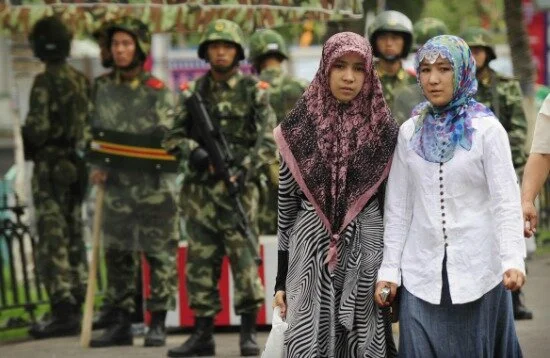
Chinese soldiers entering a Uyghur community. Peter Parks. CC 2.0.
Last week, the U.S. Senate passed the Uyghur Human Rights Policy Act of 2020 to seek justice for Uyghur Muslims forced into labor camps in China.
It is believed that the Chinese government’s placement of Uyghur Muslims in labor camps in Xinjiang province represents the largest mass detention of people since World War II. However, since 2017, there has been an international investigation into the matter. It is estimated by the United Nations that approximately 2 million Uyghurs have been placed into at least 28 camps.
Yet, when questioned about this activity, the government denies wrongdoing and explains that the purpose of the camps is vocational training for the minority group to increase its participation in the economy. The government staged a press conference of alleged former “civilians” who were at the camps to show that the camps helped transform their lives and ideologies. By transformation, it is implied that they were taught to give up Muslim practices and take on more “modern” Chinese ways. Family members who are living outside of China have spoken out against Chinese statements and helped expose the torture that may actually be taking place in these modern-day concentration camps.
The Uyghur people make up 60% of Xinjiang’s population, but are a minority in the rest of China. Specifically, they are of Turkish descent, and are often labeled as terrorists and religious extremists by the Chinese government. The name “Uyghur” is actually an umbrella term for multiple Muslim minorities that have been singled out. Many of those who have been targeted have been forcibly detained for reasons such as facial hair or even clothing.
In November 2019, United States senators called for sanctions against Chinese leaders for the detention of Uyghurs. However, due to the impeachment hearings of President Trump, the bill failed to get past the Senate floor. The U.S. is not the first country to bring attention to this human rights crisis. Xinjiang province sits along the path of China’s Belt and Road Initiative, a plan to expand trade throughout Asia and Europe by essentially revamping the Silk Road. The human rights violations against the Uyghurs have given pause to some countries about joining the project.
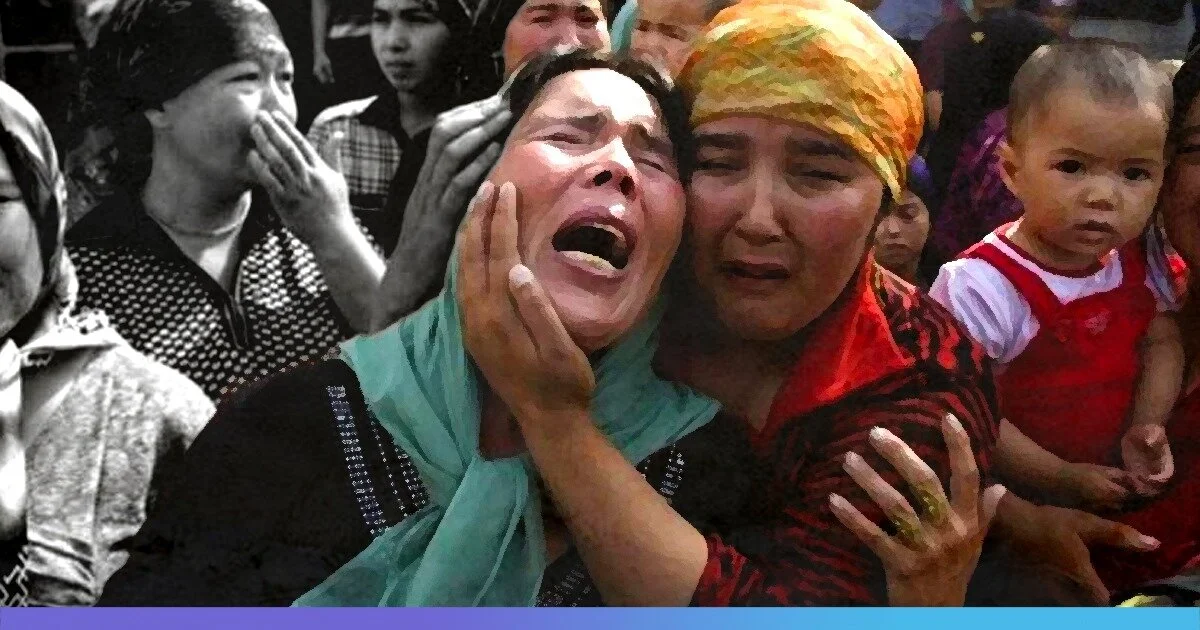
Uyghur women grieving over those who have been forcibly taken by Chinese government. Han Guan. CC 2.0
On May 14, the U.S. Senate passed the Uyghur Human Rights Policy Act of 2020. If enacted by President Trump, it would establish sanctions against China and its officials who are held responsible for inhumane acts ranging from the kidnapping of Muslims to the high rates of abuse and death taking place in the camps.The sanctions include placing restrictions on imports of goods made at these camps as well. The State Department would also be tasked with compiling a report detailing the conditions of these camps, which would be separate from the annual Human Rights and International Religious Freedom documents.
In light of the COVID-19 pandemic, Senate Republicans have taken up an agenda that questions many of the Chinese government’s practices. The Uyghur Human Rights Policy Act of 2020 is only one of many issues the U.S. is bringing up.
This is not the first case of Muslims being targeted in Asia. Back in August 2017, Rohingya Muslims faced persecution in Myanmar by the country’s Buddhist majority government on claims of terrorism, just like the Uyghur people. Similar to China, Myanmar’s government also refused to take responsibility for its actions.

Eva Ashbaugh
is a Political Science and Gender, Sexuality, and Women's Studies double major at the University of Pittsburgh. As a political science major concentrating on International Relations, she is passionate about human rights, foreign policy, and fighting for equality. She hopes to one day travel and help educate people to make the world a better place.
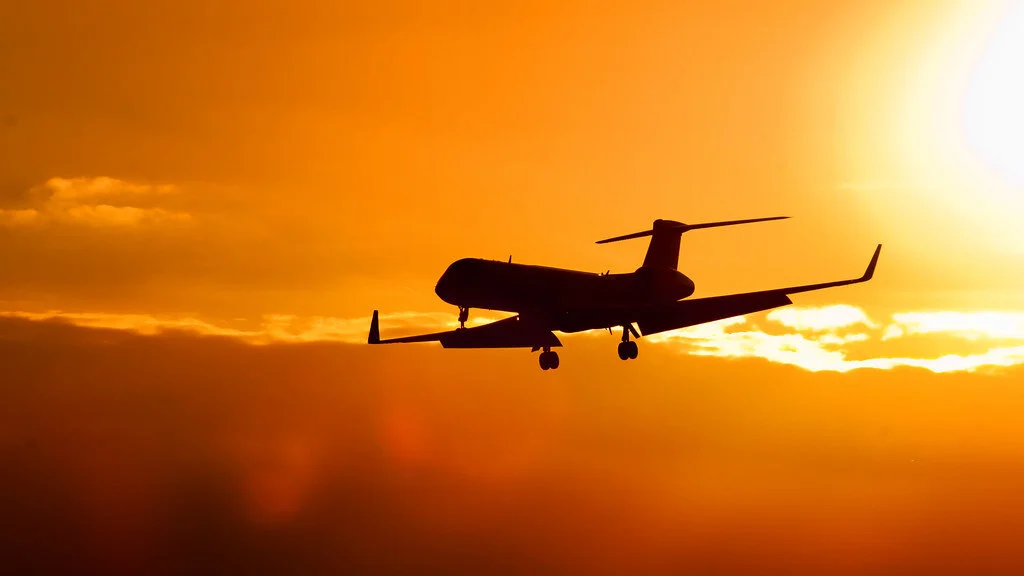
Airplane landing during the sunset. Kuster & Wildhaber Photography. CC BY-ND 2.0
As the corona-crisis continues, the world is at a virtual standstill. Globally, 16,000 commercial airplanes have been grounded. U.S. air travel alone has dropped by 96%, the greatest travel decline in American history. Following 9/11, commercial flights decreased by 26%, a downward trend which lasted for six years. The terrorist attacks resulted in rigorous airport security, passenger identification checks and a decrease in airfare prices. Due to COVID-19, the travel sector will face an economic deficit of $1.2 trillion, nine times the impact of 9/11. With such unprecedented losses, the travel industry is embracing change.
Throughout the pandemic, airlines have adjusted boarding procedures to mitigate the risk of passengers crossing paths. Delta Air Lines recently launched a feature on its Fly Delta app which notifies passengers of when their specific seat is boarding. Similarly, EasyJet is boarding by seat number to alleviate crowded queues.
Many airlines and airports have also increased sanitation standards. San Francisco International Airport has stocked a three-month supply of disinfectant and uses battery-operated sprayers on high-touch areas like handrails, seats and elevator buttons. United Airlines and Delta have begun fogging the interiors of planes with the same disinfectants used in hospitals. During in-flight services, Singapore Airlines requires flight attendants to wear masks and gloves. Additionally, magazines and other print reading material will be eliminated. Alaska Airlines even suspended food and drink service, encouraging passengers to fill water bottles before boarding. Most carriers will follow this trend by suspending catering for short-haul flights.
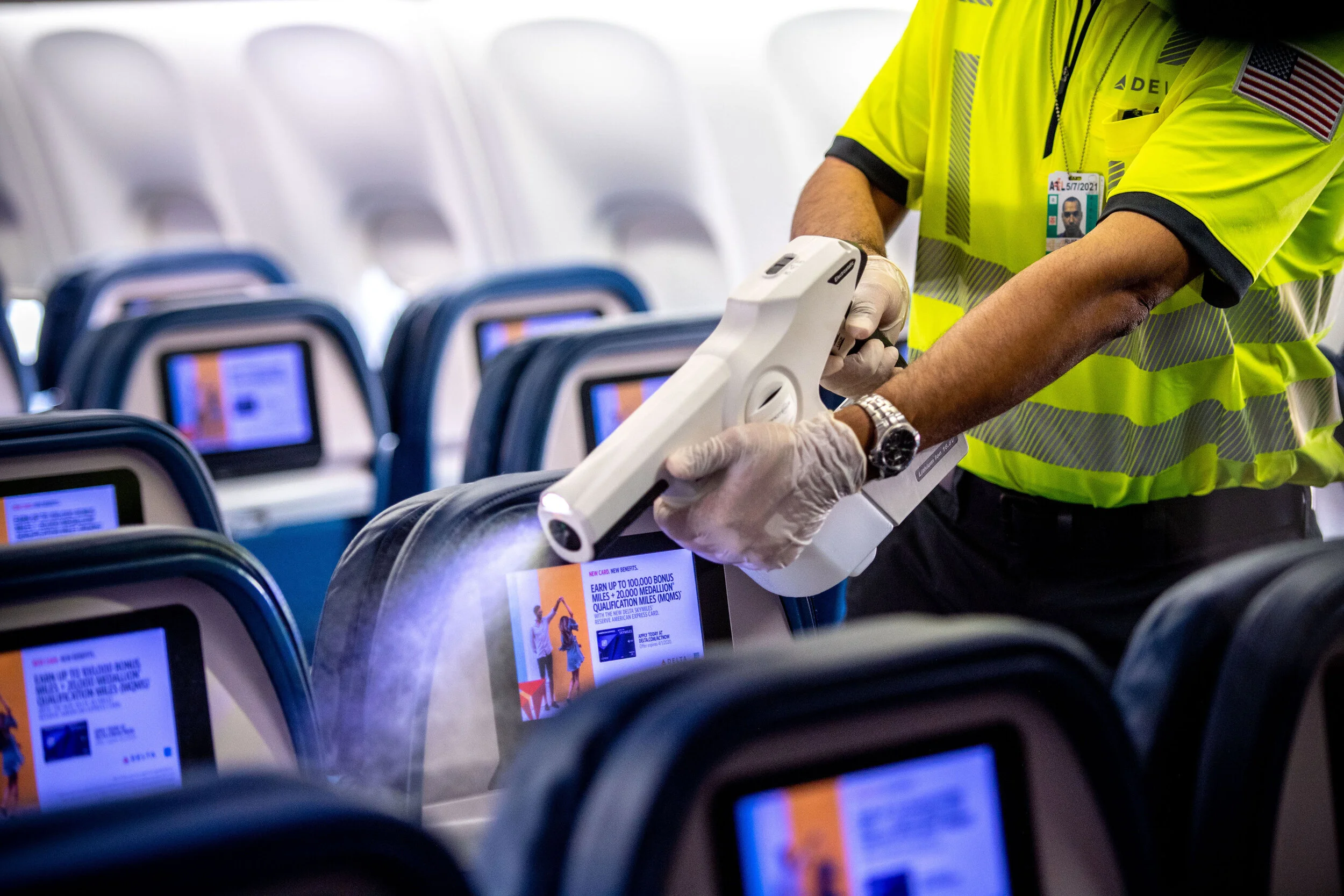
Delta workers disinfect high-touch areas on a Boeing 757. Delta News Hub. CC BY 2.0
While many airlines, such as British Airways, have blocked middle seats to separate passengers, engineers have proposed innovative alternatives. An Italian company, Aviointeriors, has created two seat designs to ensure cleanliness and uphold revenue-friendly capacity levels. The “Glassafe” social distancing seat includes a head-level divider, allowing airlines to maintain current seat configurations while blocking germ transmission. Inspired by the two-faced god of ancient Rome, the “Janus” middle seat faces backwards and is entirely surrounded by a glass shield. These seats promote the maximum isolation between travelers and have inspired additional safety precautions.
Turkish Airlines and Emirates require all travelers to wear masks in airports and aboard planes. Emirates is also the first airline to test passengers for COVID-19 prior to departure. In less than 10 minutes, the airline conducts a blood test and issues a medical certificate with results. Many countries now mandate that incoming passengers possess this certificate, proving a negative COVID-19 test result.
Another UAE-based airline, Etihad Airways, implemented contactless kiosks that monitor temperature, respiratory rate and heart rate to identify at-risk travelers. This hands-free device, developed by Australian company Elenium Automation, utilizes voice recognition to mitigate bacterial transmission. If harmful symptoms are detected, the technology automatically alerts airport staff and suspends the check-in process. “This technology is not designed or intended to diagnose medical conditions. It is an early warning indicator which will help to identify people with general symptoms, so that they can be further assessed by medical experts, potentially preventing the spread of some conditions to others preparing to board flights to multiple destinations,” stated Joerg Oppermann, Vice President of Hub and Midfield Operations at Etihad Airways.

In response to the coronavirus pandemic, U.S. Customs and Border Protection officers must wear personal protective equipment. U.S. Customs and Border Protection. CC Public Domain Mark 1.0
To prevent another pandemic and promote safer flying, these travel changes will likely continue post-coronavirus. For the time being, however, health officials urge travelers to stop flying altogether, triggering a massive shock in the travel industry. In an attempt to stimulate demand, airlines have dropped prices by 15.2%. In mid-April, an American traveler found a $35 round-trip ticket from Los Angeles to Fort Lauderdale, with multiple airlines offering similar prices.
Despite cheap flights and new safety measures, 65% of travelers feel unsafe flying during the pandemic. With vacant planes and empty skies, daily carbon dioxide emissions have declined by 1.8 million tons. "This is a historic shock to the entire energy world," noted Dr. Fatih Birol, executive director of the International Energy Agency (IEA). By 2021, the IEA predicts that the world will use 6% less energy, equivalent to losing the entire energy demand of India.
"The COVID-19 outbreak is showing industrialized countries not only what clean air means and how to cope without traveling, but also how healthier populations in a cleaner environment cope better with coronavirus," note researchers at UBS. This historic collapse in air travel is sparking renewable energy solutions. Norway will introduce hybrid electric planes by 2025 and projects that all of its short-haul flights will be electric by 2040. EasyJet and Wright Electric also plan on launching their first electric passenger plane by 2027.

High-speed train station in Nanjing, China. Kristoffer Trolle. CC BY 2.0
Until then, cars and trains will be the main modes of transportation. In the United States, one in five travelers are expected to drive 500 miles or more for a leisure trip during the next six months. With gas prices dropping by 20.6%, nearly 109 million Americans plan to take family road trips this summer. In Asia and Europe, the climate impact and health risks of air travel have caused a drastic shift towards high-speed trains. Spain, France, Germany and Italy are expected to collectively add 800 high-speed rail units by 2030.
Experts predict global travel levels won’t recover until 2023. Christopher Schaberg, professor of English at Loyola University New Orleans, strongly believes that “travel will not easily bounce back; a reckoning is in order.” Just as 9/11 transformed travel, COVID-19 will likely normalize masks, contactless kiosks and separation of passengers. Once travel does resume, expect safety and sanitation to be the top priority.

Shannon Moran
is a Journalism major at the University of Georgia, minoring in English and Spanish. As a fluent Spanish speaker, she is passionate about languages, cultural immersion, and human rights activism. She has visited seven countries and thirty states and hopes to continue traveling the world in pursuit of compelling stories.
It's been said the Philippines is worth dying for.
We believe the Philippines is worth diving for.
“As the world's second largest archipelago with over 7,100 islands, Filipinos depend on the sea for livelihood, food, tourism, economy, and ultimately, our lives. Environmental conservation shouldn't be limited to NGO workers and researchers-- it should be accessible, relatable, and part of our lifestyles.” This short film was shot in tandem with the work being done by Save Philippine Seas. “SPS aims to narrow the gap between scientists and the general public, the old and young, and the passionate and indifferent by mobilizing citizen-led initiatives that are empowering Filipinos towards collective action and behavior change.” -Save Philippine Seas

“Northern Lights in Iceland” by Cameron Pickett is licensed under CC BY 3.0
From lava caves to Elf School, here are some of the most unique travel destinations in Iceland. Enjoy!
Read More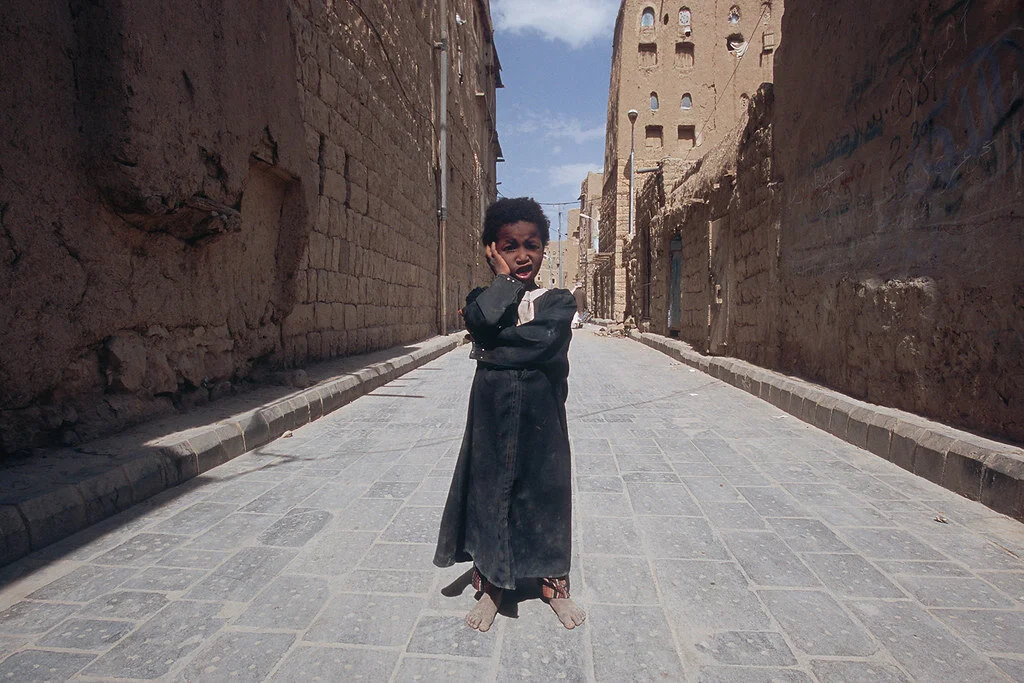
Child in Yemen. Carl Waldmeier. CC 2.0
The war-torn country of Yemen has long endured years of civil war and has millions of survivors currently living in UN Refugee camps. With limited resources, this developing country faces several challenges each day with civil unrest, the rainy season bringing several other diseases and international aid agencies forced to pull aid. Many have speculated that this may be the breaking point for Yemen.
Yemen’s Civil War
Yemen’s capital is Sana’a but is now under Houthi rebel control who control the north. The conflict is speculated by the UN to have killed more than 100,000 people. With so much destruction, bombings and millions of displaced refugees, the country called an unofficial ceasefire in April due to the coronavirus spreading around the country. Additionally, with the current travel restrictions, no one has been able to get accurate depictions of the situation, so they are relying on local testimonies and those they already have in place, but many believe the Houthi party have not been reporting accurate numbers of victims due to COVID-19.
International Aid
The country has had many international aid systems working together to provide support to the country for many years, even as the population has struggled with violence and war. But now, with the current travel restrictions and other countries dependencies, many are getting pulled and leaving the country on its own. “They will be leaving something like 3.6 million internally displaced and 280,000 refugees without any form of assistance.” The country largely relies on the resources that are brought in through these programs, so with the projects getting pulled it means may signal a dark turn for the country.
Resource Availability
Considered to be one of the least developed countries, Yemen has always struggled with providing enough resources to the entirety of their country. Facing factors such as over “80% of Yemenis needing humanitarian assistance, over half of the country’s hospital facilities are dysfunctional and about a quarter of country’s districts have no doctors.” Especially now, during the rainy season many diseases such as malaria, cholera, dengue fever and chikungunya are rampant throughout the country. Just two weeks ago the country reported zero COVID-19 cases and in the past two weeks it has spiked to over 500, an alarming rate for it to spread and with the knowledge that these are inaccurate numbers, the country is in a real state of emergency.
The country already has a predicted low immunity due to most people eating one meal a day and children who are not vaccinated because of limited supplies. Even in the hospitals they have limited room, few blood tests and not enough specialists who know what to look for. Hope has started to look wane as workers dig graves in the cemetery in preparation for more bodies as they pile up but there is limited room and those who deliver the bodies do not wear any protective clothing or gear. The government’s coronavirus committee has declared the city of Aden an “invested city”, and locals live in fear as they don’t know anything about the disease and lack the specialists to confirm it.
Yemen has struggled for years to take care of its inhabitants and have faced many fronts of violence and challenges since 2011 when their internal conflict started. COVID-19 has only added to their list of worries and serves as a warning that without aid, they may not have the proper equipment or resources to survive. Locals are working on ways to create resources that are easily accessible in the country through the local markets but for the time being, their future has taken a bleak turn as they face a rising death toll and support being pulled as their refugees once again get displaced and are forced to look for new help.

Elizabeth Misnick
is a Professional Writing and Rhetoric major at Baylor University. She grew up in a military family and lived in Europe for almost half her life, traveling and living in different countries. She hopes to continue writing professionally throughout her career and publish her writing in the future.
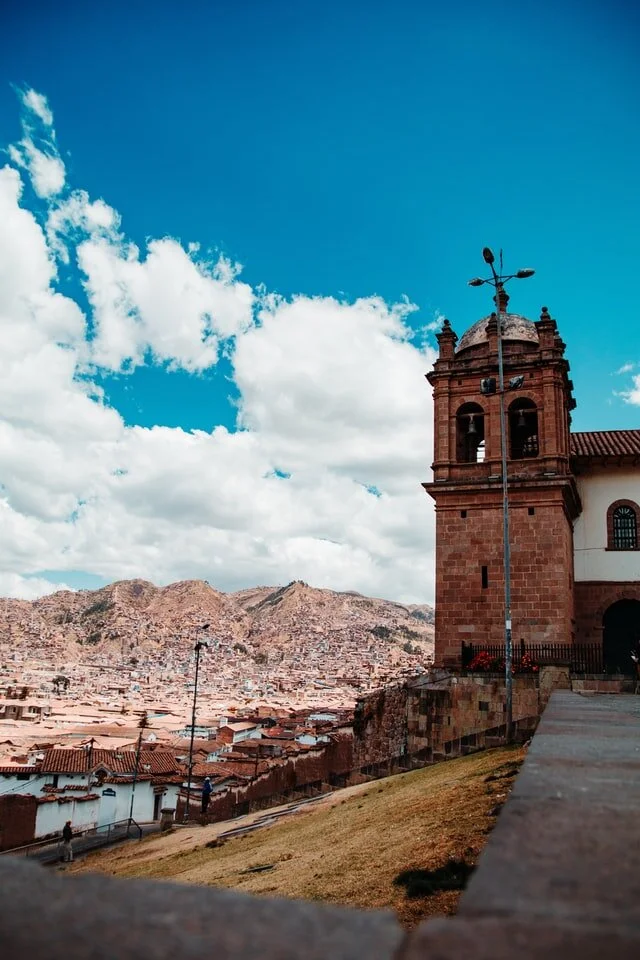
Campanario De La Plaza San Cristobal, Cusco, Peru. Adrian Dascal. Unsplash License.
While much of the world begins to slowly reopen the economy, Latin America continues to face an overwhelming crisis due to COVID-19. Health care systems across the globe are buckling to the disease, but economic and political instability, large rural communities and widespread indigenous populations place Latin American countries at a particular disadvantage. Minimal international support furthers the burden, leaving the region in a nearly impossible position as it attempts to fight the virus.
Factors
Preparation and response has varied across Latin America, with some countries seeing low infection rates and slower spreads. Others are facing a crisis comparable to the United States and Europe as cities in Brazil, Ecuador, Mexico and Peru report death tolls higher than in Italy and Spain. To make matters worse, Brazil and Ecuador recently slashed their health care budgets, creating strained relationships with workers in the field.

Researcher in Florianópolis, Brazil by Lucas Vasques. Unsplash License. Unsplash License.
Health care workers in Mexico fear devastation due to their country’s high rates of hypertension, obesity and diabetes, all of which are risk factors for worsened symptoms from coronavirus.. Much like in Italy and China, many Mexican communities have economies that revolve around outdoor markets and intergenerational living, spreading the virus quickly. To combat COVID-19, the region needs help from other countries. So far, it has received little. Many countries are still indebted to China from the 2008 economic crash, and the United States’ decision to withhold funds from the World Health Organization has further limited Latin America’s resources. Other countries are constantly being outbid for medical supplies.
The Hardest Hit
Some countries in Latin America have been impacted more than others. In Ecuador, bodies are lining the streets as hospitals and morgues fill to the brim. On Friday, Brazil became the world’s fourth biggest hot spot; in response, President Bolsonaro’s second health minister quit in under a month. Peru has also seen a massive uptick in cases, most notably seen in its markets. 79% of vendors in Lima’s wholesale fruit market tested positive for COVID-19, and at least half of the spot tests given at five other large fresh food markets in the city came back positive. Markets provide incredible resources to the economies of Latin American countries, so local political authorities must react thoughtfully moving forward.
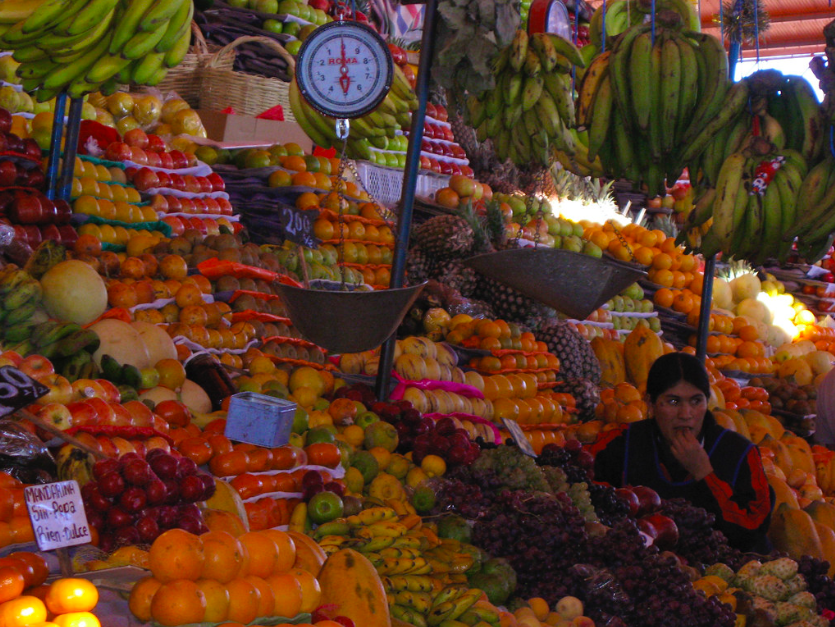
"Fruit Market" by superfluity is licensed under CC BY-NC-SA 2.0
The New York Times quotes Aguinilson Tikuna, an indigenous leader in Manaus, Brazil, who has experienced the personal loss of friends. “We weren’t prepared for this virus,” he said. “When this disease hit us, we locked ourselves in, locked our homes, isolated ourselves, but no one had the resources to buy masks, medicine. We lacked food.” Simply put, the region does not have the supplies to keep everyone safe, especially the vulnerable indigenous populations.
Also at risk are Latin America’s prisoners, who live in some of the most overcrowded prisons in the world. The world has already witnessed how dangerous this can be, as rates of tuberculosis among Brazilian prisoners are 35 times higher than in the rest of the country. Fortunately, countries like Argentina, Brazil and Chile are taking steps to scale down their prison populations in order to reduce the virus’s spread.
Our Attention
Latin America is facing the weight of a crisis it was not at all prepared for. Much like the rest of the world, COVID-19 has sent shockwaves across the region’s communities. It is past time for the international community to turn their eyes toward Latin America and allocate resources to stop the devastation looming on the horizon.

Renee Richardson
is currently an English student at The University of Georgia. She lives in Ellijay, Georgia, a small mountain town in the middle of Appalachia. A passionate writer, she is inspired often by her hikes along the Appalachian trail and her efforts to fight for equality across all spectrums. She hopes to further her passion as a writer into a flourishing career that positively impacts others.
“A slice of life in the time of corona; thousands of invisible front line workers risk their health every day to bring food to your couch. They aren't just immigrants struggling to survive in New York City . . . They are the backbone of New York City, and they are the essential.” -Law Chen

.jpeg)