• Travel Features
  • Global Action
  • Take A Trip
  • Travel Guides
    • Podcast
    • Courses
    • Bookshop
  • About
  • Sign Up
Menu

CATALYST PLANET

  • Travel Features
  • Global Action
  • Take A Trip
  • Travel Guides
  • Discover
    • Podcast
    • Courses
    • Bookshop
  • About
  • Sign Up

Lockdown Singing: The Science of Why Music Helps Us Connect in Isolation

May 14, 2020

“Don’t hold back, sing with all of your heart,” said our colleague Simon Baron-Cohen on a Zoom meeting the other night with his fellow band members. Simon is director of the Autism Research Centre at Cambridge University by day and bass player of the blues and funk group Deep Blue by night. His band and many others are taking to the Zoom airways to play music together.

One of the most encouraging phenomena we have begun to see in response to social distancing laws are the innovative ways that people are starting to bond with each other, particularly musically.

At the start of the lockdown in Italy, videos went viral on social media of neighbours singing with each other across their balconies. This trend also happened in Israel, Spain, Iraq, the US, France, Lebanon, India, Germany and other countries. And it wasn’t just balconies. People went to their rooftops, windows, and even online.

Italians in lockdown all over Italy are keeping each other company by singing, dancing and playing music from the balconies. A thread to celebrate the resilience of ordinary people. This is Salerno: pic.twitter.com/3aOchqdEpn

— Leonardo Carella (@leonardocarella) March 13, 2020

This need to bond – through music especially – relates to the fundamental features of being human. In some ways, amid the horrors of the COVID-19 pandemic, we are experiencing a global social psychological experiment that is giving us insight into what lies at the core of our humanity.

Social brains

We are innately social creatures. In fact, some scholars have argued that, on a biological level, the social brain in humans is more developed than that of any other species on earth. As such, we humans have a biological need to form bonds and cooperate with one another.

This is evident in the physiological and psychological stress we experience when we are isolated, which increases our drive to connect with others – something we are witnessing in societies around the world. Simply put, the social brain needs to be fed and, if forced into isolation, will adapt to find ways to connect.

What is interesting is that simply messaging each other or making phone calls doesn’t seem to do the trick. Even face-to-face video conferencing hasn’t been enough for many. We need to connect in a way that the social brain will resonate with on an emotional level.

This is where music comes in. We are all familiar with the phrase “music is food for the soul”, but it is also true that “music is food for the brain”.

Research shows that when we sing together, our social brains are activated to produce oxytocin. This is a brain hormone closely linked to the way humans socialise with each other. It is released when we form social bonds, when we are synchronised with each other during face-to-face interactions, and when we are intimate with others, which is why some refer to it as the “cuddle” or “love” hormone.

Recent research on music has shown that oxytocin increases when we sing in all sorts of ways. Work by neuroscientist Jason Keeler and colleagues in 2015 showed that choral singing increased oxytocin. Another study in 2017 by T Moritz Schladt and colleagues showed that oxytocin increased during improvisational singing with others.

But it isn’t just singing that increases oxytocin. A 2017 study by Yuuki Oishi and colleagues showed that oxytocin increases after just listening to music. And not only that, it increases when listening to both slow and fast musical tempos.

What makes us human

All of this points to why, on a biological level, music is part of what makes us human. Everyone is different and there is music to meet everyone’s tastes, which is why we run a project called Musical Universe in which people can take tests and find out how their unique musical preferences links to their brain type and personality.

But whatever your specific tastes, music plays an important role in connecting with others in lockdown. That’s why group singing sessions have sprouted across courtyards and via video conferencing platforms during the pandemic. And why we see Elton John, Alicia Keys, Chris Martin of Coldplay and many others live streaming concerts from their homes for the world to partake in.

Loved singing with you again, Sam! https://t.co/z2ijNU6W8I

— John Legend (@johnlegend) April 19, 2020

Music dates back at least 40,000 years in human history. Evolutionary theories about the origins of music are many, but most emphasise its social role. This includes strengthening group cohesion in hunter-gatherer times and as a way of signalling shared values and strength within and between tribal groups.

Even Charles Darwin contemplated the origins of music, and argued that it may have played a part in sexual selection. He suggested that courtship songs might have signalled attractive and evolutionary adaptive traits to potential partners.

Today, while we face a global crisis, music shows no signs of slowing down, even in forced isolation. Music lies at the very essence of our humanity because it enables the level of social bonding that distinguishes us from other species. From lullabies sung from a parent to their infant, to mass jam sessions online, we can all turn to song to maintain our sanity, our hope, and our empathy toward one another.

David M. Greenberg Zuckerman Postdoctoral Scholar at Bar-Ilan University and Honorary Research Associate at the Autism Research Centre, University of Cambridge

Ilanit Gordon Senior Lecturer in the Department of Psychology and Director of the Social Neuroscience Lab at the Gonda Multidisciplinary Brain Research Center, Bar-Ilan University

THIS ARTICLE WAS ORIGINALLY PUBLISHED ON THE CONVERSATION

Tags COVID
Comment

The Truffle Kingpin And Young Entrepreneur Based In New York City

May 14, 2020

At first glance, 24-year-old Ian Purkayastha seems like any other entrepreneur: he's motivated, crafty, disciplined, and personable. But behind the facade of a clever businessman lies a youthful energy and a passion for selling some of the rarest food on the planet: truffles. Purkayastha sells all kinds of truffles to 90 percent of New York's fine dining restaurants and has been peddling the fungi out of his backpack to the likes of Eleven Madison Park, Le Bernadin, and other Michelin-starred restaurants for nine years now.​

THIS ARTICLE WAS ORIGINALLY PUBLISHED ON GREAT BIG STORY

In World and Travel, USA, New York, New York City, Video, Human Interest, Art Food & Culture Tags New York, truffles, business, restaurant, fine dining restaurants, Michelin Star, USA, new york city, Hu, Human Interest, Global Cuisine
Comment

School girls in the Central African Republic. Pierre Holtz. CC BY 2.0

A Global Look at the Consequences of COVID-19 School Closures in Developing Countries

May 14, 2020

While industrial nations like the US have shifted to remote learning, 810 million children in the developing world are enduring exacerbated social and economic disparities. Some African countries will see a spike in child marriages as a result. Many Latin American countries suffer from food insecurity and school closures mean students face malnourishment.

Read More
Tags COVID
Comment

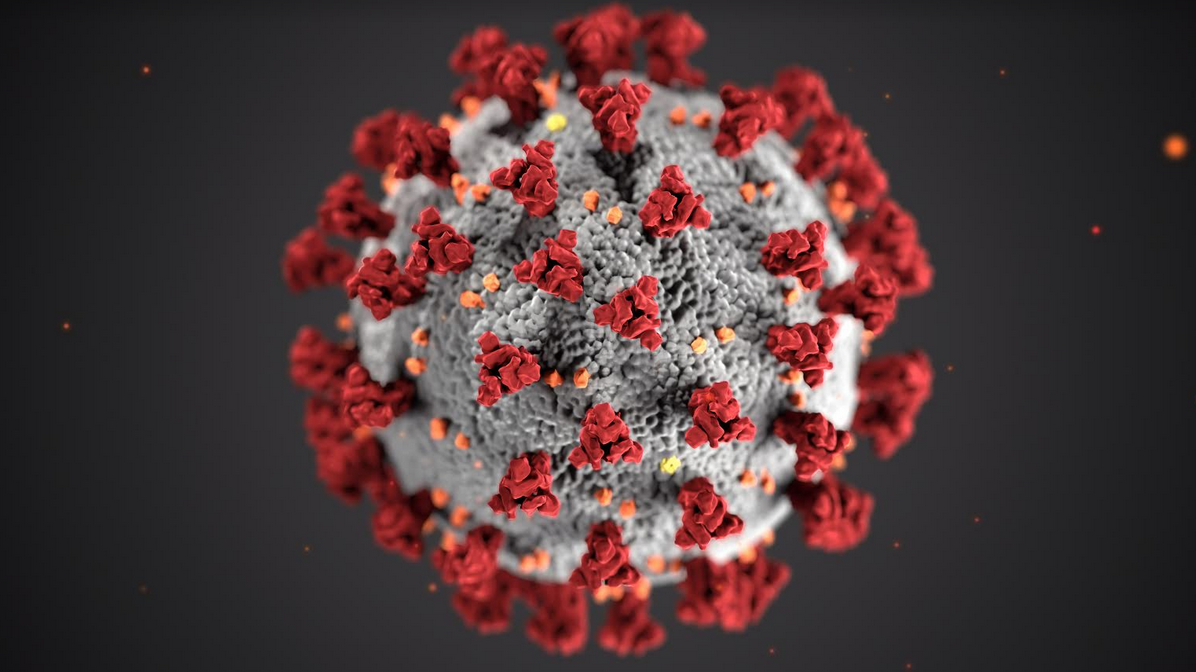
A digital image of the Coronavirus. CDC. Unsplash License.

The Brave Canines Sniffing to Fight COVID-19

May 14, 2020

Dogs have always been hailed for their loyalty to mankind. Of course, this is how they earned the title of man’s best friend. In the face of a worldwide pandemic, our canine friends have once again stepped up for us as researchers test to see if dogs can sniff out the Coronavirus. Not only have they been keeping us company while we self-quarantine and social distance, they could be the key to stopping the spread. A British charity,  Medical Detection Dogs, has teamed up with  Durham University and the London School of Hygiene and Tropical Medicine to train these special teams of canines.

What Makes These Dogs Special?

This trial is the only type of its kind currently being conducted. The charity has already been successful at training their dogs to smell out illnesses like malaria, cancer, and even Parkinson’s disease. Now they have taken up the task of training these dogs to find this new, novel virus. The hope in training these dogs is to create a simple, non-invasive testing procedure. While the dogs would not be relied upon entirely for their abilities to find the virus, they would be an invaluable attribute to helping stop the spread.  Professor James Logan, the LSHTM head of disease control, notes that dogs have already proven their capabilities to identify viruses by smell as seen by their success with malaria. He said the level to which they could detect that virus in particular is with  “accuracy above the World Health Organisation standards for a diagnostic". Proven capable, the team is preparing their dogs to save their human companions. 

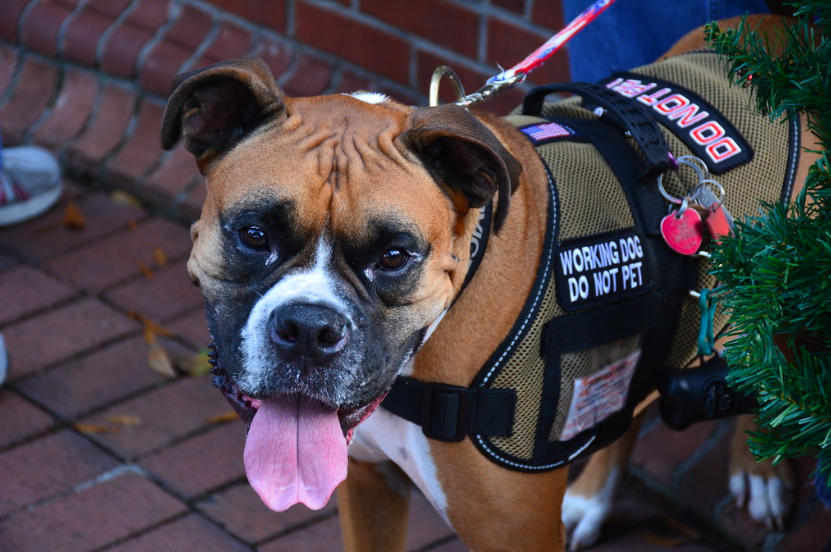
A service dog taking a break from a long day’s work. Sarah Brown. Unsplash License.

The Training

An eight week training process begins as soon as the dogs are vetted. Many of these dogs are even rescues! Researchers have begun the process with the dogs using masks and fabric samples worn by Coronavirus patients. In doing so, they are hoping that the virus itself has a unique smell the dogs can alert handlers to. While their research will take time, this could be a massive step in the identification of the virus. Not only is the training simple, but it enables researchers to train up to six dogs at a time.  Once they are trained, they can test up to 750 patients an hour, identifying the smell in merely seconds or less. These canines are a great tool of efficiency and safety. CEO of Medical Detection Dogs Claire Guest said, “When resources and testing kits are low, hundreds of people can't be tested in one go. But the dogs can screen up to 750 people really quickly. By identifying those who need to be tested and self-isolate, they can stop the spread.” These animals have the potential to combat Covid-19 in a way humans can’t, and if the trials are successful, it could change how Covid-19 is treated forever!

A service dog at work. My Photo Journey. CC BY 2.0

These canines could be incredibly beneficial to the rapid identification of Coronavirus. In the past, they have shown how capable their sniffers can be and medical researches are hoping to continue this. While many worry about the dogs themselves catching the virus, researchers feel confident they are not putting the animals at risk. As we still are not entirely sure the virus can spread from humans to animals and vice versa, this is something the researchers will certainly have to watch for. Updates on the project are still to come as trials are active, but things are looking optimistic. Dogs have always helped mankind, from hunting to therapy to official military service, and once again, we owe them our thanks for helping us make our world a little bit better.

Renee Richardson

is currently an English student at The University of Georgia. She lives in Ellijay, Georgia, a small mountain town in the middle of Appalachia. A passionate writer, she is inspired often by her hikes along the Appalachian trail and her efforts to fight for equality across all spectrums. She hopes to further her passion as a writer into a flourishing career that positively impacts others.

Tags COVID
Comment

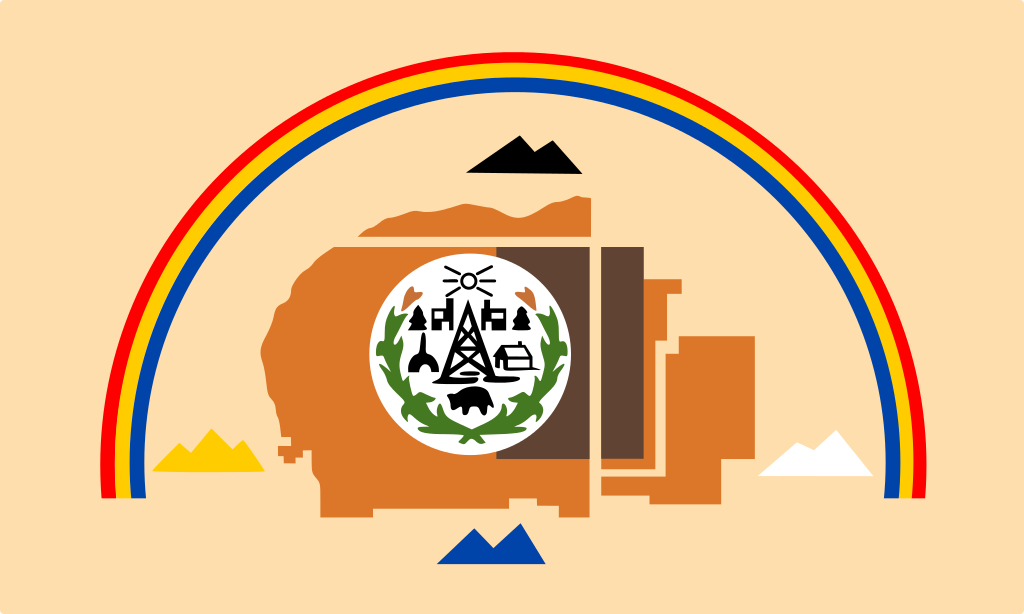
"Flag of the Navajo Nation" by Himasaram

Native American Tribes Sue US Treasury Over Distribution of Stimulus Aid

May 13, 2020

Native American tribes are among the communities who have been suffering the most from the coronavirus, and receiving the least amount of aid. Native Americans are a high-risk population for COVID-19. According to Health Affairs—a peer-reviewed healthcare journal—heart disease, cancer, unintentional injuries, and diabetes are the leading causes of death among Native American populations, which means that life expectancy is 5.5 years less than the rest of the US population.

The coronavirus has highlighted the disparities that Native American communities face, even under “normal” circumstances. According to the American Bar Association, “health care for Native Americans lags behind other groups, despite a legal obligation on the part of the United States to provide health care to American Indians and Alaska Natives.”

In mid-March, the Seattle Indian Health Board reported that instead of receiving the medical supplies they asked for, they received a box of body bags. Though it was determined to be a mistake, the mix-up echoes the pressing lack of resources and funding that the Native American communities need. As the coronavirus continues to devastate vulnerable communities in the US, it is of the utmost importance that stimulus aid goes directly to individuals, not corporations.

The Navajo Nation, the second largest Native American tribe, now has the highest per-capita COVID-19 infection rate after New York and New Jersey. As of May 9, there were 2,973 confirmed cases and 98 confirmed deaths for the Navajo Nation, the largest Native American reservation with a population of 350,000 residents, and it continues to rise. On May 6, the Nation finally received their portion of the federal coronavirus stimulus aid, six weeks after it was promised to them, and only after the US Treasury Department was sued.

In April, a group of Native American tribal governments sued the US Treasury Department over unjust distribution of coronavirus stimulus aid. They sued the Treasury in order to prevent the agency from allowing for-profit Alaska Native Corporations (ANCs) to access the $8 billion allocated to Native American tribes from the $2.2 trillion emergency stimulus rescue package.

The ANCs were established after the passage of the Alaska Native Claims Settlement Act (ANCSA) in 1971—a law governing how Alaska Natives could manage their lands. According to Vox, the passage of the ANCSA was likely because the “ANCSA paved the way for oil and gas exploration, which some ANCs have gone on to profit from in the years since.”

The tribes argue that the aid should not include the for-profit Alaska Native Corporations, and should be distributed solely to the 574 federally recognized tribes. If the 237 ANCs were able to apply for the relief money, it would greatly reduce the amount the nation’s tribal people would receive because the Alaskan Native Corporations would disproportionately benefit. According to Politico, “it could also tilt much of the funding even further toward one state by giving some Alaska Natives the ability to seek aid as both villagers and shareholders of a corporation.”

On May 5, U.S. District Judge Amit Mehta gave the tribes a victory when he limited access of the relief aid to the Native American tribes, blocking the ANCs from getting money from the stimulus funds.

Asiya Haouchine

is an Algerian-American writer who graduated from the University of Connecticut in May 2016, earning a BA in journalism and English. She was an editorial intern and contributing writer for Warscapes magazine and the online/blog editor for Long River Review. She is currently studying for her Master’s in Library and Information Science. @AsiyaHaou

Tags COVID-19, coronavirus, Native Americans, tribe, US Treasury, stimulus aid, Navajo Nation, Alaska Natives, Vox, Global Health
Comment

UNESCO World Heritage Site In India Goes Digital

May 13, 2020

How experts of the Indian Digital Heritage Project went the 3D way to preserve sculptures at the UNESCO World Heritage Site

On a calm March evening, I virtually travel hundreds of kilometres from my home in Mangalore to a temple complex by the Tungabhadra river. Courtesy Google Art, Hampi, the pride of the Vijayanagara empire, comes alive through many frames, some of them panoramic. The project gives you an idea of the scale and scope of the temples: the Vitthala complex looms large as do the Stone Chariot, Bhim’s Gate and the Maha mantapa, among others.

Now, imagine if you could go on a digital walkthrough and see 3D recreations of the sculptures that were damaged, rotate them 360 degrees to appreciate their workmanship better, and understand why Hampi is special. If all goes as per plan, and if the Indian Digital Heritage Project is taken to its logical conclusion, this could well become a possibility in the near future.

A Department of Science and Technology (DST) initiative, the project that started in 2012 brought together researchers in the areas of technology and humanities for the digital preservation and interpretation of tangible and intangible heritage. The project concluded in 2016 and plans are now afoot to extend it to underwater structures.

Switch to 3D

In 2011, Professor AN Rajagopalan of IIT Madras visited Hampi, where more than 500 monuments dot 26-odd square kilometres. The Chennai resident was familiar with the reasonably well-maintained Pallava-era sculptures by the beach at Mamallapuram. He presumed Hampi would be similar, but was shocked to see the ruins. However, looking beyond the broken noses and smashed-in faces, Rajagopalan could imagine their former magnificence.

When the IIT Madras team he was a part of had to report on what was possible at the UNESCO World Heritage site, an idea struck him.

He wondered if the image inpainting technique (used to fill in missing information on a two-dimensional photograph or painting, based on the details around the damaged region) could be adapted to 3D, to reimagine the broken sculptures. That is how the digital arm of the project, inspired by Stanford University’s Digital Michelangelo Project and the Google Art project, took shape.

First steps

The team started off by taking extensive photographs and videos of the sculptures from various viewpoints. The hunt then began for similar works — those that could be reworked digitally using references from the other.

A 3D model was then built. The first sculpture they worked on was of a Narasimha in the Vitthala temple, whose shoulder was damaged. The original measured 1.5 ft by 2.5 ft on a pillar, and it was a recurring motif across the complex.

Printing a pillar

To create models for the walk-through, Rajagopalan printed — what looked like a mythical beast on a pillar (from the Kalyana Mandapa) — on a Polyjet 3D printer using a pale yellow and opaque material called Veroclear. It cost about ₹1,200 per cubic inch. “3D printing is very expensive. What we did was approximately a 1:1,000 scale of the pillar; something you could hold in your hand. While the model will not look like the original — it has the appearance of a candle — you can touch and feel the dips and mounds,” he says.

Group effort

Ensuring this project had the best minds working on it was Sharada Srinivasan of the National Institute of Advanced Studies, Bengaluru. As culture co-ordinator of the IDH Hampi Project, she worked with art historian S Settar and scientist S Ranganathan.

Speaking about why the project is special, she says, “We got together diverse groups from IITs, NGOs and the Crafts Council of Karnataka... It did not stop with the academic circle. A very interesting dialogue emerged and, at some point, we looked at digital renditions,” says Srinivasan, who has worked on South Indian bronzes. Also a dancer, she has choreographed and performed around the musical pillars at Hampi. She explains how as part of the project, groups worked on automatic detection of cracks, inscriptions, digital reconstructions, street mapping and digital 3D printing. “We can’t say this is the definitive attempt at conjectural reconstruction, but it is a major step towards it. This is one approach towards making heritage more accessible and inclusive,” says Srinivasan.

Even now, in its much-damaged state, the UNESCO World Heritage site continues to charm visitors. If things work out, the technology can be used to digitally revive similar structures elsewhere.

By Subha J Rao subha.rao@thehindu.co.in

THIS ARTICLE WAS ORIGINALLY PUBLISH ON THE HINDU

In India Tags COVID
Comment

Robots Are Playing Many Roles in The Coronavirus Crisis – And Offering Lessons For Future Disasters

May 7, 2020

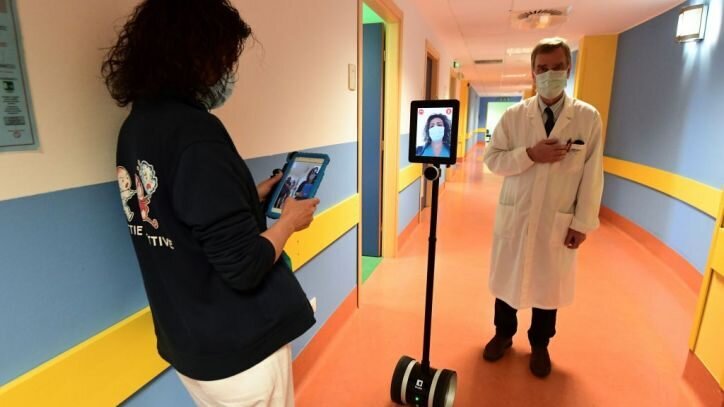
A cylindrical robot rolls into a treatment room to allow health care workers to remotely take temperatures and measure blood pressure and oxygen saturation from patients hooked up to a ventilator. Another robot that looks like a pair of large fluorescent lights rotated vertically travels throughout a hospital disinfecting with ultraviolet light. Meanwhile a cart-like robot brings food to people quarantined in a 16-story hotel. Outside, quadcopter drones ferry test samples to laboratories and watch for violations of stay-at-home restrictions.

These are just a few of the two dozen ways robots have been used during the COVID-19 pandemic, from health care in and out of hospitals, automation of testing, supporting public safety and public works, to continuing daily work and life.

The lessons they’re teaching for the future are the same lessons learned at previous disasters but quickly forgotten as interest and funding faded. The best robots for a disaster are the robots, like those in these examples, that already exist in the health care and public safety sectors.

Research laboratories and startups are creating new robots, including one designed to allow health care workers to remotely take blood samples and perform mouth swabs. These prototypes are unlikely to make a difference now. However, the robots under development could make a difference in future disasters if momentum for robotics research continues.

Robots around the world

As roboticists at Texas A&M University and the Center for Robot-Assisted Search and Rescue, we examined over 120 press and social media reports from China, the U.S. and 19 other countries about how robots are being used during the COVID-19 pandemic. We found that ground and aerial robots are playing a notable role in almost every aspect of managing the crisis.

R. Murphy, V. Gandudi, Texas A&M; J. Adams, Center for Robot-Assisted Search and Rescue, CC BY-ND

In hospitals, doctors and nurses, family members and even receptionists are using robots to interact in real time with patients from a safe distance. Specialized robots are disinfecting rooms and delivering meals or prescriptions, handling the hidden extra work associated with a surge in patients. Delivery robots are transporting infectious samples to laboratories for testing.

Outside of hospitals, public works and public safety departments are using robots to spray disinfectant throughout public spaces. Drones are providing thermal imagery to help identify infected citizens and enforce quarantines and social distancing restrictions. Robots are even rolling through crowds, broadcasting public service messages about the virus and social distancing.

At work and home, robots are assisting in surprising ways. Realtors are teleoperating robots to show properties from the safety of their own homes. Workers building a new hospital in China were able work through the night because drones carried lighting. In Japan, students used robots to walk the stage for graduation, and in Cyprus, a person used a drone to walk his dog without violating stay-at-home restrictions.

Helping workers, not replacing them

Every disaster is different, but the experience of using robots for the COVID-19 pandemic presents an opportunity to finally learn three lessons documented over the past 20 years. One important lesson is that during a disaster robots do not replace people. They either perform tasks that a person could not do or do safely, or take on tasks that free up responders to handle the increased workload.

The majority of robots being used in hospitals treating COVID-19 patients have not replaced health care professionals. These robots are teleoperated, enabling the health care workers to apply their expertise and compassion to sick and isolated patients remotely.

A robot uses pulses of ultraviolet light to disinfect a hospital room in Johannesburg, South Africa. MICHELE SPATARI/AFP via Getty Images

A small number of robots are autonomous, such as the popular UVD decontamination robots and meal and prescription carts. But the reports indicate that the robots are not displacing workers. Instead, the robots are helping the existing hospital staff cope with the surge in infectious patients. The decontamination robots disinfect better and faster than human cleaners, while the carts reduce the amount of time and personal protective equipment nurses and aides must spend on ancillary tasks.

Off-the-shelf over prototypes

The second lesson is the robots used during an emergency are usually already in common use before the disaster. Technologists often rush out well-intentioned prototypes, but during an emergency, responders – health care workers and search-and-rescue teams – are too busy and stressed to learn to use something new and unfamiliar. They typically can’t absorb the unanticipated tasks and procedures, like having to frequently reboot or change batteries, that usually accompany new technology.

Fortunately, responders adopt technologies that their peers have used extensively and shown to work. For example, decontamination robots were already in daily use at many locations for preventing hospital-acquired infections. Sometimes responders also adapt existing robots. For example, agricultural drones designed for spraying pesticides in open fields are being adapted for spraying disinfectants in crowded urban cityscapes in China and India.

Workers in Kunming City, Yunnan Province, China refill a drone with disinfectant. The city is using drones to spray disinfectant in some public areas. Xinhua News Agency/Yang Zongyou via Getty Images

A third lesson follows from the second. Repurposing existing robots is generally more effective than building specialized prototypes. Building a new, specialized robot for a task takes years. Imagine trying to build a new kind of automobile from scratch. Even if such a car could be quickly designed and manufactured, only a few cars would be produced at first and they would likely lack the reliability, ease of use and safety that comes from months or years of feedback from continuous use.

Alternatively, a faster and more scalable approach is to modify existing cars or trucks. This is how robots are being configured for COVID-19 applications. For example, responders began using the thermal cameras already on bomb squad robots and drones – common in most large cities – to detect infected citizens running a high fever. While the jury is still out on whether thermal imaging is effective, the point is that existing public safety robots were rapidly repurposed for public health.

Don’t stockpile robots

The broad use of robots for COVID-19 is a strong indication that the health care system needed more robots, just like it needed more of everyday items such as personal protective equipment and ventilators. But while storing caches of hospital supplies makes sense, storing a cache of specialized robots for use in a future emergency does not.

This was the strategy of the nuclear power industry, and it failed during the Fukushima Daiichi nuclear accident. The robots stored by the Japanese Atomic Energy Agency for an emergency were outdated, and the operators were rusty or no longer employed. Instead, the Tokyo Electric Power Company lost valuable time acquiring and deploying commercial off-the-shelf bomb squad robots, which were in routine use throughout the world. While the commercial robots were not perfect for dealing with a radiological emergency, they were good enough and cheap enough for dozens of robots to be used throughout the facility.

Robots in future pandemics

Hopefully, COVID-19 will accelerate the adoption of existing robots and their adaptation to new niches, but it might also lead to new robots. Laboratory and supply chain automation is emerging as an overlooked opportunity. Automating the slow COVID-19 test processing that relies on a small set of labs and specially trained workers would eliminate some of the delays currently being experienced in many parts of the U.S.

Automation is not particularly exciting, but just like the unglamorous disinfecting robots in use now, it is a valuable application. If government and industry have finally learned the lessons from previous disasters, more mundane robots will be ready to work side by side with the health care workers on the front lines when the next pandemic arrives.

Robin R. Murphy Raytheon Professor of Computer Science and Engineering; Vice-President Center for Robot-Assisted Search and Rescue (nfp), Texas A&M University

Justin Adams President of the Center for Robot-Assisted Search and Rescue/Research Fellow - The Center for Disaster Risk Policy, Florida State University

Vignesh Babu Manjunath Gandudi Graduate Teaching Assistant, Texas A&M University

THIS ARTICLE WAS ORIGINALLY PUBLISHED ON THE CONVERSATION
Tags COVID
Comment

Milan On Lockdown And Sending Messages During Quarantine

May 7, 2020

During this time where everything in our life is completely run within the parameters set by COVID19, the only way we might get the chance to see a city is to fly through it, like a bird. These Milanese filmmakers found a way to do just that. Check out this short documentary, shot by a drone flown through the neighborhoods of Milan, which gives us a chance to witness that life is still happening.

Tags COVID
Comment

Nests of Gold: All About Birds Nest Soup

May 7, 2020

“A visual journey following one of the world's most expensive foods. From its creation in the remote island caves of the Philippines, to its transformation into the legendary Cantonese dish of ‘Bird's Nest Soup’ at a 3 Michelin Star restaurant, this film examines this strange delicacy, and the different lives that are touched by it.”

Tags Filipino, Michelin Star, Cantonese, Birds Nest Soup, Philippines, CheckOut, Global Cuisine
Comment

Meet the Helpers Rising Up During the Coronavirus Pandemic

May 7, 2020

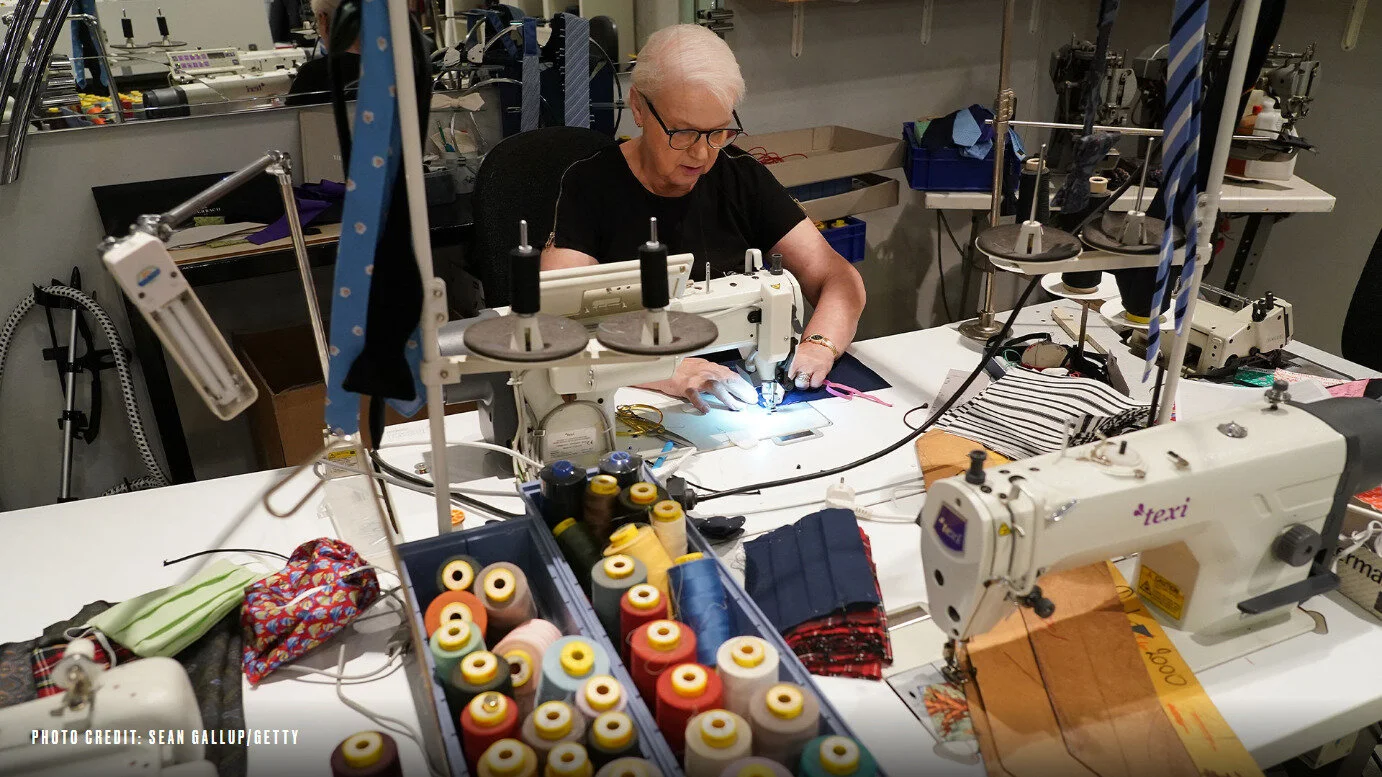
Mister Rogers taught us that when things feel scary, “look for the helpers.” Today, people all over the world are stepping up to help their fellow human beings during the COVID-19 pandemic. This one’s for them—for the doctors, nurses and paramedics risking their own lives to keep us healthy; for those in the garment industry making masks for the workers on the front lines; for the chefs, the kitchen and delivery workers making sure no one goes hungry. These are the everyday heroes showing kindness and strength when we need it the most.

There are so many ways you, too, can help. If you’re looking to lend a hand, here are just a few ways you can make a difference.

Make Masks

The folks at the Minnesota Opera costume shop, EquiFit (a company that designs gear for horses and riders), Stitchroom (a custom home goods outfit) among so many others are retooling their operations to make and deliver masks to those working on the frontlines. If you’ve got a sewing machine and some free time, you can, too. Here’s what you would need.

For supplies, the most effective household materials to transform into masks include vacuum cleaner bags, dish towels, T-shirts, and pillowcases. Find more information about the efficacy of different materials right here.

There are many different types of masks you can create, from double-layered, to those with a pocket for a reusable filter. Here’s a tutorial to one of the simplest masks you can make from home. Find more mask-making resources here.

There are many different places you can donate your masks, including your local hospital. If you are looking for organizations that are helping to distribute, check out Stitchroom, and join their Facebook group for more maker resources.

Give Food

Chefs like José Andrés and Marcus Samuelsson are working to bring relief to those affected by COVID-19 through World Central Kitchen. So many other small restaurants and businesses in the US and beyond are donating food to make sure no one has to go hungry.

Save the Children and Blessings in a Backpack have teamed up with school districts to provide meals to students. You can donate to Save the Children here, and Blessings in a Backpack here.

Older adults are also among the most vulnerable right now. Meals on Wheels provides home delivery of food to seniors, and needs resources now more than ever. You can donate here.

Food banks are also facing an increased need during this time. Feeding America has set up a COVID-19 Response Fund to support its 200 food banks nationwide, and has set up mobile, drive-through distribution points.

Support Healthcare Workers

People like 16-year-old pilot TJ Kim and the motorcyclists at Masks for Docs are going the distance to deliver PPE to healthcare workers. Here’s how you can help, too.

The World Health Organization, the UN Foundation and the Swiss Philanthropy Foundation have come together to create the COVID-19 Solidarity Response Fund to finance diagnostic tests, buy supplies for healthcare workers and fund research efforts. You can donate here.

International Medical Corps is working with WHO to provide training, supplies and emergency medical response planning in high-risk locations. You can donate here.

Direct Relief is supplying health authorities in the US and China with protective equipment they need right now. You can donate here.

THIS ARTICLE WAS ORIGINALLY PUBLISHED ON GREAT BIG STORY

In News and Social Action, Video, Get Involved, Global Health & Crisis Tags COVID-19, Coronavirus, United Nations, mask making, COVID, Global Health, Get Involved
Comment

Traditional Mosque. Clay Gilliand. CC 2.0

The Impact of COVID-19 on Ramadan

May 7, 2020

Since the beginning of the year, the global pandemic has successfully disrupted everyone’s lives in some shape or form. Now however, Muslims especially around the world are feeling the weight of it as they start to practice Ramadan but cannot do so as traditionally practiced for thousands of years. It is a holy time for them, observed on the ninth month of the Muslim calendar year and is a time to reflect on their faith and community. However, with the virus spreading and concerns for health are still a major issue, those practicing Ramadan are unable to come together, worship and reflect on what their faith means to them. 

What is Ramadan?

A time to reflect on one’s faith and focus on community and charity, Ramadan is a holiday that has been celebrated for thousands of years and serves as a commemoration of Muhammad’s first revelation. During this time, which lasts between twenty-nine and thirty days, adult Muslims who do not meet the exceptions are required to fast from dawn to dusk. Throughout the day, they devote their time to the Quran, performing charitable deeds     and striving for purity that is heightened throughout this time period. 

Mecca, the Holiest of Sites

Mecca, Saudi Arabia is seen as the holiest site to Muslims and is usually full to capacity during Ramadan with worshippers from around the world. But now with shelter-in-place orders, mass gatherings are still illegal, causing mosques to be closed to the world. “Saudi Arabia’s grand mufti, Sheikh Abdul Aziz bin Abdullah Al Al- Sheikh, has told people to pray at home, including the special nightly Ramadan prayers called Taraweeh that attract throngs to mosques.” Their sahur (pre-dawn meal) and iftar (breaking of fast at dusk) are also ordered to be done only with family, not with the community they are so used to being with. Lastly, Saudi Arabia has banned all travel “during Ramadan”, resulting in millions of families separated from their family during the holiday. Ultimately, the community that is so strong during this time has been kept apart by the virus, isolating those when they lean on their community the most. 

How Fasting has been Impacted in Developing Countries

In some countries, fasting has proved harder as the distribution of food has not been equal and many families have found themselves without any food. In Burkina Faso, a landlocked country in West Africa, Karim Bamago states, “I am managing, but it’s difficult to fast knowing there will be nothing at the end of it.” Around the violence-stricken country, the pandemic has only intensified the disruption of food supplies. They have reported that “they really need help…water is an issue and there is no healthcare.” With very little water, they are even finding it difficult to wash their hands and keep within the guidelines for COVID-19. The once joyously celebrated holiday will now be observed with the same revere as previous years, with Muslims only able to keep praying to Allah to keep them safe. Those that have brought them food in the past are coming “less and less” and families are starting to feel the impact of COVID-19 on all fronts, physically, mentally and now spiritually. 

Muslims around the world are finding it hard to keep the same joy in their hearts while celebrating a holiday centered on faith, charity and community. A once beautiful time has been shoved into the shadow of isolation as millions of Muslims find themselves celebrating Ramadan as they never have before. While COVID-19 has helped bring families closer, it has ultimately served to disrupt the lives of people who need community now more than anything else.

Elizabeth Misnick

is a Professional Writing and Rhetoric major at Baylor University. She grew up in a military family and lived in Europe for almost half her life, traveling and living in different countries. She hopes to continue writing professionally throughout her career and publish her writing in the future.

Tags COVID
Comment

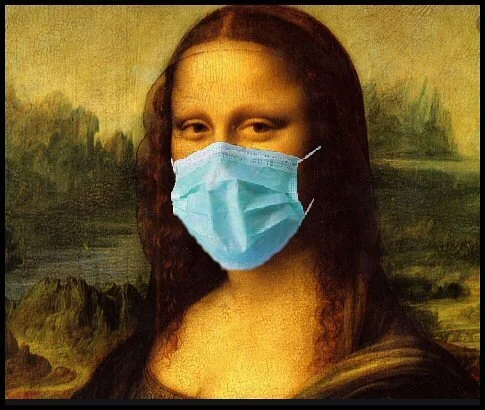
Graphic of Mona Lisa wearing sanitary mask. Folsom Natural. CC BY 2.0

Studying Abroad Amid Lockdown

May 7, 2020

According to the Institute of International Education, the University of Georgia ranks thirteenth in the nation for the number of students who study abroad. With over one hundred faculty-led programs and nearly 2,000 students studying abroad each year, global experiential learning promises an expanded worldview and diversified education. 

During my second year pursuing a Spanish degree at the University of Georgia, I decided to study abroad in Valencia, Spain. Expecting to explore Europe for six months, I eagerly boarded a plane from Atlanta to Madrid with three bulky suitcases. From December to January, I spent my days attending lectures at a local university, traversing the Spanish countryside, and conversing with locals. Amid my cultural immersion, reports began to emerge about the coronavirus outbreak in China. I naively believed this novel disease would not impede trips to England, France, and Portugal.  

By February, however, COVID-19 had inundated Europe, forcing many study abroad students to return home. UGA’s Office of Global Engagement, like many universities, consequently issued this statement: “The University of Georgia recognizes that international travel, communication, and partnerships are essential to UGA's academic, research, and outreach mission and supports these endeavors. Countries and areas that carry U.S. State Department Travel Advisory Level 3/4 require special consideration and review to manage and mitigate risk, and in many circumstances, require the avoidance of travel altogether.” After a soccer match against Milan, a coronavirus epicenter, Valencia’s travel advisory was raised to a level 2. 

Fearing my study abroad program would abruptly end, I intended on visiting as much of Europe as possible. For three consecutive weeks, I took advantage of cheap airfare and traveled to London, Paris, and Lisbon. Each city’s hotels, restaurants, and tourist attractions were practically vacant. I had imagined the streets of Paris, the city of romance and culture, to be bustling with music and lovers walking hand in hand. Yet, during the last week of February, Paris was eerily still. I waited for five minutes to climb the Eiffel Tower and Arc de Triomphe, while most tourists wait over an hour. In the Louvre, which normally averages 15,000 visitors per day, I observed artwork like the Mona Lisa and Venus de Milo in silence. Even Champs-Elysees, the most famous street in Paris, was deserted. Apart from the occasional Parisian in mask, it seemed I had the city to myself. Days after departing Paris, the government announced, “All gatherings of more than 5,000 people in confined spaces will be cancelled.” Infamous sites that I had just toured, like the Louvre and Eiffel Tower, were closed indefinitely. 

On March 11, more chaos ensued as the World Health Organization’s Director General, Tedors Adhanom, declared the coronavirus a pandemic, stating, “We have rung the alarm bell loud and clear.” The following day, while I slept in my Valencia dorm, President Trump announced travel restrictions on 26 European countries, including Spain. Although the 30-day travel ban did not apply to legal residents of the United States, Spain simultaneously imposed a nationwide lockdown to combat the virus. Madrid barred travel to and from the city, and word spread that international flights would soon be suspended. In the early hours of March 12, I was awoken to program directors frantically pounding on my door. They affirmed we had a mere 24 hours to escape Spain on the final flight to Atlanta. 

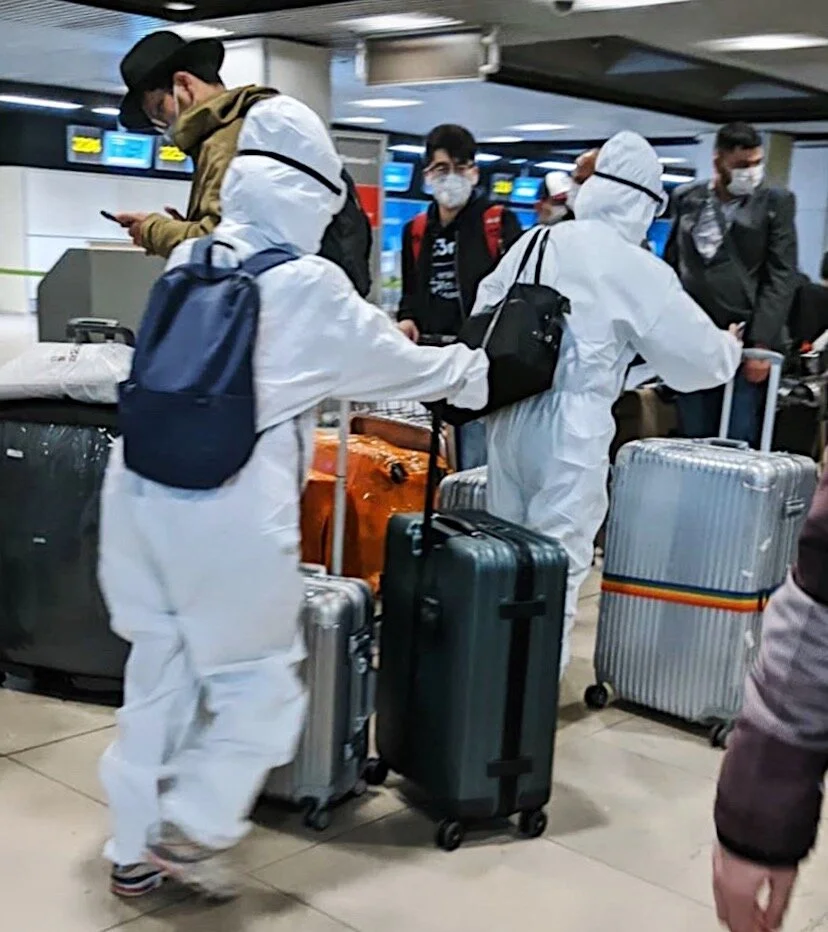
I hastily packed clothes and souvenirs and boarded a bus to Madrid, leaving behind two suitcases full of belongings and many unsaid farewells to Spanish friends. After a five-hour excursion and many failed attempts to enter the city due to strict quarantine orders, I finally arrived at the Madrid-Barajas Airport. Panicked passengers in makeshift masks and hazmat suits rushed to their gates. Travelers emptied suitcases into trash cans to avoid long check-in lines. University students tearfully begged customer service for tickets home. While rushing through security, the customs officer reviewing my ticket murmured, “You’re lucky you found a flight out of here. Volver pronto,” meaning “come back soon.” On March 14, one day after my return to the United States, the Spanish Prime Minister, Pedro Sanchez, declared a state of emergency which placed the country on lockdown and cancelled all outgoing flights. I had narrowly escaped an impending two-month state of emergency.

On March 13th, travelers in hazmat suits rush through the Madrid-Barajas Airport. Photo by Shannon Moran.

Upon arrival in Atlanta, CDC workers recommended 14-day quarantine and randomly screened a handful of passengers for fevers. On April 20, Georgia Governor Kemp disregarded public health officials by announcing, “We will allow gyms, fitness centers, bowling alleys, barbers, cosmetologists, hair designers, nail care artists, estheticians, and massage therapists to reopen their doors.” Following a chaotic return to the United States and cancellation of my study abroad experience, I continue to fear contracting and spreading COVID-19 in a state reopening. In spite of dismay and uncertainty, I witnessed the world at a pivotal moment in history. Amidst a worldwide pandemic, I visited Europe’s cultural epicenters, and volveré pronto, I will return soon.


Shannon Moran

Shannon is a Journalism major at the University of Georgia, minoring in English and Spanish. As a fluent Spanish speaker, she is passionate about languages, cultural immersion and human rights activism. She has visited seven countries and thirty states and hopes to continue traveling the world in pursuit of compelling stories.

In News and Social Action, Global Health & Crisis Tags Coronavirus, COVID-19, Georgia, Spanish language, Valencia Spain, Spain, Europe, China, U.S. State Department, study abroad, Paris, Mona Lisa, Parisian, Atlanta, Madrid, lockdown, CDC, Global Health, Travel
Comment

Alaska: The Problem of the Wilderness

April 30, 2020

An exerpt from “The Problem of the Wilderness” - Bob Marshall, 1930

“It is well to reflect that the wilderness furnishes perhaps the best opportunity for pure esthetic enjoyment. This requires that beauty be observed as a unity, and that for the brief duration of any pure esthetic experience the cognition of the observed object must completely fill the spectator’s cosmos. There can be no extraneous thoughts—no question about the creator of the phenomenon, its structure, what it resembles or what vanity in the beholder it gratifies. The purely esthetic observer has for the moment forgotten his own soul, he has only one sensation left and that is exquisiteness. In the wilderness, with its entire freedom from the manifestations of human will, that perfect objectivity which is essential for pure esthetic rapture can probably be achieved more readily than among any other forms of beauty.”

Tags Alaska, esthetic, nature, inspiration, beauty
Comment

Kim Ludbrook / EPA

Coronavirus Shows We Are Not at All Prepared for the Security Threat of Climate Change

April 30, 2020

How might a single threat, even one deemed unlikely, spiral into an evolving global crisis which challenges the foundations of global security, economic stability and democratic governance, all in the matter of a few weeks?

My research on threats to national security, governance and geopolitics has focused on exactly this question, albeit with a focus on the disruptive potential of climate change, rather than a novel coronavirus. In recent work alongside intelligence and defence experts at the think-tank Center for Climate and Security, I analysed how future warming scenarios could disrupt security and governance worldwide throughout the 21st century. Our culminating report, A Security Threat Assessment of Global Climate Change, was launched in Washington just as the first coronavirus cases were spreading undetected across the US.

The analysis uses future scenarios to imagine how and where regions might be increasingly vulnerable to the resource, weather and economic shocks brought about by an increasingly destabilised climate. In it, we warn:

Even at scenarios of low warming, each region of the world will face severe risks to national and global security in the next three decades. Higher levels of warming will pose catastrophic, and likely irreversible, global security risks over the course of the 21st century.

Little did we know when writing these words and imagining the rapidly evolving shocks to come, that a very similar test of our global system was already brewing as governments sputtered to contain the damage of COVID-19.

Over the first few crucial weeks of this crisis, we’ve seen world leaders take a number of actions that indicate how climate shocks could destabilise the world order. With climate change disasters, as with infectious diseases, rapid response time and global coordination are of the essence. At this stage in the COVID-19 situation, there are three primary lessons for a climate-changing future: the immense challenge of global coordination during a crisis, the potential for authoritarian emergency responses, and the spiralling danger of compounding shocks.

An uncoordinated response

First, while the COVID-19 crisis has engendered a massive public response, governments have been largely uncoordinated in their efforts to manage the virus’s spread. According to Oxford’s COVID-19 Government Response Tracker, countries vary widely in the stringency of their policies, with no two countries implementing a synchronised course of action.

While traditionally a great power like the US might step forward to direct a collective international response, instead the Trump administration has repeatedly chosen to blindside its allies with the introduction of new limitations on trade and movement of peoples. This mismanagement has led to each nation going on its own, despite the fact that working together would net greater gains for all. As the New York Times’s Mark Landler put it, the voices of world leaders are forming “less a choir than a cacophony”, leading to mixed global messages, undetected spread, and ongoing fights over limited resources.

Politicians have sent mixed messages. Tasos Katopodis / EPA

In the face of climate change, such a lack of coordination could be be highly destabilising to world social and economic order. The mass displacement of people, the devaluation of assets, rising seas and natural disasters will call for shared practices and common decency in the face of continued tragedy. Many climate impacts will raise new questions the world has yet to answer. What do we do with nation-states that can no longer reside in their homeland? How do we compensate sectors for ceasing harmful practices such as fossil fuel extraction and deforestation, especially where national economies may depend on them?

We also face new global governance questions around the use of risky geoengineering technologies, which can be deployed unilaterally to alter local climates, but with the potential for vast unintended regional or even global consequences. These are challenges which, like climate change itself, can only be solved collectively through coordinated policies and clear communication. The sort of wayward responses and lack of leadership in response to COVID-19 would only lead to further destruction of livelihoods and order in the decades to come.

Authoritarian agendas

This historic moment is also offering new opportunities for leaders to further dangerous, illiberal agendas. Authoritarians have long used emergency situations as a pretext to further curtail individual rights and consolidate personal power against backdrops of real or imagined public danger. We’ve seen these actions spiral worldwide in the past month in autocracies and backsliding democracies, alike.

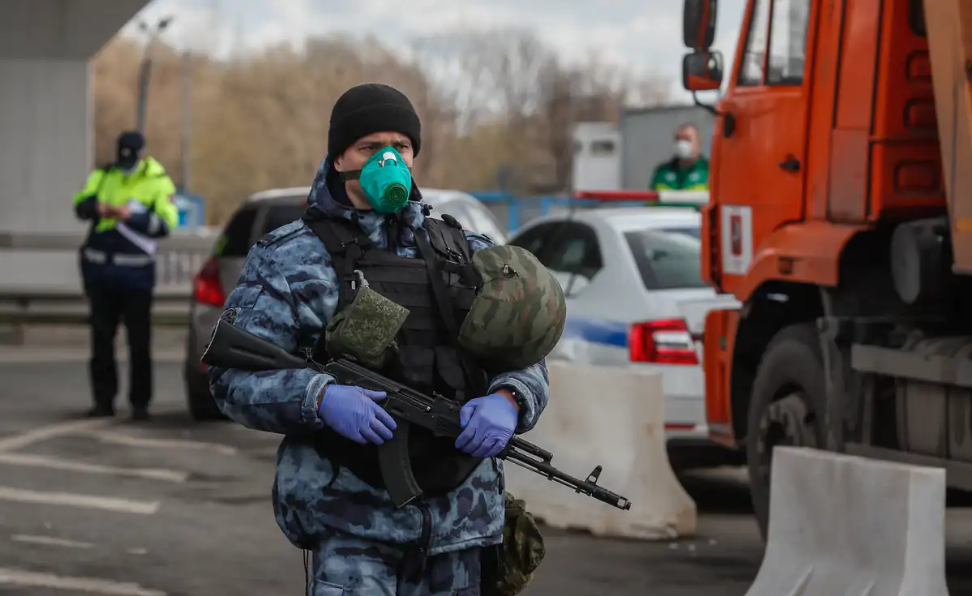
President Rodrigo Duterte in the Philippines has given security services the directive to open fire on protestors while Vladimir Putin is deploying mass surveillance technologies and new criminal penalties to monitor the Russian population. Hungary’s prime minister Viktor Orbán has forced new emergency powers through parliament that muzzle political opposition and allow for his indefinite rule. Even the supposed democratic bastions of the US and the UK are seeing worrying signs of autocratic policies, as surveillance drones are deployed to monitor citizens, scientific expertise is undermined, and open-ended emergency powers are granted to police forces for undetermined time frames.

Police across the world have been given new powers. Yuri Kochetkov / EPA

A warming world will only result in more disaster-related events for power-hungry leaders to take advantage of in the years ahead. From the nationalisation of resources to the deployment of militaries in response to climate shocks, it can be all-too-easy for public safety needs to bleed into personal political opportunities. The second-order effects of climate change, from supply chain instability to the migration of peoples, will also provide authoritarian leaders more fodder for their ethno-nationalist ideologies, which inflame divisions in society and could help broaden their personal appeal. Without clear and sturdy limits on executive power, the disruptive impacts of climate change will be used to further chip away at democratic freedoms across the world.

Overlapping shocks are the new normal

Finally, this situation is teaching the globalised world new lessons on the devastating consequences of compounding shocks. Managing a deadly global pandemic is bad enough, even before you layer on the massive unemployment, trade disruptions and economic shutdown that its mitigation sets in motion.

The months ahead will bring about additional crises – some related to the pandemic, like a massive uptick in public debt used to bail out national economies. But other near-term shocks may themselves be climate change-induced, from new forecasts for large-scale floods this spring in the central US, to a prospective repeat of 2019’s severe summer heat waves across Europe.

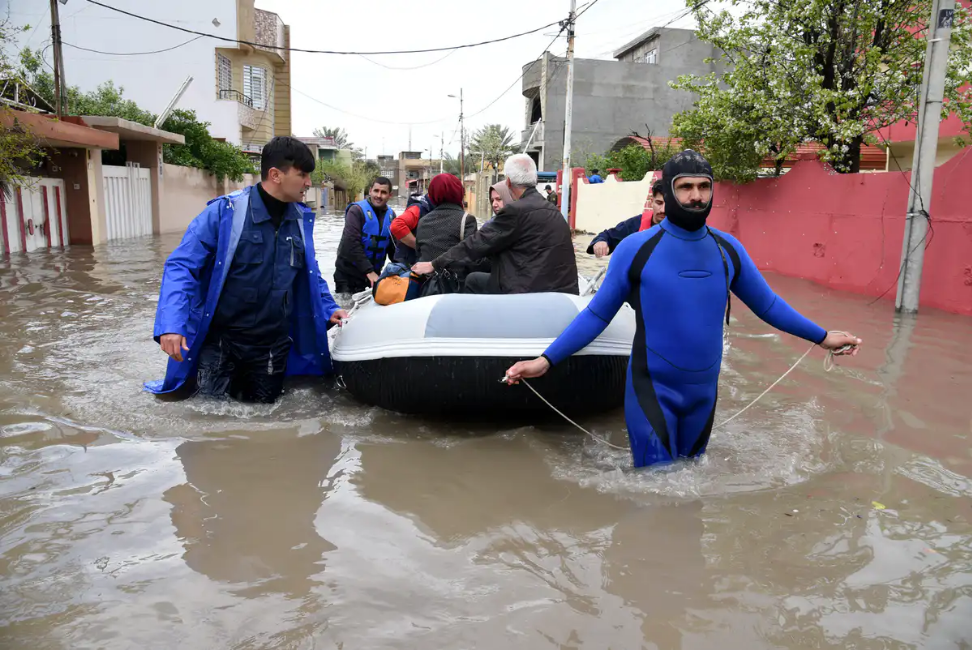
Recent floods in Mosul, Iraq. Can we handle climate-related disasters during a pandemic? Ammar Salih / EPA

These disasters have the potential to strike just at the time when people are being advised to shelter inside, many in at-risk areas and without adequate indoor cooling. Overlapping, historic shocks like this are becoming the new normal in our climate-changed era. As public disaster response budgets spiral and loss of life mounts each year, governments will continue to struggle to contain their compounding damage.

Scientists and security professionals alike have long warned about the devastating potential of climate change, alluding to how it might rattle our global governance systems to breaking point. But few could have expected that the fissures in our institutions would be revealed so soon, let alone on such a disturbingly large scale.

We can treat the current global crisis as a sort of “stress test” on these institutions, exposing their vulnerabilities but also providing the urgent impetus to build new resilience. In that light, we could successfully rebound from this moment with more solid global security and cooperation than we knew going into it. Decision-makers should take a hard look at their current responses, problem-solving methods, and institutional design with future climate forecasts like our Threat Assessment in mind.

We know that even steeper and more frequent global shocks are in store, particularly without serious climate change mitigation efforts. What we don’t yet know is whether we’ll repeat current patterns of mismanagement and abuse, or if we’ll chart a more proactive and resilient course through the risks that lie ahead.

Kate Guy PhD Candidate and Lecturer in International Relations, University of Oxford

THIS ARTICLE WAS ORIGINALLY PUBLISHED ON THE CONVERSATION
Tags Climate Change
Comment

Divyakant Solanki/EPA

In India’s Cities, Life is Lived on the Streets – How Coronavirus Changed That

April 30, 2020

In India, where the coronavirus lockdown affects 1.3 billion people, the effect is a big contrast to a place where the city streets are normally thronged with life in all its guises.

Read More
In India Tags COVID-19, Coronavirus, India, homelessness, lifestyle, London, New York, public transportation, urban living, market, city planner, lockdown, architecture, Global Poverty, Guide Feature
Comment

Bloom: Japan

April 30, 2020

In April this year, director Julian Lucas went on holiday to Japan - his camera came with him.

The result is the film Bloom.

He discovered a peculiar sense of quiet, desolation, and loneliness among the people.
In a country so packed with lights and trains and crowds and experiences, from the theatrical to the serene to patently bizarre, Bloom captures this lovely dichotomy between the people and the cities they inhabit. Inside the noise and the chaos, Julian captures people alone, wandering the streets, buried in telephones - a dull, menacing and peaceful nothingness below the surface.

What’s most inspiring about the footage is the way that it doesn’t struggle or form its way into any kind of narrative - Julian just lets the film be exactly what it is. But in that loose process, which is unlikely an accident, there’s this dizzying repetition that tells us something quite profound about Japanese culture. The score, too, by Matt Hadley, dances with the vision. At times intense and jarring, edited cleverly to interplay with the captured audio. At times serene and beautiful, with layered synths and string lines that dance softly up and down the keyboard.

“I wanted the soundtrack to be it's own character,” says Julian. “I wanted the viewer to be as audibly stimulated as they are visually. And I wanted sounds from the real world to contribute to the rhythm and pacing of the piece.”

In Asia, Japan, World and Travel, Video, Travel Inspiration Tags Travel, Asia, Guide Feature, Japan
Comment

LOCKDOWN: Edinburgh, Scotland

April 30, 2020

“The COVID-19 pandemic has affected many people’s lives all over the world. This short film is focusing solely on Edinburgh, showcasing the situation and how the daily lives in the city have been affected. Inclusion of some positivity and optimism too in this short film. My own old stock footage as well as some aerial footage from other sources were used. New current footage were shot without flouting the lockdown rules, only done so in conjunction with essential travel.” Carsan Choong

Tags COVID-19, Coronavirus, Edinburgh, Scotland
Comment

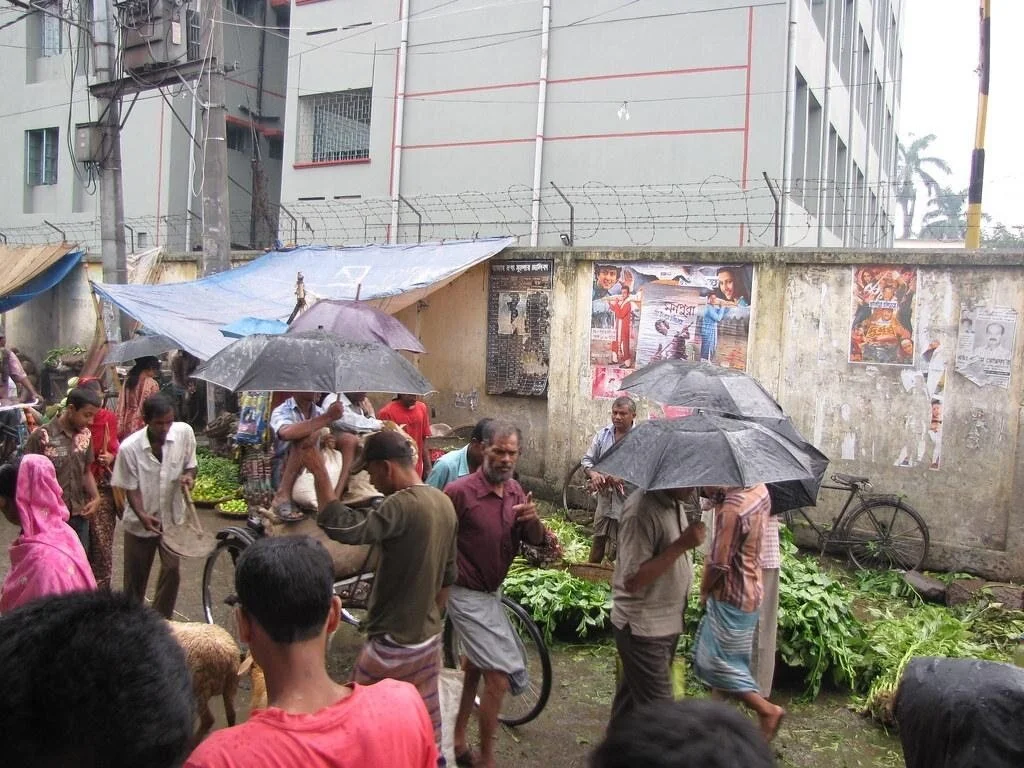
An urban street in Bangladesh. Manbarlett. CC 2.0

The Detrimental Impact of Covid-19 on Developing Nations

April 30, 2020

The world has dealt with COVID-19 since the beginning of the year with varying countries successfully staving it off. However, the question of how developing countries are doing has crossed the media only a few times. The problem is our inability to know the true extent of their situation since they do not have the same means as more developed countries like ourselves and other impacted countries. Their economic situations are close to being called a crisis while medical care is scarce to come by. In countries like Bangladesh, Nigeria and South Africa, their vulnerability to the virus has increased with the global economic shut-down and sparse supplies. 

The Economic Crisis 

The biggest issue with developing countries is their reliance on “foreign income and tourism”. This ultimately means that regardless of confirmed COVID-19 cases, they will feel the impact of the virus as the world economy faces major setbacks and in some cases come close to halting as some countries' exports are affected. For example, in Bangladesh “only 15% of Bangladeshi workers make over $6 a day”, meaning very few families are able to support themselves in the event of an economic shut down. The World Bank has sent aid across the globe and plans to send out close to $160 billion dollars of relief money to Africa and countries such as Pakistan, India, Ethiopia and more, hoping to help relieve them of economic stress and strengthen “their national health systems.” An issue that has risen with giving aid to these countries is that their situation is not like the United States of America where we can enforce “social distancing guidelines and then pair them with stimulus packages”. Poorer countries, such as Bangladesh, are more spread out with the majority of their population self-employed or working in informal sectors meaning they are not under the tax and benefits system. They tend to live “hand-to-mouth” instead of pay-check to paycheck. This means they are completely reliant on what they make that day to feed their families and survive. Further complicating the matter, with so few resources spread out across the country, we are unable to find the COVID-19 epicenters of these countries. They lack the proper test kits and quantity, resulting in an inaccurate number of positive COVID-19 cases and too few resources for help and trained professionals. 

The Impact on Medical Care

It has been predicted that with the rest of the world’s cases slowly dropping, the new world epicenter for COVID-19 will shift to Africa. Currently, they have “10,000 reported confirmed cases and over 500 fatalities”. While they were not the first to be impacted, their curve of cases has yet to flatten, worrying health officials worldwide. Just this last week, Capetown, South Africa jumped 43% with confirmed cases, alerting the WHO of the rising crisis but no way to determine the true epicenter of the continent. Without proper safety equipment in hospitals, many doctors or nurses try to avoid seeing patients who predict they have the virus, seeing as they won’t be protected themselves. Additionally, there is a severe lack of testing kits available, so they’ve tried to spread them out as much as possible nationwide. A stark example is Nigeria, Africa’s most populous country with over 200 million inhabitants, which has reported almost 900 COVID-19 cases with only 28 confirmed deaths. They have only conducted just over 7,000 tests with only 5,000 of these coming in this past week and being used. This lack of equipment again adds to the ignorance of the true numbers of cases these countries have and how we can help. 

Lastly, countries such as South Africa and Bangladesh have an inability to obtain an adequate amount of medical supplies, and the ones they do have are spread so thin that they are hardly useful. Populations are scrambling to seek help, but social-distancing guidelines like we’ve seen in our own country are impossible to implement in countries where most of their population do not live in an urban setting. For example, in Bangladesh, the entire country only has “432 ICU beds with only 110 outside the capital city of Dhaka”. This ultimately means unless the Bangladeshi population lives inside the city, it’s unlikely they will receive the help they need. Already Bangladesh has over 5,000 confirmed cases and over 150 deaths.  Their inability to give out adequate healthcare has required donations from all around the world to enable people to get the help they need. Bangladesh, Nigeria and South Africa are only a few examples of the countries who rely on each other to take home food and money to their families, and most do not live in a country that has an organized, official census. This makes it hard for health officials to know how much supplies they need to send to these countries and give them aid.

Implemented Strategies

Initially, their ability to sustain their countries through this pandemic has looked grim, but the world has flooded in to help by donating supplies and tests. For example, in Bangladesh, officials have implemented a survey to try to get a good grasp on the exact number of population while increasing their efforts to educate the general population on what COVID-19 is and how to keep themselves safe. Additionally, they are working on an already established census to call citizens to check in on them, making sure they have the help and resources they need. In other countries like South America and Nigeria, they are currently working on educating their populations and trying to implement as little contact as possible with people not related to each other. At the end of the day, the most that can be done is a step by step process that starts with getting the full scope of what these countries are dealing with. This starts with getting more test kits sent out and more government officials working on getting the exact numbers on a population.

Ultimately, the world has been floored by this pandemic, and each day brings a new challenge. But globally, people are gathering to find ways to help countries who are not as equipped to function as normal, while ensuring the safety of everyone is kept at the forefront of their minds.

Elizabeth Misnick

is a Professional Writing and Rhetoric major at Baylor University. She grew up in a military family and lived in Europe for almost half her life, traveling and living in different countries. She hopes to continue writing professionally throughout her career and publish her writing in the future.

Tags COVID-19, Coronavirus, Developing World, tourism, Africa, Cape Town, Bangladesh, COVID, Global Health
Comment

Child Adoption by Nick Youngson CC BY-SA 3.0 Alpha Stock Images

Adoption in the Time of Covid-19

April 30, 2020

The coronavirus has created new challenges and caused disruptions for child adoptions and surrogacy as adoption-related travel has been delayed and U.S. courts were closed for nonessential hearings. On April 22, 2020 President Trump signed an executive order that restricted immigration into the U.S. for the next 60 days due to the COVID-19 outbreak. Adoptive families were concerned about how the order would impact them and their prospective children. Holt International, a nonprofit, faith-based adoption agency received an official notice that “children can still travel home to the U.S. with their adoptive families, and international adoptions can move forward without delay.” While this is a relief for American adoptive families, it is only one of the hurdles families faced as the coronavirus has complicated international and domestic adoption, as well as surrogacy.

International Adoption

From 1999 to 2019, 275,891 international children were adopted by families in the U.S, according to data from the U.S. Department of State. Children from China, Russia, Guatemala, South Korea, and Ethiopia accounted for 71% of all international adoptions to the U.S. since 1999, according to a 2017 study by the Pew Research Center. In early February 2020 the State Department suspended visas to China, effectively banning travel to China because of COVID-19. As the coronavirus continued to spread, the U.S. restricted travel from Europe, effective March 13, 2020. With the travel bans in effect, American families who were in the process of adopting internationally had their plans delayed, some without a timeline due to the uncertainty around when shelter-in-place orders and the travel bans will be lifted.

According to NPR, Chinese regulations state that adoptions must be completed before a child turns 14. In addition, adoptions from China take about one to two years to be finalized, according to America World Adoption. With the added delays of the coronavirus, NPR says this means that “some of those children are in jeopardy of aging out of the adoption system forever.”

Domestic Adoption

According to statistics from the Adoption Network, around 140,000 American children are adopted in the U.S. each year. Although the coronavirus has altered daily life and has made adoption more difficult, child welfare agencies are finding ways to continue domestic adoptions despite canceled court hearings. Agencies like the National Court Appointed Special Advocate and the Department of Children and Family Services have turned to technology to proceed with adoption hearings.

A Pennsylvania family was able to adopt their 7-year-old son Dominic over a conference call on April 6. Two families in Louisiana completed their adoption ceremonies over the phone on April 7. On April 16 in Arkansas, 2-year-old Jaden’s adoption hearing took place over a Zoom video call. Although families are not physically able to have their official adoption ceremonies, they are not letting that dampen their joy of adding a new addition to the family.

Surrogacy

While the travel restrictions have not affected some international adoptions, they have greatly affected surrogacy. The Washington Post reported that many people overseas with surrogates in the U.S. are either unable to enter the country or are stuck in the U.S. and unable to bring their newborns home. Since the U.S. government has put a hold on most routine passport services unless it is a life-or-death emergency, families whose newborn babies were born to gestational surrogates are unable to obtain a passport for their infant. Without a passport, parents cannot take their newborn home. According to NBC, that delay can cost parents around $20,000, on top of the staggering cost of surrogacy.


Asiya Haouchine

is an Algerian-American writer who graduated from the University of Connecticut in May 2016, earning a BA in journalism and English. She was an editorial intern and contributing writer for Warscapes magazine and the online/blog editor for Long River Review. She is currently studying for her Master’s in Library and Information Science. @AsiyaHaou

Tags COVID-19, Coronavirus, surrogacy, China, Russia, Guatamala, Europe, NPR, Pennsylvania
Comment

Explore Georgia’s Martvili Canyon

April 23, 2020

There was a time when the exquisite blue-green waters of Martvili Canyon were only open to Georgian nobles, who would visit to bathe. Now, everyone is welcome to boat and swim here. The picturesque natural wonder is located in Samegrelo, a coastal region of Georgia known for being a historical center of the country’s cuisine and culture. The two-level canyon is thick with moss and other plant life and dotted with waterfalls and caves. And even on the hottest days of summer, the water that pools in the lower level of the canyon is refreshingly cool.


This Great Big Story is by Georgia National Tourism Administration.

THIS ARTICLE WAS ORIGINALLY PUBLISHED ON GREAT BIG STORY

Tags Georgia, Martvili Canyon, nobility, natural wonders, Travel
Comment
← Newer Posts Older Posts →

Also check out...

Featured
Vietnam’s Floating Markets Are Disappearing
The Supernatural Role of Masks in Nigeria’s Yoruba Tribal Culture
Opening the World to Deaf Travelers with Lily Yu

Featured trips

Featured
Offer NGO Support While Visiting Quito
Experience Life as a Mongolian Nomad
Help Grow Organic Costa Rican Coffee

Sign up for the CATALYST newsletter

Sign up for our newsletter to get the scoop on international travel, global social impact insights, our latest podcast releases, and more from around the world, all delivered right to your inbox!

We respect your privacy.

Thank you!
Newsletter Sign Up | Advertise | Careers + Internships | Privacy Policy | Submissions | Contact Us

Copyright © 2025, MISSION MEDIA LLC. All rights reserved.