
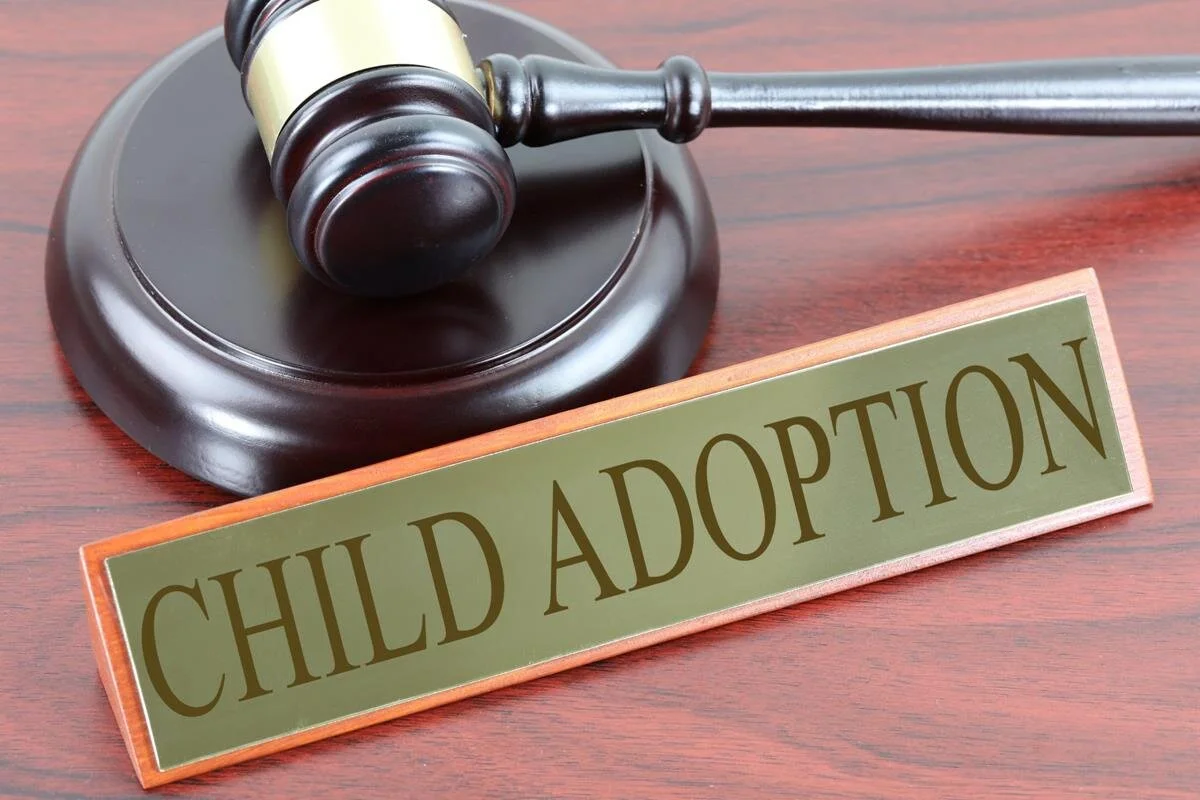
The coronavirus has created new challenges and caused disruptions for child adoptions and surrogacy as adoption-related travel has been delayed and U.S. courts were closed for nonessential hearings. On April 22, 2020 President Trump signed an executive order that restricted immigration into the U.S. for the next 60 days due to the COVID-19 outbreak. Adoptive families were concerned about how the order would impact them and their prospective children. Holt International, a nonprofit, faith-based adoption agency received an official notice that “children can still travel home to the U.S. with their adoptive families, and international adoptions can move forward without delay.” While this is a relief for American adoptive families, it is only one of the hurdles families faced as the coronavirus has complicated international and domestic adoption, as well as surrogacy.
International Adoption
From 1999 to 2019, 275,891 international children were adopted by families in the U.S, according to data from the U.S. Department of State. Children from China, Russia, Guatemala, South Korea, and Ethiopia accounted for 71% of all international adoptions to the U.S. since 1999, according to a 2017 study by the Pew Research Center. In early February 2020 the State Department suspended visas to China, effectively banning travel to China because of COVID-19. As the coronavirus continued to spread, the U.S. restricted travel from Europe, effective March 13, 2020. With the travel bans in effect, American families who were in the process of adopting internationally had their plans delayed, some without a timeline due to the uncertainty around when shelter-in-place orders and the travel bans will be lifted.
According to NPR, Chinese regulations state that adoptions must be completed before a child turns 14. In addition, adoptions from China take about one to two years to be finalized, according to America World Adoption. With the added delays of the coronavirus, NPR says this means that “some of those children are in jeopardy of aging out of the adoption system forever.”
Domestic Adoption
According to statistics from the Adoption Network, around 140,000 American children are adopted in the U.S. each year. Although the coronavirus has altered daily life and has made adoption more difficult, child welfare agencies are finding ways to continue domestic adoptions despite canceled court hearings. Agencies like the National Court Appointed Special Advocate and the Department of Children and Family Services have turned to technology to proceed with adoption hearings.
A Pennsylvania family was able to adopt their 7-year-old son Dominic over a conference call on April 6. Two families in Louisiana completed their adoption ceremonies over the phone on April 7. On April 16 in Arkansas, 2-year-old Jaden’s adoption hearing took place over a Zoom video call. Although families are not physically able to have their official adoption ceremonies, they are not letting that dampen their joy of adding a new addition to the family.
Surrogacy
While the travel restrictions have not affected some international adoptions, they have greatly affected surrogacy. The Washington Post reported that many people overseas with surrogates in the U.S. are either unable to enter the country or are stuck in the U.S. and unable to bring their newborns home. Since the U.S. government has put a hold on most routine passport services unless it is a life-or-death emergency, families whose newborn babies were born to gestational surrogates are unable to obtain a passport for their infant. Without a passport, parents cannot take their newborn home. According to NBC, that delay can cost parents around $20,000, on top of the staggering cost of surrogacy.
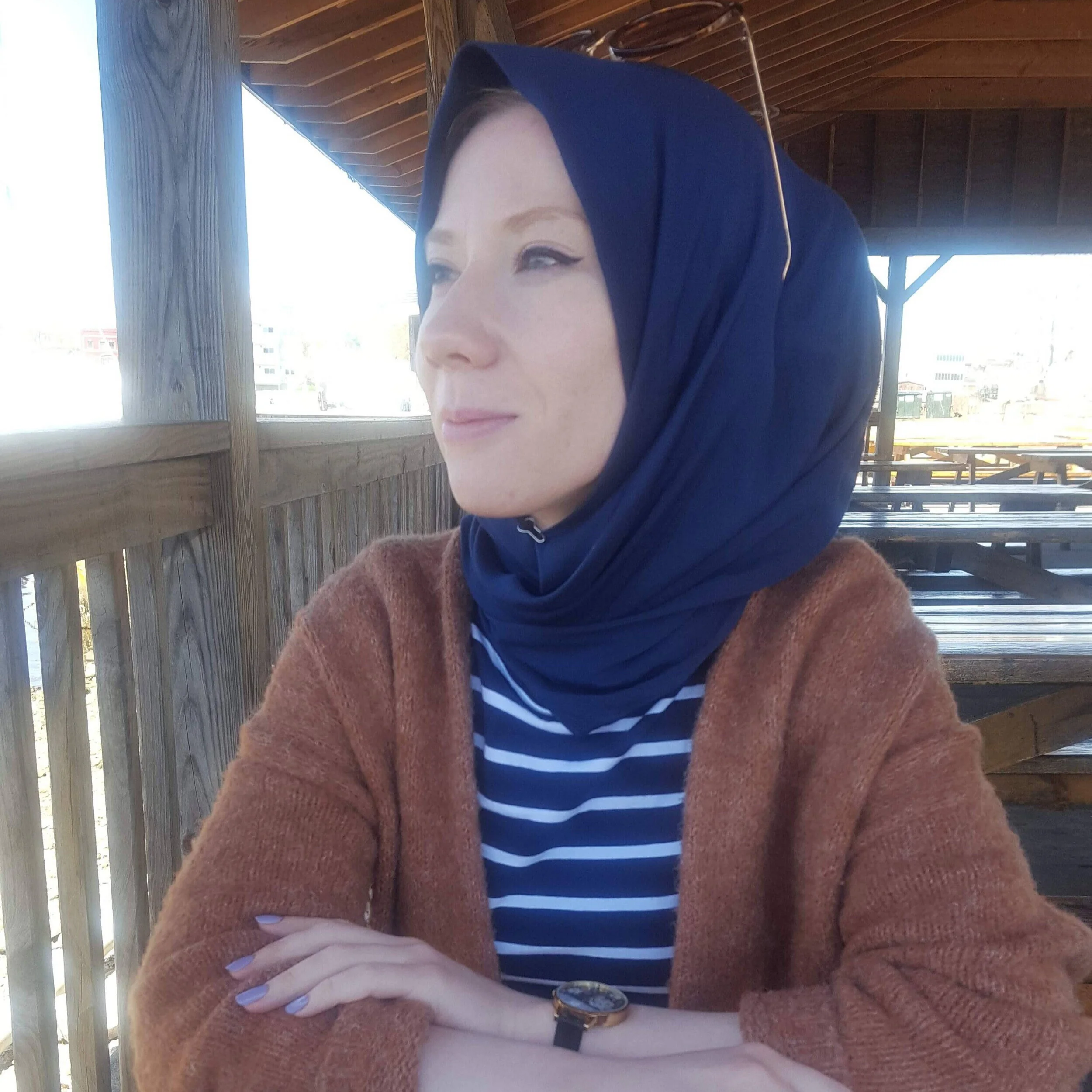
Asiya Haouchine
is an Algerian-American writer who graduated from the University of Connecticut in May 2016, earning a BA in journalism and English. She was an editorial intern and contributing writer for Warscapes magazine and the online/blog editor for Long River Review. She is currently studying for her Master’s in Library and Information Science. @AsiyaHaou