
• Travel Features
  • Global Action
  • Take A Trip
  • Travel Guides
    • Podcast
    • Courses
    • Bookshop
  • About
  • Sign Up
Menu

CATALYST PLANET

  • Travel Features
  • Global Action
  • Take A Trip
  • Travel Guides
  • Discover
    • Podcast
    • Courses
    • Bookshop
  • About
  • Sign Up

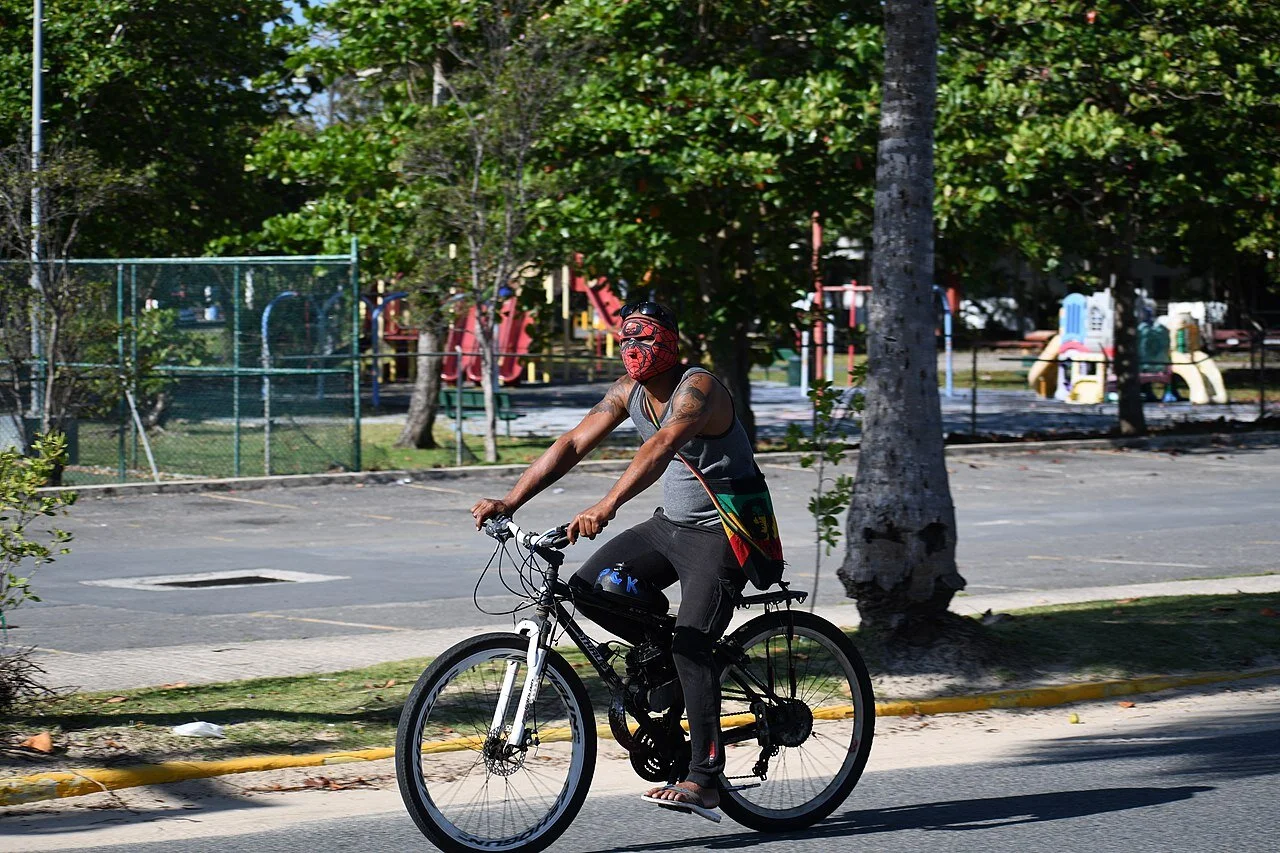
“A man wears a protective mask while riding a bike in Ocean Park, San Juan, Puerto Rico, during the coronavirus quarantine, on March 29th, 2020.” Maryamarce. CC BY-SA 4.0

When Will Puerto Ricans Receive Stimulus Aid?

May 30, 2020

On May 15, 2020, the U.S. House approved the $3 trillion HEROES Act, which contains a second round of coronavirus relief aid for state and local governments, and for American taxpayers who are struggling due to the pandemic. Although the bill passed in the House, it is unlikely to be approved by the Republican-dominated Senate. Nonetheless, many Americans, about 20 million, are still waiting for their stimulus checks from the CARES Act, which was signed into law on March 27, 2020.  

Included in the group of U.S. citizens still waiting for the first round of relief aid are residents of Puerto Rico who have yet to receive their stimulus checks. In an interview with MSNBC on April 25, San Juan Mayor Carmen Yulín Cruz said, “No one in Puerto Rico has received the $1200 from the federal government. We’re having problems with a local $500 check that the governor said was going to be distributed.”

On a May 19 update on the COVID-19 Economic Impact Payments (EIP), the Social Security Administration said they anticipate “that beneficiaries in the territories could begin receiving their EIP in early June.” June is a long time to wait to receive aid that is necessary right now. As of May 23, 276,737 Puerto Ricans have filed for unemployment since March 14—a little more than a quarter of their labor force.

The coronavirus pandemic is not the only crisis that Puerto Rico is facing as they are slowly recovering from Hurricane Maria, which devastated the island in September 2017. A 5.4 magnitude earthquake struck Puerto Rico on May 2, displacing at least 50 families and knocking out power—power which has yet to be fully restored since the total blackout caused by Hurricane Maria. The island has been without full power for 981 days and counting. The displaced families have formed impromptu camps: living in tents and lacking “even basic supplies, including sufficient food,” according to Direct Relief, a humanitarian aid organization.

Months after the 6.4 magnitude earthquake that struck the island on January 7, “thousands of people are still slumbering each night under camping tents, on cots, in their cars and in enormous open tents that serve as government shelters,” according to The New York Times. Their situations are made more dire by the coronavirus pandemic.

Experts worry the pandemic will threaten Puerto Rico’s health care system that is already in crisis. Before the outbreak, access to medical resources and services was limited. NBC News reported that, “according to the Health Resources and Services Administration, 72 of the island’s 78 municipalities are considered to be medically underserved and face ‘unmet health care needs.’”  The limited number of physicians and lack of funding for hospitals, clinics and labs make it more difficult to treat patients who have fallen ill from a virus that disproportionately affects communities of color.

Asiya Haouchine

is an Algerian-American writer who graduated from the University of Connecticut in May 2016, earning a BA in journalism and English. She was an editorial intern and contributing writer for Warscapes magazine and the online/blog editor for Long River Review. She is currently studying for her Master’s in Library and Information Science. @AsiyaHaou

Tags COVID-19, Coronavirus, stimulus aid, Puerto Rico, taxes, HEROES Act, Economic Impact Payment, EIP, unemployment, displacement, humanitarian crisis, New York Times, people of color, POC
Comment

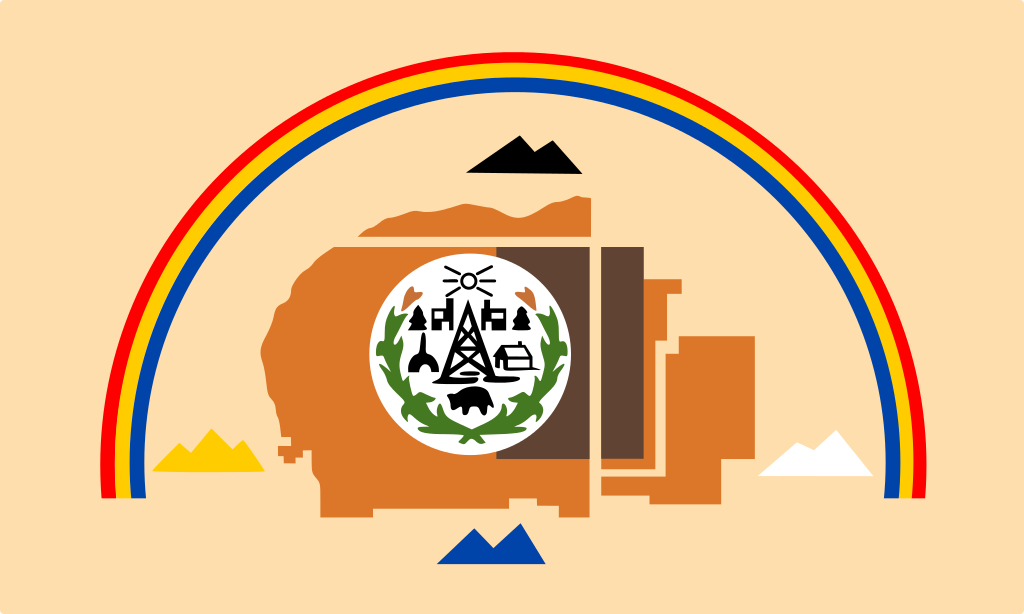
"Flag of the Navajo Nation" by Himasaram

Native American Tribes Sue US Treasury Over Distribution of Stimulus Aid

May 13, 2020

Native American tribes are among the communities who have been suffering the most from the coronavirus, and receiving the least amount of aid. Native Americans are a high-risk population for COVID-19. According to Health Affairs—a peer-reviewed healthcare journal—heart disease, cancer, unintentional injuries, and diabetes are the leading causes of death among Native American populations, which means that life expectancy is 5.5 years less than the rest of the US population.

The coronavirus has highlighted the disparities that Native American communities face, even under “normal” circumstances. According to the American Bar Association, “health care for Native Americans lags behind other groups, despite a legal obligation on the part of the United States to provide health care to American Indians and Alaska Natives.”

In mid-March, the Seattle Indian Health Board reported that instead of receiving the medical supplies they asked for, they received a box of body bags. Though it was determined to be a mistake, the mix-up echoes the pressing lack of resources and funding that the Native American communities need. As the coronavirus continues to devastate vulnerable communities in the US, it is of the utmost importance that stimulus aid goes directly to individuals, not corporations.

The Navajo Nation, the second largest Native American tribe, now has the highest per-capita COVID-19 infection rate after New York and New Jersey. As of May 9, there were 2,973 confirmed cases and 98 confirmed deaths for the Navajo Nation, the largest Native American reservation with a population of 350,000 residents, and it continues to rise. On May 6, the Nation finally received their portion of the federal coronavirus stimulus aid, six weeks after it was promised to them, and only after the US Treasury Department was sued.

In April, a group of Native American tribal governments sued the US Treasury Department over unjust distribution of coronavirus stimulus aid. They sued the Treasury in order to prevent the agency from allowing for-profit Alaska Native Corporations (ANCs) to access the $8 billion allocated to Native American tribes from the $2.2 trillion emergency stimulus rescue package.

The ANCs were established after the passage of the Alaska Native Claims Settlement Act (ANCSA) in 1971—a law governing how Alaska Natives could manage their lands. According to Vox, the passage of the ANCSA was likely because the “ANCSA paved the way for oil and gas exploration, which some ANCs have gone on to profit from in the years since.”

The tribes argue that the aid should not include the for-profit Alaska Native Corporations, and should be distributed solely to the 574 federally recognized tribes. If the 237 ANCs were able to apply for the relief money, it would greatly reduce the amount the nation’s tribal people would receive because the Alaskan Native Corporations would disproportionately benefit. According to Politico, “it could also tilt much of the funding even further toward one state by giving some Alaska Natives the ability to seek aid as both villagers and shareholders of a corporation.”

On May 5, U.S. District Judge Amit Mehta gave the tribes a victory when he limited access of the relief aid to the Native American tribes, blocking the ANCs from getting money from the stimulus funds.

Asiya Haouchine

is an Algerian-American writer who graduated from the University of Connecticut in May 2016, earning a BA in journalism and English. She was an editorial intern and contributing writer for Warscapes magazine and the online/blog editor for Long River Review. She is currently studying for her Master’s in Library and Information Science. @AsiyaHaou

Tags COVID-19, coronavirus, Native Americans, tribe, US Treasury, stimulus aid, Navajo Nation, Alaska Natives, Vox, Global Health
Comment

Also check out...

Featured
Vietnam’s Floating Markets Are Disappearing
The Supernatural Role of Masks in Nigeria’s Yoruba Tribal Culture
Opening the World to Deaf Travelers with Lily Yu

Featured trips

Featured
Offer NGO Support While Visiting Quito
Experience Life as a Mongolian Nomad
Help Grow Organic Costa Rican Coffee

Sign up for the CATALYST newsletter

Sign up for our newsletter to get the scoop on international travel, global social impact insights, our latest podcast releases, and more from around the world, all delivered right to your inbox!

We respect your privacy.

Thank you!
Newsletter Sign Up | Advertise | Careers + Internships | Privacy Policy | Submissions | Contact Us

Copyright © 2025, MISSION MEDIA LLC. All rights reserved.