
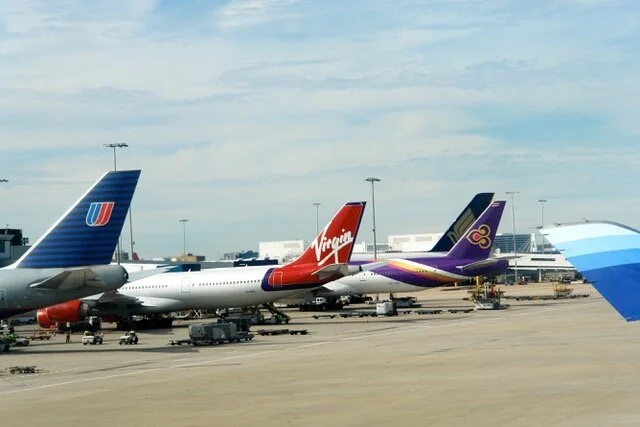
COVID-19 has disrupted nearly every aspect of the world, including the business of air travel. What at first glance may look like a benefit to travelers may actually be a warning for what’s to come in the future. Since the virus began to spread in the beginning of the year, airfares have dropped significantly bringing round-trip tickets to Paris to under $300 and to Rio de Janeiro under $600. These fares, however, are a harrowing red flag to the problem that will undoubtedly arise once the world returns to normality and travelers start their treks around the globe once again.
Supply and Demand
It’s been estimated that the aviation industry won’t return to “pre-pandemic numbers” until at least 2022 or beyond. This is due to factors that have impacted the industry such as airline bankruptcies, early aircraft retirement and supply and demand. These factors together have created a problem that for the time being has dropped prices to seemingly “miraculous” numbers but in the long run may point to a bigger issue. Across the globe, nearly every industry has severely cut employee numbers to keep their businesses afloat. United Airlines will be “displacing” over 4,000 out of their 12,000 pilots, while British Airways furloughs over 30,000 workers and Lufthansa begins placing 80,000 workers on reduced hours. With so many employees laid off, airlines are understaffed – but most have only been filling their cabins to between 50 and 60% capacity to honor social distancing guidelines designed to protect their passengers. This has led to an estimated over $5 billion worth of airplanes stored and ultimately retired several years too early. Additionally, airlines have filed for bankruptcy – such as LATAM Airlines and Avianca – and are actively searching for ways to increase the number of passengers they have on their next flights. These strategies include Frontier Airlines’ option to pay a $39 fee to ensure that the middle seats remain clear to maintain distance between passengers to hopefully make them feel more comfortable to fly.
The Thinking Behind Airfares
Another issue that has risen out of the pandemic is the lowered demand for passengers. With countries all over the globe dealing with the crisis, many borders are closed to foreign travelers like countries in Asia and Europe. That being said, most people do not feel comfortable flying on full airplanes anyway, due to fears of the virus’s easy spread. It has been stated that the price of airline tickets is something of both a “science and an art”, created by balancing the thought of the “customer’s motivation to travel and how much they are willing to pay for it.” In the current situation, airlines have been forced to increase their safety measures to match COVID-19 guidelines and lure more passengers to travel. This has been successful in the last few weeks as countries have hesitantly started to reopen their borders, but only in limited numbers and with strict procedures. Airline analyst Henry Harteveldt stated, “what’s crucial to restoring that demand, is restoring a sense of safety.” That being said, airlines respond to the demand their customers have for their services. A solid answer remains unknown as the pandemic situation remains unstable.
Currently, airline ticket prices seem almost too good to be true. However, dropped ticket prices signal the coming problem of airline bankruptcies. The answer to whether or not airline ticket prices will increase dramatically in the coming years remains to be seen. What can be said is that the airline industry will not return to normal for at least the next few years. The world is still reeling from a pandemic that seems to come in waves, and the future remains unclear for laid-off employees, airlines and public officials under pressure to keep their citizens safe.

Elizabeth Misnick
is a Professional Writing and Rhetoric major at Baylor University. She grew up in a military family and lived in Europe for almost half her life, traveling and living in different countries. She hopes to continue writing professionally throughout her career and publish her writing in the future.