
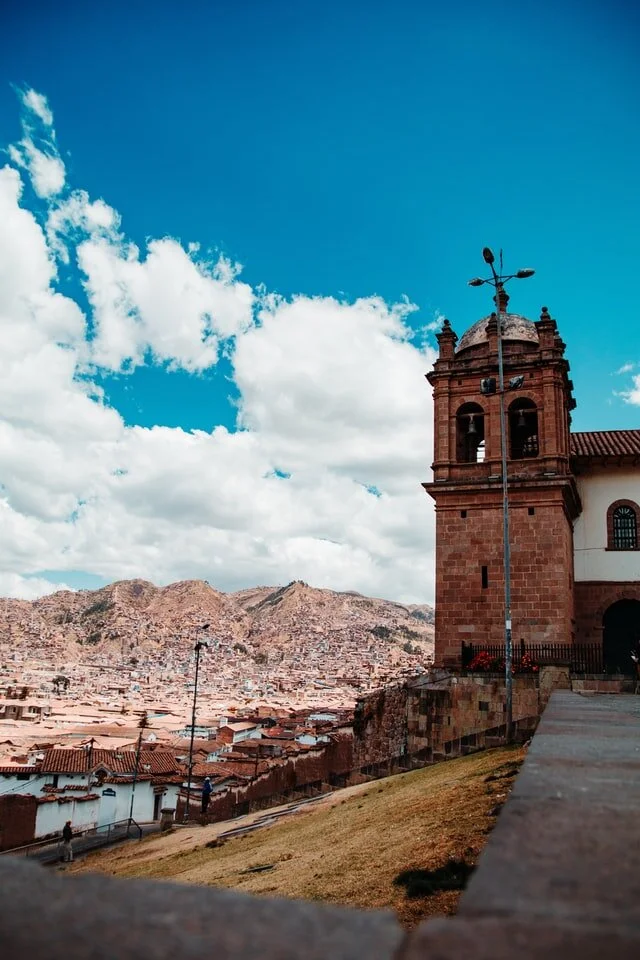
While much of the world begins to slowly reopen the economy, Latin America continues to face an overwhelming crisis due to COVID-19. Health care systems across the globe are buckling to the disease, but economic and political instability, large rural communities and widespread indigenous populations place Latin American countries at a particular disadvantage. Minimal international support furthers the burden, leaving the region in a nearly impossible position as it attempts to fight the virus.
Factors
Preparation and response has varied across Latin America, with some countries seeing low infection rates and slower spreads. Others are facing a crisis comparable to the United States and Europe as cities in Brazil, Ecuador, Mexico and Peru report death tolls higher than in Italy and Spain. To make matters worse, Brazil and Ecuador recently slashed their health care budgets, creating strained relationships with workers in the field.

Researcher in Florianópolis, Brazil by Lucas Vasques. Unsplash License. Unsplash License.
Health care workers in Mexico fear devastation due to their country’s high rates of hypertension, obesity and diabetes, all of which are risk factors for worsened symptoms from coronavirus.. Much like in Italy and China, many Mexican communities have economies that revolve around outdoor markets and intergenerational living, spreading the virus quickly. To combat COVID-19, the region needs help from other countries. So far, it has received little. Many countries are still indebted to China from the 2008 economic crash, and the United States’ decision to withhold funds from the World Health Organization has further limited Latin America’s resources. Other countries are constantly being outbid for medical supplies.
The Hardest Hit
Some countries in Latin America have been impacted more than others. In Ecuador, bodies are lining the streets as hospitals and morgues fill to the brim. On Friday, Brazil became the world’s fourth biggest hot spot; in response, President Bolsonaro’s second health minister quit in under a month. Peru has also seen a massive uptick in cases, most notably seen in its markets. 79% of vendors in Lima’s wholesale fruit market tested positive for COVID-19, and at least half of the spot tests given at five other large fresh food markets in the city came back positive. Markets provide incredible resources to the economies of Latin American countries, so local political authorities must react thoughtfully moving forward.
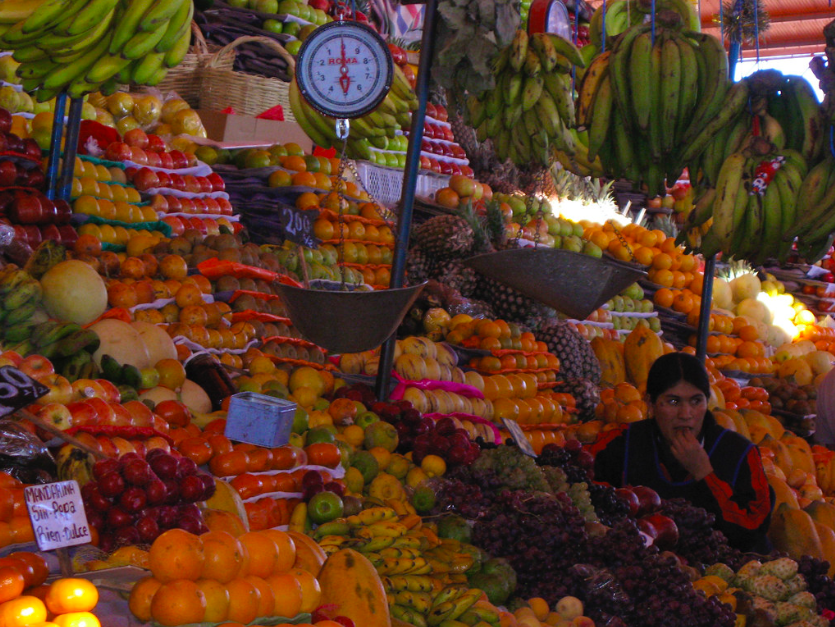
"Fruit Market" by superfluity is licensed under CC BY-NC-SA 2.0
The New York Times quotes Aguinilson Tikuna, an indigenous leader in Manaus, Brazil, who has experienced the personal loss of friends. “We weren’t prepared for this virus,” he said. “When this disease hit us, we locked ourselves in, locked our homes, isolated ourselves, but no one had the resources to buy masks, medicine. We lacked food.” Simply put, the region does not have the supplies to keep everyone safe, especially the vulnerable indigenous populations.
Also at risk are Latin America’s prisoners, who live in some of the most overcrowded prisons in the world. The world has already witnessed how dangerous this can be, as rates of tuberculosis among Brazilian prisoners are 35 times higher than in the rest of the country. Fortunately, countries like Argentina, Brazil and Chile are taking steps to scale down their prison populations in order to reduce the virus’s spread.
Our Attention
Latin America is facing the weight of a crisis it was not at all prepared for. Much like the rest of the world, COVID-19 has sent shockwaves across the region’s communities. It is past time for the international community to turn their eyes toward Latin America and allocate resources to stop the devastation looming on the horizon.

Renee Richardson
is currently an English student at The University of Georgia. She lives in Ellijay, Georgia, a small mountain town in the middle of Appalachia. A passionate writer, she is inspired often by her hikes along the Appalachian trail and her efforts to fight for equality across all spectrums. She hopes to further her passion as a writer into a flourishing career that positively impacts others.