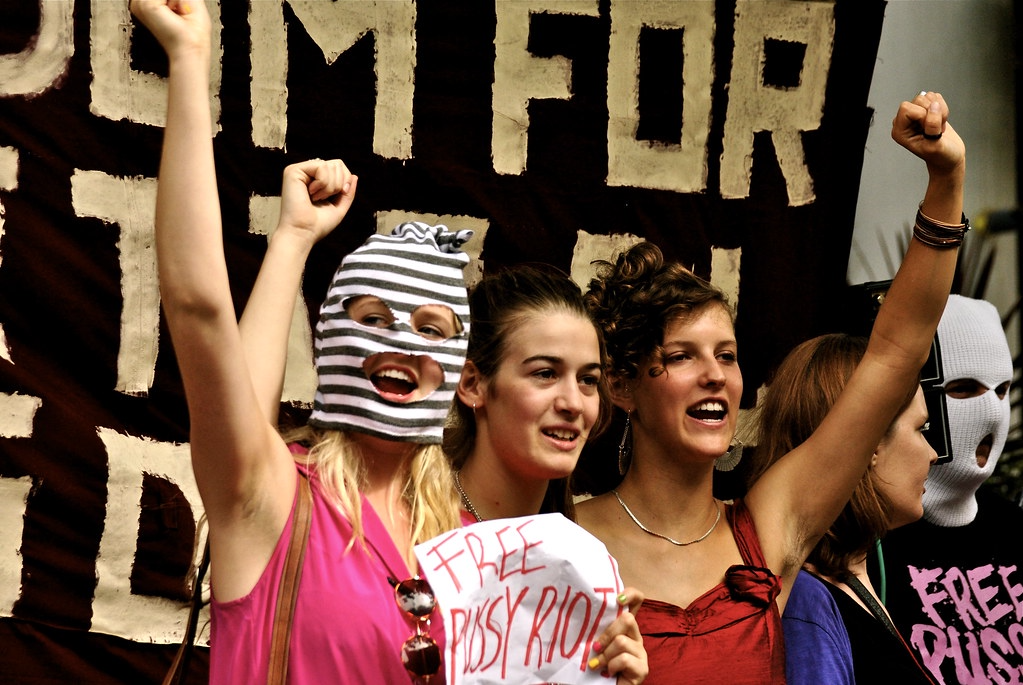
As the World Cup Nears, Reboot FIFA Challenges Football’s Governing Body

By Sehr Khosla

President Donald Trump and FIFA President Gianni Infantino announce Kennedy Center as FIFA World Cup 2025 draw location. The White House. CC0.

One week before the start of the 2026 FIFA World Cup, advocacy organization FairSquare launched Reboot FIFA, a public campaign urging supporters to join what it hopes will become the largest ethics complaint ever filed against the association. The complaint accuses FIFA President Gianni Infantino of repeatedly violating the organization’s political neutrality rules through his public support for U.S. President Donald Trump and argues that the allegations reflect deeper governance problems within football’s governing body.

Launched early this June, Reboot FIFA invites members of the public to add their names to an updated ethics complaint originally submitted by FairSquare in December 2025.

FairSquare argues that Infantino’s appearances alongside Trump, including his involvement with the FIFA Peace Prize awarded to the president and subsequent cooperation with Trump’s Board of Peace initiative, violated FIFA’s requirement that officials remain politically neutral. FIFA has not publicly accepted that characterization and maintains that its governance reforms have strengthened accountability and oversight.

With global attention turning toward the World Cup, the campaign highlights that the tournament provides a rare opportunity to pressure FIFA over issues of accountability and transparency.

For many supporters, the controversy recalls FIFA’s 2015 corruption scandal, when U.S. prosecutors charged dozens of football officials in a sweeping investigation into bribery, racketeering and money laundering. The scandal forced the departure of longtime FIFA President Sepp Blatter and prompted promises of far-reaching institutional reform.

Under Infantino, FIFA has repeatedly pointed to increased transparency measures, independent audits and billions of dollars invested in football development worldwide. Following “deep-rooted governance and management reforms,” as a FIFA spokesperson told The Guardian, the organization insists that it is now more accountable than ever.

For FairSquare, however, the persistence of controversy suggests otherwise. The NGO argues that FIFA’s problems are structural rather than personal.

“FairSquare has long argued that FIFA’s structural problems cannot be fixed from within and that external reform is critical,” the organization wrote in launching the campaign.

More significant to fans than the complaint itself is what it reveals about FIFA’s governance model, with FairSquare arguing that the organization simultaneously acts as football’s regulator and commercial powerhouse, creating conflicts of interest. Among the reforms proposed by the campaign are stronger auditing of FIFA’s finances, greater transparency in decision-making, and a clearer separation between its commercial operations and governance functions.

The campaign has also received support from the Norwegian Football Federation, whose president, Lise Klaveness, has called for the complaint to be properly assessed by FIFA’s ethics committee. This backing matters for fans because it suggests that concerns about governance are not limited to activists and watchdog groups but are increasingly being voiced by member associations themselves.

Whether Reboot FIFA succeeds in forcing change remains uncertain, especially considering that previous reform efforts have often struggled against an institution whose leadership is ultimately accountable to the same internal structures that elect it. Nonetheless, the campaign’s significance lies less in the fate of a single ethics complaint than in the question it raises. Years after FIFA’s most serious corruption crisis, football's governing body continues to face accusations of weak accountability and conflicts of interest. If FIFA wishes to claim it represents the global game, critics argue, it must do more than organize tournaments. Now, it must convince players, supporters and member associations that it is answerable to them as well.

Readers can learn more about the Reboot FIFA campaign and add their names to the ethics complaint through FairSquare's campaign website: https://rebootfifa.com/sign/
Sehr Khosla

Sehr is a student at Georgetown University studying Classics and Government with a minor in Journalism. In the future, she hopes to combine her passion for social justice with communications to advocate for change. Outside of writing, she enjoys travelling and reading murder mysteries.
Why Nigeria’s Largest Floating Village Is Being Demolished

By Julia Sassaman

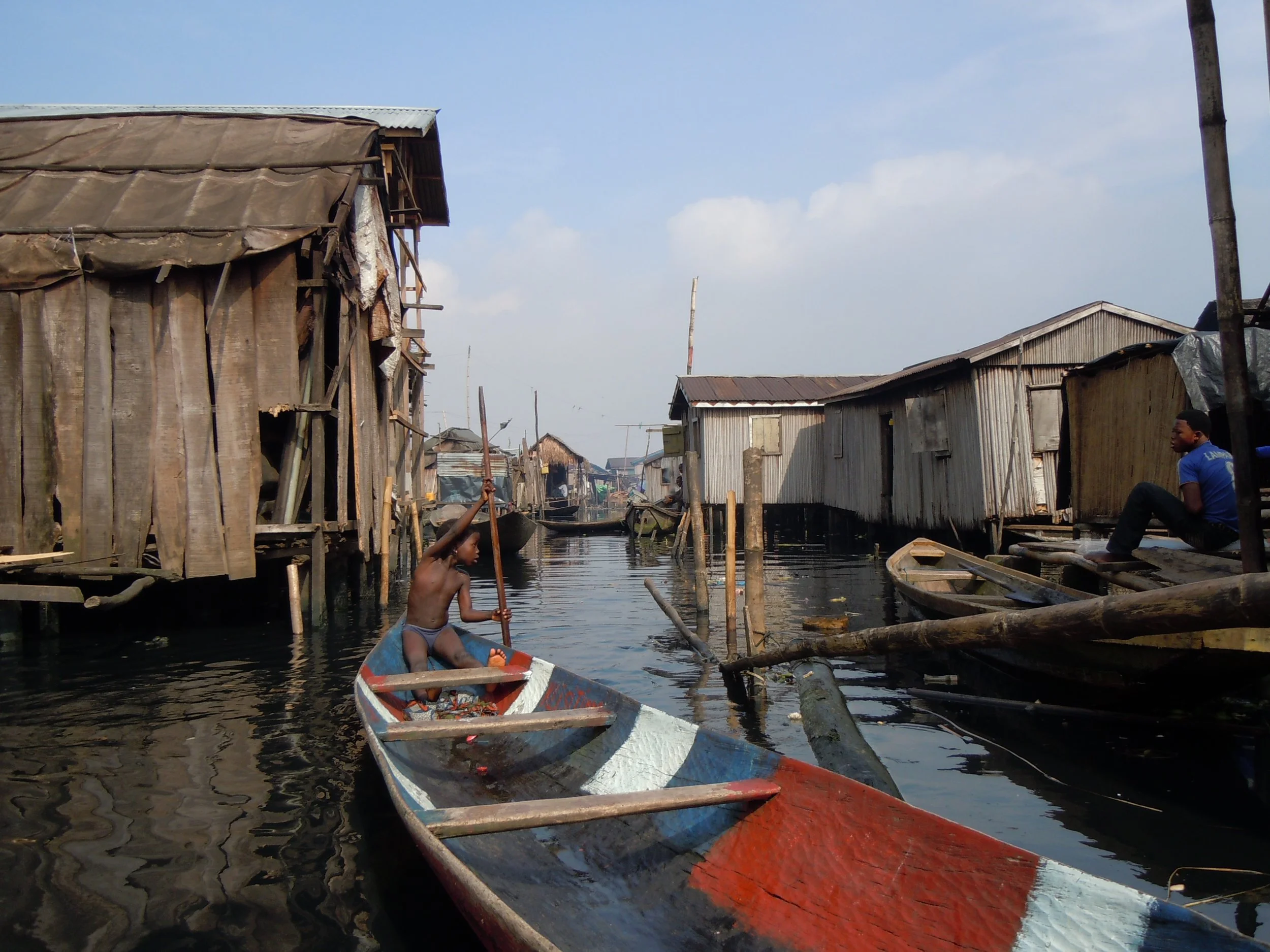
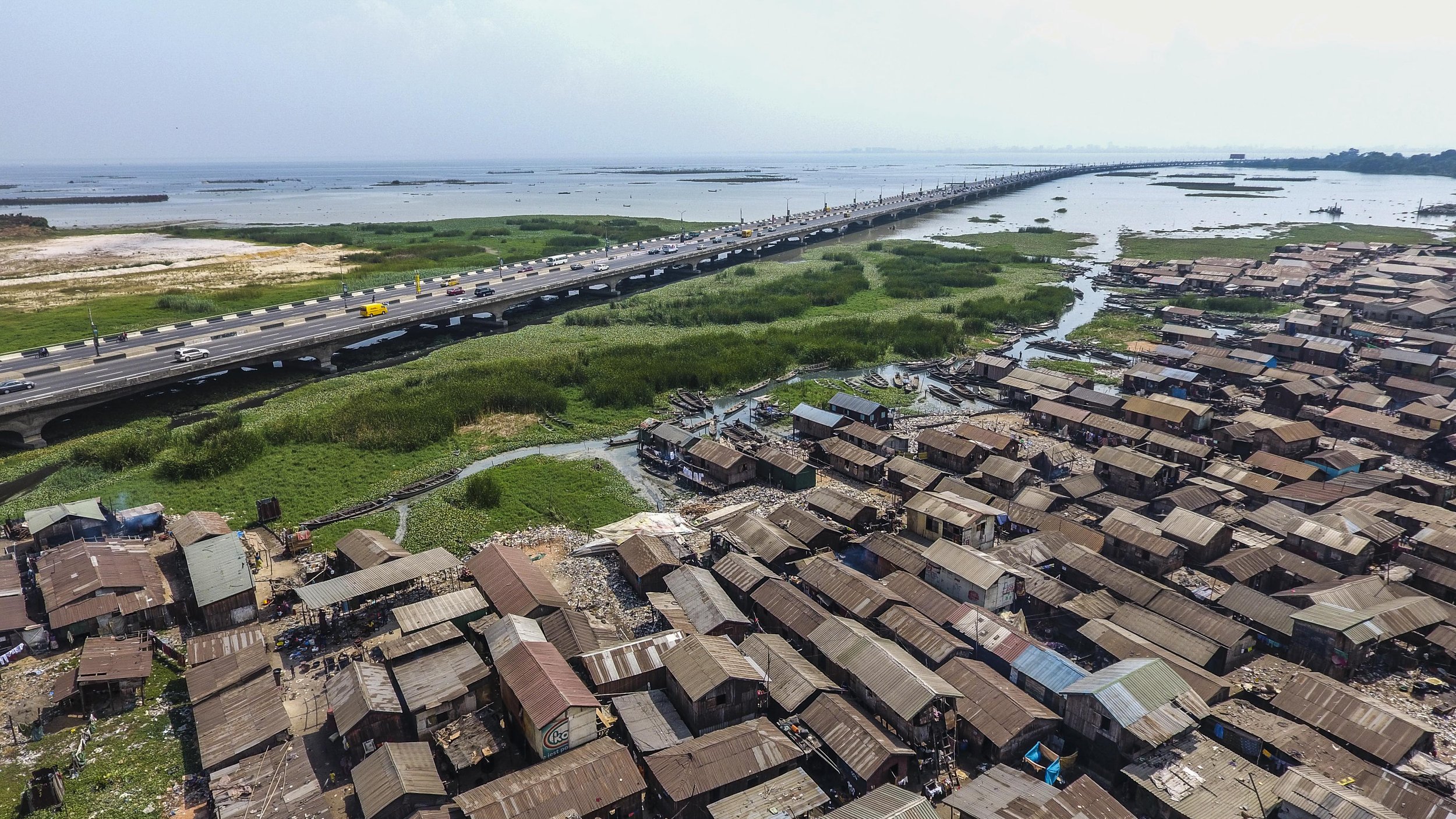
Thousands of residents of Makoko, Nigeria’s largest floating village, have been displaced after the Lagos State Government carried out demolitions as part of broader redevelopment efforts.

A young boy canoeing through the Makoko canals. Heinrich Boll Stiftung. CC BY-SA 2.0.

Sometimes called the “Dubai of Africa,” Lagos is a rapidly growing city on the Lagos Lagoon in southwest Nigeria, undergoing large-scale construction, tourism and housing development. As Nigeria’s largest city, Lagos is home to more than 14 million residents. Despite increasing investment in high-end developments and infrastructure on its islands, approximately 60% to 75% of residents live in informal settlements. These settlements typically consist of displaced or impoverished individuals who establish communities on state or private land without legal ownership, often lacking clean water, sanitation or basic urban services.

The city struggles to accommodate its growing population alongside high poverty rates and a shortage of affordable housing. Climate-related challenges, such as sea-level rise and coastal erosion, have also increased pressure on the Lagos State Government (LASG) to implement redevelopment projects. However, urban renewal efforts have drawn criticism from many Lagosians, who argue these developments often prioritize the wealthy over the broader population. Demolitions of informal settlement communities have further fueled controversy, prompting questions about the LASG’s redevelopment priorities. 

One of the most well-known informal settlements in Lagos is Makoko. Founded in the late 19th century by Egun fishing families, Makoko later became home to immigrants and residents priced out of other areas of the city. Located across land and water, the community’s economy centers on fishing and aquatic commerce. Homes, schools, businesses, churches and medical clinics rest on wooden stilted structures above the Lagos Lagoon, separated by canals and only navigable by canoe. Population estimates are approximate, ranging from 85,000 to over 1 million residents; Makoko lacks formal recognition from the LASG, making accurate census data difficult to obtain. Community members face challenges like inadequate sanitation, unreliable electricity, limited access to education and healthcare and overcrowding. 

In an interview with the BBC, Lagos real estate developer Peacemaker Afolabi states, "Everywhere in Lagos is prime land. And waterfront is always prime.” Demolitions of Makoko began in December 2025 and continued into 2026. The LASG has affirmed that the demolitions only targeted structures within a 100 to 250-meter radius of high-voltage power lines, which pose safety risks to residents, and that proper warning was provided beforehand.

Aerial view of Makoko waterfront settlements on the Lagos Lagoon. S.aderogba. CC BY-SA 4.0.

The demolitions were carried out by bulldozers and armed police, who used force and tear gas against protestors opposing the evictions. Thousands of homes, shops and community sites were destroyed. At least 40,000 people were displaced, sleeping on the demolition debris, under bridges or in canoes without personal belongings, safe shelter or the means to continue their livelihoods. As of May 2026, a resettlement plan to move displaced residents to Agbowa-Ikosi, a community built by refugees, has been proposed by the Lagos State Assembly, but the LASG and Makoko leadership have yet to reach a concrete agreement. 

The 2025-2026 demolitions are not isolated incidents. Makoko has experienced demolitions and displacement tied to private development projects dating back to 2005. Similarly, in 2012, residents only received three days' notice before thousands of homes were removed, again citing proximity to power lines. Since then, Makoko residents have proposed sustainable reconstruction plans that preserve the community’s cultural and historical ties to the waterfront, including the Makoko/Iwaya Regeneration Plan, which the LASG has not implemented.   

The city government maintains that the demolitions protect both the coastal environment and residents living near high-voltage power lines. However, residents believe that the bulldozing extended beyond the warned radius and that adequate warning was not given. The LASG also faces criticism for failing to recognize generational customary land rights and providing no financial support to displaced residents. 

The absence of community-based reconstruction plans and affordable housing options in Lagos has drawn skepticism from the UN, NGOs and Makoko residents. In a 2026 press release, experts from the UN Office of the High Commissioner for Human Rights advised Lagos state authorities to suspend demolitions, provide the necessary assistance to displaced communities and involve Makoko residents in future developments. 

GET INVOLVED:

Follow organizations such as the International Network for Economic,

Social and Cultural Rights (ESCR-Net), which frequently posts articles, resources and events focused on global housing and human rights issues. ESCR-Net also released a solidarity letter demanding an end to forced evictions in Makoko, accountability for the resulting harms caused and stronger protections for residents’ rights. 

Donate or contribute expertise to JEI, a community-based legal advocacy organization providing paralegal services to Nigerian communities, including Makoko. Additionally, support their YouTube channel, Media4Change, a partnership with storytellers from Nigerian informal settlements that regularly posts video projects documenting the experiences and challenges facing these communities.

Follow, support or volunteer with Nigeria-based organizations empowering local communities, including Home of Mother Earth Foundation, Spaces for Change and the Nigerian Slum/Informal Settlement Federation

Explore the Slum Dwellers International website to learn more about human rights issues facing informal settlements globally, as well as their advocacy and support in expanding access to economic opportunities and essential services.

Julia Sassaman

Julia is a fourth-year student at the University of Michigan studying political science and international studies. She recently studied abroad in Geneva, Switzerland, researching post-conflict tourism and international human rights law. After graduation, she hopes to move to Europe to pursue a career centered on global human rights. In her free time, she enjoys painting, baking, journaling, and reading.

Solar-Powered Resistance: How Afghan Women Are Coding in Secret

By Carson Jelinek

In rural Afghanistan, where electricity supply is often unreliable and economic opportunities are limited, significant change is underway through the adoption of solar energy.

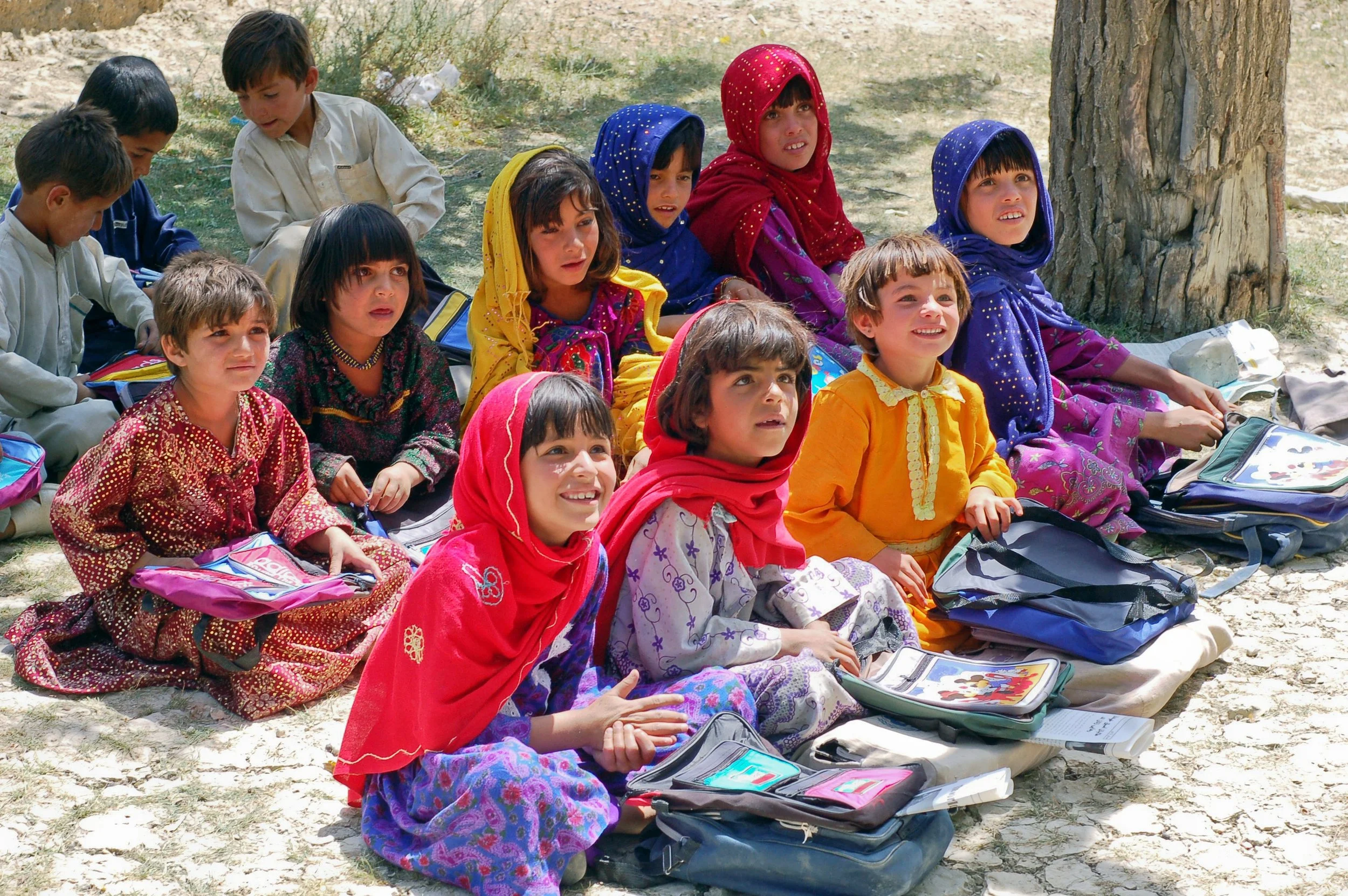
Schoolchildren in Afghanistan. WikiImages. Pixabay.

Behind closed doors and beyond the reach of Taliban restrictions, women are logging on, learning to code and building digital careers in secret. Since the return of the Taliban in 2021, women across Afghanistan have faced sweeping restrictions on education and employment. Secondary schools and universities have largely been closed to them, cutting off traditional pathways to careers and independence. But in response, a new kind of resistance has emerged, one that relies on laptops, Wi-Fi signals and solar panels.

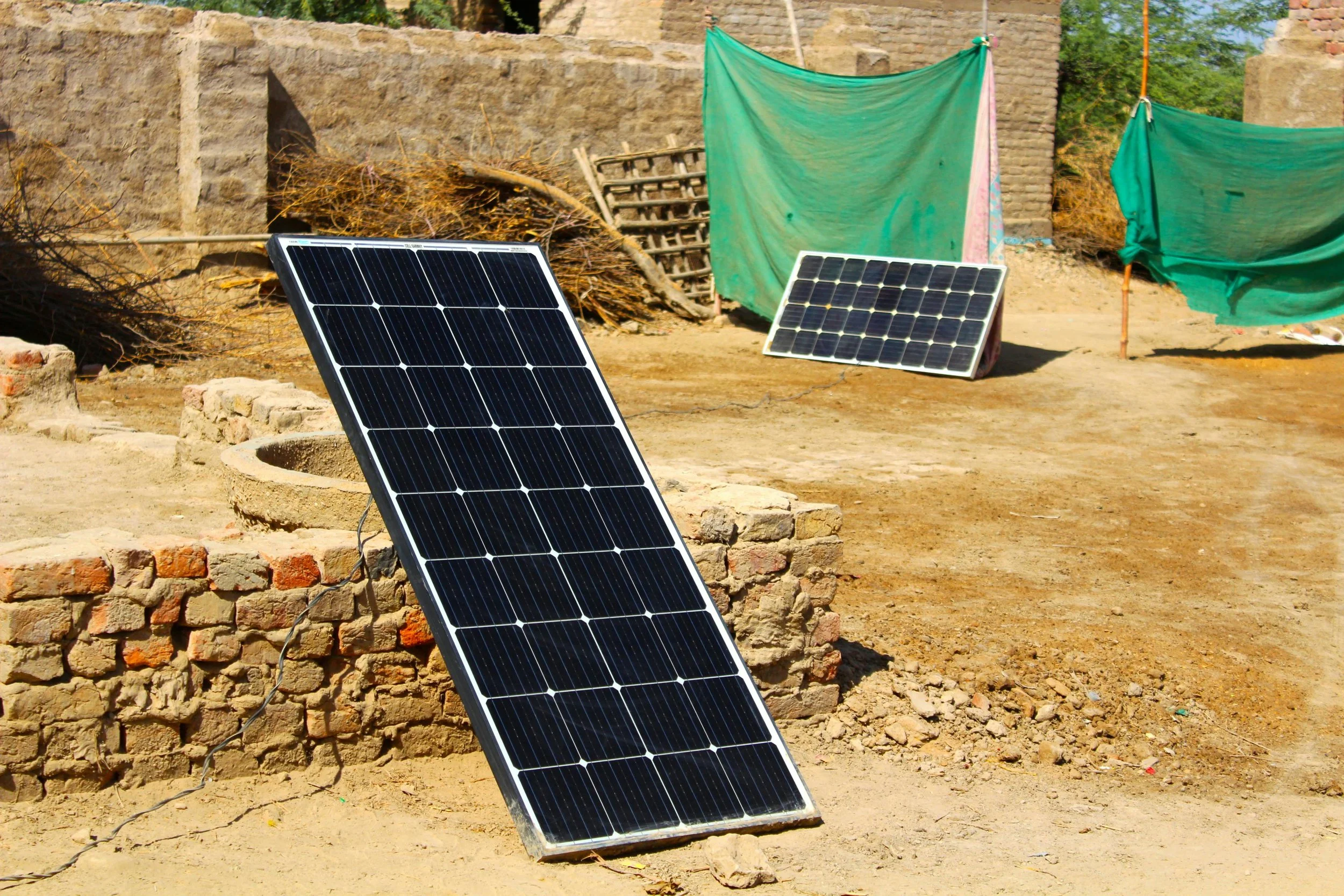
Solar panels outside. Nisar Ahmed Jamali. Pexels.

In many rural regions of Afghanistan, the central power grid is frequently unreliable or entirely absent. This limitation has, in some cases, become advantageous. With nearly 300 sunny days in the country each year, solar energy offers a reliable and low-maintenance power source. Residents increasingly utilize compact, discreet solar systems to operate internet routers and charge electronic devices. As a result, women are able to access online learning platforms from home without drawing attention.

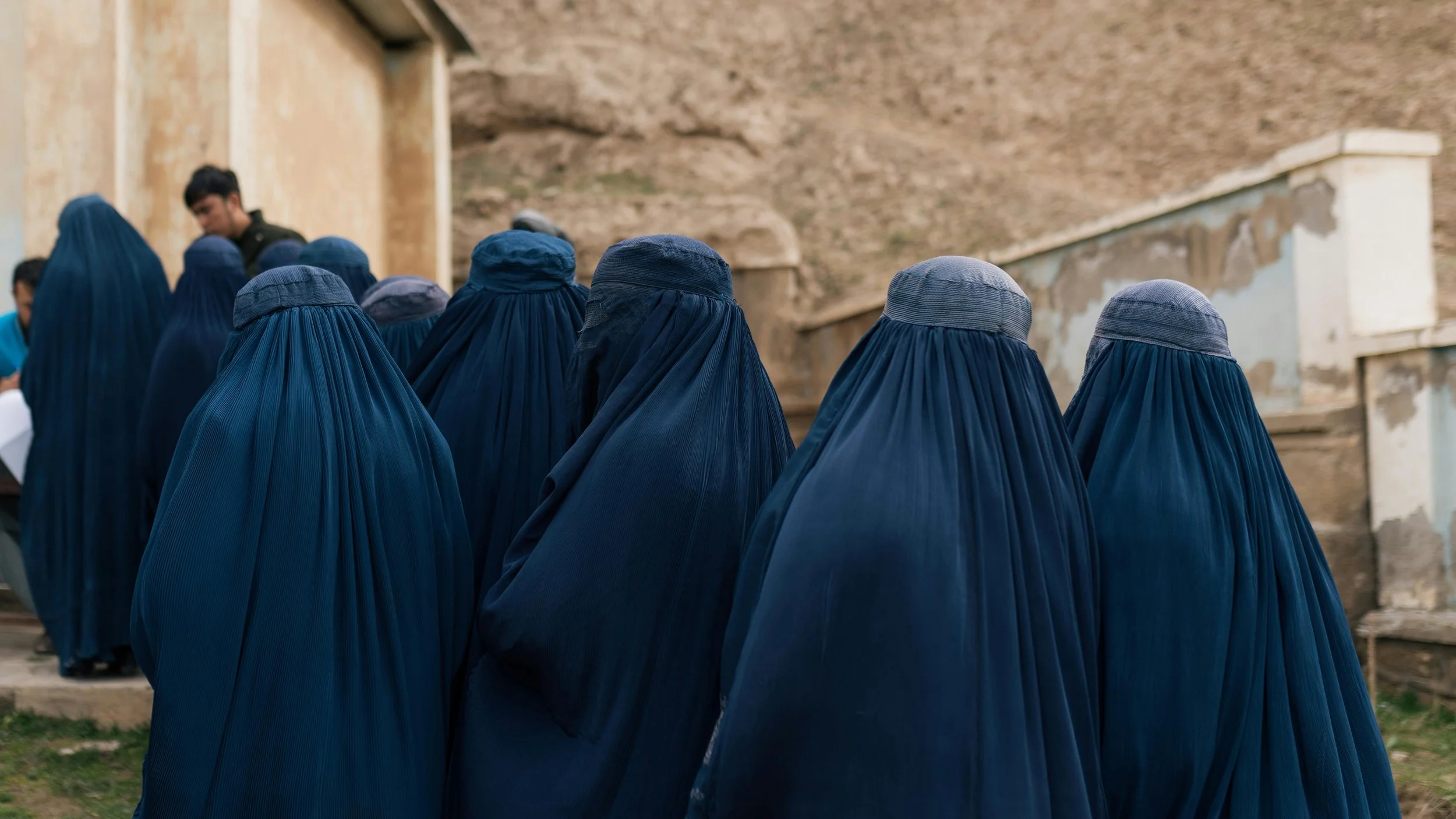
Women in blue burqas. Faruk Tokluoglu. Pexels.

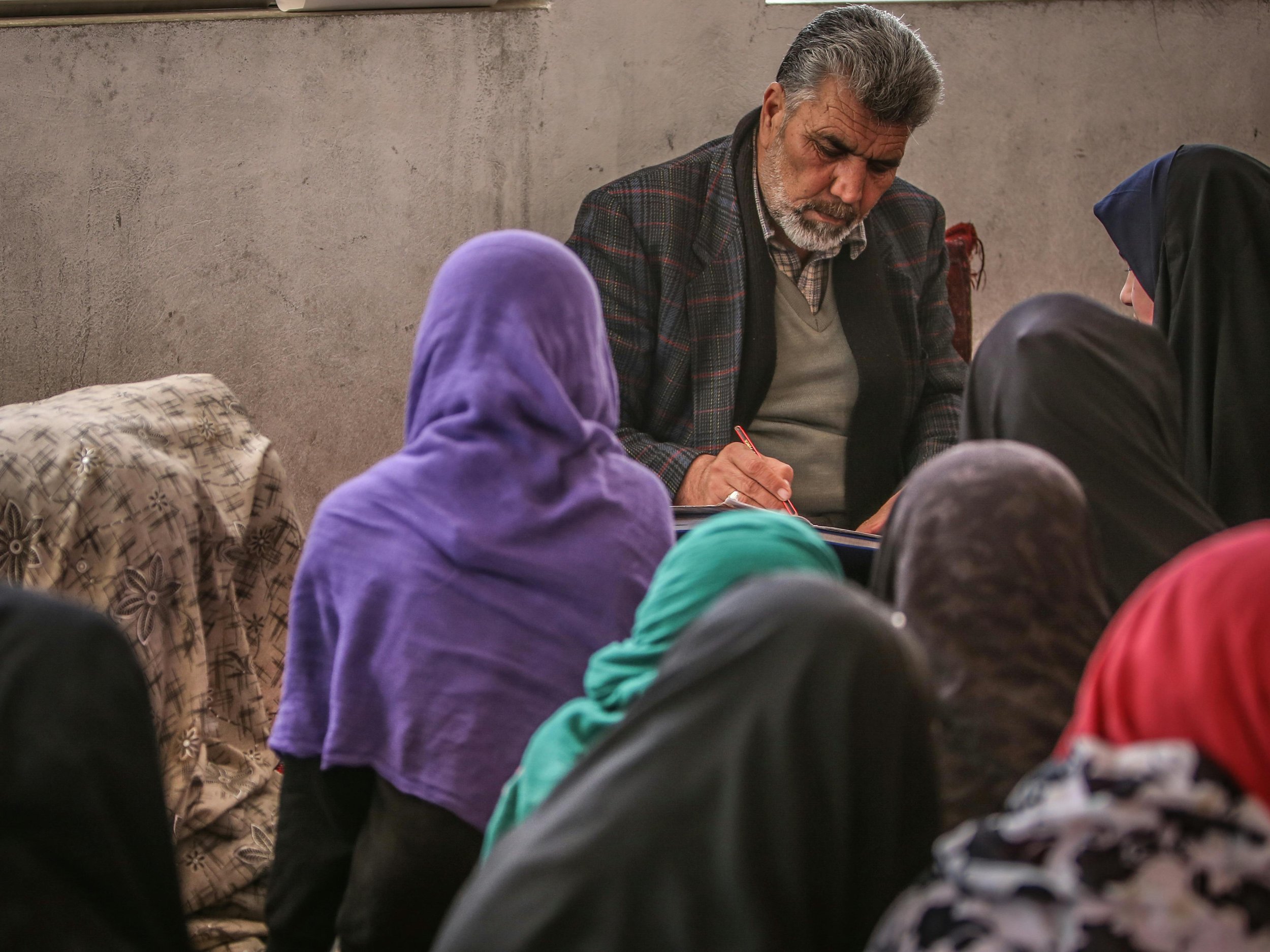
These solar-powered hubs enable women to enroll in confidential coding bootcamps and digital training programs. Murtaza Jafari, an Afghan refugee in Greece, launched one such initiative last year to support his community. As part of his company, Afghan Geeks, he provides dozens of Afghan women with technical instruction and assists them in obtaining remote internships and job opportunities. For many of his students, this work represents more than education; it serves as a vital support system. A 24-year-old student, Sodaba, described the program as her sole opportunity to pursue her aspirations. Such narratives are increasingly prevalent as more women utilize digital platforms to regain agency over their futures.

Afghan classroom. Mehdi Khoshnejad. Pexels.

This underground network of learners is part of what some are calling a “digital resistance.” Unable to gather publicly or attend formal institutions, Afghan women are developing decentralized education systems. Lessons are conducted in secrecy, often shared through encrypted messaging apps or coordinated schedules to avoid detection. What is an ordinary online class elsewhere becomes an act of defiance here.

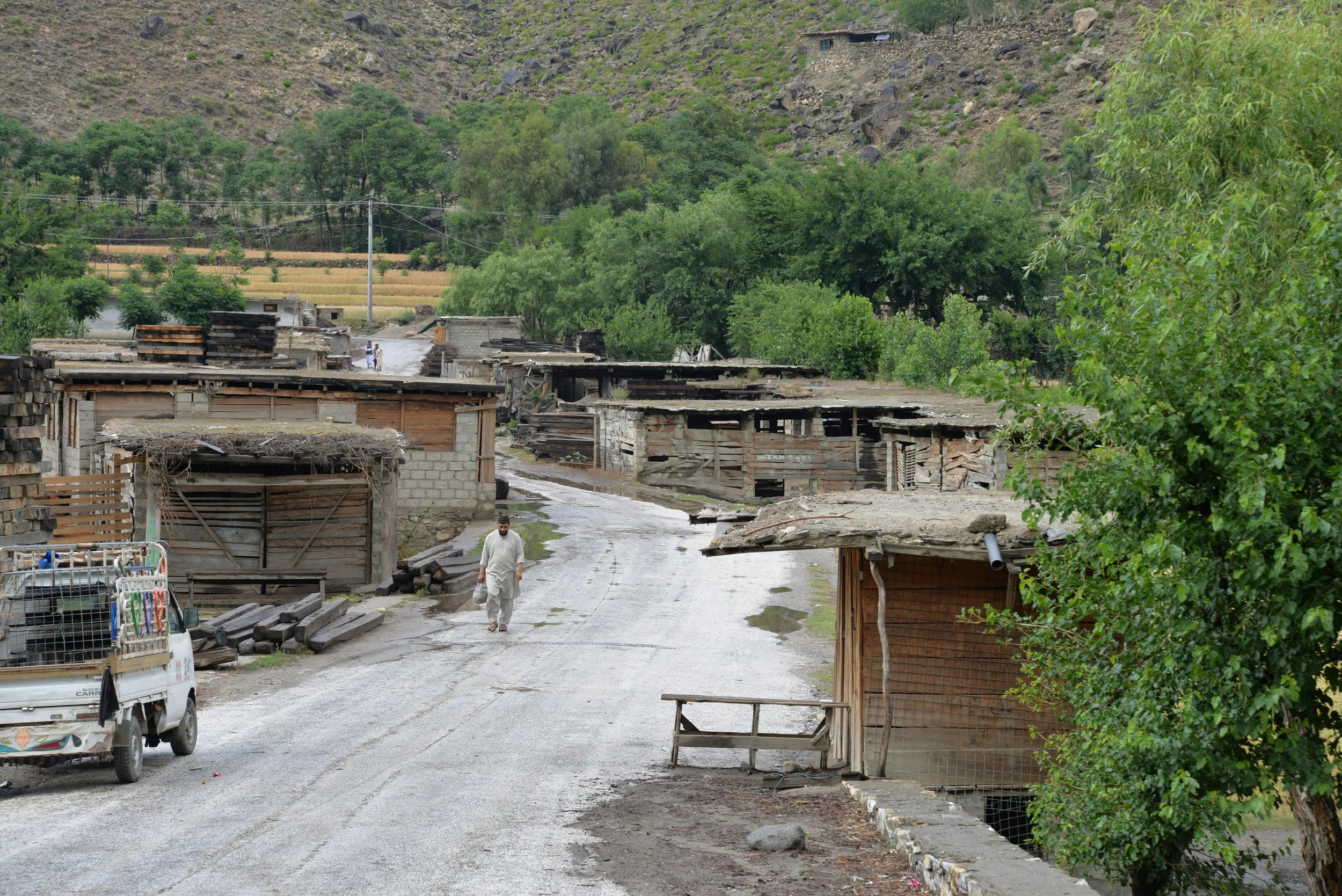
Rural village in Afghan countryside. Burhan Azizi. Pexels.

In this context, technology is not just a tool but a means of empowerment. Coding, in particular, provides a distinct advantage. It is a skill that can be acquired remotely, practiced independently and monetized on a global scale. Freelance platforms and remote work opportunities enable women to earn income without leaving their homes, thereby circumventing many restrictions associated with physical workplaces. Multiple organizations support this movement by providing resources, funding and training. Initiatives such as the SheDreams Foundation and the Society of Women Coders Afghanistan aim to teach programming skills to thousands of Afghan women, often at no cost. Other organizations, including Sahar Education and the Digital Citizen Fund, emphasize broader digital literacy by offering STEAM education and offline-access tools for individuals with limited connectivity.

Grassroots initiatives also directly support home-based learning. Programs facilitated by platforms such as GlobalGiving provide equipment, internet access and secure learning environments for girls who otherwise lack educational opportunities. Additionally, advocacy organizations like Afghan Women Leaders Connect amplify these narratives and link global donors with women-led initiatives operating locally. Where opportunities are systematically diminished, Afghan women are developing innovative strategies to establish their own. Through coding, they are constructing careers, fostering communities and forging discreet avenues to autonomy, supported by solar energy and sustained by a strong commitment to education.

GET INVOLVED:

Code to Inspire is a nonprofit that teaches Afghan women coding, digital skills and entrepreneurship, helping them build careers and achieve financial independence through remote work opportunities.

Digital Citizen Fund expands access to technology, STEAM education and entrepreneurship training for women and girls, helping them gain digital literacy and financial independence.

Women for Afghan Women provides protection, legal support, education and advocacy for women and girls facing violence and inequality, working to promote long-term social and cultural change.

Free Press Unlimited supports journalists and media organizations around the world to ensure access to independent, reliable information, especially in regions with limited press freedom.

Access Now is a global nonprofit that defends digital rights, promotes online freedom of expression and works to ensure secure and open internet access for vulnerable communities.

Carson Jelinek

Carson is a 22 year old writer and filmmaker studying film and media productions at Arizona State University. His work explores travel, culture, and the people behind the places, with a focus on stories that encourage curiosity and global understanding.

The Galápagos Drug Route

By Carol Khorramchahi

A UNESCO wildlife sanctuary is being pulled into the Pacific cocaine trade, putting conservation and community life on the same collision course.

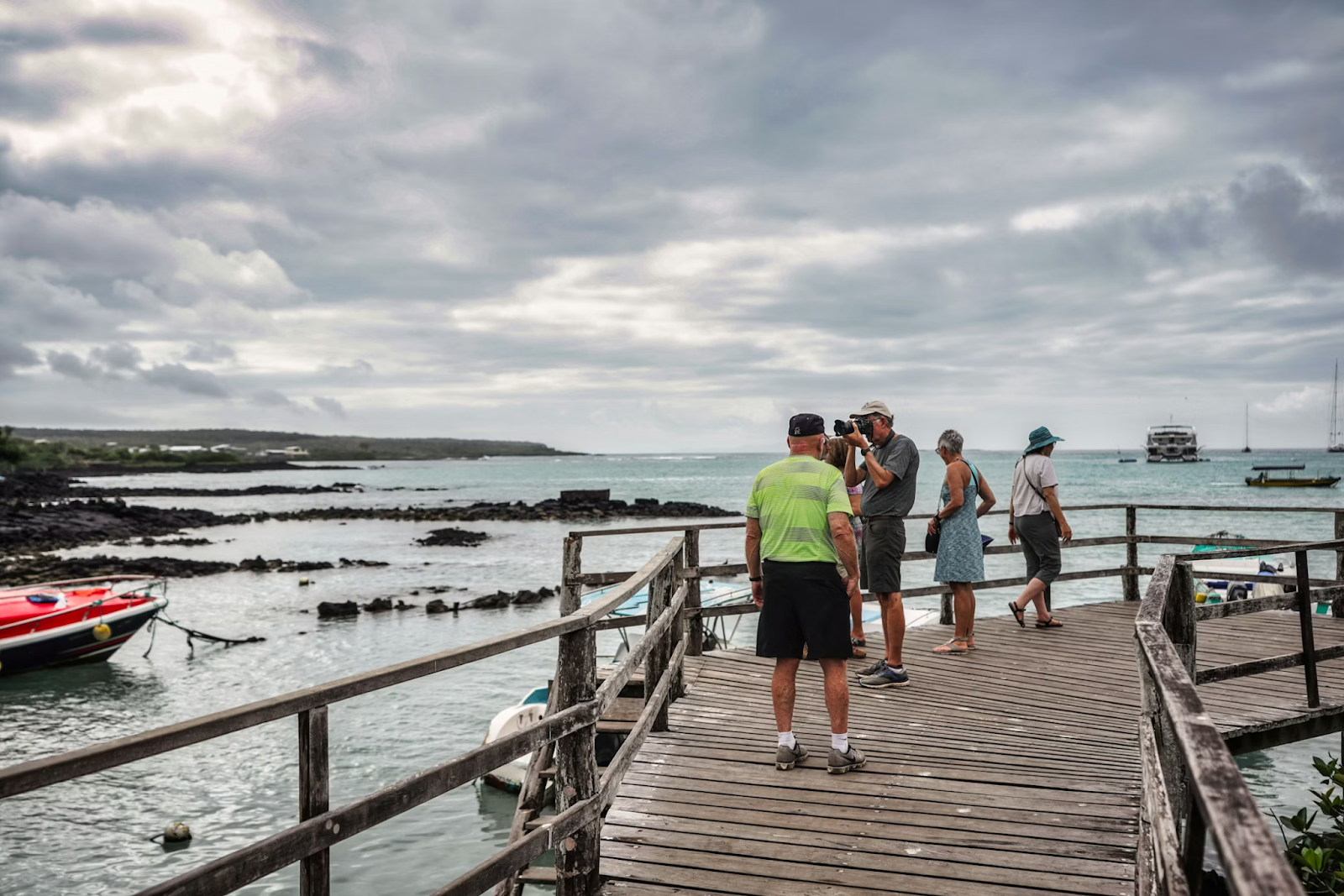
Boats docked in Santa Cruz, Ecuador. Andres Medina. Unsplash.

The Galapagos are marketed as a place outside the modern world, featuring blue water, strict park rules and animals that seem to have missed the memo about humans. UNESCO calls the islands a “living museum and showcase of evolution.”

That is the Galapagos most travelers recognize. But there is another Galapagos, quieter and more recent, shaped by the same geography that makes the islands famous. The archipelago sits deep in the eastern Pacific, far enough from the mainland to feel remote and close enough to ride along lengthy maritime routes that move north toward Central America and beyond. Trafficking networks do not need the Galapagos to be a city; they need it to be a waypoint.

In early 2026, Al Jazeera reported that the islands are increasingly being used as a refueling and staging zone for cocaine shipments moving through the Pacific, with authorities intercepting boats and searching for hidden storage points. The story lands hard because the Galapagos economy depends on tourism and regulated fishing, not on the shadow economy of organized crime. When trafficking pressure rises, the damage is not only criminal: It is social.

Part of the pull is simple distance. Long routes require fuel and logistics, and isolated stretches of ocean provide cover. A Pacific trafficking analysis by the U.N. Office on Drugs and Crime describes expanding transnational organized crime in the region and the importance of maritime routes for moving illicit drugs.

Another part is Ecuador’s wider security crisis, which is pushing criminal networks to innovate and spread. The International Crisis Group warns that Ecuador’s organized crime surge is tied to the country’s role in global cocaine flows and violent competition among criminal groups. That shift does not stay on the mainland: It radiates outward, including into strategic maritime zones.

The consequences in the Galapagos do not always look like those in Hollywood. They can look like corruption pressure on small businesses; fishermen being approached to sell information, fuel or services; authorities trying to police an enormous marine area with limited assets while also protecting one of the most sensitive ecosystems on Earth.

Officials are taking the threat seriously. In March 2025, the U.S. Embassy in Ecuador said Ambassador Art Brown visited the Galapagos and discussed security challenges, including illicit trafficking and illegal fishing, as part of coordination with local and national authorities. The U.S. Embassy has also emphasized the scale of maritime interdictions more broadly. The country’s Ministry of Defense said Ecuador seized 135 tons of drugs at sea in 2025, a record it framed as a major blow to trafficking networks.

The larger lesson is uncomfortable: Trafficking routes shift like water. When enforcement tightens in one corridor, networks test another. The Galapagos are now part of that map, and the challenge is no longer only protecting wildlife; it is protecting a community and a global treasure from being turned into infrastructure for a drug economy.

GET INVOLVED:
Support conservation and community protection efforts through the Galapagos Conservancy and the Charles Darwin Foundation. Follow organized crime and security analysis through the International Crisis Group Ecuador page and regional trafficking research through the UNODC

Carol Khorramchahi

Carol Khorramchahi is a student at Boston University, where she studies English and Psychology and minors in Journalism. She enjoys writing and reporting on stories that bring together culture, identity, and community, and has experience in both newsroom reporting and digital media. She is especially interested in thoughtful storytelling with a global lens.

Europe’s TikTok Crackdown

Carol Khorramchahi

As European leaders push age limits and tougher platform rules, the debate is no longer whether social media affects teens but rather what lawmakers should do about it.

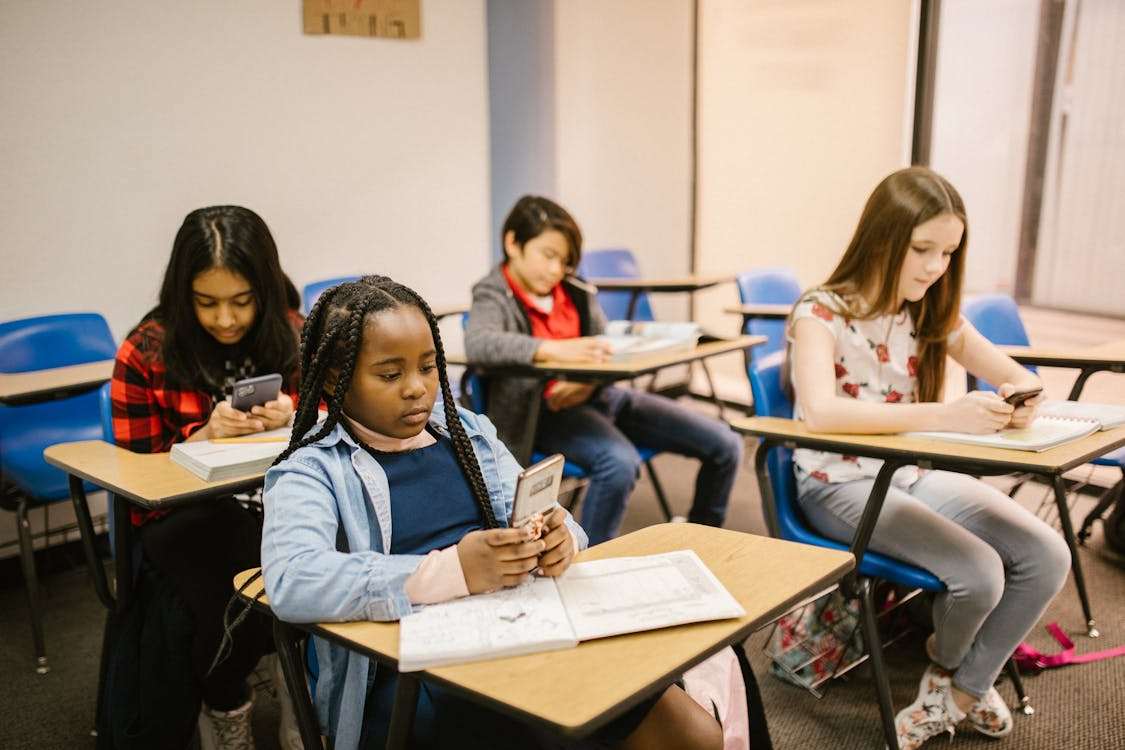
Students using smartphones in classroom. RDNE Stock project. Pexels.

In Europe, the debate over teen social media use is moving fast. What used to sound like a parenting argument about how much screen time is too much is increasingly becoming a policy fight over age limits, platform design and whether companies should be legally forced to protect minors. Recent proposals in countries including Spain, Greece, France, Britain and Germany show how quickly governments are hardening their approaches to apps like TikTok and Instagram.

At the European Union level, lawmakers are pushing for a broader shift. In a November 2025 resolution, the European Parliament called for a harmonized digital minimum age of 16 for using social media, AI companions and video-sharing platforms while still allowing access for ages 13 to 16 with parental consent. The resolution is not legally binding, but it signals where the political momentum is heading: less focus on individual parental controls and more focus on rules that platforms must follow.

Germany is one of the clearest examples of that momentum. Reuters reported on Feb. 21, 2026, that Germany’s ruling conservatives backed a motion to ban social media use for children under 14, push stricter digital age verification for teenagers and support fines for platforms that fail to enforce limits. That does not mean a nationwide ban will happen immediately, as Germany’s federal system makes media regulation more complicated, but it shows how mainstream these proposals have become.

This is also why Australia keeps coming up in the European debate. Julie Inman Grant, Australia’s eSafety Commissioner, says age-restricted platforms must now take “reasonable steps” to prevent under-16s from creating or keeping accounts, and platforms can face major penalties if they fail to comply. The model matters because it shifts the burden from parents and kids to tech companies, which is exactly the direction many European policymakers now favor.

Still, the move is not without criticism. Professor Sonia Livingstone at the London School of Economics and Political Science argues that governments should be cautious and build better evidence before rushing into broad bans. That tension is at the center of the story; many officials believe action is overdue, while researchers and rights advocates warn that blunt bans may create new problems, including privacy concerns around age verification and weaker oversight if teens move to less-regulated spaces.

For parents, the practical takeaway is simple. The conversation is no longer just about family rules at home. Across Europe, governments are now asking whether social media platforms should be treated more like products with age restrictions and if companies, not families, should be held responsible when those safeguards fail.

GET INVOLVED:

Learn more about youth online safety policy through the European Parliament’s digital policy coverage, follow implementation updates through Australia’s eSafety Commissioner social media age restrictions page and read research-based perspectives on children’s digital rights from the London School of Economics’ Media@LSE.

Carol Khorramchahi

Carol Khorramchahi is a student at Boston University, where she studies English and Psychology and minors in Journalism. She enjoys writing and reporting on stories that bring together culture, identity, and community, and has experience in both newsroom reporting and digital media. She is especially interested in thoughtful storytelling with a global lens.

What Happened to Australia’s ‘Stolen Generation’?

Zoe Lodge

A look into the history and consequence of removal practices against indigenous Australian youth, the “Stolen Generation.”

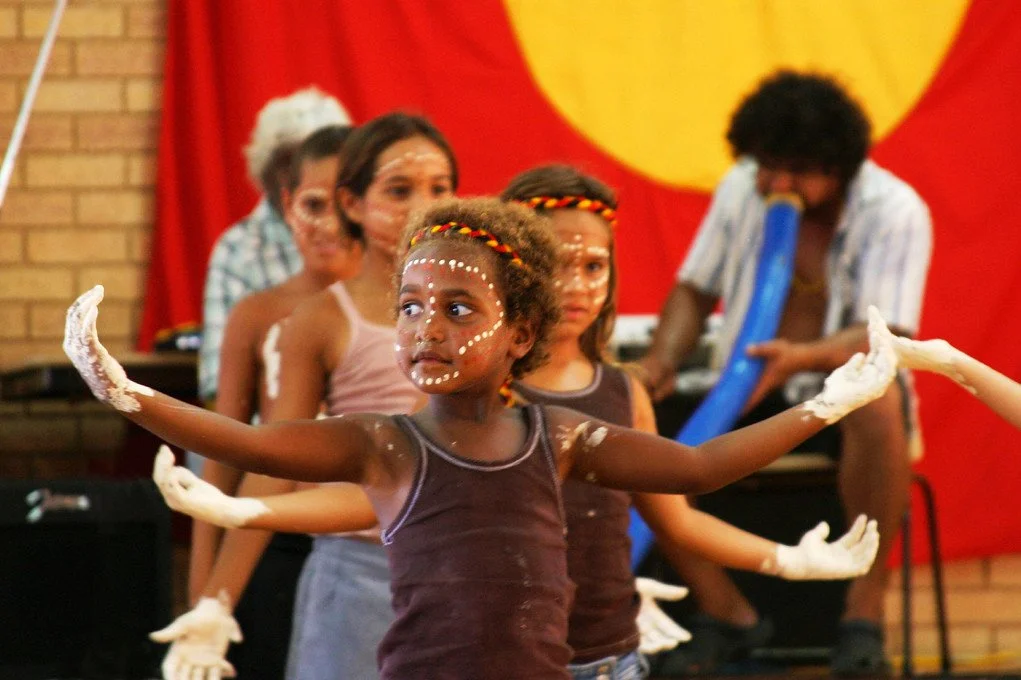
indigenous australian child

Indigenous Australian children. Mark Roy. CC BY-SA 2.0.

From the early 20th century until as late as the 1970s, Australia carried out a government-sanctioned campaign that forcibly removed Indigenous children from their families in a bid to assimilate them into white society. While much global attention has focused on the legacy of boarding schools for Indigenous children in North America, similar practices were inflicted on Aboriginal and Torres Strait Islander peoples under British colonial rule, often with the encouragement of the Roman Catholic Church and other Christian institutions. These efforts left generational scars, contributing to the systemic inequality and social fragmentation that persist into the modern day.

This dark chapter in Australian history is commonly referred to as the “Stolen Generation.” According to a report conducted by the U.S. Department of the Interior, which investigated comparable initiatives across the globe, roughly one in three Indigenous children in Australia were forcibly taken from their homes between 1910 and 1970. These children were placed in church- and state-run institutions or sent to live with white families that exemplified Western values, where they were stripped of their language, culture and identity. The underlying goal, both ideological and colonial, was to “civilize” these children by erasing their cultural roots and integrating them into a white-dominated society.

These practices were grounded in a racist belief system that deemed white Australian culture, rooted in Western European culture, inherently superior. Authorities at the time regarded the removal of Indigenous children as a moral duty and a practical solution to what was referred to as “the Aboriginal problem.” In reality, the result was a trauma that has rippled through generations. Children taken from their families frequently endured physical and emotional abuse, neglect, and, in many cases, sexual assault. They were often treated as cheap labor and denied access to adequate education and healthcare.

Although Australia never formally established a network of Indigenous boarding schools akin to those in the U.S. and Canada, the assimilationist mission was no less destructive. Despite making up only about 6% of Australia’s youth population, Indigenous children account for almost 50% of those in out-of-home care, which includes placement in foster care, group homes and with kinship carers. This gaping disparity emphasizes the lasting effects of these programs, leaving First Nations people to deal with dislocation, cultural loss and intergenerational trauma.

In recent years, the Australian government has taken steps to acknowledge and atone for these policies. A national apology was issued in 2008, followed by reparations exceeding $375 million for surviving members of the Stolen Generation. Additionally, individual states have contributed over $200 million in compensation funds for those affected. However, many argue that financial reparations, while important, cannot undo the profound harm caused by decades of systemic cultural erasure and displacement.

Australia’s history with its Indigenous populations is not unique. As the DOI report highlights, these tactics of domination and forced assimilation are not isolated but part of a broader colonial pattern seen across Canada, the United States and New Zealand. These initiatives, driven by the dual forces of governmental policies and religious institutions, sought to erase Indigenous culture in favor of Eurocentric ideals. From the earliest boarding schools in the United States and Canada to parallel programs in Australia and New Zealand, the common thread was the colonial power’s blatant disregard for the autonomy, culture and humanity of Indigenous communities, particularly through religious messaging and values. These institutions inflicted lasting harm, not only by physically removing children from their homes and subjecting them to abuse but also by obliterating the cultural traditions and languages that sustained Indigenous identities for generations. 

GET INVOLVED:

One of the primary organizations focused on bringing justice to the First Nations people of Australia is ANTAR, which offers several ways to get involved, raise awareness and contribute to justice for the Indigenous people of Australia. Locals can volunteer with the organizations, and citizens worldwide can contribute to fundraising efforts or participate in global education and awareness campaigns. Other organizations with similar missions include Pay the Rent, IWGIA and the Aboriginal Legal Service.


Zoe Lodge

Zoe is a student at the University of California, Berkeley, where she is studying English and Politics, Philosophy, & Law. She combines her passion for writing with her love for travel, interest in combatting climate change, and concern for social justice issues.


Russian Poets and the Risk of Resistance

Kennedy Kiser

From public readings to prison cells, Russian poets are paying the price for speaking against the war.

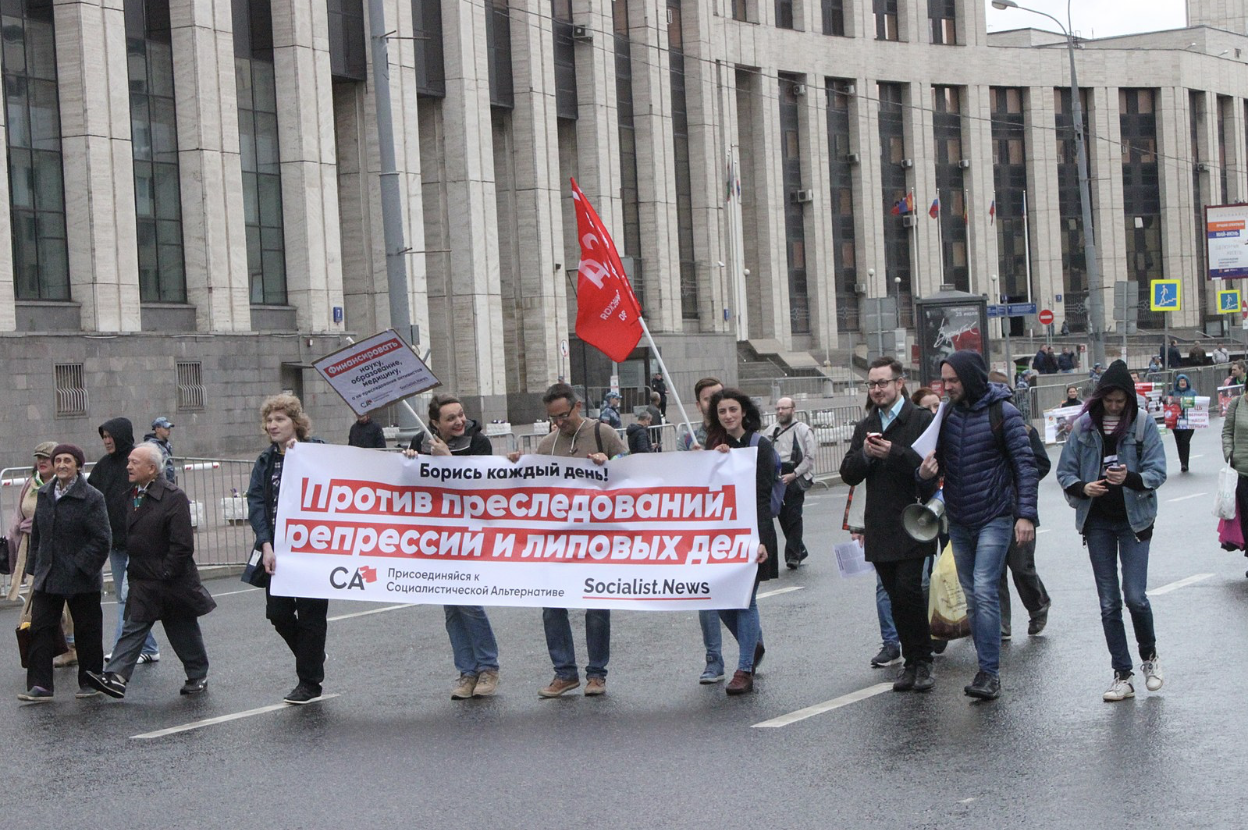
Protesters march in Moscow against repression and fabricated charges

Protesters march in Moscow against repression and fabricated charges. DonSimon. CC0.

“Kill me, militiaman!

You’ve already tasted blood!

You’ve seen how battle-ready brothers

Dig mass graves for the brotherly masses.

You’ll turn on the television—you’ll lose it,

Self-control has never been your strong suit.”

— Artyom Kamardin, “Kill Me, Militiaman”

In December 2023, Russian poet Artyon Kamardin was sentenced to seven years in prison for reciting anti-war verses during the public “Mayakovsky Readings” in Moscow. Fellow poet Yegor Shtovba, who performed at the same event, received a sentence of five and a half years. Kamardin was reportedly beaten and sexually assaulted during his arrest for reciting poetry in response to Russia’s war in Ukraine. 

Daria Serenko at the Moscow International Book Fair

Daria Serenko at the Moscow International Book Fair in 2019. Sergey Leschina. CC BY 4.0.

Their cases are not isolated. In April 2024, feminist poet and activist Daria Serenko was added to Russia’s federal wanted list. Known for combining poetry with political action, Serenko has faced years of harassment. Her arrest warrant, however, marked a shift in the state’s approach. Where once artists were threatened, they are now hunted.

Literature has long played a role in Russian resistance. During the Soviet era, banned texts circulated underground through samizdat networks. Today, Telegram channels and independent journals continue that tradition, sharing poetry that challenges state narratives. But the stakes are now much higher. Poets are not just being silenced; they are being criminalized. The penalties include imprisonment, forced exile and public brutality.

At the center of this increased repression is the state’s fear of language itself. Poetry distills dissent into a form that is emotionally direct and difficult to contain. It spreads quickly, often through digital platforms, in defiance of Russia’s 2022 censorship laws. Unlike journalism or political commentary, verse can bypass logic and speak directly to the reader’s gut. As poet Osip Mandelstam once wrote, “Only in Russia is poetry respected — it gets people killed. Is there anywhere else where poetry is so common a motive for murder?”

This crackdown is not limited to well-known names. Emerging writers, students and performers with modest online followings have also been detained or investigated for speech-related offenses. In some cases, posting a poem on VKontakte, Russia’s largest social network, has led to criminal charges. The line between art and activism has been effectively erased, especially for those who oppose the war.

International literary organizations have responded by offering emergency grants, publication platforms and legal aid. PEN International, Freemuse and countless other organizations have condemned Russia’s actions, calling for the immediate release of detained artists. Yet the risks persist. For many Russian writers, exile is the only path to safety, though it often comes with the painful cost of losing direct access to their audiences.

Repressing writers like Kamardin, Shtovba and Serenko reveals a broader strategy: to eliminate not just protest but the imagination of a different future. By imprisoning poets, the government also suppresses the potential for alternative visions of the world.

Still, Russian poetry persists. In exile, through online platforms and underground readings, writers continue to speak out. In a regime that fears language, each poem becomes an act of resistance.

GET INVOLVED:

These organizations offer support to writers and artists facing political persecution. From legal aid to international advocacy, their work helps protect freedom of expression and document human rights abuses. Getting involved means helping preserve creative resistance in some of the world’s most repressive environments.

To learn more about PEN International, click here.

To learn more about Freemuse, click here.

To learn more about Memorial International, click here.


Kennedy Kiser

Kennedy is an English and Comparative Literature major at UNC Chapel Hill. She’s interested in storytelling, digital media, and narrative design. Outside of class, she writes fiction and explores visual culture through film and games. She hopes to pursue a PhD and eventually teach literature!

The Fight Against a Sinking City: Jakarta’s Sea Wall

Julia Kelley

While Indonesia’s government seeks to build a large sea wall to protect Jakarta from detrimental floods, criticism in the name of environmental and economic loss urges them to look for other solutions.

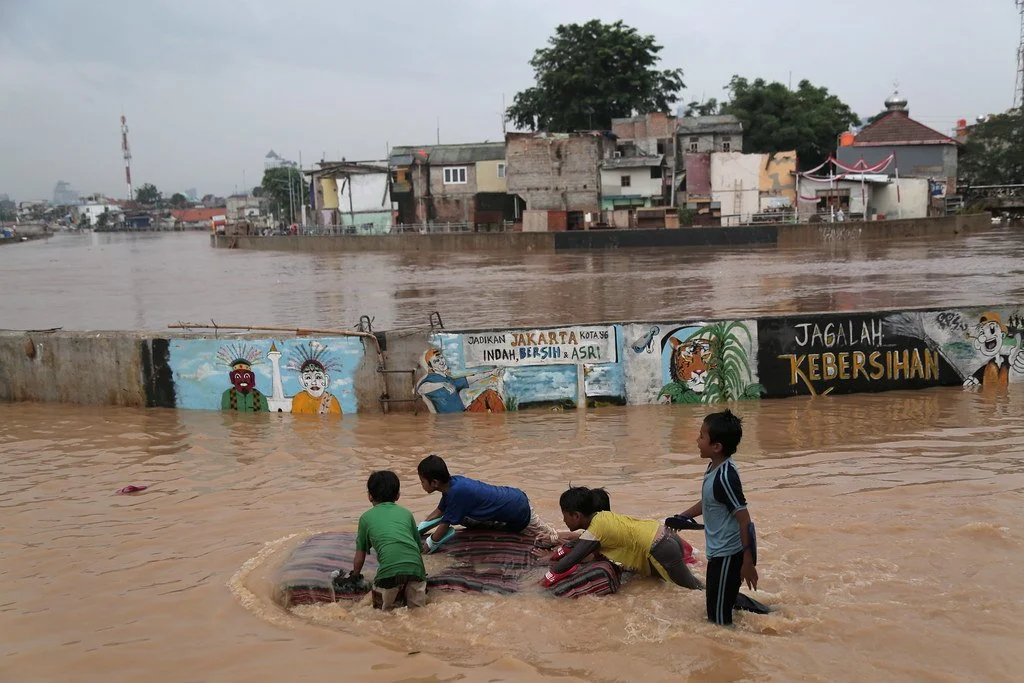
Flooding Ciliwung River in Jakarta Region

Flooding Ciliwung River in Jakarta Region. World Meteorological Organization. CC BY-NC-ND 2.0.

On the northwest coast of Indonesia stands Jakarta, the country’s capital and largest city. Sitting upon a low, flat alluvial plain with swampy areas, Jakarta is notably susceptible to major floods every few years from its multiple rivers and the adjoining Java Sea. This is made worse by excessive groundwater extraction and rising global sea levels, which have seen a worldwide mean increase of about eight to nine inches since 1880 due to global warming. Rapid urbanization, population growth and a change in land use have crowded more and more people into high-risk floodplain areas, leaving thousands displaced and large parts of the city submerged underwater during these natural disaster events. Although the Indonesian government built a coastal wall in 2002 to combat this, its collapse in a storm only five years later renewed the call for protective measures against destructive flooding. A new mega-project began in 2014, outlining both the construction of a new 29-mile-long sea wall and the so-called “Giant Sea Wall.” This “Giant Sea Wall,” a 20-mile-long artificial island shaped like a Garuda bird, Indonesia’s national symbol, will not only block storm surges but is also planned to contain homes, offices and recreational facilities. 

This massive undertaking officially kicked off in February 2025 and is said by supporters to be key in dealing with the country’s land subsidence and flooding. Both President Prabowo Subianto and Minister of Infrastructure and Regional Development Agus Harimurti Yudhoyono claim that the project could save the government billions of dollars in disaster mitigation over the following 30 years. Despite this optimism, critics have come out against the large project, citing an array of detrimental economic and environmental issues that could result from construction. For example, many have noted how the proposed solution does not address the over-extraction of groundwater, which comes from excessive use by industrial and economic activities. In addition, the sea wall could disrupt marine biodiversity and, subsequently, the fishing industry, one of Indonesia’s strongest monetary sources. According to Maleh Dadi Segoro, a coalition of environmental and social groups, the sea wall would potentially narrow and close fishing catch areas, disrupting marine ecosystems and threatening the livelihoods of those who depend on them for food and income. Jakarta already faces low water quality in its rivers and canals, causing sewage and a lack of proper sanitation. Closing off Jakarta Bay for this sea wall, critics say, would turn the water into a “septic tank” or “black lagoon,” which necessitates a stronger water sanitation system immediately. 

Controversy stirred up by the sea wall proposal has thus solicited alternative solutions. There has been an interest in using the water to its advantage, rather than working against it. This would entail diverting surplus waters, including that from floods, to surrounding farm areas where it could be stored. Restoration has also been widely proposed, as described by professor of oceanography Alan Koropitan for The Guardian: “If, instead, we can restore the bay and its polluted waters, that would mean something good for civilization in Indonesia.” Among all these suggested plans, environmental, social and economic protection are set at the center, urging the Indonesian government to rethink its monumental and costly plan. 

GET INVOLVED:

Those looking to help support those affected by floods and flood prevention in Indonesia can do so by checking out relief organizations, such as The International Federation of Red Cross and Red Crescent Societies’ Disaster Response Emergency Fund, Peace Winds and Mercy Corps, all of which provide immediate and long-term support. Furthermore, individuals interested in combating sea level rise can look into taking actions that counter global warming, including using renewable energy, reducing greenhouse gas usage, considering electric vehicles, recycling, decreasing food waste, keeping the environment clean, or getting involved with local communities and government to organize plans and legislation. 


Julia Kelley

Julia is a recent graduate from UC San Diego majoring in Sociocultural Anthropology with a minor in Art History. She is passionate about cultural studies and social justice, and one day hopes to obtain a postgraduate degree expanding on these subjects. In her free time, she enjoys reading, traveling, and spending time with her friends and family.

Cholera Outbreaks: Nigeria’s Struggle with a Reoccurring Epidemic

Julia Kelley

Poor access to clean water and underdeveloped facilities has led Nigeria to face a decades-long, deadly battle against cholera. 

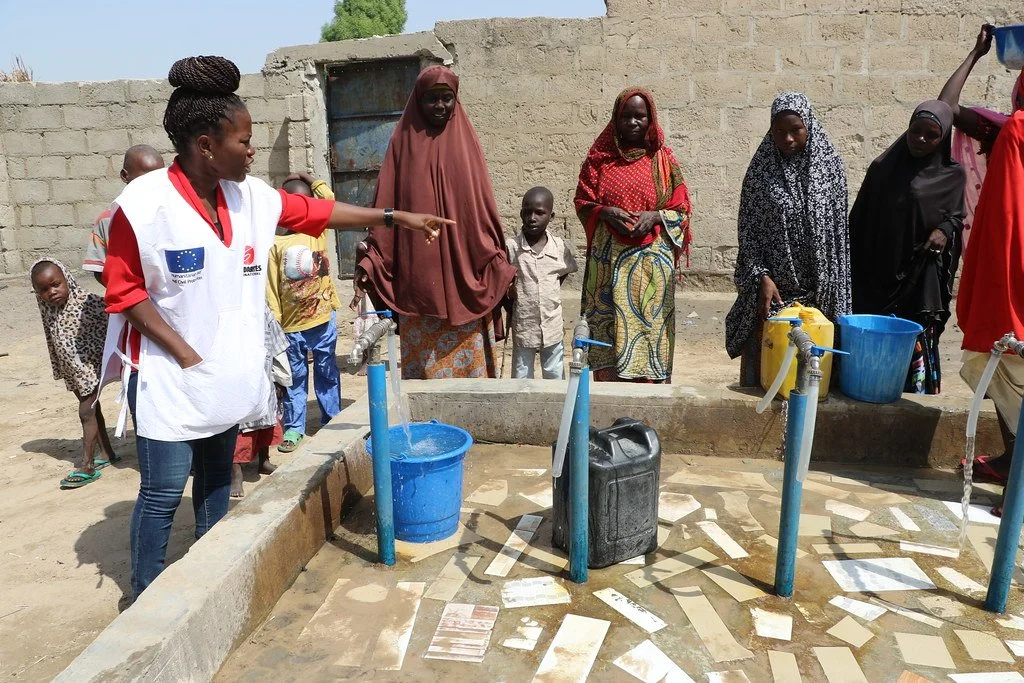
Safe water sprouts in Nigeria

Access to Safe Water in Nigeria. EU Civil Protection and Humanitarian Aid. CC BY-NC-ND 2.0.

For decades, Nigeria has faced major cholera outbreaks throughout the country, posing a serious threat to public health. The disease, an acute diarrheal infection caused by ingesting food or water contaminated with the bacterium Vibrio cholerae, is a major indication of inequity, as well as a lack of social and economic development in the areas where it forms. Since 1972, cholera has plagued Nigeria in intermittent outbreaks that have claimed thousands of lives, the worst being in 1991, with a high of 59,478 reported cases and 7,654 deaths. Despite numerous attempts by the World Health Organization, the Nigeria Center for Disease Control and the Borno State Ministry of Health to provide support through free cholera vaccines and implement prevention and preparedness, the country continues to fight against large, destructive outbreaks. 

Many factors make Nigeria especially prone to these widespread epidemics, including a lack of access to safe drinking water, a lack of infrastructure necessary for water supply and waste disposal and a lack of health facilities. Particularly in smaller communities and remote villages, sourcing clean water is a challenge that leads residents to dig their own wells. Moreover, during the dry season, these wells dry up and leave individuals only with the more hazardous alternative of shallow streams. Poor weather conditions worsen this significant obstacle to clean water and sanitation. Flooding, for example, increases food insecurity by destroying farmland, creating economic loss, demolishing sanitation facilities and contaminating sources of clean water. Several financial issues, including poor investment, funding allocation and low human capital, in conjunction with already deficient infrastructure and low community participation, also contribute to a lack of secure water infrastructure. Not only does this make for a higher potential of infection, but Nigera’s healthcare infrastructure is also underdeveloped, lacking the medical facilities and supplies necessary to treat those infected with cholera. Limited medical equipment and supplies, as well as a lack of internet connectivity, make it extremely difficult to heal patients and facilitate important reporting of cholera data. 

These issues remain significant and continue to threaten the lives of Nigeria’s citizens. This is exemplified by the country’s most recent outbreak in 2024, which saw about 11,000 recorded cases and 359 deaths in October that year. Intense rains throughout the year led to widespread floods and dam breaks across Nigeria, weakening water infrastructure, destroying farmland and leaving many homeless in damaged areas, overall causing a large part of the country to be vulnerable to diseases like cholera. This most recent epidemic was met with policy and prevention program recommendations in the hope of impeding future spreads, the most critical of which being Water, Sanitation and Hygiene services. These accelerate and sustain access to safe water, sanitation services and good hygiene practices, all of which are the main deterrents of cholera spread. While this strategy proved effective when instituted by the Nigerian government during the 2018 outbreak, it still requires increased government funding and outside investment to remain effective. Public health and safety continue to endure disadvantages, as the threat of cholera looms over the country. 

GET INVOLVED:

For those looking to get involved in supporting the fight against cholera outbreaks in Nigeria, check out organizations such as WaterAid, Bread and Water for Africa, Save the Children and The Water Project, groups focused on supplying safe drinking water and sanitation to Nigeria, as well as many other countries in Africa. In addition, organizations like Doctors Without Borders, the World Health Organization, ICAP Global Health and Gavi, The Vaccine Alliance provide medical support to cholera patients in Nigeria and contribute to the development of disease control and prevention. 


Julia Kelley

Julia is a recent graduate from UC San Diego majoring in Sociocultural Anthropology with a minor in Art History. She is passionate about cultural studies and social justice, and one day hopes to obtain a postgraduate degree expanding on these subjects. In her free time, she enjoys reading, traveling, and spending time with her friends and family.

Sacred Duty: Religious Groups Fighting Fossil Fuels

As the climate crisis continues to worsen, religious climate justice organizations are taking a stand against environmental degradation.

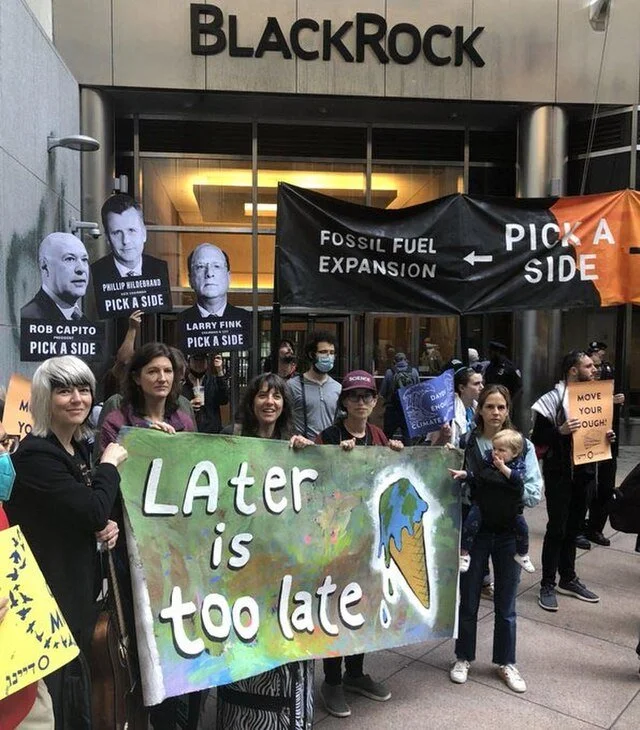
A climate action protest group outside of BlackRock building. In the foreground, the group holds a green banner saying "Later is too late" with a cartoon melting Earth ice cream cone. Signs of executives' faces and names, stating "Pick a side"

GreenFaith protesting outside of BlackRock in 2022. Felton Davis. CC 2.0.

Over the past few years, the environmental crisis has begun to spiral out of control. As droughts and wildfires compete for attention with raging hurricanes across the United States, sometimes it can feel like the world is ending. But in the face of these natural disasters, people have started to come together, calling for an end to policies aggravating the climate crisis.

Religious teachings surrounding the sanctity and sacredness of Earth have long been folded into protests against the warming climate. Since the 1970s, religious organizations in the United States (primarily Christian and Jewish, although a few Islamic groups have also begun to speak out) have decried humanity’s destruction of the planet. Some, like the National Association of Evangelicals, have gone so far as to denounce those engaging in climate change-fueling activities as sinners.

It is important to note that many religious institutions remain largely disconnected from the climate crisis, with several organizations and churches denouncing it as a hoax. The groups mentioned in this article, and those like them, are largely outliers. Climate change continues to be a divisive topic at best in larger religious dialogues, as many consider the crisis a part of God’s plan or even an outright lie. However, religious climate change advocacy has grown in recent years, with small groups cropping up all over the United States.

Over the past few decades, these groups have grown more and more vocal. From organizing movements to protect the Endangered Species Act to founding an interfaith collective for climate justice, religious leaders and organizations across the United States have continued to take environmental action over the past four decades. Recently, in the summer of 2024, Christian and Jewish protesters in New York City made some of the greatest progress so far.

GreenFaith, an interfaith climate justice organization based in New Jersey, spent much of the summer of 2024 on Wall Street protesting against Citigroup. One of the largest banks in the United States, Citigroup released a statement in 2021 pledging to reach net zero emissions in 2050. However, independent researchers have pointed out that in the years since this pledge, the corporation has instead become the second-biggest investor in fossil fuels.

In response, several organizations joined together in the Summer of Heat demonstrations. Forty major protests were held outside Citigroup’s headquarters, led by a collection of religious leaders from  GreenFaith, Dayenu (a Jewish organization comprised of longtime activists), and several other groups. The protests were held according to religious practices — songs replaced chanting, many of the protestors brought candles and demonstrators gathered in the early morning to block the doors of the banks. In an inspiring moment, a group of protestors arrived with signs displaying various religious symbols, representing the star of David, crosses and Islamic peace symbols.

These protests ultimately caught the attention of Citigroup’s administration, culminating in a sit-down between Citigroup’s chief sustainability officer and four leaders of the involved religious groups. According to reports, Citigroup rejected the protester’s proposals outright, refusing to answer whether or not they would change their commitment to funding fossil fuel companies.

However, this rejection does not diminish the Summer of Heat’s influence. These organizations gathered together and staged one of the longest climate protests in recent history. In addition, the actions of GreenFaith, Dayenu and the other involved groups gave a tremendously loud voice to their concerns, capturing the attention of many major news networks and eventually working their way into Citigroup itself. While their efforts may not have produced the results the groups hoped for, the Summer of Heat has nonetheless called an immense amount of attention to the climate crisis and the multicultural, interfaith movements working to protect the planet.


Ryan Livingston

Ryan is a senior at The College of New Jersey, majoring in English and minoring in marketing. Since a young age, Ryan has been passionate about human rights and environmental action and uses his writing to educate wherever he can. He hopes to pursue a career in professional writing and spread his message even further.

The Human Cost of Sustainable Energy

While wealthy nations and corporations benefit from the shift to renewable energy, the poorest and most disenfranchised communities are left to suffer the consequences.

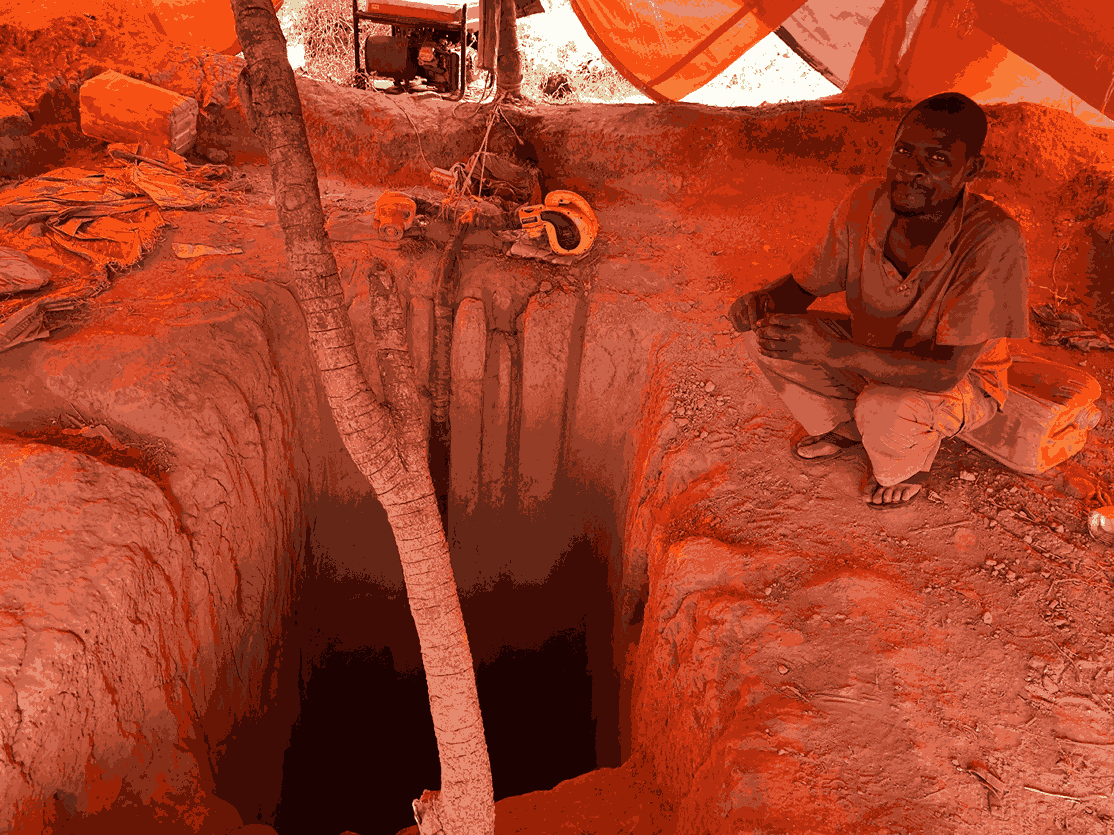
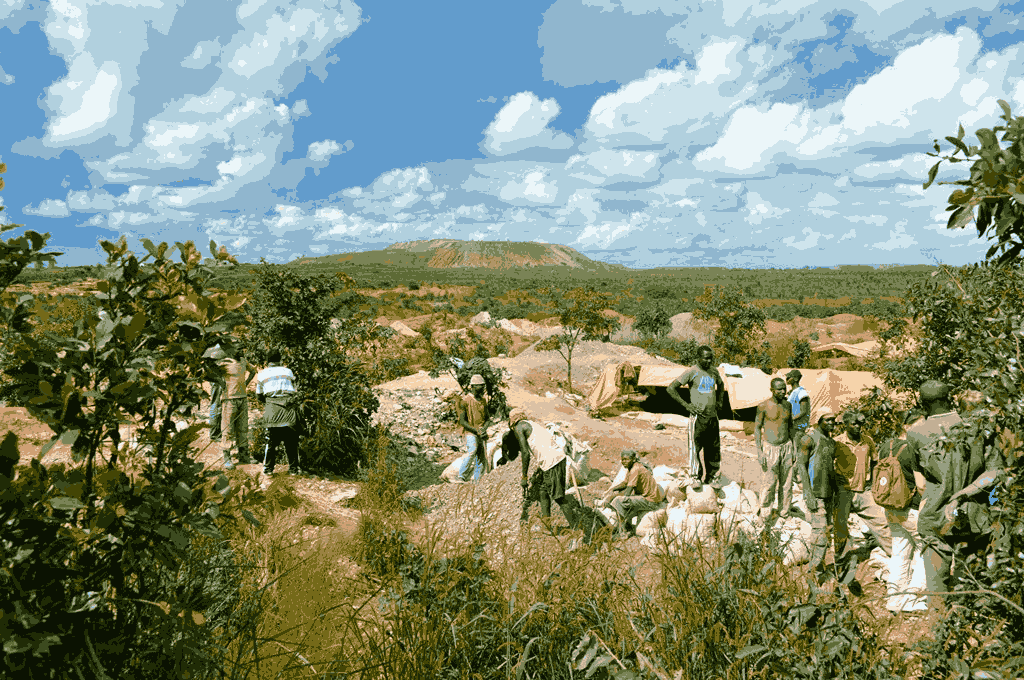
A man crouching next to a deeply dug pit with a large tree branch sticking out. Red light reflecting under a canvas tent and machinery lying around on the ground

Cobalt Mine. Afrewatch. CC BY-NC-ND 2.0

As the demand for renewable energy increases, industrialized countries are racing to obtain metals like lithium, cobalt, zinc, manganese and nickel. These metals are used to make batteries, solar panels and wind turbines—technologies that will ideally enable a transition away from fossil fuels. However, procuring and processing the materials necessary to support these sustainable infrastructures comes with a price that is often overlooked: the human and environmental toll of mining these resources is anything but sustainable for communities worldwide. 

Continents rich in these resources— like Africa, Latin America, and Asia—are facing a surge in mining activities, which has in turn led to widespread human rights violations and environmental degradation, particularly among Indigenous communities. According to the Transition Mineral Tracker, there have been 631 human rights abuse allegations against companies involved in the extraction of transition minerals between 2010 and 2022, with 46% of the allegations originating in South America.

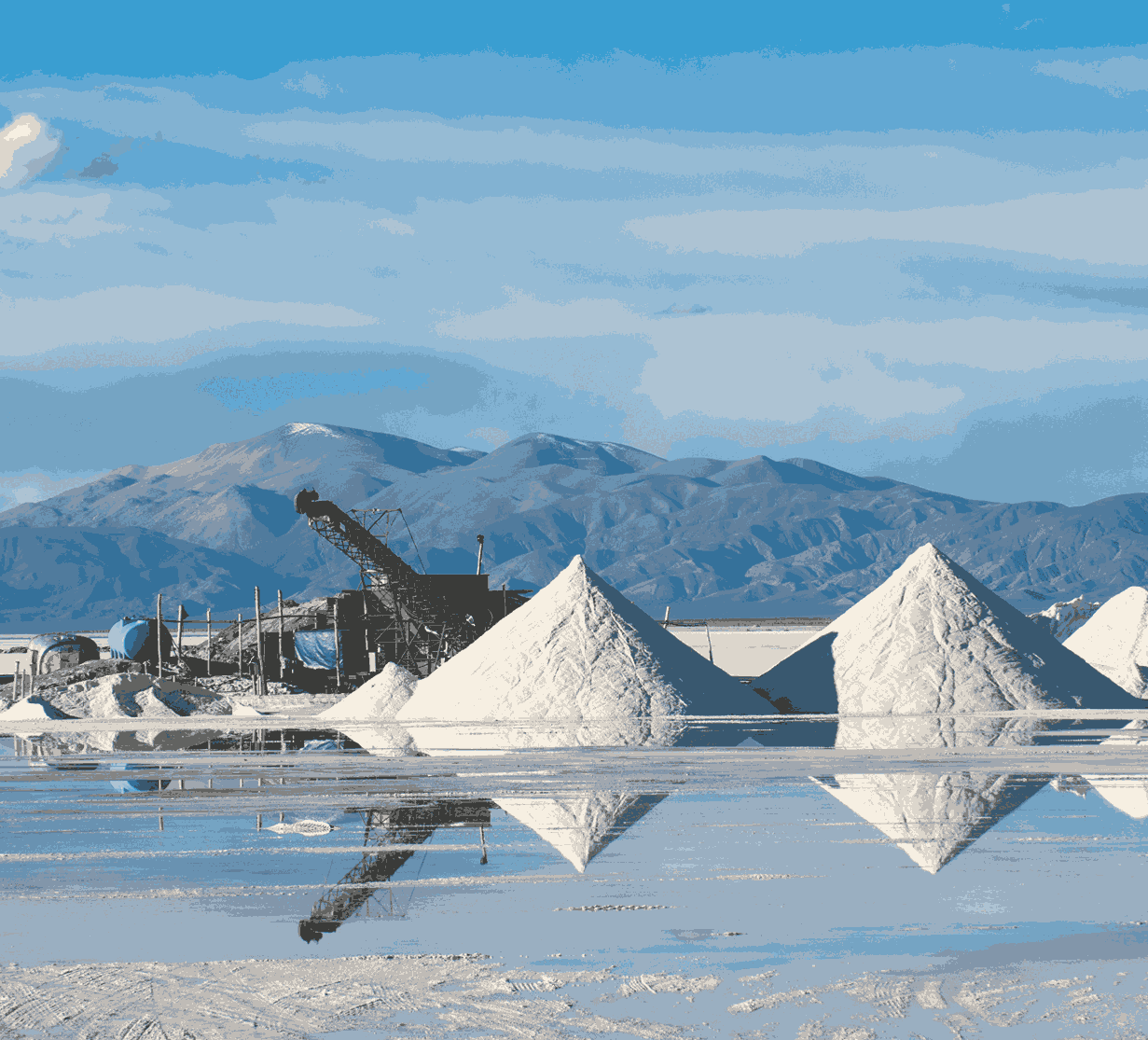
Majestic mountains as a backdrop to heavy machinery digging and creating large piles of a white sandy substance. The image is reflected in the standing water on the salt flats.

Lithium Mine in Argentina. EARTHWORKS. CC BY-NC 2.0

Human Rights Watch has documented a litany of abuses in mining sectors, from child labor and hazardous working conditions to chemical pollution and forced displacement. The Democratic Republic of the Congo (DRC) is the world's biggest producer of cobalt, a critical component of lithium-ion batteries, which power everything from electric vehicles to smartphones. Child labor remains an issue in the DRC, with more than 40,000 children working in the hazardous conditions of the Katanga province’s cobalt mines, according to data from the United Nations.

These children, victims of trafficking and of necessity, are subjected to horrendous conditions, including frequent mine collapses and prolonged exposure to toxic dust. Their work is grueling, often lasting for 12 hours a day, with little to no protective gear. Some children work with their bare hands. Many suffer from chronic health problems, such as respiratory issues and musculoskeletal disorders, as a result of the substandard working conditions.

A group of men working around the mining site under the hot sun in the large grassy and arid expanse.

Cobalt Mining Site. Fairphone. CC BY-NC-SA

Adults suffer in the mines as well, laboring in slave-like conditions. Cobalt mining tunnels often reach lengths and depths far greater than the legal maximum of 98 feet, an already dangerous level. Poor regulation, governance and lack of incentive to adhere to the law means tunnels can reach lengths of up to 295 feet, a level that threatens extreme risk of collapse, landslides and death for miners. 

Conditions underground are hot and dusty, as miners rely on generators for oxygen during their 12-hour shifts, six days a week. Though cobalt is toxic to touch and breathe, miners are constantly exposed to the substance. Exposure to polluted water and air can lead to several health problems, including respiratory illnesses, skin conditions and even cancer. In some mining areas, the rate of birth defects and infant mortalities has increased, raising alarm among local and international health organizations.

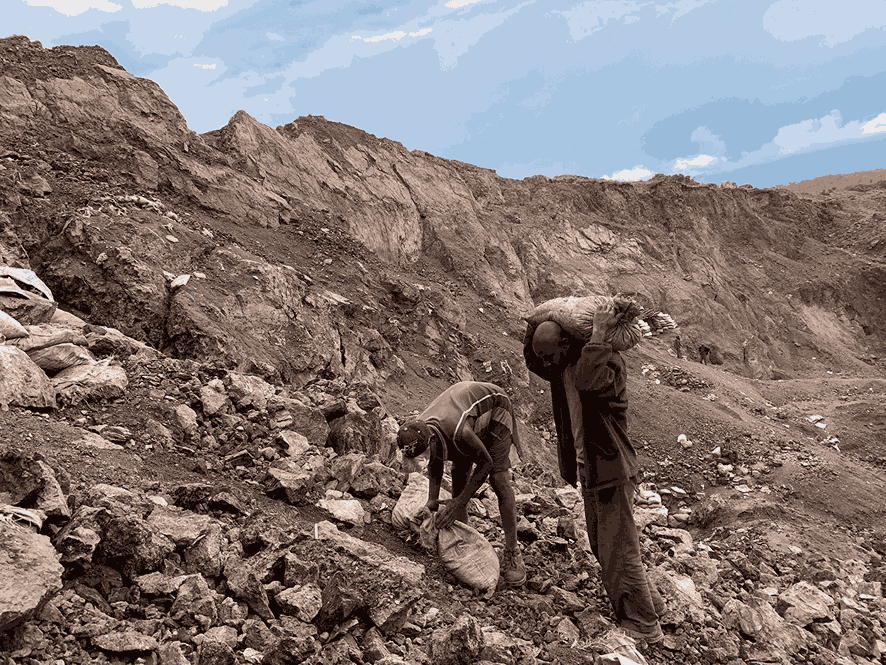
Two miners lifting bags among a rocky, dusty, and dry crater-like setting.

Cobalt Miners in the DRC. The International Institute for Environment and Development. CC BY-NC-ND 2.0

The environmental impact of mining is another major concern. The mining industry has ravaged the landscape of the DRC. Millions of trees have been cut down and the air surrounding the mines is hazy with dust and grit. The mining process often involves the use of hazardous chemicals to separate the desired minerals from the ore. These chemicals can seep into the soil and water, contaminating local water supplies and agricultural land. “In this stream, the fish vanished long ago, killed by acids and waste from the mines,” one Congo resident reported of his childhood fishing hole. In some cases, mining operations have dried up rivers and lakes, devastating local ecosystems and the livelihoods of those who depend on them. 

The expansion of mining activities often causes the displacement of entire communities, whether by pollution or force. Data from the Business & Human Rights Resource Center points to widespread violations of Indigenous peoples’ rights—such as forced relocation, water pollution and denial of access to traditional land—as well as attacks on human rights defenders and workers’ rights abuses. In countries like Indonesia, Peru, Columbia and Bolivia, mining operations have displaced Indigenous peoples from their ancestral lands. These displacements not only disrupt the social fabric of communities but also erode cultural identities that are deeply tied to the land. 

In many cases, those who resist displacement or speak out against mining abuses face retaliation. In Indonesia, local officers were accused of breaching police ethics through the use of intimidation tactics, carrying around weapons to compel people to leave their ancestral village. There have been numerous reports of police violence and arbitrary arrests of activists who oppose mining projects. In Colombia, a mine was built within the sacred territory of the Embera people, without any consultation with Indigenous locals. The community faced forced displacements, the territory was militarized, and leaders who spoke out about human rights violations became targets of harassment. 

As the demand for green energy continues to rise, companies that rely on these materials must ensure that supply chains are free from exploitation. This includes due diligence, supporting fair labor practices, and investing in cleaner and more sustainable mining technologies. Governments also have a role in regulating the mining industry and protecting the rights of vulnerable communities. Stronger international regulations, greater transparency and accountability are essential in preventing abuses and ensuring that the beneficiaries of the green energy transition are not limited to corporations.

GET INVOLVED

GoodWeave: Founded in 1994 by Nobel Peace Prize laureate Kailash Satyarthi, GoodWeave is a leading nonprofit organization in the fight to stop child labor in global supply chains. The institution partners with companies and local producer communities to bring visibility to hidden supply chains, protect workers’ rights, provide assurance that products are free of child or forced labor, and support exploited children.

Good Shepherd International Foundation: Good Shepherd International Foundation works to support women, girls and children living in vulnerable and impoverished conditions. They protect and promote the rights of people affected by poverty, human trafficking, child labor, and other human rights violations in over than 30 countries.

Global Witness: Global Witness works to hold companies and governments accountable for ecological destruction and the failure to protect human rights. The organization campaigns to end corporate complicity in environmental and human rights abuses, end corporate corruption,  hold companies in the natural resource sector to the law, and protect activists standing up to climate-wrecking industries.


Rebecca Pitcairn

Rebecca studies Italian Language and Literature, Classical Civilizations, and English Writing at the University of Pittsburgh. She hopes to one day attain a PhD in Classical Archeology. She is passionate about feminism and climate justice. She enjoys reading, playing the lyre, and longboarding in her free time.

UAE Activists Sentenced on Terrorism Charges

The United Arab Emirates has sentenced 43 activists to life in prison for their alleged participation in terrorist organizations.

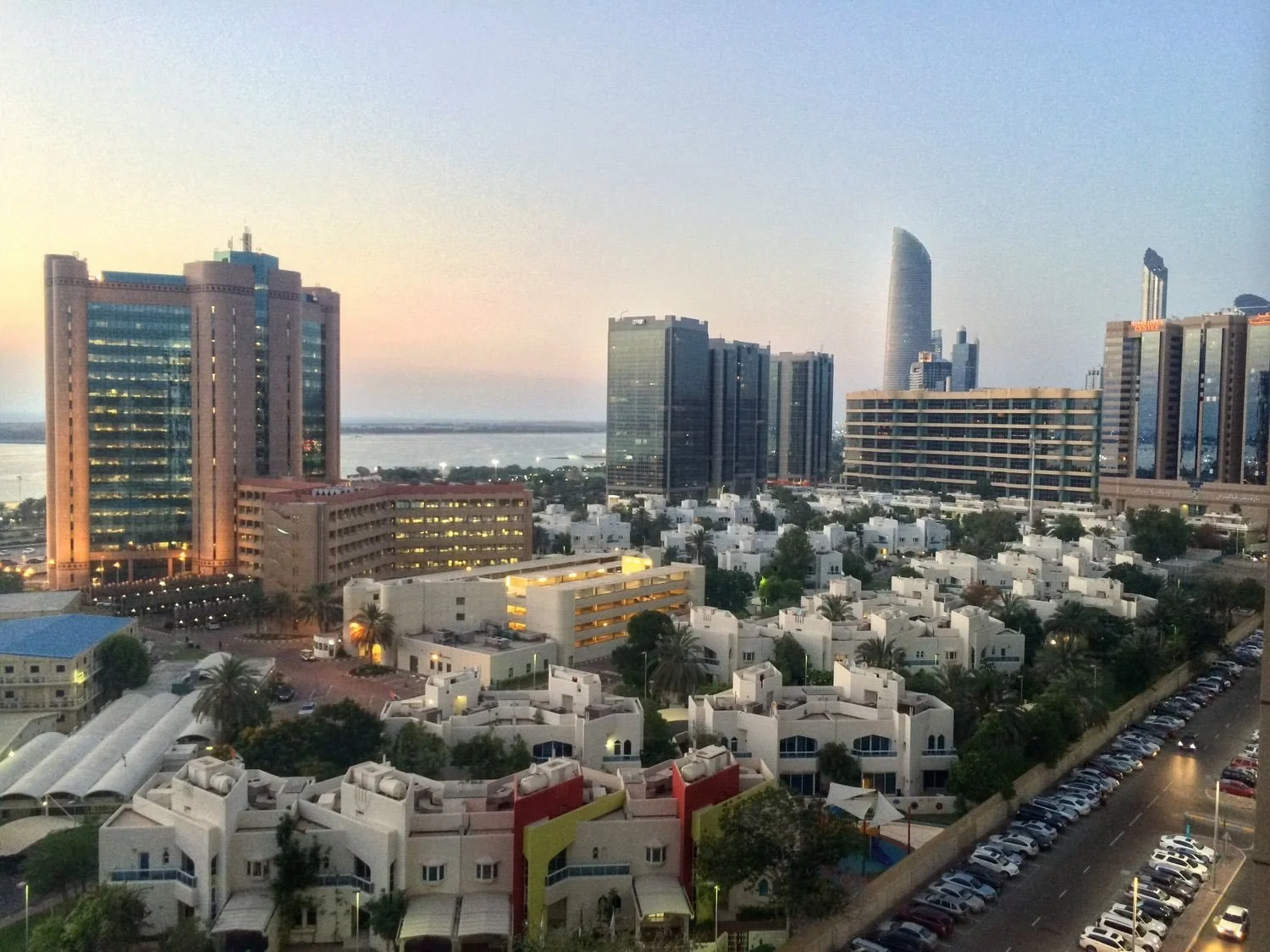
An aerial view of Abu Dhabi in the evening, with a varied skyline and luxury apartments and residences.

Khalidiya, Abu Dhabi. Thomas Galvez. CC BY 2.0

In 2024, the UAE tried 84 defendants for terrorism charges for  "co-operating with al-Islah" and money laundering, individuals human rights groups have determined are activists and not terrorists. Al-Islah is considered to be the Emirati version of the Muslim Brotherhood, a pan-Islamic organization declared a terrorist group by the Emirates. In 2014, the UAE passed Terrorism Law No. 7. The law defines terrorism as, among other things, “stirring panic among a group of people” and “antagonizing the state,” a broad definition that makes it possible for peaceful dissent to be labeled terrorism. “Terrorist organizations” are defined as groups that act to create “direct or indirect terrorist outcome regardless of the … place of establishment of the group or the place where it operates or exists, or the nationality of its members or places.” Along with the passage of the law, the UAE state news agency announced that the cabinet had “approved a list of designated terrorist organizations and groups in implementation of Federal Law No. 7 for 2014.” Muslim organizations that operate legally in the United States and Norway were included on the list.

On July 10, 43 of the defendants were sentenced to life in prison, while 10 received 10 to 15 years in prison. Human rights organizations, including Human Rights Watch and Amnesty International, insist that the defendants are innocent and that the UAE is abusing its justice system to punish activists, government critics and democracy advocates for forming an independent advocacy group in 2010. In the UAE, these groups mainly advocate for freedom of expression and assembly, the right to a healthy environment and workers' rights, as well as an end to arbitrary detention, torture and the death penalty. 

The indictment, the charges, the defense lawyers and the defendants' names have all been kept secret by the government. They are known only partially through leaks. One of the known defendants, Ahmed Mansoor, is on the Board of the Gulf Centre for Human Rights (GCHR) and the MENA Division Advisory Committee for Human Rights Watch, and was arrested on charges relating to his human rights activities. Another, Mohammed al-Roken, is a human rights lawyer who was arrested on charges related to his peaceful criticism of the Egyptian and Emirati authorities. Yet another three, Nasser bin Ghaith, Abdulsalam Darwish al-Marzouqi and Sultan Bin Kayed al-Qasimi, are academics.

The mass sentencing marks the UAE’s second-largest trial of this nature. The proceedings and the verdict were criticized for the lack of transparency and fairness, along with various other allegations of violations of justice, including but not limited to torture, solitary confinement, withholding evidence from lawyers and the removal of key witnesses. Joey Shea, a UAE researcher at Human Rights Watch, called the sentencing a “mockery of justice”, saying, “The UAE has dragged scores of its most dedicated human rights defenders and civil society members through a shamelessly unfair trial riddled with due process violations and torture allegations.”

Authorities launched the new mass trial during COP28, the international climate gathering held in Dubai in 2023. The case had been ongoing since 7 December 2023, yet the UAE only acknowledged the trial was taking place a month after human rights groups and journalists first uncovered and reported it. A number of the defendants had already spent ten years behind bars after being convicted in 2013 for their alleged involvement with the Justice and Dignity Committee, a branch of the al-Islah movement. This has sparked protests that the Emirati authorities are violating the principle of double jeopardy, which prohibits trying people twice for the same offense after receiving a final verdict.

The mass trial reflects a broader trend of the UAE using its anti-terrorism laws to stifle dissent and suppress political opposition. Devin Kenney, Amnesty International’s UAE Researcher, said in a statement, “Trying 84 Emiratis at once, including 26 prisoners of conscience and well-known human rights defenders is a scarcely disguised exercise in punishing dissenters…This case should be the nail in the coffin of the UAE’s attempts to disguise its horrendous human rights abuses behind a progressive façade.”

The UAE government, however, has staunchly defended its judicial process, maintaining that the convictions were based on solid evidence of terrorism-related activities. Officials have argued that the country’s stringent laws are necessary to combat extremism and ensure national security. The court ruled that those convicted “have worked to create and replicate violent events in the country, similar to what has occurred in other Arab states—including protests and clashes between the security forces and protesting crowds—that led to deaths and injuries and to the destruction of facilities, as well as the consequent spread of panic and terror among people.”

Critics argue that the country’s use of anti-terrorism laws to quash political dissent is part of a wider pattern of repression. They point to other cases where activists, journalists and opposition figures have been detained and sentenced under similar charges, calling for greater scrutiny of the UAE’s legal practices and human rights record. The recent trial is a stark reminder of the ongoing struggle for human rights and justice in the UAE and the broader Arab world. The international community’s response to this case will likely shape the future of human rights advocacy in the region and beyond, as activists continue to call for greater transparency, accountability and fairness in the UAE’s judicial system.

TO GET INVOLVED

Emirates Detainees Advocacy Center: Emirates Detainees Advocacy Centre (EDAC) is a non-profit organization founded in 2021 by a group of human rights activists to support detainees of conscience in the UAE and shed light on their cases. Their website contains important information on cases in the UAE.

Amnesty International: Amnesty International is a global organization whose mission is to undertake research and action focused on preventing and ending grave abuses of these rights. Their website provides information on their projects and how to join their organization.

Human Rights Watch: Human Rights Watch (HRW) is an organization that investigates and reports on abuses happening in all corners of the world. They work to protect the most at risk, from vulnerable minorities and civilians in wartime to refugees and children in need. They direct their advocacy toward governments, armed groups and businesses, pushing them to change or enforce their laws, policies and practices. HRW's website provides information on their projects and how to join the organization.


Rebecca Pitcairn

Rebecca studies Italian Language and Literature, Classical Civilizations, and English Writing at the University of Pittsburgh. She hopes to one day attain a PhD in Classical Archeology. She is passionate about feminism and climate justice. She enjoys reading, playing the lyre, and longboarding in her free time. 

Exiled Russian Pussy Riot Activist Sentenced for Ukraine Tweets

After a series of tweets criticizing Russia’s invasion of Ukraine, activist and girl band member Lucy Shtein was sentenced in absentia to six years in prison. 

Three women, one wearing a ski mask, holding their fists in the air and yelling while holding "free pussy riot" sign.

Pussy Riot Global Day. Eyes on Rights. CC BY-NC-SA 2.0

The members of Pussy Riot, a Russian punk rock and performance art group, are no strangers to prosecution. Their political activism has landed them in legal trouble in the past. In 2012, the band briefly took over a cathedral in Moscow and performed a “punk prayer” by the church’s altar. The lyrics called for the Virgin Mary to expel Putin from Russia. As a result, three members of the group, Maria Alyokhina, Nadezhda Tolokonnikova and Yekaterina Samutsevich, were convicted of hooliganism, religious hatred and plotting to undermine social order and sentenced to serve two years of imprisonment in a penal colony, a decision that sparked worldwide protests. 

Two women in ski masks holding up a large banner that states "Free Pussy Riot"

Free Pussy Riot - Tel Aviv Israel. דוג'רית. CC BY-SA 4.0. 

On November 21st, 2023, Nadya Tolokonnikova, was arrested again, this time in absentia, for the charge of “insulting the religious feelings of believers.” The charge carried a maximum fine of about $3,400 (300,000 roubles), forced labor, and up to one year of imprisonment. In Russia, this law is often referred to informally as the “Pussy Riot Law,” and was written while the members were in court for their 2012 performance. The charges against Tolokonnikova were leveled in response to a 2022 performance art piece called “Putin’s Ashes” in which Tolokonnikova and eleven other women, all wearing balaclavas, set fire to a portrait of Putin.

Young woman, Nadya Tolokonnikova, standing on stage in front of small podium delivering an emotional speech.

Nadya Tolokonnikova. Steve Jurvetson. CC-BY-2.0. 

In March of 2024, Pussy Riot Member Lucy Shtein was sentenced in absentia to six years in prison for a tweet the activist and artist posted in March of 2022 criticizing Russia’s military activities in Ukraine. Commenting on a video allegedly of Ukrainian soldiers shooting the legs of Russian POWs, she stated that the Russian soldiers had come “to bomb other people’s cities and kill people.” Since launching its invasion of Ukraine, the Russian government has begun prosecuting citizens who speak out against the war. In 2022, the State Duma, the lower house of the Russian legislature, amended the criminal code to make it illegal to support an end to the war or to spread any information on Russia’s military activities that contradicts the official version presented by the Russian Ministry of Defense. As of 2023, there have been more than 19,700 detentions of citizens who participated in anti-war activities, and as of 2024, 929 cases have been filed against citizens under this law. The new law has been criticized as an attack on freedom of assembly, freedom of speech, political opposition and activism, and it was under this law that Shtein was sentenced. 

Shtein escaped from house arrest in Russia with her girlfriend and fellow Pussy Riot member Maria Alyokhina shortly after the invasion in Ukraine had begun, earning her a spot on the Ministry of Internal Affairs wanted list. Shtein had been accused of violating coronavirus restrictions and placed on indefinite house arrest after participating in rallies in support of opposition leader Alexei Navalny. Shtein and Alyokhina fled to Iceland, where they were granted citizenship in 2023. 

Despite being unable to return to their homeland, Pussy Riot members continue to tour internationally. On June 20th, 2024, Tolokonnikova will be opening an art exhibition entitled RAGE in Austria. In 2017, Maria Alyokhina wrote a memoir, "Riot Days," recounting her experiences with Russia’s criminal system. In 2024, the band adapted the memoir into a show described as “a mixture of concert, rally, theater and political happening” touring in Canada and Europe. 

TO GET INVOLVED 

Pussy Riot: You can support Pussy Riot here by buying their merchandise, or a ticket to one of their upcoming shows in Chicago, IL, US or Riddu Riddu, Lyngen, Norway.

Stand With Ukraine: The "Riot Days"tour raised funds for the children’s hospital Ohmatdyt in Kyiv, Ukraine. While the show is no longer on tour, you can still donate to the hospital.


Rebecca Pitcairn

Rebecca studies Italian Language and Literature, Classical Civilizations, and English Writing at the University of Pittsburgh. She hopes to one day attain a PhD in Classical Archeology. She is passionate about feminism and climate justice. She enjoys reading, playing the lyre, and longboarding in her free time. 

The Slow Rise of Gang Violence in Haiti

Haiti finds itself in a humanitarian crisis, with limited access to resources and police assistance amid widespread gang presence. 

Large crowd running while an officer wearing a UN helmet stands by.

UN officials try to aid the police force in Haiti as violence escalates, CC0 1.0.

Already in a long-term humanitarian crisis stemming from a 7.0 magnitude earthquake in 2010, Haiti has been in a vulnerable position for the last fourteen years. Until recently, the fate of Haiti rested with 10 remaining senators, all of whose terms expired two weeks into 2023. There are currently about 200 gangs in Haiti, half of which are residing in Port-au-Prince, Haiti’s capital. Among these are G9 and GPep; two rival gangs with the largest presence in the capital.

G9 Family and Allies (“G9”) was formerly associated with the dominating Haitian Tet Kale political party, rising via a relationship between Chérizier and the Moïse administration in 2020. The intention of this group was to maintain social order among civilians angry about lack of political assistance to their poor conditions. Over time, it strayed away from its initial goals and took up violence and kidnapping. 

The second politically relevant gang present in Port-au-Prince is GPep, less well known but equally dangerous. GPep, a gang alliance led by Gabriel Jean Pierre (“Ti Gabriel”), is the sworn enemy of G9.  Associated with Haitian opposition parties, GPep is responsible for high levels of violence, famines and the deaths of innocent civilians in its clashes with G9 for power. In September of 2023, the rivals made a public pact to “viv ansanm” (“live together”) to coordinate against shared political rivals. 

In February 2024, various Haitian gangs carried out a series of coordinated attacks throughout Port-au-Prince. Chérizier and the G9 Alliance ultimately claimed responsibility for the spike in violence. The gangs’ intentions were to reduce the power of the police force and prevent the return of the Prime Minister from Kenya, where he had previously been negotiating with the United Nations for protective measures. Since then, gang activity has seen a steady increase in Port-au-Prince, including the storming of two of the country’s largest prisons to free thousands of inmates and an attempted seizure of the national airport.  G9 also notably expanded its control and effectively blocked access to the country’s main oil storage facility, worsening the fuel shortage. On March 3, the Prime minister declared a state of emergency and enforced a nightly curfew.

The recent increase in gang presence has also limited citizens’ access to healthcare. As a result of a storm by the gangs in March, the State University of Haiti Hospital (HUEH) was forced to close and has not reopened since. TIME journalist Dánica Coto looks broadly at the impact gang violence has had on the medical system and explains that, “Even if a hospital is open, sometimes there is little or no medical staff because gang violence erupts daily in Port-au-Prince, forcing doctors and nurses to stay at home or turn around if they encounter blocked roads manned by heavily armed men.” The gangs therefore not only harm citizens directly, but medical restrain them by limiting access to cancer, asthma, diabetes and other medical condition treatments.

The rapid increase in gang violence is impacting more than just the capital, the displacement of people also posing a risk for the rest of Haiti. With a large population residing in Port-au-Prince, smaller cities outside the capital are too fragile to support people fleeing en masse. The United Nations International Organization for Migration raised their concerns in early April: “It should be emphasized that [these] provinces do not have sufficient infrastructure and host communities do not have sufficient resources that can enable them to cope with these massive displacement flows coming from the capital.” The insufficient resources of the regions surrounding Port-au-Prince continues to pose a risk for Haitains, their food security, health and safety still insecure even if they escape the capital. 

The United Nations is calling for more support for Haiti, with only 8% of the 2024 Humanitarian Needs and Response Plan for Haiti already funded. In a United Nations meeting, the Haiti delegate focuses on the importance of sending aid to the police force and emphasizes that, “We need to ring alarm bells. It is absolutely vital to act quickly to avoid the genocide being implemented in the country." Executive Director of the UN Office on Drugs and Crime Ghada Waly echoes the need for outside intervention; “In the absence of international action to improve Haiti’s security, through the deployment of the multinational security support mission […] alongside a long-term political solution, the circumstances will remain enormously challenging.” Haiti is in desperate need of outside assistance from the United Nations and other countries, its current support system too weak to protect and care for its people.

The Dominican Republic has deployed its own limited resources to stem the flow of arms into Haiti, although its Minister of Foreign Affairs emphasized the need for tougher sanctions and an arms embargo to help build a sustainable peace. United Nations delegates are also pushing for a rigorous implementation of the sanctions regime to hold financiers of the violence accountable, and thus reduce the damage being done to Haiti. In its current state, Haiti’s healthcare and political system are on the verge of collapse. It is only through external intervention and support that the country has a hope of making it through the crisis and starting, once again, on a path to reconstruction.

TO GET INVOLVED:

Save the Children has an ongoing campaign to help children and refugees in Haiti. Check out their website here to learn about the current state of Haiti and steps, both big and small, that can be taken to send humanitarian aid overseas. 

Christian humanitarian organization World Vision is working to help end the suffering in Haiti by sponsoring individual childrens’ wellbeing, as well as general crisis response efforts. Click here to learn more.


Aanya Panyadahundi

Aanya is a student at the University of Michigan studying sociology and journalism on a pre-law path. She loves to travel the world whenever she can, always eager to learn more about the different cultures and societies around her. In her free time, she likes to play the violin, ski, and listen to podcasts.