TOKYO

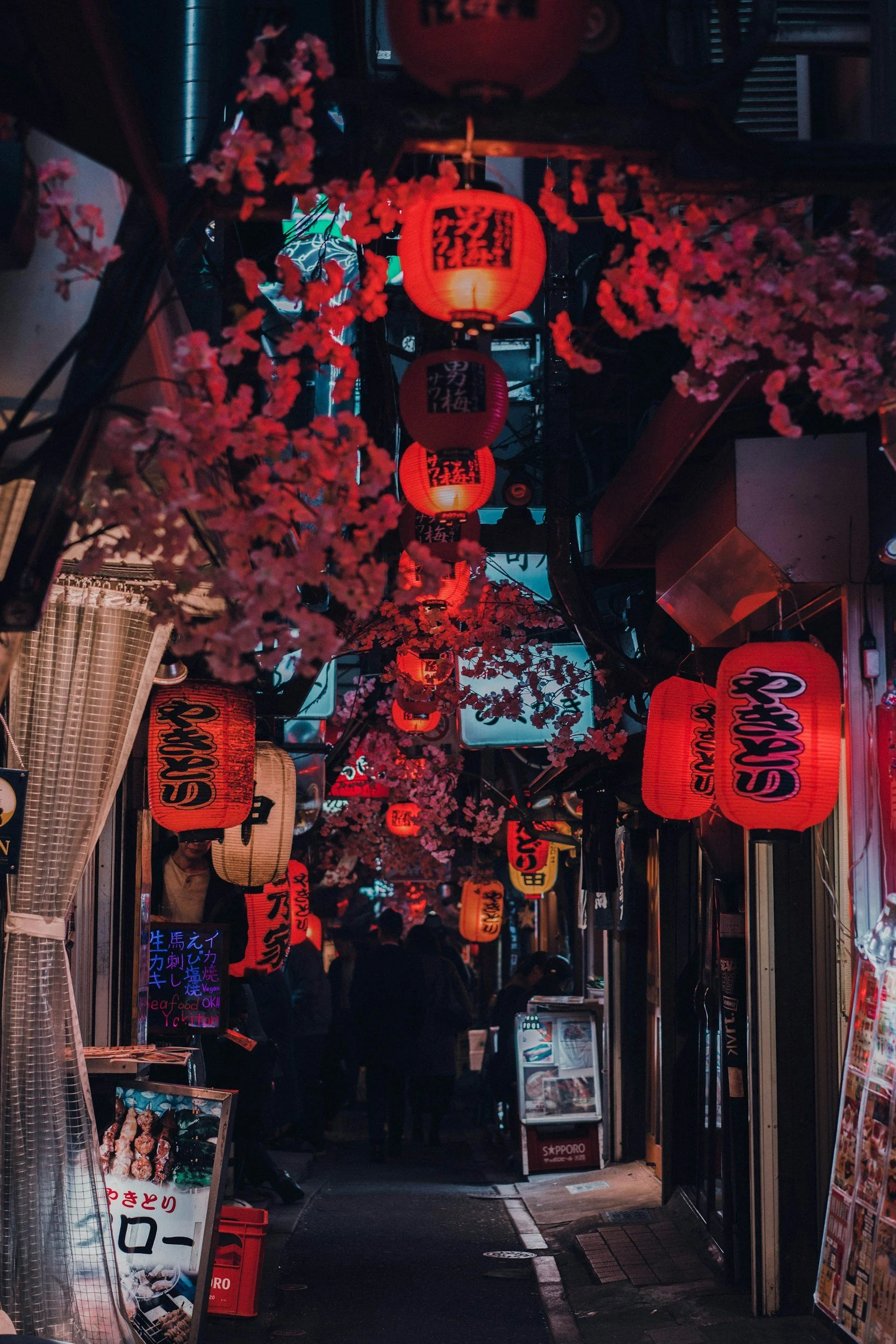
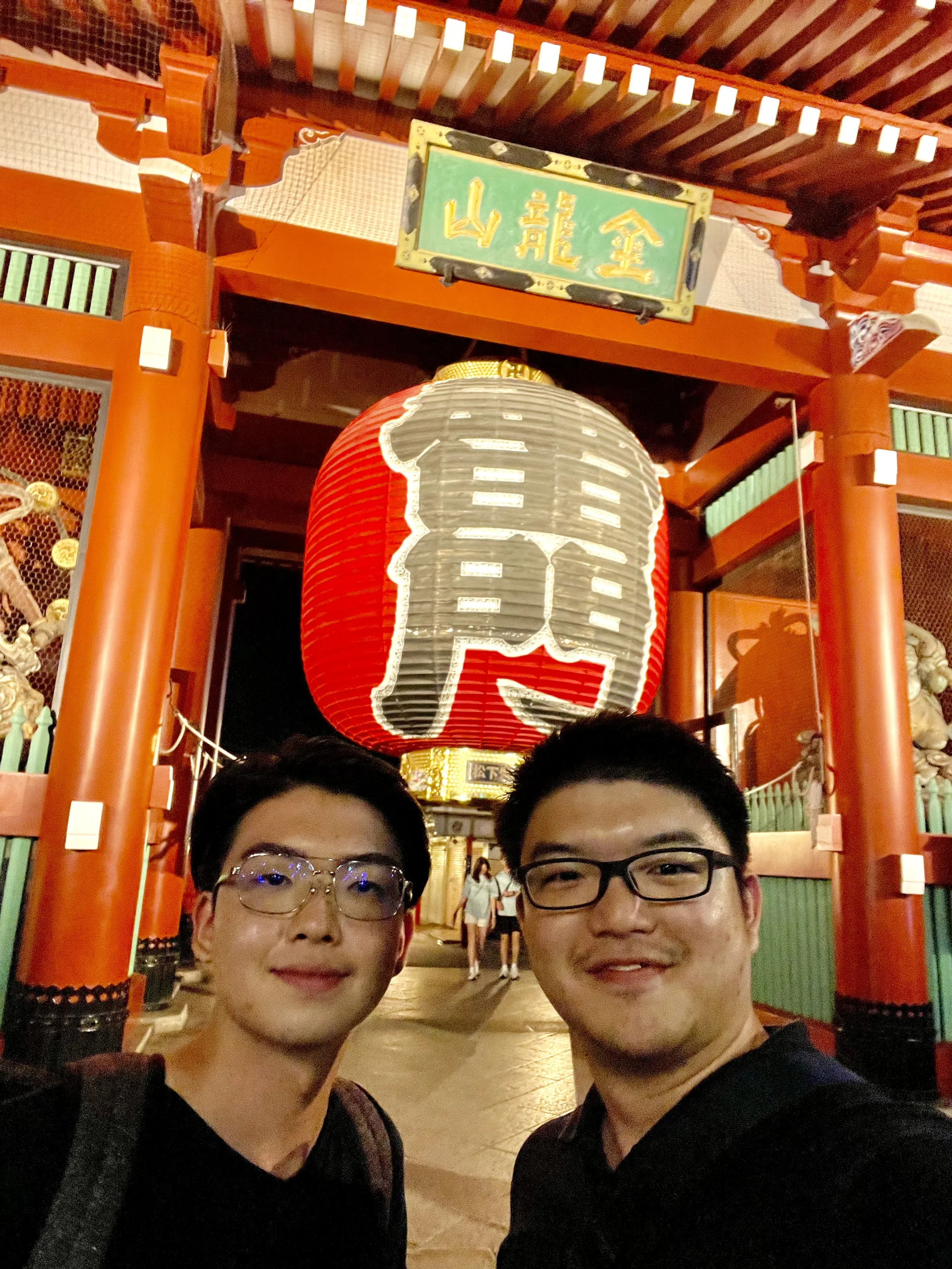
Tokyo is the bustling capital city of Japan, located on the eastern coast of Honshu Island. It has a rich cultural history and is known for its modern architecture, unique fashion, and delicious cuisine. Tokyo is made up of 23 wards, each with its own distinct character and attractions. The city's history dates back to the 12th century when a small fishing village was established in the area. In the 16th century, Tokyo became the capital of Japan and has since then developed into a major economic and cultural center of the country.

  • Currency: ¥ Japanese Yen (Japanese: 円), Or JPY

  • Language: Japanese

  • Average Temperature: 15.2 C | 59.3 F

  • On Season: March-April and September-November

  • Off Season: December-February and June-July

  • Average Cost Per Day; Budget-Luxury: $42-$175

  • Government: Japan has a parliamentary system of government. Representatives are elected to the Diet, the Japanese parliament. The Japanese do not elect a prime minister directly, rather Diet members from the House of Representatives elect a prime minister from among themselves. The prime minister forms and leads the cabinet of ministers of state.

  • Entry Requirements: You must have a valid passport and an onward/return ticket for travelers/business "visa-free" stays of up to 90 days.


TOKYO’S 23 WARDS

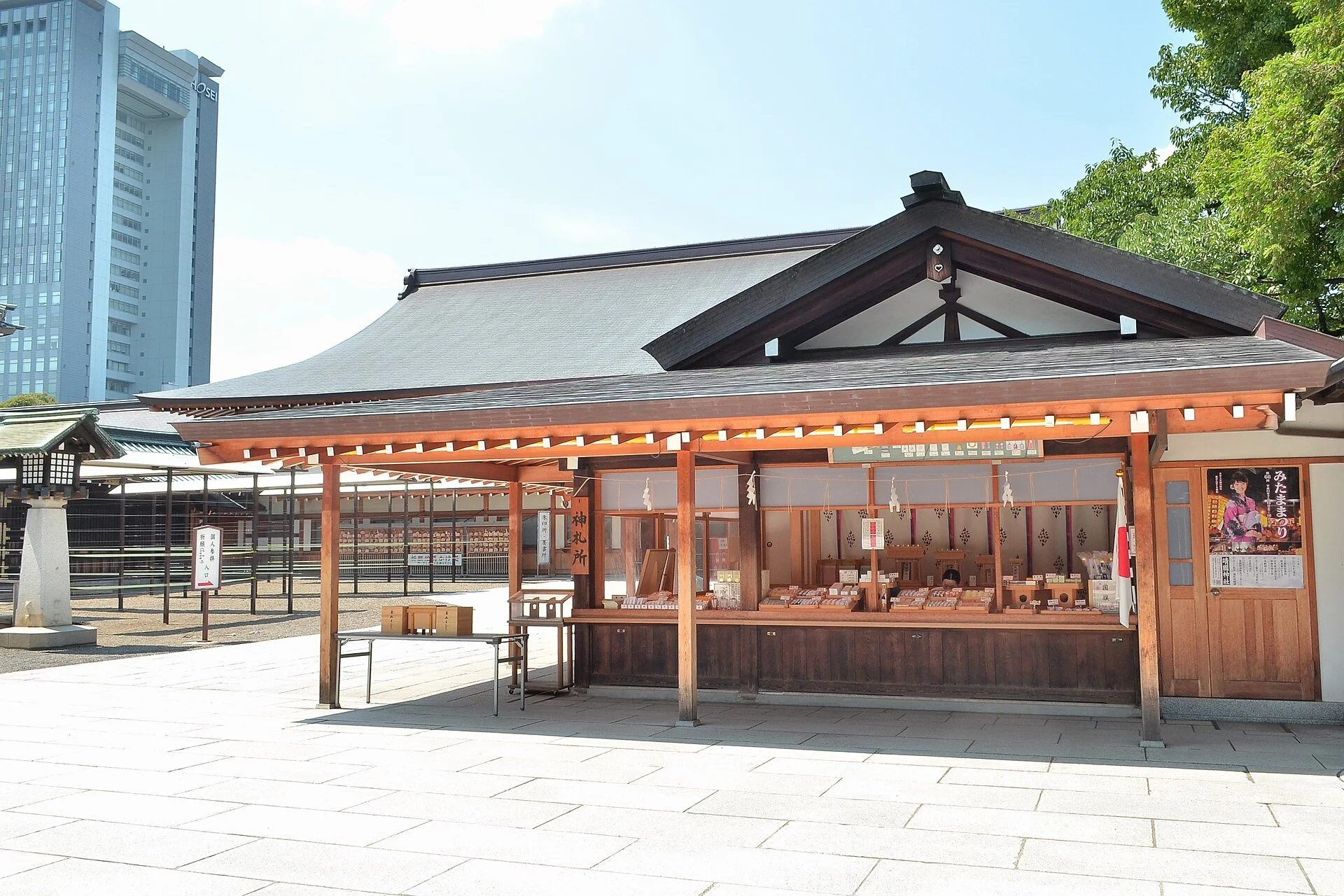
Central Tokyo thrives with the energy of Minato, home to iconic landmarks like Tokyo Tower and Roppongi Hills, a hub for both business and nightlife. Shibuya buzzes with its trendsetting youth culture, the world-famous Shibuya Crossing, and the vibrant shopping streets of Harajuku, which it shares with neighboring Shinjuku. Chiyoda, the political heart of Tokyo, houses the Imperial Palace, the National Diet Building, and historic spots like Yasukuni Shrine. Shinjuku offers endless entertainment, from the bustling skyscraper district to the neon-lit Kabukicho and the serene Shinjuku Gyoen National Garden. In Chuo, the upscale shopping of Ginza blends with historic charm in Nihonbashi and the waterfront attractions near the Tsukiji Outer Market.

In East Tokyo, Arakawa offers quiet, historic neighborhoods like Yanaka, filled with old temples and quaint streets that overlap with Taito. Bunkyo is rich in culture, featuring the Tokyo Dome, Koishikawa Korakuen Garden, and literary history in the Yayoi and Hongo districts. Taito preserves Edo-era charm with Asakusa’s Senso-ji Temple, the bustling Nakamise shopping street, and Ueno Park, home to museums and a zoo. Sumida is dominated by the towering Tokyo Skytree and features the Sumida Hokusai Museum, celebrating the ukiyo-e master. Koto boasts the world-renowned Toyosu Market and Odaiba, a futuristic district with attractions like teamLab Borderless, DiverCity, and the Rainbow Bridge. Edogawa’s Kasai Rinkai Park, with its aquarium and Ferris wheel, offers a scenic escape, while Katsushika’s Shibamata neighborhood is famous for its retro charm and Taishakuten Temple.

In North Tokyo, Adachi features landmarks like Nishiarai Daishi Temple and scenic walking paths along the Arakawa River. Kita invites visitors to enjoy tranquil strolls through Asukayama Park, a historic cherry blossom site, and explore Akabane’s lively dining and bar scene. Itabashi offers peaceful retreats like Akatsuka Botanical Garden and unique attractions like the Itabashi Art Museum. Toshima shines in Ikebukuro, with Sunshine City’s shopping and entertainment and quieter cultural gems like the historic Zoshigaya neighborhood and its temple.

South Tokyo dazzles with Meguro’s tree-lined avenues, the cherry blossom-lined Meguro River, and contemporary art at the Meguro Museum of Art. Shinagawa serves as a critical transportation hub, connecting the city to the Shinkansen and Haneda Airport, while also offering Sengaku-ji Temple, where the 47 Ronin are buried. Ota is a major international gateway thanks to Haneda Airport and features relaxing attractions like Senzokuike Park and the vibrant local onsen culture of Kamata.

West Tokyo offers an eclectic mix of attractions. Nakano is an anime and manga haven, with Nakano Broadway drawing enthusiasts from around the world. Suginami blends modern charm with tradition, featuring live music venues in Koenji and serene green spaces like Zenpukuji Park. Setagaya, one of Tokyo’s most affluent wards, is known for its upscale neighborhoods, the Setagaya Art Museum, and the quiet natural beauty of Todoroki Valley. Finally, Nerima, considered the birthplace of Japanese animation, combines family-friendly charm with attractions like the Toshimaen Niwa no Yu hot springs and the sprawling Hikarigaoka Park.


  • The best time to visit Tokyo is during the spring (March to May), or autumn (September to November) when the weather is mild and several festivals and events occur. Some of the most notable ones during the spring and autumn seasons:

    • Cherry Blossom Season (Late March to Early April): This is the most famous and anticipated event in Tokyo. The blooming of cherry blossoms in various parks and gardens around the city marks the start of spring. Some popular spots to see cherry blossoms include Ueno Park, Yoyogi Park, and the Shinjuku Gyoen National Garden.

    • Sanja Matsuri (Third Weekend of May): This is one of Tokyo's biggest festivals, and it's held at the Asakusa Shrine in honor of the three men who founded the temple in the 7th century. The festival features colorful parades with portable shrines, taiko drum performances, and traditional dancing.

    • Tokyo Game Show (Late September): This is one of the biggest gaming conventions in the world, attracting game enthusiasts from around the globe. It's held at the Makuhari Messe convention center in Chiba, just outside of Tokyo, and features the latest and upcoming video games, hardware, and accessories.

    • Tokyo International Film Festival (Late October): This film festival is held annually in Roppongi Hills and features a wide variety of films from all around the world. It's a great opportunity to see independent and foreign films that may not be shown in regular theaters.

    • Koyo Season (Late November to Early December): This is the autumn equivalent of cherry blossom season, and it's when the leaves on trees change color to beautiful shades of red, yellow, and orange. Some popular spots to see fall foliage in Tokyo include Rikugien Garden, Meiji Jingu Gaien, and Mount Takao.

    The recommended stay in Tokyo is at least five days to explore the city and its surrounding areas.

  • Transportation options in Tokyo include the subway, train, bus, and taxi. 

    Local transportation options and costs: The subway system is the most convenient and affordable way to get around Tokyo, with fares starting at 170 yen. The JR Pass is a popular option for visitors planning to travel outside of Tokyo as it provides unlimited access to JR trains and buses. Taxis can be expensive, with fares starting at around 710 yen.

    The subway system in Tokyo is extensive and well-connected, making it easy to get around the city quickly and efficiently. It can be crowded during peak hours, so it's recommended to avoid rush hour if possible. Visitors can purchase a prepaid card called "Suica" or "Pasmo" which can be used on trains, subways, buses, and even some vending machines.

    When using taxis, it's important to note that many drivers do not speak English, so it's recommended to have the destination written in Japanese or to show the driver on a map or phone. Taxis can be hailed on the street or found at designated taxi stands throughout the city. It's also worth noting that taxi fares can increase during peak hours and late at night. Uber is also available in Tokyo. 

    In addition to the subway, train, bus, and taxi, Tokyo also has a bicycle-sharing system called "Tokyo Bike Share". Visitors can rent bicycles from designated stations throughout the city and return them at any other station. This is a great way to explore the city on your own time and see Tokyo's unique neighborhoods and streets.

    For those who prefer a more scenic route, the water bus is a great option. The water bus takes visitors along the Sumida River and offers stunning views of the city skyline and famous landmarks like Tokyo Tower and the Rainbow Bridge.

    Overall, Tokyo's transportation options are extensive and efficient, making it easy for visitors to navigate the city and explore all it has to offer. The subway is the most convenient and affordable way to get around the city. Cabs can be expensive, but they are a good option for short distances or when traveling late at night.

  • Japanese is the official language of Japan, but many locals also speak English. It's important to learn a few basic Japanese phrases, such as "hello" (konnichiwa) and "thank you" (arigatou gozaimasu). It's also important to be respectful of Japanese customs and traditions, such as removing shoes before entering homes or temples and using chopsticks correctly.

    Learn basic Japanese phrases: While many locals in Tokyo speak some English, it is always appreciated when travelers make an effort to learn some basic Japanese phrases. This helps with communication and shows respect for the local language and culture. Some other useful phrases to learn include "excuse me" (sumimasen), "please" (onegai shimasu), and "goodbye" (sayonara).

    Use honorific language: In Japanese culture, showing respect to others, especially those who are older or in a higher position is important. One way to do this is by using honorific language, such as adding "-san" to someone's name as a polite title. For example, instead of just saying "Mr. Tanaka," it is more respectful to say "Tanaka-san."

    Respect local customs and traditions: Tokyo has a rich cultural heritage, and it is important to be aware of and respect local customs and traditions. For example, when visiting temples or shrines, it is customary to remove your shoes before entering. It is also important to be mindful of the dress code when visiting these places, such as covering your shoulders and legs. When using chopsticks, it's important to avoid pointing them at others, passing food with chopsticks, or sticking chopsticks upright in a bowl of rice as it resembles a funeral ritual.

    Use public transportation etiquette: Tokyo's public transportation system is incredibly efficient, but it's important to be mindful of the etiquette when using it. For example, talking loudly or using your phone while on the train is considered rude. Additionally, standing on the left side of the escalator is important, similar to the left-side traffic pattern of Tokyo, leaving the right side open for people to pass. 

    By following these tips, travelers can have a more culturally immersive experience in Tokyo while also showing respect for the local customs and traditions.

  • While many places in Tokyo accept credit cards, it is still common for smaller shops, street vendors, and restaurants to only accept cash. It's a good idea to carry some cash on hand, especially if you plan on exploring more local or off-the-beaten-path areas.

  • Tokyo can be a great destination for solo travelers, with plenty of activities and experiences to enjoy on your own. It's a safe city with a low crime rate, and many of the locals are friendly and helpful. However, navigating Tokyo can be overwhelming initially, so it's a good idea to plan and research the areas you want to visit beforehand. Solo travelers should also be aware of their surroundings and take basic safety precautions, such as not walking alone late at night and keeping an eye on their belongings. While it can be tempting to pack your itinerary with as many activities as possible, taking time for self-care and relaxation is important. Solo travelers can also consider joining a group tour or meetup to meet other like-minded individuals and make new connections.

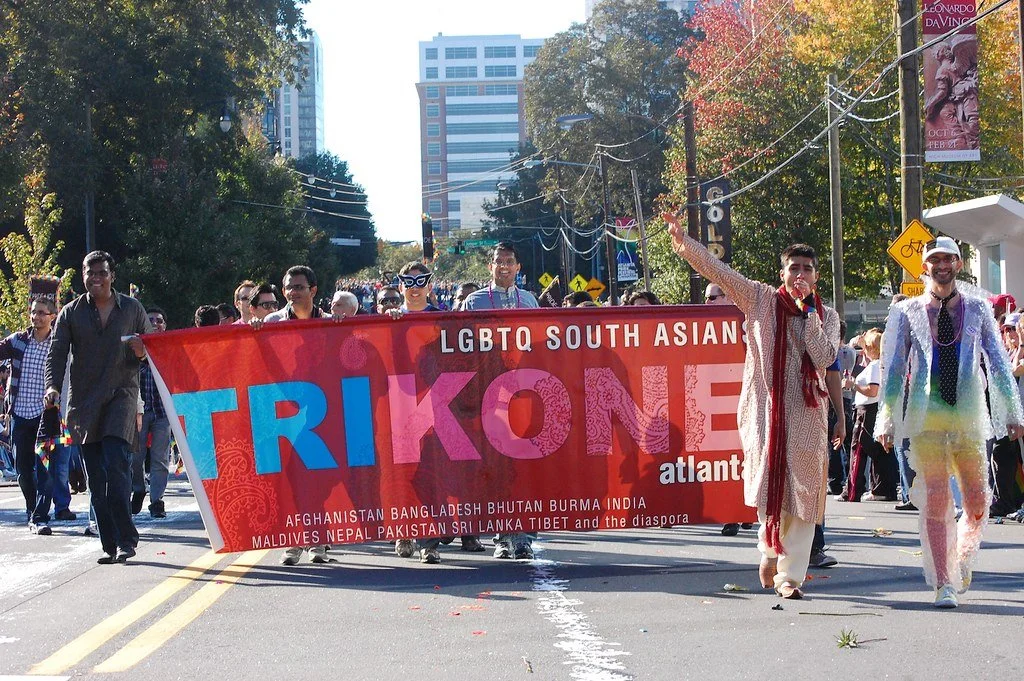
  • Tokyo is known as one of the most welcoming cities in Asia for LGBTQIA+ individuals. Same-sex marriage is not yet legal in the country, but there is a thriving LGBTQIA+ scene with bars, clubs, and events catering to the community. While public displays of affection may be less common in Japan, LGBTQIA+ travelers should feel comfortable expressing themselves in safe spaces. However, it's important to note that there may still be some stigma or discrimination towards LGBTQIA+ individuals in certain parts of Japanese society. It's always a good idea to research the specific areas and establishments you plan to visit and to exercise caution when traveling to more conservative areas of the country.

  • Tokyo is a relatively safe and welcoming city for BIPOC travelers. However, like anywhere in the world, there may be instances of discrimination or microaggressions. It's important to remember that Japan has a different cultural and societal context than you may be used to, so it's best to educate yourself on the local customs and norms. Some Black travelers have reported experiencing stares or unwanted attention, but this is usually out of curiosity rather than hostility. It's also important to note that there is a lack of racial diversity in Japan, so it may be difficult to find products and services that cater to BIPOC individuals. Overall, BIPOC travelers typically have positive and enjoyable experiences in Tokyo.


  • Tokyo is a city that can be challenging for disabled travelers, but it is not impossible to navigate. The city has made great strides in recent years to improve accessibility, and many public areas and transportation options are now wheelchair accessible. However, there are still some challenges that disabled travelers may face, such as narrow sidewalks and uneven surfaces.

    There are several resources available for travelers with disabilities in Tokyo. One such resource is Accessible Japan, a website dedicated to providing information and resources for folks who need it. They offer information on accessible transportation, accommodations, tourist attractions, and more. They also have a community forum where travelers can ask questions and share their experiences.

    Another resource is the Japan National Tourism Organization (JNTO), which has a section on its website dedicated to accessibility information for travelers. This includes information on accessible transportation, tourist attractions, and accommodations.

    For those who require mobility aids, such as wheelchairs, several rental services are available in Tokyo, like Japan Accessible Tourism Center, which offers rental equipment including wheelchairs, mobility scooters, and shower chairs.

    Though not across the board, it's also worth noting that Tokyo's public transportation system is generally quite accessible, with many train and subway stations having elevators and wheelchair ramps. The Tokyo Metropolitan Government also provides a guide to accessible transportation options in the city, including information on accessible buses, taxis, and trains.

    Overall, while there are still some challenges for disabled travelers in Tokyo, many resources and services are available to help make their trip as smooth and enjoyable as possible.

LOCAL GUIDES FROM THE CATALYST COMMUNITY

EDITOR’S PICKS

TOKYO

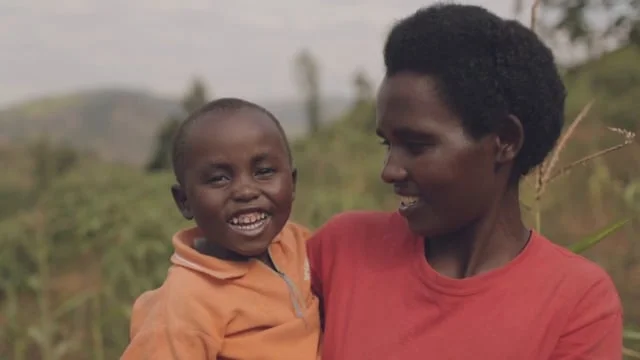
RWANDA

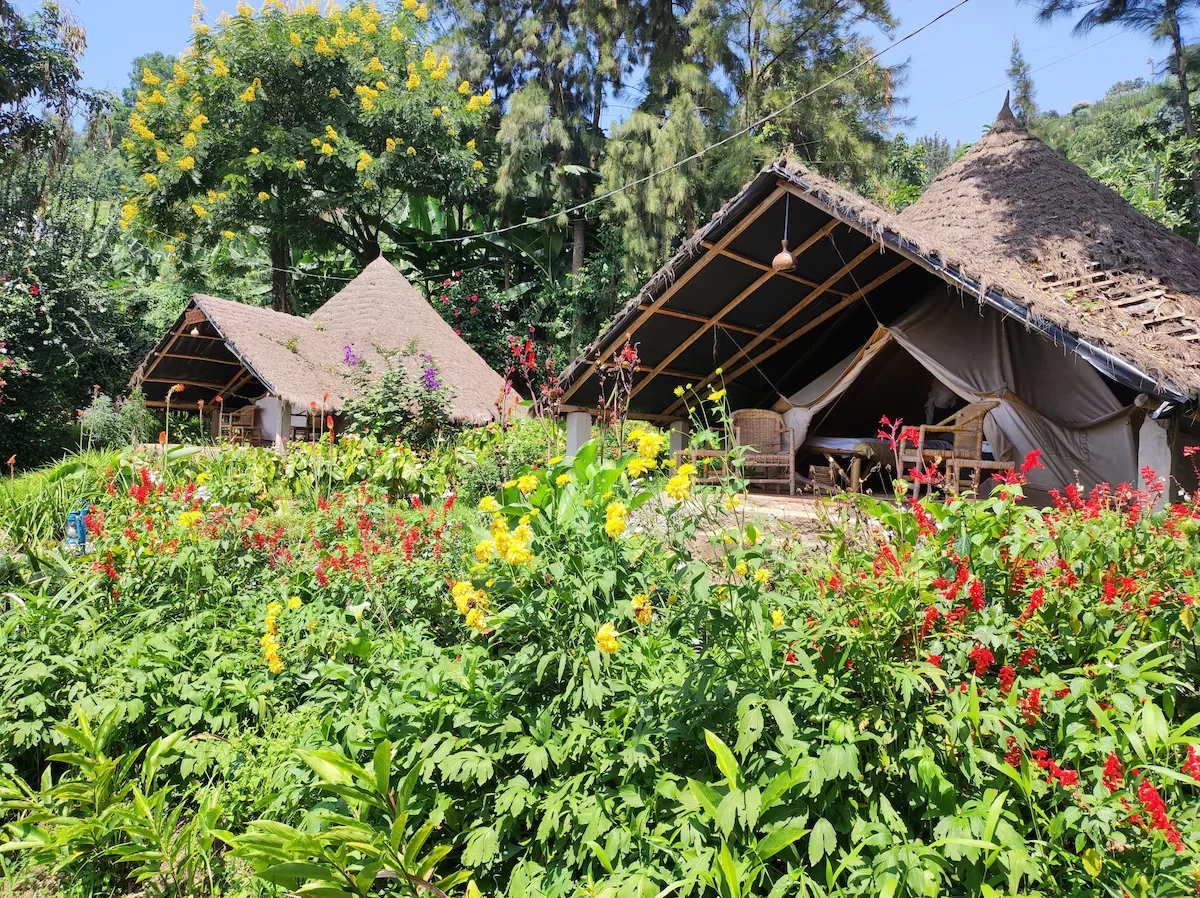
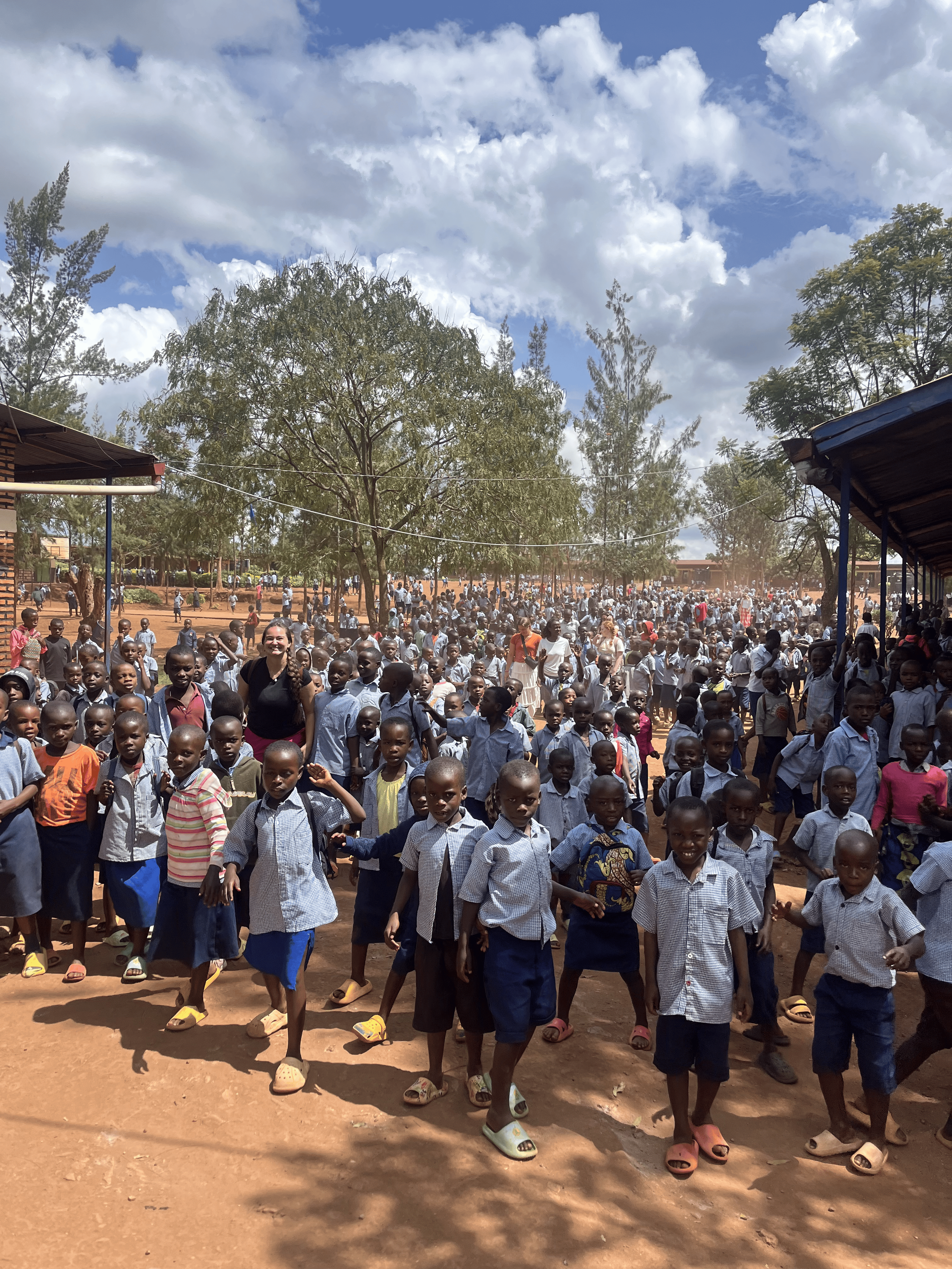
Rwanda is the kind of place that sneaks up on you—in the best way. One day you're hiking through volcanoes, the next you're dancing in a Kigali art gallery or sharing a meal at a roadside grill with strangers who feel like old friends. Known as the “Land of a Thousand Hills,” this East African nation blends natural beauty, creative energy, and deep cultural roots.

Whether you're tracking gorillas, exploring national parks, or witnessing the quiet power of resilience at historic memorials, Rwanda stays with you. And it’s refreshingly easy to travel here with purpose—eco-lodges, community-run tours, and affordable local transport make sustainability the default, not the exception.

  • Currency: Rwandan Franc or RWF (also commonly denoted by RFw, RF, or R₣)

  • Language: Kinyarwanda, English, French, Swahili

  • Average Temperature: 20–21°C | 68–70°F

  • On Season: June - September and December- Mid-February

  • Off Season: March - May and October - November

  • AVG. Cost per day; Budget—Luxury: 30-300+ USD 

  • Government: Rwanda is a presidential republic based on its 2003 constitution. The government consists of the executive, legislative and judiciary branches. 

  • Entry Requirement: You must have a Passport with 6+ months of validity past your entry date and at least one blank page for stamps. You also need a return ticket, and a yellow fever vaccination certification if you are based in an endemic area. Visa fees are typically 50 USD and can be purchased in the airport at your time of arrival.  Visa applications can be issued and paid for at Kigali National Airport,  applied for online through Irembo.gov, or obtained through the Rwandan Embassy by mail.  


RWANDA’S FIVE PROVINCES

Rwanda is divided into 5 provinces and 30 districts, each offering something distinct, from vibrant cityscapes and lush highlands to lakeside retreats and wildlife-rich parks.

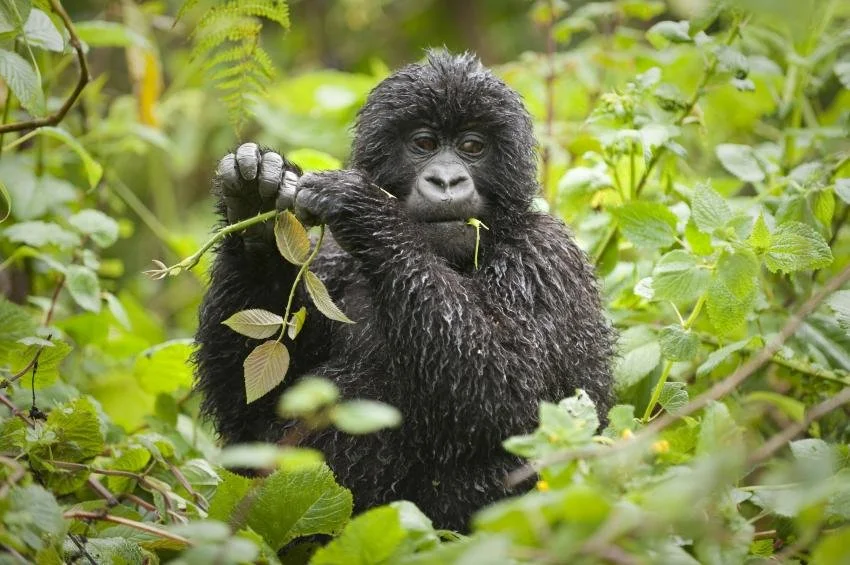
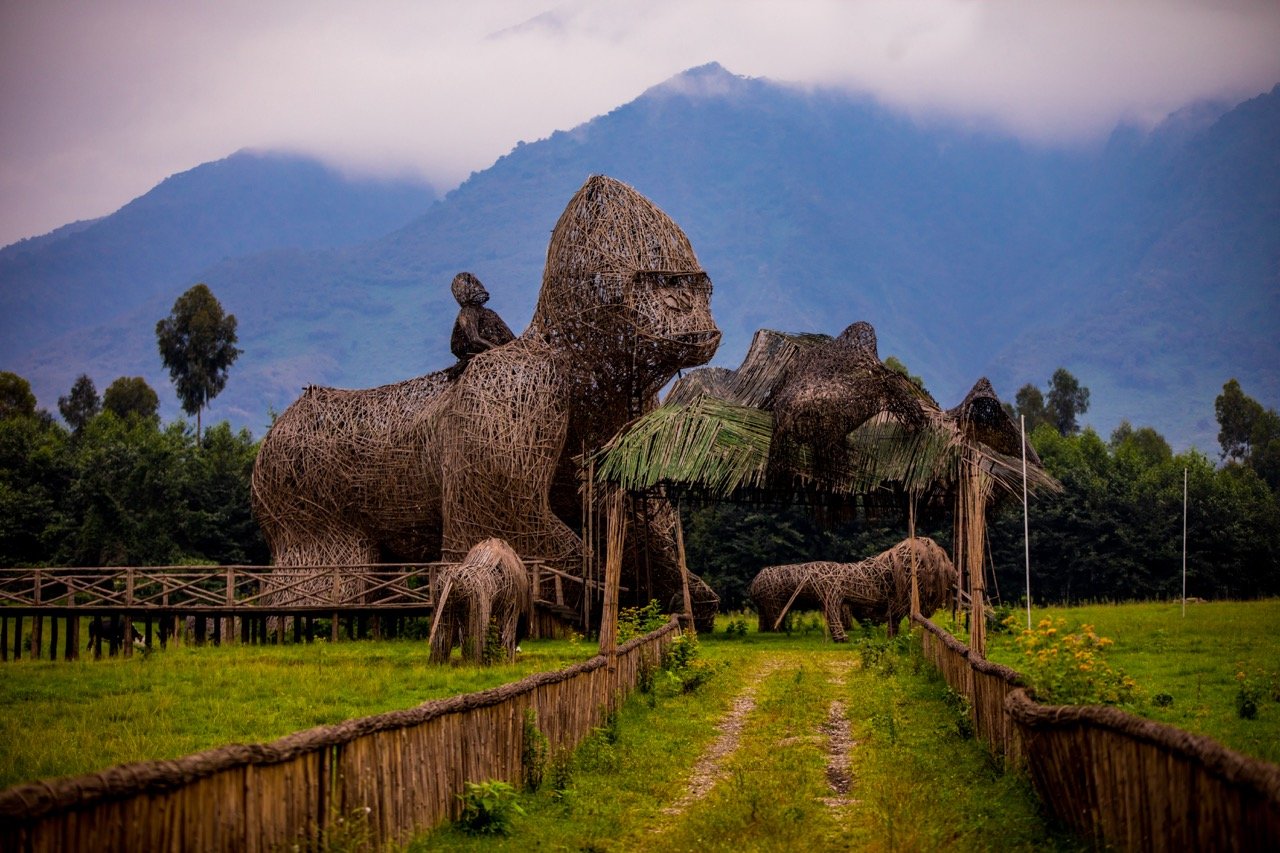
The Northern Province is Rwanda’s epicenter of nature and adventure. With its cool, misty climate and dramatic volcanic landscape, it offers one of Africa’s most unique conservation and ecotourism experiences. This region is home to Volcanoes National Park, where you can be guided through Rwanda's lush mountains to see the endangered gorillas and golden monkeys - a truly once-in-a-lifetime experience and photographer's dream. There are also plenty of hiking and exploring options within the area, such as Buhanga Eco-Park, a rich biodiversity and cultural significance, Twin Lakes that are full of rare bird species, and Mount Bisoke, where you can see Rwanda’s volcanic crater lake and protected rainforest ecosystems. This area is perfect for active travelers or anyone seeking to encounter Rwanda's wild beauty. 

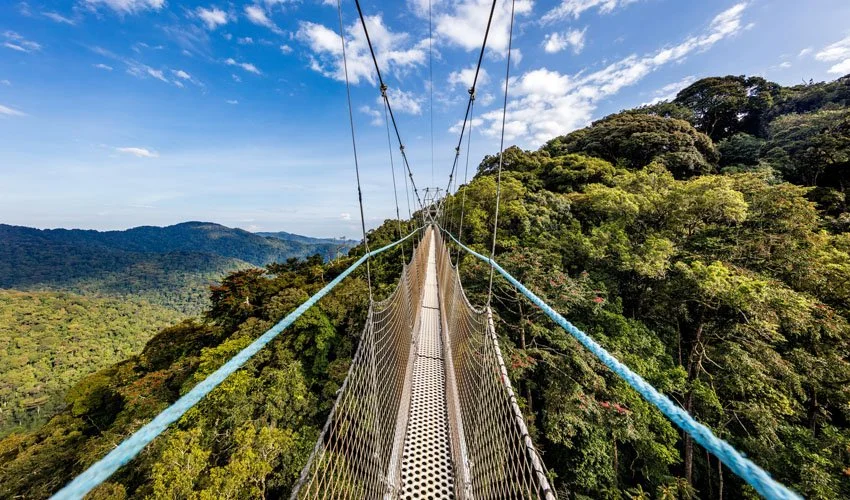
The Western Province offers the perfect blend of adventure and scenic relaxation. Start in Rubavu or Karongi on the shores of Lake Kivu, where you’ll find beaches, boat rides, and waterfront cafes perfect for unwinding. Inland, the Nyungwe Forest National Park invites you into one of Africa’s oldest rainforests—home to chimpanzees, colobus monkeys, and over 300 bird species. 

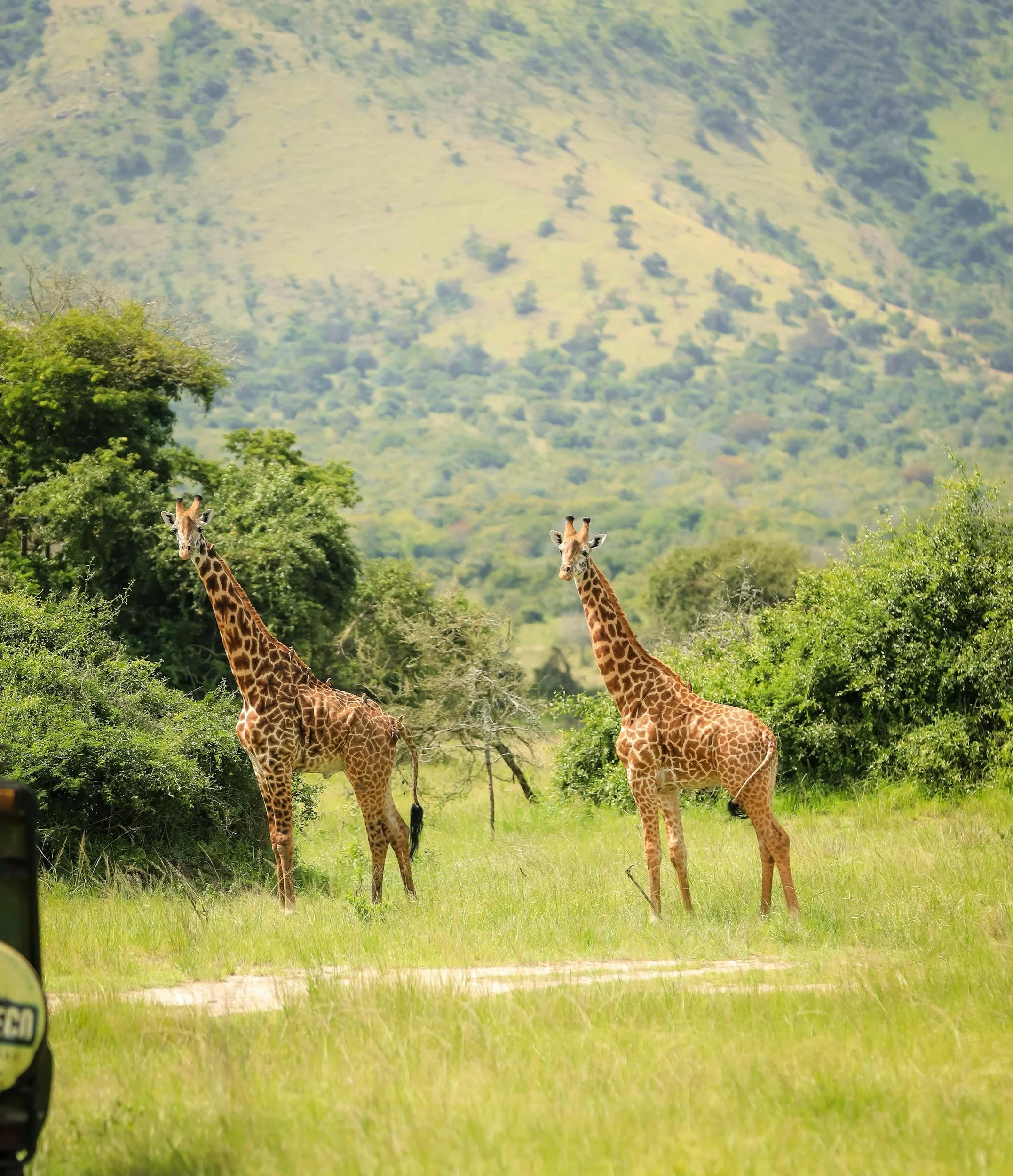
The Eastern Province is home to Rwanda’s Safari Capital. Its star attraction, Akagera National Park, hosts and protects over 8,000 large animals and 500 bird species, including the shoebill stork, lilac-breasted roller, and the African fish eagle. With its warm, dry climate and open terrain, this region feels vastly different from Rwanda’s central highlands. There are more farmlands, bird watching, and savannah life here to explore in contrast to the lush jungle feel of the mountains in the north - perfect for a slower, off-grid Rwandan experience. 

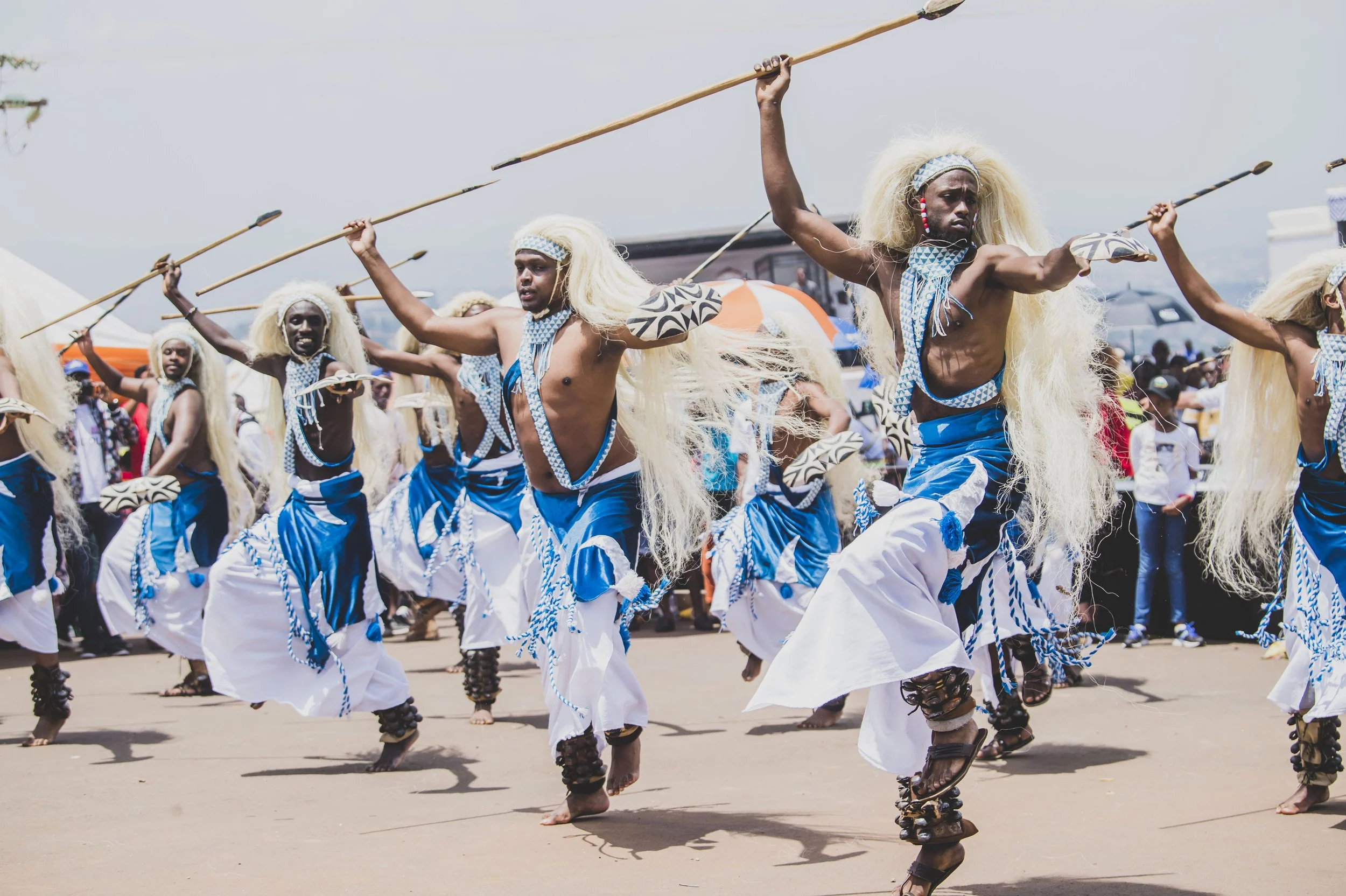
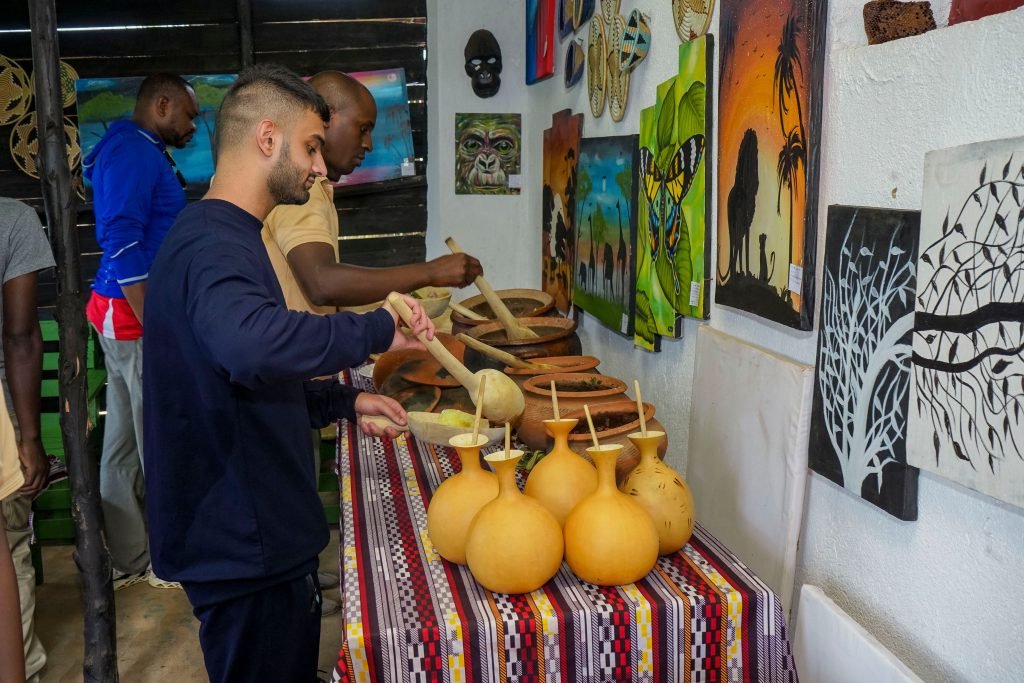
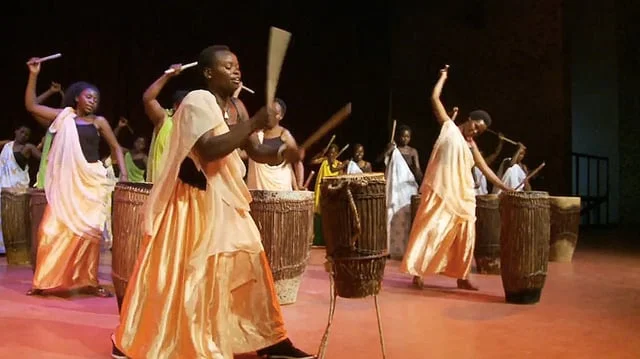
The Southern Province is known to be the cultural soul because it holds a rich concentration of Rwanda’s historical, spiritual, and artistic heritage. The King’s Palace Museum in Nyanza to step back into pre-colonial Rwanda, complete with royal cattle and Inyambo dancers. In Huye (Butare), explore the Ethnographic Museum, Rwanda’s most comprehensive cultural collection, and feel the intellectual energy of the country's oldest university. Many of the country's best artisans thrive in this area and work on perfecting their crafts, such as jewelry making, ceramics, woodwork, and painting, while fostering their academic skillset in the Rwandan hub for education. 

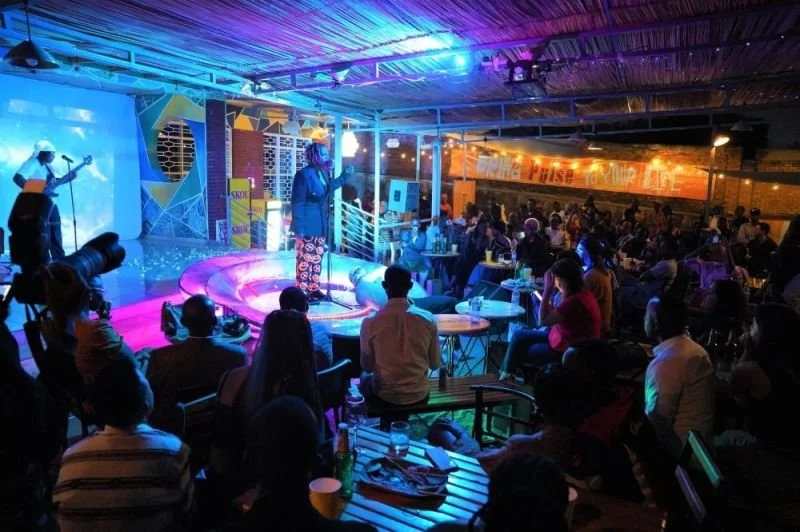
Kigali is not only the nation's capital, but is also one of Africa's most vibrant and forward-looking cities. The mornings are calmer—boda bodas, Rwanda’s bicycle taxis, weave through the early traffic, and street vendors set up along the sidewalks as the city quietly comes to life. Nyamirambo, also called the Muslim Quarter, is one of Kigali’s most vibrant neighborhoods. Nyamirambo is known for its many unique shopping and food markets.  The area awakens with bright colors flowing from fabric and clothing shops, and the sweet smell of cafes coats the city. As the sun sets, the city shifts: rooftop bars fill with conversation, music rises from tucked-away clubs, bars, and night markets glow under hanging bulbs. Jazz pours out of night venues, and the city sways to the rhythm.

 
  • The best time to visit Rwanda is during the “On season” which is June-September. While Rwanda is rarely too cold or too hot for most due to being both a mountainous terrain and by the equator, this particular time of year also is a visitor's best time to avoid too much rainfall during their visit. There are also significant events occurring during this time that are worth exploring:

    June to September is the prime season for safaris and gorilla trekking. Because of the more sunny weather, more roads are left accessible because the clay grounds are not too muddy or slippery to drive through. This opens up the ability to see more than you would during a rainy season and allows visitors more chances to see the animals up close and in action. Also, during the dry season, animals typically gather around a large watering hole, where tour guides can easily take viewers to see multiple species clearly and without much time spent searching the savannah. 

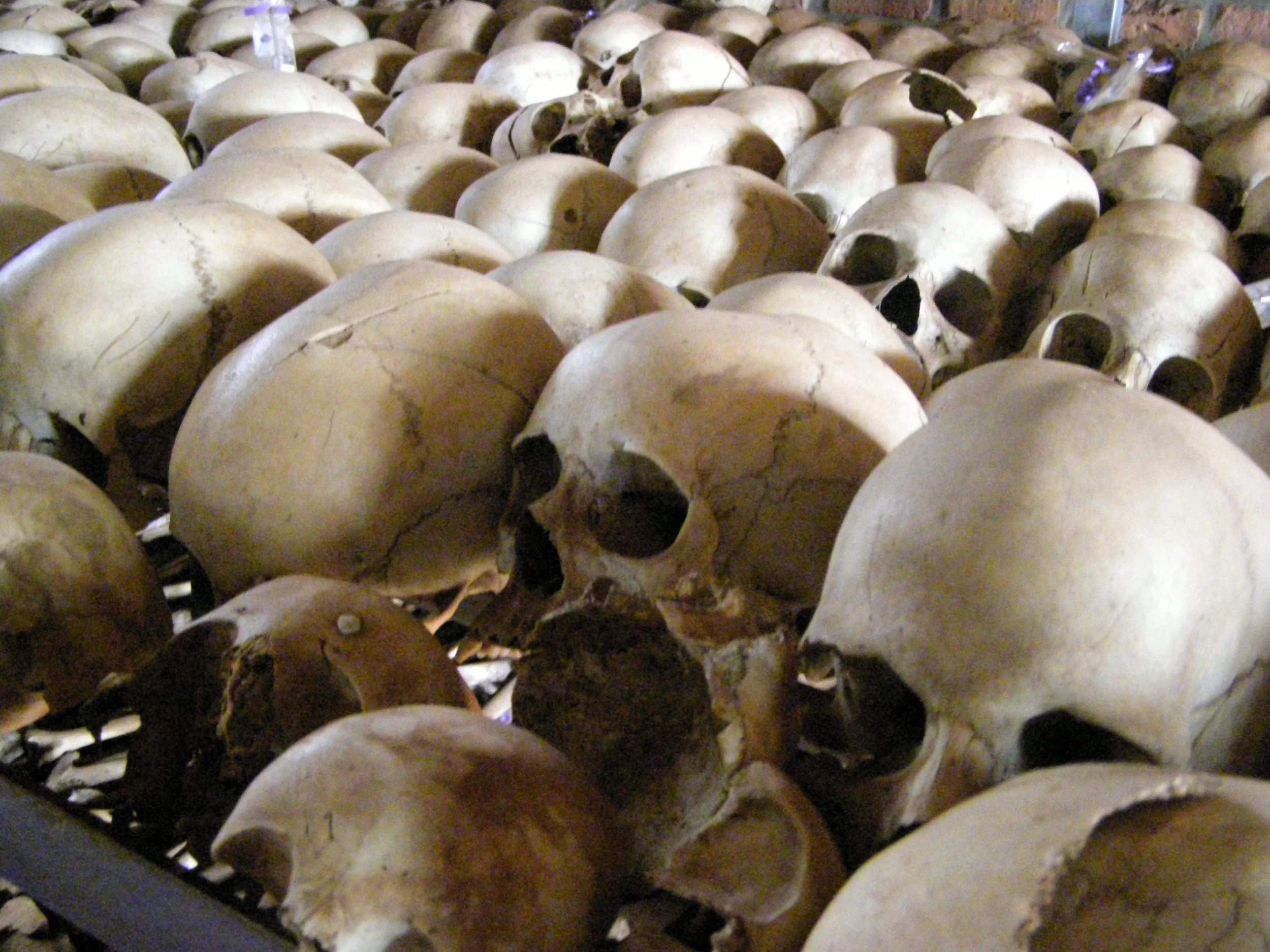
    Kiwibuka, a time of remembrance, is set in Rwanda from April 7 - July 4th. This is a 100 day period where the Rwandan people mourn and pay their respects to those lost in the Rwandan genocide. Over the course of this period, Rwandans gather to have memorial ceremonies, community discussions, educational programs, artistic performances, and attend the lighting od the Flame of Remembrance at the Genocide Memorial to provide opportunities for reflection, healing, and unity. Visitors are invited to go to the memorial site to better educate themselves on this tragedy and learn how to combat genocide. To close out the mourning period, there is a celebration of liberation on July 4th. This is typically done by having military parades, speeches, and cultural performances that celebrate unity. 

    Umuganura is Rwanda’s national harvest day and it begins on the first Friday of August. Umuganura is derived from the verb 'Kuganu' which refers to the act of celebrating and sharing your harvest. For this celebration of the harvest, many have community feasts, traditional dances, storytelling, and ancestral rituals because this tradition is dated back to ancient times. Communities often host large local events. Inyambo ceremonies, the displaying of royal cows, are also involved at these events to show wealth and traditional pride.  

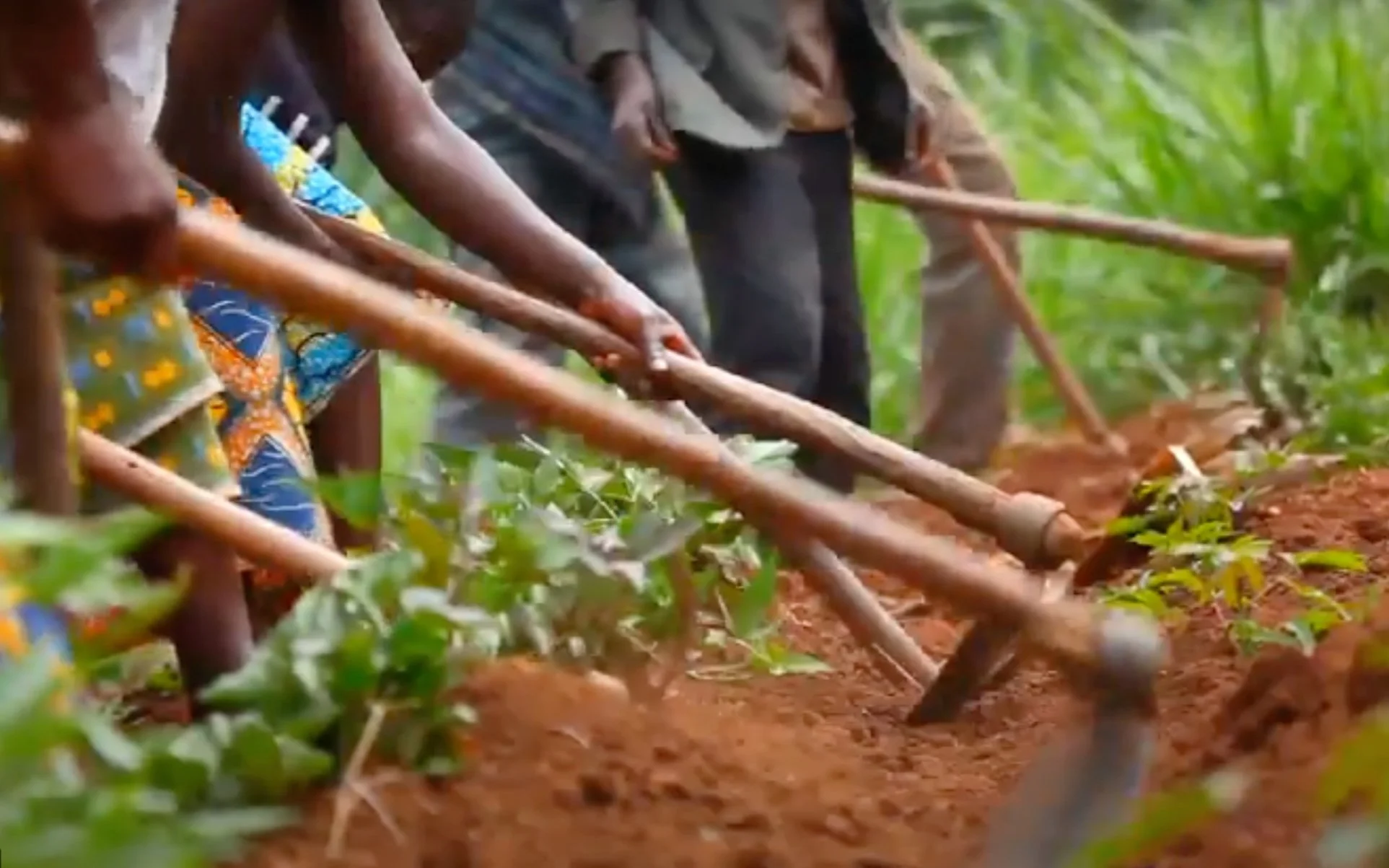
    The last Saturday of every month is Umuganda, a national community work day where one can roll up their sleeves and really pitch in and contribute to the community. Roads are closed in the morning, and everyone participates—cleaning streets, repairing schools, and planting trees. Visitors are often encouraged to join in and really get to be a part of the community in a purposeful way while receiving a truly unique cultural exchange.

  • Transportation varies from area to area in Rwanda but mainly consists of cars, buses, and moto-taxis. 

    Towards the city areas, motorcycles, commonly referred to as moto-taxis, are popular forms of public transport. They are the cheapest and quickest way to get around the city, costing 300 Rwandan Francs (0.32USD). Taxi cabs are also available; however, they are less used and mainly for larger transport, such as from the airport to a hotel. 

    Express buses connect Kigali to all major towns (e.g., Musanze, Huye, Rubavu) and are also relatively cheap (3-5 USD). Tickets are best bought a day or two in advance; this mode of transport is often used by the locals. 

    Car rentals often come with private drivers as Rwandan traffic is much different than many Western locations, and roads can be small and minimal outside of large cities or town areas. Depending on the company and the length of the rental, the cost can be anywhere from 25 to 250 USD. 4x4s are often recommended for Akagera or Volcanoes National Parks.

  • Language and Greetings: It is expected to say hello to people when entering any setting (Shops, Restaurants, etc.). Kinyarwanda is the most widely spoken language so a friendly "Muraho" (hello) and "Murakoze" (thank you) go a long way when talking to the locals, they appreciate the effort to learn their language. Many people in the city speak English as well as the youth so don’t be intimidated if you are having trouble with Kinyrwanda. 

    Social Etiquette: Respecting elders is a large value in Rwanda, so let them speak first. Dress modestly, especially in rural areas (shoulders and knees covered - specifically applies to women). Rwandan locals value humility - being loud and boastful is frowned upon. Do not point with your finger - use your whole hand. Avoid public displays of affection, even hand-holding is rare in public for romantic couples. It is polite to accept food and drink when offered - even if it is just a small amount. 

    Food Etiquette: Wash hands before and after meals (some meals are eaten with hands, especially in rural homes). It is expected that you wait for the host to invite you before you begin eating. At times, there is a prayer before meals. 

    Religion and Respect: Rwanda is predominantly Christian (mostly Catholic), followed by Protestant and some Muslim communities. Attending church is common and you may be invited by locals to join mass. 

    Photography Etiquette: Always ask before taking photos of others. Avoid taking photos of government buildings, borders, and military sites. The genocide memorial allows photography outside but asks that no one photograph the inside of the memorial during their visit. 

    Cleanliness: Rwanda is famously clean and orderly—plastic bags are banned, and littering is heavily frowned upon.

  • Rwanda uses the Rwandan Franc as their prime currency. 1 USD ≈ 1,400–1,430 RWF, depending on the exchange rate. Visa cards are accepted at the larger stores in the city, but cash is king, so make sure you have some small bills on you. Exchange USD, Euros, or GBP at forex bureaus or local banks for the best rates - you may also exchange at the airport if you choose, but it is more expensive.

  • Rwanda is widely recognized as one of the safest countries in Africa, making it a fantastic option for solo travel—especially for first-timers to the continent. Street harassment is rare, and cities like Kigali are clean, walkable, and well-lit and most public transportation is easily accessible and affordable. Rwanda is bursting with group experience from classes, to nature trekking, to hostels that will allow you to expand your social horizons while exploring on your own.

  • Rwanda’s legal stance on LGBTQ+ matters is progressive compared to many African countries, yet significant gaps remain in protection and societal acceptance. Homosexuality is legal, but there is no legal recognition of same-sex relationships or nonbinary/gender nonconforming individuals.

     Rwanda has joined international initiatives condemning violence and discrimination against LGBTQ+ people, such as a UN declaration in 2019. Some government policies and data privacy laws forbid discrimination based on sexual orientation or gender identity in specific areas like healthcare, employment within certain offices, and refugee processing.

    Most tourists—regardless of orientation—report feeling safe, as Rwandans are known for being polite, respectful, and welcoming to visitors. PDA (Public Display of Affection) is taboo for all couples in Rwanda, so it is best to avoid physical affection, especially in rural areas.

  • Rwanda is often described by Black travelers as one of the most welcoming, grounding, and affirming destinations in Africa. Whether you’re reconnecting with heritage, traveling solo, or exploring the continent for the first time, Rwanda offers a space where many Black visitors feel seen, safe, and respected—often in ways they don’t experience elsewhere. Rwanda’s culture is welcoming to all people who wish to be a part of it. Traditional black hairstyles are celebrated and taught throughout the community. Sites like the Kigali Genocide Memorial and cultural centers like Red Rocks provide powerful spaces for reflection, healing, and learning—not only about Rwanda’s history, but about broader black resilience and strength.

  • Rwanda is making steady progress toward becoming more inclusive, but accessibility for travelers with disabilities—particularly physical or mobility-related—can still be inconsistent, especially outside urban areas. With some planning, however, Rwanda can offer a deeply rewarding and manageable experience for travelers of all abilities, especially in more urban areas like Kigali. Rural areas have rougher terrain and may be difficult for those with mobility limitations. 

EDITOR’S PICKS

RWANDA

PATAGONIA

Patagonia spans over 260,000 square miles of Southern Chile and Argentina. Among this vast expanse of land, the region encompasses a wide variety of climates, from glaciers and fjords to rainforests and deserts. The region has an interesting history, first inhabited by nomadic Indigenous tribes who made a home among this vast and harsh landscape, but it was later explored by European settlers who introduced ranching, which is now present in contemporary “estancia” culture. The cultures of some European settlers have stayed in the region, as is evident in the Welsh settlements in the Chubut Valley. Travelers have been coming to the area for its world-renowned hiking, fishing, kayaking, and vibrant culture; with millions of visitors a year to the region, Patagonia is a must-see destination for any nature enthusiast.

  • Currency: Chilean Peso (CLP) and Argentine Peso (ARS)

  • Language: Spanish (official language); Some local Indigenous communities speak Mapuche. 

  • Average Temperature: Average temperatures vary greatly depending on the season, region, or even time of day in Patagonia. To make a general estimate, Southern Hemisphere summer temperatures average around 60 degrees Fahrenheit, while winter temperatures average around 35 degrees Fahrenheit. 

  • On Season: December - February

  • Off Season: June - August

  • Avg. Cost per day; Budget—Luxury: $60 - $500+

  • Government: The Patagonia region spans both Chile and Argentina. 

    Chile: Chile’s government is quite centralized, meaning that many decisions and laws are federal. There are three branches: executive with the president as head, legislative with two houses, and the judicial branch with the supreme and constitutional courts.

    Argentina: Argentina’s government is a presidential democratic republic. In this, similar to the setup of the United States, there is an elected president who heads the executive branch, a legislative branch in its National Congress, and a judicial branch with a Supreme Court.

  • Entry Requirement: Entering Chile: Many tourists entering Chile do not need a pre-approved visa. However, you must have a valid passport that is current during your time of travel and show proof of sufficient daily funds of at least $46 USD. There are a number of methods travelers can provide proof of funds, including printed bank statements, credit cards, or cash. Upon arrival, you will be given a “Tarjeta del Turismo,” valid for 90 days. 

    Entering Argentina: Many tourists entering Argentina also do not need a pre-approved visa for stays of up to 90 days, however, check this based on the country that issues your passport. To enter, you must have a valid passport and proof of onward travel.


BEYOND BORDERS


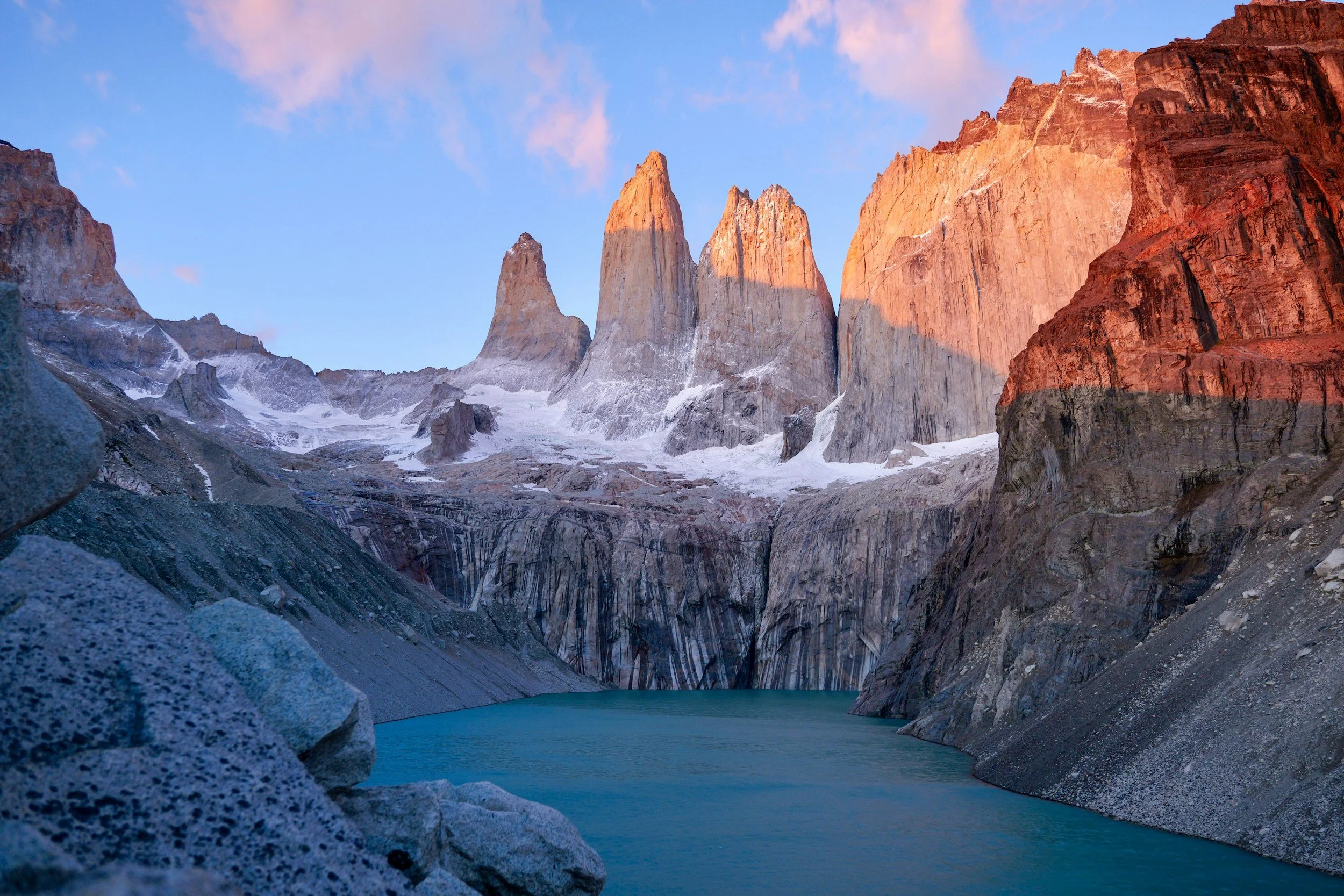
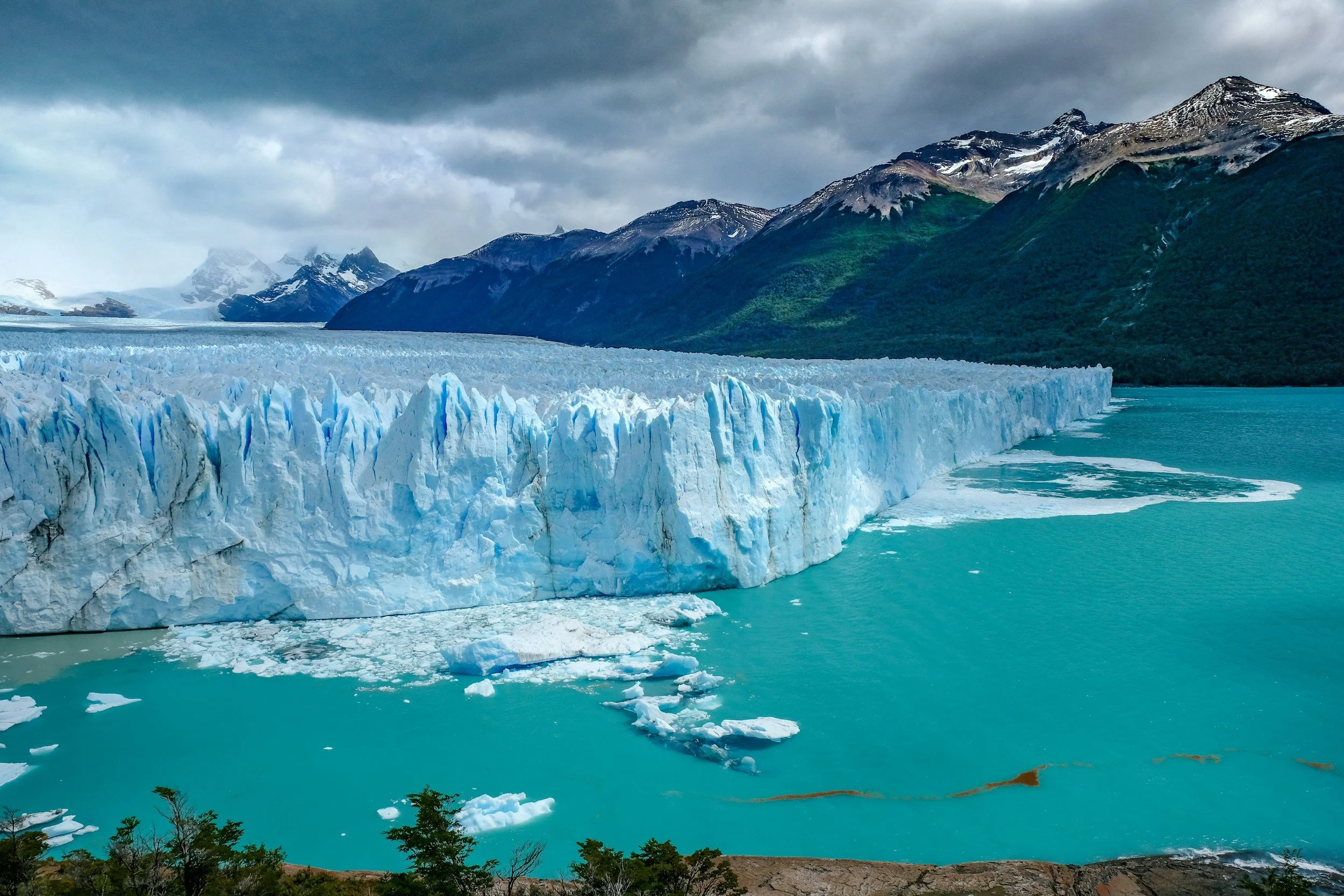
Patagonia spans much further than just the Torres del Paine National Park or Perito Moreno Glacier. The region is a massive area that covers parts of Southern Argentina and Chile. In this wide span of land, the region covers a range of climates, from deserts and mountains to farmland and glaciers. 

These categorized “regions” of Patagonia are a bit dynamic, with borders that may depend on your perspective and source, though each area offers a distinct and unique flavor to Patagonia.

The Lake District: The area known as the Lake District is in the Northwestern corner, encompassing Chile and parts of Argentina. This area, in line with its namesake, is home to beautiful blue lakes, which are decorated with backgrounds of mountains and volcanoes. This region has a plethora of national parks, from Chile’s very first park: Vicente Perez Rosales, to the UNESCO Biosphere reserve of Conguilio NP. You can enjoy hiking, swimming, or beautiful boat rides in this region. See beautiful vistas in the European-feeling Bariloche, Argentina, or start your adventure to the Patagonian fjords and glaciers in Chile’s Puerto Montt.

Patagonian Desert: On the Eastern end of Patagonia, encompassing most of the Argentinian part of the region until you reach the southern archipelago, is the Patagonian Desert. This desert is considered the eighth largest in the world and is a sparsely populated expanse. Though it is not as frequently visited as other parts of Patagonia, tourists may marvel at the unique landscapes, rock formations, wildlife, and amazing stargazing. 

Archipelago: The southernmost parts of both Chile and Argentina are considered the Patagonian archipelago. In these areas, discover the beautiful Torres del Paine and Tierra del Fuego national parks. Hike to your heart’s desire and revel in the natural beauty of this end of the Earth. Reach Chile’s Puerto Natales, a hub to visit Torres del Paine or check out Patagonia’s southernmost cities of Punta Arenas and Ushuaia. These areas are also known as gateways to Antarctica, if you’re considering extending your trip ;)

Fjords: The Southeastern region, between the Lakes District, Archipelago, and the desert, is the Fjord area. This region encompasses many of the fjord areas of Chile. Much of this region is quite remote and only accessible by boat, but take advantage of this beautiful scenery by hopping on a sightseeing cruise or wildlife tour! 

Glaciers: Sandwiched between the fjords and the desert is the Glacier region. In this area is the well-renowned Argentinian town of El Chaltén, the gateway to Mount Fitz Roy. Or, check out the lovely town of El Calafate as your stop before heading to the esteemed Los Glaciares National Park. 

Aysén region: This less-visited region of Patagonia promises stunning views and adventures you don’t want to miss. Trek through the rainforests, mountains, and lakes of the Aysén region, and you’re sure to avoid the crowds. Stop in at the capital of the region and view the beautiful town and markets of Coyhaique.

 
  • The best time to visit Patagonia is during the Southern Hemisphere’s Summer (December to February). This is the time when the weather tends to be the most fair, allowing you to enjoy the most of the great Patagonian outdoors. The summer is ideal for hiking, camping, and taking advantage of the long daylight hours. 

    The shoulder seasons, Spring (October to November) and Autumn (March to April) are great times to visit with fewer crowds, more availability, and cheaper prices. However, with the shoulder season comes shoulder weather, so be prepared with your layers to enjoy the great landscapes. Each season brings its own special character to the region, so you are in for a treat with Fall foliage and Spring’s bloom. 

    Visiting Patagonia in the Southern Hemisphere’s winter (May to September) is better suited for winter sports adventurers. With shorter days, tough weather, and many closures, the region tends to be best for those interested in planning a ski trip or going ice climbing.

  • Patagonia is a massive region, and navigating the area may be done via cars, shared shuttles, flights, and buses.

    Flights:

    There are several domestic airports around the Patagonia region. These are in Punta Arenas in Chile, and El Calafate, Ushuaia, and Bariloche in Argentina. You can connect these with flights to the larger ports of Buenos Aires and Santiago. Many choose to first fly in internationally to Buenos Aires or Santiago, then take a transfer to one of the smaller domestic airports before renting a car. 

    Flying tends to be more expensive, but it is a good option for quick travel over far distances. 

    Renting a car:

    Renting a car can be one of the best methods for navigating independent travel around Patagonia. It can be essential if you are not using guides or tours to explore more remote areas, especially when public transport might not run in those areas. 

    Rental car prices differ based on the region and season, however, expect to pay anywhere from 80-150 USD per day for a car. 

    Some extra things to note when renting a car:

    -Keep a careful eye on the weather. This region is known for wild and unpredictable weather, so be safe and plan accordingly. 
    -Four-wheel drive is best if traveling to more remote places with difficult road conditions

    -If you are planning on crossing international borders in your rental car, check with the agency to be sure that you are allowed to do so. You may have to purchase a permit. 

    -If you are traveling in the peak summer season, book your rental in advance. 

    Buses:

    Several long-distance bus options can be great for travelers on a budget or for those who do not want to fly or rent a car for long drives. 

    These bus routes cover far distances like Bariloche to El Chaltén, an over 24-hour route, or shorter, more local ones to popular attractions, like the one-and-a-half-hour journey between El Calafate to Perito Moreno Glacier. Bus fares often fluctuate depending on the distance, but may range from 10 to 80 USD. 

    These buses sometimes have comfy reclining seats, so you may catch up on some Z’s while covering the distance. 

    Although the bus system is incredible, note that buses do not run everywhere in Patagonia. Be sure to check out the bus routes before you plan your trip, and note that buses may not be in the more remote areas. 

    If traveling in peak season, plan and book your buses early. The buses do not run frequently and may sell out. You can buy tickets in person at bus stations, online, or through travel agencies. Your hotel may also be able to help you with booking tickets.

    Shared Shuttles:

    Shared shuttles are somewhat similar to buses, however often more direct and expensive, and with more possible routes. They often will not run the long distances that the buses may, but are a great option for getting around within a region. Some examples of a route shared shuttles may take include traveling between the airport of Punta Arenas and the town of Puerto Natales, or between El Calafate to El Chaltén. 

    You may book shared shuttles through your accommodation, local travel agencies, or online. Shuttle prices vary by route, but you can expect to pay anywhere between 10-50 USD.

    Some backpackers on a budget have been known to hitchhike around Patagonia. If you are planning on hitchhiking, be sure to have a safety system in place, with someone who knows your plans and estimated timing.

  • Language: 

    Though English is spoken in large tourist hubs, knowing a bit of Spanish will go a long way when traveling through smaller towns. Speaking Spanish may allow you to get to know locals who speak limited English — these connections can be some of the most beautiful things about traveling. 

    Here are some Spanish phrases that may be helpful. The links will take you to Google Translate, where the speaker button will provide these Spanish translations: 

    Hello- Hola

    Good morning: Buenos Días

    Thank you– Gracias

    Where is the bathroom - Dónde está el baño?

    How much does it cost? - Cuánto cuesta?

    Please- Por favor

    Where is…. – Dónde esta…

    I need… – Necesito…

    Can you help me?- Me puede ayudar?

    Do you speak English? – Usted habla inglés?

  • Cultural etiquette:

    A good rule of thumb when traveling in Patagonia, and anywhere, is to be polite. Warmth and kindness will get you a long way — greet those around you, ask before doing something if you are unsure, and take it all in. 

    When dining out or using guides with your tours, know that tipping is common. The tipping percentages are not as much as they might be in the U.S., but you may typically leave a 10% tip on meals at a restaurant and a small tip for your guides. 

    When enjoying the beautiful parks or nature, be sure to pack out trash with you. You do not want to leave anything behind but your footprints. 

    Be friendly, enjoy the different pace of life, and take it easy — you’re in Patagonia!

  • While credit cards are often accepted in larger towns, carrying cash is advisable. Small notes of cash are useful for bus fares, entrance tickets, or camping fees. Cash can also be essential in more remote areas.

    If you are bringing USD or Euros with you to exchange for local currency, the bills must be clean and not ripped. Larger bills tend to have better exchange rates, but smaller USD notes can be spent as is when tipping or for small fees in Argentina. Many recommend bringing cash for exchange rather than using the ATMs to withdraw, as there may be heavy ATM fees or they are often known to run out of cash in the touristy areas.

  • Patagonia has long been renowned as a great destination for solo travelers. The great expanses of nature are a beautiful environment to get outside and relax. As a solo traveler, and for solo female travelers, we recommend staying vigilant of your items in the busier touristy areas, as some petty crime may occur. If you are headed out on a big hike alone, be sure to keep someone aware of your plans and estimated time of return. Carry all necessary outdoor gear to prepare for a safe hiking/camping/biking experience.

  • Patagonia is regarded as a welcoming place for 2LGBTQIA+ travelers. Same-sex marriage is legal in both Chile and Argentina, and the countries’ capitals have thriving LGBTQ+ communities. In smaller towns, PDA is not always typical, and more remote regions may be more conservative than the more touristy areas.

  • Patagonia is regarded as a generally safe destination for Black travelers. Patagonia is a region that attracts tourists from all over the world, with the larger cities growing in diversity. Still, the more remote areas may lack some diversity, which sometimes results in curiosity or ignorance from locals. This may manifest in questions or stares, but likely without poor intent. The region remains very safe for all travelers with low crime rates. 

  • Although Patagonia is known for its rugged terrain and hiking trails, which are barriers to many with physical disabilities, some inclusive tour companies have partnered with wheelchair manufacturers to create experiences that allow all to explore Patagonia. Wheel the World offers trips designed for those with physical disabilities and has specific chairs that have been made for Patagonia’s rugged terrain and trails. As well, some major attractions in the region have updated their accessibility. For example, the Perito Moreno Glacier has an accessible viewing platform, allowing those with different mobility needs to check out the beautiful scenery!

TRIPS

Patagonia

EDITORS PICKS

Patagonia

Summary Block
This block has no content yet. Items you add to the page connected to this block will display here.

MEXICO CITY

Mexico City, the vibrant and culturally rich capital of Mexico, is located on the historic grounds of the Aztec civilization of Tenochtitlán. Perched at an altitude of over a mile, it’s renowned for its diverse architecture, spanning from ancient Aztec ruins and 18th-century Spanish castles to towering skyscrapers that reach 876 feet in height, making it an awe-inspiring destination for even the most seasoned travelers.  Mexico City boasts a rich history, celebrated in the city’s numerous museums. It touts the title of housing some of the most famous museums in the world, with an estimated count of more than  150. Nicknamed CDMX, Mexico City draws travelers from around the globe with its renowned culinary scene, vibrant culture, and art that spills from museum walls onto the streets. If you are a history buff and have come here to delve into Mexico’s illustrious past, you won’t be disappointed. If you are an ardent shopper, you are in for a real treat, as Mexico City is a treasure trove of brightly colored bargains. If you are simply eager to sample the flavor of a foreign country, then you will be delighted with the excitement and adventure that can be found here.

  • Currency: Mexican Pesos

  • Language: Spanish

  • Average Temperature: 20°C |68 °F.

  • On Season: March-May

  • Off Season: June-August

  • AVG. Cost per day; Budget—Luxury: $40– $270+

  • Government: Mexico is a Federal Republic, meaning it functions under a presidential system of government. The Constitution divides power among three branches: the Presidency, Congress, and the Courts. The president is elected for a single six-year term and serves as head of state and government. The country is divided into 32 states, each with its own government and constitution, aligned with the national constitution.

  • Entry Requirements: You must have a valid passport for the duration of your stay in Mexico and a completed Multiple Digital Migration Form (Forma Migratoria Multiple / FMM). This form will be provided to you at your entry by either an airline or transport authority.


CDMX NEIGHBORHOODS


Mexico ranks as the 13th-largest country in the world by land area, spanning approximately 1,972,550 square kilometers (761,610 square miles). Its  31 states offer remarkable diversity in climate, environment, cuisine, and local traditions. As you travel through Mexico, you'll encounter vibrant beauty, lively colors, and unmistakable energy woven into everyday life, whether wandering city streets, exploring small towns, or relaxing in rural villages.

​Mexico City, the nation’s capital, stands as one of the world’s largest and most fascinating urban centers. With more than over 20 million residents in its greater metropolitan area, Mexico City is a dynamic place where history, culture, and contemporary life intersect daily. Built on the remains of Tenochtitlán, the ancient Aztec capital, the city’s deep history is always present. Colonial cathedrals stand beside pre-Hispanic ruins, and sleek skyscrapers add a modern touch to the timeless skyline.

The city is divided into distinctive neighborhoods, each with its own character:

Centro Histórico

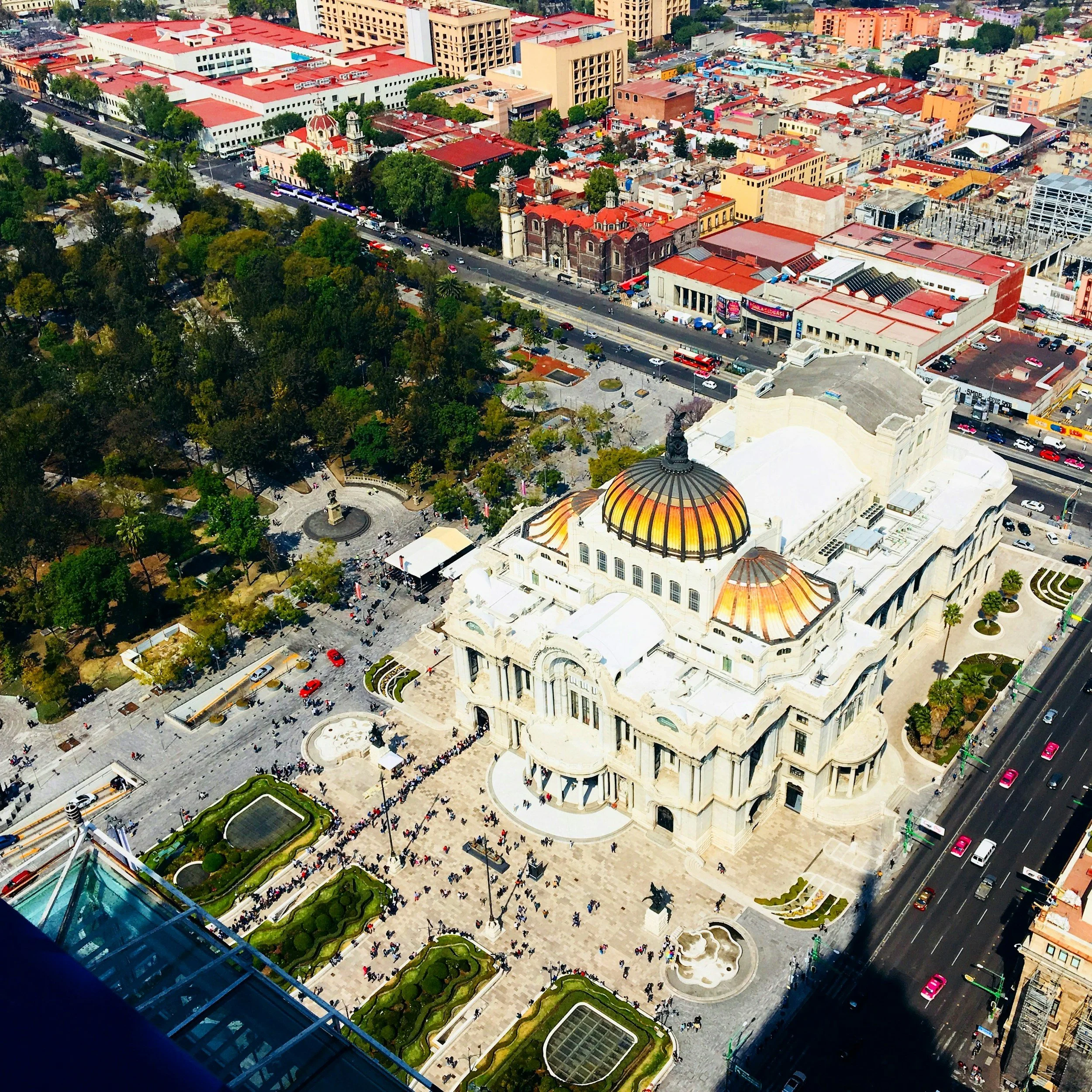
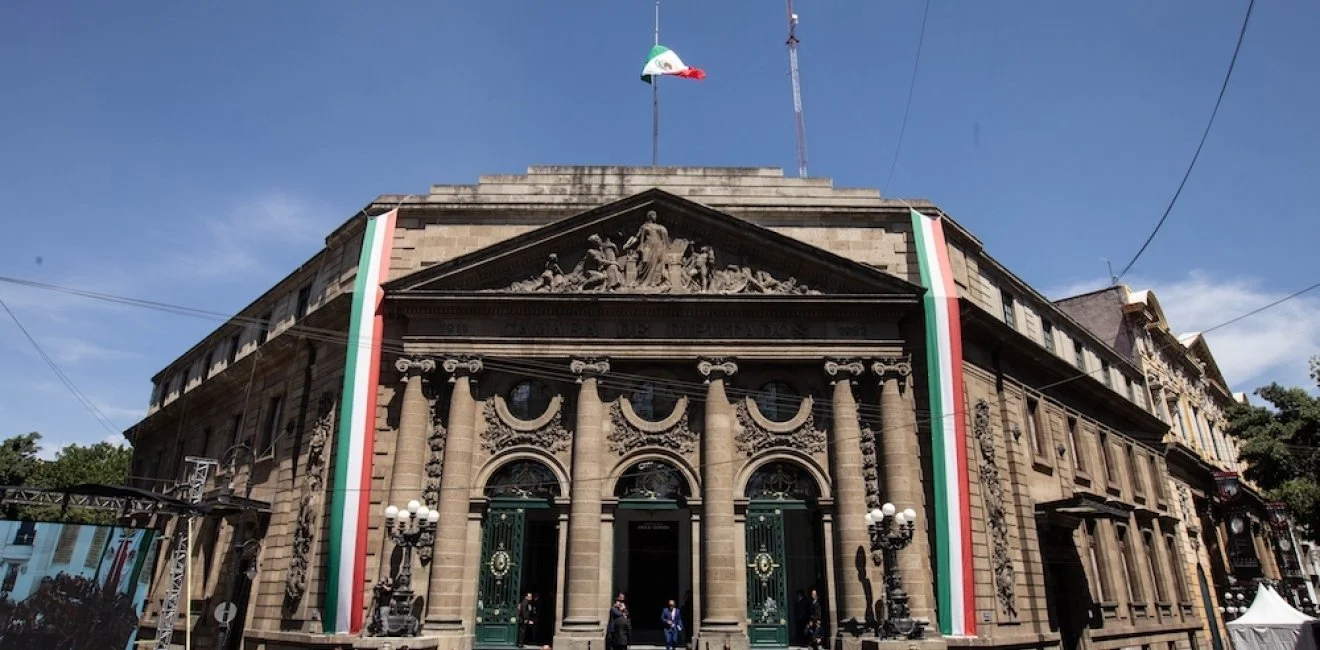
This is the oldest of Mexico City’s neighborhoods, where you’ll be able to find a piece of history on every corner. Here, you’ll find the city's most iconic architecture, starting with the Zócalo, which is the second-largest public square in the world. Landmarks surround this area; On the north side of the square, you’ll find the impressive Metropolitan Cathedral, while the east is home to the National Palace, where Mexico’s federal government is based. To the south sits the Old City Hall, now used by the city government, and to the west, you’ll see a mix of historic private buildings, including the Merchants’ Building and the original Monte de Piedad. This centuries-old charitable institution continues to offer financial services today. Just steps away are the ruins of Templo Mayor, once the main temple of the Aztec capital Tenochtitlán. It’s now  a museum, where you can learn more about Aztec history and see the ruins up close. It has an entry fee of 100 pesos ($5 US dollars). Beyond the central square, Mexico City’s Centro Histórico overflows with cultural gems waiting to be explored. The Palacio de Bellas Artes, with its striking Art Nouveau architecture, brilliant Diego Rivera murals, and vibrant Ballet Folklórico performances, is a must-see destination for any visitor. Just a short walk away, the Museo Nacional de Arte (MUNAL) is home to an impressive array of Mexican artwork spanning from the 16th to the 20th centuries. The building is a sight in itself, with a beautiful neoclassical exterior. If you’re hungry, you can cross the street to Los Girasoles, a cozy restaurant that serves authentic Mexican food, perfect for immersing yourself in the culture. If you want to do something underground, consider the Museo del Perfume, which invites you into the fascinating history and artistry of fragrance. This vibrant neighborhood is home to historic cafés and restaurants that have become cultural landmarks in their own right. Café Tacuba, for instance, inspired the name of one of Mexico’s most renowned rock bands and has been serving classic dishes in its ornately tiled dining room since 1912. Be sure to visit Casa de los Azulejos, a beautiful 18th-century palace covered in blue and white tiles, now home to a Sanborns café and restaurant. For birdseye views of the city, make your way to the Torre Latinoamericana, one of Mexico City’s earliest skyscrapers, where the observation deck provides breathtaking panoramas of the capital, and you’ll pay 220 pesos ($11 US dollars) per ticket. 

Coyoacán

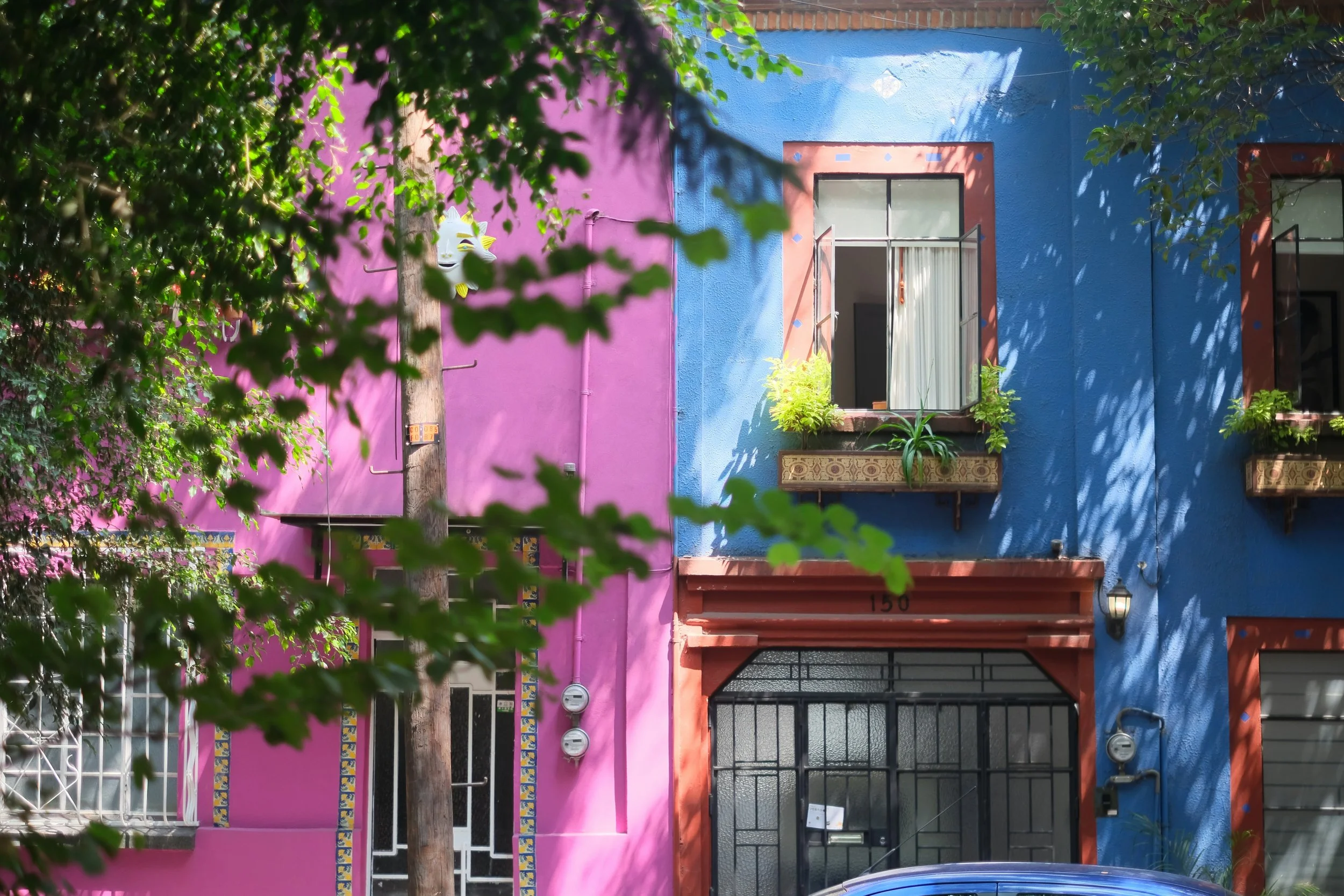
Home to Casa Azul (Frida Kahlo Museum), this charming neighborhood offers a more laid-back vibe than the hustling city centre. Its cobblestone streets, leafy plazas, and colorful houses give it a small-town atmosphere, making it a favorite spot for both locals and visitors. The highlight here, as aforementioned, is the Casa Azul (Frida Kahlo Museum), the iconic blue house where the artist lived with Diego Rivera. Tickets must be booked online in advance, typically at least a month, due to the event's popularity (cost: 300 pesos / $18 USD). Beyond Frida’s home, Coyoacán offers plenty to explore, such as the Leon Trotsky Museum, where the Russian revolutionary spent his final years, located just a few blocks away from Casa Azul (admission: 70 pesos/ $3 US dollars). You can also visit the Los Viveros de Coyoacán park, an excellent space for running, relaxing, and taking a leisurely walk. If you’re looking for a little more history, you can stop by the Anahuacali Museum, which is home to Diego Rivera’s collection of pre-Hispanic objects. In addition to its unique architecture and hundreds of artifacts displayed for their artistic value, the space features striking mosaics designed by Diego Rivera to cover the walls and ceilings, arranged to reflect an indigenous worldview. Entry to the museum is $100 pesos or $10 US dollars for out-of-towners. You can also make your way to Jardín Centenario, the main square, where you’ll find street performers, bookshops, and cafés where you can sit and enjoy the bohemian vibe. If you want to try something local, stop by Los Danzantes, a restaurant serving modern takes on traditional Mexican cuisine in a beautiful courtyard setting. Around the main square, you’ll also find many other restaurants as well as market stalls selling food or souvenirs, perfect to bring back home (make sure you bring cash!). 

San Ángel

San Ángel sits south of the city and feels like a step back in time. The neighborhood, like Coyoacán, is renowned for its cobblestone streets, colonial houses adorned with bougainvillea, and plazas that give a sense of a small Mexican town rather than a bustling city. Once a getaway for Mexico City’s wealthy families, it is now renowned for its art, history, and vibrant weekend markets. The main attraction for many visitors is the San Ángel Saturday Bazaar (Bazar del Sábado) in Plaza San Jacinto. Artisans from all over Mexico come here to sell handmade jewelry, textiles, pottery, and art, so it’s a great spot to find unique souvenirs. Prices range from affordable crafts to fine art. Make sure to bring cash, as some stands don’t accept cards and may offer a discount if you pay with cash. You can bargain here, but some pieces may have set prices. The plaza is surrounded by historic mansions and small restaurants, giving the market a festive and traditional vibe. San Ángel is also home to the Museo Casa Estudio Diego Rivera y Frida Kahlo, an example of functionalist architecture designed by Juan O’Gorman in the 1930s. The museum includes two colorful modernist houses, one blue and one red, joined by a bridge where Rivera and Kahlo lived and worked. Tickets are 45 pesos (about $3 USD), and you can see their studios and personal items. Another interesting place nearby is the Museo de El Carmen, set in a former Carmelite monastery, where you can visit colonial art, religious relics, and even preserved mummies in the crypt (entry: 60 pesos / $3.50 USD). Food and drink are also highlights here. Around the corner from Museo Casa Estudio Diego Rivera y Frida Kahlo lies San Ángel Inn, once a 17th-century Carmelite hacienda. This is one of the city’s most iconic restaurants, renowned for its classic Mexican dishes, stunning gardens, and elegant ambiance. Meals cost about 800 to 1,000 pesos ($45–60 USD) per person, so it’s a bit of a splurge but worth it for the experience. If you prefer a more relaxed atmosphere, the area around Plaza San Jacinto offers numerous cozy cafés and cantinas where you can unwind after exploring.

Polanco

Frequently described as the “Beverly Hills of Mexico City,” Polanco is the capital’s premier district,  where luxury and culture seamlessly intertwine. Along its main street, Avenida Presidente Masaryk, you’ll encounter world-renowned boutiques such as Gucci, Cartier, and Louis Vuitton, in addition to five-star hotels and chic cafés. Besides shopping, you can also immerse yourself in some art, starting with the Museo Soumaya, a striking silver structure that has quickly become a city icon. Built by billionaire Carlos Slim in tribute to his late wife, Soumaya Domit, the museum’s futuristic design shocks visitors from around the world. Inside, you’ll find more than 60,000 works of art spanning centuries, from European greats such as Rodin, Dalí, Tintoretto, and Van Gogh to celebrated Mexican artists like Diego Rivera and David Alfaro Siqueiros. Open daily and free to the public, the museum offers one of the city’s most accessible cultural experiences. Right next door is the Museo Jumex, dedicated to contemporary art. Its minimalist yet modern design contrasts beautifully with the Soumaya, and its exhibitions change frequently, so every visit offers something new. The museum has featured artists such as Andy Warhol, Jeff Koons, and Damien Hirst, as well as cutting-edge Mexican and Latin American artists. Entry is free and the museum also has a stylish café perfect for a break after exploring its galleries. Polanco is also famous for its variety of restaurants, housing renowned cuisine. Pujol, frequently listed among the world’s best restaurants, serves a tasting menu that reinvents Mexican cuisine, most famously with its “mole madre,” aged for over 1,000 days. Tasting menus start at 3,565 pesos (approximately $210 USD), and it’s advisable to reserve several weeks in advance. Another fine-dining standout is Quintonil, renowned for its inventive use of seasonal, locally sourced ingredients. For a more relaxed meal, Saks is a longtime favorite, offering classic Mexican dishes in a welcoming, family-style setting, with meals averaging 300–400 pesos ($18–24 USD) per person. Polanco is also home to a favorite nightlife destination, Sala de Despecho. The party is all about 'despecho' music, a style of heartfelt ballads that pairs perfectly with tequila, singing, and dancing. But it’s not just about heartbreak, you’ll hear favorite Mexican and Latin American hits from every decade. Reservations are essential, especially on weekends, as tables fill up quickly. Polanco also provides space to unwind. Parque Lincoln offers a peaceful green escape where locals jog, walk their dogs, and soak up the outdoors. 

Chapultepec

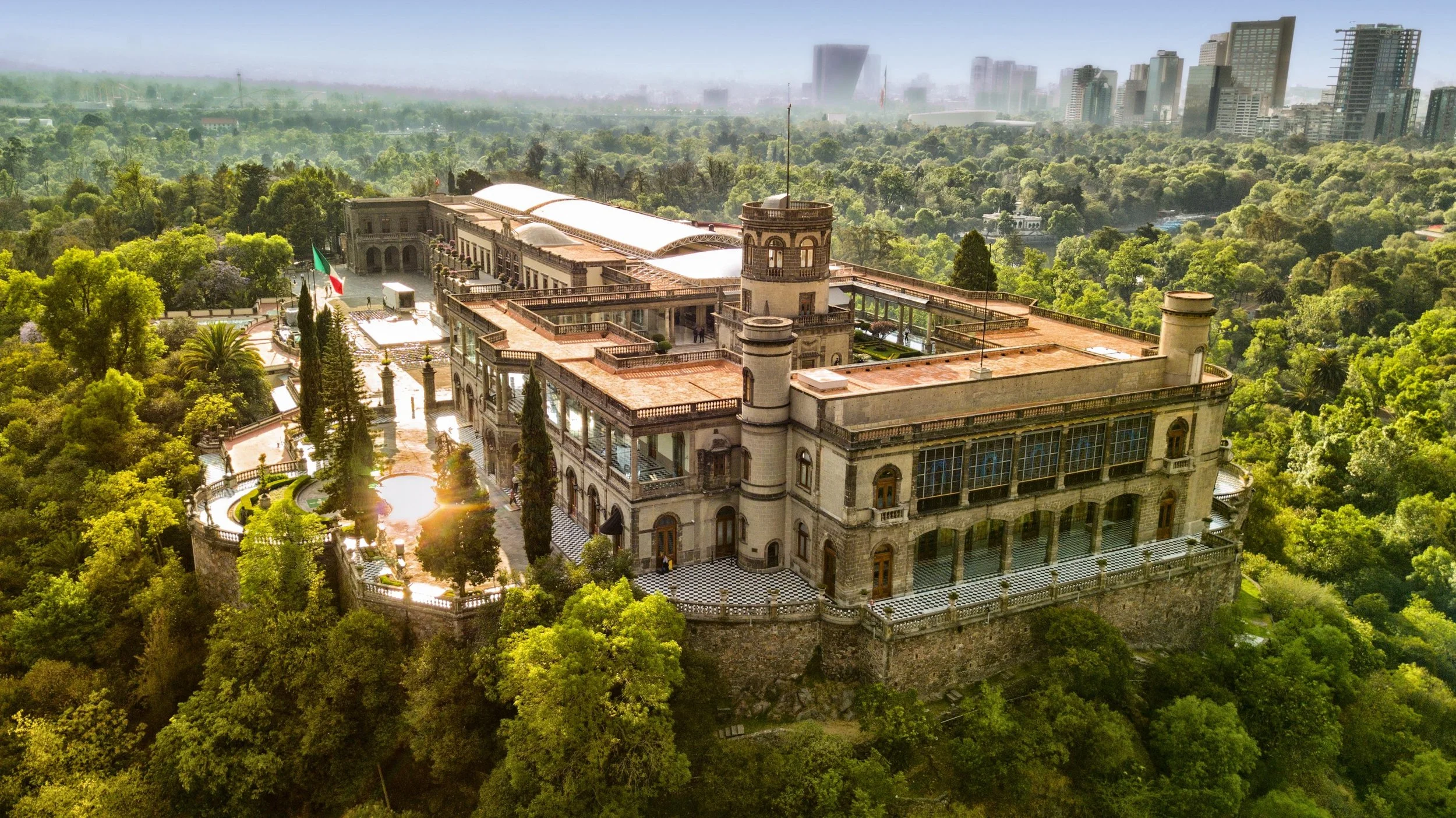
One of the world’s largest city parks, stretching over 1,600 acres, Chapultepec Park has something for everyone. The park is divided into four sections, offering a variety of  museums, historic sites, lakes, gardens, and picnic areas. The highlight of the park is Chapultepec Castle (Castillo de Chapultepec), situated atop Chapultepec Hill. It holds the unique distinction of being the only royal castle in the Americas that has housed actual monarchs. Built in the late 18th century, it was once home to Emperor Maximilian I and Empress Carlota, later serving as the presidential residence before becoming the National History Museum. Today, its rooms showcase period furniture, artwork, and murals by some of Mexico’s most famous painters. The castle's location also offers some of the best panoramic views of the city. Admission is 100  pesos (about $5 USD), and entry is free on Sundays for Mexican citizens and residents. You’ll also find the National Museum of Anthropology, Mexico’s most popular museum and a favorite for anyone interested in history. Its exhibits cover the entire pre-Hispanic era, featuring the Aztec Sun Stone, giant Olmec heads, and artifacts from the Maya, Mixtec, and Zapotec cultures. Admission is 95 pesos (about $5 USD), and it’s worth setting aside at least half a day to see all 23 halls. If you love art, there’s a lot to enjoy here, too. The Museum of Modern Art showcases works by Frida Kahlo, Rufino Tamayo, and other prominent Mexican artists of the 20th century. The Rufino Tamayo Museum, located within the park, showcases contemporary and international art. Each museum costs 85 pesos (about $4.50 USD) to enter. Locals also enjoy heading to Lago Algo, which combines art, architecture, and fine Mexican cuisine located by the lake. Here, you can visit the contemporary art exhibit, which is usually free and frequently changing. After you’re done, you can head to the restaurant, which features a seasonal menu featuring fresh, locally inspired dishes. Please note that the exhibit's hours may vary, so ensure it is open before visiting, as it often closes for new installations.  Beyond museums, the park itself offers endless ways to unwind. You can paddle boats on its lakes, stroll through its botanical gardens, or explore hidden gems like the Audiorama, a quiet reading nook tucked into the forest where soft music plays in the background. Families especially enjoy the Chapultepec Zoo, which is free to enter and home to more than  1,000 animals, including pandas, lions, and native Mexican species. Chapultepec Park is right next to Polanco, so you can easily spend your morning exploring the park and then head over for a great meal or some shopping in the afternoon. Many people start at the castle or the anthropology museum, then walk into Polanco for lunch at a top restaurant. 

La Roma/La Condesa

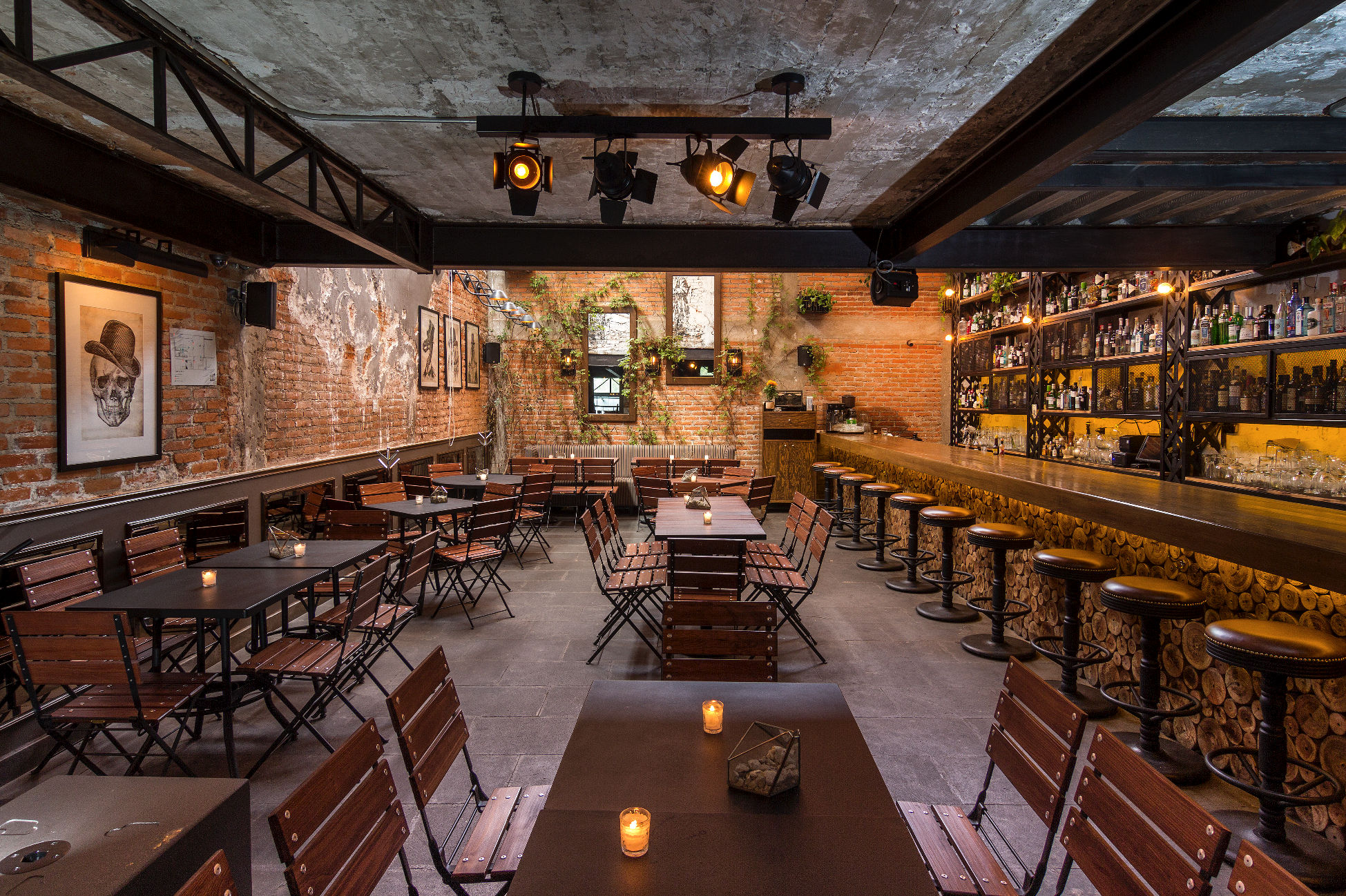
These twin neighborhoods are Mexico City’s trendiest districts, full of early 20th-century mansions, Art Deco facades, and streets filled with cafés, boutiques, and murals. Once aristocratic residential areas, Roma and Condesa have reinvented themselves as hubs of gastronomy, design, and nightlife, making them favorites for both locals and visitors. Roma Norte, in particular, is the ideal destination for food enthusiasts. The legendary Contramar, famous for its tuna tostadas and grilled pescado a la talla, is a must-visit (expect to spend around 600–800 pesos / $35–45 USD per person). Another gem is Rosetta, housed in a beautiful old townhouse, where chef Elena Reygadas (named World’s Best Female Chef in 2023) serves inventive dishes that blend Italian influences with Mexican ingredients. A meal here averages 1,200–1,500 pesos ($70–90 USD) per person, and reservations are essential. And if you’re craving something sweet, Panadería Rosetta, famous for its guava roll, is a stylish, local icon, priced at about 65 pesos ($4 USD). Roma is also an excellent spot for boutique shopping. Calle Colima is filled with unique stores, galleries, and stylish restaurants. You’ll come across local fashion brands, home décor shops, and art bookstores all in one place. Many cafés and restaurants here have outdoor seating, making Colima one of the nicest streets to stroll and shop in the city. Around the area, you’ll also find Cafrebreria el Pendulo, a bookshop/cafe located in a beautiful colonial home, where you can enjoy traditional Mexican dishes for affordable prices as you catch up on your reading. La Condesa, just next door, offers a slightly more laid-back vibe. Its nature-filled avenues curve around two gorgeous parks, Parque México and Parque España, where you’ll see dog walkers, street performers, and open-air markets on weekends. Condesa is also packed with classic cafés and bars. A highlight is Churrería El Moro, which has been serving hot chocolate and tasty churros since 1935 (approximately 100 pesos / $6 USD). For a taste of nightlife, Condesa is full of mezcalerías and speakeasy-style bars. Hanky Panky and Handshake (named the #1 speakeasy in the world) are neighborhood staples, so be sure to have a reservation, as these spots fill up quickly. Roma and Condesa are also great places to experience nightlife and music. Rooftop bars, such as Toledo Rooftop and Departamento, offer DJs, cocktails, and stunning city views. This is one of the most walkable areas in the city, so make sure to reserve a day to explore these neighborhoods, as you’ll likely spend a long time popping into different shops, boutiques, and cafes. 

Xochimilco

A trip to Mexico City wouldn’t be complete without experiencing Xochimilco, famous for its colorful trajineras (flat-bottomed boats) that float along ancient canals, which are the last remnants of the Aztec lake system. Renting a boat is a festive experience, usually shared with friends, family, and even mariachi bands who float by offering to play songs for a small fee. The canals are lined with floating gardens, or chinampas, a traditional agricultural system that has been used for centuries. You can bring your own food and drinks, or buy snacks like quesadillas and micheladas from vendors along the way. A boat ride costs around 1000 - 2000 per hour  ($50 - 100  USD) per boat, which can be split among passengers. Beyond the canals, Xochimilco has its own set of unique attractions, including the eerie Isla de las Muñecas (Island of the Dolls), decorated with hundreds of dolls hung from trees, and the Dolores Olmedo Museum, which houses one of the largest collections of Diego Rivera and Frida Kahlo’s works.

 
  • The best times to visit Mexico City are late autumn (October to November) and early spring (March to April), as this is when the weather is mostly dry and generally pleasant.  Also, it’s a good time to fully immerse yourself in the culture of the city as there are many local events and festivals that take place during this time. Here are a few notable events during these seasons:

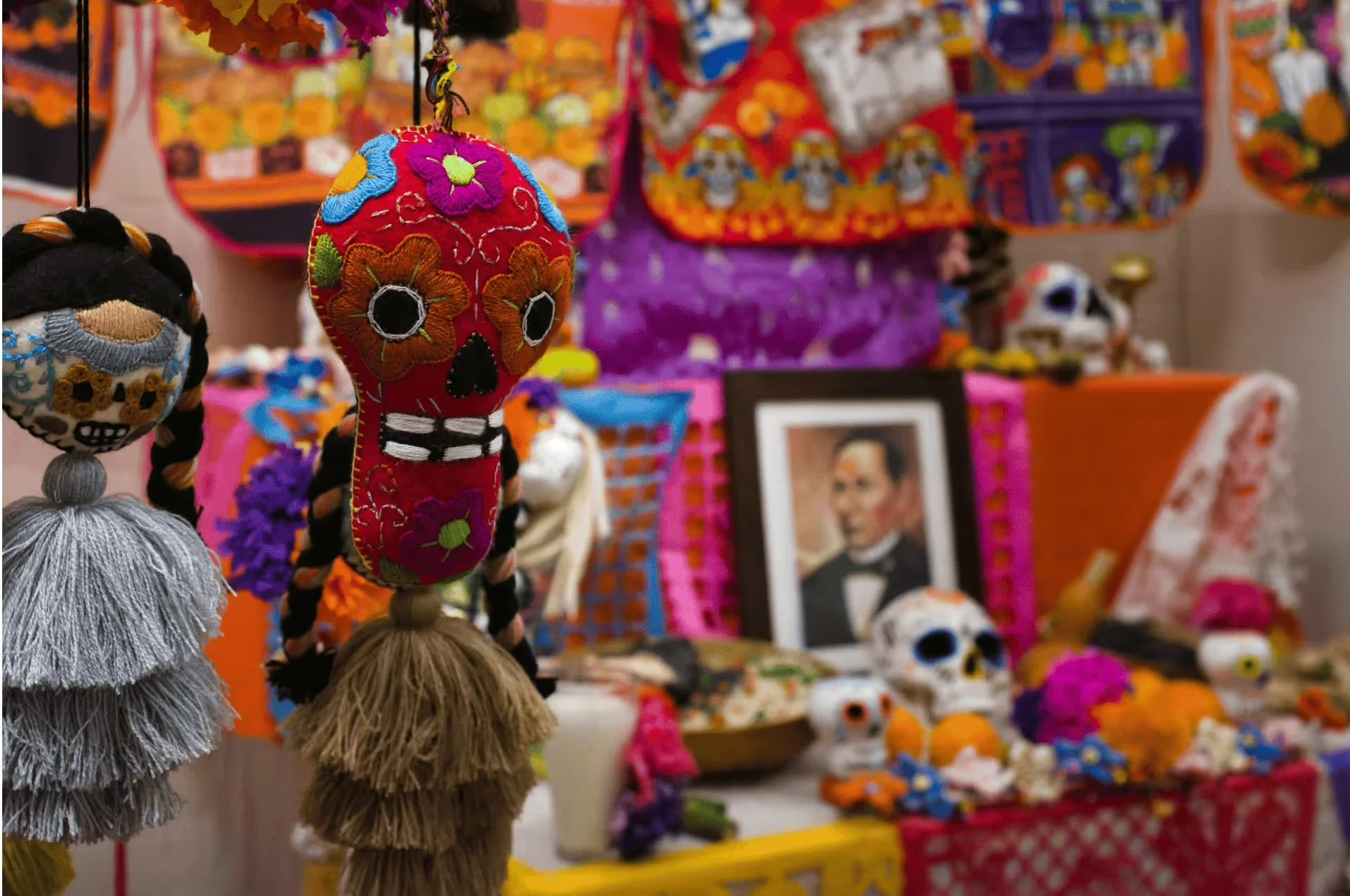
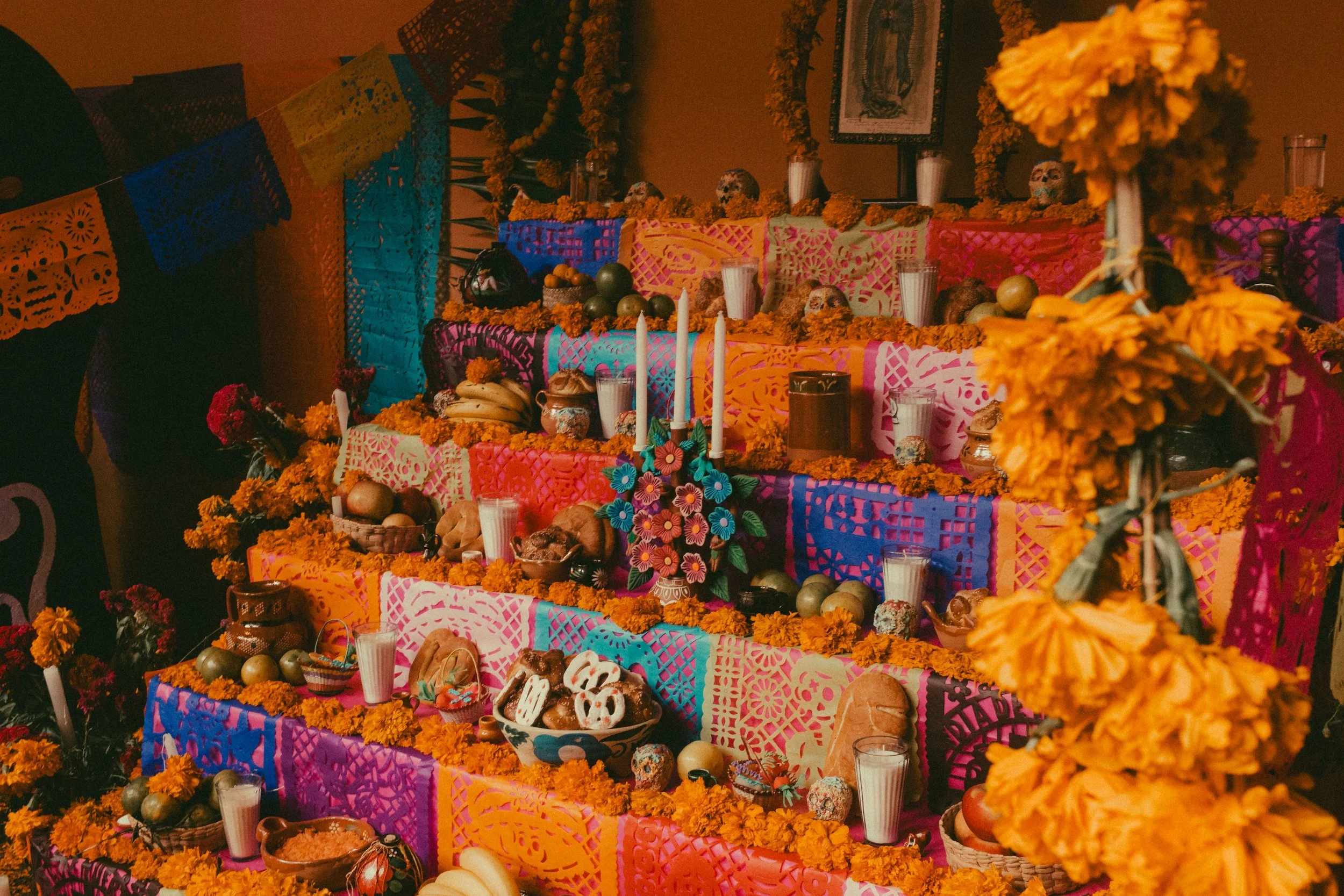
    Day of the Dead (Dia de los Muertos - November 1-2): This iconic Mexican holiday, celebrating and honoring deceased loved ones, is a particularly vibrant time in Mexico City. The city comes alive with colorful “ofrendas” and marigold decorations as the boundary between the living and the deceased becomes beautifully blurred.. You can take a visit to Paseo de la Reforma or el Zocalo, where parades, performances, and art installations will fill the spaces with life as they celebrate the dead. You can also try “Pan de Muerto,” a special “pan dulce” which is only prepared around this season.

    Independence Day (September 16):  Mexico’s Independence Day (Dia de la Independencia) is celebrated on September 16th, yet is preceded by “El Grito” on September 15th, which is when the President of Mexico will reenact the battle cry by Miguel Hidalgo, which marked the start of Mexico’s independence movement. Taking place at Mexico’s “Palacio Nacional”, this day is usually followed by fireworks, music, and patriotic celebrations. 

    Women’s Month (March): The Tiempo de Mujeres festival takes place throughout March in Mexico City, aligning with International Women’s Day on March 8. This festival brings together concerts, plays, talks, and workshops, which are all designed to spotlight and celebrate the role of women in the arts and cultural spaces. Events take place across the city in venues such as museums, forums, and public plazas, making it a truly vibrant and meaningful celebration.

    We recommend staying in Mexico City for at least five days in order to fully explore the city's rich culture, history, and cuisine.

  • Local transportation in Mexico City is diverse, and while it may seem overwhelming at first, it offers efficient and cost-effective options for getting around. 

    Mexico City's transportation system is extensive, and your choice of transport will depend on your destination and preferences. The city continually improves its public transportation infrastructure, making it easier for travelers to explore this vibrant and dynamic metropolis. The options are extensive, from metro and bus, to Uber or even a shared colectivo. 

    Here's a detailed guide to transportation in the city:

    1. Metro (Subway):

    • The Mexico City Metro is one of the largest and busiest subway systems in the world.

    • It's the most affordable way to get around, with fares as low as  US$0.25 (about 5 pesos).

    • The network is well-connected, and it's a fast way to avoid traffic congestion.

    • Be prepared for crowded trains during rush hours (around 7:00 AM and 6:00 PM). 

    • The metro is generally considered safe, but keep a close eye on your belongings and avoid bringing valuables with you. Many suggest taking an Uber to/from the airport when traveling with all your belongings to avoid risk.

    • The metro is open until midnight. For solo or female travelers, many recommend taking a cheap Uber at night to avoid the uncertain risks associated with public transport.

    2. Metrobus:

    • Metrobus is a bus rapid transit system that features dedicated lanes on select major avenues.

    • It's an efficient and cost-effective mode of transport for getting around the city, with fares starting at US$0.29 (about 6 pesos)

    • Metrobus stations are easily recognizable and equipped with ticket machines.

    3. Taxis:

    • Taxis in Mexico City are abundant and come in various forms. Traditional street taxis are available.

    • Traditional taxis start at around US$0.59 (approximately 12 pesos) for the initial charge, and prices increase based on the distance traveled. Certain hotels or restaurants will offer the option to call a taxi service, ensuring a safe ride, as a verified service will provide the taxi. 

    • Be sure to carry cash if you are going to take a Taxi, as there have been reports of credit card scams.

    • To be sure that you are taking a safe taxi, check these few things:

      • The carta de identificación ID is displayed visibly inside

      • Your driver matches their posted photo.

    4. Uber

    • Uber is a convenient and safe option, and you can pay with your credit card through the app.

    • Many recommend Uber for travelers at night

    5. Ecobici (Bike Sharing):

    • Mexico City has a bike-sharing program called Ecobici, which allows you to rent bicycles at various stations across the city.

    • It's an eco-friendly and cost-effective way to explore the city. The first 45 minutes are free, and you can purchase a daily, weekly, or annual membership.

    6. Walking:

    • Although not all of Mexico City is walkable, neighborhoods like La Roma, Polanco, Condesa, and Coyoacan are more pedestrian-friendly. And although reaching the historic center isn’t a walkable journey, once you get there, it is best explored on foot. 

    • Be cautious when crossing busy streets, and use pedestrian bridges where available.

    • Avoid walking alone at night. 

    7. Light Rail (Tren Ligero) and Suburban Trains:

    • Light rail and suburban trains serve areas outside the city center. They are a good option for reaching some neighborhoods and attractions.

    Traffic and Parking

    • Traffic in CDMX can be pretty intense during rush hour, so plan your outings accordingly. Waze (a navigation app) is a lifesaver in the city, as it helps you by flagging jams and tipping you off to the best times to hit the road.

    • If you do drive, parking can be challenging and expensive, particularly in the city center.

  • Mexico City is a generally safe destination and has a relatively low crime rate compared to the rest of the country. Like any major city in the world, there are safer parts and less safe parts, and precautions to take to avoid uncertain risks. As a traveler, it is crucial to be aware of the political climate, your surroundings, and the areas that you choose to explore. It is essential to take reasonable precautions, heed local advice, and be aware of which areas are safer for tourists.

    Some of the neighborhoods in Mexico City that are generally safe to explore include Roma Norte/Sur, Condesa, Zona Rosa, Centro Historico, Coyoacán, and Polanco. On the other hand, some areas to avoid include Tepito, Ciudad Nezahualcoyotl, Iztapalapa, and Doctores.

    Some recommendations to stay safe in Mexico City:

    • Avoid driving yourself at night; Ubers are inexpensive and reliable, yet always be cautious!

    • Avoid walking, especially alone, at night.

    • Do not take unmarked taxis.

    • When walking in busy areas or on public transportation, be aware of your surroundings and be cautious of pickpockets.

  • The official language of Mexico is Spanish. Among tourist areas in Mexico City, you may find that English is widely spoken. However, knowing some Spanish can be helpful. Here are some practical Spanish phrases:

    Hello- Hola

    Good morning: Buenos Días

    Thank you– Gracias

    Where is the bathroom - Dónde está el baño?

    How much does it cost? - ¿Cuánto cuesta?

    Please- Por favor

    Where is…?  – ¿Dónde está…?

    I need… – Necesito…

    Can you help me?-  ¿Me puede ayudar?

    Do you speak English? – ¿Usted habla inglés?

    If you plan to visit the markets or areas where English is less commonly spoken, having a translator app ready can be quite helpful. 

  • Greetings: Informal greetings, like a simple “Hola” or “Buenos días,” are considered polite.  

    Dress: Mexico City is a massive urban landscape with a mix of cultures, foods, and people. This brings a range of fashion. Although there is no formal “dress code” per se in Mexico City, people often adapt to the urban environment by dressing more formally. With this, you will see a few people in shorts or very informal clothing. As a tourist, if you plan to enter more religious sites, it is advisable to have some more modest clothing with you. 

    Tipping: When dining out, a 15% tip is standard; you may tip more if you feel the service was exceptional. Be sure to carry change, as it is also customary to offer a small tip to those providing other services for you, such as tour guides or someone helping with your luggage. 

    Timing: The pace of life in Mexico City is slower. This is evident in later meal times; dinner tends to be pushed further into the evening, and overall punctuality is affected. Don’t be surprised if things start 10-15 minutes later than you expected. Just relax and enjoy the slower pace!

  • Most credit cards are widely accepted in Mexico City, yet it is advised to carry some cash with you. This is useful for shopping in markets or street stalls, taxis, tipping, and for smaller total amounts where shops may not accept credit cards.


  • Mexico City is regarded as a welcoming destination for solo travelers. With its vibrant and diverse mix of cultures and foods, Mexico City attracts many and is regarded as generally safe. Like any major city for solo travelers, it is important to have your wits about you. Be conscious of your belongings and valuables, do not walk alone at night (it is best to take an Uber), and be aware of the areas you're travelling in.

  • Many LGBTQIA+ travelers highly regard Mexico City due to its buzzing and inclusive culture and atmosphere. It is known as a great place to visit for Pride, with an amazing parade at the end of June. Outside of Pride, La “Zona Rosa” is considered to be the Gay neighborhood of CDMX. This hip area is home to a great nightlife scene and overall fun place to spend time in.

  • Mexico City is regarded as a safe and welcoming destination for Black travelers. Although CDMX is considered quite a diverse city with mixing cultures and people, it is not as diverse racially. Due to this, Black travelers may be met with some unwanted attention and curiosity. Still, many share positive experiences while travelling in Mexico City.

  • Though accessibility has been updated within parts of the tourist areas, and some of the public transport like the Metrobus and trolleys are wheelchair friendly, outside of that there do exist many obstacles for those with physical disabilities. Cobblestone streets, uneven sidewalks, large steps, etc. can make getting around a bit difficult.

TRIPS

Mexico

EDITORS PICKS

Mexico

MOROCCO

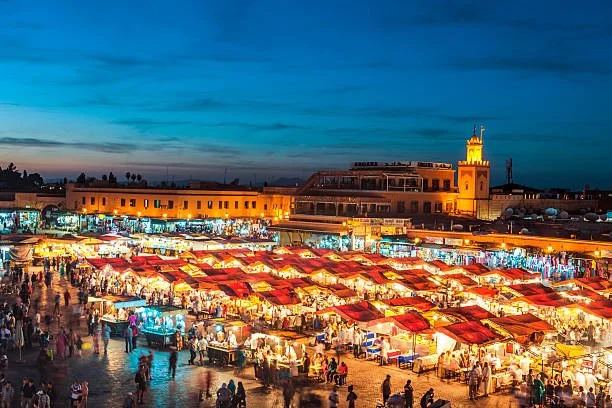
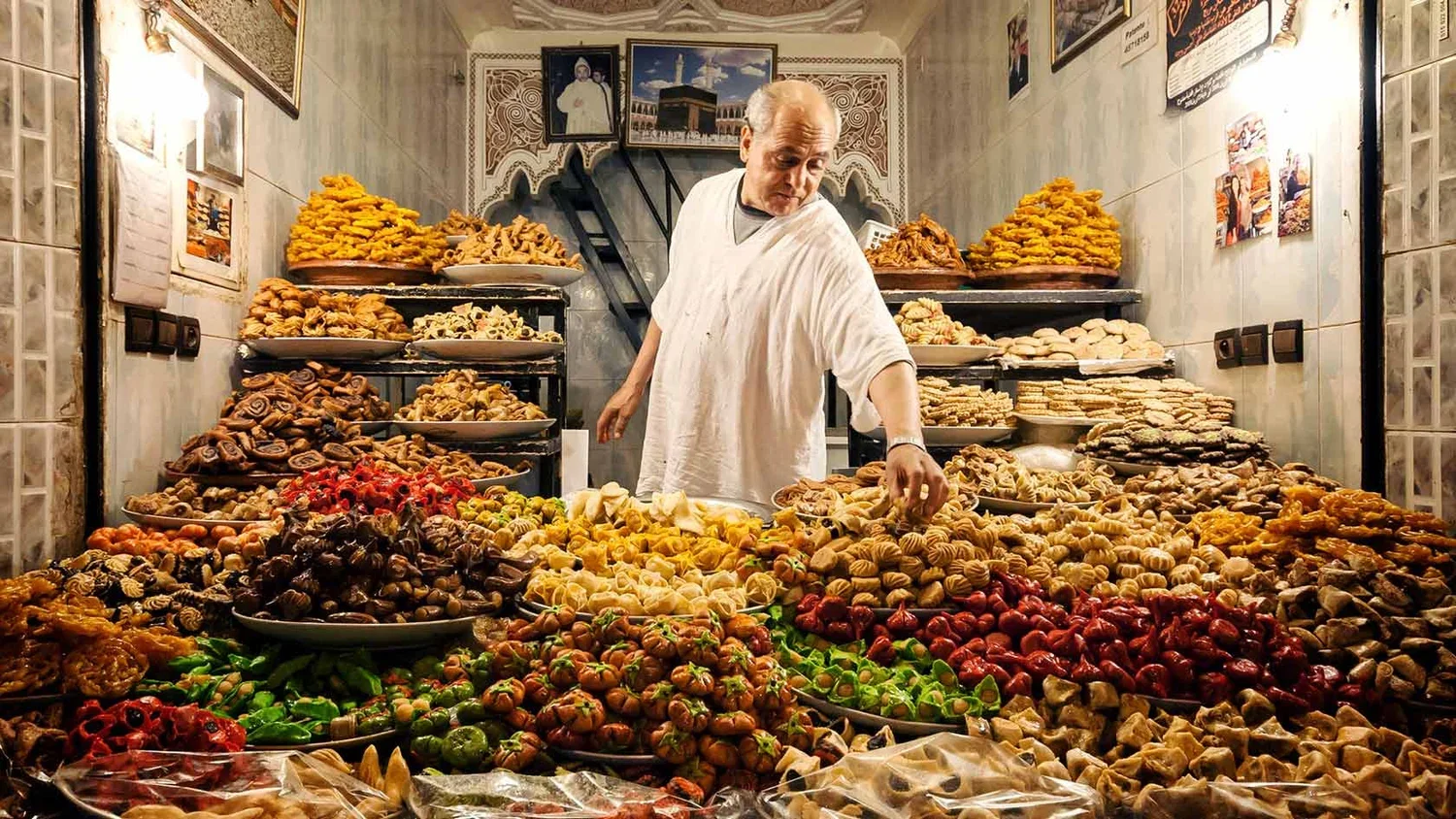
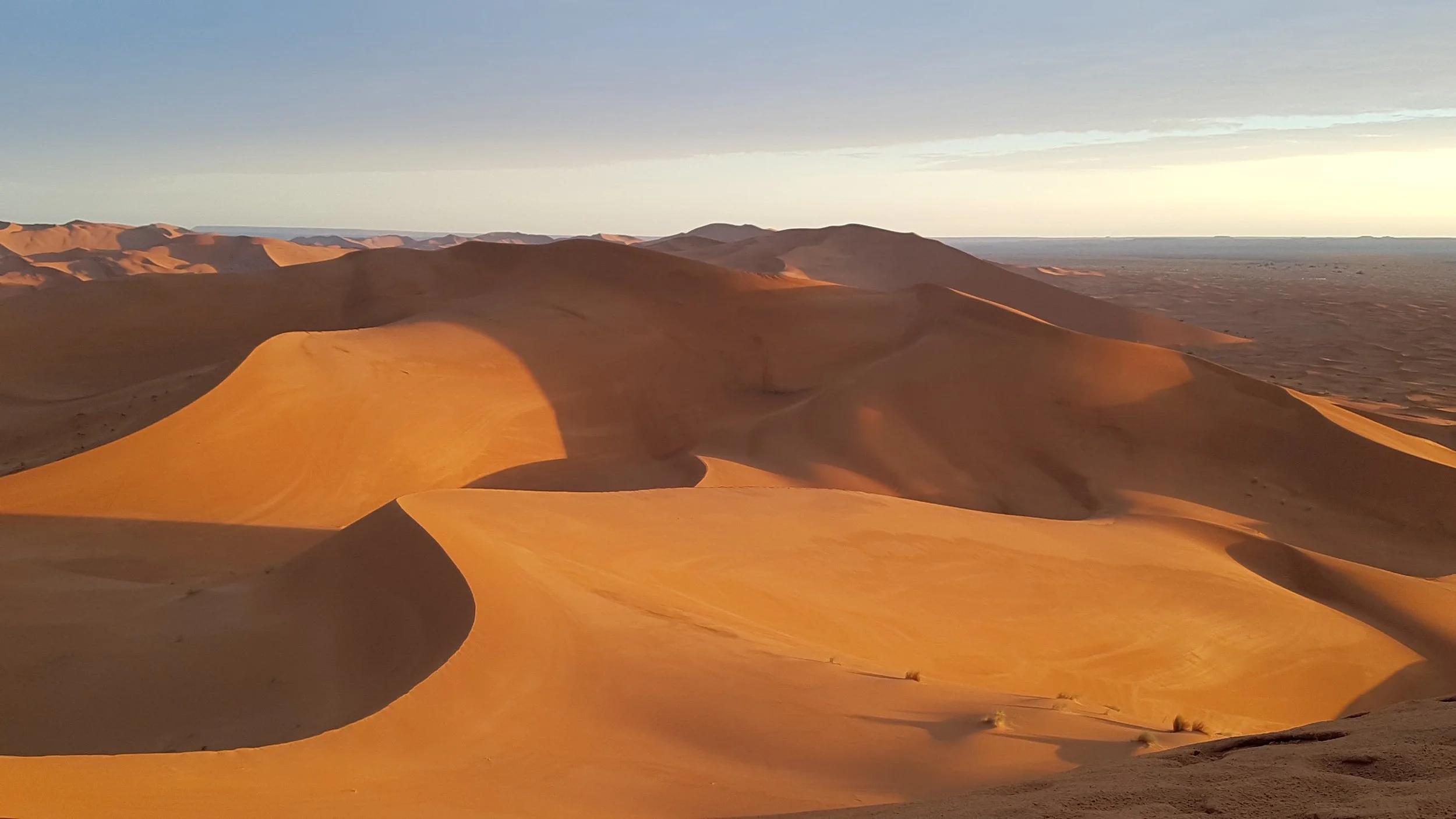
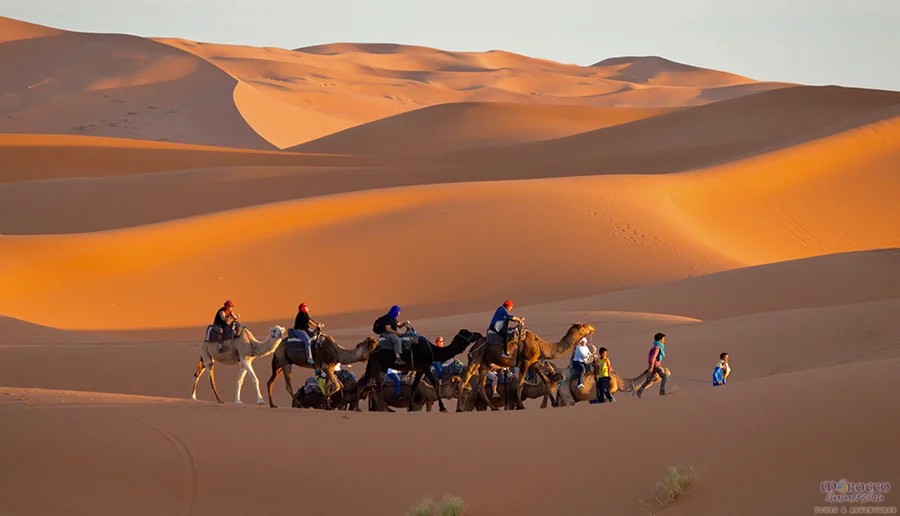
Morocco draws in travelers with its rich cultural diversity, world-renowned markets and wide range of natural attractions. From avid surfers to foodies, everyone can find a home in Morocco. Take your time strolling through the UNESCO-listed old towns and wander through vibrant souks (markets), all the while admiring beautiful architecture and gardens. With Morocco’s history beginning as early as the 8th century, its cities are hotspots of tradition and culture. Tourists flock to Morocco for tastes of its culinary delights, beautiful and diverse environments and to learn more about its cultural heritage. Whether you’re looking for world-class surf breaks, a foodie tour at a night market or a camel-back adventure through the Sahara, Morocco has it all.

  • Currency: Moroccan dirham (MAD)

  • Language: Arabic and Moroccan Berber

  • Average Temperature: 17.5 C | 63.5 F

  • On Season: March-May and September-November

  • Off Season: June-August and December-February

  • Average Cost Per Day; Budget-Luxury: US$30-$150+

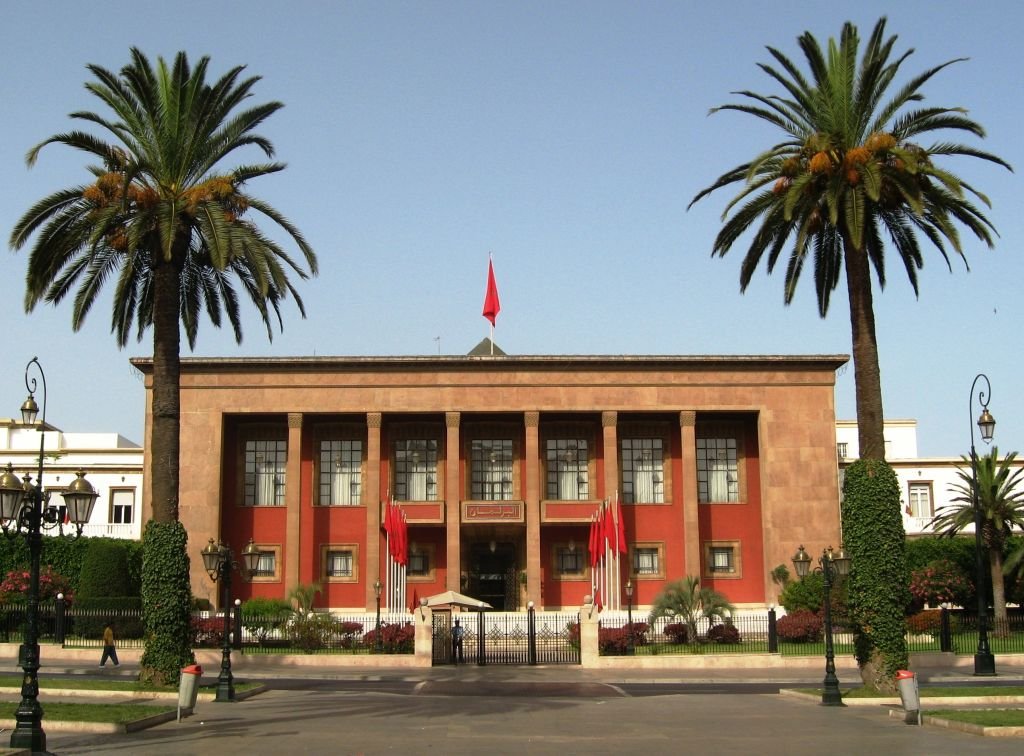
  • Government: Morocco is a constitutional monarchy with an elected parliamentary legislative system. The King is the most powerful person in government and appoints the prime minister from the party that wins the most seats in parliament. The parliament has two chambers in which legislation is debated and passed; citizens elect members of one chamber, the House of Representatives, while members of the other chamber, the House of Councillors, are indirectly elected.

  • Entry Requirements: You must have a passport valid six months beyond your arrival date, and an empty page is required for an entry stamp. Tourist visas are not required for stays under 90 days.


Lay Of The Land


Morocco lines the coast of Northwestern Africa, bordering both the Atlantic Ocean and the Mediterranean Sea. With this geographic location and its proximity to Spain, Morocco has long been the product of cultural fusion. Vibrant and lively cities dot the country, rendering it a coveted road trip destination. Discover the diverse landscapes of Morocco through this quick guide to its distinct regions and what makes each one unique. 

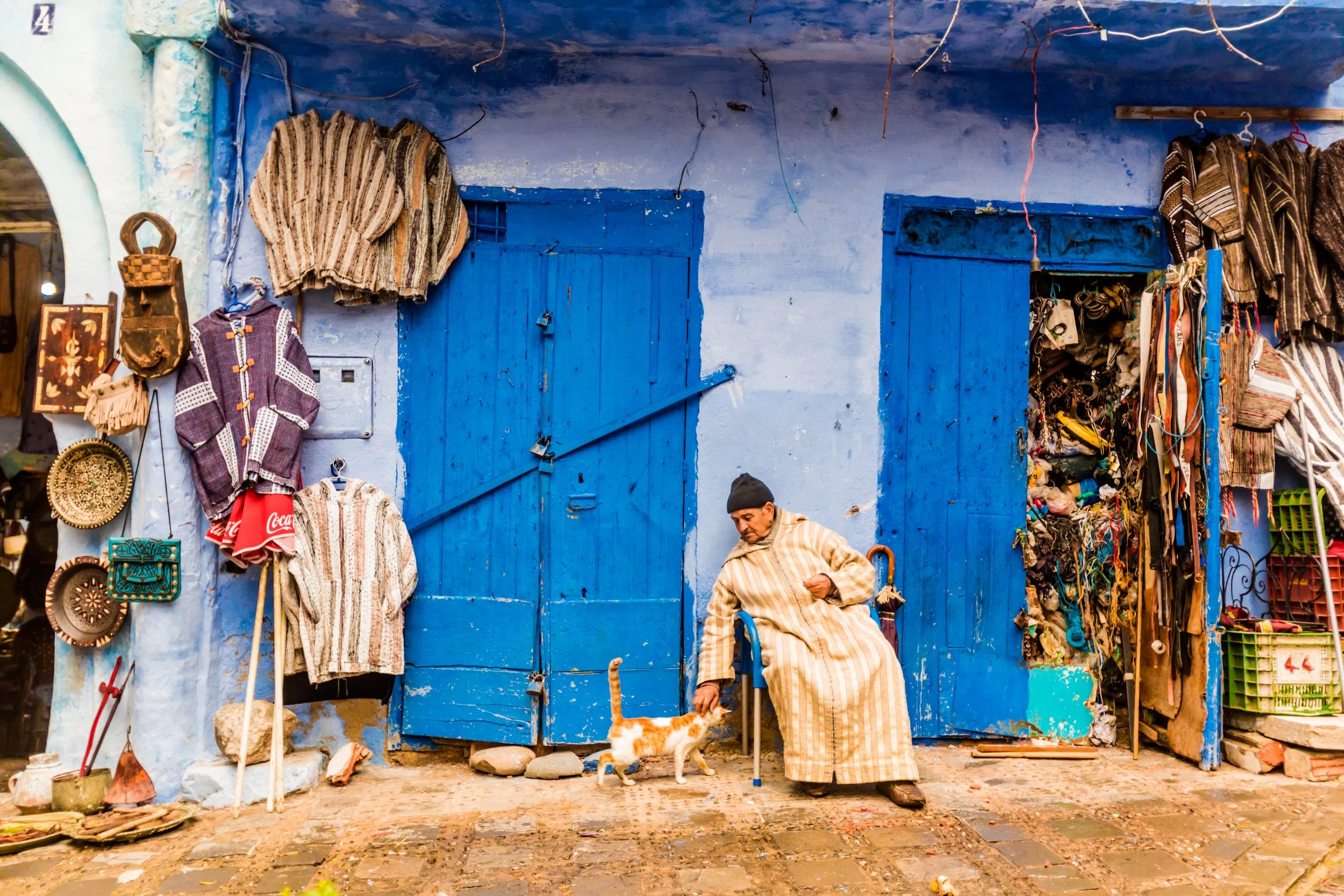
North Morocco: Northern Morocco is shaped by centuries of Mediterranean trade and European influence, blending cultures in a way that sets it apart from the rest of the country. Tangier, just an hour’s ferry from Spain, has long been a meeting point for travelers, artists and writers. Nearby Tetouan boasts a beautifully preserved Andalusian medina, while Chefchaouen’s famous blue-washed streets provide a peaceful retreat in the Rif Mountains.

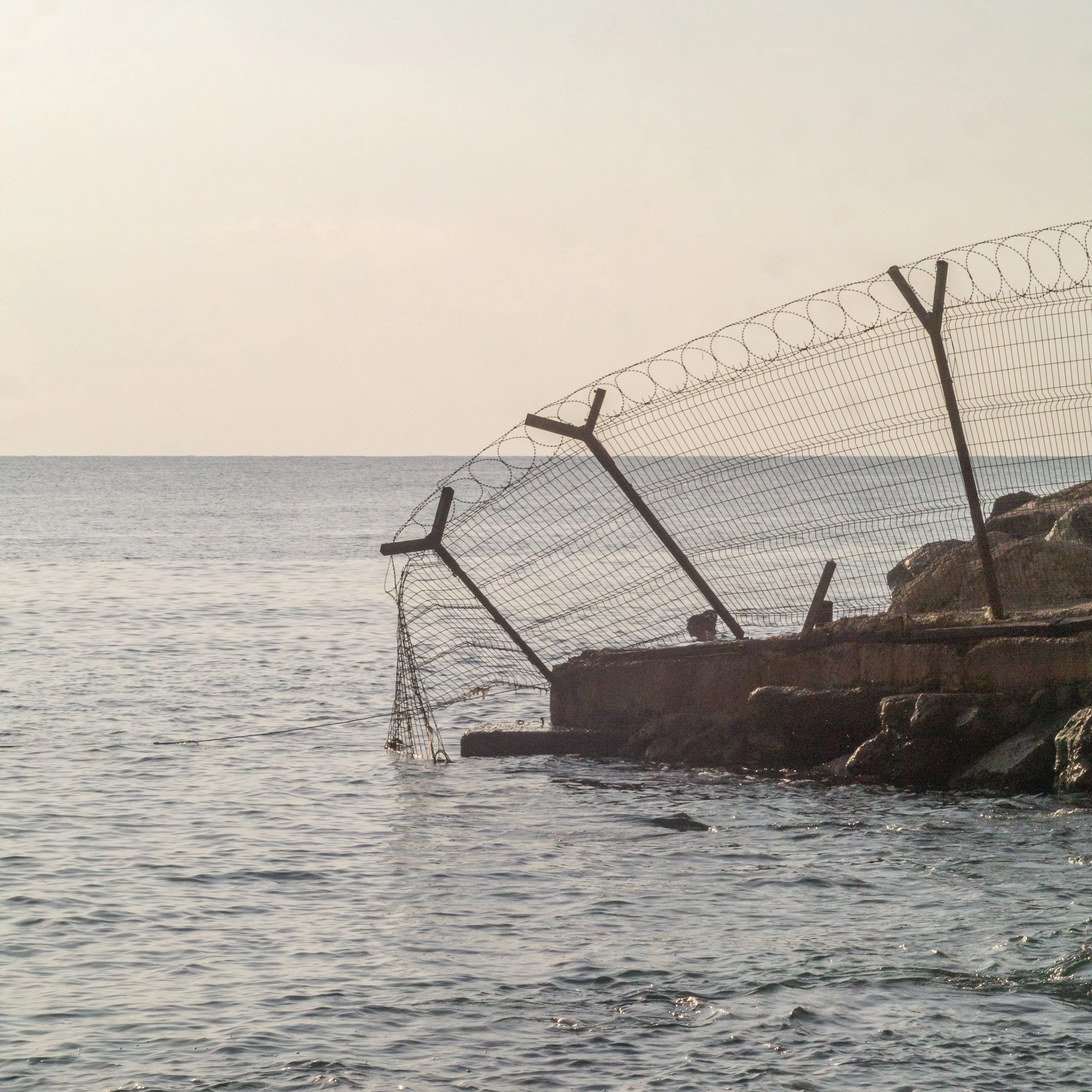
The region is also rich in natural beauty. The Rif Mountains offer scenic hikes and waterfalls, like Akchour, while the coastline features some of Morocco’s best beaches. Asilah and Martil are known for their laid-back seaside charm, while Al Hoceima’s Mediterranean waters and rugged cliffs make for a breathtaking coastal escape.

Central Atlantic Coast: The Central Atlantic coast is a large stretch of the country and covers major cities like Rabat, Essaouira, Marrakech and Casablanca. These cities are renowned for their architecture, mystique and vibrance. Enjoy Casablanca’s modern flair amidst historical areas or the lively capital of Rabat. The beachside port city of Essaouira offers a more relaxed environment; admire its beaches and the old city, as seen in “Game of Thrones,” or watch the daily bustle of the port. Marrakech is also a must-visit destination in this region, with its exciting markets, history and nightlife. Outside these cities is an interesting mix of landscapes, from golden beaches to small, rocky deserts, and even to a palm oasis. Enjoy exploring around the lively cities of this region and marvel at all that is in between. 

Inland and Central: This region showcases Morocco’s diverse landscapes, from the rugged Atlas Mountains to the golden dunes of the Sahara. Travelers can trek through Amazigh villages, hike dramatic canyons like the Todra and Dades Gorges or experience a traditional desert camp under a sky full of stars.

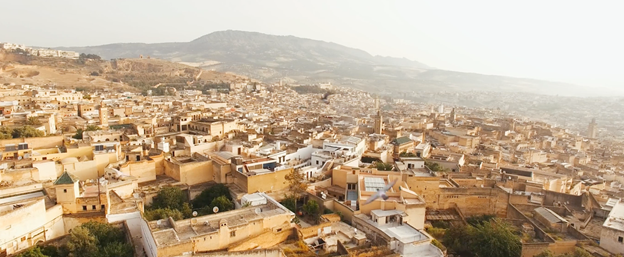
Fes, Morocco’s “cultural capital,” is home to one of the best-preserved medieval medinas in the world, with historic madrasas, vibrant souks and the famous Chouara Tannery. Nearby Meknes, a former imperial city, features impressive sites like Bab Mansour and the Mausoleum of Moulay Ismail. Nature lovers can explore Ifrane’s cedar forests, where wild Barbary macaques roam, or visit the striking blue spring of Oum Rabia, a hidden gem in the Middle Atlas.

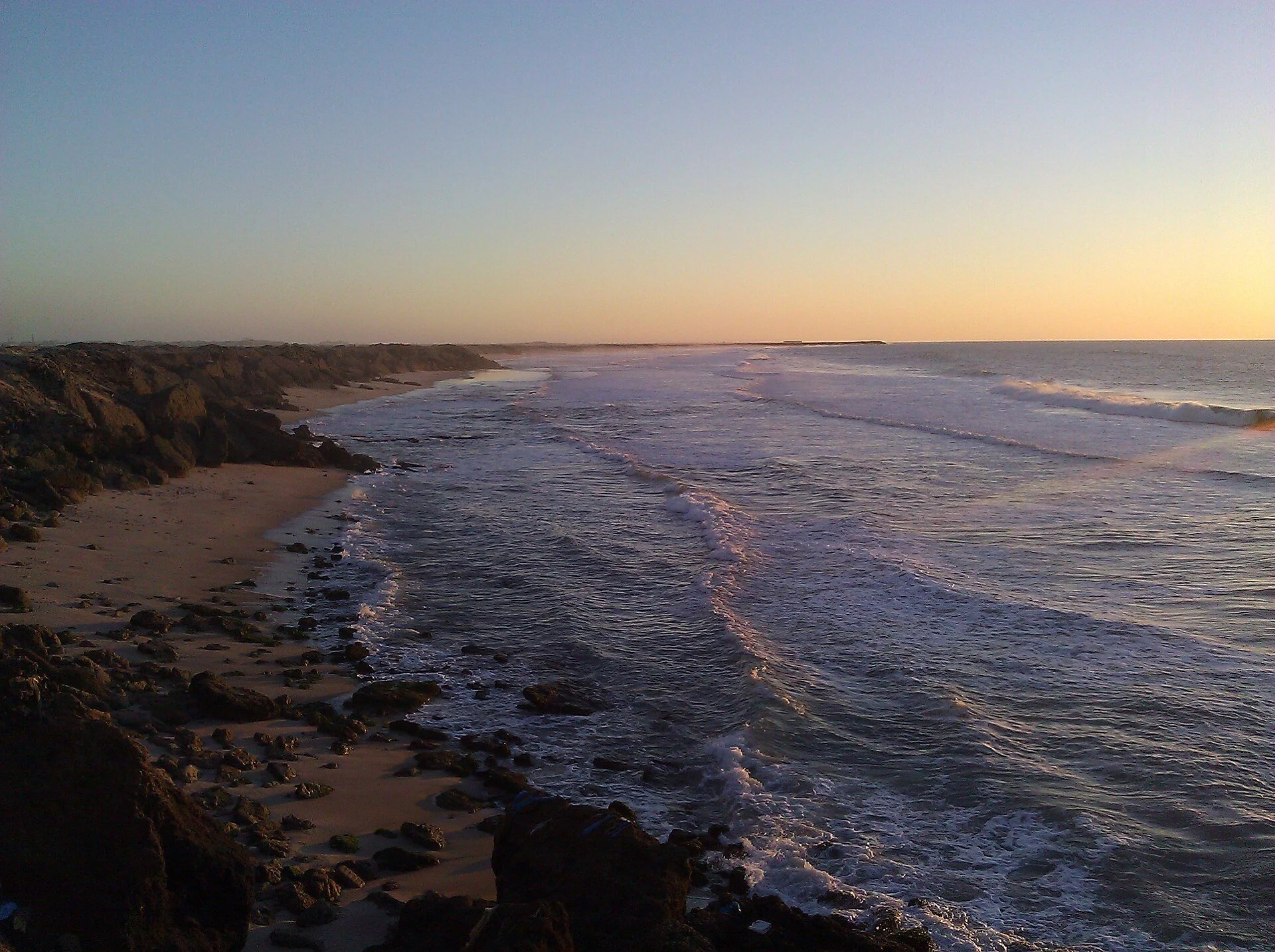
Southern Coast: Parts of the Southern coast have been well-loved by surfers longing for the perfect wave. Taghazout is a prime surf destination, hosting World Surf League events and attracting surfers from around the world. South of there, Tamraght offers a quieter atmosphere with excellent waves for all skill levels.

Venturing farther south, visitors can find Agadir, a major beach town with wide sandy beaches and a vibrant feel, perfect for water sports and exploring nearby attractions like the Souss-Massa National Park. The seaside towns of Mirleft and Sidi Ifni offer rugged coastlines, secluded beaches and a peaceful retreat.

 
  • Although Morocco is considered a year-round destination, the best time to visit is during the spring (March-May) and fall (September-November) for the most enjoyable weather. It might be best to avoid the summer months (June-August) due to scorching temperatures, though prices may be lower. Winter has fewer crowds but offers much colder temperatures.
  • Traveling around the country:

    When traveling around Morocco, there are many options for getting by, the choice often depending on what kind of traveler you are. For the independent traveler who wishes to reach more remote places, a rental car, private driver or private transfer might be a good option. 

    For those who are sticking to bigger towns and venturing into more remote areas with guides or planned activities, the well-connected trains and inner-country flights are a reliable way to get around. Morocco’s buses can connect you to small towns farther away. 

    For a traveler who’s looking to have transportation taken care of, consider booking a guided tour. Many choose to partake in tour groups that arrange shared transportation in vans or coaches around Morocco; these typically also come with planned activities. 
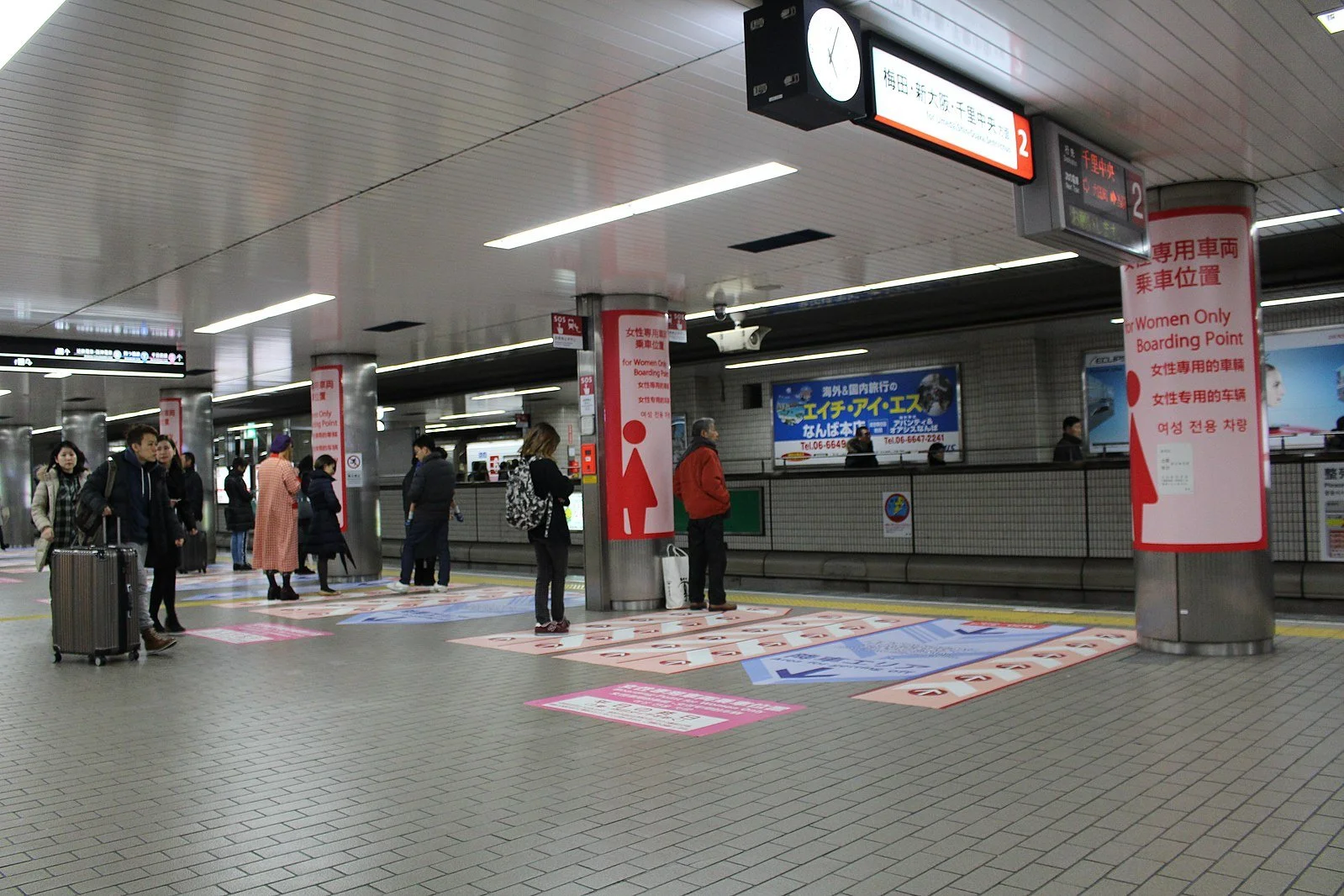
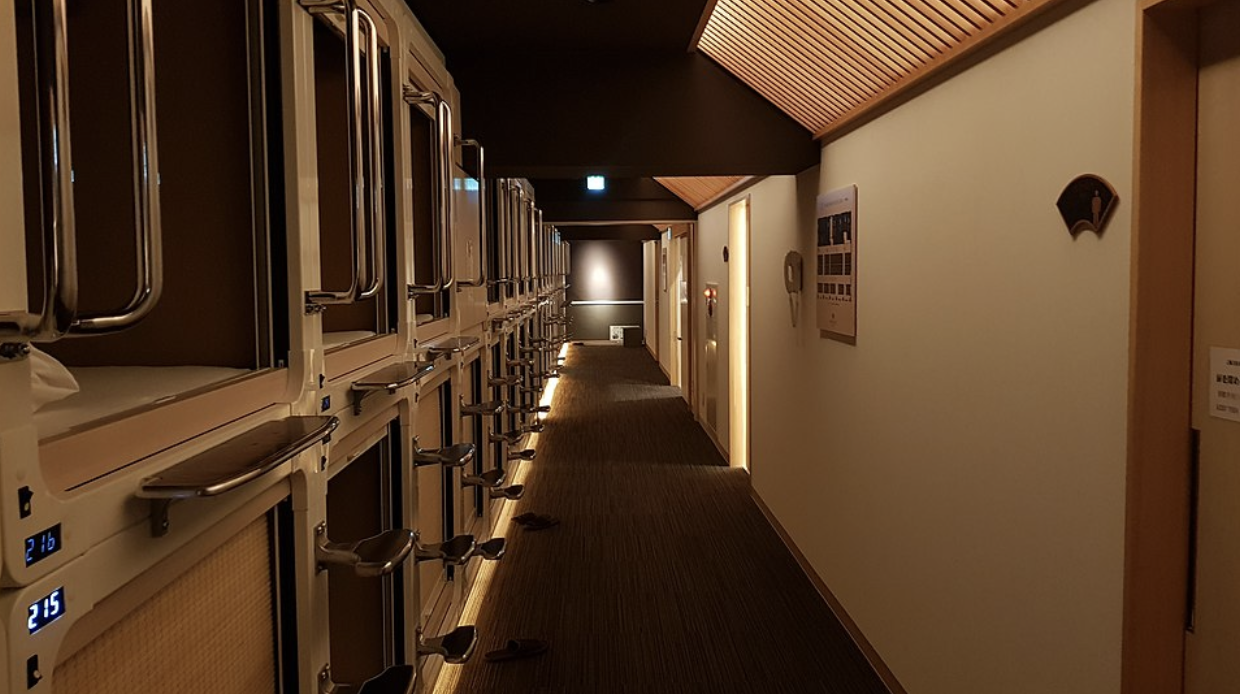
    Here is a deeper look into the various transportation methods in Morocco: 

    If you are planning a road trip through the country, be conscious that driving through city streets in places like Marrakech is not always recommended, as traffic can be difficult to navigate. If you are looking to rent a car, it is recommended that you be an experienced driver. Car rentals may range from US$22-$40 per day.
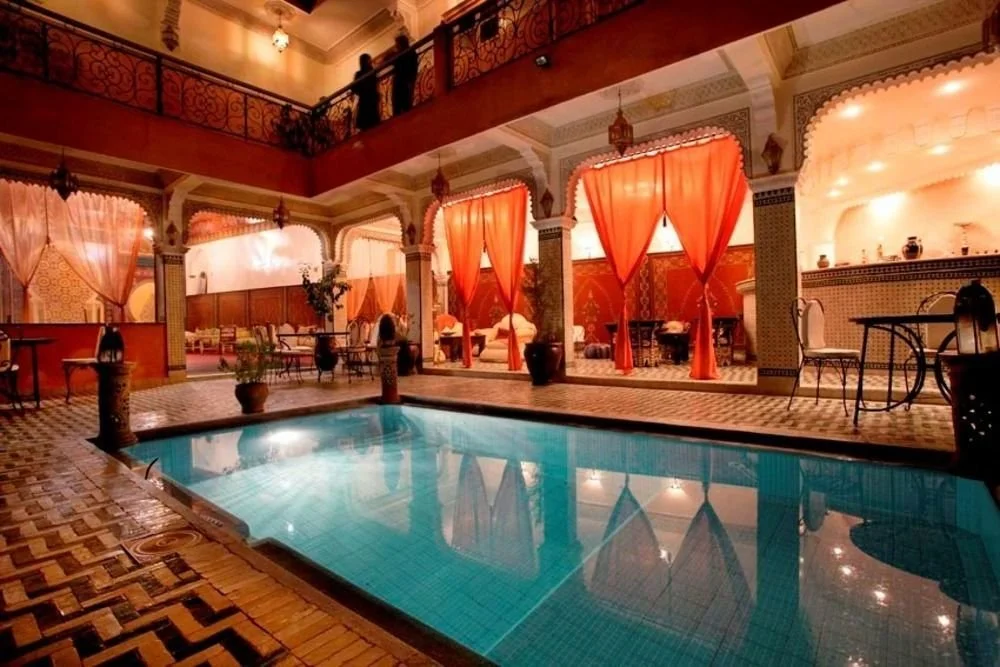
    Morocco has a well-connected train system, the ONCF. One of these main routes is a high-speed journey from Casablanca to Tangier. This two-hour train has stops in Rabat and Kenitra, and ticket fares cost between US$33-$55 depending on the class of your ticket. Beyond this line, the company can offer connections via bus or smaller train to farther destinations. 
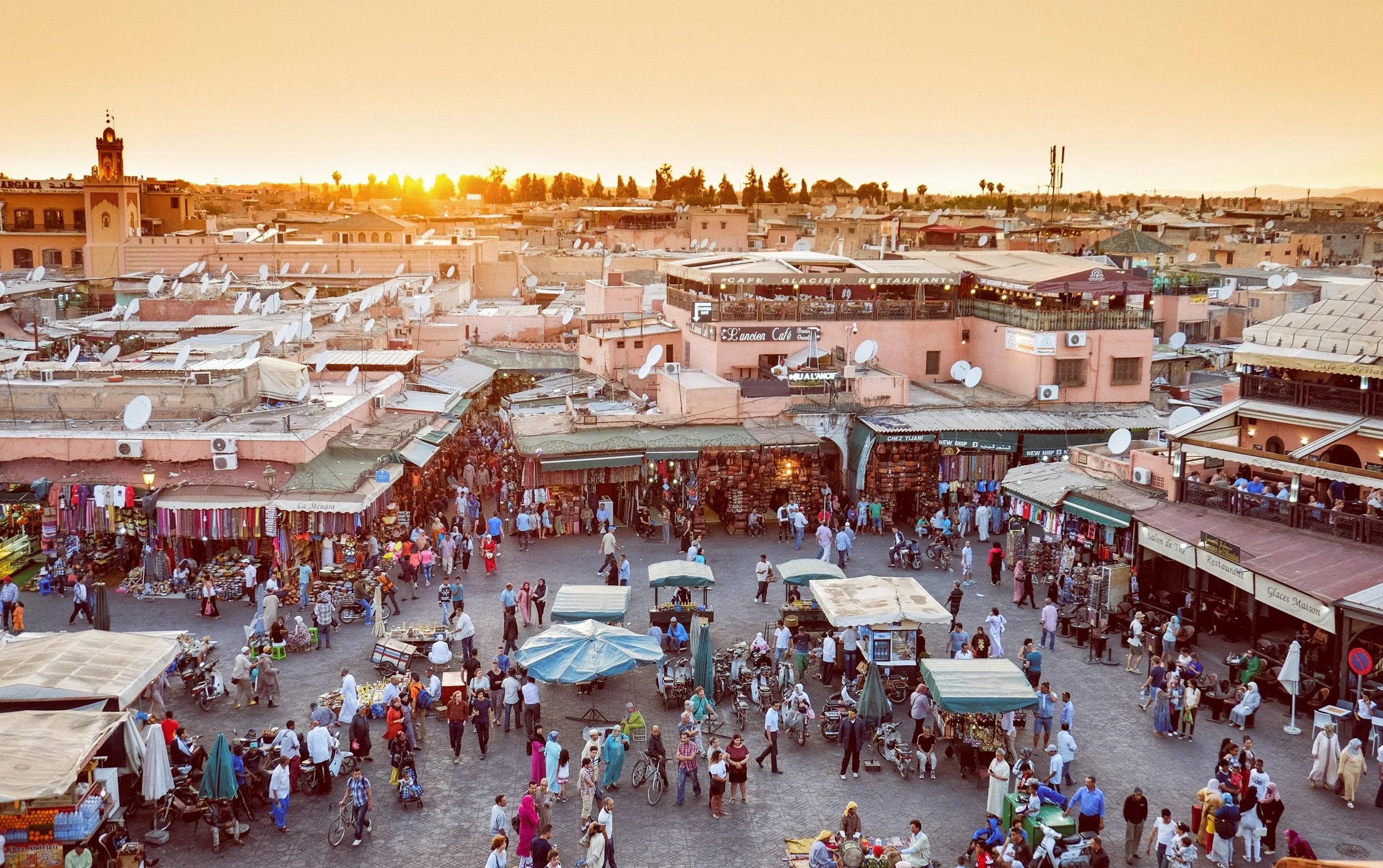
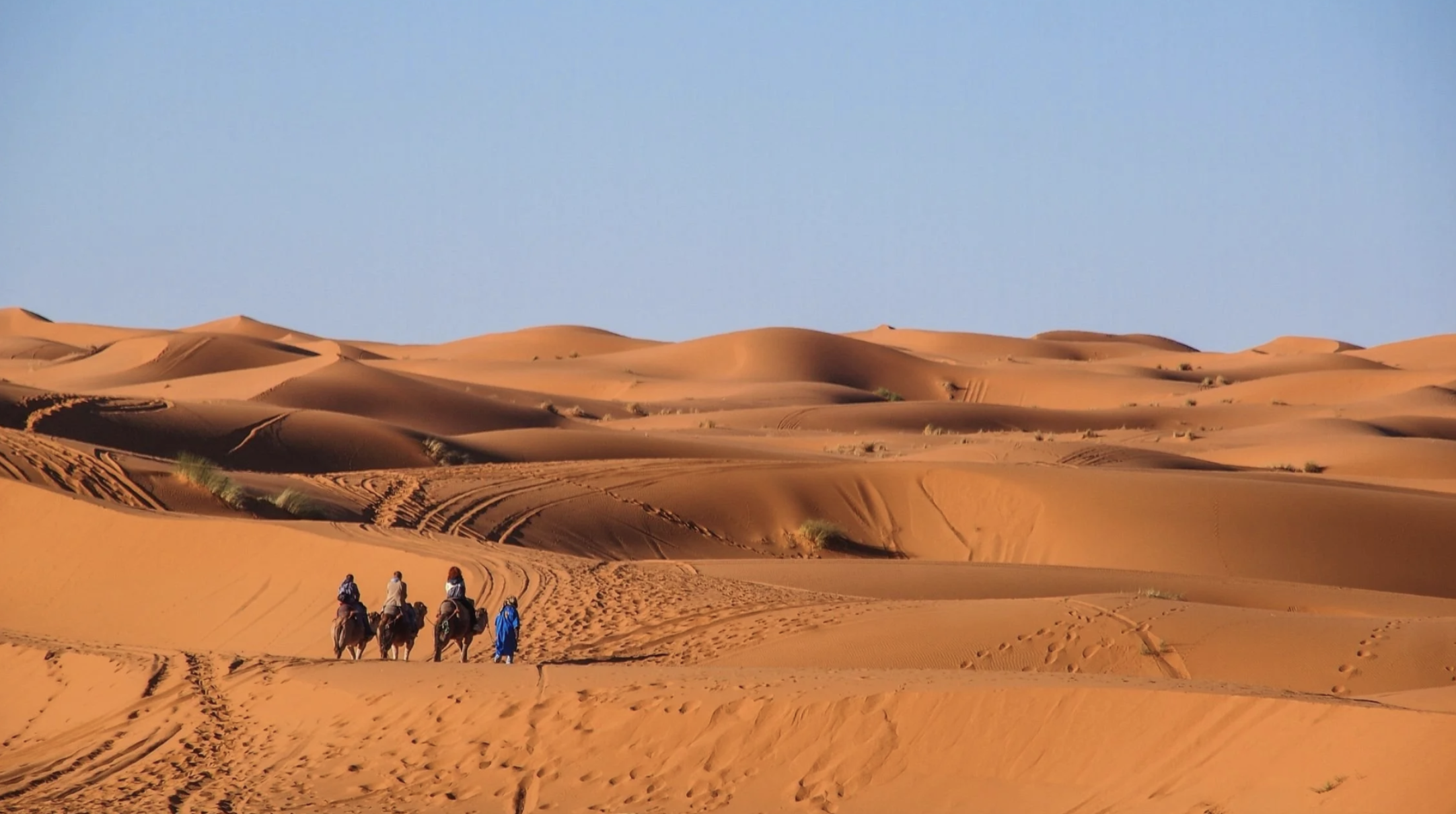
    Grand taxis or private drivers are also good options for a small group traveling between larger cities. Some private drivers may be found online through sites like Morocco Hire, Mint Tea Tours and GetYourGuide, or even through your accommodation. 

    Domestic flights are a quick option for traveling long distances within Morocco. Ryanair, a popular budget airline, has launched 14 domestic flight routes throughout the country. The airline offers flights from Fes, Marrakech, Agadir, Tangier, Tetouan and Errachidia. Flights can be as low as US$16. 

    Buses are an affordable way to get around Morocco. Supratours, one of the country’s most popular transit companies, can offer bus services beyond the train lines or for general intercity connections. Tickets may be bought online via ONCF or in person. CTM buses also cover an extensive region within Morocco for travel. Prices range based on your journey; for a CTM bus trip between Marrakech to Agadir, you can expect to pay about US$15. Buses can be hot and overcrowded, but they are one of the most budget-friendly options. 

    Intra-city travel:

    From horse-drawn carriages to your classic yellow taxi, there are a myriad of options for getting around within Morocco’s cities. 

    One of the best ways to get around the old cities is on your feet. Walking around the medinas, the ancient city centers, is one of the best ways to explore. Wander through the narrow alleys, stop in shops and don’t be afraid to get a little lost. 

    Small taxis, known as petit taxis, run within many towns in Morocco. The petit taxis operate on a meter, with prices starting at 7 MAD (about US 70 cents). Grand taxis are larger vehicles that can fit more passengers and run to farther destinations. Travelers should know that prices may vary, as cost depends on location instead of a meter. Credit cards are rarely accepted, so make sure you bring cash to pay the fares. If there is no meter in the vehicle, agree on a price before you depart. Note that the taxi’s color varies depending on the city. Medinas, like the one in Fes, however, do not allow for the circulation of cars and vehicles other than bikes and mopeds within the walls. 

    While Uber is not available anywhere but Casablanca, the app Careem is a similar popular option within the major cities. Prices vary depending on the city and your ride.   

    A budget-friendly option for getting around the city of Marrakech is navigating the public bus system. The ALSA bus costs only 3 or 4 MAD (about US 40 cents), but be aware that it has been reported to be quite crowded and can be confusing for tourists to navigate. 

    Horse-drawn carriage rides, or caleches, are still used in Marrakech as a form of tourist transport, but many travelers choose to avoid them due to concerns about animal welfare. While these carriages offer a visible presence around the city’s main sites, they raise serious ethical questions about the treatment and working conditions of the horses. If you’re looking to explore at a slower pace, consider a walking tour or bicycle rental instead—more humane, and just as immersive.

  • Although English may be spoken in tourist areas or the hospitality sector, do not expect everyone to speak it. Travelers are recommended to download an easy translator app, like Google Translate or Reverso Context, which you may speak into, play aloud or simply show the person you are communicating with. Learning some phrases in the local Moroccan Arabic, known as Darija, is always appreciated and may get some smiles in return. 

    Here are some useful phrases to prepare for your trip: 

    Thank you - Shukran

    Hi- Salam

    No, thank you - La, shukran

    How are you? - Labas?

    Delicious - Bnin

    The phrase Salaam alykum translates to “peace be upon you” and is commonly used as a greeting. 

    In terms of cultural etiquette, there are many ways that life in Morocco may be very different from the customs that you are used to. As with traveling anywhere, approach these differences with respect and an open mind.

    These customs may vary depending on the region, rurality or situation you are in. The following examples are just a handful of things to be aware of when traveling in Marrakech, but be advised that there may be more in-depth or additional rules of etiquette that apply to different areas, such as when you are in someone’s home, in a highly religious space, etc.

    What to wear: Morocco is a Muslim country, and it is advised for tourists to dress modestly when visiting. This may look like clothing that covers your shoulders and knees. Keep the swimwear to the pool or beach. When visiting religious sites, dressing more conservatively is respectful, like keeping your shoulders, arms and knees covered. Head coverings are not required, but you may choose to wear one. Although in Marrakech, there is a greater range of modern clothing styles. 

    Eating: Before eating, always wash your hands. If eating with your hands, it is a respectful practice to use your right one, as the left is considered “unclean.” During Ramadan, it is more respectful to avoid openly eating in public during the day. Don’t worry if you are not fasting; many restaurants stay open during the day to cater to tourists. Tipping is also a common practice in Morocco. Expect to tip when going out to eat and for other services, like you might in the US, such as for a private driver, the salon, porters, etc.

    Shopping: Bargaining is part of the culture, as you will quickly learn on your first visit to the souk, or market. While negotiating is expected, be sure to stay respectful during the interaction.

    Check out our 5 Tips for Haggling at a Souk in Morocco

    Walking around: Even though you may be surrounded by gorgeous scenes and vibrant colors when walking around Marrakech, be mindful before taking photos. Always ask someone before you take their portrait—this goes for anywhere you travel. 

    When in public, note that public displays of affection are frowned upon. For LGBTQIA+ couples traveling to Morocco, be advised that homosexuality is considered illegal in the country. Though its enforcement may manifest differently across different regions and beliefs, it is not recommended to show any displays of affection.

  • Although cash and credit cards may be accepted at larger establishments, carrying cash is highly recommended. Many smaller businesses only accept cash as a form of payment.

  • For solo travelers, we recommend doing your research and planning ahead of time to ensure a safe and comfortable trip while exploring all that Morocco has to offer. 

    In specific reference to solo female travelers, women must take precautions to avoid unnecessary risks, like not walking alone at night, finding a trusted taxi, etc. Many report street harassment, scams and petty crimes, like pickpocketing. When walking around the medina, though some street harassment occurs, wearing more modest clothing may reduce unwanted attention. In Morocco, like anywhere, trust your instincts, be aware and prepare for the day. 

    If you are a woman traveler interested in going to Morocco but are a bit apprehensive about going solo, there are many group trips available, where you can have a guided experience through the country while making friends for life. You can book single-day group trips or a multi-day adventure.

  • LGBTQIA+ travelers have long regarded Morocco as a coveted destination. Marrakech is a friendly and vibrant city with a history of LGBTQIA+ travelers and influence. There are many queer-friendly hotels, accommodations and bars around the city, which have created a buzzing community of expats and travelers. However, it is still important to note that same-sex marriage is not legal in the country, though the enforcement and strictness of this vary according to colloquial experiences. Despite this, it is advised to avoid showing public displays of affection.

  • Marrakech is considered a generally safe destination for Black travelers. Still, some Black travelers have shared stories of unwanted attention or prejudiced interactions due to stereotypes. Black women, especially, may face catcalling or street harassment. There are some old prejudices in Moroccan society, and those spending longer periods of time in the country or outside of the tourist centers may encounter experiences based on this. Morocco is an incredibly diverse country, rich in history and with many cultures. It is a place where tourists are welcomed, and many Black travelers have shared positive experiences of their time exploring. We recommend checking out some travel blogs that detail personal experiences of Black travelers if you are considering planning a trip.

  • Morocco is working to improve its accessibility and update its infrastructure so that tourists of any ability can experience and enjoy the country. When navigating the old town and the medina, much of the infrastructure is currently not updated to be accessible. With high curbs, uneven walkways and very narrow streets, it is not always the easiest to get around for those with physical disabilities. Though some infrastructure is very out-of-date, Marrakech is still regarded by many as an enjoyable destination for those exploring with physical disabilities. There are many places, accommodations and attractions in Marrakech with wheelchair-accessible infrastructure, and more are being updated to accommodate. Handioasis is one of these accommodations, found in Marrakech. The hotel is equipped with fully accessible rooms and a transfer arm that makes pool visits even easier for those in wheelchairs. It also offers excursions into the desert, with overnight options for the more adventurous travelers.

TRIPS

Morocco

EDITOR’S PICKS

Morocco

BALI

Bali, often called the "Island of the Gods," is a lush tropical paradise unlike anywhere else in Indonesia. While the country is predominantly Muslim, Bali stands apart with its deeply rooted Hindu traditions, vibrant ceremonies and intricate temple architecture woven into daily life. Its world-class surf breaks first lured adventurers in the 20th century, but today, travelers come for much more. Its terraced rice fields, volcanic landscapes and cultural scene blend ancient rituals with modern creativity. Tourism now fuels about 80% of Bali’s economy, with millions visiting each year, yet the island remains rich with opportunities for deeper exploration beyond its bustling resorts. Whether you're drawn to the mystical energy of Uluwatu’s cliffside temples, the artisan villages of Ubud or the remote waterfalls of Munduk, Bali offers endless ways to experience its magic beyond the beaten path.

  • Currency: Indonesian Rupiah or IDR

  • Language: Balinese (Basa Bali) and Bahasa Indonesia

  • Average Temperature: 15.2 C | 59.3 F

  • On Season: April-September

  • Off Season: October-March

  • Average Cost Per Day; Budget-Luxury: US$32-$125+

  • Government: Indonesia is a presidential republic supported by an elected legislature. The president is elected by a direct vote every five years, while the prime minister is appointed for emergency scenarios. Head of both the state and government, the president appoints his own cabinet, which makes up the executive branch.

  • Entry Requirements: You must have a passport valid for six months beyond your arrival date, a minimum of two blank visa pages for an entry stamp, a ticket as proof of onward travel, a completed customs declaration form and an approved visa (can be completed on arrival).


Lay Of The Land


Bali may seem small, but every part of the island offers a distinct experience. Whether you're chasing waves, exploring temples or seeking a jungle retreat, understanding the differences between regions will help you plan a more fulfilling trip. Here’s an insider’s guide to Bali’s key destinations.

South Bali

Southern Bali is where most visitors land — it’s packed with world-famous beaches, lively nightlife and high-end resorts. Canggu is a hip, fast-growing area filled with beachfront cafes, boutique shops and top-tier surf spots like Batu Bolong and Echo Beach. Seminyak blends luxury with vibrant nightlife, offering high-end dining and stylish beach clubs like Ku De Ta and Potato Head. Kuta and Legian cater to party-seekers and beginner surfers, while Uluwatu is a dream for experienced surfers, with legendary breaks at Padang Padang, Bingin and Uluwatu Beach. For a more relaxed vibe, Sanur provides calm waters and cultural shows with opportunities for water sports like stand-up paddleboarding and parasailing.

Central Bali

Central Bali is where you’ll find the island’s famous terraced rice fields, dense jungles and spiritual retreats. Ubud, the cultural heart of Bali, is home to the Sacred Monkey Forest, traditional dance performances at the Ubud Palace and the breathtaking Tegalalang Rice Terraces. This region is a haven for yoga and wellness seekers, with countless retreats and holistic healing centers. Nearby, Tirta Empul Temple offers the chance to participate in a traditional water purification ritual, while the scenic Campuhan Ridge Walk is perfect for a sunrise stroll. Stop in the beautiful town of Munduk and explore the countless beautiful waterfalls and temples. 

East Bali

Eastern Bali remains one of the island’s most underrated regions, offering pristine landscapes, a slower pace, and, most importantly, fewer crowds. The Sidemen Valley is a stunning alternative to Ubud, with traditional weaving villages, peaceful rice terraces and hidden waterfalls. For adventure lovers, Amed and Tulamben are top diving spots, featuring vibrant coral reefs and the famous USS Liberty shipwreck. Surf enthusiasts can head to Keramas Beach, known for its powerful right-hand waves and surf competitions. Eastern Bali is also home to one of the island’s most iconic landmarks — Pura Lempuyang — known for its "Gates of Heaven" framing Mount Agung in the distance.

North Bali

North Bali is a peaceful escape from the island’s busier south, offering lush mountains, waterfalls and quiet beaches. Lovina is famous for its sunrise dolphin-watching tours and calm black-sand beaches, while nearby Banjar Hot Springs provides a relaxing natural soak. The north is also home to some of Bali’s most stunning waterfalls: Sekumpul, often called the island’s most beautiful, and Gitgit, a multi-tiered cascade surrounded by jungle. For snorkeling and diving, Pemuteran offers thriving coral reefs, while nearby Menjangan Island — part of West Bali National Park — boasts some of Indonesia’s best underwater biodiversity.

West Bali

West Bali is the least explored part of the island, offering unspoiled nature and a glimpse into traditional Balinese life. West Bali National Park is home to rare wildlife like the endangered Bali starling and features diverse ecosystems, from mangroves to coral reefs. Medewi is a quiet coastal village known for its long, peeling waves — perfect for longboard surfers looking to escape the crowds. The ferry port at Gilimanuk connects Bali to Java, making it a strategic stop for those heading to Ijen Crater, famous for its electric-blue flames.

OUTLYING ISLANDS:

Nusa Penida

Nusa Penida is about a 30-minute ferry ride from Bali but has wild natural landscapes that many associate with the iconic sites of Bali. Discover the iconic lookout from Kelingking Beach, explore the rugged cliffs of Diamond Beach or dive underwater with some of the world’s most amazing marine life. Snorkeling and scuba diving in Nusa Penida offer unparalleled experiences with creatures like manta rays, dolphins and reef fish. 

Nusa Lembongan

As one of the smaller Nusa islands and just a 20-minute ferry ride from Sanur in Bali, Nusa Lembongan is a quiet paradise. Consider renting a moped or bike to explore this small island — you can even cross a yellow bridge to the neighboring, smaller Ceningan island. Lounge on the relaxed secret beaches and Mushroom Bay beach, surf on the island’s less crowded breaks or enjoy a sunset on the cliffside. Many people stay overnight on Nusa Lembongan with its convenient access to accommodation, beaches and amenities, and visit Nusa Penida just for a day trip!

Lombok

Only a three-hour ferry from Bali, or a quick 45-minute flight, discover the nearby island of Lombok. This island has it all, from volcano treks to world-class surf breaks. Lombok often attracts travelers looking for a more authentic experience in this less-visited region. The landscape is significantly less developed than Bali, with more open areas and roadsides covered by rice paddies and grazing cows. Lombok and its small Gili islands also differ greatly from Bali in their dominant Muslim religion, which heavily influences the culture. On the ferry journey to Lombok, you will cross the Wallace Line, a deep water shelf and geographic boundary that separates Southeast Asia from Australia and Oceania. This boundary creates two distinct sets of fauna in these regions, with even birds refusing to cross this line. The ferry journey to Lombok can sometimes be a rough ride, though it depends on the day, weather and swell. If you are prone to seasickness, pack some medication with you or plan your trip on a day with better weather! Some people recommend certain ferry companies over others, but do your own research and decide what might work best for you or if a flight might be better suited for your plans.

Gili Islands

The three Gili Islands, Air, Meno and Trawangan, have long lured travelers from Bali. They are only a one-and-a-half to two-hour ferry ride from Bali or just 20 minutes from Lombok! These small islands offer a heavy contrast to the bustling streets of Canggu, as cars are completely banned. Instead, explore the Gilis on foot, by bicycle or horse-drawn carriage. The snorkeling is amazing, the beaches are relaxing and thevibes are good.  With the islands’ small size, you can walk around the whole circumference in a day, enjoying sunrise on the east to sunset on the west.

 
  • Bali is a year-round destination, but the best time to visit depends on your priorities.

    For sunny weather and outdoor adventures, the dry season (April-October) is ideal. However, July and August are peak tourist months, bringing higher prices and busier beaches. If you prefer warm, clear days but want to avoid crowds, consider shoulder months like May, June or September.

    The rainy season (November-March) coincides with the low season, offering lower prices and fewer tourists, except for the Christmas and New Year period, when tourism spikes. While it might not rain all day every day, expect heavy bursts of rain and occasional flooding or ocean pollution from runoff, which can impact beach activities. That said, Bali still offers plenty to enjoy during the wet season! Explore Ubud’s galleries, shop in Canggu or embrace the rain by surfing or scuba diving — you’ll be wet anyway.

  • Getting around Bali is easy with ride-sharing apps, private drivers and scooter rentals, but traffic congestion and road conditions vary across the island.

    • Grab & Gojek: Bali’s most widely used ride-hailing apps, offering motorbike and car taxis, as well as food delivery.

      • Motorbike taxis are cheaper, with short rides costing around 16,000-32,000 rupiah (US$1-$2).

      • Car rides are three to four times more expensive but are a better choice for groups or those with luggage.

      • Traffic can be unpredictable, so factor in extra travel time when using a car.

    • Private Drivers: A convenient option for full-day or half-day trips, often arranged through hotels or local agencies.

    • Scooter & Moped Rentals: Popular for independent exploration but best suited for experienced riders due to dense traffic, narrow roads and unexpected obstacles. Rental costs vary, but expect to pay around 70,000-80,000 rupiah a day (US$4-$5).

    • Shared Vans & Shuttles: A cost-effective way to travel between towns, bookable via 12Go, accommodations or local travel agencies. These offer a more social alternative to private taxis.

    🚫 There is no Uber in Bali.

  • Bali’s official languages are Balinese and Indonesian, though English is widely spoken in tourist areas.

    • Learn a few local phrases: It’s a simple way to show respect and will earn you warm smiles!

      • “Thank you” → Terima kasih (Indonesian) | Suksma (Balinese)

      • “How are you?” → Apa kabar? (Indonesian)

    • Respect cultural norms

      • When visiting temples, wear a sarong and cover your shoulders. Many sites offer sarong rentals at the entrance.

      • Women who are menstruating may not enter temples.

      • When away from the beach, avoid being shirtless or wearing only swimwear — a light cover-up is recommended.

    • Be kind and courteous: The Balinese are known for their warmth and hospitality. Showing respect and gratitude will enhance your experience.

  • While credit cards are accepted in larger cities and tourist areas, cash is sometimes preferred, especially in smaller towns and local establishments.

    • Some businesses add a surcharge for credit card payments.

    • ATMs are widely available, but it’s best to carry small amounts of cash for taxis, markets and small shops.

    • Tipping is not mandatory, but small cash tips are appreciated by drivers, hotel staff and restaurant servers.

    • It may be useful to download the Wise app for completing international transfers. This is especially practical for expats or long-term travelers, but it allows you to transfer money directly to people’s bank accounts from all over the world without any fees. Many vendors and guides accept this for payment.

  • Bali can be an incredible destination for solo travelers, offering an abundance of activities and experiences to enjoy by oneself. It's a safe island with a relatively low crime rate, and the locals are known for their warmth and hospitality. However, navigating Bali's diverse attractions and cultural landscape can be overwhelming at first, so it's advisable to plan your itinerary and research the areas you wish to explore in advance. Solo travelers should also remain mindful of their surroundings and take basic safety precautions, such as avoiding isolated areas and keeping belongings secure. While it's tempting to fill your days with activity after activity, allowing time for self-reflection and relaxation amidst Bali's natural beauty is integral to appreciating the environment. Solo travelers may also find group tours or meetups a beneficial way to connect with fellow travelers and share memorable experiences. There are numerous Facebook community groups for travelers in Bali. In these groups, travelers meet up to plan outings and get-togethers, as well as ask questions ranging from what transport services to use to what medical facilities may treat an emergency. Try out Solo Travelers to Bali or Digital Nomads Bali. There are many other Facebook groups for different regions, such as Sanur or Ubud, so explore Facebook community groups and see what you find.

  • Bali is widely regarded as one of the most inclusive destinations in Southeast Asia for LGBTQIA+ travelers. While same-sex marriage remains unrecognized by law, the island has a vibrant LGBTQIA+ community with welcoming spaces such as bars, clubs and events tailored to the community. Public displays of affection among LGBTQIA+ couples may be less common compared to some Western countries, but within safe spaces, travelers should generally feel accepted and respected. It's worth noting that, like many places, there may still exist stigma or discrimination towards LGBTQ+ individuals in certain areas or among certain demographics on the island. Therefore, it's advisable for LGBTQIA+ travelers to research specific locales and establishments beforehand and exercise discretion, particularly in more conservative areas of Bali.

  • Bali is generally regarded as a safe and welcoming destination for Black travelers, although they may encounter occasional instances of discrimination or microaggressions, as in any part of the world. It's essential to recognize that Bali operates within its unique cultural and societal context, which may differ from what travelers are accustomed to. While some Black visitors have reported experiencing stares or unwarranted attention, it's often borne out of curiosity rather than animosity. Additionally, given the island's homogeneity, there might be a lack of racial diversity in certain areas. Despite this, most Black travelers find their experiences in Bali to be positive, enjoying the island's beauty, culture and warm hospitality.

  • Bali, renowned for its stunning landscapes and rich culture, has been making strides in improving accessibility for people with disabilities, although challenges remain. Travelers with disabilities may encounter obstacles when navigating the city, but there are resources and strategies available to help facilitate a smoother experience.

    When visiting monuments or tourist attractions, such as the iconic temples or rice terraces, travelers may encounter uneven terrain or stairs. In such cases, utilizing mobility aids like wheelchairs or walking sticks can be helpful, and some attractions may provide accessible pathways or assistance upon request.

    In navigating the city streets, disabled travelers may face challenges due to uneven pavements, lack of curb ramps and limited accessible transportation options. Renting a wheelchair-accessible vehicle or hiring a local guide familiar with accessible routes can greatly enhance mobility and convenience. Additionally, using ride-hailing services like Grab or arranging for private transportation can offer more flexibility in getting around the city.

    Despite ongoing efforts to improve accessibility, it's important for travelers with disabilities to plan ahead, research accessibility options at their desired destinations and communicate any specific needs or concerns with accommodation providers and tour operators. By taking proactive steps and utilizing available resources, disabled travelers can still enjoy the beauty and cultural richness that Bali has to offer.

LOCAL GUIDES FROM THE CATALYST COMMUNITY

TRIPS

Indonesia

EDITOR’S PICKS

Indonesia