
By Caleb A. Yamamura
Learn about a little-known Indigenous Japanese people.

Ainu in traditional garb at Upopoy National Ainu Museum in Hokkaido. NIDEONICS. Pexels.
The Ainu are a little-known Indigenous people of Japan who were only recently recognized officially by the state. They are native to Northeastern Asia, particularly the islands of Hokkaido, Sakhalin and the Kuril island chain, though the Ainu historically inhabited some of Japan’s other islands, such as northern sections of Honshu. A recognizable Ainu culture developed around A.D. 1200, though evidence of their lifestyle and values dates even further back.
The Ainu have a distinct culture that centers around animism. They believe that all animals have ramat, a “life force” which is essentially a soul. When that animal dies, its ramat returns to what is known as itskamuy, or the god of that particular animal. The bear is one of the most important animals to them.
Over the course of history, the Yamato people of Japan began to conquer Ainu lands, including Hokkaido. In the 19th century, following the Meiji Restoration, the Japanese began to suppress the Ainu identity. This continued into the 20th and even the 21st centuries, contributing to the widespread notion that Japan is a mono-ethnic state. As a result, the Ainu culture and language are now critically endangered.
Finally, in 2008, under both international and domestic pressure, the Japanese government formally recognized the Ainu as an Indigenous race of Japan. This would be followed by the passing of the Ainu Policy Promotion Act in 2019, which expanded protections of Ainu culture. Notably, a national Ainu museum was only opened in 2020, around the time the Tokyo Olympics were set to take place.
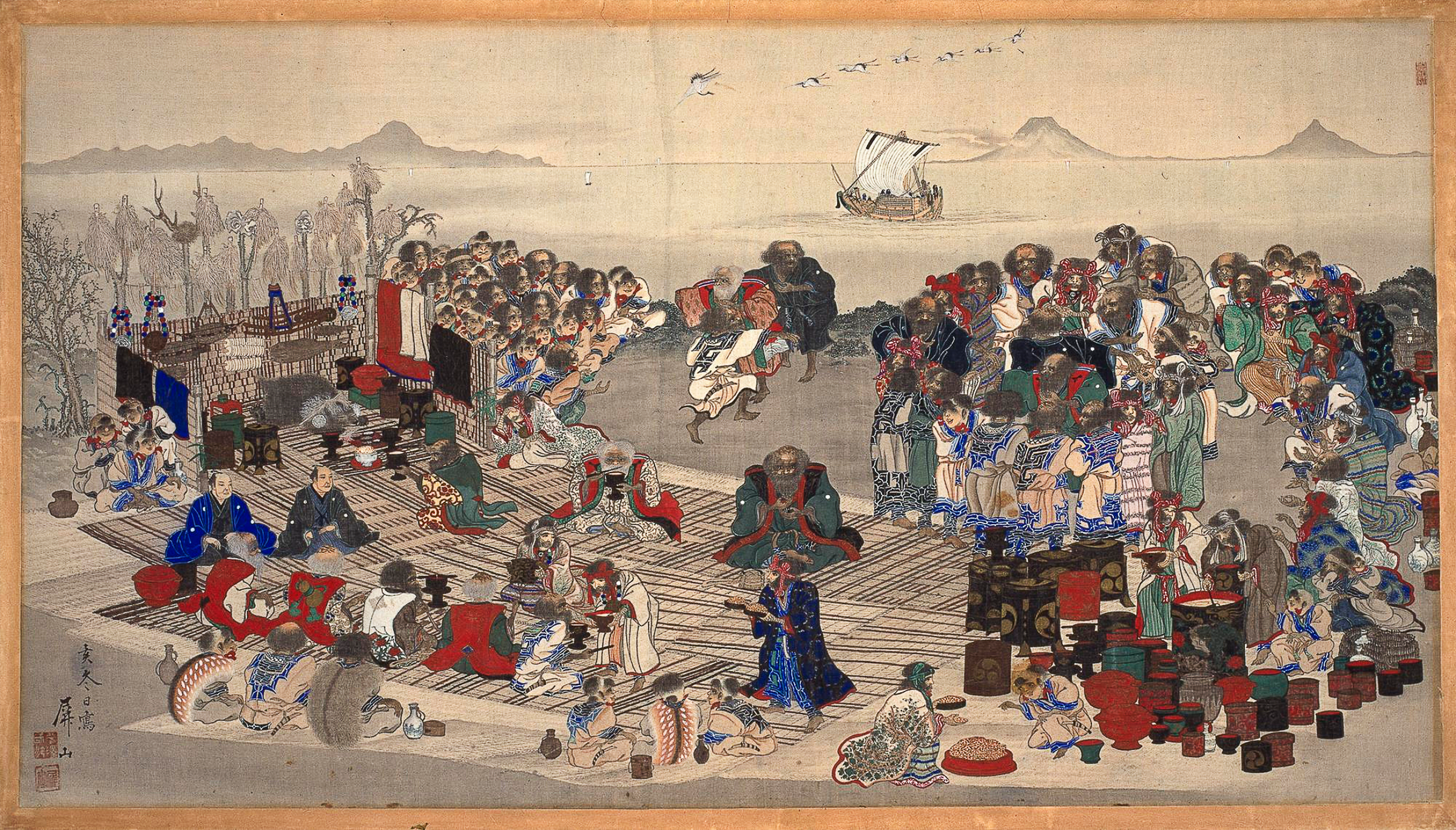
Ainu “iyomante” bear-sending ceremony. Hirasawa Byozan. CC0.
If you are ever visiting Hokkaido, you should take some time to visit the Upopoy National Ainu Museum and Park, upopoy meaning “singing together” in the Ainu language. Getting there is just an hour and a half by train from Sapporo and an added 15-minute walk from Shiraoi station. Be sure to check for relevant admission pricing and travel costs when you go.
The museum itself is quite sizable, with multiple buildings and sites that are all within minutes of walking distance from each other. Its central, permanent exhibition can teach much about the practices and beliefs of the Ainu. Be sure to visit the model kotan, meaning “village” in Ainu, which shows how the Indigenous group lived day to day. There are also traditional performances lasting about 30 minutes at the Cultural Exchange Hall; check local guides to see what performances are happening that day, when and where.
Ryoko Tahara, founder and president of the Ainu Women’s Association, explains that dancing and performances have been an excellent way to get people interested in learning about Ainu culture. In her own words, “If I try to tell people about Ainu rights and empowerment, no-one is interested. But when people see our dancing or music, it makes them interested in learning more about us.”
Tahara is one of many Ainu activists who, over the course of decades, have fought to protect Ainu rights and identity. Perhaps most notable of all was Kayano Shigeru, Japan’s first Ainu representative in the Japanese parliament, elected in 1994.
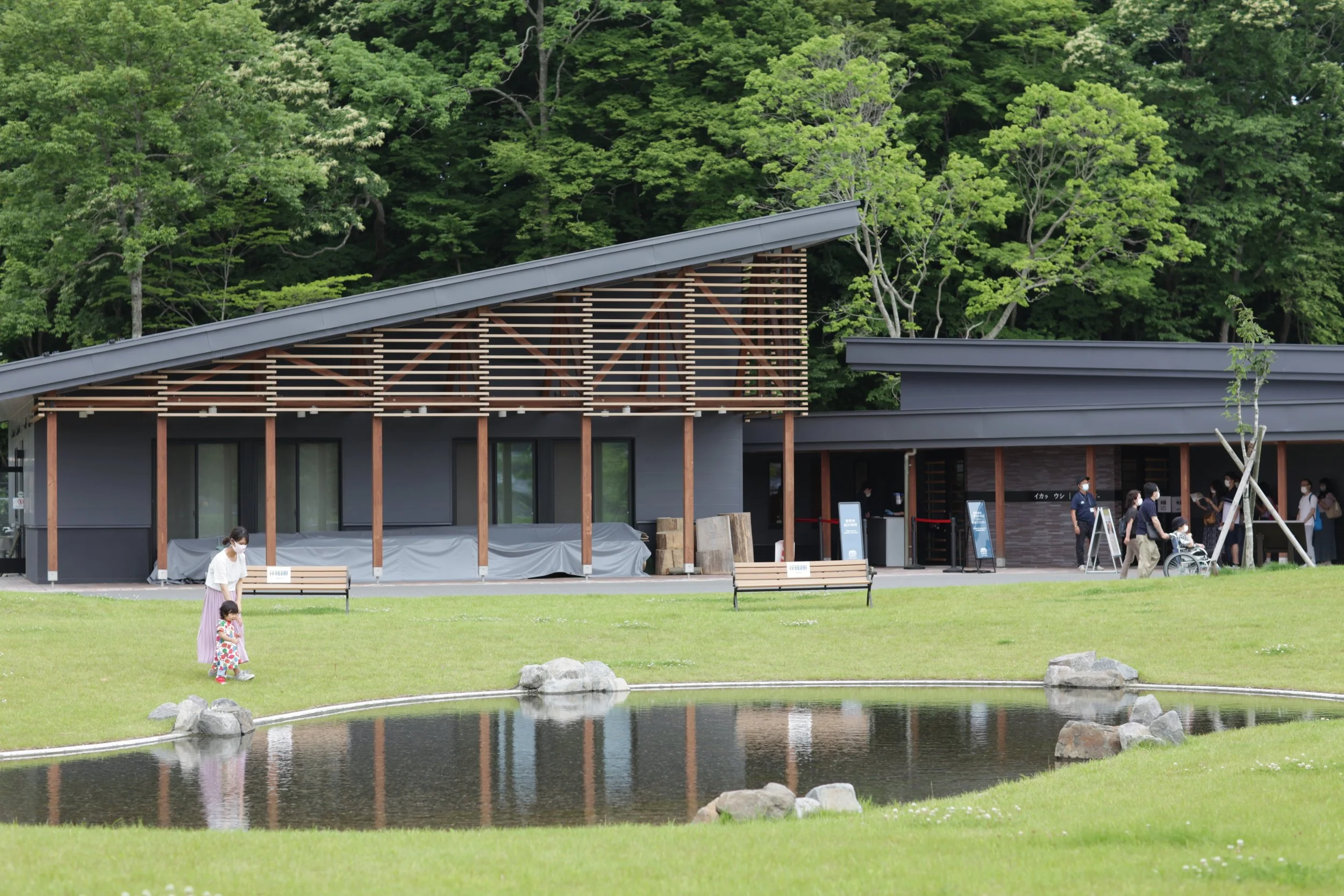
Upopoy museum grounds. NIDEONICS. Pixabay.
Some Ainu activists criticize the Upopoy museum as another example of Japanese exploitation of Ainu lands, culture and Indigeneity. Criticisms often note that the museum erases the colonial history and role of Japan.
Kunihiko Yoshida, a professor of law at Hokkaido University, points out, “The Ainu still cannot fish their salmon and dams are still being built that submerge sacred sites. There’s no self-determination, no collective rights and no reparations. It’s just a cultural performance.”
The Upopoy museum is not the only one of its kind. For example, there is the Kawamura Kaneto Ainu Memorial Museum in Asahikawa. Established in 1916, it is the oldest Ainu cultural museum. There are many more like them scattered across the island of Hokkaido, be they museums or preservation sites.
However, not all Ainu are entirely critical of the wider recognition, such as Tomoe Yahata, an Ainu worker at the Upopoy museum. Yahata recalls meeting people who were proud to be Indigenous in Hawaii and said that she wanted “to become like that.” For her, working at the museum is part of that pride.
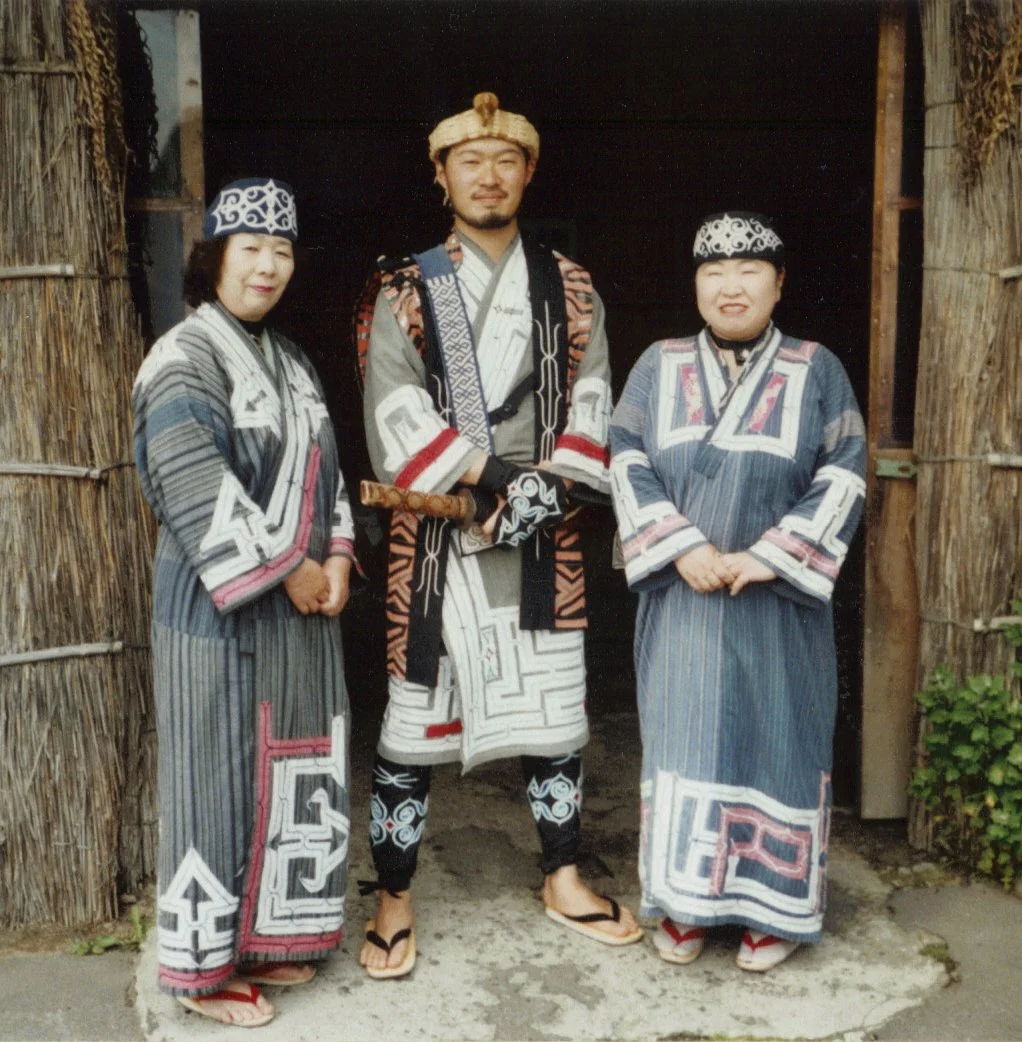
Modern Ainu in traditional dress. Torbenbrinker. CC BY-SA 3.0.
Indeed, the Ainu have entered wider Japanese consciousness in recent years, and not just in political discourse. Examples of wider media attention include the popular action-adventure manga, “Golden Kamuy,” which dives into Ainu culture.
Tahara, when speaking about the wider recognition of the Ainu people in recent years, said, “That makes me proud that people will know about the Ainu, but there is still work to be done.”
GET INVOLVED:
The Upopoy museum and other sites dedicated to the Ainu are great ways to begin learning about the Ainu, but there are also other methods to learn more about the culture and its people, including directly listening to Ainu activist groups.
Examples of activist groups include the historically significant Ainu Association of Hokkaido, founded in 1946, which still engages in political activism. There are modern groups, such as AinuToday, which raise awareness of ongoing political issues faced by the Indigenous people. There is also Ainu in Diaspora, a community that discusses Japanese-American Ainu and is associated with Tahara’s Ainu Women’s Association.
All of these groups, and those like them, emphasize the living nature of the Ainu people, pushing for more than just preservation of their culture. Many seek greater protections and, most importantly, the ability to engage in their traditions once again.

Caleb Yamamura
Caleb is from New York City, and is currently an undergrad at Vassar College, majoring in History and Psychology. He is also an avid traveler, having visited countries on each continent with his family (save for Antarctica… of course). He has a profound love for learning about the world, its cultures and people, and is happy to have the opportunity to share what he has learned about.