
Kennedy Kiser
In Chiapas, Mexico, Zapatista-run community radio stations preserve Mayan languages, report local issues and bypass state-controlled narratives.
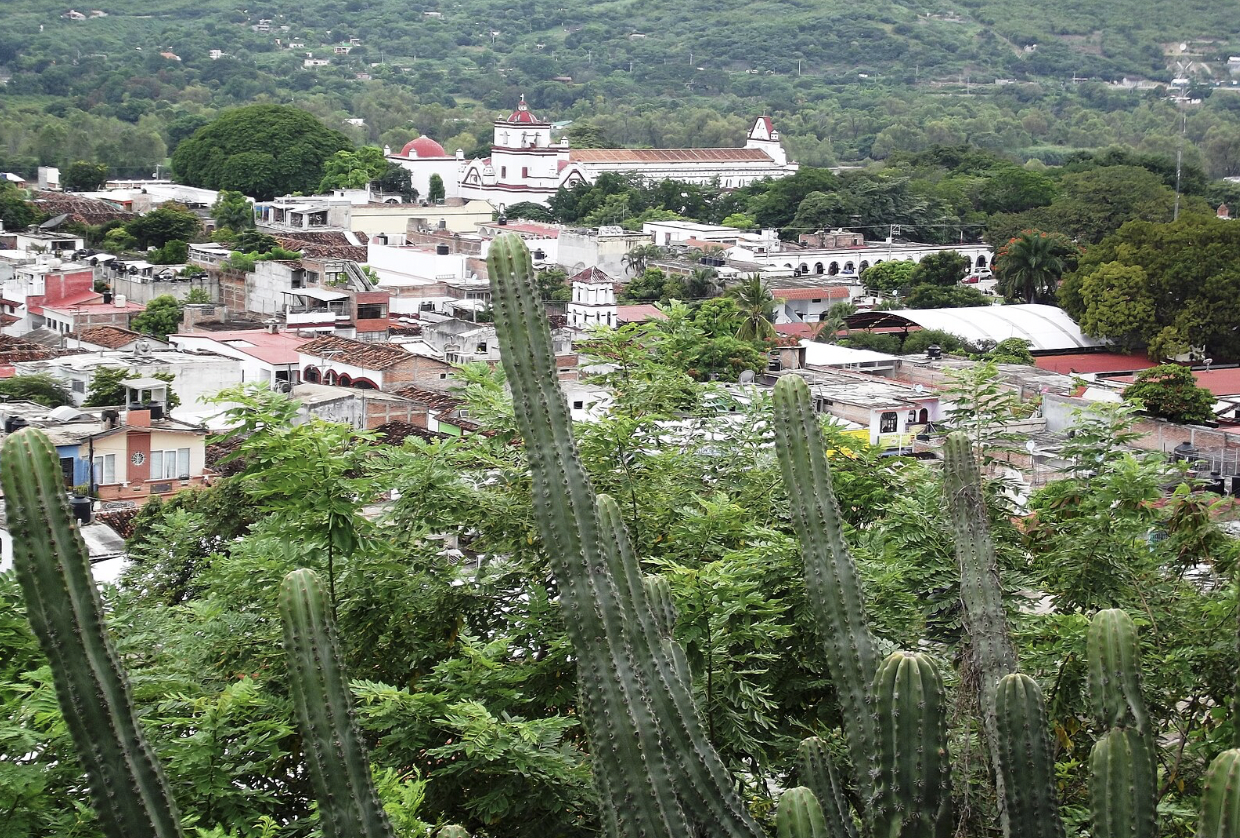
Chiapa de Corzo, Chiapas, Mexico. Nacasma. CC BY 3.0.
In the rural mountains and jungles of Mexico’s southernmost state of Chiapas, radio signals are doing the work that broadband and national news never have. Across autonomous Zapatista communities, a network of unlicensed radio stations is broadcasting in Indigenous languages, sharing oral history and coordinating grassroots resistance.
The Zapatistas, largely Mayan Indigenous people from Chiapas, formed a political and cultural movement that declared autonomy from the Mexican government on Jan. 1, 1994. That date was no coincidence; it marked the day the North American Free Trade Agreement (NAFTA) went into effect. The treaty, signed by Mexico, the United States and Canada, promised economic growth through the elimination of trade barriers. But for many rural and Indigenous communities in Mexico, it signaled the opposite: a death sentence for local farming and land rights. NAFTA opened the door to cheap, subsidized U.S. agricultural imports, which undercut small-scale Mexican producers. It also encouraged privatization of communal lands and deepened inequality in already-marginalized regions. In response, the Zapatista Army of National Liberation (EZLN) staged an armed uprising, seizing towns and government buildings to demand Indigenous sovereignty, land reform and an end to neoliberal economic policies. Though the initial conflict faded, the movement endured. Over the decades, Zapatista communities have developed an alternative system of governance centered on local assemblies, collective land ownership and autonomous education and health care, rejecting state intervention in favor of grassroots control.
These same principles guide their approach to communication. In the absence of state infrastructure and with limited internet access, Zapatista communities have built their own low-wattage radio stations, operating without government permission. Stations like Radio Insurgente and others, often unnamed or renamed to avoid detection, are maintained by volunteer crews and powered by solar panels, generators or car batteries. They function as lifelines in regions where state-run media coverage is sparse, distorted or entirely absent.
The broadcasts are often multilingual: Spanish, Tzotzil, Tzeltal and other Mayan languages are used interchangeably. This linguistic flexibility is not simply cultural preservation; it’s political. Programming includes educational lessons, health advice, weather updates, oral storytelling, music and reports on military or paramilitary activity. Importantly, it also contains commentary on government policy and land rights, topics that mainstream outlets frequently sideline or filter.
Unlike official radio stations, these Zapatista broadcasts are not driven by ratings or ad revenue. Instead, they are defined by local need. Some play archival testimonies from elders. Others cover legal rights training or agroecology methods. Young broadcasters are often trained through workshops organized by regional media collectives that support Indigenous self-representation.
While shortwave and FM signals may seem outdated elsewhere, they remain practical and trusted in rural Chiapas. Radio doesn’t require expensive phones or cellular data. It also sidesteps digital surveillance, something many Zapatistas see as a threat to their autonomy.
Though low-profile, these radio stations have drawn government scrutiny. Mexico’s Federal Telecommunications Institute has periodically targeted unlicensed broadcasters across the country, and some Zapatista stations have faced equipment seizures. Still, enforcement is difficult in the terrain of Chiapas, where road access is limited and communities are closely knit.
What makes this broadcasting network unique is not its reach but its role. In communities that have historically been marginalized, misrepresented or erased, Zapatista radio offers a rare platform where Indigenous voices control the narrative. Rather than react to outside coverage, they create their own.
The content is not always overtly political, but it is always deliberate. When listeners tune in, they hear a version of their world that is grounded in their language, land and experience. That alone makes the signal worth protecting.
GET INVOLVED:
Want to better understand how Indigenous media resists state control in southern Mexico? Here are a few ways to stay informed and engaged:
Follow and Share: Stay updated on Zapatista communities and Indigenous organizing in Chiapas by following groups like @RadioZapatista on social media. Look for grassroots media accounts that post multilingual broadcasts, community updates and firsthand commentary.
Support Indigenous Media: Donate to collectives like Promomedios or the Chiapas Media Project, which provide tools, training and visibility for Indigenous filmmakers and radio broadcasters. These initiatives rely on outside support to repair transmitters, replace gear and archive broadcasts.
Stay Informed: Read the EZLN communiques for direct insight into Zapatista goals and political frameworks. For broader context on Mexico’s Indigenous rights struggles, explore reporting from NACLA, Al Jazeera’s Latin America section, or Latin Dispatch at NYU.
Kennedy Kiser
Kennedy is an English and Comparative Literature major at UNC Chapel Hill. She’s interested in storytelling, digital media, and narrative design. Outside of class, she writes fiction and explores visual culture through film and games. She hopes to pursue a PhD and eventually teach literature! @kennedy_kiser