
Rwanda’s political culture is shaped by the aftermath of the 1994 genocide, where roughly 800,000 people—mostly Tutsi—were killed. The violence unfolded over the course of about 100 days after the plane carrying President Juvénal Habyarimana was shot down on April 6, 1994, an event that triggered a coordinated campaign of mass killing. Extremist Hutu leaders, along with militias like the Interahamwe and elements of the national army, organized and carried out systematic slaughter using roadblocks, house-to-house searches, and widespread incitement through radio broadcasts that dehumanized Tutsi as enemies. Neighbors were often forced to turn against neighbors, and many moderate Hutu who opposed the violence were also targeted and killed. The genocide ended in July 1994 when the Tutsi-led Rwandan Patriotic Front took control of the country, but not before hundreds of thousands had been murdered and millions displaced.
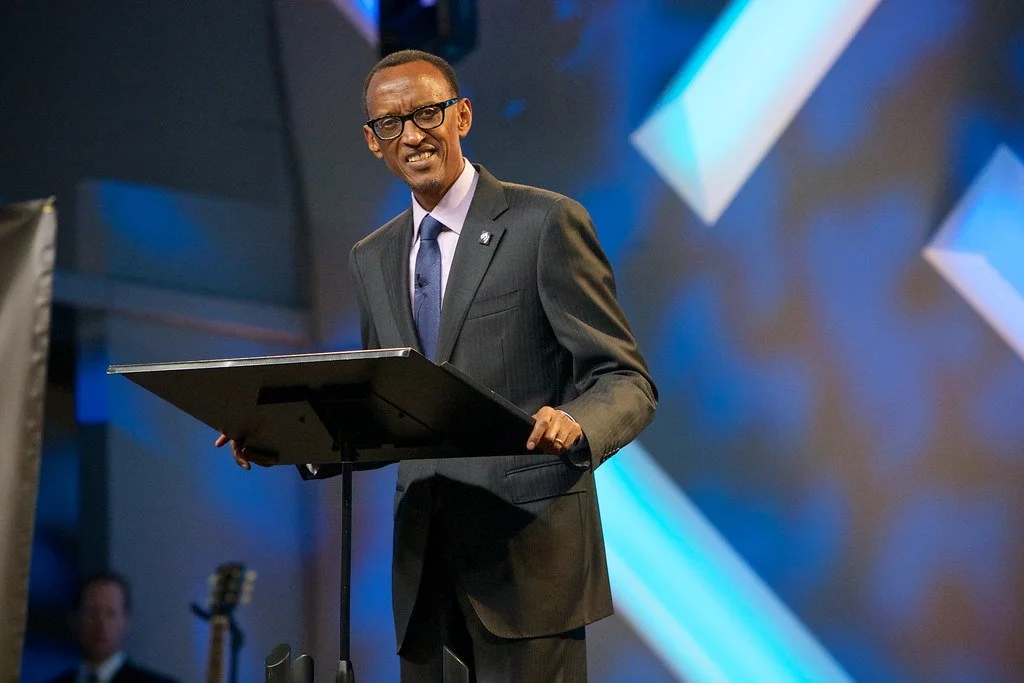
The government has made national unity, anti-divisionism, and reconciliation into the country's new foundation. Laws prohibit divisionism or genocide ideology, so discussing ethnic identity (Hutu vs. Tutsi) in public or political terms is strongly discouraged.
Rwanda has a long history of involvement in the Democratic Republic of Congo (DRC), beginning with invasions in the late 1990s during the Congo Wars. Today, tensions remain high. In recent years, the United Nations has accused Rwanda of supporting a rebel group called M23 in Eastern Congo. In early 2025, this group captured Goma and Bukavu, major cities in the Congo, that forced thousands of people to flee the area.The United Nations has called upon Rwanda to pull back troops but the Rwandan government has denied any involvement in the conflict.
In June 2025, Rwanda signed a United States brokered peace deal with the Democratic Republic of Congo where they pledged to withdraw troops and promote regional stability. However, rebel violence has caused global doubt in the deal's effectiveness. Rwanda also has recently agreed to accept U.S migrant deportees, drawing international scrutiny, while simultaneously facing diplomatic tensions over their alleged involvement in the East Congo’s conflict.
Rwanda also has recently boosted its international profile by hosting the new African Medicines Agency and leading new conservation efforts for endangered animal and plant life including the relocation of 70 southern white rhinos into Akagera National Park, and large-scale wetland renewals by Volcanoes National Park.
Visitors are advised to avoid all commentary about the political climate. It is looked down upon to criticize the government, the president, or Rwandan politics in public—even in casual conversation, on social media, or with locals (this includes posting on social media after you leave Rwanda). Political activism or commentary by foreigners is not permitted and can lead to deportation or questioning.
Safety
Rwanda is widely regarded as one of the safest and most orderly countries in Africa. Much of this safety and stability is the result of a highly centralized government, which plays a strong role in daily governance. For travelers, that translates into clean, well-maintained streets, low rates of petty crime, and a level of organization that can feel refreshingly efficient compared to other destinations in the region. The capital, Kigali, is especially known for its calm atmosphere, reliable infrastructure, and thoughtful urban planning, making it an easy and welcoming entry point for first-time visitors to East Africa.
For visitors, that sense of safety is felt day to day. It’s common to walk around Kigali at night in well-trafficked areas, use moto-taxis or ride-hailing apps with confidence, and move between cities on well-maintained roads. Police presence is visible but generally non-intrusive, and there’s a strong cultural emphasis on order, cleanliness, and respect for public spaces. While standard travel precautions still apply—as they would anywhere—many travelers are struck by how comfortable and secure they feel navigating Rwanda independently, even on a first visit.