Nature and Parks

Rwanda holds some of nature's greatest treasures. With endless rolling hills to explore and 4 national parks, the possibilities are endless.
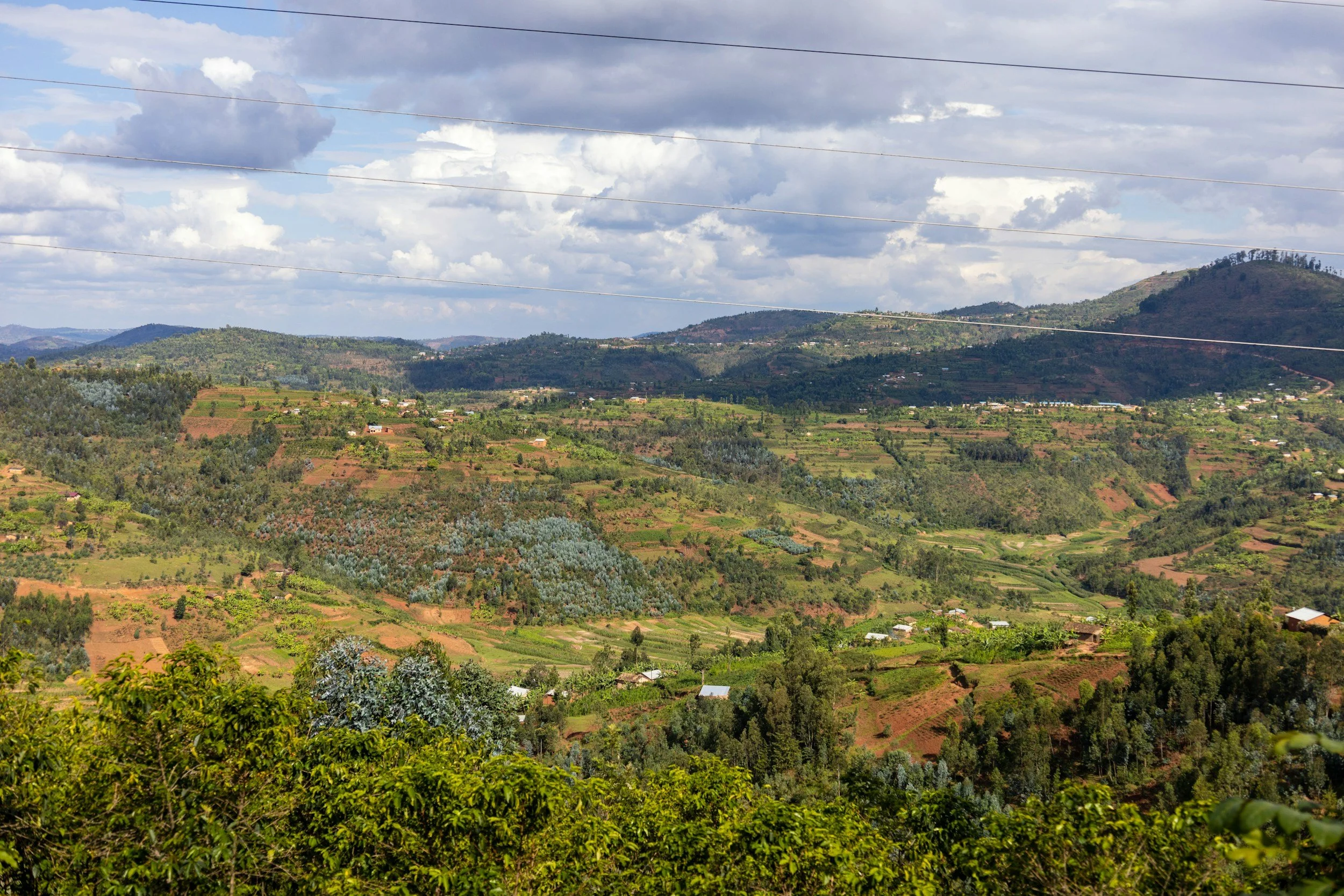
Volcanoes National Park

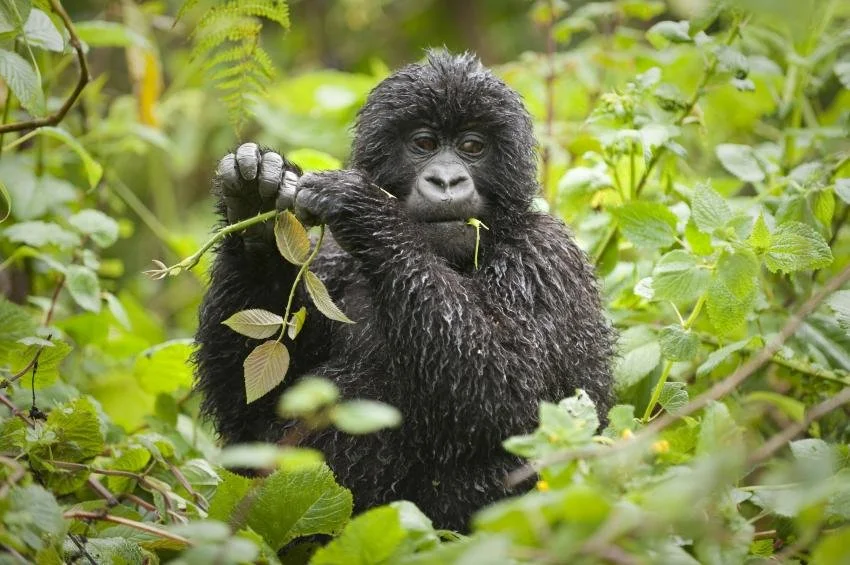
Volcanoes National Park: Located in northwestern Rwanda (near Musanze), this park is known as the crown jewel of Rwandan tourism. Best known for gorilla trekking,visitors can spend a precious hour observing these rare primates in their natural habitat.  Make sure to book gorilla trekking in advance, because it is a heavily sought after attraction and permits are limited. The park also hosts golden monkeys and hundreds of other species such as forest elephants and spotted hyenas. Guests may also take volcano hikes and catch a glimpse of Mount Bisoke Crater. Beyond wildlife, the park is deeply tied to conservation history. Dian Fossey conducted her groundbreaking gorilla research within the park
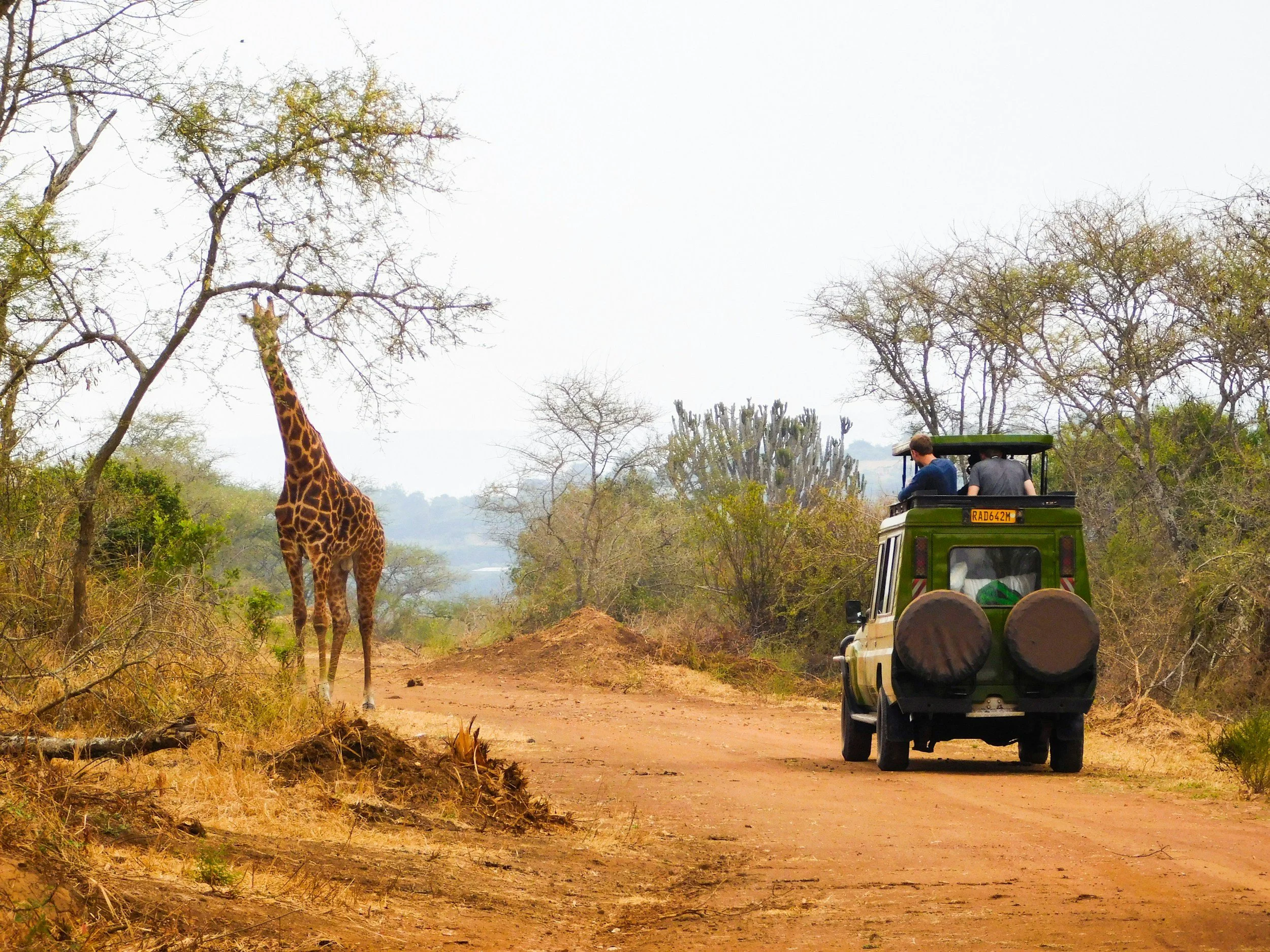
Giraffe in Akagera National Park

Akagera National Park: Located in eastern Rwanda, this park has been restored through large conservation efforts and is now a location where you can have a traditional African safari experience and see the big 5 (lions. elephants, rhinos, buffalo, leopards). The diverse landscape—savannah plains, wetlands, and rolling hills—makes game drives and boat safaris along Lake Ihema especially rewarding and makes for an incredible photography spot, and a chance to get close to some of the world's rarest animal species including the shoebill stork and 500 other birds. Akagera’s mix of conservational education and sightseeing truly allows for the full safari experience while avoiding large crowds in your own safari truck. 
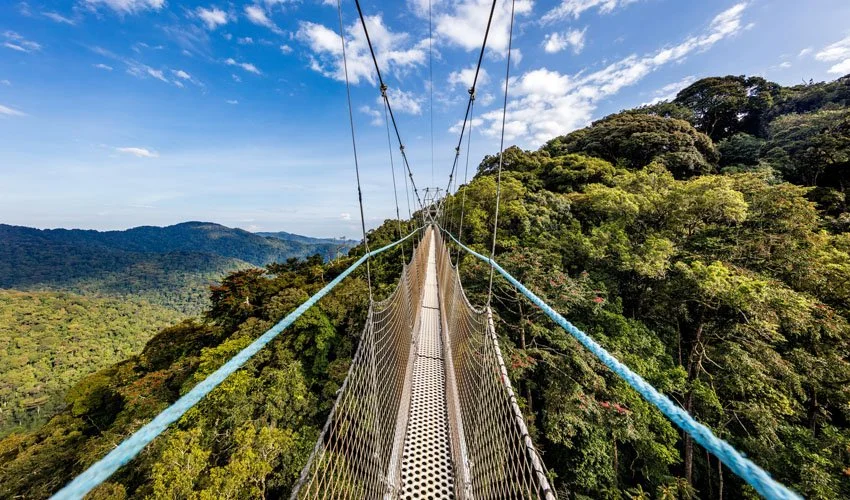
Canopy walk at Nyungwe National Park

Nyungwe National Park: In southwestern Rwanda, Nyungwe is one of Africa’s oldest rainforests. Home to 13 primate species, including the famous chimpanzees and colobus monkeys, there is always someone hanging around. Another highlight of the park is the suspended canopy walk that stands 50 meters above ground, giving viewers a stunning view of the lush jungle. Rainforest hikes often lead to breathtaking waterfalls that will make your visit unforgettable
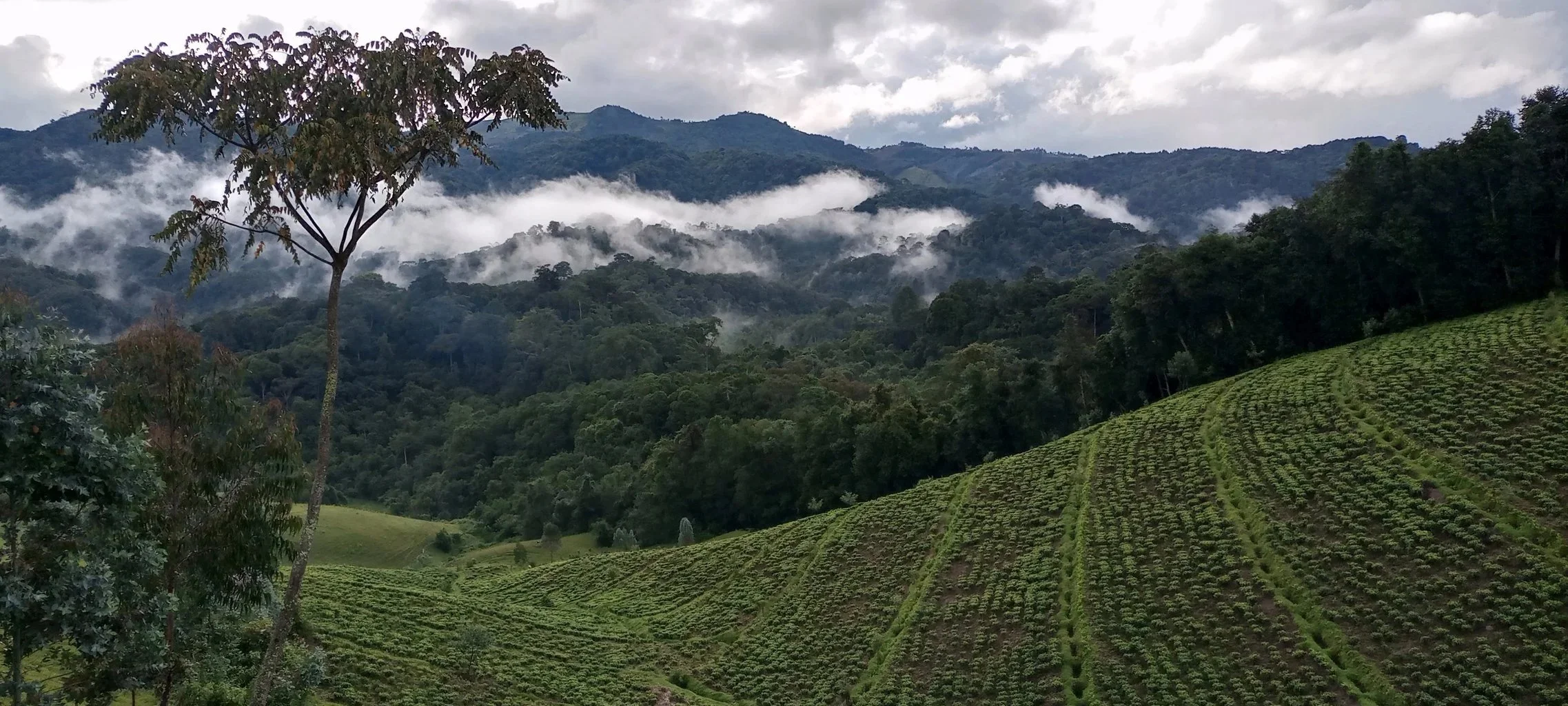
Gishwati-Mukura National Park:

Gishwati-Mukura National Park: Located in western Rwanda between Lake Kivu and Nyungwe, this park serves as a hub for conservation and biodiversity. It is Rwanda's youngest and most underrated park that tells a powerful story of regrowth and ecological restoration after decades of deforestation. Due to its youth, treks are often less crowded here, making for a more personal connection with nature and the many species of wildlife. This park offers picture perfect views of Golden Monkeys and lush trees. Beyond wildlife, Gishwati-Mukura represents Rwanda’s broader commitment to conservation, offering travelers the chance to witness recovery in action while supporting local communities who help steward the park.
Politics and Safety

Rwanda’s political culture is shaped by the aftermath of the 1994 genocide, where roughly 800,000 people—mostly Tutsi—were killed. The violence unfolded over the course of about 100 days after the plane carrying President Juvénal Habyarimana was shot down on April 6, 1994, an event that triggered a coordinated campaign of mass killing. Extremist Hutu leaders, along with militias like the Interahamwe and elements of the national army, organized and carried out systematic slaughter using roadblocks, house-to-house searches, and widespread incitement through radio broadcasts that dehumanized Tutsi as enemies. Neighbors were often forced to turn against neighbors, and many moderate Hutu who opposed the violence were also targeted and killed. The genocide ended in July 1994 when the Tutsi-led Rwandan Patriotic Front took control of the country, but not before hundreds of thousands had been murdered and millions displaced.

The government has made national unity, anti-divisionism, and reconciliation into the country's new foundation. Laws prohibit divisionism or genocide ideology, so discussing ethnic identity (Hutu vs. Tutsi) in public or political terms is strongly discouraged.

Rwanda has a long history of involvement in the Democratic Republic of Congo (DRC), beginning with invasions in the late 1990s during the Congo Wars. Today, tensions remain high. In recent years, the United Nations has accused Rwanda of supporting a rebel group called M23 in Eastern Congo. In early 2025, this group captured Goma and Bukavu, major cities in the Congo, that forced thousands of people to flee the area.The United Nations has called upon Rwanda to pull back troops but the Rwandan government has denied any involvement in the conflict.  

In June 2025, Rwanda signed a United States brokered peace deal with the Democratic Republic of Congo where they pledged to withdraw troops and promote regional stability. However, rebel violence has caused global doubt in the deal's effectiveness. Rwanda also has recently agreed to accept U.S migrant deportees, drawing international scrutiny, while simultaneously facing diplomatic tensions over their alleged involvement in the East Congo’s conflict.

Rwanda also has recently boosted its international profile by hosting the new African Medicines Agency and leading new conservation efforts for endangered animal and plant life including the relocation of 70 southern white rhinos into Akagera National Park, and large-scale wetland renewals by Volcanoes National Park. 

Visitors are advised to avoid all commentary about the political climate. It is looked down upon to criticize the government, the president, or Rwandan politics in public—even in casual conversation, on social media, or with locals (this includes posting on social media after you leave Rwanda). Political activism or commentary by foreigners is not permitted and can lead to deportation or questioning.

Safety 

Rwanda is widely regarded as one of the safest and most orderly countries in Africa. Much of this safety and stability is the result of a highly centralized government, which plays a strong role in daily governance. For travelers, that translates into clean, well-maintained streets, low rates of petty crime, and a level of organization that can feel refreshingly efficient compared to other destinations in the region. The capital, Kigali, is especially known for its calm atmosphere, reliable infrastructure, and thoughtful urban planning, making it an easy and welcoming entry point for first-time visitors to East Africa.

For visitors, that sense of safety is felt day to day. It’s common to walk around Kigali at night in well-trafficked areas, use moto-taxis or ride-hailing apps with confidence, and move between cities on well-maintained roads. Police presence is visible but generally non-intrusive, and there’s a strong cultural emphasis on order, cleanliness, and respect for public spaces. While standard travel precautions still apply—as they would anywhere—many travelers are struck by how comfortable and secure they feel navigating Rwanda independently, even on a first visit.

Bars and Nightlife

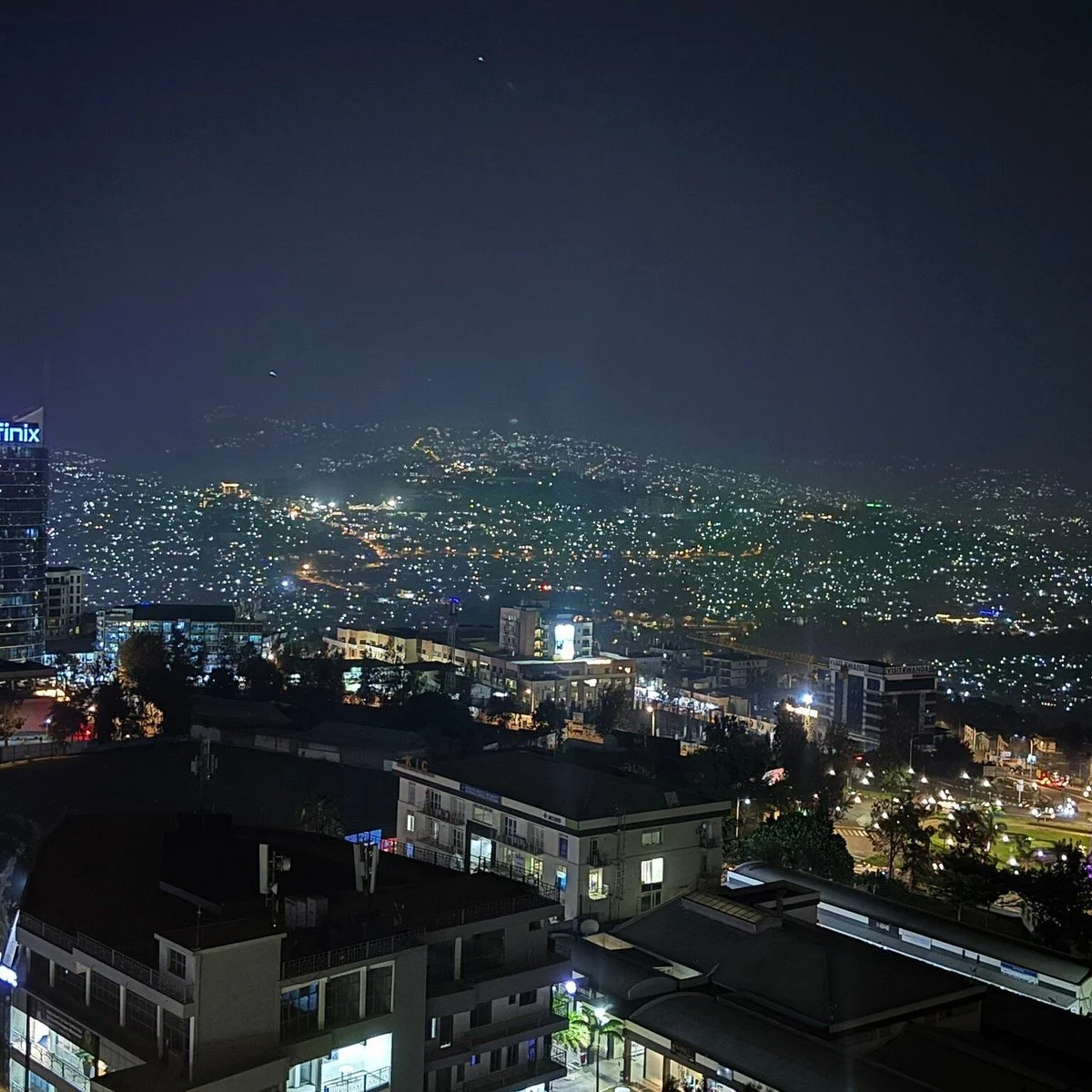
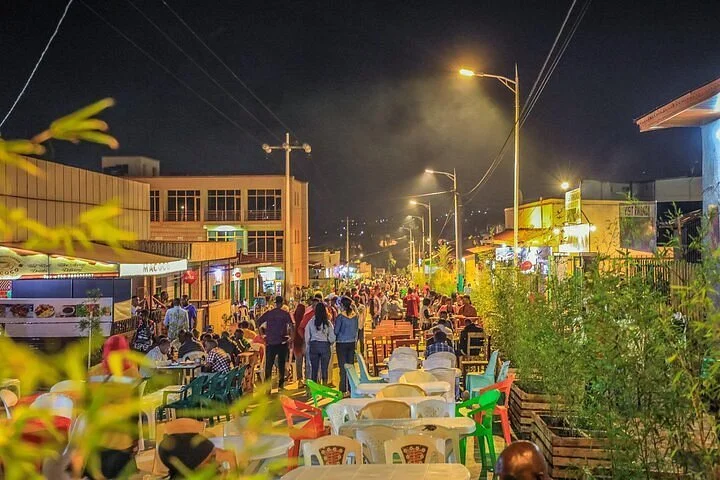
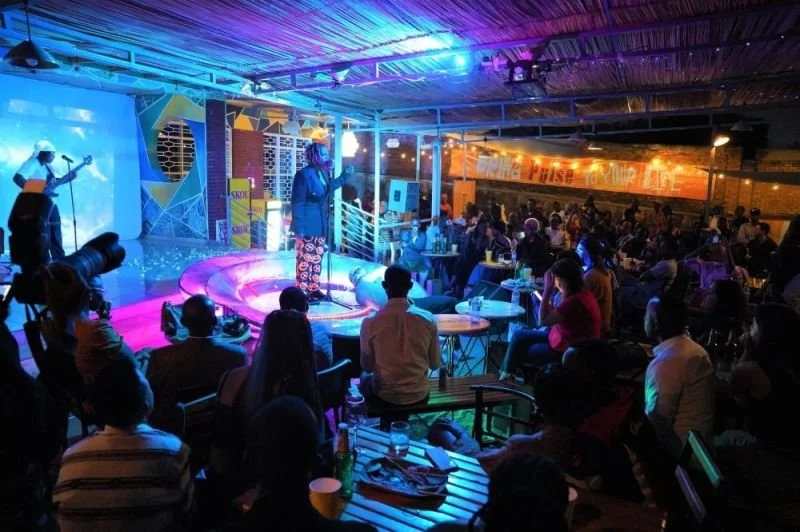
While Rwanda is globally recognised for its natural beauty and peaceful atmosphere, the nightlife scene is bursting in Kigali. From rooftop bars to high-energy dance clubs, there is something for everyone's taste. 

Recommended Bars, Clubs and Restaurants

The Envy Nightclub in Kigali is a trendy club in the city. It features themed nights, popular local DJs, and lots of dancing. The dress code for this club is a bit nicer, so be sure to wear your best and expect a lively, stylish crowd. 

For those seeking a unique experience, you can try the Kweza women's brewery in Mundi centre. In Kigali’s first women-led craft brewery, you can try in-house beers, experience trivia nights, and karaoke. 

Nightlife Experiences and Rooftop Bars

Kigali’s skyline is one you don’t want to miss. What better way to view it than from a rooftop bar? In Kigali, Rooftop Rendezvous provides breathtaking city views, Asian fusion dishes, cocktails, and live entertainment. Located inside the Ubumew Grande Hotel, it is a great spot to see the night come to life in Rwanda. 

Insider Tips

Most places require an ID upon entry, and many require an entrance fee and line, so be sure to plan for those occurrences. The legal drinking age in Rwanda is 18 years. 

The best times to visit these nightlife attractions are Friday and Saturday evenings; Sundays tend to be calmer but less crowded. 

Public transport, mototaxis, and cars are recommended as opposed to walking, as it is a safer option; however, public transport options are reduced significantly after dark. The best transport options are ride-hailing apps like Yego Moto or VW Move. These services often run past midnight, while others, such as public buses, stop running at 9:00 pm. 

Gorilla Trekking

Rwanda is one of the few places in the world where visitors can see mountain gorillas in the wild, and Volcanoes National Park is the center of this experience.

Permits and booking: A permit costs 1,500 USD per person (as of 2025) and only about 100 permits are issued daily, so it’s important to book months in advance (6 months is typically recommended) through the Rwanda Development Board or a licensed tour operator.

The trek: Treks can last anywhere from 2 to 6 hours, depending on where the gorilla families are located and groups are limited to 8 visitors per gorilla family, with one hour allowed for viewing. Expect steep, muddy terrain and come prepared to keep a moderately quick walking pace. It is also expected that you prepare for inclement weather due to the rainforest habitat that the gorillas typically reside in. 

What to bring: For a comfortable and productive experience, bring hiking boots, long pants, a rain jacket, gloves, and a walking stick (at times provided at the trailhead). Hiring a porter (local guides and helpers on site) to carry your bag and assist on the hike is highly recommended and supports the community.

Rules and etiquette: While each encounter has its own specifics that will fluctuate between circumstances and guides, general etiquette is to maintain a distance of 23 feet from the gorillas, avoid flash photography, loud noises, or sudden movements. Anyone who is sick will not be allowed to trek to protect the gorillas’ health because they are a protected species. 

Best time to go: Trekking is available year-round, but the dry seasons of June to September and December to February usually offer easier walking conditions and a higher chance of being able to get into the deeper, wetter parts of the rainforest.

Activities and Attractions

Rwanda offers endless opportunities to experience unique attractions that will have lasting memories. Blending culture, adventure, and one-of-a-kind encounters, there is something for everyone no matter where you are.

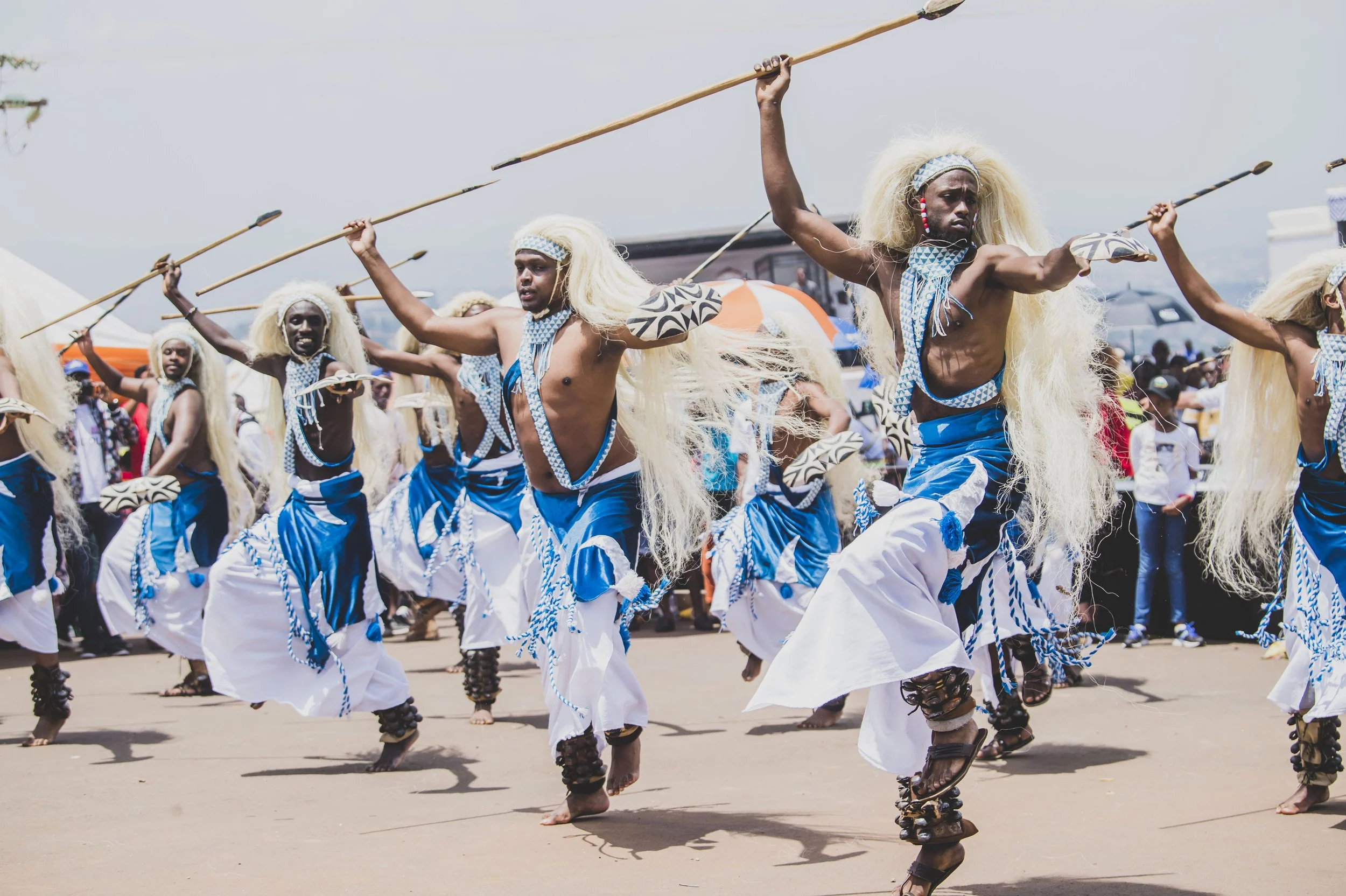
Rwandan men performing a traditional dance called Guhamiriza.

Cultural Attractions

Rwanda’s heart is beating with a rich culture that offers connections from the past, people, and creativity for all who visit. Beginning in Kigali, check out the Inema Arts Center, a lively hub of contemporary African art where you can meet local artists or join a creative workshop and gain new skills.

To dive further into Rwanda’s culture, you can take a visit to the Nyamirambo Women’s Center where they offer walking tours and cooking classes inside of one of Kigali’s oldest neighborhoods. Outside of the city, you can visit Red Rocks Cultural Center in Musanze for basket weaving, cook traditional meals, and a fan favorite -  banana beer brewing.

Kigali Genocide Memorial

Kagali Genocide Memorial.

Also ocated in Kigali, in the Gisozi neighborhood, the memorial is the final resting place for more than 250,000 victims of the 1994 genocide. The experience is thoughtfully curated, guiding visitors through Rwanda’s history, the events of the genocide, and the global context of mass violence. Personal stories, photographs, and preserved artifacts make the scale of loss deeply human and immediate.

What sets the memorial apart is its emphasis not only on remembrance, but on education and prevention. Exhibits draw connections to other genocides around the world, encouraging visitors to reflect on warning signs and the role of international response. The surrounding gardens offer a quiet space for reflection, and many visitors describe the experience as one of the most impactful parts of their time in Rwanda: difficult, but essential for understanding the country today.

Outdoor Activities

Rwanda holds some of the best activities for outdoor thrill and chill seekers. In the southwest, there is the Nyungwe Forest, which is home to some of Africa's only canopy walkways, suspended 50 meters above ancient rainfores,t where you can go chimpanzee tracking, bird watching, or hike to waterfalls in this lush ecosystem. 

For a peaceful escape, unwind at Lake Kivu, especially in Gisenyi or Karongi. This massive lake is perfect for kayaking, swimming, paddleboarding, or just relaxing with a cold drink on the beach. The view from Lake Kivu is perfect for truly seeing the “Land of a Thousand Hills”. 

For the perfect photo spot or place for quiet reflection, catch a sunset at Rebero Hill in Kigali or at any of the many ridge-top viewpoints along Rwanda’s rolling countryside that offer a breathtaking, once-in-a-lifetime view. 

Unique Experiences

Coffee lovers can take bean-to-cup tours at places like Question Coffee Café in Kigali or the Kinunu Coffee Plantation along Lake Kivu. In these unique facilities, you’ll learn how Rwanda’s high-quality coffee beans go from the hillside into your cup—and yes, you’ll definitely taste the difference. 

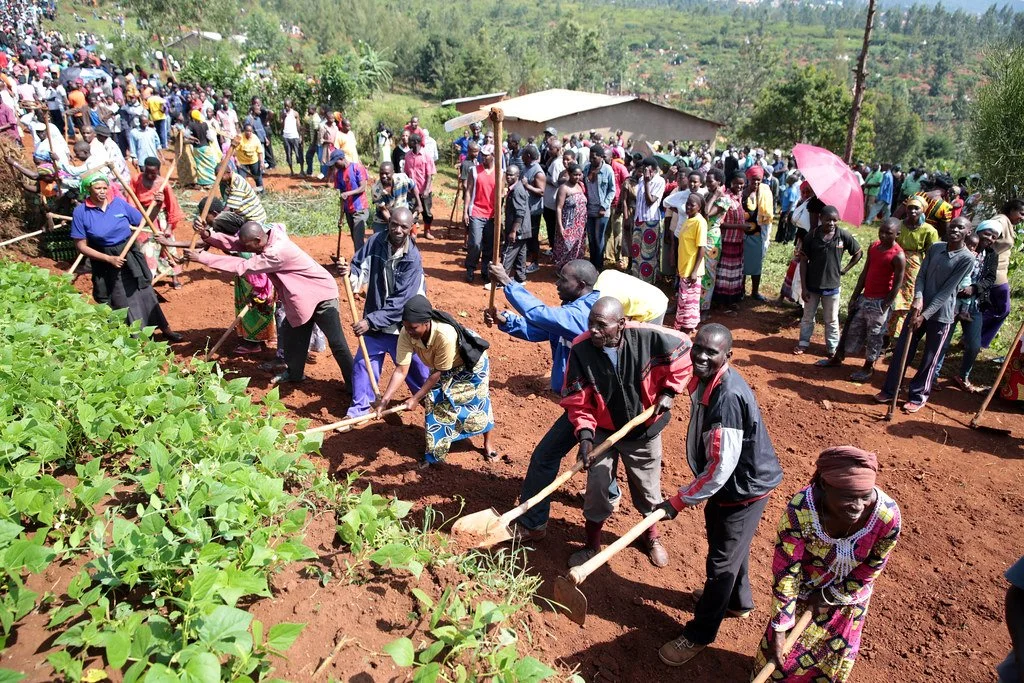
If you happen to be in Rwanda on the last Saturday of the month, you will likely be encouraged by locals to be part of a restoration practice called Umuganda, where community members (and tourists alike) work to clean the streets, plant trees, and work on public projects - this is truly the best way to connect with Rwanda’s people. 

Art and craft lovers should explore Nyundo School of Art, where you can browse or buy Imigongo art—bold, geometric pieces traditionally made from cow dung and natural dyes, now transformed into contemporary décor. A truly fantastic way to learn about sustainable creativity.

Food and Drink

From spicy to sweet, Rwanda has a flavor palate that is ready to wow anyone.

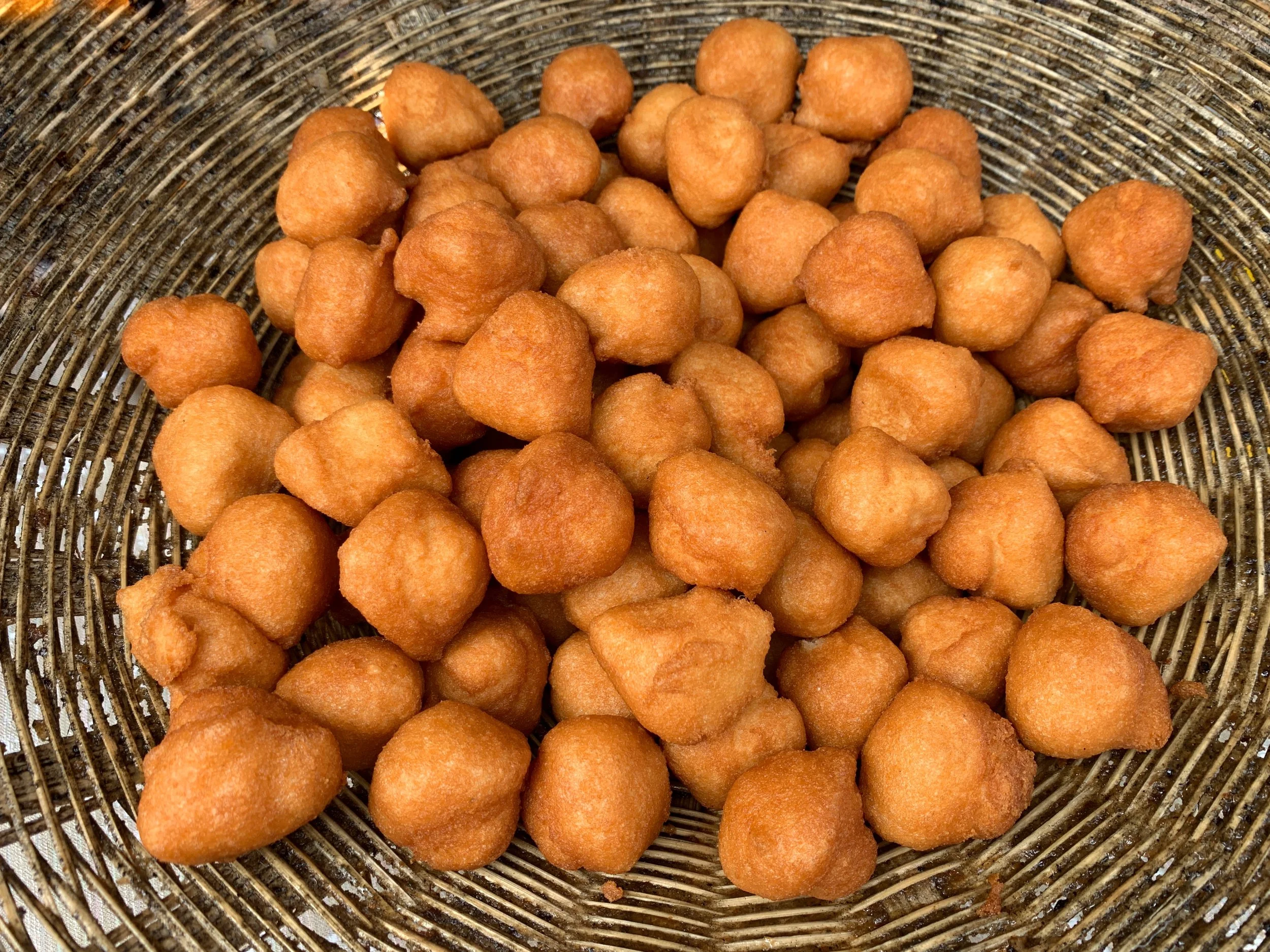
Mandazi

Street Food: Street food is alive and well on the streets of Kigali. Specializing in Brochettes (goat, fish, or beef skewers) from roadside grills, Mandazi (sweet fried dough), sambaza (tiny fried fish), and Chips Mayai (fried potatoes wrapped in an omelet), there is something for everyone! The best places to find these items are right in the Nyamirambo neighborhood in Kigali. 

Mid-Range Dining Experiences: Rwanda has a plentiful number of dining options that are suitable for a mid-range budget that offer vibrant atmospheres and great food. Here are some of the most notable: 

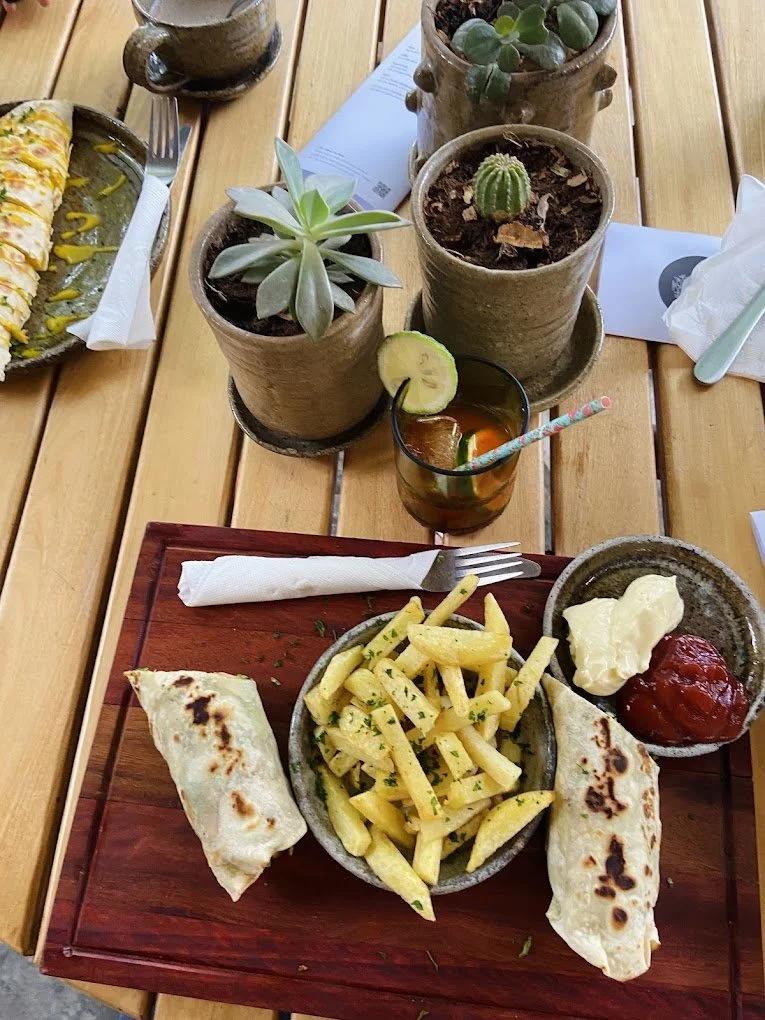
A dish from Indabo Café. Courtsey of Indabo Café.

  • Indabo Café (Kiyovu) is located in Kigali and has stunning views from its unique outdoor seating. Here you can find cuisine from all over the world with a perfect Rwandan twist. (typically about 5-13 RWF, less than $0.01)

  • Khana Khazana is another Rwandan gem found in Kigali. This restaurant is vegetarian-friendly, surrounded by a beautiful garden, and offers authentic Indian dishes in open-air seating. Known for their Subzi taka tin (fried vegetable rounds), and palak paneer (spinach and cheese paneer), your taste buds will be watering. 

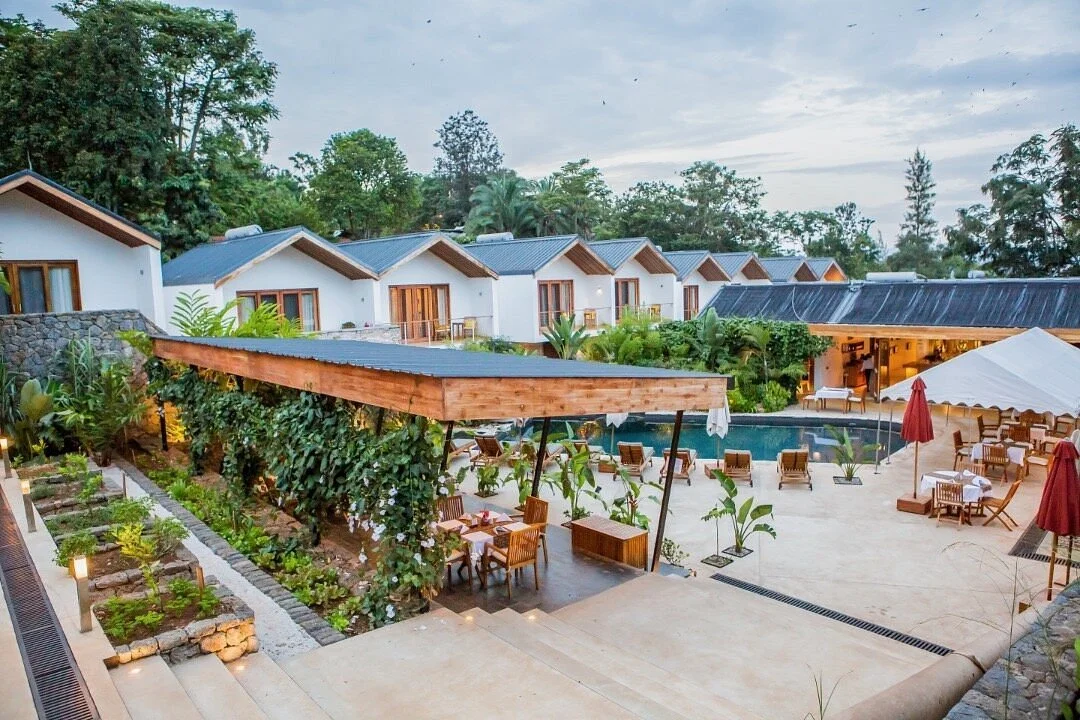
A view of the dining area. Courtesy of Fusion at The Retreat

High End: While the Michelin guide has not yet expanded to East Africa, there are a plentiful number of luxury dining experiences available. One of the most noticeable is Fusion at The Retreat, which specializes in African stews, Rwandan beef, and much more. 

 Local recommendations: 

  • The Repub Lounge in Kigali - A two-story restaurant that focuses on a family-style menu of African cuisines (reservations are needed for parties of 4 or more).

  • Meze Fresh (Kigali) - Rwanda’s “Chipotle” serving customizable meals at or under 10USD.

  • Red Rocks Cultural Center (Musanze) - Eat traditional food prepared by locals, often as part of cultural workshops. For a unique experience, try their famous Banana beer making class!

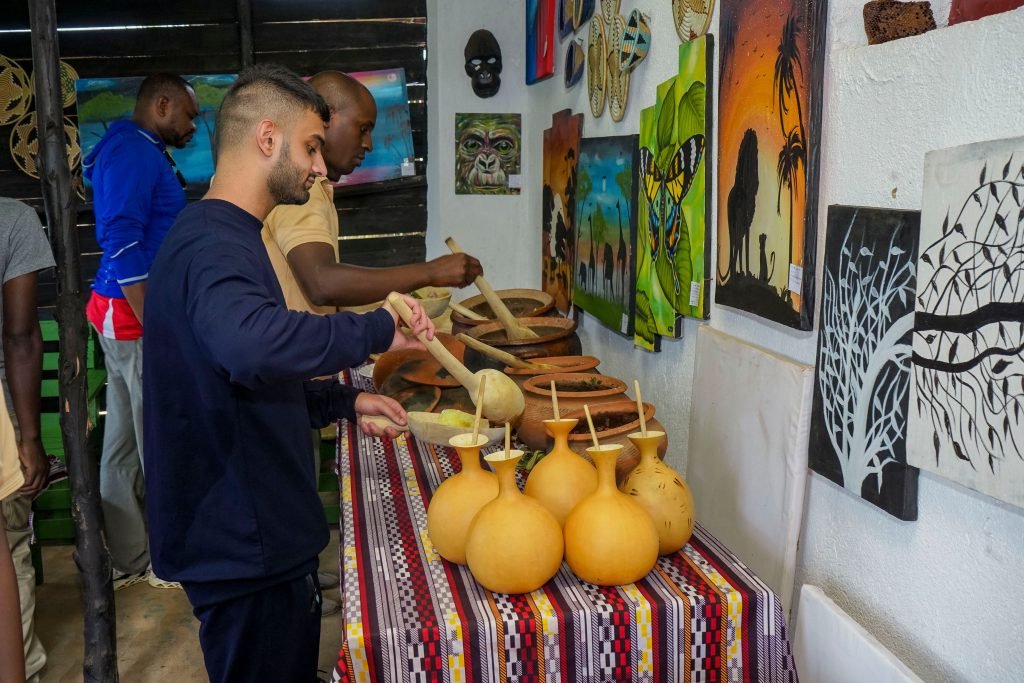
Musanze cooking class. Courtesy of Red Rocks.

Accommodations

No matter your traveling style or budget goal, Rwanda has an amazing selection of places where you can rest, recharge, and connect. From friendly hostels and cozy guesthouses to lush eco-lodges and community-run stays, accommodations here are more than just a bed—they’re part of the experience. Whether you're traveling on a shoestring or splurging on a once-in-a-lifetime gorilla trek, Rwanda offers safe, welcoming, and unforgettable places to be your home away from home. 

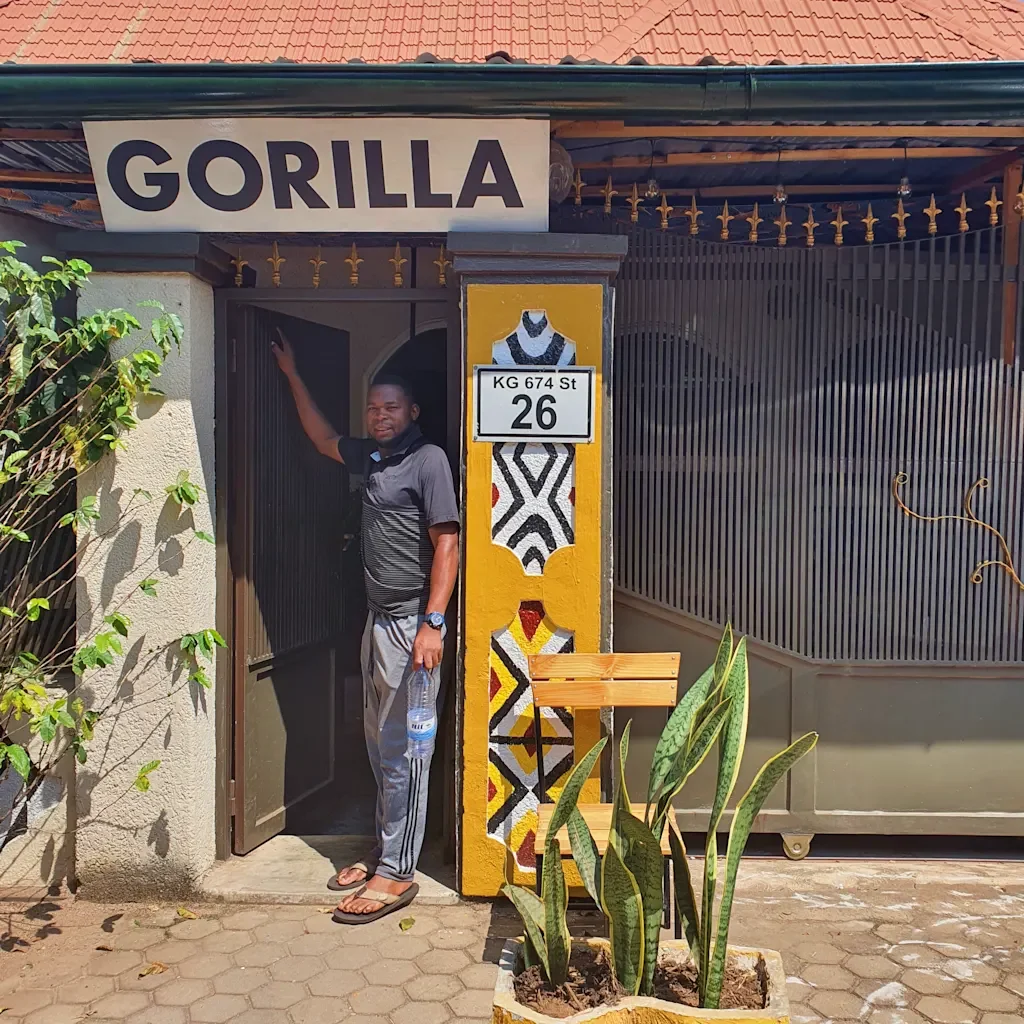
Gorilla Home Stay entrance. Courtesy of Hostelworld.  

Budget: Rwanda has plenty of opportunities to stay in wonderful venues without breaking the bank. One of the best-known is the Gorilla Home Stay in Kigali. For 7-8 USD/night, this stay offers a quick way to nightlife, WI-FI, and so much more. They also offer airport pickups, tours of the city, and an organization of cultural experiences (cooking classes, traditional dances) for a small additional price. Less than a block down the road, you can enjoy a delicious French restaurant with an all-inclusive 3-course lunch and a menu that changes every week. Further down, you'll find more restaurants popular amongst both locals and tourists, as well as a supermarket. Motos and taxis will be right outside to take you on longer distances throughout Kigali (check out the memorials, art centers, and street markets!). The City Center is about 7 minutes by moto, where there's a 24/7 ATM with no withdrawal fees.

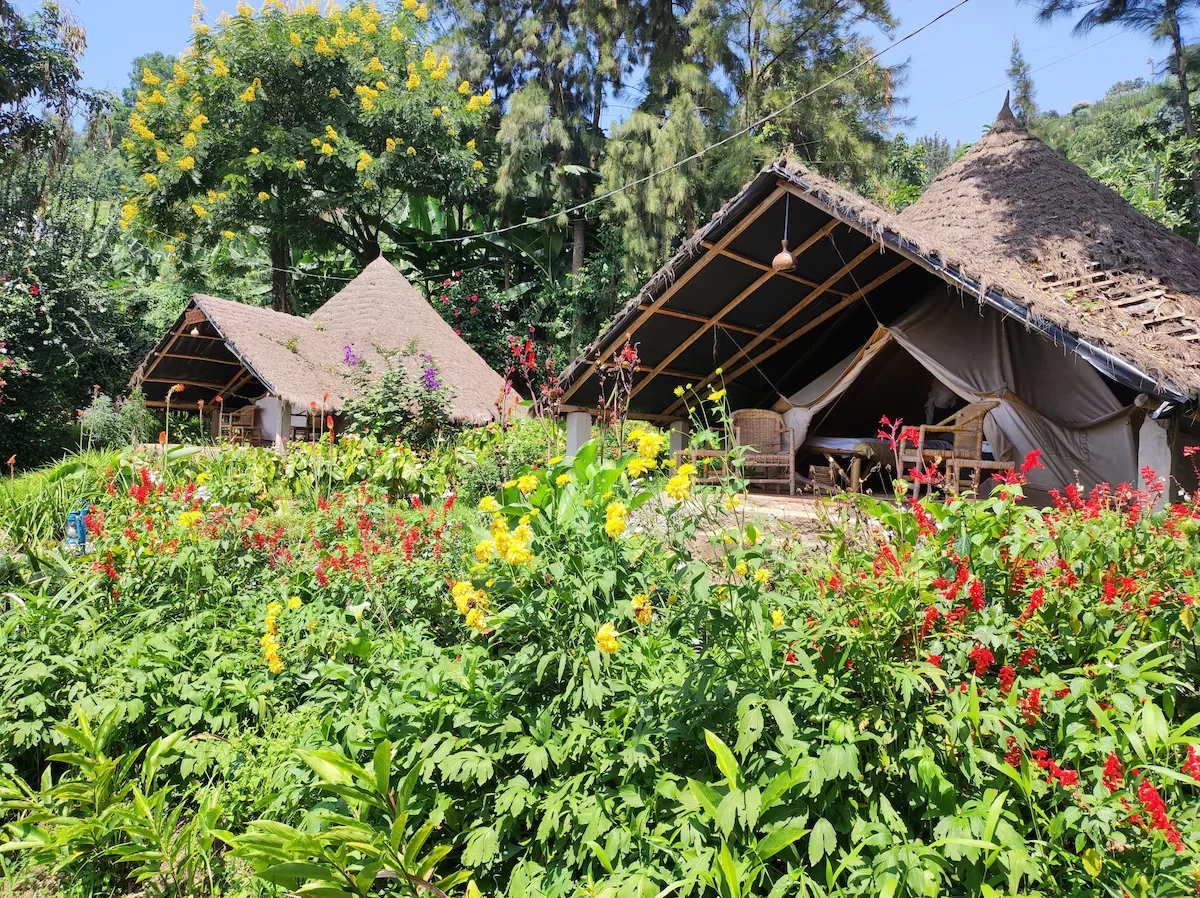
  INZU Lodge Safari Tent option. Courtesy of INZU.

Midrange: For those seeking mid-range accommodations, Rwanda provides luxury experiences for great prices. A choice that stands out is the INZU lodge, offering exceptional service for approximately 51 USD/Night (for two adults) under their Safari Tent reservation. Some accommodations include free WI-FI, free parking, non-smoking rooms, a restaurant, bar, outdoor fireplace, garden, sundeck with hammocks, and laundry services. This hotel is located in the Lake Kivu region, where travelers can enjoy many outdoor activities. Some activities include bicycle rentals, a tour/class about the local culture, hiking, and canoeing. 

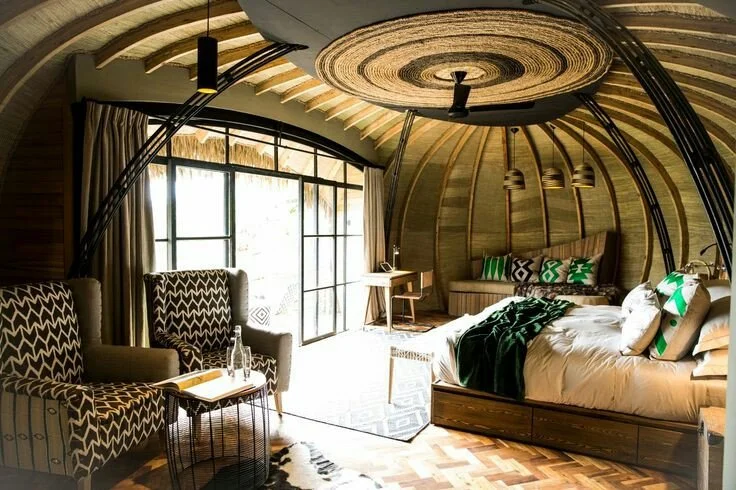
Wilderness Bisate Lodge Luxury Villa. Crookes and Jackson.

Luxury: For an unforgettable eco-friendly adventure, there is none other than the Wilderness Bisate Lodge. This Condé Nast award-winning stay is a top destination for Gorilla encounters. Elevated among the trees like giant bird nests, the six Forest Villas of Wilderness Bisate provide a unique and luxurious stay on the edge of Volcanoes National Park. This is one of the best locations in Africa to start your trek to see the iconic mountain gorillas of the Virungas. This accommodation is only suited for guests 15 and older and is priced around 1300 USD/night. This resort does not just include a luxurious stay in a villa, but a packaged experience that will cover your stay, all meals and select beverages, Use of gym, swimming pool, hot tub, sauna, and yoga terrace at The Retreat by Heaven, guided walks, VIP welcome at the Kigali airport, and so much more.