
By Jeremy Gordon
Christopher Nolan’s new film has put the Moroccan occupation of Western Sahara in the spotlight.
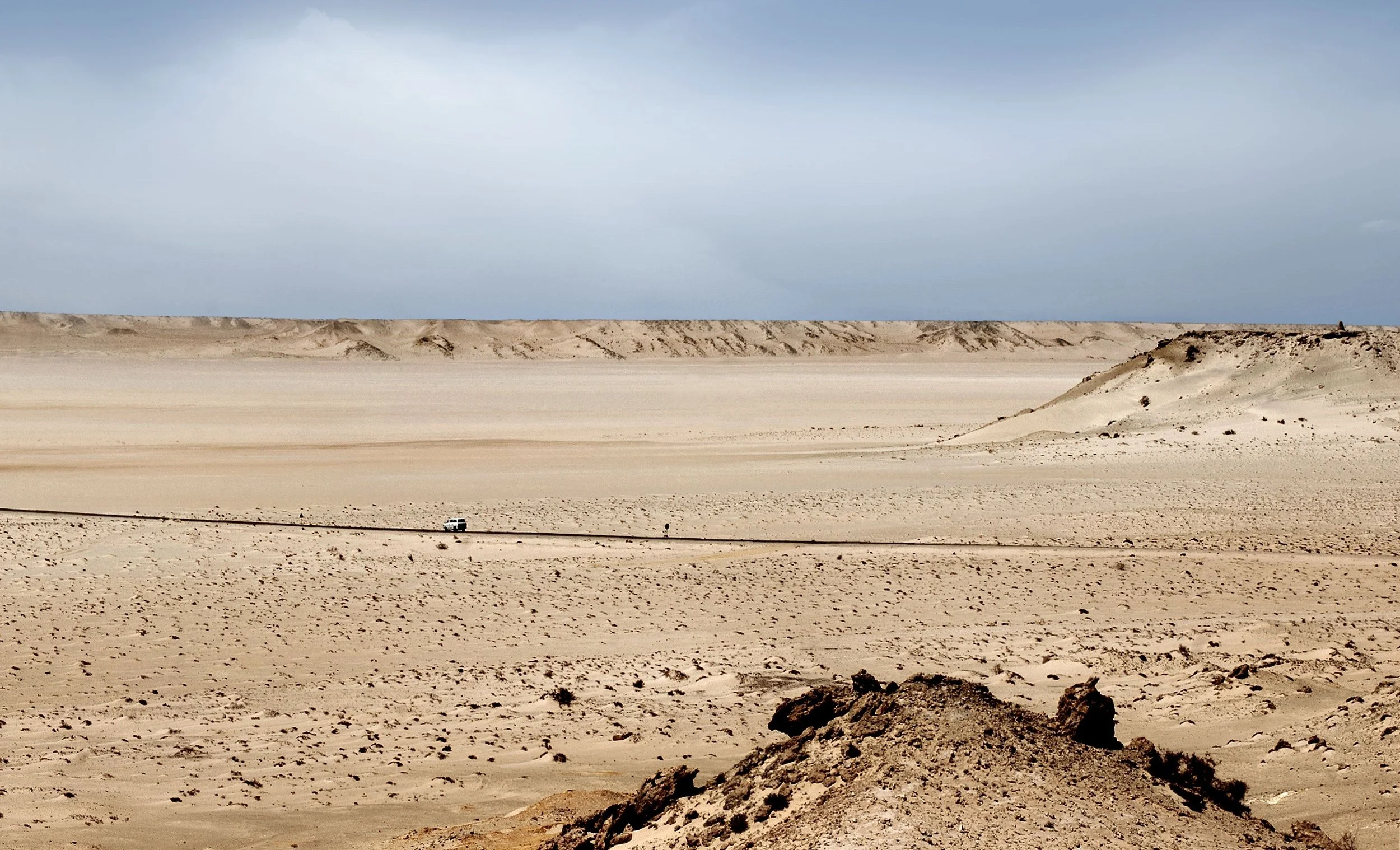
The coastline of Dakhla in Western Sahara, one of the filming locations for Christopher Nolan’s “The Odyssey.” Moussa Idrissi. Pexels.
Christopher Nolan’s highly anticipated film “The Odyssey” opened this week, boasting a star-studded cast led by Matt Damon, Zendaya, Anne Hathaway and Robert Pattinson, along with a $250 million budget. It is the 13th film by the director renowned for his epic scales and breathtaking visuals. But some of the film’s shooting locations in Moroccan-occupied Western Sahara have drawn fierce backlash from journalists, activists and some big names in the world of cinema.
Western Sahara, often dubbed Africa’s last colony, is a U.N.-designated non-self-governing territory in northwestern Africa. Previously colonized by Spain, it was slated to gain independence in 1975. Instead, Spain transferred administrative control to Morocco and Mauritania after the two countries invaded, ignoring an International Court of Justice opinion that found no basis for Morocco's territorial sovereignty that would override the Sahrawi people’s right to self-determination. This sparked a war with the Polisario Front, a national liberation movement, which proclaimed the land the Sahrawi Arab Democratic Republic. That war persists to this day, with the Polisario Front controlling roughly 30% of the territory and Morocco occupying the remaining 70%.
For decades, the United States refused to recognize Morocco’s sovereignty over the territory. But that changed in 2020, when the Trump administration recognized Morocco’s claim in a move widely seen as an exchange for Morocco to normalize relations with Israel. The move paved the way for Morocco to ramp up its efforts to develop the territory into a tourist destination and hub of trade and green energy.
The port city of Dakhla, on a slim peninsula jutting into the Atlantic, is the epicenter of the tourism and trade push. Currently, a port facility valued at roughly $1.5 billion is under construction on its coast. It will soon be operational and provide landlocked countries with access to the ocean, creating a key logistical hub and potentially attracting more settlers. Critics argue this could provide the kingdom with a permanent foothold in the region.
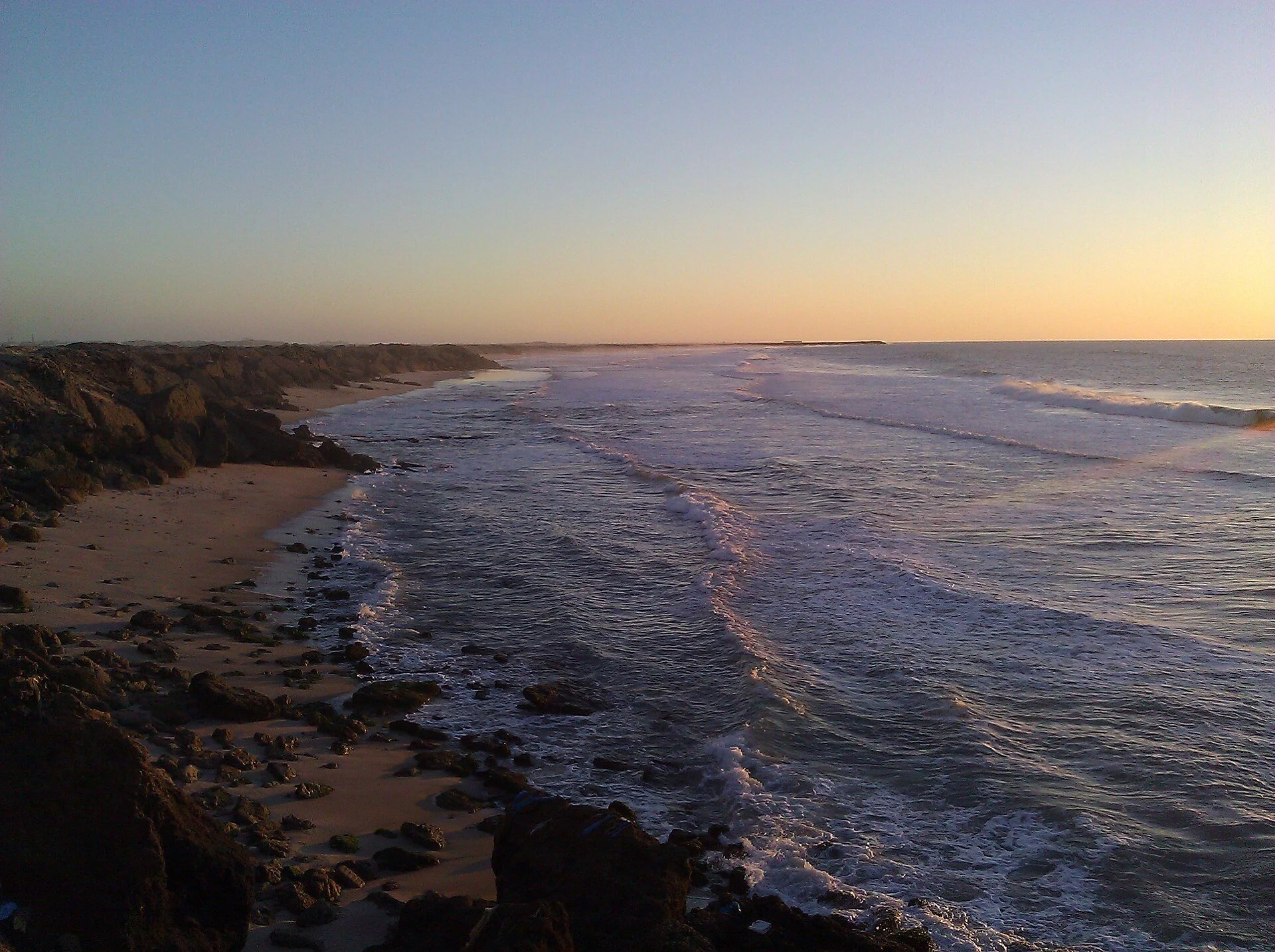
The Dakhla Peninsula, Western Sahara. YoTuT. CC BY 2.0.
Dakhla’s high-end hotels have already attracted Western tourists, including Jared Kushner and Ivanka Trump, who vacationed there in 2022. The budget airline Ryanair announced in 2024 that it would open new direct routes connecting Spain with Dakhla and the disputed territory’s capital city, El Aaiun, despite the European Commission announcing that these routes would not be covered by the EU-Moroccan aviation agreement. Dakhla’s stunning coastline is also one of the filming locations of “The Odyssey.”
The film’s choice of location has brought the occupation into the international spotlight at a time when other territorial conflicts, like Ukraine and Gaza, are fresh in people’s minds and social media feeds. Sahrawi filmmakers, journalists and activists, however, have long advocated for independence, facing suppression and violence as a result.
Many activists have been barred from entering their homeland. Many have been detained. In 2010, 25 Sahrawis, among them activists and journalists, were detained in relation to the Gdeim Izik protest camp, and many remain in custody to this day. Human rights groups and U.N. experts have reported that torture was used to extract confessions from protesters. All the while, an armed conflict continues to rage along a 2,700-kilometer sand berm that separates Moroccan-held territory from the Polisario Front’s land.
The backlash has spread from Sahrawi locals to film stars and activists like Javier Bardem and Greta Thunberg, who signed an open letter condemning Nolan’s movie for its choice of shooting location. Bardem has been particularly vocal in his outrage, posting recently on his Instagram denouncing the occupation and the film’s role in normalizing it by accepting Moroccan subsidies to film there. It is unclear if the backlash will have any effect on the film’s box office success, but it has certainly shone a harsh spotlight on this oft-forgotten occupation.
Jeremy Gordon
Jeremy is a graduate student at Johns Hopkins University studying Creative Writing. He graduated from the University of Maryland with a bachelor's in Criminology and Criminal Justice and worked for four years as an Investigative Specialist with the Public Defender Service for DC.