Mexico City, the vibrant and culturally rich capital of Mexico, is located on the historic grounds of the Aztec civilization of Tenochtitlán. Perched at an altitude of over a mile, it’s renowned for its diverse architecture, spanning from ancient Aztec ruins and 18th-century Spanish castles to towering skyscrapers that reach 876 feet in height, making it an awe-inspiring destination for even the most seasoned travelers. Mexico City boasts a rich history, celebrated in the city’s numerous museums. It touts the title of housing some of the most famous museums in the world, with an estimated count of more than 150. Nicknamed CDMX, Mexico City draws travelers from around the globe with its renowned culinary scene, vibrant culture, and art that spills from museum walls onto the streets. If you are a history buff and have come here to delve into Mexico’s illustrious past, you won’t be disappointed. If you are an ardent shopper, you are in for a real treat, as Mexico City is a treasure trove of brightly colored bargains. If you are simply eager to sample the flavor of a foreign country, then you will be delighted with the excitement and adventure that can be found here.
Currency: Mexican Pesos
Language: Spanish
Average Temperature: 20°C |68 °F.
On Season: March-May
Off Season: June-August
AVG. Cost per day; Budget—Luxury: $40– $270+
Government: Mexico is a Federal Republic, meaning it functions under a presidential system of government. The Constitution divides power among three branches: the Presidency, Congress, and the Courts. The president is elected for a single six-year term and serves as head of state and government. The country is divided into 32 states, each with its own government and constitution, aligned with the national constitution.
Entry Requirements: You must have a valid passport for the duration of your stay in Mexico and a completed Multiple Digital Migration Form (Forma Migratoria Multiple / FMM). This form will be provided to you at your entry by either an airline or transport authority.
CDMX NEIGHBORHOODS
Mexico ranks as the 13th-largest country in the world by land area, spanning approximately 1,972,550 square kilometers (761,610 square miles). Its 31 states offer remarkable diversity in climate, environment, cuisine, and local traditions. As you travel through Mexico, you'll encounter vibrant beauty, lively colors, and unmistakable energy woven into everyday life, whether wandering city streets, exploring small towns, or relaxing in rural villages.
Mexico City, the nation’s capital, stands as one of the world’s largest and most fascinating urban centers. With more than over 20 million residents in its greater metropolitan area, Mexico City is a dynamic place where history, culture, and contemporary life intersect daily. Built on the remains of Tenochtitlán, the ancient Aztec capital, the city’s deep history is always present. Colonial cathedrals stand beside pre-Hispanic ruins, and sleek skyscrapers add a modern touch to the timeless skyline.
The city is divided into distinctive neighborhoods, each with its own character:
Centro Histórico
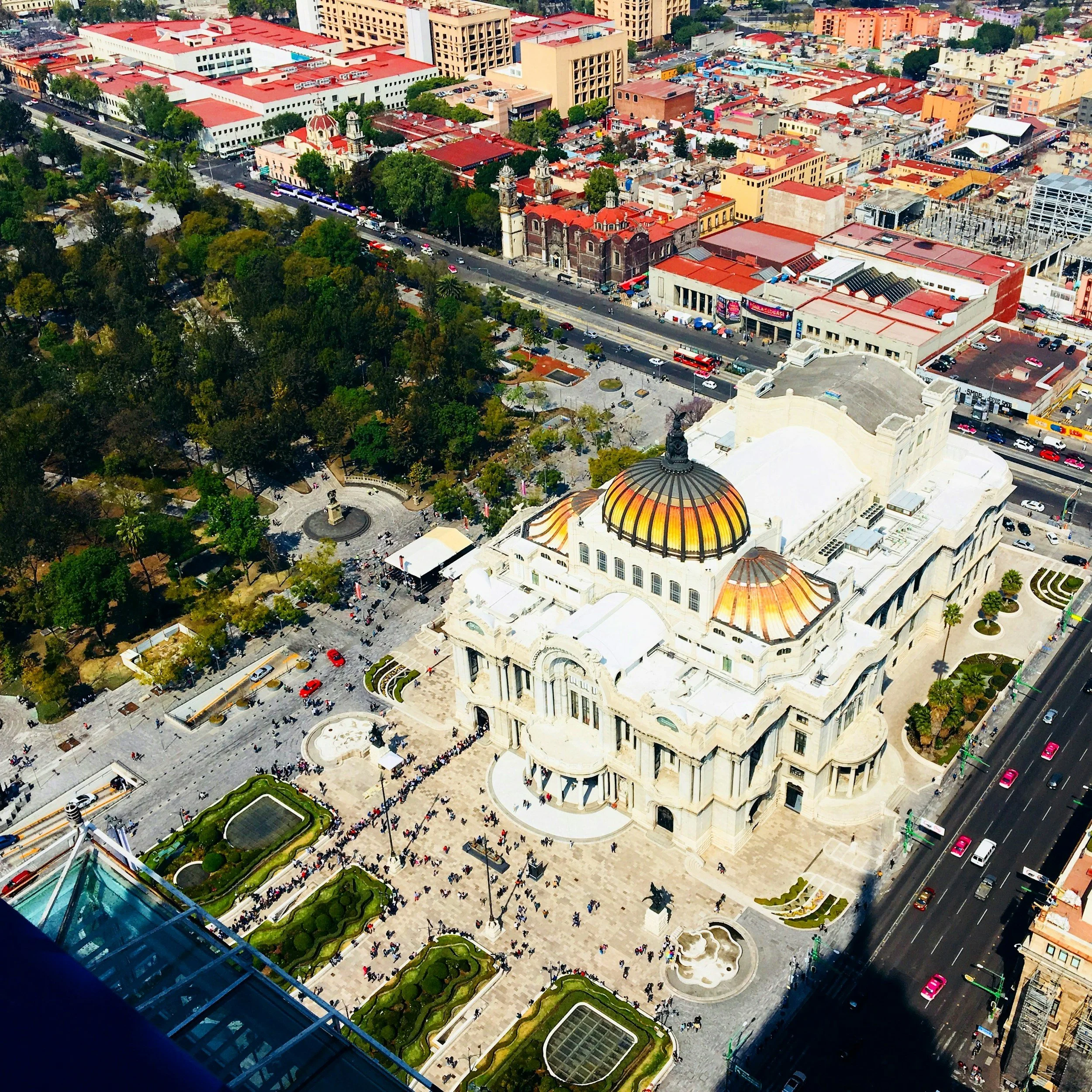
This is the oldest of Mexico City’s neighborhoods, where you’ll be able to find a piece of history on every corner. Here, you’ll find the city's most iconic architecture, starting with the Zócalo, which is the second-largest public square in the world. Landmarks surround this area; On the north side of the square, you’ll find the impressive Metropolitan Cathedral, while the east is home to the National Palace, where Mexico’s federal government is based. To the south sits the Old City Hall, now used by the city government, and to the west, you’ll see a mix of historic private buildings, including the Merchants’ Building and the original Monte de Piedad. This centuries-old charitable institution continues to offer financial services today. Just steps away are the ruins of Templo Mayor, once the main temple of the Aztec capital Tenochtitlán. It’s now a museum, where you can learn more about Aztec history and see the ruins up close. It has an entry fee of 100 pesos ($5 US dollars). Beyond the central square, Mexico City’s Centro Histórico overflows with cultural gems waiting to be explored. The Palacio de Bellas Artes, with its striking Art Nouveau architecture, brilliant Diego Rivera murals, and vibrant Ballet Folklórico performances, is a must-see destination for any visitor. Just a short walk away, the Museo Nacional de Arte (MUNAL) is home to an impressive array of Mexican artwork spanning from the 16th to the 20th centuries. The building is a sight in itself, with a beautiful neoclassical exterior. If you’re hungry, you can cross the street to Los Girasoles, a cozy restaurant that serves authentic Mexican food, perfect for immersing yourself in the culture. If you want to do something underground, consider the Museo del Perfume, which invites you into the fascinating history and artistry of fragrance. This vibrant neighborhood is home to historic cafés and restaurants that have become cultural landmarks in their own right. Café Tacuba, for instance, inspired the name of one of Mexico’s most renowned rock bands and has been serving classic dishes in its ornately tiled dining room since 1912. Be sure to visit Casa de los Azulejos, a beautiful 18th-century palace covered in blue and white tiles, now home to a Sanborns café and restaurant. For birdseye views of the city, make your way to the Torre Latinoamericana, one of Mexico City’s earliest skyscrapers, where the observation deck provides breathtaking panoramas of the capital, and you’ll pay 220 pesos ($11 US dollars) per ticket.
Coyoacán
Home to Casa Azul (Frida Kahlo Museum), this charming neighborhood offers a more laid-back vibe than the hustling city centre. Its cobblestone streets, leafy plazas, and colorful houses give it a small-town atmosphere, making it a favorite spot for both locals and visitors. The highlight here, as aforementioned, is the Casa Azul (Frida Kahlo Museum), the iconic blue house where the artist lived with Diego Rivera. Tickets must be booked online in advance, typically at least a month, due to the event's popularity (cost: 300 pesos / $18 USD). Beyond Frida’s home, Coyoacán offers plenty to explore, such as the Leon Trotsky Museum, where the Russian revolutionary spent his final years, located just a few blocks away from Casa Azul (admission: 70 pesos/ $3 US dollars). You can also visit the Los Viveros de Coyoacán park, an excellent space for running, relaxing, and taking a leisurely walk. If you’re looking for a little more history, you can stop by the Anahuacali Museum, which is home to Diego Rivera’s collection of pre-Hispanic objects. In addition to its unique architecture and hundreds of artifacts displayed for their artistic value, the space features striking mosaics designed by Diego Rivera to cover the walls and ceilings, arranged to reflect an indigenous worldview. Entry to the museum is $100 pesos or $10 US dollars for out-of-towners. You can also make your way to Jardín Centenario, the main square, where you’ll find street performers, bookshops, and cafés where you can sit and enjoy the bohemian vibe. If you want to try something local, stop by Los Danzantes, a restaurant serving modern takes on traditional Mexican cuisine in a beautiful courtyard setting. Around the main square, you’ll also find many other restaurants as well as market stalls selling food or souvenirs, perfect to bring back home (make sure you bring cash!).
San Ángel
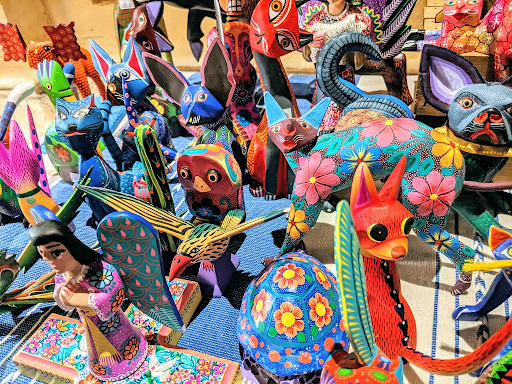
San Ángel sits south of the city and feels like a step back in time. The neighborhood, like Coyoacán, is renowned for its cobblestone streets, colonial houses adorned with bougainvillea, and plazas that give a sense of a small Mexican town rather than a bustling city. Once a getaway for Mexico City’s wealthy families, it is now renowned for its art, history, and vibrant weekend markets. The main attraction for many visitors is the San Ángel Saturday Bazaar (Bazar del Sábado) in Plaza San Jacinto. Artisans from all over Mexico come here to sell handmade jewelry, textiles, pottery, and art, so it’s a great spot to find unique souvenirs. Prices range from affordable crafts to fine art. Make sure to bring cash, as some stands don’t accept cards and may offer a discount if you pay with cash. You can bargain here, but some pieces may have set prices. The plaza is surrounded by historic mansions and small restaurants, giving the market a festive and traditional vibe. San Ángel is also home to the Museo Casa Estudio Diego Rivera y Frida Kahlo, an example of functionalist architecture designed by Juan O’Gorman in the 1930s. The museum includes two colorful modernist houses, one blue and one red, joined by a bridge where Rivera and Kahlo lived and worked. Tickets are 45 pesos (about $3 USD), and you can see their studios and personal items. Another interesting place nearby is the Museo de El Carmen, set in a former Carmelite monastery, where you can visit colonial art, religious relics, and even preserved mummies in the crypt (entry: 60 pesos / $3.50 USD). Food and drink are also highlights here. Around the corner from Museo Casa Estudio Diego Rivera y Frida Kahlo lies San Ángel Inn, once a 17th-century Carmelite hacienda. This is one of the city’s most iconic restaurants, renowned for its classic Mexican dishes, stunning gardens, and elegant ambiance. Meals cost about 800 to 1,000 pesos ($45–60 USD) per person, so it’s a bit of a splurge but worth it for the experience. If you prefer a more relaxed atmosphere, the area around Plaza San Jacinto offers numerous cozy cafés and cantinas where you can unwind after exploring.
Polanco
Frequently described as the “Beverly Hills of Mexico City,” Polanco is the capital’s premier district, where luxury and culture seamlessly intertwine. Along its main street, Avenida Presidente Masaryk, you’ll encounter world-renowned boutiques such as Gucci, Cartier, and Louis Vuitton, in addition to five-star hotels and chic cafés. Besides shopping, you can also immerse yourself in some art, starting with the Museo Soumaya, a striking silver structure that has quickly become a city icon. Built by billionaire Carlos Slim in tribute to his late wife, Soumaya Domit, the museum’s futuristic design shocks visitors from around the world. Inside, you’ll find more than 60,000 works of art spanning centuries, from European greats such as Rodin, Dalí, Tintoretto, and Van Gogh to celebrated Mexican artists like Diego Rivera and David Alfaro Siqueiros. Open daily and free to the public, the museum offers one of the city’s most accessible cultural experiences. Right next door is the Museo Jumex, dedicated to contemporary art. Its minimalist yet modern design contrasts beautifully with the Soumaya, and its exhibitions change frequently, so every visit offers something new. The museum has featured artists such as Andy Warhol, Jeff Koons, and Damien Hirst, as well as cutting-edge Mexican and Latin American artists. Entry is free and the museum also has a stylish café perfect for a break after exploring its galleries. Polanco is also famous for its variety of restaurants, housing renowned cuisine. Pujol, frequently listed among the world’s best restaurants, serves a tasting menu that reinvents Mexican cuisine, most famously with its “mole madre,” aged for over 1,000 days. Tasting menus start at 3,565 pesos (approximately $210 USD), and it’s advisable to reserve several weeks in advance. Another fine-dining standout is Quintonil, renowned for its inventive use of seasonal, locally sourced ingredients. For a more relaxed meal, Saks is a longtime favorite, offering classic Mexican dishes in a welcoming, family-style setting, with meals averaging 300–400 pesos ($18–24 USD) per person. Polanco is also home to a favorite nightlife destination, Sala de Despecho. The party is all about 'despecho' music, a style of heartfelt ballads that pairs perfectly with tequila, singing, and dancing. But it’s not just about heartbreak, you’ll hear favorite Mexican and Latin American hits from every decade. Reservations are essential, especially on weekends, as tables fill up quickly. Polanco also provides space to unwind. Parque Lincoln offers a peaceful green escape where locals jog, walk their dogs, and soak up the outdoors.
Chapultepec
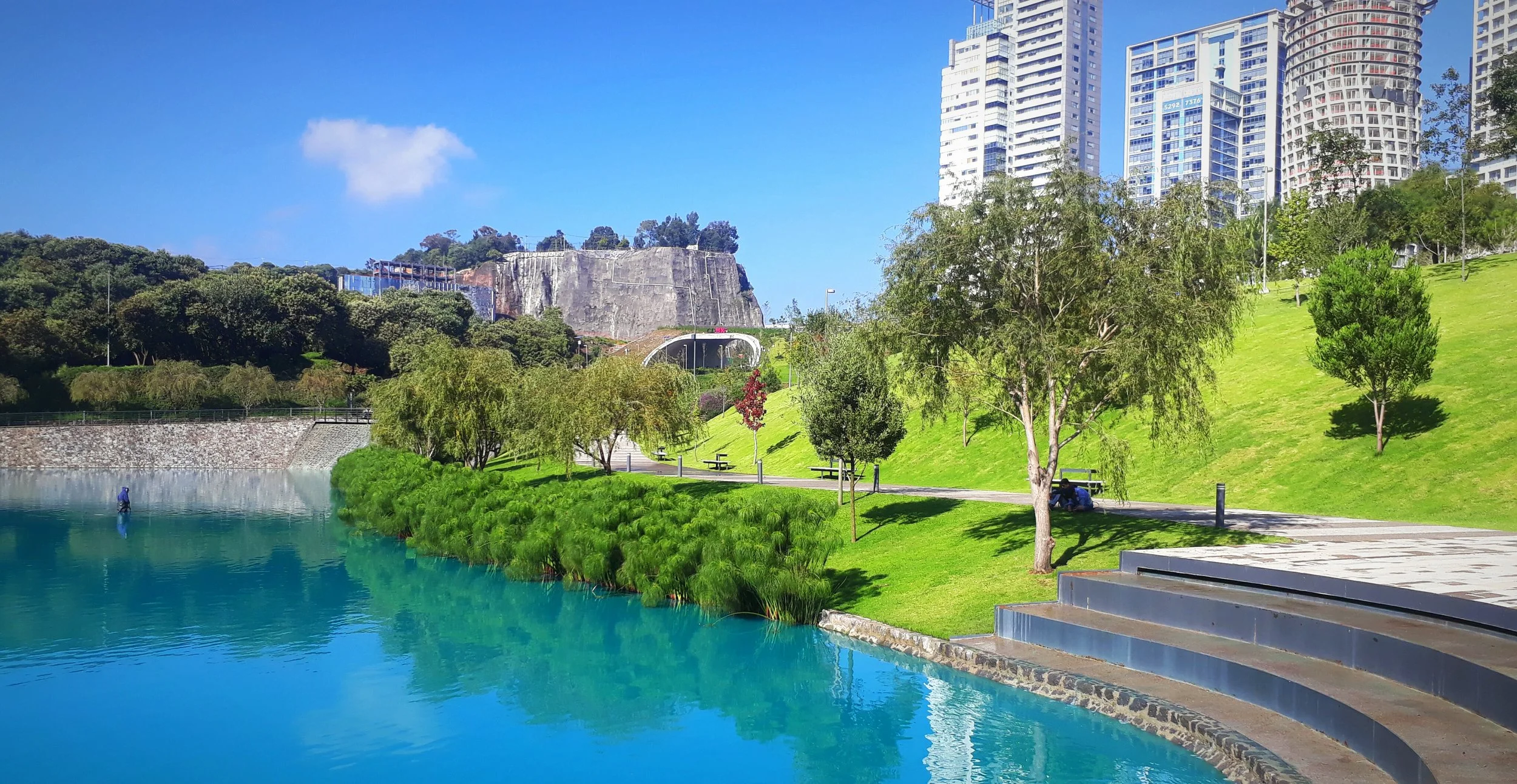
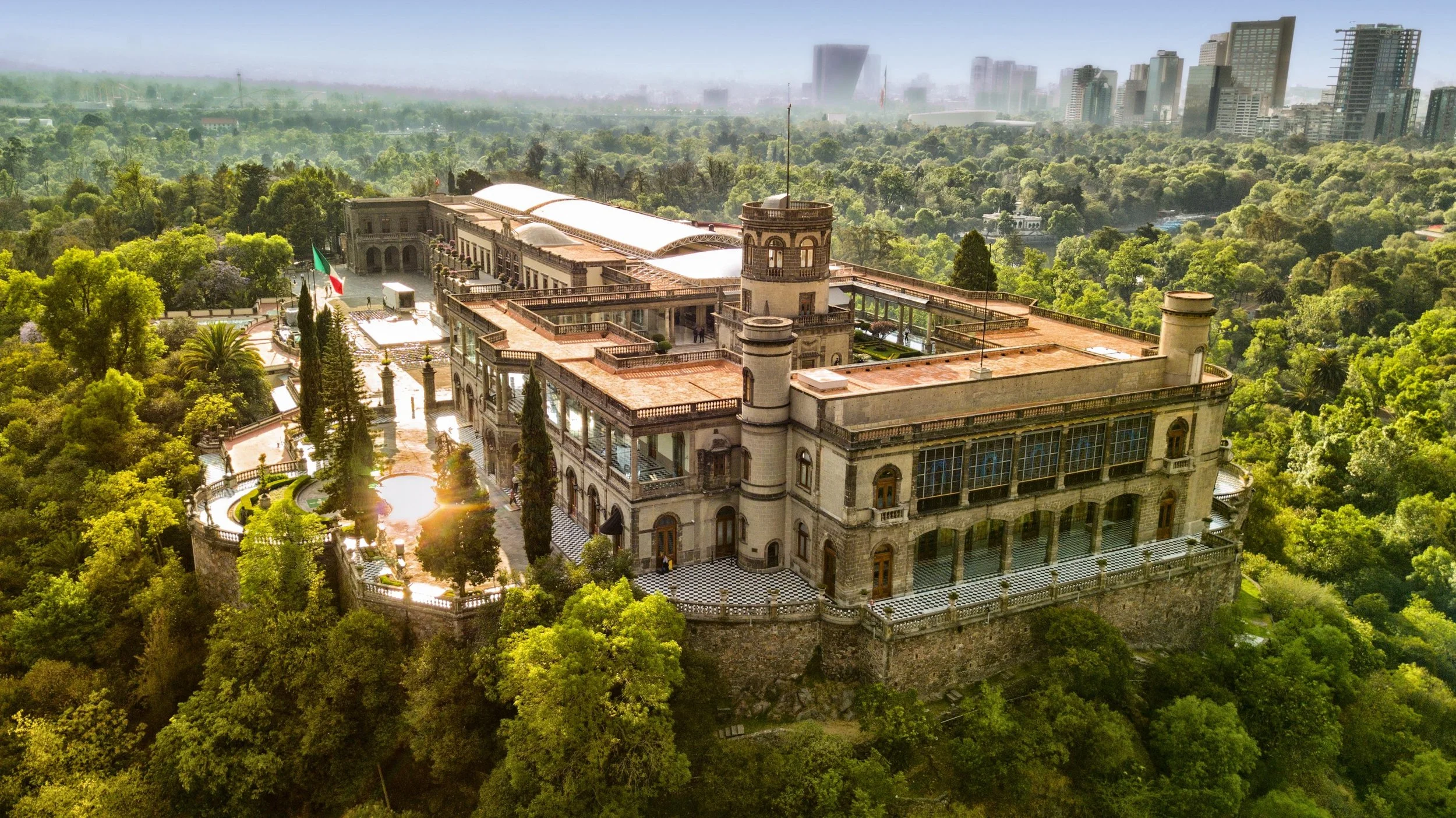
One of the world’s largest city parks, stretching over 1,600 acres, Chapultepec Park has something for everyone. The park is divided into four sections, offering a variety of museums, historic sites, lakes, gardens, and picnic areas. The highlight of the park is Chapultepec Castle (Castillo de Chapultepec), situated atop Chapultepec Hill. It holds the unique distinction of being the only royal castle in the Americas that has housed actual monarchs. Built in the late 18th century, it was once home to Emperor Maximilian I and Empress Carlota, later serving as the presidential residence before becoming the National History Museum. Today, its rooms showcase period furniture, artwork, and murals by some of Mexico’s most famous painters. The castle's location also offers some of the best panoramic views of the city. Admission is 100 pesos (about $5 USD), and entry is free on Sundays for Mexican citizens and residents. You’ll also find the National Museum of Anthropology, Mexico’s most popular museum and a favorite for anyone interested in history. Its exhibits cover the entire pre-Hispanic era, featuring the Aztec Sun Stone, giant Olmec heads, and artifacts from the Maya, Mixtec, and Zapotec cultures. Admission is 95 pesos (about $5 USD), and it’s worth setting aside at least half a day to see all 23 halls. If you love art, there’s a lot to enjoy here, too. The Museum of Modern Art showcases works by Frida Kahlo, Rufino Tamayo, and other prominent Mexican artists of the 20th century. The Rufino Tamayo Museum, located within the park, showcases contemporary and international art. Each museum costs 85 pesos (about $4.50 USD) to enter. Locals also enjoy heading to Lago Algo, which combines art, architecture, and fine Mexican cuisine located by the lake. Here, you can visit the contemporary art exhibit, which is usually free and frequently changing. After you’re done, you can head to the restaurant, which features a seasonal menu featuring fresh, locally inspired dishes. Please note that the exhibit's hours may vary, so ensure it is open before visiting, as it often closes for new installations. Beyond museums, the park itself offers endless ways to unwind. You can paddle boats on its lakes, stroll through its botanical gardens, or explore hidden gems like the Audiorama, a quiet reading nook tucked into the forest where soft music plays in the background. Families especially enjoy the Chapultepec Zoo, which is free to enter and home to more than 1,000 animals, including pandas, lions, and native Mexican species. Chapultepec Park is right next to Polanco, so you can easily spend your morning exploring the park and then head over for a great meal or some shopping in the afternoon. Many people start at the castle or the anthropology museum, then walk into Polanco for lunch at a top restaurant.
La Roma/La Condesa
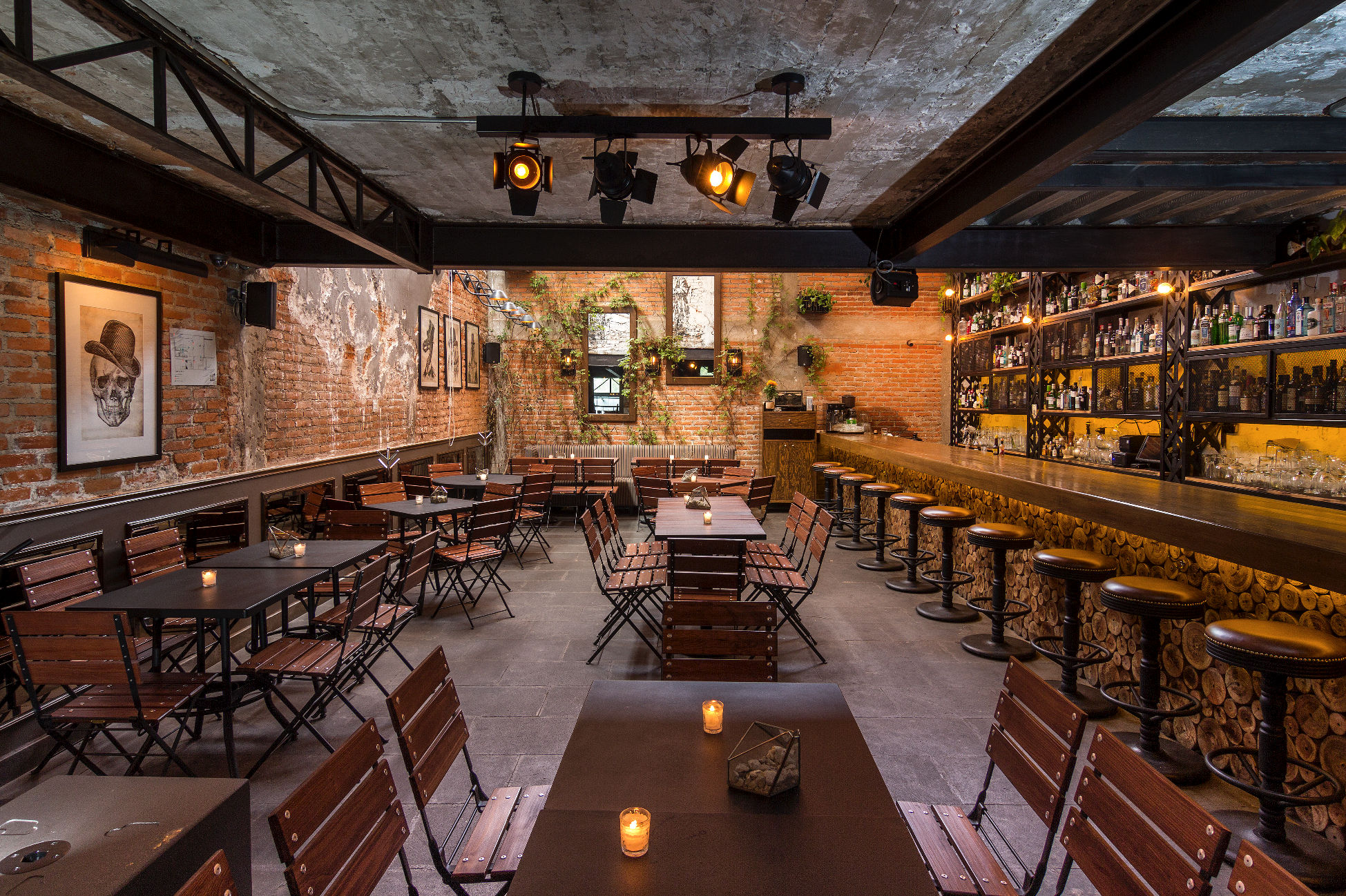
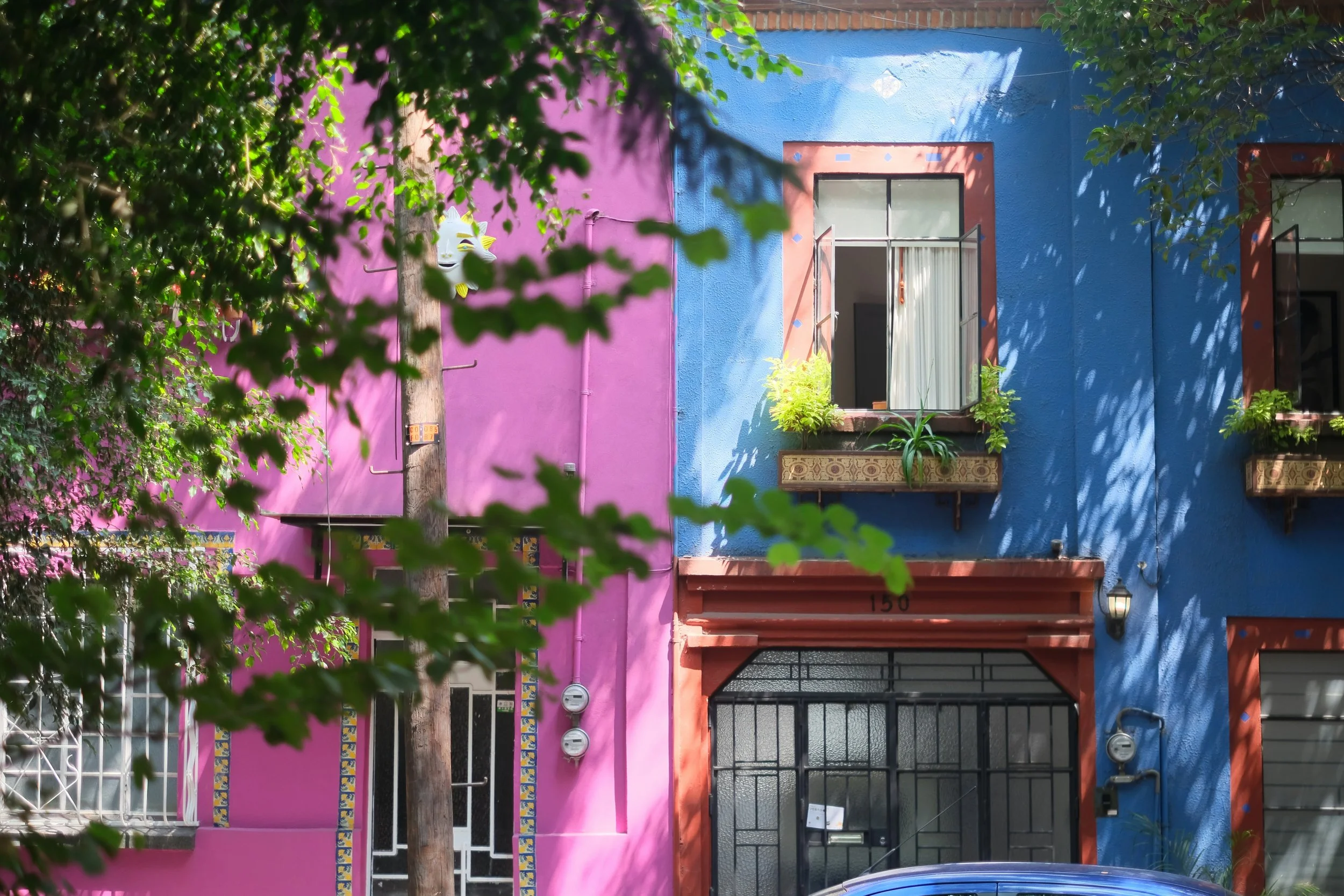
These twin neighborhoods are Mexico City’s trendiest districts, full of early 20th-century mansions, Art Deco facades, and streets filled with cafés, boutiques, and murals. Once aristocratic residential areas, Roma and Condesa have reinvented themselves as hubs of gastronomy, design, and nightlife, making them favorites for both locals and visitors. Roma Norte, in particular, is the ideal destination for food enthusiasts. The legendary Contramar, famous for its tuna tostadas and grilled pescado a la talla, is a must-visit (expect to spend around 600–800 pesos / $35–45 USD per person). Another gem is Rosetta, housed in a beautiful old townhouse, where chef Elena Reygadas (named World’s Best Female Chef in 2023) serves inventive dishes that blend Italian influences with Mexican ingredients. A meal here averages 1,200–1,500 pesos ($70–90 USD) per person, and reservations are essential. And if you’re craving something sweet, Panadería Rosetta, famous for its guava roll, is a stylish, local icon, priced at about 65 pesos ($4 USD). Roma is also an excellent spot for boutique shopping. Calle Colima is filled with unique stores, galleries, and stylish restaurants. You’ll come across local fashion brands, home décor shops, and art bookstores all in one place. Many cafés and restaurants here have outdoor seating, making Colima one of the nicest streets to stroll and shop in the city. Around the area, you’ll also find Cafrebreria el Pendulo, a bookshop/cafe located in a beautiful colonial home, where you can enjoy traditional Mexican dishes for affordable prices as you catch up on your reading. La Condesa, just next door, offers a slightly more laid-back vibe. Its nature-filled avenues curve around two gorgeous parks, Parque México and Parque España, where you’ll see dog walkers, street performers, and open-air markets on weekends. Condesa is also packed with classic cafés and bars. A highlight is Churrería El Moro, which has been serving hot chocolate and tasty churros since 1935 (approximately 100 pesos / $6 USD). For a taste of nightlife, Condesa is full of mezcalerías and speakeasy-style bars. Hanky Panky and Handshake (named the #1 speakeasy in the world) are neighborhood staples, so be sure to have a reservation, as these spots fill up quickly. Roma and Condesa are also great places to experience nightlife and music. Rooftop bars, such as Toledo Rooftop and Departamento, offer DJs, cocktails, and stunning city views. This is one of the most walkable areas in the city, so make sure to reserve a day to explore these neighborhoods, as you’ll likely spend a long time popping into different shops, boutiques, and cafes.
Xochimilco
A trip to Mexico City wouldn’t be complete without experiencing Xochimilco, famous for its colorful trajineras (flat-bottomed boats) that float along ancient canals, which are the last remnants of the Aztec lake system. Renting a boat is a festive experience, usually shared with friends, family, and even mariachi bands who float by offering to play songs for a small fee. The canals are lined with floating gardens, or chinampas, a traditional agricultural system that has been used for centuries. You can bring your own food and drinks, or buy snacks like quesadillas and micheladas from vendors along the way. A boat ride costs around 1000 - 2000 per hour ($50 - 100 USD) per boat, which can be split among passengers. Beyond the canals, Xochimilco has its own set of unique attractions, including the eerie Isla de las Muñecas (Island of the Dolls), decorated with hundreds of dolls hung from trees, and the Dolores Olmedo Museum, which houses one of the largest collections of Diego Rivera and Frida Kahlo’s works.
-
The best times to visit Mexico City are late autumn (October to November) and early spring (March to April), as this is when the weather is mostly dry and generally pleasant. Also, it’s a good time to fully immerse yourself in the culture of the city as there are many local events and festivals that take place during this time. Here are a few notable events during these seasons:
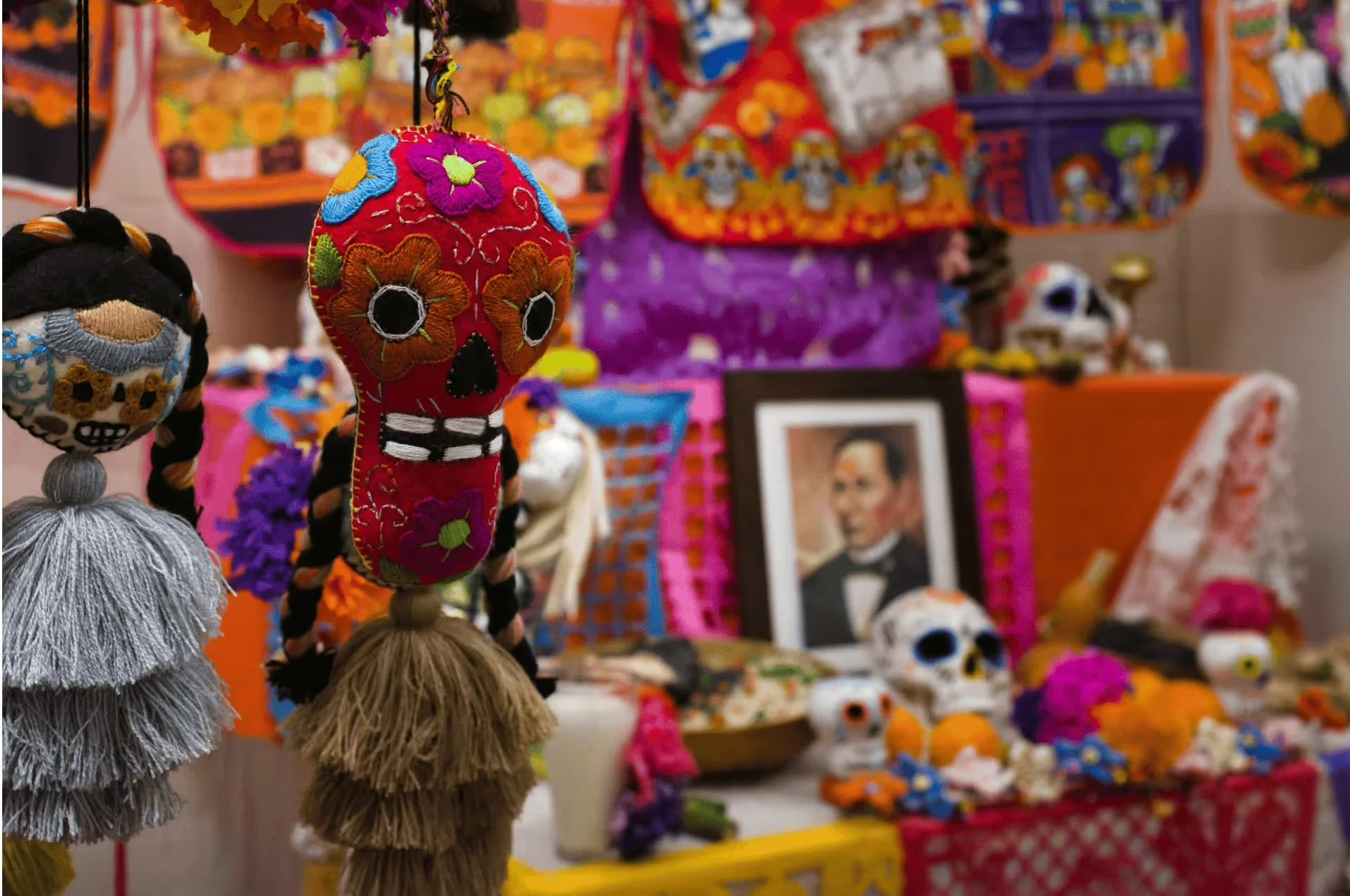
Day of the Dead (Dia de los Muertos - November 1-2): This iconic Mexican holiday, celebrating and honoring deceased loved ones, is a particularly vibrant time in Mexico City. The city comes alive with colorful “ofrendas” and marigold decorations as the boundary between the living and the deceased becomes beautifully blurred.. You can take a visit to Paseo de la Reforma or el Zocalo, where parades, performances, and art installations will fill the spaces with life as they celebrate the dead. You can also try “Pan de Muerto,” a special “pan dulce” which is only prepared around this season.
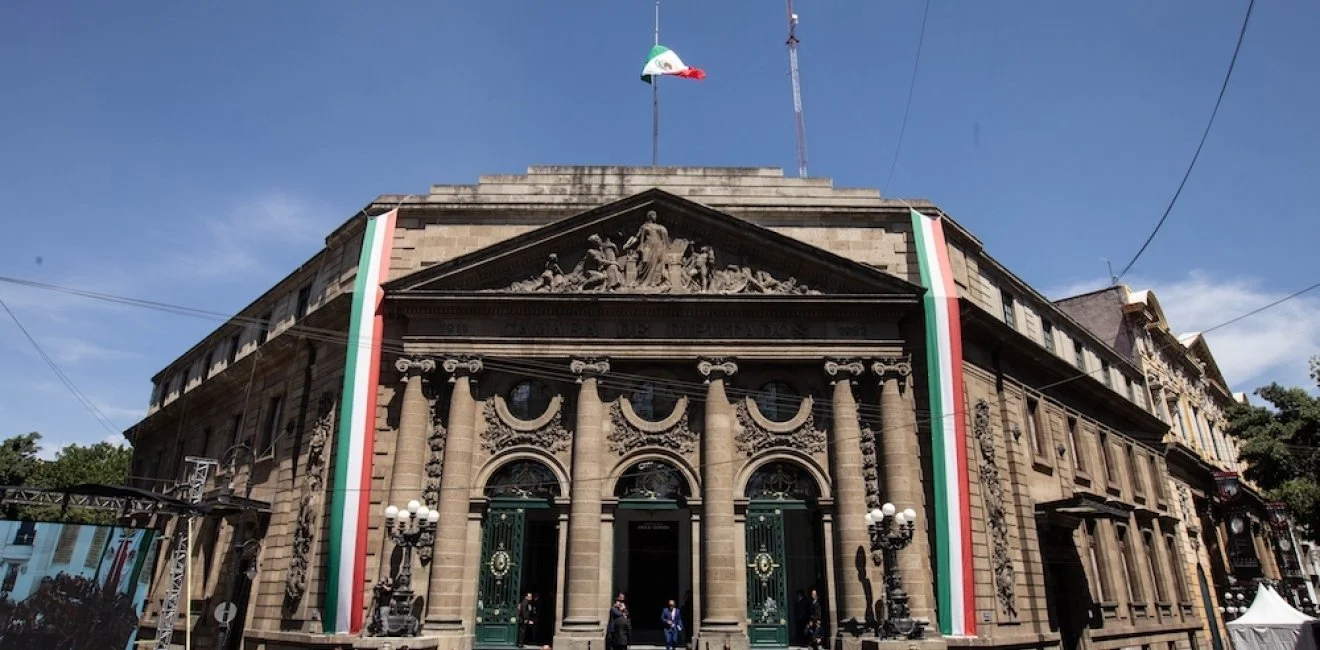
Independence Day (September 16): Mexico’s Independence Day (Dia de la Independencia) is celebrated on September 16th, yet is preceded by “El Grito” on September 15th, which is when the President of Mexico will reenact the battle cry by Miguel Hidalgo, which marked the start of Mexico’s independence movement. Taking place at Mexico’s “Palacio Nacional”, this day is usually followed by fireworks, music, and patriotic celebrations.
Women’s Month (March): The Tiempo de Mujeres festival takes place throughout March in Mexico City, aligning with International Women’s Day on March 8. This festival brings together concerts, plays, talks, and workshops, which are all designed to spotlight and celebrate the role of women in the arts and cultural spaces. Events take place across the city in venues such as museums, forums, and public plazas, making it a truly vibrant and meaningful celebration.
We recommend staying in Mexico City for at least five days in order to fully explore the city's rich culture, history, and cuisine.
-
Local transportation in Mexico City is diverse, and while it may seem overwhelming at first, it offers efficient and cost-effective options for getting around.
Mexico City's transportation system is extensive, and your choice of transport will depend on your destination and preferences. The city continually improves its public transportation infrastructure, making it easier for travelers to explore this vibrant and dynamic metropolis. The options are extensive, from metro and bus, to Uber or even a shared colectivo.
Here's a detailed guide to transportation in the city:
1. Metro (Subway):
The Mexico City Metro is one of the largest and busiest subway systems in the world.
It's the most affordable way to get around, with fares as low as US$0.25 (about 5 pesos).
The network is well-connected, and it's a fast way to avoid traffic congestion.
Be prepared for crowded trains during rush hours (around 7:00 AM and 6:00 PM).
The metro is generally considered safe, but keep a close eye on your belongings and avoid bringing valuables with you. Many suggest taking an Uber to/from the airport when traveling with all your belongings to avoid risk.
The metro is open until midnight. For solo or female travelers, many recommend taking a cheap Uber at night to avoid the uncertain risks associated with public transport.
2. Metrobus:
Metrobus is a bus rapid transit system that features dedicated lanes on select major avenues.
It's an efficient and cost-effective mode of transport for getting around the city, with fares starting at US$0.29 (about 6 pesos)
Metrobus stations are easily recognizable and equipped with ticket machines.
3. Taxis:
Taxis in Mexico City are abundant and come in various forms. Traditional street taxis are available.
Traditional taxis start at around US$0.59 (approximately 12 pesos) for the initial charge, and prices increase based on the distance traveled. Certain hotels or restaurants will offer the option to call a taxi service, ensuring a safe ride, as a verified service will provide the taxi.
Be sure to carry cash if you are going to take a Taxi, as there have been reports of credit card scams.
To be sure that you are taking a safe taxi, check these few things:
The carta de identificación ID is displayed visibly inside
Your driver matches their posted photo.
4. Uber
Uber is a convenient and safe option, and you can pay with your credit card through the app.
Many recommend Uber for travelers at night
5. Ecobici (Bike Sharing):
Mexico City has a bike-sharing program called Ecobici, which allows you to rent bicycles at various stations across the city.
It's an eco-friendly and cost-effective way to explore the city. The first 45 minutes are free, and you can purchase a daily, weekly, or annual membership.
6. Walking:
Although not all of Mexico City is walkable, neighborhoods like La Roma, Polanco, Condesa, and Coyoacan are more pedestrian-friendly. And although reaching the historic center isn’t a walkable journey, once you get there, it is best explored on foot.
Be cautious when crossing busy streets, and use pedestrian bridges where available.
Avoid walking alone at night.
7. Light Rail (Tren Ligero) and Suburban Trains:
Light rail and suburban trains serve areas outside the city center. They are a good option for reaching some neighborhoods and attractions.
Traffic and Parking
Traffic in CDMX can be pretty intense during rush hour, so plan your outings accordingly. Waze (a navigation app) is a lifesaver in the city, as it helps you by flagging jams and tipping you off to the best times to hit the road.
If you do drive, parking can be challenging and expensive, particularly in the city center.
-
Mexico City is a generally safe destination and has a relatively low crime rate compared to the rest of the country. Like any major city in the world, there are safer parts and less safe parts, and precautions to take to avoid uncertain risks. As a traveler, it is crucial to be aware of the political climate, your surroundings, and the areas that you choose to explore. It is essential to take reasonable precautions, heed local advice, and be aware of which areas are safer for tourists.
Some of the neighborhoods in Mexico City that are generally safe to explore include Roma Norte/Sur, Condesa, Zona Rosa, Centro Historico, Coyoacán, and Polanco. On the other hand, some areas to avoid include Tepito, Ciudad Nezahualcoyotl, Iztapalapa, and Doctores.
Some recommendations to stay safe in Mexico City:
Avoid driving yourself at night; Ubers are inexpensive and reliable, yet always be cautious!
Avoid walking, especially alone, at night.
Do not take unmarked taxis.
When walking in busy areas or on public transportation, be aware of your surroundings and be cautious of pickpockets.
-
The official language of Mexico is Spanish. Among tourist areas in Mexico City, you may find that English is widely spoken. However, knowing some Spanish can be helpful. Here are some practical Spanish phrases:
Hello- Hola
Good morning: Buenos Días
Thank you– Gracias
Where is the bathroom - Dónde está el baño?
How much does it cost? - ¿Cuánto cuesta?
Please- Por favor
Where is…? – ¿Dónde está…?
I need… – Necesito…
Can you help me?- ¿Me puede ayudar?
Do you speak English? – ¿Usted habla inglés?
If you plan to visit the markets or areas where English is less commonly spoken, having a translator app ready can be quite helpful.
-
Greetings: Informal greetings, like a simple “Hola” or “Buenos días,” are considered polite.
Dress: Mexico City is a massive urban landscape with a mix of cultures, foods, and people. This brings a range of fashion. Although there is no formal “dress code” per se in Mexico City, people often adapt to the urban environment by dressing more formally. With this, you will see a few people in shorts or very informal clothing. As a tourist, if you plan to enter more religious sites, it is advisable to have some more modest clothing with you.
Tipping: When dining out, a 15% tip is standard; you may tip more if you feel the service was exceptional. Be sure to carry change, as it is also customary to offer a small tip to those providing other services for you, such as tour guides or someone helping with your luggage.
Timing: The pace of life in Mexico City is slower. This is evident in later meal times; dinner tends to be pushed further into the evening, and overall punctuality is affected. Don’t be surprised if things start 10-15 minutes later than you expected. Just relax and enjoy the slower pace!
-
Most credit cards are widely accepted in Mexico City, yet it is advised to carry some cash with you. This is useful for shopping in markets or street stalls, taxis, tipping, and for smaller total amounts where shops may not accept credit cards.
-
Mexico City is regarded as a welcoming destination for solo travelers. With its vibrant and diverse mix of cultures and foods, Mexico City attracts many and is regarded as generally safe. Like any major city for solo travelers, it is important to have your wits about you. Be conscious of your belongings and valuables, do not walk alone at night (it is best to take an Uber), and be aware of the areas you're travelling in.
-
Many LGBTQIA+ travelers highly regard Mexico City due to its buzzing and inclusive culture and atmosphere. It is known as a great place to visit for Pride, with an amazing parade at the end of June. Outside of Pride, La “Zona Rosa” is considered to be the Gay neighborhood of CDMX. This hip area is home to a great nightlife scene and overall fun place to spend time in.
-
Mexico City is regarded as a safe and welcoming destination for Black travelers. Although CDMX is considered quite a diverse city with mixing cultures and people, it is not as diverse racially. Due to this, Black travelers may be met with some unwanted attention and curiosity. Still, many share positive experiences while travelling in Mexico City.
-
Though accessibility has been updated within parts of the tourist areas, and some of the public transport like the Metrobus and trolleys are wheelchair friendly, outside of that there do exist many obstacles for those with physical disabilities. Cobblestone streets, uneven sidewalks, large steps, etc. can make getting around a bit difficult.
TRIPS
Mexico

EDITORS PICKS
Mexico