
Carson Jelinek
Beyond the Pacific swells, this Mexican destination provides travelers with a community atmosphere, where modern surfing meets the ancient traditions of the Wixarika people.
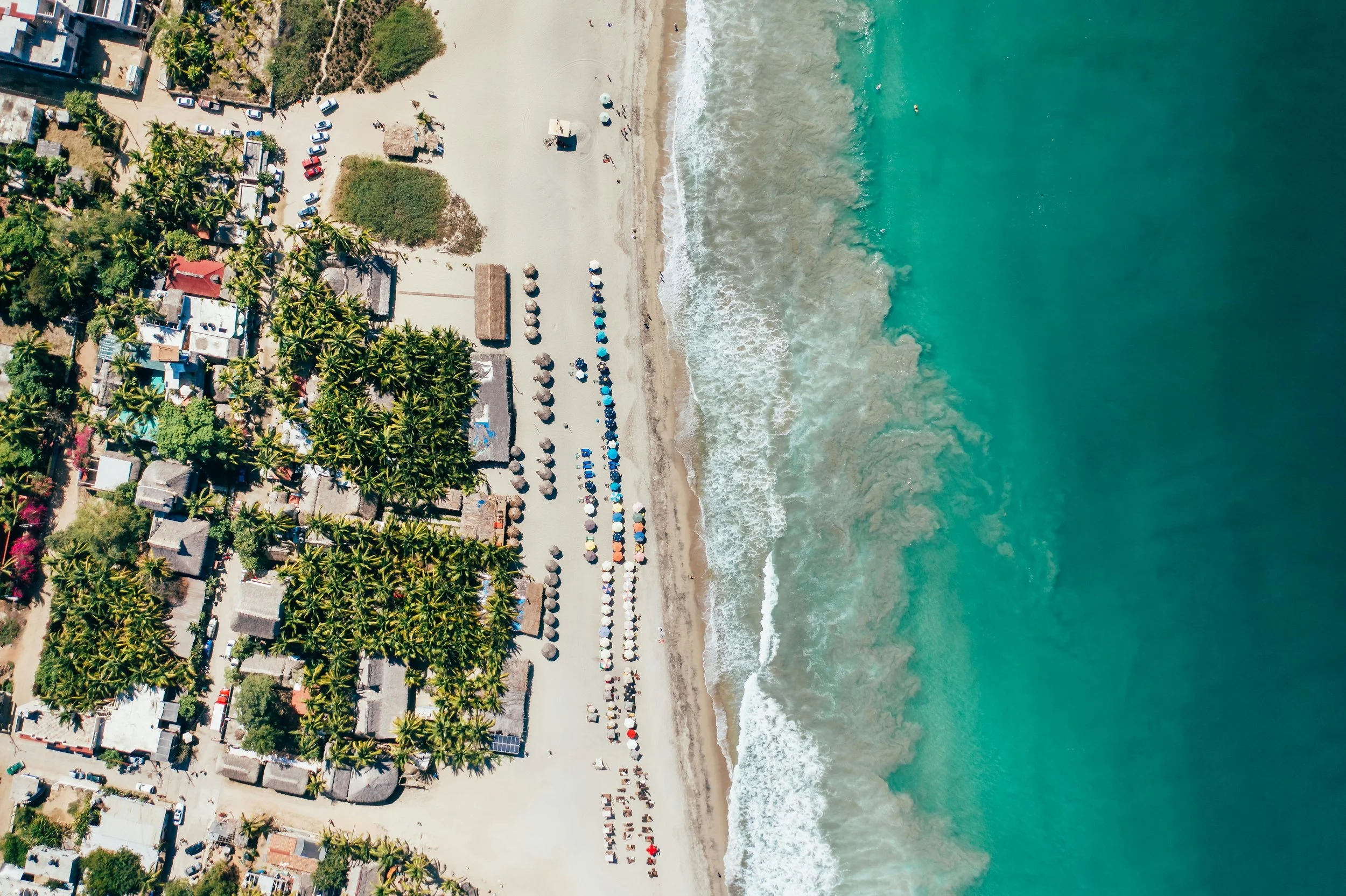
Aerial view of the beach in Sayulita. Mikhail Nilov. Pexels
Located on Mexico’s Pacific coast in the state of Nayarit, about 25 miles north of Puerto Vallarta, Sayulita is a small coastal village with an outsized cultural footprint. Long before it gained fame for its beginner-friendly surf breaks and vibrant art scene, this region was home to Indigenous communities whose influence still quietly shapes the town today. With a permanent population of roughly 5,000 that can swell to nearly 10,000 in peak season, Sayulita balances its rising status as a tourist hotspot with a strong sense of local identity. The village centers on a lively downtown plaza, while the quieter North End and the hillside neighborhood Gringo Hill overlook the bay.
Before the 1960s, Sayulita was a quiet fishing and coconut oil farming village. The turning point that brought the surfers in was the construction of the Varas-Vallarta highway in 1965, which connected the isolated village to Puerto Vallarta. With this new opportunity, surfers from California began exploring farther south, and that’s when they found Sayulita. In the early days, professional surf gear was nonexistent in Mexico, so locals got creative and resourceful, building boards from wooden planks, bed boards or even palm leaves to ride the waves.
Any surfer or beachgoer would be thrilled to be there with the village’s beautiful scenery and delicious fresh cuisine. No wetsuit is required most of the year, as water temperatures range from a comfortable 75 to 85 degrees Fahrenheit. The waves in Sayulita are consistently mellow, which is perfect for longboard surfing. Unlike some beaches with world-class breaks that create a locals-only vibe, Sayulita has a welcoming, festive atmosphere.
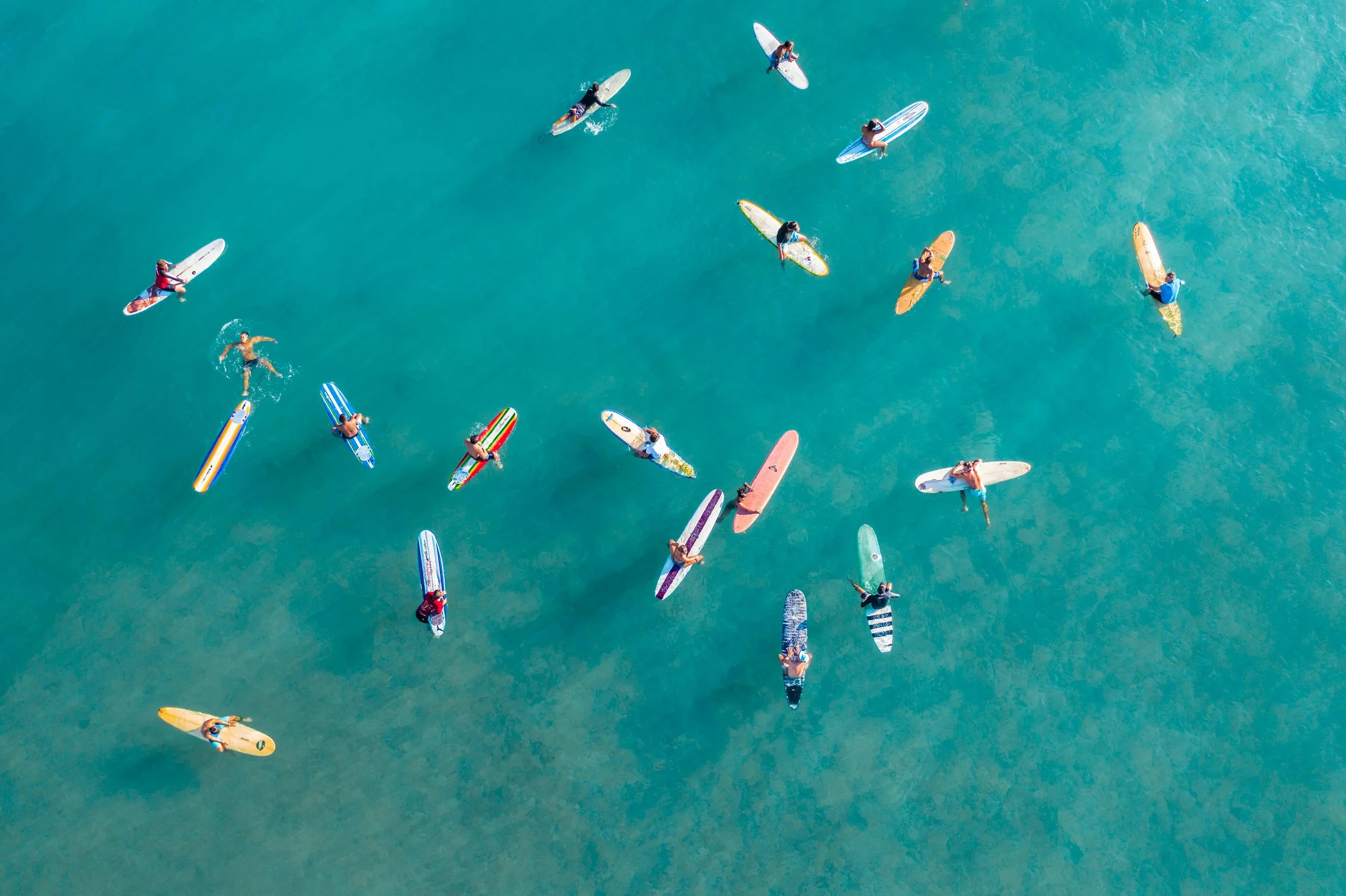
People riding surfboards in the ocean. Jess Loiterton. Pexels.
"It is the waves that bring many people here, but it is the atmosphere they come to love,” says Nazario Carranza, co-owner of the long-standing Lunazul Surf Shop. “The area and town have a special charm, and many people who visit Sayulita come to love it."
There are three main breaks in Sayulita; the first is called the Sandbar, located in front of Don Pedro's Restaurant & Bar, and its sandy bottom and soft waves make it an excellent spot for beginners. It also has surf schools right on the beach that offer intro lessons, so if you are looking for a calm vibe or have never surfed before, this is the spot for you.
The other two breaks are known as the Right and the Left, which are recommended for intermediate to expert surfers. For the Right, this is due to more intense waves and a rocky bottom, with the break located at a rock-studded river mouth. The Left break is located just north of the river mouth, farther up the beach than the Right. The waves at the Left are faster and less consistent than at the other two breaks, making it less predictable, but it is also the most suitable for quick rides, having a significantly less crowded lineup in comparison.
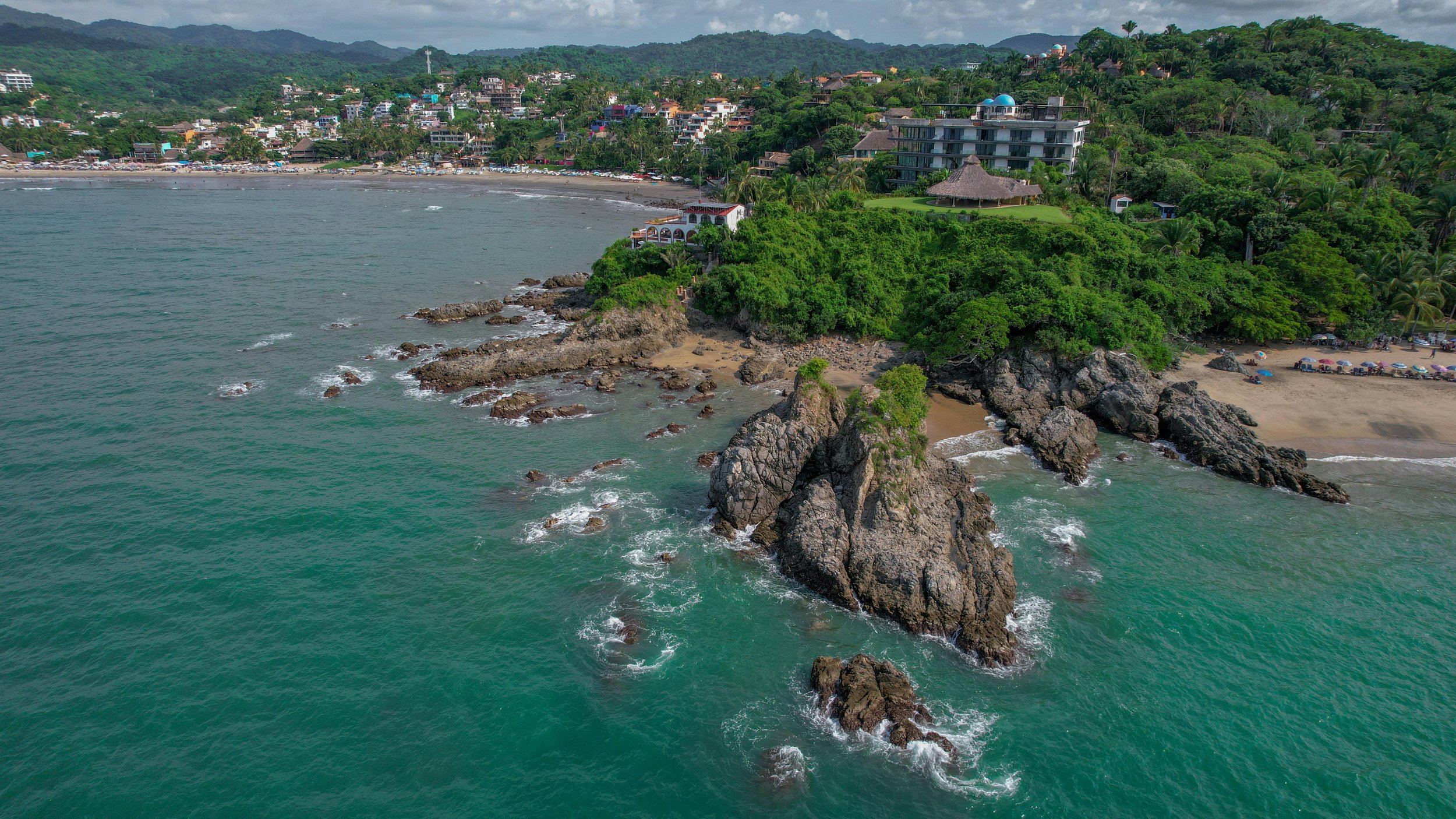
Aerial view of Sayulita ocean and beach. Archie McNicol. Pexels.
Sayulita has deep Indigenous ties to the Wixarika (Huichol) and Naayerite (Cora) peoples, who have inhabited the Riviera Nayarit region for thousands of years. The Wixarika are the most visible Indigenous group in Sayulita today and have maintained their prehispanic traditions, language and spiritual practices more successfully than almost any other group in North America. Art galleries throughout Sayulita feature their works, such as vibrant beadwork and yarn painting that represent visual records of spiritual visions and ancestral stories of the Wixarika. Though perhaps a bit less prominent in the village than the Wixarika, the Naayerite are also present, historically rooted in the Sierra Madre Occidental and known for ceremonial traditions tied to agriculture, rain and seasonal cycles.
The coexistence of surf culture and Indigenous people isn’t direct, but they share values of respect for nature and a spiritual connection to the ocean and land. For the Wixarika, the sea holds spiritual significance and is woven into their ceremonial practices to honor nature as living and sacred. Surf culture also depends on waves and ocean tides, as they areintegral to a surfer's experience while riding. The relationship between the ocean creates a quiet overlap of shared values.
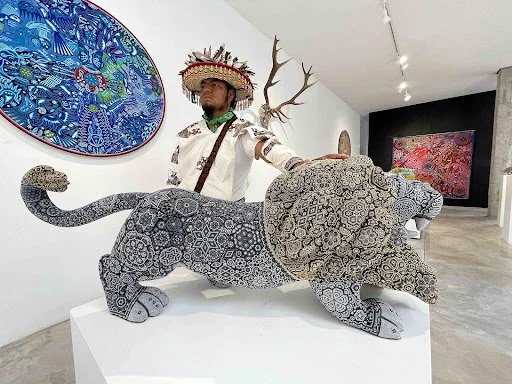
Wixarika artist with lion sculpture. Jpmotillaz. CC BY-SA 4.0.
GET INVOLVED:
The Huichol Center for Cultural Survival supports Wixarika artists and provides resources for education and healthcare.
Galeria Tanana is a local Sayulita gallery that sells authentic Wixarika art to benefit community programs in the Sierra Madre mountains.
Pro Sayulita is a nonprofit dedicated to helping enrich Sayulita and connecting volunteers with Nayarit's Indigenous culture and local artisans.
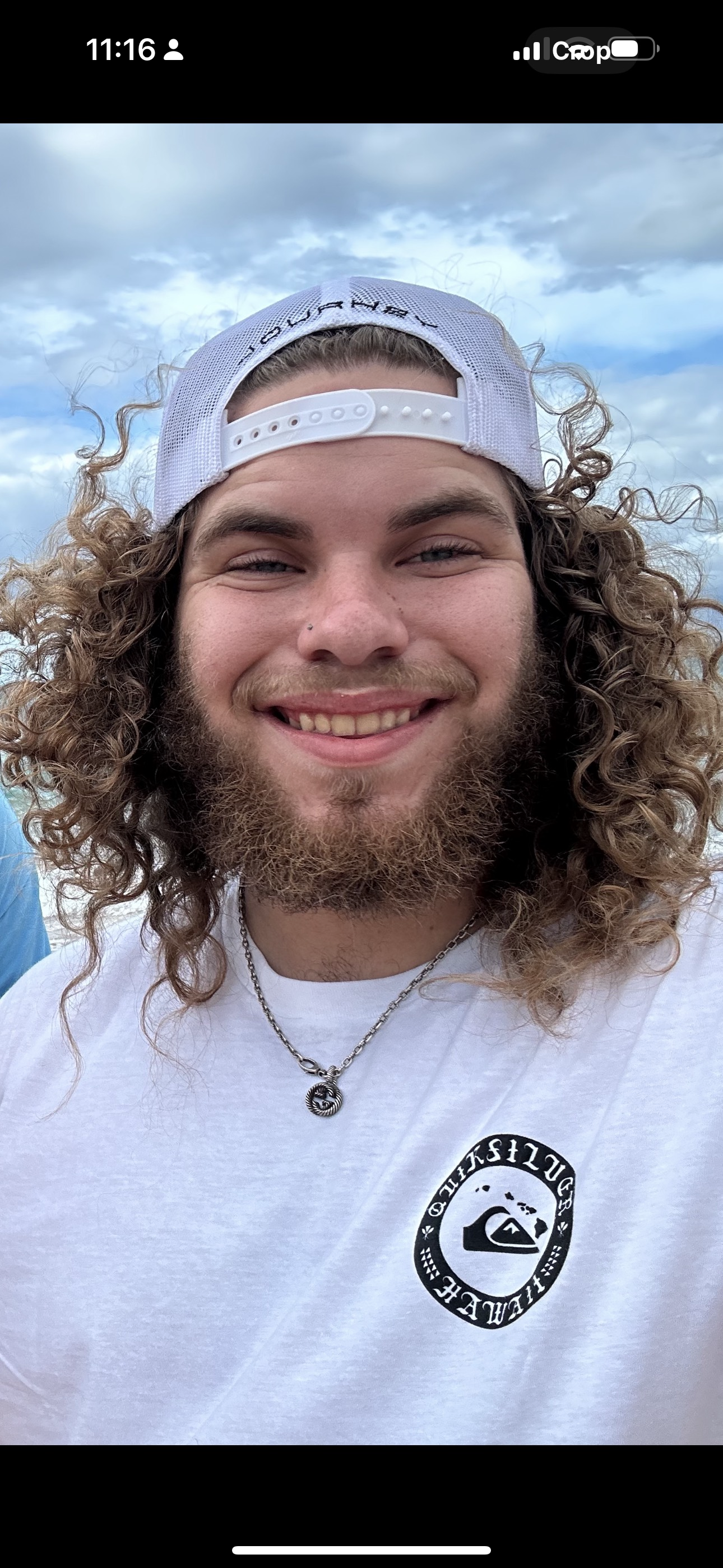
Carson Jelinek
Carson is a 22 year old writer and filmmaker studying film and media productions at Arizona State University. His work explores travel, culture, and the people behind the places, with a focus on stories that encourage curiosity and global understanding.