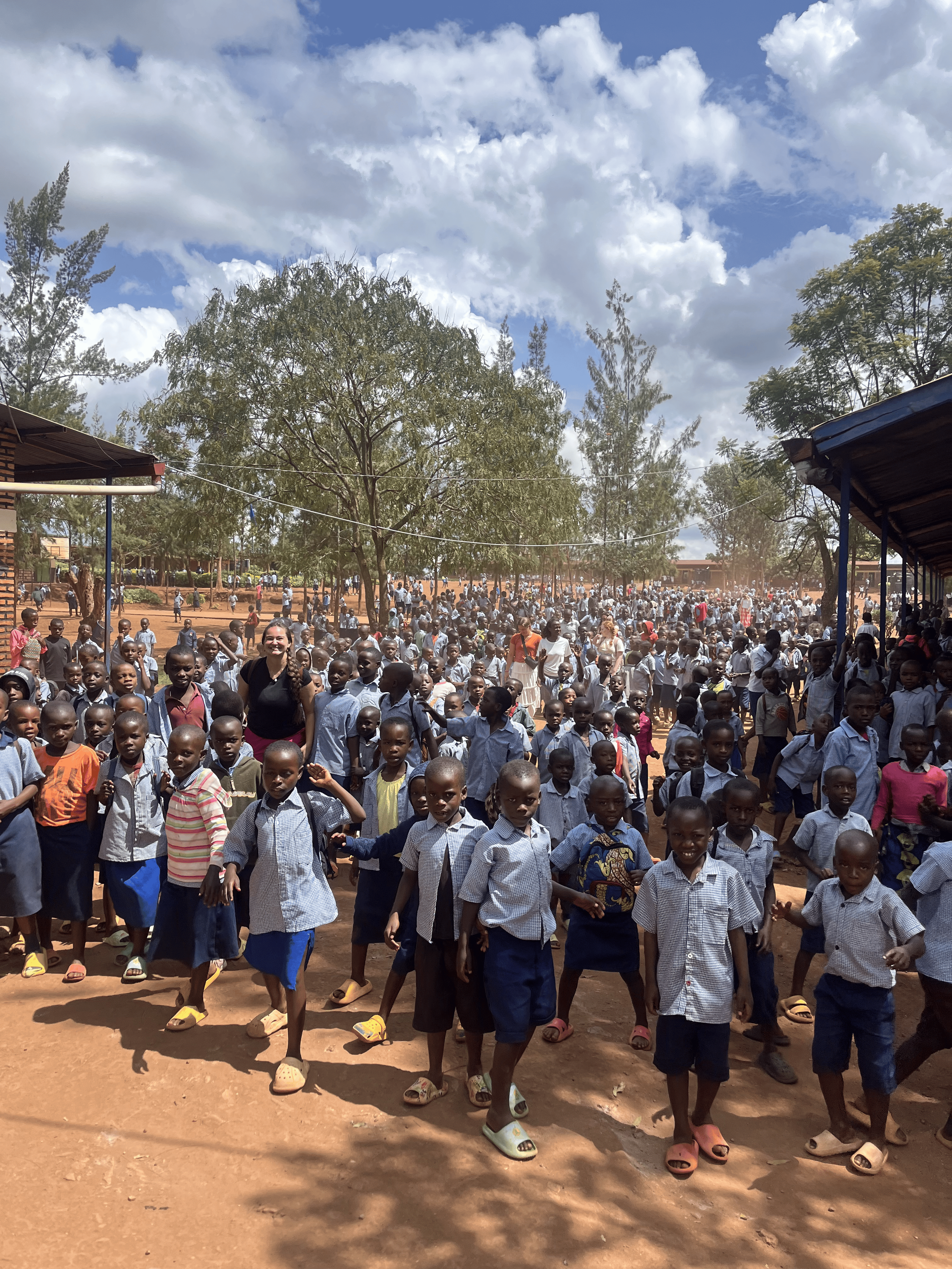
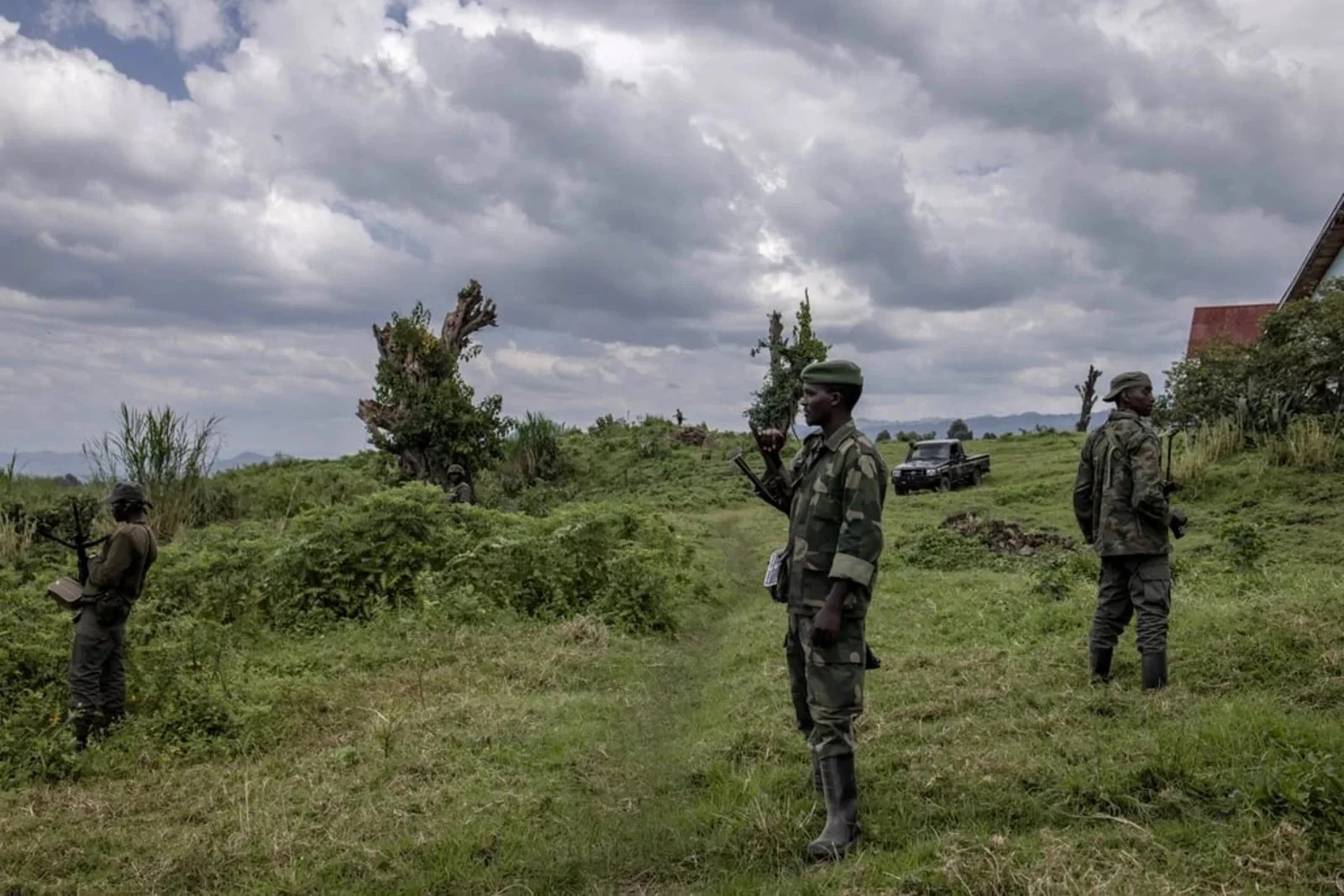
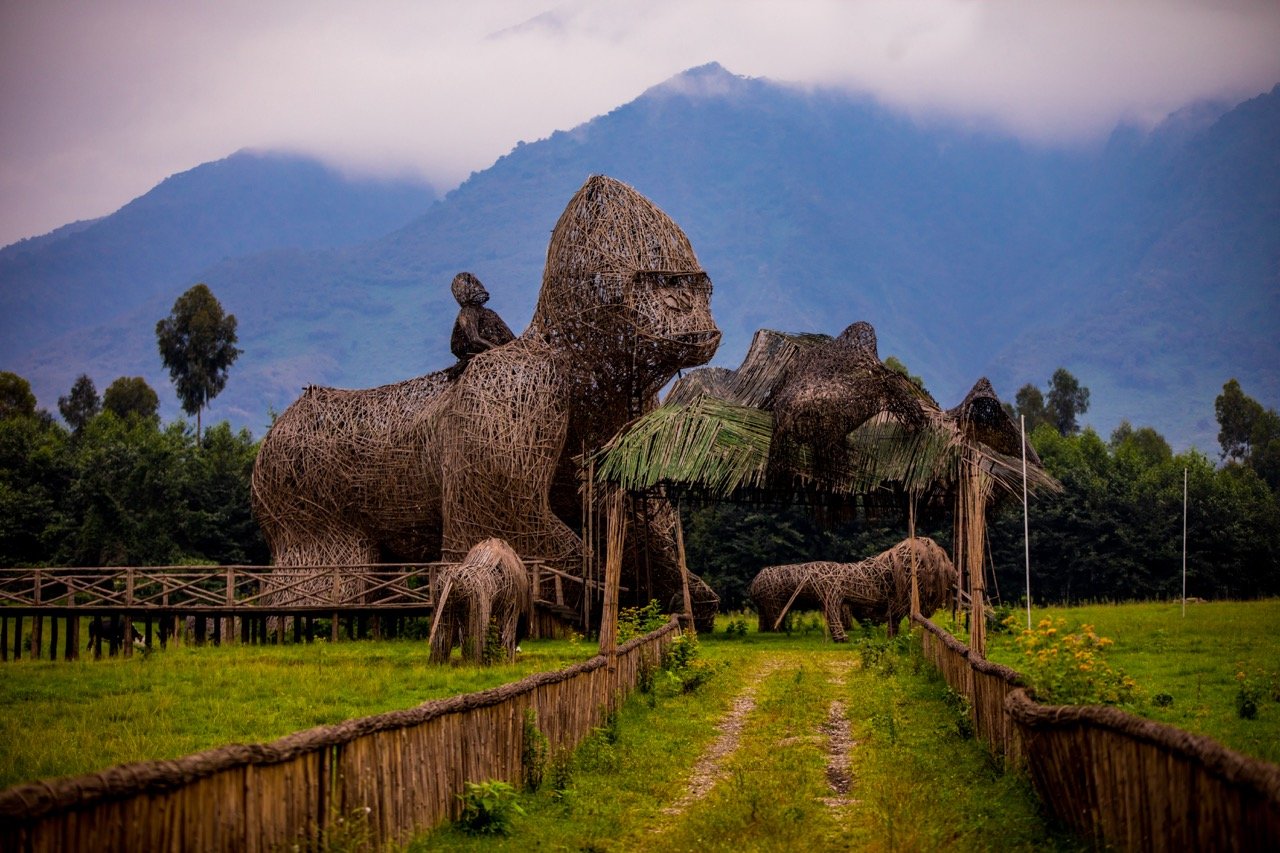
Rwanda is the kind of place that sneaks up on you—in the best way. One day you're hiking through volcanoes, the next you're dancing in a Kigali art gallery or sharing a meal at a roadside grill with strangers who feel like old friends. Known as the “Land of a Thousand Hills,” this East African nation blends natural beauty, creative energy, and deep cultural roots.
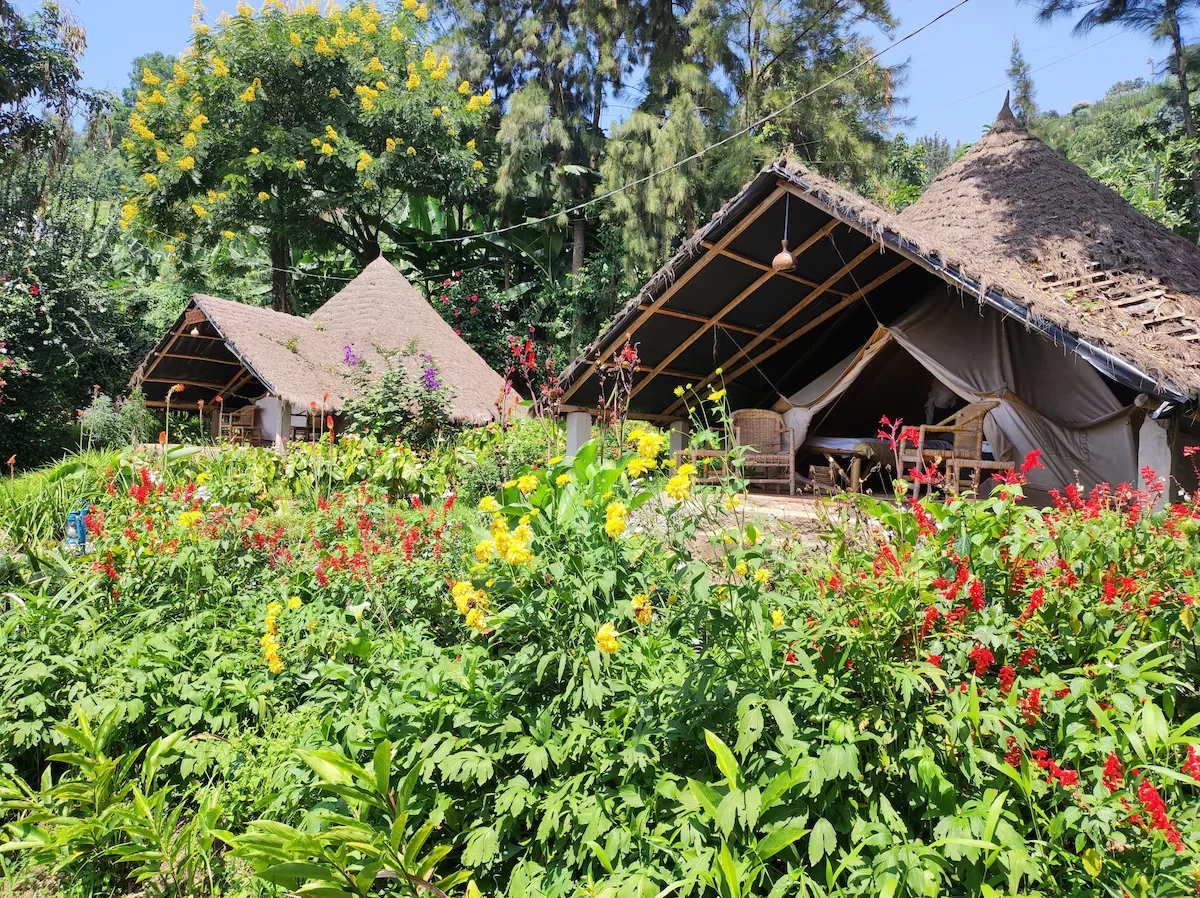
Whether you're tracking gorillas, exploring national parks, or witnessing the quiet power of resilience at historic memorials, Rwanda stays with you. And it’s refreshingly easy to travel here with purpose—eco-lodges, community-run tours, and affordable local transport make sustainability the default, not the exception.
Currency: Rwandan Franc or RWF (also commonly denoted by RFw, RF, or R₣)
Language: Kinyarwanda, English, French, Swahili
Average Temperature: 20–21°C | 68–70°F
On Season: June - September and December- Mid-February
Off Season: March - May and October - November
AVG. Cost per day; Budget—Luxury: 30-300+ USD
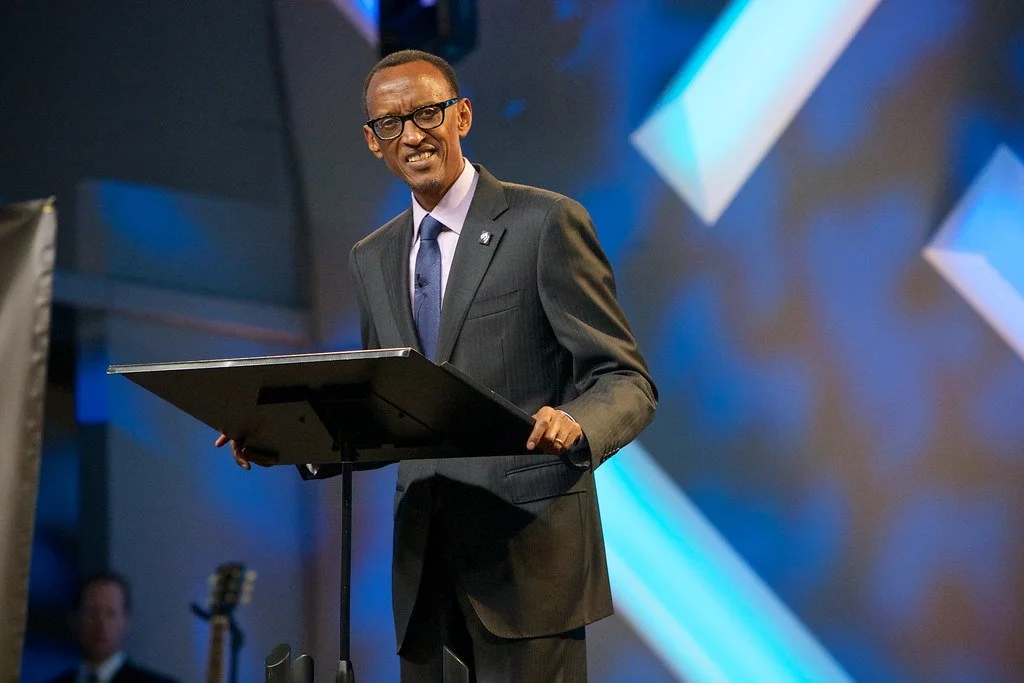
Government: Rwanda is a presidential republic based on its 2003 constitution. The government consists of the executive, legislative and judiciary branches.
Entry Requirement: You must have a Passport with 6+ months of validity past your entry date and at least one blank page for stamps. You also need a return ticket, and a yellow fever vaccination certification if you are based in an endemic area. Visa fees are typically 50 USD and can be purchased in the airport at your time of arrival. Visa applications can be issued and paid for at Kigali National Airport, applied for online through Irembo.gov, or obtained through the Rwandan Embassy by mail.


RWANDA’S FIVE PROVINCES
Rwanda is divided into 5 provinces and 30 districts, each offering something distinct, from vibrant cityscapes and lush highlands to lakeside retreats and wildlife-rich parks.
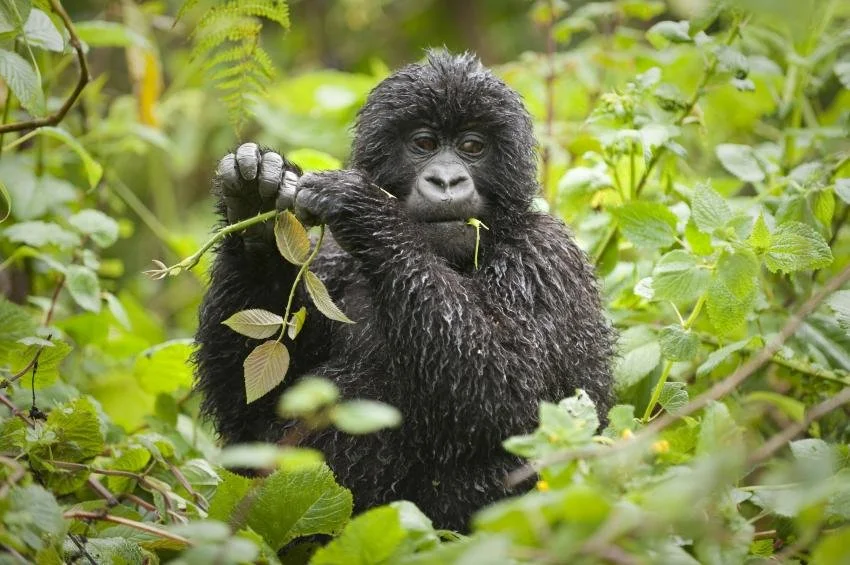
The Northern Province is Rwanda’s epicenter of nature and adventure. With its cool, misty climate and dramatic volcanic landscape, it offers one of Africa’s most unique conservation and ecotourism experiences. This region is home to Volcanoes National Park, where you can be guided through Rwanda's lush mountains to see the endangered gorillas and golden monkeys - a truly once-in-a-lifetime experience and photographer's dream. There are also plenty of hiking and exploring options within the area, such as Buhanga Eco-Park, a rich biodiversity and cultural significance, Twin Lakes that are full of rare bird species, and Mount Bisoke, where you can see Rwanda’s volcanic crater lake and protected rainforest ecosystems. This area is perfect for active travelers or anyone seeking to encounter Rwanda's wild beauty.
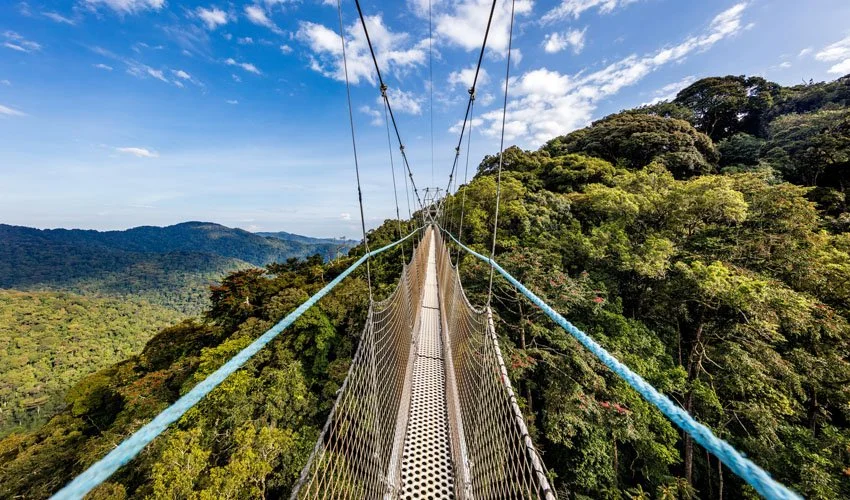
The Western Province offers the perfect blend of adventure and scenic relaxation. Start in Rubavu or Karongi on the shores of Lake Kivu, where you’ll find beaches, boat rides, and waterfront cafes perfect for unwinding. Inland, the Nyungwe Forest National Park invites you into one of Africa’s oldest rainforests—home to chimpanzees, colobus monkeys, and over 300 bird species.
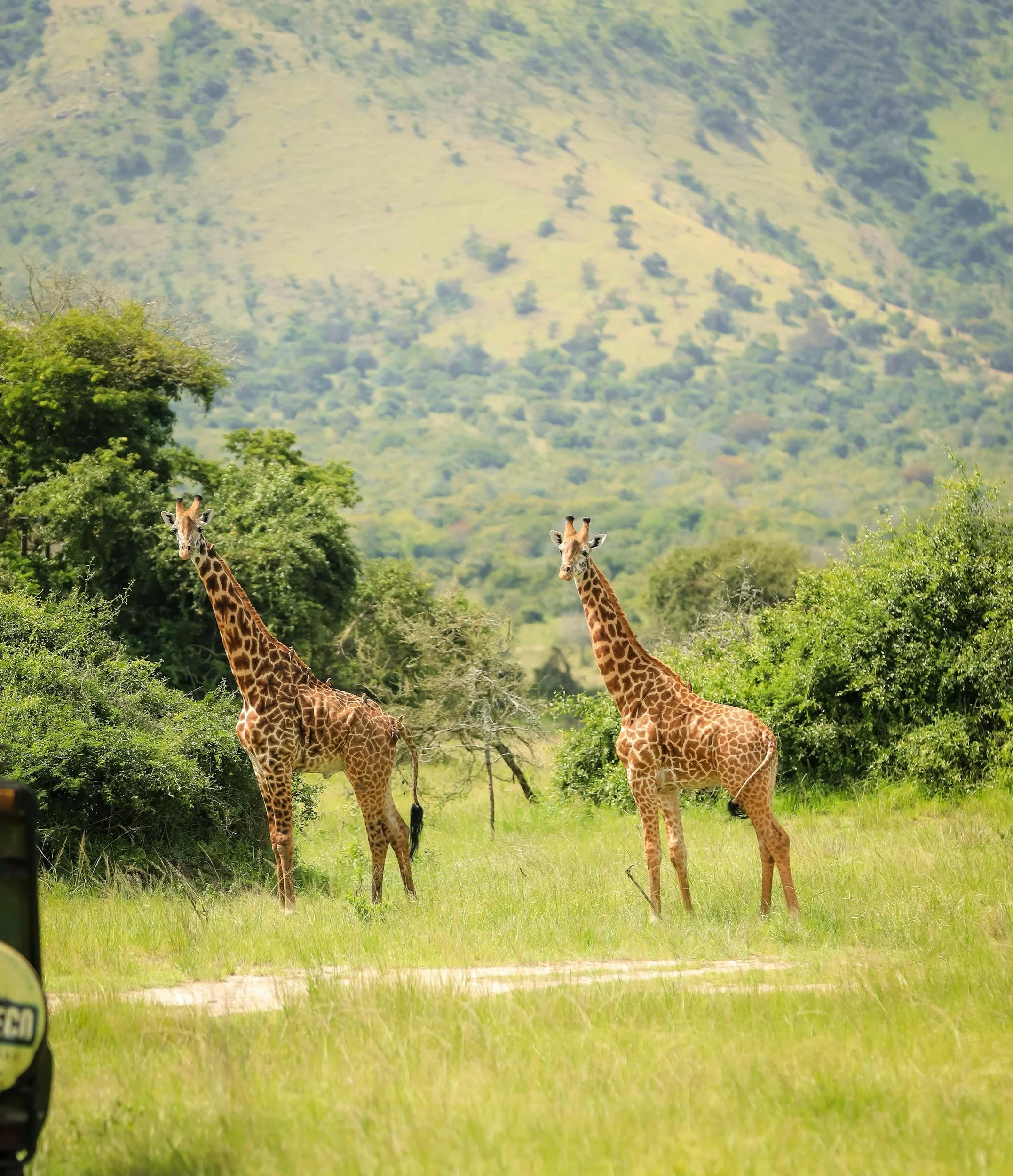
The Eastern Province is home to Rwanda’s Safari Capital. Its star attraction, Akagera National Park, hosts and protects over 8,000 large animals and 500 bird species, including the shoebill stork, lilac-breasted roller, and the African fish eagle. With its warm, dry climate and open terrain, this region feels vastly different from Rwanda’s central highlands. There are more farmlands, bird watching, and savannah life here to explore in contrast to the lush jungle feel of the mountains in the north - perfect for a slower, off-grid Rwandan experience.
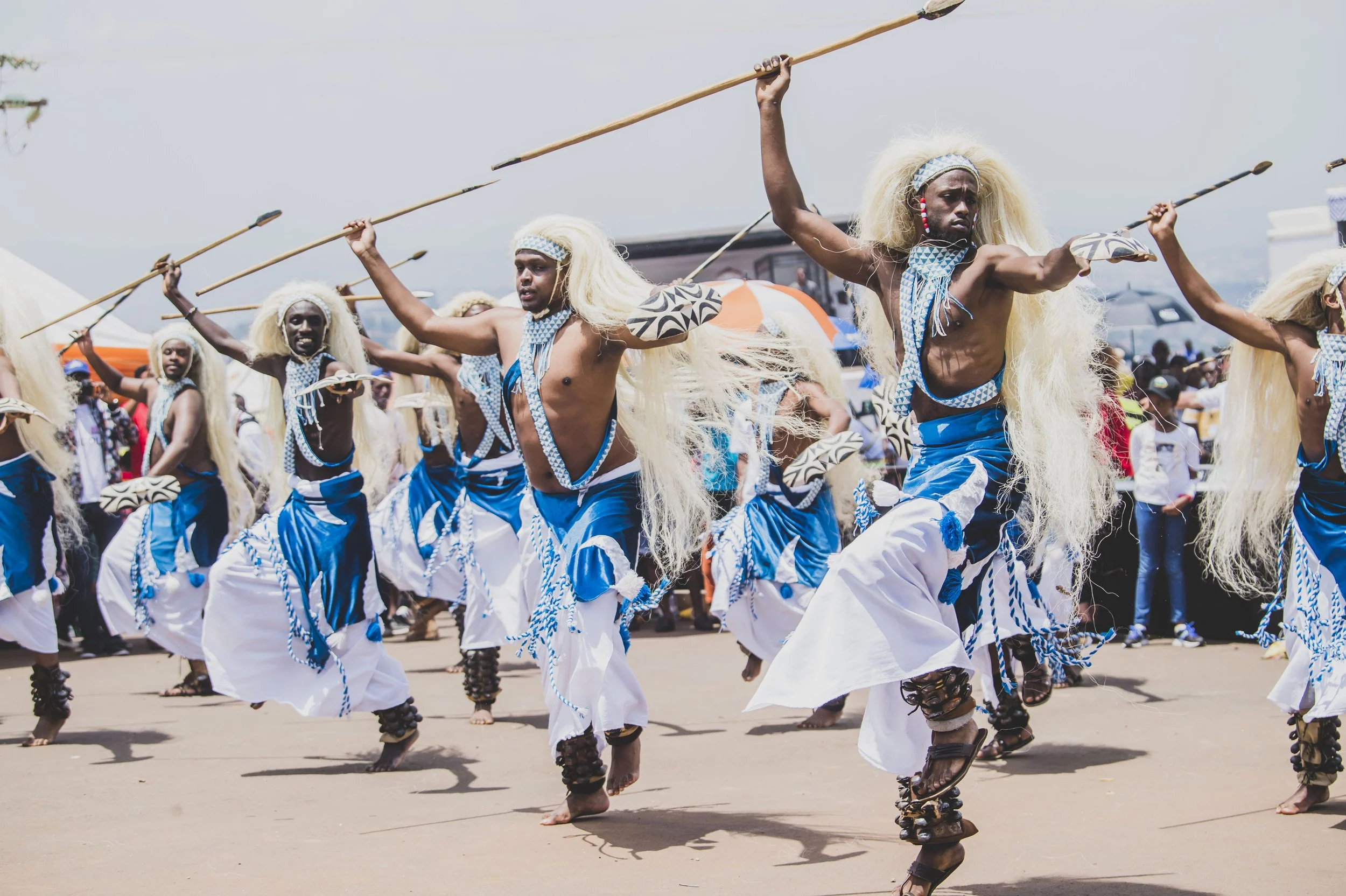
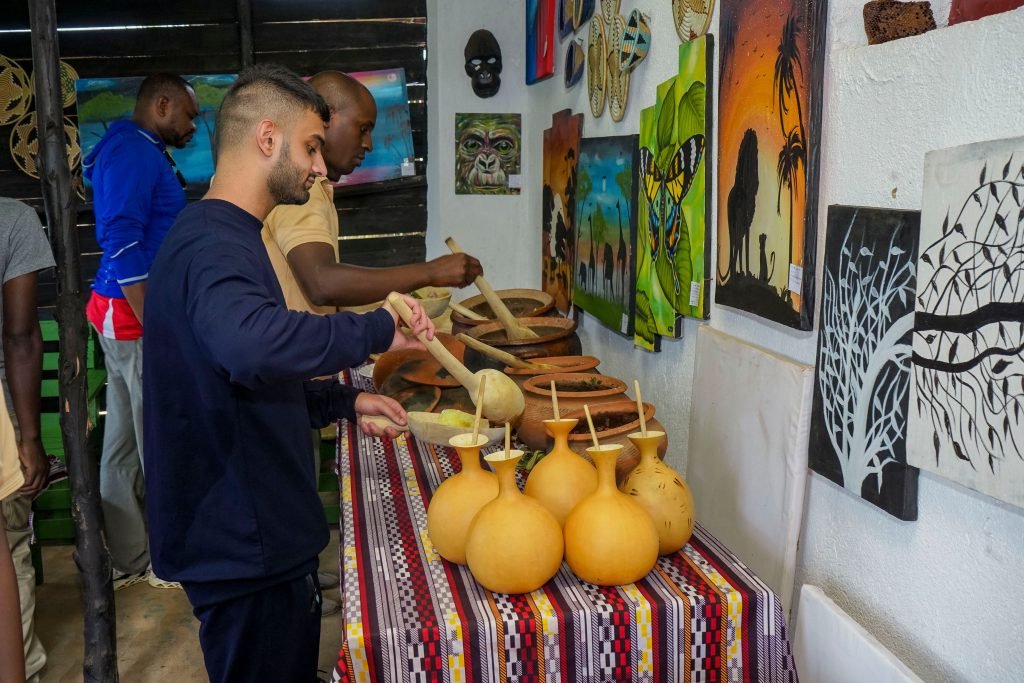
The Southern Province is known to be the cultural soul because it holds a rich concentration of Rwanda’s historical, spiritual, and artistic heritage. The King’s Palace Museum in Nyanza to step back into pre-colonial Rwanda, complete with royal cattle and Inyambo dancers. In Huye (Butare), explore the Ethnographic Museum, Rwanda’s most comprehensive cultural collection, and feel the intellectual energy of the country's oldest university. Many of the country's best artisans thrive in this area and work on perfecting their crafts, such as jewelry making, ceramics, woodwork, and painting, while fostering their academic skillset in the Rwandan hub for education.
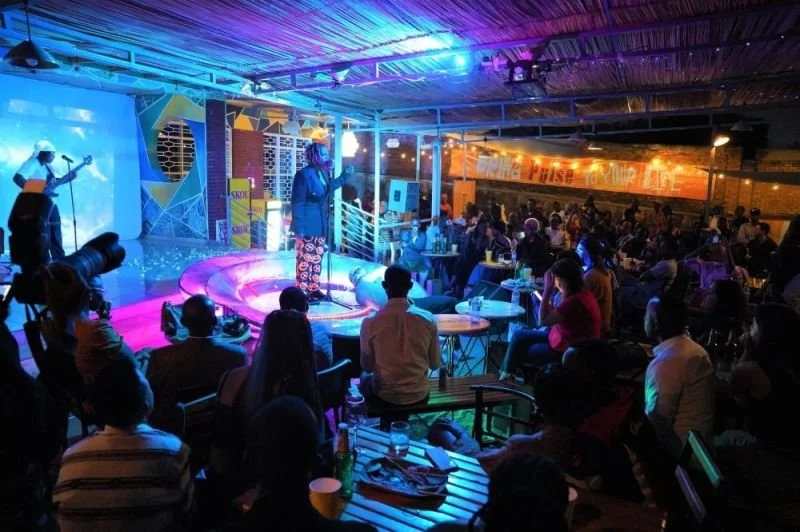
Kigali is not only the nation's capital, but is also one of Africa's most vibrant and forward-looking cities. The mornings are calmer—boda bodas, Rwanda’s bicycle taxis, weave through the early traffic, and street vendors set up along the sidewalks as the city quietly comes to life. Nyamirambo, also called the Muslim Quarter, is one of Kigali’s most vibrant neighborhoods. Nyamirambo is known for its many unique shopping and food markets. The area awakens with bright colors flowing from fabric and clothing shops, and the sweet smell of cafes coats the city. As the sun sets, the city shifts: rooftop bars fill with conversation, music rises from tucked-away clubs, bars, and night markets glow under hanging bulbs. Jazz pours out of night venues, and the city sways to the rhythm.
-
The best time to visit Rwanda is during the “On season” which is June-September. While Rwanda is rarely too cold or too hot for most due to being both a mountainous terrain and by the equator, this particular time of year also is a visitor's best time to avoid too much rainfall during their visit. There are also significant events occurring during this time that are worth exploring:
June to September is the prime season for safaris and gorilla trekking. Because of the more sunny weather, more roads are left accessible because the clay grounds are not too muddy or slippery to drive through. This opens up the ability to see more than you would during a rainy season and allows visitors more chances to see the animals up close and in action. Also, during the dry season, animals typically gather around a large watering hole, where tour guides can easily take viewers to see multiple species clearly and without much time spent searching the savannah.
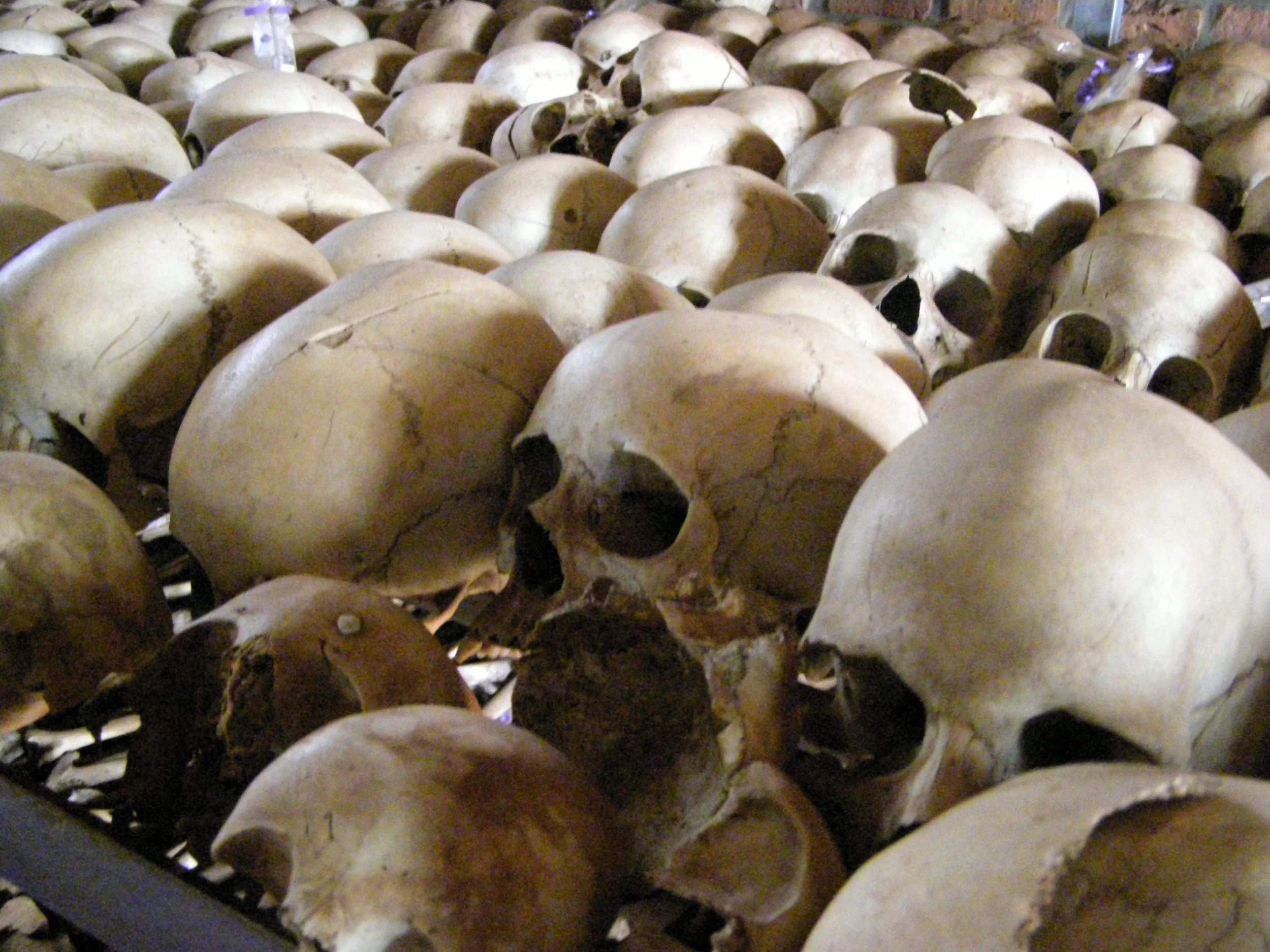
Kiwibuka, a time of remembrance, is set in Rwanda from April 7 - July 4th. This is a 100 day period where the Rwandan people mourn and pay their respects to those lost in the Rwandan genocide. Over the course of this period, Rwandans gather to have memorial ceremonies, community discussions, educational programs, artistic performances, and attend the lighting od the Flame of Remembrance at the Genocide Memorial to provide opportunities for reflection, healing, and unity. Visitors are invited to go to the memorial site to better educate themselves on this tragedy and learn how to combat genocide. To close out the mourning period, there is a celebration of liberation on July 4th. This is typically done by having military parades, speeches, and cultural performances that celebrate unity.
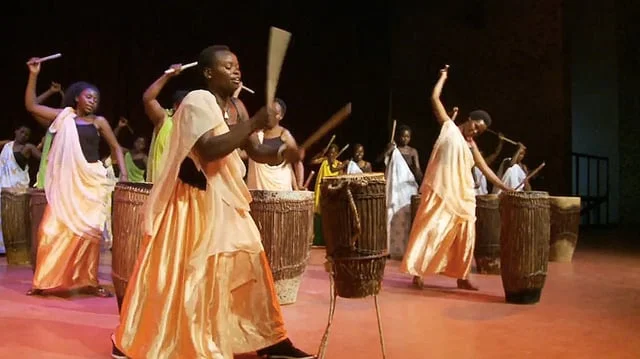
Umuganura is Rwanda’s national harvest day and it begins on the first Friday of August. Umuganura is derived from the verb 'Kuganu' which refers to the act of celebrating and sharing your harvest. For this celebration of the harvest, many have community feasts, traditional dances, storytelling, and ancestral rituals because this tradition is dated back to ancient times. Communities often host large local events. Inyambo ceremonies, the displaying of royal cows, are also involved at these events to show wealth and traditional pride.
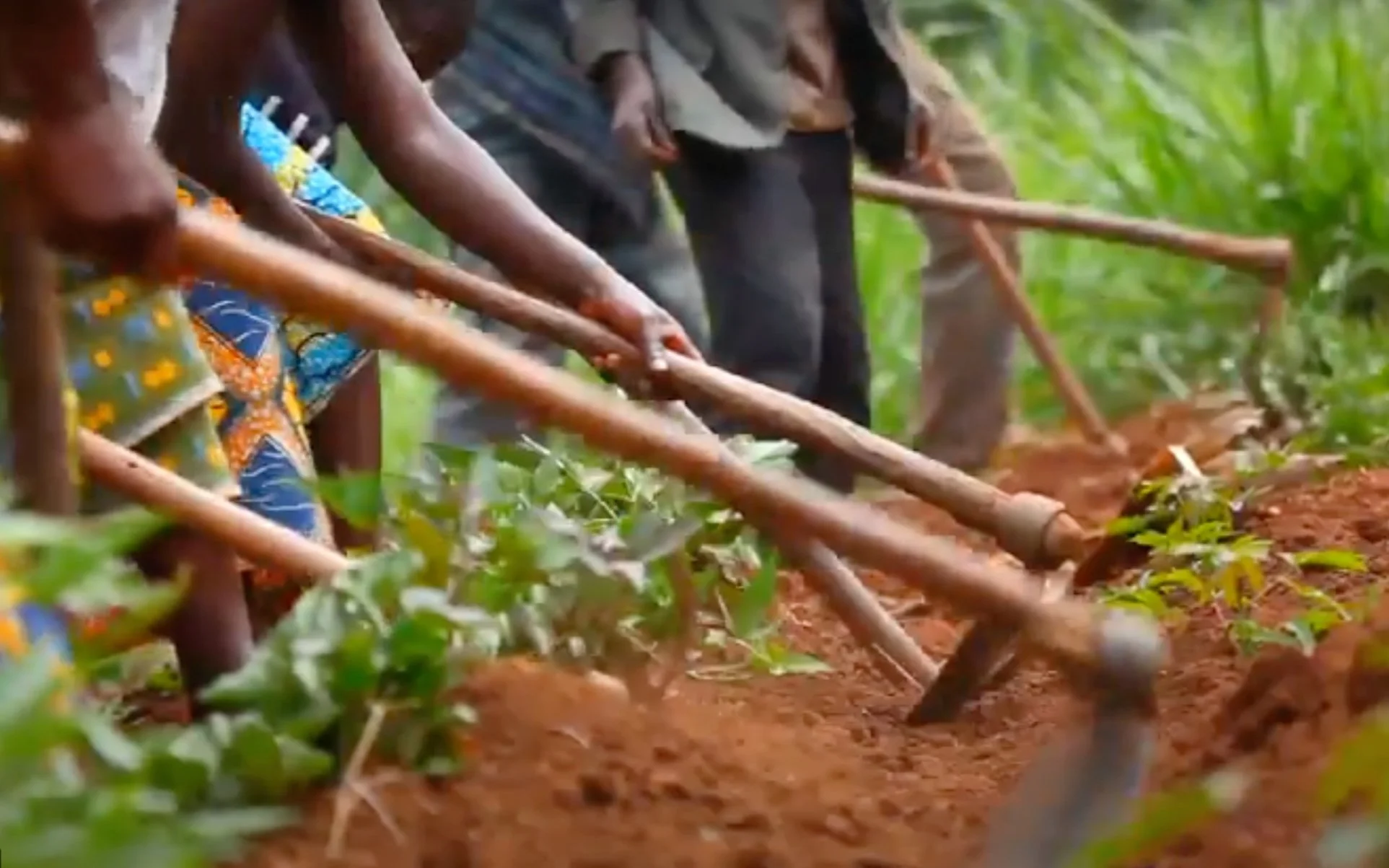
The last Saturday of every month is Umuganda, a national community work day where one can roll up their sleeves and really pitch in and contribute to the community. Roads are closed in the morning, and everyone participates—cleaning streets, repairing schools, and planting trees. Visitors are often encouraged to join in and really get to be a part of the community in a purposeful way while receiving a truly unique cultural exchange.
-
Transportation varies from area to area in Rwanda but mainly consists of cars, buses, and moto-taxis.
Towards the city areas, motorcycles, commonly referred to as moto-taxis, are popular forms of public transport. They are the cheapest and quickest way to get around the city, costing 300 Rwandan Francs (0.32USD). Taxi cabs are also available; however, they are less used and mainly for larger transport, such as from the airport to a hotel.
Express buses connect Kigali to all major towns (e.g., Musanze, Huye, Rubavu) and are also relatively cheap (3-5 USD). Tickets are best bought a day or two in advance; this mode of transport is often used by the locals.
Car rentals often come with private drivers as Rwandan traffic is much different than many Western locations, and roads can be small and minimal outside of large cities or town areas. Depending on the company and the length of the rental, the cost can be anywhere from 25 to 250 USD. 4x4s are often recommended for Akagera or Volcanoes National Parks.
-
Language and Greetings: It is expected to say hello to people when entering any setting (Shops, Restaurants, etc.). Kinyarwanda is the most widely spoken language so a friendly "Muraho" (hello) and "Murakoze" (thank you) go a long way when talking to the locals, they appreciate the effort to learn their language. Many people in the city speak English as well as the youth so don’t be intimidated if you are having trouble with Kinyrwanda.
Social Etiquette: Respecting elders is a large value in Rwanda, so let them speak first. Dress modestly, especially in rural areas (shoulders and knees covered - specifically applies to women). Rwandan locals value humility - being loud and boastful is frowned upon. Do not point with your finger - use your whole hand. Avoid public displays of affection, even hand-holding is rare in public for romantic couples. It is polite to accept food and drink when offered - even if it is just a small amount.
Food Etiquette: Wash hands before and after meals (some meals are eaten with hands, especially in rural homes). It is expected that you wait for the host to invite you before you begin eating. At times, there is a prayer before meals.
Religion and Respect: Rwanda is predominantly Christian (mostly Catholic), followed by Protestant and some Muslim communities. Attending church is common and you may be invited by locals to join mass.
Photography Etiquette: Always ask before taking photos of others. Avoid taking photos of government buildings, borders, and military sites. The genocide memorial allows photography outside but asks that no one photograph the inside of the memorial during their visit.
Cleanliness: Rwanda is famously clean and orderly—plastic bags are banned, and littering is heavily frowned upon.
-
Rwanda uses the Rwandan Franc as their prime currency. 1 USD ≈ 1,400–1,430 RWF, depending on the exchange rate. Visa cards are accepted at the larger stores in the city, but cash is king, so make sure you have some small bills on you. Exchange USD, Euros, or GBP at forex bureaus or local banks for the best rates - you may also exchange at the airport if you choose, but it is more expensive.
-
Rwanda is widely recognized as one of the safest countries in Africa, making it a fantastic option for solo travel—especially for first-timers to the continent. Street harassment is rare, and cities like Kigali are clean, walkable, and well-lit and most public transportation is easily accessible and affordable. Rwanda is bursting with group experience from classes, to nature trekking, to hostels that will allow you to expand your social horizons while exploring on your own.
-
Rwanda’s legal stance on LGBTQ+ matters is progressive compared to many African countries, yet significant gaps remain in protection and societal acceptance. Homosexuality is legal, but there is no legal recognition of same-sex relationships or nonbinary/gender nonconforming individuals.
Rwanda has joined international initiatives condemning violence and discrimination against LGBTQ+ people, such as a UN declaration in 2019. Some government policies and data privacy laws forbid discrimination based on sexual orientation or gender identity in specific areas like healthcare, employment within certain offices, and refugee processing.
Most tourists—regardless of orientation—report feeling safe, as Rwandans are known for being polite, respectful, and welcoming to visitors. PDA (Public Display of Affection) is taboo for all couples in Rwanda, so it is best to avoid physical affection, especially in rural areas.
-
Rwanda is often described by Black travelers as one of the most welcoming, grounding, and affirming destinations in Africa. Whether you’re reconnecting with heritage, traveling solo, or exploring the continent for the first time, Rwanda offers a space where many Black visitors feel seen, safe, and respected—often in ways they don’t experience elsewhere. Rwanda’s culture is welcoming to all people who wish to be a part of it. Traditional black hairstyles are celebrated and taught throughout the community. Sites like the Kigali Genocide Memorial and cultural centers like Red Rocks provide powerful spaces for reflection, healing, and learning—not only about Rwanda’s history, but about broader black resilience and strength.
-
Rwanda is making steady progress toward becoming more inclusive, but accessibility for travelers with disabilities—particularly physical or mobility-related—can still be inconsistent, especially outside urban areas. With some planning, however, Rwanda can offer a deeply rewarding and manageable experience for travelers of all abilities, especially in more urban areas like Kigali. Rural areas have rougher terrain and may be difficult for those with mobility limitations.