A Look at Germany’s Quirky but Quaint Ore Mountains

Germany’s Ore Mountains offer bucolic scenery and countless Christmas traditions, all wrapped up into one charming package.
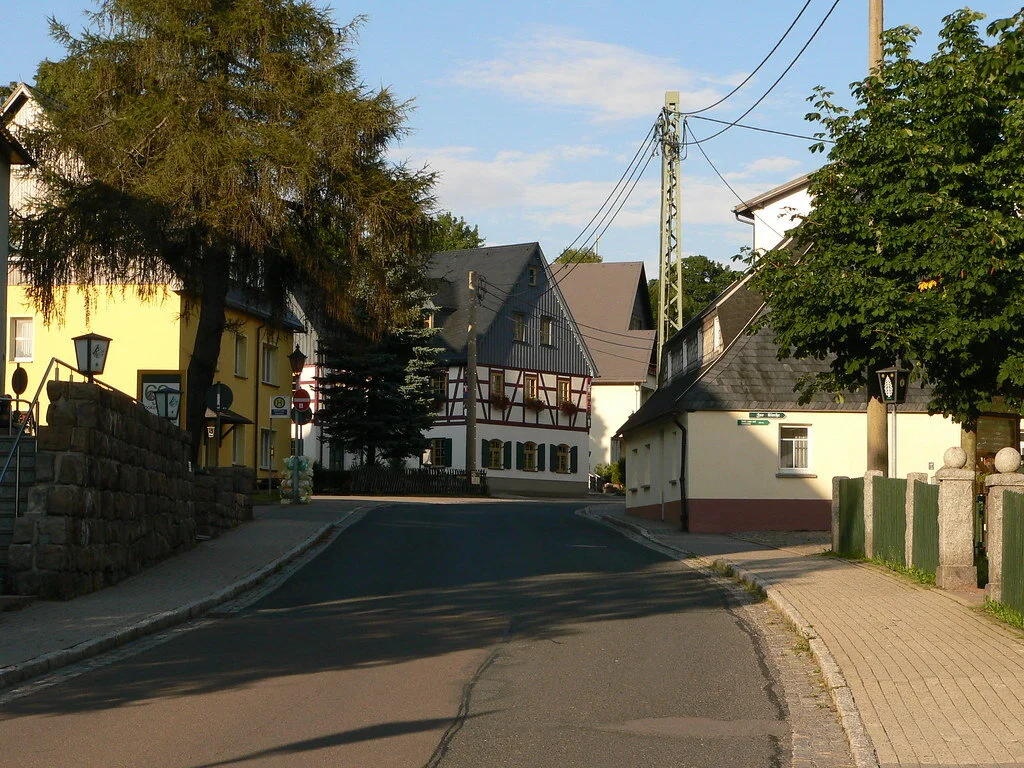
Seiffen, Germany. abejorro34. CC BY-NC 2.0. 

Along the German-Czech border lie the Ore Mountains, one of nature’s grand masterpieces. Stretching over 100 miles, the Ore Mountains appear like a scene out of Narnia: long strips of deep woods sit sprinkled among patches of bright wildflowers, often blanketed in thick snow. The area’s splendid scenery presents itself as the ideal inspiration for painters in search of inspiration.

The history of the region is just as fascinating. Up until their expulsion after World War II, German miners worked the mountain range for its many minerals such as copper, silver and lead. Thus, the range gained its name: the Ore Mountains. After World War II, the small towns that peppered the range lost most of their German populations. These towns were later filled by Czech residents who developed uranium and coal mining. Now, the range’s travel industry has brought much attention to the quaint lifestyle found today in these small towns. 

For guests eager for a gorgeous view or photographers looking for the perfect shot, Fichtelberg Mountain stands as one of the Ore Mountains’ top stops. Fichtelberg Mountain is the second-tallest peak of the Ore Mountains; it sits in the middle of the range and stands nearly 4,000 feet tall. The icy conditions found in the winter attract throngs of alpine skiers, bobsledders and other snow sporters. When the weather warms toward summer, the crowds of snow sporters are replaced by hikers and photographers; trails through patches of woods make for calm hiking opportunities, while the peak itself provides a 360-degree view of the surrounding mountain range.
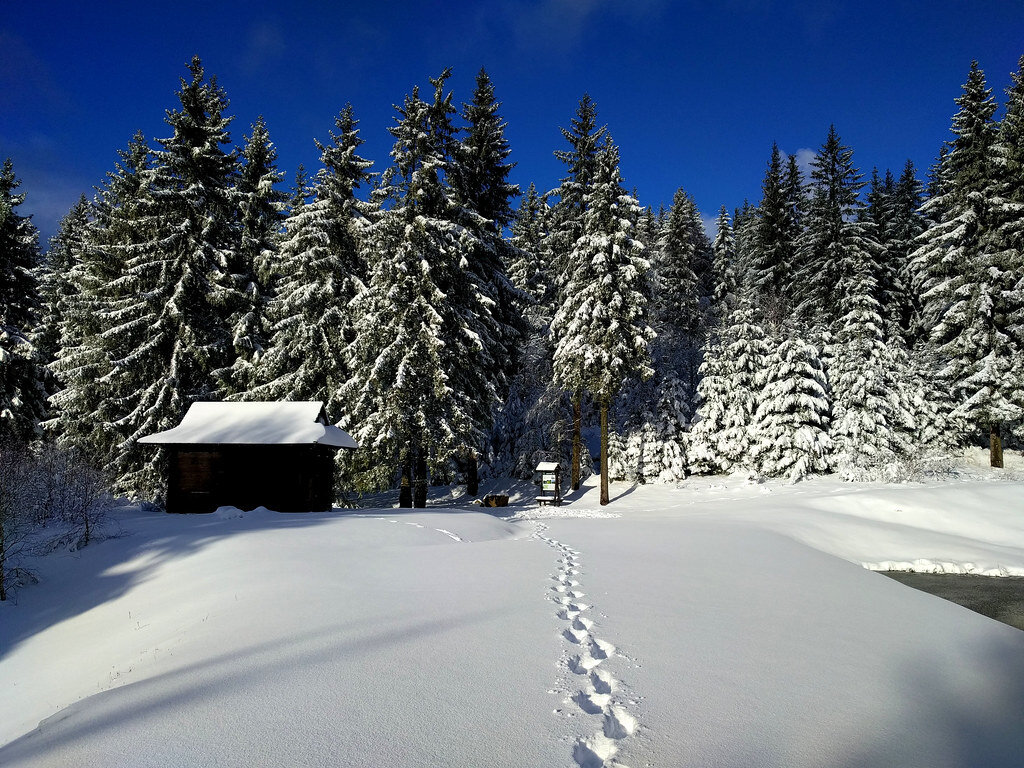
Snow in the Ore Mountains. VicunaR. CC BY-SA 2.0. 

Another destination sure to pique anyone’s interest is the small town of Seiffen, Germany. Seiffen holds only around 3,000 people, but its influence as a stronghold of local culture makes up for it. The town is famous for its role in the toymaking industry, with over 100 craftsmen living in it alone. Seiffen often appears like something out of Christmastime folklore, as it is known for its top-notch toymaking and stellar artisan Christmas decorations. For the woodmakers of this town, their craft is far more than just a profession. It is common that the artisans of Seiffen pass their craft down from generation to generation, making their work not just a form of income, but a lifestyle. 

Although at first glance the Ore Mountains may appear to be just another mountain range, the wide variety of activities and rich history make it a fascinating spot to explore. 



Ella Nguyen

Ella is an undergraduate student at Vassar College pursuing a degree in Hispanic Studies. She wants to assist in the field of immigration law and hopes to utilize Spanish in her future projects. In her free time she enjoys cooking, writing poetry, and learning about cosmetics.

LGBTQ+ Intolerance in Ghana Reaches Boiling Point 

Tensions within the West African country have risen following the recent restriction of LGBTQ+ rights, resurfacing the decades long discussion regarding the criminalization of same-sex conduct.   

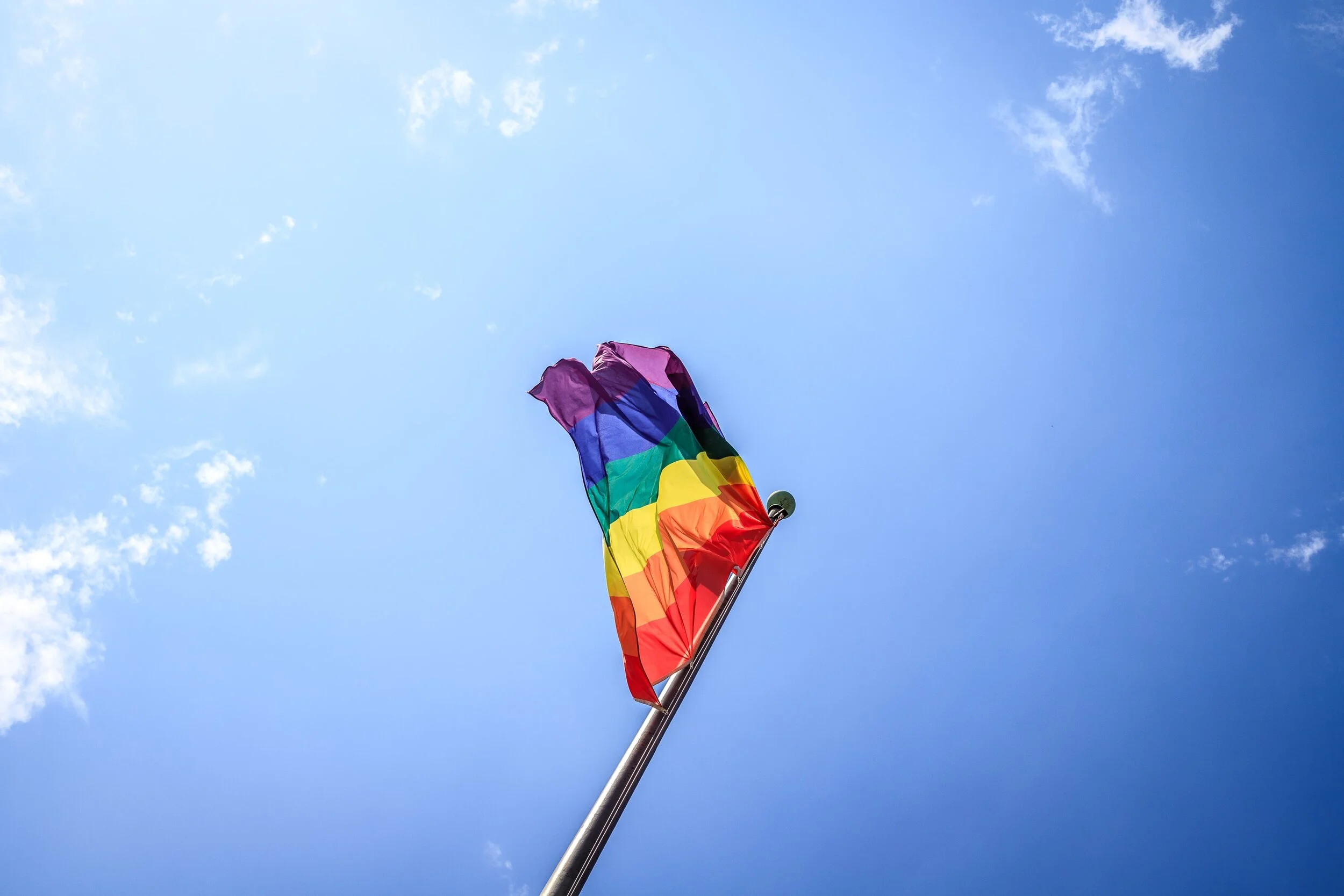
Pride flag waving in the sky. Tim Bieler. Unsplash. 

The newly established office of nonprofit organization LGBT+ Rights Ghana was raided and searched by police last month, endangering one of the only safe spaces for LGBTQ+ people in the country. This raid came mere days after Ghanaian journalist Ignatius Annor came out as gay on live television, and many have speculated that the raid was in retaliation of that moment. 

Given Ghana’s criminalization of same-sex conduct, it is not a stretch to say that homophobia runs rampant and unchecked, especially when considering the widespread opposition from both government officials and religious figures regarding the construction of the center for LGBT+ Rights Ghana.   

The building has been under scrutiny since it first opened back in January. Only three weeks after opening its doors to the public, the organization had to temporarily close in order to protect its staff and visitors from angry protesters. The director of the organization, Alex Kofi Donkor, explained how the community “expected some homophobic organizations would use the opportunity to exploit the situation and stoke tensions against the community, but the anti-gay hateful reaction has been unprecedented.”   

This unprovoked suppression of basic freedoms indicates that LGBTQ+ intolerance in Ghana has reached a boiling point and is about to bubble over. 

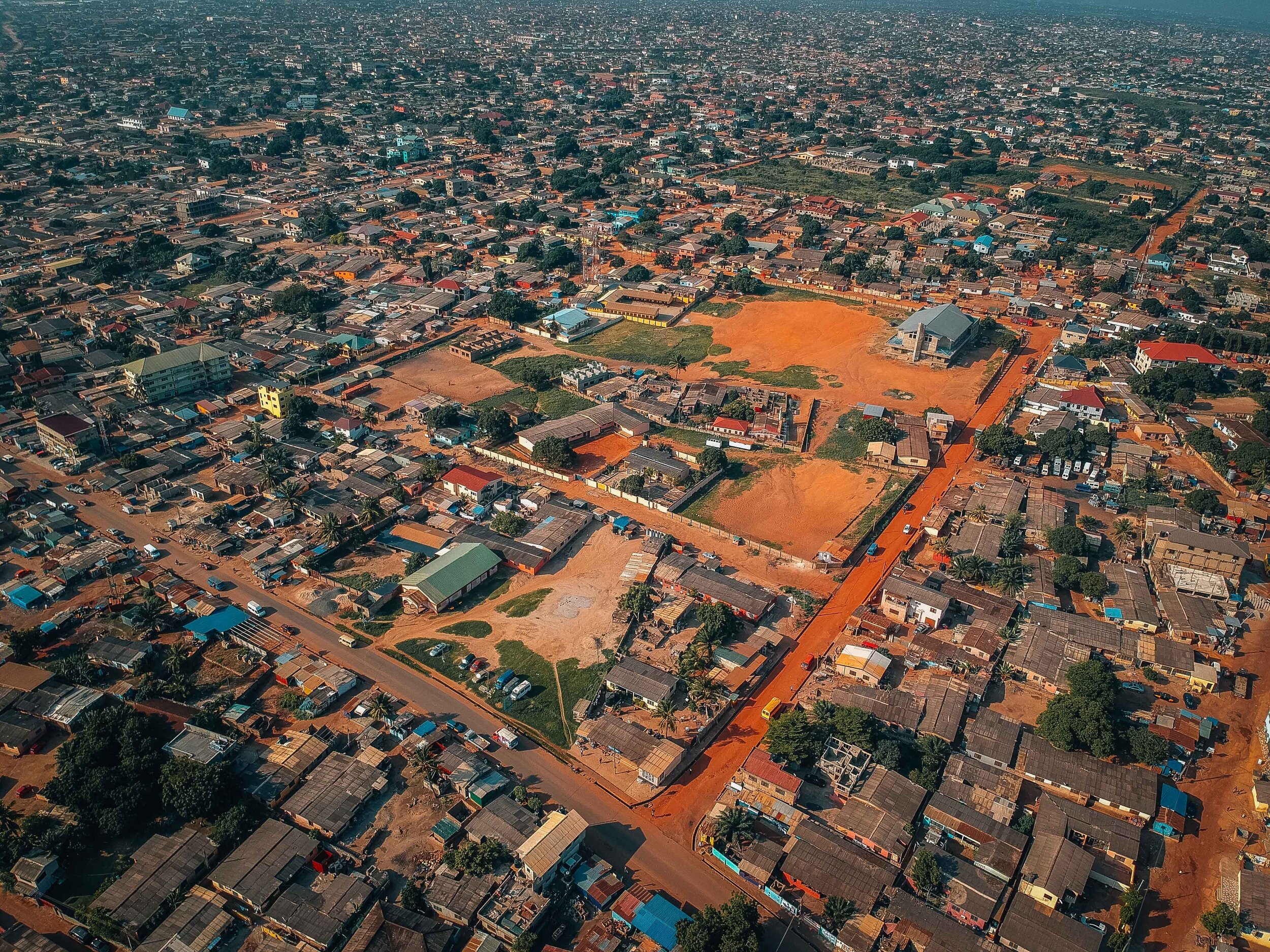
Aerial shot of Accra, Ghana. Virgyl Sowah. Unsplash. 

News of the situation reached a handful of high-profile celebrities such as Idris Elba and Naomi Campbell, who joined 64 other public figures in publishing an open letter of solidarity with the Ghanaian LGBTQ+ community using #GhanaSupportsEquality. While prejudice has only recently garnered public attention due to the letter, blatant and widespread homophobia in Ghana has run rampant for years. 

According to a study conducted by the Human Rights Watch in 2017, hate crimes and assault due to one's sexual identity are regular occurrences in Ghana. Dozens of people have been attacked by mobs and even family members out of mere speculation that they were gay. Furthermore, the study found that for women, much of this aggressive homophobia was happening behind closed doors through the pressures of coerced marriage. 

Consider 24-year-old Khadija, who identifies as lesbian and will soon begin pursuing relationships with men due to the societal pressure for women to marry. Or 21-year-old Aisha, who was exiled by her family and sent to a “deliverance” church camp after she was outed as lesbian. 

Marriage pressures and intolerances are certainly prevalent in other countries as well, even in those often deemed progressive. The big difference is that in many countries, homophobic beliefs are slowly becoming less and less common. In Ghana, it seems as though these sentiments are normalized and held by the majority of people. 

The precedent for discrimination based on sexual orientation was set as early as 2011, when former Western Region minister Paul Evans Aidoo called for the immediate arrest of LGBTQ+ people in the area. The stigma that actions like this produced in Ghana have only been amplified over time when coupled with religious and cultural tensions. 

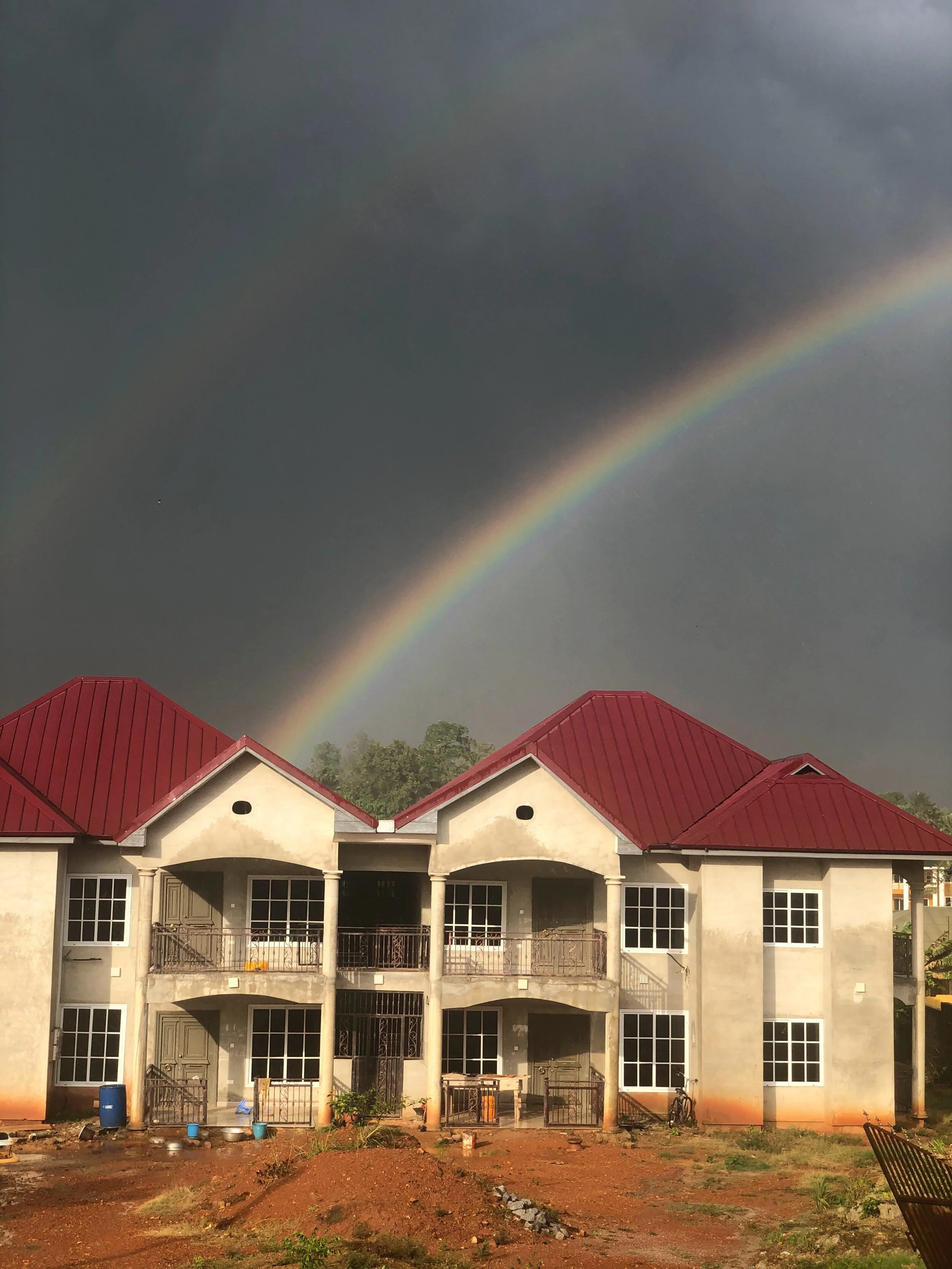
A rainbow forms above a home in Kumasi, Ghana. Ritchie. Unsplash. 

Many victims of hate crimes or abuse in Ghana reported that because of the codified homophobia in the country, they are unable to report their experiences to local authorities without putting themselves in danger. As a result, LGBTQ+ Ghanaians find themselves stuck in a perpetual cycle of making slight progress just for higher authorities to snatch it away. 

There have been countless opportunities for legalized discrimination to be addressed, and ever since current Ghanaian President Nana Akufo-Addo assumed office in 2017, he has been under immense pressure to announce his official position on homosexuality. Four years later, he has still not done so.

Instead of embracing the shift toward more inclusive policies supported by LGBT+ Rights Ghana, the Ghanaian government appears to be succumbing to public pressures in an attempt to keep peace. What it fails to realize is that sweeping inequalities under the carpet doesn’t make them go away. It actually does quite the opposite. It heightens inequalities until they become absolutely impossible to avoid. Celebrity involvement in dismantling Ghana’s current system has caused quite the public reaction. It may end up being the spark that causes the Ghanaian government to reconsider its policies and begin to offer LGBTQ+ people the respect and protection they deserve. 


Zara Irshad

Zara is a third year Communication student at the University of California, San Diego. Her passion for journalism comes from her love of storytelling and desire to learn about others. In addition to writing at CATALYST, she is an Opinion Writer for the UCSD Guardian, which allows her to incorporate various perspectives into her work.

7 of the World’s Most Beautiful Libraries 

These libraries demonstrate some of the world’s most jaw-dropping examples of architecture, ranging from Gothic and Renaissance to contemporary. 

Libraries are havens of information. They are key in preserving the written history, culture and heritage of an area, and are often intricately designed, with architecture that is sure to impress visitors. Libraries are sometimes just as impressive from an architectural standpoint as they are from a literary one, and these seven libraries provide prime examples of stunning architecture. They are all widely different, some dating to medieval times and some opening as recently as the early 2000s. Each one, though, has a style that will make patrons eager to get lost in the stacks, from translucent floors and floating shelves to ancient frescoes and sustainable construction. 

1. Biblioteca Vasconcelos, Mexico 

Mexico City’s Biblioteca Vasconcelos spans over 400,000 square feet and has a unique, whimsical design that mimics the feeling of being lost in a book. Photographer James Florio described Biblioteca Vasconcelos as “like entering an alternate universe.” The library, which opened in 2006, features translucent walls and floors, multistory windows, mismatched levels, and a labyrinth of balconies and pathways that seem to float above the ground level. Often referred to as a “megalibrary,” Biblioteca Vasconcelos holds hundreds of thousands of titles. In addition to the stunning interior architecture and endless books to browse, the grounds of Biblioteca Vasconcelos are home to an extensive botanical garden. Architect Alberto Kalach designed the building and grounds to promote ecological regeneration, turning a barren plot of land into one overflowing with plants and information. 

2. The Library of El Escorial, Spain

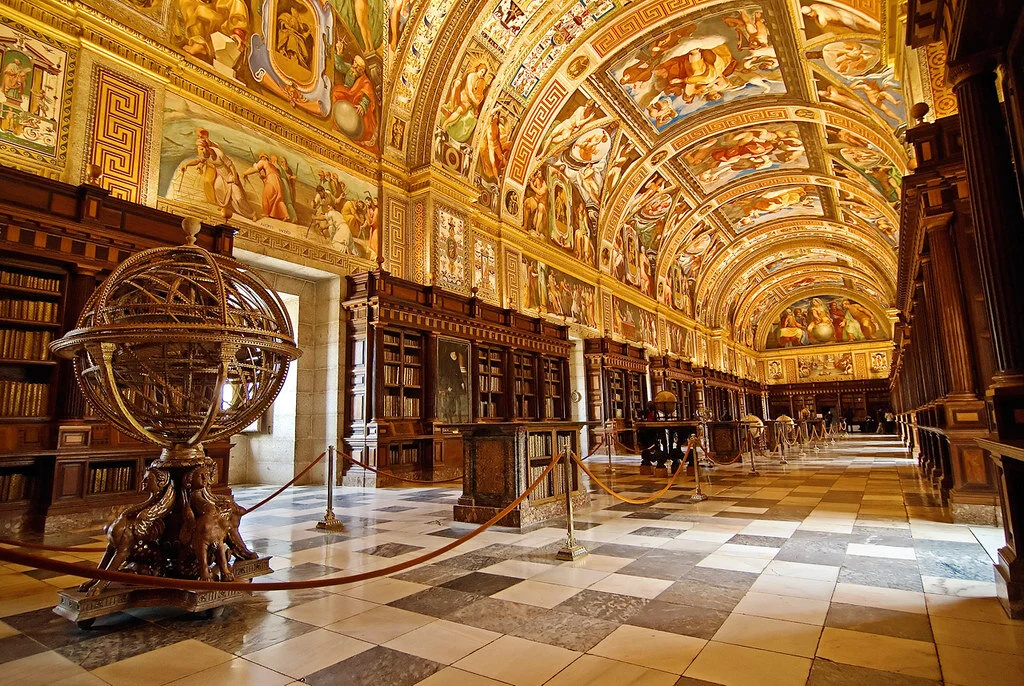
The Library of El Escorial is located within the Royal Monastery of San Lorenzo de El Escorial, a vast building complex located about 30 miles from Madrid. The complex, which includes a monastery, church, royal palace, college and library, was conceived by King Philip II and built during the mid-to-late 1500s. Each building in the complex reflects the ornate architecture of the Spanish Renaissance, and the interiors are decorated with sprawling frescoes, paintings and sculptures by notable Spanish and Italian artists from the 16th and 17th centuries, like El Greco. The library itself, also known as the Royal Library, is made up of many rooms, but today only the Main Hall is open to visitors. The Main Hall is 177 feet long, 30 feet wide and 33 feet high, and gives visitors a good look at the stunning frescoes, woodwork and ancient books. El Escorial Library holds more than 40,000 printed books, as well as 4,700 manuscripts, many dating back to the era when the library was constructed. El Escorial was the first library to do away with book bays, instead placing bookshelves up against the walls where the collection could better be admired. 

3. Tama Art University Library, Japan

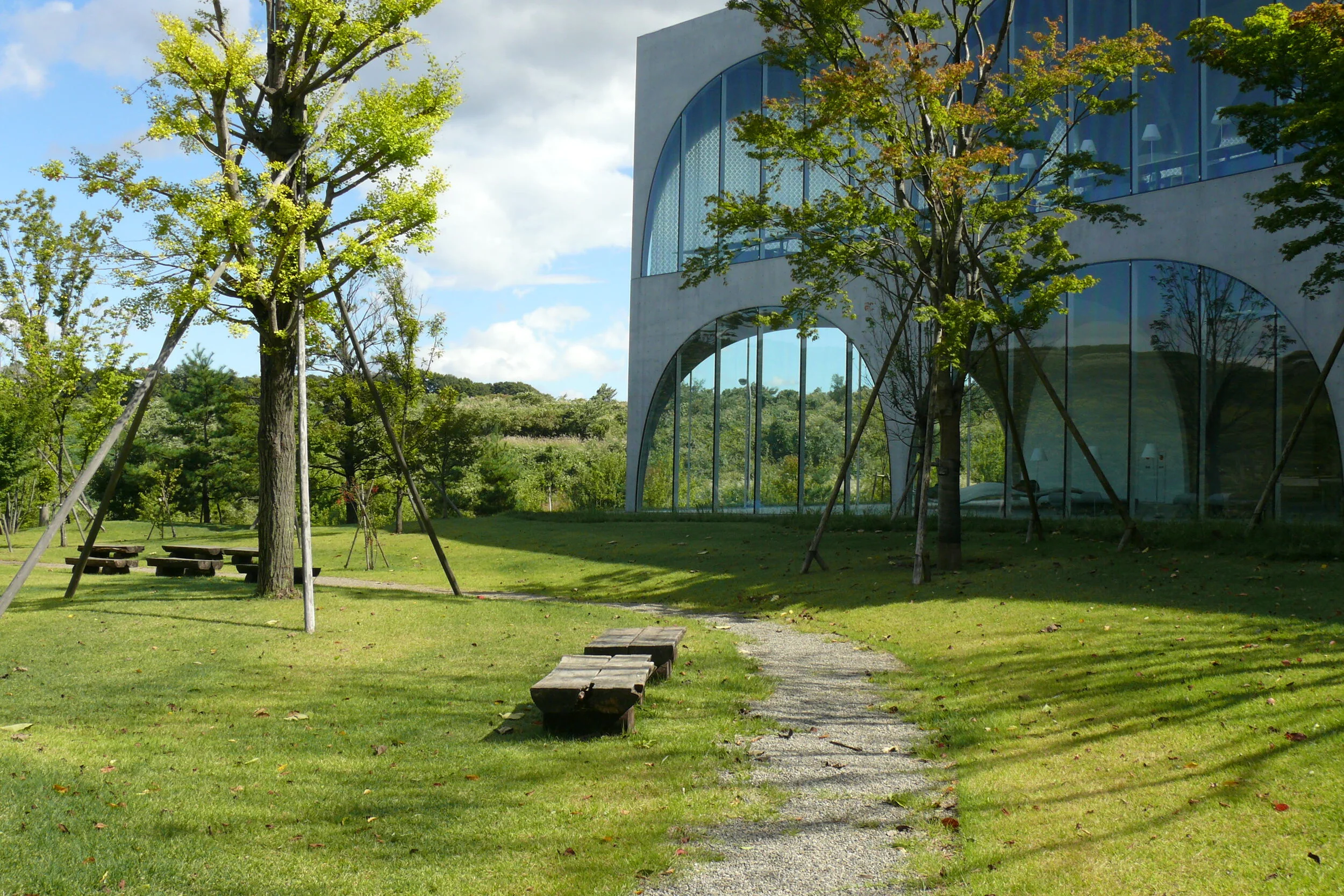
In the Tokyo suburbs, on the campus of Tama Art University, is the Tama Art University Library, a two-story building with massive arches and floor-to-ceiling windows. These arches are made of steel but coated in pure concrete, offering up a unique look developed by the building’s designer, Toyo Ito. Inside, the library is mostly one continuous space on each floor, with the only divisions between areas coming from shelves, study desks, glass partitions and more arches. This way, the library is divided into sections in a way that doesn’t interrupt the flow of the room. The windows allow library patrons to gaze out over one of the campus’s lush gardens, and the library is full of reference books for the university’s students. It was added to the campus in 2007 as a common space. 

4. Royal Portuguese Cabinet of Reading, Brazil

The Royal Portuguese Cabinet of Reading is located in the center of Rio de Janeiro and contains the largest collection of Portuguese books outside of Portugal, with over 350,000 titles. Three towering stories of books rise above the library’s open floor, leading to a stained-glass dome overhead. The library was built in the 1880s, after a group of 43 Portuguese immigrants and political refugees living in Brazil decided they wanted a way to preserve their written culture and heritage. Statues of important Portuguese figures, including writers and explorers, are placed throughout the library. The exterior of the building similarly preserves Portuguese history; Rafael da Silva e Castro, the library’s architect, designed the building in the style of 16th-century Portuguese architecture, and the library’s facade is made of Lisbon stone brought to Rio de Janeiro by ship. The library is open for visitors, publishes a journal on Portuguese literature and culture, and offers college-level courses on literature, history, anthropology, the arts and the Portuguese language. 

5. Bodleian Old Library, England

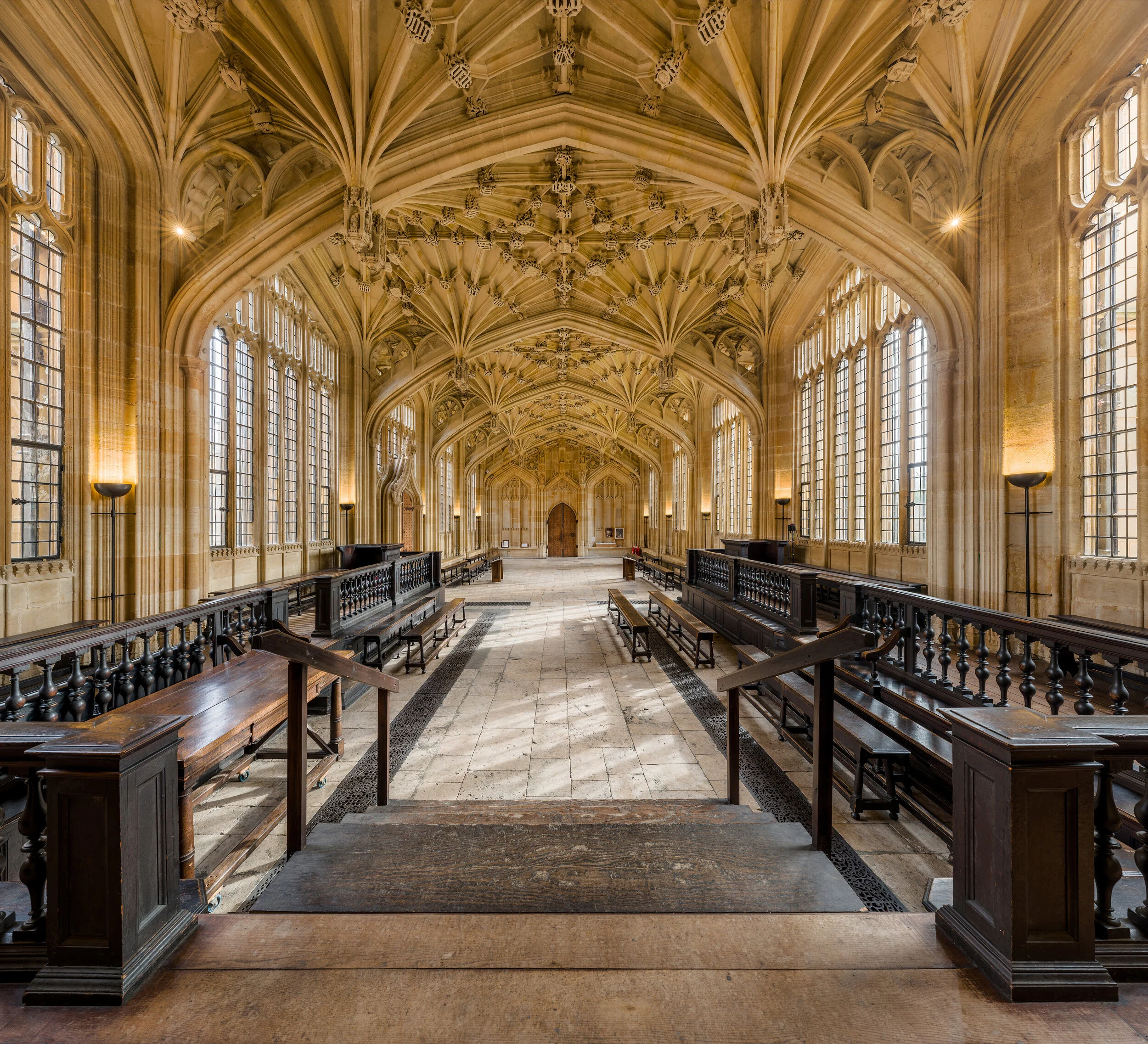
The Bodleian Libraries are a group of 28 libraries across Oxford, England, that are all part of the Oxford University system. Bodleian Old Library is the principal university library and the oldest of the group, having been in use since the 1300s. Bodleian Old Library houses over 12 million printed works, including first editions of Charles Darwin’s “On the Origin of Species” and Jane Austen’s “Emma.” The historic library looks like a castle, with magnificent, grand-scale Gothic architecture that has been featured in films like the “Harry Potter” series. As well as housing a jaw-dropping number of books, Bodleian Old Library contains the Divinity School, Oxford’s oldest teaching and examination room. Visitors to the library need to purchase tickets for a tour, where they will see the Divinity School, Duke Humfrey’s medieval library, and the library’s stunning Upper and Lower Reading Rooms. 

6. Beitou Public Library, Taiwan

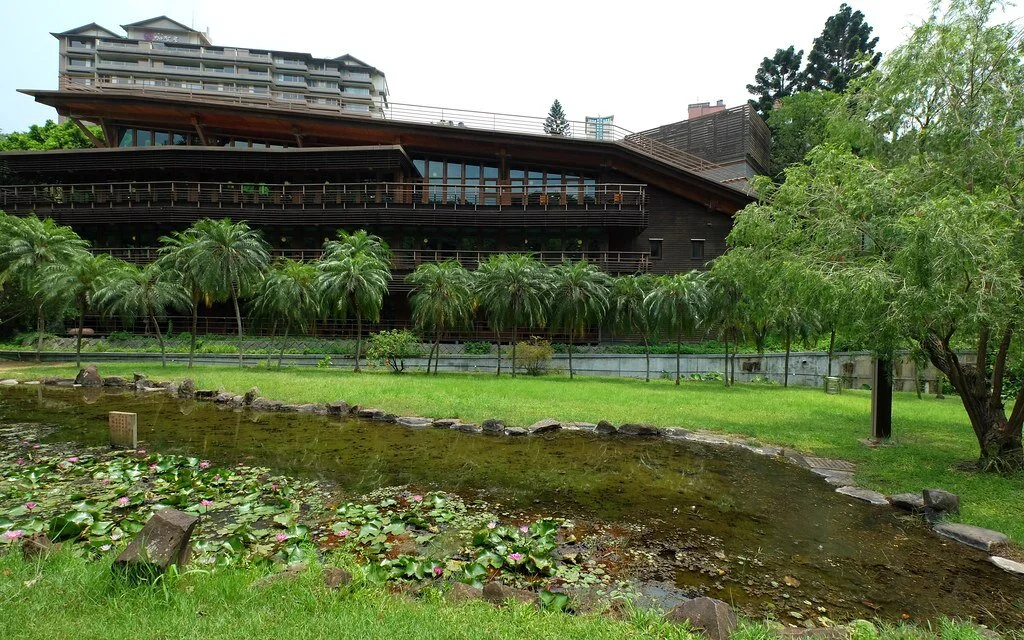
The Beitou Public Library in Taipei, Taiwan, was the island’s first certified “green building,” constructed in 2006. The library is on the grounds of the Beitou Park, which is famous for its hot springs, and was designed to look like a large treehouse. It is built mainly of wood, boasts large French windows and fits seamlessly into its surrounding environment. Beitou Public Library qualifies as a green building under Taiwan’s “Ecology, Energy Saving, Waste Reduction and Health” (EEWH) certification system, which aims to reduce the impact of buildings on the natural environment. The wood used for the library was harvested from managed forests rather than primary rainforests, the windows allow for natural lighting and cooling, part of the roof is covered in solar panels, another section is covered in a layer of soil to improve thermal insulation, and the roof’s slope allows for runoff from rain to be collected and used in the library’s plumbing. Views from the Beitou Public Library are gorgeous, as it looks out onto Beitou Park, and the library contains over 20,000 English and Chinese titles. 

7. Bibliotheca Alexandrina, Egypt

Billed as the “New Library of Alexandria,” Bibliotheca Alexandrina sits along the harbor of Alexandria, Egypt, and contains six specialized libraries, 12 academic research centers, a planetarium and several museums. The library opened in 2002 and aspires to “recapture the spirit of the original library of Alexandria,” which was destroyed centuries ago. The complex receives about 1.5 million visitors each year, all flocking to experience the incredible volume of knowledge the library offers and to admire the beauty of the complex itself. The library stands 11 stories high and is notable for its circular and tilted shape, as well as its surrounding reflecting pool. Bibliotheca Alexandrina mixes a contemporary exterior design with an interior that holds thousands of years of knowledge.


Rachel Lynch

Rachel is a student at Sarah Lawrence College in Bronxville, NY currently taking a semester off. She plans to study Writing and Child Development. Rachel loves to travel and is inspired by the places she’s been and everywhere she wants to go. She hopes to educate people on social justice issues and the history and culture of travel destinations through her writing.

In 2020, Femicide Rates Rose Around the Globe

Last year, the U.N. reported a significant increase in domestic violence against women and girls worldwide. Rates of femicide, the murder of women because they are women, have increased greatly since the start of the COVID-19 pandemic.

 Last year, countries around the world saw protests decrying the increase of violence against women. A number of these protests were sparked by femicides that made headlines, like the murders of Vanessa Guillen in the United States, Pinar Gultekin in Turkey and Tshegofatso Pule in South Africa. Guillen, an Army private, is believed to have been killed by another service member who likely also sexually assaulted her, and Gultekin and Pule both died at the hands of a current or former boyfriend. These women were only three of a reported 50,000 women who die as a result of domestic violence each year. 

In 2020, that number increased further. The U.N. reported that reports of domestic violence as a whole dramatically increased, with 243 million women around the world being subjected to sexual and/or physical violence within the year. That figure only includes women and girls aged 15 to 49, so the real total worldwide is even higher, since women outside that age range experience violence as well. 64-year-old Justina Galo Urtecho, who was raped and strangled to death in her home in Costa Rica, stands as a prominent example. The rise in violence against women, especially domestic violence, is directly related to the COVID-19 pandemic. Concerns over security, health and money, as well as the series of lockdowns in many countries, have all contributed to an increase in cases of domestic violence. Due to the pandemic, women and girls worldwide found themselves stuck at home in abusive situations. 

Since France’s March 17, 2020, lockdown, cases of domestic violence have increased 30%. Emergency calls to domestic violence helplines in Argentina, Cyprus and Singapore increased 25%, 30% and 33%, respectively, after the countries instituted lockdowns. 

Many women who were victims of domestic violence ended up dead. During the first two months of its lockdown, Brazil saw a 22% increase in femicides from the same time last year. In Mexico, at least 987 women and girls were murdered in the first four months of 2020 alone. 

At the same time that the pandemic led to an increase in violence against women, it also compromised the care that women facing domestic violence had access to. With health care providers and governments overwhelmed by COVID-19 cases, the U.N. report suggests that support for women who experienced violence slipped through the cracks. 

The United Nations has dubbed the increase of domestic violence and femicide that followed the COVID-19 pandemic “the Shadow Pandemic,” and urges that national responses to COVID-19 include services to address violence against women and girls. The U.N. Shadow Pandemic Campaign recommends that countries follow five steps to combat the increase of violence against women: 

  1. Allocate resources in COVID-19 response plans to addressing violence against women.

  2. Strengthen support services for women who experience violence by treating them as essential services.

  3. Increase the capacity of key support services.

  4. Put women at the center of policy reform. 

  5. Collect data on the phenomenon to inform governments’ responses.

Violence against women is an ongoing issue around the world. It did not start when the pandemic did; it simply increased. Similarly, violence against women will not end when the pandemic does. Reports suggest that the most effective way to prevent femicide is to end intimate partner violence, which necessitates addressing global gender inequality and power imbalances as a whole. 

To Get Involved: 

A list of ways to take action with the U.N.’s Shadow Pandemic Campaign can be found here. 


Rachel Lynch

Rachel is a student at Sarah Lawrence College in Bronxville, NY currently taking a semester off. She plans to study Writing and Child Development. Rachel loves to travel and is inspired by the places she’s been and everywhere she wants to go. She hopes to educate people on social justice issues and the history and culture of travel destinations through her writing.

Altered Photos of Cambodian Genocide Victims Spark Outrage

Too often history is viewed as an element of the past—chains of unchangeable events that can be analyzed and nothing more. However, it is important that victims of past atrocities are honored, a lesson in which modern media has fallen short. 

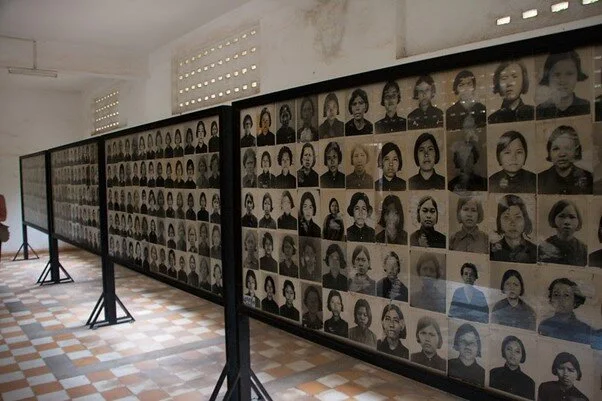
Unaltered photos of Khmer Rouge genocide victims at the Tuol Sleng Genocide Museum. Christian Haugen. CC BY 2.0.

With the advancements of the digital age, the culture of media has grown ever more rapid, often leading to negative consequences. In a recent incident, history itself took center stage as one photographer’s actions sparked massive outrage among victims of the Khmer Rouge genocide, which led to the deaths of more than 2 million Cambodians in the late 1970s. 

Vice published the work of photographer Matt Loughrey, who edited photos of victims from the S-21 prison in Phnom Penh taken minutes before their executions. Loughrey has been accused of editing the photos so that they show smiling faces, creating waves of backlash for the photographer. 

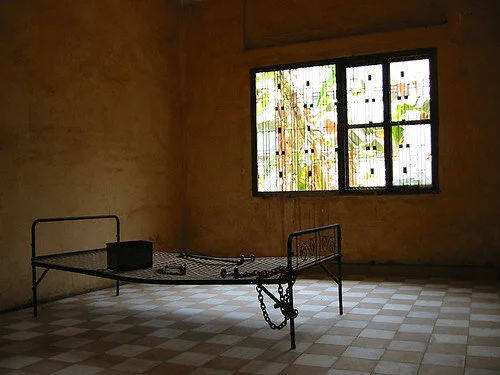
Torture room. Timoluege. CC BY-NC 2.0. 

Upset relatives of the photographed victims stated that Loughrey’s work was of horrible judgment, citing his acts as degrading the dignity of the victims. Cambodian officials too were outraged upon seeing the photos; the country’s Ministry of Culture and Fine Arts threatened legal action. In addition to insensitive alterations of the photos, the Vice article misidentified one of the victims, publishing incorrect personal details. 

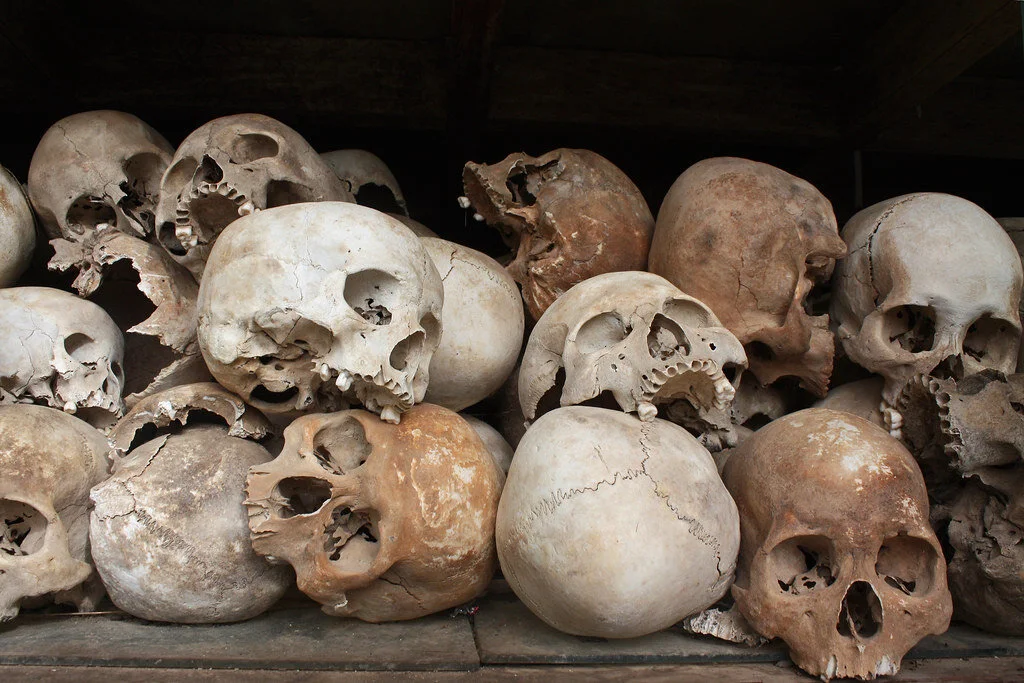
Victims’ skulls. istolethetv. CC BY 2.0.

Others have declared the actions of Loughrey to be crimes against history itself, stating the alterations to be offensive to truth. 

VICE has since removed the photos, citing errors in the company’s editorial process. 

The Bigger Picture 

Beyond the first waves of anger resulting from this incident, larger lessons have been learned by all involved. Primarily, the incident has brought to light a flaw in the way people view history; although history is an analysis of past events, it must be equally weighted against potential consequences for the victims themselves. Second, it highlights that history is not always entirely of the past—there are still over 5 million Khmer Rouge victims living, along with millions of other descendants and close community members. Third, it brings up the question of what should be considered acceptable when it comes to altering representations of history. Is there wiggle room for subjectivity, or should all journalistic representations be as objective as possible? 

Amid the turmoil and animosity between the opposing sides of this conflict, some light still remains. The incident stands as a crucial reminder for everyone that the analysis of history can be as much a weapon as a tool. It remains up to the media, and their audiences, to use the past appropriately.


Ella Nguyen

Ella is an undergraduate student at Vassar College pursuing a degree in Hispanic Studies. She wants to assist in the field of immigration law and hopes to utilize Spanish in her future projects. In her free time she enjoys cooking, writing poetry, and learning about cosmetics.
High Schools in Rome Increase Support for Transgender Students

In the Roman Catholic stronghold of Italy, Rome’s high school students have sped up the city’s journey toward acceptance of transgender individuals. 

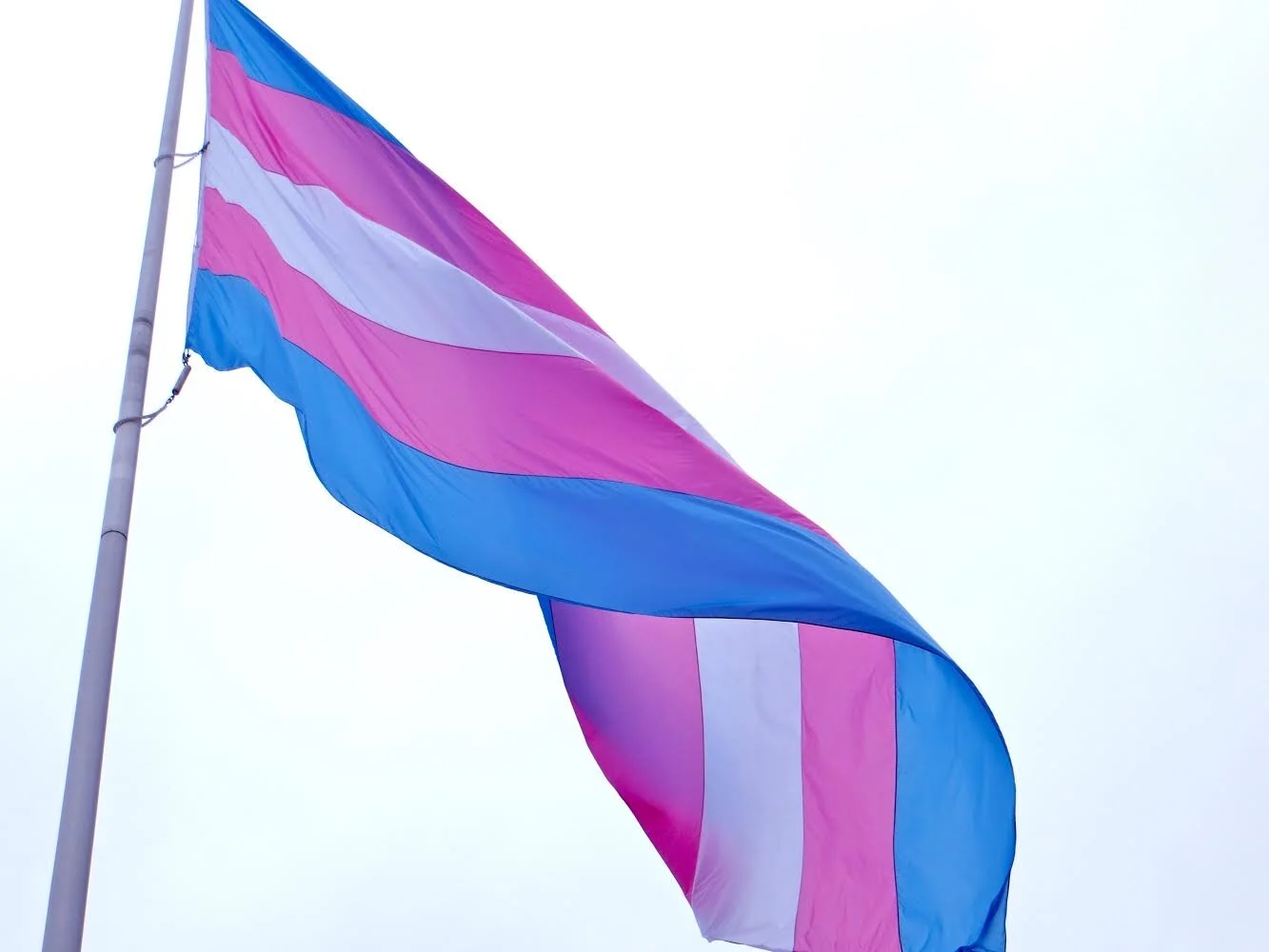
Transgender flag. User:torbakhopper. CC BY-SA 3.0.

Despite the challenges of the COVID-19 pandemic, the high school community of Rome has been making strides toward the advancement of LGBTQ+ rights. Recently, a handful of high schools in the city have decided to allow transgender students the right to go by their chosen name. This is a stark change from the previous method of using a transgender person’s name given at birth, known as their “dead” name. The high schools that have made this change lag behind the city’s universities, with some colleges already having given transgender students the right. 

Although the act itself seems small, it is a substantial gesture within the context of the transgender community. Upon hearing the news, students have expressed great relief; many see this step as a beacon of hope toward full transgender visibility in Italy. The country’s LGBTQ+ community currently deals with hate crimes, some of which have been so violent that victims have required reconstructive surgery. For Italy, the flaw is in the law; there is a law prohibiting crimes based on religion and race, but none exists for acts based on gender or sexual orientation. The largest change benefiting the transgender community occurred in 1982, when the Sex Reassignment Act legalized that procedure. 

School officials in Rome believe that this change will help to protect students by creating a sense of security and peace in their learning environment. The first students to experience the change in rules hope that they will pave the way for an easier education for future transgender individuals, many of whom face large-scale bullying. 

In a study on LGBTQ+ tolerance conducted by the Williams Institute, Italy fell quite far behind some of its European counterparts. Italy sat at 30th place in the ranking while Iceland and the Netherlands snagged the first two slots. The prevalence of the Roman Catholic Church, which does not condone LGBTQ+ behavior, has much to do with the country’s lower score. 

This step has been a significant one for Italy, but much work remains to be done. With a smoother education now in store, these students hope that they are just the group to bring about further change. 


Ella Nguyen

Ella is an undergraduate student at Vassar College pursuing a degree in Hispanic Studies. She wants to assist in the field of immigration law and hopes to utilize Spanish in her future projects. In her free time she enjoys cooking, writing poetry, and learning about cosmetics.
A Canvas of Colors: Chile’s Majestic Marble Caves

Mother Nature is often mentioned causing destructive hurricanes, explosive volcanic eruptions and other Earth-shattering natural disasters. Just as easily as she causes destruction, though, she creates unparalleled beauty. 

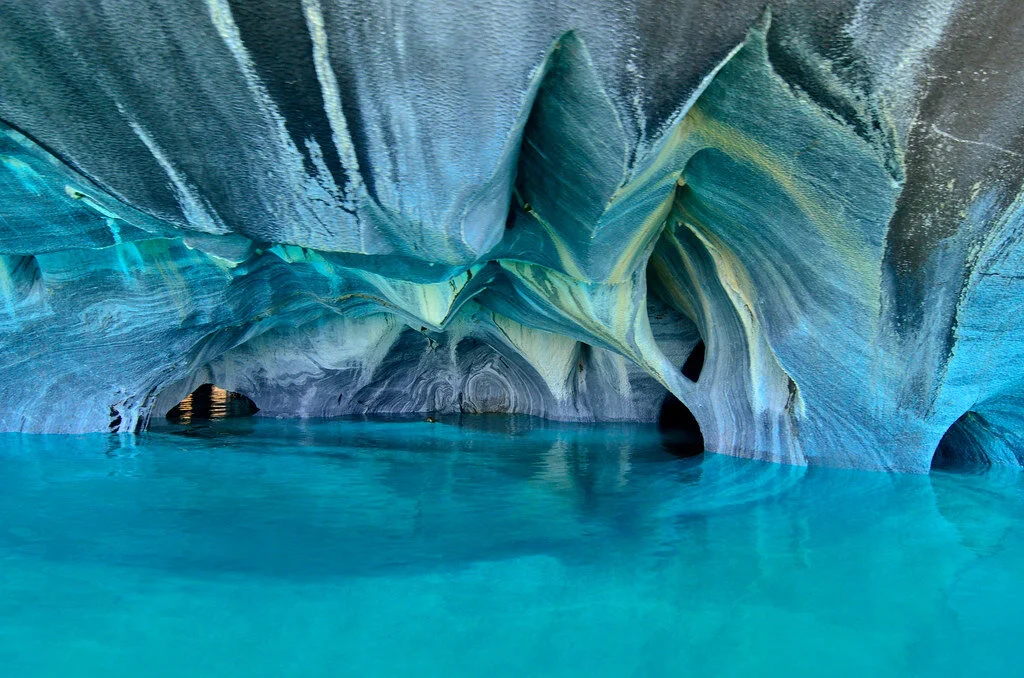
The Marble Caves in Chile. Javier Vieras. CC BY 2.0. 

In every region of the world lies some kind of cave system; they range from the awfully eerie such as Hellhole Cave in West Virginia to the wholly tantalizing psychedelic salt mines of Russia. Although all are beautiful in their own way, few turn heads quite like one such cave system in Chilean Patagonia. Situated along one lake is a particularly artistic cavern system called the Marble Caves. 

At the Argentina-Chile border lies the majestic General Carrera Lake. The lake is the largest in Chile, with a town called Chile Chico resting on its southern shore. Although the town itself is a quaint and quiet getaway, the treasures of the lake draw most visitors to the area; the massive lake boasts a dynamic palette of mesmerizing shades of sapphire and cobalt. The lake is an incredibly remote glacial lake, making it quite the journey to reach. The lake is surrounded by grand forestry, and enjoys a calm backdrop of snowcapped mountains against an expansive sky. In order to get to General Carrera Lake, visitors must depart from the city of Santiago, then embark on a string of drives totaling about 1,000 miles. From there, visitors can only visit the cave system by boat or kayak. 

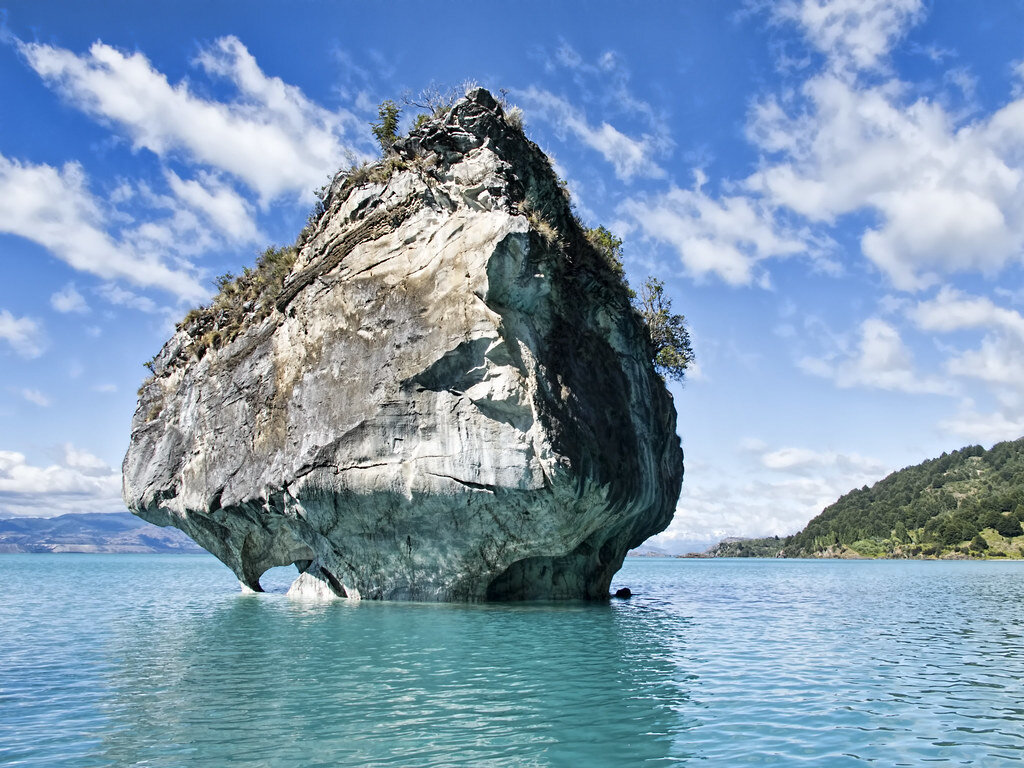
General Carrera Lake. Dan Lundberg. CC BY-SA 2.0. 

Far from the coast of the lake stands a gargantuan block of calcium carbonate from which the caves formed. For over 6,000 years, the lapping waves of the lake eroded the calcium carbonate, slowly but gracefully constructing the Marble Caves. The mineral-rich location is protected from potential mining projects.

The caves earned their name from the masterfully striped walls; the reflection of the waters below create a cerulean painting on them, with complementary hints of yellow, turquoise, black and white. The caves house different cuts and textures due to the patterns of the eroding waves; some parts are rounded while other areas display sharp rocky points. In addition, the open layout of the cave serves it well, providing ample light for the various hues to stay in the spotlight. 

The vast range of the cave’s colors is ever changing. In spring, the lower water levels provide a sparkly turquoise-green shade, while the summertime gifts the walls a splendidly deep royal blue. 

Time and time again, travelers have found that Mother Nature can create just about any magnificent work of art. The local residents of the lake and any visitor bold enough to endure the journey to it can certainly attest that the Marble Caves are no exception. 


Ella Nguyen

Ella is an undergraduate student at Vassar College pursuing a degree in Hispanic Studies. She wants to assist in the field of immigration law and hopes to utilize Spanish in her future projects. In her free time she enjoys cooking, writing poetry, and learning about cosmetics.
Plastic Surgery Thrives in War-Torn Afghanistan

For the middle class in Afghanistan, the popularity of plastic surgery is growing. Botox injections, breast implants and liposuction are options for mostly women, and even families trying to beautify their daughters to marry them off more easily.

Read More

Ten Years After Nuclear Disaster, Recovery Remains Distant in Fukushima

The tsunami and ensuing meltdowns at the Fukushima Daiichi nuclear power plant forced thousands to flee their homes. A decade later, some locals have returned home, but full recovery remains remote.
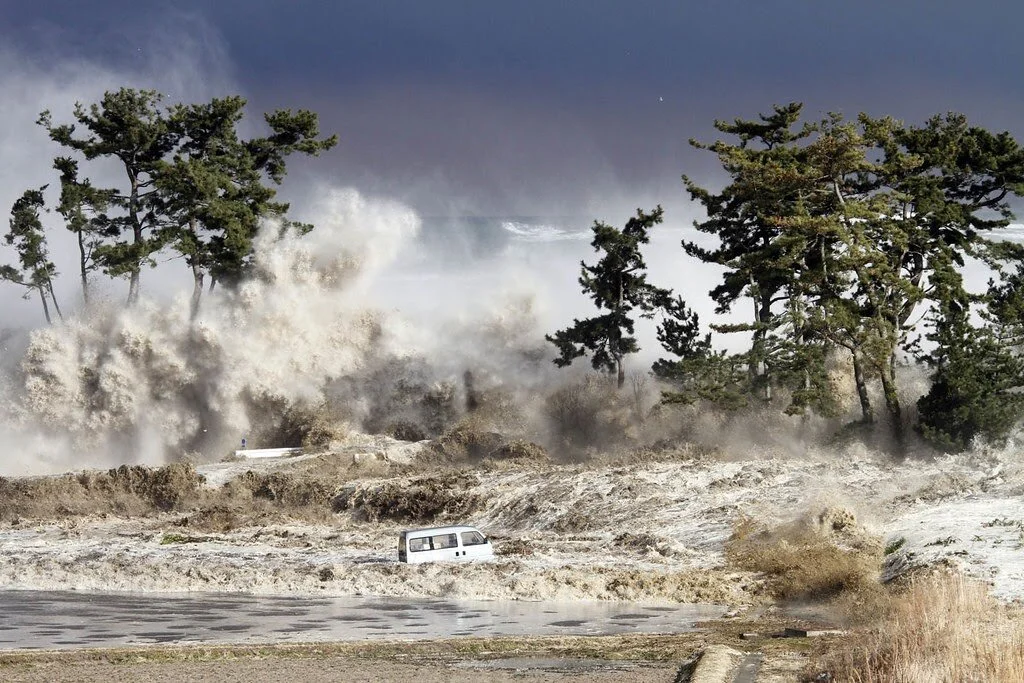
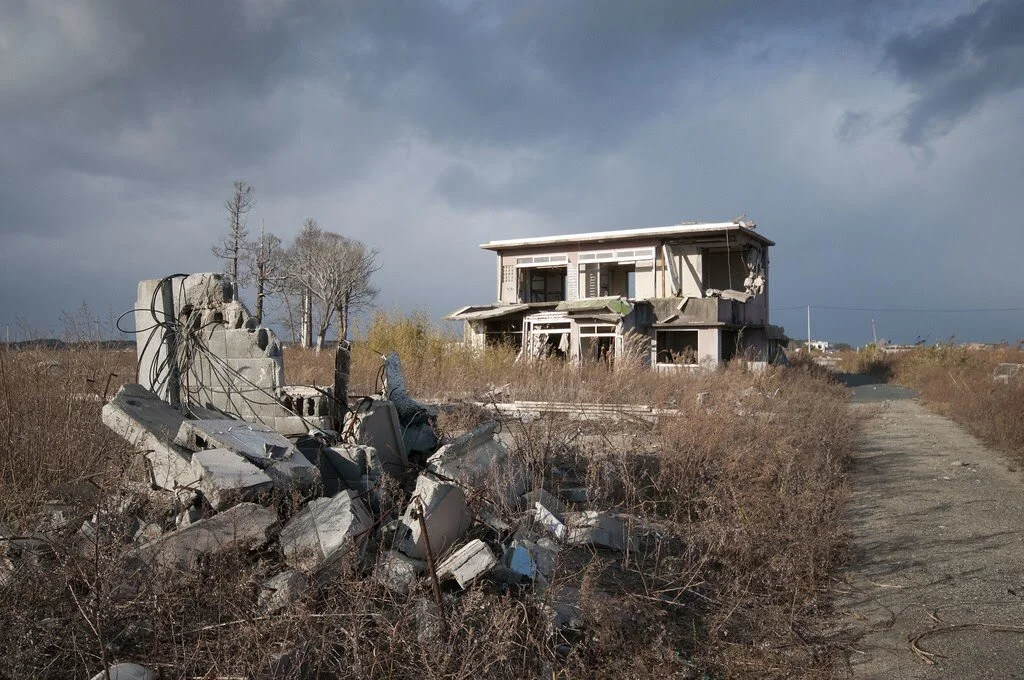
A tsunami’s wreckage. UCLAnewsroom. CC BY-NC-SA 2.0.

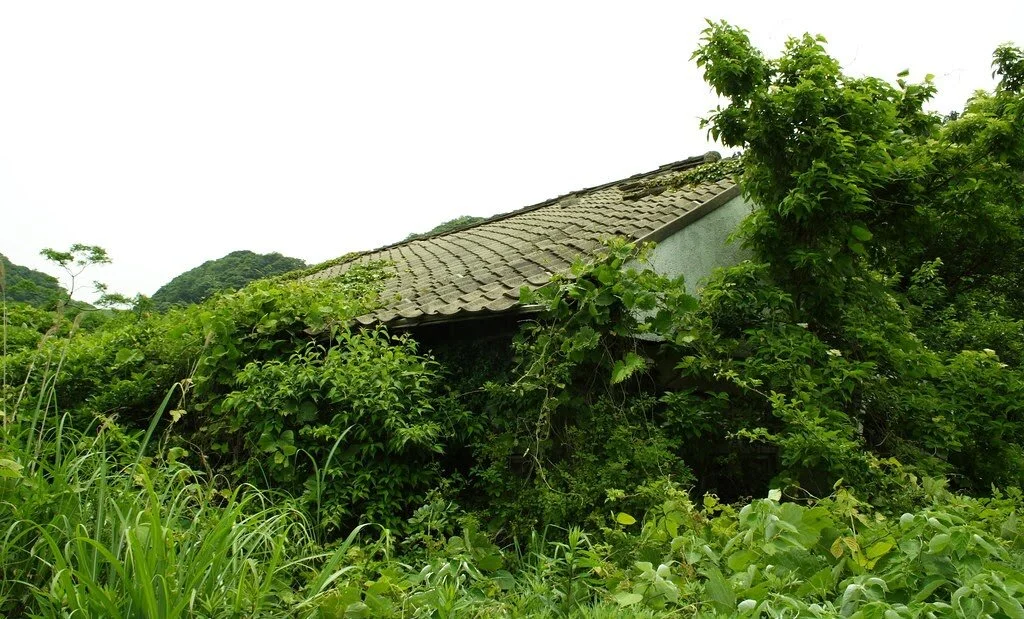
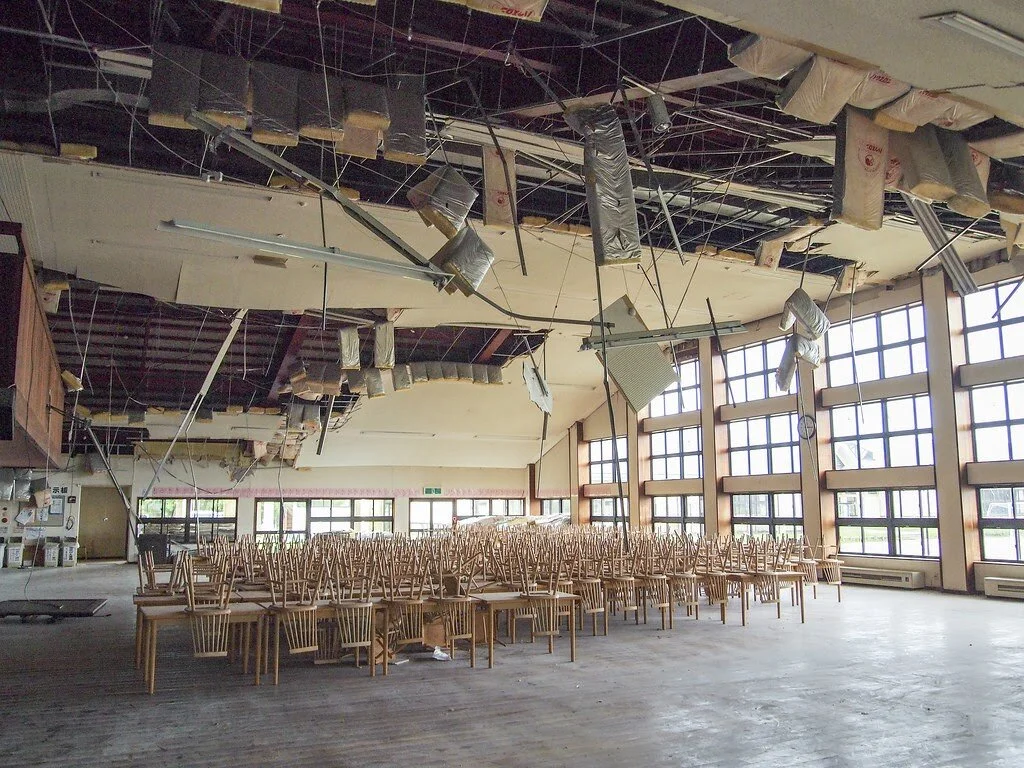
Upon returning home after 10 years away, Masumi Kowata found a monkey in her living room. It wasn’t a joyful homecoming. In 2011, she evacuated her home along with 160,000 locals across Japan’s Fukushima prefecture. A cloud of radiation, spewing from three simultaneous meltdowns at the Fukushima Daiichi nuclear power plant, rendered swaths of land uninhabitable. Only in 2021 did the government allow she and her husband to return. Even then, it was only safe for them to visit for the day. Clad head to toe in plastic protective gear, she tread cautiously through the wreckage of an earthquake, a tsunami and neglect: a house shaken by earthquake, food left to rot for a decade, overgrown plants vining up the walls. The monkey had helped itself to Kowata’s belongings. It pranced around the room “wearing our clothes like the king of the house.”

A house under nature’s dominion. colincookman. CC BY-NC-SA 2.0.

Wild animals have overtaken “difficult-to-return” zones, as the government termed them. Such areas encompass 2.4% of Fukushima prefecture and experience 50 times more radiation than what is considered safe. Boars, raccoon dogs and macaques roam the dangerously radioactive neighborhoods oblivious to the damage but unfettered by human life. They can cross streets without fear of speeding cars and feed on the produce of untended gardens, long overgrown. Human beings have returned much more slowly. Currently, the zones remain stuck in time at the moment of disaster. 

The tsunami crashing through Minamisoma, Fukushima. Warren Antiola. CC BY-NC-ND 2.0

Agriculture struggles to recover as a result. Boars descended from the nearby mountains and invaded farms and rice paddies to feast on the crops. Hunters struggle to control the wild boar population. That is to say, they shoot as many as possible. “When I got married and was about to have my first child,” said one elderly boar hunter, “my mother said to me, ‘You’re going to be a father. Stop killing. Is that really the right thing to do?’ I stopped hunting then.” Now, he ventures out each day to beat back nature’s 10-year-long advance on Fukushima’s villages. “My town is abandoned and overrun with radiated boars,” he says. “It is my duty to help.”

The tasks of hunting down boars, tending to radioactive cattle and repopulating deserted towns fall to the few who have returned. Of the 160,000 who were evacuated after the meltdowns, only one-fourth plan to return. Most of them are elderly. The majority of evacuees found it easier to settle down elsewhere than endure a yearslong wait to return home. Young people especially favored big cities filled with jobs over their provincial hometowns, a trend that predated the disaster. In the nine years before the meltdowns, Fukushima’s population declined by 100,000. In the nine years after, it fell by another 180,000.

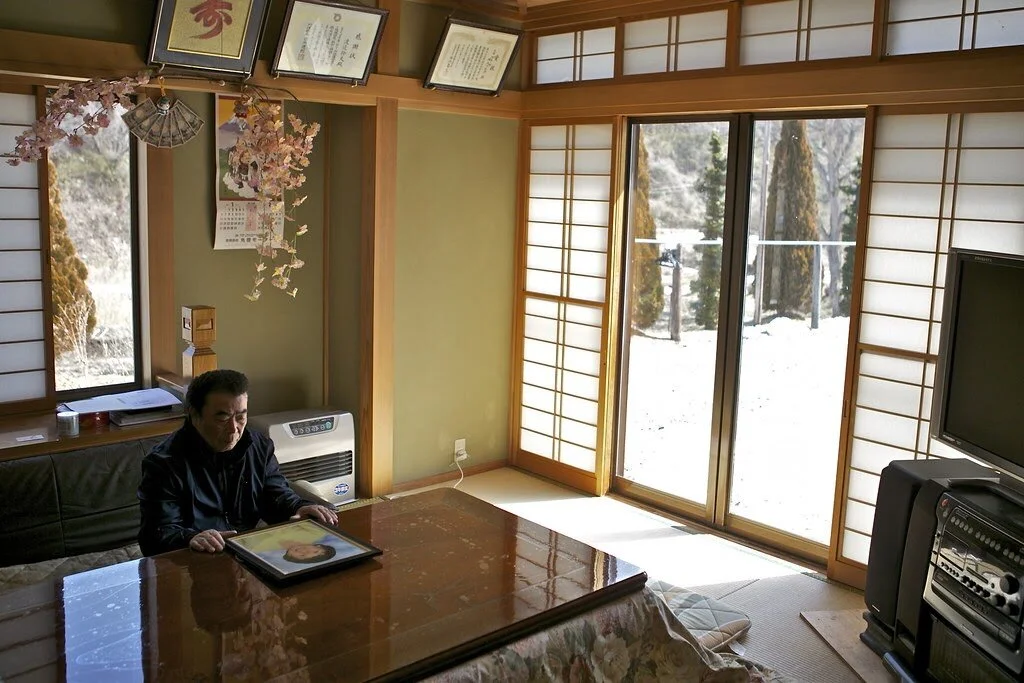
An elderly man with a picture of his late wife. Al-Jazeera English. CC BY-SA 2.0.

Local communities feel the absence of locals. As residents begin to plan for the future, they struggle to build a new community amid the ruins of an old one. Ancestral homes sit empty. Classrooms are frozen in time at the moment of the tsunami. Farmers spent generations breeding prized lines of livestock which are now useless. Radiated cattle, horses and pigs—as well as hunted boar—cannot be consumed because of radiated meat. Once famous for its produce, the prefecture’s fruits and vegetables now sell for below the national average. Though radiation tests ensure that the food is safe to eat, the stigma of nuclear disaster keeps customers away. 

Hope Tourism seeks to make these ruins the foundation of the future. The group offers tours through areas that reflect both the devastation wrought by the nuclear disaster and the communal efforts toward reconstruction. Tourists see the abandoned elementary school in Ukedo, roads bent out of line by the tsunami’s rip current and black bags filled with radioactive soil. They can also tour villages trying to revive their local industries and meet community leaders who spread awareness about the dangers of nuclear fallout. 

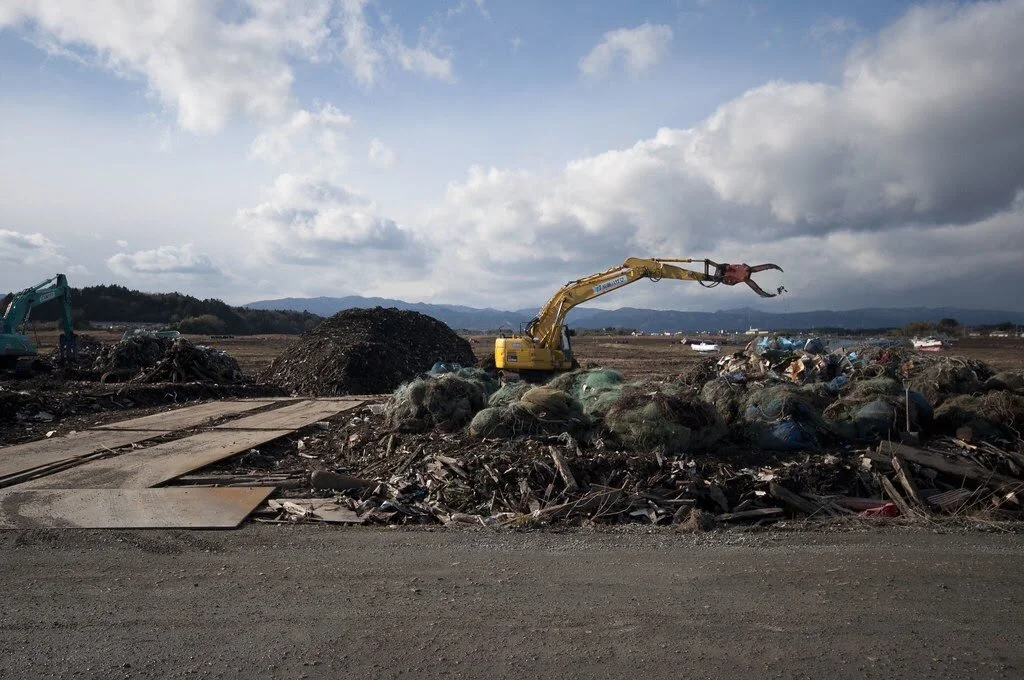
Where to put radioactive waste? UCLAnewsroom. CC BY-NC-SA 2.0.

In the face of hardship, locals still express pride in their roots. Iitate village joined the exclusive club of “most beautiful villages of Japan” in 2010, only to be wrecked by the tsunami and ensuing meltdowns. Ten years later, locals gathered to celebrate the opening of a new community center. It was built from parts of abandoned buildings: windows from old businesses, doors from run-down houses, a chalkboard from a school with no children to attend. An elderly woman in a green kimono sang folk tunes while the crowd enjoyed chestnut-filled rice balls. The Hope Tourism website states the village’s motto is a single word: madei. It means “thoughtfully” or “wholeheartedly” in the local dialect. It refers to the steady, persistent progress toward a revived community. 

An abandoned building. Patrick Vierthaler. CC BY-NC 2.0.

The fight against nature’s invasion of Fukushima’s villages still preoccupies recently decontaminated zones. The national government branded the upcoming Olympics as the “Recovery Olympics” to highlight the region’s progress since the disaster. The Olympic torch relay will begin at Fukushima’s J-Village sports complex, which workers used as a base during the crisis in 2011. Japan will need to escape the shadow of the Fukushima disaster if the government is to accomplish key items on its agenda. Prime Minister Yoshihide Suga pledged a carbon neutral Japan by 2050, an unthinkable prospect without nuclear power. 

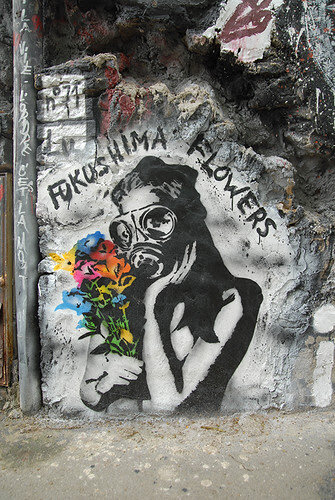
A radioactive bouquet. Abode of Chaos. CC BY 2.0.

National priorities rarely concern those repopulating Fukushima, though. They focus on the day-to-day resurrections of ghost towns. Some still search for ghosts. “I often tell people that my daughter would be a very independent and successful adult out in the world,” says one man. He lost his entire family in the tsunami, including his young daughter. “She was the type of girl other people could rely on.” With a shovel, a trowel and his gardening gloves, he digs through the soil for his daughter’s remains. “I’ve found about 20% of her, but 80% is still missing,” he says. “That means she’s definitely still here.”

Radiated livestock are marked with a white symbol that tells farmers the animal was affected by the 2011 meltdowns. There is no such symbol for the psychic wounds that Fukushima’s disaster continues to exact on its people. 


Michael McCarthy

Michael is an undergraduate student at Haverford College, dodging the pandemic by taking a gap year. He writes in a variety of genres, and his time in high school debate renders political writing an inevitable fascination. Writing at Catalyst and the Bi-Co News, a student-run newspaper, provides an outlet for this passion. In the future, he intends to keep writing in mediums both informative and creative.

5 Ways to Discover the Distinctive Landscapes of Madagascar

Travelers will surely appreciate the island’s unique biodiversity, but ought to also learn about ongoing social issues in the country.

A scenic view in Madagascar. anmede. CC BY-SA 2.0

Located 250 miles from East Africa, the island nation of Madagascar is one of the most unique places on the planet. Interestingly, the Malagasy people are more closely related to Indonesians than East Africans; they have also developed cultural and linguistic ties with West Africa due to French colonialism. Madagascar is especially known for its incredible biodiversity. At least 80% of Madagascar’s flora and fauna cannot be found anywhere else on Earth, including many species of lemurs, chameleons and butterflies. 

Despite the island's idyllic landscapes, Madagascar’s recent history has been anything but peaceful. After gaining independence from France in 1960, political unrest, countless coups and widespread corruption have dominated the headlines. The most recent coup in Madagascar occurred in 2009 and resulted in massive social unrest and international sanctions, further crippling the country’s economy. Currently, Madagascar is the poorest country in the world that is not mired in conflict, with 92% of the country’s population living on less than $2 a day. 

Deforestation and environmental degradation remain pressing concerns as well. Many of Madagascar’s lush forests have been chopped down to make way for rice paddies and to harvest wood for export. Currently, significant forests only remain on the northern and eastern portions of the island. Southern Madagascar has been experiencing severe drought since 2014, which has left up to 1 million people without food. The country also continues to be ravaged by the COVID-19 pandemic with a  Level 4 (very high) level of transmission according to the U.S. Centers for Disease Control and Prevention. 

Despite Madagascar’s turbulent history, the country is one of the most beautiful in the world with stunning landscapes and kind people. Read on to learn about key sites to visit once Madagascar fully reopens. 

A mother ring-tailed lemur with her baby. Allan Hopkins. CC BY-NC-ND 2.0

1. Lemurs

Starting with Madagascar’s furriest (and cutest) attraction, these primates cannot be found anywhere else on Earth. Although they are likely related to monkeys, the exact origin of the species is not known. There are over 100 species of lemurs in total, some of the most notable being the ring-tailed lemur with its long black-and-white striped tail, the sifaka and the elusive aye-aye. There are many national parks where visitors can observe these animals in their natural habitat, including Isalo and Zombitse-Vohibasia. 

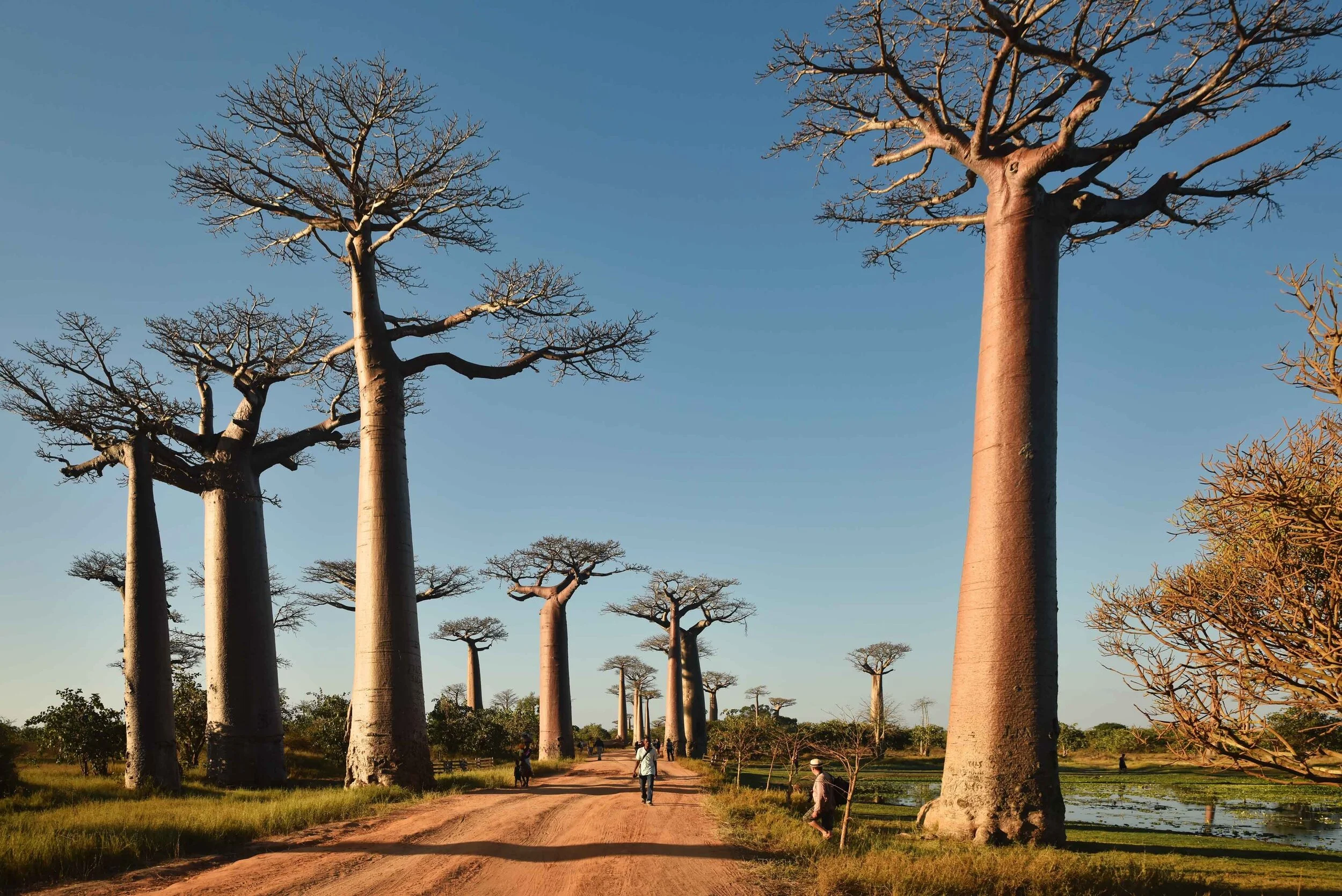
Avenue of the Baobabs in Madagascar. Rod Waddington. CC BY-SA 2.0

2. Avenue of the Baobabs

Baobabs are some of the most distinctive trees found anywhere in the world. Six species of baobab grow in Madagascar. Also known as the “mother of the forest” in Malagasy, they have large, bulbous trunks that store water, allowing baobabs to survive in dry climates. Many of Madagascar’s giant baobabs can be found along the Avenue of the Baobabs, located roughly 12 miles from Morondava. Travelers will have the opportunity to walk among these magnificent trees, some of which are over 800 years old!

A beautiful beach in Madagascar. Tatogra. CC BY-SA 2.0

3. Nosy Be

Nosy Be is the largest of a dozen small islands off the northwestern coast of Madagascar. These islands are teeming with rich marine life and offer perfect opportunities for snorkeling, diving and kayaking. Known as Ambariobe, or “the great island” in the local language, Nosy Be is a perfect launching point for cruises traveling to the other islands. Other notable islands in the region include Nosy Komba, often known as lemur island, and Nosy Sakatia, which contains both winding forest trails and pristine dive sites

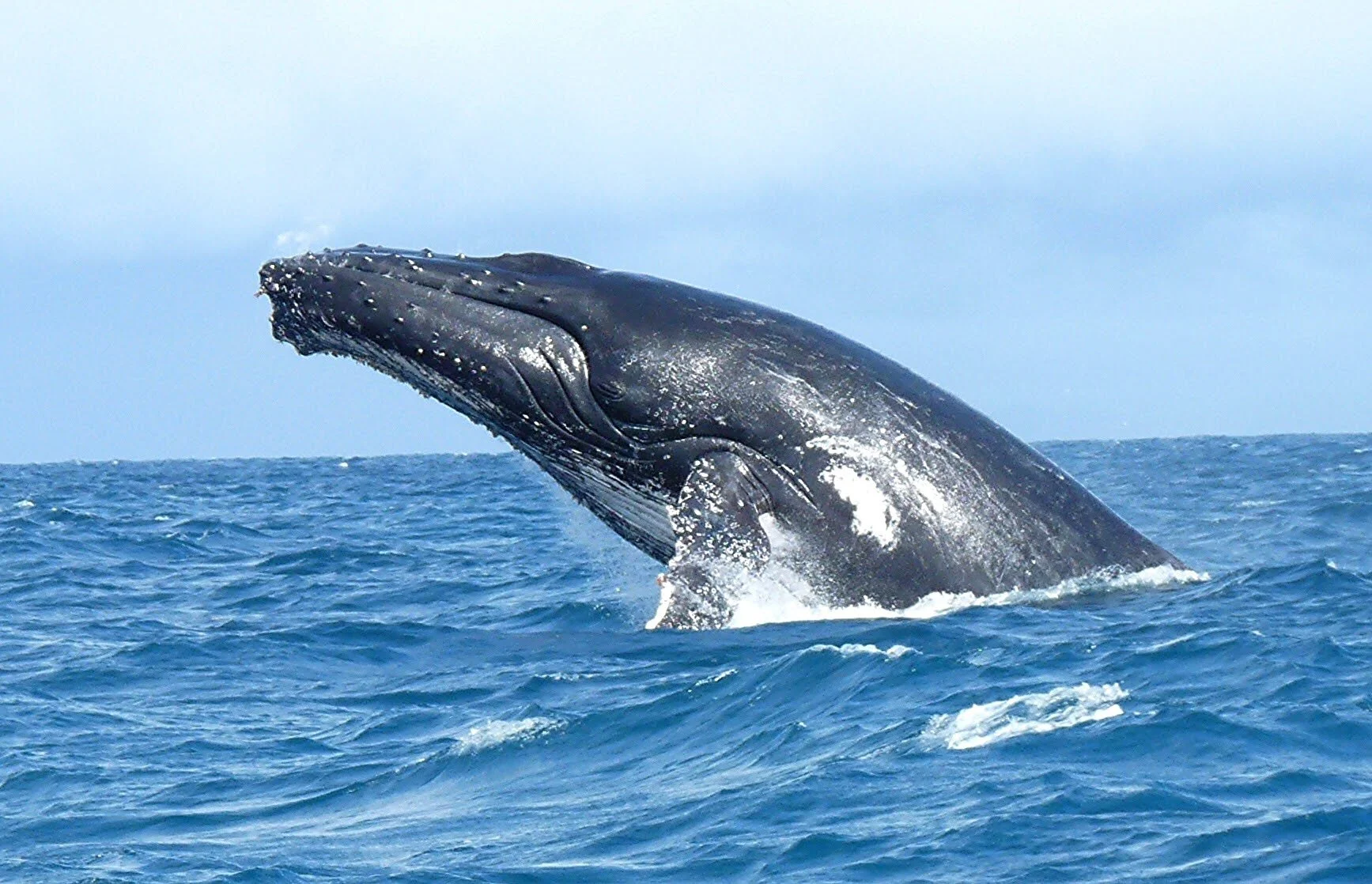
A humpback whale. Krishna Naudin. CC BY-SA 2.0

4. Humpback Whale Sightings 

Humpback whales can be spotted off the eastern coast of Madagascar annually from June to September. Recognized by their black backs and white bellies, humpback whales arrive in Madagascar for the mating season after traveling over 900 miles from the Antarctic coast. If you’re lucky, you may even see a mating dance or a live birth! Ecotourism organizations such as Cetamada allow travelers to view humpbacks up close in an ecologically responsible way. Popular destinations for whale sightings include Nosy Be, Ile Sainte-Marie and Antongil Bay. 

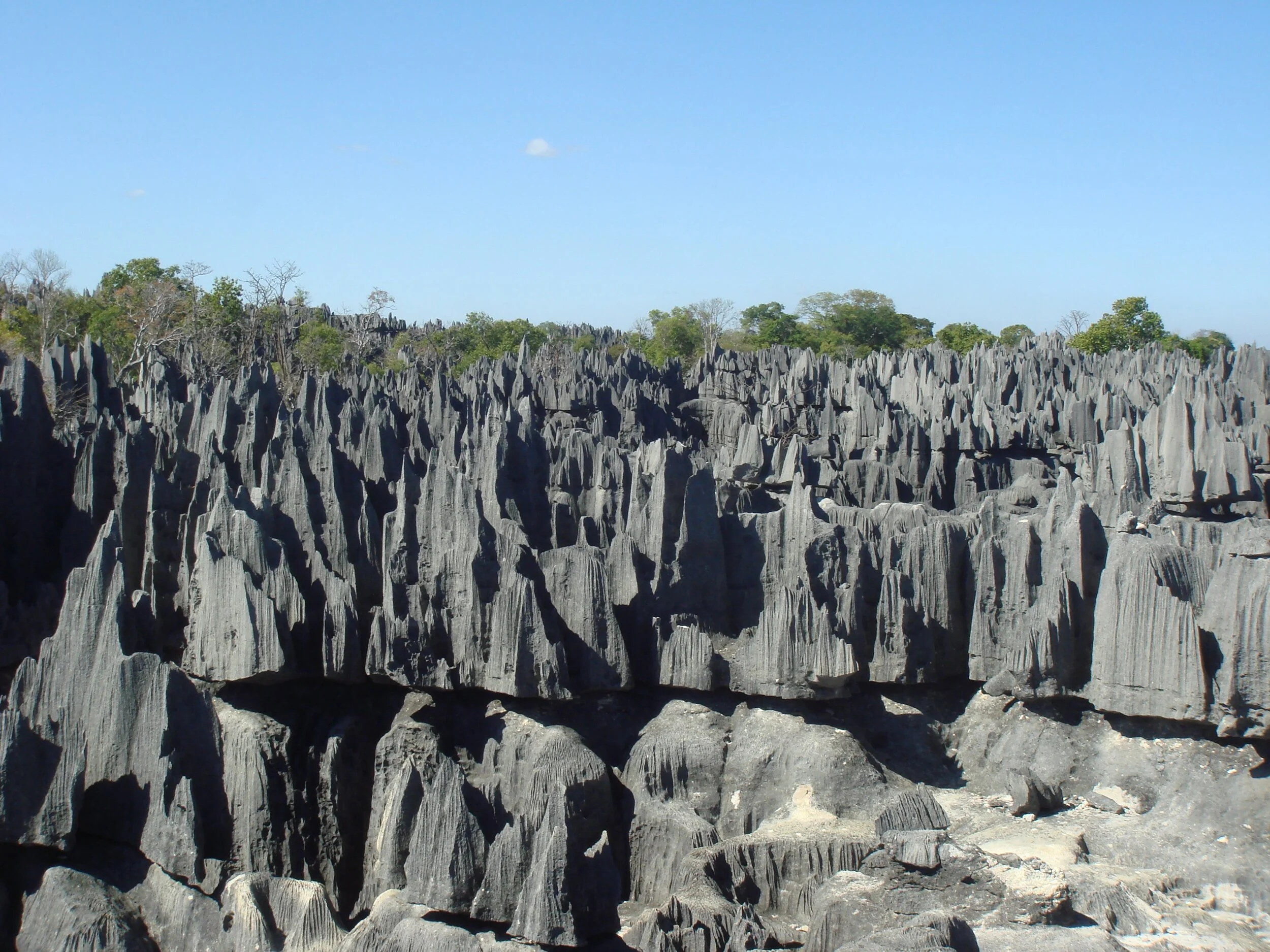
Tsingy formations in Madagascar. Oliver Lejade. CC BY-SA 2.0

5. Tsingy de Bemaraha National Park

Characterized by fossilized shell formations, these unique structures known as “tsingys” can be found in several regions of Madagascar. Tsingy de Bemaraha National Park is one of the best places to see these interesting structures and is located west of Madagascar’s capital, Antananarivo. The tsingy formations in the Melaky and Diana regions of Madagascar are both UNESCO World Heritage Sites and deserve a visit. 

Although Madagascar faces many environmental and social dilemmas, the country has strong potential and an undeniable natural beauty. 


Megan Gürer

UK Considers Bill Outlawing Protests that Cause ‘Annoyance’

British lawmakers are debating a bill that would give police greater authority to curb protests. The legislation comes amid a series of ongoing protests regarding violence toward women and the abuse of police power. 

The U.K. Parliament is currently debating a bill that would outlaw any protest that causes “serious annoyance,” brought forward by Prime Minister Boris Johnson. The Police, Crime, Sentencing and Courts Bill could see protesters facing prison sentences of up to 10 years and would limit the right to protest outside of Parliament. 

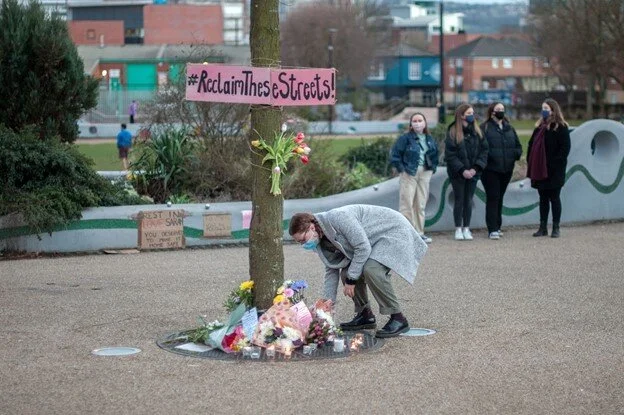
The second reading of the bill took place on March 16, just days after police physically restrained people attending a peaceful vigil for Sarah Everard. Everard, a 33-year-old marketing executive, disappeared from a busy London street on March 3 and her remains were later found in Kent. On March 12, police officer Wayne Couzens was arrested and charged with Everard’s kidnapping and murder. 

Everard’s murder sparked a number of protests calling for action to prevent violence against women. Many women shared their own stories of harassment. Vigils were also organized in Everard’s honor, including one on Clapham Common, a park near where Everard was last seen. Police warned against holding a vigil at this location due to COVID-19 restrictions on public gatherings, but the vigil proceeded. Hundreds came to peacefully pay tribute to Everard and stand in solidarity against violence toward women. In the evening, police arrived at the vigil and began handcuffing attendees. Four women were arrested. Footage and photos of the police physically restraining women, forcing them to the ground and leading them into police vans began circulating on social media, leading to a new round of protests, this time focused on the police. 

Protesters gathered outside London police headquarters on March 14 before proceeding to another rally outside of Parliament, where they called for the resignations of Metropolitan Police Commissioner Cressida Dick and British Home Secretary Priti Patel. Protests continued the next day and are ongoing. 

On March 16, as protests continued outside Parliament, lawmakers inside the building allowed the Police, Crime, Sentencing and Courts Bill to proceed to the next stage of debate. A Downing Street spokesperson insisted that the bill will not infringe upon people’s right to protest peacefully, but the vague language of the bill has many worried about how loosely it will be interpreted. If passed, the bill would give police much greater authority to curb protests that cause “serious disruption” or “serious annoyance” to passersby, terms which could be applied to nearly any protest. 

The bill has faced widespread criticism and is regarded by many as an attack on civil liberties. Over 150 organizations sent an open letter to Patel, who oversees U.K. law enforcement, expressing their opposition to the legislation. 

Parliament member Gavin Robinson voiced the concerns held by many protesters regarding the bill, saying that, “Protests will be noisy, protests will disrupt and no matter how offensive we may find the issue at their heart, the right to protest should be protected.”

Rather than listening to protesters’ concerns about violence against women and the abuse of police power, the government instead has focused its resources on limiting citizens’ voices.


Rachel Lynch

Rachel is a student at Sarah Lawrence College in Bronxville, NY currently taking a semester off. She plans to study Writing and Child Development. Rachel loves to travel and is inspired by the places she’s been and everywhere she wants to go. She hopes to educate people on social justice issues and the history and culture of travel destinations through her writing.

Just How Successful Is China's War on Poverty?

China announced in February that it has eradicated extreme poverty. Yet, how should extreme poverty be defined, and is the Chinese government really doing enough in the fight?

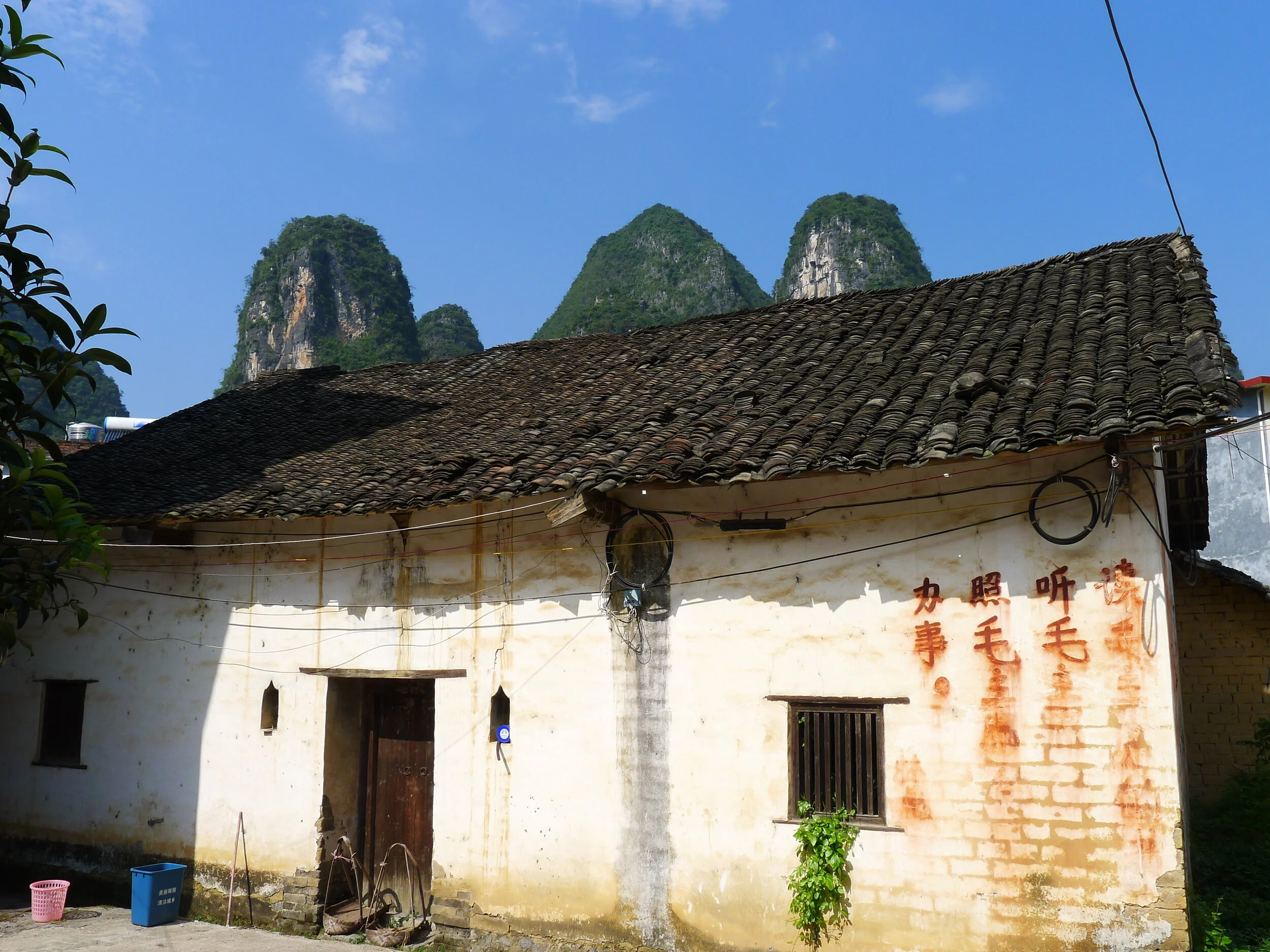
A dilapidated building in a rural area of Guangxi autonomous region in southeastern China. President Xi’s poverty eradication program targeted China’s rural poor. Edwin Wisse. CC BY-NC-ND 2.0

On Feb. 25, Chinese President Xi Jinping announced that China has successfully eliminated extreme poverty. The declaration comes after a lengthy campaign initiated by the Chinese Communist Party (CCP) that claims to have lifted an estimated 100 million people out of poverty in just eight years. President Xi's announcement is a major victory for the CCP, which is celebrating its centennial later this year. 

If true, China’s poverty alleviation campaign could become a model of success for developing nations on how to eradicate extreme poverty in rural areas. However, just how comprehensive the program was in fully eliminating extreme poverty is debated, with critics questioning China’s measure of poverty itself. The World Bank defines extreme poverty as living on less than $1.90 a day; China’s threshold is slightly lower at about $1.52 per day. Regardless, China has made immense progress in the past 30 years in reducing the number of people living in poverty, even by World Bank standards. In 2016, the percentage of Chinese people living below $1.90 a day was only 0.5% of the population, compared to 66% in 1990. 

While impressive, China’s declaration has garnered criticism for using a metric of poverty that does not adequately reflect the level of deprivation that remains. China has experienced rapid growth since the country introduced market reforms back in the late 1970s. Since 1978, China has averaged 9% real growth per year, higher than other rapidly developing Asian economies, according to the International Monetary Fund. Due to this rapid growth, China is now considered an upper-middle-income country by the World Bank. Under this classification, extreme poverty would be measured as living on under $5.50 a day, which accounts for 14% of the population, or roughly 200 million people

Chinese President Xi Jinping meeting with World Bank President Jim Yong Kim in 2014. World Bank Photo Collection. CC BY-NC-ND 2.0

With continued economic growth, a relatively successful battle against the coronavirus, and now at minimum a vast reduction in extreme poverty, Chinese officials hope to argue that their system of governance is more successful for international development than the West. China exports more than just commodities. As its rise to global superpower status becomes imminent, its influence outside of Asia continues to grow. In 2018, China announced the Global Poverty Reduction & Inclusive Growth Platform, providing a basis for developing countries to fight their own wars against poverty.

Whether or not President Xi was actually successful in eradicating extreme poverty in China remains to be seen. With the COVID-19 pandemic causing global poverty to rise for the first time in 20 years, the CCP hopes that its model inspires other countries to follow its path. In the meantime, China may bring the world one step closer to finally solving the puzzle of poverty. 


Aerex Narvasa

Aerex is a current student at Occidental College majoring in Diplomacy and World Affairs with a minor in East Asian Studies. He is passionate about sharing people’s stories through writing, and always strives to learn about new places and cultures. Aerex loves finding new music and exploring his hometown of Los Angeles in his free time.