The World’s Newest Type of Migrants: Climate Refugees

With climate change rendering entire countries uninhabitable, people are forced to leave their homes and seek refuge elsewhere. 
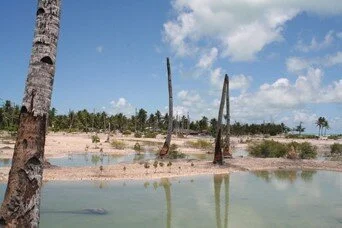
Flooding in Kiribati. AusAID. CC BY 2.0. 

In recent years, there have been growing concerns and conversations about climate change’s effects on the Earth. With warmer summers, retreating coastlines and record-breaking natural disasters, it is clear that the Earth is changing, and quickly. However, one aspect of the issue that is often overlooked is the displacement it causes among residents in climate change hot spots. As climate crises happen all over the world, more and more people—often called climate refugees—are forced to leave their homes to find a safe living environment elsewhere. 

In 2019, around 8.5 million people fled their homes for another part of their country because of violence and conflict. That same year, almost 25 million were internally displaced due to extreme weather and natural disasters caused by climate change. People are not only being internally displaced, however. In some cases, it is necessary for them to cross borders. 

One country facing drastic climate change problems is Kiribati, an island nation in the Pacific. Since the islands are extremely low-lying, rising sea levels are a major concern. So far, the elevated sea levels have caused coastal erosion, flooding and freshwater contamination. Because of this, one native, Ioane Teitiota, gathered his family and moved to New Zealand for a better life. 

Once climate refugees are forced to leave their countries, they face one main obstacle: legally, they are not “refugees” at all. Under the 1951 Refugee Convention, a refugee is a person who has fled their country due to persecution. Under international law, those migrating due to weather and climate change do not meet this criteria. Therefore, when people leave their country for climate reasons, they find themselves legally vulnerable and unable to claim the rights and protections provided to refugees. In most cases, their only option is to apply for some sort of temporary protection. 

In Teitiota’s case, he and his wife only received work visas, which expired in four years. Facing deportation, Teitiota applied for protection in New Zealand, arguing that his family was at risk back home in Kiribati due to the destruction climate change had caused to the islands. New Zealand rejected his plea and, in January 2020, the United Nations backed the decision.

The number of climate refugees is increasing, and there are projected to be 200 million displaced due to climate change by 2050. With this urgency, human rights activists are fighting for some sort of policy on the rights and protections of climate refugees, especially because countries that contribute the least to global climate change are often the ones hit hardest by its effects. 
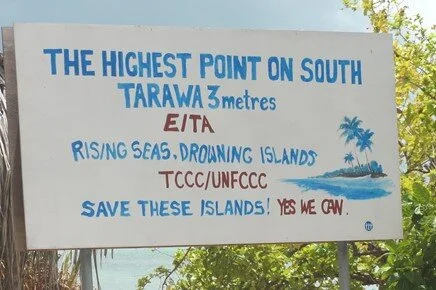
Climate change sign in South Tarawa, Kiribati. DFAT. CC BY 2.0.

Teitiota was eventually deported to Kiribati. Still, experts still see a silver lining in his case. When reviewing New Zealand’s decision to reject Teitiota’s appeal, the U.N. reasoned that although the rising sea levels will “render Kiribati uninhabitable … the time frame of 10 to 15 years could allow for intervening acts by Kiribati, with the assistance of the international community, to take affirmative measures to protect and relocate its population.” 

The reason the U.N. committee provided for the rejection is that climate change’s threat to Teitiota’s life is not imminent enough—there is still time to help Kiribati. For the first time, the U.N. also declared that in life-threatening situations, countries should not send climate refugees back home. Although the ruling denied Teitiota’s claim to protection in New Zealand, it paves the way for other climate refugees to receive it. The ruling is not internationally binding, but is a step toward bettering the situations of climate refugees.

While governments and international organizations are making strides to put adequate structures in place, many think much more work needs to be done. There are people like Teitiota fleeing their climate change-ravaged countries every single day.



Mahlia Neely

Mahlia was born and raised on the island of New Providence in The Bahamas. She attends Vassar College, where she is studying English with a minor in Hispanic Studies. She enjoys reading books of all genres and learning about new places. When she isn’t doing either of those things, she is working on articles for her school newspaper or eyeing the chocolate desserts in the dining hall.

India’s Silk Industry: A Hub For Modern Slavery

Despite global efforts to eliminate the practice, modern-day slavery still widely exists. In India, the silk industry continues to serve as an oppressive stronghold for the practice. 

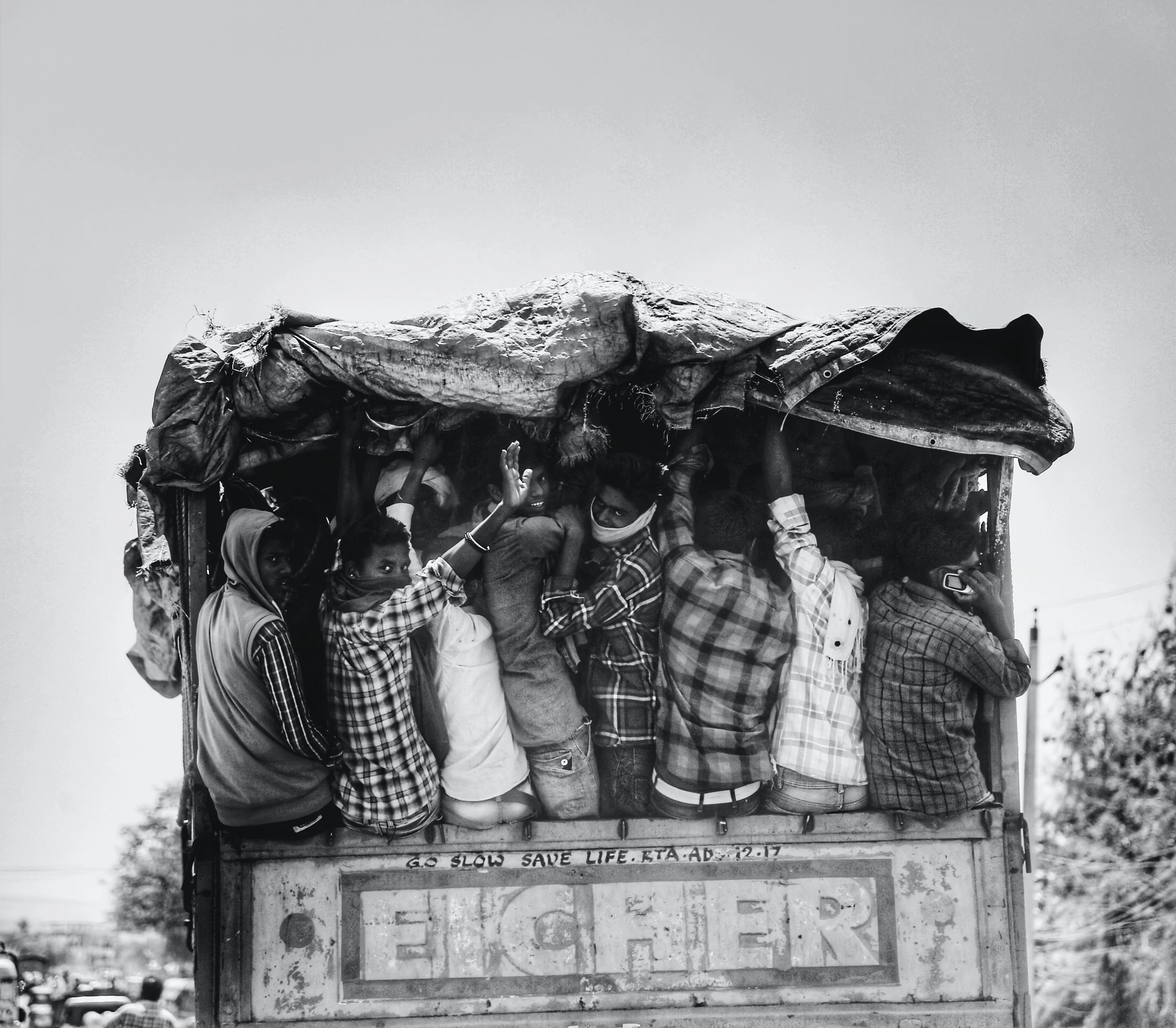
Indian workers. Photo by Sujeeth Potla on Unsplash

The silk industry in India is not to be underestimated; it employs hundreds of thousands of workers and is worth over $3.6 billion annually. However, as with many booming industries, a dark side lingers in the background. In southwest India lies Karnataka state, a hub for many of the nation’s age-old industries including silk production. Although justly paid workers exist, a sizable portion remain stuck in a taxing system known as “bonded labor.” 

What is “Bonded Labor”?

Although not explicitly mentioned in the phrase, “bonded labor” is actually a form of modern-day slavery. Bonded labor is when someone is forced to work off an imposed debt, where their captivity is known as “debt bondage.” In this system, the victims are often promised employment or an opportunity they cannot afford to refuse, and are then forcefully kept as workers. Their pay is usually minuscule compared to the debt amassed, and as a result, the employers are able to continually pile on debt over time. The dynamic transitions from employer-employee to that of a master and a slave. 

Additionally, the work is often arduous and the masters are even more unrelentingly brutal; abuse is commonplace in the system. As a result, many families attempt to escape, only to find that the support system for a successful departure is at best a bare-bones operation if not entirely absent. Many authorities who are meant to help these victims escape partner instead with the perpetrators; corruption bleeds away most hope of an escape.

However, one way out does exist. Victims are able to apply for a certificate of release, which would trigger an investigation to either approve or deny the request. Frequently these attempts fall through, often due to failure on the part of the authorities. 

Although the use of bonded labor remains widespread, it is most extensively used in South and Southeast Asia. Oftentimes debt laborers work off family debts, held hostage due to a loan taken by their parents or grandparents. 

How Did Bonded Labor Spread in India?

Bonded labor has been illegal in India since the Bonded Labor System Act of 1976, but this law failed to provide substantial change. It is estimated that over 8 million bonded laborers still exist in India, with experts fearing this statistic to be a gross underestimation. Rarely are those found guilty of violating the Bonded Labor System Act forced to serve out their punishment. 

Many human rights groups have pooled their efforts to research the extent of the system’s damage. What was found revealed grotesque physical, emotional and verbal abuse of children forced into bonded labor in the silk industry. Children of all ages, even as little as 5, were found to work 12-hour days nearly every day of the week; they do not attend school. Their work included placing their hands in boiling water and breathing in lung-blackening fumes; the children are not provided health care either, and often succumb to injuries. 

Human rights groups have stated that the Indian government is fully aware of this ongoing crime, yet fails to act on the victims’ behalf. It seems that corruption, combined with the consequences of the restrictive caste system, has left little hope for the estimated 350,000 children held in the silk industry’s bonded labor system. 

In the early 1990s, human rights groups sparked global outrage about the situation of India’s children, causing  the government to act. The Indian Supreme Court passed additional laws in 1996 to protect children in harmful workspaces, yet the government has failed to bring about any meaningful change. India’s National Human Rights Commission was brought in to spearhead proceedings, but very few perpetrators ever faced justice. 

The impact of the system is devastating as it enslaves whole families and sometimes even future generations. Until justice is truly served, victims of bonded labor will continue to be denied freedom.

To Get Involved:

To learn how Free the Slaves, an organization dedicated to sustainable freedom, helps victims, click here

To read about Anti-Slavery International, the world’s oldest anti-slavery organization, click here.


Ella Nguyen

Ella is an undergraduate student at Vassar College pursuing a degree in Hispanic Studies. She wants to assist in the field of immigration law and hopes to utilize Spanish in her future projects. In her free time she enjoys cooking, writing poetry, and learning about cosmetics.

Iran’s Shoddy ‘Satellite Cities’ Test Citizens’ Patience

Thanks to high rent prices and overpopulation, thousands of Iranians have been forced out of their hometowns. But the “satellite cities” built to hold them leave much to be desired. 

An aerial view of Tehran, Iran. Hansueli Krapf. CC BY-SA 3.0

In the 1980s, Iran intentionally tried to grow its own population, aiming to increase its military strength amid the Iran-Iraq war. The 1979 Islamic Revolution had seen Iran’s old monarchy overthrown and a new republic built on Shiite Islam take shape. Student groups and leftist organizations rejoiced at the new rights promised to women; Islamist groups lauded the fact that their country was now a theocracy. But the new government wanted to ensure that the ideas of the revolution would last beyond one generation. So it encouraged polygamy, made birth control nearly impossible to find and lowered the age of marriage to 9 for girls and 15 for boys.

The plan worked—Iran’s population grew enormously. Forty years after the revolution, there are almost 50 million more people living in Iran. But these newcomers are not a new generation of happy, loyal citizens. They are people who the nation was not built to hold. 

Overpopulation was not something Iran was completely unprepared for. Soon after the revolution, 17 new “satellite cities” were planned on the outskirts of the country's major cities. They had names like Pardis (“paradise” in Persian) and Parand ("silk"). They were to provide affordable places to live for people that the larger cities could not hold. But as Iran struggled with unrest and war, these cities wouldn’t begin to be built for decades. They remain half-finished even today.

The Mehr housing project in Nishapur, Iran. Sonia Sevilla. CC BY 1.0

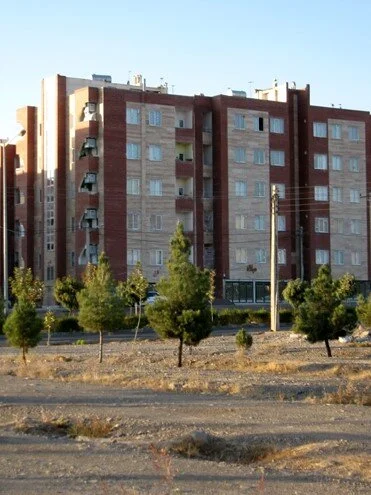
In 2007, the Iranian government developed a scheme it hoped would solve the overpopulation problem and make the satellite cities more livable: contract out free land to real estate developers who were willing to build low-income housing units. In this way around 2 million homes were planned to be built throughout Iran. But the Mehr housing project, as it was called, failed to deliver in the cities that needed housing the most. The 400,000 units built were poorly constructed and lacked essential utilities, like plumbing and clean water. The sterile white color that all the high-rises were painted with in Pardis says it all. These buildings didn’t seem like they were meant to be lived in, only passed through. 
But the satellite cities are indeed lived in. In recent years, the overpopulation that plagues Iran’s largest cities has only gotten worse. The Financial Times reported in 2017 that the population of Tehran, Iran’s capital and largest city, “exceeds the optimum level by more than 70%.” The air is full of pollution, and the city’s roads are packed with traffic. But the last straw for many Tehranis is the cost of housing, which according to the New Yorker has more than doubled in the last three years. U.S. sanctions have contributed to this, as did former President Donald Trump’s decision to withdraw from the Iran nuclear deal. With nowhere else to go, droves of Iranians have moved to the satellite cities, where houses are cheaper. In 2019, the population of Parand was 100,000; a year later, that number had doubled.

The unfinished cities have been unable to provide jobs for their populations. Most of the people who make up Pardis must commute each day to work in Tehran. And, as the city lacks most forms of public transport, this means driving—sometimes up to three hours each way. The cities lack recreational areas, stores and the capabilities to provide health care and schooling to their growing populations. It’s no surprise that drug abuse and suicides are common in the cities.

Real estate prices remain high in congested Tehran, and more and more people are expected to leave. The people who make up these satellite cities, despite the lack of basic amenities, are grateful that they have a place to go at all. The Mehr housing project is not finished, and it is possible that in five years the livability of Tehran’s satellite cities will improve. But it is up to the Iranian government to ensure that these improvements do happen, and soon. The well-being of many Iranians depends on it.

Finn Hartnett

Finn grew up in New York City and is now a first-year at the University of Chicago. In addition to writing for Catalyst, he serves as a reporter for the Chicago Maroon. He spends his free time watching soccer and petting his cat.

Anti-Coup Protesters Launch Garbage Strike in Myanmar

Over 500 civilians have been killed since Myanmar’s Feb. 1 military coup. Protests and civil disobedience campaigns launched by pro-democracy activists are ongoing. 

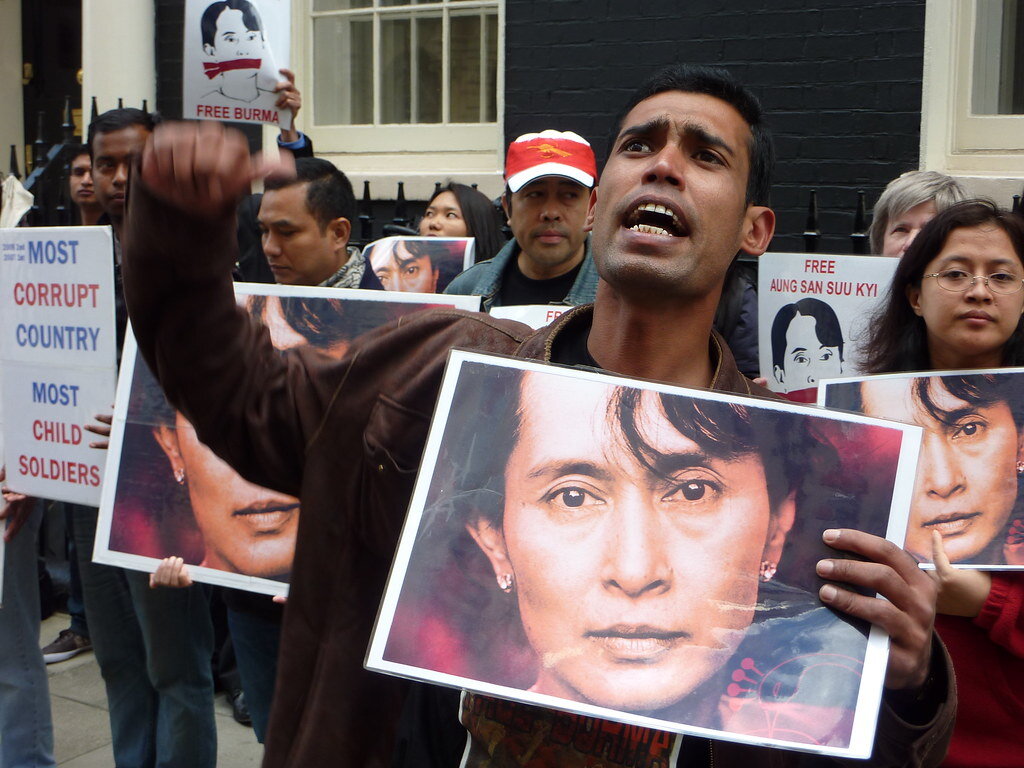
On March 30, pro-democracy activists in Myanmar launched a civil disobedience campaign of throwing garbage into the streets at key intersections in protest of the country’s military rule and the frequent killing of civilians by security forces. At least 512 civilians have been killed since Myanmar’s Feb. 1 military coup. 

The military seized control of Myanmar two months ago, ousting democratically elected leader Aung San Suu Kyi of the National League for Democracy (NLD). After Suu Kyi’s landslide victory, the opposition began claiming widespread election fraud and demanded a recount of the votes. The military backed the opposing party’s claims of fraud, despite the election commission’s statement that there was no evidence to suggest the election had been tampered with. On Feb. 1, Parliament was scheduled for its first meeting since the Nov. 8 election, where it was expected to endorse the election results and approve the next government. The military detained Suu Kyi and the leaders of the NLD, arrested a number of writers and activists, and declared a yearlong state of emergency. 

The coup returned Myanmar to full military rule after the country’s decadelong quasi-democracy. Myanmar was under full military rule from 1962 to 2011, when the military implemented a parliamentary election system. Since the coup, Suu Kyi has been held in an undisclosed location and faces several charges, including violating the country’s official secrets act. 

Protests against the coup began immediately, and are some of the largest and most widespread protests in Myanmar since 2007, when thousands of monks spoke out against the military. A number of civil disobedience campaigns, like the current garbage strike, have been ongoing as well, paralyzing various sectors of the economy. The military’s response to protests escalated quickly, from imposing curfews and limits on gatherings to the use of rubber bullets and live ammunition. Hundreds of civilians have been killed by security forces. March 27 was Myanmar’s Armed Forces Day, and the deadliest day of the coup thus far, with 141 deaths resulting from the military’s attempt to stop protests. 

The current garbage strike reportedly began after loudspeaker announcements in some areas of Yangon, Myanmar’s largest city, urged residents to dispose of their garbage properly. Word of the protest circulated on social media alongside the message that anyone could join in protest against the military. Once the protest had started, photos of garbage piling up in the streets began to circulate. 

Also on March 30, a joint letter from the Myanmar National Democratic Alliance Army, the Arakan Army and the Ta’ang National Liberation Army called for the government to stop killing protesters and to resolve political issues. 


Rachel Lynch

Rachel is a student at Sarah Lawrence College in Bronxville, NY currently taking a semester off. She plans to study Writing and Child Development. Rachel loves to travel and is inspired by the places she’s been and everywhere she wants to go. She hopes to educate people on social justice issues and the history and culture of travel destinations through her writing.

A Glimpse at Azerbaijan, Central Asia’s ‘Land of Fire’

Although a relatively new nation, Azerbaijan’s multifaceted culture from its historic tea rituals to its unique pomegranate festival makes it especially intriguing.

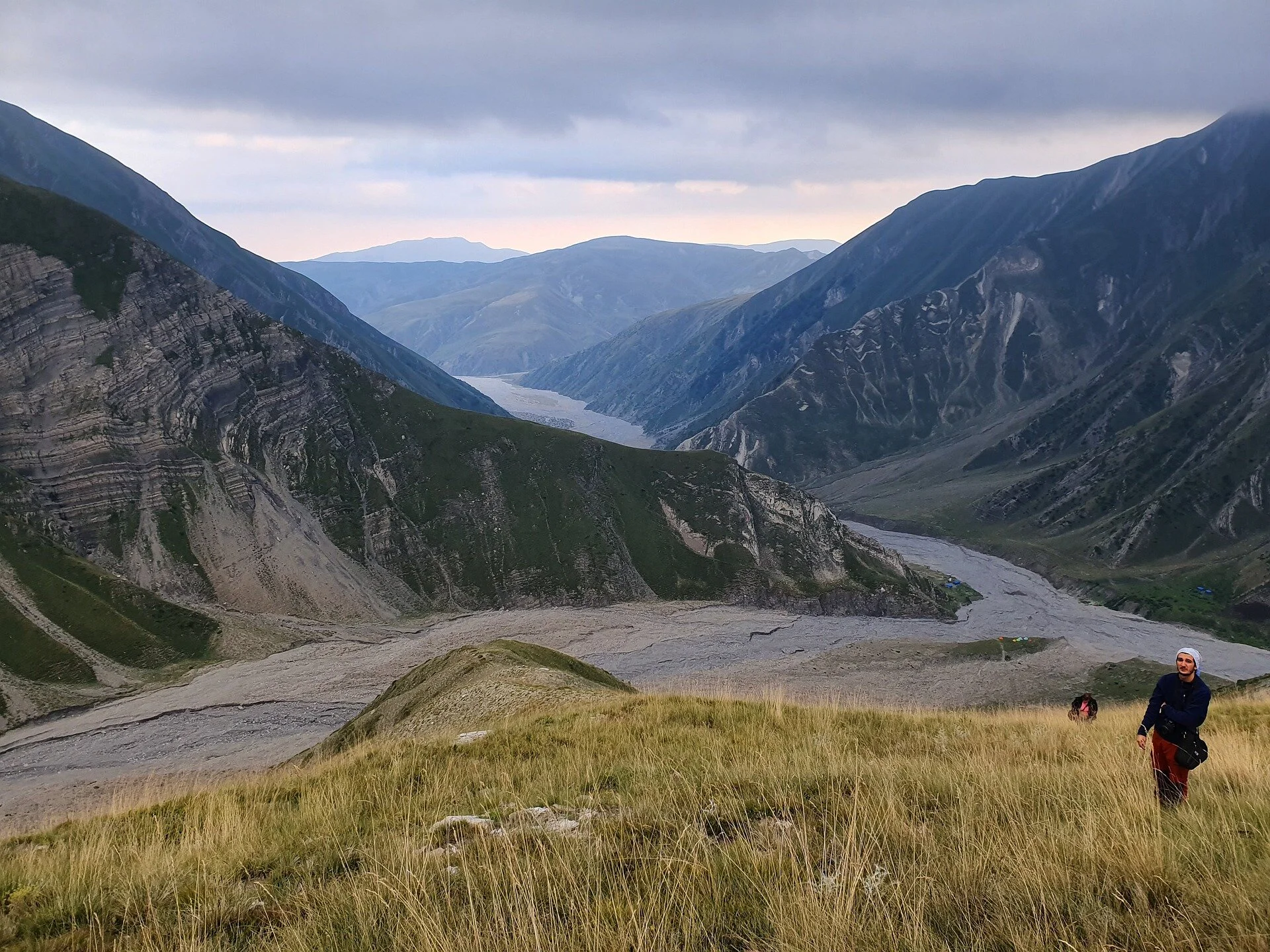
 A mountainous region in Azerbaijan. Pozziss. CC0.

Azerbaijan, a former Soviet republic located in the southern Caucasus, stands as a diverse and exquisite country. Although the Russian imperialism of the past retains some influence, the “Land of Fire” prides itself on its many unique traditions which can be fully experienced today.  

Tea Rituals

 Black tea served in an armudu. Idin Ebrahimi. Unsplash

Tea is a prevalent part of Azeri culture, to the extent that it is served with every meal. The locals predominantly drink black tea and serve it in a pear-like glass called an armudu. This tradition was passed down from medieval times, when black tea was taken alongside a sugar cube to avoid assassination, as sugar tends to react with potential toxins in the drink. This tradition continues even today, as locals can be seen taking a bite of a sugar cube before sipping their tea. 


The Importance of Fire

 Temple of Fire in Baku. Diego Delso. CC BY-SA 4.0

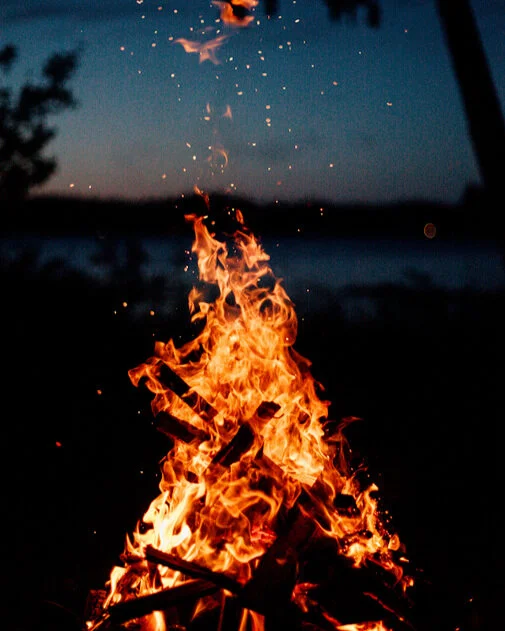
Azerbaijan is also known for its national symbol of fire, and the country is recognized as a place where “the sacred fire is preserved.” “Azer” in Persian means “fire,” and the entire country is known as the “Land of Fire.” Although the exact reason behind this cannot be tracked to one specific moment, there are various potential reasons for why fire holds such a special place in this nation. First, although a large proportion of Azeris are Muslim, Zoroastrianism still holds a large influence on Azerbaijan. Zoroastrianism focuses on the worship of fire, water, Earth and wind. Thus, respect for nature is highly ingrained within Azeri culture. Moreover, the country’s “huge underground gas deposits” commonly lead to natural flames. 


Food 

 Azeri dish known as kelem dolmasi. CC BY 3.0

Food is also a large part of Azeri culture, and one can find an array of distinct, delicious and healthy dishes. The reason for this is the large farming culture in Azerbaijan, which is possible due to the country’s extensive tracts of fertile land. This means that the nation grows a multitude of vegetables and fruits, with flavorful meats and herbs rounding out Azeri meals. Due to Azerbaijan’s vibrant culinary scene, food is given a high position in culture, where sharing food with another person is a sign of friendship. 


 Goychay Pomegranate Festival

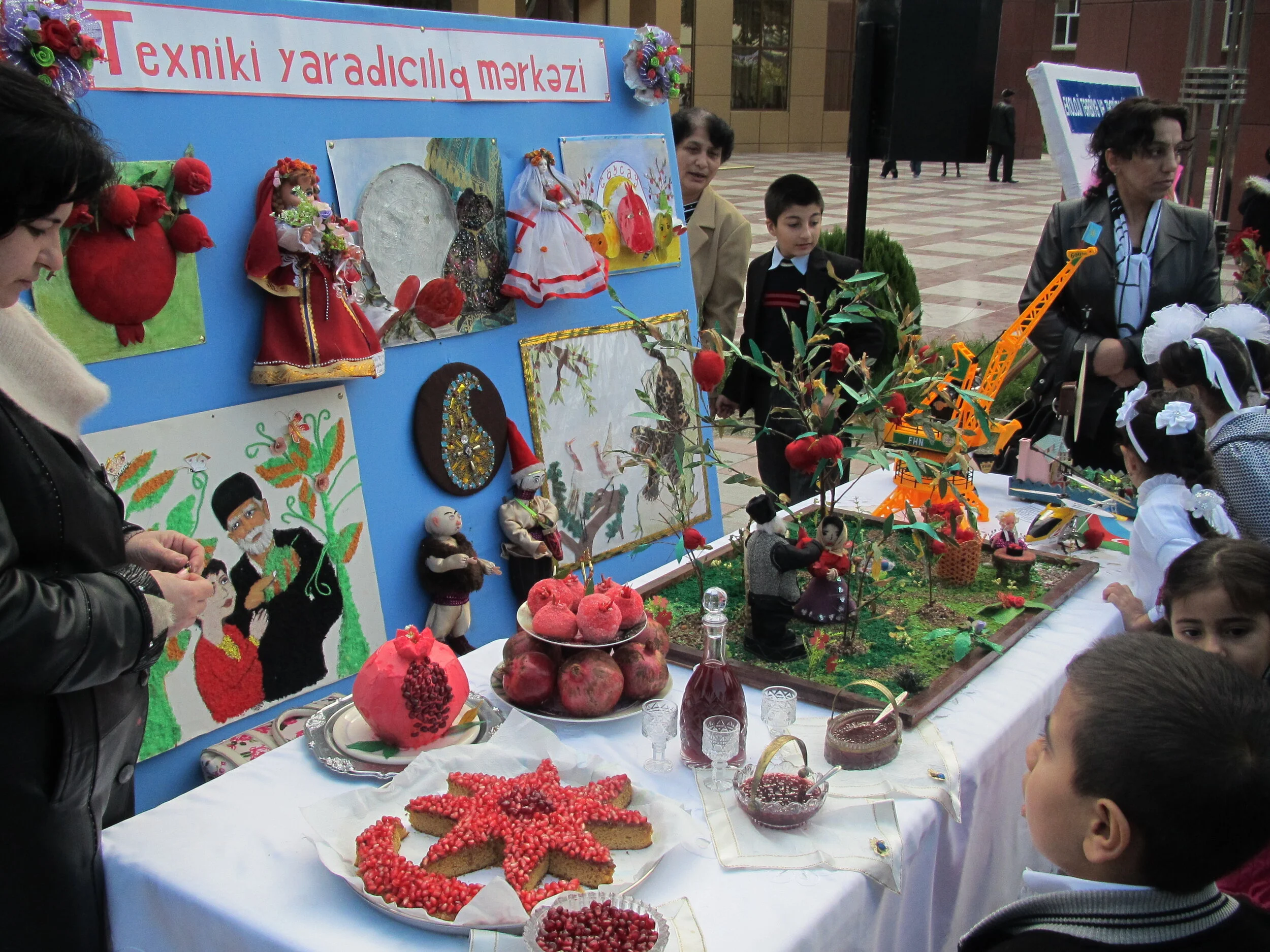
 A booth at the Goychay Pomegranate Festival. Moonsun1981. CC BY-SA 3.0

Although many fruits are popular in Azerbaijan due to its fertile land, pomegranates are given the highest title as the symbol for love, luxuriance and eternal life. To commemorate the importance of this fruit, a pomegranate festival known as Nar Bayrami is celebrated every November in the city of Goychay, where over 50,000 tons of pomegranates are produced annually. Guests in this festival are welcomed by locals with an array of pomegranate dishes ranging from jams to baked goods to juices. Moreover, during the festival many vendors set up their shops with distinct varieties of this fruit. Other festivities include traditional dancing, instrumental music by local musicians, and competitions such as picking out the heaviest pomegranates from the lot. 

 Strides Toward Gender Equality

Kalbajar School in Azerbaijan. World Bank Photo Collection. CC BY-NC-ND 2.0

In 1918, Azerbaijan became the first country in the Islamic world to give women the right to vote. Gender equality comes partly as a legacy of Russian imperialism, as the culture placed large importance on respecting women. Women’s equality continues to be a notable social norm in Azerbaijan, and it is normal for Azeri women to hold positions of political power. On a day-to-day basis, men commonly offer their seats to women and hold the door for them.


Gracious Hospitality

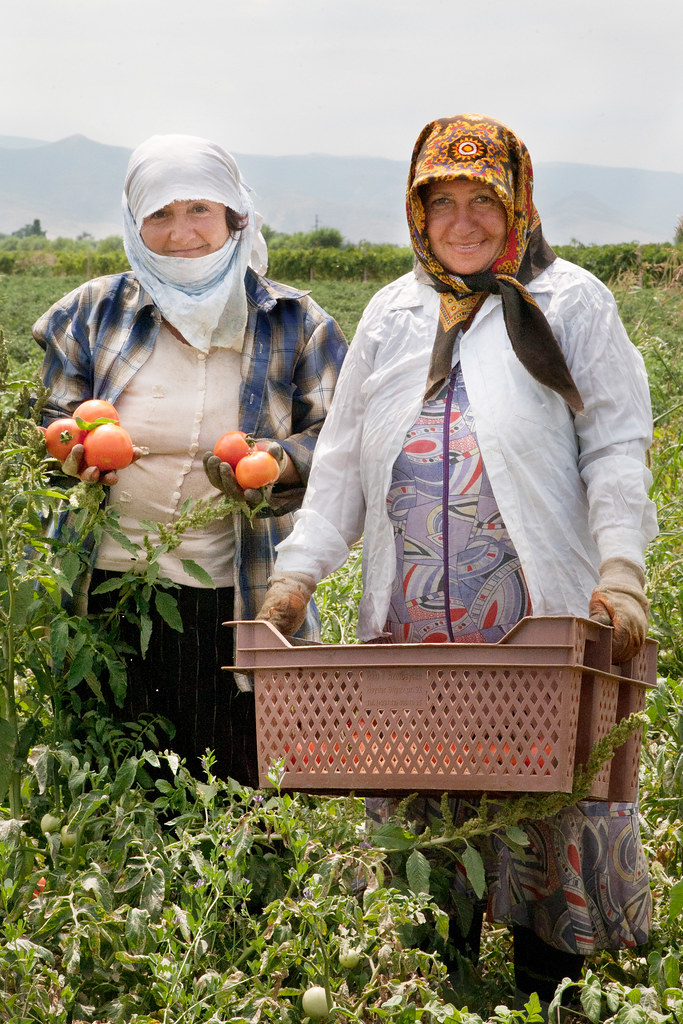
 Two Azeri women picking out tomatoes. Asian Development Bank. CC BY-NC-ND 2.0

 Generous behavior isn’t only reserved for women in Azerbaijan; it extends to guests as well. Hospitality is a common trait across the majority of Azeri citizens, who are often willing to provide shelter and food to their guests, regardless of the trouble they must go through. If one receives the luxury of going to a Azeri’s home, they should remember to take off their shoes before entering, and to remain standing until told where to sit. Moreover, as Azerbaijan is renowned for its food, guests should not refuse a serving as that may be misunderstood as a rude gesture. 

 In all, Azerbaijan’s riveting culture makes it an intriguing nation to visit. Despite its minuscule size, the country has much to offer to those willing to take a chance on it. 

WANT TO LEARN MORE? CHECK OUT THIS VIDEO AND EXPLORE THE MAGNIFICENCE OF AZERBAIJAN.


Swati Agarwal

Swati is a sophomore at University of California, San Diego, where she is studying Environmental Sciences and Theatre. Although born in India, she was raised in Tokyo, which gave her the opportunity to interact with diverse people from distinct cultures. She is passionate about writing, and hopes to inspire others by spreading awareness about social justice issues and highlighting the uniqueness of the world.

10 Indigenous American Historical Sites to Visit

Ten million people lived in what is now the United States before Europeans arrived. These Indigenous Americans lived in complex cultures and completed amazing architectural feats that persevere to this day.

By the time European explorers arrived in the Americas, the Western Hemisphere was already home to more than 50 million people. Ten million of these people lived in what is now the United States. These Indigenous Americans developed intricate communities, religions and lifestyles, and made a lasting impact on American history and culture. Incredible sites built by Indigenous people can be found throughout the U.S. today, including cliff dwellings, multistory stone houses, earth lodges and effigies, and other stunning ruins. The history of Indigenous people is often overlooked or swept under the rug in favor of European colonists when looking at the larger context of American history, but preserved sites teach visitors about the complex cultures that came before Western settlers. These 10 sites showcase some of the impressive architectural triumphs of Indigenous people and pass on their histories. 

1. Knife River Indian Villages National Historic Site, North Dakota

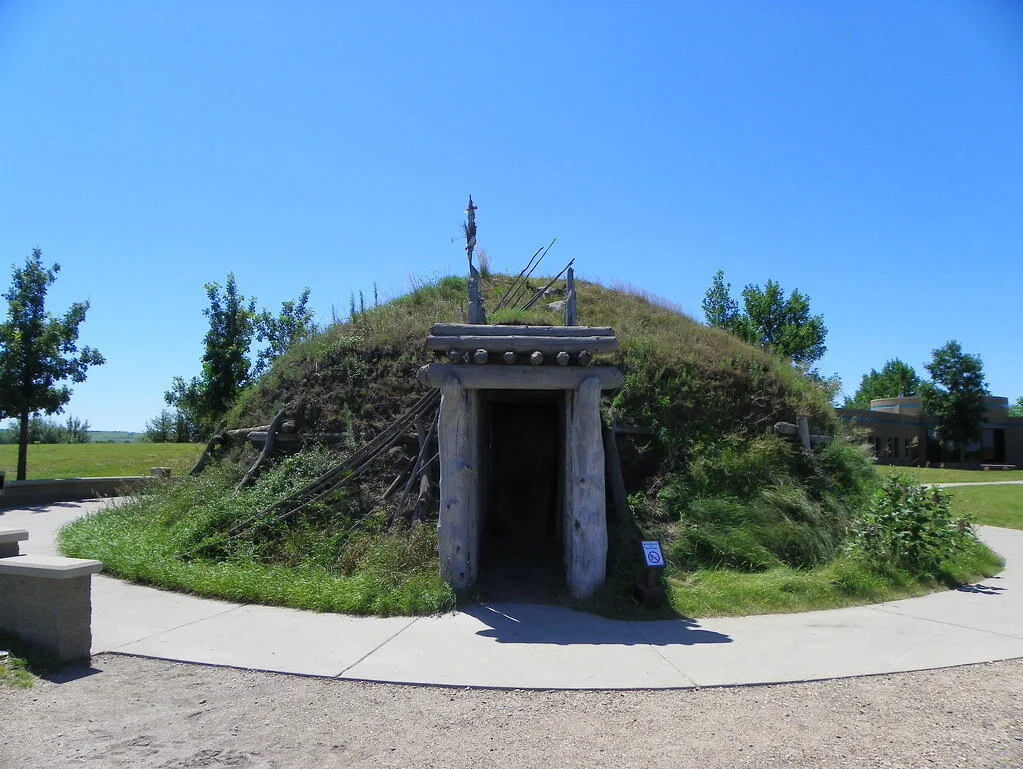
Located near Stanton, North Dakota, the Knife River Indian Villages National Historic Site preserves the history of the Knife River region. The Knife River region, an area in North Dakota centered around a tributary of the Missouri River, has been home to a number of people groups for around 11,000 years. Not much is known about the cultures that have inhabited the Knife River region because very few artifacts from the area remain, but early written records document the lives of the Hidatsa people. Like the Mississippian people, the Hidatsa resided in earth lodges. The Mandan and Arikara were also earth lodge residents who settled in the Knife River region, and all three groups pioneered agriculture in the area while still hunting and gathering. Villages were the center of earth lodge peoples’ lives, and the park features the remains of three large villages constructed by the Hidatsa: Awatixa Xi’e village, Hidatsa village and Awatixa village

2. Puu Loa Petroglyphs, Hawaii 

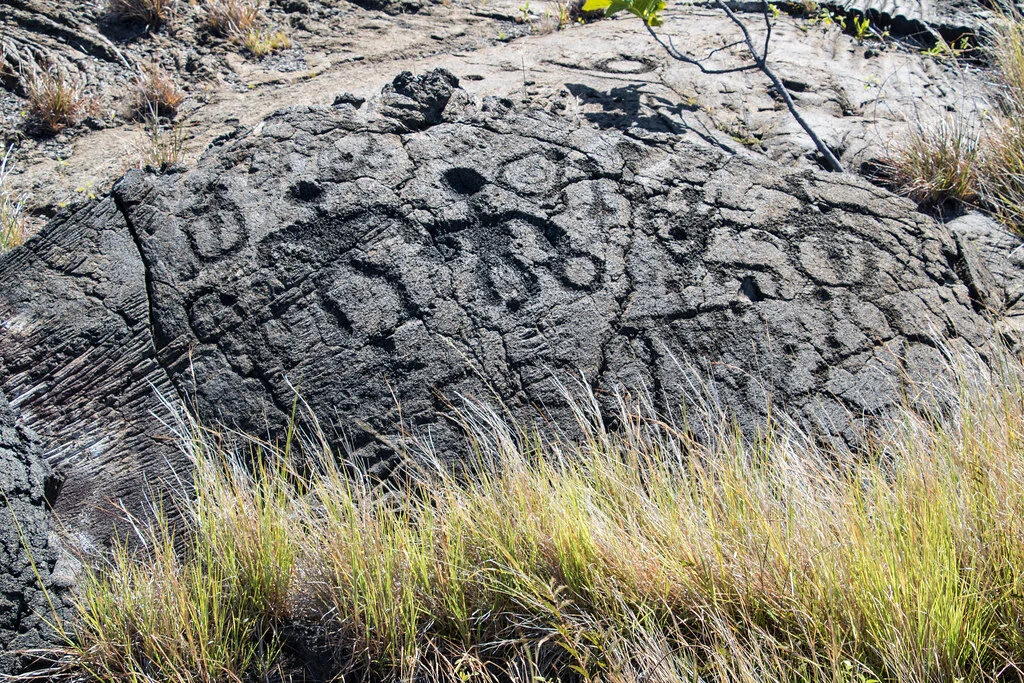
Hawaii Volcanoes National Park, on Hawaii’s Big Island, protects Mauna Loa and Kilauea, two of the world’s most active volcanoes. It is also home to the Puu Loa petroglyphs, stone etchings that document the lives and culture of the Native Hawaiian people. The petroglyphs are located in a lava field that is at least 500 years old, and the site has over 23,000 different petroglyphs. There are a variety of geometric designs, as well as depictions of people and tools, such as canoe sails. A number of the petroglyphs contain cupules, or holes where a portion of the umbilical cord was placed after the birth of a child in order to ensure long life. The first known written account of the petroglyphs is attributed to missionary Rev. William Ellis in 1823, but some petroglyphs likely date to the 1600s or even earlier. In addition to being used to ensure long life, some petroglyphs were used to record the movements of travelers on the island. Visitors to Hawaii Volcanoes National Park can take a 1.4-mile round trip day hike on a boardwalk to admire the petroglyphs up close. 

3. Mesa Verde National Park, Colorado

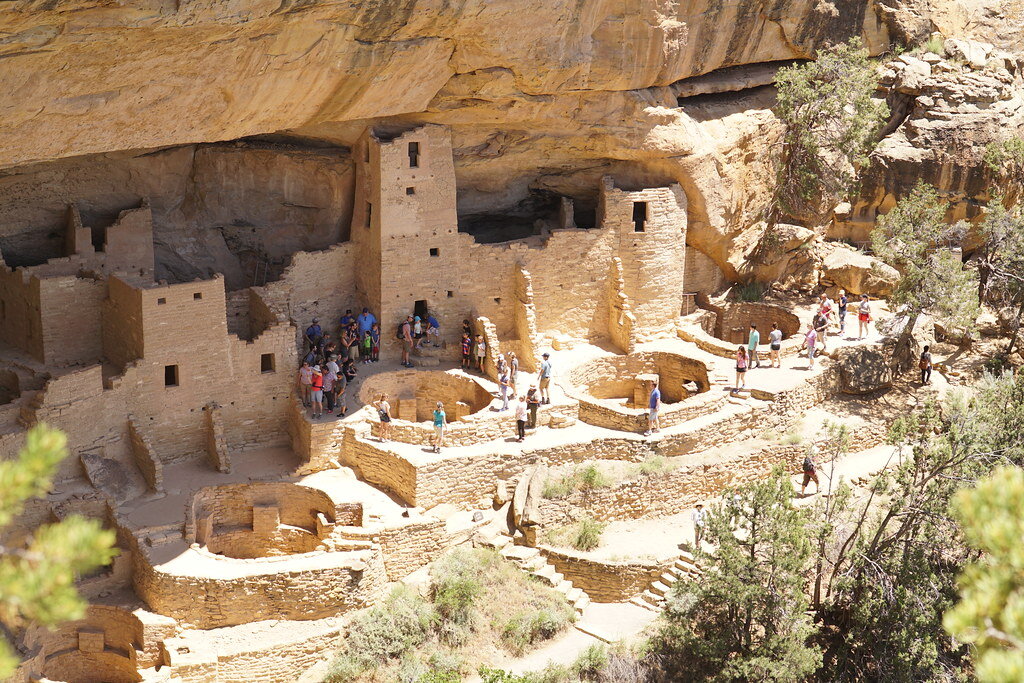
Probably one of the most well-known Indigenous sites in the United States, Mesa Verde National Park in Colorado preserves almost 5,000 historical sites of the ancestral Pueblo people, including 600 cliff dwellings. The ancestral Pueblo people lived at Mesa Verde for more than 700 years, from 550 to 1300 A.D. The first people settled at Mesa Verde in 550 A.D., turning from hunting and gathering to agriculture and building small villages of pithouses, sometimes sheltered in cliff alcoves. Around 750 A.D., these people began building houses above ground and became known as the Pueblo people, meaning “village dwellers.” The houses evolved from being made of poles and mud to being skillfully constructed from stone. Then, in 1200 A.D., for reasons that are unknown, the ancestral Pueblo began to move back into cliff alcoves and developed the cliff dwellings that make Mesa Verde famous. Mesa Verde’s cliff dwellings are truly incredible examples of Indigenous architecture, ranging from one- to 150-room houses. They are also some of the best-preserved cliff dwellings in North America, and visitors can tour some of the structures, like Balcony House and Cliff Palace

4. Effigy Mounds National Monument, Iowa

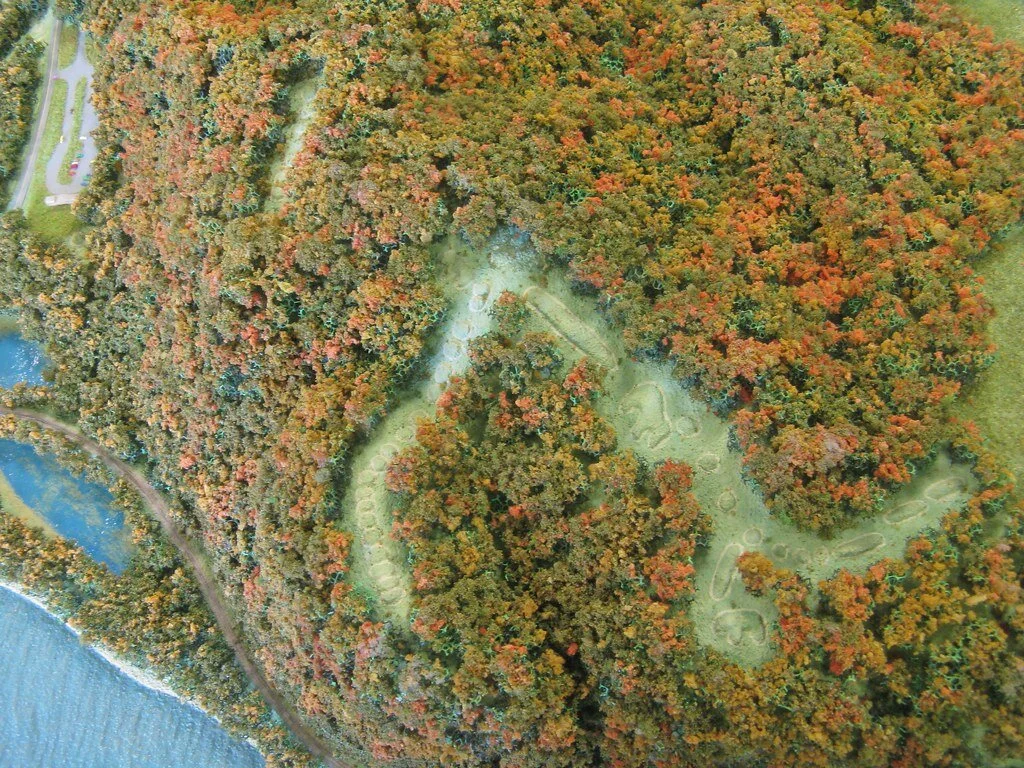
Ceremonial mounds created by Indigenous Americans can be found across the United States. Effigy Mounds National Monument preserves more than 200 distinct mounds built by people known as the Woodland Indians and gives visitors a glimpse directly into Woodland Indian culture. The mounds, found in northeastern Iowa, are unique because a large number of them are effigies in the shape of animals. Thirty-one of the mounds are bear or bird effigies. The Woodland culture consisted of hunter-gatherers who during the summer lived in large campsites along the Mississippi River, which they relied on for food and water. Archaeologists and researchers do not know precisely why the effigy mounds were built, but they guess that they may have been made for religious rituals or burial ceremonies. Guided tours are available throughout the summer at Effigy Mounds to teach visitors more about the area’s rich history, and there are also hiking trails around the site. 

5. Chumash Painted Cave State Historic Park, California

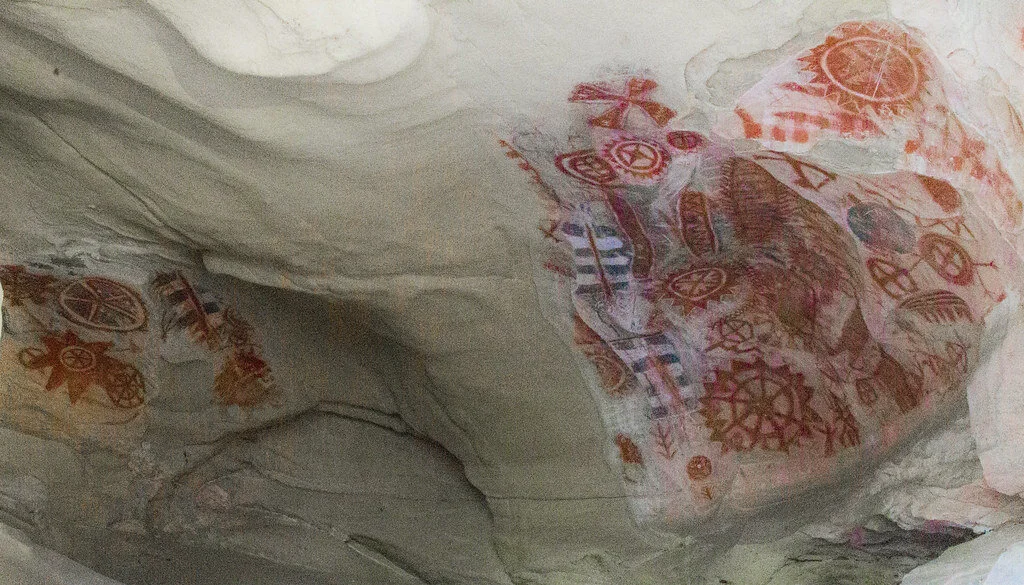
Just outside of Santa Barbara sits the Chumash Painted Cave, a room-sized sandstone cavern filled with colorful anthropomorphic and geometric figures. The exact age of the cave paintings is unknown, but archaeologists estimate that they date to the 1600s or earlier. The paintings are attributed to the Chumash, a name referring to several groups of Indigenous people who lived along the coast of Southern California and on the nearby Channel Islands. The Chumash groups spoke a variety of what linguists refer to as the Hokan language, and they constructed canoes from pine or redwood planks, which they used to sail up and down the California coast to hunt, gather and trade with other tribes. The Chumash lived in round homes known as “aps,” organized into villages. A number of archaeological sites displaying Chumash rock art have been discovered, and the Chumash Painted Cave is one of the most well preserved. The meaning behind the figures at the painted cave is unknown, but the art may be connected to Chumash astrology and cosmology. 

6. Chaco Culture National Historical Park, New Mexico

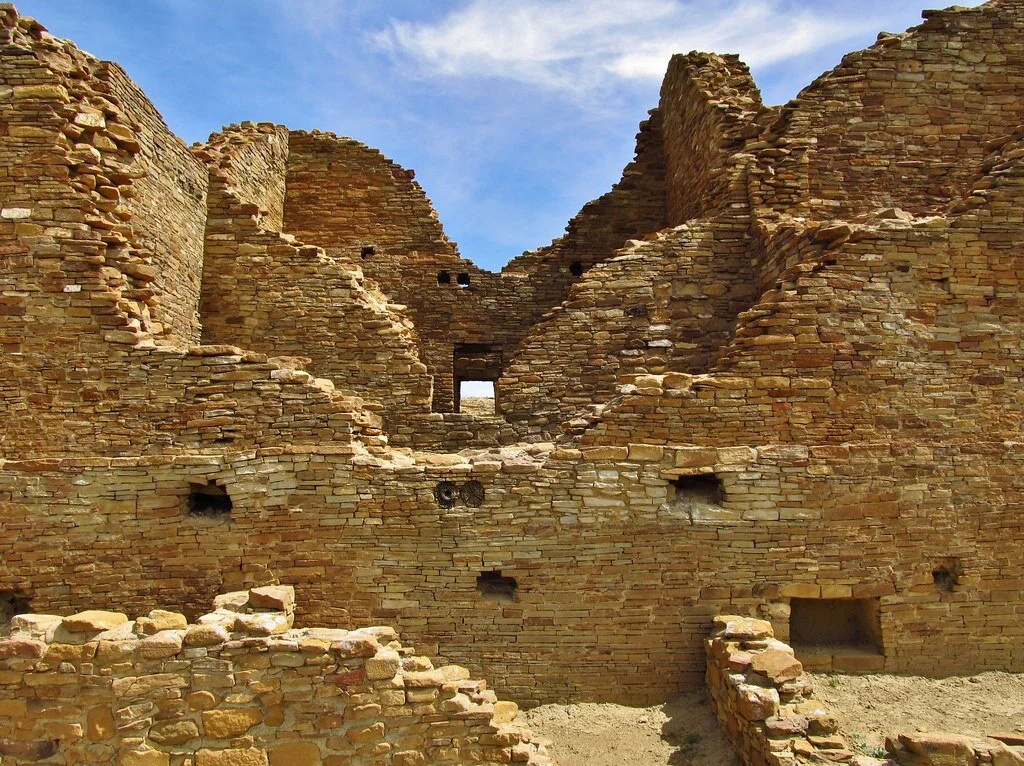
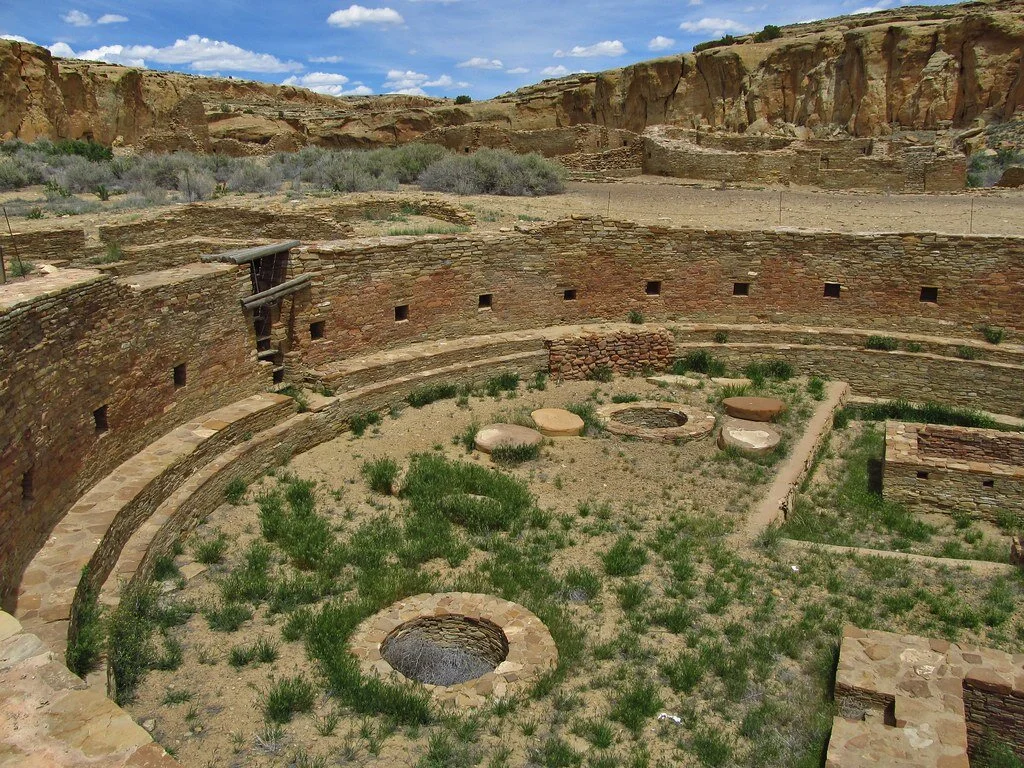
A valley in the high desert of northwestern New Mexico houses an ancient, sprawling center of ancestral Pueblo culture. Between 850 and 1250 A.D., the area that is now Chaco Culture National Historical Park was the epicenter of a widespread expansion of Chacoan culture. The Chacoan people used unique masonry techniques to construct stone houses multiple stories high, some containing hundreds of large rooms. The buildings were intricately planned out and often constructed according to solar, lunar and cardinal directions, as well as to maintain clear lines of sight between houses. By 1050, Chaco was the economic and cultural center of the San Juan Basin, with people from all over the area gathering there to share knowledge and traditions and to participate in ceremonies. A number of the great houses have been preserved and can be seen today, along with petroglyphs made by the Chacoan people. Since 2013, Chaco has also been designated an International Dark Sky Park, meaning it is one of the best places in the country to get a view of the night sky untainted by light pollution. Visitors can look at the sky the same way the Chaco people saw it a millennium ago. 

7. Ocmulgee Mounds National Historical Park, Georgia

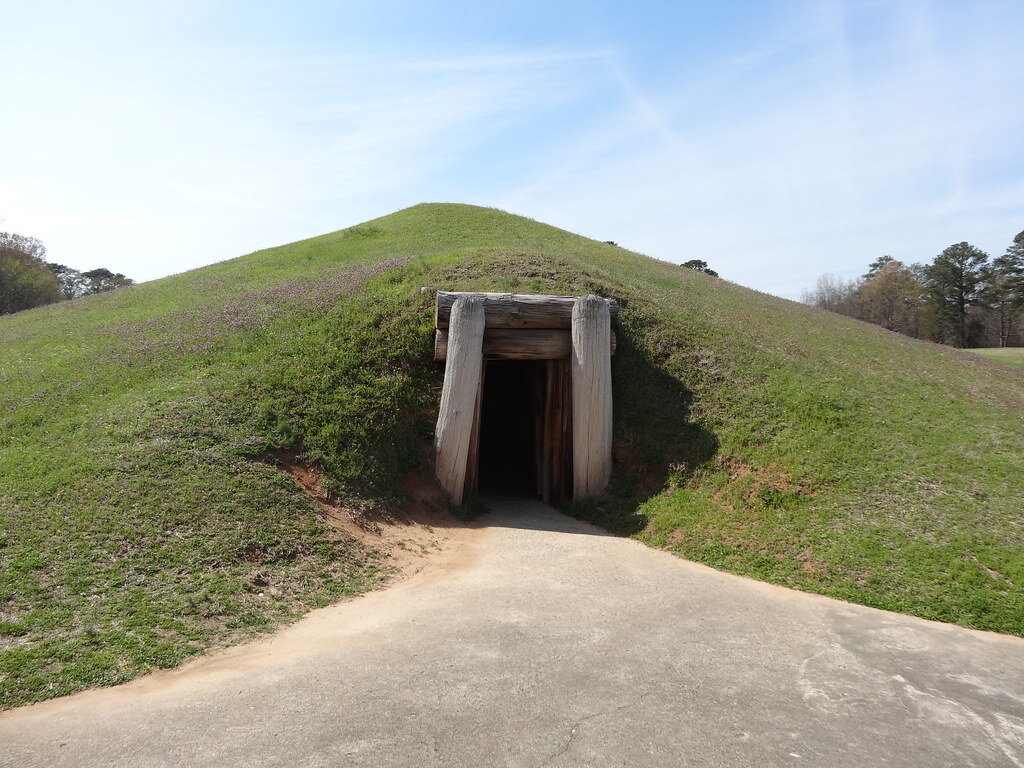
Minutes outside of downtown Macon, Georgia, lies Ocmulgee Mounds National Historical Park, a site shaped by 17 millennia of habitation, dating back to prehistoric times. The nomadic Paleo-Indian people arrived at the site in around 17,000 B.C., during the last ice age. Around 9,600 B.C. the Paleo-Indian era gave way to the Archaic era. The Early Archaic people were nomadic hunters as well, but evidence suggests that by the Middle Archaic period people began to build more permanent settlements and gather food. It wasn’t until the Mississippian people, who migrated to the area in 900 A.D., that the land was permanently changed, however. The Mississippians constructed impressive villages that literally reshaped the landscape, forming elaborate earthen lodges and temples that are still visible today. The Mississippian culture declined after the 1539 arrival of Spanish explorer Hernando de Soto, who brought with him foreign diseases that devastated the Mississippian people. Descendants of the Mississippian people, the Muscogee Creek Nation, who lived at Ocmulgee from 1600 until their forcible removal by Andrew Jackson in 1836, considered the mounds built by their ancestors to be sacred. Today, visitors to the site can see several of the mounds constructed by the Mississippian people, as well as the location of two Civil War battles. 

8. Little Bighorn Battlefield National Monument, Montana

Little Bighorn Battlefield National Monument memorializes the site of the Battle of Little Bighorn, a fight between the 7th Regiment of the U.S. Cavalry and thousands of Sioux, Cheyenne and Arapaho tribe members. It lies within the Crow Indian Reservation in southeastern Montana. On June 25, 1876, the 7th Regiment, led by Lt. Gen. George Custer, attacked a village of free Lakota and Cheyenne people. The battle was part of the U.S. campaign to force Indigenous people to comply with the 1868 Treaty of Fort Laramie, which created a large reservation in South Dakota intended to house the Lakota. Many Lakota did not want to give up their nomadic lifestyle in favor of a life controlled by the U.S. government, resulting in a number of armed conflicts. The Battle of Little Bighorn proved deadly for both sides, but the Lakota and Cheyenne ultimately triumphed, defeating Custer and his troops. Though the Lakota and Cheyenne tribe members won the battle, Custer’s defeat became a rallying cry for U.S. efforts to force Indigenous people onto reservations, and stronger military forces were sent to conquer the tribes. The monument includes the battlefield itself, as well as the Custer National Cemetery and a number of hiking trails. 

 9. Aztec Ruins National Monument, New Mexico

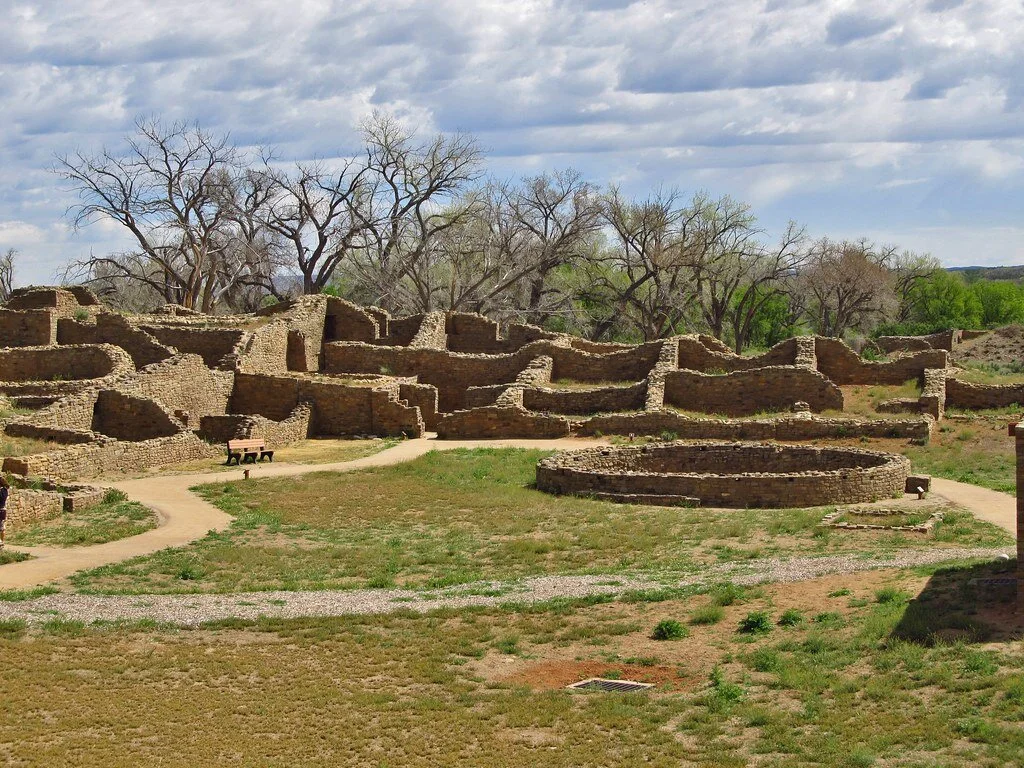
Despite its name, Aztec Ruins National Monument has no association with Mexico’s Aztec empire. These large, multistory stone buildings, located within the city limits of Aztec, New Mexico, were constructed by the ancestral Pueblo. Early Western settlers thought that the site was built by the Aztecs, so they named the area “Aztec,” and the name remained even after the true builders of the ruins were discovered. Aztec Ruins was the largest ancestral Pueblo community in the Animas River valley. The site features a number of “great houses” made of stone, including the West Ruin, which had over 400 interconnected rooms. Each great house had a “great kiva,” a large, underground circular chamber used for ceremonies. Aztec Ruins also has three above-ground kivas, each encircled by three walls forming a triangle. Aztec Ruins was likely influenced by Chacoan culture, and may have even been an outlying community of Chaco. Visitors can wander through the rooms of West Ruin on a self-guided tour, or participate in ranger-led programs. 

10. Hopewell Culture National Historical Park, Ohio

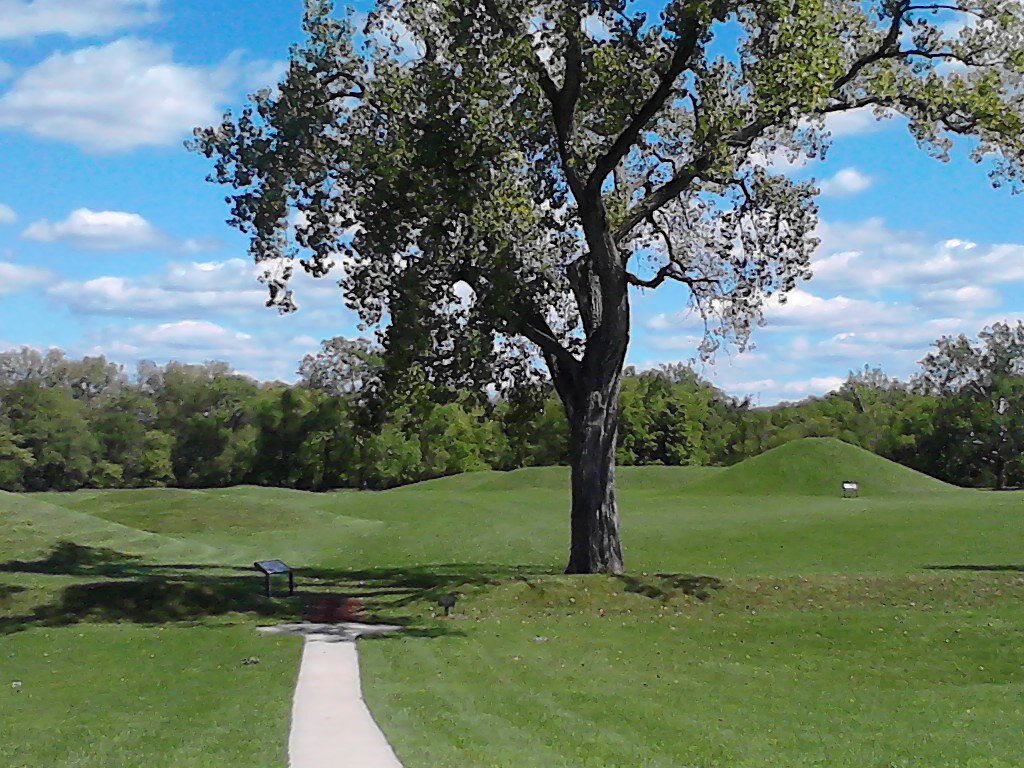
The term “Hopewell culture” refers not to a specific tribe, but to a “distinctive set of artifacts, earthworks and burial practices” common in areas of southern Ohio during the Middle Woodland period, from around 1 to 400 A.D. The Hopewell Mound Group is an 130-acre earthwork complex, which contains 29 burial mounds and was once enclosed by an enormous earthen wall that spanned over 2 miles and was up to 12 feet high. Remnants of the walls are still visible, as are several of the large, uniquely shaped mounds. Hopewell Culture National Historical Park encompasses five additional sites, all with fascinating remnants of the Hopewell culture. Settlements typically consisted of a few families living close together in rectangular houses with a shared garden nearby. In addition to growing domesticated plants, people of the Hopewell culture were hunters, fishers and gatherers. Visitors to the park will discover the commonalities between each distinct site by exploring the incredible Hopewell Mounds and looking at preserved artifacts.


Rachel Lynch

Rachel is a student at Sarah Lawrence College in Bronxville, NY currently taking a semester off. She plans to study Writing and Child Development. Rachel loves to travel and is inspired by the places she’s been and everywhere she wants to go. She hopes to educate people on social justice issues and the history and culture of travel destinations through her writing.

Abortion Cases in El Salvador Could Loosen Restrictions on Reproductive Rights

The National Palace in San Salvador, El Salvador. David Stanley CC BY 2.0.

Reproductive rights in Latin America have a complicated history. While a handful of countries in the region allow for abortion at the mother’s request, the vast majority of Latin American countries only allow abortions to be performed in very specific cases, with El Salvador, the Dominican Republic, Nicaragua and Honduras retaining complete prohibitions.

2021 may be a turning point, however. Argentina began the year with a new law legalizing abortion, which makes the country the third in Latin America to do so after Cuba and Uruguay. More recently, new abortion cases being heard in El Salvador could loosen laws in one of the world’s most restrictive countries for reproductive rights, opening the door for further decriminalization and legalization of abortion throughout the region.

El Salvador’s Historical Lack of Reproductive Rights

In 2012, a young Salvadoran woman named Sara had a miscarriage after she slipped and fell while washing laundry. Despite maintaining her innocence, the Salvadoran government sentenced Sara to 30 years in prison for aggravated homicide due to the country’s prohibition on any and all abortions. Lawyers are currently working to appeal her conviction.

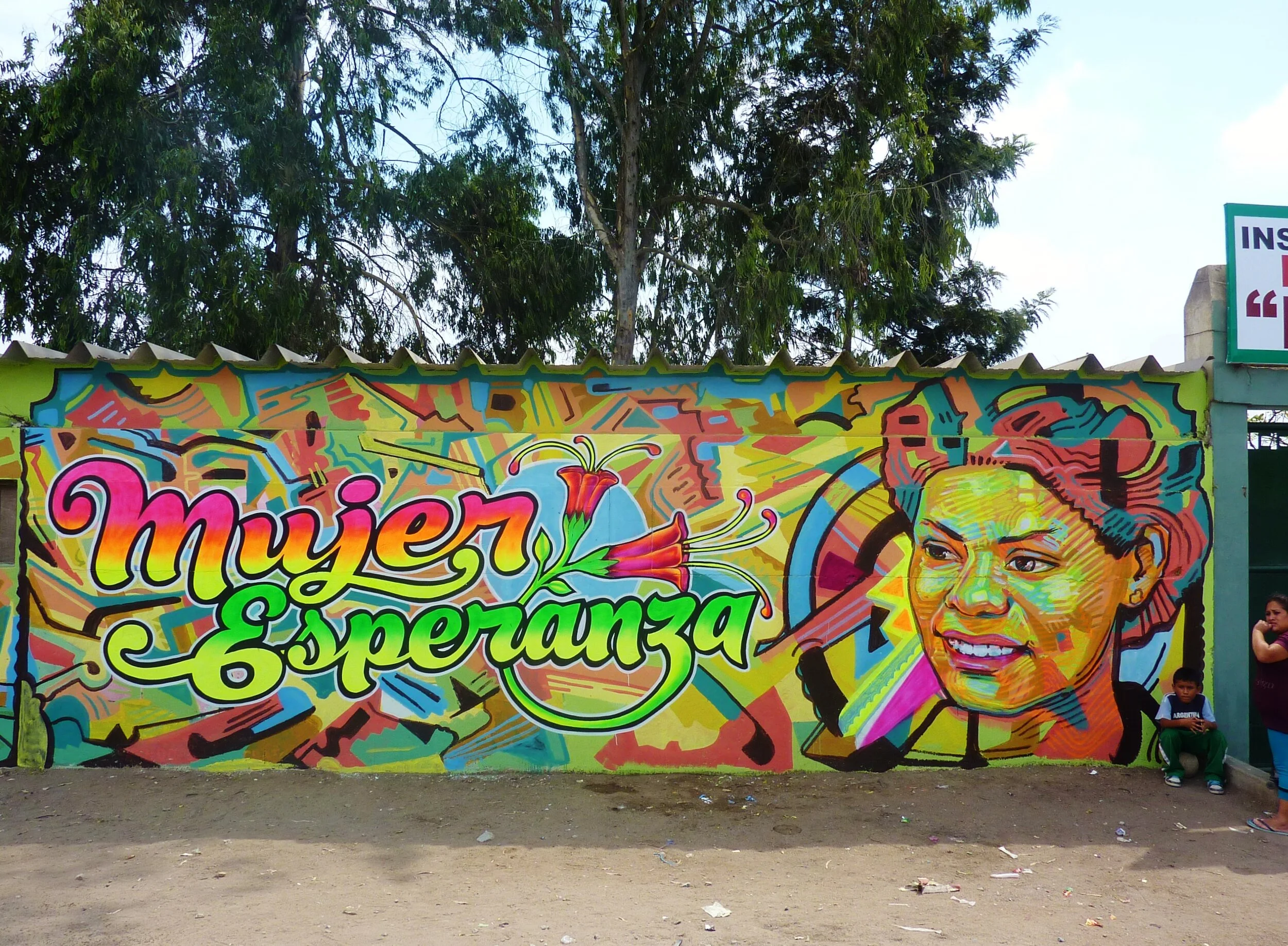
A mural in El Salvador which says “Hope Woman” in English. El Decertor. CC BY NC-ND 2.0.

Sara, who is only identified by her first name to protect her privacy, is one of countless women who have been subjected to El Salvador’s restrictive policies on reproductive rights. Another woman, Manuela, had a miscarriage in 2008. After going to the hospital, she was handcuffed to her bed by government authorities, accused of having an abortion and charged with aggravated homicide, which resulted in a 30-year sentence that was cut short when she passed away two years later due to lymphatic cancer.

El Salvador has historically maintained heightened restrictions on abortion access. While the country’s 1956 Penal Code permitted abortions if the woman’s life was at risk and the 1973 Penal Code expanded the exceptions to include circumstances of rape, statutory rape or detected congenital disorders in the fetus, El Salvador banned abortions under any circumstances in 1998 and amended its constitution in 1999 to recognize human life from the moment of conception.

A number of organizations, most notably the United Nations, have condemned El Salvador’s restrictive laws as human rights violations. However, the government has largely ignored these accusations.

Abortion-rights activists both within and outside of El Salvador are hopeful that 2021 could be a turning point for the country. Both Sara and Manuela’s cases are being heard by courts this year—Sara’s in a national court and Manuela’s at the Inter-American Court of Human Rights. If either of these cases come back in favor of the women, it could force the country to expand upon reproductive rights after nearly two and a half decades of restrictions.

A Brief Look at Reproductive Rights in Latin America

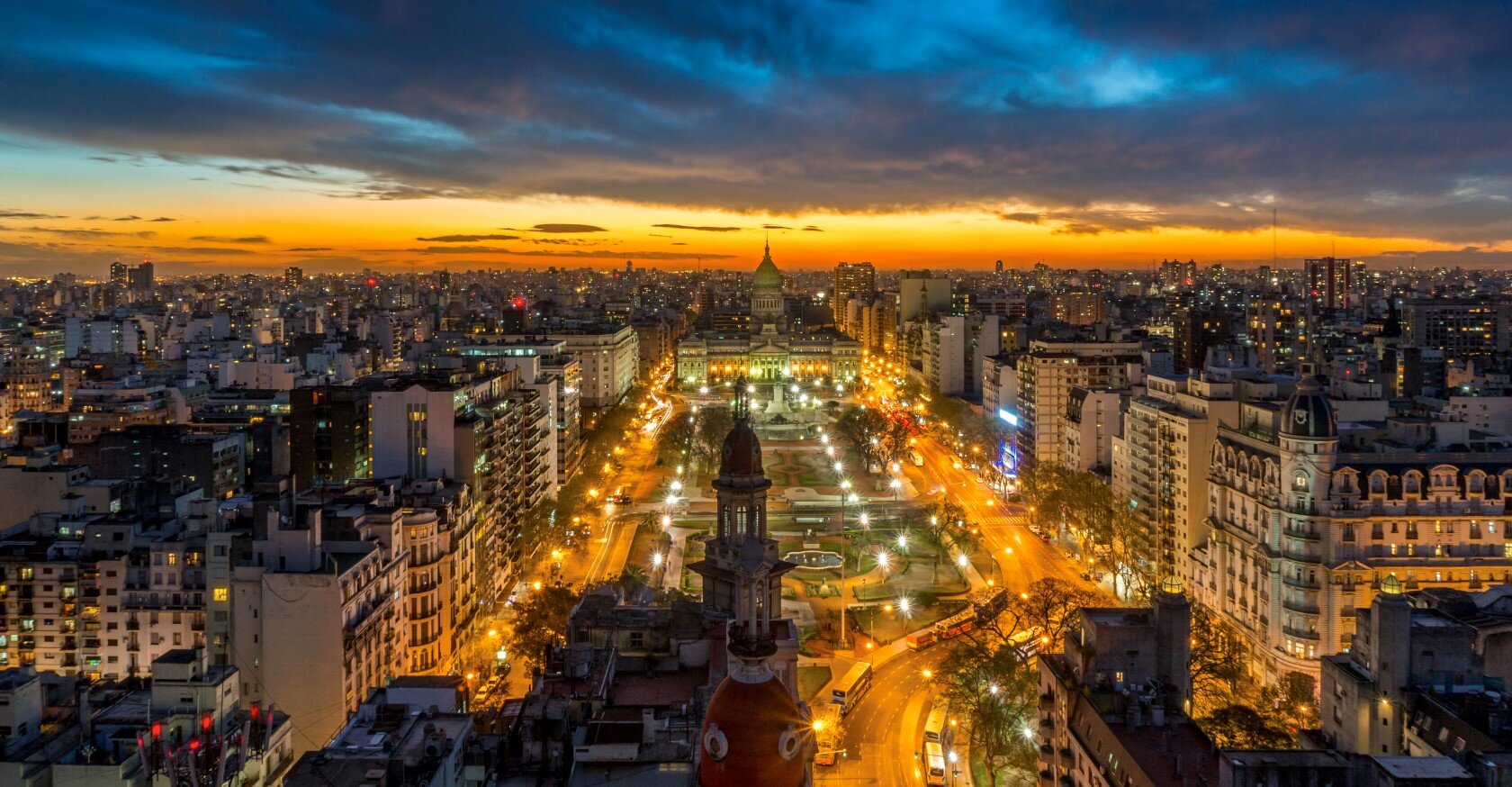
A view of Buenos Aires, the capital of Argentina. The country legalized abortion up to the 14th week of pregnancy in January 2021. Boris G. CC BY-NC-SA 2.0.

El Salvador’s restrictions on reproductive rights are by no means an outlier in Latin America. As of March 2021, only Argentina, Cuba, Uruguay, Puerto Rico, Mexico’s Federal District and the Mexican state of Oaxaca have legalized abortion at the mother’s request. Every other country in Latin America restricts access to abortions in some way.

One of the primary reasons for Latin America having such restrictive standards on abortion is due to the dominance of Roman Catholicism in the region, a religion which heavily stigmatizes the practice. According to the Pew Research Center, 69% of those in Latin America practice Catholicism, with every country in the region aside from Honduras and Uruguay retaining Catholic majorities. Even when new legislation has favored expanded access, stigmas against abortion remain high.

However, this stigmatization may be changing. Argentina rang in the new year with a groundbreaking abortion law guaranteeing women the right to seek out an abortion up to the 14th week of pregnancy with no exceptions. This new law makes Argentina, which has the fourth highest population of any country in Latin America, the largest country in the region to have such a comprehensive set of reproductive rights standards.

Should El Salvador expand access to abortion in the near future, the change may serve as a catalyst for expanded rights in other countries such as Chile and Mexico, both of which have seen pro-feminist movements in recent years. For the time being, however, activists continue to fight for expanded abortion access throughout Latin America.


Jacob Sutherland

Jacob is a recent graduate from the University of California San Diego where he majored in Political Science and minored in Spanish Language Studies. He previously served as the News Editor for The UCSD Guardian, and hopes to shed light on social justice issues in his work.

A Closer Look at East Africa’s Human-Elephant Conflict

For farming communities in East Africa, elephants pose a danger to survival. Consuming up to 1,000 lbs of food a day, they destroy farmers crops in hours, cause injury and even death. While poaching is publicized, it is actually the human-animal conflict that poses the greatest threat to the species survival.

Read More

Exploring the Wonders of Australia’s Wild and Remote Kimberley

The Kimberley region of Western Australia boasts a spectacularly diverse landscape offering both biodiversity and impressive geological formations.

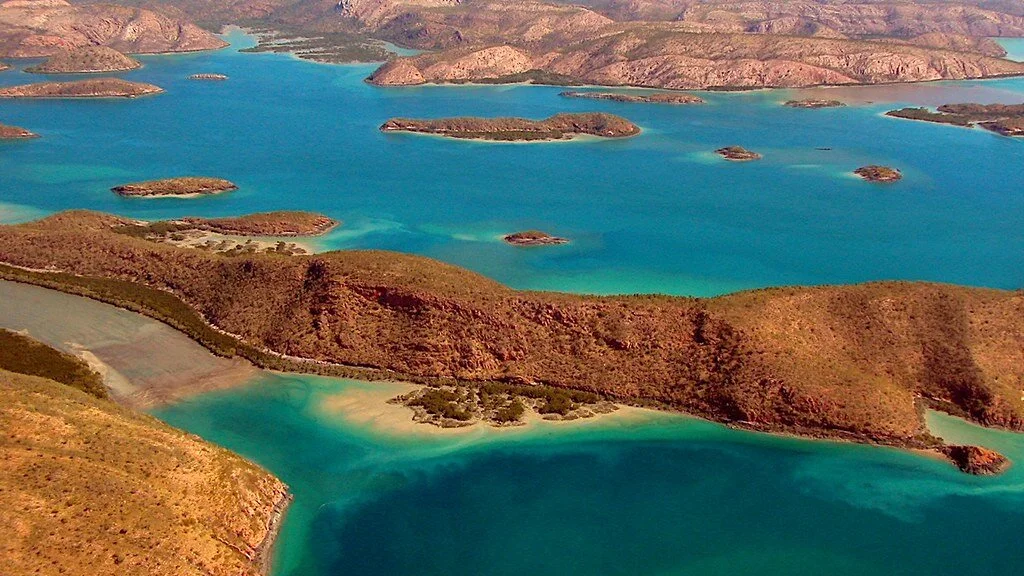
Aerial view of the Kimberley. Drumsara. CC-BY-SA 2.0. 

Although Australia provides plenty of examples of nature’s extraordinary beauty, few compare to the Kimberley region. Situated in Western Australia’s northernmost corner, the Kimberley is a grandiose territory teeming with rich ecosystems. A plethora of microcommunities sprinkle across its sundry landscapes while towering hills spill into vast canyons neighboring pristine swimming holes. 

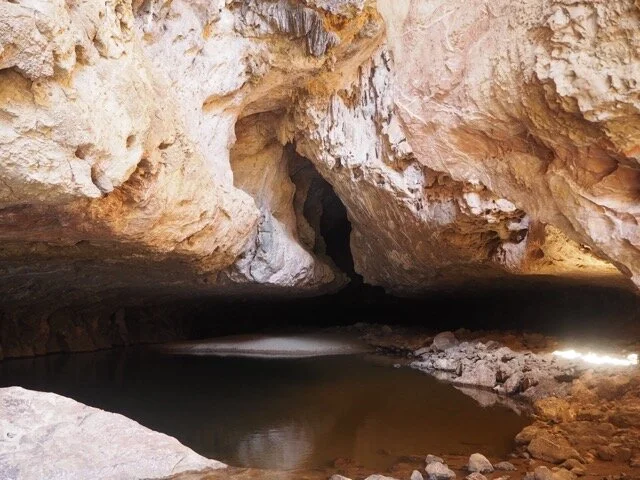
The region covers over 150,000 square miles, with only about 40,000 residents inhabiting the area. Perhaps the most famous part of the Kimberley is Broome’s Cable Beach, ranked as one of the world’s most gorgeous stretches of sand and sea. The beach displays nearly 14 miles of fine sand meeting glassy waters. The beach itself has an interesting history; the name “Cable Beach” comes from the telegraph cable placed there in 1889. For adventurers more daring, Tunnel Creek National Park houses the oldest cave system in Australia. Again, the history of the stop is fascinating; Aboriginal leader Jandamarra hid in the cave system but was later caught and killed at its opening. 

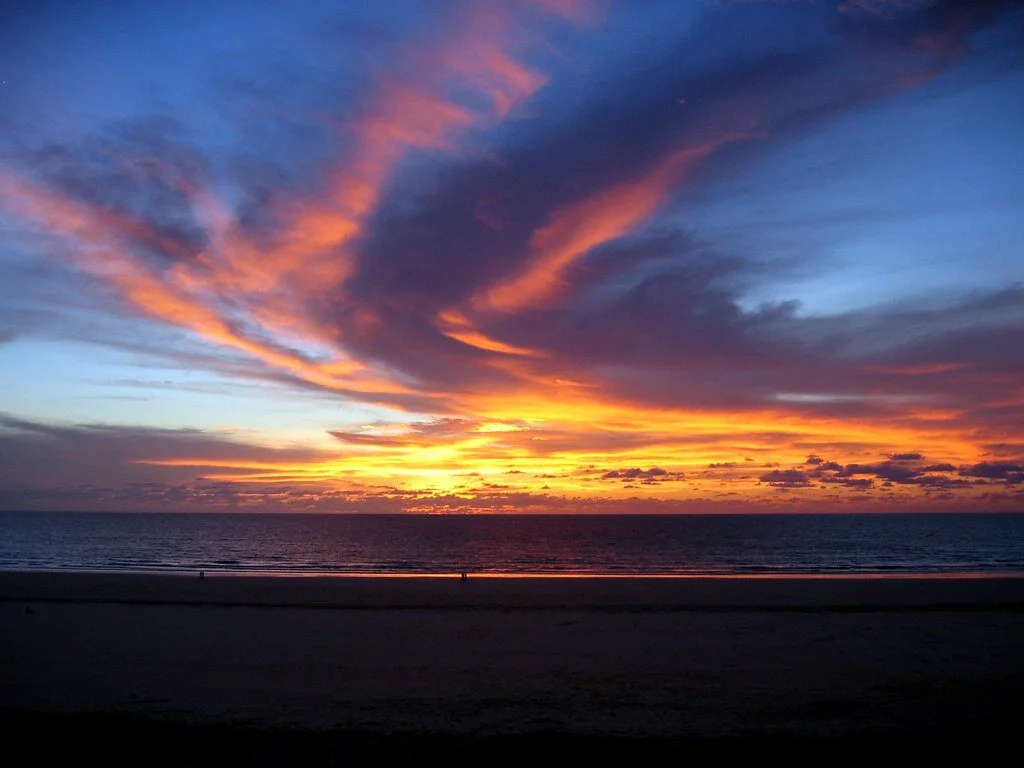
The swirling sky at Cable Beach in Broome. hmorandell. CC BY-NC-SA 2.0. 

However, the history of the land tells a story drastically different than the extravagant serenity the region now boasts. 

Exploration of the Kimberley by Europeans was initiated in 1879 by government surveyor Alexander Forrest, who explored much of Western Australia. Upon arrival, Forrest made note of the region’s vast landscape which made it ideal for cattle grazing. From this point on, the resources of the land quickly became tied to conflict; diggers struck gold which led to a quickly fleeting gold rush, and conflicts over cattle grazing raged between the Indigenous population and newly arrived Europeans. In the mid-20th century irrigation projects led to the rise of extensive farming, primarily that of sugar cane and rice. Oil drilling and diamond mining are now conducted in the region. 

Today, the Kimberley contains residents as diverse as its wildlife; there are over 100 Aboriginal communities that share the region’s unmatched tranquility as well as its bustling economic opportunities. Due to the region’s iconic landscape, nearly 300,000 travelers visit every year, producing over $300 million annually. 

Tunnel Creek National Park. Nievedee. CC BY-SA 4.0. 

As with most dazzling spectacles of nature, the region boasts pristine weather that complements the untouched wilderness. The wet season extends from November to April and is characterized by heavy rain and humid, sticky air. From May to October is the dry season, which is characterized by sun-drenched days and cloudless, baby blue skies. 

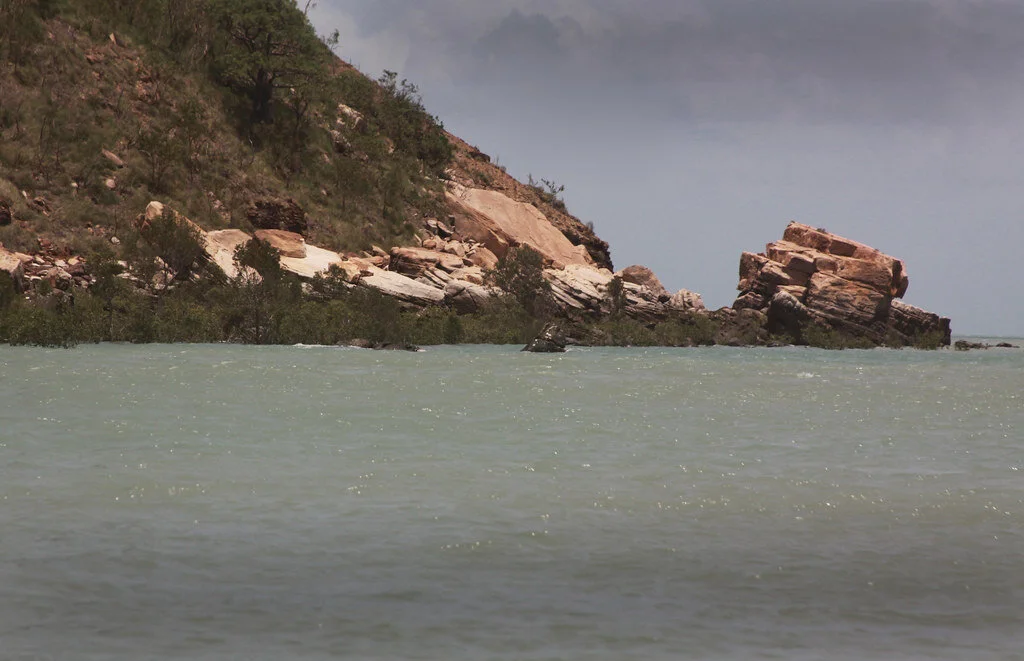
Raft Point. Johnny. CC BY-NC 2.0. 

An exciting history and a dazzling landscape make Australia’s Kimberley region a powerfully adventurous destination. Surely any visitor will find their imagination stretched by the area’s countless wonders.


Ella Nguyen

Ella is an undergraduate student at Vassar College pursuing a degree in Hispanic Studies. She wants to assist in the field of immigration law and hopes to utilize Spanish in her future projects. In her free time she enjoys cooking, writing poetry, and learning about cosmetics.

Oregon and Washington State Rethink the War on Drugs

A new law in Oregon decriminalized possession of small quantities of hard drugs. With Washington state possibly following its lead, the war on drugs might begin to be phased out.

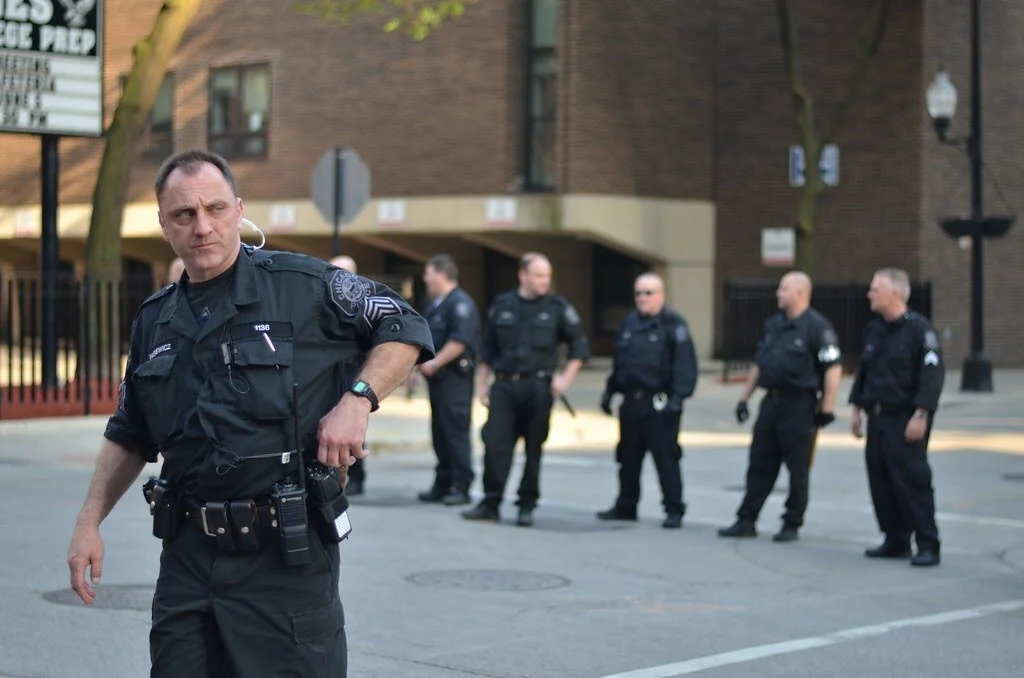
Is the end in sight for the war on drugs? Thomas Martinsen. CC BY-NC-SA 3.0.

Currently, an Oregon police officer cannot arrest someone for possession of small amounts of heroin, meth, LSD or any other hard drug. Ballot Measure 110, voted into law last November, decriminalized the possession of small quantities of such substances. Instead of a felony conviction and jail time, a drug user caught red-handed will face either a $100 fine or a medical evaluation that could direct them to an Addiction Recovery Center (ARC). The new law fundamentally changes the state’s approach to epidemic rates of drug use and could revolutionize the role of Oregon’s police force. 

At its core, Ballot Measure 110 diverts drug users away from the criminal justice system and toward the health care system. The bill requires that a network of 15 ARCs be built to treat drug users and pair them with case workers who can help them reach sobriety. Funding for the ARCs will come, ironically, from tax revenue from legal marijuana sales. Oregon can expect a lot of money from such sales. In 2020, tax revenue from marijuana reached $133 million, a 30% increase from the previous year. Additionally, the state anticipates that more funds will appear as police stop pursuing arrests for drug possession.

The simple demotion of drug possession from a felony to a misdemeanor will have lasting repercussions. Before, an Oregon police officer who saw a pipe in a car could justify searching the car for illegal substances, since the pipe was proof of a possible felony. Now that it would indicate only a misdemeanor, the officer cannot search the vehicle. Arrests will decrease sharply as a result. The Oregon Criminal Justice Commission estimates that there will be 3,679 fewer arrests for possession per year, a 90.7% decrease. Distributors will still face criminal sentences since they possess drugs in large quantities, but users will receive health care, not jail time.

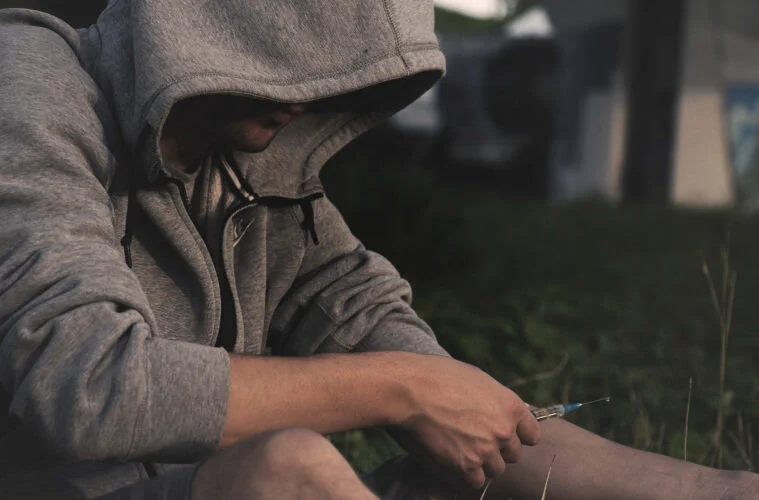
A disease, not a crime. Drugs Treatment Clinic Parus. CC BY-SA 4.0.

Building 15 ARCs by Oct. 1 will be a substantial challenge. Oregon will need to transition from addiction recovery programs focused on prisons to separate health care facilities that require supplies, staff and resources. Already, officers have made fewer arrests for possession to mitigate the risk of COVID-19 outbreaks in prisons. Thousands of drug users who would have landed in jails will now be placed into ARCs. Many who argued against the ballot measure now question whether so many facilities can be built by October. 

They have other qualms, too. As crude as the criminal justice system can be, drug addicts who served time in prison often entered court-mandated treatment programs; this won’t happen now that drug possession is a misdemeanor. County sheriffs expressed concern at a potential surge in illegal drug use now that prison is not a deterrent. Since the ballot measure passed with 58.5% of the vote, it’s clear these arguments weren’t entirely persuasive. 

The least worst option? Michael Kappel. CC BY-NC 2.0.

For one, prison might be the worst place to overcome a drug dependency. An addict is thrust into an unfamiliar environment to undergo withdrawal, and they may cope with trauma by self-medicating when the opportunity arises. The risk for opioid overdose alone is 129 times higher than average in the first two weeks after being released from jail. As for a potential surge in drug use, multiple examples of decriminalization in other countries indicate that this will most likely not occur. After decriminalizing hard drugs in Portugal, rates of drug use remained steady, but drug deaths fell as the percentage of users treated for addiction rose 21% between 2001 and 2008. 

Criticisms of Ballot Measure 110 go beyond the issue of how to treat epidemic rates of drug addiction. They speak to a concern about the ability of Oregon’s health care infrastructure to manage the flow of drug users from prisons to ARCs. This transition plays into a more ambitious, long-term agenda that many advocates of Ballot Measure 110 advocate for: defunding the police. By turning criminals into patients, ARCs would take the issue of drug addiction and mental health crises away from police; Oregon is even considering an alternative to 911 that people can call for drug-related issues or mental health crises.          

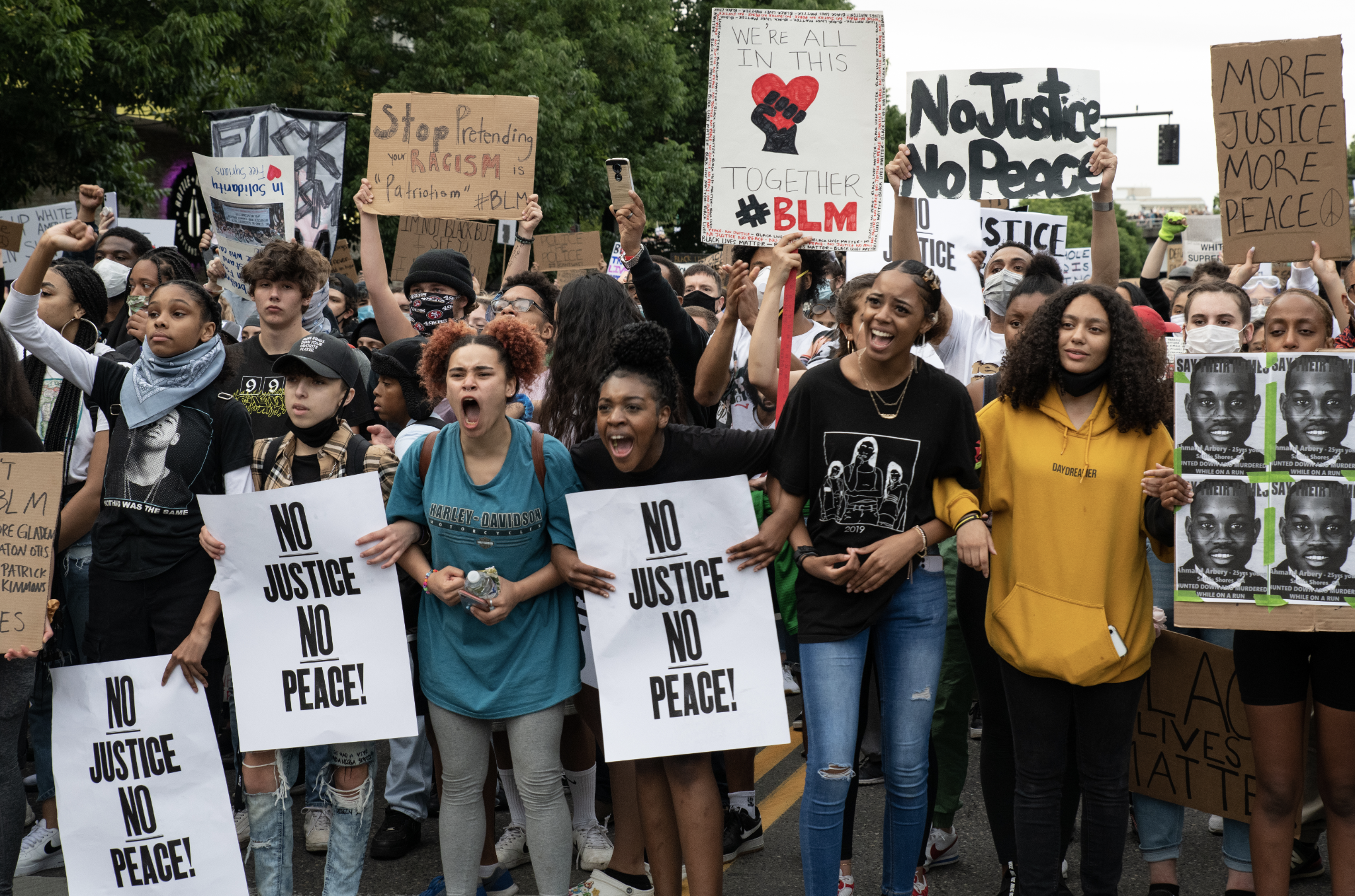
A Black Lives Matter protest in Portland, Oregon. Matthew Roth. CC BY-NC 2.0.

Washington state is considering a similar transition with House Bill 1499, which if passed would decriminalize drugs much the same way as Oregon’s Ballot Measure 110. Revenue for Washington state’s ARCs would come not from marijuA Black Lives Matter protest in Portland, Oregon. Matthew Roth. CC BY-NC 2.0.ana sales but from taxes on pharmaceutical companies, which played a large role in starting the opioid epidemic. Washington state currently has a program designed to lead drug addicts away from the criminal justice system and into treatment centers, the Law Enforcement Assisted Diversion (LEAD) program. It differs from other diversion programs in that it provides care before, not after, an arrest and takes referrals from community members, not just law enforcement. Nationwide, the program has been held up as a model diversion program.

Both states will struggle to make a seamless transition from prisoners to patients. It requires reforming two systems that often become embroiled in partisan conflicts. When the Seattle City Council cut its police department’s budget by 11%, in part to fund diversion programs, 186 police officers quit in response. Oregon will labor to build 15 ARCs by October, even with abundant funding from marijuana sales. Despite the state’s efforts, success depends largely on ever-shifting political winds.


Michael McCarthy

Michael is an undergraduate student at Haverford College, dodging the pandemic by taking a gap year. He writes in a variety of genres, and his time in high school debate renders political writing an inevitable fascination. Writing at Catalyst and the Bi-Co News, a student-run newspaper, provides an outlet for this passion. In the future, he intends to keep writing in mediums both informative and creative.

Solidified in Salt: Tanzania’s Lake Natron

Miracles of nature are usually praised for their wondrous beauty, often worked into songs or captured in paintings. However, some miracles of nature harbor an equally eerie side. In Tanzania lies a daunting monster that preys viciously in sinister silence. 

Sunlight over Lake Natron. blieusong. CC BY-SA 2.0.

In nearly any social studies class, bodies of water are framed as life-giving and as focal points for the world’s nations. Lakes and rivers are often credited in many civilizations’ lengthy histories for providing a means of transportation and crucial food security. Water itself stands as a symbol of life; ancient Egypt thrived due to fertile soil that would have been absent had it not been for the Nile River. Nonetheless, the complexity of nature has created exceptions to this rule. For instance, in the East African nation of Tanzania lies the deadly Lake Natron. 

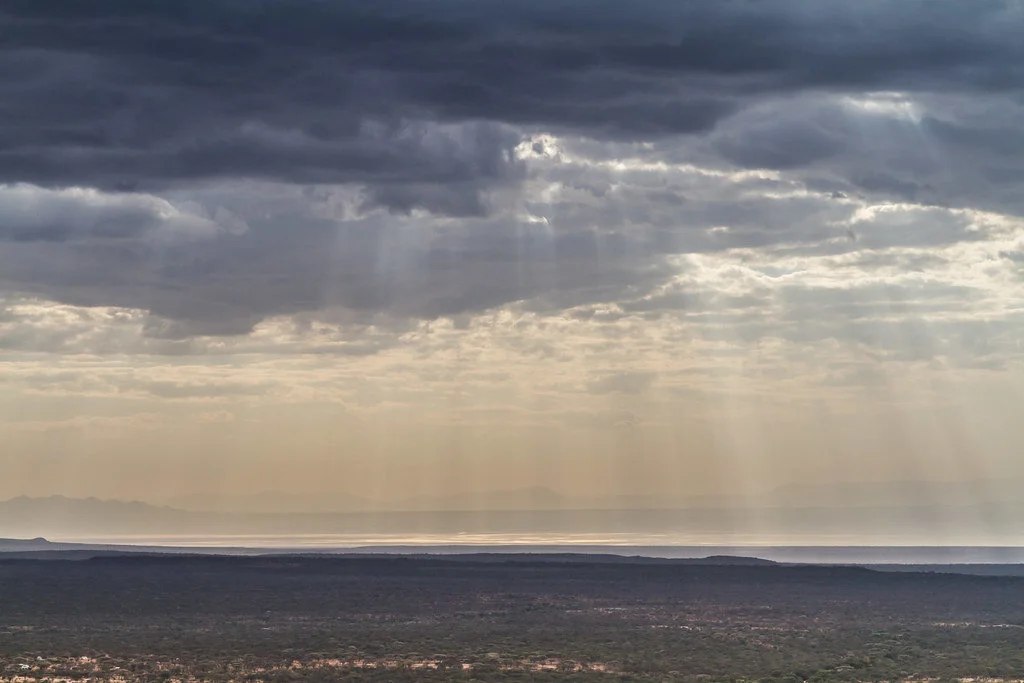
Lake Natron sits along the East African Rift System in northern Tanzania, and is 35 miles long and about half as wide. Although often photographed for its location under sunlit clouds and for its serene backdrop, the lake is an abyss for almost all wildlife. 

Lake Natron is a salt lake, meaning it is incredibly alkaline. The deposits of natron, a chemical salt, flow in from the surrounding hills. This causes the lake’s pH level to be a very basic 10.5; this pH level falls only a bit short of that of ammonia and bleach. The water in this lake only flows inward, so evaporation leaves behind hefty salt deposits. Lake Natron can also reach a steamy state, with the water’s temperature recorded to reach 140 degrees Fahrenheit. 

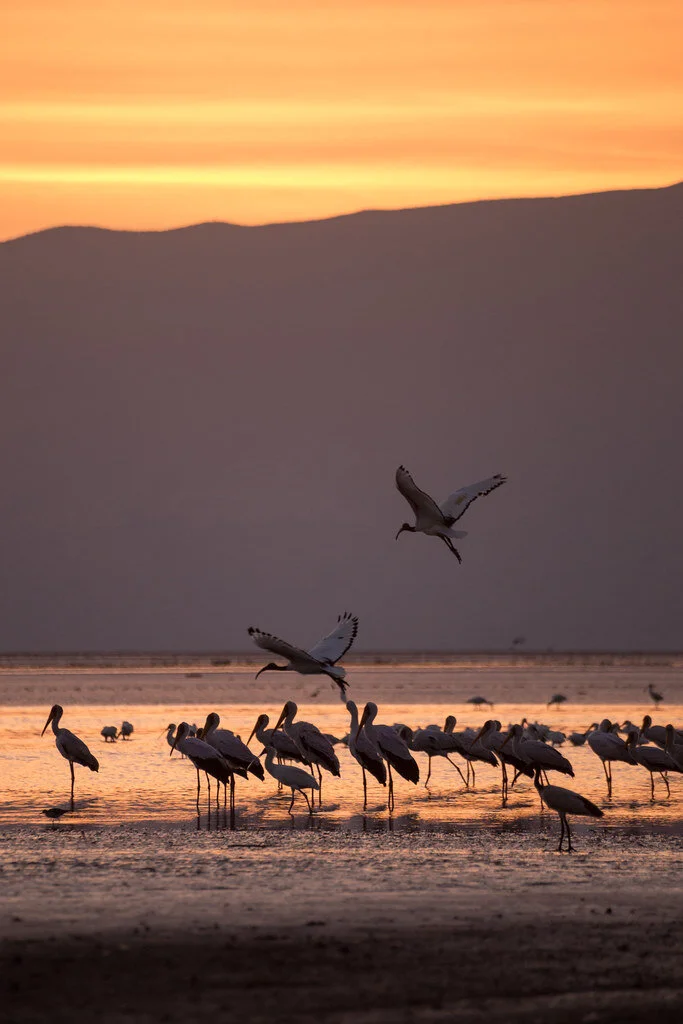
Flamingos on Lake Natron at sunset. virtualwayfarer. CC BY-NC 2.0. 

In addition, a peculiar site is found at the shores of the lake. Long lines of dead birds and bats cover the shoreline, with each specimen preserved in a stonelike state. Scientists explain that the high salinity of the lake “freezes” the animals, perfectly preserving them with all of their wings and feathers in place. Nature photographer Nick Brandt chose to turn this site into a fascinating art project. He perches the birds on branches and poses the bats in order to make them look “alive.” With the help of locals, Brandt collected the best specimens and masterfully crafted chilling portraits of the fallen animals. Brandt suspects that the reflective surface of the lake tricks birds into believing it’s open air, leading the birds to drown in the deadly water. 

However, to say that the lake is completely absent of life is an act of injustice toward the flocks of flamingos that call the lake their home. Nearly 2.5 million flamingos use the lake’s shores as breeding grounds each year, accompanied by thriving algae and a single resilient species of fish. Although a nontraditional ecosystem, Lake Natron’s niche wildlife web requires balance like any other. Threats to divert nearby rivers into Lake Natron would change its water composition, thereby putting the lake’s wildlife at high risk. 

At first glance, Lake Natron appears to be both an example of life imitating art and life imitating horror. Regardless, Lake Natron is the foundation for both important species and scientific study, so there is much to lose if people begin to mistreat it.


Ella Nguyen

Ella is an undergraduate student at Vassar College pursuing a degree in Hispanic Studies. She wants to assist in the field of immigration law and hopes to utilize Spanish in her future projects. In her free time she enjoys cooking, writing poetry, and learning about cosmetics.

Environmental Racism is Poisoning Black Communities in the US

Black Americans are 79% more likely than White Americans to live in areas where industrial pollution poses a health threat. The environmental injustice that members of the community face is rooted in centuries of systemic racism and segregation. 

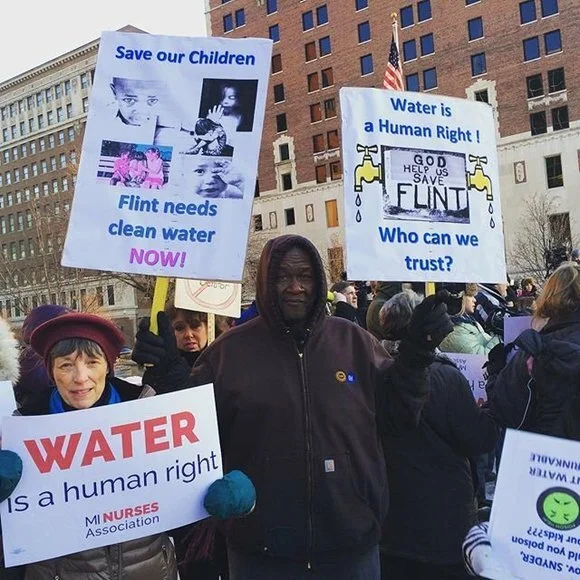
In 2016, Flint, Michigan, was declared to be in a state of emergency by its mayor, Michigan’s governor, and then-President Barack Obama. These state of emergency declarations brought national attention to a crisis that citizens of Flint, a majority-Black community, had been dealing with for two years at that point: undrinkable water. In 2014, the city switched its drinking water supply from Detroit’s system to the Flint River in an attempt to cut costs. The Flint River runs through the center of town and has historically been used as an unofficial disposal site for refuse from local factories and mills. The river’s pollution, combined with inadequate water treatment and testing, led to discolored, bad-smelling water being pumped into Flint homes. Water from the Flint River caused rashes and hair loss, and it also potentially contributed to an outbreak of Legionnaires’ disease that killed 10 people. Later studies showed that the contaminated water had also led to increased cases of elevated blood lead levels in Flint’s children, a condition which can create a range of developmental problems. Flint is still dealing with lead in its water supply because of corroded pipes. The Michigan Civil Rights Commission concluded that the government’s poor response to the Flint water crisis was a result of implicit bias and systemic racism. 

Flint is not the only city to fall victim to environmental injustice, the phenomenon of certain communities, such as communities of color and poor communities, being disproportionately subjected to environmental risk. Environmental injustice is believed to be rooted in systemic racism, and is sometimes referred to as environmental racism. While White people generally breathe 17% less air pollution than they are responsible for generating, Black people breathe 56% more than they cause. In 19 states, Black Americans are at least 79% more likely than White Americans to live in areas where industrial pollution is a health threat. 

St. James Parish, Louisiana, is riddled with factories, chemical plants and refineries. Residents in the area have some of the highest cancer rates in the country, and the region has been nicknamed “Cancer Alley.” Environmentalists say that the area’s fossil fuel industry is the reason for the community’s dismal health. Residents of Grays Ferry, a neighborhood in South Philadelphia, also face disproportionate rates of cancer, which experts attribute to the community’s proximity to a massive refinery. Like Flint, St. James Parish and Grays Ferry are majority-Black communities. 

Factories, refineries and other forms of polluting infrastructure have historically been built in low-income communities of color. Many of these communities were created through segregation and redlining, the refusal of the Federal Housing Administration to issue mortgages in Black neighborhoods. Housing policies under the New Deal were geared toward providing housing to middle-class White families, pushing people of color into urban housing projects. The Federal Housing Administration subsidized the production of subdivisions for White families, requiring that none of the homes be sold to people of color. White neighborhoods received more community investment and better infrastructure, while communities of color suffered from poverty and poor amenities. Companies began exploiting this segregation by buying out Black residents in order to use the land for industrial purposes. After all, people in low-income communities often lacked the means necessary to hire legal representation that could fight back against major corporations. 

The systemic racism that led to segregation and the creation of many low-income communities of color in some ways still perseveres, as these communities are taken advantage of by companies at the expense of residents’ health. Black people have historically been left out of the environmentalist movement, with White people making up 80% of the staff of environmental nonprofits. More recently, Black communities have begun advocating for environmental justice. Activists hope to combine the National Environmental Policy Act, which requires federal agencies to consider the environmental impact of proposed projects and infrastructure, with Title VI of the 1964 Civil Rights Act, which prohibits federally funded entities from discriminating on the basis of race, to create a policy that would dismantle environmental injustice. Environmental policy changes are considered by many to be badly needed, and until they occur, companies will continue to prosper at the expense of Black communities.


Rachel Lynch

Rachel is a student at Sarah Lawrence College in Bronxville, NY currently taking a semester off. She plans to study Writing and Child Development. Rachel loves to travel and is inspired by the places she’s been and everywhere she wants to go. She hopes to educate people on social justice issues and the history and culture of travel destinations through her writing.