
• Travel Features
  • Global Action
  • Take A Trip
  • Travel Guides
    • Podcast
    • Courses
    • Bookshop
  • About
  • Sign Up
Menu

CATALYST PLANET

  • Travel Features
  • Global Action
  • Take A Trip
  • Travel Guides
  • Discover
    • Podcast
    • Courses
    • Bookshop
  • About
  • Sign Up

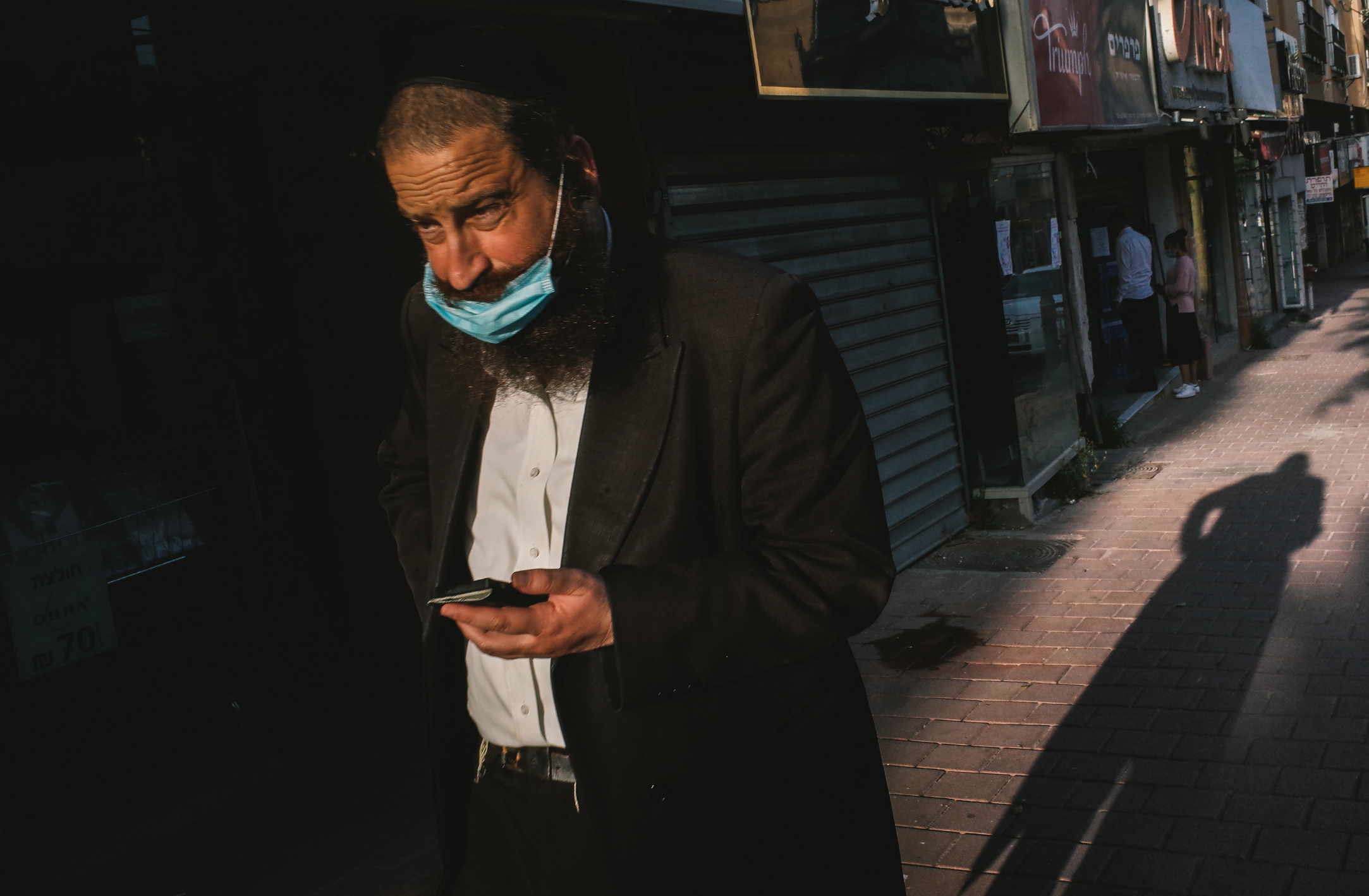
A man walks down a street during a coronavirus lockdown in Bnei Brak, just outside of Tel Aviv, Israel. Flickr. Amir Appel. CC BY 2.0

Palestinians Left Behind as Israel’s Vaccination Campaign Finds Success

May 7, 2021

As countries around the world continue to grapple with public health crises due to the coronavirus, Israel stands as a positive outlier. Israel has the second-highest proportion of people fully vaccinated against COVID-19 in the world, with 56% having received two doses. A speedy vaccination rollout is already bolstering the Israeli post-coronavirus recovery process, with economists predicting that the country may experience almost 5% growth this year. It seems that, at least for Israel, there is light at the end of the tunnel. 

Yet, for the 5 million Palestinians living in the Gaza Strip and the Israeli-occupied West Bank, the fight for equal access to COVID-19 vaccines is just beginning. According to Doctors Without Borders, only 2% of Palestinians have been vaccinated against the virus as of March 24. A slow vaccination campaign couldn’t come at a worse time as the region grapples with another deadly wave of the coronavirus. The Gaza Strip is now reporting up to 1,000 new infections daily, while a positivity rate of 21% is being seen in the West Bank. 

The Palestinian territories are once again grappling with a deadly surge in coronavirus cases, even as global vaccinations reached 1.18 billion worldwide as of May 4. Yet for Palestinians, as in many developing countries, vaccinations have been difficult to come by. The Palestinian health care system is dangerously underequipped to handle the weight of the pandemic. In December, public health officials declared that the Gaza Strip had run out of coronavirus testing kits. 

The global vaccine rollout remains the best hope for bringing the pandemic to an end in the Israeli-occupied Palestinian territories. However, ongoing conflict with Israel continues to delay inocolulations. Palestinians living in the West Bank and Gaza Strip have yet to receive many vaccine doses from the Israeli government. Israeli citizens living in the occupied territories and Palestinians living in Jerusalem are eligible for the vaccine, though. According to Amnesty International, the failure of the Israeli government to provide coronavirus vaccine access to Palestinians living under military occupation is in direct violation of international law.

Other countries have since tried to supply Palestinians with the vaccine through international aid. In March, U.S. Ambassador to the United Nations Linda Thomas-Greenfield said the U.S. Agency for International Development will supply $15 million in aid to Palestine to support its fight against the coronavirus. Other countries are also stepping up to provide aid. China has donated 100,000 doses of its coronavirus vaccine to Palestine, joining efforts begun by Russia and the United Arab Emirates. The international vaccine sharing initiative COVAX has also supplied over 61,000 doses of the Pfizer and AstraZeneca vaccines, with the goal of inoculating about 1 million Palestinians. 

Even with aid from the international community, the Palestinian territories continue to lag behind in vaccinations. The Israeli government’s discriminatory policies against Palestinians remain a key barrier against equitable vaccine access. As the world slowly inches closer to the end of the pandemic and a return to normal, the Palestinian people have once again been left behind.


RELATED CONTENT:

PODCAST: Community Development in Ecuador with Jeff Goldman

VIDEO: Gaza: Watch Farmers Fighting for Their Lives

Coronavirus in Gaza: A Nightmare Scenario


Aerex Narvasa

Aerex is a current student at Occidental College majoring in Diplomacy and World Affairs with a minor in East Asian Studies. He is passionate about sharing people’s stories through writing, and always strives to learn about new places and cultures. Aerex loves finding new music and exploring his hometown of Los Angeles in his free time.

In Palestine, News and Social Action Tags Israel, Palestine, campaign, left behind, surge, COVID-19, Gaza Strip, COVID
Comment

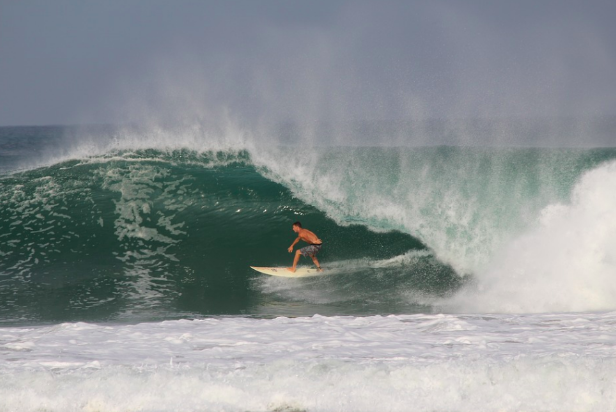
Photo of Surfer in Mexico Waters // Licensing CC0

Surfing 4 Peace Among Arab-Israeli Conflict

September 5, 2018

One of the worlds most volatile conflicts is put aside momentarily in the midst of Mediterranean ocean waves. Surfing 4 Peace is an organization that exists to uniquely subdue the long-surviving Arab-Israeli conflict through a community connected by a love of surfing. Surfing as a sport may seem insignificant in the grand scheme of things, but surfing for peace—in a place as war torn and historically conflicted as the Gaza strip—is all but small. In fact, Surfing 4 Peace is one of the only remaining peace initiatives still allowed by the Hamas government in Gaza between Israeli and Palestinian people. Following the creation of this organization, all other peace initiatives were made illegal. Young boys—and as of recent initiatives—young girls, from countries raised in opposition to one another come together to ride waves without discrimination.

The Gaza Strip is a small portion of land that has been a place of conflict since its earliest inhabitants of the 15th Century B.C. It was originally inhabited by a majority of Arab people that made up part of the British Mandate of Palestine. The region, which borders the Mediterranean sea and is wedged between Egypt and Israel, has been a source of conflict among the neighbors. Though its original Palestinian population was strong, Arab-Israeli conflicts have long presented back and forth dispute over this land. Israel gained control of the area after the end of what was deemed the “Six-Day War” in 1967. Israeli personnel was involved in the area up until 2005. Following this year, Israel removed all power, military and settlers from the region -- leaving behind Palestinians and original inhabitants. Now, the land is autonomously run by these settlers that make up the HAMAS government. The regions remains a source of tension amidst the longstanding feud between Arab and Israeli people.

The history of the Gaza Strip is essential to understanding the importance and rarity of an organization, or as they recognize themselves, “community” like Surfing 4 Peace. This collection of surfers began in 2005 following the peak of confusion and dispute among the two populations. This program, though a niche, proves that passion in and of itself is more powerful than indoctrinated hate.

Surfing 4 Peace began with a man named Dorian Paskowitz. He arrived in Israel with one goal: to share this idea that “people who surf together can live together.” World Policy suggested that the goal of this initiative was and is to extend the region’s possibility for long-term stability. The source suggested that the founders of Surfing 4 peace believed that surfing withholds the capacity to unite people and “create lasting friendships, not around politics or religion but around the joys of catching a wave.” It seems that the goal is to reorient the relationship between these feuding groups to recognize that life and relationships are more built on more than simply a foundation of religion and politics. Culture inevitably comes from many different facets, indicating that there is room for commonality among all people from all walks of life.

While the ultimate goal of the organization is to connect people via “beach-culture” and “a shared-surfing experience,” it has not been an altogether simple execution. Conflict has been largely instilled within the governments of Gaza and Israel. Not to mention, surfing is a niche interest, generally expensive, and requires a lot of education to gain momentum in its following for this particular area. Over the years, the “community” struggled to gather boards, move said boards into the country, educate the population about how to ride and why it’s a valuable pastime, all while dealing with less than supportive governments in the Middle East. In 2010, the Hamas in Gaza outlawed all peace initiatives attempting to reconcile relations with Israel. However, by this point, the “Gaza Surf Club” and the Surfing 4 Peace initiative had already been established. Surfing under this incentive started gaining a following and had overcome many hurdles to do with the expensive and difficult nature of the sport.


Despite their niche characterization, the group has extended beyond surfing to coordinate in other ways and with other groups to expand the message. For one, the organization is not limited to Gaza. They run surf workshops in Israel for the youth in the local area. They have been sending delegations of surfers to Hawaii to participate in festivities surrounding surfing. They have introduced new components to the club, including stand-up paddleboarding and longboarding, with events in cities around the world. The community continues to grow and has maintained their intention of not only getting these young people involved in sports, but getting them involved together. Not without its daily challenges, the program persists on a shared passion for something unique that became a much bigger scene in the storyline for peace.


ELEANOR DAINKO is an undergraduate student at the University of Virginia studying Spanish and Latin American Interdisciplinary Studies. She recently finished a semester in Spain, expanding her knowledge of opportunity and culture as it exists around the world. With her passion to change the world and be a more socially conscious person, she is an aspiring entrepreneur with the hopes of attending business school over seas after college. 

Tags conflict, Arab, Israeli, Surfing, peace, Gaza Strip
Comment

Also check out...

Featured
Vietnam’s Floating Markets Are Disappearing
The Supernatural Role of Masks in Nigeria’s Yoruba Tribal Culture
Opening the World to Deaf Travelers with Lily Yu

Featured trips

Featured
Offer NGO Support While Visiting Quito
Experience Life as a Mongolian Nomad
Help Grow Organic Costa Rican Coffee

Sign up for the CATALYST newsletter

Sign up for our newsletter to get the scoop on international travel, global social impact insights, our latest podcast releases, and more from around the world, all delivered right to your inbox!

We respect your privacy.

Thank you!
Newsletter Sign Up | Advertise | Careers + Internships | Privacy Policy | Submissions | Contact Us

Copyright © 2025, MISSION MEDIA LLC. All rights reserved.