
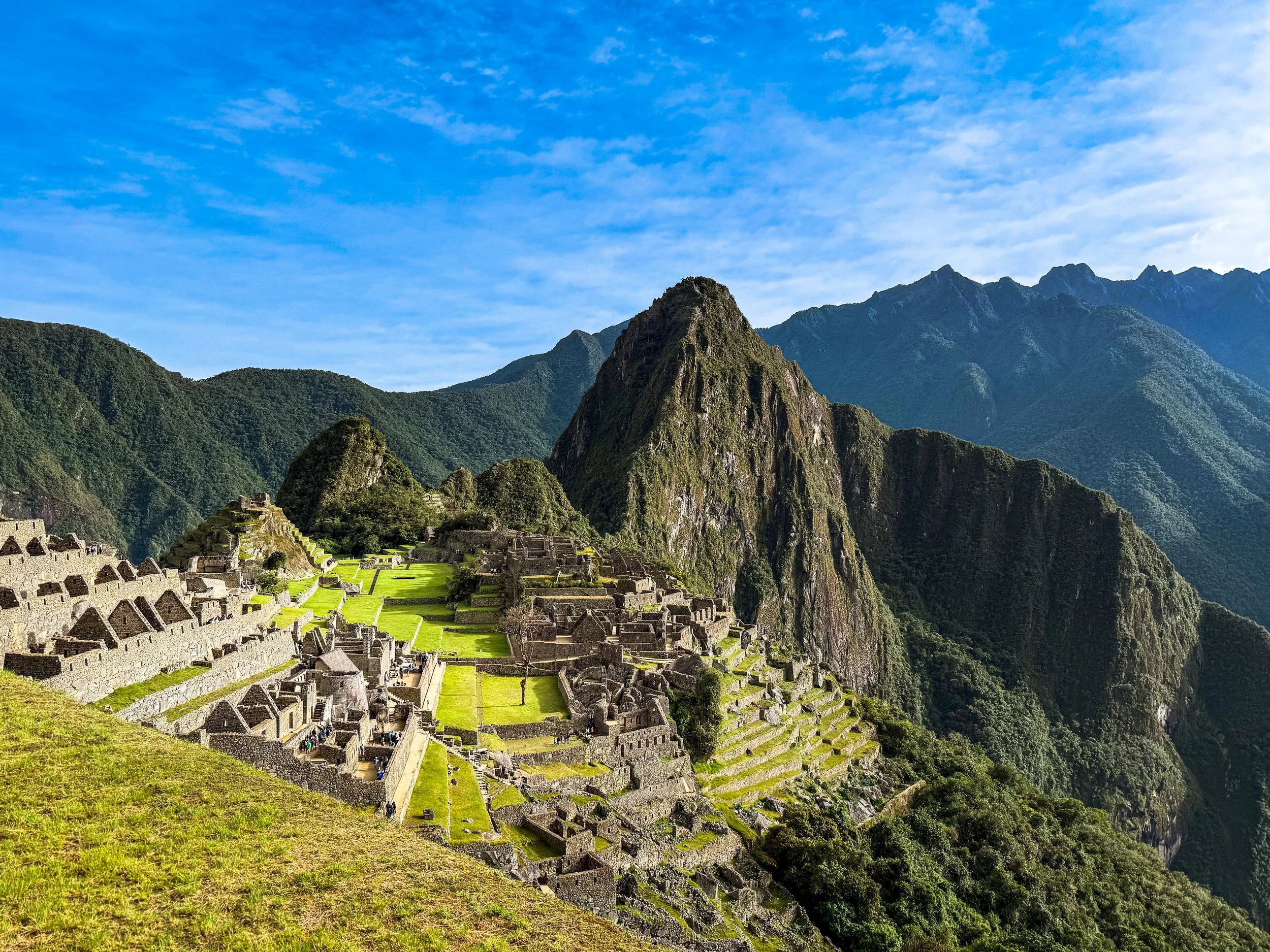
While the new Chinchero airport promises economic growth, many are worried about overtourism and damage to archaeological sites and ecosystems.
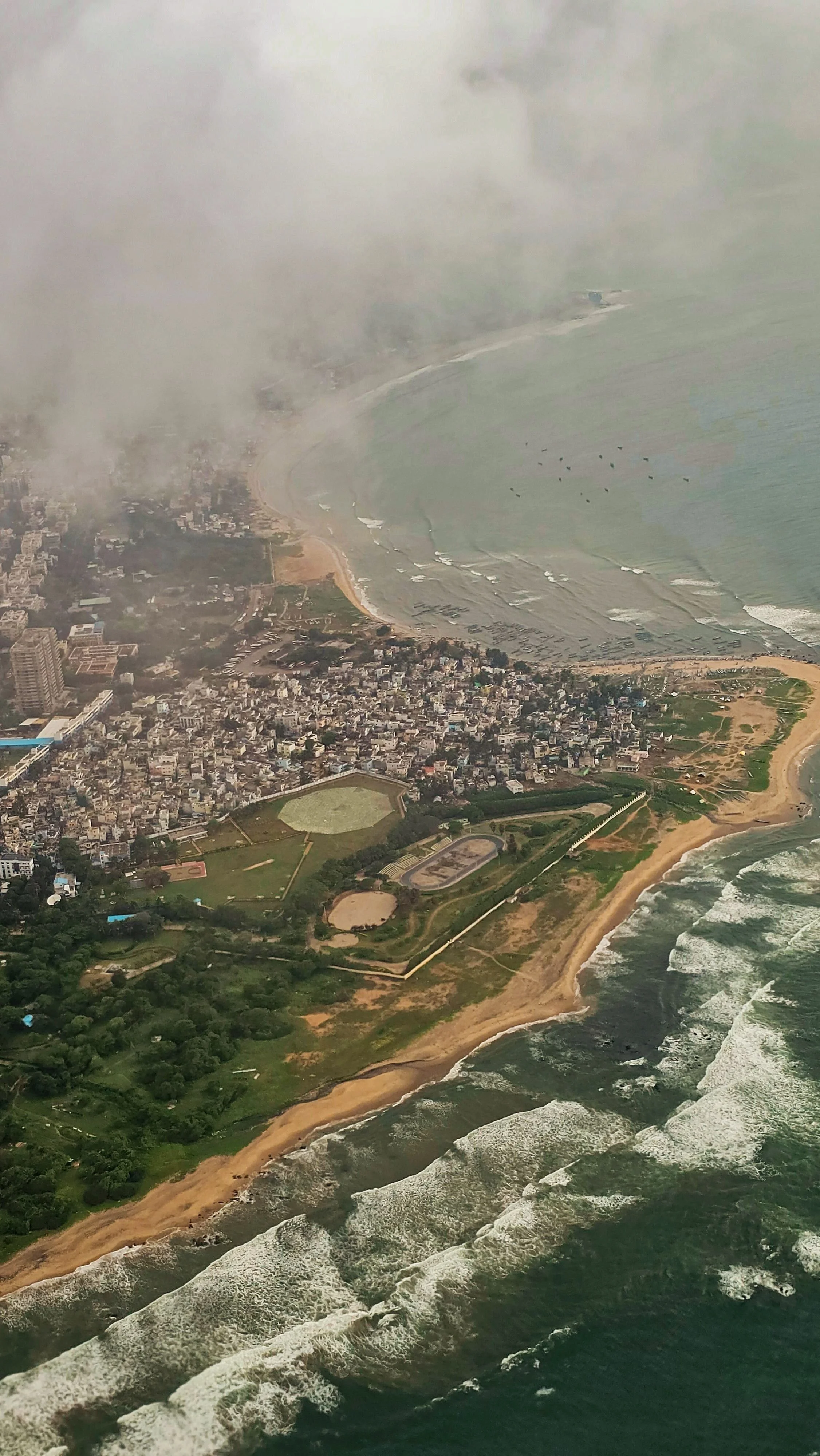
Google is funding a $15 billion AI hub in Andhra Pradesh, India, amid concerns about its environmental and human impacts.

Hundreds of petrochemical facilities reside along the Mississippi River, and local Black communities bear the consequences.

Pete Hegseth announced that the execution of former Major Nidal Hasan will be done by firing squad and livestreamed to the public. These kinds of acts are reminiscent of Iran, North Korea, Afghanistan and Saudi Arabia.
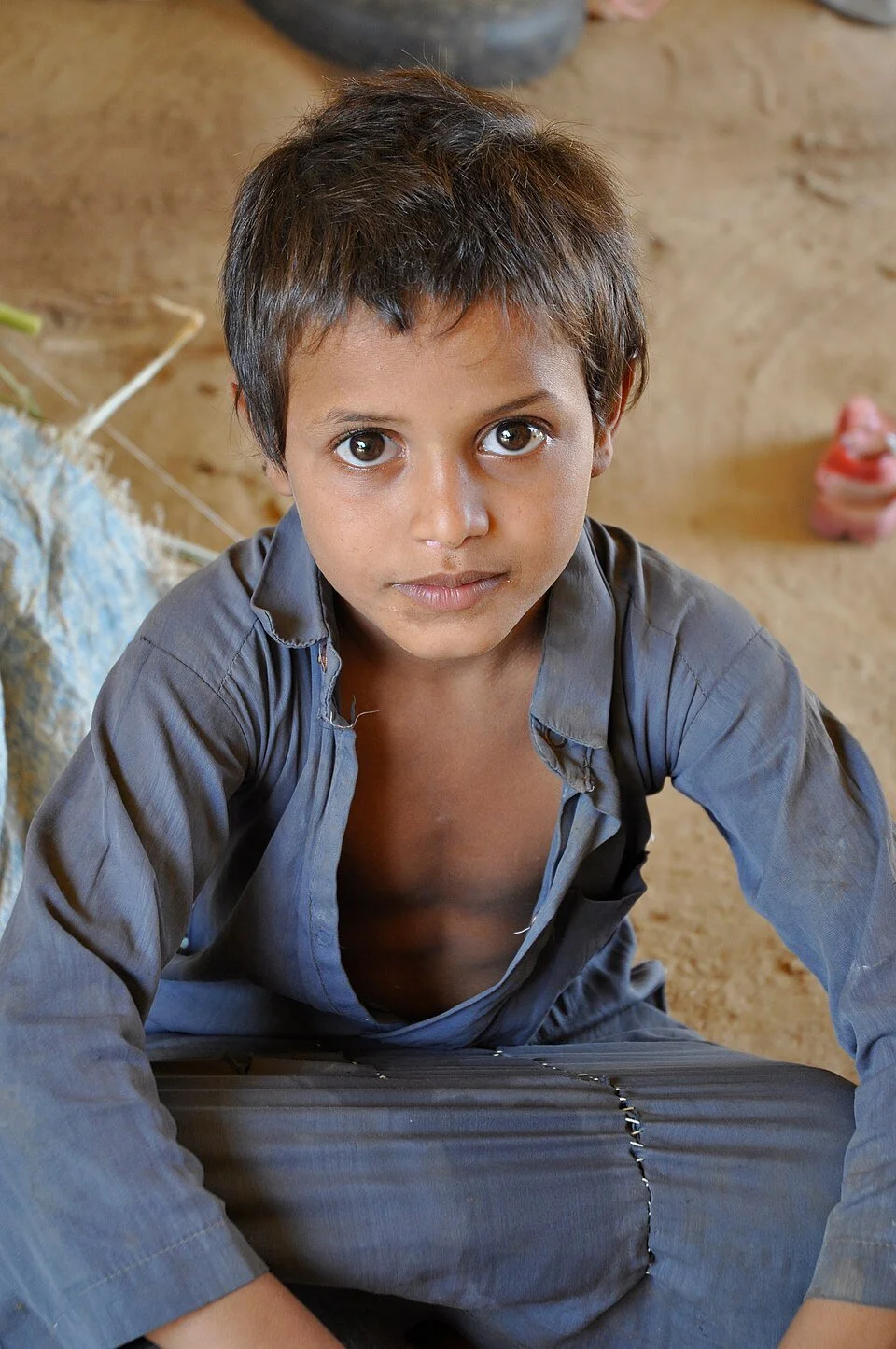
Yemen’s conflict is not only a military crisis; it’s a hunger, health, displacement and childhood crisis reshaping ordinary life across the country.
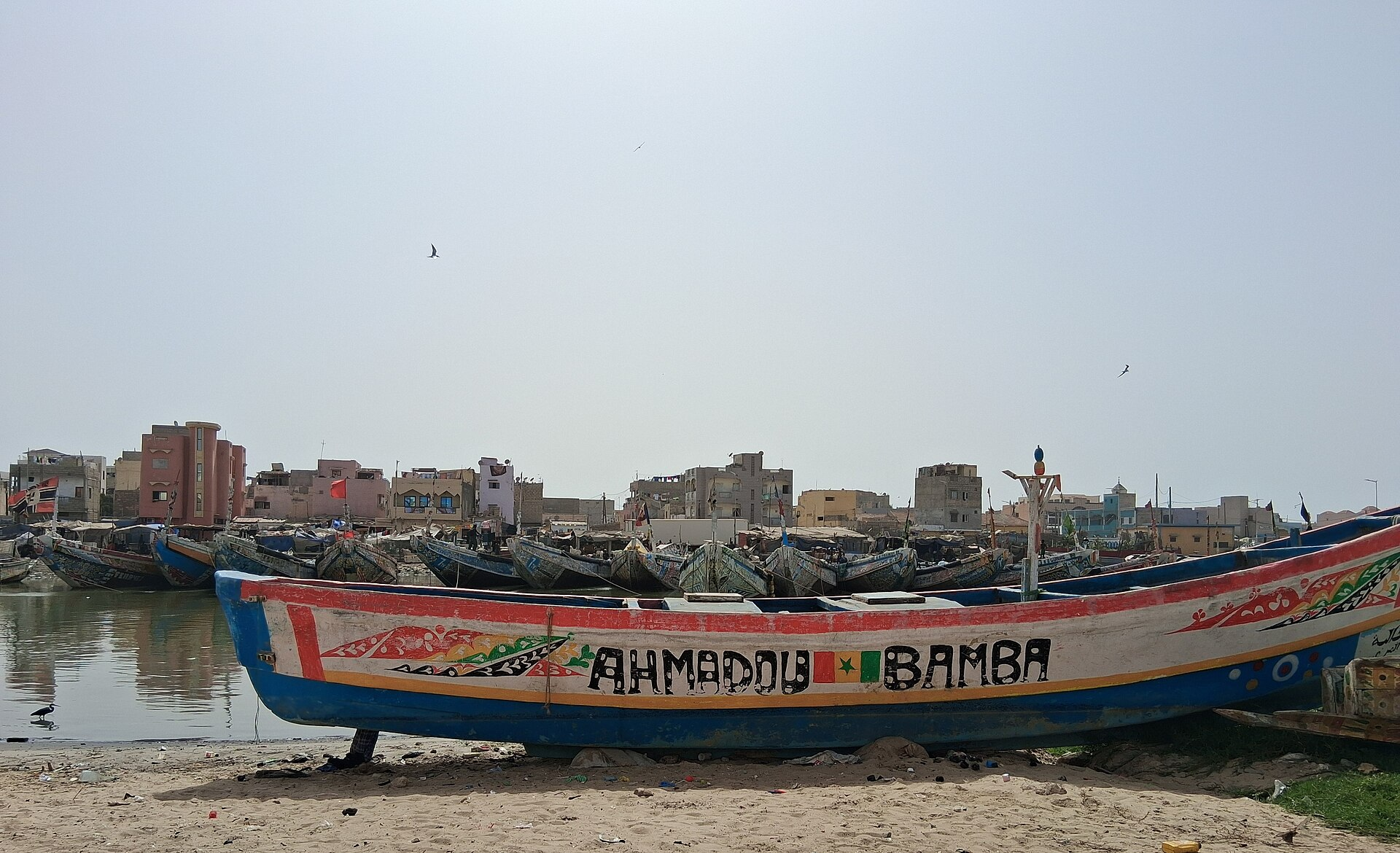
As Europe tightens enforcement on better-known Mediterranean crossings to Italy, Greece and mainland Spain, more migrants are risking the longer Atlantic passage from West Africa to the Canary Islands.

As tourism grows, local communities are focusing on ethical travel practices to protect marine wildlife.

A real-estate project on the coast of Baja California Sur threatens the fragile ecosystem of the Gulf of California and the local community’s livelihood.
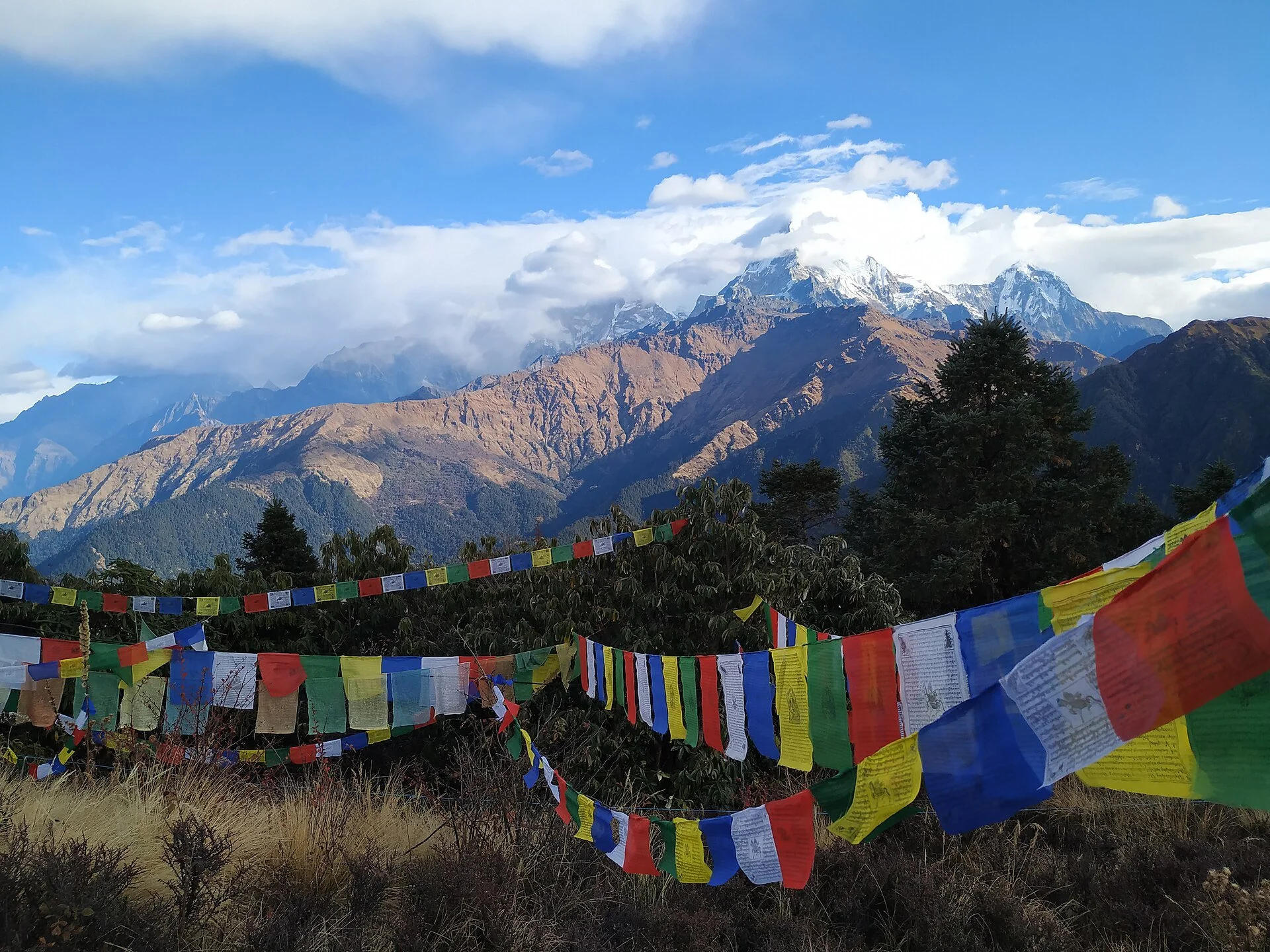
In the wake of the deadly flash flood in August, Nepal asks the world’s biggest greenhouse gas emitters to contribute more to disaster relief.
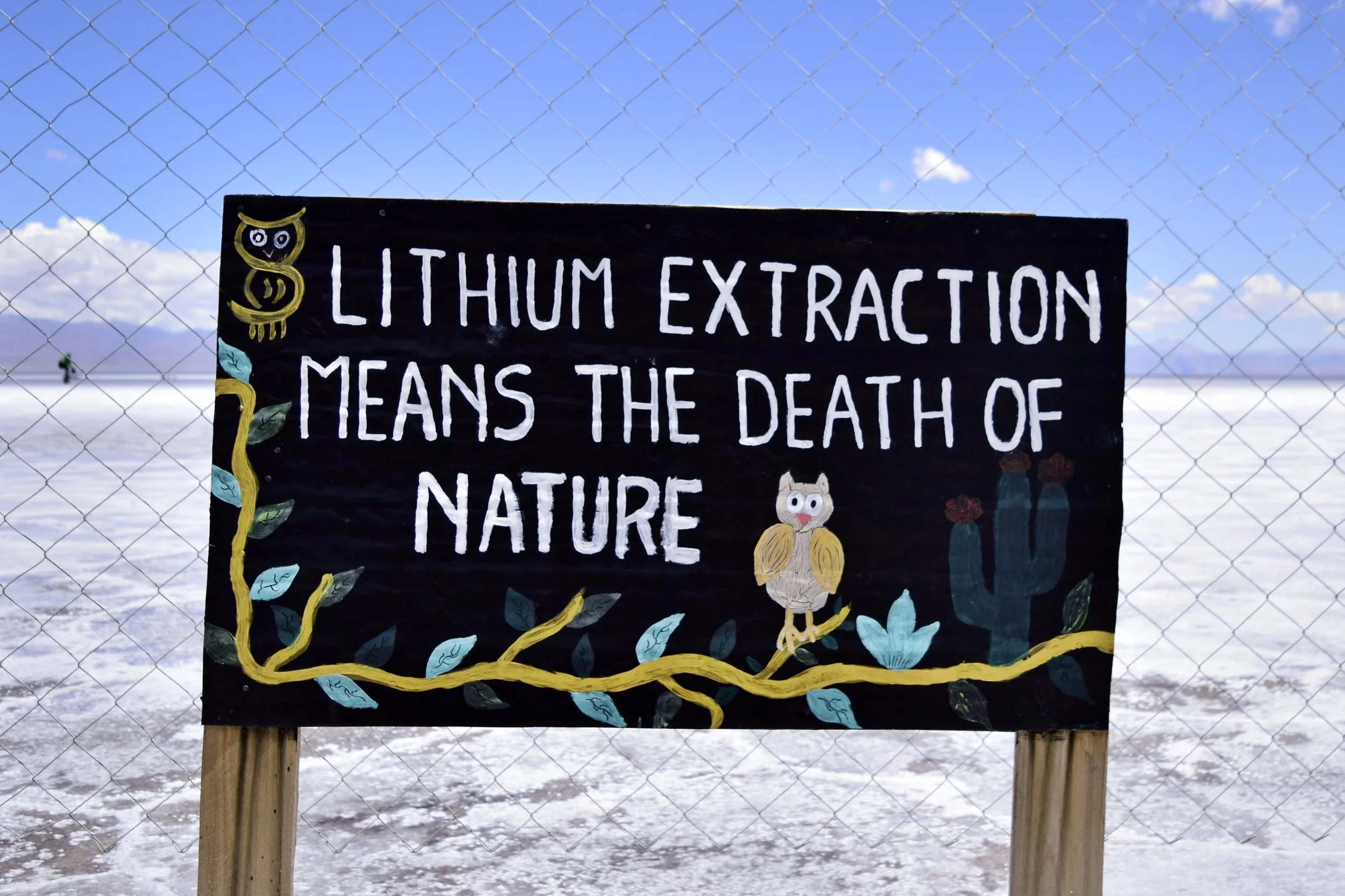
The global surge in demand for lithium used in electric vehicle batteries is driving mining corporations onto Indigenous lands.
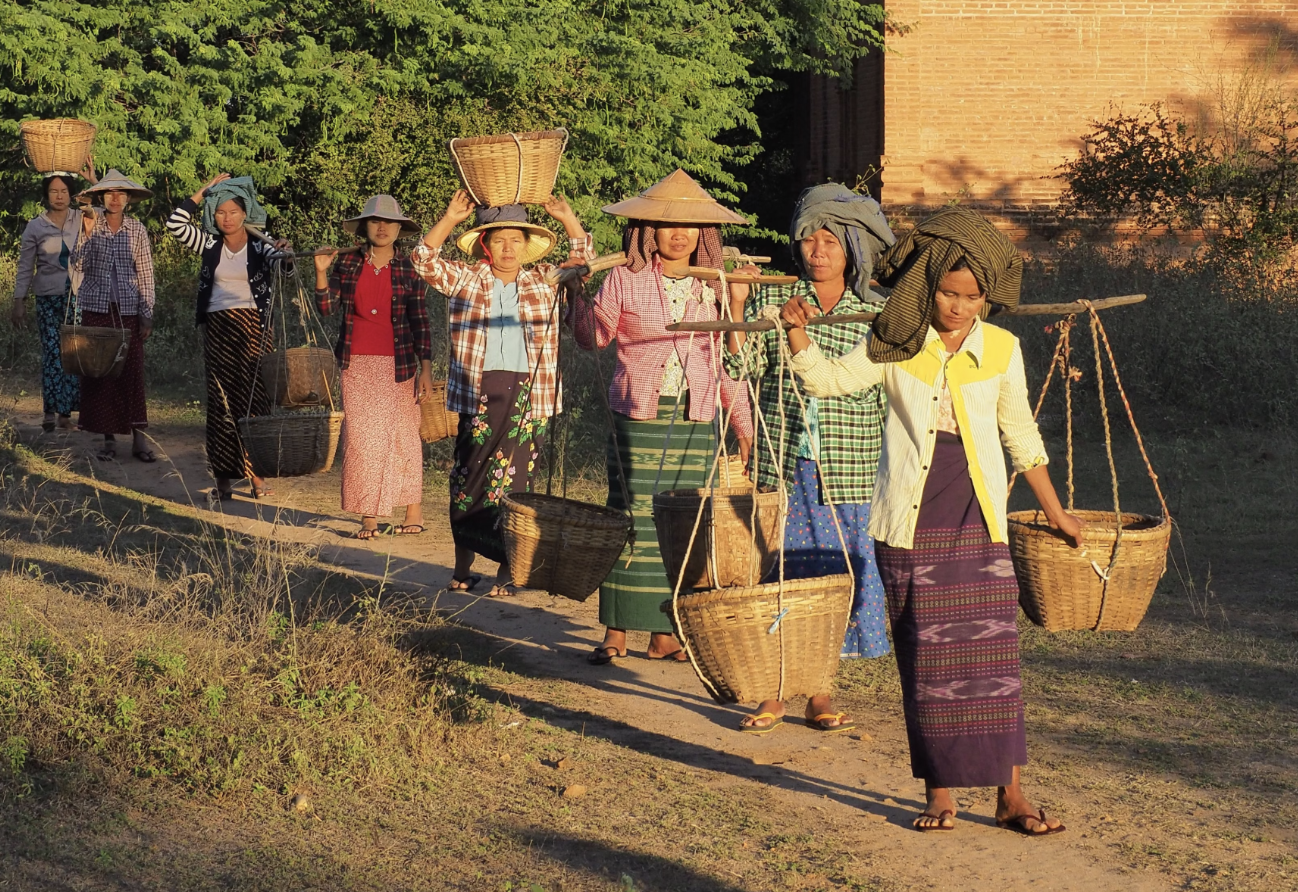
As Myanmar’s military restricts access to sanitary pads, women face rising prices, health risks and increased stigma.
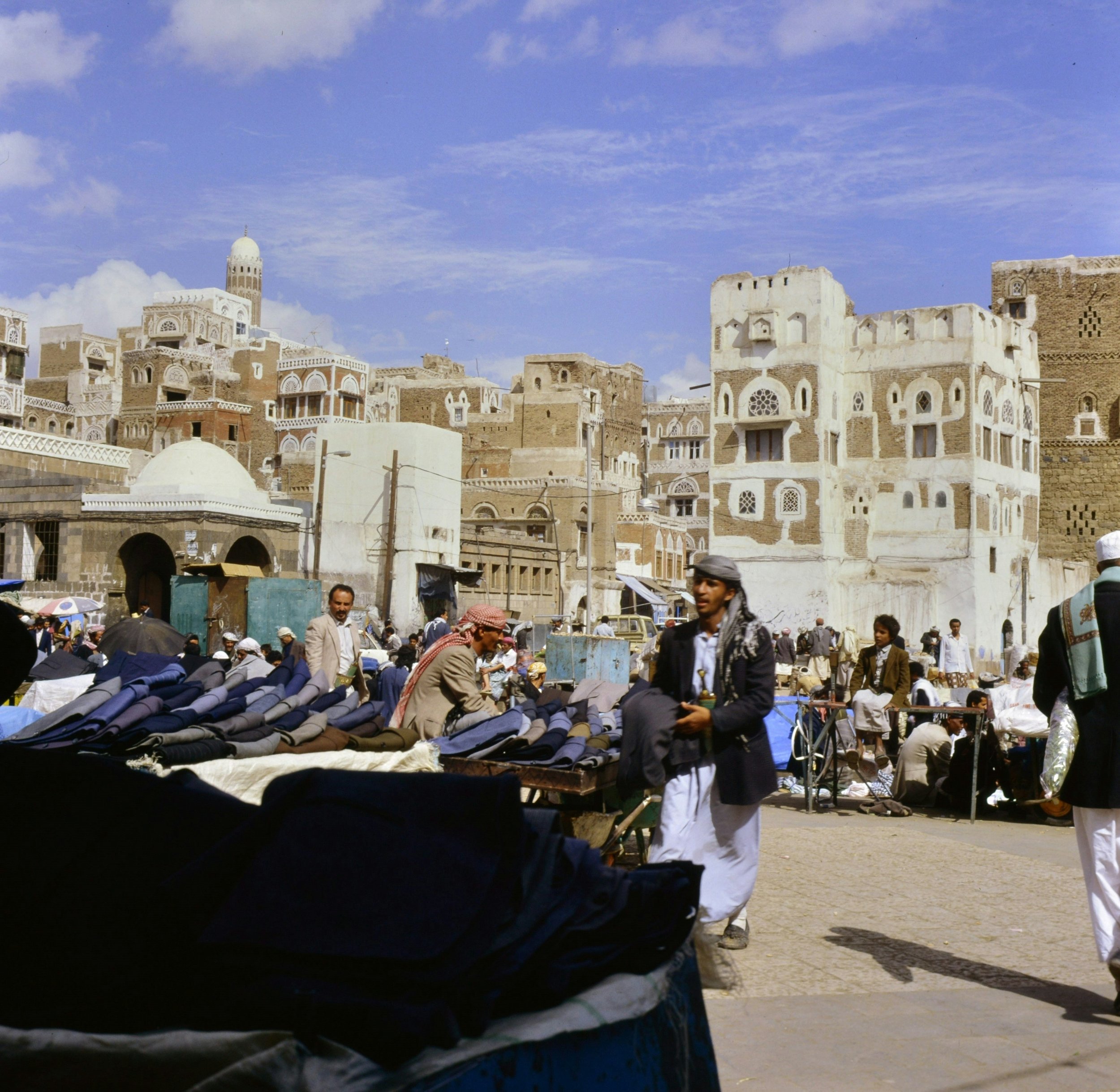
Yemen is often reduced to conflict and crisis, but understanding the country means seeing its history, culture and people alongside the war reshaping daily life.
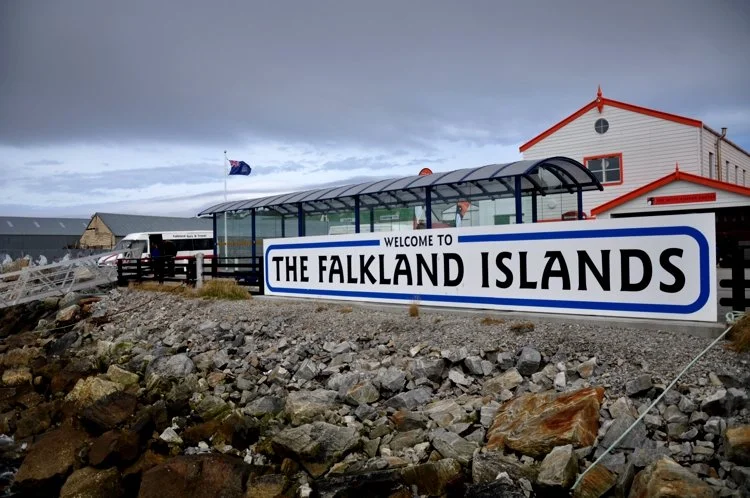
Ownership battle over the disputed islands is heating up for the first time in over 40 years.

In response to increased violence in the West Bank, the UK imposed sanctions on Israeli settlements. Ten European countries and Canada followed suit.

The General Assembly voted to phase out the traditional Mercator map, which diminishes the size of Africa, Latin America and Southeast Asia.
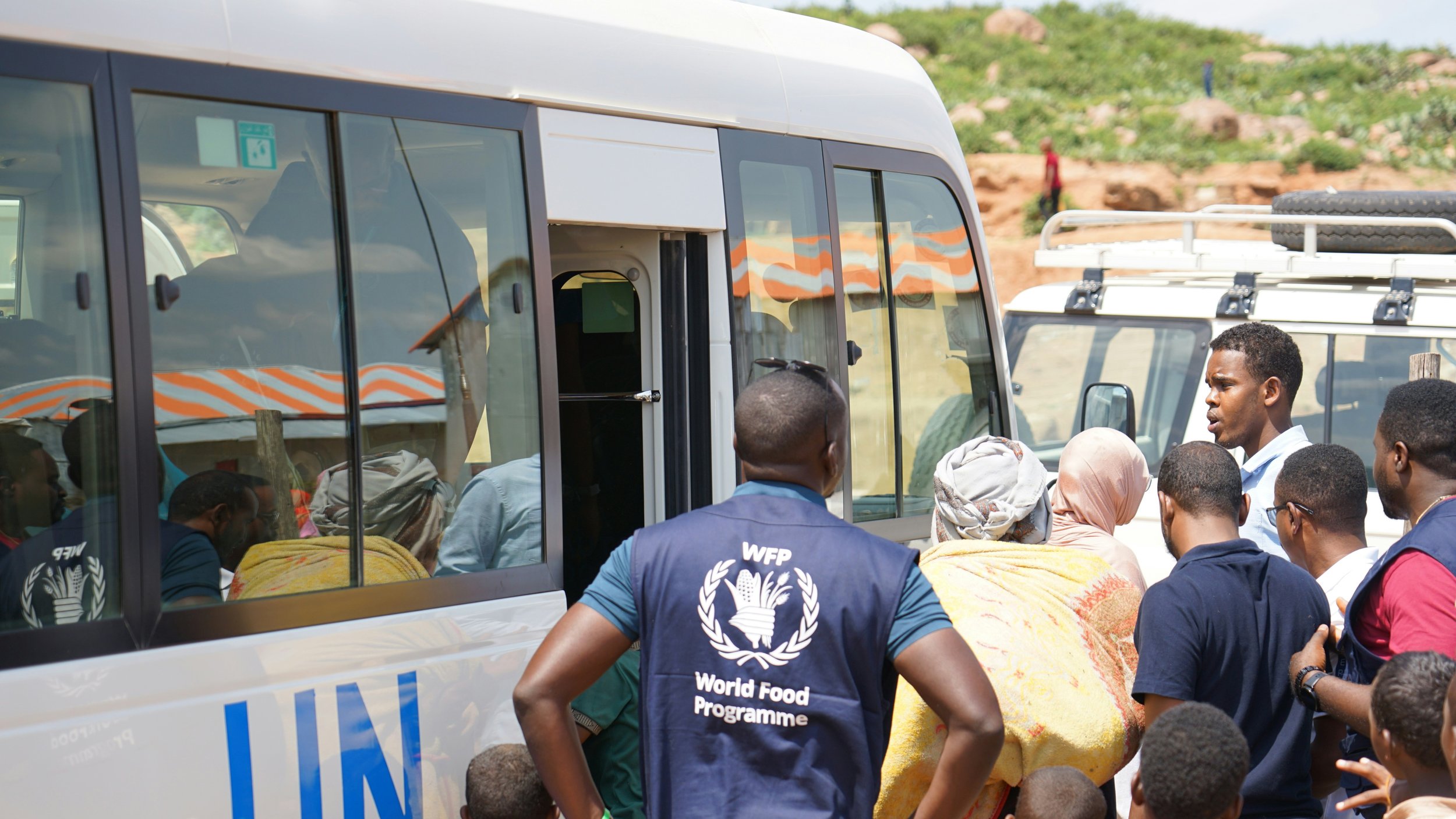
Ethiopia is trying to move beyond refugee camps by letting Sudanese families work, study and rebuild lives interrupted by war.
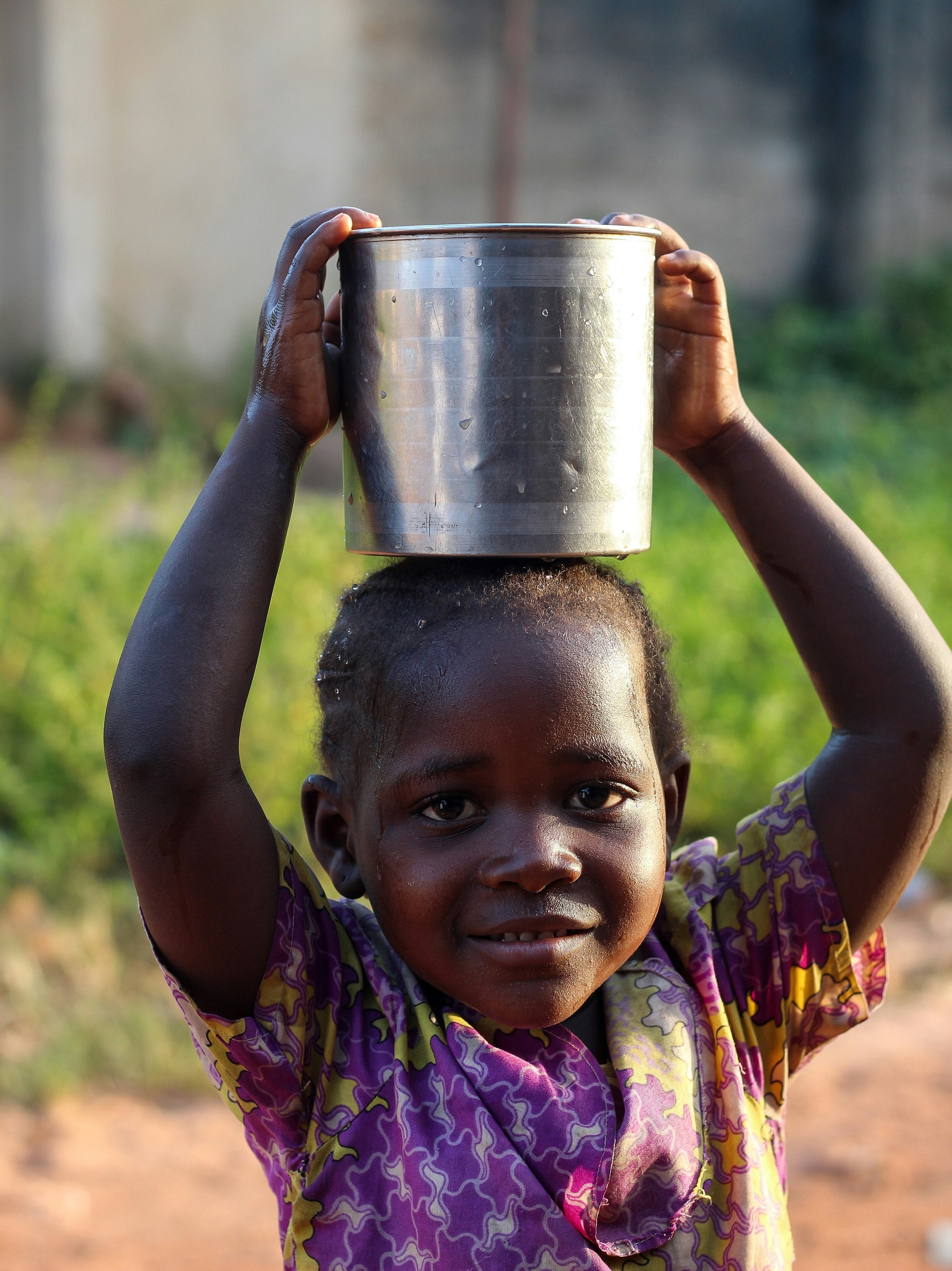
In climate-vulnerable communities across the Global South, disasters can push girls out of school and into adult responsibilities long before they are ready.
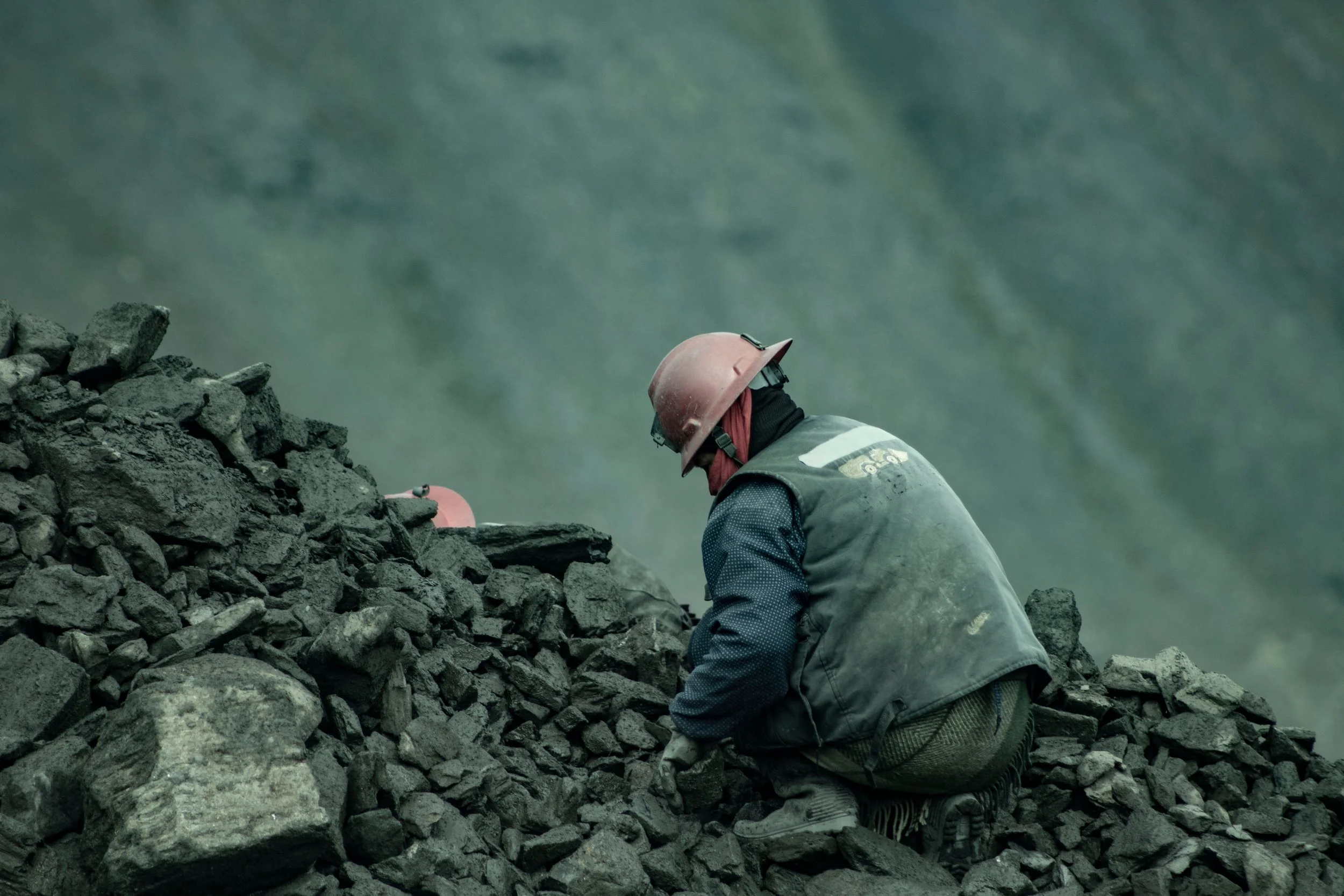
Clean energy is necessary, but the minerals powering electric cars and batteries are raising new questions about land, labor and who pays for the transition.
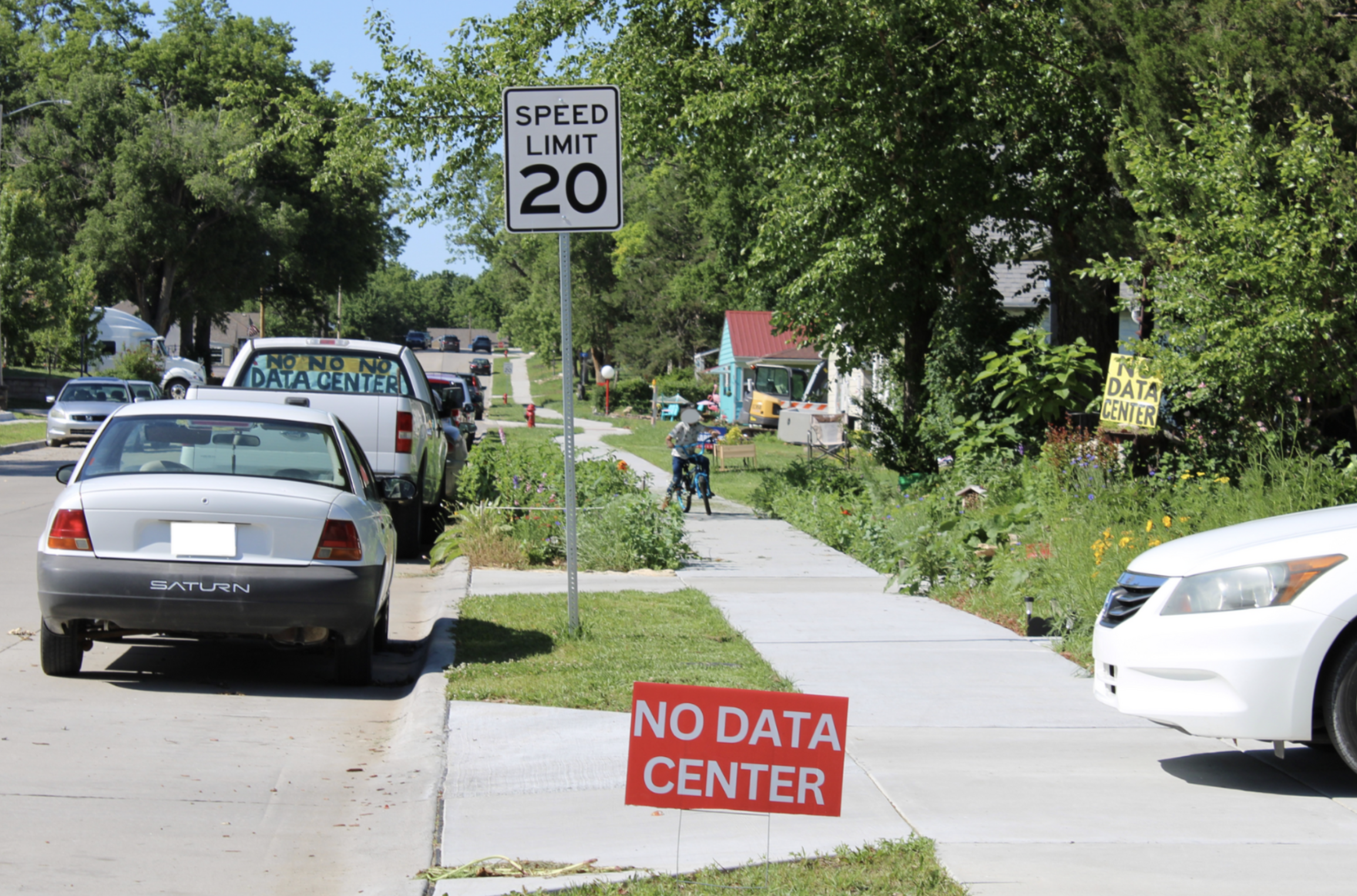
The infrastructure behind AI data centers is placing an unequal burden on Black communities.
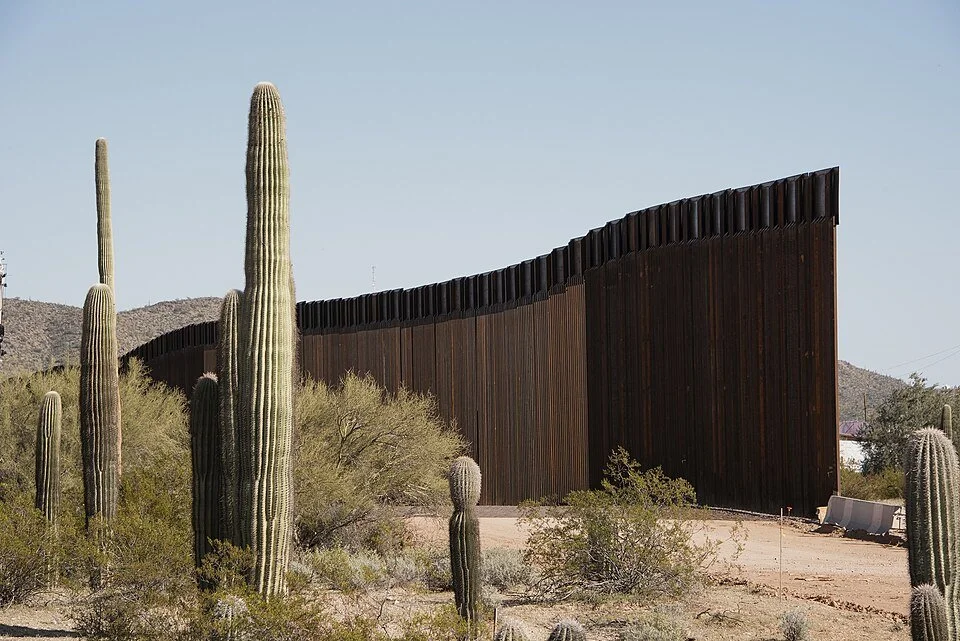
The Tohono O’odham Nation in southern Arizona is under threat as the United States federal government enters their land to construct a border wall, bulldozing sacred sites.
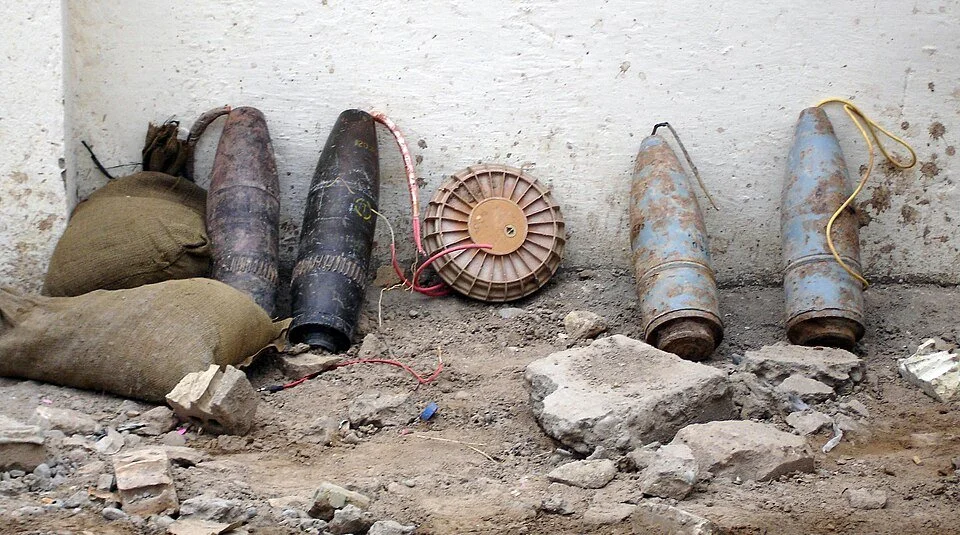
Millions of decades-old explosives create thousands of tragedies and what can be done about them
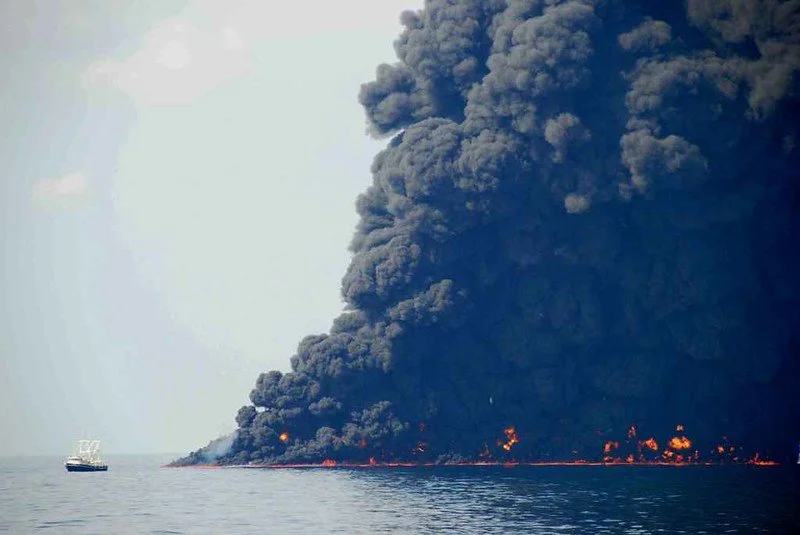
When safety is ignored, communities pay the price long after the oil stops spreading which was the case with both Deepwater Horizon and Wakashio spills.

From the West Bank to Hawaii, tourism gives foreign investors a way to turn land, labor and natural resources into profit, often at the expense of local communities.

Even high school protest movements about artificial intelligence are trying to turn the tide of technology.
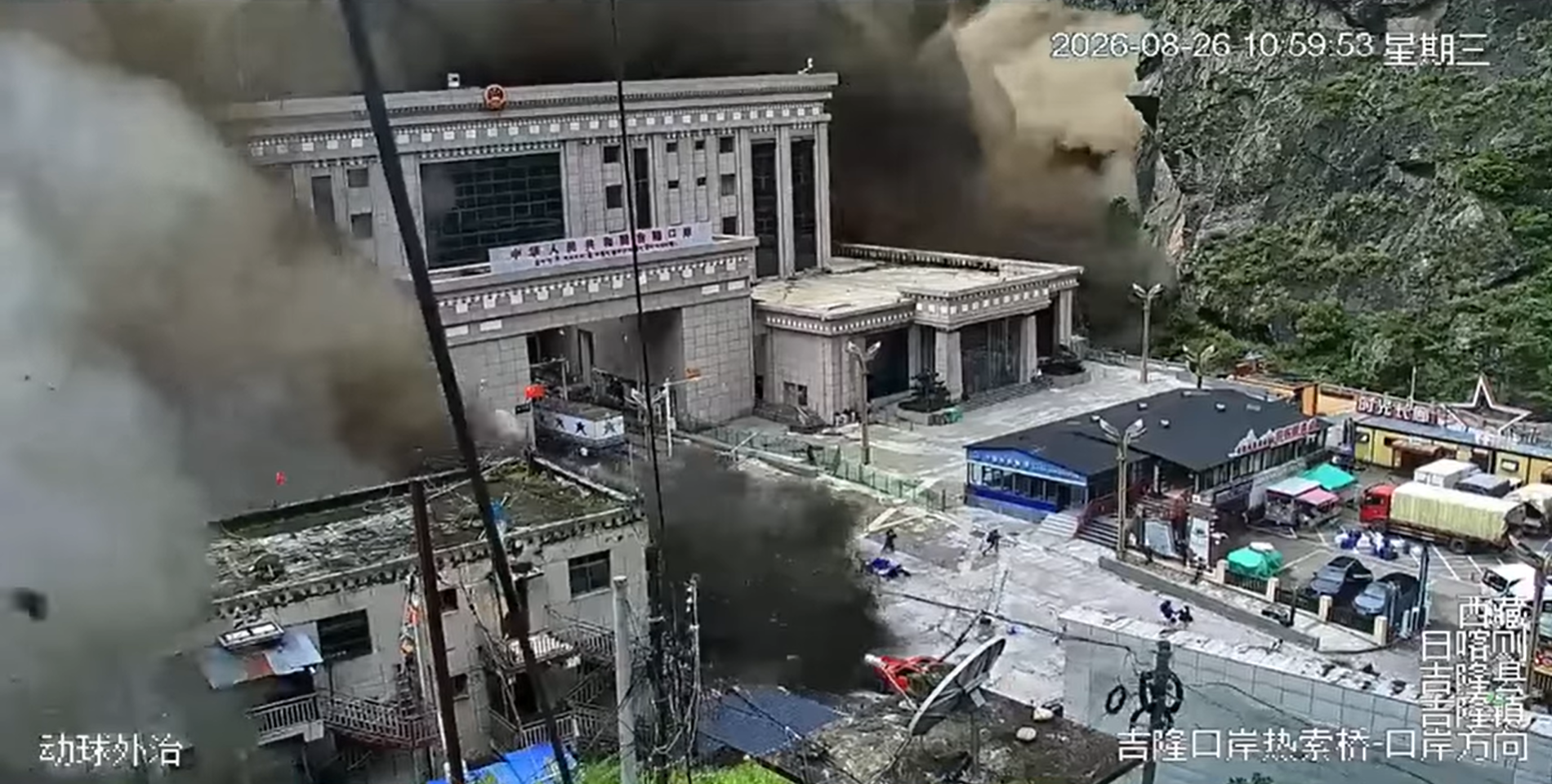
Climate science suggests the flooding was affected by rising temperatures in the Himalayas, a trend that could lead to similar disasters across mountain ranges worldwide.
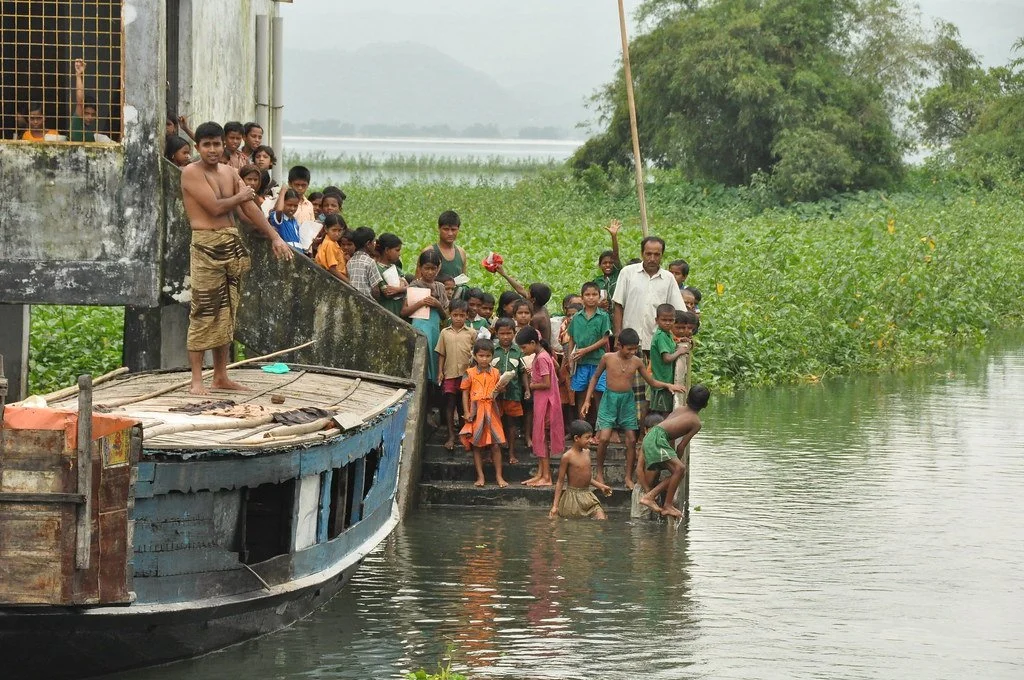
In the Chalan Beel region of Bangladesh, monsoon storms have pushed students out of traditional classrooms and onto floating schools.

Mexico is turning its growing sargassum seaweed problem into clean fuel as it piles up along its eastern coastline.

As temperatures rise and climate variability increases, even the camel is struggling to survive across the Horn of Africa.
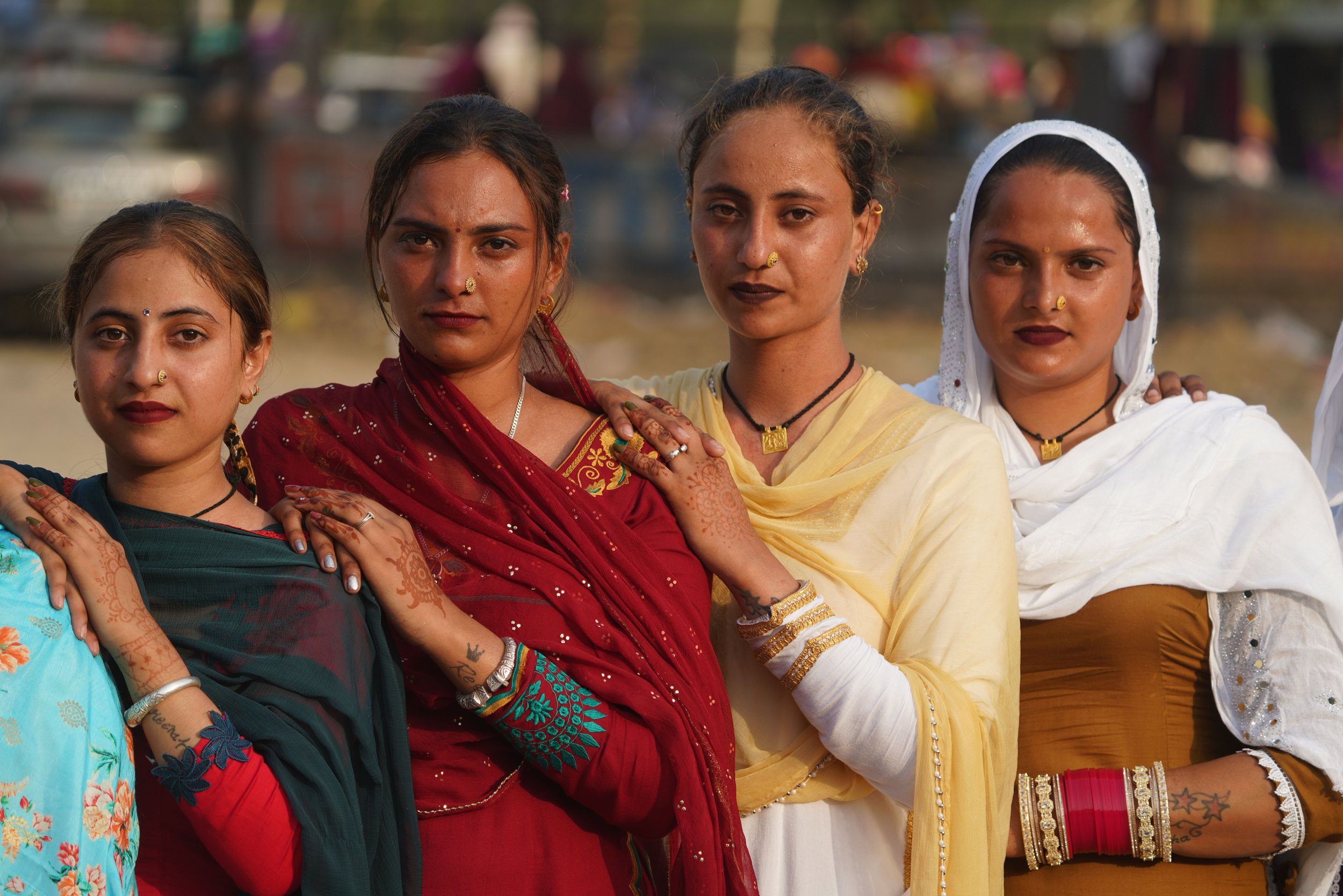
As fast-fashion giants capitalize on trending styles influenced by South Asian culture, communities like Panipat, India, bear the environmental and social costs.
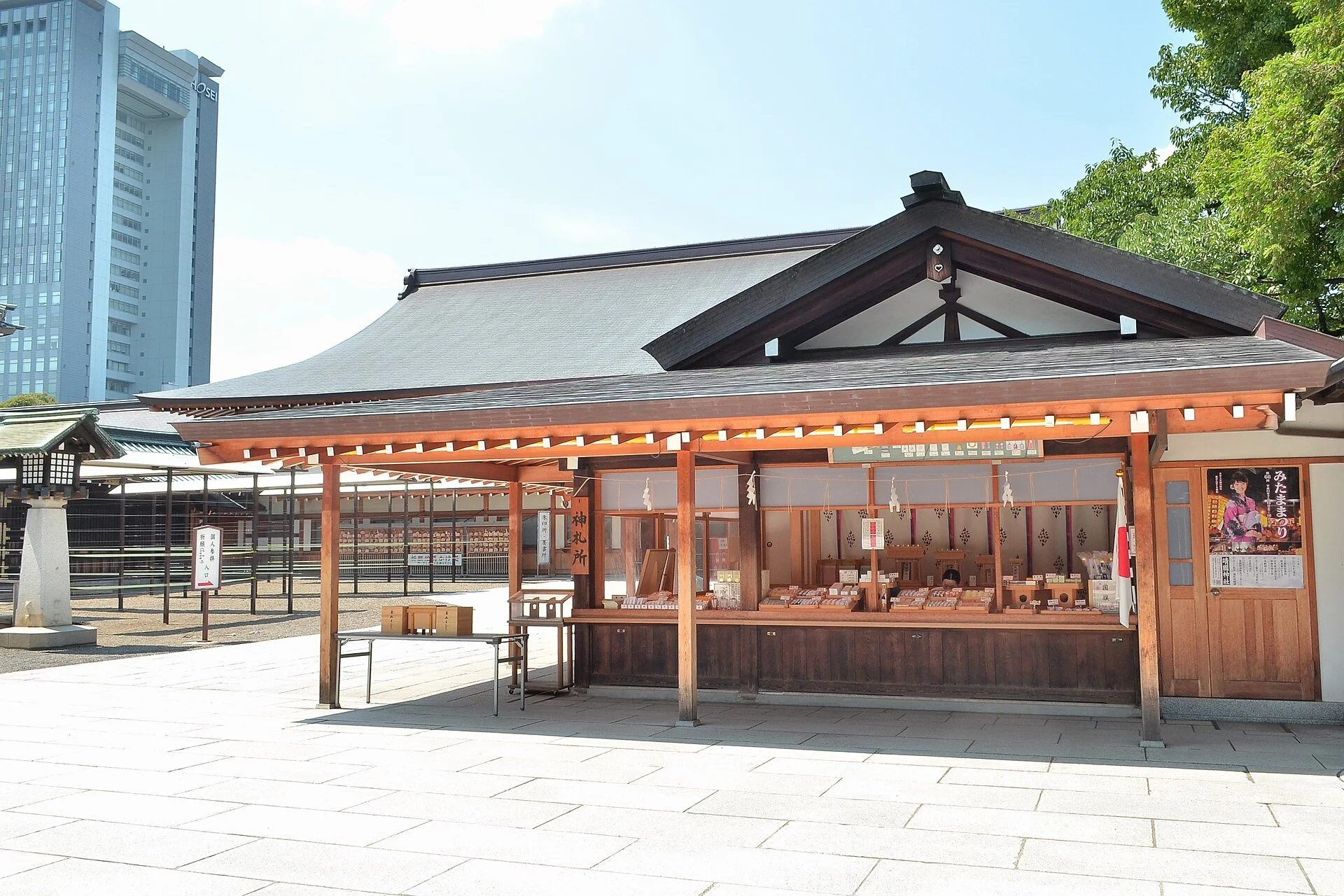
Yasukuni Shrine remains a controversial, painful reminder of Japan’s wartime history for East Asian countries.