
By Julia Sassaman
From the West Bank to Hawaii, tourism gives foreign investors a way to turn land, labor and natural resources into profit, often at the expense of local communities.
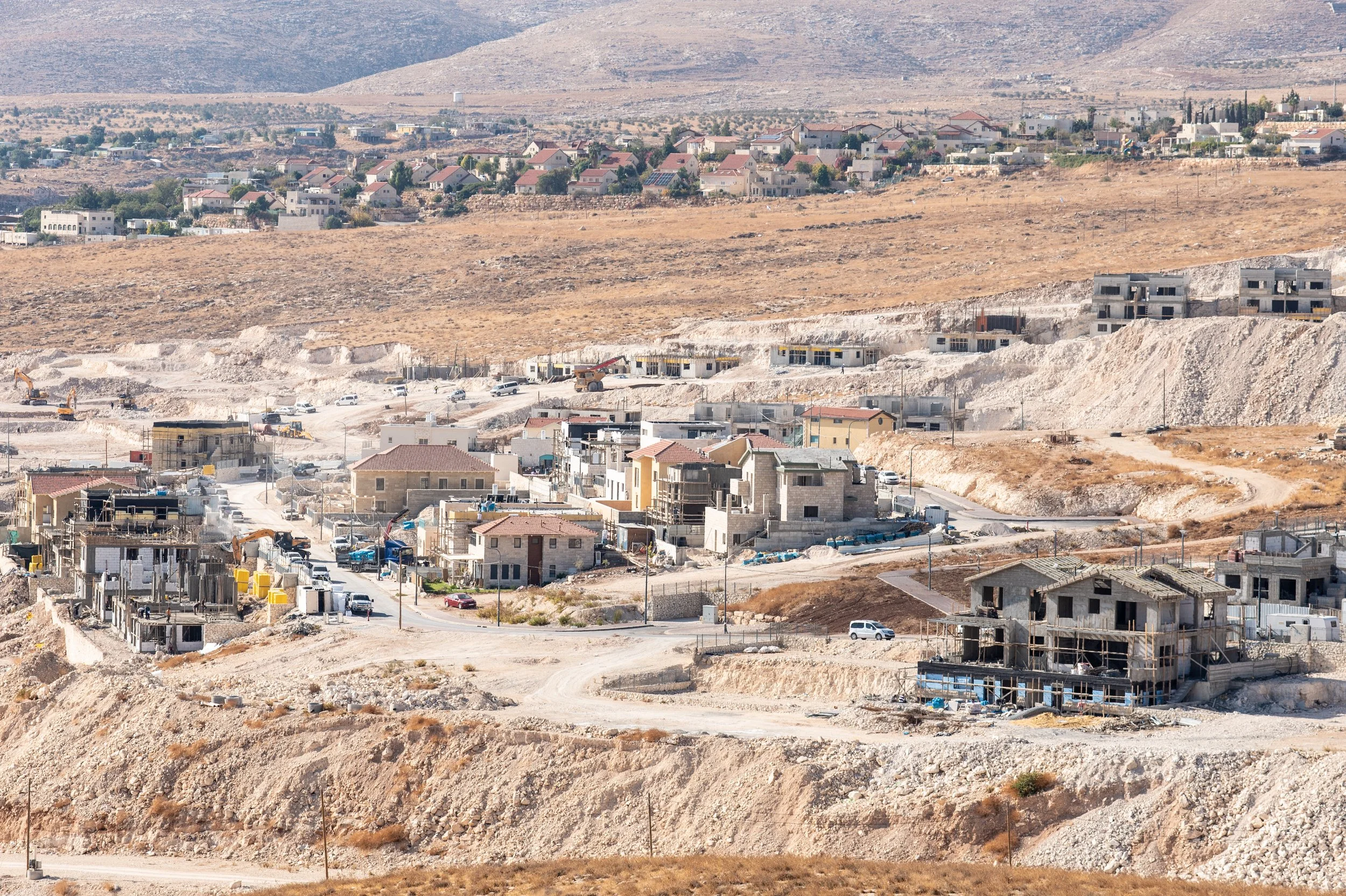
The illegal Eldad settlement in the West Bank. Garry Walsh. CC BY 2.0.
Though tourism lets travelers experience new cultures and support local economies, it can also reinforce colonial power structures. When governments and foreign investors redevelop land for resorts or rental properties, wealth and control flow outward. As a result, local communities face displacement, resource scarcity and rising living costs, while outside investors and corporations collect profits.
Settler Tourism in the West Bank
In the West Bank, travelers can book a one-bedroom Airbnb in Tekoa, an illegal Israeli settlement, for around $171 a night. That listing is one of 760 hotel rooms and rental units listed across Israeli settlements in the West Bank, including East Jerusalem, on Airbnb and Booking.com, according to a 2025 investigation by The Guardian.
Since Oct. 7, 2023, Israeli settlers have seized and restricted access to more than 37,000 acres of Palestinian land. The United Nations has repeatedly condemned these settlements in the occupied West Bank as violations of international law under the Fourth Geneva Convention. In April 2025, the UN Human Rights Council adopted Resolution 58/28, addressing Israel’s settlement activity and expansion and calling on Israel to cease all settlement activities in occupied Palestine.
Tekoa’s rental listings reveal a larger issue: tourism functioning as a tool of state-led territorial control. Beyond Palestine, this pattern recurs in Hawaii, Mexico and Jamaica, where land, resources and labor are converted into capital gain for outside investors.
Resort Colonialism in Hawaii
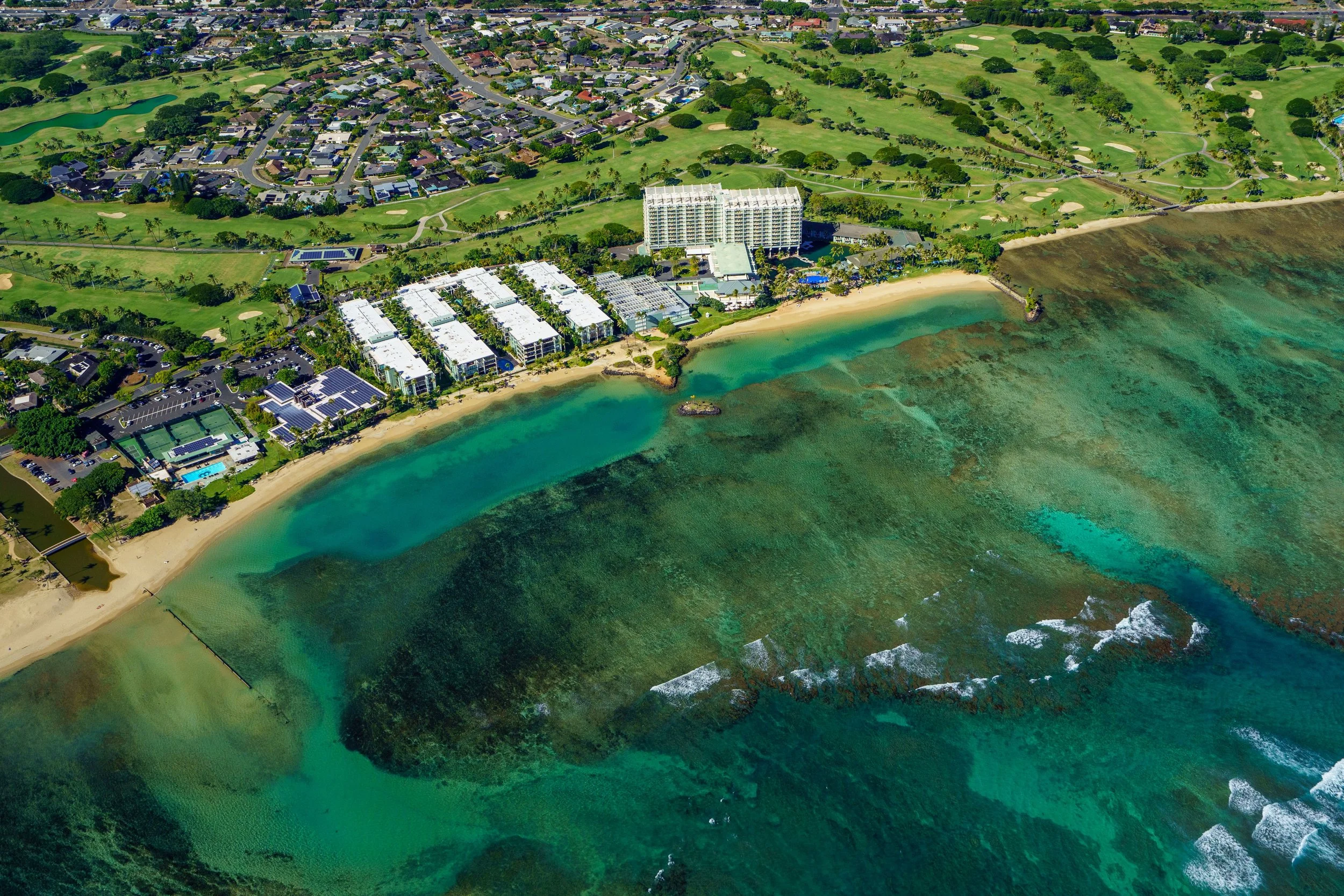
Beach resorts and golf courses on the Waikiki coast. Cyrill. Pexels.
Hawaii hosts hundreds of resorts, hotels and golf courses across its islands. While travel and tourism generate nearly a quarter of the state’s economy, the industry also places strain on water systems and adds to pollution. 2025 was Hawaii’s second driest year in more than a century. On Oahu, the state’s most visited island, tourism infrastructure ranks among the largest consumers of water.
State water use data for 2024 lists the Prince Waikiki Golf Club as Oahu’s third-largest monthly water consumer, at 25.251 million gallons. The Hilton Hawaiian Village Waikiki Beach Resort and Disney’s Aulani Resort also rank among the island’s top water users, individually consuming tens of millions of gallons per month.
During a 2021 drought, residents in Upcountry Maui felt mistreated due to fines of up to $500 for nonessential water use, including washing cars and watering lawns. Meanwhile, resorts, hotels and golf courses continued normal operations.
The economic benefits of tourism are unevenly shared. Many residents work multiple service jobs to make ends meet, while the industry drives up housing costs and displaces Native Hawaiians. Boat traffic, coastal development and pollution from resort infrastructure degrade reef ecosystems and intensify natural disasters such as droughts.
Who Actually Benefits?
Globally, travel and tourism supported 366 million jobs in 2025, about 10.9% of worldwide employment. The industry also contributed $11.6 trillion to global GDP, according to the World Travel & Tourism Council.
This economic growth has not entirely benefited local communities. Mexico welcomed 47.8 million international tourists in 2025, a 6% increase from the previous year, yet residents experience living costs rising faster than their wages, and the tourism industry offers little room for advancement. Although their labor is essential to the industry, local communities do not meaningfully share its profits.
A similar pattern appears in Jamaica, where less than 1% of the coastline is publicly accessible to residents. Across the Caribbean, an estimated 80% of tourism revenue goes to foreign-owned hotel chains, airlines and booking platforms rather than returning to local communities.
Whether through settlement expansion in the West Bank, resource exhaustion in Hawaii or outpriced communities in Mexico and Jamaica, a throughline runs across the tourism industry. Its success is not consistently shared with the people whose land, water and labor sustain it.
Julia Sassaman
Julia is a fourth-year student at the University of Michigan studying political science and international studies. She recently studied abroad in Geneva, Switzerland, researching post-conflict tourism and international human rights law. After graduation, she hopes to move to Europe to pursue a career centered on global human rights. In her free time, she enjoys painting, baking, journaling, and reading.