Brilliant Bushes: The History of Topiary and Where to Find Them

It seems that grand landscapes are incomplete without some unique plant life to adorn the surrounding grounds. The untraditional category of gardening known as topiary has become famous over thousands of years for its intricate, and often grandiose, art style. 
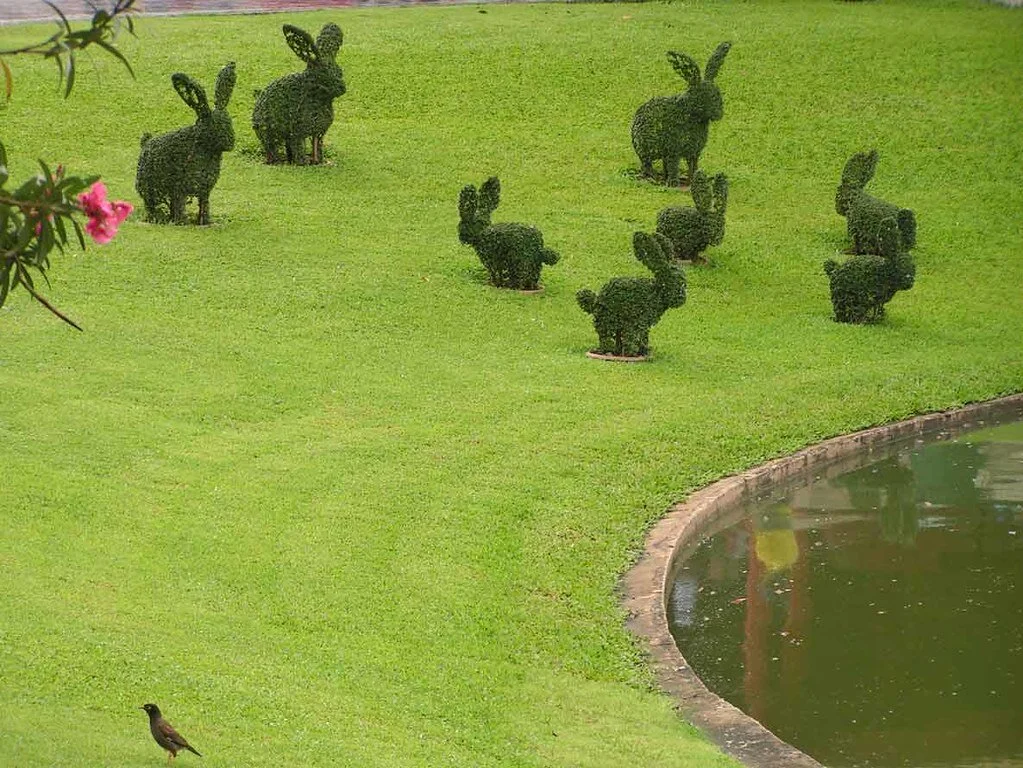
Rabbit topiary in Bangkok. Arthur Chapman. CC BY-NC-SA 2.0.

The Origins of Topiary

The exact year that topiary was invented remains unknown, but it is generally believed that it began around the first century with the Greeks. Topiary, the art of clipping plants into decorative shapes, was believed to be very complementary to the elaborate form of Greek architecture, so topiary found a good foundation in Greek culture. The joy of topiary eventually spread to nearby countries, with Roman Emperor Caesar Augustus being the next famous face to take part in the art. The proliferation of French monasteries later helped to push topiary across Europe. 

As hundreds of years passed, many more nations weaved topiary into the foundation of their decorative landscapes. The art itself also grew incredibly precise and complex. The French primarily created larger and less intricate designs to line their gardens, while the Dutch used mathematics to master finely clipped designs. 

Interest in topiary has wavered over the last few hundred years, but love for the art form has never disappeared. In the 1800s, the introduction of new plants through trade with Asia caused an explosion in topiary interest, but this interest then faded again after World War I. 

Two Top Topiaries 

Levens Hall Topiary Garden. Jenny Mackness. CC BY-NC 2.0. 

For topiary enthusiasts and clueless travelers alike, Levens Hall Topiary Garden guarantees a moment of awe. Sitting in the Lake District of northwest England, this garden is the oldest topiary garden in the world; some pieces are over 300 years old. It was started by the gardener of King James II and originally housed a simpler layout, but faced a fairly dramatic change about a century after it was made. When interest in topiary experienced one of its many dips, the garden was redesigned in the early 1800s to display Victorian shapes.

Gardens of Marqueyssac. Andy Lawson. CC BY 2.0. 

The French are famous for their clipped hedge style, but the gardens of Marqueyssac have evolved this style immensely. The garden is located by the Dordogne River, which creates an incredible view of the endless countryside when seen from the elevated areas of the garden. The hedges display a traditional box clipping style, but the swirling pattern makes them appear weaved together. The masterfully uniform design creates an illusion of an endless sea of hedge; this work is credited to a student of Andre Le Notre, who designed the gardens of Versailles. 

Although overlooked by many mainstream artists, the form of topiary is not to be underestimated. For countless years, topiary has become an elaborate foundation for landscape and architecture. It has embedded its way into cultures across the world, only further enabling artists to express their limitless imagination. 



Ella Nguyen

Ella is an undergraduate student at Vassar College pursuing a degree in Hispanic Studies. She wants to assist in the field of immigration law and hopes to utilize Spanish in her future projects. In her free time she enjoys cooking, writing poetry, and learning about cosmetics.
The Global Coffee Crisis Takes its Toll on Small Farmers

While the world’s most craved caffeinated beverage has become a beloved staple, not many people know how its production has affected the people behind the scenes.

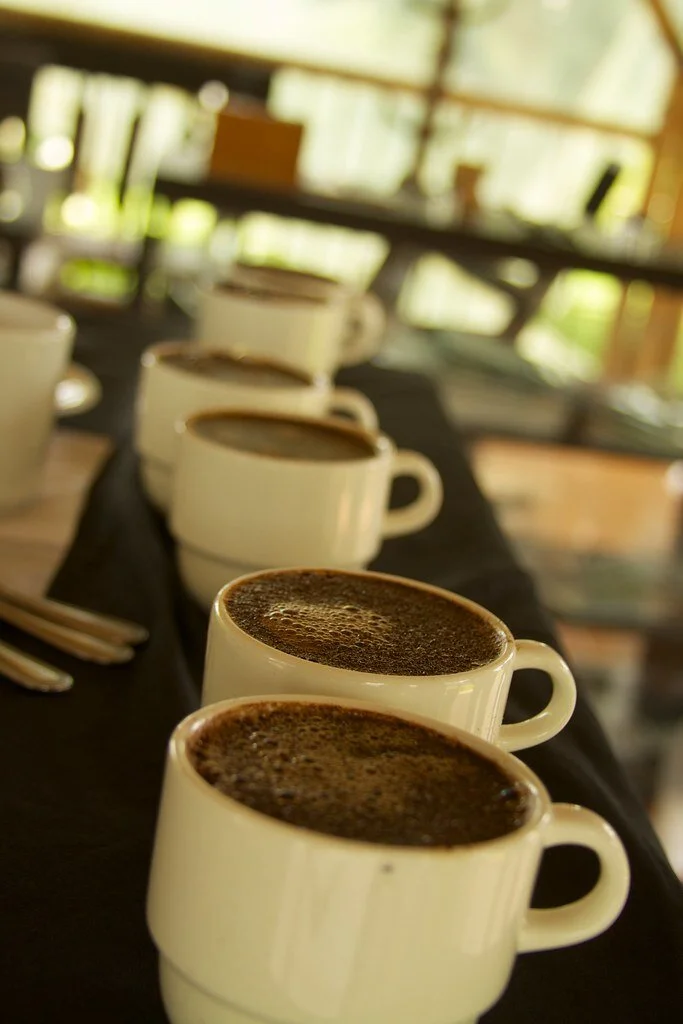
Coffee. Mckaysavage. CC BY 2.0

Today the coffee industry is considered big business, with an annual revenue of around $200 billion. Global demand for coffee is on a steady incline, increasing by 2% each year. Americans’ demand alone has risen 3% in the last four years, and the country’s citizens drink a whopping 400 million cups of it daily. But if demand for this beverage is so high, why are the people who produce and cultivate it in a state of poverty?

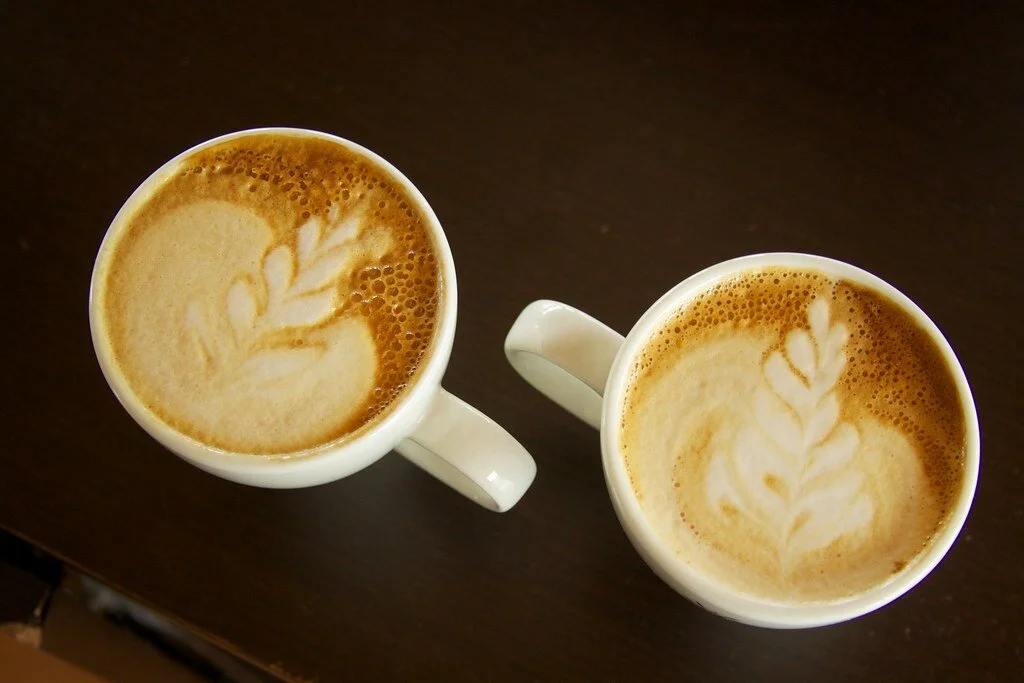
Cappuccino. Mckaysavage. CC BY 2.0

The industry has always been in a perpetual state of change, with prices rising and falling depending on demand. But in 2019 another coffee crisis hit when Brazil, the world’s top producer of coffee, flooded the market with large amounts of its product. This dropped global coffee prices to the lowest point in over a decade, far below the minimum that a small farmer needs in order to break even. Gradually, small farms in Latin America are going out of business while big producers from Brazil and Vietnam are becoming suppliers’ go-to sources.

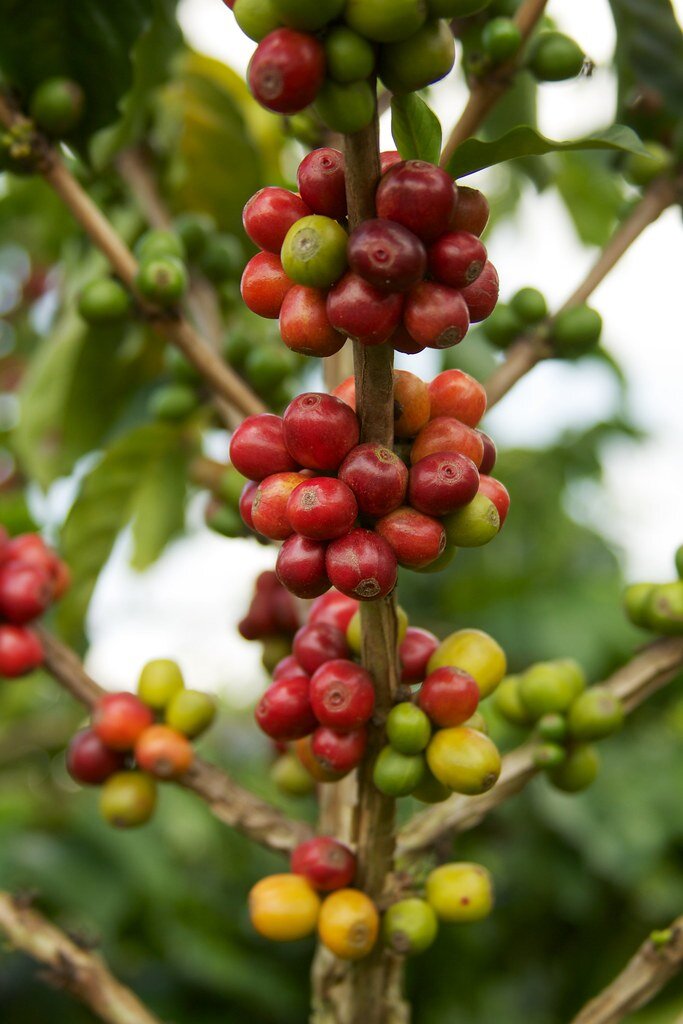
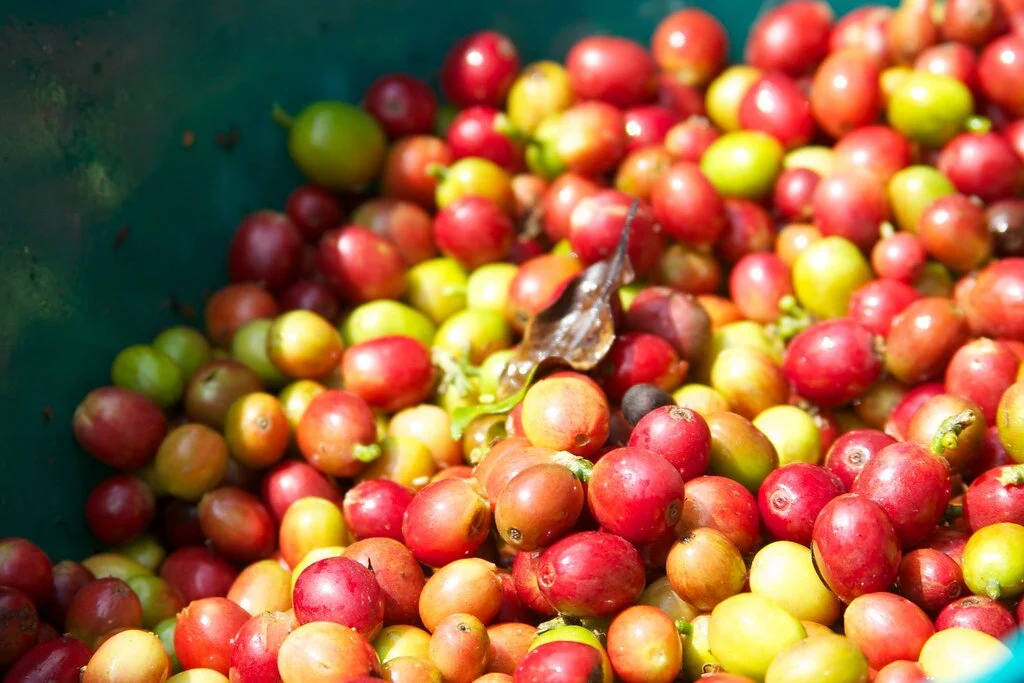
Freshly picked coffee beans. Mckaysavage. CC BY 2.0

Eighty percent of the world’s coffee is produced by 25 million small farms spread across the world. These farmers have dedicated their lives to the pursuit of coffee cultivation, and rely on the income they receive from the annual harvest to survive. Over half of the growers in Central America and Mexico, though, have reported difficulty getting enough food to feed their families.


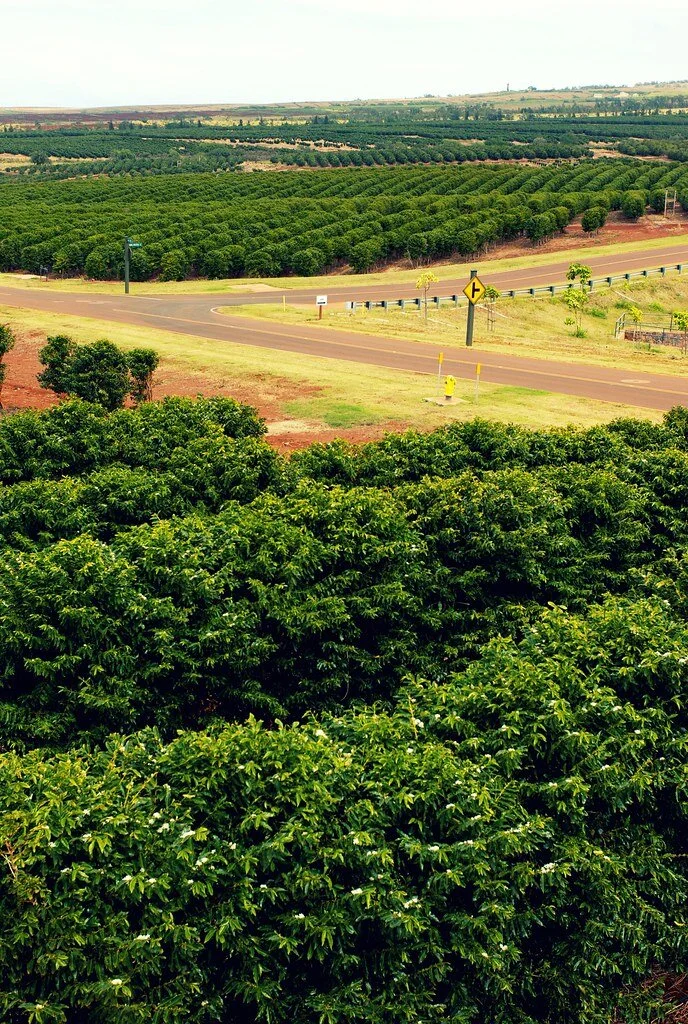
Coffee plantation. Mikefats. CC BY 2.0

There are about 100 different coffee species on Earth. The few that are cultivated on farms are mostly robusta, commonly known for making instant and espresso coffee, and Arabica, the smoother and more expensive coffee. Colombia, the world’s third-largest coffee producer, demonstrates the difficulties of relying on these two types of coffee plants. With the rise in global temperatures impending coffee’s growth, bacteria and fungi like “coffee rust” have become more common, devastating crops. Infrequent and sporadic rain patterns have become a big worry among growers, as coffee is very specific in terms of how much water it needs. 

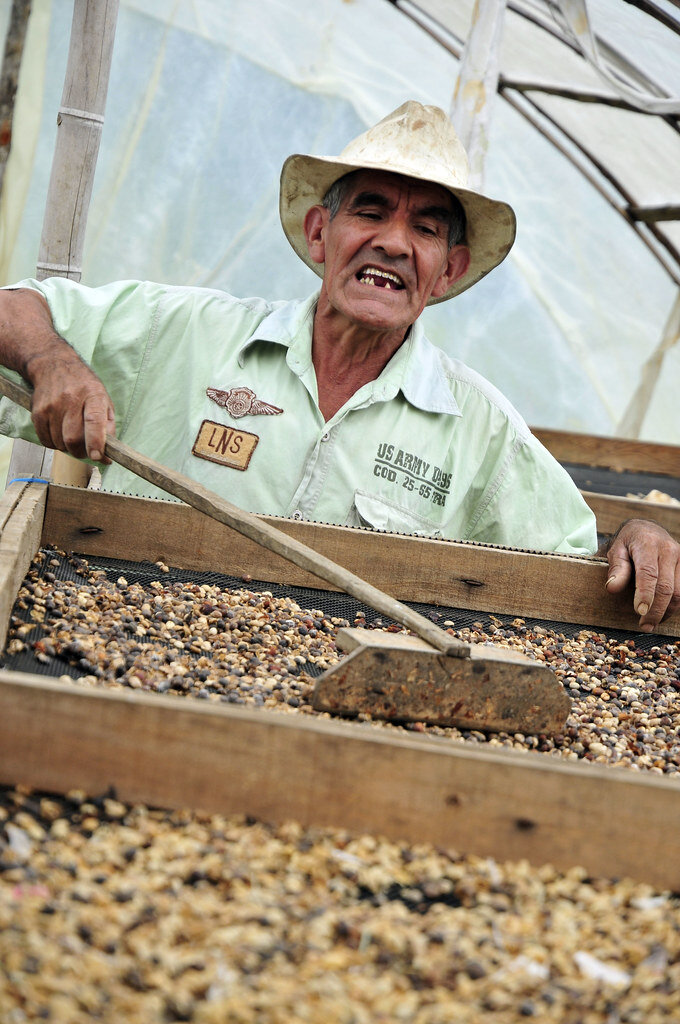
Coffee beans in Colombia. Mckaysavage. CC BY 2.0

There are many things that Colombian growers can do to help protect their crops, such as planting shade trees to keep plants cool and to stabilize the soil. They can also shift their entire crops uphill to higher elevations that can keep them from overheating. Farmers have also been switching their usual crop with a more resilient plant, a hybrid with some of the unused wild species. The biggest issue with these changes is that it takes money that many farmers do not have. One coffee farmer in Colombia stated that, “Nowadays coffee production is equivalent to losing money.”

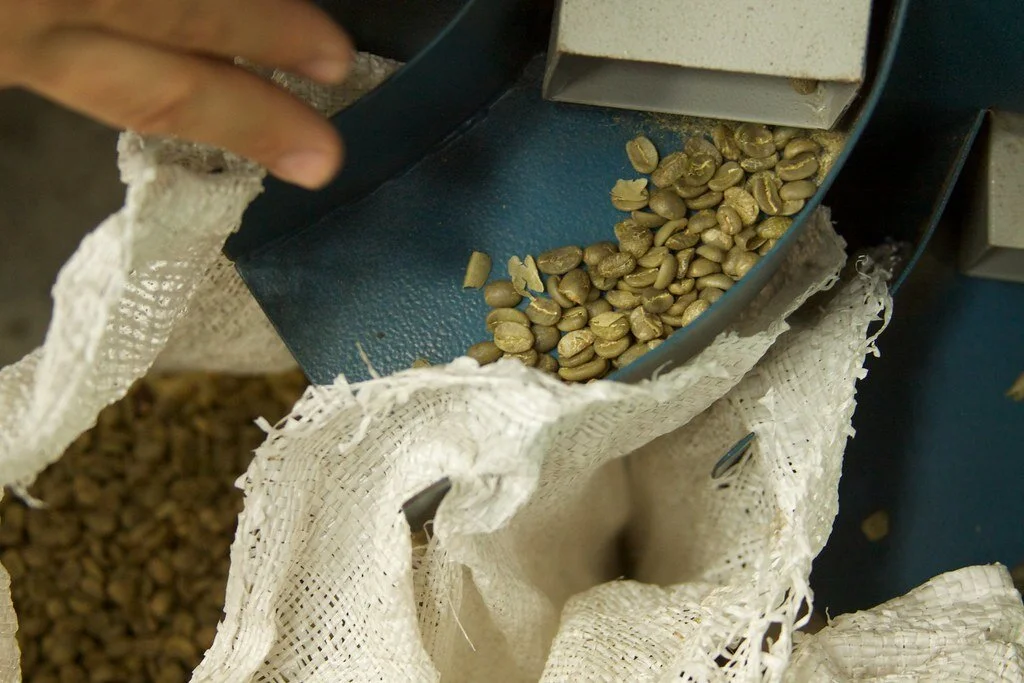
Beans. Mckaysavage. CC BY 2.0

For farmers to continue producing coffee, more of the revenue gained from increased consumption must go back into the hands of the people who grow it. More revenue for farmers will allow them to fight back against climate change, letting them continue the generational line of work that has become, in essence, a part of them.


Yuliana Rocio

Yuliana is currently a Literature/Writing major at the University of California San Diego. Yuliana likes to think of herself as a lover of words and a student of the world. She loves to read, swim, and paint in her free time. She spent her youth as part of a travel-loving family and has grown up seeking adventure. She hopes to develop her writing skills, creating work that reflects her voice and her fierce passion for activism.

‘Malaysia’s Banksy’ Brings Art Lovers—and Overtourism—to Penang

Ernest Zacharevic is a Lithuanian-born artist who made his mark creating iconic street murals on the island of Penang in Malaysia. Despite good intentions, Zacharevic’s work prompted the rise of tourist attractions that lack the soul and authenticity that made Penang a UNESCO World Heritage Site in the first place. 

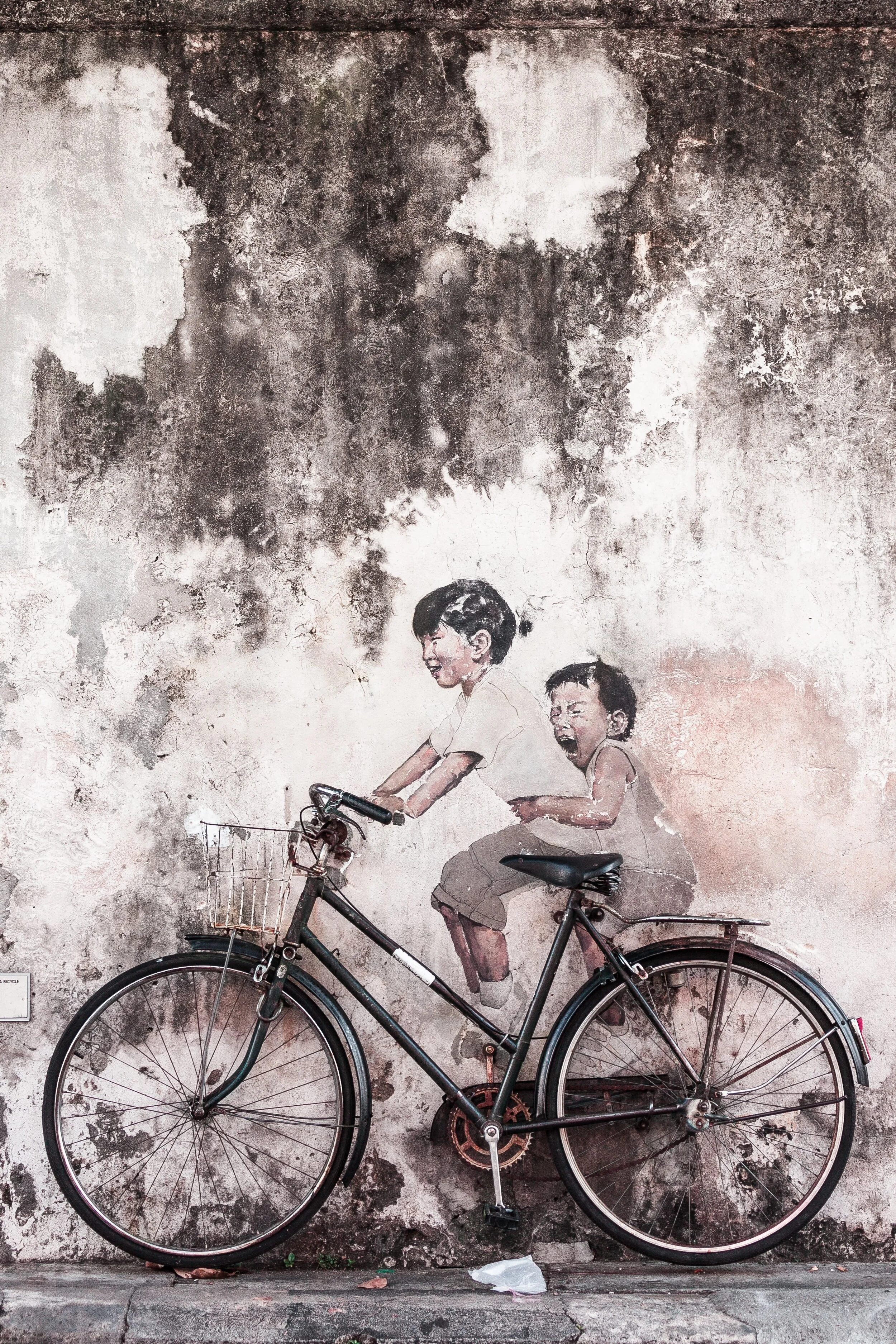
 The iconic “Little Children on a Bicycle” mural in Penang. Yaopey Yong. Unsplash. 

Penang’s historical capital, George Town, was officially inscribed as a UNESCO World Heritage Site in 2008. Since the 18th century, this Malaysian city has been a prolific hub of cultural and commercial exchange. Today, it remains a multicultural hot spot. George Town is also home to a unique layout of mixed architecture that also reflects the region’s history. From its colonial-style British office buildings to its rustic Chinese shophouses, George Town’s mismatched grid of alleyways and side streets bolsters the place’s almost stuck in time sentiment. To further enhance George Town and its diverse history, the George Town Festival was launched in 2010 as a platform for dance, theater and other regional artistic endeavors.

In the midst of this budding art movement, Lithuanian-born artist Ernest Zacharevic began to make his literal mark on the walls of George Town. As an experimentalist known by some as “Malaysia’s Banksy,” Zacharevic’s style revolves around ever-changing concepts, manifesting in his preference for outdoor art. Zacharevic’s primary interest lies in the relationship between art and the urban landscape. Consequently, he mainly flits between stencil, spray and other types of tools conducive to dynamic and public pieces.  

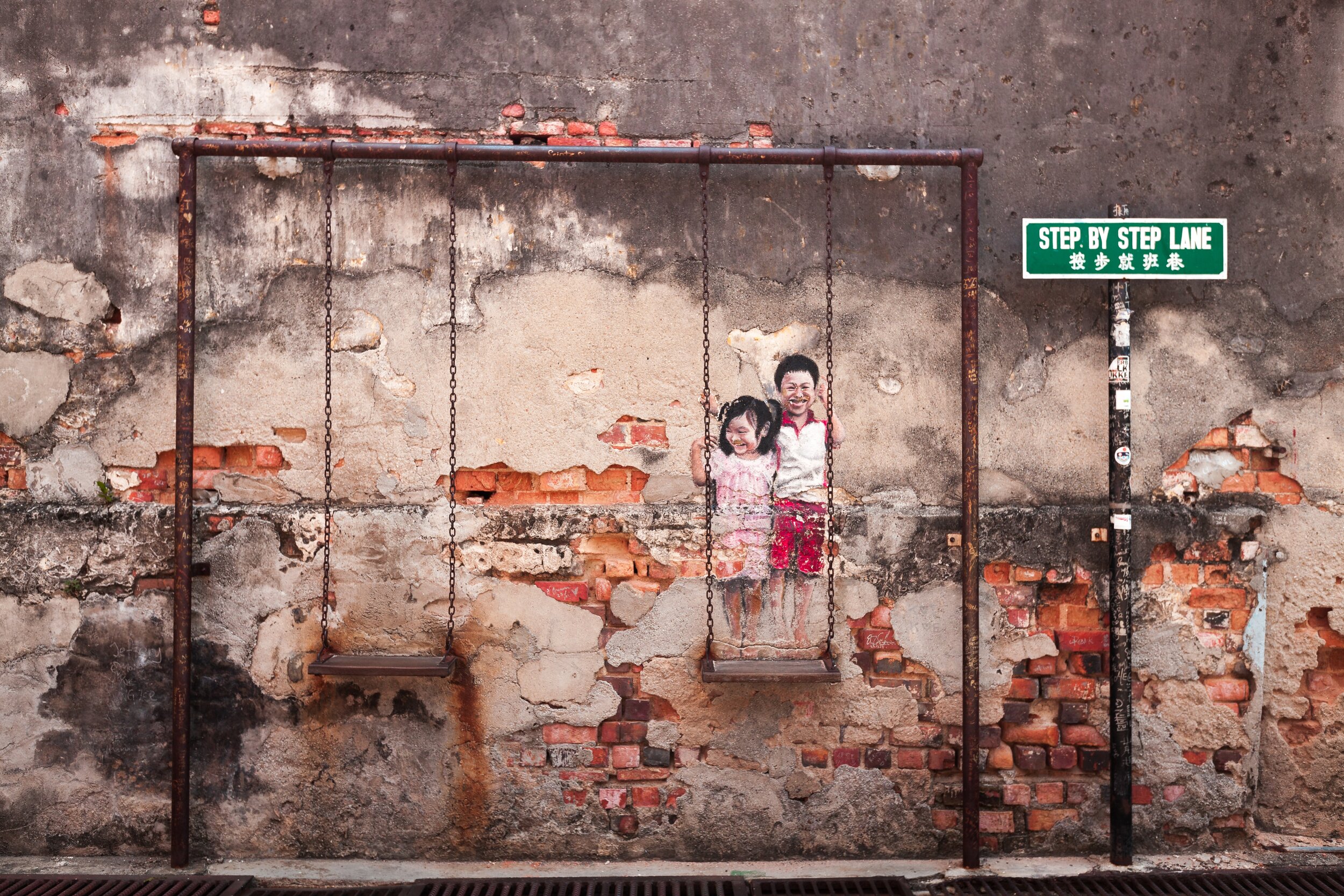
One of the more famous interactive pieces. Yaopey Yong. Unsplash. 

Although local pieces funded by Sculpture At Work also grace the walls of George Town, Zacharevic’s pieces are the main attraction thanks to the George Town Festival 2012 project “Mirrors George Town.” His iconic and sometimes interactive pieces like “Little Children on a Bicycle” and “Brother and Sister on a Swing” became hot-ticket items for both visitors and locals alike to experience. The open-air exhibitions became so popular that various travel blogs offered the best walking maps for viewing the murals.

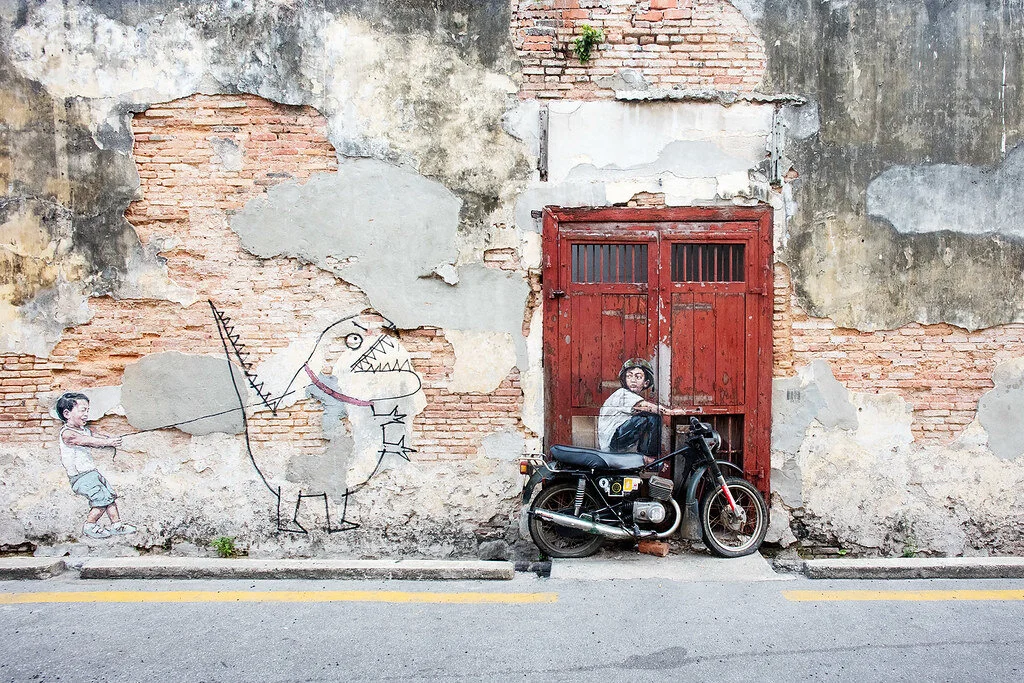
“The Little Boy with Pet Dinosaur” and “Boy on a Bike” murals side by side. Travelationship. CC BY-NC-ND 2.0. 

In 2013, Chairman of Penang Global Tourism Ooi Geok Ling felt that Ernest Zacharevic “captured the essence of Penang. I know he spent a lot of time here, soaking it all in when he was visiting. He could translate that into his murals.” Ling also believed that Zacharevic’s influence would also help to expand the reach of local artists and small galleries in the city. Indeed, most of Zacharevic’s pieces are reflective of the city and country’s diverse populace. Murals portray children cycling through the city, a painter attending to a pair of clogs, and even more modern scenes of phone booths and curious cats.  

Since the creation of these murals, Penang has experienced an influx of “Instagram tourists” and the subsequent boom of businesses that cater to them. The town’s soul, as the South China Morning Post wrote, has been “warped.” Before the worldwide lockdown, older buildings in George Town had begun renovating in a way that catered to foreign tastes. Cookie-cutter coffee shops, museums and art galleries began lining the centuries-old landscape, sapping away at the gritty authenticity of the once safely obscure town.

In response to this commercialization, Ernest Zacharevic made a statement on his Instagram in July 2019. He lamented, “Myself and many others blame my work for Armenian Street being a center of [the] tourist route in Penang.” He called the construction of Instagram-friendly places a “circus” and a threat to George Town’s status as a UNESCO World Heritage Site.

Since the worldwide lockdown, however, locals have made it back into the spotlight. Though the Penang economy today is largely devoid of tourist dollars, the city is also free of the overtourism and traffic jams that congested its streets. Nikkei Asia reports that locals now have the chance to reclaim spaces that gentrification took away. Hawker stalls and other peddlers are also refocusing on the needs of residents and the smaller but more consistent business they provide. Local shopkeepers feel that the lockdown has provided the city an unexpected but much-needed reset button. In the wake of this worldwide pause, locals are starting to explore more sustainable possibilities—ones that don’t compromise the historical integrity of George Town or the well-being of its residents.


Rhiannon Koh

Rhiannon earned her B.A. in Urban Studies & Planning from UC San Diego. Her honors thesis was a speculative fiction piece exploring the aspects of surveillance technology, climate change, and the future of urbanized humanity. She is committed to expanding the stories we tell.

7 Reasons to Visit Lebanon

Although Lebanon often gets a bad reputation in Western media coverage, the country’s rich history, culture and diversity deserve positive recognition.

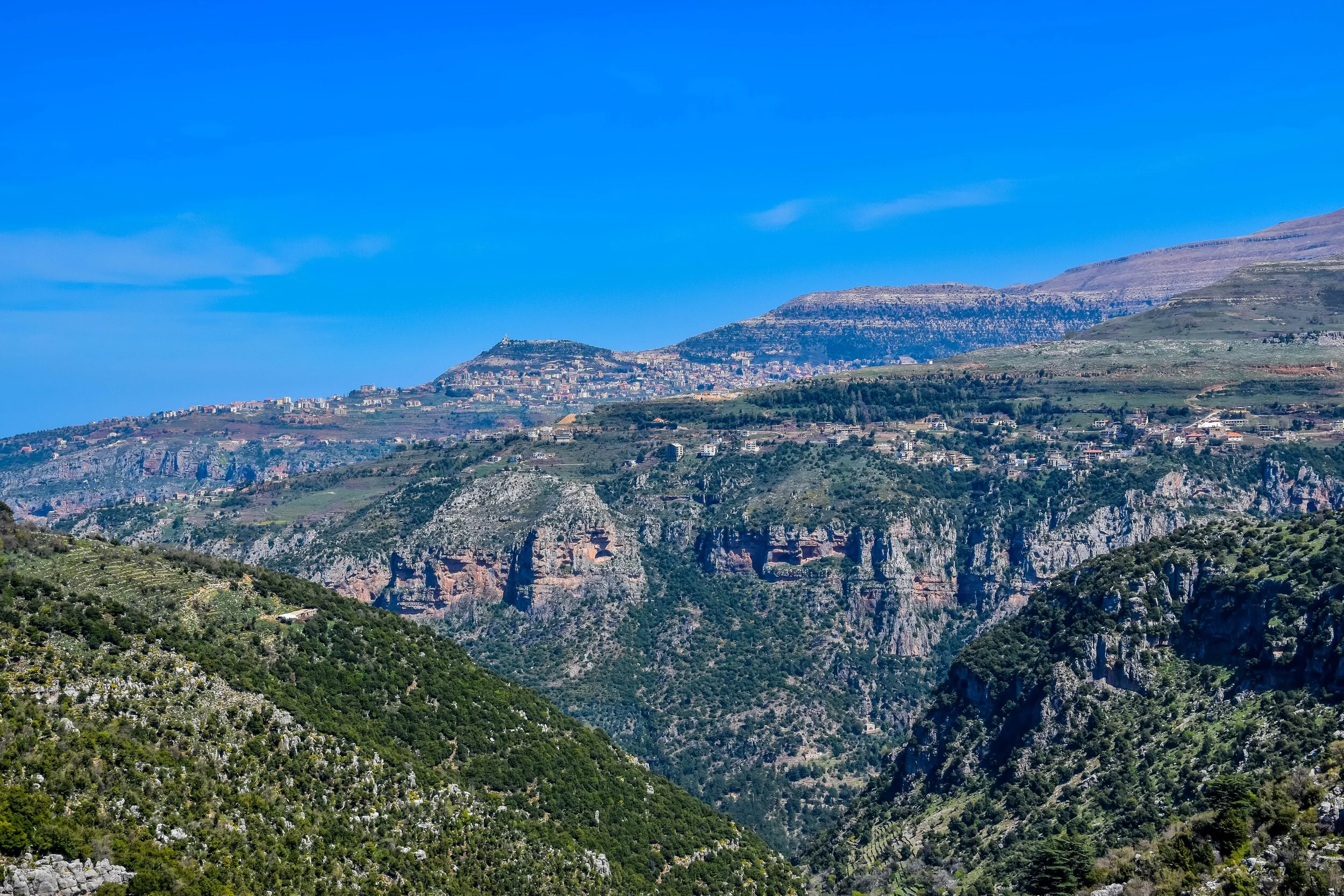
The Kadisha Valley in northern Lebanon. Saad. CC2.0

Located on the eastern Mediterranean coast bordering Israel and Syria, many people have heard of Lebanon for mostly negative reasons. Strife caused by a 15-year civil war and other regional conflicts has long dominated international news headlines in the Middle East, as well as the explosion in Beirut on Aug. 4. Despite this, Lebanon is a beautiful country with amazing scenery, culture, people, food and so much more. Here are seven lesser-known facts about this beautiful Middle Eastern country.

1. Variety of Landscapes

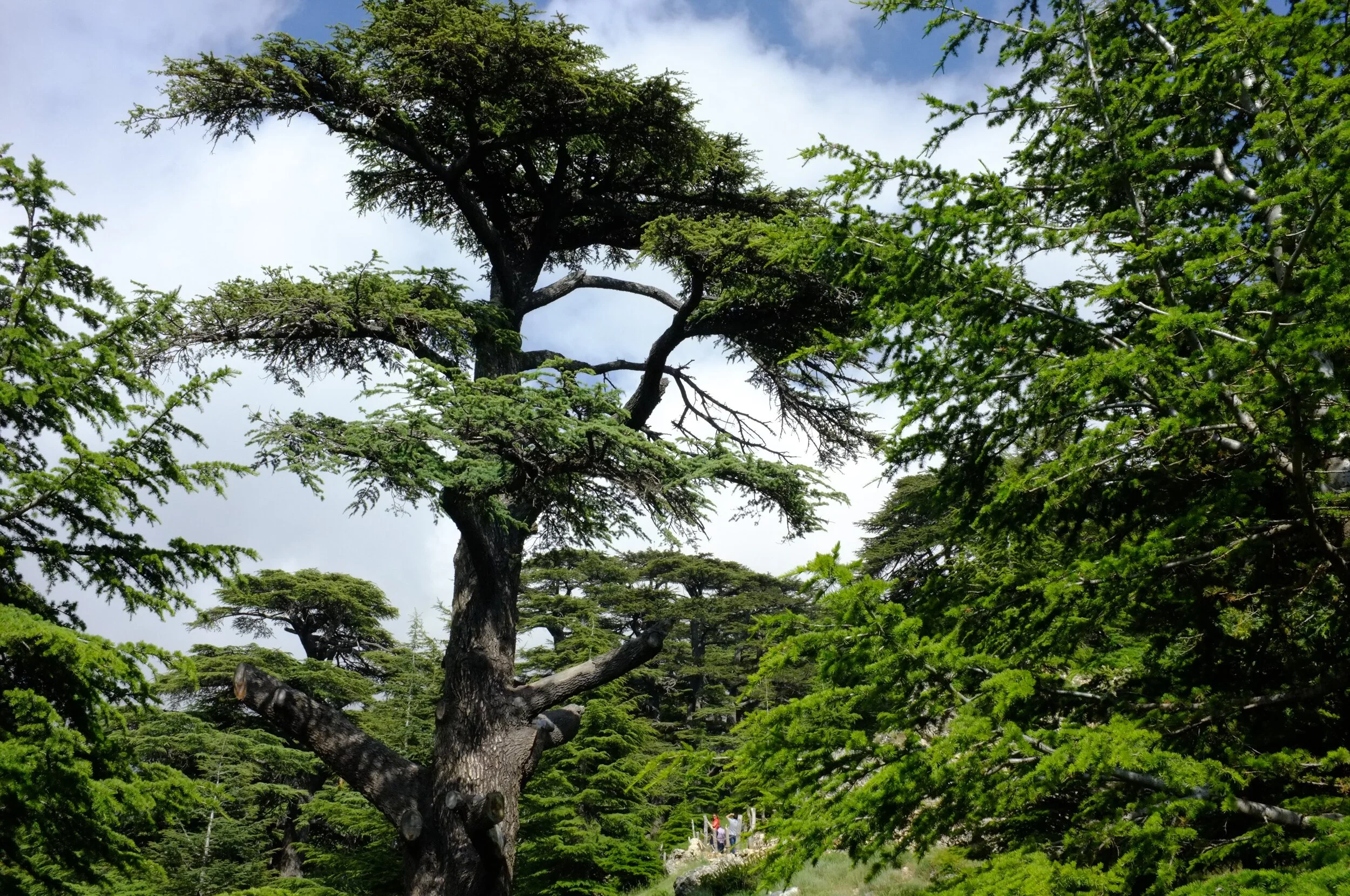
Cedars of God. cwirtanen. CC2.0

Although many people mistakenly refer to the entire Middle East as a desert, this could not be further from the truth. On the contrary, Lebanon’s small landmass has many different landscapes, from a Mediterranean climate by the coast with olive groves to the snow capped Mount-Lebanon to the beautiful and fertile Bekaa Valley. One other beautiful nature area is the Cedars of God in the Kadisha Valley, which is one of the last places in the world where the majestic Lebanon cedar trees can be found today. In ancient times, the wood of cedar trees was used for constructing religious buildings.

2. Ancient History

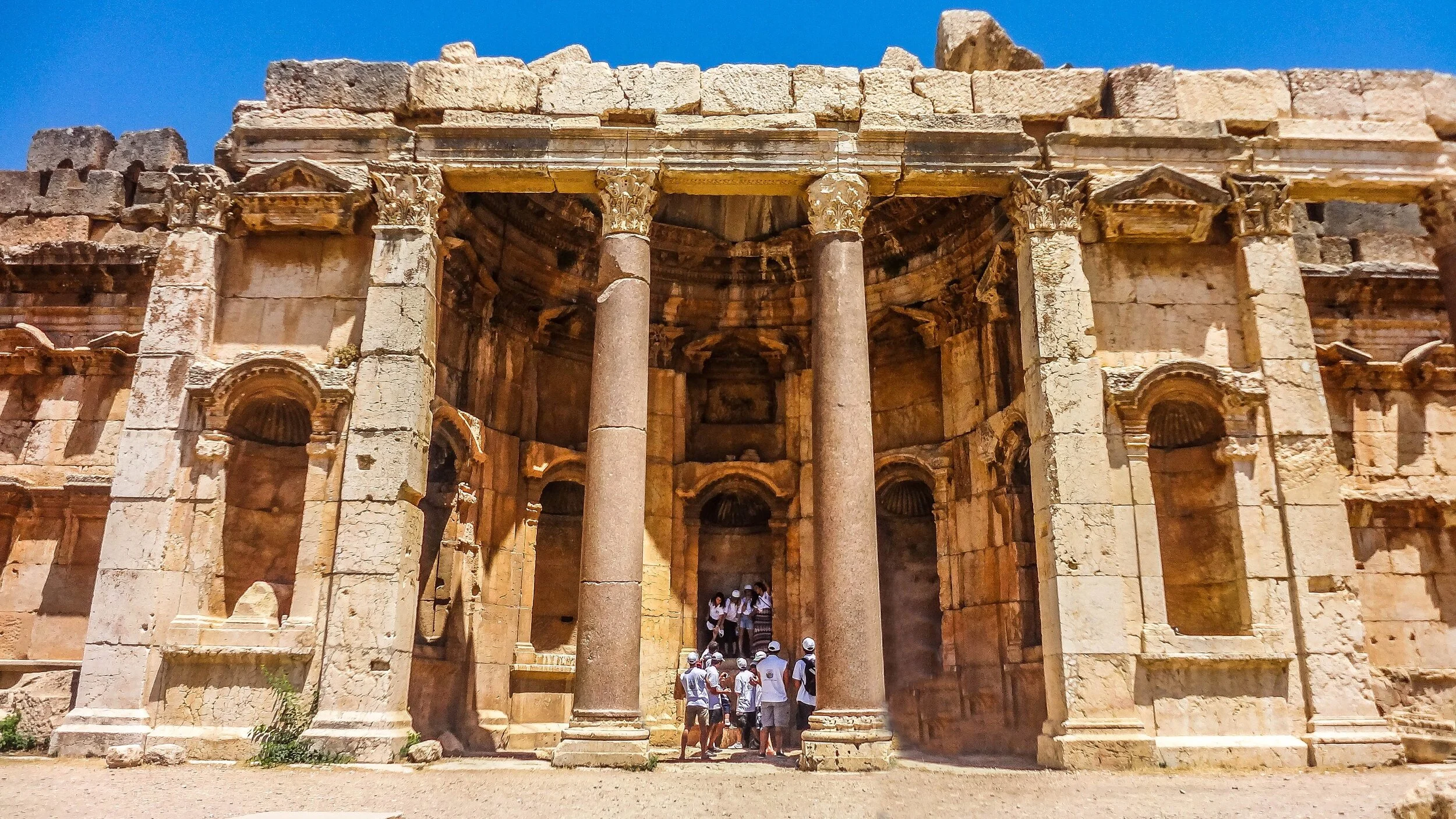
Roman ruins in Baalbek. Saad. CC2.0

What Lebanon lacks in size it more than makes up for in history. Founded by the Phoenicians and later influenced by the Persians, Greeks, Egyptians, Romans, Ottomans and the French, this variety of civilizations has undoubtedly made a mark on the country’s history. The Phoenicians, who were well known for their skills in navigation and seafaring, traded with empires around the world and established colonies in other parts of the Mediterranean. Phoenicians are also credited with the invention of the first writing system with an alphabet known as “abjad.” Travelers can visit the historical cities of Tyre, Byblos and Sidon, which have distinct Phoenician influences. Additionally, some of the best Roman ruins in the world can be found in Lebanon, including sites in Baalbek and Faqra.

3. Religious and Cultural Diversity

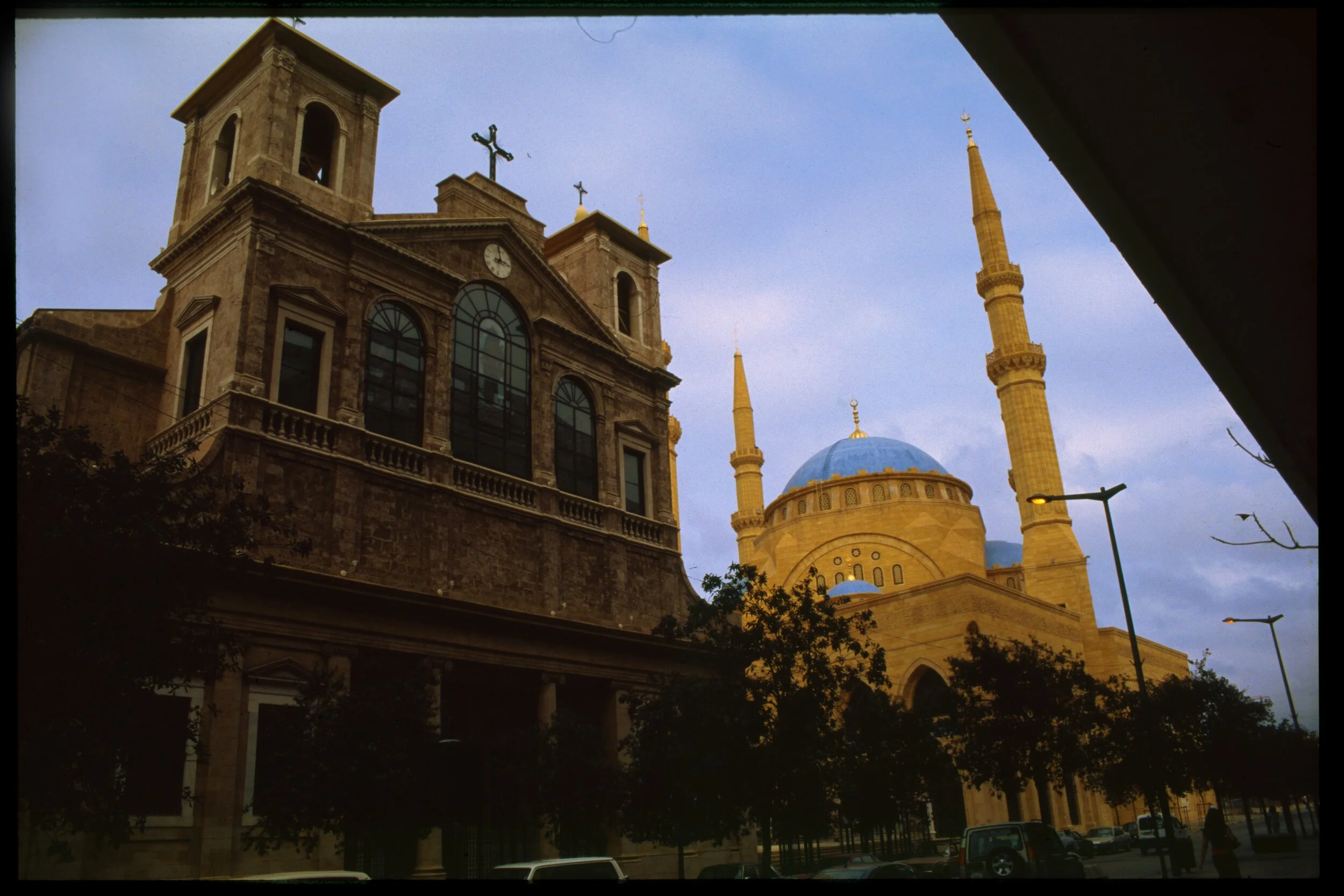
A mosque and a church side by side in Beirut. Zagrebelnyi. CC2.0

Lebanon is one of the most diverse countries in the Middle East. Roughly 61% of Lebanon’s population is Muslim, with nearly equal numbers of Shiites and Sunnis, 33% is Christian, and an estimated 4.5% are Druze, a religion containing elements of Islam, Judaism, Christianity and classical Greek philosophy. However, travelers are unlikely to experience widespread friction between the different religious groups. Columnist Taha Meli Arvas traveled in Lebanon and observed that, “I didn't see any divisions between regions or religions … The people and cultures all blend in seamlessly and to an outsider it is all just Lebanon.” Arabic, French and English are spoken in Lebanon, but it is also common for people to speak the Lebanese dialect, which has notable influences from all three languages.

4. Amazing Food

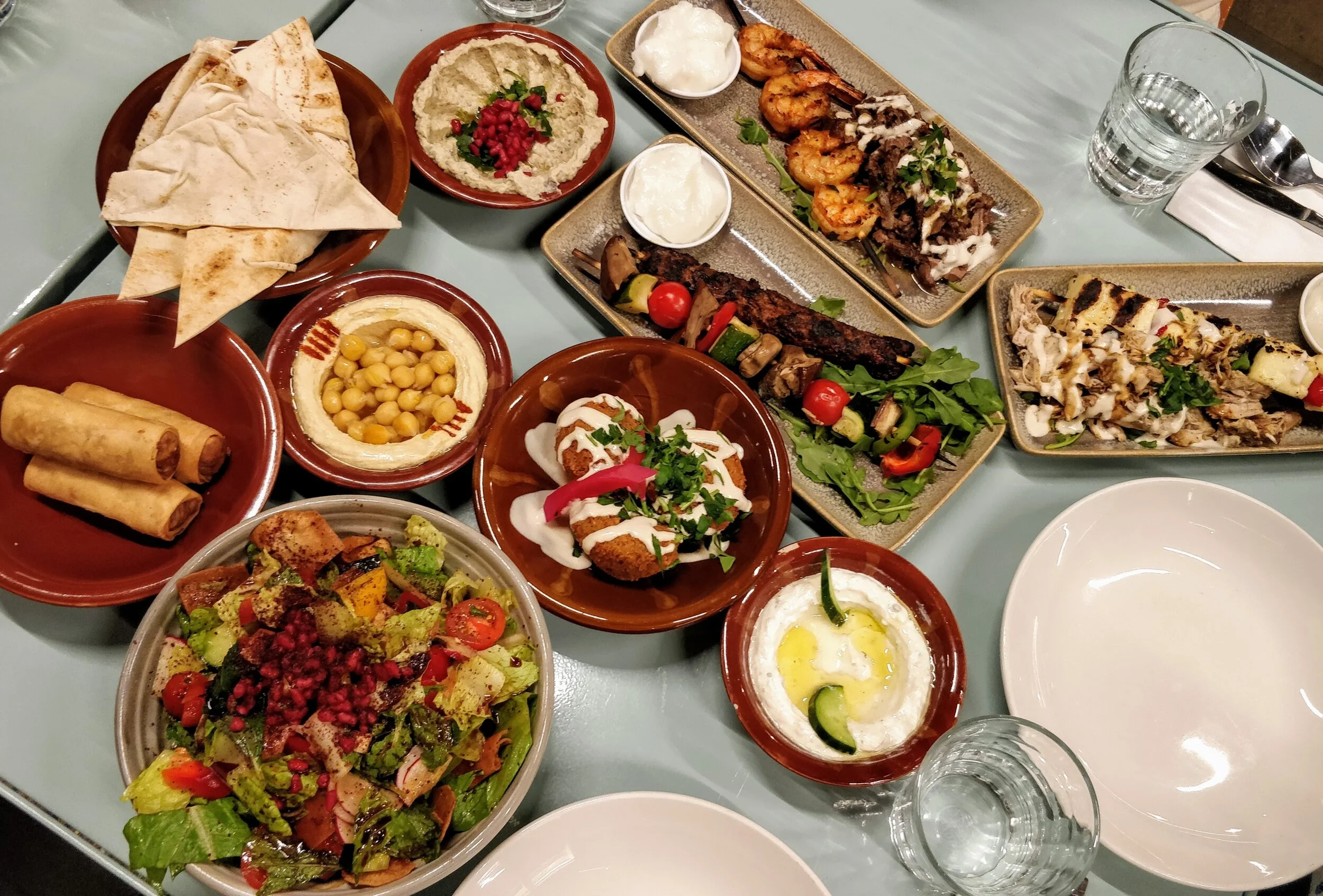
Lebanese food. Alpha. CC2.0

Food lovers rejoice! Travelers will look forward to trying the endless culinary delights of Lebanon. One of the most famous dishes is kibbeh, a Lebanese national dish made up of a mixture of bulgur wheat, ground lamb, herbs and spices. Sfiha, an open-faced flatbread topped with meat, a delicious salad made of herbs known as tabbouleh, bulgur wheat, tomatoes and olive oil, is equally loved. Manoushe or “Lebanese pizza,” a toasted flatbread with za'atar (a herb and spice blend), is also popular, as are olive oil, hummus, falafel, shawarma and many others.

5. Friendliness and Hospitality

Friendly Lebanese girl. Paterno. CC2.0

As a whole, Lebanon is relatively safe for travelers, with theft and petty crime being extremely rare. Similar to other Mediterranean and Middle Eastern countries, hospitality is deeply rooted in Lebanese culture. It is considered a great honor to host guests. Lebanese are very family oriented and it is common for travelers to be invited into people’s homes for tea, coffee or a family meal. Prepare to be well-fed; it is considered polite for hosts to serve their guests multiple servings of food. You will likely not leave hungry!

6. Party Scene

Beirut cityscape at night. Saad. CC2.0

Filled with trendy nightclubs and bars, Beirut is known as the de facto party capital of the Middle East. Naomi Sargeant, a managing director of city guide Time Out Beirut, describes the night scene as having an “East-meets-West feel.” Beirut’s fun-loving vibe speaks to the overall culture of Lebanese, despite a turbulent past. Similar to Europe, alcohol in Beirut is readily available and consumed. 

7. Famous People of Lebanese Descent

Shakira. Pozo. CC2.0

Some famous people of Lebanese descent include the Latin singer Shakira (her father is of Lebanese descent), actress Salma Hayek, Fairuz, one of the most famous singers in the Arab world and a cultural icon of Lebanon, and Nadine Labaki, an actress, filmmaker and activist. 

Although Lebanon was going through difficult times even before the explosion in Beirut, the country has so much to offer. Learning more about other countries and cultures helps to promote coexistence and peace. 

Click here to donate to the Lebanese Red Cross to provide humanitarian and medical assistance in Beirut after the devastating explosion and amid the continuing effects of COVID-19.


Megan Gürer

Megan is a Turkish-American student at Wellesley College in Massachusetts studying Biological Sciences. Passionate about environmental issues and learning about other cultures, she dreams of exploring the globe. In her free time, she enjoys cooking, singing, and composing music.

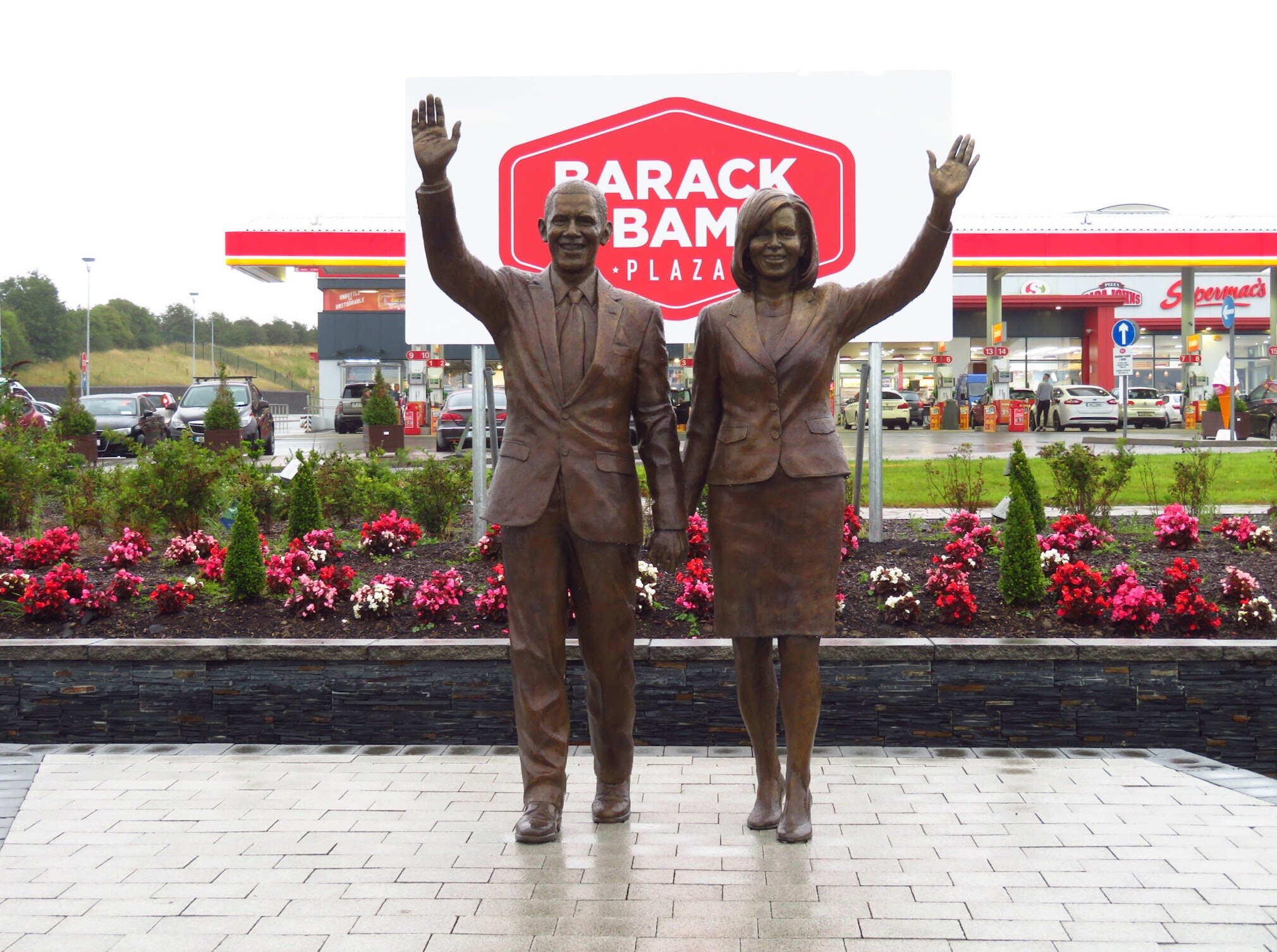
Barack Obama Plaza: Ireland’s Gas Station Tribute to the 44th President

Learn about the gas station that doubles as a museum to the 44th president of the United States.

Land of a thousand welcomes. O’Dea. CC BY-SA 4.0.

On the M7 motorway between Dublin and Limerick, Ireland, a tired and hungry traveler can find just the service station they need. It provides a gas station, fast food outlets, and a convenience store. If the traveler has a little time to spare, they can head upstairs to the museum dedicated to Barack Obama, the United States’ 44th president. 

It’s a surreal mix of a service station and a presidential memorial. Signs with Obama’s name adorn everything from the floor mats to trash cans to cups of tea. Cardboard cutouts of the former U.S. president and first lady greet every entrant. Upstairs, display cases proudly show off memorabilia from Obama’s 2008 presidential campaign and his visit to the nearby village of Moneygall. 

Obama fever swept Ireland when an Irish genealogist discovered that Obama’s great-great-great-grandfather, Fulmoth Kearney, emigrated from Moneygall to a farm in rural Ohio in 1850. The discovery added yet another twist to Obama’s multifaceted heritage and led to a 2011 visit by the president. 

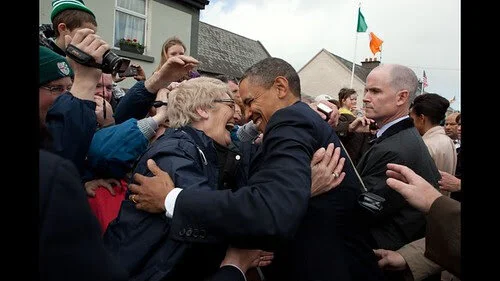
Moneygall adorned its streets with Irish and American flags to welcome the presidential motorcade. Locals lined the streets to welcome the president and first lady as they met Obama’s eighth cousin Henry, whom the president dubbed “Henry the Eighth.” Most famously, they stopped by Ollie Hayes’ Pub to drink a pint of Guinness. “We feel very much at home here,” Obama said. “I feel even more at home after that pint that I just had.”

What’s the craic, Barack? Charles McCain. CC0.

As a nation defined by diaspora, Ireland welcomes prominent figures from across the world into its fold. The Great Potato Famine of 1845 forced millions to flee Ireland penniless and starving, beginning a long pattern of emigration in search of a better life. Over the course of the next century, Irish migrants spread across the world. Though Ireland’s population numbers only 5 million, 80 million people worldwide can claim Irish ancestry.

So when Barack Obama discovered his Irish roots, the nation feverishly celebrated his visit. His speech in Dublin packed the city’s streets. Convenience stores stocked up on presidential souvenirs and knickknacks. Musicians celebrated Obama’s homecoming in song. The Corrigan Brothers wrote the minor hit “There’s No One As Irish As Barack O’bama” while fiddler Martin Hayes still regularly performs “The Barack Obama Reel.”

Martin Hayes and Dennis Cahill performing “The Barack Obama Reel”

Obama’s 2012 reelection campaign couldn’t have been far from his mind, speculated political analysts. Irish-Americans constitute a large voting bloc, so his ceremonial visit to Ireland played well to a key demographic. As Obama noted in a later address in Belfast, Northern Ireland, “When I was first running for office in Chicago, I didn’t know this [his Irish ancestry], but I wish I had. It pays to be Irish in Chicago.” It pays nationwide as well.

Obama fever culminated in the half-charming, half-embarrassing Barack Obama Plaza. The $9 million project opened in 2014, long after Obama's first visit, but an earnest love persists across the Emerald Isle. In 2016, the service station wondered whether it should change its name to “Trump’s Pumps” or “Hillary’s Fillery.” The change never happened. Obama fever’s symptoms are long-lasting.


Michael McCarthy

Michael is an undergraduate student at Haverford College, dodging the pandemic by taking a gap year. He writes in a variety of genres, and his time in high school debate renders political writing an inevitable fascination. Writing at Catalyst and the Bi-Co News, a student-run newspaper, provides an outlet for this passion. In the future, he intends to keep writing in mediums both informative and creative.

Rising Tensions in Ethiopia’s Tigray Region Pose Dangers for Millions

The East African country has recently been overrun by natural disasters, COVID-19 and internal violence.

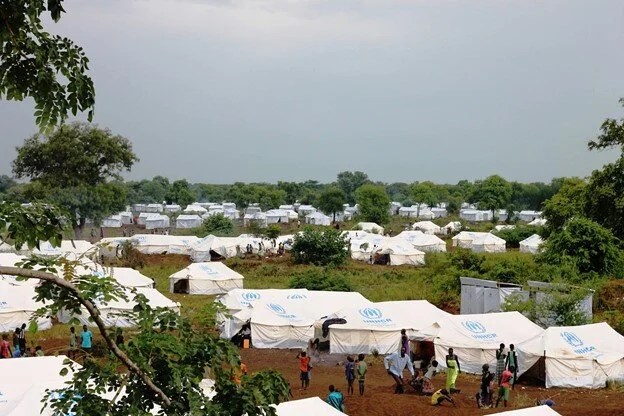
A refugee camp in Ethiopia. Oberhaus. CC2.0

Rising tensions in northern Ethiopia’s Tigray region pose a severe threat for the East African country and for stability across the Horn of Africa. Most urgently, the fighting places millions of people in danger and in dire need of humanitarian assistance.  

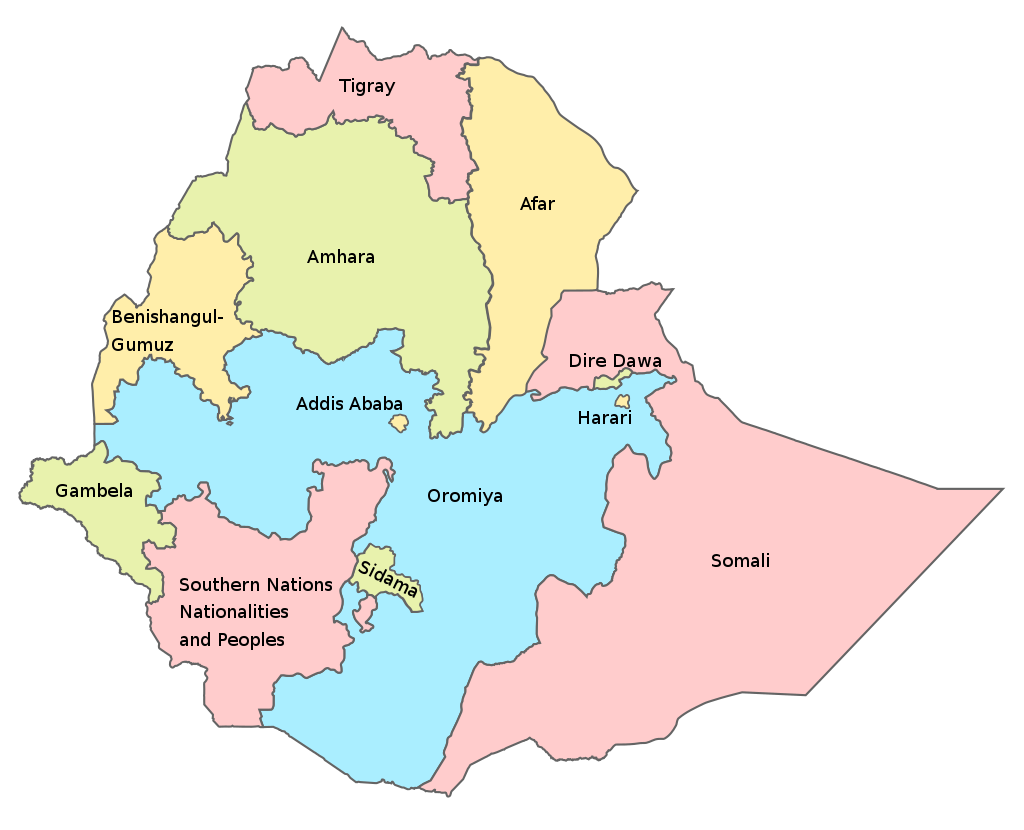
Map of Ethiopia’s regions, with Tigray in the far north. Jfblanc. CC4.0

An Overview of the Conflict in Tigray

Ethiopia, the largest and most populous country in the Horn of Africa region, is home to many different religions, languages and ethnic groups. The recent fighting is taking place in Tigray, Ethiopia’s northernmost region along the border with Eritrea. The conflict is between Ethiopia’s central government led by Prime Minister Abiy Ahmed and the Tigray People’s Liberation Front (TPLF). The TPLF came to power in 1991 and established a coalition where Ethiopia was divided into 10 distinct regions that each had political autonomy, allowing the TPLF to become a key player in Ethiopian politics. The TPLF remained in power for 27 years until rising concerns of political corruption and human rights abuses resulted in nationwide protests. As a result, Abiy Ahmed was elected the prime minister of Ethiopia in 2018 and began to reduce the TPLF’s power. While Ahmed advocates for a strong federal government that unites all Ethiopians regardless of ethnicity, the TPLF wants more political autonomy and sees Ahmed’s central government as a hindrance to the TPLF’s political agenda. 

The current dispute began when the TPLF wanted to hold a regional election in September. Prime Minister Ahmed denied the request, since all national elections in Ethiopia were canceled due to COVID-19. Fighting began on Nov. 4 when Tigrayan forces were accused of attacking a military base belonging to Ahmed’s government. The violence in the region continues to escalate. 

Abiy Ahmed is widely recognized for brokering peace and ending a military conflict with neighboring Eritrea, an effort that resulted in Ahmed receiving the Nobel Peace Prize in 2019. However the current escalating violence is causing the international community to raise its eyebrows. According to Kjetil Tronvoll, a scholar of Ethiopian politics at Bjorknes University College in Norway, “The Nobel Peace Prize has until recently shielded Prime Minister Abiy Ahmed from international scrutiny and criticism. However, the warfare on Tigray has opened the eyes of many diplomats to the way political power is wielded in Ethiopia.”

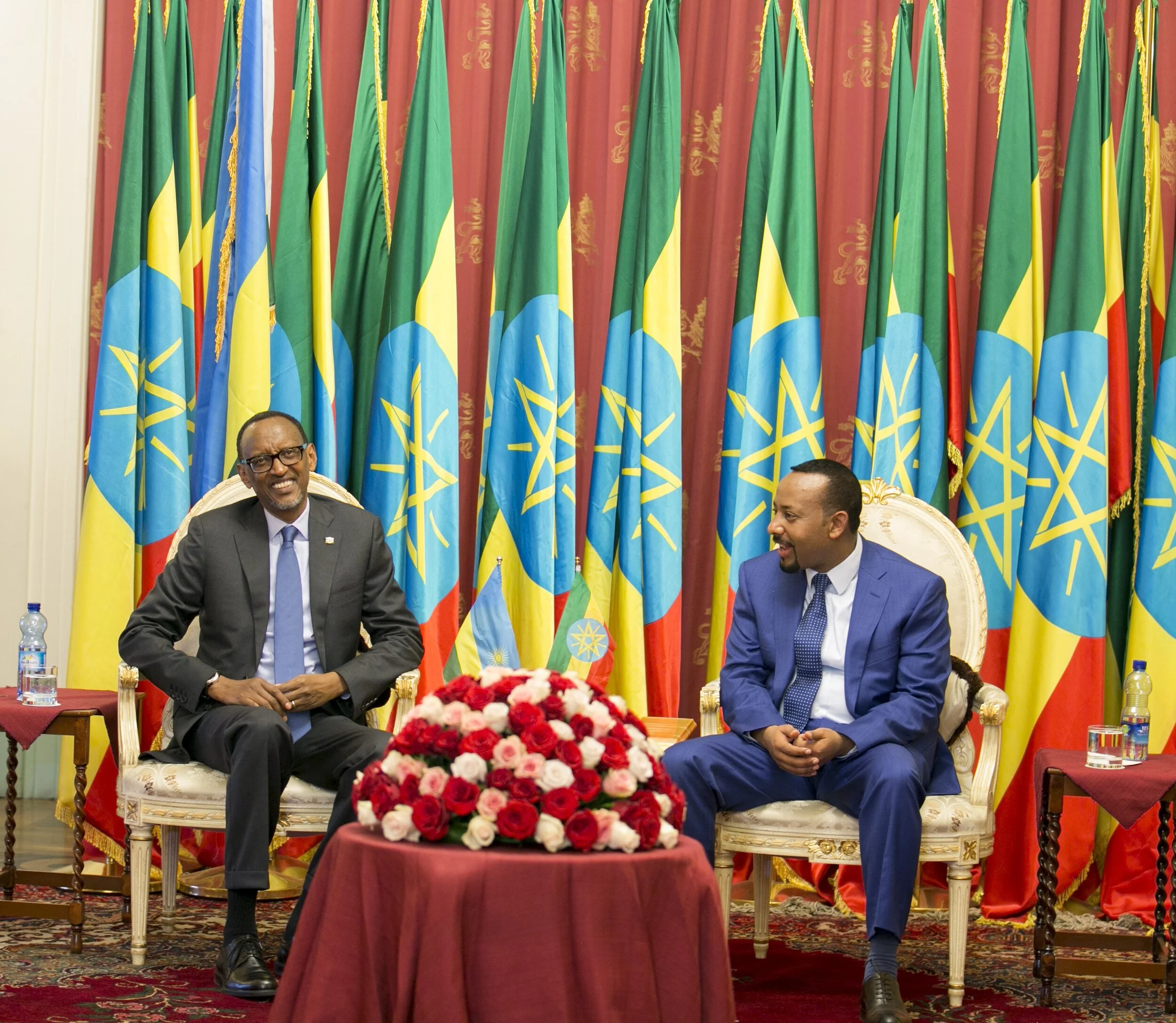
Rwandan President Paul Kagame (left) and Prime Minister Abiy Ahmed (right). Kagame. CC2.0

What is Happening Now? 

On Nov. 28, the Ethiopian army gained control of the Tigrayan regional capital of Mekelle, with Prime Minister Ahmed declaring victory shortly thereafter. However, Tigrayan forces have yet to surrender. Since the conflict began, telephone, internet and road access to the Tigray region has been suspended, making it difficult to know what is happening on the ground. Shortly after Ahmed declared victory, rockets were fired at the Eritrean capital of Asmara, where according to the U.S. embassy, “Six explosions occurred in the city at about 10:13 p.m.” The Ethiopian government has declared a six-month-long state of emergency in the Tigray region. There is concern that the conflict could exacerbate ethnic division in other parts of Ethiopia, or even spread to neighboring countries such as Eritrea, Sudan and Somalia. With the conflict having no end in sight, it is unclear to predict whether current military efforts are enough to end the fighting.

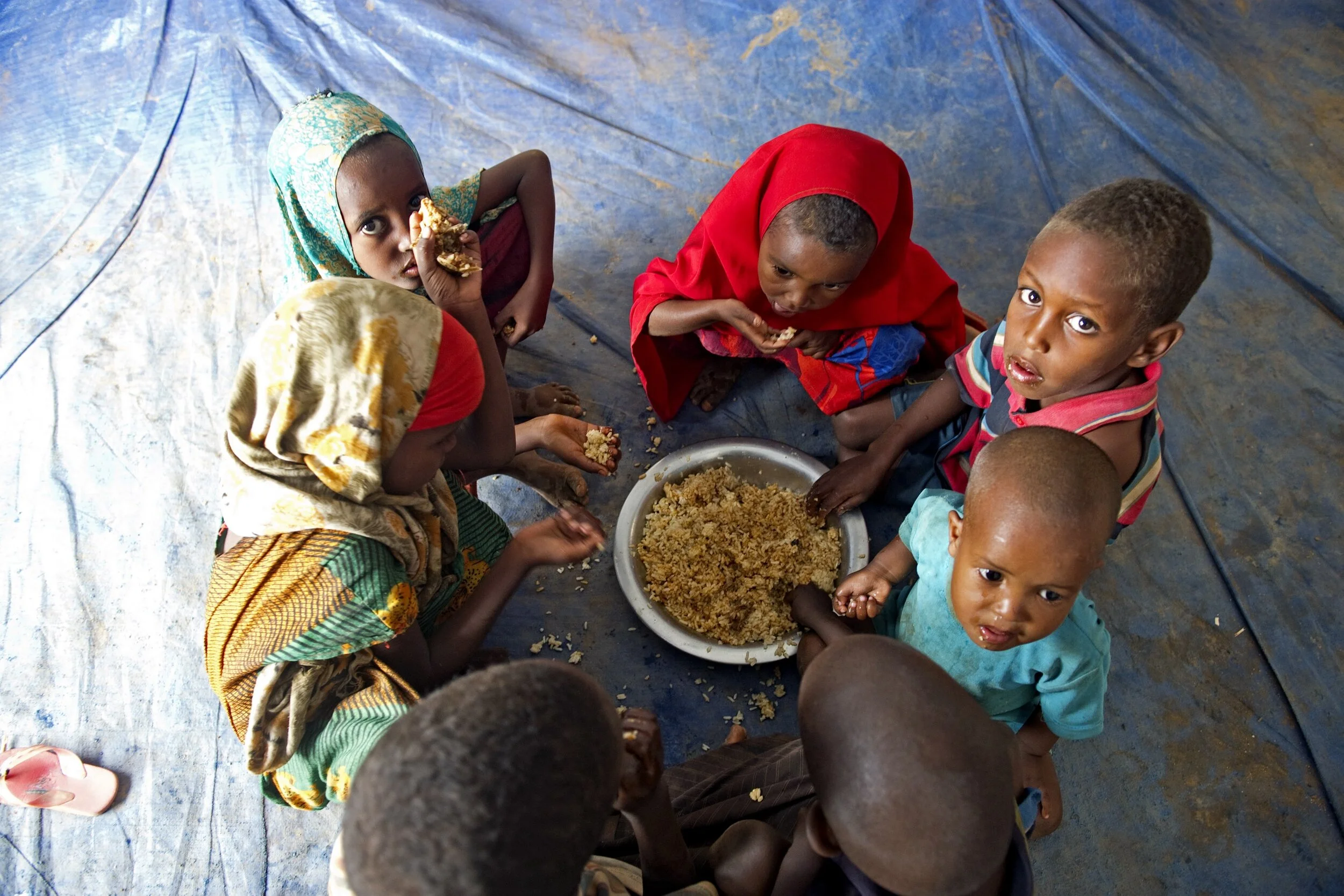
Refugee children in Ethiopia. United Nations Photo. CC2.0

Impact on Internally Displaced People and Refugees

Before the recent fighting broke out in Tigray, the region was already home to over 200,000 refugees, the majority coming from Eritrea. The current fighting is estimated to affect over 2 million people, with larger estimates of up to 9 million. As many as 43,000 have already fled to neighboring countries, with Sudan preparing to accept as many as 200,000 refugees. Thousands of people are internally displaced in Shire, near the border with Eritrea. Aid groups are urging the Ethiopian government to allow access to roads crucial to the Tigray region. This year has been especially difficult in Ethiopia, as a devastating locust outbreak, floods and the ongoing COVID-19 pandemic have ravaged the country. According to the International Rescue Committee, the most important thing that can be done by forces is to adhere to international law, ensure that schools, hospitals and homes are not targets, and allow humanitarian aid to get to where it is needed. 

To Get Involved:

Check out the International Rescue Committee, a global aid and development organization providing crucial humanitarian assistance to communities in Tigray, here


Click here to access the website of the United Nations High Commissioner for Refugees (UNHCR), which is working to establish a new shelter site for Tigrayan refugees in Sudan.


Megan Gürer

Megan is a Turkish-American student at Wellesley College in Massachusetts studying Biological Sciences. Passionate about environmental issues and learning about other cultures, she dreams of exploring the globe. In her free time, she enjoys cooking, singing, and composing music.

The History and Controversy of Slum Tourism 

The visiting of impoverished urban areas has become a major source of tourism in Brazil’s favelas, shantytowns in the Philippines and South Africa and areas of Los Angeles, Detroit and Berlin. There are many arguments for and against the practice, as well as questions as to who it benefits.

Read More

As Glaciers Disappear, Scientists Struggle to Preserve the Ice

By the second half of the 21st century, there may not be any glaciers left. Despite this grim prospect, scientists are working to preserve what they can of glaciers around the world.

Ice breaking off from a glacier in Alaska. Schmid Reportagen. CC BY 2.0. 

Around the world, glaciers are disappearing at unprecedented rates. In the past five years, Swiss glaciers have shrunk more than 10%. In the Himalayas, glaciers are melting at a rate double that of the last century. If current estimates are accurate, most glaciers around the world will be completely gone by the second half of the 21st century. As indicators of global warming, melting glaciers illustrate the catastrophic effects of climate change. Scientists are working to preserve glaciers in a multitude of ways before the last of the glaciers vanish. 

Ice core drilling. Helle Astrid Kjaær. CC BY 2.0. 

Ice Memory 

Headed by the French and Italian National Commissions of UNESCO, the Ice Memory project aims to preserve and archive glacier ice. Mountain glaciers are phenomenal natural records and contain a physical history of atmospheric composition. Preserving these records of the climate and environment is the goal of this project, which aims to collect ice core samples from 20 of the world’s most prolific glaciers before they disappear. The Ice Memory project plans to maintain an archive of ice cores in a repository in Antarctica to ensure the long-term preservation of the heritage of ice. 

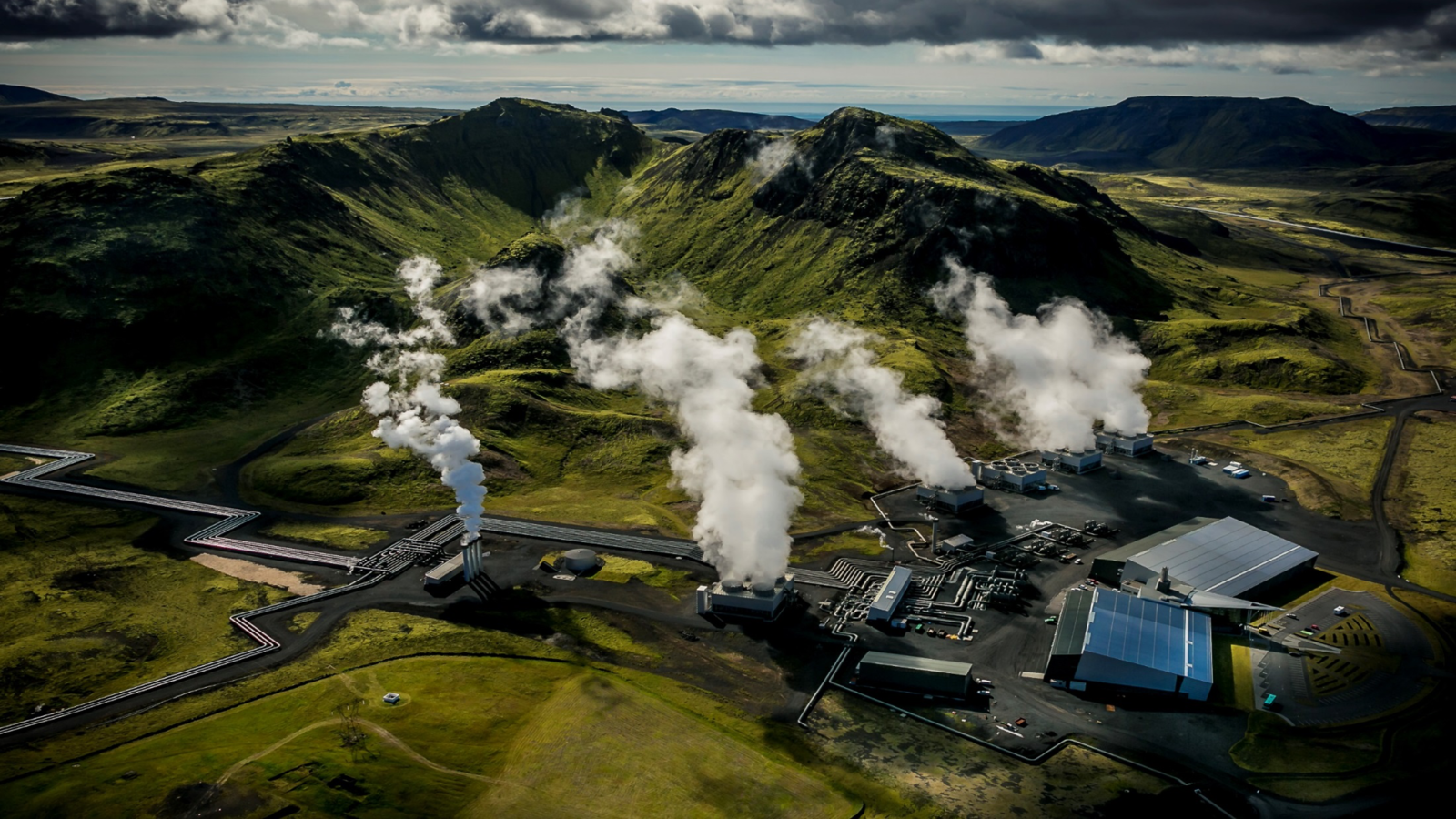
Hellisheidi geothermal power plant, the site of the original Carbfix project. Sigrg. CC BY 2.0. 

Carbfix

Icelandic glaciologist Oddur Sigurdsson has predicted that Iceland’s 300 or so glaciers will be gone within 200 years. However, Icelandic environmental engineers are working on a promising new method called Carbfix which captures atmospheric carbon dioxide and pumps the greenhouse gas underground, where the gas mineralizes in less than two years in an effort to capture carbon emissions. The relocation of carbon emissions below ground helps to mitigate climate change, which in turn prevents glacial melt. The goal of the project is to transform CO2 into something that “stays buried underground as rock forever,” says Edda Arradóttir, Carbfix’s project manager. 

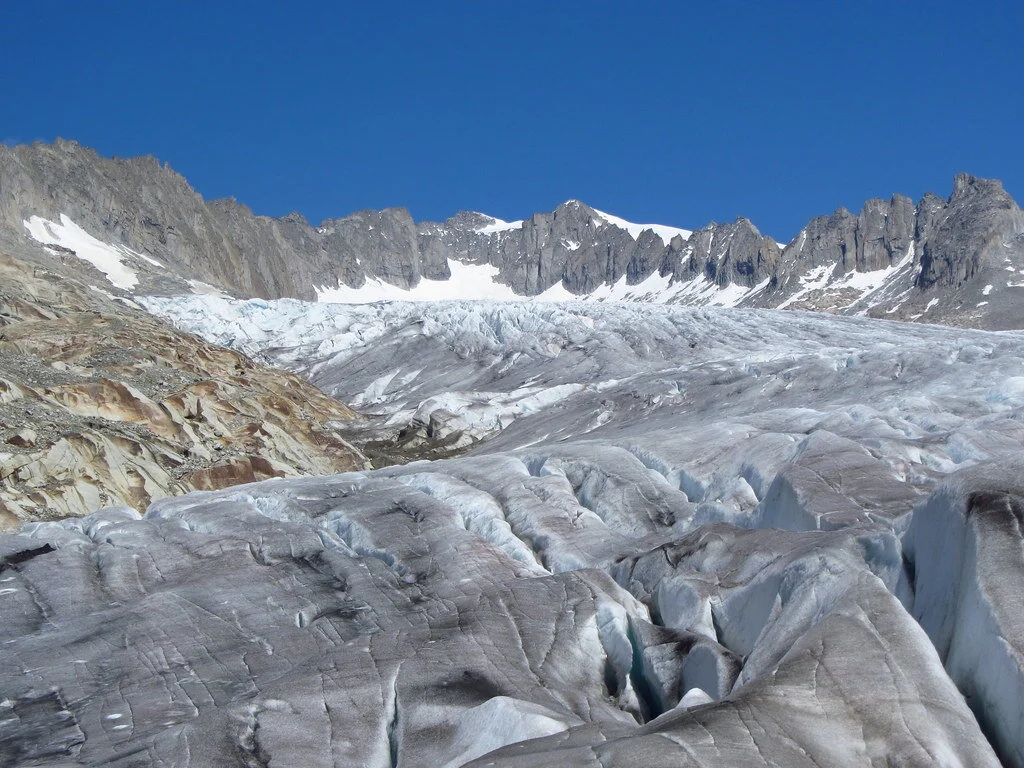
The Rhone Glacier in the Swiss Alps. Jam Cib. CC BY 2.0. 

Glacier Blankets 

Each winter for the past decade, Swiss residents near the Rhone Glacier have covered their neighboring glacier in white canvas blankets that reflect sunlight away from the ice. While over 131 feet of this glacier has disappeared in the past 10 years, Swiss glaciologist David Volken believes that this preservation technique is working. The blankets, as he told Agence France-Presse, have reduced the ice melt by almost 70%. While this technique is not a long-term solution, scientists are researching how to further utilize the sunlight-reflection technique in protecting glaciers across the Alps. 


Sarah Leidich

Sarah is currently an English and Film major at Barnard College of Columbia University. Sarah is inspired by global art in every form, and hopes to explore the intersection of activism, art, and storytelling through her writing.

The 10 Best Museums You’ve Never Heard Of

The world’s most popular museums are often overcrowded and overwhelming. Here are 10 of the world’s best museums that are less known but just as impactful.

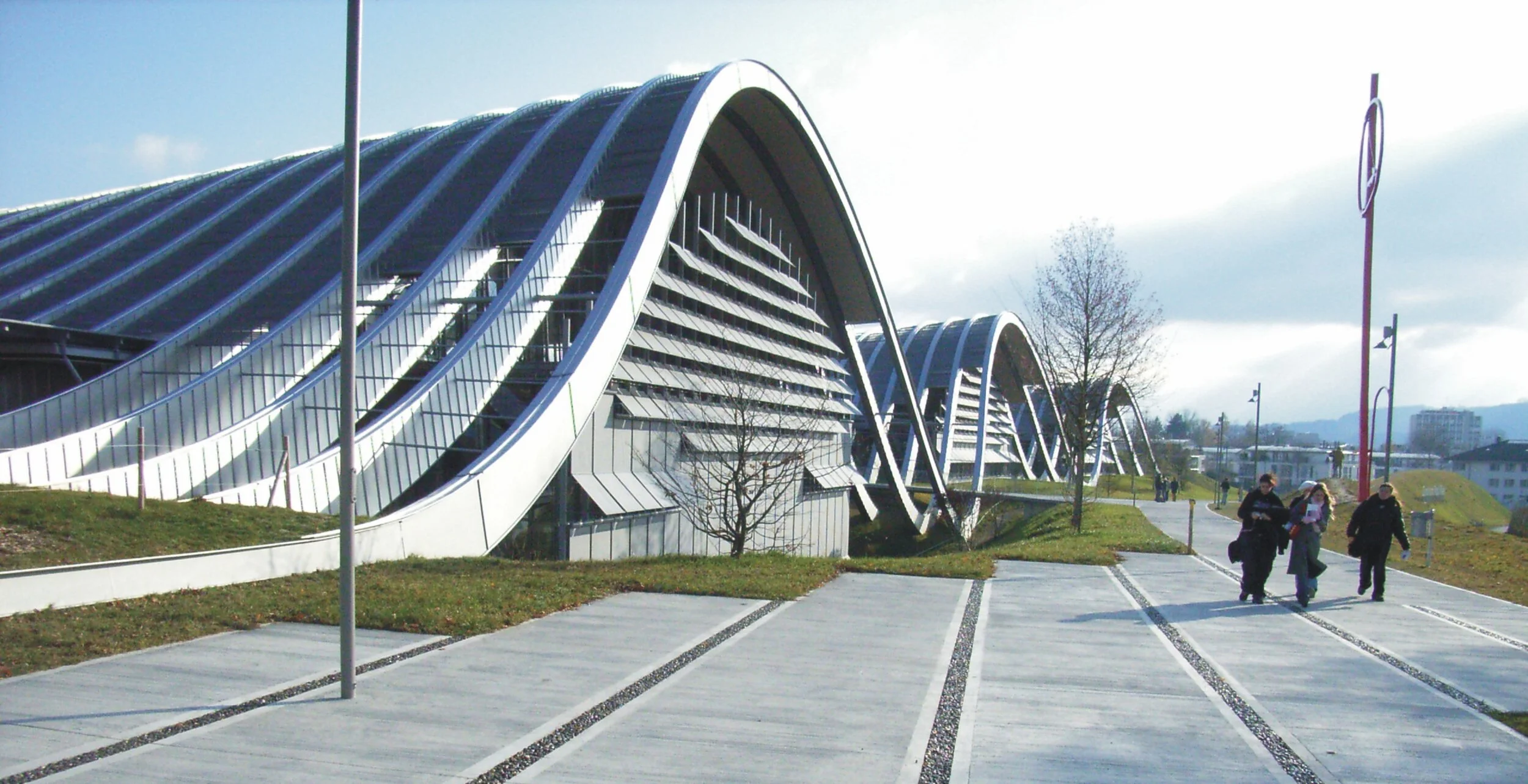
People walk by Zentrum Paul Klee in Bern, Switzerland. Lys Ippos. CC BY 3.0. 

The most popular museums in the world—the Louvre, the Met, the Tate Modern—offer an incredible breadth of art, but are often crowded, congested and overwhelming. Lesser-known museums can offer exceptional art, culture and history, all without the lines and high volumes of other visitors. Here are 10 of the best museums around the world that fly under the radar and are home to unique and fascinating collections. 

1. Louisiana Museum of Modern Art 

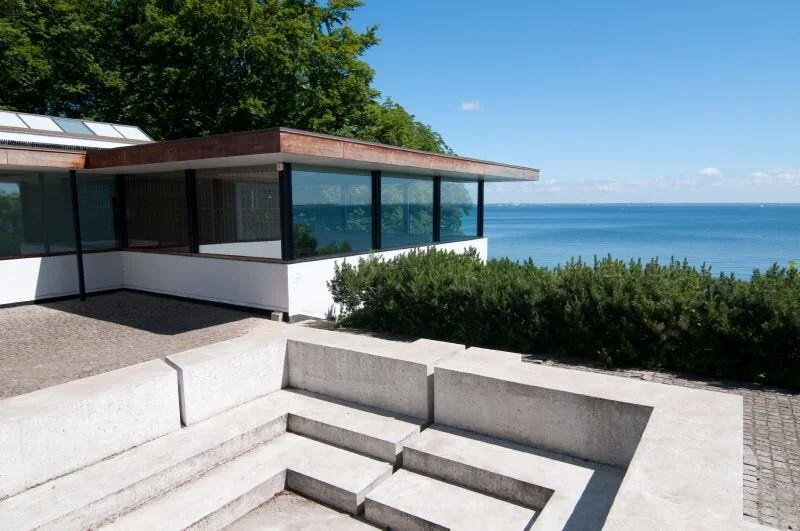
The exterior of the Louisiana on the Oresund Sound. CC BY 4.0. Kim Hansen. 

The Louisiana, located outside of Copenhagen, Denmark, is home to one of the most immersive modern art collections in the world. In response to Danish museums turning away modern art, founder Knud W. Jensen created the Louisiana in 1958. The museum’s integration of indoor, outdoor and digital space allows visitors to move through art dynamically, fulfilling Jensen’s goal of a truly integrated art experience. This museum is also one of the only in the world with a permanent light installation from Yayoi Kusama, whose temporary installations in cities such as New York are almost impossible to get tickets for. 

2. Museum of Broken Relationships

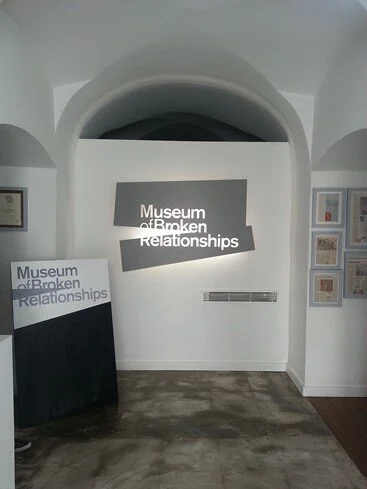
The Museum of Broken Relationships. CC BY 2.0. Pros Opee. CC BY 2.0.

This museum, created by artists Olinka Vistica and Drazen Grubisic, is located in Zagreb, Croatia, with a second gallery in Los Angeles. The museum’s mission is to create a shrine of symbolic possessions that commemorate and treasure humanity’s ability to love and to lose. While the Museum of Broken Relationships is a physically stunning museum, the heart of this project stems from its global engagement. The museum’s online component has space for everyone to share the story of their heartbreak. View the online portion of the museum here.

3. Pitt Rivers Museum 

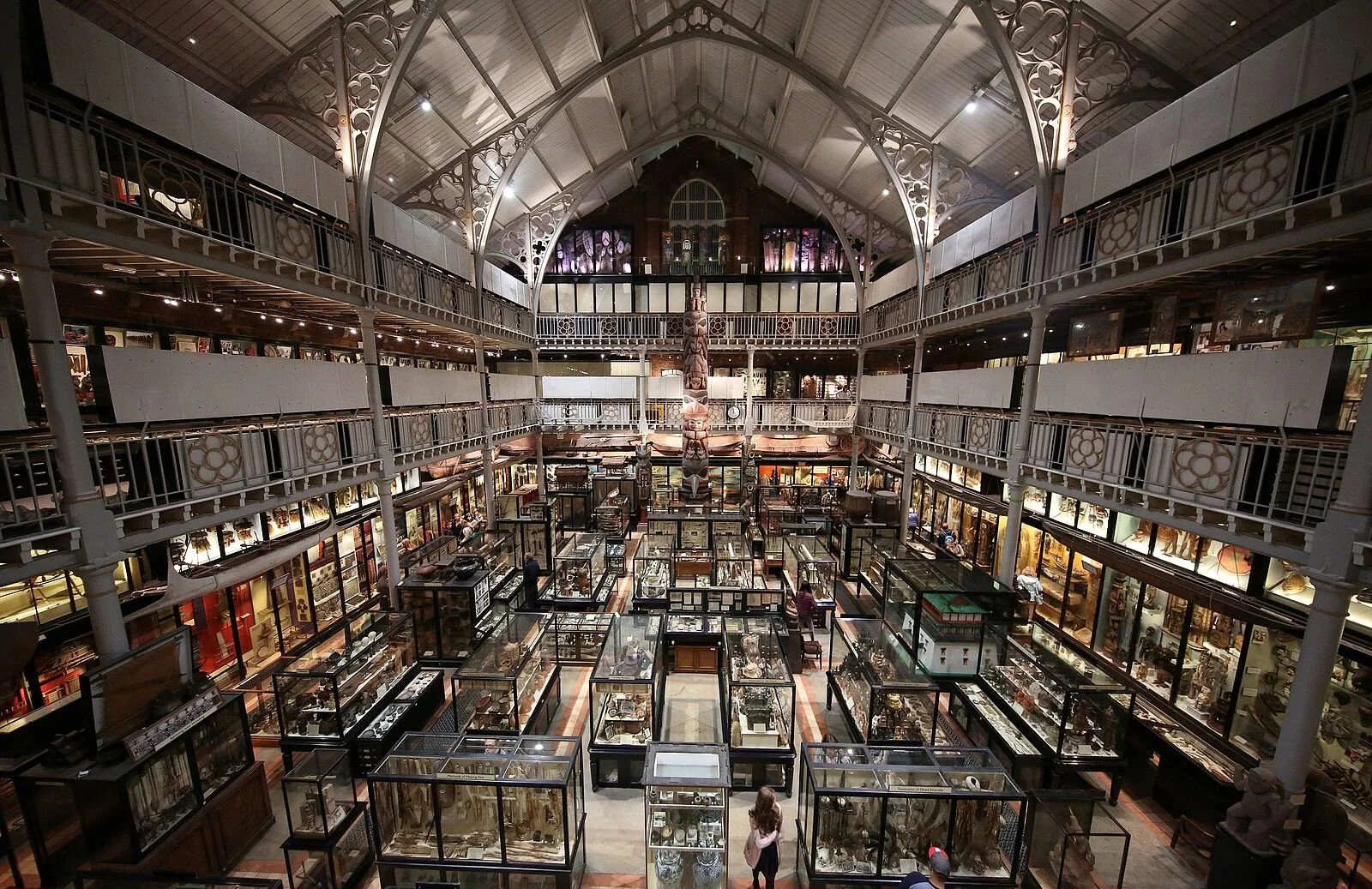
Interior of the Pitt Rivers Museum. Geni. CC BY 2.0.

The Pitt Rivers Museum in Oxford, England, is home to over half a million artifacts from around the globe. A fascinating collection of anthropological and archaeological items, the Pitt Rivers Museum is unique because of its organizational system for displays. Rather than grouping items together by period or people, the Pitt Rivers Museum groups items together by type, illustrating the commonalities between different peoples and histories throughout the world. You can visit the museum virtually today.

4. Tenement Museum 

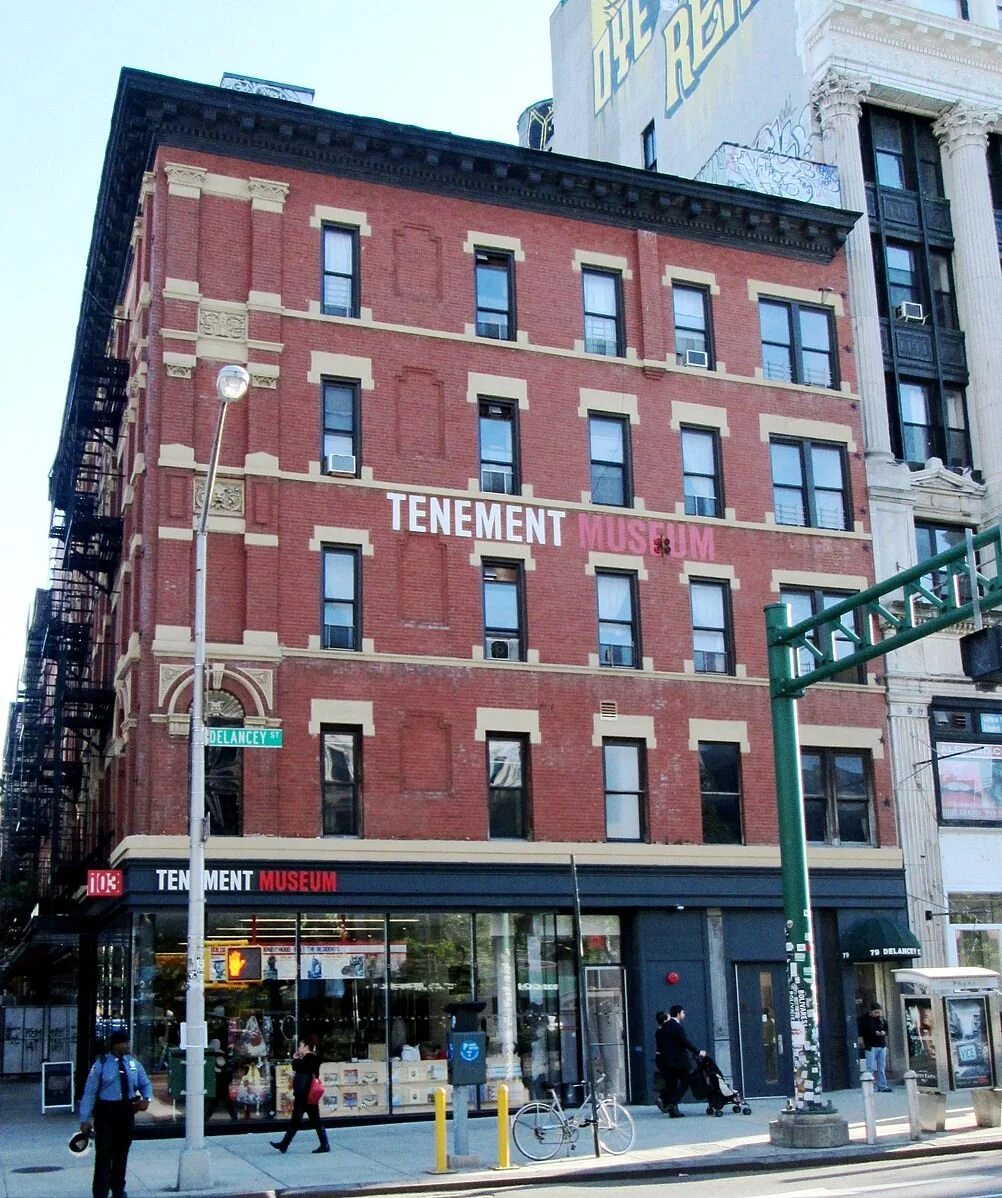
The Tenement Museum exterior. Beyond My Ken. CC BY 2.0.

The Tenement Museum in New York City is devoted to the history of immigration and migration to the United States. Located in a formerly dilapidated tenement building that was home to immigrant families between 1860 and 1930, historian Ruth Abram and social activist Anita Jacobsen built their museum around the stories of these families. In connecting public policy, oral history and immigrant narratives, the Tenement Museum offers a moving and topical exploration of recent history. 

5. The Kunstkamera 

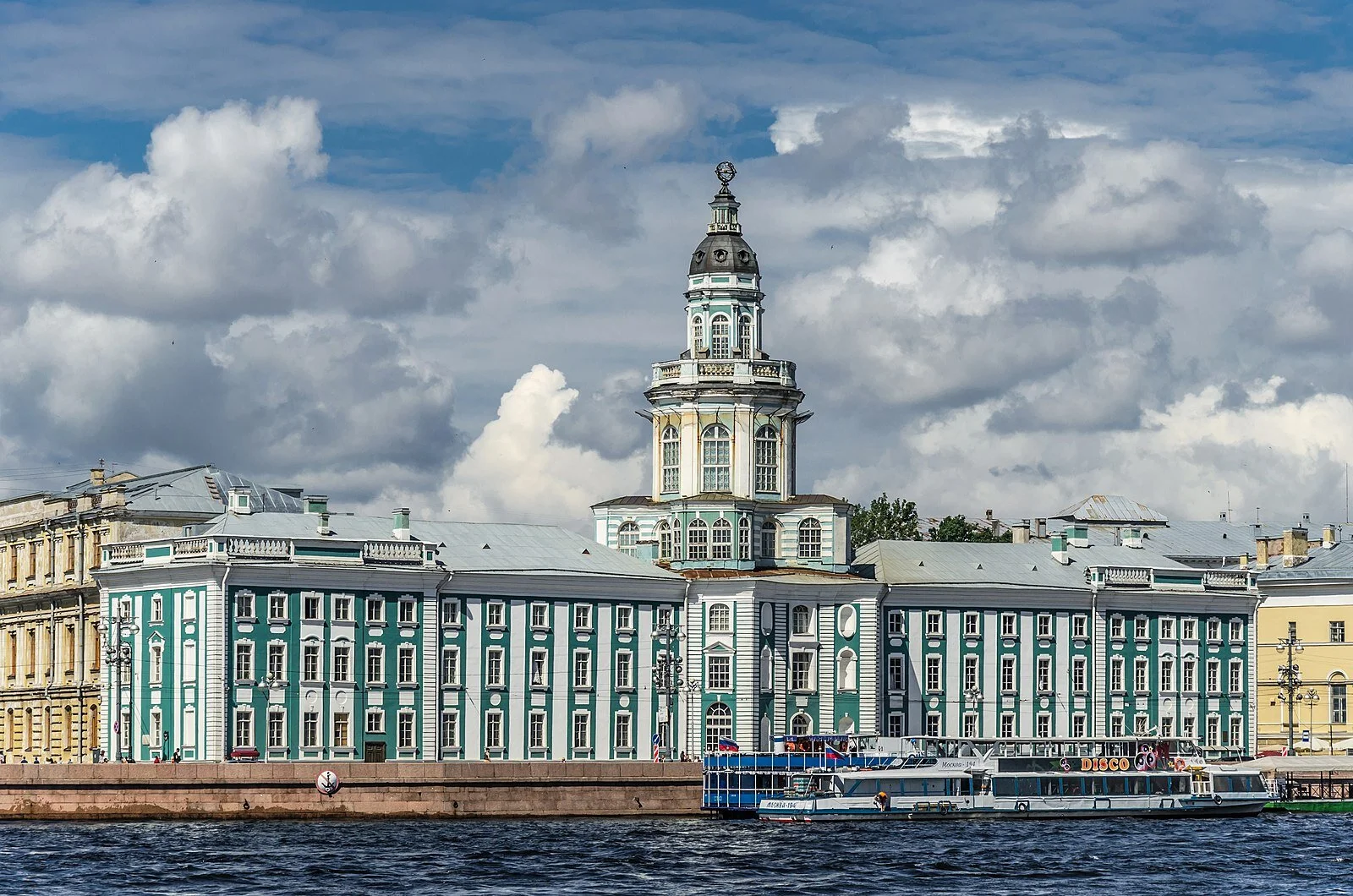
The Kunstkamera in St. Petersburg, Russia. Flor Stein. CC BY 4.0. 

Established by Peter the Great at the beginning of the 18th century, the Kunstkamera’s collection comprises nearly 2 million oddities.  Located in St. Petersburg, Russia’s first museum was founded with the goal of containing all of the world’s knowledge in one building. This massive collection remains relatively unknown outside of Russia, but offers one of the world’s most vast displays of global anthropology and ethnography. 

6. Castello di Rivoli 

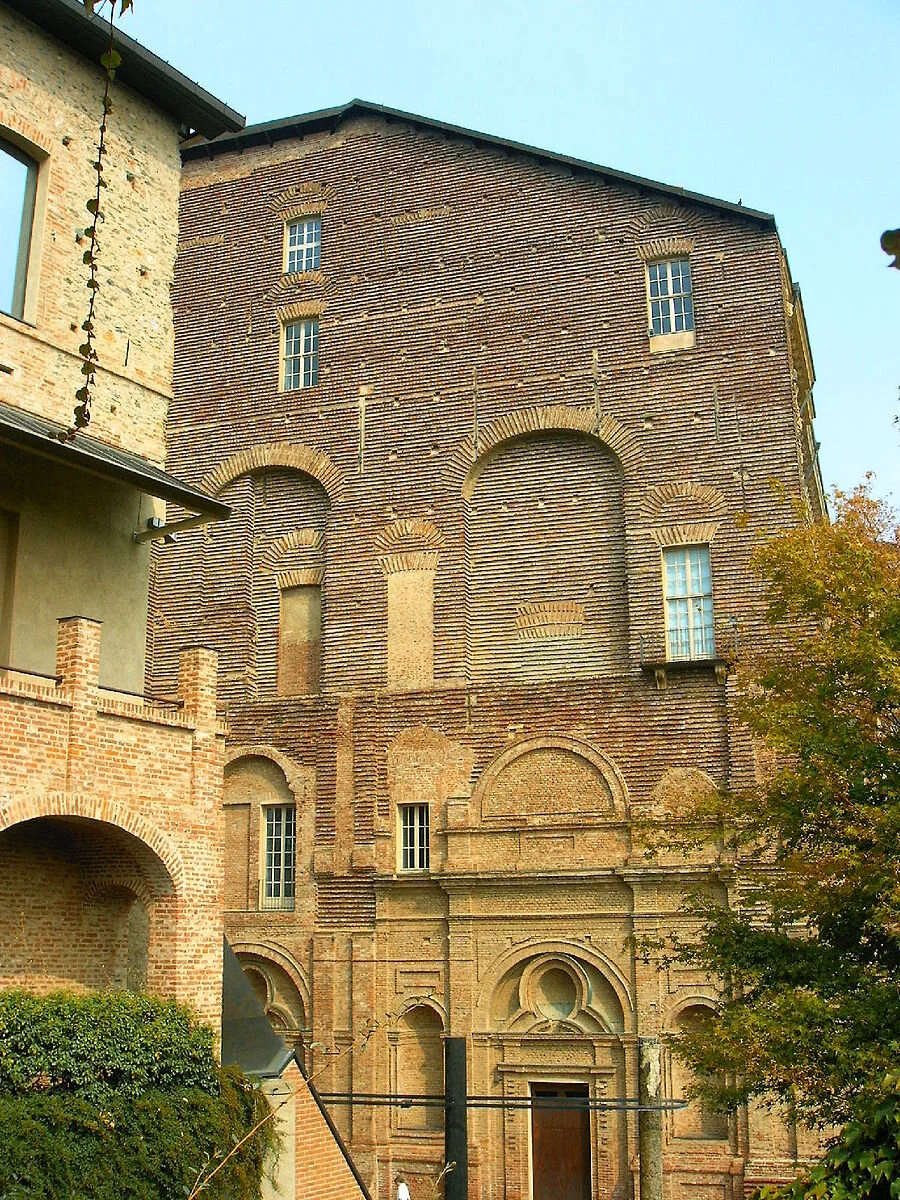
The facade of Castello di Rivoli. M. A. CC BY 2.5. 

In 1984, the Castello di Rivoli became the first museum in Italy completely devoted to contemporary art. Located just outside of Turin, this museum is located in a UNESCO World Heritage Site. The castle buildings are open to the public and the modern art exhibitions within the castle walls are world-class, with the Castello di Rivoli also serving as one of the world’s premier art history research centers. 

7. Zentrum Paul Klee 

Zentrum Paul Klee exterior. Krol K. CC BY 3.0. 

This museum, located in Bern, Switzerland, is dedicated to the work of artist Paul Klee. Klee’s artistic collection is remarkable in its own right with his groundbreaking exploration of color theory, but the draw of this museum is also the physical building. Designed by Italian architect Renzo Piano in 2005, the iconic building integrates the natural hilly landscape with metallic swoops and arcs that mirror Klee’s art. Check out the online exhibit, “Mapping Klee,” at this link

8. Museum of Old and New Art 

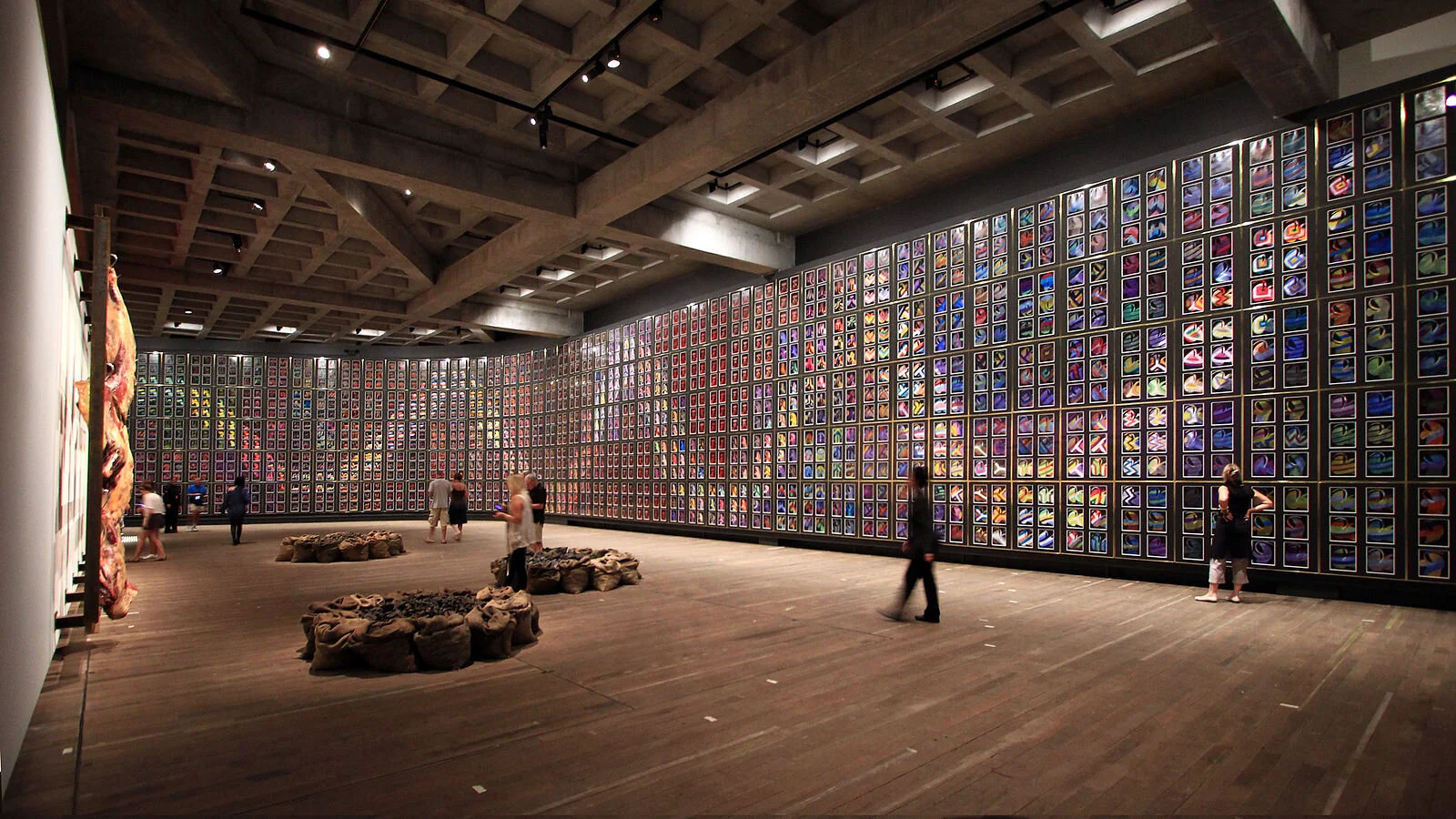
“Snake” by Sidney Nolan in MONA. Jeff Owens. CC BY 2.0. 

MONA, the Museum of Old and New Art, is an ever-changing collection of ancient, contemporary and modern art. Located in Hobart on Australia’s island of Tasmania, the museum is built into a cliff and prioritizes multimedia installations, engagement with community-based art, and live performances. MONA elevates the museum experience by operating a winery, hotel and restaurant on-site that all mirror the museum’s ethos: fun. 

9. Museum Willet-Holthuysen

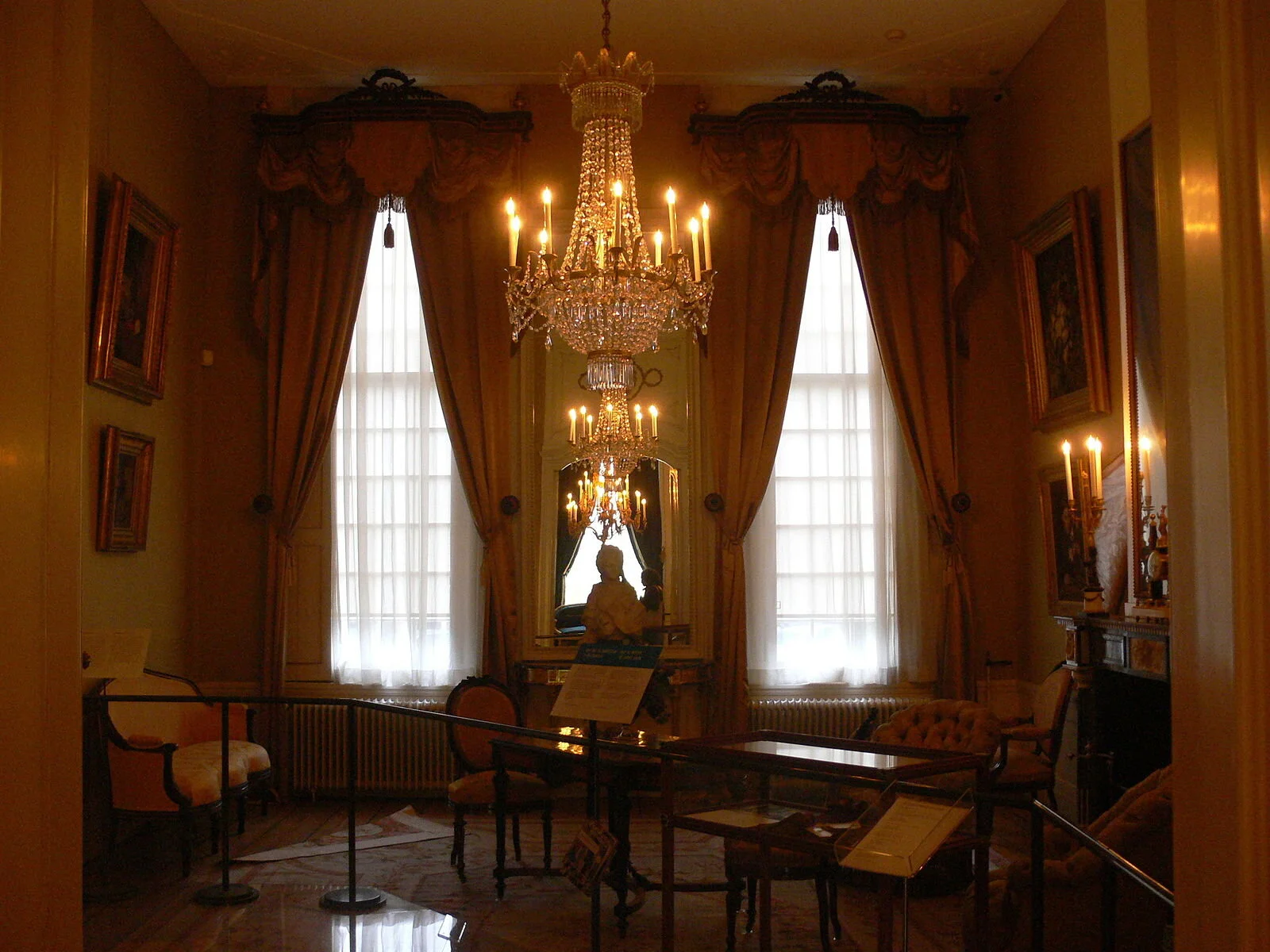
Interior of the Museum Willet-Holthuysen. Remi Mathis. CC BY 3.0. 

The Museum Willet-Holthuysen is a homage to Amsterdam’s golden age. Built in 1687, this canal house was donated to the Dutch city in 1895. The 18th- and 19th-century room decor is still in its original condition, and the gallery walls are lined with paintings from the Willet-Holthuysen private collection, allowing many of the paintings to be displayed in their original historic setting. View part of the collection online here

10. The Neon Museum

Signs in the Neon Museum. Adrian Grycuk. CC BY 3.0. 

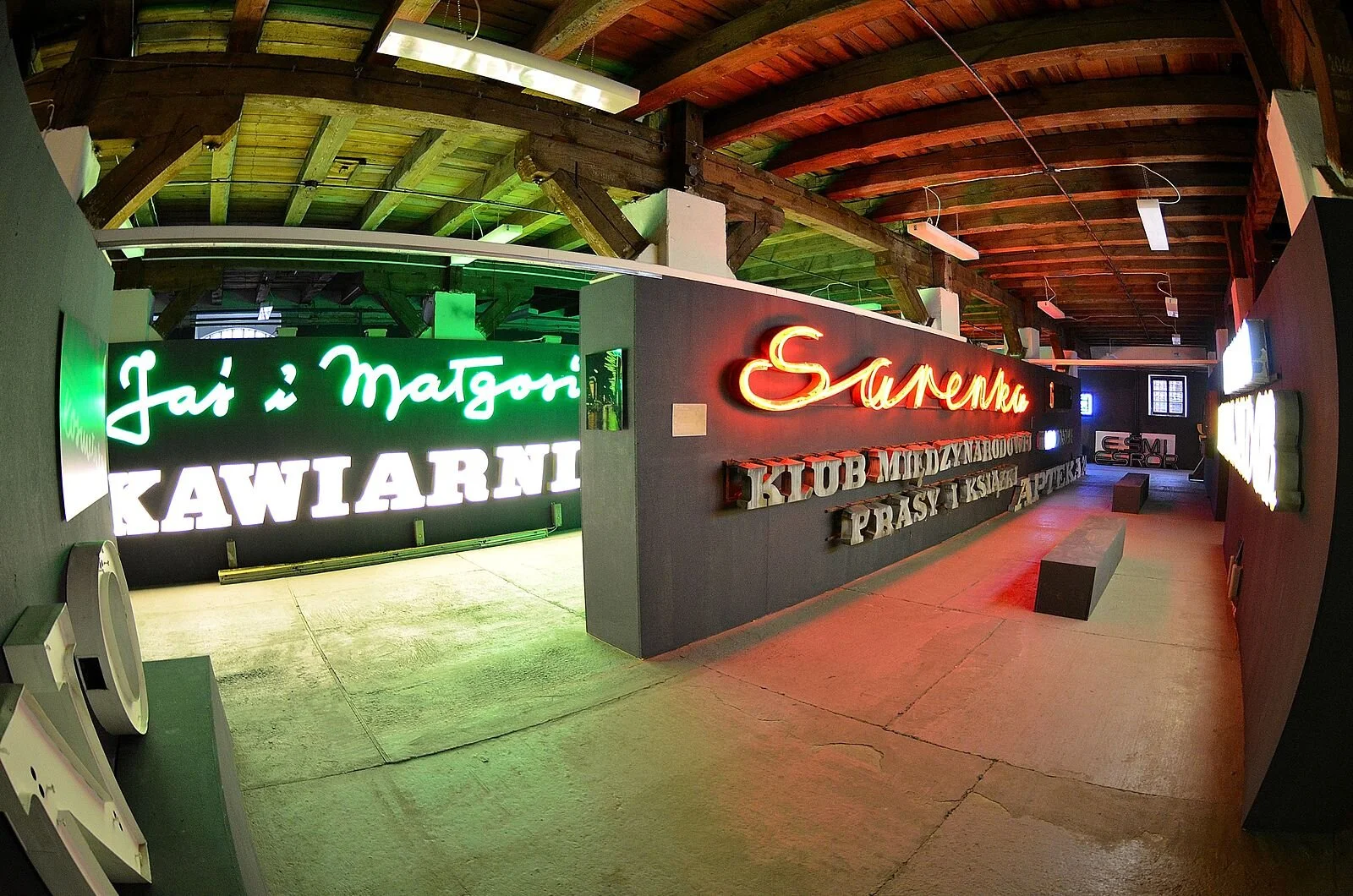
Since 2005, this museum in Warsaw, Poland, has been dedicated to the preservation of Cold War-era artifacts; namely, neon signage from the Soviet Union. In the Eastern Bloc, which included Poland, there was an official effort from the 1950s to the 1970s to “neonize” the state. The Soviet attempt to bring Western aesthetics to Eastern Europe has been preserved at the Neon Museum, where gallery walls are lined with an array of colorful relics. 


Sarah Leidich

Sarah is currently an English and Film major at Barnard College of Columbia University. Sarah is inspired by global art in every form, and hopes to explore the intersection of activism, art, and storytelling through her writing.

Mink Cull In Denmark Sparks Reexamination of the Fur Industry

When a highly transmissible, mutated strain of COVID-19 was found in Danish fur farms, the government called for the immediate slaughter of the country’s 17 million mink. In the wake of this swift cull, many are beginning to question the relevance of the fur industry.

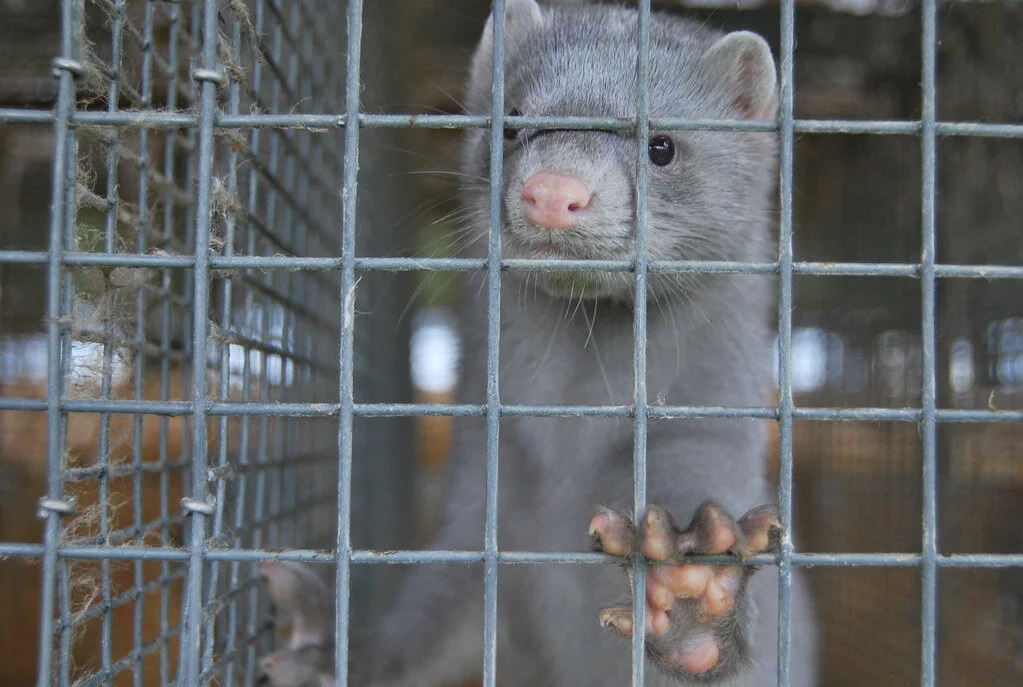
A juvenile mink; they are native to North America and are usually found near bodies of water. USFWS Mountain Prairie. CC BY 2.0

At the start of November, Danish Prime Minister Mette Frederiksen ordered the immediate killing of the country’s entire mink population.

The reason for this drastic order was the emergence of a mutated form of the coronavirus. Although scientists have tracked numerous mutations, the particular variant found in the mink was determined to hinder “the effectiveness of future vaccines.” Twelve people from Denmark’s North Jutland region were infected with the new strain, which sparked the government’s swift response.

A top of the line fur coat can cost as much as $150,000. Jessica. CC BY-NC 2.0. 

Denmark is Europe’s largest exporter of mink pelts, with roughly 1,000 mink farms scattered about the country. Even if farms are not within the infection zones, owners still must cull their herds. This extremely broad measure has been financially damaging to a significant number of family businesses in the country. Since the 1920s, the Danish mink industry has been unrivaled for its quality and longevity. The effects of the cull would be nearly irreversible. Already, Danish company Kopenhagen Fur—the world’s largest auction house for furs—announced its plans to downsize and close operations within the next two to three years.

Food, Agriculture and Fisheries Minister Mogens Jensen later admitted that the government had erred, saying that “there is no legal authority to ask mink breeders to slaughter their mink outside the zones that have been made.” On Nov. 18, Jensen resigned after increased backlash from the Danish people and those within his own party.  

Despite the well-meaning orders to prevent another potentially deadly spread, the government’s sudden request found mink farmers unprepared and overwhelmed. Peder Elbek Pedersen, veterinarian and mink specialist for a Danish veterinary association, was tasked at short notice with training and certifying farmers in humane slaughter. Nevertheless, disturbing videos emerged of mink crowded into killing boxes and gassed insufficiently. Pedersen also shared that one mink farmer attempted suicide in the wake of this mass slaughter. “These are farms that are passed on from father to son,” he said. “Kids start learning how to raise the animals when they’re 13. Mink farming is their whole identity.”

Denmark alone produces up to 17 million mink skins a year. Network for Animal Freedom. CC BY-NC-SA 2.0.

As the coronavirus continues to take its toll, many are starting to question the role of fur in fashion. Even before the pandemic, fur consumption was dropping. High-profile brands like Prada, Burberry and Armani openly pledged to stop using the pelts of mink, rabbits and foxes, then halted the production of anything made from exotic animal skins. Between 2015 and 2018, global fur sales fell from $40 billion to $33 billion. Despite this decline, the fur industry still retains its profits by lining other obscure cuts like trims and hoods.

With calls for ethical production, alternatives like synthetic furs are fast outpacing the sales of real fur items. Options like vegan leather and faux fur can aid the cause of animal rights activists hoping to end the practice of fur farms. As the consequences of the pandemic takes its toll, perhaps the fur industry is finally on its last legs.


Rhiannon Koh

Rhiannon earned her B.A. in Urban Studies & Planning from UC San Diego. Her honors thesis was a speculative fiction piece exploring the aspects of surveillance technology, climate change, and the future of urbanized humanity. She is committed to expanding the stories we tell.

Land Witness Project Fights Climate Change in New Mexico

New Mexico is one of the states most vulnerable to climate change. The Land Witness Project shares stories of how climate change has impacted New Mexico communities and what needs to be done to prevent its effects. 

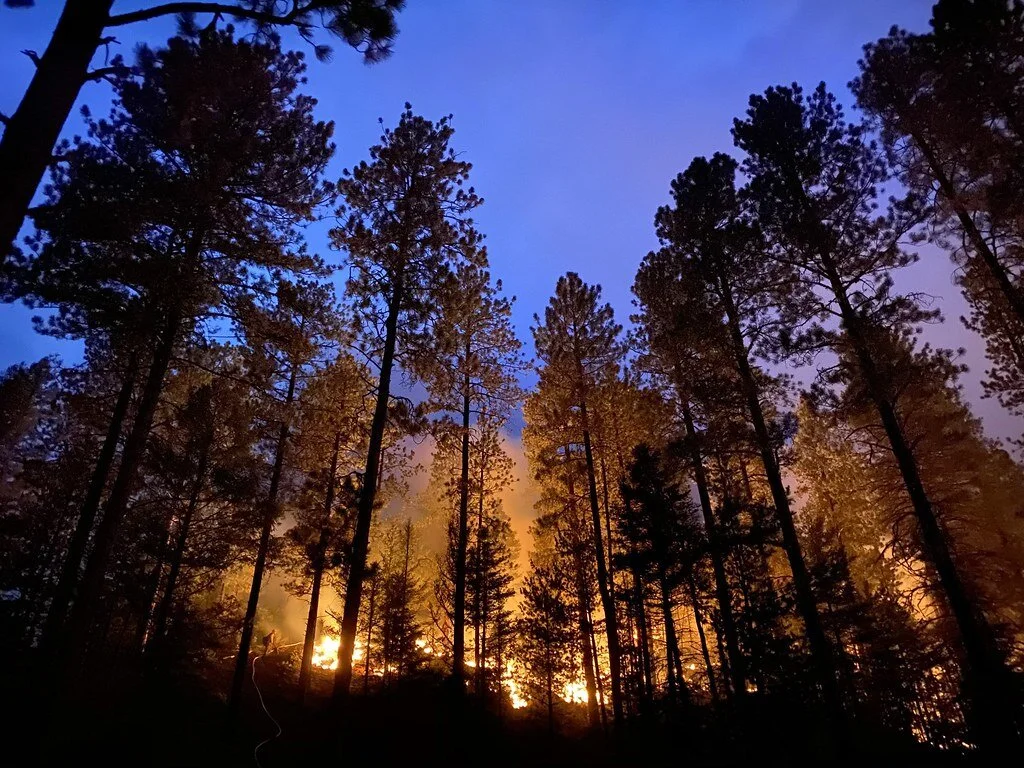
The time to reverse the environmental damage caused by humans is now. Climate change is worsening, and the window to mitigate and undo the harm to our environment narrows every day. The Land Witness Project, which launched in September, is a collection of stories from people with “deep emotional and physical ties to New Mexico” about the way climate change has impacted their lives. 

Focus areas of the project, according to its website, are water, temperature, snowfall and fire. New Mexico is one of the states in the U.S. most vulnerable to climate change. The Union of Concerned Scientists wrote in a 2016 article that climate change alters weather patterns that impact temperature, water availability and weather extremes in New Mexico. Average annual temperatures in the state have increased 2.7 degrees Fahrenheit since 1970, causing hotter summers, shorter and less predictable winters, and early springs. Early springs mean earlier snowmelt, which leads to low stream flows during later, more environmentally and economically critical, parts of the year. Since the article was published in 2016, New Mexico’s climate situation has only grown more dire. 

The Land Witness Project shares stories from New Mexicans about “families and traditions, doubt and worry, land and water, and love and commitment” from ranchers, farmers, conservationists, business owners and environmental justice activists. The project is inclusive, with stories from a diverse range of New Mexicans, including Indigenous communities. Beata Tsosie-Pena, a member of the Santa Clara Pueblo, is one of the first people whose story is up on the website. Over 80% of Santa Clara Pueblo’s tribal lands have been lost due to wildfires, and Tsosie-Pena describes how long-term drought and nuclear weapons production are factors in this loss of land. Tsosie-Pena also discusses how Indigenous people are both more vulnerable to the effects of climate change and uniquely positioned to offer solutions to climate change that could benefit everyone. 

The Land Witness Project was funded by 350 New Mexico and the Isora Foundation. 350 New Mexico’s goal is to create an inclusive movement to prevent climate change and climate injustice in New Mexico while allowing New Mexicans to fight the fossil fuel industry and transition to renewable energy. The Isora Foundation is an Albuquerque, New Mexico-based family foundation that aims to empower individuals to make positive change within their communities in areas like health, social justice, education and economic development. 

The Land Witness Project is accepting submissions of stories about how New Mexico communities are impacted by climate change, which can be sent in through their website here. In addition to providing firsthand accounts about climate change in order to inspire change, the project’s website has a list of resources for how individuals can get involved in the fight, including volunteer opportunities and organizations seeking donations.


Rachel Lynch

Rachel is a student at Sarah Lawrence College in Bronxville, NY currently taking a semester off. She plans to study Writing and Child Development. Rachel loves to travel and is inspired by the places she’s been and everywhere she wants to go. She hopes to educate people on social justice issues and the history and culture of travel destinations through her writing.

No Peace for the People: Ethiopia’s Ethnic Groups Targeted

While citizens and officials alike fear a potential civil war in Ethiopia’s Tigray region, the country’s ethnic groups have become targets of violence. Many fear that the current struggles deepen existing ethnic divides. 

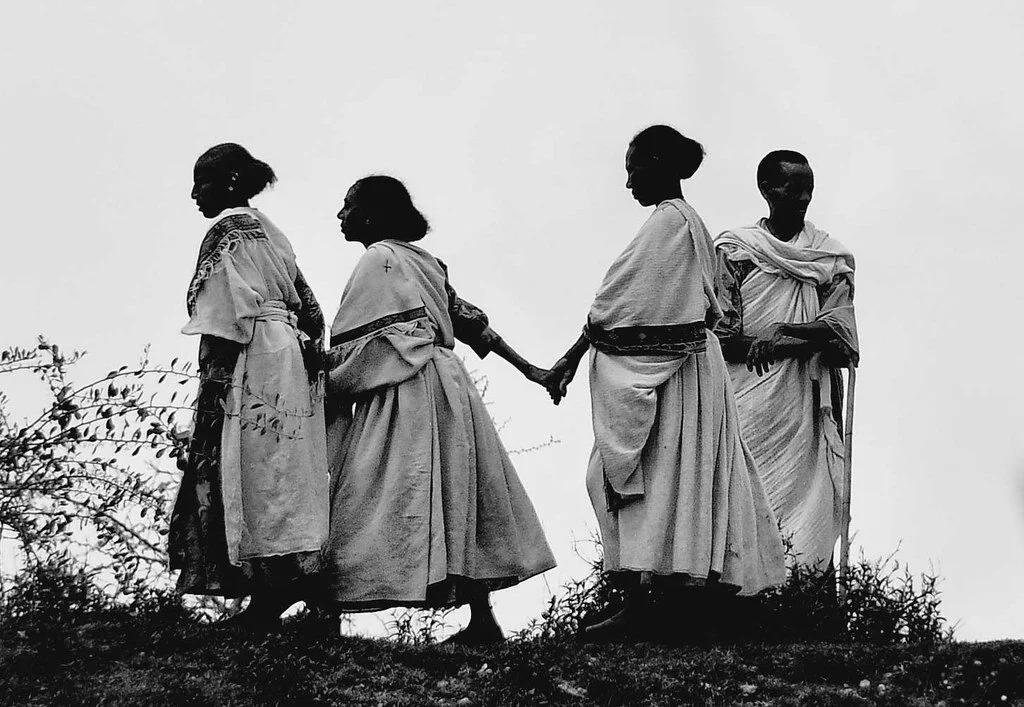
Women of the Tigray region in Ethiopia. Rod Waddington. CC BY-SA 2.0. 

Over the past several weeks, the Tigray region of northern Ethiopia has exploded into violence. The current conflict comes after years of mounting tensions between the elected government of the Tigray region and the federal government. The postponement of the September election sparked the most recent series of violent acts; existing ethnic tensions have now transformed into the slaughtering of local ethnic groups, forcing many to flee for safety in Sudan. 

A Rising Civil War 

The tensions in Ethiopia trace back along a labyrinthine history of political unrest, with the primary combatants being the proponents of the federal government and the officials in the Tigray region. Fighting escalated when Prime Minister Abiy Ahmed accused the Tigray region of attacking a federal military base and responded by sending an attack on the region. However, underlying issues began back in 2018 when Ahmed was first elected. 

For decades, Ethiopia’s main political party was the Ethiopian People’s Revolutionary Democratic Front, which began around 1991 when the Tigray People’s Liberation Front (TPLF) aided the overthrow of the previously Marxist government. Up until 2018, the party had controlled both the political and economic components of the country. With Prime Minister Abiy Ahmed’s election, the TPLF’s power within the party it founded began to quickly disappear. Ahmed removed and attempted to convict many officials through potentially corrupt means, many of whom escaped to the Tigray region. He also attempted to combine parties that followed ethnic lines, which deepened divides among the groups. 

In response to the prime minister’s recent postponement of the election, the unofficial leaders of the Tigray region made a decision no one in the country had done before: they held their own election. Tigray threatened secession, which is upheld in the nation’s constitution. The federal government, though, responded by withdrawing aid from Tigray and sending in troops. 

Ethnic Targeting

Now that the violence has furthered into increasing physical confrontation, many ethnic groups in Ethiopia feel under attack. Recent killings have left ethnic Tigrayans and ethnic Amharas slaughtered in the streets. Calls for peace talks between the two groups have been rejected, and now nearly 15,000 people have fled for safety. 

There are major criticisms on both sides, with calls for the TPLF’s unconditional surrender coming from the federal government. Meanwhile, the regional government of Tigray has been accused of igniting fear that is believed to have fed into the violent slaughtering of ethnic Amharas. 

Officials fear that these killings could turn into an ethnic cleansing and genocide. Tigrayan locals are dealing with the bulk of the chaos; many are being taken in for questioning and are too fearful to contact family members outside of the region. 

Experts warn that Ethiopia’s history of ethnic conflict will likely repeat itself as the nation spirals into political disarray. Only the potential for peace now holds the nation together as its ethnic groups continue to clash. 


Ella Nguyen

Ella is an undergraduate student at Vassar College pursuing a degree in Hispanic Studies. She wants to assist in the field of immigration law and hopes to utilize Spanish in her future projects. In her free time she enjoys cooking, writing poetry, and learning about cosmetics.
7 Architectural Marvels of Tashkent that Reveal Uzbekistan’s History

Tashkent, the capital of Uzbekistan, boasts of its opulent infrastructure and the nation’s history to a world audience. 

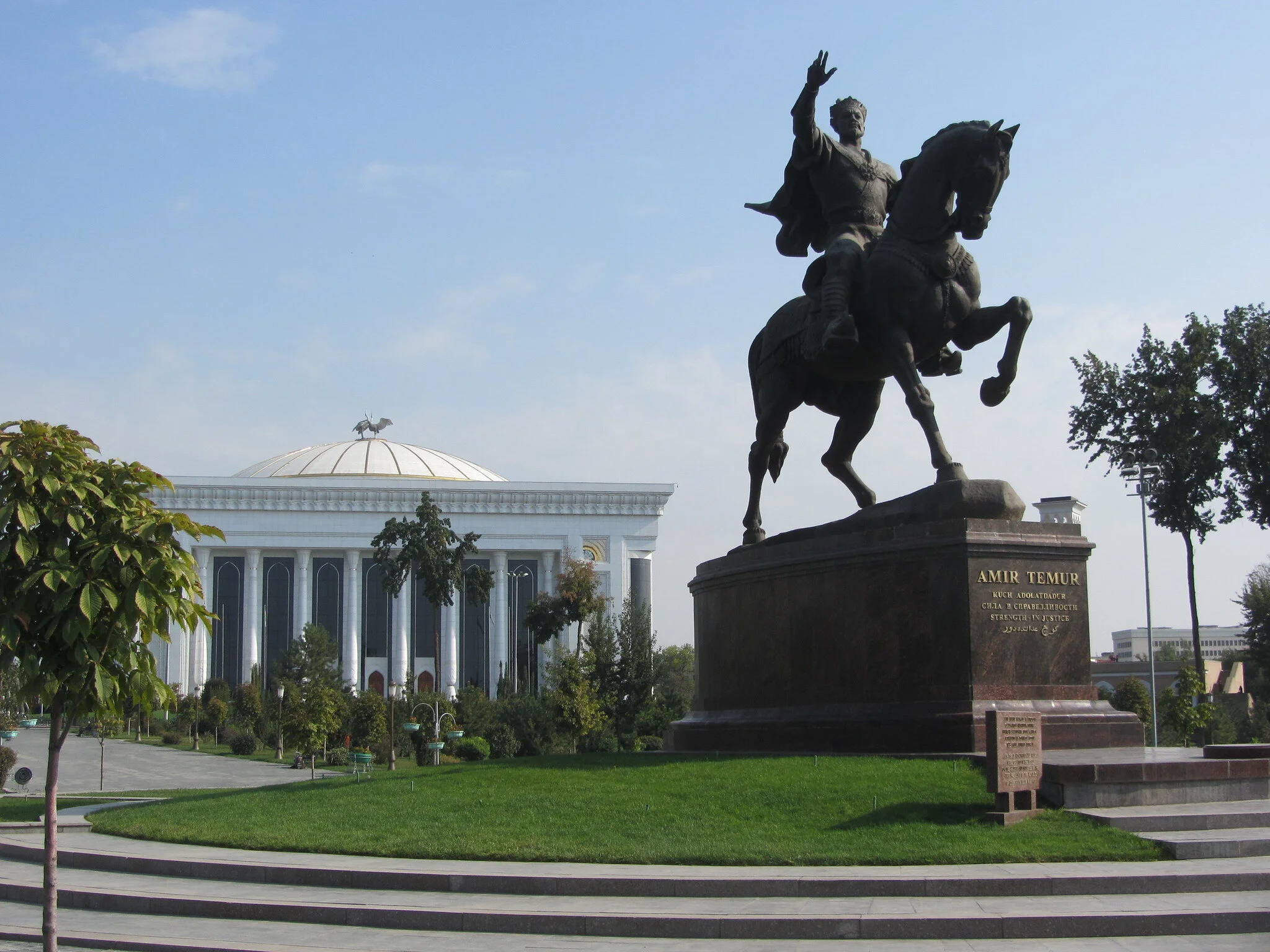
Amir Temur Square in Tashkent’s center. Matthew Goulding. CC BY-NC-ND 2.0.

Glistening skyscrapers are built over historic neighborhoods, while ancient mosques and some Soviet-era buildings are left unscathed. Tashkent, Uzbekistan, has been dramatically shape-shifted by the late president Islam Karimov and the current president Shavkat Mirziyoyev. As the city gets reconstructed, some of its rich history remains: Tashkent’s mosques, Soviet-style subway stations, classical opera houses and theaters, and traditional Russian architecture draw in many visitors. Here are seven sites which each represent distinct eras in Tashkent’s tumultuous history. 

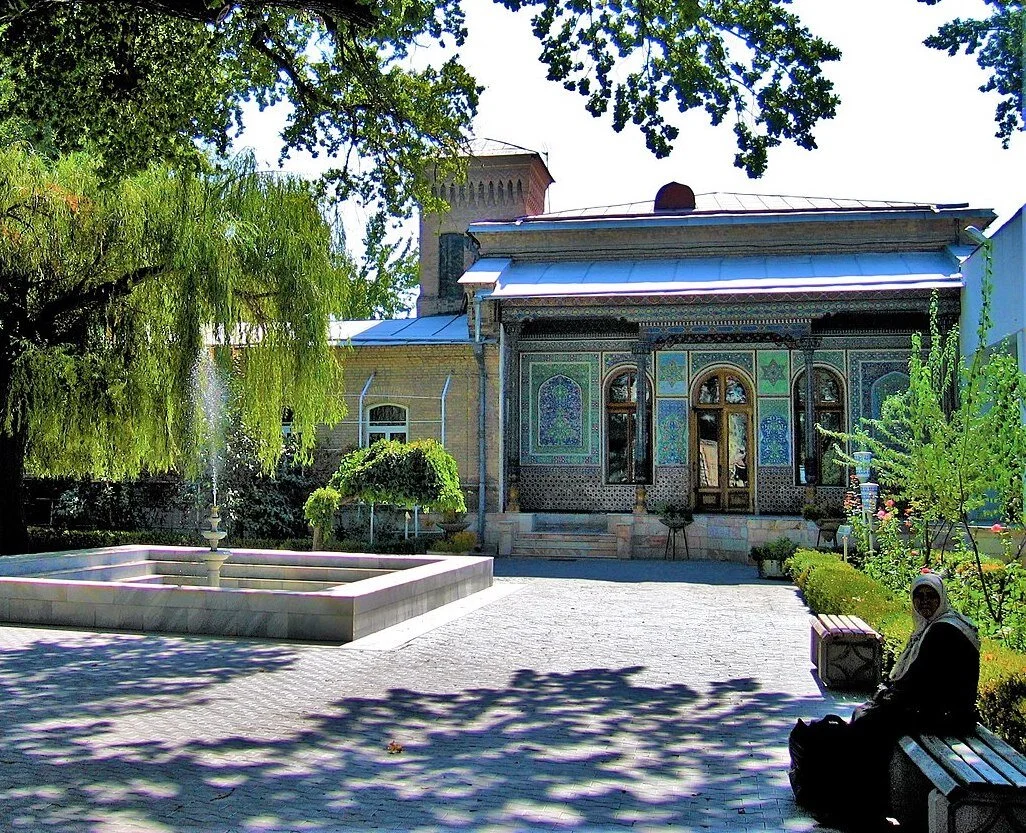
Museum of Applied Arts in Tashkent. Ehedaya. CC0 1.0

1. Museum of Applied Arts

In the early 20th century, Russian aristocrat Alexander Polovtsov ordered that a mansion be made to showcase Uzbek architecture and craftsmanship. After Polovtsov’s death, the mansion was turned into a museum in 1937, where its interior was further remodeled. This structure’s interior is entirely covered in ornamentation, displaying key components of Islamic architectural design such as the “girih,” a pattern made up of many intricate lines, arabesque stucco, and zellij, a mosaic of individually crafted pieces which create a motif. At the center of its main room is a stunning muqarna, an inverted dome carved to an exacting honeycombed configuration; this centerpiece is embellished with flora-inspired stucco designs and individually painted tiles which resemble the stained-glass windows of a chapel. 

Close-up of Barak Khan Madrassa’s facade. LBM1948. CC-BY-SA 4.0.

2. Hazrati Imam Complex

Larger-than-life mosques and mausoleums border a wide square where visitors stroll around in awe, either on a pilgrimage or simply admiring the grandiosity of the minarets and domes. The Hazrati Imam Complex is a conglomerate of historically significant monuments; its most notable sites are the Muyi Muborak Madrassa, the Barak Khan Madrassa and the Tillya Sheikh Mosque. Originally built in the 16th century as a tomb for one of the first imams of Tashkent, the complex drastically changed over the following centuries. Tillya Sheikh Mosque is a stately rectangular building with tall minarets topped with vibrant turquoise domes. The structure’s most notable features are its Central Asian architectural design, the panjara, which is a patterned lattice grid, and its geometrically carved pillars. The Muyi Muborak Madrassa (meaning “sacred hair”) is the most significant monument in this ensemble, since it is said to house the hair of the Prophet Muhammad and the oldest Quran, which dates back to 656 A.D. The library’s walls are mostly a neutral beige, but its arches and domes are covered in arabesques of colorful tiles. The Barak Khan Madrassa displays a stunning facade covered in floral motifs, Arabic calligraphy inscriptions, and geometric linework. At the madrassa’s center is an inverted dome with miniature arches and an open walkway into the building. 

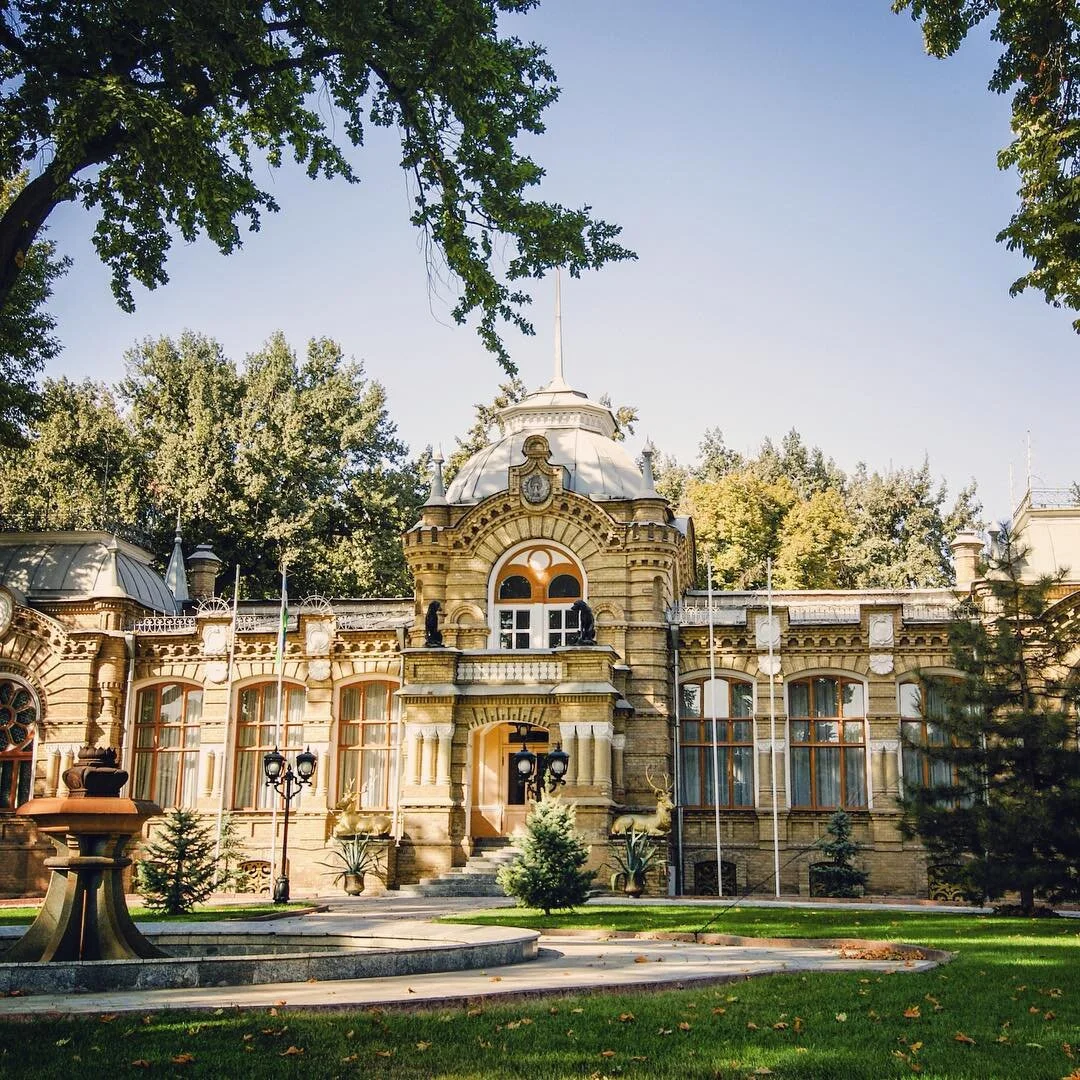
The Palace of the Romanovs in Tashkent. Jude Lee. CC BY 2.0.

3. The Palace of the Romanovs 

Although Tashkent is architecturally diverse, this oddly Baroque estate near its center looks alien in a city full of Soviet modernism and traditional Islamic architecture. Left behind by Grand Duke Nicholas Kostantinovich Romanov who was exiled from Russia for a scandalous love affair near the end of the 19th century, this palace embodies the international art nouveau. The building is predominantly monochromatic, as opposed to the vibrant color palette of traditional Islamic architecture. It flaunts a combination of its neoclassical base structure, extravagant gothic stucco work and Asiatic lattices. Bronze sculptures of deer and hounds sit precariously at the entrance of the mansion above a staircase to greet the visitors. The palace’s interior is more decadent: beds are covered in textiles with gold and silver thread weavings, valuable metal trinkets decorate its hallways, and Uzbek wood carvings adorn its walls. The Palace of the Romanovs reminds one of Russia’s pre-Soviet occupation of Uzbekistan, which used to be the colony of Turkestan. 

Hotel Uzbekistan. Giorgio Montersino. CC BY-SA 2.0.

4.  Hotel Uzbekistan

Hotel Uzbekistan is flat, precise and mathematical. The building itself is a towering sheet of metal with no variation in pattern or shape. Standing as a remarkable display of Soviet modernism from the 1970s, this hotel is a relic of the Uzbek Soviet Socialist Republic. The typical brutalist architecture often paired with Soviet aesthetics is made flexible in this structure, as shown in its lattice pattern found in Islamic architecture.

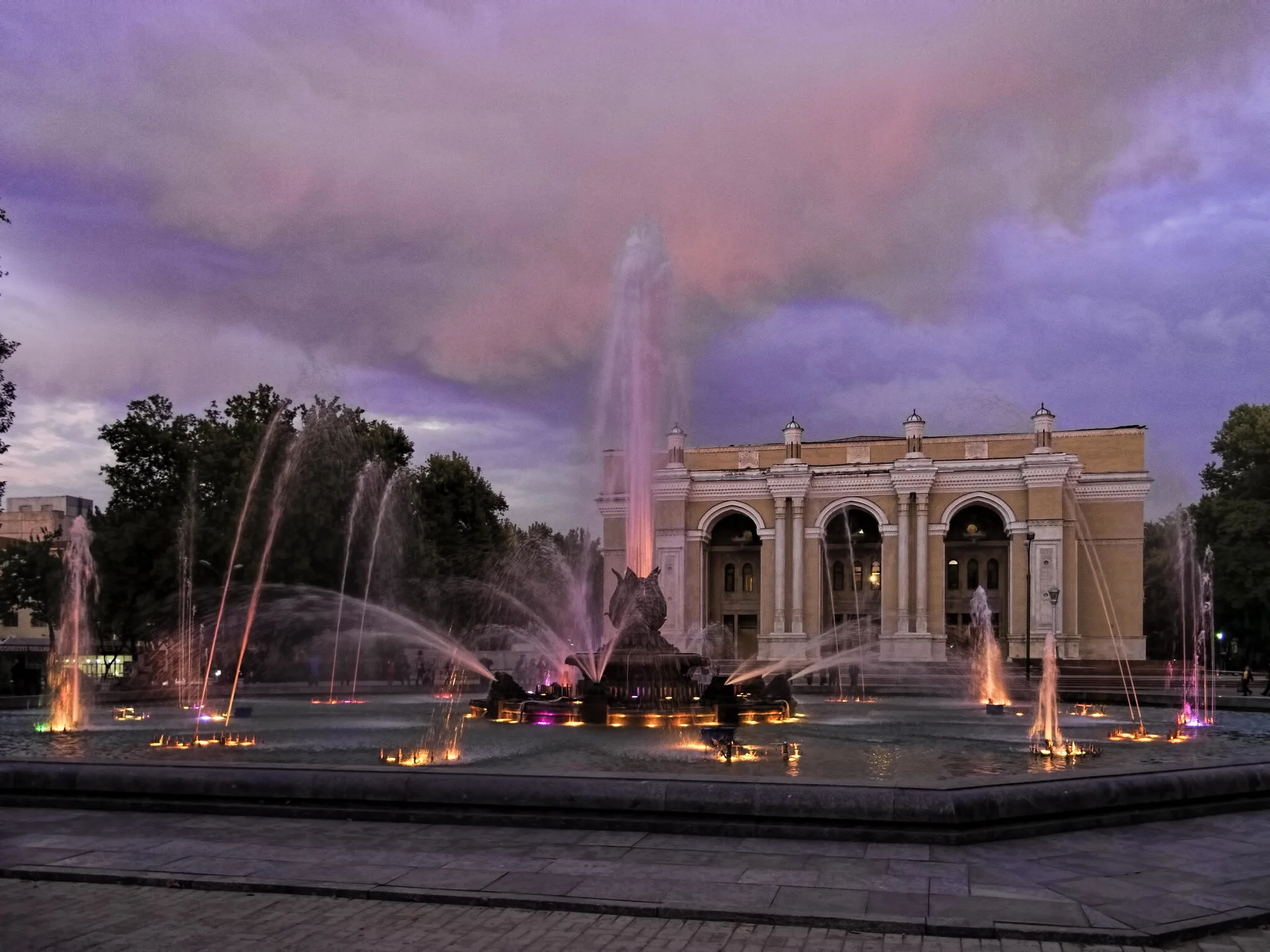
In the evening, the fountain lights up in front of the Alisher Navoi Opera House. Dan Lundberg. CC BY-SA 2.0.

 5.  The Alisher Navoi Opera House 

Romanesque pillars hold up this neoclassical beauty at the heart of Tashkent. At the front of this mainly Western-style theater is a remarkable fountain that stretches to the width of the building itself. Its distinctively European charm can be traced back to the classical architecture of czarist Russia. The Alisher Navoi Opera House was designed by Soviet architect Alexey Shchusev under Josef Stalin’s call to redesign Tashkent after World War II. Shchusev’s approach to building cultural institutions, including the famous Lenin’s Mausoleum, was to marry the decorative elements of Russian classicism with the structural integrity of Soviet brutalism. The space of the theater itself is adorned with arabesque etchings on its balconies and gold embellishments bordering the stage. Today, the Alisher Navoi Opera House remains a central playhouse for ballets, musical performances and plays. 

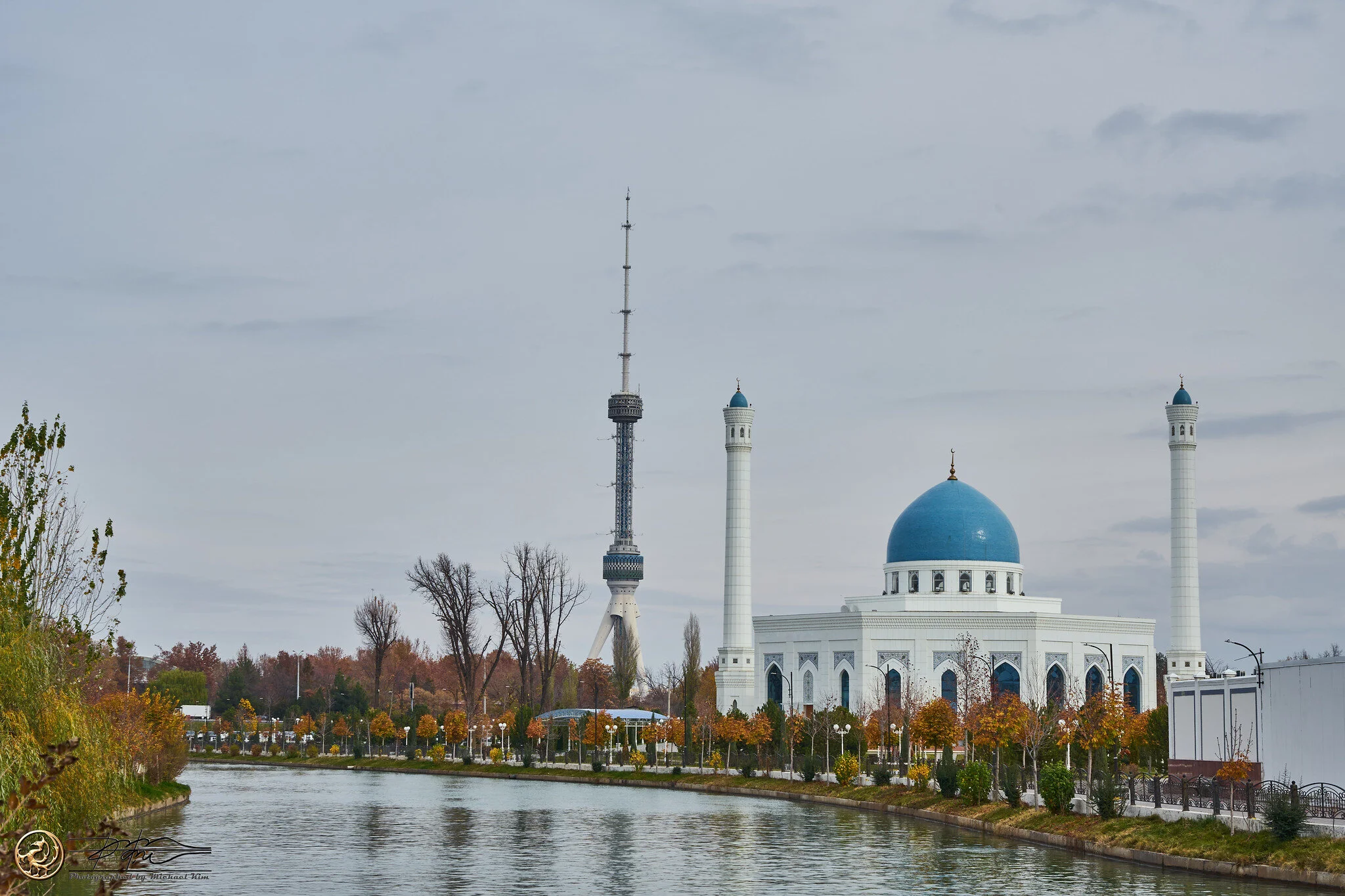
Minor Mosque sitting along the banks of Anhor Canal. Michael Kim. CC BY-ND 2.0.

6. Minor Mosque

Minor Mosque is a fairly new religious center which opened in 2014 under Islam Karimov’s presidency. Although the mosque follows the traditional structure with its two minarets and its sky-blue dome, it is completely different in material. Instead of being made a typical brown-toned brick base, the mosque is a glaringly white marble, making it a sight to behold. Its facade is decorated with curling floral patterns and Quran passages. Minor Mosque is a feat of Uzbek architectural accomplishment after its independence. The new site seems to reaffirm the country’s Islamic roots, while boasting of its modernization.

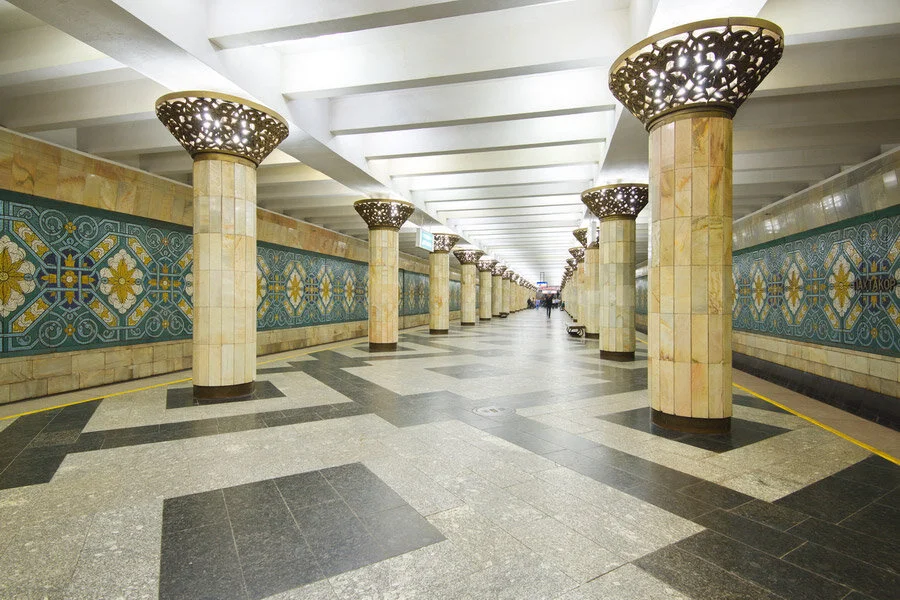
Pakhtakor Station has classical pillars and an arabesque mosaic on its walls. Valentin Parshin. CC0 1.0.

 7. Tashkent Subway System

Tashkent’s subway system is full of mosaic art, chandeliers and echoes of Soviet attempts at excellence. First opened in 1977 at the height of the Cold War arms race, Tashkent subway stations doubled as nuclear bomb shelters. Much like the famously extravagant subway stations in Russia, Tashkent’s are built with the utmost acuity to detail and order. 

Uzbekistan’s ongoing efforts to reform its Soviet past and its recent history under Islam Karimov are clearly expressed in the tearing down of older structures. As the city’s historic mahallas are demolished for the construction of shopping malls, new buildings threaten Tashkent’s original residences. Each monumental building in Tashkent is telling of Uzbekistan’s past under Russian occupation, its Islamic influences, and its encounters with globalization. Tashkent is a melting pot of architectural forms, and in some ways, the noteworthy buildings are used as both markers for national identity and foreign allure.  


Heather Lim

Heather recently earned her B.A. in Literatures in English from University of California, San Diego. She was editor of the Arts and Culture section of The Triton, a student-run newspaper. She plans on working in art criticism, which combines her love of visual art with her passion for journalism.

Street Artists Save Protest Masterpieces

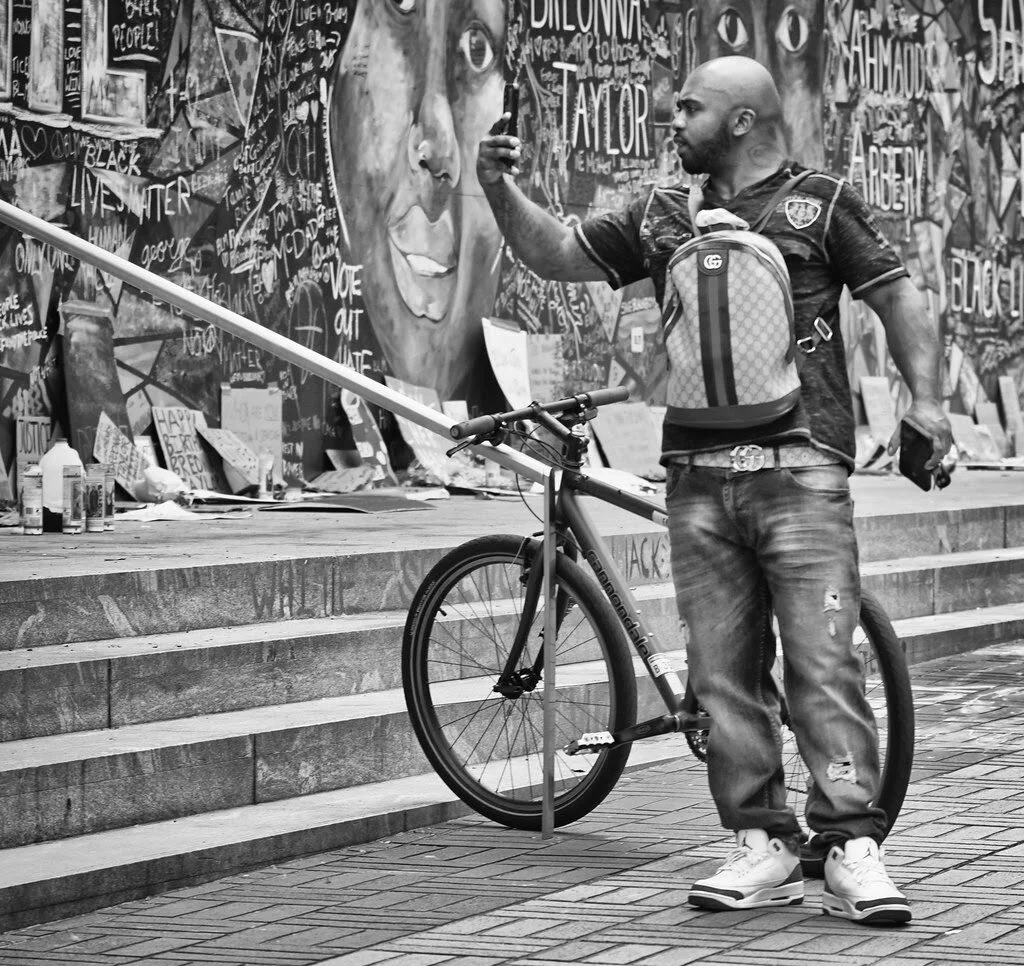
Artists adorned New York City with Black Lives Matter tributes. But what becomes of graffiti when the world tries to erase it?

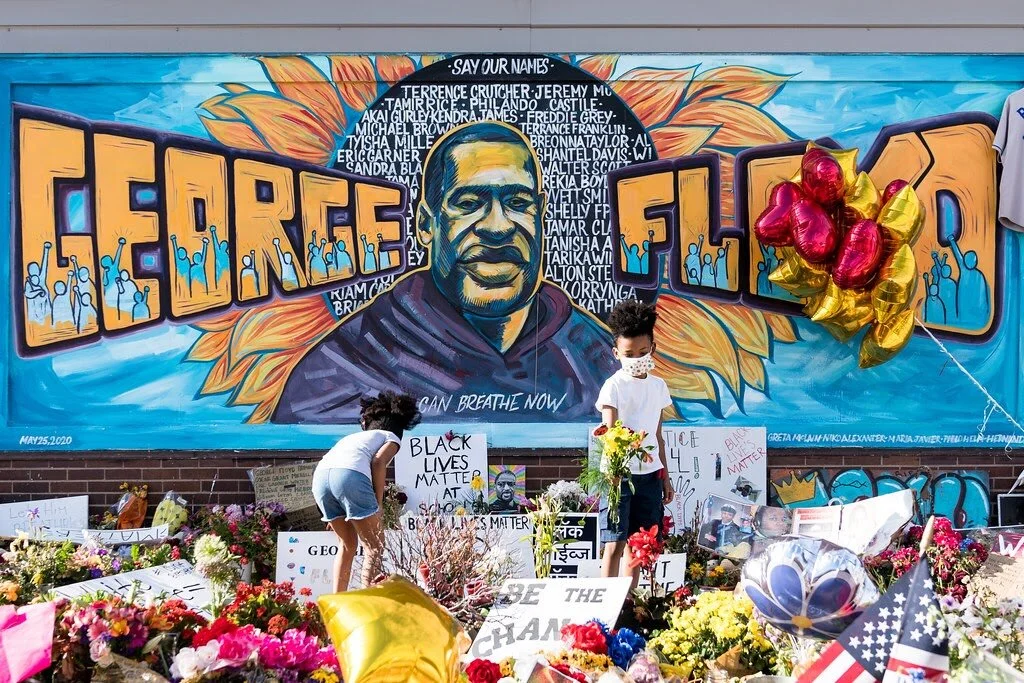
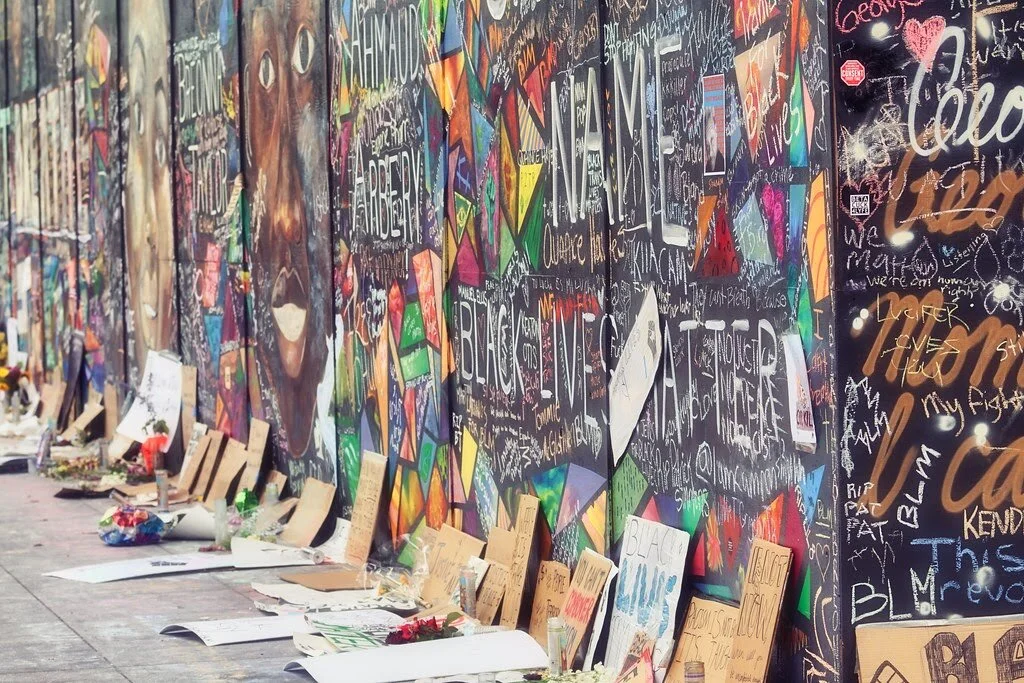
A mural in Minneapolis remembers George Floyd’s life. Lorie Shaull. CC BY-SA 2.0.

SoHo prepared for the worst. In the days before the election, the Manhattan neighborhood’s famed boutiques and shops barricaded their windows with plywood to protect their merchandise from looters. After a summer of uprising, one more round of rioting seemed inevitable. The wooden boards provided yet another reminder of how unlivable 2020 had become. It was as if the neighborhood shut its eyes to a reality too bleak to bear. 

Enter into this dismal cityscape the artists who first put SoHo on the map. Before high-end shops and wealthy shoppers gentrified this stylish slice of Manhattan, street artists like Keith Haring and Jean-Michel Basquiat adorned its concrete buildings with graffiti. In the ‘80s and ‘90s, countless creatives made SoHo an international hub for artists of all stripes. Now, history comes full circle. Street artists see a rare and irresistible opportunity to take the plywood covering SoHo’s shops and create masterpieces. 

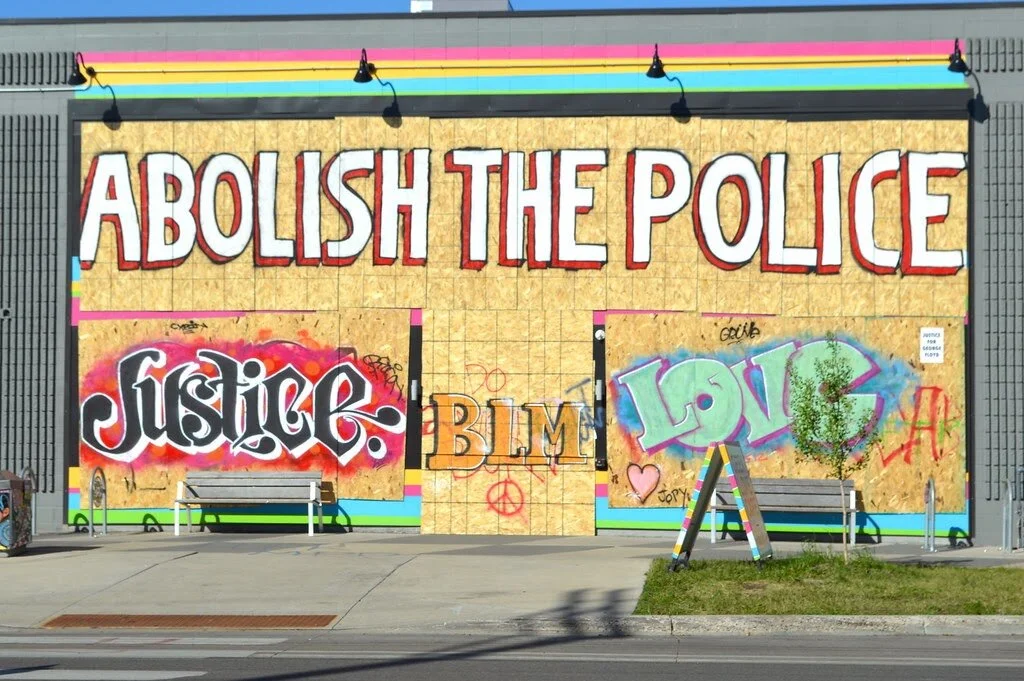
Peace, love and police abolition. iamrenny. CCO 1.0.

Among them are Konstance Patton and Trevor Croop. This past summer, Patton focused on her Goddess Project, adorning the streets with vibrant, noble portraits of Black and Indigenous women. Croop spent much of 2020 abroad, leading art workshops and reconnecting with his Lebanese heritage. Within days of his return to the U.S., the two met on the street, throwing up artwork side by side. 

Both seasoned street artists, they knew firsthand how transitory the form can be. An artist might spend hours on a painting that will be erased in a matter of days. The situation in SoHo is much more fraught. When businesses began reopening, they trashed the pieces painted on sheets of plywood. Others scrambled to grab as many panels as they could and loaded them into vans to sell to the highest bidder. 

Can’t we just get along? iamrenny. CCO 1.0.

Recognizing the inestimable value of these pieces of art, Patton and Croop founded the SoHo Renaissance Factory (SRF), which stores wooden boards bearing protest art in an empty SoHo dance studio. It consists of themselves and three fellow artists: Sule, Amir Diop and Brendan McNally. They developed an extensive network of friends, artists and security guards who alert them when a work of art is about to be trashed. They rush to the scene in an attempt to save the piece. Sometimes they arrive in the nick of time; other times they do not.

SRF member Amir Diop experienced the latter firsthand. During the protests demanding justice for the death of George Floyd, Diop painted a mural on the plywood boards covering the Museum of Modern Art’s (MoMA) design store. It showed smiling faces circling around a black hole beneath the words “Take me to a place where Black Lives Matter.” Only days after he painted it, MoMA tore down the piece and shredded it. In the words of Diop, “They said that place doesn’t exist and they just threw it in the garbage.”

Spray their names. drburtoni. CC BY-NC-ND 2.0.

Street artists enjoy few legal protections. The Visual Artists Rights Act (VARA) of 1990 protected art from being mutilated or destroyed but only if it reached a “recognized stature.” In the digital age, this term is ambiguous. Instead of a signature, artists leave their social media handles in a painting’s corner, raising the question of whether online fame qualifies under VARA. For the time being, however, artists cannot depend on the art establishment. If the MoMA won’t recognize art, it is unlikely that a court will. 

A moment to remember. drburtoni. CC BY-NC-ND 2.0.

The future of the SRF is unclear, but it does look promising. The group recently struck a deal with Mana Contemporary, an arts center in New Jersey, to display the wooden boards in a public show next year when COVID-19 restrictions hopefully ease up. For now, the SRF has moved to a spacious studio in the NoMo SoHo Hotel, where it landed a residency. The new space offers a comfortable environment to create art, but the work of the SRF will always be rooted in the streets.

See the work of the SoHo Renaissance Factory on its website:

https://sohorenaissancefactory.com/

Or check out each artist’s work on their Instagram pages:

Konstance Patton - @konartstudio

Trevor Croop - @light.noise

Sule - @sulecantcook

Amir Diop - @amir.diop99

Brendan McNally - @brendantmcnally

You can also support the mission of the SoHo Renaissance Factory by getting involved with organizations that support racial justice, some of them listed below:

Black Lives Matter - https://secure.actblue.com/donate/ms_blm_homepage_2019

Color of Change - https://secure.actblue.com/contribute/page/support-us?refcode=coc_website_popup

SURJ - https://www.showingupforracialjustice.org/donate-to-surj.html

Organizations for Black Struggle - https://www.obs-stl.org/

Project South - https://projectsouth.org/


Michael McCarthy

Michael is an undergraduate student at Haverford College, dodging the pandemic by taking a gap year. He writes in a variety of genres, and his time in high school debate renders political writing an inevitable fascination. Writing at Catalyst and the Bi-Co News, a student-run newspaper, provides an outlet for this passion. In the future, he intends to keep writing in mediums both informative and creative.

Scotland Becomes First Country to Provide Free Period Products

The Period Products (Free Provision) (Scotland) Bill requires local authorities and schools to make sanitary materials free and available to all.

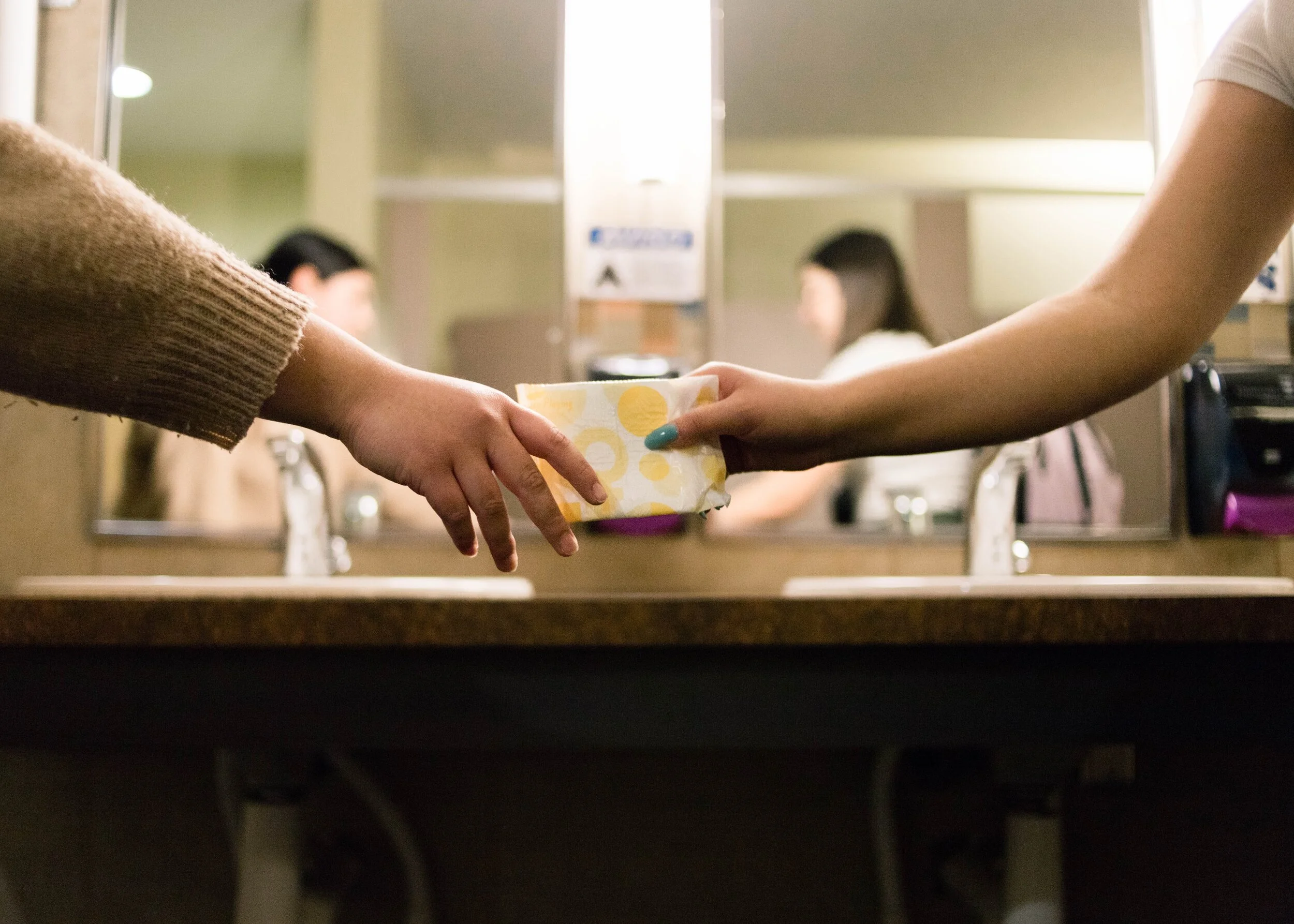
A woman passes a menstrual product to another. Annika Gordon. Unsplash.

On Nov. 24, Scotland became the first country to provide free and universal access to period products. In a tweet, the Scottish Labour Party confirmed that the bill had passed unanimously. This historic legislation was approved after a four-year grassroots campaign spearheaded by Scottish Labour’s health spokesperson, Monica Lennon.   

The Period Products (Free Provision) (Scotland) Bill is groundbreaking for several reasons. Not only does it aim to dispel period misconceptions, but it also functions to support individuals who struggle to care for themselves. A 2018 Scottish government study found that roughly 220,000 girls and women between the ages of 12 and 54 lived in relative poverty. Period products can cost about $10.75 per month. Although that might not seem like much, Lennon wrote in the 2017 proposal, “when you have no or very little income, it can be insurmountable.”

According to the United Nations Population Fund, menstruation is also an issue of human rights. Despite its natural occurrence, periods are often stigmatized. Consequently, limited conversations on menstrual health might make it difficult for those in need to seek adequate help. For instance, a December 2017 study condemned the menstrual hygiene plight of homeless women as a “public health disgrace.” Researchers reported that homeless women tend to reuse products despite cleanliness concerns such as toxic shock syndrome. An interviewee shared that her shelter provided only two pads, while the average woman uses approximately 20 pads per cycle.

Consequently, the passage of the Period Products Bill is a stepping-stone toward recognizing the worth of women as well as the unique challenges they face.  

What about other countries?

Like Scotland, China’s women are taking a stand. Jiang Jinjing, a women’s rights advocate, gained prominence after the COVID-19 outbreak hindered the distribution of supplies. She started the campaign Stand by Her in an effort to alleviate period poverty while also destigmatizing menstruation.  Her work has inspired both men and women to set up centers that provide free period products. In at least 338 schools and colleges across the country, boxes and bags of individually wrapped period products have already sprung up in bathrooms. While their network is still growing, Jiang believes that they have planted seeds of change. She also noted that their efforts have helped to normalize words like “pads” and “periods,” which, she notes, is a “huge milestone.”

New Zealand is another country that provides free sanitary products—but only to students enrolled in schools. Miranda Hitchings, a co-founder of Dignity, a nongovernmental organization that gives period products to those in need, lauded the move but emphasized that period poverty encompasses a wider population. While the situation has yet to evolve, New Zealand’s Minister for Women, Julie Anne Genter, recognized that menstruation is a fact of life and that “access to these products is a necessity, not a luxury.”

Moving forward

Ultimately, Scotland’s historic move could prove a necessary spark for many budding efforts around the world. By Jan. 1, 2021, the United Kingdom will no longer tax period products. Countries like Spain and Switzerland are also planning to reduce tampon taxes by about 5%. Until other countries follow suit, making period products free for all remains a key component toward attaining true gender equality. 


Rhiannon Koh

Rhiannon earned her B.A. in Urban Studies & Planning from UC San Diego. Her honors thesis was a speculative fiction piece exploring the aspects of surveillance technology, climate change, and the future of urbanized humanity. She is committed to expanding the stories we tell.

Amid COVID-19, Garment Workers Are Asking Employers to #PayUp

While the COVID-19 pandemic has slowed down many sectors of the economy, online sales have spiked—as well as the vulnerability of many laborers working with little to no safety net. 

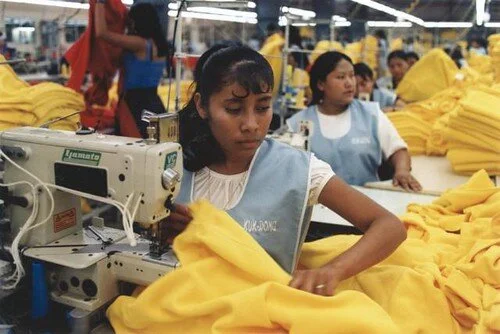
Sweatshop workers mass producing fabrics for below average wages. Marissa Orton. CC BY-SA 2.0.

Since the beginning of COVID-19 lockdowns, e-commerce has reaped significant monetary benefits. In the United States alone, online sales rose 43% in September, totaling $60.4 billion. Though online shops gained countless new customers, not all in the industry were celebrating.

Since March, many frontline workers have been laid off. For example, the American startup company Everlane, a clothing line that promises “radical transparency,” came under fire for terminating workers who attempted to start a labor union amid the pandemic. Despite founder Michael Preysman’s statement that the layoffs were “the hardest decision we’ve ever had to make,” non-management employees called them out. Those who held leadership positions in the company retained most of their salaries.

Across the globe, COVID-19 has weakened both the bargaining power and socioeconomic mobility of garment workers. Its consequences have been especially devastating for those in developing nations. In India, the closure of schools has led around 80,000 children to begin working as laborers. If unaddressed, the pandemic could set the country back decades on child exploitation. With limited options, families are often strong-armed by traffickers into believing their children will lead better lives in the big city. Many never see their families again.   

As a European Trade Union Institute article reported, COVID-19 did not break labor rights; it only revealed how broken the system already was. In Leicester, England, predominantly female and migrant sweatshop workers from Eastern Europe, Bangladesh and Pakistan faced wages as low as $4.50 an hour, received threats and humiliation, and were even denied bathroom breaks.. A June report from Labour Behind the Label found that online fashion retailer Boohoo’s Leicester factory was operating at 100% capacity despite lockdown orders. In the same month, the company projected that its shares had increased by 22%.Some feel that fast-fashion workers are stuck in a lose-lose situation. A Bloomberg report found that the closure of roughly 1,090 garment factories in Bangladesh amounted to an economic loss of $1.5 billion. Workers were not entitled to unemployment benefits, rendering them even more vulnerable in the face of pandemic uncertainties. A Solidarity Center article found that because of social distancing measures, workers’ ability to unionize and collectively bargain for their rights was severely limited.

Not all hope is lost, however. COVID-19 has created opportunities for critical change. As online sales have gone up, so has social media usage. In March, after notable labels such as Nike, Gap and Levi’s had canceled billions of orders, the nonprofit organization Remake revealed the plight of garment workers through the #PayUp movement. Stores like H&M and Zara were pressured into compensating their suppliers for orders that had already been produced, passing that money on to workers. While the fight is far from over, garment workers’ future may become brighter as consumers take a longer glance at the fast-fashion industry

How To Get Involved:

  • The Awaj Foundation is a woman-led organization based on addressing gender-based violence in the garment industry. It supports workers from Bangladesh. For more information on ways to support it, click here.

  • Based in Los Angeles, the Garment Worker Center aims to restore agency and dignity back to workers currently strong-armed by sweatshop conditions. To learn more, visit its website here.


Rhiannon Koh

Rhiannon earned her B.A. in Urban Studies & Planning from UC San Diego. Her honors thesis was a speculative fiction piece exploring the aspects of surveillance technology, climate change, and the future of urbanized humanity. She is committed to expanding the stories we tell.