5 Everyday Products that Hurt the Environment And Their Sustainable Alternatives

In our fast-paced lives, it can be difficult to remember to make sustainable choices. Here are a few products most of us use every day that have a negative effect on the environment.
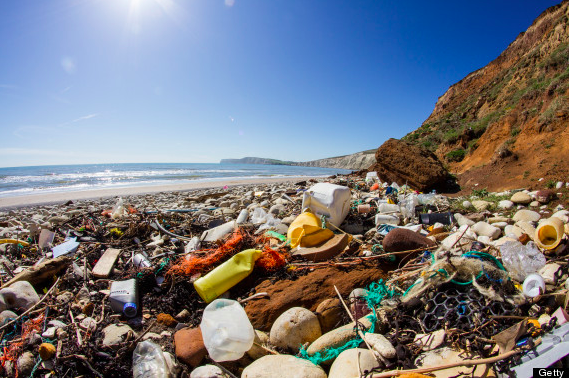
Image Credit: HuffPost UK

Plastic Bags

You’ve probably heard this one before, but despite widespread coverage of the issue, between 500 billion and 1 trillion plastic bags are used worldwide every year. These bags take enormous amounts of energy to produce and ship; they are difficult to recycle, do not decompose and emit toxic chemicals into the environment.

Fortunately, there are many green alternatives to the plastic bag. Fabric or canvas shopping bags are relatively inexpensive to purchase and can be reused for grocery shopping.

Produce Bags

Produce bags often get left out of the conversation surrounding plastic bags, but they are made from the same materials and are equally harmful. Try using washable mesh produce bags instead—they are fairly cheap and can be reused. 

Exfoliant Products

Many facial soaps contain tiny plastic microbeads that help exfoliate the skin. These beads are too small to be filtered during sewage treatment and have started to build up in lakes and oceans. In one year alone, researchers found 1,500 to 1.7 million bits of plastic per square mile in the great lakes. California, Colorado, Illinois, Indiana, Maine, Maryland and New Jersey have already banned microbeads, and it is likely that other states will follow. There are many alternatives to these soaps that are environmentally friendly and better for the skin. Try using oatmeal, raw honey or coffee ground scrubs—often you can make them yourself from ingredients you probably already have in your pantry. 

Coffee Pods

They may be convenient, but single-serve coffee pods aren’t recyclable, meaning almost all of the 10 billion made each year end up in landfills. Brewing coffee the old fashioned way may take a few minutes longer, but it will reduce your waste in the long run. You can recycle unbleached paper filters and compost the grinds or use them in a face scrub.

Non shade-grown coffee

While we’re on the subject, the coffee industry is responsible for massive amounts of deforestation and water pollution. Buying shade-grown coffee is easier on the environment because it allows trees to grow alongside the coffee plants, which not only guards against deforestation, but controls soil erosion and filters carbon dioxide. Shade-grown beans also mature at a slower rate, which creates a delicious flavor.

Prepackaged Food

From juice boxes to chips, almost nothing you buy at a grocery store is free of plastic packaging. While these products are convenient, they pose a risk to the environment. Like plastic bottles and bags, plastic food packaging is difficult to recycle and does not decompose. While there are alternatives to prepackaged food, such as zero waste grocery stores, they can be hard to come by. Try to reduce the amount of packaged food you buy, but when necessary, buy bulk products instead, as single-serve items have more packaging.

In the end, working to reduce or eliminate your consumption of these five products is a step towards a greener planet and more sustainable lifestyle.



EMMA BRUCE

Emma is an undergraduate student studying English and marketing at Emerson College in Boston. She has worked as a volunteer in Guatemala City and is passionate about travel and social justice. She plans to continue traveling wherever life may take her.
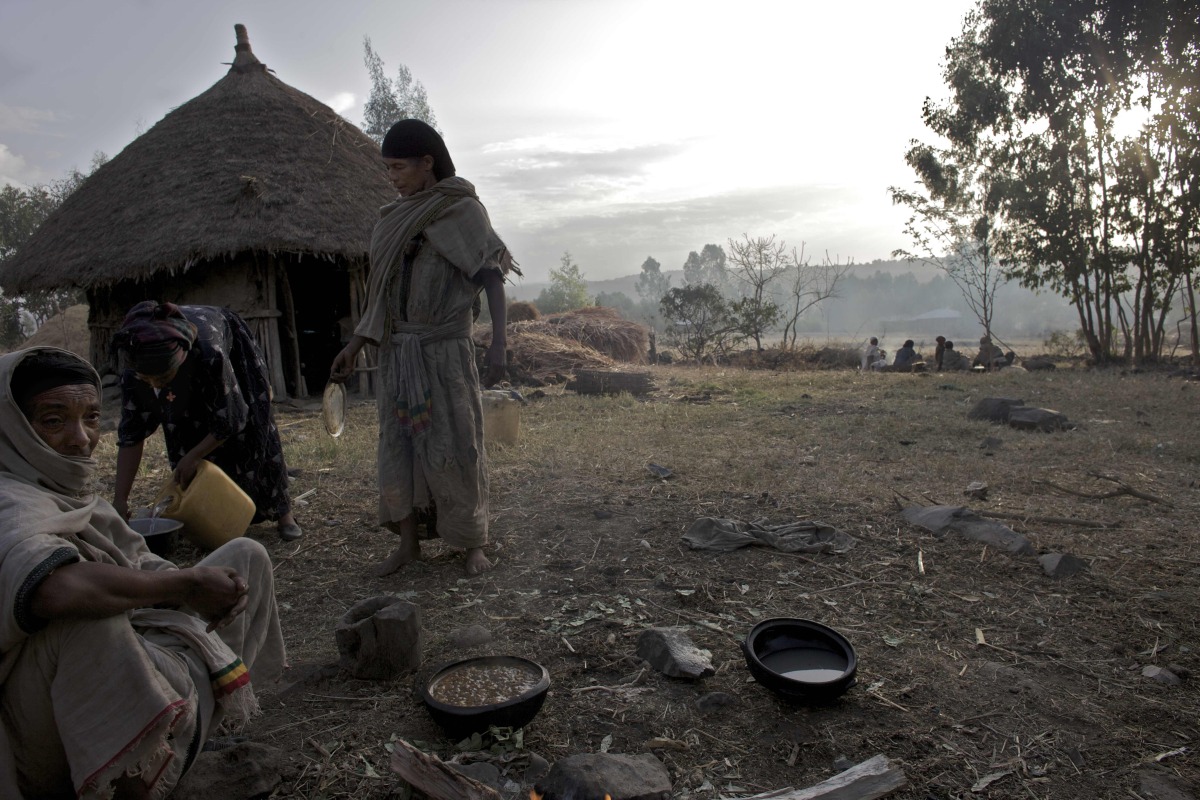
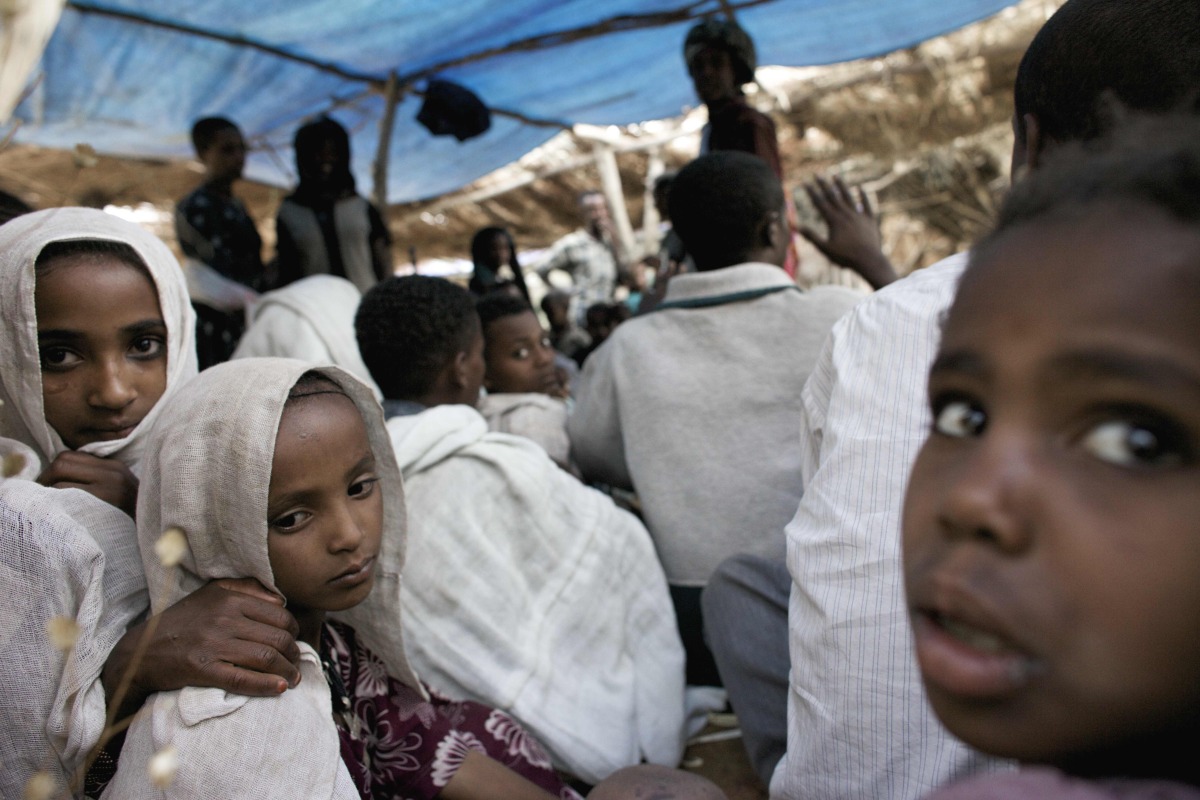
Where Children Sleep

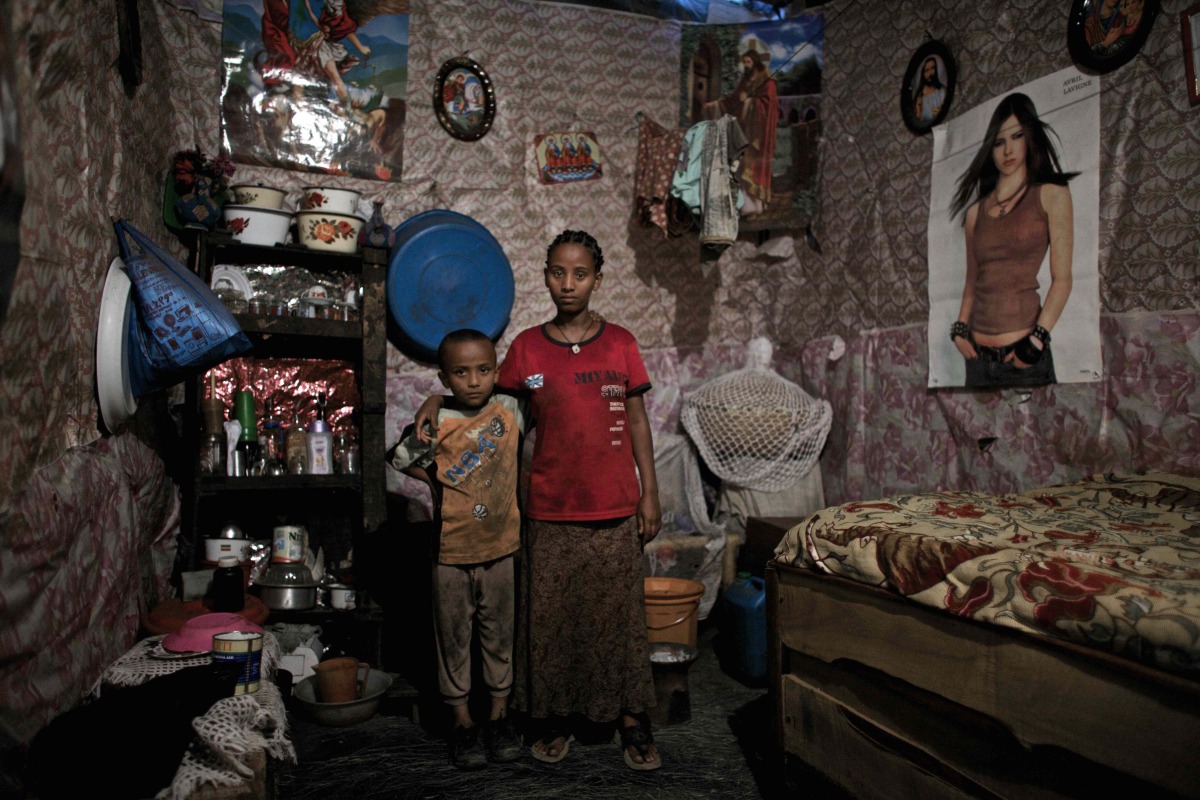
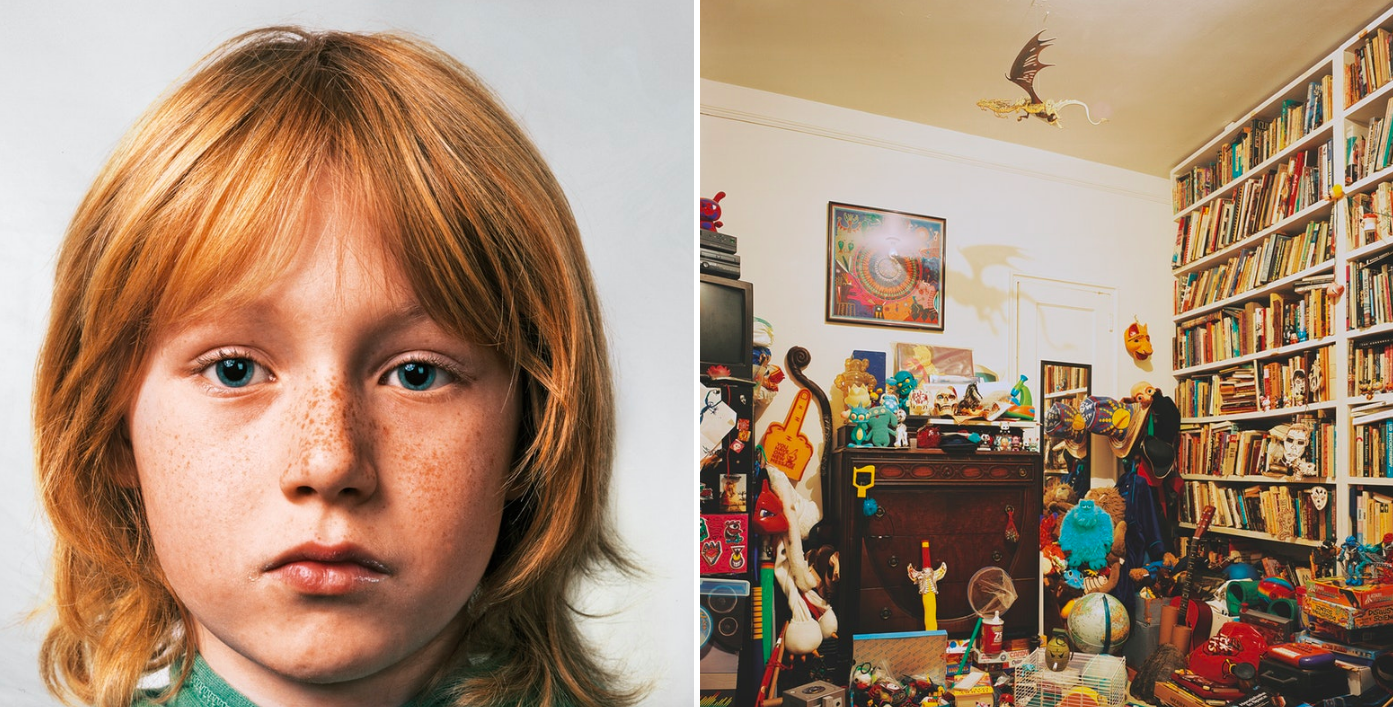
Children all over the world live and sleep in very different environments. It is my hope that these photographs will help children, and adults, to think about inequality, within and between societies around the globe, and perhaps to start to figure out how, in their own lives, they may respond.

When Fabrica (Benetton’s creative research center) asked me to come up with an idea for engaging with children’s rights, I found myself thinking about my bedroom: how significant it was during my childhood, and how it reflected what I had and who I was — my bedroom was my personal kingdom. It occurred to me that a way to address some of the complex situations and social issues affecting children would be to look at the bedrooms of children in all kinds of different circumstances.

From the start of this project, I didn’t want it just to be about ‘needy children’ living in the developing world, but rather something more inclusive, about children from all types of situations.

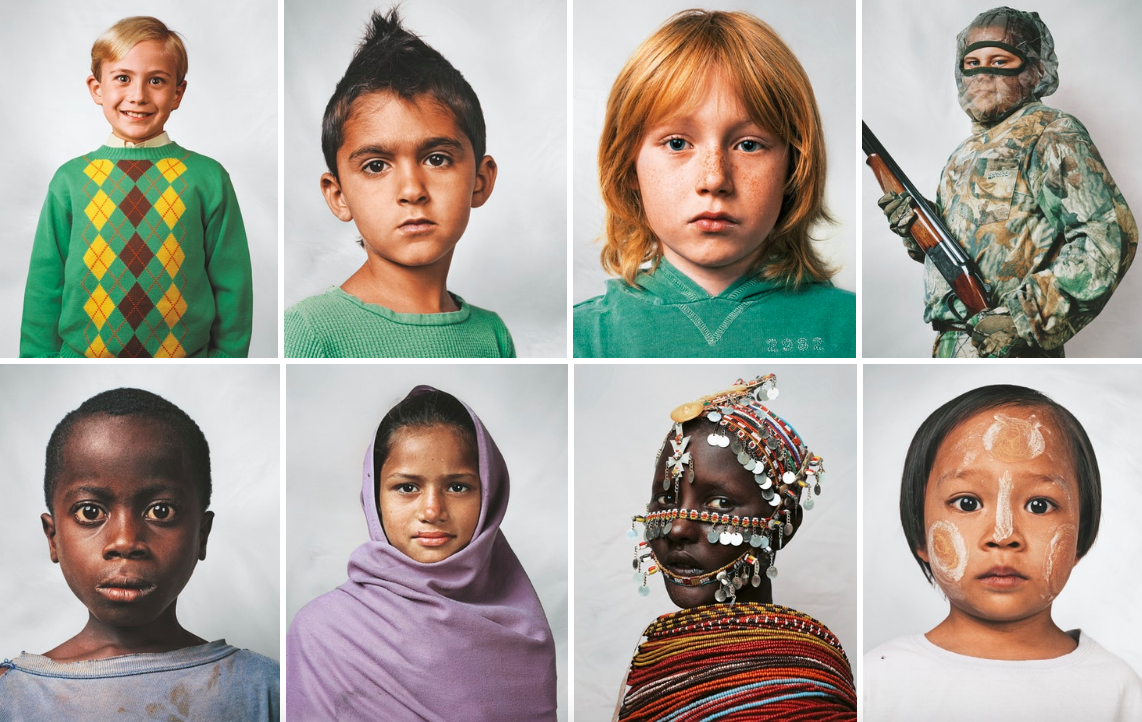
It seemed to make sense to photograph the children themselves, too, but separately from their bedrooms, using a neutral background. My thinking was that the bedroom pictures would be inscribed with the children’s material and cultural circumstances — the details that inevitably mark people apart from each other — while the children themselves would appear in the set of portraits as individuals, as equals... just as children.

Above: You can see where these children sleep, and read their stories, below.

To begin with, I initially called the project ‘Bedrooms’, but I soon realized that my own experience of having a ‘bedroom’ simply doesn’t apply to so many kids. Millions of families around the world sleep together in one room, and millions of children sleep in a space of convenience, rather than a place they can in any sense call their room.

I came to appreciate just how privileged I had been as a child, to have had a personal kingdom in which to sleep and to grow.

For me, the project became a vehicle to think about issues of poverty and wealth, about the relationship of children to personal possessions, and the power of children — or lack of it — to make decisions about their lives.

However, this photo essay is not a campaign. There’s nothing scientific about the selection of children featured: I travelled where I could, often alongside other projects, and many of the pictures result from chance encounters, following my photographer’s nose. I am not qualified to give anyone a lecture on the state of childhood today, or the future of children’s rights. Although I have relied on the help of Save the Children, Italy, there is no agenda to the project other than my own journey and curiosity, and wanting to share in pictures and words the stories that I found interesting, or that moved me.

In the end, I hope these pictures and stories speak to children. So that lucky children (like I was) may better appreciate what they have.

But more than that, I hope these photographs will help children think about inequality, within and between societies around the world, and perhaps start to figure out how, in their own lives, they may respond.

* * *

Below you can meet twenty-five of the children whose stories and portraits are featured in my final book Where Children Sleep.

Lay Lay, 4 years old

Mae Sot, Thailand

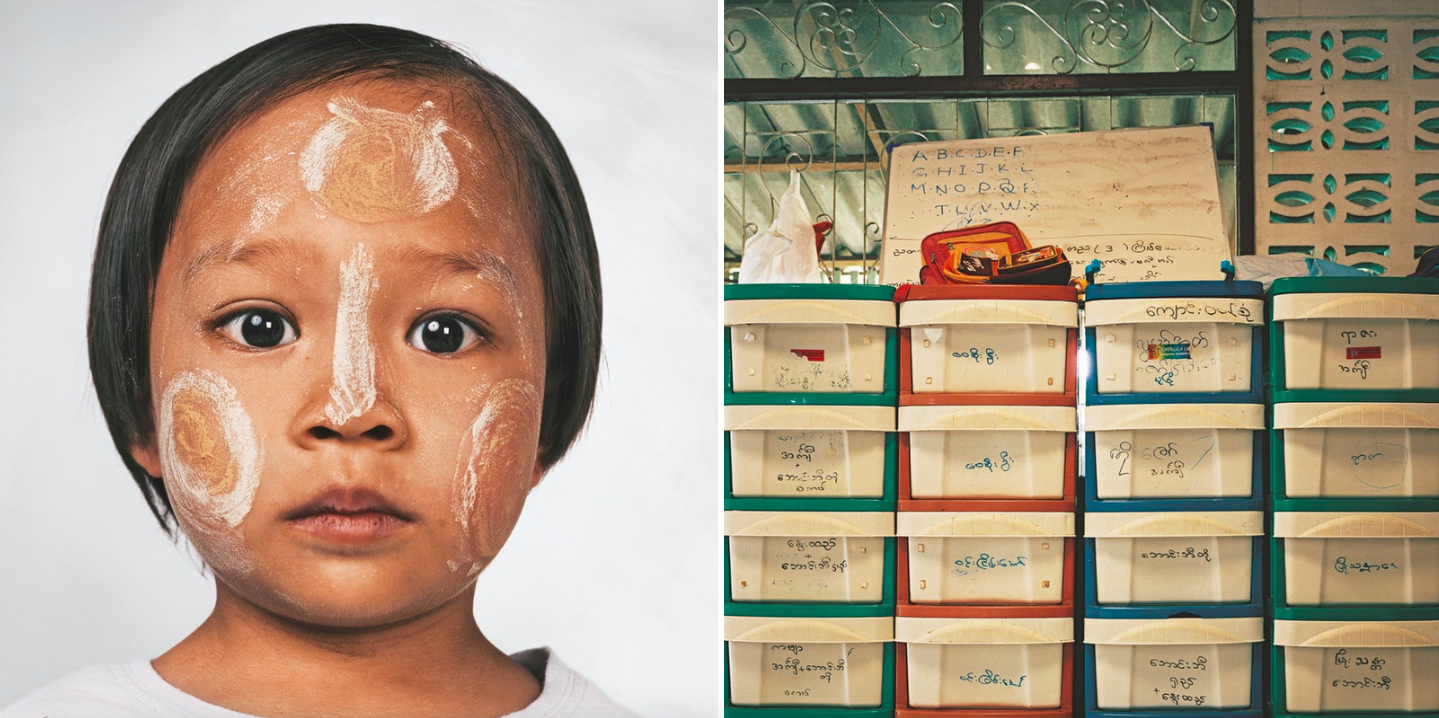
Lay Lay is four years old. The cream she has on her face is made from the bark of the thanaka tree, used to condition and protect the skin. Lay Lay lives in Mae Sot, Thailand, close to the border with Burma. When her mother died, no other members of her family came to claim her, so she was placed in an orphanage. She shares this home with twenty-one other nursery-aged children. The orphanage consists of two rooms. During the day, one room is the classroom and the other is a dining room. At night, these rooms become bedrooms. The tables are pushed to one side and mats are rolled out for the children to sleep on. Each child has one drawer in which to keep their belongings.

Lay Lay does not have many belongings — just a few clothes. All that is known of her background is that she is from an ethnic group of people called the Karen, one of the persecuted minority ethnic groups which make up about forty per cent of the Burmese population. Lay Lay and her mother fled from the brutal Burmese military dictatorship and arrived in Thailand as refugees.

Jasmine, 4 years old

Kentucky, USA

Jasmine prefers to be called by her nickname, Jazzy. She lives in a big house in Kentucky, USA, with her parents and three brothers. Her house is in the countryside, surrounded by farmland.

Her bedroom is full of crowns and sashes which she has won in ‘child pageants’. She is only four years old and has already entered over a hundred of these competitions. Her spare time is completely taken up with preparation and rehearsal. She practices her stage routines every day with a trainer who teaches her new steps.

Each weekend, she participates in a different pageant, arriving on Friday afternoon, performing on Saturday, and attending the crowning ceremony on Sunday. By the end of the show, she is quite exhausted. Jazzy enjoys being pampered and treated like a princess — having her hair done and wearing pretty clothes and make-up, with false nails and a fake tan. It is a very expensive hobby and can cost her parents a thousand dollars for each pageant she takes part in. Jazzy would like to be a rock star when she grows up.

4 years old

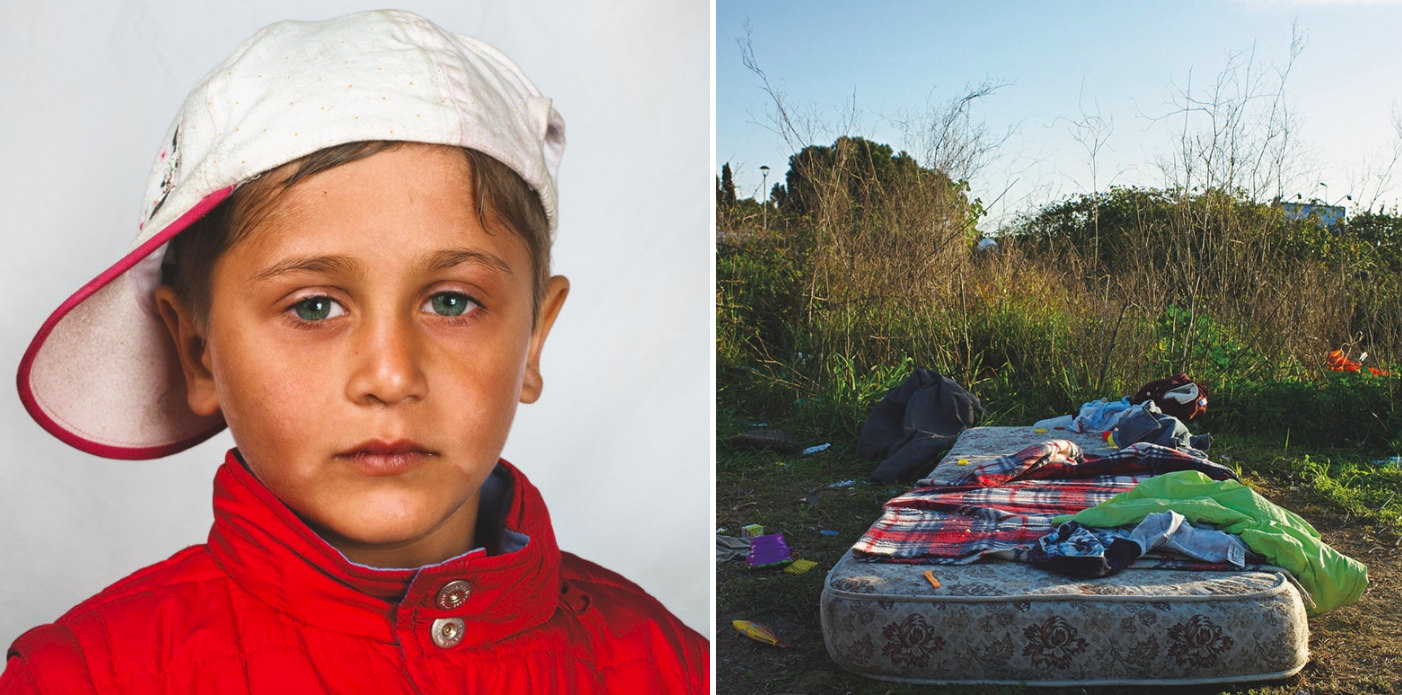
Rome, Italy

Home for this four-year-old boy and his family is a mattress in a field on the outskirts of Rome, Italy. The family came from Romania by bus, after begging on the streets for enough money to pay for their tickets (€100 per adult and €80 per child).

When they first arrived in Rome, they camped in a tent, but the police threw them off the site because they were trespassing on private land and did not have the correct documents. Now the family sleeps together on the mattress in the open. When it rains, they hastily erect a tent and use umbrellas for shelter, hoping they will not be spotted by the police.

They left Romania without identity documents or work papers and so are unable to obtain legal employment. This boy sits by the curbside while his parents clean car windscreens at traffic lights, earning thirty to fifty cents a time. No one from the boy’s family has ever been to school. His parents cannot read or write.

Jivan, 4 years old

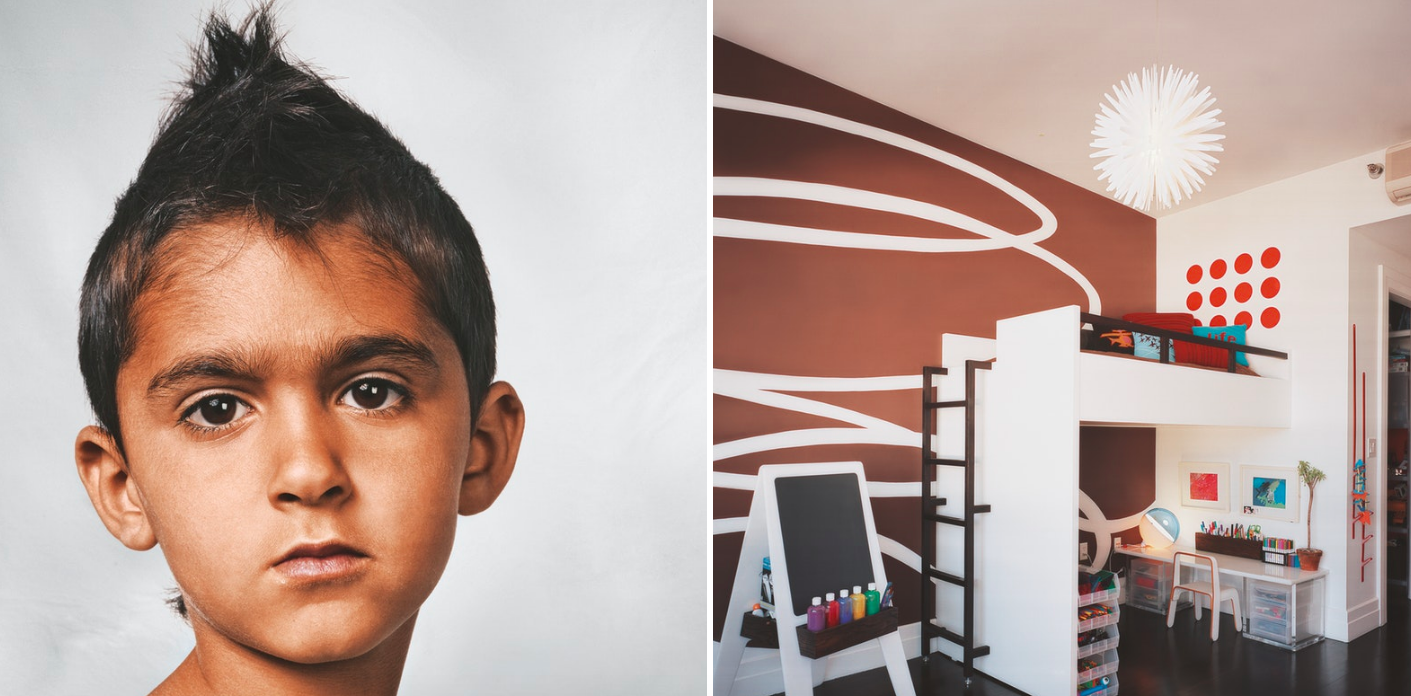
Brooklyn, New York

Jivan is four years old. He lives with his parents in a skyscraper in Brooklyn, New York. From his bedroom window, he can see across the East River to New York’s Manhattan Island and the Williamsburg Suspension Bridge which connects it to Brooklyn. Jivan has his own bedroom with an en-suite bathroom and a toy cupboard. The room was designed by Jivan’s mother, who is an interior designer. His father is a DJ and music producer. Jivan’s school is only ten minutes’ walk away.

To gain a place at this school, Jivan had to take a test to prove that he can mix socially with other children. He found this quite stressful as he is a very shy boy. His parents were also interviewed before he was accepted by the school. Jivan’s favorite foods are steak and chocolate. He would like to be a fireman when he grows up.

Kaya, 4 years old

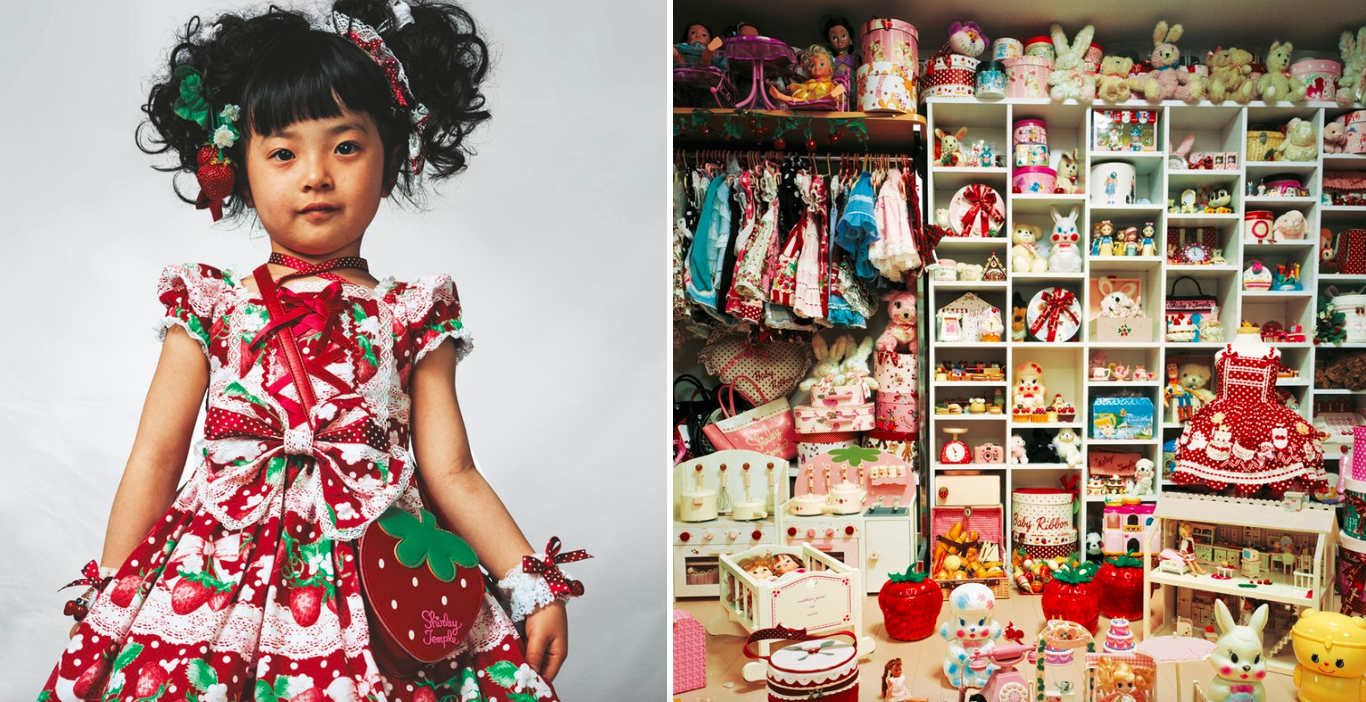
Tokyo, Japan

Kaya is four years old. She lives with her parents in a small apartment in Tokyo, Japan. Most apartments in Japan are small because land is very expensive to buy and there is such a large population to accommodate. Kaya’s bedroom is every little girl’s dream. It is lined from floor to ceiling with clothes and dolls.

Kaya’s mother makes all Kaya’s dresses — up to three a month, usually. Now Kaya has thirty dresses and coats, thirty pairs of shoes, sandals and boots, and numerous wigs. (The pigtails in the picture are made from hairpieces.) Her friends love to come round to try on her clothes.

When she goes to school, however, she has to wear a school uniform. Her favorite foods are meat, potatoes, strawberries and peaches. She wants to be a cartoonist when she grows up, drawing Japanese ‘anime’ cartoons.

Lehlohonolo, 6 years old

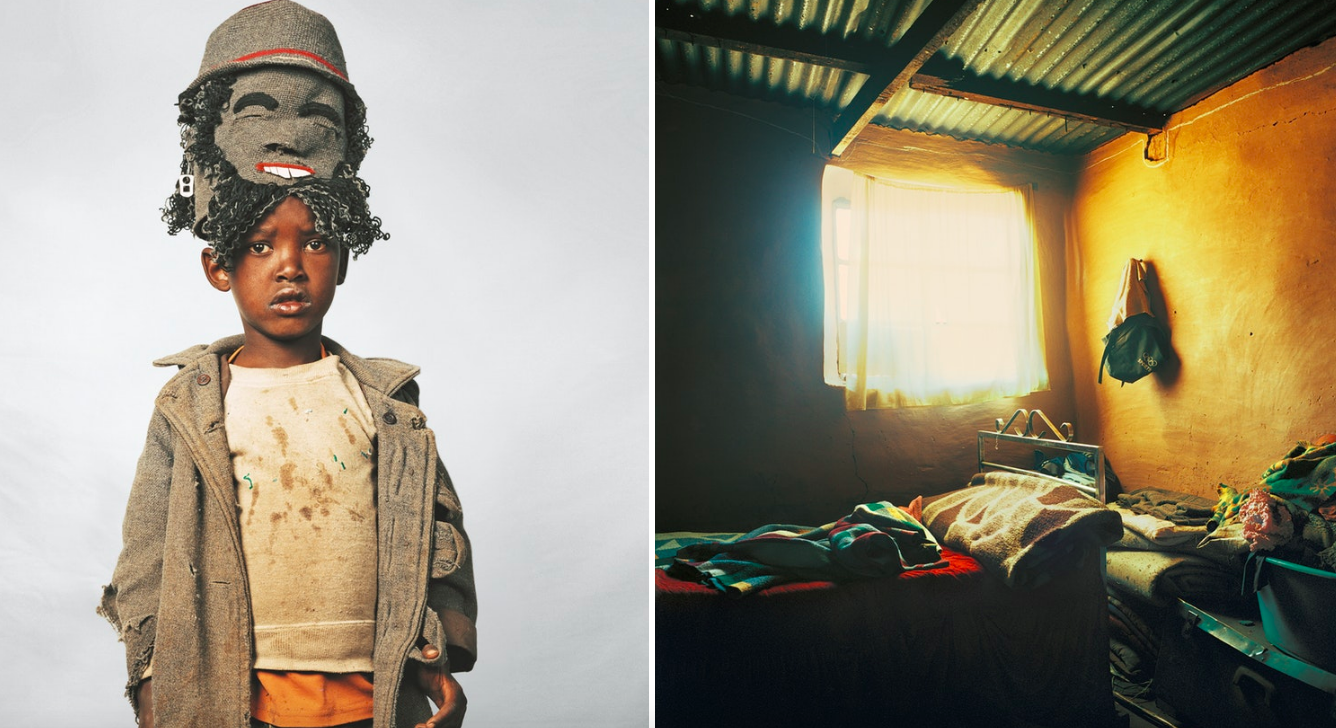
Lesotho

Lehlohonolo is six years old. He and his three brothers live in Lesotho, in southern Africa. The boys are orphans — their father died from AIDS some years ago and they have not heard from their mother since she went away in search of work. It is likely that she also died from an AIDS-related illness. It is quite common in Lesotho for mothers and fathers to die as a result of AIDS, and there are growing numbers of orphans.

Lehlohonolo’s sixteen-year-old brother is responsible for looking after the family. The boys live in a mud hut where they sleep together on the floor, cuddling up to each other for warmth during the freezing cold nights. Two of Lehlohonolo’s brothers go to a school eight kilometers away where they are also given monthly rations of food — cereal, pulses and oil. They cannot remember the last time they ate meat.

Sadly, they will probably live in poverty for the rest of their lives because crops are difficult to grow on the infertile land and there are no prospects of employment.

Indira, 7 years old

Kathmandu, Nepal

Indira lives with her parents, brother and sister near Kathmandu in Nepal. Her house has only one room, with one bed and one mattress. At bedtime, the children share the mattress on the floor.

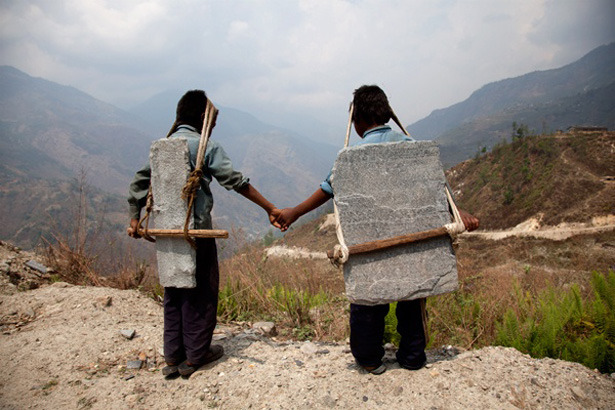
Indira is seven years old and has worked at the local granite quarry since she was just three. The family is very poor so everyone has to work. There are 150 other children working at the quarry, some of whom will lose their sight because they do not have goggles to protect their eyes from stone splinters.

Indira works five or six hours a day and then helps her mother with household chores such as cleaning and cooking. Her favorite food is noodles. She also attends school, which is thirty minutes’ walk away. She does not mind working at the quarry but would prefer to be playing. She would like to be a Nepalese dancer when she grows up.

Tristan, 7 years old

Manhattan, New York

Tristan is seven years old and is an only child. His mother is a film maker, and his father is a pop cultural writer. They live in a small apartment in Manhattan, New York. They also own a beach house in New Jersey where they go for their summer holiday.

Tristan attends an Eco-School, a state school run on environmental principles, just ten minutes’ walk from his apartment. Here, there are no religious holidays — only the solstices and equinoxes are celebrated. Tristan had to pass several tests before he was accepted at the school, and his parents were also interviewed.

This was the tenth school he had applied to. Competition for school places is fierce in New York. He enjoys school but does not like being told to clean up after lunch. Tristan’s favorite food is bacon, and he has pizza every weekend. He has an unusual ambition for when he grows up — to be a creator of marmalade.

Roathy, 8 years old

Phnom Penh, Cambodia

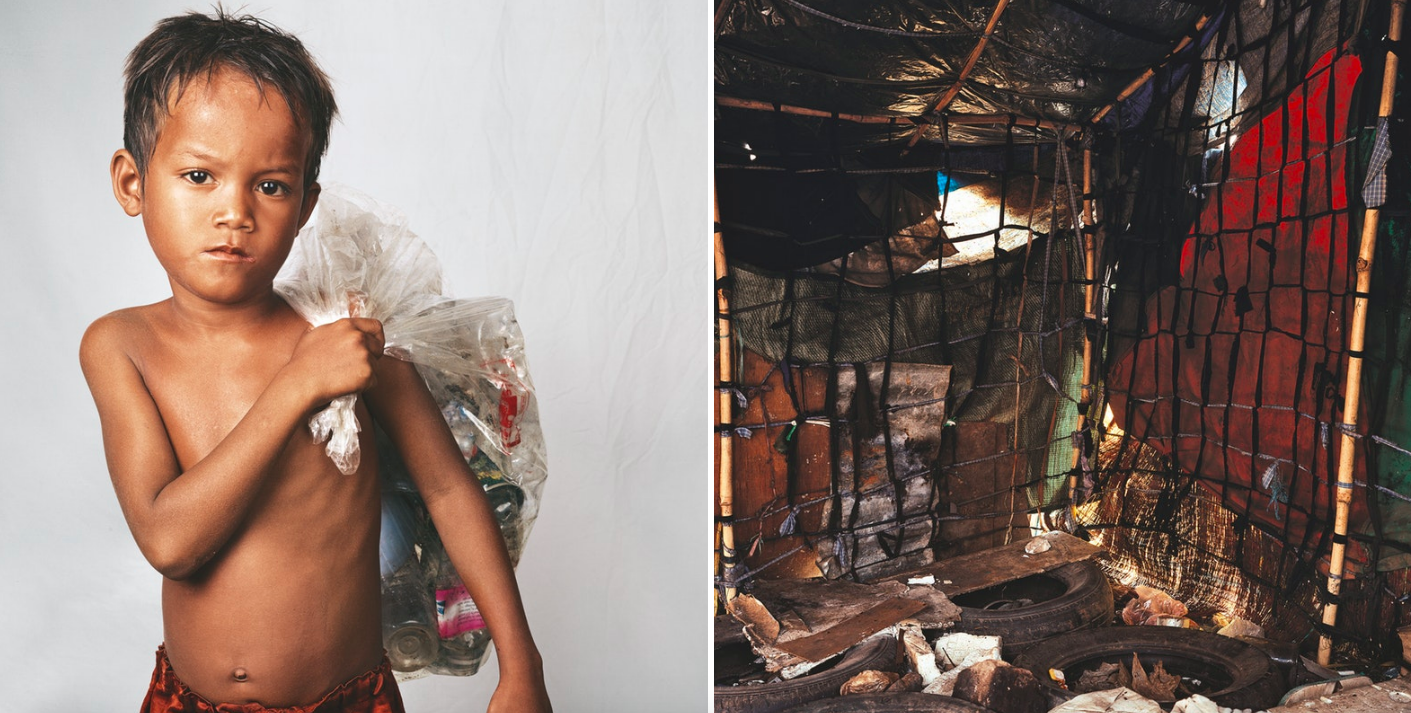
Roathy is eight years old. He lives on the outskirts of Phnom Penh, Cambodia. His home sits on a huge rubbish dump which is swarming with flies. They re-use whatever they can find. Roathy’s mattress, for instance, is made from old tires. The air is thick with the stench of decomposing waste, and the ground underfoot is soft and springy — one wrong step and it gives way to a poisonous black liquid. Five thousand people live and work and pay rent here.

At six o’clock every morning, Roathy and hundreds of other children are given a shower and some breakfast at a local charity centre before they start work, scavenging through the rubbish for cans and plastic bottles which are sold to a recycling company. Breakfast is often the only meal of the day. On one occasion, Roathy’s family suffered food poisoning after eating a chicken which his brother had found on the dump.

Ahkôhxet, 8 years old

Brazil

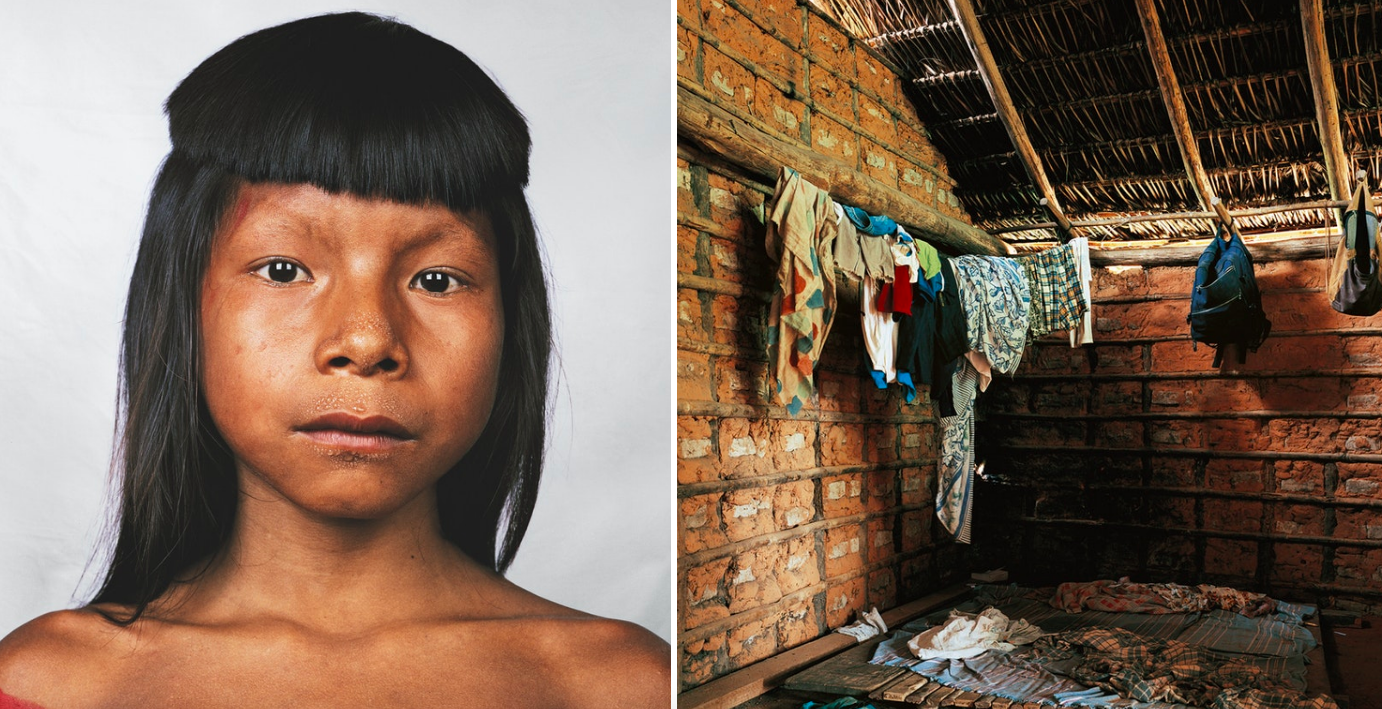
Ahkôhxet is eight years old and a member of the Kraho tribe, who live in the basin of the river Amazon, in Brazil. There are only 1,900 members of the tribe. The Kraho people believe that the sun and moon were creators of the universe, and they engage in rituals that are many centuries old. The red paint on Ahkôhxet’s chest is from one of his tribe’s rituals.

The elders teach Ahkôhxet’s generation to respect nature and their surroundings. Their huts are arranged in a circle, leaving space in the middle for gatherings and ceremonies to take place. The nearby river provides water for drinking and washing.

The tribe grow half their food in the poor soil using basic tools. They also hunt. The rest of their food is bought using money earned from film crews and photographers who visit their camp. There is one car, shared between the whole tribe.

Alyssa, 8 years old

Kentucky, USA

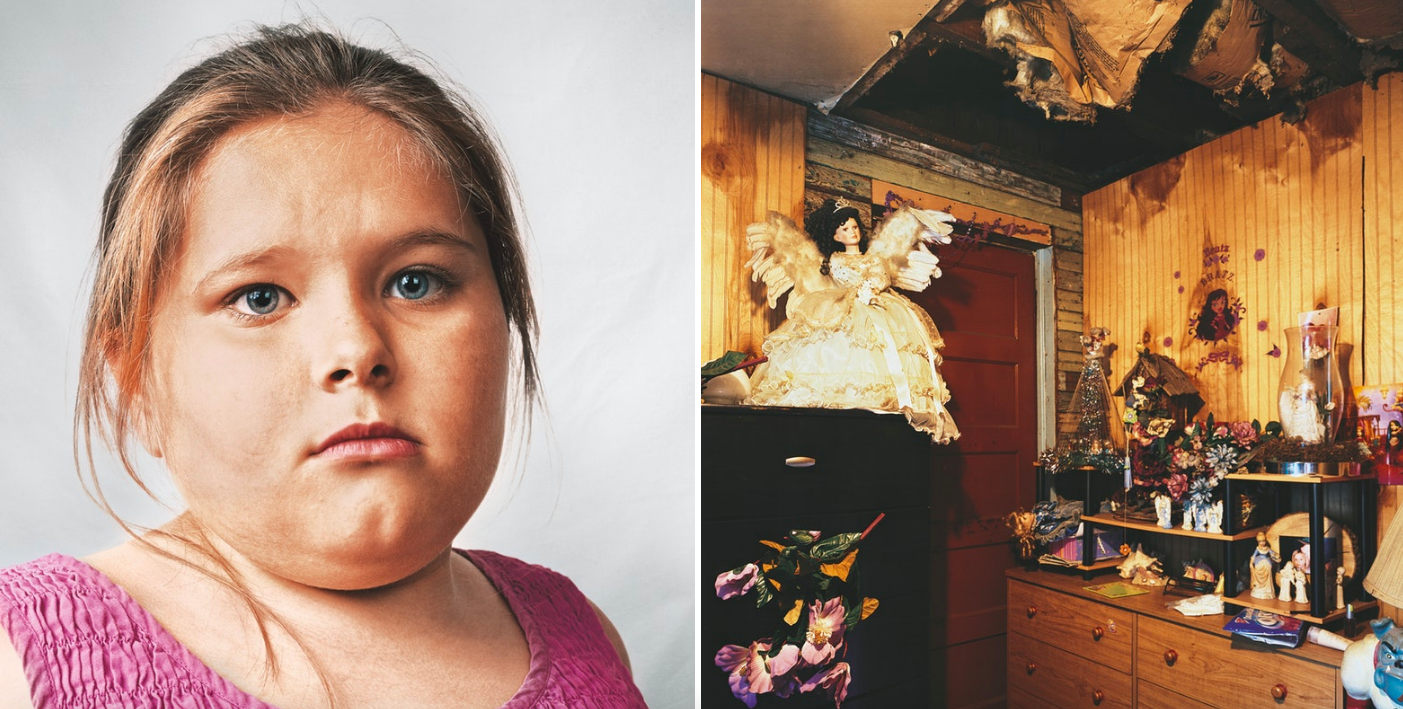
Alyssa lives with her parents in Kentucky, USA. She is an only child but her grandmother, uncle and orphaned cousin live close by. It is a beautiful, mountainous region known as Appalachia, but one of the poorest parts of America.

Their small, shabby house, heated only by a wooden stove, is falling apart. The ceiling in Alyssa’s bedroom is beginning to cave in. The family would like to buy a caravan instead, if they could afford it. Alyssa’s mother works at McDonald’s and her father works at Walmart, and everything they earn goes towards bringing up their daughter.

She is lucky that her parents have jobs, even though they earn very little. Many local families are unemployed and have to rely on charity. There is a huge problem with drug misuse in the area, and two of Alyssa’s relatives have already died from drug-related problems.

Alex, 9 years old

Rio de Janeiro, Brazil

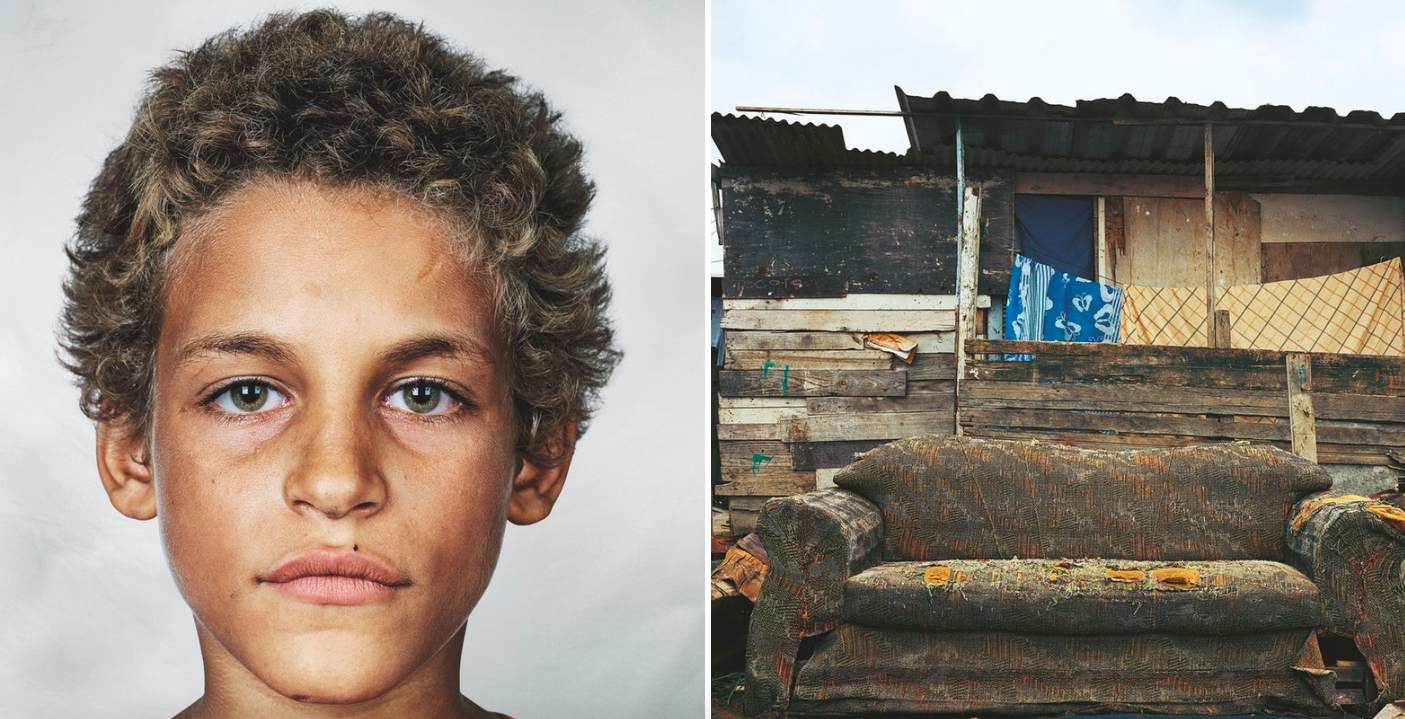
Alex is nine years old. He lives in Rio de Janeiro, Brazil. He does not go to school but spends his time begging on the city streets. He has found that the only way he can survive is to beg or steal.

He admits that he sometimes steals from old people or from drivers waiting at traffic lights. As the drivers lean their arm on the window, Alex snatches the watch from their wrists. He is addicted to sniffing glue.

Most of the time he sleeps outside, on an empty bench or discarded sofa if he can find one — otherwise on the pavement. Alex is still in touch with his family, and occasionally goes to see them to share a meal.

Jaime, 9 years old

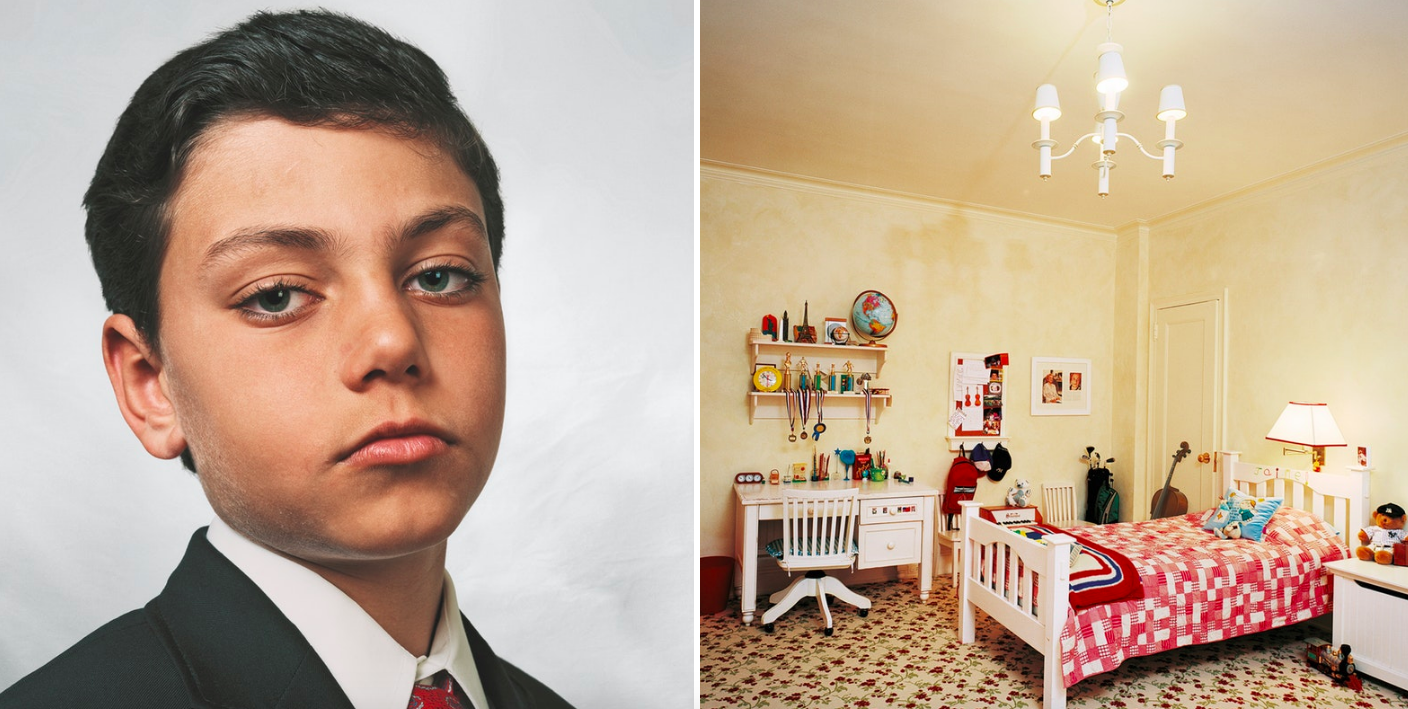
Fifth Avenue, New York

Jaime is nine years old. He lives in a top-floor apartment on Fifth Avenue in New York. His parents also own luxury homes in Spain and in the Hamptons on Long Island. He has a younger brother and sister who are twins. Places at Jaime’s school are greatly sought after, even though the fees are very high. Jaime had to pass several tests before he was accepted.

He is doing very well at his studies and particularly enjoys computer class, spelling, and woodwork, but not geometry. He has an hour’s homework each night and often finds it hard to fit this in with his other after-school activities.

Wednesdays are particularly busy as he has judo and swimming lessons. In his spare time, apart from playing the cello and kickball, Jaime likes to study his finances on the Citibank website. When he grows up, he would like to be a lawyer like his father.

9 years old

Ivory Coast

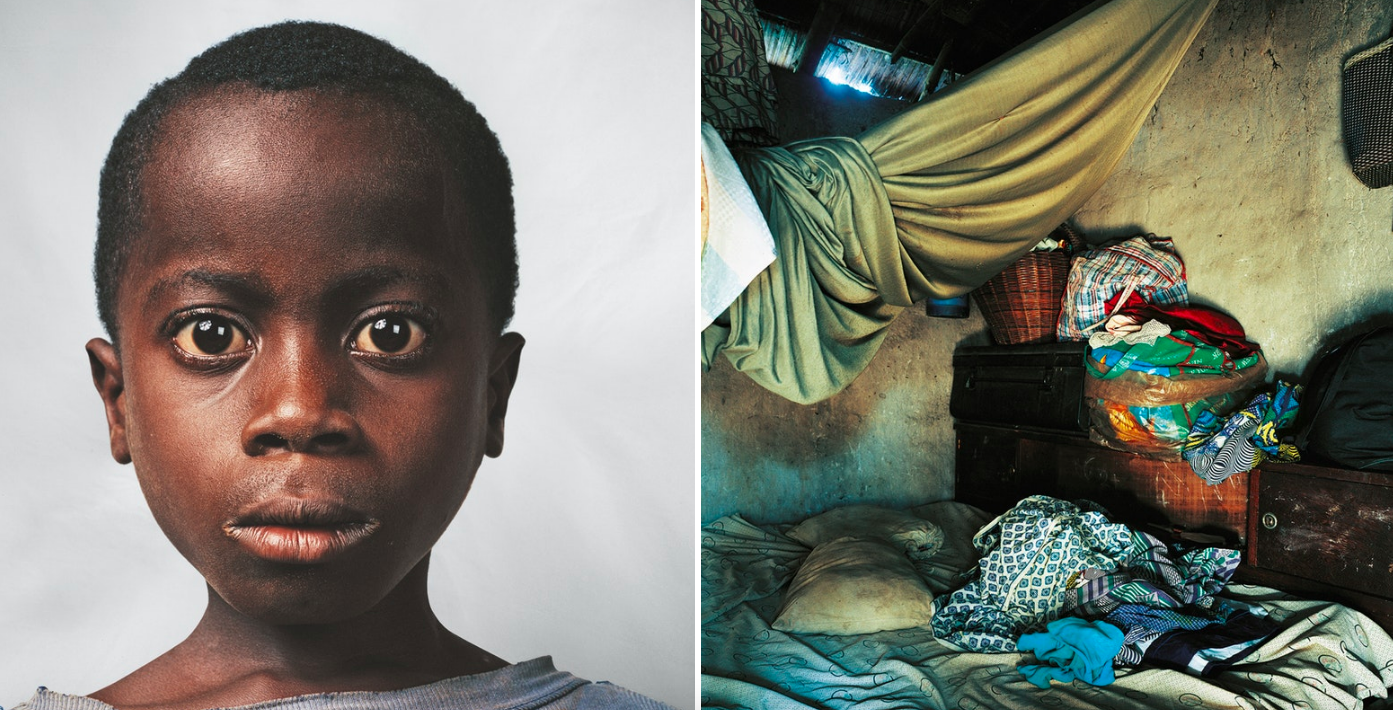
This nine-year-old boy is a refugee from war in Liberia, in western Africa, and goes to a school for ex-child soldiers in Ivory Coast. His name remains a secret in order to protect his identity. If it is revealed, his life could be at risk.

Thousands of young children — many of them orphans — were recruited as soldiers to fight in the violent civil war in Liberia. They were tempted to become soldiers by promises of money, food and clothing. These child soldiers were then moved around the country during the conflict, causing them to lose track of their home villages. They became displaced.

This boy is an orphan and has three brothers. He now lives in a concrete shack alongside other pupils from his school. His favorite food is rice with tomato, meat and fish ground up together. He likes football and would like to be a teacher when he is older.

Samantha, 9 years old

Long Island, New York

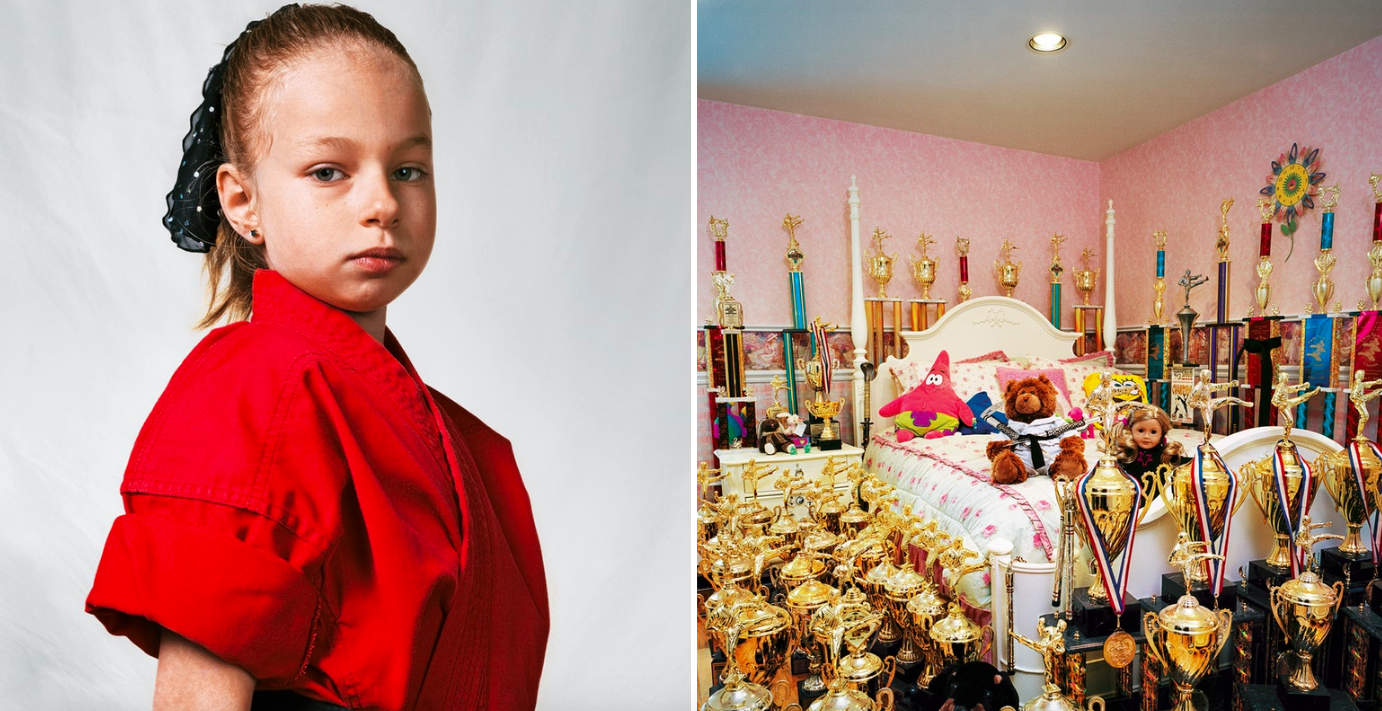
Samantha is nine years old. She lives with her parents, and her guinea pig and fish, in a detached house on Long Island, New York. Samantha has achieved a black belt — the highest level — in karate. She has been world champion three times.

She first became interested at the age of three, when she saw a television advert featuring karate. She pestered her parents to let her learn and took her first lesson when she was four. She has now been in two adverts and a short film, and her bedroom is full of trophies she has won in competitions.

Samantha’s school is one mile away. Her mother takes her by car each morning so that she can have an extra few minutes’ rest in bed. She spends four hours a day practicing karate at the studio and also has an hour and a half of school homework each night. Samantha would like to become a karate movie star.

Tzvika, 9 years old

Beitar Illit, West Bank

Tzvika is nine years old and lives in Beitar Illit, an Israeli settlement in the West Bank. It is a gated community of thirty-six thousand Haredi (Orthodox) Jews, who live their lives according to a strict religious code set out in the Jewish holy book, the Talmud. Televisions and newspapers are banned from the settlement.

The average family has nine children, but Tzvika has just one sister and two brothers, with whom he shares his room. Like all good Haredi boys, Tzvika reveres God and wants to become a rabbi when he is older. He lives in a modern apartment block and is taken by car to school, a two-minute drive away.

Religion is the most important subject, followed by Hebrew and maths. Sport is banned from the curriculum. Tzvika goes to the library every day and enjoys reading the holy scriptures. All the books in the library are religious books. Tzvika also likes to play religious games on his computer. His favorite food is schnitzel and chips.

Douha, 10 years old

Hebron, West Bank

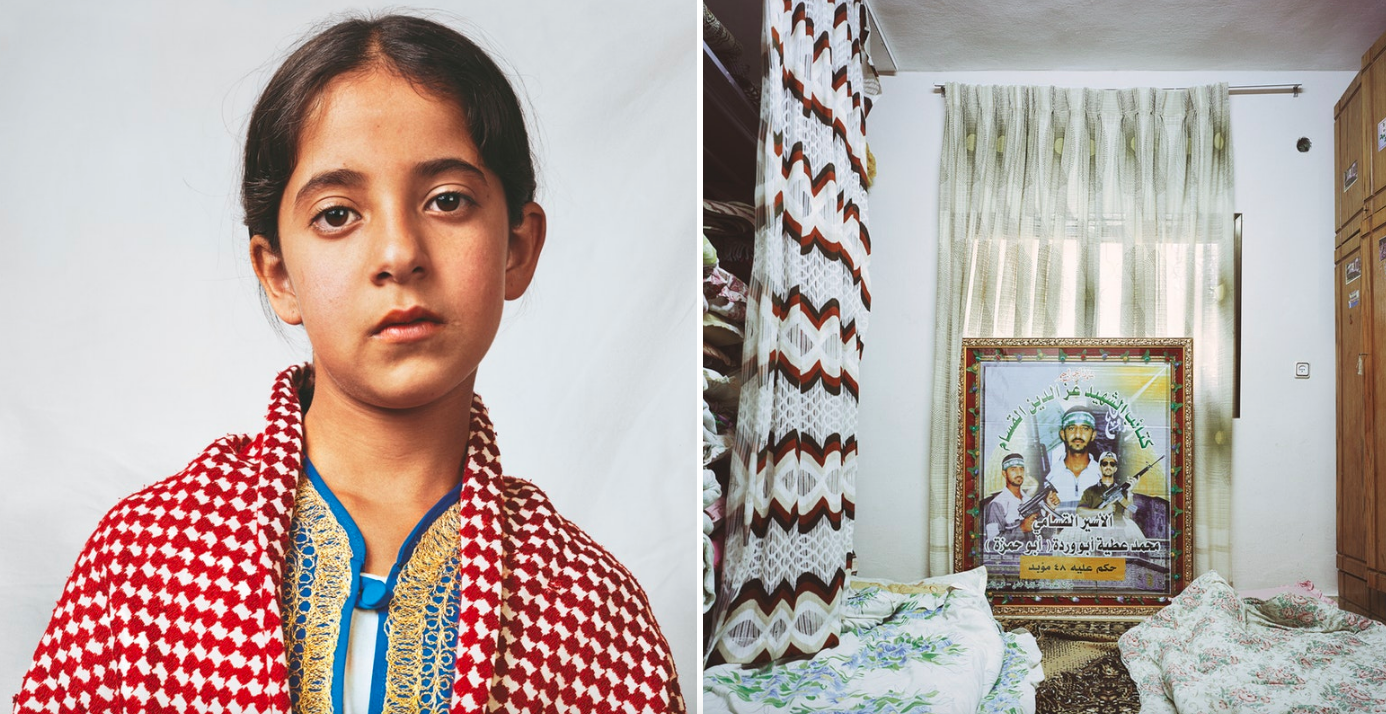
Douha lives with her parents and eleven siblings in a Palestinian refugee camp in Hebron, in the West Bank. She is ten years old and shares a room with all five of her sisters. The family diet mostly consists of green beans, meat, rice and lentil soup.

Douha attends a school which is ten minutes’ walk away. She works hard because she wants to be a pediatrician when she grows up. Douha’s life has been severely affected by the conflict between Palestine and Israel. Her grandparents fled from their village in 1948, when Israel took over their land, and Douha’s family has lived in refugee camps ever since.

Douha was born in a refugee camp, and there has always been violence around her. Her brother Mohammed killed himself and twenty-three civilians in a suicide bomb attack against the Israelis in 1996. Although no one in her family knew what Mohammed was planning, the whole family was punished for it: immediately after the bombing, the family home — including all their possessions — was destroyed by the Israeli military. Douha has a poster of Mohammed on her bedroom wall.
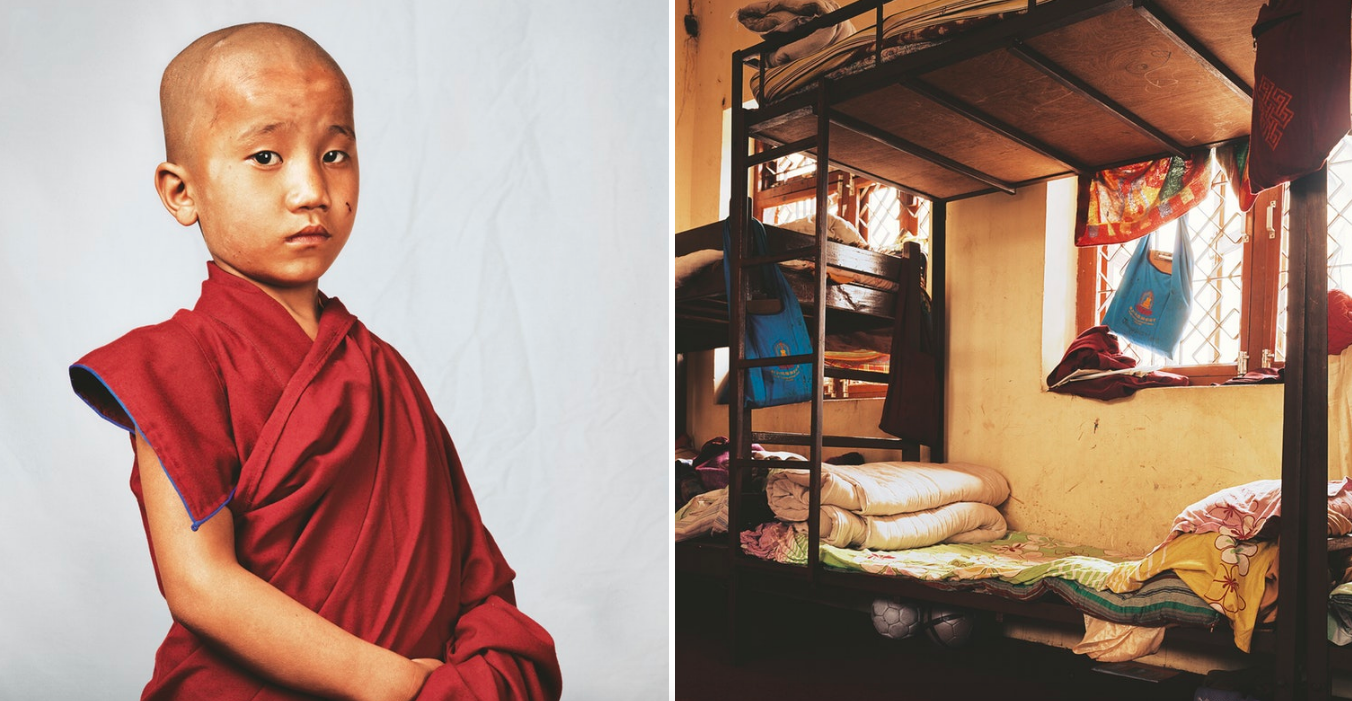
Sherap, 10 years old

Kathmandu, Nepal

Sherap is ten years old. He lives in a beautiful Tibetan monastery in Kathmandu, Nepal, and shares a room with seventy-nine other boys training to be monks. The boys all sleep in bunk beds and have very few personal possessions.

Sherap’s parents sent him here because it is believed that good luck comes to families who offer a son to the monastery. It also means they have one less mouth to feed.

Sherap has a long day. He gets up at 5.30 am to study, and finishes the day with an hour of chanting at 9 pm. He usually eats dhal bhat (rice and lentil soup), thukpa (noodle soup) and roti (flat bread). He admires his teacher and would like to be a kempo martial arts teacher one day, but first he must finish school and then study privately for three years and two months.

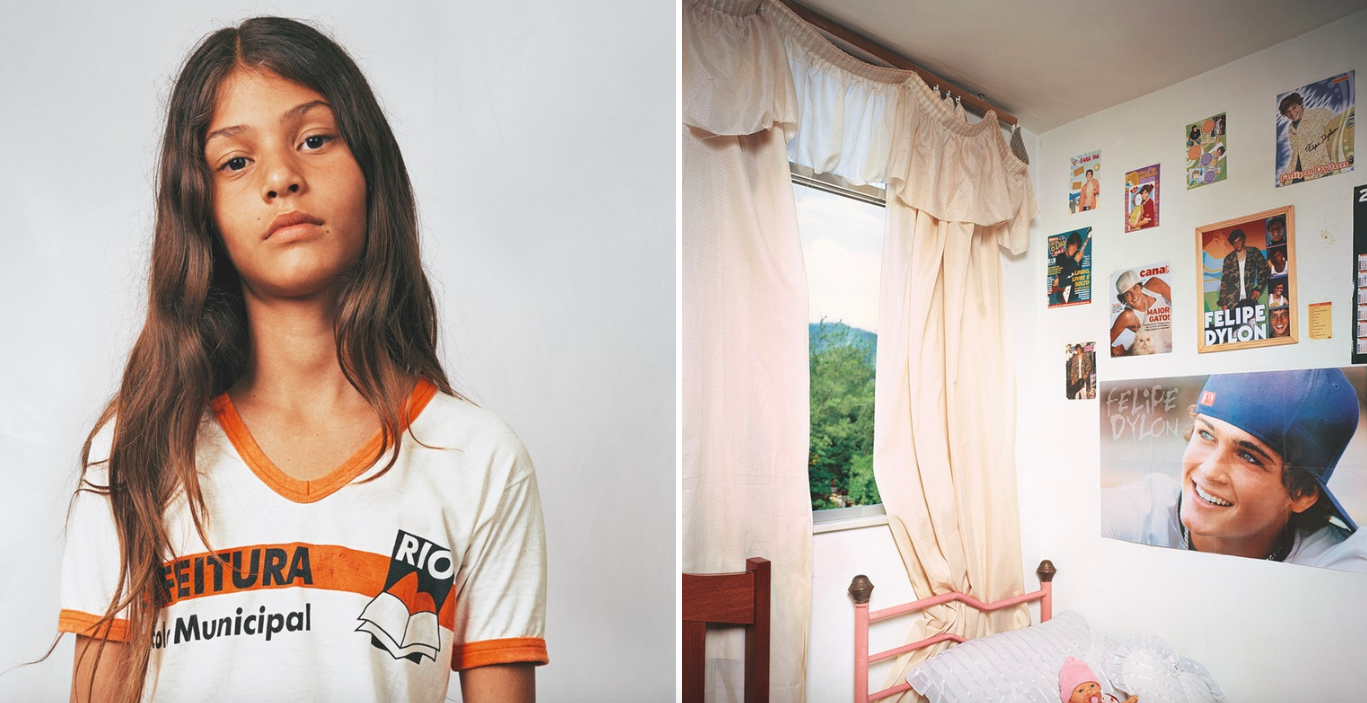
Thais, 11 years old

Rio de Janeiro, Brazil

Thais is eleven years old and lives with her parents and sister on the third floor of a block of flats in Rio de Janeiro, Brazil. There are two bedrooms in the flat, so Thais has to share her room with her sister.

They live in the Cidade de Deus (‘City of God’) neighborhood in the western zone of Rio de Janeiro. It used to be a poverty-stricken, crime-ridden area, dominated by gang rivalry and drug abuse, but the 2002 film City of God, which was set in the neighborhood, inspired major improvements. It is now a much safer place to live.

Thais’s parents are not well off but are able to support their family reasonably well. Thais is a great fan of Felipe Dylon, a Brazilian pop singer. She has his posters all over her bedroom wall. She also admires the Brazilian model and actress, Gisele Bündchen, who is thought to be the highest paid model in the world. Thais would like to be a model when she grows up or, alternatively, a pediatrician.

Netu, 11 years old

Kathmandu, Nepal

Netu lives in Kathmandu, Nepal, in an area known as ‘Beggars’ City’. She used to live in India with her parents, four sisters and brother. Her parents were unable to support the family and there was not enough food to survive, so they had to send Netu, the eldest, away to live with her aunt. They had hoped for better prospects for their daughter. They spent one week’s salary on the bus fare for Netu to travel to Kathmandu. The journey took three days.
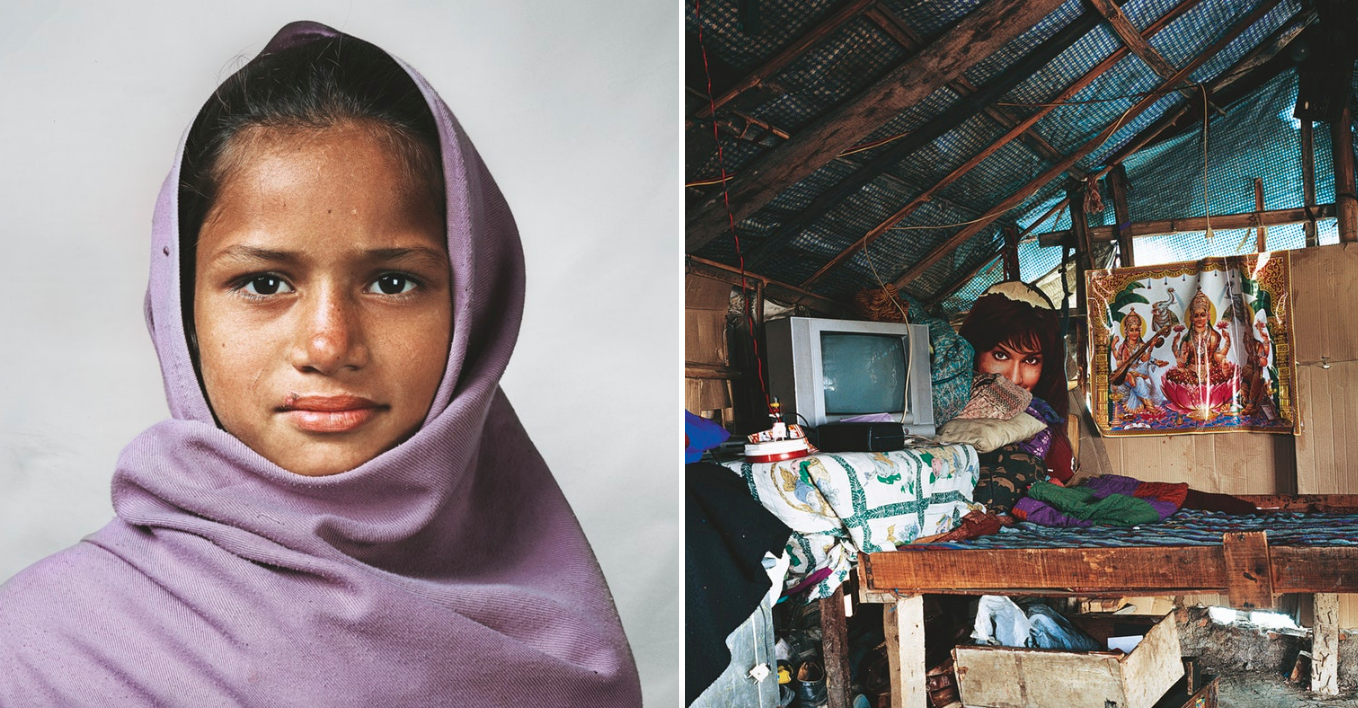
Netu is eleven years old and now has to beg for money on the city’s streets. It is only the tourists who are willing to donate anything and often she goes home with nothing.

Her home is a plastic sheeted shack. The room measures four meters by six meters and contains two beds. Four people sleep in one bed, three in the other, and four people sleep on the floor.
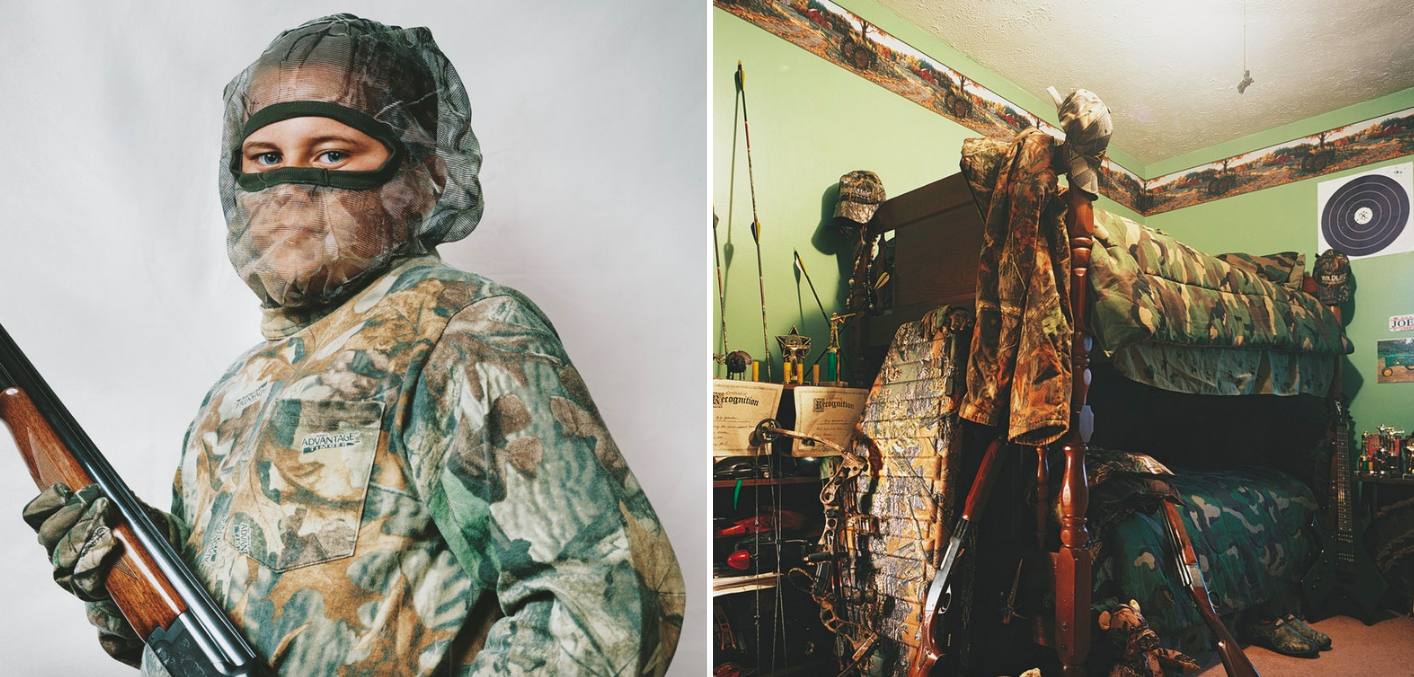
Joey, 11 years old

Kentucky, USA

Joey lives in Kentucky, USA, with his parents and older sister. He is eleven years old. He regularly accompanies his father on hunts. He owns two shotguns and a crossbow and made his first kill — a deer — at the age of seven. He is hoping to use his crossbow during the next hunting season as he has become tired of using a gun.
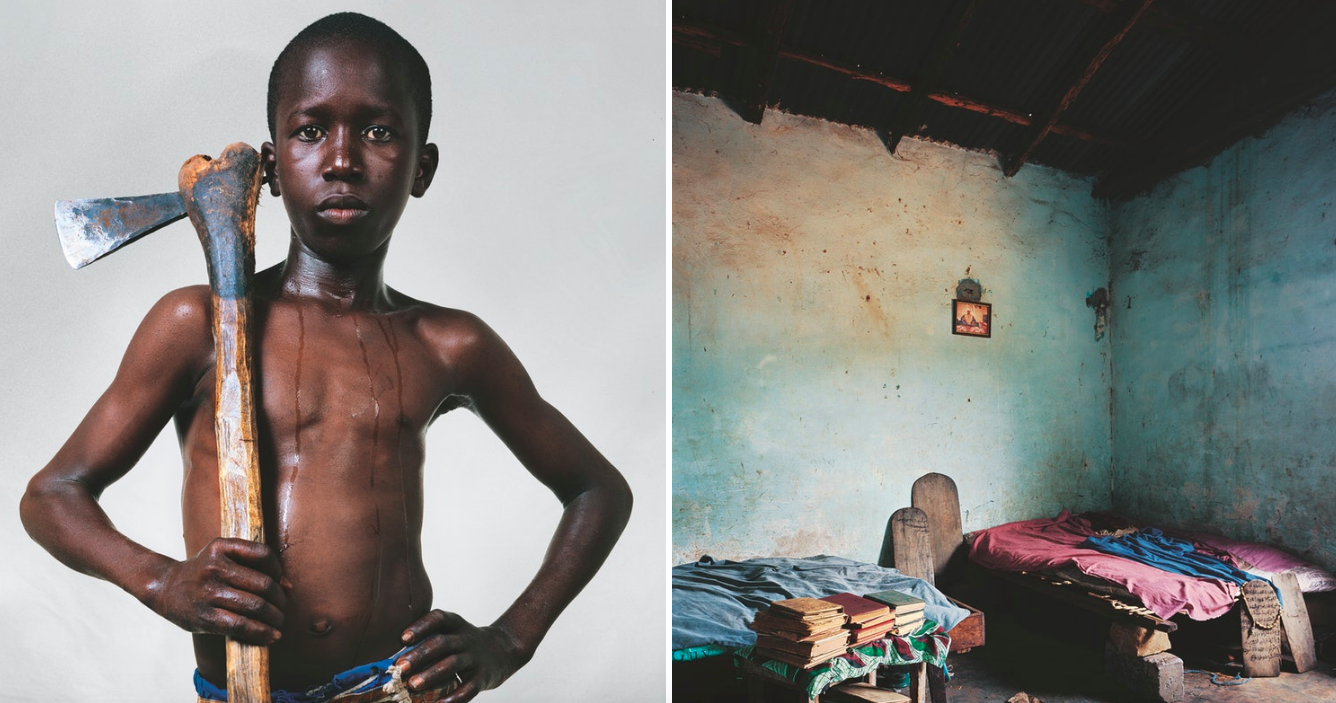
He loves the outdoor life and hopes to continue hunting into adulthood. His family always cook and eat the meat from the animal they have shot. Joey does not agree that an animal should be killed just for sport. When he is not out hunting, Joey attends school and enjoys watching television with his pet bearded dragon lizard, Lily.

Lamine, 12 years old

Senegal

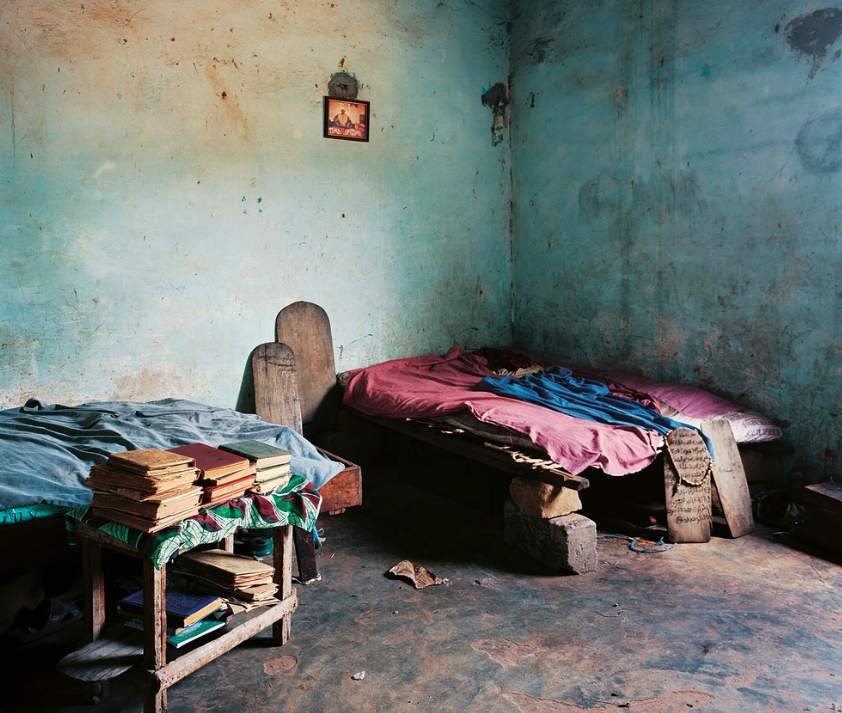
Lamine is twelve years old and lives in a village in Senegal, western Africa. He is a pupil at the village Koranic school, where no girls are allowed. He shares a room with several other boys from the school.

The beds are very basic and uncomfortable, some supported by bricks for legs. At six o’clock every morning, the boys begin work on the school farm. Depending on the season of the year, they are taught digging, harvesting maize or how to plough the fields using donkeys. In the afternoon, they study the Koran, the holy book from which Islam is derived, learning to recite its verses from wooden tablets. They have the same teacher for all their lessons.

Lamine enjoys school but finds the farming lessons hard work and very hot. In his free time, he likes to play football with his friends. When Lamine grows up he would like to be a teacher.
Ryan, 13 years old

Pennsylvania, USA

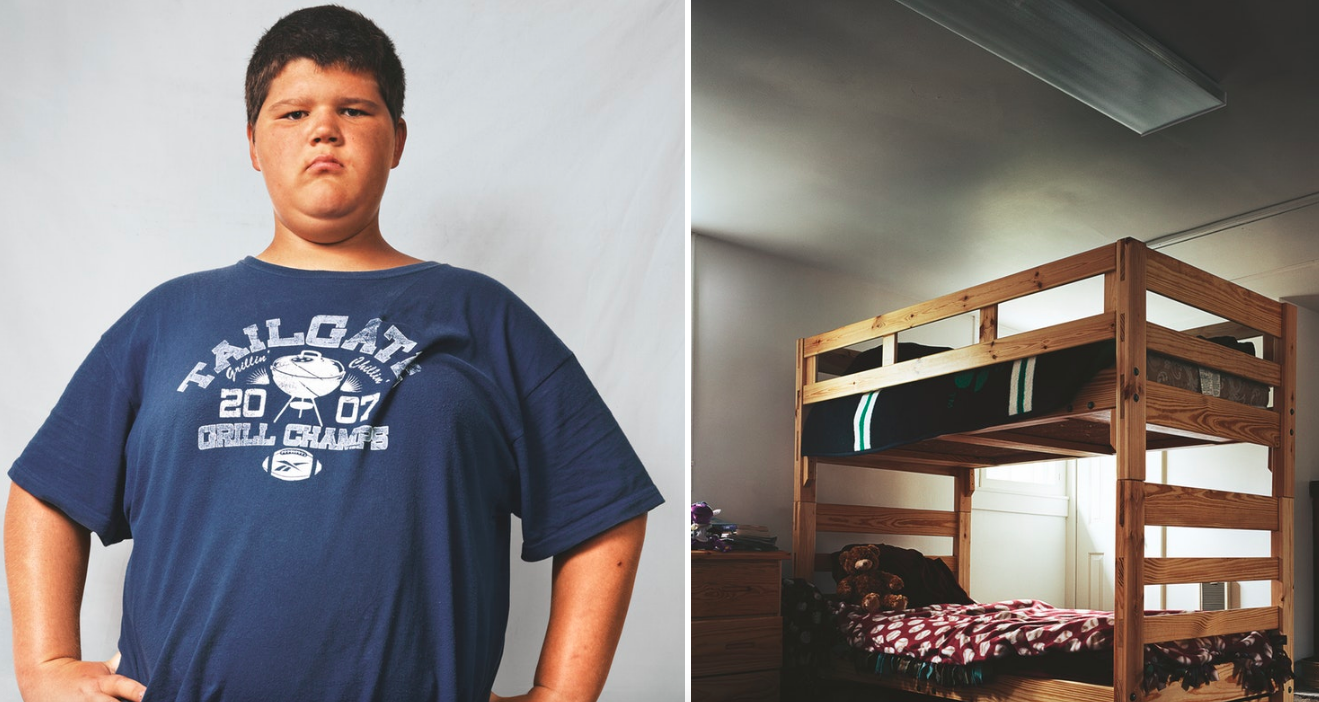
Ryan normally lives with his parents and two sisters in Pennsylvania, USA, but is currently staying at a school for obese children aged eleven to sixteen. Ryan is thirteen years old.

When he was nine, he was found to have a brain tumour. As a result, he now suffers from ‘Prader-Willi Syndrome’, an inherited condition that causes Ryan to have an insatiable appetite. This led Ryan to gain a lot of weight, but since attending the school, he has lost nine kilos. He is determined to lose as much weight as possible so that he can play baseball with his friends again.

Meal times are becoming easier for him because the school provides healthy versions of pizza and spaghetti alongside unlimited amounts of low-calorie foods such as soup, fruit and vegetables. This means he is not always as hungry as he used to be at home. All students have to take ten thousand steps per day.

Ryan would like to be a doctor when he grows up, in gratitude to the medical profession for helping him through his illnesses.

Erlen, 14 years old

Rio de Janeiro, Brazil

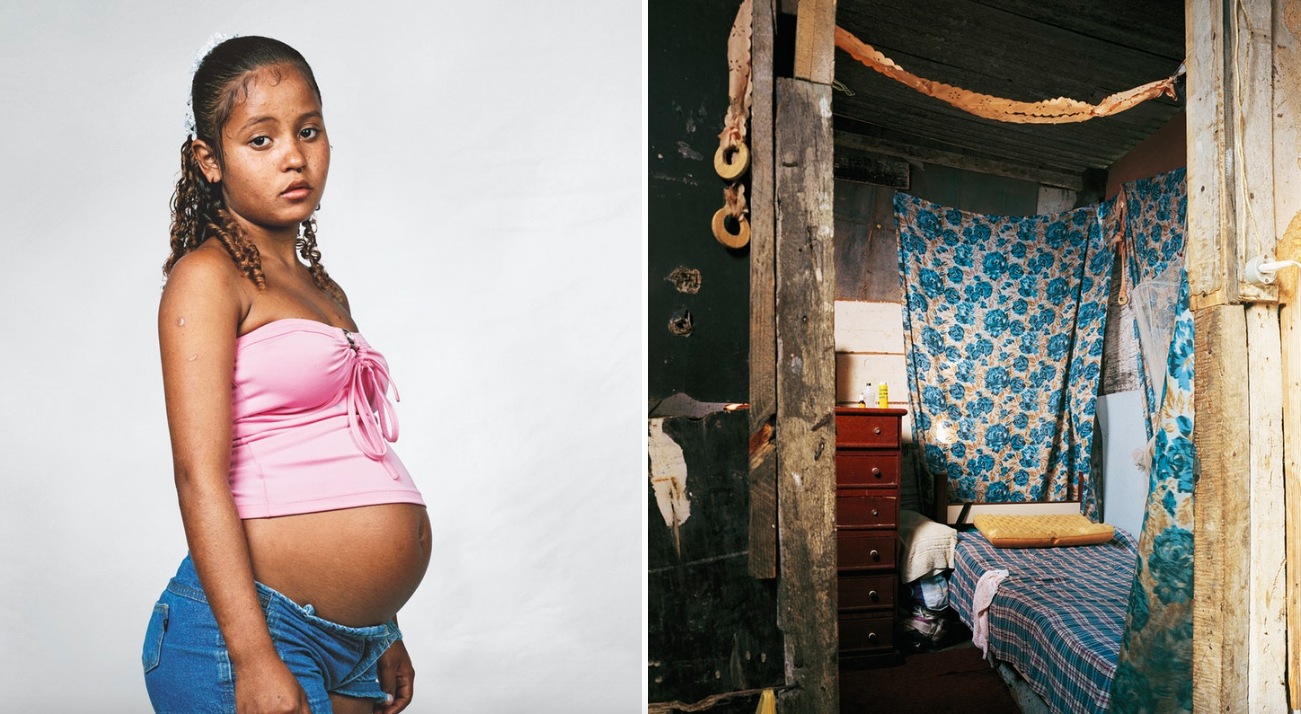
Erlen is fourteen years old and is pregnant for the third time. She lives in a favela (slum) in Rio de Janeiro, Brazil. Her home is a small shack. She usually sleeps on the floor, but now that she is in the later stages of her pregnancy, her mother has swapped places and allowed her to sleep in the bed. Erlen was twelve when she first became pregnant, but her baby was stillborn. A year later, she lost a second baby soon after its birth. If her new baby survives, Erlen is unlikely to return to school as she will need to stay at home to look after it. She will be a single parent.

The Brazilian government is concerned at the increase in teenage pregnancies despite its efforts to promote contraception. Abortion is illegal and can result in a three year prison sentence. It is also very dangerous — one in five women die while having abortions in illegal back-street clinics. Erlen would like to be a vet when she is older, and to live somewhere else.

Nantio, 15 years old

Marsabit, Kenya

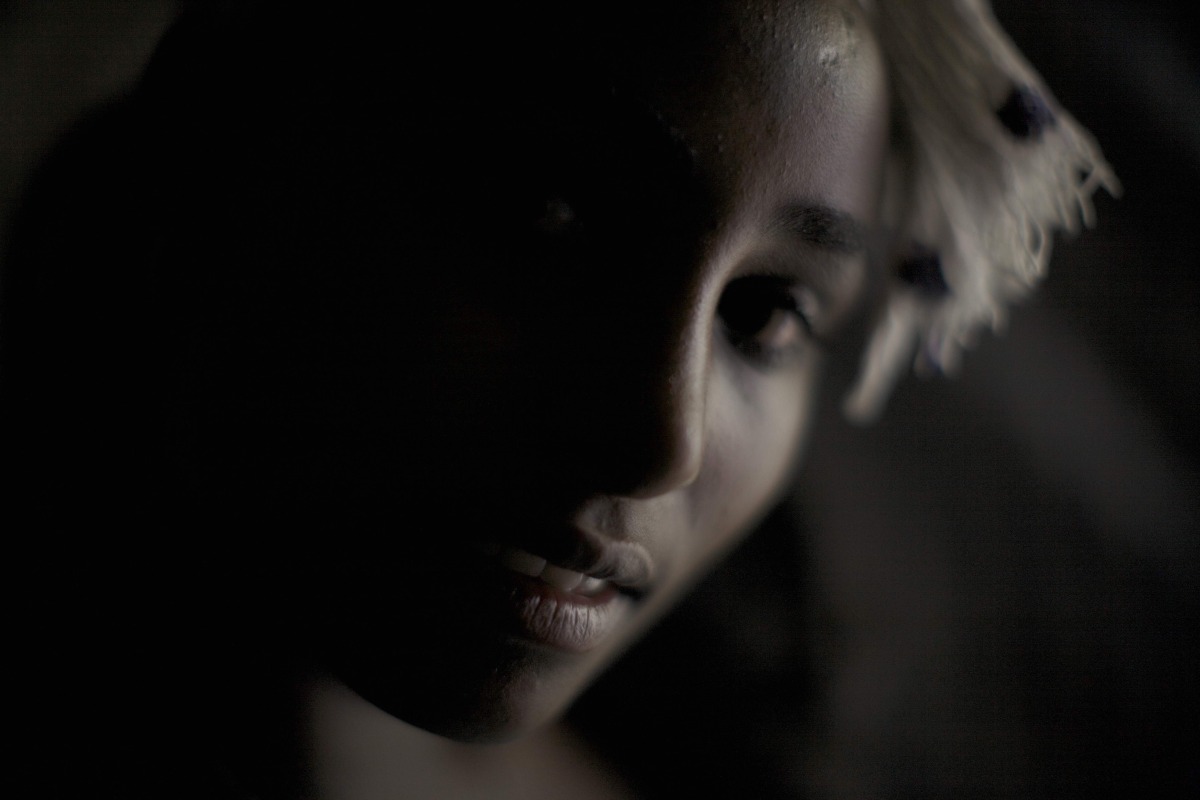
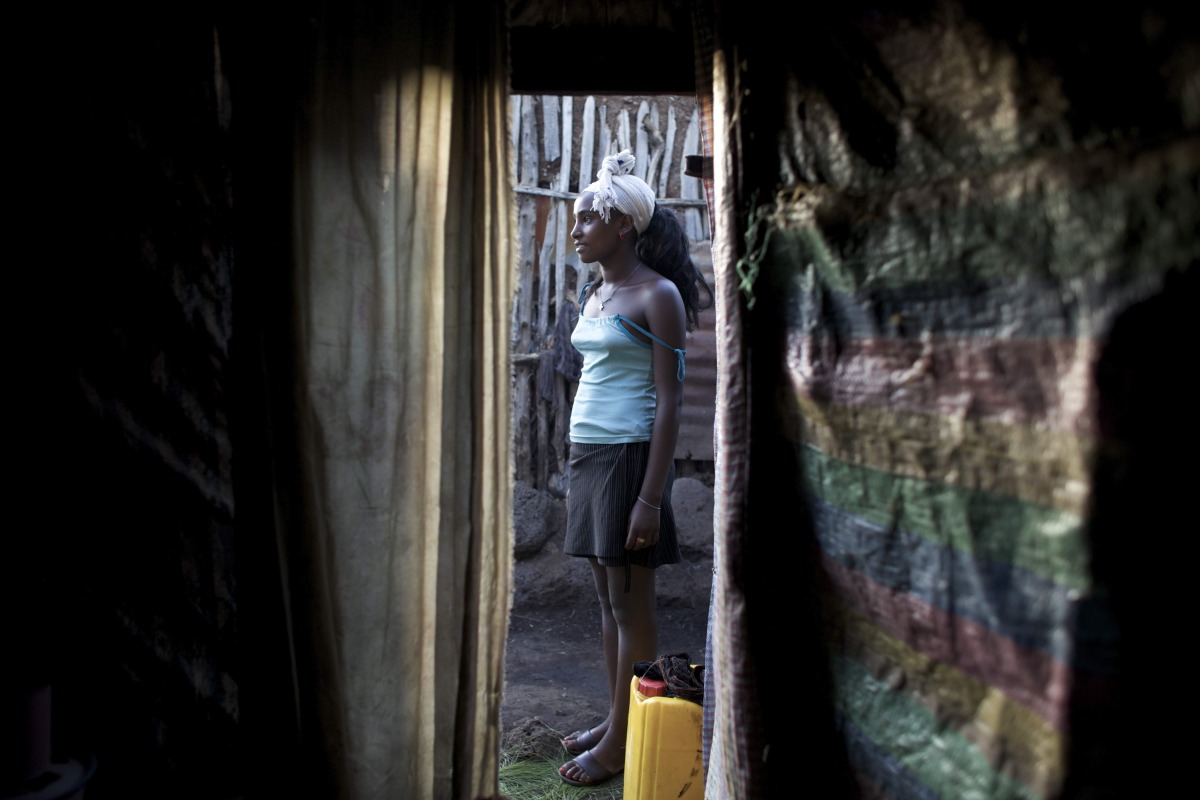
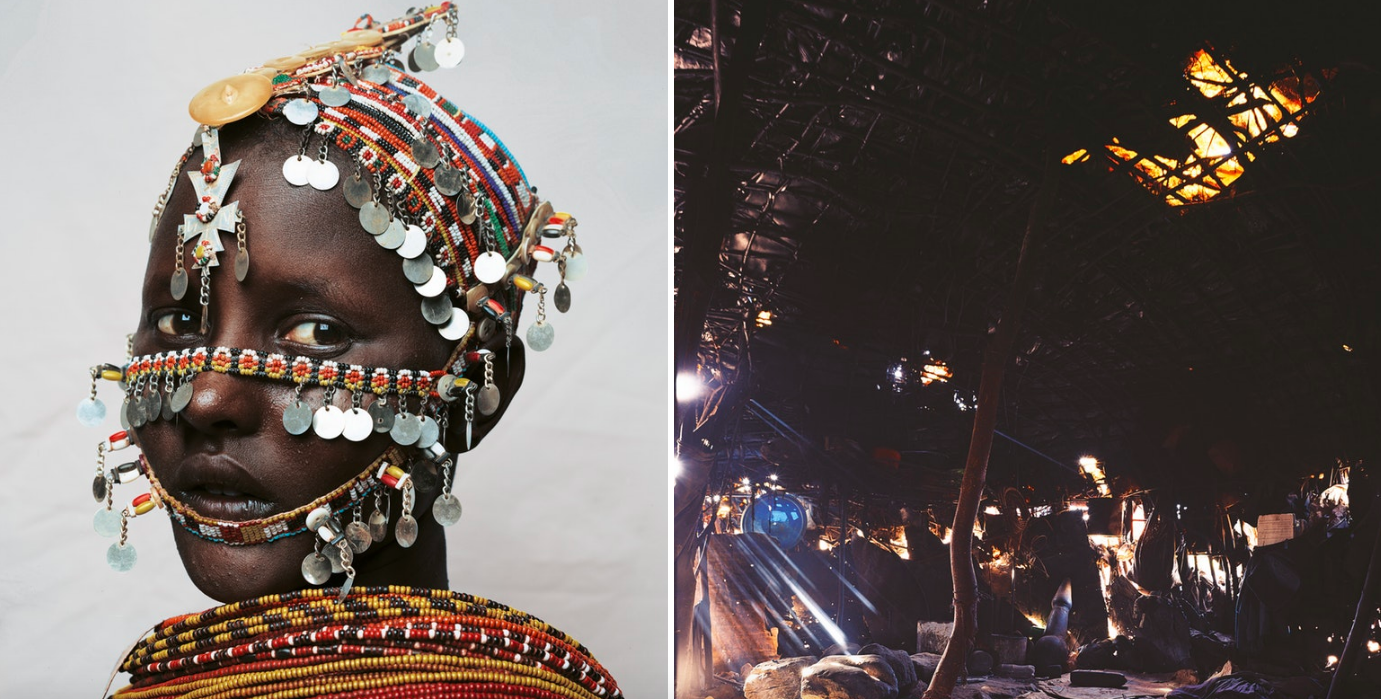
Nantio is fifteen years old and a member of the Rendille tribe in northern Kenya. She has two brothers and two sisters. Her home is a tent-like dome made from cattle hide and plastic, with little room to stand. There is a fire in the middle, around which the family sleep.

Nantio’s household chores include looking after the goats, chopping firewood and fetching water. She went to the village school for a few years but decided not to continue. Nantio is hoping a moran (warrior) will select her for marriage (she has a boyfriend now, but it is not unusual for a Rendille woman to have several boyfriends before marriage).

First, she will have to undergo circumcision, as is the custom. Nantio’s status in life can be seen by the number of necklaces she wears and whether she also wears a white band, indicating that she has a boyfriend or that her menstrual cycles have begun.

* * *

You can explore many other children’s stories and photographs, from all over the world, in my book Where Children Sleep.

THIS ARTICLE WAS ORIGINALLY PUBLISHED ON MAPTIA 

JAMES MOLLISON
Kenyan-born, English-raised, Venice-based documentary photographer, jamesmollison.com

Destination Travel in the Age of Social Media

When it comes to being inspired by social media, Instagram travel feeds are there ready to lure us in. Each feed presents itself like a journey all on their own — with enviously gorgeous images beckoning a traveler onward. It’s a shame to learn then they’re ruining it for the rest of us.

In fact, according to the National Park Service, between 2008 and 2017 places like Yellowstone National Park gained a 40% increase of visitors. And since the onset of COVID-19, those numbers have only got worse. In an interview with The Guardian, the former superintendent of the park, Dan Wenk says, “Our own species is having the greatest impact on the park and the quality of the experience is becoming a casualty.” And national parks aren’t alone, it’s even affecting farmers like those at Bogle Seeds.

Hundreds of people showed up to take photos in front of the sunflowers that grow at Bogle Farms; you’ve all seen those IG worthy shots, like this:

After his farm went viral on Instagram, owner, Mr. Bogle was quoted saying, “I’ve described it as a zombie apocalypse. There were so many cars. People were walking in and around them. No one would move.” People crowded the farm to take selfies and were then accused of doing a lot of damage to flowers.
CBC news in Canada described the sight as “chaos”; and shortly after opening to the public the owners closed it to them for good.

Mr. Bogle is not alone. Just a few miles out from The Grand Canyon, resident of Page, AZ, Bill Diako says that the natural attraction Horseshoe Bend saw a massive spike of visitors when Instagram launched in 2010. He says the numbers grew from a few thousand annual visitors to 100,000 that year. And the phenomenon doesn’t just affect the United States, getting that perfect shot for social media is an international phenomenon.

Tourists posing “holding up” Leaning Tower of Pisa. Pinterest

It’s not just the crowds that are ruining the experience for sustainable travelers. Just like the damage done to the sunflowers at Bogle Seeds, the Great Wall of China has been affected by mistreatment and even theft. Today, if you don’t want to navigate a sea of tourists there, you’ll have to go off-season and in the snow.

Great Wall of China packed with visitors over holiday.

On July 26th Associated Press announced that the Yankee Jims pristine swimming hole in Northern California was closed to motor vehicles due to over crowding. There were about 300 cars spotted parked along the freeway due to the fact that the swimming hole only has 12 spots, which used to suffice. And the local authorities claim that social media is to blame for the surge.

Getting that perfect shot no matter the cost has been a catalyst for movements of change and education. There are even petitions on Change.org to encourage social media users to be more aware of their behaviors when traveling. It would seem that the age of COVID-19 and our need for fresh-air and social distancing has backfired, as the problem only seems to be getting worse. Many would agree there needs to be a sustainable and long term way to travel in the age of social media to prevent the lasting effects on the cultural and historic sites, monuments and lives of people all over the world.


Raeann Mason

Raeann is an avid traveler, digital storyteller and guide writer. She holds a Bachelor’s degree in Mass Comm & Media Studies from the Walter Cronkite School of Journalism & Mass Communication. Passionate about a/effective journalism and cultural exchange, she is an advocate of international solidarity and people's liberation. As the founder of ROAM + WRITE and EIC of Monarch Magazine, Raeann hopes to reshape the culture of travel and hospitality to be both ethically sound and sustainable.

The Maasai Spirit

This series of images was taken while on assignment in the Maasai Mara Game Reserve in Kenya.

As we were leaving the reserve one day our driver suggested we stop at a nearby Maasai village. I thought it would be just a quick stop and a chance to pickup some handmade souvenirs.

Knowing that the Maasai depend on tourists to supplement their subsistence farming, I didn't expect the warmth of our welcome and the genuine dialogue I would have with the chief. He introduced us to the village, showing every aspect of their daily life. Speaking passionately about the realities confronting the Maasai people and the hard choices they must make in order to preserve their cultural identity — from environmental issues threatening their homes and grazing lands, exposure to tourists and the lure of modern life. 

He was an erudite speaker, having mastered English and more than 6 African languages. This worldliness empowered him to make mindful decisions governing the collective future of his tribe. All the while recognizing the hypocrisies of a developed worlds existence. In his village no one went hungry, loneliness and depression did not exist and the elders were a revered and integral part of the social dynamic.

He encouraged me to take photos, wanting to share their simple but dignified life, beautiful aesthetic and overt happiness. I hope these images honor the chief's wishes and convey some of the Maasai spirit.


Julien Campeil

Julien is an Australian born photographer living in New York. His work has appeared in many publications worldwide including Vogue, GQ and Conde Nast Traveler.

You can view more of his work online at: www.juliencapmeil.com

For print purchases Email: info@juliencapmeil.com

Half of South Korean Elderly Are Living in Extreme Poverty

The pension retirees receive is only a quarter of the amount needed for single households, causing many elderly to return to work. 

Elderly South Korean woman. Mctrent. CC BY-NC 2.0

South Korea is known for high rise buildings, luxury skin care and high tech devices. Yet with all of these advances, it has the worst senior poverty rate among developed nations. The population has been struggling to stay off the streets with only 35% of seniors receiving a monthly pension. Fewer than half of seniors receive government assistance and it is only a quarter of the amount needed to cover basic necessities. 

The Confucian tradition of children taking care of their parents is fading in South Korea. In previous generations the elderly turned to their children for financial assistance, often living with their children until their passing. However, the Census has shown that one in three Korean seniors live alone today and six out of ten elderly are supporting themselves. It has become difficult for children to help aging parents due to the expensive cost of living and the high unemployment rate. The country’s legal retirement age is 60, but many employees at private companies are pressured to leave around age 50 due to scarce executive or high-ranking jobs. When they retire at such a young age, they realize their pensions or severance packages are far below the cost of living and that the social safety net is insufficient. They are forced to re-enter the working world, but often in positions that are temporary or day-to-day, offering very low pay.

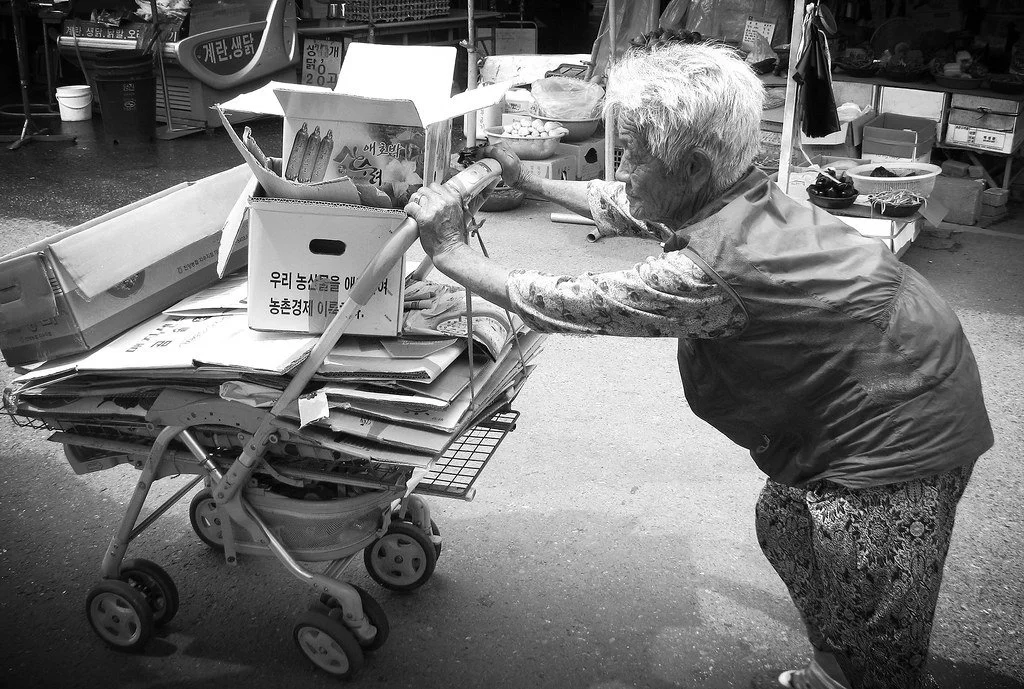
Retiree collecting cardboard boxes. Mariej55quebec. CC PDM 1.0

In order to make a living, many retirees collect anything that can be recycled and transported to the local junk yard using makeshift handcarts. Cardboard boxes are what they tend to collect most because they are the easiest to come across. Although prices vary, the average income per kilogram (2.2 lbs.) is 40 won ($0.33). On a 12 hour day, retirees earn about $6.68: a salary that’s far below the poverty line. South Korea is expected to become a “super-aged society” with more than 20% of its population aged 65 years and older by 2026. A fall in the fertility rate and rising longevity are the two fundamental contributors to the country’s growing ageing population. 

Pre-pandemic, soup kitchens were a social gathering place for many retirees. A popular one among the elderly was Angel Soup Kitchen. On average, they served more than 350 free meals three times a week: operating 26 centers across South Korea. Retirees would line up in the early hours of the day to guarantee a spot in line. It was a place where they could be among other seniors enjoying a meal. However, with the pandemic and the elderly being the most vulnerable, Angel Soup Kitchen closed and now distributes take home meals. With so many soup kitchens closing, Warm Chaeumteo was one of the few that remained open. They provide three meals a day, seven days a week. Due to the temporary closure of other soup kitchens, the center is getting approximately 100 more visitors a day, compared with the normal turnout before the outbreak. They receive just under 1,000 people per day. It is becoming harder to keep soup kitchens open with the decline in volunteers, many deciding they want to avoid face to face interactions.

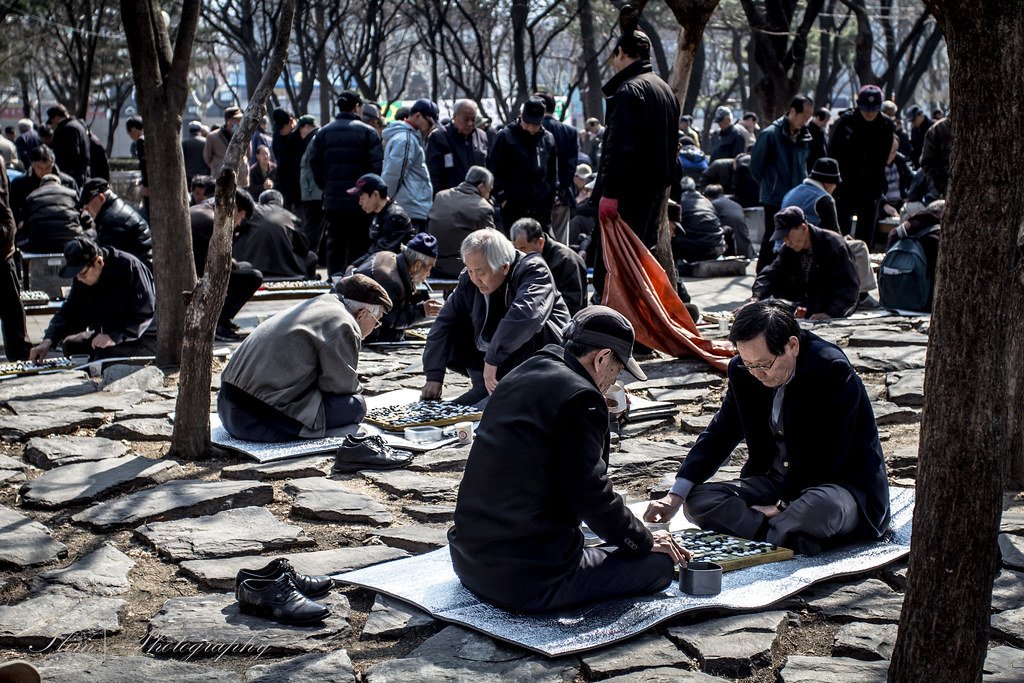
Senior Koreans Playing Chess at a Park. Terence. CC BY-ND 2.0

The mental health of retirees has seen a spike in recent years. The disruption of the traditional family unit is a large reason why. Children often lose contact with their parents, leaving the retired elderly to feel lonely and isolated. A long term effect of these feelings will trigger depression, anxiety and loneliness. To socialize, retirees frequent parks and public areas, but with the restrictions of the pandemic, most areas are now closed. This forces the elderly into further isolation and a toll on their mental health. Health Insurance Review and Assessment Service reported that about 40% of the 684,000 Koreans diagnosed with severe depression were over age 60. With an aging population that will only continue to grow, countries with large elderly populations are facing an unprecedented issue: how to properly care for a large influx of elderly people, while still moving towards the future. Living longer is usually associated as being a hallmark of success, but current societal structures in many countries are not equipped to provide the social services needed. 

As South Korea and the globe try to figure out how to care for this large wave of retirees living longer, there are startups like EverYoung. A company that only hires employees aged 55 and older. Employees monitor blog content and detect sensitive information, as well as perform other IT tasks. There are 420 seniors from a variety of career backgrounds employed. Moreover, a mandated 10-minute break for every 50 minutes of work, and staff are rostered on four-hour shifts. Manager Kim Seong-Kyu told ChannelNews Asia that older employees have detail-oriented skills not common in the younger workforce, with distracting cell phones stored away during work time. Kyu said, “they are full of passion. The time that they have, and their interest in this work, are primarily why they come to work”.

To Get Involved:

The Korea Legacy Committee and Asian Boss have partnered to provide free meals every Sunday for the South Korean elderly. They aim to become a safe haven for impoverished seniors and expand the meal program around the country.  

To learn more about Korea Legacy Comittee click here.

To support the South Korean elderly during the pandemic click here.


Jennifer Sung

Jennifer is a Communications Studies graduate based in Los Angeles. She grew up traveling with her dad and that is where her love for travel stems from. You can find her serving the community at her church, Fearless LA or planning her next trip overseas. She hopes to be involved in international humanitarian work one day.

10 Quotes to Inspire You to Travel

Consider yourself an adventurer on a temporary hiatus? Life’s distractions make it easy to put travel on the backburner: financial difficulties, the dog ate your atlas, your significant other has a case of the measles. If any of these excuses sound familiar, you’re in need of a reminder why travel is rejuvenating for the mind and spirit. And, as we’ve discussed before, it can be low-cost! The following 10 authors, entrepreneurs and leaders lived in vastly different time periods, locations and social contexts. However, they shared one common interest: a love of travel. Still not convinced? Look at what they have to say.  

1. "Travel is like knowledge. The more you see, the more you know you haven't seen." — Mark Hertsgaard

Mark Hertsgaard is a contemporary journalist and author from the United States. As the environmental correspondent for The Nation, Hertsgaard remains an independent journalist in order to pursue any story that catches his attention. He’s traveled around the world twice and reported from 26 countries. With all his jet setting, you’d think Hertsgaard would be tired of it. Yet to him, every adventure is a reason to seek out more.  

2. “Take only memories. Leave nothing but footprints.” — Chief Seattle

Chief Seattle was a Suquamish Tribe and Dkhw’Duw’Absh chief during the 19th century. As a prominent figure among his people, Seattle sought accommodation over conflict when white settlers compromised the land. His message remains powerful today, especially when considered from an environmentalist perspective. From a personal perspective, one is reminded of the power of memory: travel lightly. Your mind is your scrapbook. 

3.  "I live my life in widening circles that reach out across the world." — Rainer Maria Rilke

Rainer Maria Rilke was a Bohemian-Austrian poet and novelist at the start of the 20th century. Critics often describe his work as inherently “mystical,” which resonates with the analogy of widening circles. To live life in widening circles is to push against external limitations. One way to make this analogy a reality is to travel! Global exploration provides opportunity to connect with others and to strengthen social networks. The farther you go, the more you’ll feel at home in any location.   

4. “Traveling is like flirting with life. It's like saying, 'I would stay and love you, but I have to go; this is my station.'" — Lisa St. Aubin de Teran

Lisa St. Aubin de Teran is a contemporary English novelist. In her quotation, travel itself is the object of affection. Every opportunity to visit a new place is a chance to flirt with an unfamiliar slice of life. With the whole world in front of you, how can you ever get lonely? 

8. “It is only in adventure that some people succeed in knowing themselves – in finding themselves.” – Andre Gide

Andre Gide was a French author who wrote during the early 20th century. His advocacy for adventure is a reminder of what helps us grow: the unknown. To set out on an adventure is to face uncertainty head on. It’s often in these moments when our true colors show. Adventure can be found around every corner. So get out there and explore! 

6. “I see my path, but I don’t know where it leads. Not knowing where I’m going is what inspires me to travel it.” – Rosalia de Castro

Rosalia de Castro was a Galacian romanticist, writer and poet during the late 19th century. Although her quotation speaks to metaphorical travel, the sentiment remains: not knowing your destination is half the fun! You never know where a chance-encounter might lead. 


7. “It is good to have an end to journey toward; but it is the journey that matters, in the end.” ― Ernest Hemingway

Ernest Hemingway was an American novelist whose writing style had a strong influence on 20th-century fiction. Like Rosalia de Castro, Hemingway is celebrating the journey. To begin a trip with preliminary plans is helpful: embracing the unexpected is what turns a trip into a journey!

8. “A ship in harbor is safe, but that is not what ships are built for.” – John A. Shedd

John A. Shedd was an American author and professor who lived during the first half of the 20th century. Travel propels us outward – by land or by sea. If you have the motivation, what’s holding you back? Like ships at sea, humans are equipped for mobility. It’s difficult to experience the world from the confines of your neighborhood. Next time you think you should play it safe and skip the trip, remember what you’re capable of – don’t let it go to waste!   
 

9. “We wander for distraction, but we travel for fulfillment.” – Hilaire Belloc

Hilaire Belloc was an Anglo-French writer and historian at the start of the 20th century. In this quote, he makes a distinction between wandering and traveling. While both activities can be productive, Belloc says that travel will provide greater satisfaction. Travel with a purpose, even if that purpose is simply ‘to go.’ 

10. "Swim out of your little pond." — Rumi

Rumi was a 13th-century Persian poet; his quotation speaks for itself. There’s an ocean of opportunity beyond the boundaries of your local pond, so dive in and swim! 


Sarah Sutphin

Sarah is an undergraduate at Yale University and a content editor for CATALYST. As a traveler who has visited 30 countries (and counting!), she feels passionate about international development through sustainable mechanisms. Sarah has taken an interest in the intersection between public health and theater, and hopes to create a program that utilizes these disciplines for community empowerment. She is a fluent Spanish speaker with plans to take residence in Latin American after graduation. 

How to Be a Global Citizen

From reading about the world and taking political action to volunteering effectively and traveling sustainably, here is a step by step guide to be a global citizen. Wherever you live, your home extends beyond national borders and here are some ways to acknowledge that. Check out these 7 steps on this path.

Read More

Saving More Elephants with Honey than with Vinegar

The vast majority of people around the world have only seen African elephants from a television screen, from behind fences in zoos, or- if they’re lucky- from a safe seat in a safari car as it bounces past the grazing giants of the Serengeti. From those vantage points, it’s impossible to look at the massive bodies, dexterous trunks, and intelligent eyes of the elephant and not feel a keen sense of wonder and awe. Elephants are some of those ‘charismatic megafauna’ that capture the hearts of people worldwide, making conservation efforts seem like a no-brainer. Who wouldn’t want to protect and save these wise, complicated, prehistoric-seeming creatures?

The people who share a homeland with elephants might be in that category. 

Elephants are herbivores, and must eat almost constantly to maintain enough calories to support their gargantuan bodies- individual adults can consume between 200 and 600 pounds of food per day. Traveling in family groups that can consist of 10-20 elephants or more, that’s an incredible amount of vegetation needed to sustain a herd. 

In addition to the grasses, roots, fruit, and bark found in the wild, elephants have quickly learned that their human neighbors can provide a tasty supplement to their diet- fields of carefully tended yams, cassava, corn, plantains, and grains. A herd of elephants can destroy a subsistence farmer’s means of food and income for the whole year in just a single night.

These episodes of crop raiding have created dangerous situations for people living in sub-Saharan Africa. Desperate to protect their livelihood, farmers may try to stay awake all night, ready to yell and bang pots in an effort to frighten away any pachyderm pilferers. However, elephants are not so easily startled by humans, and have been known to attack and kill would-be crop defenders. In anger and frustration, a group of villagers may then retaliate and try to kill the next group of elephants they see. These was creating a vicious cycle of animosity on both sides; elephants are intelligent creatures, and once they began associating humans with pain and disruption, there was evidence that they became more violent to humans in future encounters.

The heightened tensions were disastrous for both humans and elephants, and a solution was desperately needed to protect both vulnerable groups.

There had been local rumors buzzing around for a while that claimed elephants were afraid of bees, but it wasn’t until researchers Fritz Vollrath, Dr. Iain Douglas-Hamilton, and Dr. Lucy King investigated that those results were confirmed to the rest of the world. When confronted with the sound of bees buzzing, the elephants would immediately retreat and send out a rumbling call that would warn other elephants of danger in the area. Additionally, the elephants would begin shaking their heads and dusting themselves, suggesting that their skin was sensitive to bee stings and that they knew to associate the sound with potential pain.  

Armed with this knowledge, researchers, nonprofits, and government groups set out to make affordable beehive fences that could protect precious crops from marauding elephants and protect elephants from learning dangerous behaviors that would bring them into conflicts with humans. 

In the last few years, as the success of the beehive fences has been proven time and again, they are gaining in popularity throughout Africa. The fences are genius in their simplicity; a hanging box hive is hung from a fence every ten meters, all connected by wire. This way, if an elephant brushes against the fence or wire, the hives will swing and rock and the bees will swarm out to get away from the disturbance. Nearly 100% of the time, the elephant will turn tail and run, warning its family members to stay away. Thanks to their famous memories, the elephants won’t soon forget that lesson.

Not only do the fences allow farmers to harvest their full crop without any losses to elephants, but the honey produced in the hives has also found a niche market. “Elephant-Friendly Honey,” as it’s called, has been a huge hit with globally conscious consumers who increasingly want to know that the products they are buying support a good cause. 

African elephant populations have slowly been increasing since the poaching crisis that decimated their numbers in the 1970’s and 1980’s. While the rest of the world celebrated that fact, many African people living in close proximity to elephants couldn’t see why people around the world were so eager to save the creatures that were plaguing their lives and livelihoods. Now, thanks to an increased effort to help protect people along with ivory-tipped neighbors, more and more people are able to view their globally treasured wildlife with a sense of pride instead of fear. 


Katharine Rose Feildling

Katharine Rose was born in Maryland and is currently working for the Condor Recovery Project in California. She studied wildlife management in East Africa, and gained a deep passion for wildlife conservation, social activism, and travel while there. Since then, she has traveled and worked throughout the United States, South America, and Asia, and hopes to continue learning about global conservation and inspiring others to do the same. 

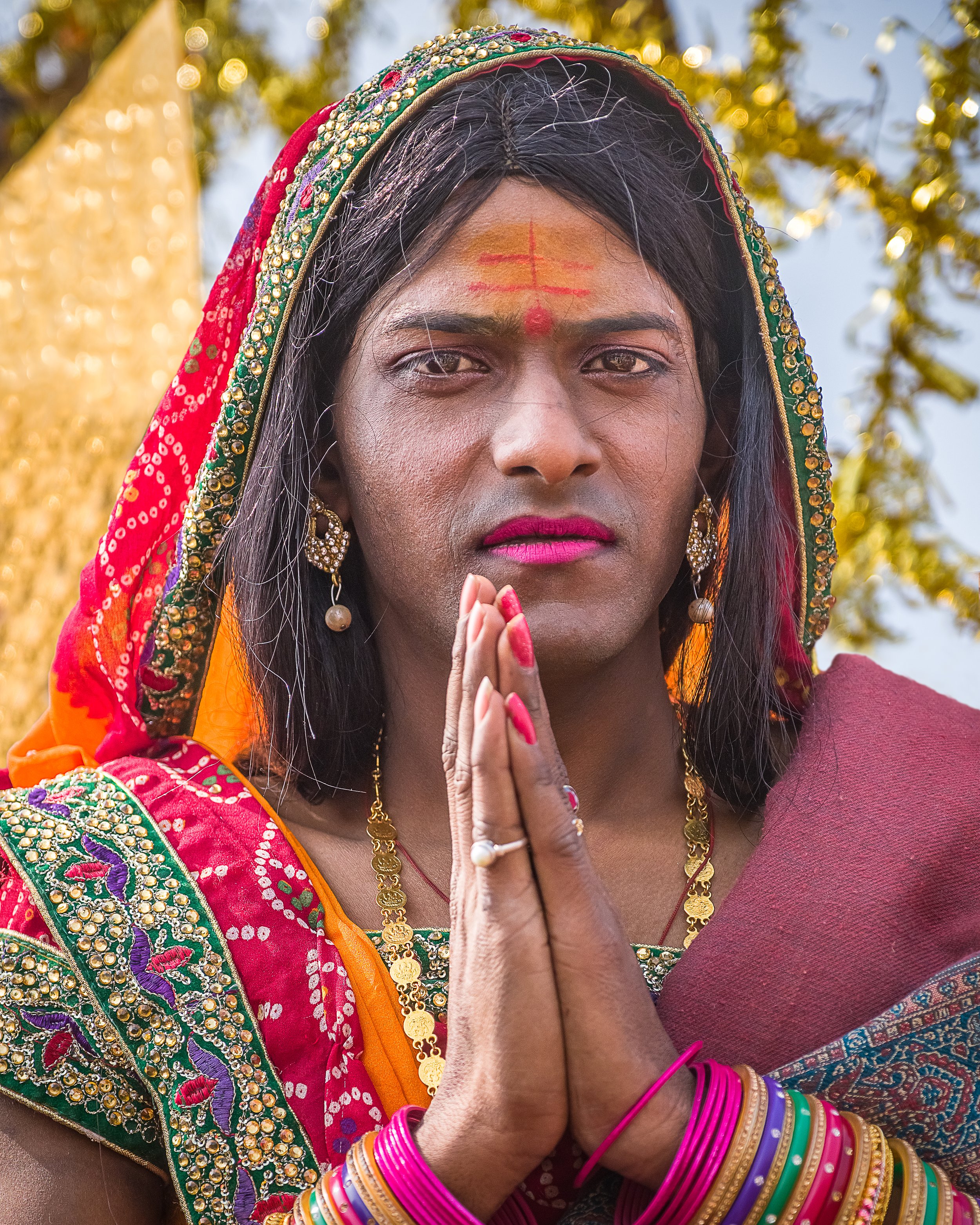
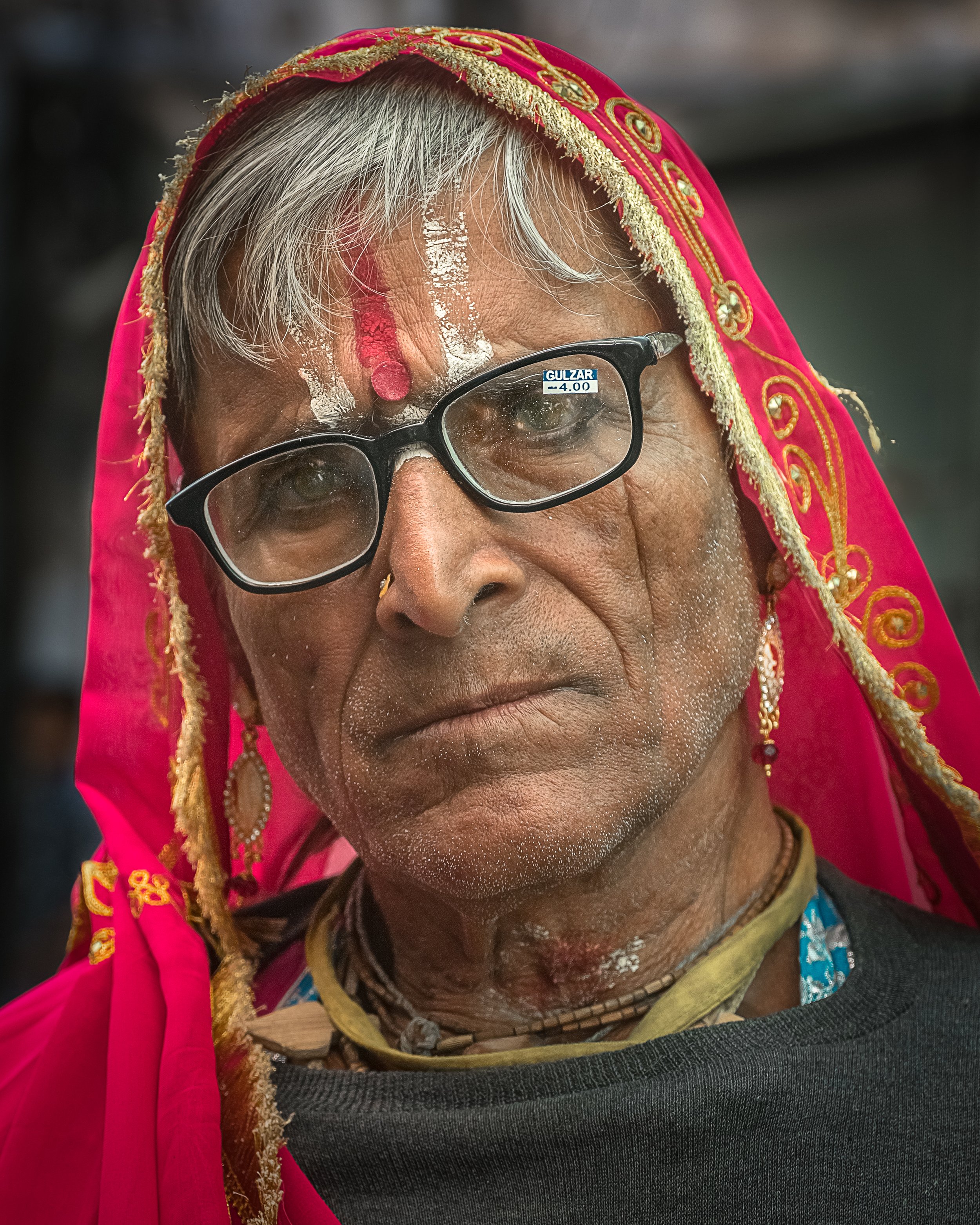
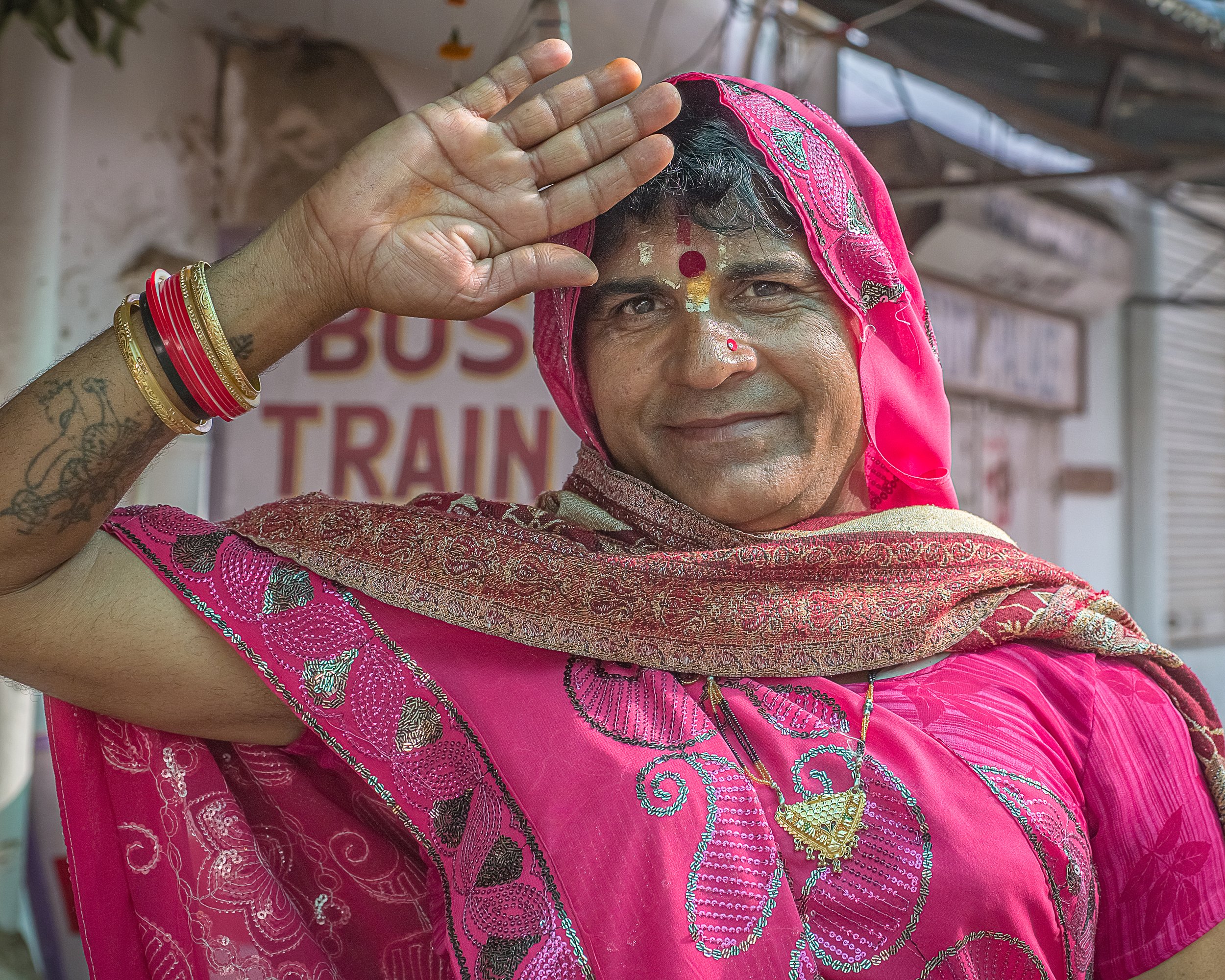
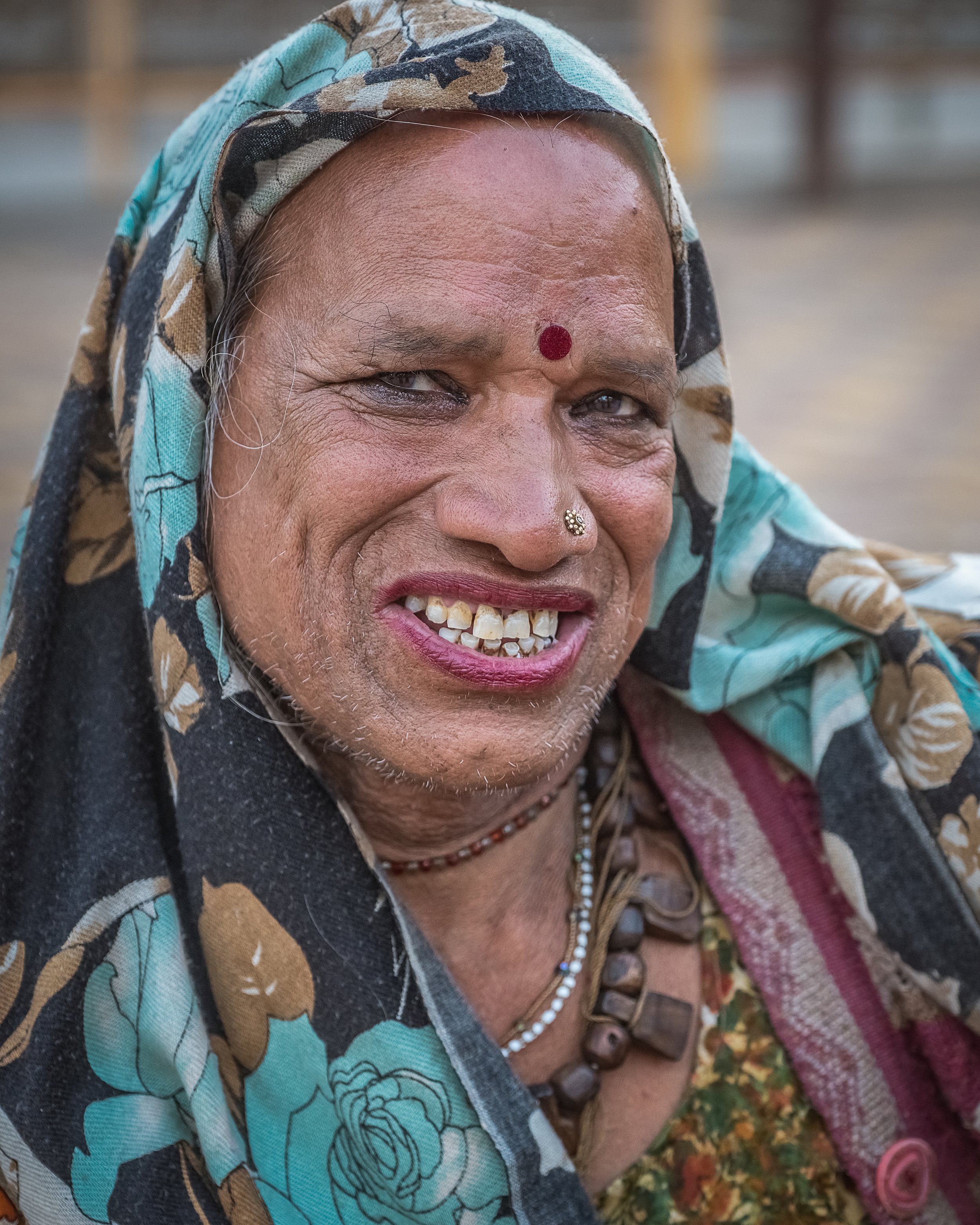
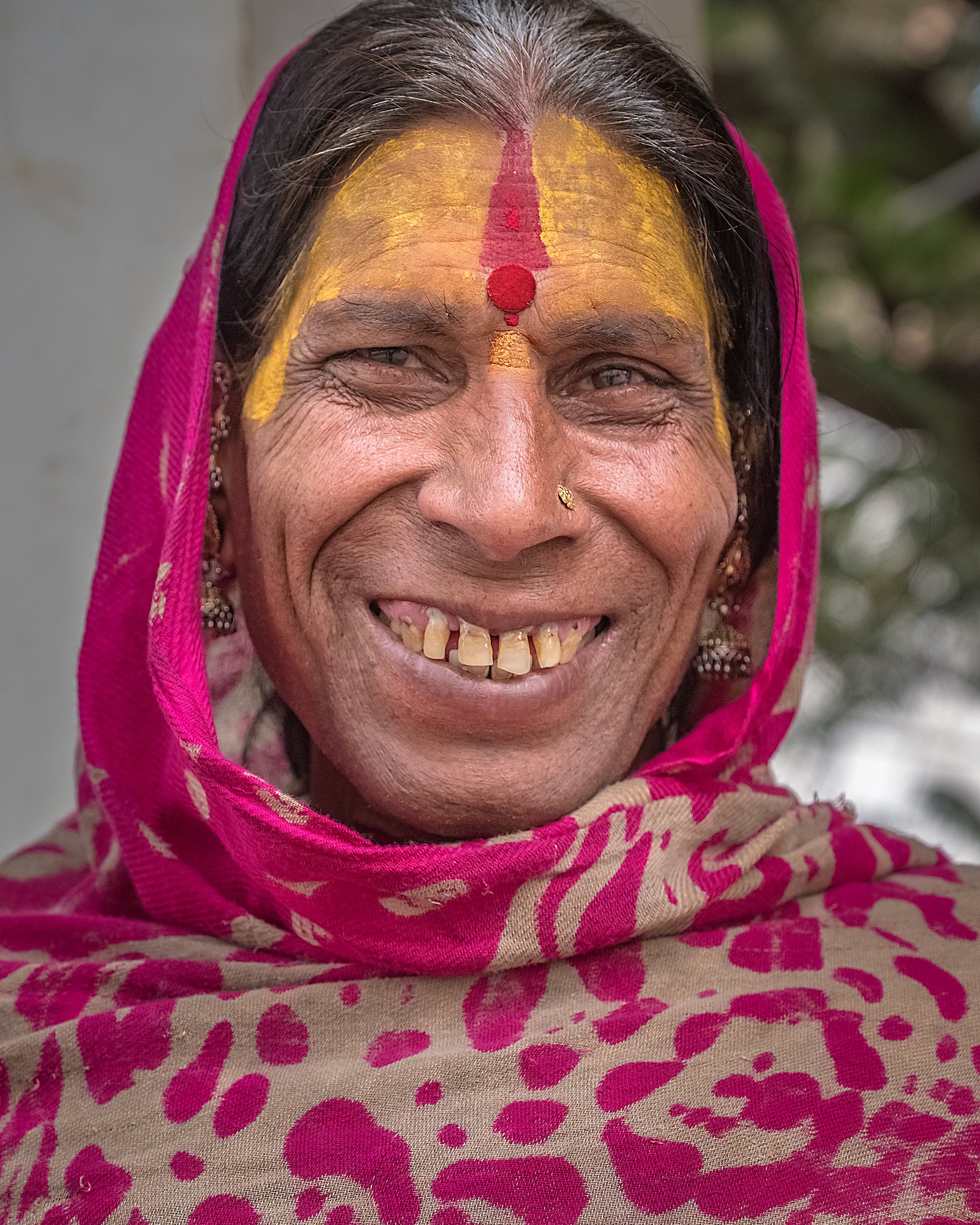
THE HIJRA — INDIA'S THIRD GENDER

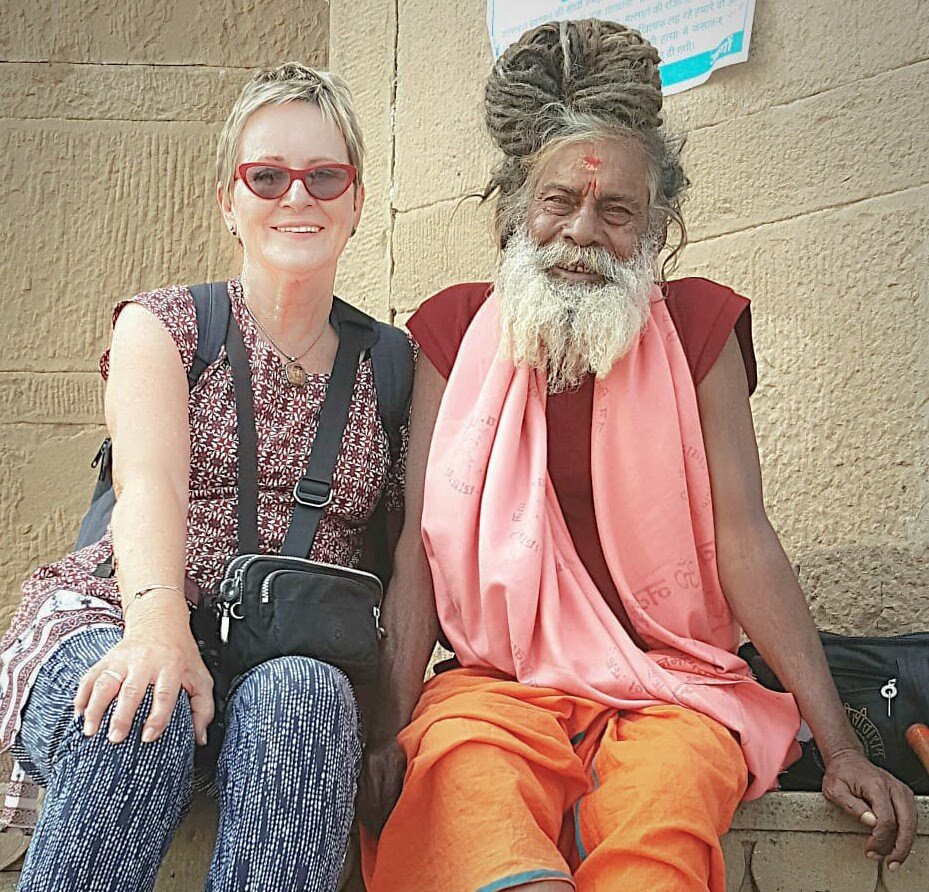
While Western countries move to embrace the LGBTQ+ community, people of non-binary gender in India have played an important role in the society’s history and culture for over 4000 years.

Evidence of sexual ambivalence has been a recurring theme in ancient holy texts in which Hindu deities often change genders. In various Hindu scriptures, Hijras are seen as demi-gods who have historically played important roles as entrusted advisors to rulers. Hijras are born male but look and dress as female — many will undergo castration and offer their male genitalia to the Hindu goddess Bahuchara Mata. Bahuchara Mata is a pivotal deity who enjoys the patronage of the transgender community in India.

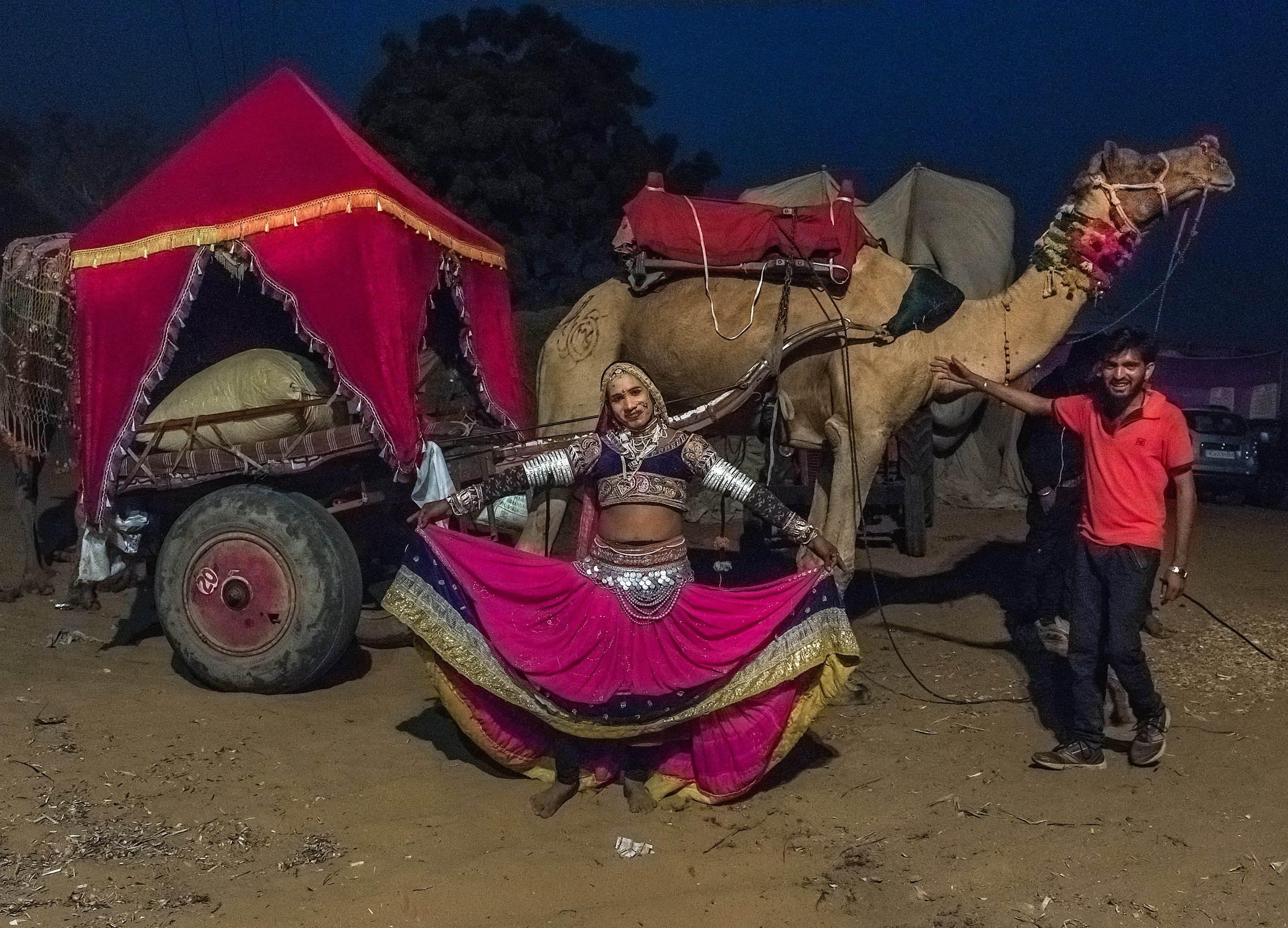
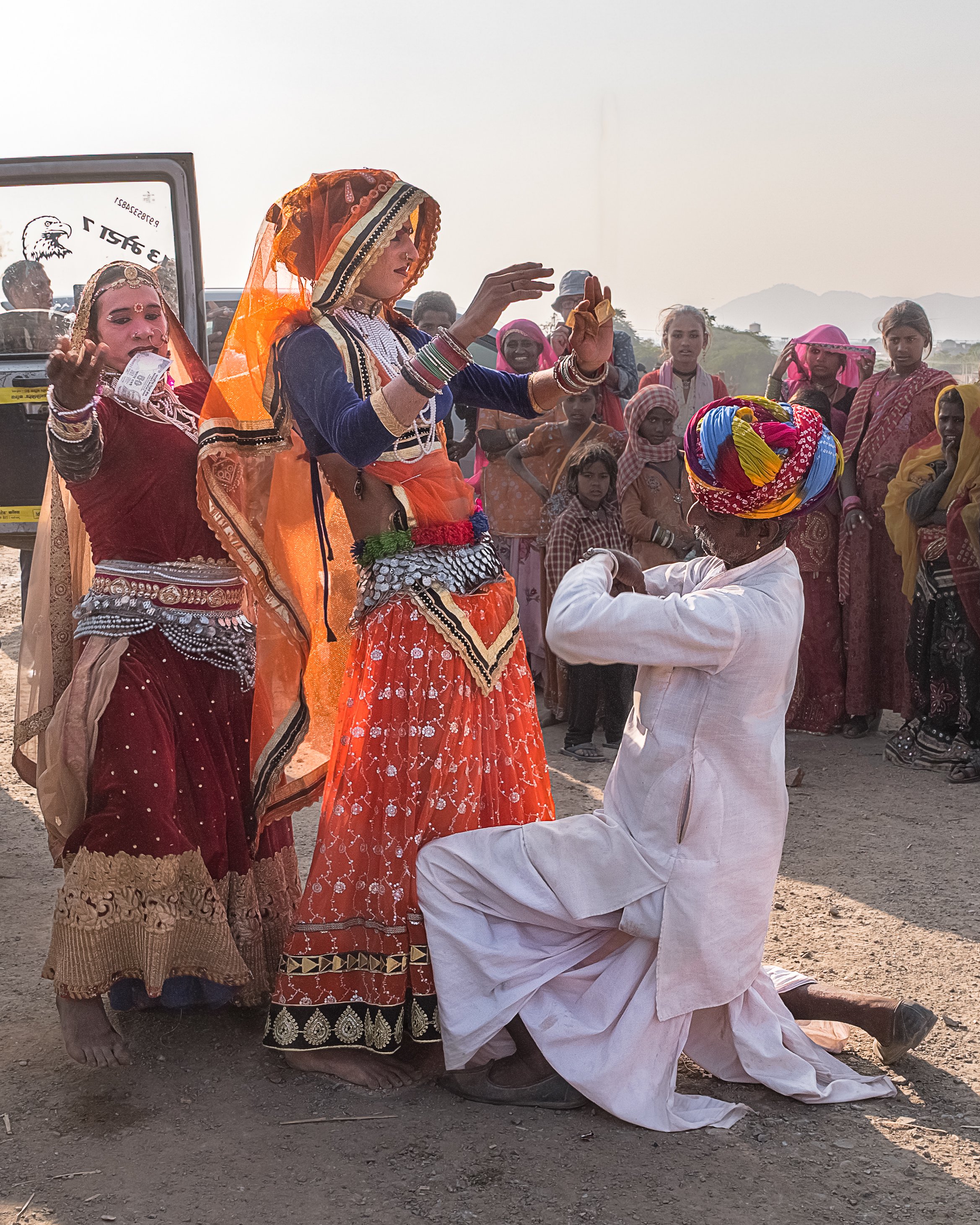
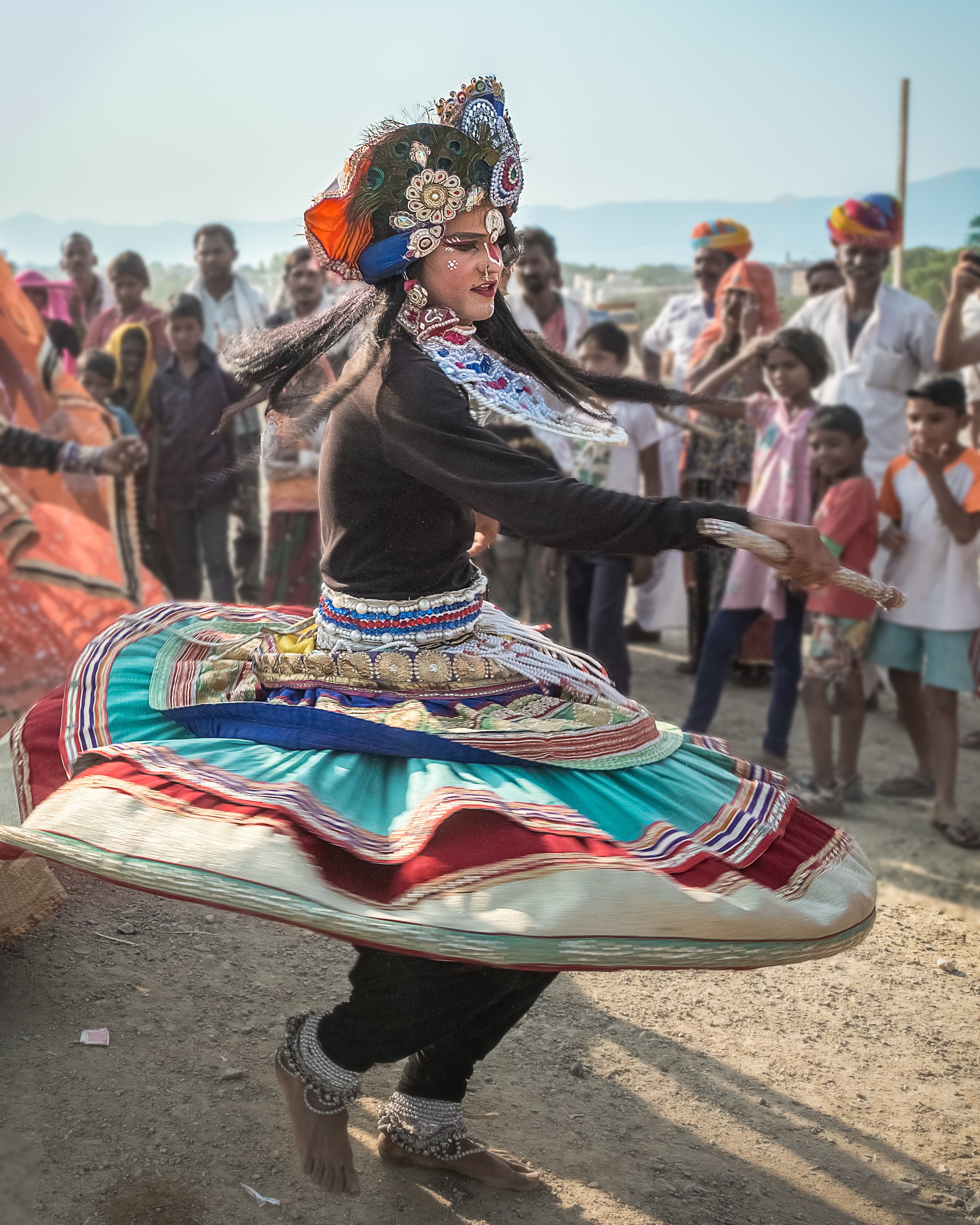
Life as a Hijra, or Kinnar (mythological beings that excel at song and dance) as they prefer to call themselves, is often a difficult one because while someone they may be revered they can also be disdained. Often cast out by their families they become open to exploitation, forces sex work and dangerous castrations. Community networks help to overcome this alienation by forming “houses” or “families” led by a Guru/teacher in order to support themselves by dancing and performing rituals. The connection to male/female characters in holy texts leads many to believe that the Hijra possess special powers and they earn a living by attending weddings and birth ceremonies to dance and offer blessings. To many Hindus, a Hijra’s blessing will mean long life and prosperity for the child. After a marriage ceremony the couple will receive a fertility blessing. It’s believed that the Hijra’s act of sacrificing their ability to procreate to the goddess Bahuchara Mata gives them their incredible religious power. 

During the British colonization of India, the fluidity of gender was repressed, transgender practices were outlawed, and they were forced underground. In recent years, the Hijra have regained some of the rights and freedoms that were formerly denied. In 2014 the Supreme Court acknowledged that third gender people are deserving of rights equal to other citizens. They are slowly assimilating into the fabric of Indian society and are now recognised as a third gender on passports and other official documents. 

Additionally, there have been several events in the recent past which indicate a move to more inclusive sexual variance in society. In 2019 The Hijra were invited to take part in the Kumbh Mela in Prayagraj, one of the largest holy bathing festivals in India. They were led by Laxmi Narayan Tripathi, a well-known Bollywood actress and activist for transgender rights in India. When invited to speak at the Asia Pacific UN Assembly in 2008, she spoke of the plight of sexual minorities claiming that transgender people should be respected as humans and given equal rights. After centuries of ostracism, the Hijra community’s fight to be accepted by the Hindu establishment is slowly reaching fruition.


Carol Foote

Carol is based in Queensland Australia and has always been drawn to street photography, searching out the most colourful and quirky characters in her own environment. After studying documentary photography at college, she travelled to Yunnan, China to photograph the wide diversity of ethnic minorities in the region. However, over the past five years, her focus has shifted to Tibet, Nepal and India. As someone who has always been drawn to unique and different cultures, the regions rich heritage and local traditions make it a haven for her style of photography.

Follow Carol on social media @carolfoote_photographer

7 Caves, Temples and Cities Carved in Mountains

These ancient sites were once carved into the surrounding landscape and continue to stand today.

Created at a time when construction vehicles and advanced building tools did not exist, these caves, temples and cities demonstrate the craftsmanship of their ancient peoples all over the world.  

1. Petra 

Petra, Jordan

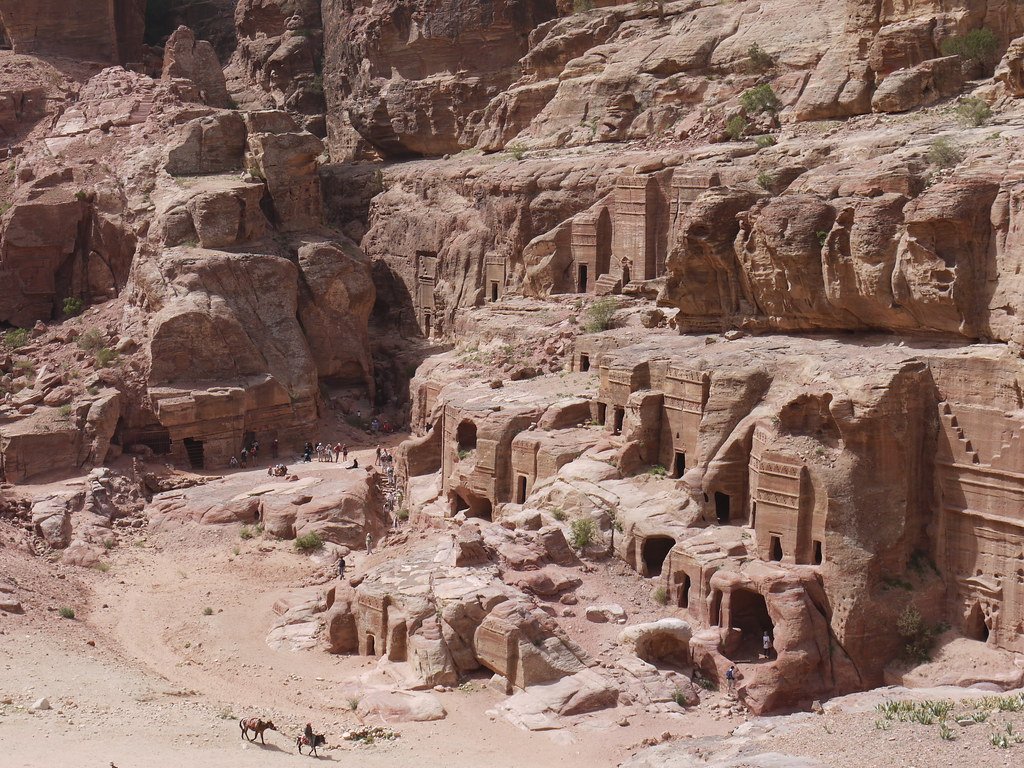
Petra, which is also known as “Rose city” for its pink-hued rock carvings, is located between the Red Sea and the Dead Sea in Jordan. The archaeological site is home to several rock-cut temples and tombs, including Al Khazneh, Al-Deir, the Palace Tomb and Urn Tomb. Today this carved site is both a UNESCO World Heritage Site and one of the New 7 Wonders of the World.

2. Longmen Grottoes 

Luoyang, China 

Longmen Grottoes. Dericafox. CC BY-NC-ND 2.0

Considered one of the best examples of Chinese Buddhist art, the Longmen Grottoes date back to the 5th century. The site contains more than 2,000 artificial caves and over 100,000 Buddhas carved into the limestone cliffs of the Xiangshan and Longmenshan mountains. The Longmen Grottoes cover an area of 30,000 square meters and the statues range in size (0.7 in- 53 ft). The site became a UNESCO site in 2000. 

3. Ellora Caves 

Maharashtra,India

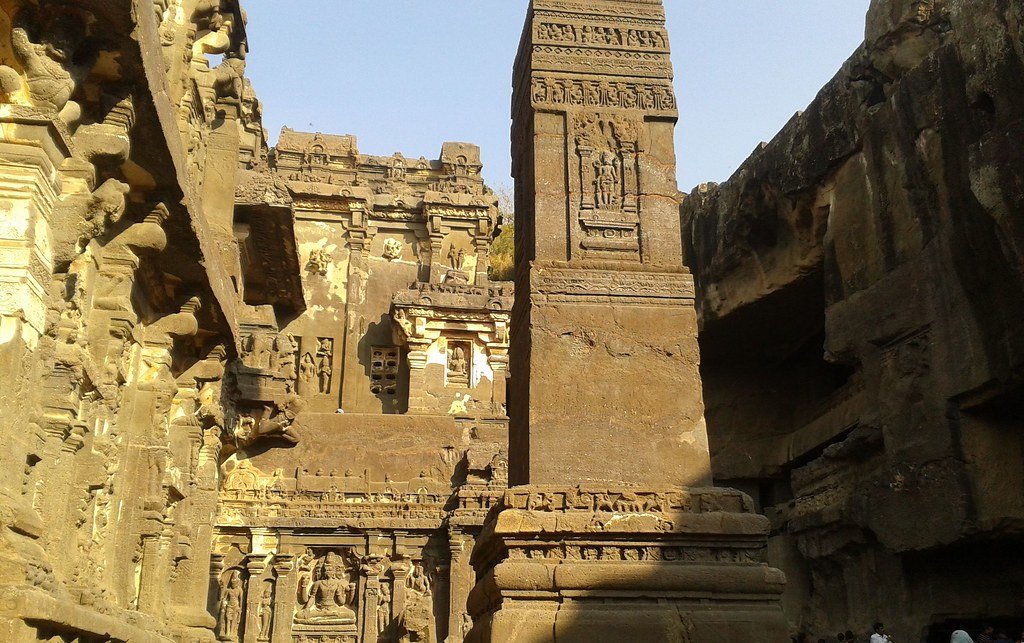
Ellora Caves: Kailasanatha Temple. DdasedEn. CC BY-NC-ND 2.0

Stretching more than a mile long in distance, the Ellora cave temples date back to the 5th century. Located in Maharashtra, India the 34 caves are dedicated to Buddhism, Hinduism and Jainism. Designated a UNESCO World Heritage site in 1983, the Ellora Caves were hand carved into hillside rock.   

4. Mesa Verde National Park 

Montezuma, Colorado

Mesa Verde National Park. Usareisetipps. CC BY-SA 2.0

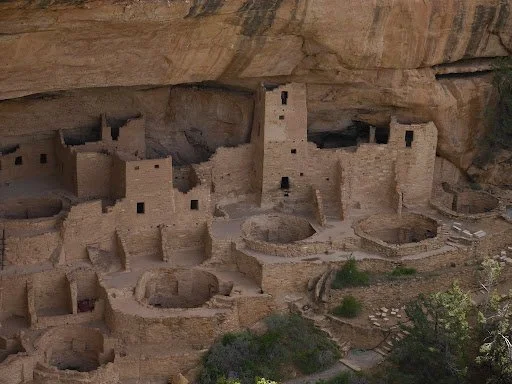
Within Colorado’s Mesa Verde National Park you’ll find the largest archeological preserve in the US. Located in Montezuma County and occupying 81 square miles, the more than 4,000 Pueblo Indian sites date back to the 6th century. As well as 600 cliff carved dwellings including the famous Cliff Palace and Long House. It is frequently visited by mountain lions, elk and bears as well as lizards and snakes which roam the National Park. 

5. Goreme National Park 

Nevşehir, Turkey

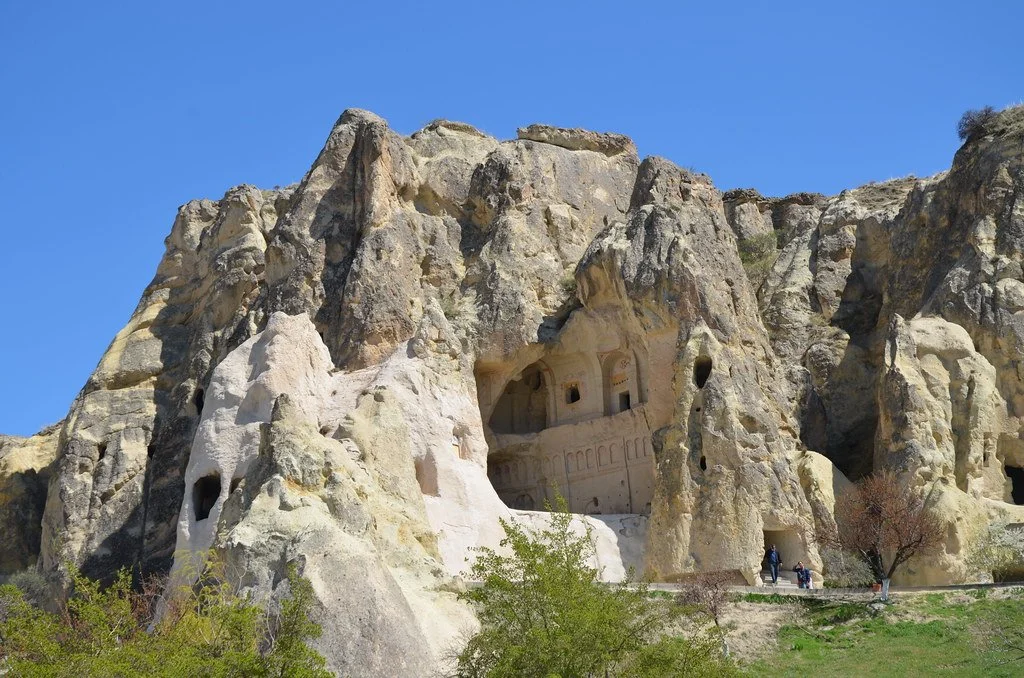
Sculpted by erosion, the Göreme National Park is in Cappadocia, Turkey and contains rock-hewn sanctuaries, houses, monasteries, churches and underground cities. These were inhabited and built in the 4th century, Neolithic pottery and tools found in Cappadocia attest to an early human presence in the region. Clay tablets recovered from the remains of an Assyrian merchant colony at Kanesh are among the oldest written documents discovered in Turkey. 

6. Abu Simbel 

Aswan, Egypt

An ancient temple complex, Abu Simbel was built by Egyptian King Ramses II to intimidate his enemies and seat himself amongst the gods. The 66-foot seated figures of Ramses are set against the recessed face of the cliff, two on either side of the entrance to the main temple. Carved around their feet are small figures representing Ramses’ children, his queen, Nefertari, and his mother, Muttuy. The temples were unknown to the outside world until their rediscovery in 1813 by the Swiss researcher Johann Ludwig Burckhardt. 

7. Lycian Tombs 

Anatolia, Turkey

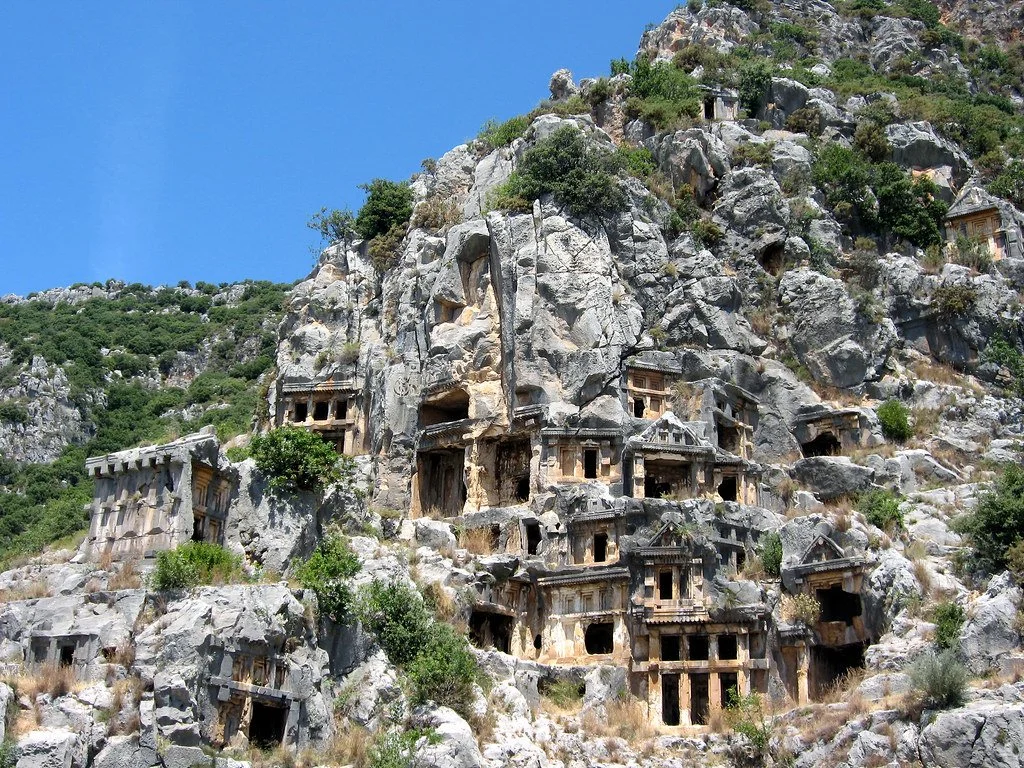
The 4th century Lycian tombs of Turkey contain carved tombs into the side of the region’s mountains, demonstrating a form of ancestral worship. More than a thousand tombs are there  today varying in many intricate styles. Some with Romanian columns and other decorative features. The Lycian people believed the dead were carried to the afterlife by winged creatures, hence helping the process by laying them to rest in high cliffside tombs. 


Jennifer Sung

Jennifer is a Communications Studies graduate based in Los Angeles. She grew up traveling with her dad and that is where her love for travel stems from. You can find her serving the community at her church, Fearless LA or planning her next trip overseas. She hopes to be involved in international humanitarian work one day.

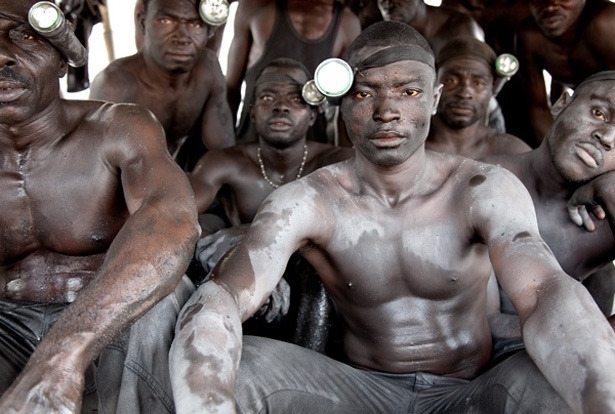
Child Slavery in Ghana

When Elizabeth Tulsky participated in NYU’s study abroad program in Ghana, she also independently volunteered with City of Refuge, a local organization that uses education as a tool to combat child slavery. She said of her experience that it had “a tremendous impact on my life and what I want to do in the future.”

In Ghana, children are often enslaved, maltreated and many mothers struggle to see their children as more than a financial burden. While there are no statistics on the actual number of children trafficked, estimates are in the thousands. What is known is that 25% of Ghanaian children ages 5-14 years are involved in child labor. Child labor and human trafficking are both against the law in Ghana, however, laws are not enforced.

City of Refuge fights against child slavery by educating small villages about the harms of keeping children out of school and depriving them of a childhood. The organization is founded on the belief that if they can empower single mothers educationally and economically then they will no longer be vulnerable to selling their children as slaves.

Can you tell me a bit about City of Refuge and the work they do?

City of Refuge workers enter villages and open discussions with the chiefs in a respectful manner and work to free children who are in dangerous and/or miserable conditions and separated from their families. On a daily basis, City of Refuge provides home, happiness, and sanctuary to many rescued children. Furthermore, City of Refuge runs the only public school in the city, Doryumu. The organization works at the root of the problem, beginning with single mothers. Many children end up in slavery because mothers simply have absolutely no means of supporting themselves, much less their young children. Selling them, as hard as it may be to believe, truly seems like the only option for many women. Thus, City of Refuge works with single mothers to find alternative solutions to make ends meet, and have started two local businesses to be run by single mothers to increase opportunities for mothers and in turn, reduce the number of children sold into horrific situations.

How were you involved with the organization?

I worked in the small school where the children living with the City of Refuge family were educated and spent my evenings at the home playing with children and helping them with their homework. I also spent time shadowing the founders and through this I learned much about the process.

What do you know about child slavery in Ghana?

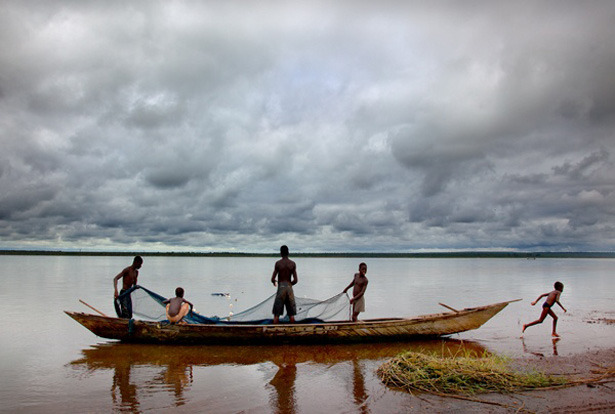
Children are targeted as slaves for fishermen for several reasons. First, children are easy to acquire as so many parents are impoverished and feel financially helpless. Second, children’s small hands are ideal for making and untangling fishing nets. When the nets get trapped in trees in the lake, children are sent in the water to untangle them. Unfortunately, this means many of the child slaves are incredibly susceptible to water-borne disease and illness and sadly, some do not know how to swim and may drown in the water. Children who are enslaved receive no form of education or care and spend up to eighteen hours a day working on the lake. They are often fed no more than one meal a day, which frequently consists of just gari, a food made from cassava, soaked in the lake water.

Any advice for travelers going to Ghana?

This is probably true for every country, but just approach everything with an open mind, try new things, immerse yourself in the culture as much as possible.

How can readers help the victims of Child Slavery in Ghana?

Check out City of Refuge for more information.

Other organizations doing good work include Youth Generation Against Poverty (YGAP), an organization that inspires volunteers through creative fundraising opportunities. They have created several projects partnered with City of Refuge.


Elizabeth Tulsky

Elizabeth studied social work at NYU and has experience working with trauma, grief, family issues, depression, anxiety, ADHD, and general life transitions. She hopes to use her work to create culturally responsive, affirming and inclusive healing spaces while promoting the use of person-centered, strengths-based, trauma-informed, anti-racist and social-justice frameworks.