Solidified in Salt: Tanzania’s Lake Natron

Miracles of nature are usually praised for their wondrous beauty, often worked into songs or captured in paintings. However, some miracles of nature harbor an equally eerie side. In Tanzania lies a daunting monster that preys viciously in sinister silence. 
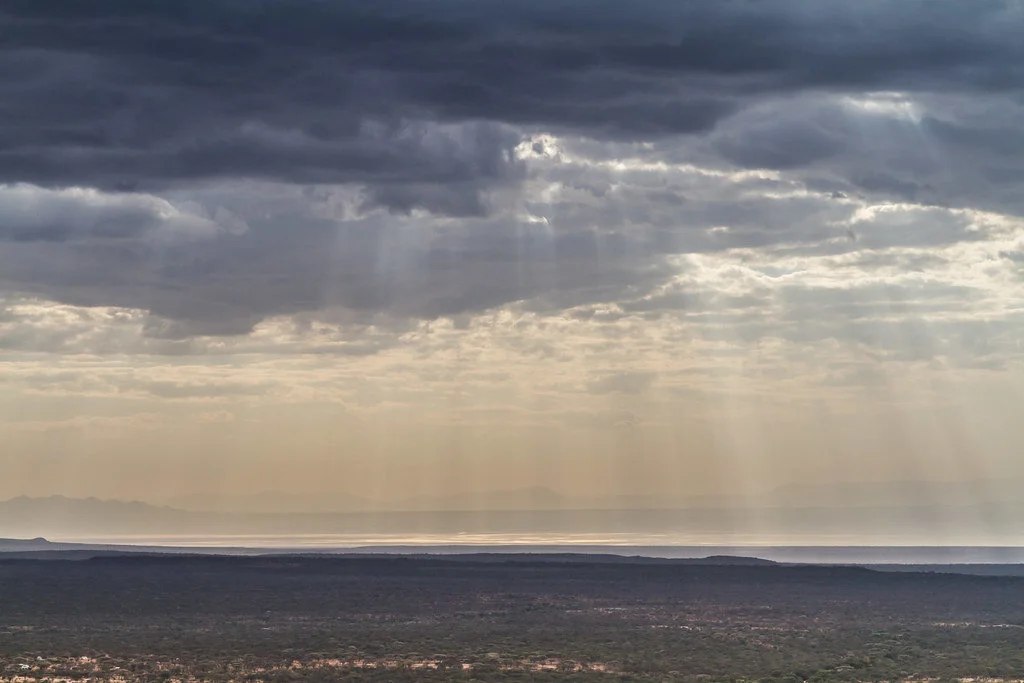
Sunlight over Lake Natron. blieusong. CC BY-SA 2.0.

In nearly any social studies class, bodies of water are framed as life-giving and as focal points for the world’s nations. Lakes and rivers are often credited in many civilizations’ lengthy histories for providing a means of transportation and crucial food security. Water itself stands as a symbol of life; ancient Egypt thrived due to fertile soil that would have been absent had it not been for the Nile River. Nonetheless, the complexity of nature has created exceptions to this rule. For instance, in the East African nation of Tanzania lies the deadly Lake Natron. 

Lake Natron sits along the East African Rift System in northern Tanzania, and is 35 miles long and about half as wide. Although often photographed for its location under sunlit clouds and for its serene backdrop, the lake is an abyss for almost all wildlife. 

Lake Natron is a salt lake, meaning it is incredibly alkaline. The deposits of natron, a chemical salt, flow in from the surrounding hills. This causes the lake’s pH level to be a very basic 10.5; this pH level falls only a bit short of that of ammonia and bleach. The water in this lake only flows inward, so evaporation leaves behind hefty salt deposits. Lake Natron can also reach a steamy state, with the water’s temperature recorded to reach 140 degrees Fahrenheit. 
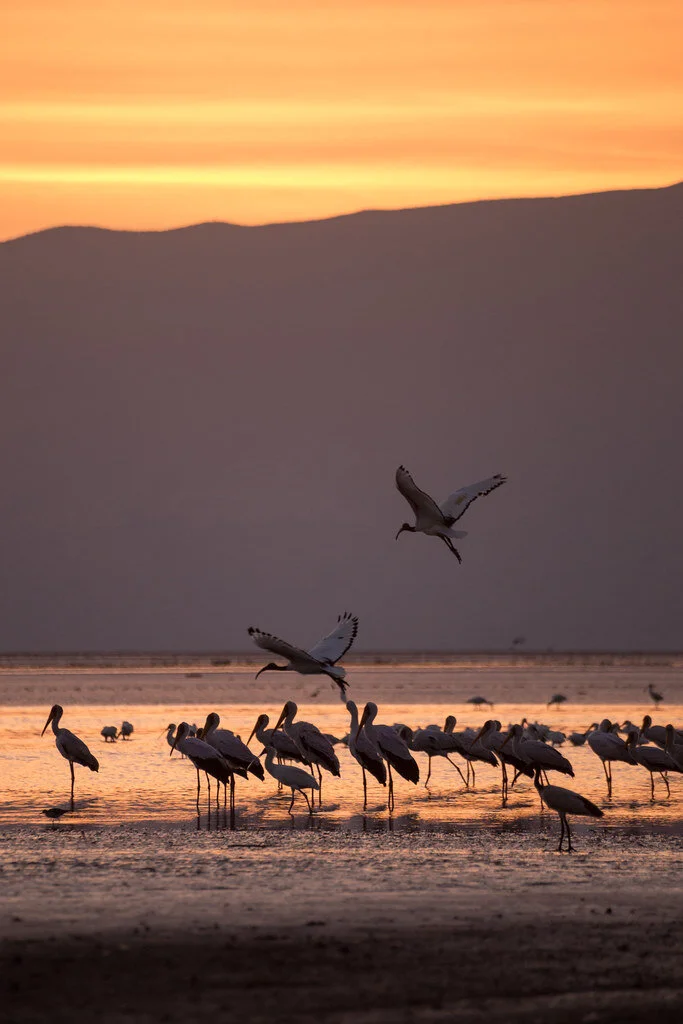
Flamingos on Lake Natron at sunset. virtualwayfarer. CC BY-NC 2.0. 

In addition, a peculiar site is found at the shores of the lake. Long lines of dead birds and bats cover the shoreline, with each specimen preserved in a stonelike state. Scientists explain that the high salinity of the lake “freezes” the animals, perfectly preserving them with all of their wings and feathers in place. Nature photographer Nick Brandt chose to turn this site into a fascinating art project. He perches the birds on branches and poses the bats in order to make them look “alive.” With the help of locals, Brandt collected the best specimens and masterfully crafted chilling portraits of the fallen animals. Brandt suspects that the reflective surface of the lake tricks birds into believing it’s open air, leading the birds to drown in the deadly water. 

However, to say that the lake is completely absent of life is an act of injustice toward the flocks of flamingos that call the lake their home. Nearly 2.5 million flamingos use the lake’s shores as breeding grounds each year, accompanied by thriving algae and a single resilient species of fish. Although a nontraditional ecosystem, Lake Natron’s niche wildlife web requires balance like any other. Threats to divert nearby rivers into Lake Natron would change its water composition, thereby putting the lake’s wildlife at high risk. 

At first glance, Lake Natron appears to be both an example of life imitating art and life imitating horror. Regardless, Lake Natron is the foundation for both important species and scientific study, so there is much to lose if people begin to mistreat it.


Ella Nguyen

Ella is an undergraduate student at Vassar College pursuing a degree in Hispanic Studies. She wants to assist in the field of immigration law and hopes to utilize Spanish in her future projects. In her free time she enjoys cooking, writing poetry, and learning about cosmetics.

7 Stunning Spots in Bangladesh, South Asia’s Most Verdant Country

Known for its lush greenery and fascinating sites, Bangladesh offers many exciting opportunities to travelers. 

The Sundarbans in Bangladesh. USAID Biodiversity and Forestry. CC BY-ND 2.0

Bangladesh is a South Asian country that borders India and Myanmar. Originally referred to as East Pakistan after the partition of India in 1947, Bangladesh eventually gained independence from Pakistan in 1971. Although the country is not on many visitors’ radars, Bangladesh boasts both spectacular natural beauty and a rich culture. Here are seven destinations that travelers should check out when visiting Bangladesh. 

1. Sundarbans Mangrove Forest

A Bengal tiger in Bangladesh’s Sundarbans mangrove. Anindya Majumder. CC BY-NC-ND 2.0

If one could only visit only a single attraction in Bangladesh, this would have to be it. The Sundarbans mangrove forest is located where the Brahmaputra and Ganges rivers meet the Bay of Bengal. It is the largest mangrove forest in the world and became a UNESCO World Heritage Site in 1997. The forest is well-known for its variety of flora and fauna, most notably the endangered Bengal tiger. Other animal sightings that travelers can look forward to on their visit include spotted deer, rhesus macaque monkeys and a variety of waterbird species, including egrets and herons. 

2. Dhaka

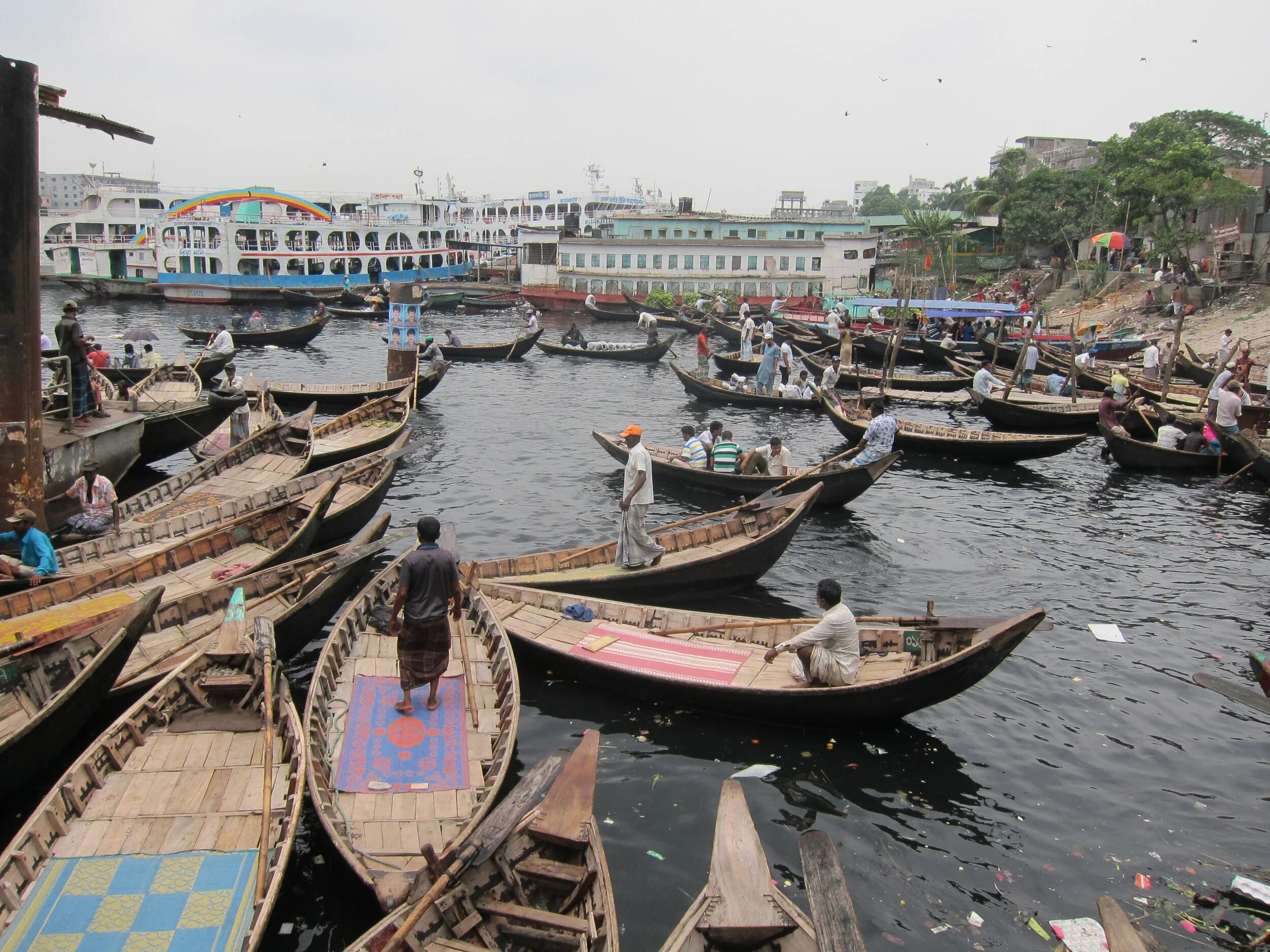
Boats in Bangladesh. Kuruman. CC BY 2.0

Travelers are likely to spend some time in Dhaka, as it is Bangladesh’s capital, largest city and travel hub. The city is a densely populated metropolis with some of the worst traffic in the world. Beyond the hectic rickshaw-filled streets, there are many exciting activities in the Bangladeshi capital, including watching boats dock at the Sadarghat river port, paying a visit to the Ahsan Manzil palace and museum, and touring the Baitul Mukarram Mosque, one of the largest in the world. Dhaka is also a wonderful place to explore traditional markets and sample Bangladeshi cuisine.

3. Cox’s Bazar Beach

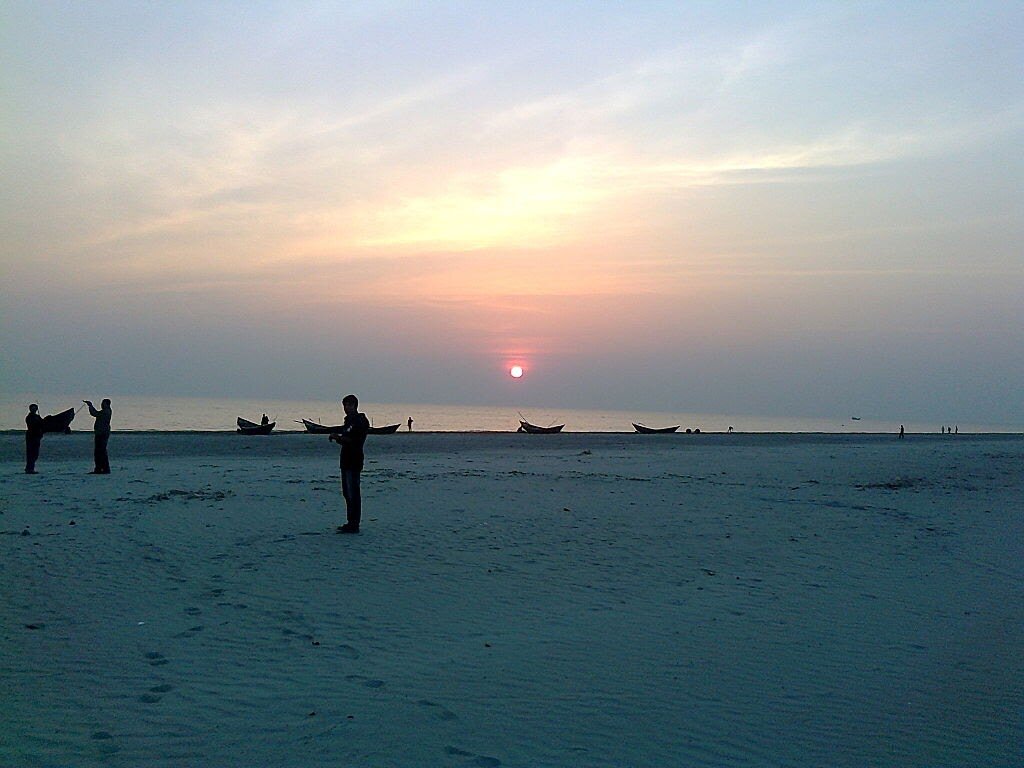
A beach sunset in Bangladesh. Lonely explorer. CC BY 3.0

This is one of Bangladesh’s most beautiful beaches. Stretching over 75 miles, Cox’s Bazar is the longest uninterrupted sea beach in the world. The beach becomes less crowded the farther south one travels down its banks. Off the coast of Cox’s Bazar Beach is Maheshkhali Island, a pilgrimage point for Muslims, Hindus and Buddhists alike. Another nearby location is St. Martin’s Island, the only coral island in Bangladesh. Located at the southernmost tip of the country, St. Martin’s Island provides wonderful swimming and snorkeling opportunities. 

4. Panam Nagar

The ghost town of Panam Nagar. Nurul Amin Russel. CC BY-NC-ND 2.0

Located 18 miles southeast of Dhaka, this town was well known for its textile production and Hindu merchant community. Panam Nagar was destroyed in a fire and the town remains deserted to this day. Although the exact dates and cause of the fire are still unknown, the large number of textiles stored in the town’s buildings could likely have caused it. 


5. Paharpur 

The Somapura Mahavihara monastery in Paharpur, Bangladesh. Stefan Krasowski. CC BY 2.0

Paharpur is one of three UNESCO World Heritage Sites in Bangladesh and was added to the list in 1985. Located in the northern part of the country, Paharpur contains the most important archaeological site in Bangladesh, an ancient Buddhist monastery called Somapura Mahavihara. The monastery is the second-largest structure of its kind south of the Himalayas and contains 177 monastic cells with a large shrine located in the middle. The monastery was a center of learning where the practice of Mahayana Buddhism flourished from the seventh to 12th centuries. It was further known for influencing Buddhist architecture in other parts of Asia, including Cambodia’s Angkor Wat temple. Paharpur is also one of the best examples of pre-Islamic architecture in Bangladesh. 

6. Srimangal

A woman picking tea in Bangladesh. Mariusz Kluzniak. CC BY-NC-ND 2.0

Srimangal is a small town located in the northeast of Bangladesh. Well known throughout the country for its tea production, a visit to Srimangal makes an excellent opportunity to learn about one of Bangladesh’s largest industries. Travelers can explore some of the 163 tea plantations that dot Srimangal’s hilly landscape and enjoy local brews straight from the source. 


7. Bagerhat

The Shait Gumbad Mosque with 77 domes in Bagerhat. Joe Coyle. CC BY-NC 2.0

The Bagerhat district in the southwestern part of Bangladesh is home to the ancient city of Khalifatabad, which was founded by Turkic general Ulugh Khan Jahan in the 15th century. A UNESCO World Heritage Site, the city contains excellent examples of an early Islamic architectural style known as Khan-e-Jahan. The site includes 360 buildings such as mosques, public buildings, mausoleums, bridges and more. Unfortunately, the city’s location at sea level makes it vulnerable to rising seas, making cultural preservation a huge priority. 

From its beautiful beaches to a fascinating history, Bangladesh makes a wonderful destination for travelers ready to visit a less-discovered piece of South Asia. 


Megan Gürer

Megan is a Turkish-American student at Wellesley College in Massachusetts studying Biological Sciences. Passionate about environmental issues and learning about other cultures, she dreams of exploring the globe. In her free time, she enjoys cooking, singing, and composing music.

When Travel Stopped, These Sustainable Travel Agencies Pivoted

COVID-19 has disrupted virtually all facets of what used to be considered “normal.” Over a year into the pandemic, millions cannot safely work in person, children face difficulties with online education and governments struggle to develop and administer vaccines.

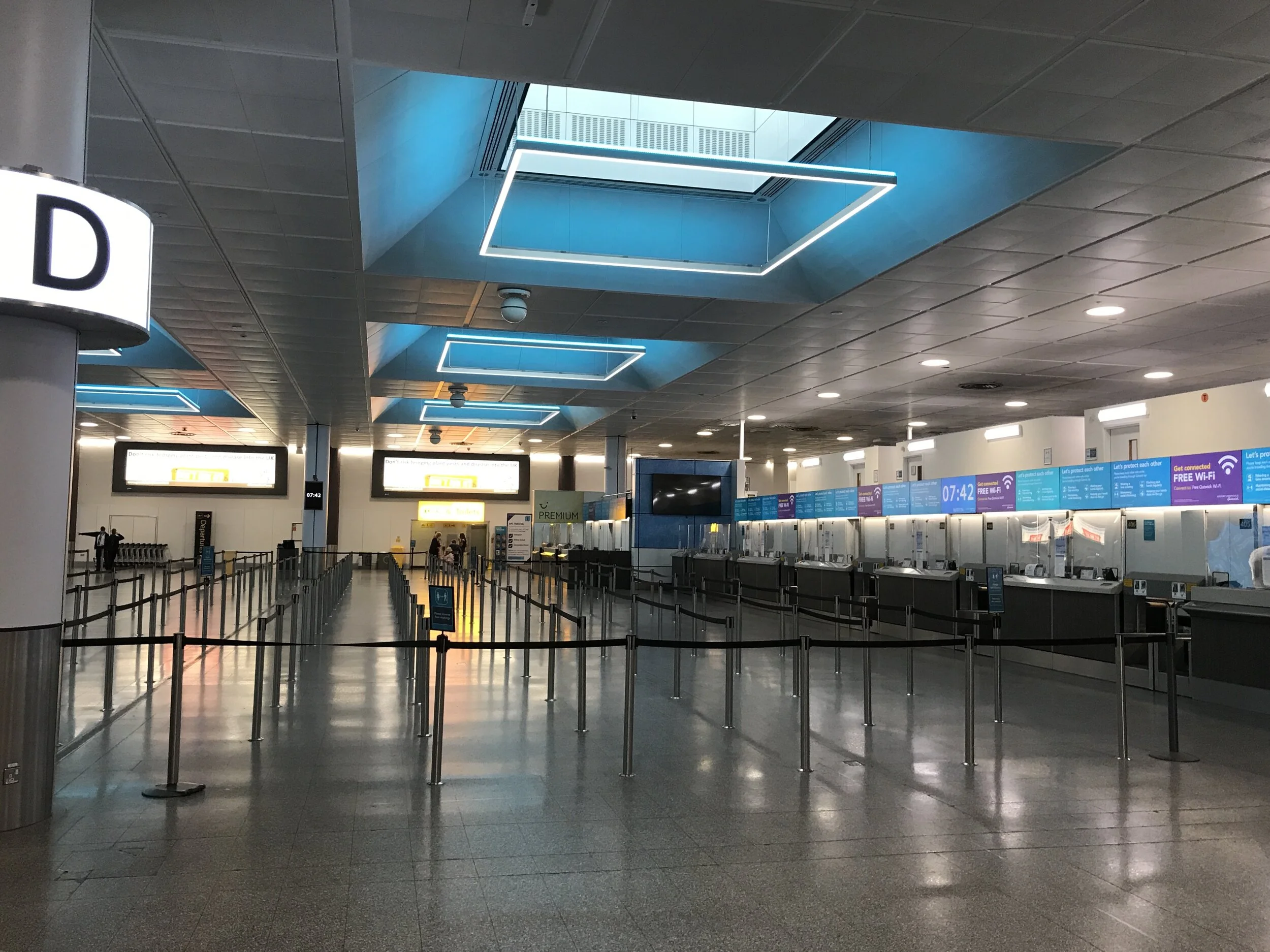
An empty check-in area at Gatwick Airport near London. Mark Hodson Photos. CC BY 2.0.

One area significantly impacted by COVID-19 is the sustainable travel industry. According to the International Civil Aviation Organization, air travel dropped by 60% in 2020 compared to 2019, with a $370 billion year-on-year loss worldwide.

But a broad array of sustainable and social action travel agencies, organizations which uplift the communities they bring groups of travelers to, have worked tirelessly to continue bolstering at-risk communities while weathering the many challenges of the pandemic.

Pivoting for a World Without Travel

As COVID-19 began to spread and governments imposed lockdown measures, travel agencies focused on sustainability and social action had to work quickly to pivot toward operating in an environment where travel was impossible.

“At first it was a ‘wait-and-see’ thing because it was uncertain how long it was going to last or how widespread it would be,” said Lindsay Booth, CEO of Off Season Adventures, an agency providing an immersive experience to empower travelers and destinations. “We were lucky we didn’t have anyone traveling when everything shut down … But obviously, everything got worse, so we touched base with our partners to make sure they were safe and see what their current situation was like. And then we talked to our travelers about postponing their trips.”

While some agencies initially canceled trips on a week-by-week basis, others, like G Adventures, a leading agency for small-group adventure travel, canceled or postponed all travel through the end of April 2020 without hesitation.

“We made the decision mid-March that we’re canceling until the end of April [because] there’s no reason to keep these tours if we don’t know,” said Casandra Rotunno, a consumer marketing specialist at G Adventures. “From there we kept it going on a monthly basis of canceling tours.”

Catarina Rivera, co-founder of ExplorEquity, an agency supporting local communities and connecting travelers to social justice issues, explained how shortly after the onset of the pandemic, her agency shifted its focus to creating virtual spaces for travelers to connect and talk about the recent loss of the ability to travel.

“We hosted [a series called] ‘Travel Lovers Happy Hour,’ where we invited people to come and share together,” Rivera said. “We invited a mental health expert to give tips at each one for how [travelers] could process what was going on and how they could approach planning for the future. [The expert] would respond directly to the sentiments people were sharing.”

Rivera also noted that ExplorEquity held a panel with the company’s partners in Brazil and Honduras, two countries where trips were canceled, to talk about how the countries were dealing with the uncertainty of the pandemic and how their travel partners’ communities were doing.

ExplorEquity was not the only agency to shift to completely virtual offerings. Beginning in April 2020, G Adventures launched virtual tours hosted by guides around the globe in countries like Italy, Costa Rica, Thailand and Japan.

“[The tours are] an hour on Zoom hosted by one of our [guides] and they remake a complete tour through Zoom and Google Earth and they include their own photos, they give you a welcome meeting and they hit all of the stops on the way—they condense this seven- to 10-day trip within an hour,” Rotunno explained. “And it's great because it allows our [guides] to work while they aren’t able to work within their country.”

Occasional Opportunities for Travel

Bus passengers in South Africa being screened before boarding. GovernmentZA. CC BY-ND 2.0.

As the pandemic continued into the summer, the spread of COVID-19 was uneven. While the United States maintained high case numbers, Europe saw significant declines, presenting opportunities for limited travel on the continent.

James Willcox, co-founder of Untamed Borders, a United Kingdom-based agency partnering with local communities in inaccessible parts of the world, explained how after the U.K. began permitting limited international travel without a mandatory quarantine, the agency was able to look into regions it had previously worked with to offer some in-person travel.

“There was a time where the U.K. had this list of countries where you didn’t have to quarantine upon return, and Turkey was one such country, and we [already] work in Syria, Iran and in Kurdish regions, so we [discussed] putting on a trip to Turkey in September,” Willcox said. “There’s a couple of areas which are stable where the [government] has some travel warnings against. Not that that’s what we look for, but [Turkey] looks like somewhere we could add value to and ensure people have a good experience where they can travel safely.”

Adventures also hosted several in-person experiences beginning in the summer when able to do so safely. The agency implemented new rebooking and cancellation policies to allow for greater flexibility given the pandemic’s uncertainty.

“We took our time in deciding to move forward with that,” Rotunno said, “and in the summer and fall Europe was able to travel within Europe. We had sailing trips for Europeans [with] everyone wearing masks, there’s extreme sanitation, the groups are smaller than usual, and it's all private transport as well. And then Costa Rica started to open up to travelers, then Tanzania and Egypt. So now it's dependent on if travelers are able to go.”

Focusing on Social Consciousness When It's Needed Most

Black Lives Matter demonstrators in London. Livvy Adjei. CC BY-NC-SA 2.0.

At the core of each of these agencies is a mission rooted in sustainability and social action. While COVID-19 has for the most part disrupted the in-person travel component of these agencies, they have continued to uplift and support the communities they work with.

“There’s something [Untamed Borders is] trying to push at the moment which is that travel has always been a privilege, and in these days you should kind of be appreciative and have some thought about it … consider where you’re going, consider what the impact is and the benefits are,” Willcox said.

Untamed Borders has followed suit through a number of projects it has been able to hold throughout the pandemic. In Afghanistan, the agency helped to organize the Marathon of Afghanistan, and started a tree-planting initiative to help combat deforestation.

ExplorEquity continues to engage with its travelers and the communities it supports through a shift in the online content produced. Rivera discussed how the agency’s social media platforms have been used to shed light on issues including racism in travel, climate change, equity issues for Indigenous communities and decolonization.

“Instead of talking on Instagram and Facebook about our upcoming trips, we’ve been talking about equity issues and highlighting different themes,” Rivera explained. “We’ve seen a lot of engagement and a lot of learning. People who are connected to us on social media have been commenting and sharing the content, and I think they’ve been enthusiastic about being exposed to new concepts or things they weren’t aware of. Even though we can’t travel the way we used to, I still think it's important to create better travelers.”

Promoting social consciousness within the travel community is not limited to sustainable travel agencies. Planeterra, a community tourism nonprofit seeking to reduce global poverty, has worked throughout the pandemic to support many of the same communities the sustainable travel industry works with.

“We looked at what our partners needed and what they’ve been requesting, what support they need that we would normally give in person,” said Rhea Simms, a program manager at Planeterra. “We built an online learning hub … for no budget. Our team compiled a hundred years of [combined] experience on what are the key opportunities, challenges and instructions we bring a community through when we launch and start a tour.”

Simms discussed how these virtual webinars and trainings have served as a way to work directly with partners around the globe, and noted how the pandemic has given the organization the opportunity to reevaluate its approach to volunteers.

“Planeterra’s never had the time or the right projects for volunteers to work with our partners, but having the time now, we’ve got volunteers working with us all around the world,” Simms said. “One just finished designing an e-cookbook for our partner in Jordan … We’re just completing a project with the Canadian High Commission in Sri Lanka, where we got funding from a partner we have there … It's a handicraft shop where over a hundred women from various backgrounds create beautiful handmade goods … and we’re finishing a project in Peru … doing some technical training with communities hoping to launch a tourism program in the coming years.”

Planeterra and G Adventures had been partners before the pandemic, a relationship made stronger as the two have collaborated on recent initiatives. Rotunno said G Adventures worked with Planeterra to raise over $100,000 at the beginning of the pandemic to fund some projects which were impacted by the inability to travel abroad.

“This time has allowed us to reflect on what works best, what has created the most impact … and begin to create the strategy of how we scale this and do it bigger, with the right people, with different organizations,” Simms explained. “This is a huge opportunity for us to facilitate this space for socially minded community enterprises that are trying to empower women or break down barriers for at-risk youth or celebrate Indigenous culture.”

Looking Toward a Post-Pandemic World

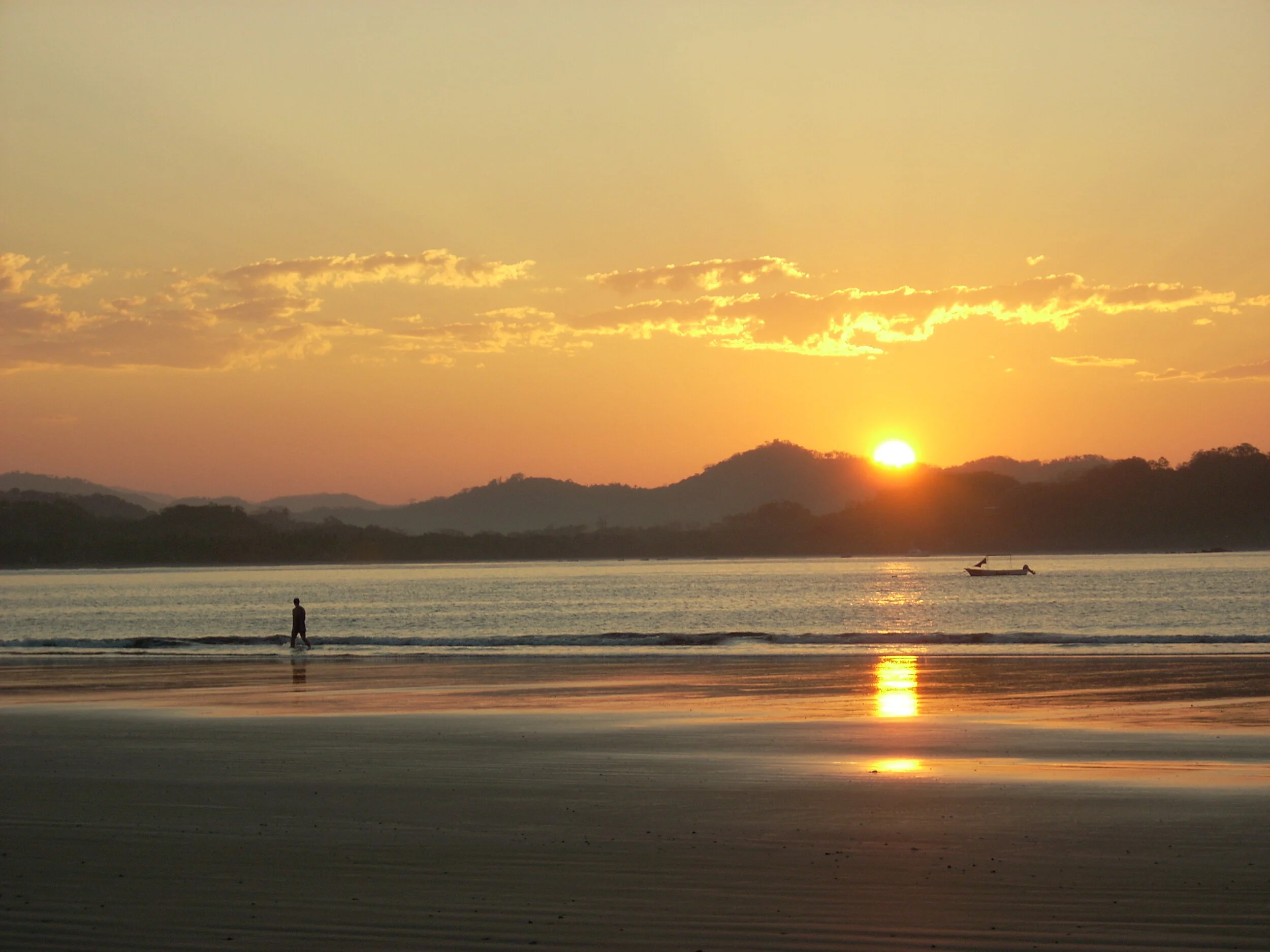
The sun setting in Samara, Costa Rica. John. CC BY-SA 2.0.

While there is no concrete timeline for the formal end of the pandemic and the beginning of a “new normal,” the distribution of 10 different vaccines worldwide as of March 17 signals the pandemic’s end will eventually become a reality. As countries receive and distribute COVID-19 vaccines to their citizens, international travel is expected to return.

But just because travel will be possible does not mean it will look the same as it did in the pre-COVID era. ExplorEquity ceased all group travel throughout the pandemic, a change made permanent going forward.

“We are shifting entirely away from group travel, so we’re not going to be offering those kinds of trips anymore,” Rivera said, noting the agency would be pivoting to an online store in March 2021. “What we’re going to be offering is [locally made] products as well as virtual experiences … The two experiences we’re starting with are both live, so you can still have the magic of a travel moment, creating a memory in a community with other people, through these experiences in a different way. And the benefit is that local communities can still earn income from this type of experience without receiving travelers in person.”

Other agencies are working to schedule prospective trips in 2021 and beyond, anticipating possible delays in the distribution of the COVID-19 vaccine. Off Season Adventures has begun planning new trips, taking into account the Adventure Travel Trade Association’s guidelines and safety measures from the World Health Organization and the Centers for Disease Control and Prevention.

“We have people planning to travel in June of this year, and we’re still keeping that open because we’re really still not sure what’s going to happen,” Booth said. “They’re planning to go to Tunisia. Tunisia has been closed to Americans for most of this, so we’ll just have to see.”

Given how far in advance most of its offerings need to be planned, Off Season Adventures is also working on coordinating with travelers who reach out to them to plan trips to Asia and Africa in 2022 and 2023.

Every agency interviewed expressed optimism for the future. While travel has been a temporary casualty of COVID-19, it has also brought folks together around the issues of sustainability, social consciousness and justice. The unique ways in which every agency pivoted to continue serving communities around the world show how versatile this industry is, and how vital the cause of uplifting marginalized communities remains today.


Jacob Sutherland

Jacob is a recent graduate from the University of California San Diego where he majored in Political Science and minored in Spanish Language Studies. He previously served as the News Editor for The UCSD Guardian, and hopes to shed light on social justice issues in his work.

Slope Point and Champagne Pool: Exploring New Zealand’s Wild Wonders

Sometimes nature is simple: vibrant sunsets, rays of warming moonlight or bouncing ocean waves. Other times, however, nature shocks and stuns. New Zealand houses two such examples: the odd site of Slope Point and the equally eerie Champagne Pool.

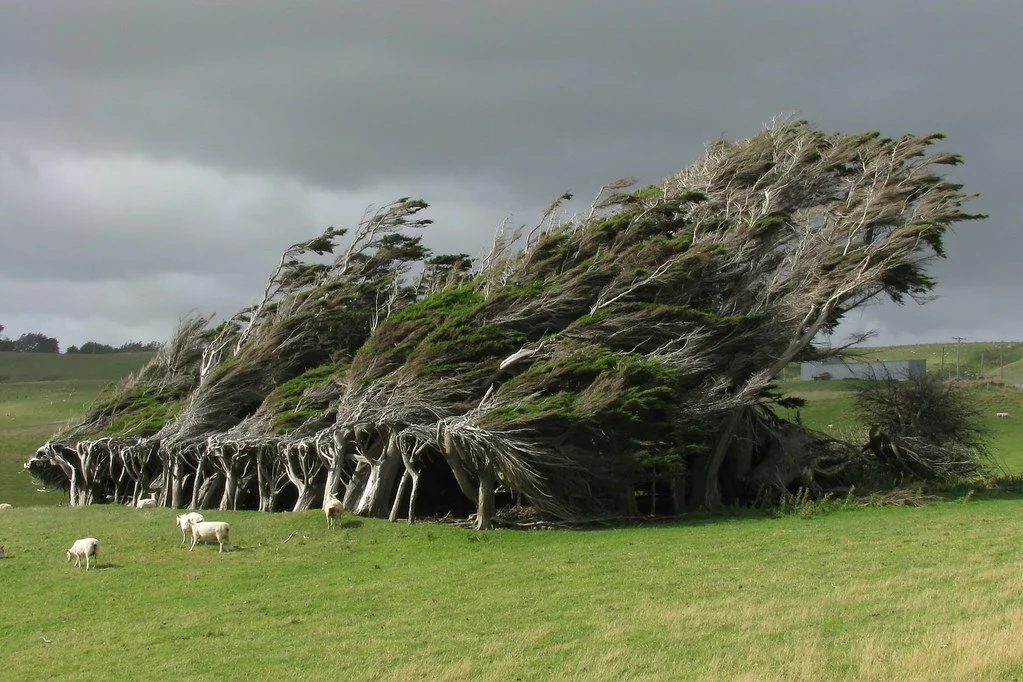
Slope Point with sheep. Seabird NZ. CC BY-ND 2.0. 

Slope Point

Perhaps most descriptions of the wonders of wind speak of a gentle breeze or freshly blowing air. On the southernmost tip of New Zealand’s South Island, the winds are instead far from calm; the violently whipping winds gave one area the name “Slope Point.” Situated along a steep cliff at the island’s southern edge, Slope Point is an ideal spot for those mystified by science. The ocean winds are violent and unrelenting to the area’s trees. The wind provides a scary picture of nature’s true power, blowing away anything that may come in its path. The location of Slope Point forces the trees to become the first victims of the winds. As a result, the tall trees are bent at an odd angle, making them seem as if they were purposely posed. Although few people live in the area, local farmers planted the trees to provide shelter from the wind for their herds of sheep. 

Photographs of the area offer profound inspiration for artists: the odd trees bend against a gray background striped with warm rays of sun. Although the area hosts an eerie feel, it is surely one underlined with the beauty of Mother Nature’s masterful hand. 

Champagne Pool

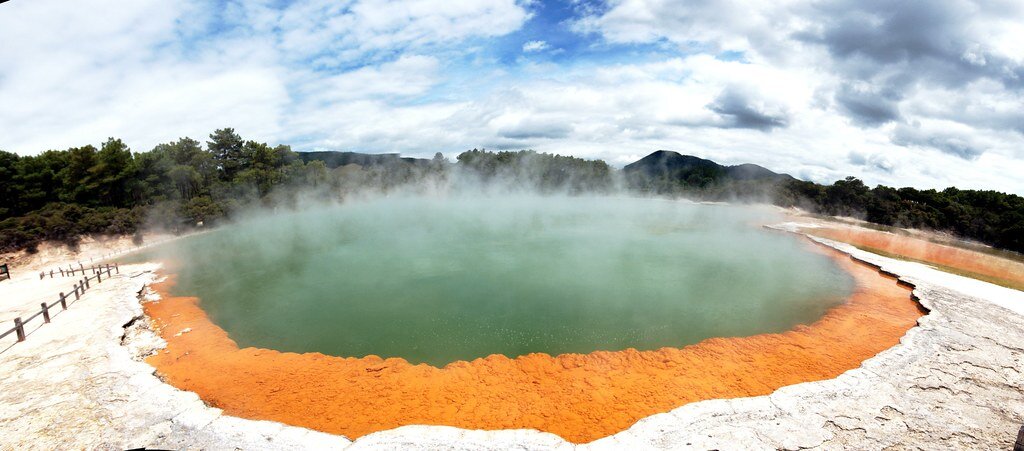
Boiling Champagne Pool. t3rmin4t0r. CC BY 2.0. 

Far north of Slope Point lies the mystical Champagne Pool on New Zealand’s North Island. Although an uncanny site, Champagne Pool is only one of many geothermal spots peppering the area around the city of Rotorua. The surrounding area, called Wai-O-Tapu, is known for its geothermal sites carved throughout the landscape. The strips of active volcanic sites and geothermal pools have created an admittedly scary yet magnificent look into what lies just beneath our feet. 

Champagne Pool is a captivating hot spring that stretches over 200 feet and is about equally as deep. A hydrothermal eruption caused this crater, which boils at over 160 degrees Fahrenheit, to form about 900 years ago. The hot spring earned its name from the presence of carbon dioxide that causes it to bubble like Champagne. Although seemingly uninhabitable, the hot spring teems with a rich microbial ecosystem. Additionally, striking photos of the site capture the vibrancy of the pool’s outer rim. Its neon orange strip is caused by antimony deposits that harden on the cooled rim of the pool. The surrounding grounds are equally rich in minerals; gold, mercury and silver are found in nearby rock beds. 

Whether one is an artist, a scientist or an adventurous visitor, both Slope Point and Champagne Pool stand as equally inspiring trips. 


Ella Nguyen

Ella is an undergraduate student at Vassar College pursuing a degree in Hispanic Studies. She wants to assist in the field of immigration law and hopes to utilize Spanish in her future projects. In her free time she enjoys cooking, writing poetry, and learning about cosmetics.
Vienna Rocks On at the World’s Largest Music Festival

Austria’s Danube Island Festival attracts around 3 million visitors annually. The festival spans three days, offers all kinds of music, and is completely free to attend. 

Each year at the end of June, millions of people flock to an island in Vienna for a three-day musical event. The Danube Island Festival, as the event is known, is the world’s biggest open-air music festival, attracting over 3.3 million visitors every year. The festival hosts more than 2,000 musicians across three days and 19 stages, contains numerous food and souvenir stalls, and essentially turns the island into a giant, booming party—and admission is free. 

The Danube Island Festival is held on Danube Island, a 13-mile man-made island located between the Danube River and a parallel, excavated channel known as the New Danube. When the island was created in 1972, its primary function was to serve as part of Vienna’s flood prevention system; the Danube crosses the city, so flooding is a major concern. Now Danube Island is a hub of recreation, complete with beaches, a trampoline center, a climbing park, a network of trails, and a few bars and restaurants. Danube Island is also full of wide green spaces, which easily become the venues for the Danube Island Festival. The island is located only a few minutes away from Vienna’s city center, making it a wonderful venue, as festivalgoers can stay in the city and sightsee while still having quick access to the festival grounds. 

What would grow into the world’s biggest music festival began as a promotional event for Danube Island. In 1983, Austrian politician Harry Kopietz introduced the idea of a one-day party on Danube Island to demonstrate its value as a recreational area. Event organizers expected around 15,000 people to show up and were stunned when the party had over 160,000 attendees. Since the event was wildly successful, it was held again the following year, and the number of visitors nearly doubled. The Danube Island Festival has been an annual event ever since, and has steadily grown in popularity to reach the millions of visitors it has today. The festival also increased in length from one day to three, to accommodate the number of visitors and to provide more performances. 

The festival offers music for everyone, from little-known local bands to world-famous headliners and everything in between, in a multitude of genres. In past years, there have even been performances from the Vienna Symphony Orchestra. Headliners have also included the Backstreet Boys and Simple Minds, as well as a number of artists famous among German speakers. 

Even the COVID-19 pandemic couldn’t put a stop to the Danube Island Festival, which occurred in alternate form in 2020. Instead of one large three-day event, the 2020 festival took place over 80 days and throughout Vienna; a double-decker bus with an open-air stage on top toured the city, bringing over 200 live performances to the Viennese people. For 2021, the festival is scheduled to take place from Sept. 17-19 in a hybrid format. The double-decker performance bus will be back roaming the city from August to September, and festival organizers hope to hold a scaled-down version of the festival with mostly local acts if public health permits. 


Rachel Lynch

Rachel is a student at Sarah Lawrence College in Bronxville, NY currently taking a semester off. She plans to study Writing and Child Development. Rachel loves to travel and is inspired by the places she’s been and everywhere she wants to go. She hopes to educate people on social justice issues and the history and culture of travel destinations through her writing.

5 Places to Visit for Lovers of Philosophy and Literature

For travelers who enjoy a good book or like to study the teachings of ancient thinkers, experiencing the places where those writers and philosophers lived (or died) is often at the top of their bucket lists. Here are five places to visit if you love philosophy, literature or both. 

1. Davy Byrne’s Pub, Dublin, Ireland

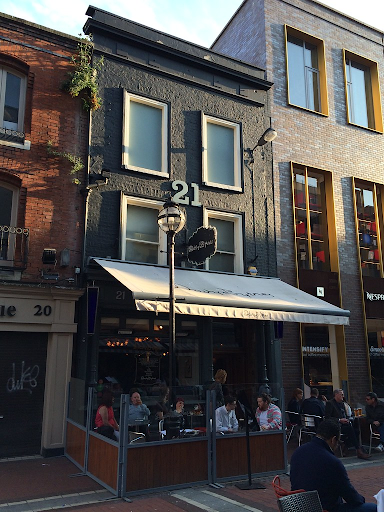
The exterior of Davy Byrne’s pub in Dublin. Flickr. John Logue. CC BY-NC-SA 2.0

The Irish capital has always been a popular European destination for visitors. Some come to Dublin to take in its historic architecture, while others go on journeys to trace their Irish ancestry. Some literature enthusiasts come for the city’s connection to James Joyce, the famed Irish author best known for his 1922 modernist novel “Ulysses.” The novel follows the story of Leopold Bloom as he wanders the streets of Dublin in a manner reminiscent of Odysseus’ journey in Homer’s “Odyssey.” In Chapter 8 of the novel, Bloom visits Davy Byrne’s pub for a Gorgonzola sandwich and some Burgundy before returning to his travels through Dublin. While Bloom is a character of fiction, the pub is not, and is still operating to this day. According to the pub’s website, Joyce frequently visited and was close to the pub’s founder, Davy Byrne. Joyce fans still stop by the pub while traveling through Dublin, enjoying a sandwich and some wine during their own Irish odyssey. 

2. The Tomb of Karl Marx, London, England

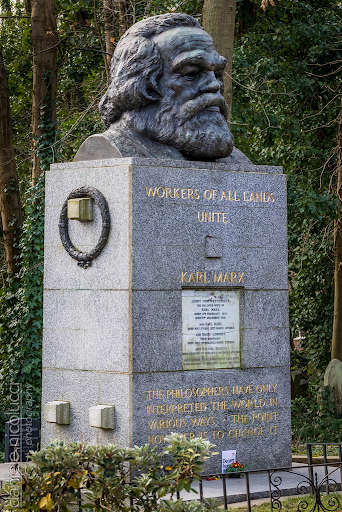
The headstone of Karl Marx’s grave in Highgate Cemetery, which reads “Workers of all lands unite.” Flickr. Daniele Nicolucci. CC BY-NC-ND 2.0

Cemeteries aren’t usually at the top of travelers’ bucket lists, especially of those visiting London. Yet, Highgate Cemetery in north London is visited by philosophy lovers for being the resting place of one notable 19th-century thinker— Karl Marx, the controversial German philosopher best known for writing “The Communist Manifesto” and “Das Kapital.” Almost 140 years after his death, his grave is sought out by fans of his work and of the school of thought that he inspired. However, the tomb of Karl Marx is also targeted by those who disagree with his philosophy, often being subject to acts of vandalism.


3. Kurt Vonnegut Museum and Library, Indianapolis, United States

The entrance to the Kurt Vonnegut Museum and Library in Indianapolis. Flickr. Martin Kalfatovic. CC BY-NC-SA 2.0

American novelist and satirist Kurt Vonnegut is known for his darkly humorous yet oddly lighthearted stories filled with eccentric characters representative of post-World War II America. Vonnegut, who was born and raised in Indianapolis, often referenced his home state in his novels. The Rosewaters, a fictitious American political family at the center of Vonnegut’s 1965 novel “God Bless You, Mr. Rosewater,” are even from Indiana. Fitting for a Midwesterner at heart, the Kurt Vonnegut Museum and Library is located in Indianapolis and is dedicated to his life and works. Vonnegut fans can sit in front of a model of the typewriter he used to write his stories with, look at pictures of his life and family, and even read his numerous rejection letters from editors. 

4. Plato Academy Digital Museum, Athens, Greece

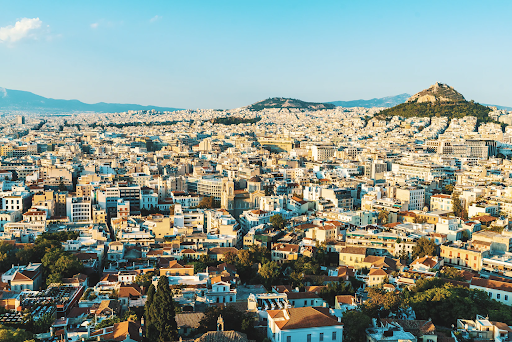
The Athens skyline. Unsplash. Evan Wise.

For those with a passion for classical history, ancient epics and philosophy, there’s no city with a connection to all three like the Greek capital of Athens. The city is considered the birthplace of many philosophical schools of thought and traditions, and was home to some of humanity’s most important thinkers. Yet one museum, dedicated to the philosopher Plato, is making ancient teachings accessible for a 21st-century audience. The Plato Academy Digital Museum was built in 2015 on the ancient grounds of Plato’s academy in Athens, and features interactive installations where visitors can learn about the teachings of Plato and his role in shaping Western philosophy. One can even take a quiz to see if they have what it takes to be a student of Plato. 

5. Konigsberg Cathedral, Kaliningrad, Russia

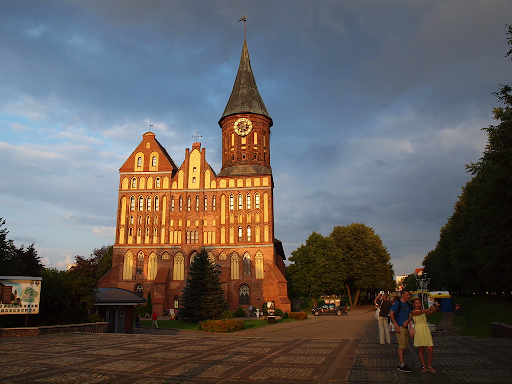
Konigsberg Cathedral, where Immanuel Kant is buried. Flickr. Anita. CC BY-NC-ND 2.0

Located in the Russian exclave of Kaliningrad, this Gothic cathedral looms over the surrounding city, a reminder of the region’s Prussian history. It is also the resting place of German philosopher Immanuel Kant, best known for his contributions to the fields of ethics, aesthetics and metaphysics, who was born in the city when it was still part of the kingdom of Prussia. Much of Kaliningrad, which was called Konigsberg when it was part of Prussia, was destroyed during Allied air raids in World War II. The cathedral was also heavily damaged during the war, before reconstruction efforts began in the early 1990s. Kant was buried inside the cathedral after his death in 1804, and now rests in a mausoleum located to the side of the building. 


Aerex Narvasa

Aerex is a current student at Occidental College majoring in Diplomacy and World Affairs with a minor in East Asian Studies. He is passionate about sharing people’s stories through writing, and always strives to learn about new places and cultures. Aerex loves finding new music and exploring his hometown of Los Angeles in his free time.

A Trippy Trip: The Psychedelic Salt Mines of Russia 

The salt mines of Russia are as dizzying in person as they appear in photos. Although a visit is not for the faint of heart, the mines stand as yet another testament to the gentle, artistic hand of nature. 

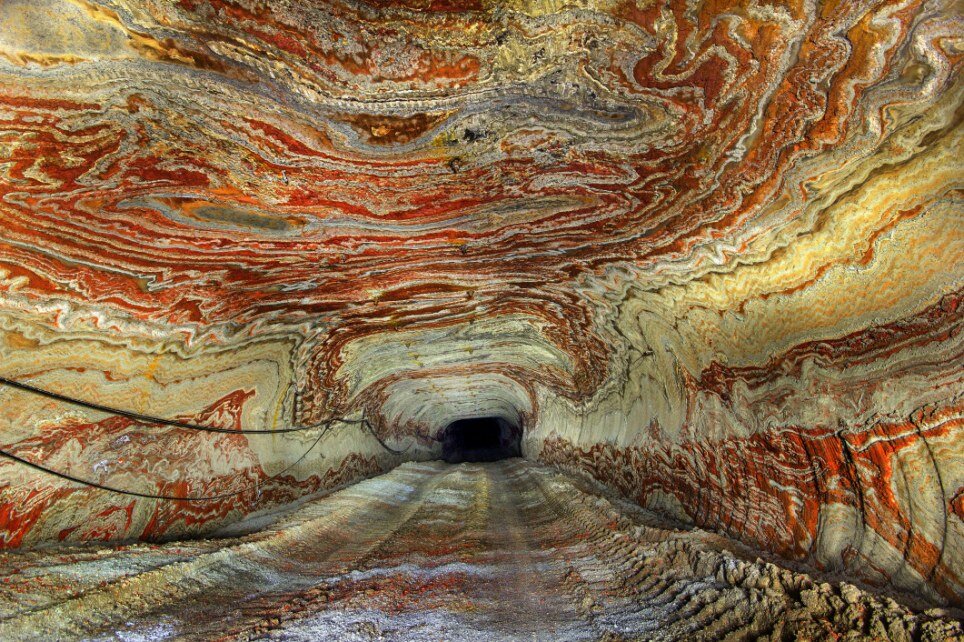
Red swirls cover the walls of this Russian salt mine. Mikhail Mishainik. Daily Mail. 

Along the eastern edge of Russia’s Ural Mountains lies the city of Yekaterinburg, an industrial giant currently experiencing an explosion in population and construction. Although the city itself overflows with its buzzing nightlife scene and hectic economic sector, a nearby site also attracts curious eyes and aspiring photographers. 650 feet below Yekaterinburg lies a peculiar system of salt mines often known as the “psychedelic salt mines.” 

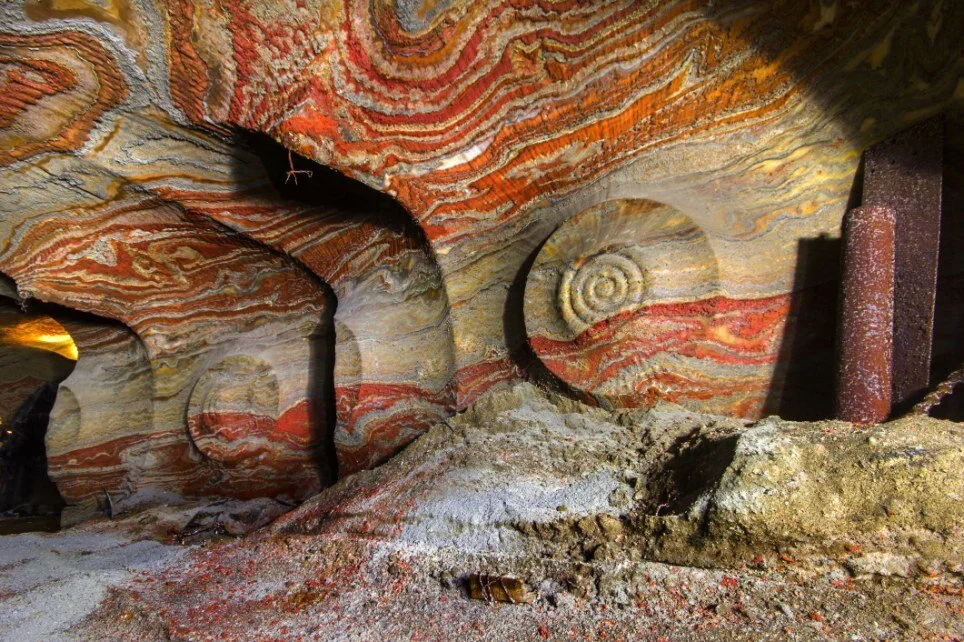
These mines earned the name “psychedelic” for the hypnotizing pattern that covers the entirety of the caves. Any visitor would be easily mesmerized by the sight; the walls display a magnificent swirling pattern that mimics sound waves or animated gusts of wind. How the caves came to be such a fascinating art show is equally interesting, as the rich, almost electric swirls of blue, yellow, red and orange are entirely natural. They exist due to large deposits of the mineral carnallite, which is commonly used in fertilizer. The mineral showcases its vibrant range in the caves, but can also be found in a colorless state. Unlike most popular caves, the psychedelic salt mines are not narrow passages requiring extreme flexibility to squeeze through; the winding channels stretch for many miles and are truly spacious. 

Cave walls underneath Yekaterinburg. Mikhail Mishainik. Daily Mail. 

The caves date back 280 million years to the Permian period, and are a result of the Perm Sea having dried up. These rich salt deposits were largely forgotten for many years until around the second millennium B.C., when Russia began salt mining. 

Additionally, only recently have photos of the cave even been shown to the public. Although the attractive site seems ideal for family-friendly adventures and novice photographers, the caves are closed off to the public. Only a small section of the caves are still in use, and the other parts require a special government permit to access. 

However, a photographer named Mikhail Mishainik is credited with the awe-inspiring photos we now see. Along with some friends, Mishainik spent many hours exploring the caves, being sure to capture the magnificence of their artwork along the way. Mishainik stayed overnight in the pitch-black caves and chronicled his uncomfortable yet exciting experience. Due to the mineral deposits, the air inside is salty and dry, creating a constant feeling of unquenchable, perpetual thirst. Mishainik also claims that the lingering sense of instability in the caves is part of the excitement, since the caves face the threat of gas leaks and landslides. 

It is uncertain whether any more than a select few will ever lay their eyes on the rainbow swirls of these caves, but one thing is sure: if such magnificence lies hidden under this one city, there are limitless other gems waiting to be uncovered by unsuspecting travelers. 


Ella Nguyen

Ella is an undergraduate student at Vassar College pursuing a degree in Hispanic Studies. She wants to assist in the field of immigration law and hopes to utilize Spanish in her future projects. In her free time she enjoys cooking, writing poetry, and learning about cosmetics.
The Mexican Street Cart: A Culinary World on Wheels 

Mexican street foods, like birria tacos and elote, have gained widespread attention on social media recently for their complex flavors and vivid colors. Some dishes have gone so viral that Americans are driving hours in search of truly authentic carts! Mexican street carts are essential to the people of Mexico, providing a convenient meal during a busy day, and more are popping up all over the United States as well. 
Read More