Middle Eastern Countries Combat Stigma Surrounding Mental Health

While the stigmatization of mental health issues is common worldwide, sociocultural factors specific to the Middle East often prevent individuals from seeking treatment.

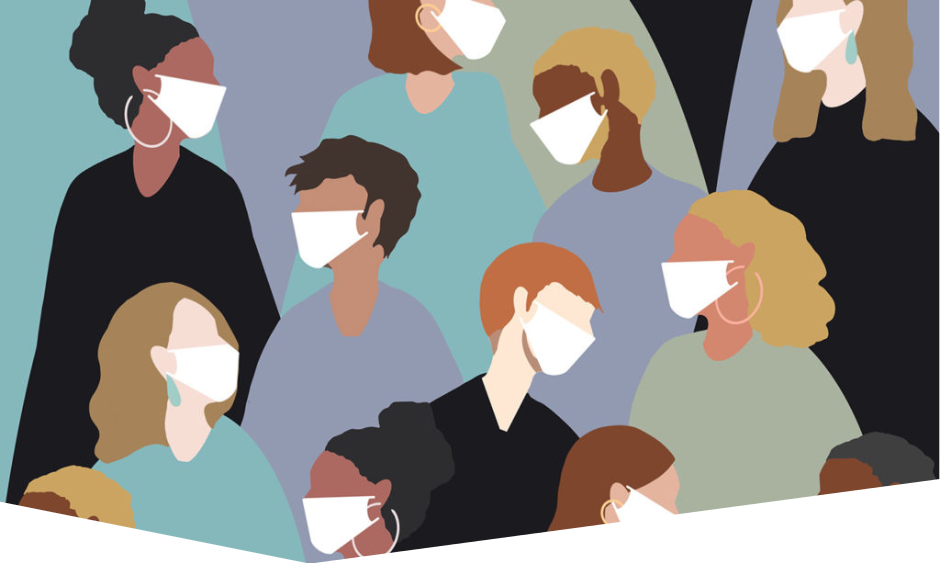
A drawing depicting mental health issues. Pixabay.

Mental health services are more urgently needed now than ever before. The world is currently facing a mental health epidemic, with over 264 million people struggling with depression in 2019. The additional stress and uncertainty caused by the COVID-19 pandemic have caused anxiety and depression levels to skyrocket. For many individuals, it has become even harder to participate in counseling programs. According to the World Economic Forum, over 93% of countries have reported a disruption in their mental health services since the pandemic started. 

In the Middle East, mental health awareness continues to rise, especially in the Gulf countries among the nations’ youth. A recent poll conducted in the Gulf region reported that 62% of youth agree that mental health issues are important. Even so, a recent survey in Saudi Arabia revealed that 80% of people struggling with severe mental health issues do not seek treatment. Similarly, this year’s Arab Youth Survey, which interviewed 4,000 young adults ages 18-24 from 17 Arab countries, revealed that mental health issues are rampant, with the number of people affected continuing to rise. 

Difficulties in Obtaining Proper Mental Health Care

The Kaaba in Mecca, Saudi Arabia, the holiest site in Islam. Konevi, Pixabay.

A prevalent culture of stigmatization in Middle Eastern countries prevents many individuals from seeking treatment in the first place. Due to the shame associated with mental health issues, privacy between the client and their mental health professional is of utmost concern. In many cases, mental health issues place a burden on a family’s reputation and social status. Rania Raine, a 43-year-old British-Egyptian art teacher who struggles with mental health, states that, “It’s the ‘shame’ families have, that their child isn’t perfect, that their lives are not perfect and what will people say, what will the neighbors say, society say–and then it all leads to marriage, how no one will marry the child who has a mental health condition, or worse still, ruin the chances of marriage of the other siblings.” 

Although the stigmatization of mental health conditions is common in Muslim communities, Ph.D. researcher Mounira al-Dousari states that they are “reflections of cultural practices and discourse.” There is a growing movement among mental health professionals to include faith in therapy, which results in a faster recovery for some clients. It’s also important to note that many forms of therapy use predominantly Western practices, which need to be diversified to appeal to a larger audience. According to Dousari, “When it comes to Islam, Muslim scholars and those working in the mental health field are working harder than ever to establish well-structured Islamically integrated psychotherapy models.”

Additionally, the financial burdens of seeking mental health treatment raise another concern. Even though mental health care is free in some public hospitals, many people do not trust them due to privacy concerns. Prices for private mental health care sessions are quite expensive. For example, Dousari’s research sessions cost $225 an hour, a large sum even for well-off families. 

Historic Treatment of Mental Illness in the Middle East

An entrance to the Moristan of Kala’oon, a mental health hospital in Egypt, 1878. Werner. CC2.5

Although mental health remains a prevalent issue in the region, the Middle East was well known for mental health treatment during the Islamic Golden Age. The term bimaristan, Persian for “home for the sick,” refers to entire psychiatric hospitals where a patient’s mind, body and soul were considered part of the treatment process. First opened in Fez, Morocco, and in Baghdad in the eighth century and later in Cairo, Damascus and Aleppo in the ninth, the practice was initially introduced by physician Ahmed ibn Sahl al-Balkhi. A famous manuscript written by Balkhi called “Sustenance for Bodies and Souls” was written in clear, understandable language and helped make mental health education more accessible to the public. Unfortunately, the practice declined throughout the centuries and does not occur in the mainstream today. 

Additionally, Dr. Mamoun Mobayed, director of the treatment and rehabilitation department at Behavioral Healthcare Center in Qatar, emphasizes that the stigmatization of diseases is a global phenomenon. “Any disease thought to be infectious or bizarre-looking, like leprosy, has always been stigmatized. Even with COVID-19, there have been cases where paramedics working with COVID-19 patients have been avoided due to the fear and stigma attached to the virus.”

In recent years, mental health awareness in the Middle East has become a top priority, with many countries starting their own wellness initiatives and campaigns. 

Qatar Paves the Way in the Gulf

Sidra Medical and Research Center in Qatar. Sergeev. CC3.0

Qatar launched a new mental health program in conjunction with World Mental Health Day. Being the first country in the Gulf to start such an initiative, the Wellness Ambassadors program aims “to promote mental health support and break the stigma attached to mental health conditions at school level.” Program ambassadors received comprehensive training on mental health issues such as anxiety, depression and bullying while breaking cultural misconceptions surrounding mental health. Dr. Mobayed states that educating individuals about mental health issues serves “to remove the barriers associated with mental health and know they are normal humans with a disorder in the mind.” 

Turkish Counseling Services Provide Assistance

Taksim Square in Istanbul. Pixabay.

A crisis helpline in Turkey helps those struggling with mental health issues during the pandemic. Supported by the World Health Organization, the service is accessible in all of Turkey’s 81 provinces and consists of 418 staff members trained in helping individuals manage stress and access mental health resources. So far, the service has offered more than 80,000 consultations since its inception. 

Social Media Campaigns in Kuwait Lead to Legislative Action

Youth in Kuwait. Wikimedia Commons. CC2.0

Kuwait enacted its first mental health law in 2019, which passed unanimously through the national assembly. Instrumental to this success were numerous social media campaigns led by youth, artists and mental health advocates. The founder of ASAP Beauty, Sheika Majda al-Sabah, credits her involvement in the campaign to her own struggles with depression. Other campaigns include “Mind Me”, “Human Line Organization” and “Taqabal”, with trending hashtags such as #noshame working to spread awareness. Outreach events helped to create a welcoming climate where people could speak more openly and denounce negative stereotypes surrounding mental illness. Since the onset of the COVID-19 pandemic, an online program called Corona Care provides mental health services for those in need. Additionally, the Gulf Program for Mental Health encourages countries to develop comprehensive mental health programs that adhere to international standards. 

Although there is still work needed to break down barriers surrounding mental health treatment, Middle Eastern countries seem ready to rise to the challenge. 

To Get Involved: 

Check out social media campaign pages “Mind Me”, “Human Line Organization” and “Taqabal” working toward mental health awareness in Kuwait. Visit the website of the Institute for Muslim Mental Health, which focuses on providing support for Muslims in the United States. The Journal of Muslim Mental Health is an excellent resource to learn about issues affecting the Muslim community in the United States and globally. 


Megan Gürer

Megan is a Turkish-American student at Wellesley College in Massachusetts studying Biological Sciences. Passionate about environmental issues and learning about other cultures, she dreams of exploring the globe. In her free time, she enjoys cooking, singing, and composing music.


COVID-19 Further Complicates Kenya’s Health Care System

Kenya is facing a double burden of communicable and noncommunicable diseases. Clustering of infections, such as HIV and tuberculosis, and noncommunicable diseases, such as diabetes and high blood pressure, renders Kenyans vulnerable to COVID-19. This has pressured an already overstretched health care system.

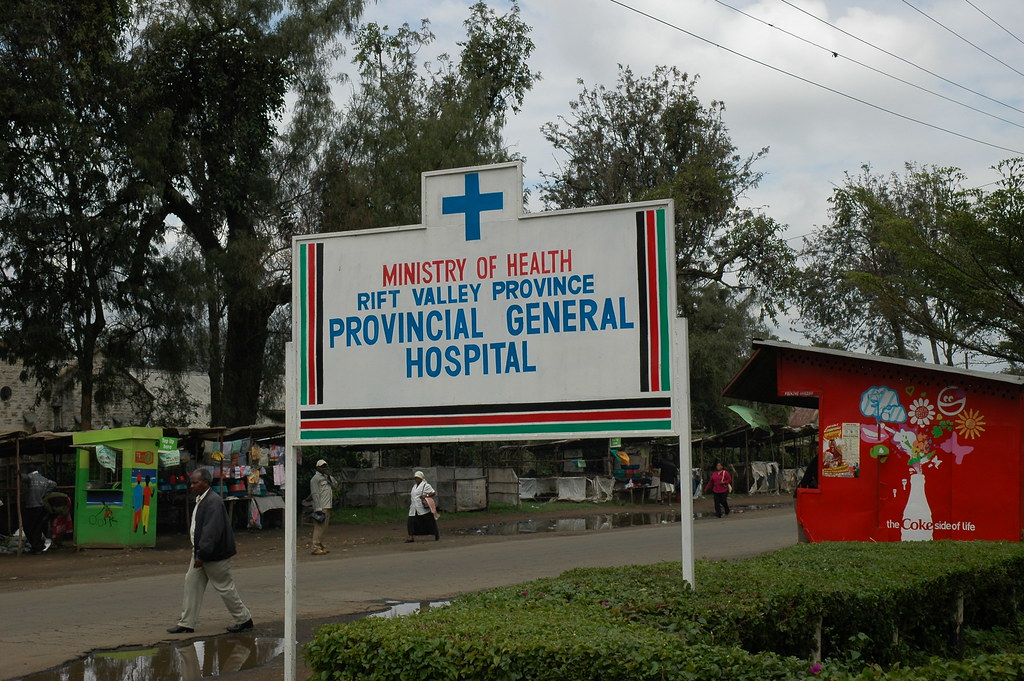
Hospital entrance sign in Kenya’s Rift Valley province. Melanie K Reed. CC BY-NC-ND 2.0

In mid-March, shortly after Kenya’s first confirmed COVID-19 case, the word “corona” began circulating around western Kenya’s villages. Young people used the word as a novelty, and the overall population remained preoccupied with existing illnesses. “This is a disease for whites,” said Sylvanus, a local father of seven. When calling after white people on the street, children replaced their traditional “mzungu!” (white person) with “coronavirus!” At this point, Europe was the pandemic’s epicenter. Kenyans felt that this foreign virus was removed from their world. 

However, Kenya’s high prevalence of preexisting health conditions renders a significant portion of the population immunocompromised and therefore vulnerable to the coronavirus. In a country experiencing health issues such as HIV, tuberculosis, diabetes and malaria, the pandemic has posed a threat to an already fragmented health care system. Although less than 4% of Africa’s population is over the age of 65, countries such as Kenya have seen high coronavirus mortality rates. 

Global evidence shows that people with underlying medical conditions are at a greater risk from COVID-19. In 2019, half a million Kenyans were living with diabetes, and over half of accounted deaths were associated with noncommunicable diseases. Currently, Kenya’s health care system is structured to manage individual diseases, rather than multiple ones. Because patients frequently carry more than one health condition, the health care system has been overstretched and inadequate. HIV, tuberculosis and malaria treatments are easily accessible, but noncommunicable diseases such as diabetes and cancer often go undiagnosed, and care is costly. The COVID-19 pandemic has exacerbated these shortcomings, as social distancing restrictions prevent Kenyans from accessing medical resources, and a surge of coronavirus cases imposes a double burden of disease. Additionally, front-line workers with undiagnosed, chronic illnesses have critically compromised their health, and hospitals have dealt with equipment shortages. 

Transcontinental travel has heavily contributed to the increase in COVID-19 cases across Africa. In order to minimize Kenya’s number of infections, President Uhuru Kenyatta stopped all flights from Europe. Kenyatta also imposed a national curfew and restricted movement between populated areas. Domestically, middle-class, urban dwellers have carried the virus into rural areas. On Kenyan television, villagers have urged educated, urban residents to remain in the city, instead of threatening the lives of others. 

In African countries, lockdowns are nearly impossible to implement because they would spur social and economic crises. Many people rely on cash earned daily to sustain themselves and their families. A strict lockdown would result in poverty and starvation. Kinship systems also play a crucial role in social welfare, as relatives care for one another. For people already barely getting by, cutting these social ties would be dangerous. Finally, a lockdown would interrupt the supply chains of essential drugs, preventing access to tuberculosis, HIV and malaria treatments. 

According to several African presidents, developed countries are failing to fulfill their pledges of financial support and debt relief. Throughout the pandemic, outside aid has not met the continent’s needs. While wealthy countries in the global north have funneled trillions of dollars into their own stimulus packages and health initiatives, the global south cannot afford such measures. With limited testing capacity, Africa has not confirmed many of the world’s COVID-19 cases, but the continent has been grossly affected by the economic crisis and global trade disruptions. Furthermore, the global shortage of testing kits, hygienic material and personal protective equipment has left developed countries vying for their own supplies, without consideration for underdeveloped nations. 

Anna Wood

is an Anthropology major and Global Health/Spanish double minor at Middlebury College. As an anthropology major with a focus in public health, she studies the intersection of health and sociocultural elements. She is also passionate about food systems and endurance sports.

Overpopulated Indonesia Fears Baby Boom Due to Coronavirus

After months of telling its citizens to stay at home, Indonesia is now facing fears of a potential baby boom.

Traffic in Bandung, Indonesia. Ikhsan Assidiqie. Licensed by Unsplash.

With the country under quarantine from COVID-19, many people have stopped going to clinics to get contraceptives out of fear of catching the virus. This projected increase in pregnancies comes after extensive efforts by the country to encourage smaller families, an action taken in order to fight against the concern of child malnutrition. This problem is so severe that government vehicles drove around the cities and pleaded with the public through loudspeakers: “You can have sex. You can get married. But don’t get pregnant. Dads, please control yourself. You can get married. You can have sex as long as you use contraception.”  

The National Population and Family Planning Board (BKKBN) is Indonesia’s government-backed family planning program tasked with helping married couples manage the creation of their families. BKKBN is widely successful and employs 24,000 counselors to help execute their mission, much of which includes distributing free contraceptives to the public. 
The agency recently determined that there had been a significant decrease in the use of contraception between March and April of 2020 and that about 10 million couples in the country no longer had access to a form of birth control. An increase in pregnancy rates is deeply concerning for the Indonesian government because the country is struggling to manage the current population size given its available space and resources. In order to try and alleviate some of these effects, the government has openly discouraged people from having large families for years and freely provided various forms of birth control. About half of those who use contraceptives receive monthly or trimonthly hormone injections, 20% use birth control pills and many use IUDs. Condoms remain unpopular, though, across the country. It is worth noting that abortion in Indonesia is only permitted if it is “to save the woman’s life.” There are many possible contributors to the drop in contraceptive use during this quarantine period, such as a fear of leaving the house to acquire contraceptives (especially from hospitals), closed contraception clinics and other closed health care providers. 
One significant consequence of Indonesia’s population struggles is child malnutrition, a problem that Indonesian President Joko Widodo promised to alleviate within 4 to 5 years. More severe cases of child malnutrition (especially when paired with poor hygiene) can result in child stunting, a condition where the child is more than two standard deviations below the median of child growth standards as determined by the World Health Organization. If children are experiencing stunting then they are more susceptible to pneumonia, diarrhea and a weakened immune system. Given that COVID-19 is known to be more fatal for those with compromised immune systems, this is an especially pertinent concern. Long-term effects include an increased chance of experiencing chronic diseases such as hypertension and a lowered IQ. According to the organization 1,000 Days Fund, a group dedicated to the elimination of stunting, children with stunting can miss about a year of school because of the sickness. While Widodo has found some success in lowering the number of child stunting cases in the past few years, this period of quarantining may prove to be a major setback.

BKKBN announced that Indonesia should expect about 420,000 more babies than the average 4.8 million in the upcoming year. One demography expert at the Indonesian Institute of Sciences, Dr. Augustina Situmorang, believes pregnancy spikes are most likely to occur in low-income families who relied on the previously-accessible birth control provided by BKKBN in addition to young women who lost their jobs, had to return to their hometowns, and then had to get married due to social pressures. 


Indonesia’s health care system is already working overtime and has suffered considerably from COVID-19, registering more than 33,000 cases and over 1,900 deaths. Nevertheless, the government is attempting some preventive measures to combat more potential pregnancies. This includes allowing access to multiple months of birth control pills at a time, making door-to-door deliveries of contraceptives along with emergency supplies, and hoping to distribute contraceptives to 1 million people on June 29, dubbed “National Family Day.” Going forward, the Indonesian government will have to move efficiently if it wants to limit the burden felt by the Indonesian health care system with future generations.

Phoebe Jacoby

is a Media Studies major and Studio Art minor at Vassar College who believes in the importance of sharing stories with others. Phoebe likes to spend her free time reading, drawing, and writing letters. She hopes to continue developing her skills as a writer and create work that will have a positive outward effect.

Forgotten, but not Gone: Zika’s Return to the Media

Earlier this week the Duchess Sussex of Meghan Markle canceled a trip to Zambia, citing exhaustion and concerns over the presence of Zika virus in the country. The Zika virus had been rather dormant in the media over the last year, all but vanishing in the wake of Trump speeches, trade wars, and Brexit. It had, however, remained a constant concern for those living in certain countries or traveling to them. Markle’s encounter with the Zika virus and the subsequent headlines have helped to push it back into public view, and once again, questions are being raised about its origin, transmission, and what is being done to fight it.

The Duchess of Sussex. Office of the Governor - General - GG.govt.nz. CC BY 4.0.

The Zika virus was first discovered in the Zika Forest in Uganda in 1947. The first recorded carriers were monkeys, but the forest was also home to over 70 species of mosquitoes, and they became the primary source of viral transmission. The disease was eventually discovered in humans in 1952, but for the most part remained confined to animals until 2007, when the first human outbreak was documented on the Island of Yap in the Federated States of Micronesia. In 2015, the virus made international headlines when Latin America and the Caribbean saw an explosion of human-related cases. As was the case in Africa, mosquitoes were the main culprits of transmission. However, in 2016, the virus saw a sharp decline in new cases, and with it a decline in news coverage.

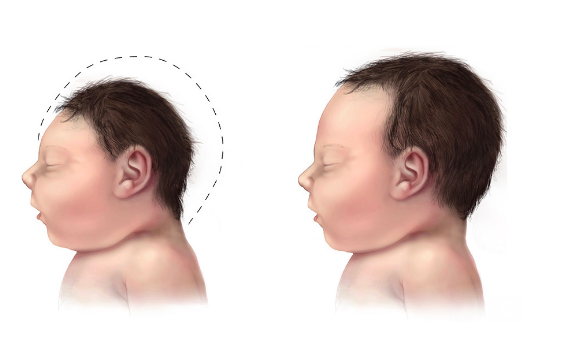
Adults infected with Zika often display no symptoms. Those who do usually report mild fevers, rashes and muscle pain. The impact on unborn babies is far more devastating. Zika infections during pregnancy have resulted in miscarriages and babies being born with microcephaly, a condition in which a child's head is much smaller than it should be (Markle and husband Prince Harry had recently announced that they were expecting a child, and concern for the child’s welfare was thought to be Markle's main concern when she opted out of her trip to Zambia).

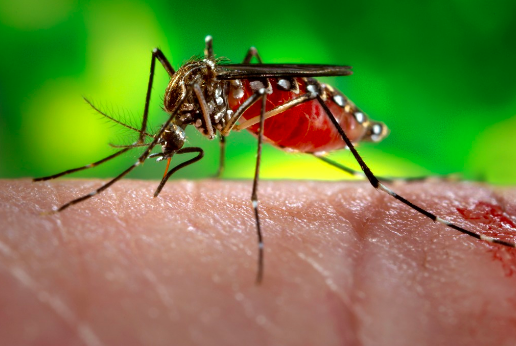
The Zika Virus is spread mainly through mosquito bites. James Gathany - https://phil.cdc.gov/phil/details.asp?pid=9257. Public Domain.

While a full-on cure for the virus remains elusive, health and government officials have been able to curb infections by going after the mosquitoes that carry and transmit the disease. In preparation for the 2016 Olympics in Rio de Janeiro, the Brazilian government launched a large-scale effort to fumigate the city for the insects, while in England a biotech company called Oxitec developed genetically modified mosquitoes, which, when released into the wild, would mate with infected mosquitoes and pass a gene on that would prevent those mosquitoes from reproducing. In the United States, The Centers for Disease Control made a point of advising those traveling to countries with high rates of infection to use insect repellants.

Microcephaly- a birth defect linked to the Zika virus. Centers for Disease Control and Prevention. Public Domain.

Many world issues persist despite the ebbing and flowing of news coverage. Though not the hot story it once was, the Zika virus is still a viable threat and will remain so until a vaccine is found. Those traveling to countries that have been deemed areas of risk should take all necessary precautions to prevent infection, or, like the Duchess of Sussex, simply the put the trip off until another time.


JONATHAN ROBINSON is an intern at CATALYST. He is a travel enthusiast always adding new people, places, experiences to his story. He hopes to use writing as a means to connect with others like himself.