The Movie Makes it: 6 Places Made Famous by Films

Many places in the world have been made iconic by films for their beauty and distinctiveness.

Movies have a unique ability to turn even the most seemingly mundane places into a magical new world. They uncover the hidden beauty of our planet, the secret wonders our world has to offer. Films - especially those that are popular - have an aptitude for making locations special in a way they weren’t before they were displayed on the big screen. The following 6 movies have iconicized their filming locations by displaying the beauty of our world and their fantastical essence.

1. The Notebook - Cypress Gardens, South Carolina
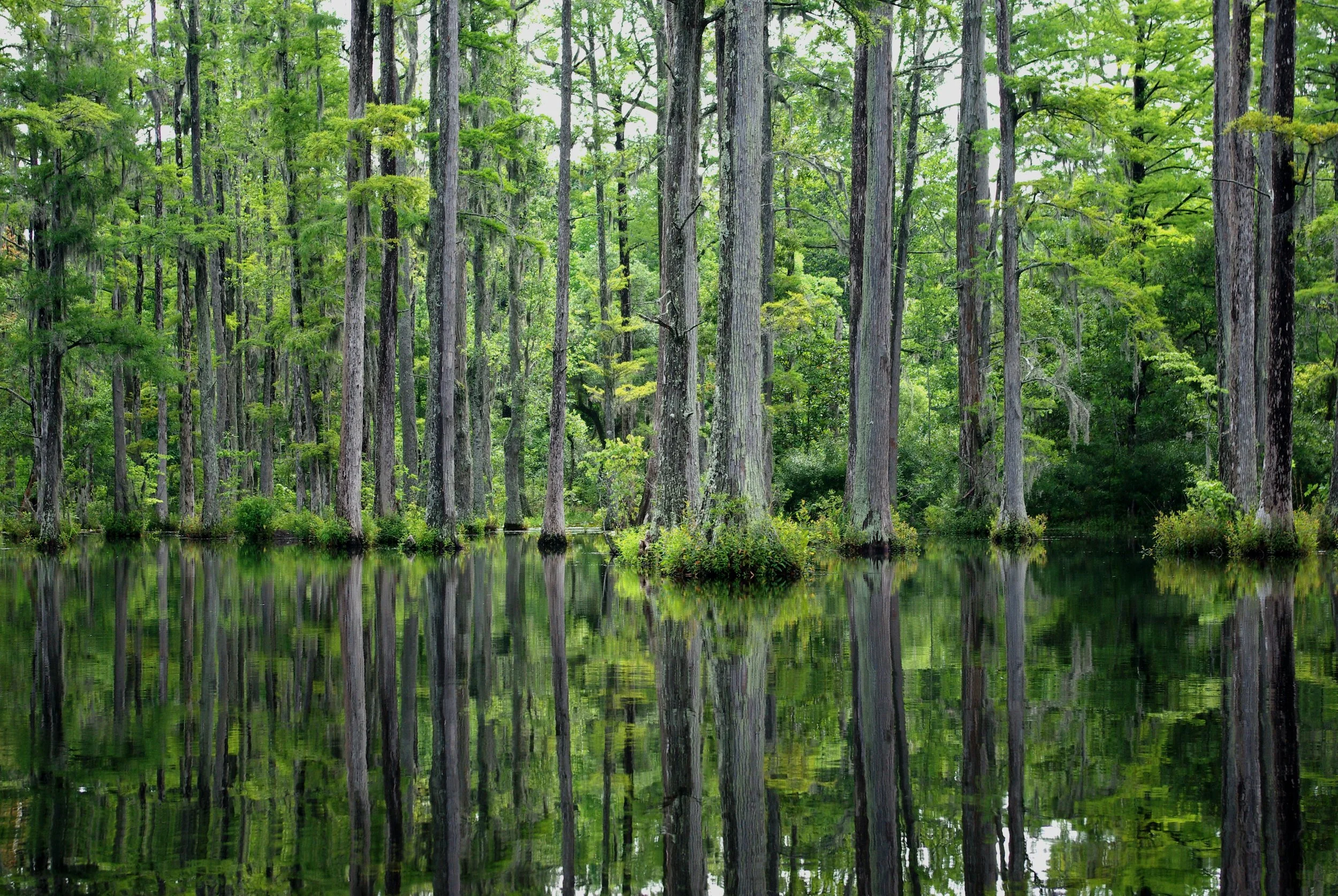
The Marsh at Cypress Gardens. Natalie K. CC BY-SA 3.0.

The infamous rainy boat scene from “The Notebook” was filmed in the Cypress Gardens in South Carolina. The main characters, played by Ryan Gosling and Rachel McAdams, are taking a romantic canoe ride through the marsh when suddenly rain starts to pour, causing them to quickly paddle to shore and seek refuge under the foliage together. 

Known as one of the greatest romantic films of all time, “The Notebook” has made Cypress Gardens a popular spot for those wishing to recreate the romance of the film. Those who visit the Gardens are able to take the same self-guided boat ride as Gosling and McAdams, cutting through water littered with gorgeous lily pads and surrounded by natural wildlife. 

 2. Jurassic Park - Kauai

Manawaiopuna Falls. Screaming_Monkey. CC BY-SA 2.0.

“Jurassic Park” is famous for the depiction of Kauai’s rolling valleys and tremendous waterfalls. Manawaiopuna Falls has become iconic after the scene it was featured in during “Jurassic Park.” When Laura Dern, Jeff Goldbloom and the rest of the star studded cast makes their way onto the island, they descend in a helicopter right besides Manawaiopuna Falls. This has made the waterfall an iconic place for fans of the film to come while visiting Hawaii, even giving the falls a nickname: Jurassic Falls. Helicopter tours are even available to fans who wish to experience the arrival scene.

3. Lord of the Rings - Matamata, New Zealand 

Hobbit homes. Curtis Simmons. CC BY-NC 2.0.

The Shire is a real place, and lucky for those who wish to see it, it is not endangered by any of the villainous creatures from the “Lord of the Rings” universe. Known as Hobbiton, the rolling hills of the Shire are incredibly popular for walking tours, as walking the land of Matamata feels like walking right into J.R.R. Tolkin’s stories. Looking exactly as they do in the films, Hobbiton is an incredible hub for tourism and exploration into a place seemingly unlike any other.

Hobbit holes - which are the houses built into the earth - are scattered across acres of lush grass. Many visitors like to take pictures in front of one of the many circular doors that come in a multitude of painted colors. 

4. Mamma Mia! - Skopelos, Greece
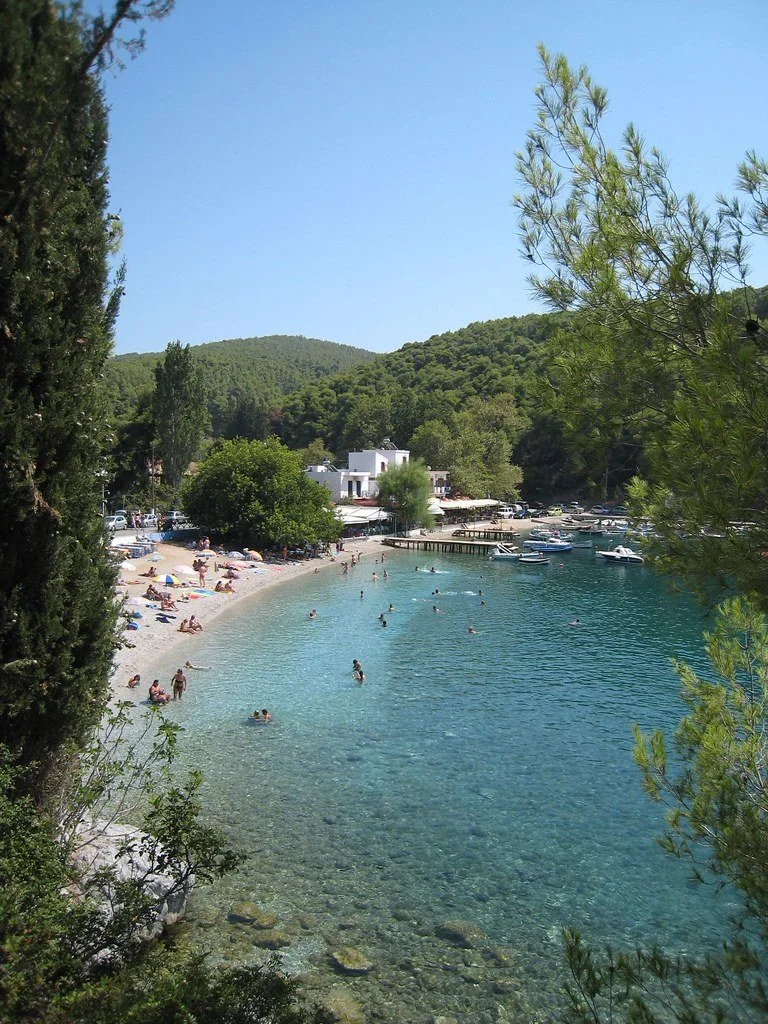
Skopelos beach. Titanas. CC BY-SA 2.0.

To accompany their incredible soundtrack, the team who produced “Mamma Mia” also gave us a stunning view of Skopelos, Greece. Crystal blue water, white sandy beaches and the Greek architecture of the city all make the set of “Mamma Mia” a place viewers dream of being. 

Though Merly Streep’s hotel from the movie doesn’t actually exist, the set of “Mamma Mia” is a combination of different locations around the island of Skopelos. Those who travel to the island can also find the set locations of iconic scenes in the movie, such as the Mamma Mia Cliff, where the wedding scene at the end was shot.

5. Forrest Gump - Marshall Point, Maine 
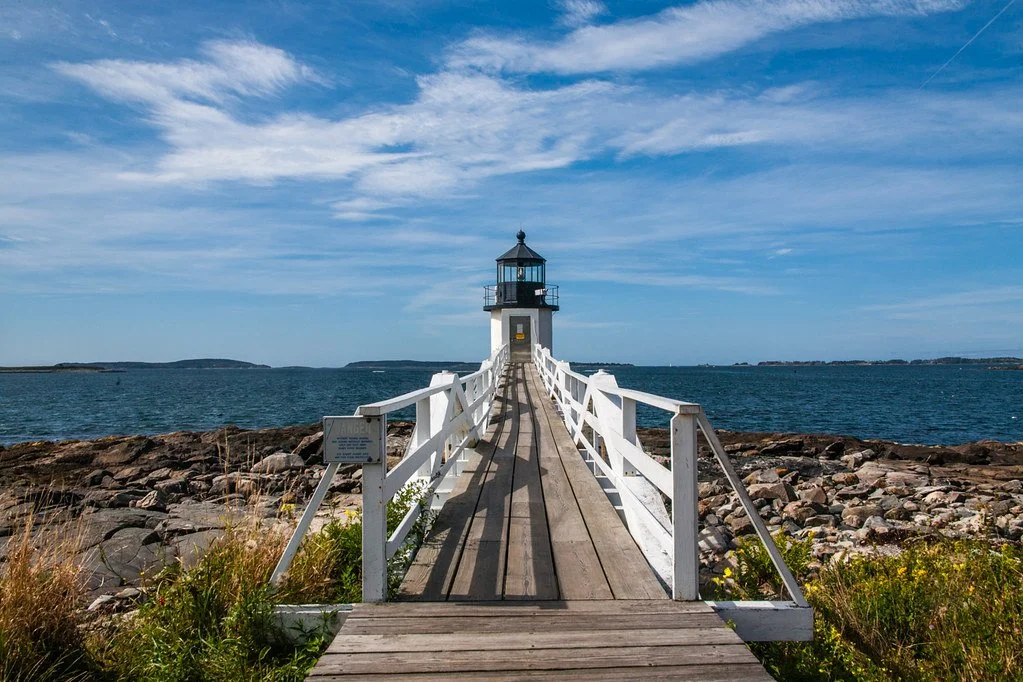
Marshall Point LightHouse. Me in ME. CC BY 2.0.

One of the most beloved moments in the award-winning film “Forrest Gump” is when Forrest runs across America. Starting in Alabama and going coast to coast, Forrest runs for “3 years, two months, 14 days and 16 hours”.  

During his long journey across America, Forrest finds himself running up the pier at Marshall Point, a scene that made the pier and accompanying lighthouse famous. Those who visit Marshall Point will find that the Lighthouse has a museum, with insider details on how “Forrest Gump” was shot and filmed there, alongside history of the Lighthouse and surrounding area. The view of the beaches of Maine, alongside the rocky shore, and long sea grass also make for a beautiful set.

“Forrest Gump” was also responsible for making Chippewa Square in Savannah Georgia an iconic landmark for the bench scenes, when Forrest tells his story while waiting for the bus.

6. Game of Thrones - Dubrovnik, Croatia 
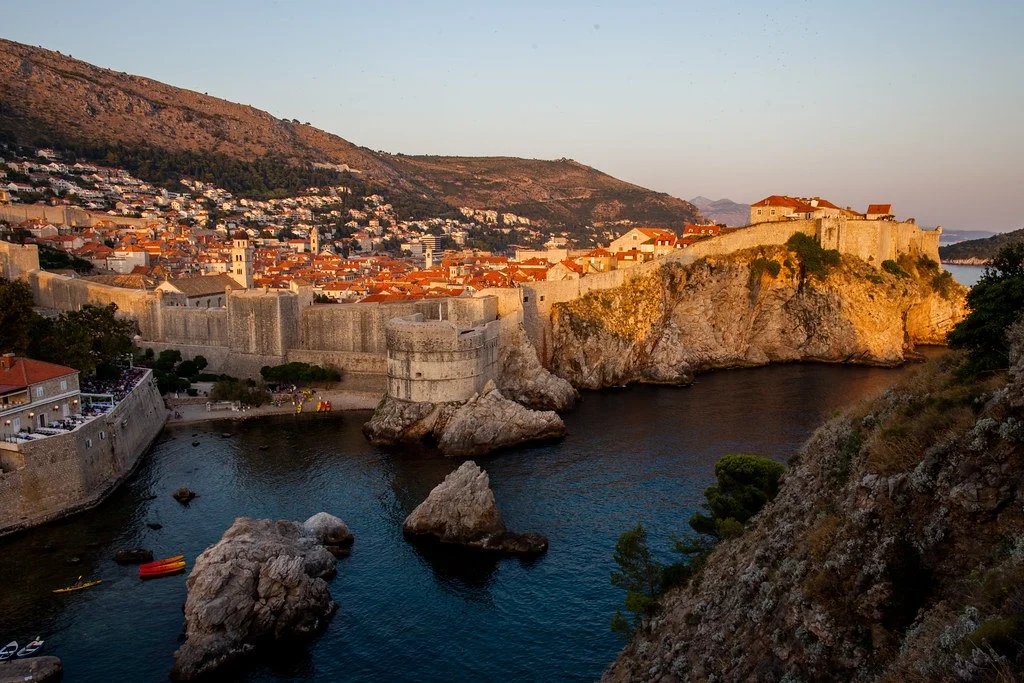
Dubrovnik shoreline. Zlatko Unger. CC BY-NC-ND 2.0.

Though “Game of Thrones” is not  technically a movie, it is arguably the greatest television show of all time and contains some of the greatest visual imagery to ever see the screen. Though there are many stunning set locations “Game of Thrones” has iconicized to choose from, Dubrovnik, Croatia seems the most fitting for this list. Located on the coast of the Adriatic sea, Dubrovnik is the set on King’s Landing, the most infamous place in all of the “Game of Thrones” series.

With a wonderfully condensed city to explore, alongside a beautiful coast and rugged, mountainous landscapes, Dubrovnik is a great destination for travel even for those who are not fans of the show. However, the city has seen a significant increase in tourism since the airing of the show, and in the wake of its global popularity, Dubrobnik has now become one of the main filming locations visited from the show.



Ava Mamary

Ava is an undergraduate student at the University of Illinois, double majoring in English and Communications. At school, she Web Writes about music for a student-run radio station. She is also an avid backpacker, which is where her passion for travel and the outdoors comes from. She is very passionate about social justice issues, specifically those involving women’s rights, and is excited to write content about social action across the globe. 
The Largest Salt Flat in the World in Bolivia

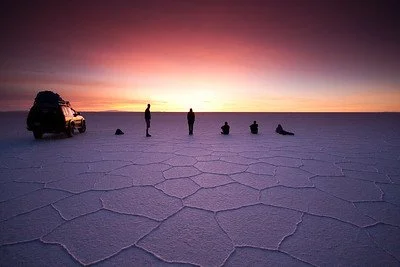
Bolivia’s Salar de Uyuni is one of the country’s wonders. Despite the amount of tourists it still preserves its beauty.

Salar de Uyuni, Bolivia. Giacomo Buzzao. CC BY 2.0.

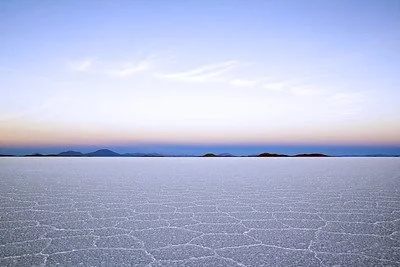
Located in the Andean Plateau in South America, the Salar de Uyuni is the largest salt flat in the world. It is in southwestern Bolivia, close to the border between Bolivia, Chile and north of the Argentinian border. It is over 4,050 square miles and the salt crust stretches to the horizon. It is also 10,000 feet above sea level, as it is located in the Andes. Since the salt is white, the Salar de Uyuni appears to be a large white desert, but during the rainy season, nearby lakes overflow, rivers empty into the salt flat and it becomes filled with water.

Though the seeing the dry, white salt stretch for miles is beautiful, when the salt flat is filled with water, it creates a clear mirror-like lake. Generally, there are only a few centimeters of water so it is still possible to walk on it, but as the weather is unpredictable, some areas become restricted for safety. The salt flat is mostly waterproof, but too much rain will melt some of the salt and make it dangerous to walk on. However, during this time, Salar de Uyuni turns into the world’s largest natural mirror, reflecting the light from the sky. The winter months also have clear skies that offer beautiful stargazing opportunities, the reflected stars only adding to the salt flat’s wonder.

The Salar de Uyuni is large enough to be seen from space, and it contains 10 billion tonnes of salt. 70% of the lithium in the world is also mined from this salt flat. The Salar de Uyuni was created 40,000 years ago, after Lake Michin evaporated. Over the course of its slow evaporation, the salt hardened and created a crust that formed the area into what it is today. In addition, there is still water underneath the salt that continues to evaporate as temperatures rise, which adds more salt to the surface. 

Beyond the scientific explanation for the Salar de Uyuni’s creation, the locals have passed on their own legends. In one of them, one of the nearby mountain goddesses, Yana Pollera, gave birth to a baby that two other mountain gods fought over. They both believed themselves to be the father, and Yana Pollera sent her child away to where the salt flat is located today and flooded the area with her milk that eventually evaporated into salt so it would survive. Another legend claims the flat was formed because after two mountain gods were married, the husband left and the wife cried until her tears created the Salar de Uyuni. 

Dawn at Salar de Uyuni. Trevor McKinnon CC BY-NC-SA 2.0.

Because of its location, there are many tours leaving from Bolivia and Chile, and many of them stretch over the course of multiple days in order to get the most out of the natural beauty. Planes, buses and trains are all able to get to Uyuni, the town closest to the salt flat, but there are also tours from Tupiza, a town south of Uyuni, and San Pedro de Atacama, a town in Chile.


Katherine Lim

Katherine Lim is an undergraduate student at Vassar College studying English literature and Italian. She loves both reading and writing, and she hopes to pursue both in the future. With a passion for travel and nature, she wants to experience more of the world and everything it has to offer.

10 Must Read Novels About the Immigrant Experience

Here are 10 fictional narratives detailing aspects of the immigrant experience from the hilarious to the heart-wrenching and everything in between.

Bookshelves. Hannah Gersen. CC BY-SA 2.0.

Travel has been a popular topic among authors for almost as long as writing has existed. From the heroic tales of Odysseus’ journey first published in Homer’s 7th century BC epic, to the many articles highlighting hidden wonders on this very website, the idea of reading about far away places and getting lost in descriptions of exotic foreignness has always drawn a huge following. The subsection of this genre that focuses on migrant experiences, however, adds a completely unique flavor to these stories of new discovery. Here are 10 books that highlight, among others, themes of cultural assimilation, hardships encountered in completely foreign settings and the balance between wanting a better life and loyalty to one's country.

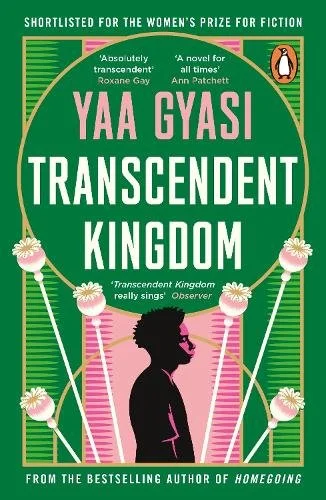
1. Transcendent Kingdom by Yaa Gyasi (2020)

Transcendent Kingdom by Yaa Gyasi. Waterstones. CC BY-NC-ND 2.0.

After her critically acclaimed debut novel Homegoing, Ghanian-American novelist Yaa Gyasi has finally gifted her readers another emotional rollercoaster in “Transcendent Kingdom”. Her protagonist, Gifty, a whip smart first generation neuroscience candidate at Stanford, finds herself struggling to accommodate her Ghanian mother’s pervasive religious beliefs alongside her scientific research. Maybe more importantly, Gifty is also struggling to find herself, her place in society, her true calling in life and love. “Transcendent Kingdom” is raw, honest and unsparing in its examination of one woman’s journey to self-acceptance.

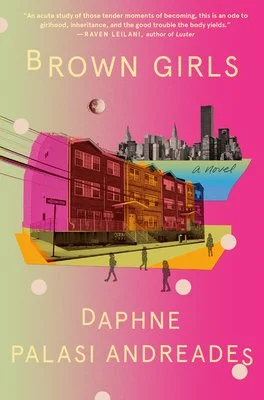
Brown Girls by Daphne Palasi Andreades. Goodreads. CC BY 2.0.

This debut novel from Queens local Daphne Palasi Andreades is a beautifully lyrical homage to young women of color making their way through the complexities of teenage life in the New York borough. The book follows “girls like Nadira, Gabby, Naz, Trish, Angelique” among others as they face the realities of reconciling their American dreams with histories and cultures rooted in the faraway homelands of their parents. Andreades masterfully balances the day to day of life in Queens while tackling the issues of race, class, identity and cultural marginalization dealt with by brown girls everywhere.


Interior Chinatown by Charles Yu. Amazon. CC BY-NC 2.0.


Charles Yu is back with another satirically analogous novel, this time tastefully playing back and forth between Asian-American stereotypes and Hollywood clichés to narrate, literally, the far reaching aspirations of “Generic Asian Man” Willis Wu. Willis feels so much an unremarkable member of Chinatown’s exotic foreign aesthetic, that he can’t even see himself as the main character in his own life. His dreams, on the other hand, have him playing “Kung Fu Guy”, a role achieved only by those lucky enough to claw their way out of Chinatown’s grasp, but one that will force Willis to confront his family’s heritage in the context of a hostile America.

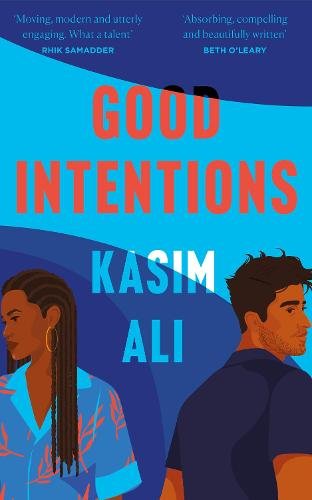
Good Intentions by Kasim Ali. Waterstones. CC BY 2.0.

Romance novel fans look no further -- Kasim Ali’s debut novel “Good Intentions” follows the love story between Yasmina and Nur from reckless college parties to the uncertainties of post-graduation adulthood. Both first generation immigrants from Sudan and Pakistan respectively, Yasmina and Nur are navigating the balance between traditional Muslim values and their feelings for each other. While Yasmina, passionate and headstrong, seems to have everything figured out, Nur can’t bring himself to tell his parents about his relationship, even four years in. Comforting and heartbreaking all at the same time, the romance novel is the ultimate homage to young love in vibrant color.

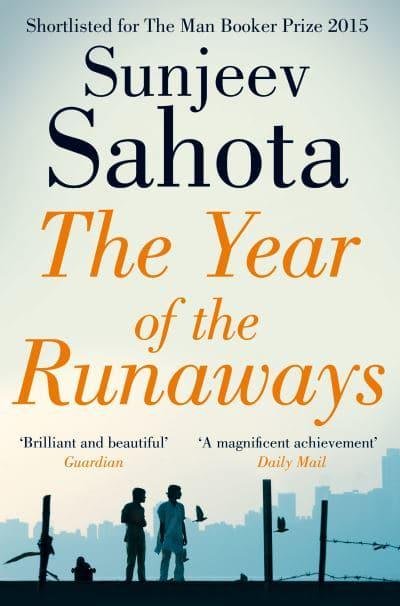
The Year of the Runaways by Sunjeev Sahota. Blackwell’s. CC BY-NC-ND 2.0.

This award-winning novel is Indian-British author Sunjeev Sahota’s second publication, telling the sweeping narrative of four young Indians facing the punishing realities of building a new life in foreign surroundings. Avtar, Randeep, Tochi and Narinder want nothing more than to leave their pasts in the rural Indian villages which they fought so hard to escape, but they have no idea how much hardship still awaits them. Stretching from the most remote corners of Eastern India to the crumbling housing complexes in Sheffield, Sahota shares a story of dreams and ambition, of the ever-pervasive sufferings of generational poverty and inequality and of the sheer strength of the immigrant spirit in the face of seemingly insurmountable difficulty.


Afterparties by Anthony Veasna So. Goodreads. CC BY-SA 2.0.


A love letter to Khmer teenagers, monks, donut shop owners, badminton players and everyone else in the Cambodian enclave of Stockton, California, Anthony Veasna So’s collection of short stories paint a darkly humorous picture of his community. Each vignette holds up a microscope to a crucial turning point in a young Khmer life, some of which lead their protagonists to long-awaited clarity and relief while others are simply plagued by more questions and emotional instability. So is unrelenting in his study of the good, the bad and the ugly of what it means to be “Cambo” -- what it means to carry the searingly fresh wounds of recent history while chasing success in 21st century America.


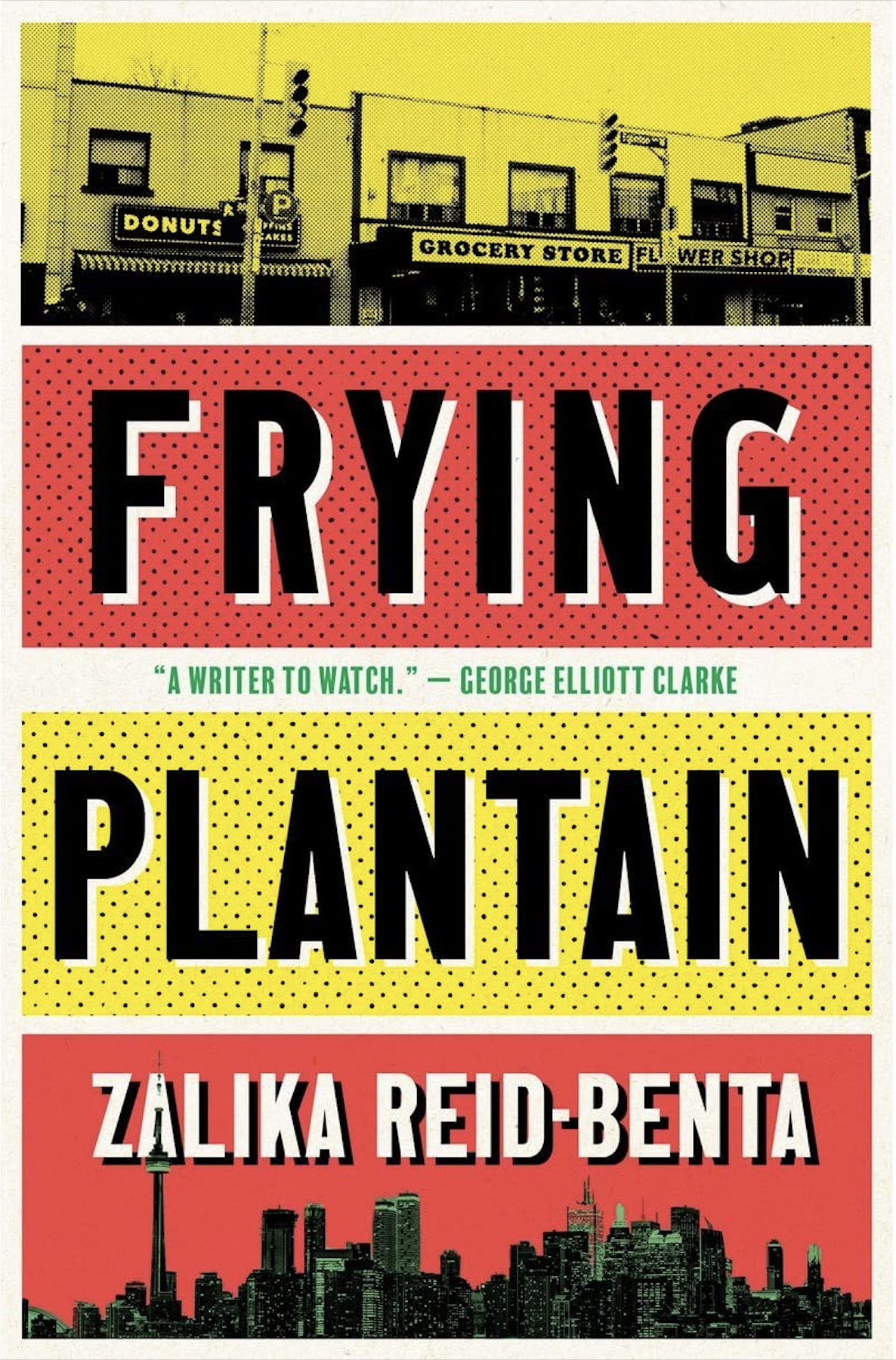
Frying Plantain by Zalika Reid-Benta. Goodreads. CC BY-SA 2.0.


Toronto-based author Zalika Reid-Benta’s debut short story collection follows the conflicted Kara Davis who constantly feels as though she is falling between the cracks of her Jamaican ancestry and her Canadian nationality. A coming of age story set against the rich backdrop of Toronto’s Little Jamaica neighborhood, “Frying Plantain” perfectly captures the power of a single moment to completely alter a relationship, an intention and even an entire life. Familial relationships are tested and generations clash over what it means to be a “true Jamaican” while embracing new opportunities, all while being wrapped up in ever-present tensions of being black in a predominantly white country.


Mama Tandoori by Ernest van der Kwast. Amazon. CC BY-NC 2.0.


Marked by its huge cast of unforgettable characters, “Mama Tandoori” is the heart-warming story of author Ernest van der Kwast’s childhood under the watchful eyes of his austere Dutch father and big-hearted Indian mother. With hilarity around every corner, van der Kwast introduces his heptathlete aunt and Bollywood star uncle amongst a colorful lineup of relatives, each adding spices of their own to the recipe of his youth. It is his mother, however, the talented bargainer and ever tenacious Veena van der Kwast, who lies at the center of this novel and breathes life into this moving portrait of familial love.


Island by Siri Ranva Hjelm Jacobsen. Pushkin Press. CC BY 2.0.


Siri Ranva Hjelm Jacobsen’s critically acclaimed debut novel approaches the immigrant story from an exhilaratingly new perspective. Island follows a young woman completely removed from her ancestral heritage in the Faroe Islands despite having called it home her whole life. When she is called back by family, she journeys to the rocky shores of the northern archipelago to discover stories about her ancestors that will change the way she sees herself forever. An incredible tale of perseverance and cultural discovery, “Island” explores the complex definition of “home” to those who have more than one.


The Hundred Secret Senses by Amy Tan. Biblio. CC BY-SA 2.0.


This final one is an oldie but a goodie -- Chinese American author Amy Tan is most well-known for her novel “The Joy Luck Club”, and this novel follows proudly in its footsteps, touching on similar aspects of the Chinese-American immigrant experience, while introducing a refreshing dose of Chinese mysticism and ghostly folklore for good measure. The Hundred Secret Senses follows half-sisters Olivia and Kwan, the former desperately trying to find her place at the intersection of her mixed heritage, and the latter perfectly content in her ability to communicate with the departed souls of those she knew in past lives. Tan weaves a heart-wrenching narrative of love and loss that carries readers from the sunny shores of San Francisco to the bloody terrors of Manchu China, honoring the bonds of familial loyalty and the ties of tradition the whole way through.


Tanaya Vohra

Tanaya is an undergraduate student pursuing a major in Public Health at the University of Chicago. She's lived in Asia, Europe and North America and wants to share her love of travel and exploring new cultures through her writing.

The Ice Marathon: Racing Through The Antarctica

The Ice Marathon takes place in Antarctica, known to extreme athletes as the Southernmost Marathon in the world.

Ice Marathon finish line. Rosana Katinas. CC BY-SA-4.0.

The Ice Marathon is an event geared towards committed runners who seek to compete in extreme conditions that guarantee once-in-a-lifetime experiences. Held in Antarctica, the Arctic Ice Marathon is known as the southernmost marathon in the world and is scheduled this year to occur on December 13th, 2022. It also gains most of its notoriety for the conditions under which the run takes place; sub-zero temperatures, snow and ice-covered parts of the course, and  certainly the location that makes this race just as much of an adventure as it is a competition.

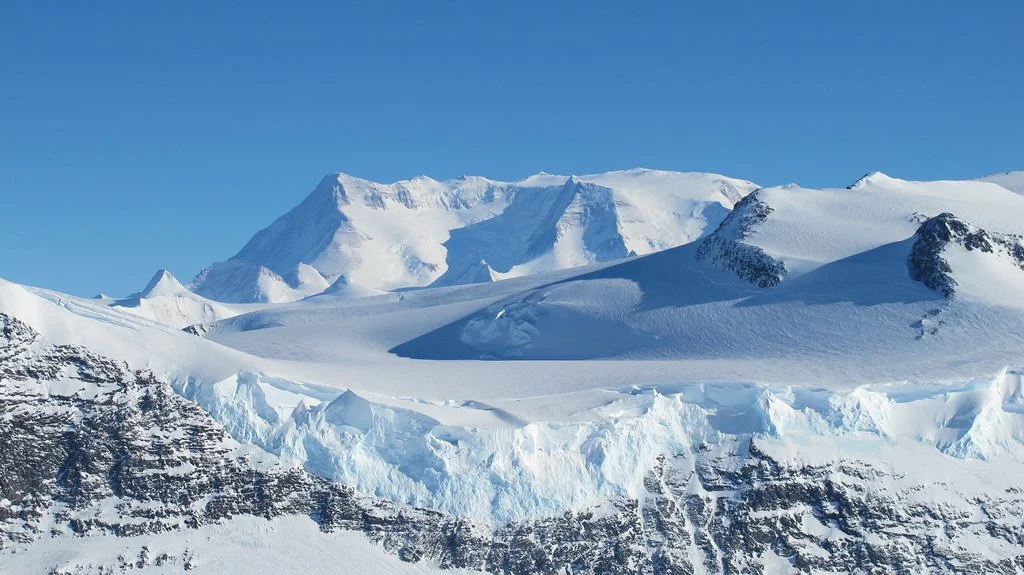
The race is said to take place in the area below the Ellsworth Mountains, which is the highest mountain range in the arctic and just “a few hundred miles from the South Pole”. Like any marathon, the Arctic Ice race is 26.2 miles long, and what makes this run so challenging is the climate and the terrain. The cold and the underfoot terrain, which is a term used to describe course conditions, create daunting obstacles for any participant competing.

Ellsworth Mountain range. Nasa Goddard Photo and Video. CC BY 2.0.

The first challenge that presents itself to participants is the cold. Antarctica’s temperature averages around 0 degrees celsius during the month of December, which is when the race takes place, but conditions have dropped to -25C in the past. Those who have previously participated in the Arctic Ice Marathon have been known to try and simulate the cold to prepare themselves for the climate by placing treadmills in freezers and running in the artificial cold.

Specific gear is also required. The Ice Marathon’s event website says that wind pants, a down jacket and insulated boats are absolutely necessary to compete in the event. Additional requirements for runners include wool socks, fleece pants and shirts, sunscreen and polarized sunglasses, along with a few more generally required items. 

The second most challenging part of the race is the underfoot terrain. The Ice Marathon website states “the course will be groomed beforehand so it should be reasonably solid, but [is] not always”. This means that though there will be no deep snow on the course, there may be slippery ice and spots where the snow is not as tightly packed, causing the terrain to be more “energy sapping”. Advice for any athlete training for the ice marathon is to practice on sand or any other irregular or uneven terrain.

The fee to enter the marathon is $19,500. This provides the runner with their choice of race – the Arctic Ice Marathon offers a half-marathon and a full one – flights, stays and meals to and from Antarctica, and additional merchandise and photographs of the experience. The entire travel and race experience is 6 days.

Designed to entice adventure-seeking athletes, the Arctic Ice Marathon course is a prerequisite to joining the 7 Continents Marathon Club, which athletes can join once they have run and completed a marathon in every continent in the world. With over 300 members, the 7 Continents Marathon Club is an amazing way to commemorate the hardwork and dedication of marathon runners.


Ava Mamary

Ava is an undergraduate student at the University of Illinois, double majoring in English and Communications. At school, she Web Writes about music for a student-run radio station. She is also an avid backpacker, which is where her passion for travel and the outdoors comes from. She is very passionate about social justice issues, specifically those involving women’s rights, and is excited to write content about social action across the globe. 
The Story of Willie Kimani: Police Brutality in Kenya

The story of human rights lawyer Willie Kimani’s murder by police officers has sparked a larger conversation about police brutality in Kenya.

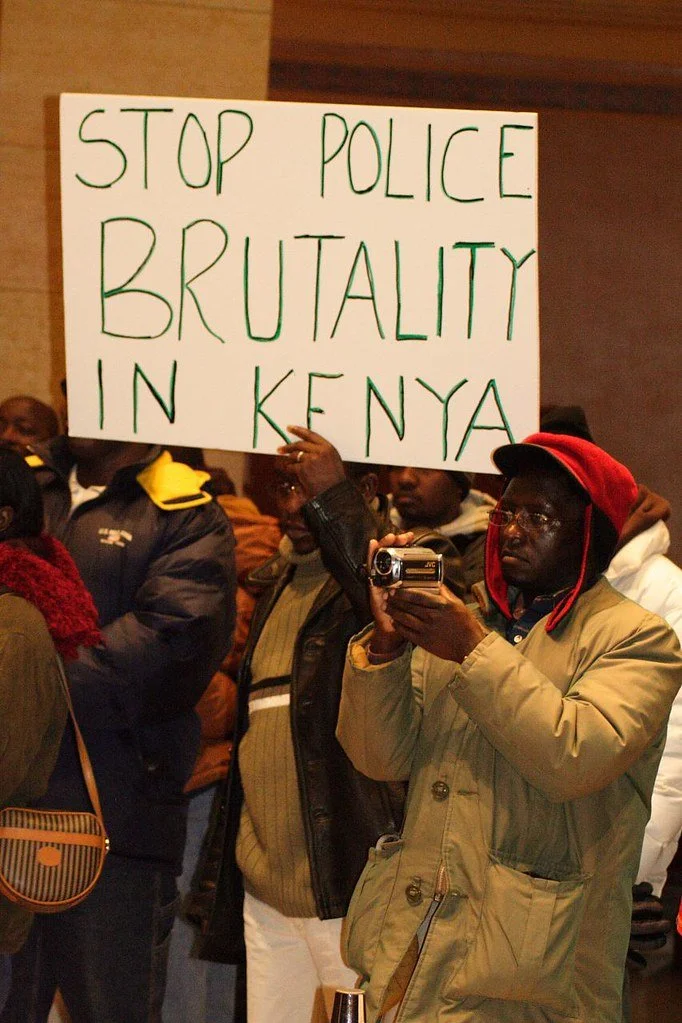
Rally against police brutality. Wa-J. CC BY-NC-SA 2.0.

Willie Kimani, a 32-year-old human rights lawyer, was brutally murdered by police alongside his client Josephat Mwenda and their taxi driver in 2016. All three men had their bodies disposed in the Ol-Donyo Sabuk River outside the capital of Kenya by police officers who found themselves in the crosshairs of Mwenda’s litigation. Police officers Fredrick Leliman, Stephen Cheburet, Sylvia Wanjiku and police informant Peter Ngugi were all found guilty this year of the murders, a whopping six years after the crime.

Mwenda accused officer Fredrick Leliman of shooting him at a traffic stop in 2015, BBC reports. Kimani had been working for the International Justice Mission (IJM) when he picked up Mwenda’s case, IJM being an organization dedicated to punishing human rights violations through litigation. 

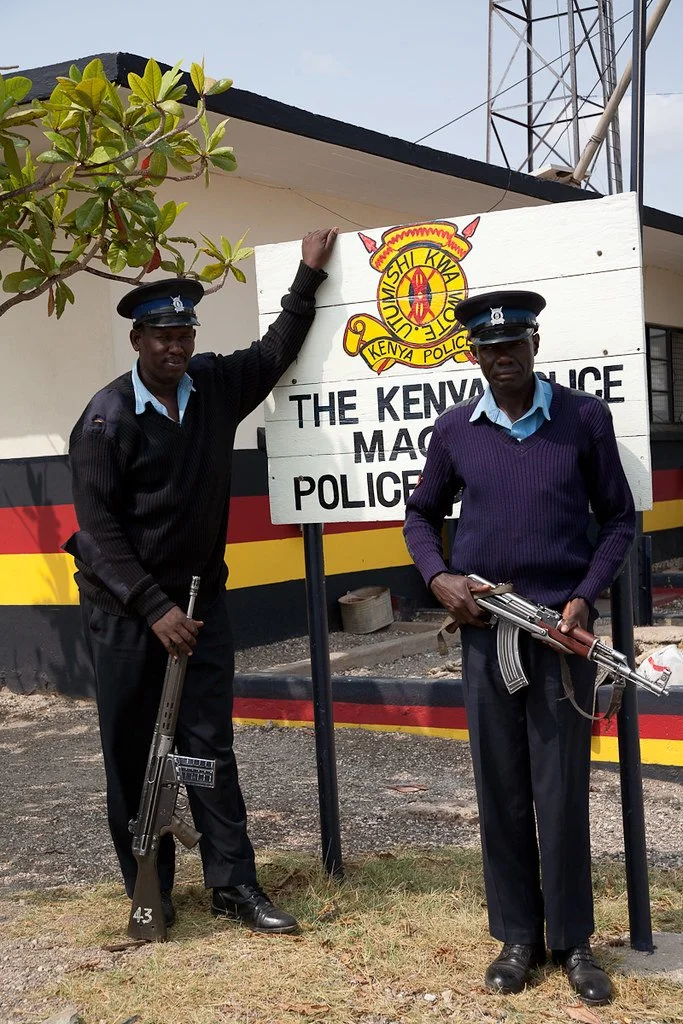
Police officers in front of Kenyan station. JRandomF. CC BY-NC 2.0.

Officer Leliman started threatening Kimani and Mwenda during the proceedings of the case in 2016 and had even detained Kimani and Mwenda, after court appearances for fabricated reasons. The detainments were an abuse of power, and though Kimani and Mwenda were released, they were not protected against the wrath of the Kenyan police force for much longer. The murders of Mwenda and Kimani occured shortly after in June.  

Peter Ngugi, the police informant, stated in court that after they committed the crime, Leliman hosted Ngugi and the police officers for “beer and 5kg of fried beef”, at a bar in Mlolongo to celebrate. 

The case of Willie Kimani sparked outrage in Kenya. Protests formed over the murders, even leading a mob of angry citizens to burn the police station that employed the officers responsible. 

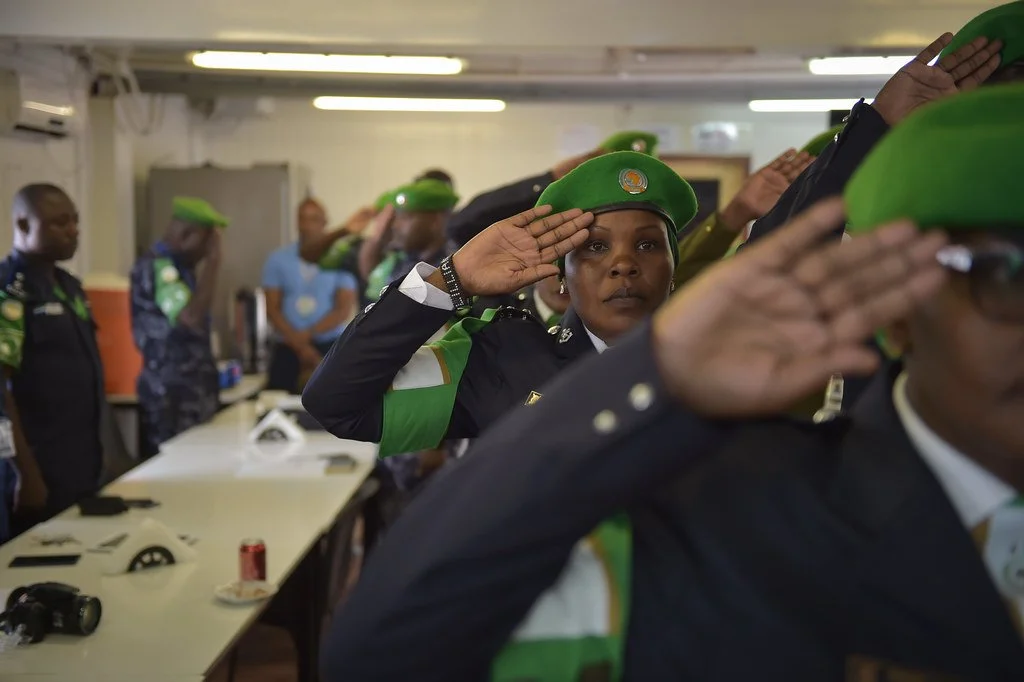
Police medal ceremony. AMISOM Public Information. CC0 1.0.

But this is not the first big tragedy at the hands of Kenyan police. During the pandemic, police officers in Kenya had been said to beat and kill civilians just for breaking curfew. In 2017, a boy no older than 16 was shot and killed after surrendering to police officers. NPR reports that although the young boy pleaded for his life, a police officer shot him twice. 

Stories like Willie Kimani’s murder have ignited demands for police reform, but due to the overtly oppressive nature of the Kenyan police, many who protest fear for their lives. In a country where you need to plead to be arrested rather than killed, it takes bravery to stand up and fight for what is just. Extrajudicial killings occur often in Kenya; in 2020, Missing Voices Kenya reported that “police killed or disappeared 167 people”. 

Many countries struggle with police brutality and the systems in place that perpetuate such abuses of power. In Kenya, many think the violence is a result of colonial influence on structures of policing policy. After Kenya gained independence, influences on the police force were already hardened into place. 

During the colonization of Kenya, British imperialists created a bifurcated policing force in Kenya based on settlement segregation. Because white colonizers lived separately from Kenya’s native people, certain Kenyans were given policing power over other natives in their area. In martial-law structures such as the Home Guard, these officers were given authority over their own people.

These police forces, however, lacked basic structure, and officers had few limitations to their power. After Kenya’s independence, the lack of structure and rules created systemic issues for future police forces. Foundationally, policing was enacted on the grounds of violence, of oppressive force and of hierarchical power disparities that related to inherent class structures between colonizers and the colonized. A structure without limitations on violent policing led to modern-day overt shows of power and cops who, as Sapiens puts it, “operate outside formal avenues of accountability”.

The history of Kenyan policing, the colonial influence on the structure and the systemic issues that weaken the foundation of policing are all problems being debated globally today. Kenya still sees the effects of colonialism in the practices of its police officers. However, protests in Kenya still occur in the face of likely consequences, and the Kenyan people fight to ensure a greater future for those like Kimani and Mwenda. 

To Get Involved

Organizations like Article19 help protect the rights of Kenyans to protest, even against the oppressive forces of the police. In their #FreetoProtest campaign, Article19 fights hard to ensure that protesters in Kenya are free to practice their human right to protest in the face of violent police retaliation. To learn more about their mission and campaign, click here.

Willie Kimani worked for the International Justice Mission (IJM), a legal organization that works to fight human rights violations across the globe. They actively fight against police brutality and killings at the hands of law enforcement. To learn more about the work IJM does to fight police brutality, or to donate to their organization, click here.


Ava Mamary

Ava is an undergraduate student at the University of Illinois, double majoring in English and Communications. At school, she Web Writes about music for a student-run radio station. She is also an avid backpacker, which is where her passion for travel and the outdoors comes from. She is very passionate about social justice issues, specifically those involving women’s rights, and is excited to write content about social action across the globe. 

An Explorer’s Guide to Visiting Edinburgh

From hiking up a volcano to ancient stone castles, a travel writer discovers the natural beauty and rich history of the Scottish capital

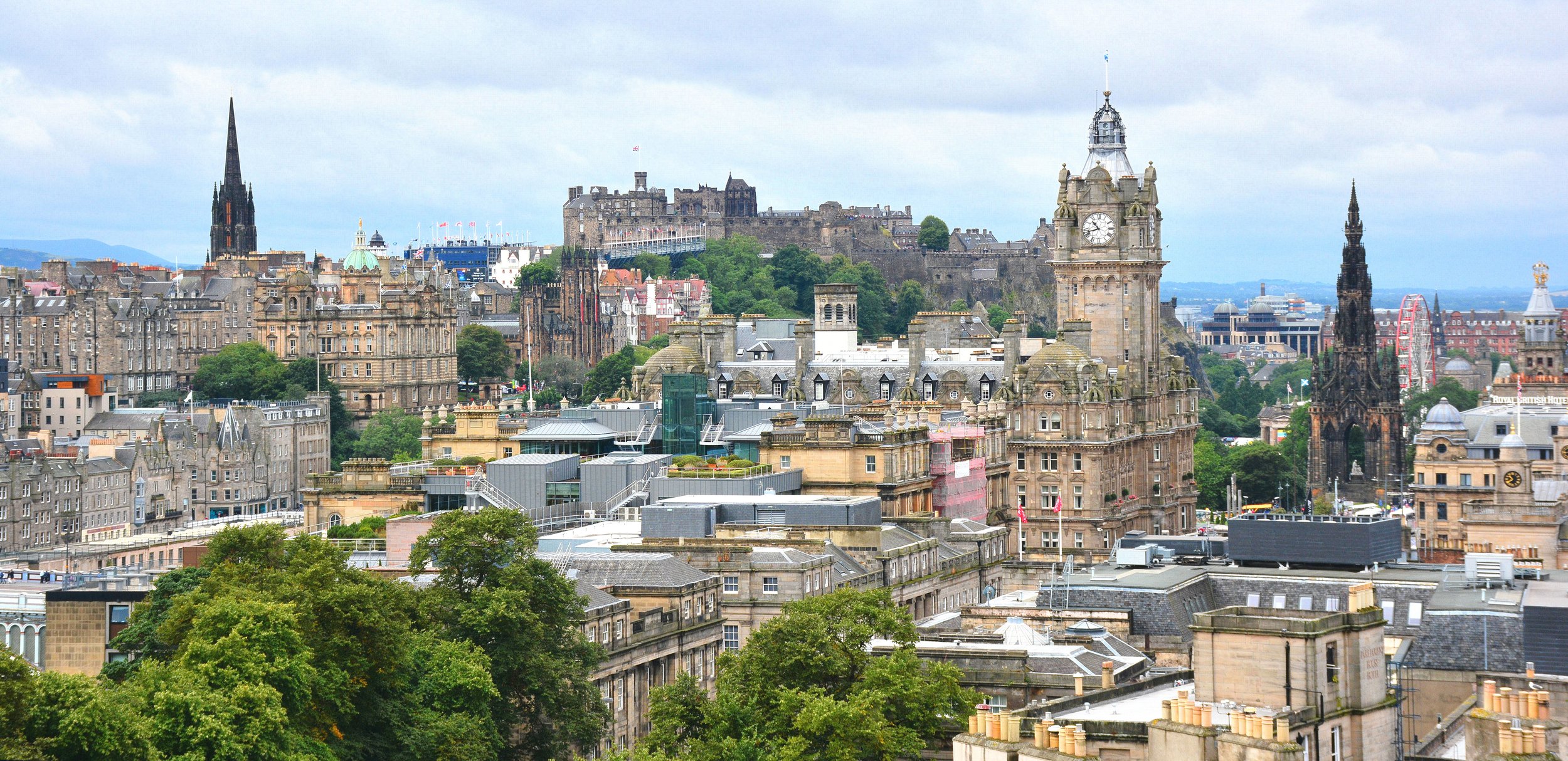
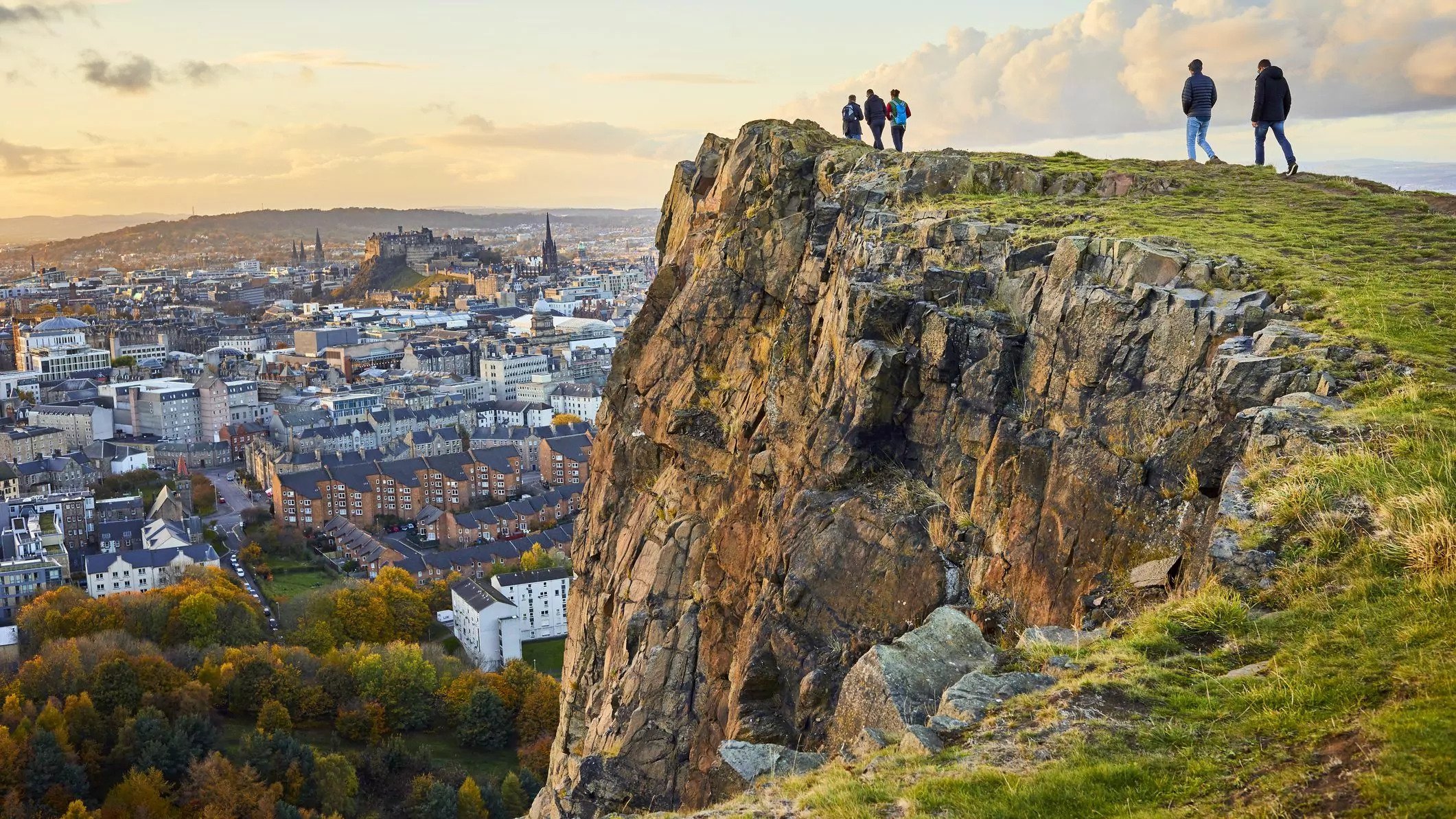
A view of Edinburgh’s skyline from Calton Hill. Mike McBey. CC BY 2.0.

Named TimeOut magazine’s best city in the world in 2022, Edinburgh is the perfect destination for those looking to experience the natural beauty and history of Scotland. Before visiting for myself, I knew very little about the city past its prestigious university, but I soon discovered how much more the city has to offer than the Loch Ness tours and Fringe Festival performances that initially came to mind. Edinburgh is located on the southeast coast of Scotland, just a 10 minute drive away from the North Sea. An ancient volcano which last erupted around 340 million years ago is responsible for the many volcanic rock formations surrounding the capital, one of which is now home to the city’s Old Town district.

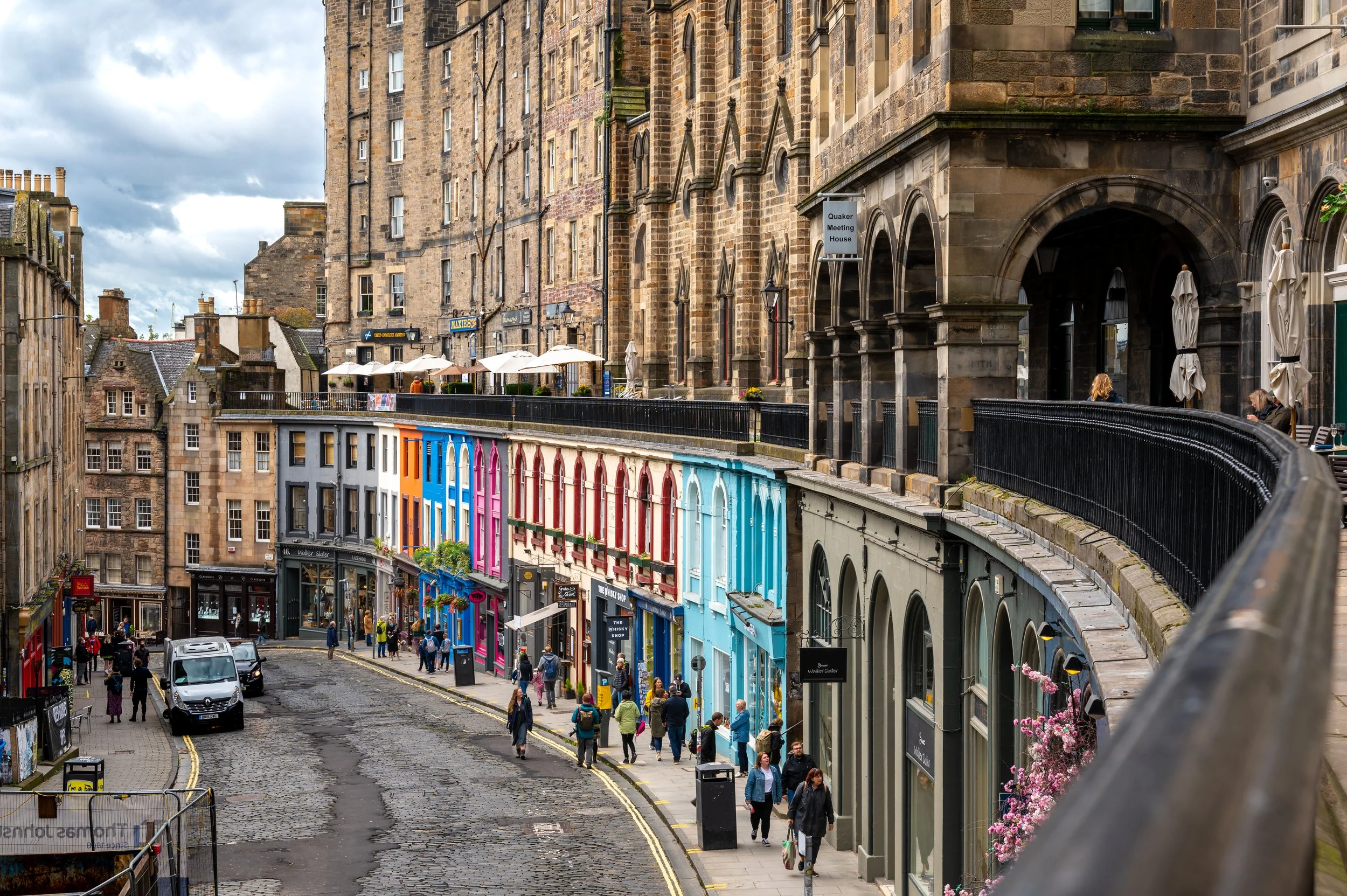
Victoria Street is said to have been the inspiration for Diagon Alley in J.K. Rowling’s Harry Potter book series. Ralf Steinberger. CC BY 2.0.

Bird’s eye view shots of Edinburgh are often marked by a scattering of towering gothic constructions, but exploring the labyrinth of the Old Town was at the top of my list. In order to protect and preserve its impressive display of traditional British reformation-era buildings and rambling cobblestone streets, Edinburgh’s Old Town became a UNESCO World Heritage site in 1995. It stands in contrast to the city’s New Town in the north, which was constructed entirely in the Georgian style between the 1760s and the 1830s. The Old Town’s beautiful spread of architecture houses museums, galleries, ancient churches and shops, with Victoria Street being a favorite of mine because of its historic stone arches and colorful storefronts.

Exploring the area by foot is a must — I discovered countless hidden alleyways tucked between shops that led to smaller churches and hidden cloisters that were built hundreds of years ago. Spreading throughout the district, countless pubs make it a favorite among those looking to get a taste of Scotland’s national drink: whisky. Those under the age of 18, however, can happily enjoy the unofficial national drink of Irn Bru, a non-alcoholic soft drink first brewed according to a secret recipe back in 1901.

Edinburgh Castle sits at the very top of Castle Hill and looks out over the city from the West. Kim Traynor. CC BY-SA 2.0.

Perched on a volcanic rock outcrop sits Edinburgh Castle, with its ancient stone towers and turrets looking down over the Old Town. Fortunately, I booked tickets ahead of time and got to pass the huge crowds at the entrance, and visiting around midday when most people are stopping for lunch also allowed for a much more private exploration of the castle grounds. Depending on the part in question, sections of the castle date back to the 12th century, with newer additions being constructed by various monarchs over the next few centuries. I was able to get up close and personal with the Scottish Crown Jewels, and witnessed the daily firing of a cannon at 1 pm before touring the National War Museum, all set against the backdrop of Edinburgh’s eclectic skyline and the shoreline in the distance.

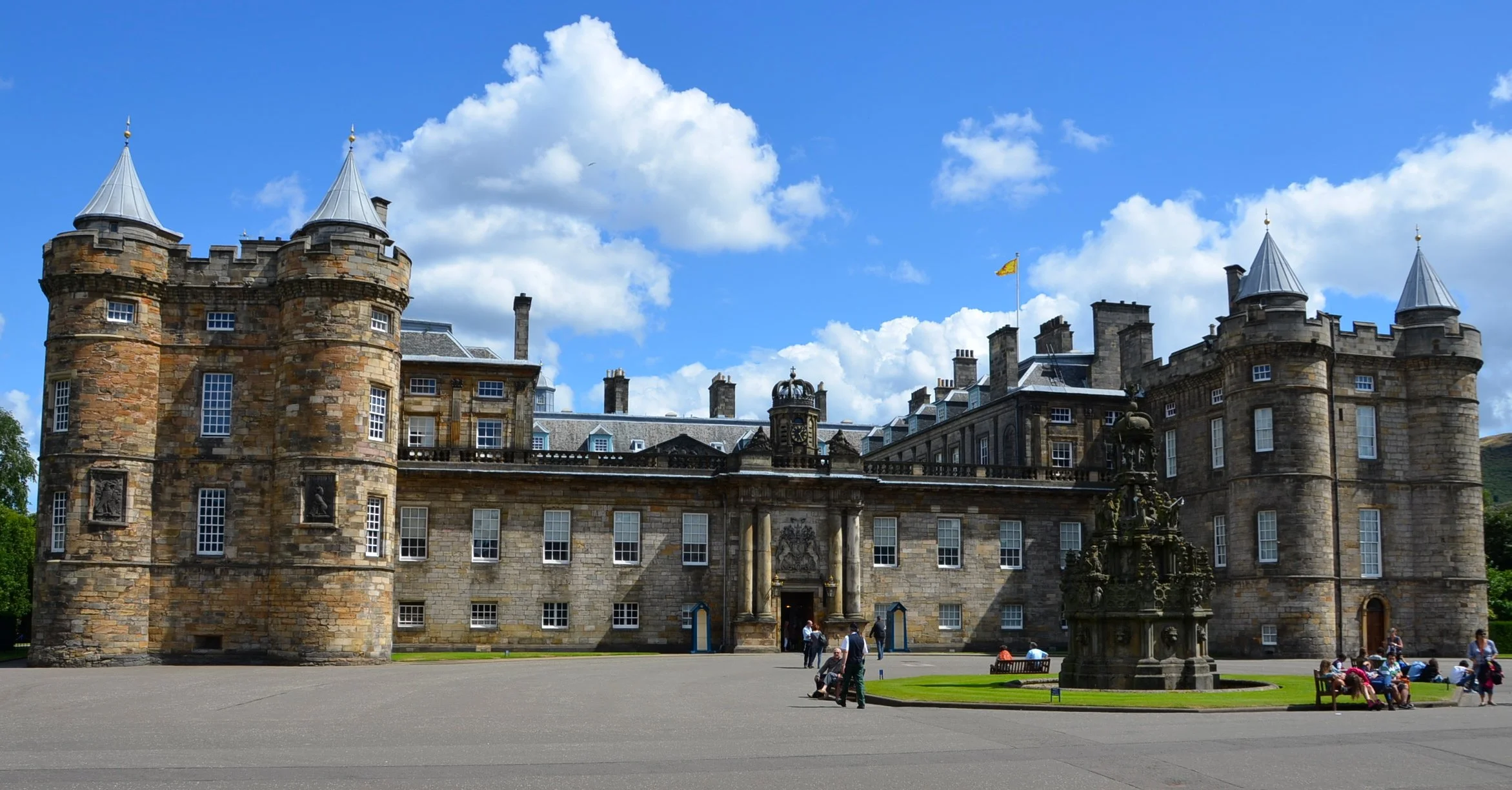
Holyrood Palace sits at the end of the Royal Mile and is the official Scottish residence of the British Monarch. Adam Fagen. CC BY-NC-SA 2.0.

Edinburgh’s other royal residence sits at the base of the ancient volcano responsible for the city’s unique geography. Still in use by the royal family today, Holyrood Palace was originally built by King James IV in 1503 upon his marriage into the British Monarchy. Very little remains of the original buildings as subsequent royals amended and added to the palace during their reigns. While generally open to the public year round barring royal visits to the Scottish capital, I chose to enjoy the palace’s facade from its visitor’s cafe, where a beautiful view of the Scottish Parliament building across the road can be seen. A short walk to the palace’s rear brought me to the entrance to a large park, which used to be part of the palace grounds but is now available for public use as well.

A view of Edinburgh from the top of Arthur’s Seat. Euan Marley. CC BY-NC-ND 2.0.

Surrounding the palace is Holyrood Park, home to the rocky spires of the Salisbury Crags and Arthur’s Seat, the remains of a now-dormant volcano. I made sure to familiarize myself with the various hiking trails to the volcano’s summit as signage within the actual park was very limited. Some of these routes were specifically for those looking to visit with their bikes, while others allowed for a much more leisurely stroll through the park’s meadows. The park also has a rich history: en route to the top of the 251 meter tall (roughly 823 feet) mountain lies the ruins of a medieval chapel and agricultural terraces from the Bronze Age. I came upon these sites by accident as they are not located along the main routes but are still easily accessible. Reaching the summit took just over half an hour, and the incredible 360 degree views of Edinburgh, and the surrounding towns were well worth the climb. A word of warning: despite visiting on a relatively warm and sunny day in the middle of the summer, the winds at the summit were still incredibly strong and should not be underestimated!

The National Monument is located at the top of Calton Hill. Culture Map. CC BY-NC 2.0.

For those looking for picturesque views of Edinburgh’s skyline without an hour long hike, Calton Hill is a perfect alternative. Also known as “Edinburgh’s Acropolis”, the 10 minute walk along a paved road to the top was significantly easier than the climb up Arthur’s Seat. Once at the top, I discovered the Collective Gallery, a contemporary art center that cycles through exhibits by local Scottish artists, as well as a luxury boutique restaurant with stunning views of the city. Also on the hill are the National and Nelson Monuments, the former being dedicated to Scottish soldiers who perished in the Napoleonic Wars. The monument was intended to be an exact replica of the Parthenon down to the exact dimensions of each block of stone. Unfortunately, the monument was only half finished when work stopped in 1829 and was never completed, though the part that stands today still forms an impressive and iconic part of Edinburgh’s skyline.

Nelson’s Monument stands in front of the Edinburgh skyline as seen from the top of Calton Hill. Andrew Colin. CC BY 2.0.

More than anything, I was surprised by how well Edinburgh was able to marry its incredible history with modern luxuries and infrastructure. It is a city of contrasts tucked in between rocky volcanic hills and the vast North sea, with Michelin-starred restaurants housed in old Georgian townhouses, and traditional tartan sold alongside extravagant cashmere. You can just as easily enjoy a plate of traditional haggis in an ultra-modern gastropub as you can take in a Shakespeare play in the newly renovated King’s Theater Dome. My visit, while only 3 days long, was jam packed with experiences unique to Edinburgh’s distinctive geography, history and culture. There is truly something to interest everyone and more, if you are willing to go off the beaten track and venture down an intriguing cobblestone alleyway or two.


Tanaya Vohra

Tanaya is an undergraduate student pursuing a major in Public Health at the University of Chicago. She's lived in Asia, Europe and North America and wants to share her love of travel and exploring new cultures through her writing.

Jeju: South Korea’s Largest Island

Jeju-do, known as Jeju Island, is the largest island in South Korea, and is home to beautiful natural scenery and an interesting community of women divers known as haenyeo.

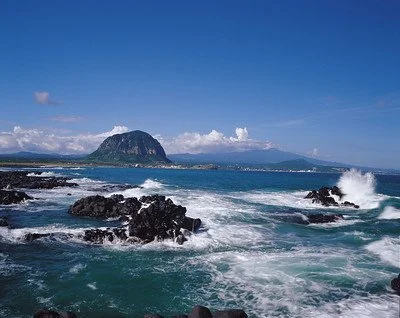
Jeju Island. Republic of Korea. CC BY-SA 2.0

South of the Republic of Korea lies Jeju Island, a volcanic island famous for its beautiful beaches, resorts and landscape. The volcano on the island is a shield volcano called Hallasan, and it is the largest mountain in South Korea, standing at 1950 meters tall. Its status is considered active, but there are some who disagree since the last time it erupted was in 1007 AD. Also, the volcano does not smoke, and there is no fire coming out, so it appears to be dormant, hence the disagreement. Jeju Island is both the largest and only island in South Korea that governs itself. It is home to the World Heritage Site Jeju Volcano Island and Lava Tubes, and it is one of the new 7 wonders of nature alongside areas like South America’s Amazon Rainforest, Indonesia’s Komodo Island, South Africa’s Table Mountain and others.

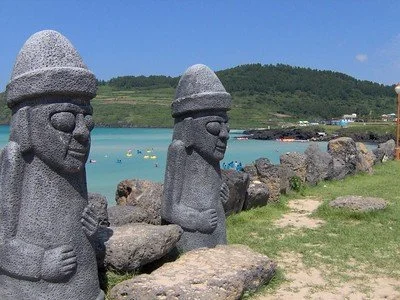
Beyond the volcano, the island also has a network of lava caves and tunnels. The beaches, too, are beautiful, and there are walking trails called Olle, which means “a winding path to your front door” in the local dialect. They cover almost the entire island, and along their route people can see the sea, rock formations, caves and more. There are interesting rock sculptures known as Dol Hareubang, which are statues carved from the volcanic rock all over the island. The name translates to “grandfather made of stone”, and they get this name because they all have elderly features. They are also considered to be guardians of the island that ward off evil spirits and demons.

Dol Hareubang. Charity Davenport. CC0 1.0

Beyond the natural beauty of the island and the stone statues, Jeju Island is home to a community of women, known as Haenyeo. They are all divers that gather food from the sea like oysters, sea urchins and abalone. The thing that makes them truly unique, however, is the fact that they don’t use oxygen masks. They free dive down to as deep as 30 feet below the surface and can hold their breath for minutes. Girls start learning how to swim, dive and help the women from as young as 8 years old, and there are women still diving who are in their 80s. The women have been the ones to do this for many years, in part because there were a lot more of them than men on the island. The Korean War also caused an increase in women being more economically engaged. 

Haenyeo are considered to be the first working mothers of South Korea and have made diving their profession. There are no men participating in the dives and harvesting of seafood. Like many places, South Korean society has been typically male dominated, so the women on Jeju Island are very different. They have been diving for the past 1700 years, but after an increase in the demand for seafood the haenyeo were doing well and they started  trying to provide better education and other career options. As a result, many women choose  to not follow the diver tradition and the number of haenyeo has decreased since then. A lot of them are also older women who have been doing it for their entire lives, while the younger and middle-aged women chose to follow career paths. The women’s work and contributions have led to them being mentioned in UNESCO’s list of Korea’s cultural heritage in 2016.


Katherine Lim

Katherine is an undergraduate student at Vassar College studying English literature and Italian. She loves both reading and writing, and she hopes to pursue both in the future. With a passion for travel and nature, she wants to experience more of the world and everything it has to offer.

Will Bougainville Become the World’s Newest Country?

98% of the Bougainville population voted for independence from Papua New Guinea in 2019, but the quest for nationhood remains uncertain.

A view of Bougainville. Jeremy Weate. CC BY 2.0.

In 2019, Bougainville, an island that is politically part of Papua New Guinea (PNG) but culturally and linguistically separate, voted overwhelmingly for independence. Around 98% of the population voted to leave PNG to form their own country. With such a large majority supporting independence, the government of PNG cannot ignore the demands of Bougainville, and negotiations  are currently underway to devise a peaceful path to independence that satisfies both parties involved.

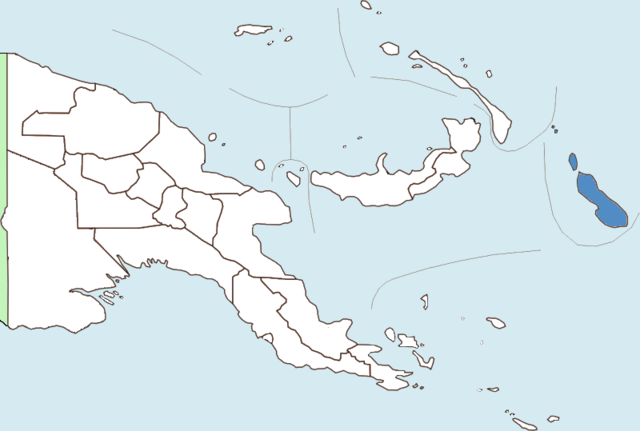
Located around 160 kilometers from the island of New Ireland and 1,000 kilometers from Port Moresby, the capital of PNG on the island of New Guinea, Bougainville is geographically part of the Solomon island chain. Due to its remote location from the rest of PNG, it has a unique history. A part of the German Empire until 1946, PNG was then transferred to Australian administration. When Australia granted independence to PNG in 1975, Bougainville was to be included in the new country, against the protests of the people there.

The people of Bougainville made several attempts at independence over the years, including in 1975. In the late 1980s, the region got plunged into a civil war due to the disagreements over the operation of the Panguna mine, one of the largest and most profitable mines in the world. To the residents of Bougainville, the mine, which was supported by the PNG government, represented another imperial imposition to their land. As part of the peace settlement that established Bougainville as an autonomous region in 2001, the residents of Bougainville were to be entitled to an independence referendum every 10 to 15 years. That first referendum happened in 2019, which resulted in overwhelming support for independence.

The location of Bougainville relative to the rest of PNG. Mr Accountable. CC BY-SA 3.0.

The next steps are uncertain. It is not feasible for any entity to gain complete independence overnight so there will be a transition period before Bougainville becomes a fully sovereign country. The agreement between Bougainville and the rest of PNG stipulates that independence shall be attained no later than 2027. Both parties are now trying to figure out the best way forward.

PNG is generally reluctant to grant independence to Bougainville, as their prime minister James Marape is worried that giving independence to Bougainville will set a precedent for other secessionist parts of the country. He insists that the parliament of PNG must approve independence. The government of PNG also points out that the referendum is non-binding.

The Bougainville side, however, says that the role of the parliament is only to ratify the actual results of the referendum or the outcome of the post-ratification consultations. After over a year of negotiations, both parties, in 2021, agreed to have a political settlement “no earlier than 2025 and no later than 2027.” Most governmental powers will also be transferred to Bougainville by 2023, with the rest to follow by 2027.

However, challenges remain. Today, Bougainville has a GDP per capita of $1,100, which is around the same level as the Democratic Republic of the Congo, Niger and Somalia, all of whom face notable challenges in poverty, health and political stability. It remains to be seen whether Bougainville will be able to secure recognition by other nations, as well as become a member of the United Nations, usually considered one of the benchmarks of independence. Ensuring a peaceful transition that results in a stable government that does not depend on foreign aid will be essential in the future success of Bougainville. While not there yet, the world could welcome a new country by 2027.


Bryan Fok

Bryan is currently a History and Global Affairs major at the University of Notre Dame. He aims to apply the notion of Integral Human Development as a framework for analyzing global issues. He enjoys hiking and visiting national parks.

The Long Road Home: Should Western Museums Repatriate Artifacts?

Should the thousands of artifacts looted from their countries of origin during colonial times be returned home?

Almost 900 of the Benin Bronzes, a collection of ancient Nigerian artifacts widely considered stolen, are now on display at the British Museum. Lauren Fleishman. CC BY-SA 2.0.

While archaeologists must abide by a number of strict ethical guidelines when conducting research in foreign countries, museums are seldom held to the same level of scrutiny when acquiring artifacts. Many world class museums house relics of significant historical and cultural importance, undoubtedly attracting both hordes of curious visitors and a great deal of commercial benefit. The question is, however, should these museums really be benefitting from objects that they have effectively stolen from other countries? The question of repatriating many of these looted artifacts has been the center of great controversy in recent years, as many ex-colonial countries who are victims of such theft are beginning to contest the legal ownership of these objects.

The Elgin Marbles are original parts of the Parthenon and were taken from Athens in the early 1800s to the British Museum. Wally Gobetz. CC BY-NC-ND 2.0.

On the prolific collection of artifacts on display at the British Museum in London, which currently have contested ownership, Professor Chika Okeke-Agulu, a renowned art historian and professor of Nigerian heritage now teaching at Princeton University commented, “You cannot claim to be an encyclopedic collector of stolen objects.” His view makes reference to the historically familiar colonial behavior that many have begun to recognize in the attitudes of the British Museum and many other similar Western institutions towards the repatriation of artifacts. Giving back the artifacts, however, may not be as simple as flying them back home. In the specific case of the British Museum and other museums in England, the British Museum Act of 1963 legally limits any desire to return the Benin Bronzes from Nigeria, the Amarvati Marbles from India and even the world famous Rosetta Stone originally from Egypt among thousands of other objects.

King Philippe of Belgium (right) returning a historical Kakuungu mask to Congolese President Félix Tshisekedi (left) during a state month in June, 2022. Cabinet of Prime Minister Alexander De Croo. CC BY-NC-ND 2.0.

There have been a few stories in recent news highlighting the successful repatriation of artifacts to the ex-colonies they were taken from. June of this year marked the beginning of Belgium’s pledge to return more than 80,000 artifacts looted from the Democratic Republic of the Congo (DRC) over the 75-year period during which they ruled over the colony. King Philippe of Belgium expressed his “deepest regrets” over his country’s treatment of the DRC in a letter to the Congolese president Félix Tshisekedi back in 2020, the 60th anniversary of the country’s independence. The King handed a “Kakuungu” mask handmade by the Suku people native to the southwest region of the DRC to President Tshisekedi during his state visit to Kinshasa last month. This particular artifact had been housed in the Royal Museum for Central Africa located near the Belgian capital of Brussels, a site used as a “human zoo” towards the end of the 19th century, where hundreds of captured Congolese villagers were put on display in abysmal conditions.

Turkey’s Culture Ministry claims that tiles in the Ottoman Wall display at the Louvre Museum’s in Paris were stolen from Turkey in the 19th century. Ömer Erbil. CC BY-NC 2.0. 

To the many in favor of artifact repatriation, getting the objects home is more than just about the claims of ownerships over these pieces. Many, if not all, of these artifacts is incredibly significant to the cultural and historical identities of countries that suffered under colonial rule, and this inability to access vital parts of their own histories are simply a continuation of that hardship. The popular claim among Western museums that they are simply housing the objects so that they remain accessible to all is also a contentious one. In an interview with CBC, Professor Okeke-Agulu called the argument “stupid” due to its implicit understanding that the museums are only thinking about access to visitors from other Western countries, rather than those from the African continent for whom it is extremely difficult to travel across the world to enjoy these artifacts. He and many others believe that the return of these objects is long overdue -- that these institutions need to get “on the right side of history”.


Tanaya Vohra

Tanaya is an undergraduate student pursuing a major in Public Health at the University of Chicago. She's lived in Asia, Europe and North America and wants to share her love of travel and exploring new cultures through her writing.

Macaque Monkeys Attack in Yamaguchi, Japan

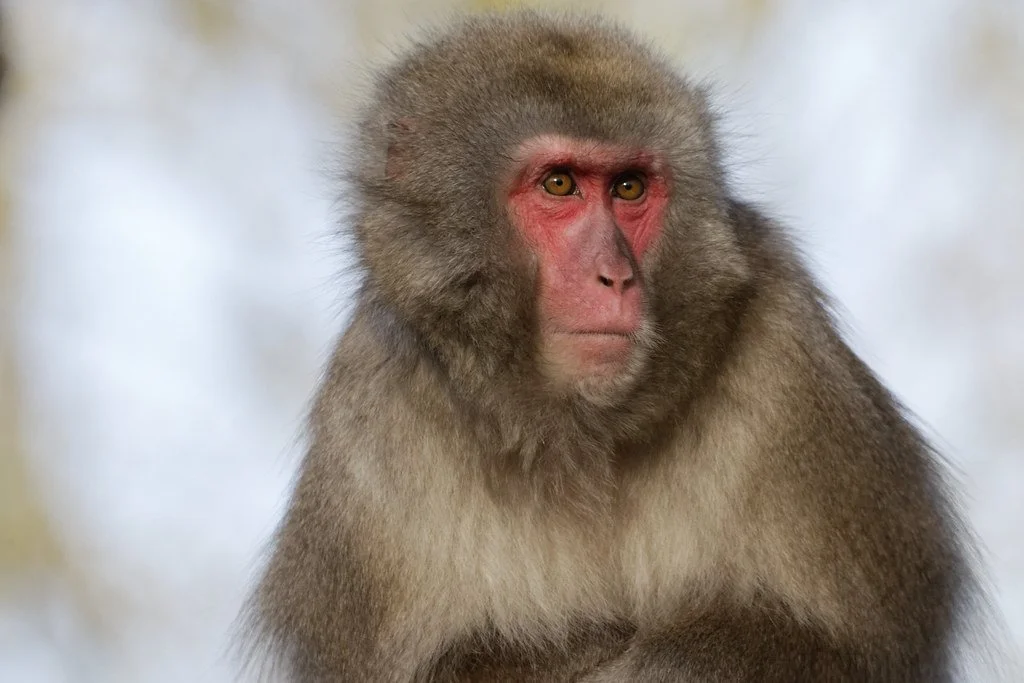
Macaque monkeys, previously peaceful residents of Yamaguchi, Japan, began targeted attacks in July. 

Japanese macaque. Zweer de Bruin. CC BY-NC-ND 2.0. 

The city of Yamaguchi, Japan boasts historic temples, invaluable art, stunning gardens and macaque monkeys. Macaque monkeys have lived in highly populated areas of Japan since as early as the 1600’s, and up until recently, Japanese macaques have had very few concerning interactions with people.

However, since July 8th, more than fifty people in Yamaguchi have been attacked by the monkeys. City officials and experts say nothing like this has ever happened, and they even initially thought it was only one crazed monkey committing all of the attacks. But even after the monkey in question was euthanized, the attacks continued, leading the city to realize that an entire band of monkeys had inexplicably started attacking humans after years of peaceful  coexisting. Fortunately, as of late July, no serious injuries have occured, but city officials have taken to tranquilizing threatening macaques, as they are not deterred by food or traps. 

What makes these unprecedented attacks even more puzzling is the fact that they seem very coordinated, with an explicit goal, even if that goal is unclear to the people of Yamaguchi. While minor injuries have resulted from the attacks, some of the attacks appear to be attempted kidnappings. Additionally, the monkeys began by targeting primarily young children and older women. While over the past few weeks they have begun attacking adult men as well, these demographics are so specific that it begs the question: what is their intent? Unfortunately, no one knows yet. 

A mother in Yamaguchi recalls a monkey having broken into her home, and attempting to drag her child away. She noted that the monkey tried to take the child with it. The monkeys have been entering homes, and even lurking outside of nursery schools. While there have been occasional macaque attacks in the past, they primarily live in harmony with humans, and a planned effort like this is unprecedented. 

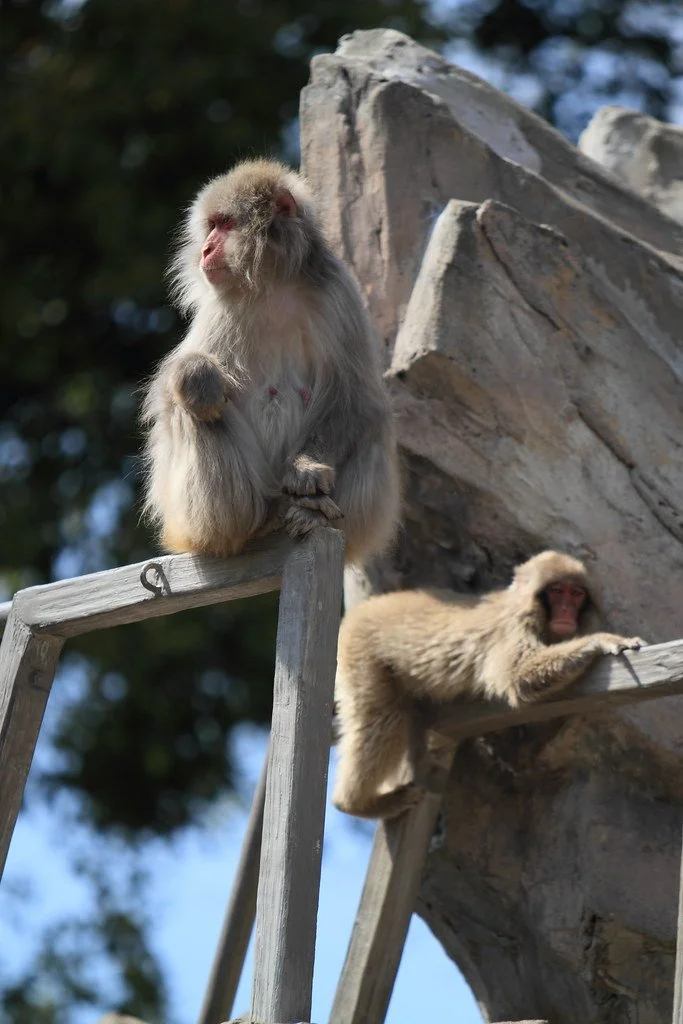
Two Japanese macaques. Etsuko Naka. CC BY 2.0. 

In terms of the history of Japanese macaques, as noted they have lived in Japan since as early as the 17th century. They are also incredibly intelligent animals, making the decision of the Yamaguchi officials to euthanize one a difficult call. Macaques have opposable thumbs and even sometimes walk on two legs. They are known for doing very human-like activities, such as bathing and relaxing in groups in hot springs in Japan. This habit, as well as the habit of washing their food in the ocean, was learned behaviors within the group, and previously, scientists thought only humans passed traditions and behaviors through generations. 

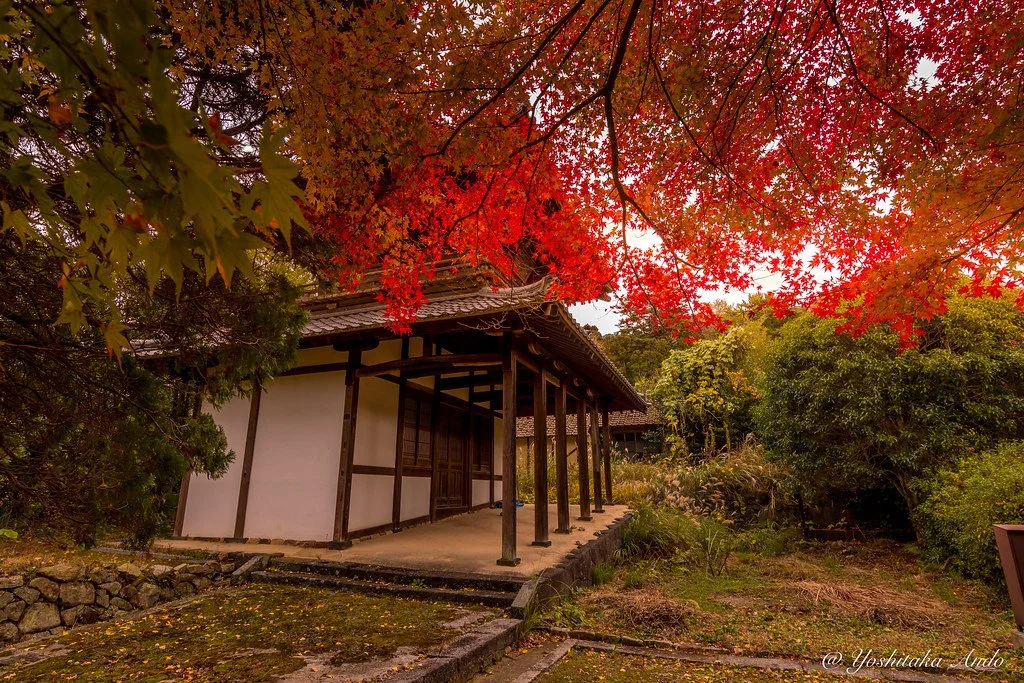
Despite the monkey attacks, which will hopefully come to an end soon, Yamaguchi has many sites to visit and a fascinating history. It is known for its temples, such as the Rurikoji Temple and Joeiji Temple. It is also a coastal town known for having high quality seafood and sake, which is perfect for travelers interested in food. Additionally, Yamaguchi is a very historic area, as the city contributed to the overthrow of the feudal era in Japan in the late 1800’s

Tokoji Temple in Yamaguchi, Japan. Yoshitaka Ando. CC BY-NC-ND 2.0. 

Ultimately, Yamaguchi, Japan is a beautiful and historic city which is currently experiencing turmoil at the hands of macaque monkeys. Officials hope that the situation will be resolved soon, and once it is, consider adding Yamaguchi to your travel list.


Calliana Leff

Calliana is currently an undergraduate student at Boston University majoring in English and minoring in psychology. She is passionate about sustainability and traveling in an ethical and respectful way. She hopes to continue her writing career and see more of the world after she graduates. 

7 Breathtaking Waterfalls Around The World

From the tropical jungles of the Philippines to the glacial mountains of Iceland, these seven waterfalls are some of the most beautiful out there.

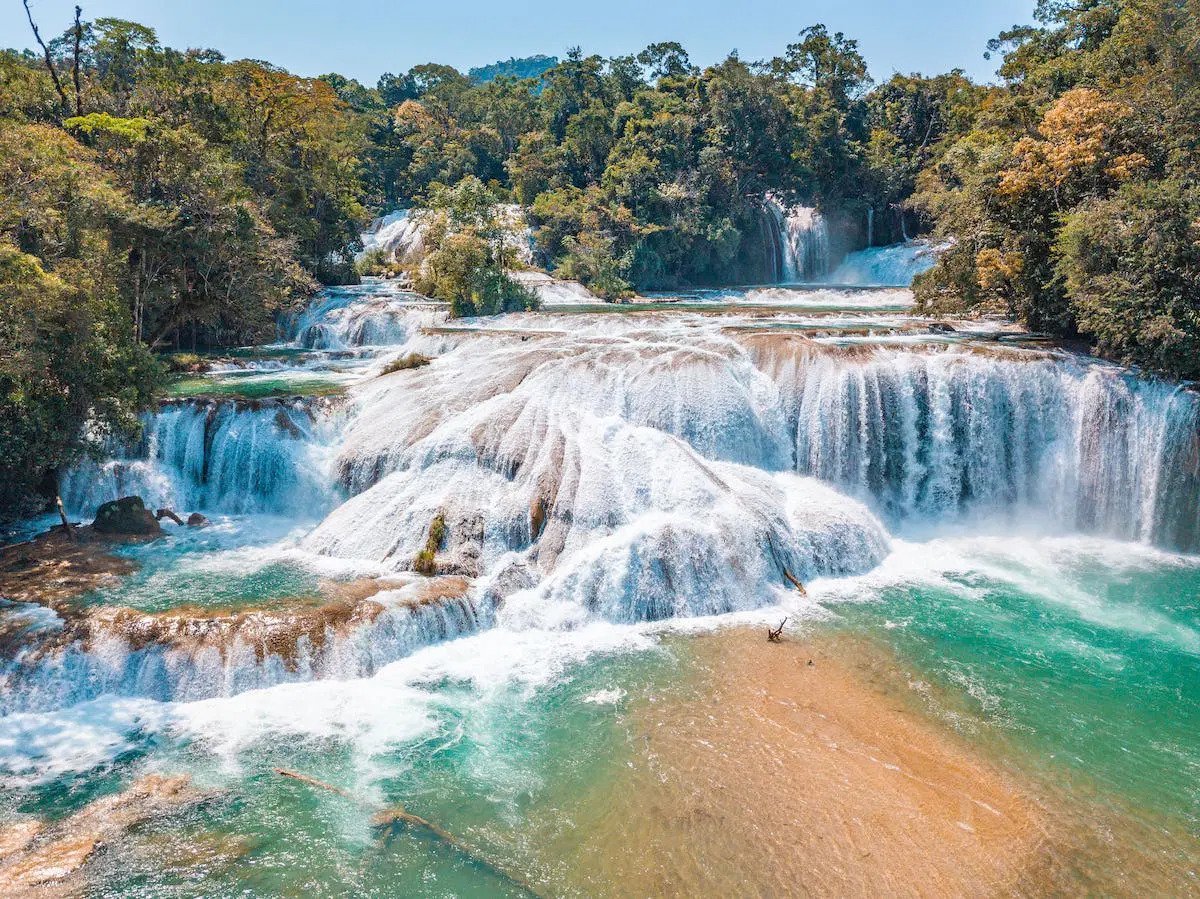
The Cascadas de Agua Azul, located in southern Mexico, are a series of waterfalls on the Xanil River. Claudia Tavani. CC BY-NC 2.0.

Every year, countless travelers visit the world’s tallest waterfalls, with Niagara Falls receiving over 13 million visitors alone. However, it is only one of hundreds of waterfalls in North America, and one of thousands worldwide. Hidden away in corners of South America, Europe, Africa and Asia are a multitude of other falls that display nature’s power and beauty. Waterfalls are divided into ten categories depending on their geographic surroundings and how they descend through them.  These include punchbowl waterfalls like the Kawasan Falls at number three on our list, horsetail waterfalls, chutes, cataracts, cascades like the one found at Akchour at number seven on our list and block waterfalls formed by wide rivers falling in uninterrupted sheets, to name a few. Here are seven incredible highlights that may not be the tallest or widest in the world, but are absolutely unmissable simply for their sheer beauty.

1. Plitvice Waterfalls, Croatia

Croatia’s Plitvicka Jezera National Park is home to a beautiful network of lakes and waterfalls. Jack Brauer. CC BY-SA 2.0.

Located in central Croatia between the country’s capital of Zagreb and the coastal city of Zadar, Plitvice Lakes National Park has been a UNESCO World Heritage site since 1979. Its protected area spans 300 square kilometers (roughly 115 square miles) and comprises a network of lakes and caves, which are connected by a series of breathtaking waterfalls. These can be viewed from the various footpaths and wooden bridges that traverse the park, or visitors can also enjoy a boat ride included in the price of the entrance ticket. Because of its protected status, the park is also home to bears, wolves and eagles among a whole host of wild animals.

2. Iguazu Falls, Argentinian-Brazilian Border

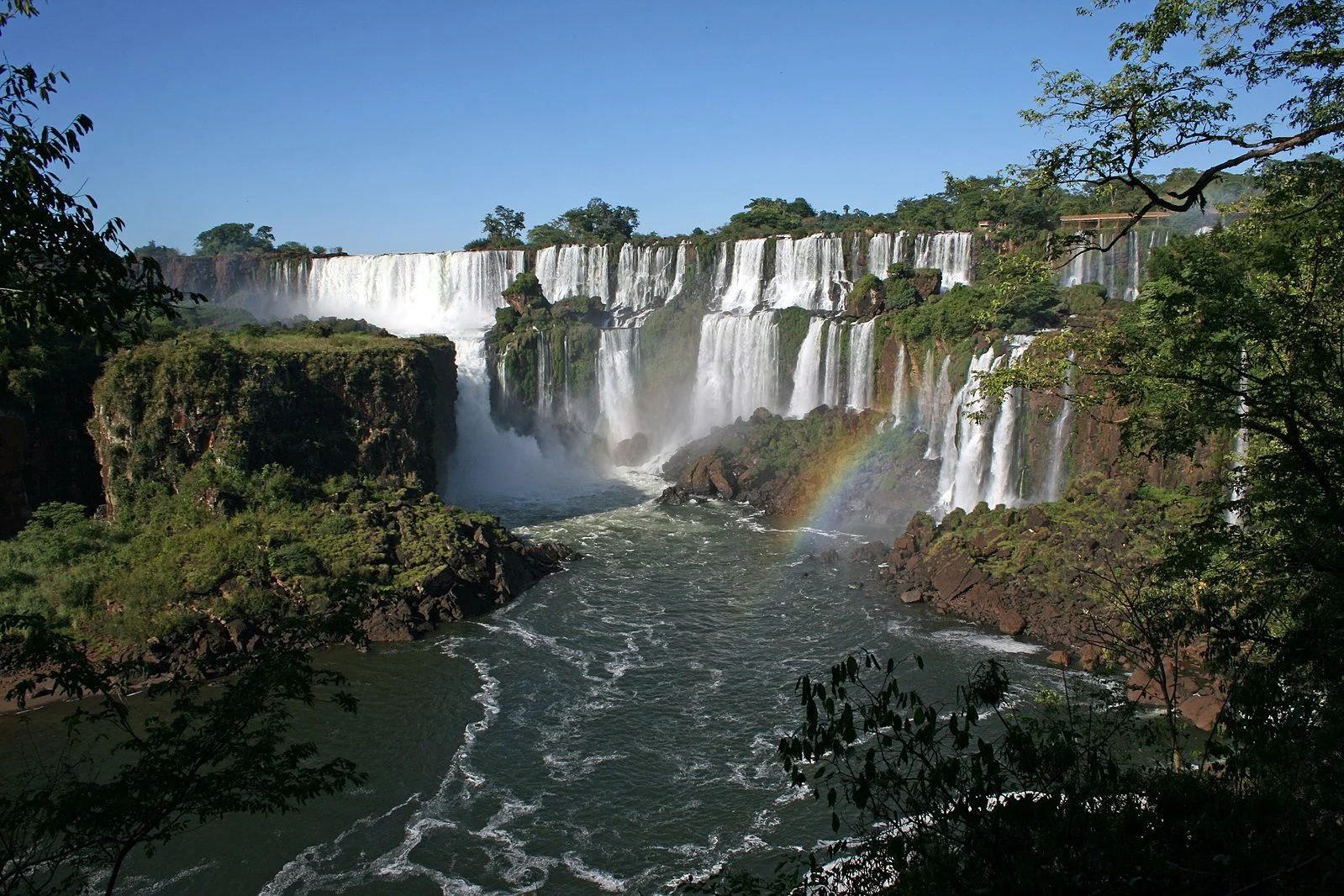
A birds eye view of one of the many waterfalls in Iguazu National Park, Argentina. Tomfriedel. CC BY 2.0.

The Iguazu Falls stretch for 2.7 kilometers (around 1.7 miles) along the border between the Misiones province in Western Argentina and the state of Paraná in Eastern Brazil. Altogether, the network makes up the largest system of waterfalls in the world, and was accordingly named a UNESCO World Heritage site in 1984. Thanks to a longstanding preservation effort in the two national parks on either side of the border that share custody of the falls, a network of walkways and viewing platforms can bring visitors very close to the falls, including near the bottom in an area called “Devil’s Throat”. You can travel to the falls by car from both the Brazilian and Argentinian sides, as well as from the Ciudad del Este in Paraguay. 

3. Kawasan Falls, Cebu Island, Philippines

Kawasan Falls is hidden away in the jungles of Cebu Island, Philippines. Vicky Flip Flop. CC BY-NC-ND 2.0.

The Instagram famous turquoise waters of Kawasan Falls are reachable by a three-hour bus ride southwest of Cebu City in the Philippines. The tropical waterfall is accompanied by limestone canyons and a dense jungle, all of which surround the pools often referred to as the “Gatorade Factory” due to their incredible color. Located in the coastal municipality of Badian, visitors can hike the kilometer and a half (just under a mile) long route uphill to reach the first and largest of many waterfalls that make up the series. Those interested in spending more time in the area can even book cottages available for overnight stays, though most opt to simply rent bamboo rafts to explore the pools.

 4. Gullfoss, Iceland

Iceland is home to numerous waterfalls with the Gullfoss Waterfall being a favorite among locals. O Palsson. CC BY 2.0.

The Icelandic name Gullfoss translates into “golden falls” in English, a reference to the sediment in the Hvita River from the nearby glacier that causes this spectacular waterfall to glow gold in the Nordic sunlight. Located a 90-minute drive west of the capital of Reykjavik, the two cascades that form Gullfoss are not actually that tall, falling for a total of only 31 meters (roughly 102 feet). However, seeing the waterfall up close can still be a deafening experience with floods of water going over the edge at a rate of around 109 cubic meters (just under 50,000 cubic feet) per second. There aren’t any railings or barriers either, so it is up to visitors to keep a safe distance from the cliff’s edge.

5. Weeping Wall, Hawai’i, USA

Travelers can visit Hawai’i’s Weeping Wall located in the heart of Kauai Island. Ahonui Bowman. CC BY-NC-ND 2.0.

Hawai’i is well-known for its incredible natural beauty, and the Weeping Wall is one of many spectacular sites on the island of Kauai. The network consists of a series of extremely narrow waterfalls winding across the centrally located Mount Waialeale, which stands 1,569 meters (about 5,066 feet) tall. The mountain’s name translates from Hawaiian to “overflowing water”, given that this location is in fact the second wettest area on the planet, and receives just under 11.5 meters (just under 37.5 feet) of rain every year. Given the mountain’s height, visitors rarely get a view of the upper part of the falls as it is often hidden in the clouds, but watching the water tumble down through the tropical greenery is still an incredible sight to see.

6. Ban Gioc Waterfall, Vietnam

A view of the Ban Gioc Waterfalls from Cao Bang, Vietnam. Applejuice. CC BY-SA 2.0.

Located on the border between the Cao Bang province in Northern Vietnam and the Guang Xi province in Western China, the Ban Gioc falls are the largest waterfall network in Asia. The waterfall stretches over 30 (about 98 feet) across on the Chinese side where it is known to locals as the De Tian Waterfall instead. Ban Gioc cascades down over three tiers of lush greenery, feeding directly into the Quay Son River, which in fact runs along the China-Vietnam border. Traveling to the falls from the Vietnamese capital of Hanoi normally takes visitors about two days to complete, with an overnight stop in Cao Bang City to split up the six and a half hour drive. 

7. Cascades D’akchour, Morocco

The higher of the two waterfalls that make up Cascades D’akchour near Chefchaouen, Morocco. Culture Trekking. CC BY-ND 2.0.

The Cascades D’akchour are tucked in amongst the Rif Mountains, the northernmost chain in Morocco. Reachable via a 45-minute drive from the famed “blue city” of Chefchaouen, visitors can enjoy a mountainous trek connecting several smaller waterfalls before arriving at the final cascade whose upper section tumbles down 100 meters of rock face (roughly 328 feet) into a collecting pool. The lower cascade, on the other hand, stands at a much smaller 20 meters tall (just under 66 feet) but also features a natural swimming pool just upstream of its descent over the cliff. For those interested in exploring even further, another hour and a half of hiking can bring you to the Pont de Dieu or Bridge of God, a naturally formed rock bridge carved out of the mountain by the Farda River.


Tanaya Vohra

Tanaya is an undergraduate student pursuing a major in Public Health at the University of Chicago. She's lived in Asia, Europe and North America and wants to share her love of travel and exploring new cultures through her writing.

Reduce Your Carbon Footprint by Home Composting

Self made compost can take time to make, but it can easily lower someone’s carbon footprint.

Compost Pile. Lindsay. CC BY 2.0

Food waste is a major component of global warming, with all the methane that food produces in landfills when it rots. However, even if someone can’t finish all their food and have a little bit left, they can still lessen their food waste and overall carbon footprint in various ways like home composting. Since around ⅓ of the food produced in the entire world is wasted, composting organic waste can reduce roughly half of greenhouse gasses equivalent to carbon dioxide between 2020 to 2050. Composting is a process of turning organic waste into soil or mulch, and the compost that comes from it is nutrient rich and good for plants, so by composting, people can reduce their food waste and help plants grow. 

For composting at home, there are multiple things to keep in mind before starting. The first is that composting is going to take a lot of time, with anywhere between six weeks to an entire year depending on the method, and how much effort is being put into making the compost. The second is that there are two types of items to compost, “green” and “brown” items. Green means the food scraps, grass clippings, coffee grounds and tea leaves that are full of nitrogen, while brown ones are the carbon-rich items, like cardboard, egg cartons, dried leaves and wood shavings. Since the green items tend to be “wetter”’ and the brown ones more “dries”, an equal mix is good, though some say it is better to have a 1:3 green to brown ratio. As long as the pieces in the mix aren’t extremely large, and there is good moisture and access to air and oxygen, the pile will decompose into compost. Turning the mix every few days will help bring in more oxygen to help the process and control the odor. The oxygen is especially important because without it, the food will still compost but in an anaerobic way, which will produce a gas that is half methane and half carbon dioxide. Methane traps radiation much better than carbon dioxide, so it contributes to global warming 25 times more per pound.

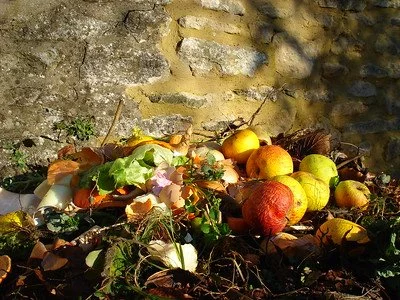
Fruit on Compost Pile. Allispossible. CC BY 2.0

There are multiple methods of composting at home, but the fastest way is to simply get a home composting bin. There are many composting bins available for sale, but it is also possible to make a homemade one. With a compost bin, all that is required is to place the waste inside and let it decompose at a faster rate than leaving it outside. Some bins will continuously compost materials, while others will make batches of it.

Though using a bin is the easiest method, it is possible to do home composting without one. It is a little slower since the heat isn’t contained, but it works just as well. Trench composting is a technique that involves digging a hole roughly a foot wide and deep, then filling it halfway with kitchen scraps and other organic food waste inside before covering it up. Creating a heap and layering the materials in it also works, though it is better with some space as it may attract flies as the food rots. But, it has access to air, and needs access to water, and within a few months, the compost pile will be ready. To speed up the process, it is possible to use worms or other accelerators. 

Composting is a popular method around the world, especially among European countries. Germany has a high recycling and composting rate, sustainably getting rid of 65% of their waste as of 2019. Austria, Slovenia, Belgium and Taiwan also have recycling and composting rates higher than 50%. South Korea, however, recycles around 95% of its food waste by turning it into compost, animal feed, or biofuel. Their laws against sending food waste to landfills and having biodegradable food scrap bags that could be composted and compost bins for people to use have greatly added to this, as well as some places that track food waste per household and charge them for it. 

To Get Involved

Many communities have composting programs that aim to advertise the benefits of composting and will help people do it. Even in large cities where people live in apartments and don’t have a backyard to compost in, there are organizations that will take in food waste and compost it for people. In New York City, the Department of Sanitation (DSNY) has multiple programs just like this, focused on composting, educating, and waste management. CompostNow is an organization that has community gardens and programs in multiple locations that will take in food waste to be composted. Ecoscraps is another company that collects food waste, recycles it, and then sells the resulting compost. Their compost is available all over the country in stores like Home Depot and Walmart.

To find out more about the DSNY, click here.

To find out more about CompostNow, click here.

To find out more about Ecoscraps, click here.


Katherine Lim

Katherine Lim is an undergraduate student at Vassar College studying English literature and Italian. She loves both reading and writing, and she hopes to pursue both in the future. With a passion for travel and nature, she wants to experience more of the world and everything it has to offer.

Soldiers Speak: War Crimes in Myanmar

Recent atrocities and war crimes have been reported by military soldiers in Myanmar as the civil war rages on. 

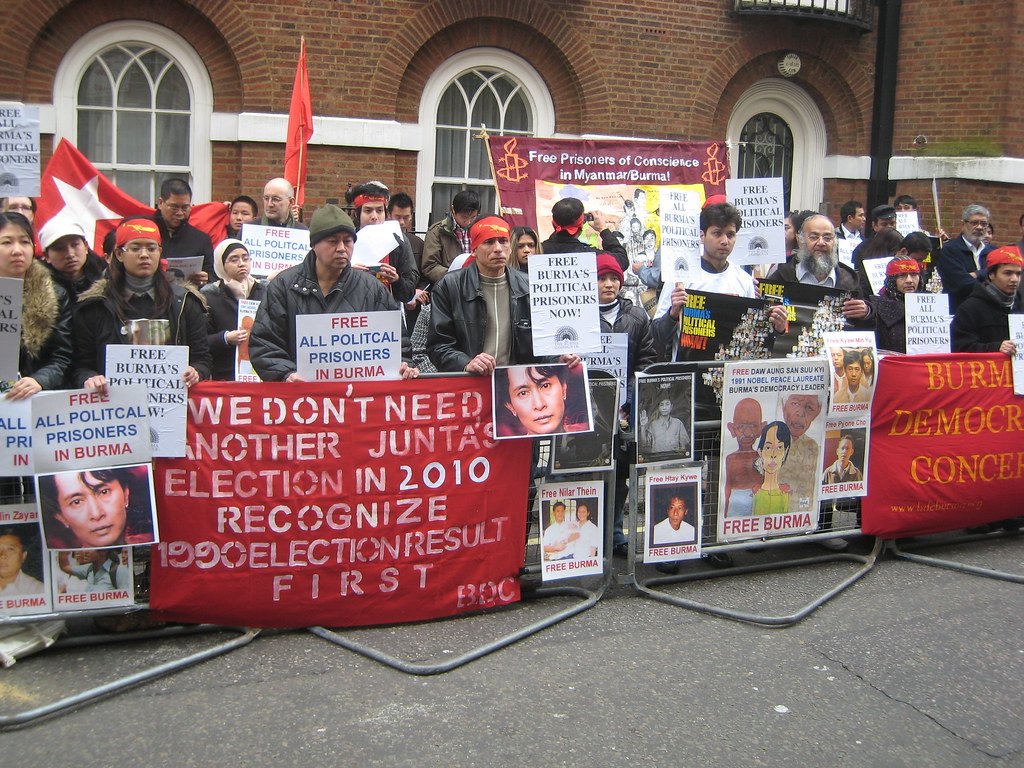
Human rights protest for Burma in France. Totaloutnow. BY-NC-ND 2.0.

Myanmar has a dirty, bloody history attached to the political and military conflicts that have furiously swept through their country. The civil war that rages on adds to this history, and the war crimes and atrocities that are currently occuring illuminate the fragility and deep rooted struggles between the Burmese government and its citizens.

The civil war started in February of 2021 after Myanmar’s military powers – known as the Tatmadwa – seized the government from the elected officials of the National League for Democracy (NDL), the leading civilian party in Myanmar. The NDL had won the election in 2021 by 83%, the New York Times reports, but the military ignored these results, an action said to be linked to the government's dislike for Aung San Suu Kyi. She was the leader of the NDL who would have become the elected official of the Burmese government. 

The military coup that overthrew the government in 2021 was the event that turned the tide of the political state of the country, and now battles between military soldiers in the Tatmadaw and pro-democracy armed civil militias have erupted and raged now for almost two years. 

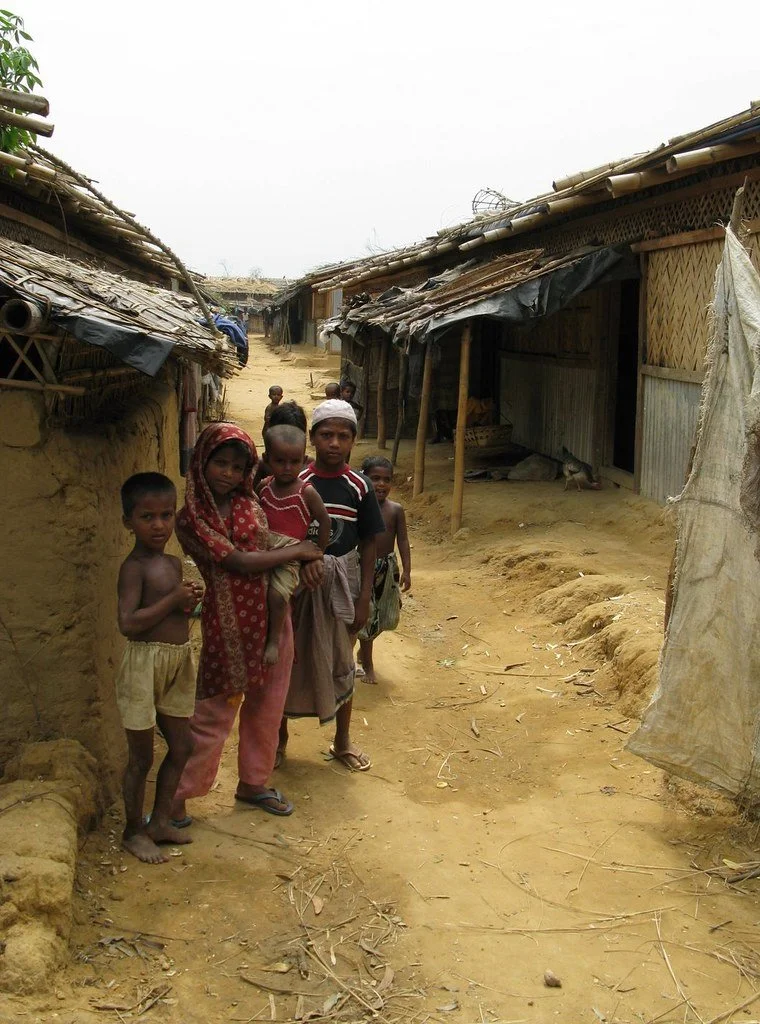
The military powers in charge currently – referred to as the junta: a “group of military leaders” as BBC explains – are led by General Ming Aung Hlaing. He was given power from military leaders after the coup in 2021. General Ming is responsible for the imprisonment of countless NDL members, as well as multiple ‘campaigns against ethnic minority groups’ including the Rohingya Muslim Genocide that has been taking place in Myanmar for years.

Rohingya refugees. Austcare-World Humanitarian Aid. CC BY-NC-ND 2.0.

As the war continues to rage on, Tatmadaw soldiers have started to come forward with stories of the atrocious war crimes that they were ordered to commit onto the civilians of Myanmar. BBC has reported that soldiers have admitted to “killing, torturing and raping civilians”. Large scale human rights violations have continued to occur as well, including the imprisonment of protesters, the treatment and killing of political prisoners and the treatment of civilians during wartime conflicts has sparked dialogue from the United Nations (UN). The UN reports that military powers have “directly targeted civilians” with airstrikes and attacks, and have already killed “at least 1,600 people”.

Six anonymous soldiers agreed to an interview with BBC, where they told the story of crimes against humanity, one of the few crimes that can be prosecuted at the Internationcal Criminal Court, being committed at the hands of the unstable Tatmadaw military regime. One reported that they had been told to “shoot anything they saw; another was ordered to burn down a house with civilians locked inside it. Other soldiers admitted to witnessing women being raped at gun point after soldiers believed the victims to be supporters of the People’s Defence Force (PDF) – an armed civilian militia organization. These six soldiers also discussed the energy of other members of the regime, stating that some soldiers would ‘boast’ about their crimes and actions.

Villages have burned to the ground, civilians have been abused, killed and looted. This is the current fate of the Burmese people, but the civilian militias continue to fight back and continue to push for democracy. In a country so often torn between citizens and the military state, the fate of the people of Myanmar has remained undecided. The UN states in their report that “despite spiraling violence… ‘the will of the people has clearly not been broken.’” Determined to return to a time of democratic rule, the civilian population of Myanmar continues to fight against the horrors of the military regime wishing to dominate them.

TO GET INVOLVED

The Committee Representing Pyidaungsu Hluttaw is, as Insider states, “the country’s democratically elected legislature,” the very same that was overthrown in the coup in 2021. They have a GoFundMe, which is run by the Citizen of Burma Award Organization, that uses the money to support pro-democracy protests and encourages civil disobedience against the junta military regime. To donate to the protestors, click here .

The Civil Disobedience Movement also collects donations which are sent directly to people in Myanmar to fund and support civil disobedience and protests against the government. To donate, click here.

Additional ways to GET INVOLVED can be found in Insider’s “5 Ways to Help Anti-Coup Protests on the Ground in Myanmar Right Now”. This article discusses multiple ways to donate, to educate oneself and to create constructive and far reaching conversations about the injustices befalling the Burmese people. To read more, click here.


Ava Mamary

Ava is an undergraduate student at the University of Illinois, double majoring in English and Communications. At school, she Web Writes about music for a student-run radio station. She is also an avid backpacker, which is where her passion for travel and the outdoors comes from. She is very passionate about social justice issues, specifically those involving women’s rights, and is excited to write content about social action across the globe. 

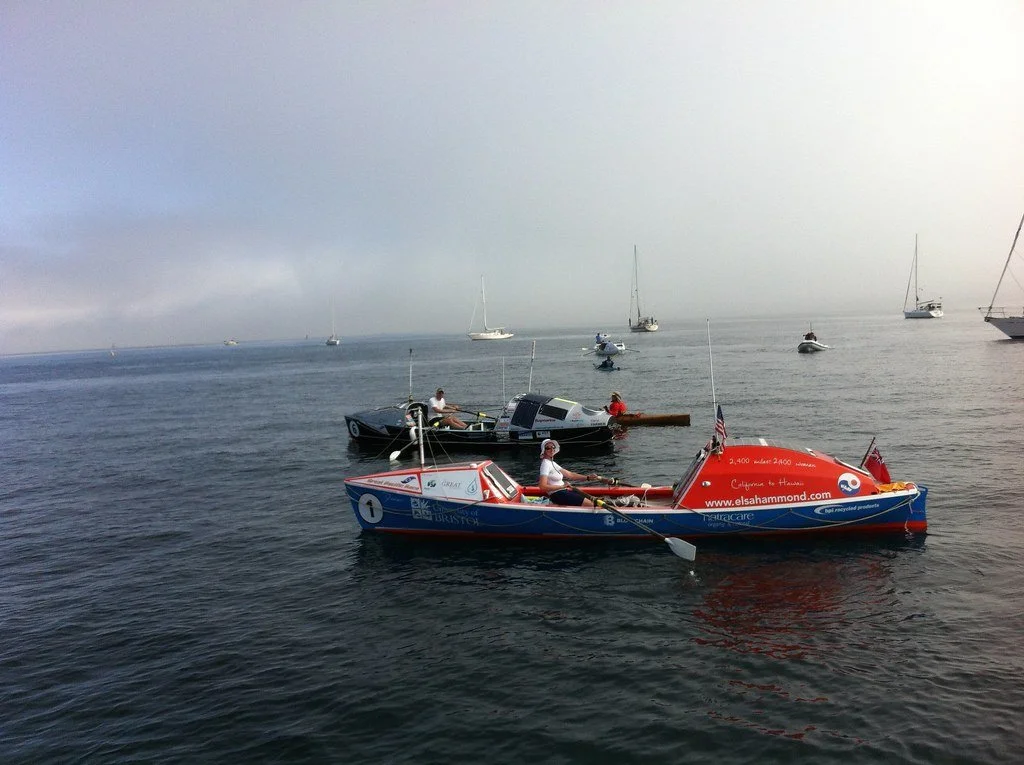
All-Woman Rowing Team Takes On The Great Pacific Race

Four women compete in the Great Pacific Race, rowing from San Francisco to Hawaii.

For those who row competitively, completing the Great Pacific Race (GPR) is the pinnacle of a successful career. The race – which is a total of 2,080 miles (3,328 meters) – starts in San Francisco and ends in Hawaii. Teams of 3 or 4 are able to enter and are challenged to make it to Hawaii in as little time as possible. Though completely alone in their rowing efforts, every team is monitored from afar during all hours of the day by GPR crew in the instance of any emergencies.

Latitude 35, an all-female rowing team vetted with years of ocean rowing experience, has decided to challenge themselves in completing the Great Pacific Race. Among them are Adrienne Smith, Libby Castello, Sophia Denison-Johnson and Brooke Downes. They are not the first all-women’s team to compete, but they may be the fastest to ever finish the race if they maintain their pace on the last leg of their journey. The previous record that Latitude 35 wishes to crush is set by the Ocean Sheroes, who took on the challenge in 2021 and completed it in a little over 35 days. 

The first Great Pacific Race occured in 2014, and the organizers have held four subsequent “campaigns” since, with a total of 19 teams to ever complete the journey. Usually four or five teams will compete in the same race at a time, traveling from all over the globe to test their strength and willpower. Within the five sets of races that have taken place over the years, itvNews reports only “two four-person all female teams” have finished the race, making Latitude 35’s journey all the more special. 

Additionally, competitors are racing against the clock, not necessarily each other. To “win” the race, teams have to complete the journey the fastest, so the women of Latitude 35 are technically competing against teams – specifically the Ocean Sheroes – from a year ago who hold the current time record. Men and women may compete during the same campaign, but the race time records are separated by gender. However, it is important to note that just completing the challenge is a victory in itself; holding the world record for fastest time is just an additional win. 

Having left on June 21st, the Latitude 35 women have just about 495 miles (792 kilometers) left in their journey, and have done around 1590 miles (2,544 kilometers) in just over 28 days. They are on track to beat the pre-existing time record.

Besides the competitive nature of the race, it is also an incredible immersive experience with nature. Traveling on the open ocean for days allows participants to become up-close and personal with the ocean and all of its wonders. The Great Pacific Race describes the experience: “You will see shooting stars and the most incredible skies. You will experience nature in a way that few people can even imagine.” Latitude 35 has described their experiences with wildlife, including flying fish that have hopped around and into their boat.

The team has faced a few challenges along the way, including Tropical Estelle and Hurricane Darby, which threatened to hit the women’s route while they were on the open waters. Fortunately, neither the tropical storm nor the hurricane has found its way to the team, and the women are still safely continuing on.

The Great Pacific Race is a challenge of extraordinary athletic and physical strength. Calloused and blistered hands, sunburnt skin, hunger and fatigue all challenge the rowers. It is also a true test of emotional stamina and friendship. There is no reprieve from the rowing and physicality of the sport, just as there is no reprieve from your teammates. Latitude 35 has taken to Instagram to pass the time, and as they speak of their journey and the hardships they face – like rowing at night when all you want to do is sleep – they have gained a large following. 

Posting regular updates lets followers know where they are in their journey, as well as how they pass the time. Singing, laughing and making funny videos has helped the women stay motivated to finish their race. Additionally, Latitude 35 has started collecting donations for the Anxiety and Depression Association of America, raising money and awareness of the organization and what it has to offer athletes and those suffering with mental illness.


Ava Mamary

Ava is an undergraduate student at the University of Illinois, double majoring in English and Communications. At school, she Web Writes about music for a student-run radio station. She is also an avid backpacker, which is where her passion for travel and the outdoors comes from. She is very passionate about social justice issues, specifically those involving women’s rights, and is excited to write content about social action across the globe. 
Wealth Inequality in South Africa

Due to lingering remnants of apartheid, South Africa has the highest income gap in the world, with 10% of the population owning 80% of the country’s wealth.

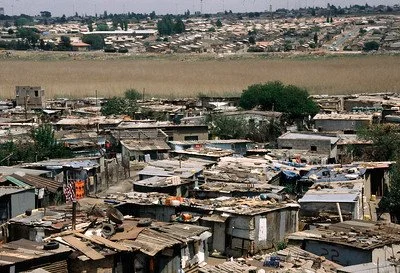
Town in Soweto. Eugene Wei. CC BY-NC-SA 2.0

Though apartheid ended in 1994, many traces and effects of it still exist today, almost thirty years later. The World Bank demonstrates that South Africa has the highest rate of wealth inequality out of any country in the world. The spacial and racial segregation caused by colonialism and apartheid in the 1990s continue to affect South African society.

The United Nations University (UNU) wrote a policy brief in 2019 discussing the socio-economic inequality in the country, and mentioned that a majority of the wealth earned in South Africa goes to the top 5% of people. A recent article by Bscholarly covered the richest people in South Africa, and almost all of them were white men. Many were born in the country and are old enough to have lived through apartheid, benefitting from it in a way the non-white South Africans did not. So many people were living in abject poverty during that time period, and though it is over, many people are still suffering.

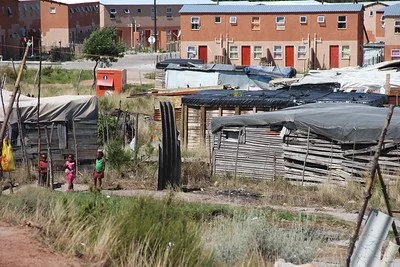
In the UNU’s policy brief, they mention how equalizing wages for workers, as well as gender and racial inequality needs to be progressed. Since so much of the economic gains go to the richest people in the country, most of whom are white, the poorer, non-white people are suffering. By increasing the income of low wage workers and therefore distributing the wealth to other people, the economic disparity would decrease. Even until 2019, the average white South African was making three times more than the average black South African, and Time magazine said, in 2021, that the wealth gap in the country has not changed since apartheid ended. The effects of the racial segregation go beyond just the wage gap, into the poor education system for black Africans and even the layout of towns, since the people were forced into parts of their towns that were away from where a lot of jobs are. 

Comparison of houses. UK Department for International Development. CC BY 2.0

In addition, the COVID-19 pandemic has only served to highlight the inequalities within the country. The job market’s difficulties, in particular, were highlighted during the pandemic as unemployment increased and low wage workers suffered, much more so than their high wage counterparts. Many of these low income workers are black Africans, which further shows the racial inequalities. Younger people were also disproportionately affected by the unemployment rates compared to higher age groups. The labor inactivity, high unemployment and lack of many self-employed workers are all key factors that are affecting the labor market, and, as a result, the overall economy of the country. If the government were to invest more and build up this area, the economy would improve and the wealth disparity would decrease, since people on the lower end of it would earn more money to improve their circumstances, as well as those of the people around them. Simply strengthening the labor market and especially investing in self-employment and entrepreneurship would help this problem, especially the entrepreneurship factor, since helping people with financing and learning new skills will lead to more self-employment which would lead to the growth of smaller businesses that can help poorer groups.

To get involved:

There are multiple organizations dedicated to social justice in South Africa. For example, Oxfam South Africa is an organization working to educate people on the wealth disparity and its impacts. They also aim to create an accountable government to help the people, and protect natural resources. The effects of COVID-19 have emboldened them as the problems were highlighted from responses to the virus. 

To learn more about Oxfam South Africa or to donate to them, click here.

Other organizations such as Siyabonga Africa and CHOSA are also focused on reducing the poverty and lack of education in South Africa. Siyabonga Africa provides necessary items for the impoverished, has created various skill courses for people to learn, and supports small businesses to help people get jobs. 

To learn more about Siyabonga Africa or to donate to them, click here

CHOSA, the Children of South Africa, aims to reduce child poverty by focusing on families and how to improve impoverished communities. They help fund necessary expenses such as food and electricity and offer after school tutoring and mentoring to better educate the children.

To learn more about CHOSA or to donate to them, click here.


Katherine Lim

Katherine Lim is an undergraduate student at Vassar College studying English literature and Italian. She loves both reading and writing, and she hopes to pursue both in the future. With a passion for travel and nature, she wants to experience more of the world and everything it has to offer.