
From the Rainbow Mountains of Peru to the Kawah Ijen Volcano in Indonesia, discover these six most colorful natural wonders of the world in Iran, Mexico, China and more.
Read MoreNearly Extinct Rhino Species Found Only in Indonesia
The Javan Rhinoceros is one of the world’s most endangered species, with only sixty remaining in Indonesia’s Ujung Kulon National Park.

Javan rhino. Courtesy of Indonesian Ministry of Environment/Forestry.
Javan Rhinoceroses used to be common throughout the continent of Asia, until poaching and habitat loss dwindled the population down to what is now a mere 60-68 rhinos, all found in Ujung Kulon National Park in Indonesia. The poaching of Javan rhinos largely began in colonial times, with the animal being a trophy for hunters. Now, the rhinos are poached primarily for their horns, which are extremely expensive and are sometimes used as status symbols among the extremely wealthy. Javan rhinos were declared extinct in Vietnam in 2010, when the last rhino in the country was poached, and now the only surviving Javan rhinos exist in Indonesia.
While poaching Javan rhinos is illegal, and they are considered a protected endangered species, reviving the population presents a major challenge for two main reasons. The first is that the extremely small number of surviving Javan rhinos doesn’t allow for much genetic diversity. The second issue is habitat loss as a result of both human intervention and natural disaster. Human activity near Ujung Kulon National Park has interfered with the rhinos’ natural habitats, and the push for more property development in the area threatens the security of the park. In terms of natural disasters threatening the rhinos’ last remaining habitat, the national park is located in an area that is susceptible to tsunamis and rising water levels as a result of climate change, and also happens to be near an active volcano, Anak Krakatau. Many conservationists are extremely nervous that if one of these natural disasters occured, all hope would be lost for the species even if there were a few survivors, because of the already miniscule genetic diversity within the population.
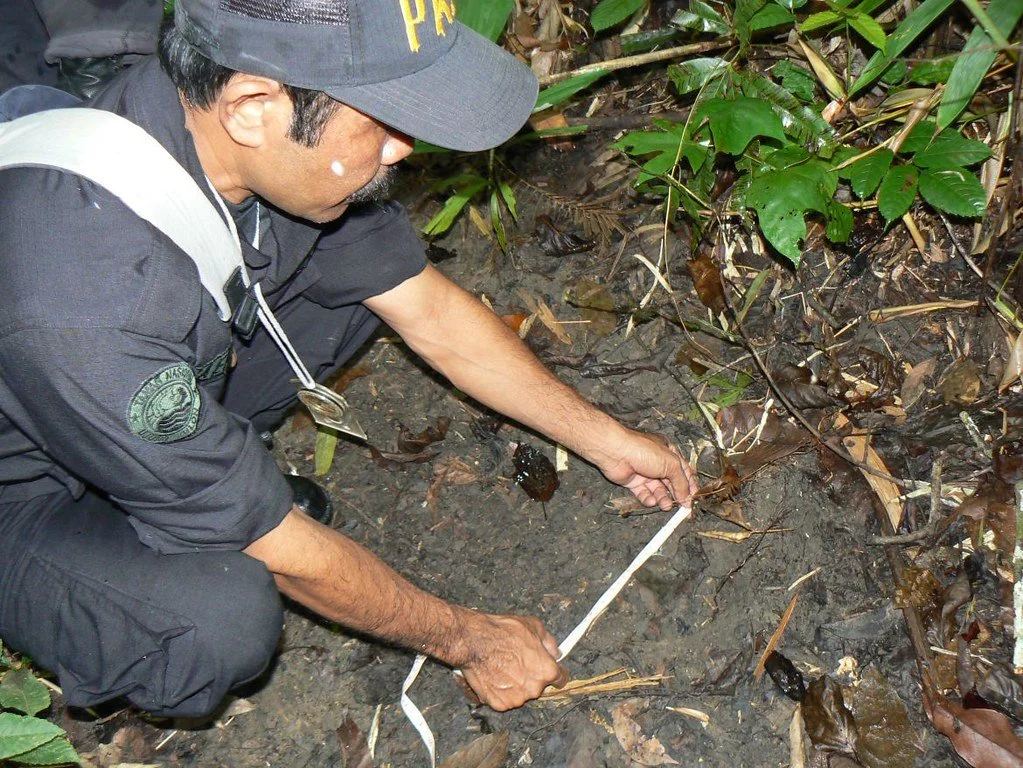
A member of the Rhino Protection Unit measures a Javan rhino’s footprint in Ujung Kulon National Park. U.S. Department of State. CC BY 2.0.
Even without the threat of natural disaster and human interference, Javan rhinos face an existing setback within their protected habitat. An invasive species called Arenga Palm grows in Ujung Kulon National Park. This plant blocks the sun, which prevents the plants that the rhinos eat from growing. The park has made clearing Arenga Palm a priority, but since it is an invasive species, eliminating it from the park entirely is not an easy task.
Ujung Kulon National Park does offer tours, providing an opportunity to ethically see the nearly extinct rhinos. However, since these tours are meant to be non-invasive, there is no guarantee that a Javan rhino will come into view during your time in the park. With that being said, tourists often see traces of the rhinos, such as footprints, like in the photo featured above.
Get Involved
The best way to get involved with this issue is to raise awareness and money for organizations working to sustain and increase the population of Javan Rhinoceros. Some of these organizations include World Wildlife, which is working on eliminating Arenga Palm and also hopes to one day transfer some Javan rhinos to an area which is not in the danger zone of the volcano Anak Krakatau. Another good organization to support is the International Rhino Foundation, which works directly with the staff of Ujung Kulon National Park. On a more general level, raising awareness about climate change and supporting organizations which respond to extreme weather is a way to get involved with this issue as well as many others, as climate change has only compounded the plight of the Javan Rhinoceros.

Calliana Leff
Calliana is currently an undergraduate student at Boston University majoring in English and minoring in psychology. She is passionate about sustainability and traveling in an ethical and respectful way. She hopes to continue her writing career and see more of the world after she graduates.
How King Leopold’s Colonial Legacy Still Haunts the Congo Today
Occupied by Belgians for almost 80 years, the effects of colonization still resonate in the Democratic Republic of the Congo decades after independence.
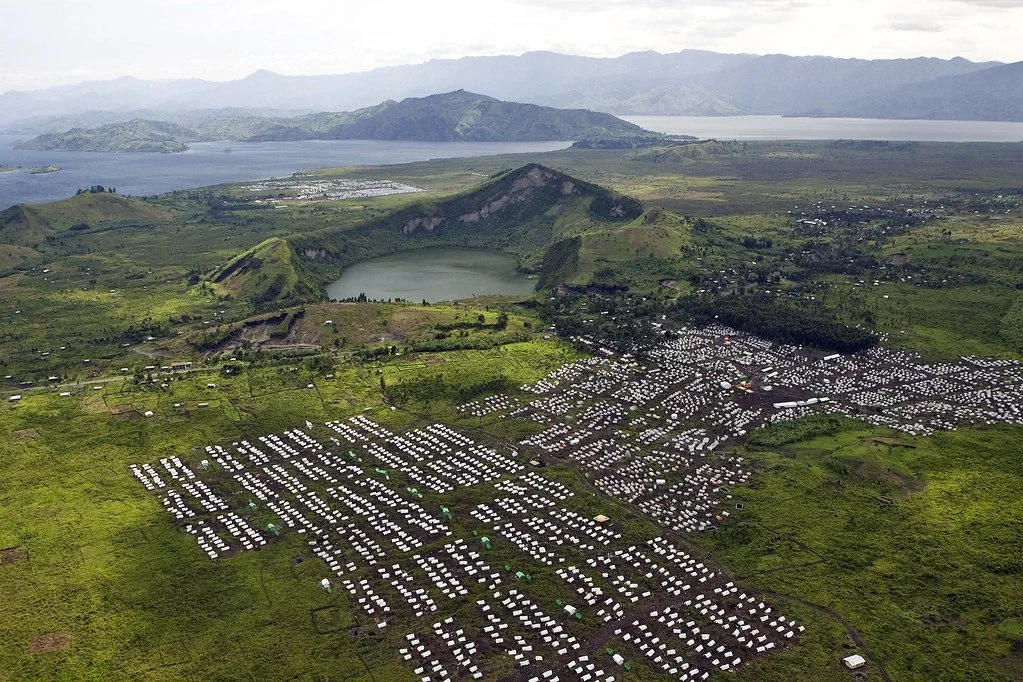
A refugee center in the Democratic Republic of the Congo. United Nations Photo. CC BY-NC-ND 2.0.
As the leader of the small European country of Belgium in the 1880s, King Leopold II did not have much political clout with his fellow European statesmen. He wanted more political power so he achieved this by gaining personal control of a vast swath of Central Africa, which became the Congo Free State. King Leopold ruthlessly subjugated the local populations of the region in order to extract as much raw materials such as ivory and rubber as possible, committing human rights violations in the process. It was not until 1902 when Joseph Conrad published the novel Heart of Darkness criticizing Leopold’s administration of the Congo and in 1904 when Edmund Dene Morel published a report detailing the atrocities in the Congo did Western public opinion turn against King Leopold, who was forced in 1908 to relinquish control of the Congo Free State to the Belgian government.
Today, those atrocities committed by King Leopold and the Belgians are still felt by the area, now the Democratic Republic of the Congo (DRC). The relationship that the Belgian colonial administration espoused was one of paternalism, where the Congolese were treated like children, which resulted in them unprepared for self-determination. When the DRC gained independence in 1960, it plunged into a state of sporadic political conflicts due to the dictatorship of Mobutu Sese Seko that lasted until the 1990s. The peace that ended that drawn out conflict only lasted a short time, and violence soon erupted again.
Currently, the eastern region of the country is held by at least 122 rebel groups, with the legitimate government struggling to control the region. That has caused more than 5 million people to be displaced between 2017 and 2019 and an additional 72,000 and counting since May 2022, with many fleeing areas controlled by rebel groups. Many areas receiving refugees are overwhelmed and do not have the proper infrastructure to support them.
The almost incessant warfare since independence may seem unconnected to the legacy of imperialism, but that is not the case. The seeds for the present political instability were sowed when the Congo was under Belgian rule. The Congo is a region with vast natural resources, from ivory and rubber of old to the mineral wealth of today. The abundance of raw materials and resources was exactly why Congo was colonized. When the borders of Africa were carved up by European powers, no regard was made to the various tribes already living in the area. Some groups of people were divided between different countries, and enemy tribes sometimes found themselves within the same domain. When the DRC gained independence, the various tribes were not united, leading to no coherent vision for the future of the country, thus sowing political instability.
In addition, since the purpose of the Congo Free State was solely to enrich King Leopold and later Belgium, there was no effort to develop a political or academic class among the local population. As such, at independence, there was no model of self-governance to follow after decades of infantilization by Europeans. That caused Mobutu Sese Seko to take advantage of the power vacuum and install himself dictator for more than 30 years.
The international response to the violence in the DRC has deprived the country of even more of its sustenance. International companies are refusing to do business with the DRC due to its human rights violations, depriving many of the mining jobs that they depend on. In order to survive, those people end up joining rebel groups, further perpetuating the violence.
The cycle of violence that started with Belgian occupation did not end in the 1990s. Subsequent leaders of the DRC used violence to consolidate their rule, since that was the only method they ever experienced. But, efforts have been made to ensure a sustainable future. The UN is stepping in by giving the DRC a peacebuilding fund to provide services to ex-rebels to reintegrate into their communities and to support over 300 women miners to better manage their sites and defend their rights. UNICEF also supports school reopenings, an essential indicator of peace. By prioritizing the reopening of schools in conflict zones, UNICEF ensures peaceful coexistence after prolonged conflict. The outside aid that the DRC is receiving gives local communities the agency to control their future.
To Get Involved
Cordaid is one organization providing humanitarian aid to the region. Another organization working to improve conditions by enabling local communities to form cooperatives that can successfully sustain peace in the communities in the DRC is Peace Direct.

Bryan Fok
Bryan is currently a History and Global Affairs major at the University of Notre Dame. He aims to apply the notion of Integral Human Development as a framework for analyzing global issues. He enjoys hiking and visiting national parks.
Rising Travel Fees in Bhutan
After two years of being closed off to visitors due to COVID-19, Bhutan is re-opening to tourism, but with an increased tourism fee.
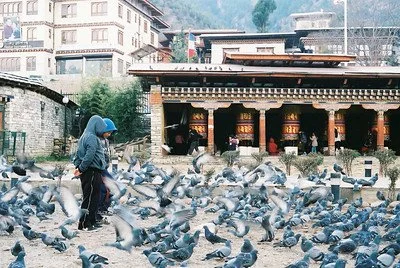
Children and pigeons in Thimphu. Xiaojun Deng. CC BY 2.0
Bhutan is a beautiful Buddhist country located in Southeast Asia. It is located along the eastern edge of the Himalayas, and there is plenty of mountain and valley scenery, as well as Buddhist monasteries. There are a multitude of reasons to visit Bhutan, but there is one interesting reason that might stop some people from going: the “High Value, Low Impact” tourism fee.
In the past, the government of Bhutan has charged the equivalent of $65 USD per night per traveler. This has been a system implemented for three decades, but after COVID-19 and the decrease in tourism everywhere, the Tourism Council of Bhutan will raise the fee to $200 during the low travel season when the country reopens on September 23, 2022. During high season, the fee will be $250 per day for every person. India, Bangladesh and Maldives have been exempt from the tourism fee thus far, but when the country reopens, the government has decided to charge visitors from these three nations $17, with a few exceptions for certain age groups. Bhutan has been closed to outsiders for the past few years due to strict COVID-19 guidelines. The money gained from the travel fee increase will be used to decrease the carbon footprint created by tourists visiting the country, as well as to help the Bhutanese who work in the tourism industry. Even with the fee, tourism in Bhutan does make up 6% of the country’s GDP.
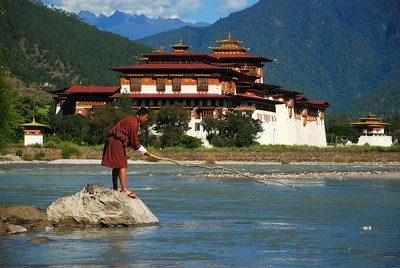
Keeping Bhutan’s rivers clean. United Nations Photo. CC BY-NC-ND 2.0
There is a misconception that the $200 is an extra expense in addition to the usual travel costs, but that is incorrect. These fees are actually all inclusive, meaning it covers the cost of typical travel expenses, such as food, accommodations (though choosing to stay at luxurious hotel will cost extra), tour guides, transportations and tourist site entrance fees. Souvenirs, tour guide tips and drinks are the most common travel expenses that are excluded from the tourism tax. Those people have to pay for themselves.
A large question about the existence of the travel fee is where the money goes. Part of it, of course, goes to the government (around 30%), but the rest does go to the tour guides, hotels, drivers and other staff mem bers in the tourism industry. The government also does work to improve education, infrastructure and healthcare systems for its citizens, so the money tourists pay does go to improving the country. Furthermore, whether flying or driving into Bhutan, carbon emissions are being produced, and the tour buses and other modes of transportation add to it. Offsetting people’s carbon footprint from all that is an area the government is devoted to. The promotion of carbon-neutral traveling and making the tourism industry more sustainable overall are what Bhutan is committed to achieveing in order to improve the country.
Bhutan is not the only country with a tourism fee. There are other countries that have implemented it as a way to combat over tourism and protect the tourist industry in each country, such as Italy, Japan, Germany and Spain. There are many more countries that do this, and the tax ranges from less than $1 to over $50, depending on the country. The money goes back to it, from the workers to the upkeep of tourist attractions. Many countries have implemented it, and the fee is worked in as a tax for things like airline tickets or hotels. Bhutan does the highest tax, but with the money, the country has worked hard to preserve its culture and natural beauty.
RELATED CONTENT:

Katherine Lim
Katherine Lim is an undergraduate student at Vassar College studying English literature and Italian. She loves both reading and writing, and she hopes to pursue both in the future. With a passion for travel and nature, she wants to experience more of the world and everything it has to offer.
ART REVIEW: Photographer Tony Gum Takes On Post-Colonialism in South Africa
In her newest exhibit titled “Milked In Africa”, South African photographer Tony Gum captures a blend of rich tradition and modern commercialism.
Read MoreVolksprater: Austria’s Ancient Amusement Park
As the oldest functioning amusement park in the world, Vienna’s Prater Park offers rides, local foods and Austria’s largest nightclub.
Read MoreHow Climate Change and Political Unrest Created a Famine in Sudan
The war in Ukraine has drastically raised the price of food, worsening an already dire situation in Sudan.
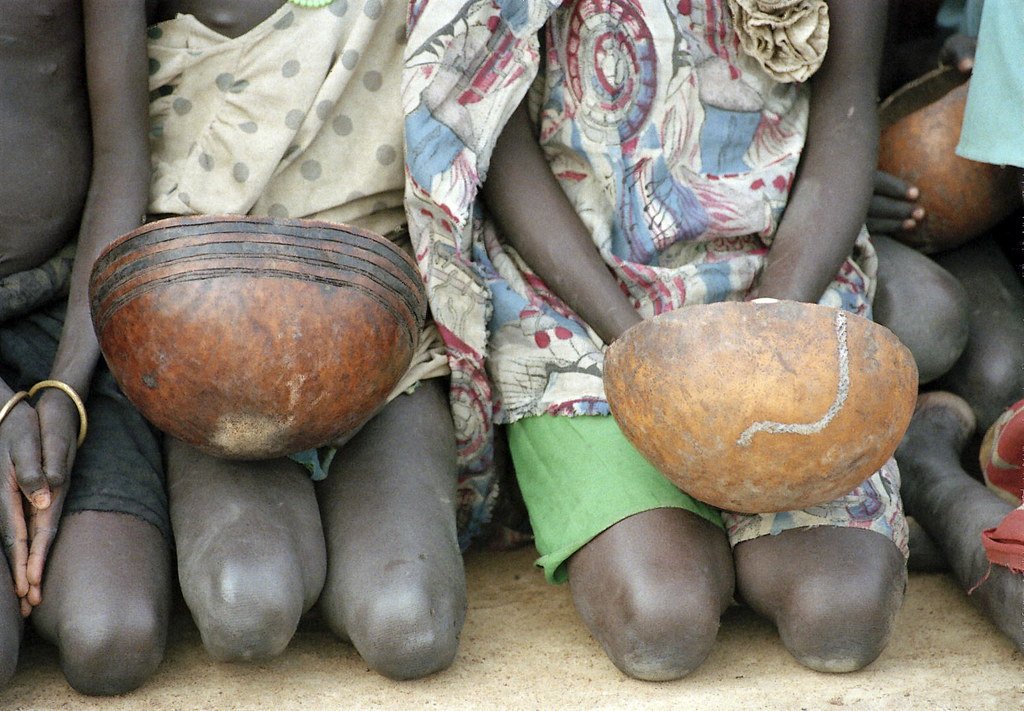
Children in Bahr El Ghazal, Sudan wait for food from the World Food Programme. United Nations Photo. CC BY-NC-ND 2.0.
Famine was officially declared in Sudan more than five years ago, due to a variety of factors which range from climate change to political unrest. South Sudan was engaged in a civil war for roughly five years from 2013, which tragically left about 4,000 people dead and a staggering four million displaced and fleeing. While a ceasefire was reached in 2018, peace was rocky and sporadic attacks continued to make production nearly impossible for Sudanese farmers.
With famine being officially declared in 2017, the suffering still raged on in 2019, when extreme rain and flooding began to hit Sudan. The flooding continues in 2022, as the global political situation only makes matters worse in Sudan. The war between Ukraine and Russia has had an impact on Sudan in a number of ways. With over half of Sudan’s wheat being exported from the Black Sea region in Turkey, the war has caused food prices to skyrocket. Additionally, food aid programs are primarily focusing their efforts on Ukraine at the moment. While Ukraine clearly needs aid as well, Sudan has been all but abandoned and ignored in this dire moment due to global attention to other political conflicts.
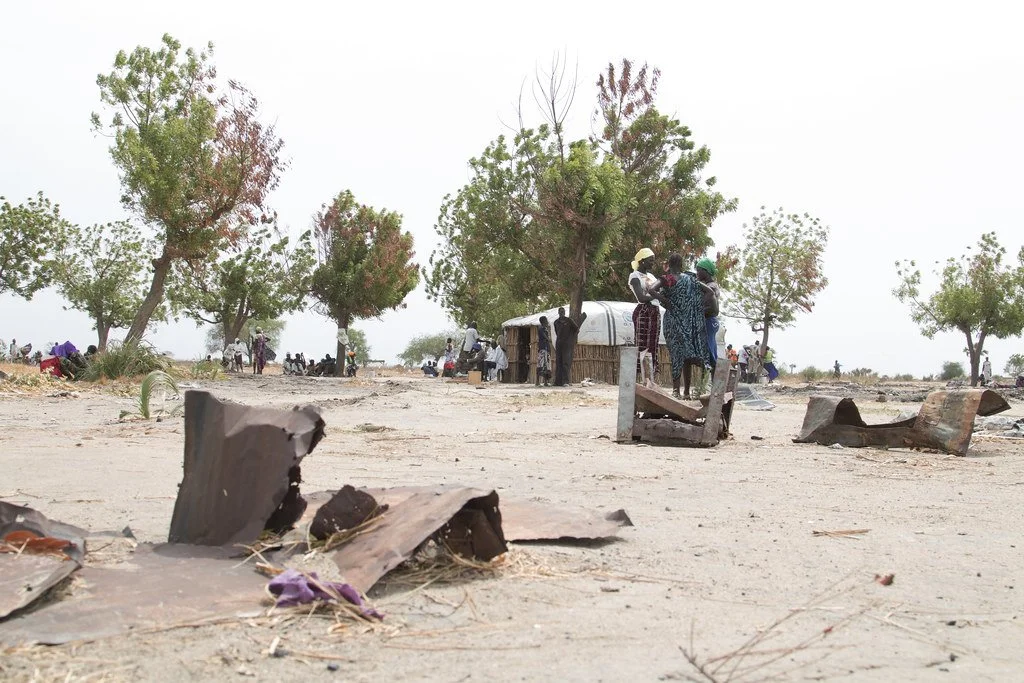
What used to be a market in Thonyor, Sudan. DFID - UK Department for International Development. CC BY 2.0.
CBS News interviewed a Sudanese mother, Nyabany Kong, who reported not having eaten in two weeks. Like many others, she had to flee her home, which was subject to torrential floods that completely destroyed her farm. Kong has also lost her husband and her other child to this flooding and famine. Kong’s horrifying story is one of thousands.
Get Involved
Unfortunately, Sudan’s situation has been exacerbated severely by aid organizations lacking funds due to massive allocation to Ukraine. The best way to get involved is to donate to food relief organizations such as The World Food Programme, which is trying to get as much food as possible to Sudan, but simply doesn’t have the funds to do so. If monetary donations are not an option, simply spreading the word about the crisis and suffering in Sudan is also essential. Unfortunately, the western world often gets weary when spreading awareness, and suffering continues without any attention. The war in Ukraine has also required a lot of attention and money, which has drained Sudan of aid even more than before. Doing your own research about this conflict and then alerting the people in your life to the critical need in Sudan can also help organizations deliver the resources that are needed.

Calliana Leff
Calliana is currently an undergraduate student at Boston University majoring in English and minoring in psychology. She is passionate about sustainability and traveling in an ethical and respectful way. She hopes to continue her writing career and see more of the world after she graduates.
Structural Violence: How Societal Factors Affect Health
Income, race and geographic location are often weaponized against communities, preventing them from accessing and achieving health and wellness.

A routine doctor’s appointment may be rare for those living in poverty, causing them to not seek treatment for incipient medical issues. #PACOM. CC BY-NC-ND 2.0.
Income, geographical location, climate and access to resources all affect people’s health in various ways. Indeed, it is rare to get malaria, a mosquito-borne disease in the Arctic. It is also comparatively easier for a wealthy person who has access to top-notch treatments to recover from cancer than a disadvantaged person who cannot afford a routine doctor’s appointment. These societal factors have a proven link to health outcomes, and they are usually not controlled by individuals. To fully foster public health, it is necessary to eliminate those societal factors that precipitate health concerns.
There are both biological and societal factors that affect health. Biologically, genetics can affect one’s health, as the causal relationship between genetics and diseases such as cystic fibrosis have been demonstrated through medical research. However, biological factors are not the only thing that affects health; societal factors do as well. The World Health Organization (WHO) defines social determinants of health as:
The non-medical factors that influence health outcomes. They are the conditions in which people are born, grow, work, live, and age, and the wider set of forces and systems shaping the conditions of daily life. These forces and systems include economic policies and systems, development agendas, social norms, social policies and political systems.
Sometimes, the system itself is rigged against a substantial part of the population from attaining complete physical, social and emotional well-being. That is called structural violence. These arrangements are ‘structural’ because they are “embedded in the political and economic organization” of society, and they are ‘violent’ because they harm people, whether physically or not.

Lowndes County, Alabama, where the low-income Black population suffers disproportionately from hookworm infections due to structural violence. jimmywayne. CC BY-NC-ND 2.0.
One example of these biosocial determinants and structural violence in play can be found in rural Alabama, where hookworm, a disease thought to be eradicated years ago, is making a resurgence in Lowndes County. That county is 72% Black and has a poverty rate of 21.9%, almost double the national average of 11.4% in 2020. Low-income Blacks in the county are more prone to hookworm because they live next to pools of raw sewage, the perfect breeding ground for the worms.
Structural violence is also at play here, as the Black population live near the pools of raw sewage because they cannot afford proper sewage systems. The local and state government, in turn, perpetuates this problem by turning a blind eye on the issue and not providing any assistance to the residents. Through no fault of their own, Blacks in Lowndes County have a heightened risk for hookworm due to the circumstance in which society makes them live.
Cultural practices can also precipitate or hinder disease. West African countries that already had fragile healthcare systems were particularly affected by the 2014 Ebola outbreak because of cultural practices regarding funerals. In those cultures, funerals involve washing the dead body by hand before burial and paying respect to the dead through physical contact, both of which are exceptionally high-risk activities with regards to the spread of Ebola, since the virus is still present in the corpse. Controlling the Ebola outbreak must address these cultural issues.
Finally, around the world, food deserts are scattered around urban centers, usually located in areas of poverty. Food deserts are areas with a dearth of supermarkets and other sources of healthy foods, forcing people living there to travel further for quality foods or to settle for cheaper unhealthy foods. Since many food deserts are in areas of poverty, the people living in those areas usually have no choice but to buy cheap foods with subpar qualities. The unhealthy diet of many in those areas lead to higher rates of obesity and cardiovascular disease.
Structural violence affects food deserts, as the economic disincentives for healthy food sources to serve low-income areas show that society does not provide adequate support to them. In northern Ireland, food deserts are especially pronounced since 32% of households do not have a car. Some food deserts are the result of years of neglect of marginalized communities. Failure of the UK government to provide adequate public transportation in northern Ireland demonstrates that neglect.
Simply treating disease without regard for the underlying causes of it will not eliminate the issue. To eliminate hookworm, proper sanitation services must be implemented. Containing Ebola means educating local communities about safe methods to bury the dead in a way that does not denigrate their culture. To eliminate obesity, focus should be on providing access to healthy foods instead of just telling people to change their diet. It is important to treat diseases as complex issues instead of having a singular focus on the cure. Removing societal barriers to good health is instrumental in ensuring the physical, social and emotional health for all.
To Get Involved
The organization Partners in Health serves to improve healthcare in developing countries through patient-provider partnerships. Partners in Health works to create sustainable healthcare systems that serve all, emphasizing healthcare as a human right.
Often, the best way to remove the societal factors that affect health negatively is by advocacy. Writing to your elected officials is a good way to draw attention to those issues, which may spur them to act on your recommendations. To find your representative in Congress, click here.

Bryan Fok
Bryan is currently a History and Global Affairs major at the University of Notre Dame. He aims to apply the notion of Integral Human Development as a framework for analyzing global issues. He enjoys hiking and visiting national parks.
Avoiding the Crowds: 10 Alternatives to the Most Popular National Parks in the United States
There are many sites around the country to visit instead of the most popular national parks, helping to relieve their ecosystems.
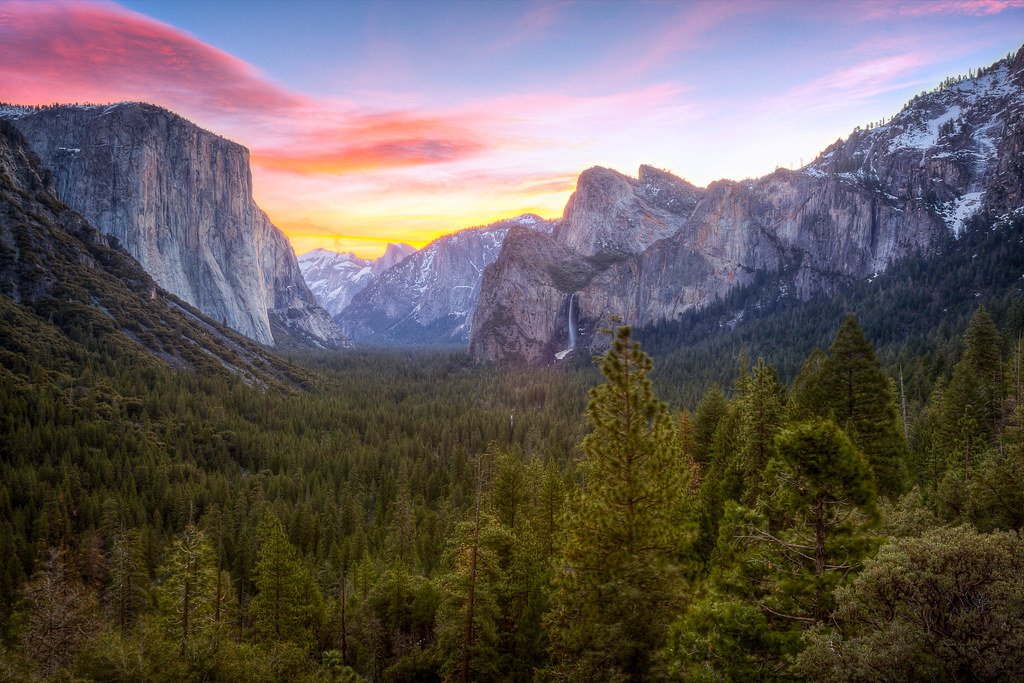
Yosemite Valley, one of the highlights of America’s National Park Service. Jeff Krause Photography. CC BY-NC-ND 2.0.
U.S. national parks are more popular than ever. This may sound like a cliché, but it is actually a growing problem. In 2021, America’s national parks received almost 300 million visitors, up 25% from 2020. This increase in visitors is causing strain on the natural environment of those places. In addition, the overcrowding of some national park sites make for an unpleasant experience for visitors. However, many of the visitors to the U.S. National Park Service sites concentrate themselves in a few popular parks. It is possible to have similar experiences at other sites with less crowds. Here are alternative sites to visit for the 10 most popular national parks in the United States.
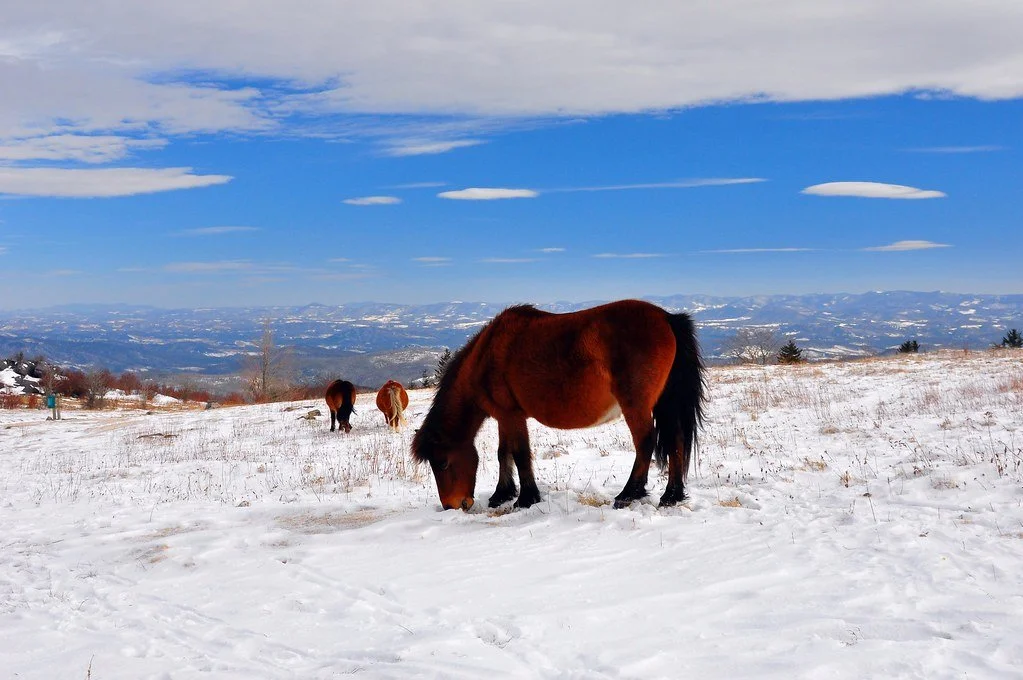
1. Instead of Great Smoky Mountains National Park, go to Grayson Highlands State Park in Virginia.
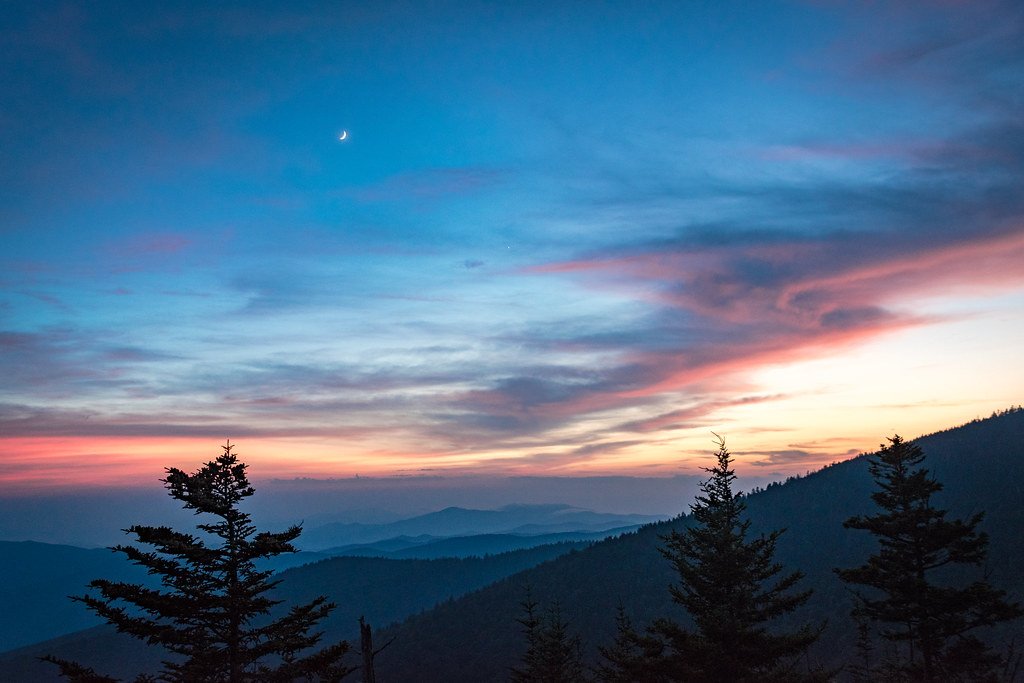
Great Smoky Mountains National Park. jody.claborn. Public Domain Mark 1.0.
Grayson Highlands State Park. vastateparkstaff. CC BY 2.0.
The Great Smoky Mountain National Park, which straddles the Tennessee-North Carolina border, is the one of the nation’s most popular national parks, receiving an all-time high of 14.1 million visitors in 2021. The park preserves towering mountains and hosts unique ecosystems. Similar landscapes can be found all over the Southern Appalachians, with the Grayson Highlands State Park in Virginia a similar alternative. Grayson Highlands State Park is the home of the state’s highest peak, Mount Rogers, as well as the home of wild ponies. The treeless mountaintops there also make for sweeping views.
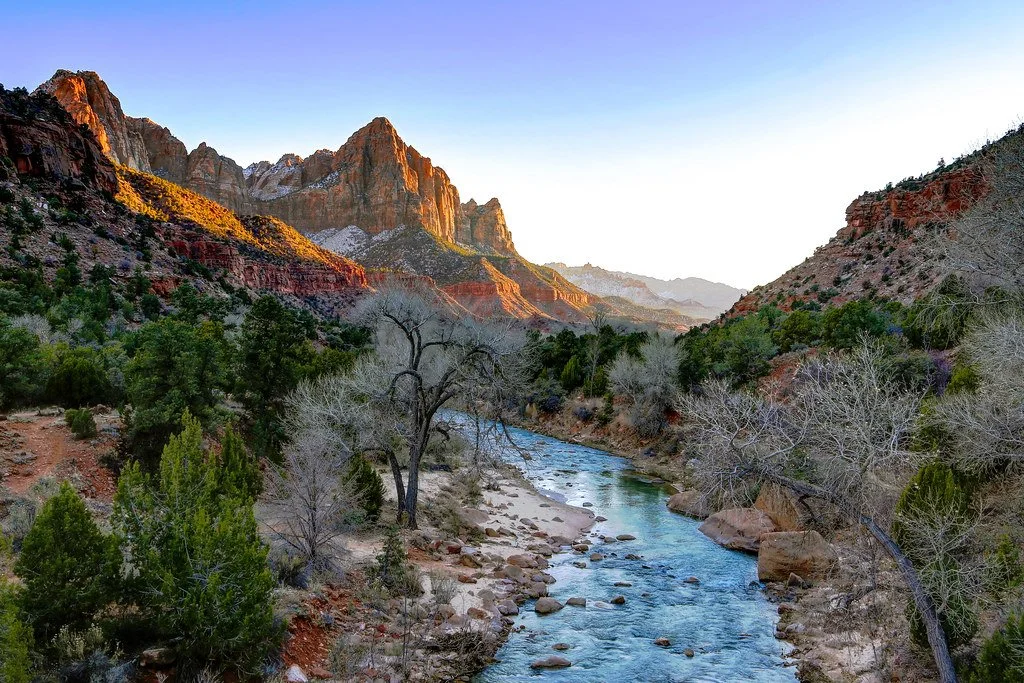
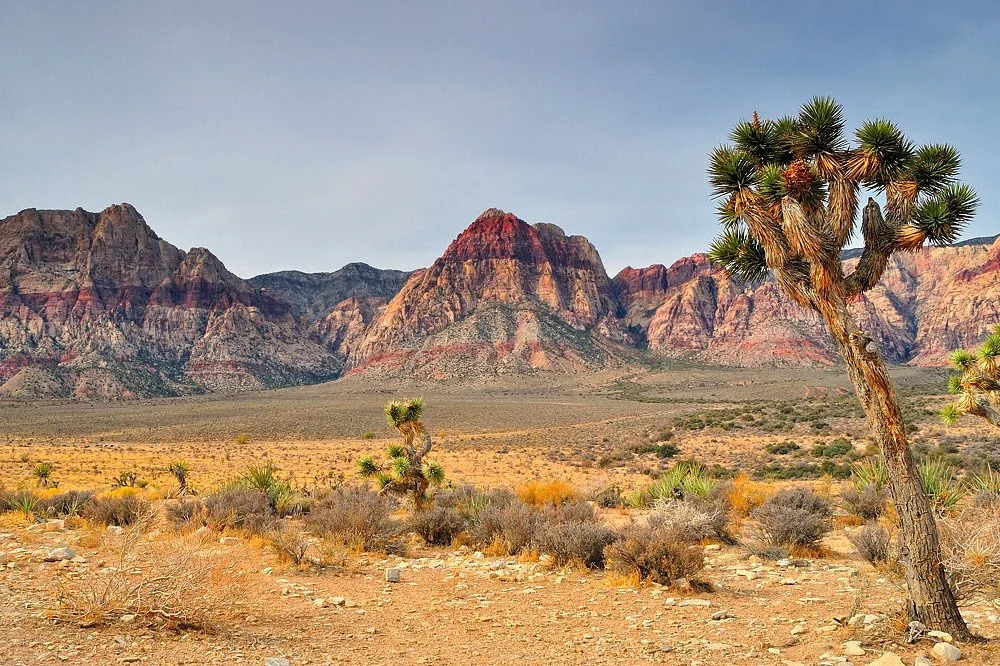
2. Instead of Zion National Park, go to Red Rock Canyon National Conservation Area in Nevada.
Zion National Park. Joe Parks. CC BY-NC 2.0.
Red Rock Canyon National Conservation Area. andrew c mace. CC BY-NC-SA 2.0.
Zion National Park in Utah features deep, narrow canyons with colorful layers of rock. Famous hikes in the park include the Narrows, a trek through a narrow slot canyon, and Angel’s Landing, a hike up an exposed promontory leading to wide views of Zion Canyon. Visitors at the second most popular national park are concentrated at two small areas, Zion Canyon and the Kolob Canyons area, due to the rugged landscape. Similar canyon areas with colorful rock layers can be found in Red Rock Canyon National Conservation Area, just outside of Las Vegas. Visitors can explore the canyons and sandstone formations there. For the more adventurous, there are trails that take hikers to the peaks of nearby mountains.
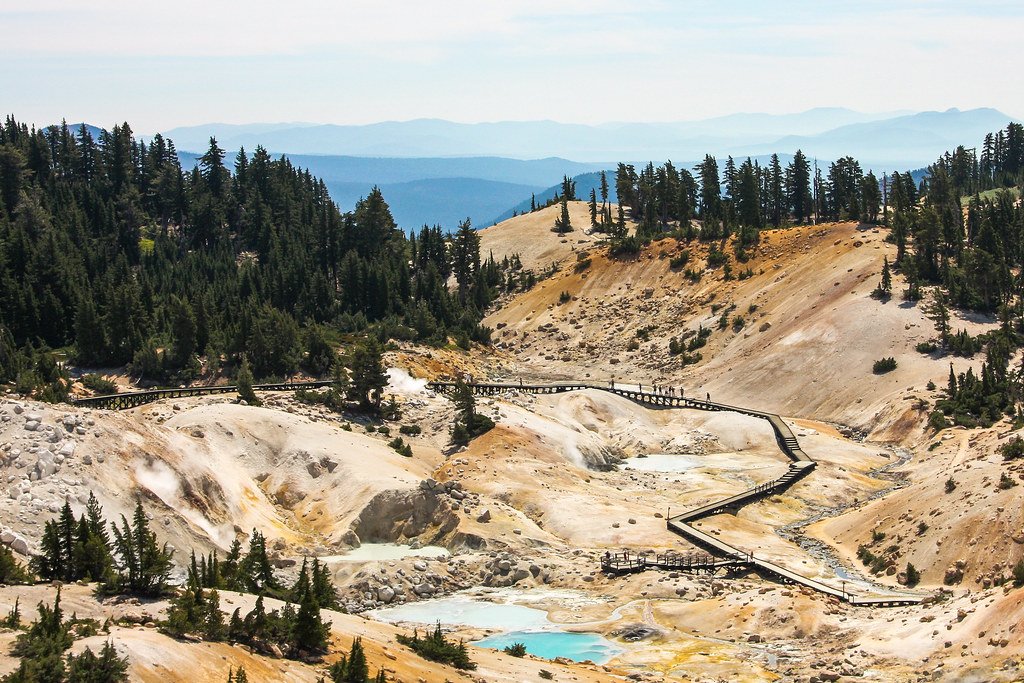
3. Instead of Yellowstone National Park, go to Lassen Volcanic National Park in California.

Yellowstone National Park. James St. John. CC BY 2.0.
Lassen Volcanic National Park. Joe Parks. CC BY-NC 2.0.
Yellowstone, the world’s first national park, is full of unique geothermal features like hot springs and geysers and a variety of rare wildlife. However, it is not the only place in the United States where thermal features are found. In Northern California, Lassen Volcanic National Park also has geothermal features. The most pronounced of those are located in Bumpass Hell, a 3-mile hike from the main park road. As Lassen Peak most recently erupted in 1917, the remnants of that eruption can be seen in the Devastated Area. Volcanic activity has shaped the park, morphing it into an area teeming with geothermal activity.
4. Instead of Grand Canyon National Park, go to Palo Duro Canyon State Park in Texas.

Grand Canyon National Park. Grand Canyon NPS. CC BY 2.0.
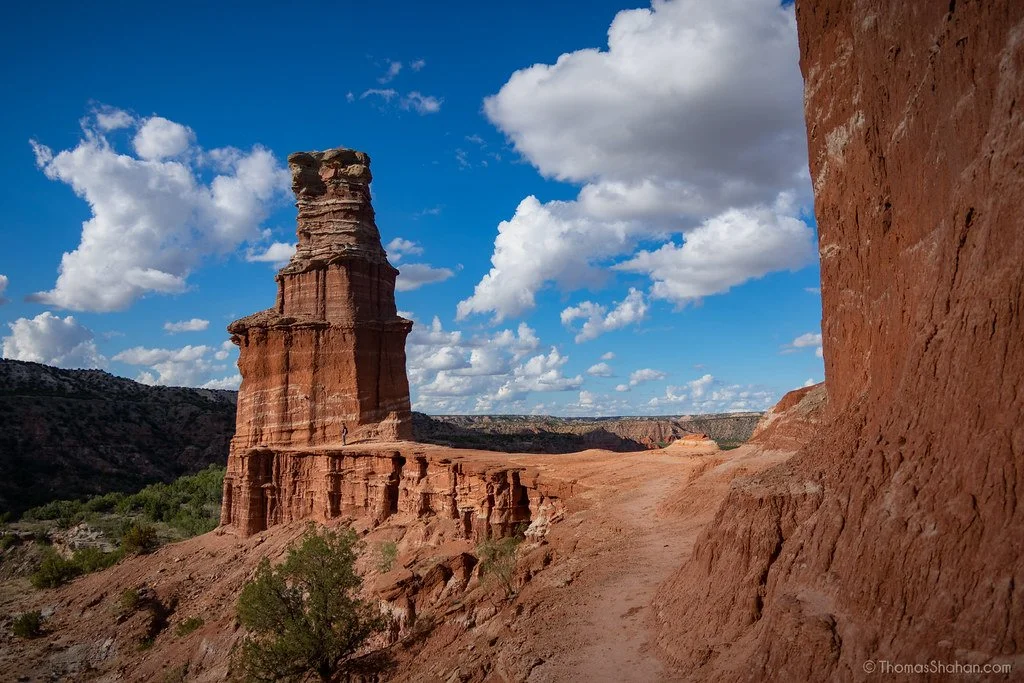
Palo Duro Canyon State Park. Thomas Shahan 3. CC BY 2.0.
The Grand Canyon of Arizona is the largest canyon in the United States, where the Colorado River carves out the Kaibab Plateau. Each rim, the North and South, offers a different experience to visitors, with the North Rim being more remote and secluded. The second largest canyon in the United States is the Palo Duro Canyon in Texas, which is a less crowded alternative to the Grand Canyon. The Palo Duro Canyon is formed by the Red River eroding the land, forming colorful strips of rock. Visitors can take part in a glamping (luxury camping) experience at the state park, as well as horseback riding into the canyon.
5. Instead of Rocky Mountain National Park, go to San Juan National Forest in Colorado.

Rocky Mountain National Park. Dusty J. CC BY 2.0.
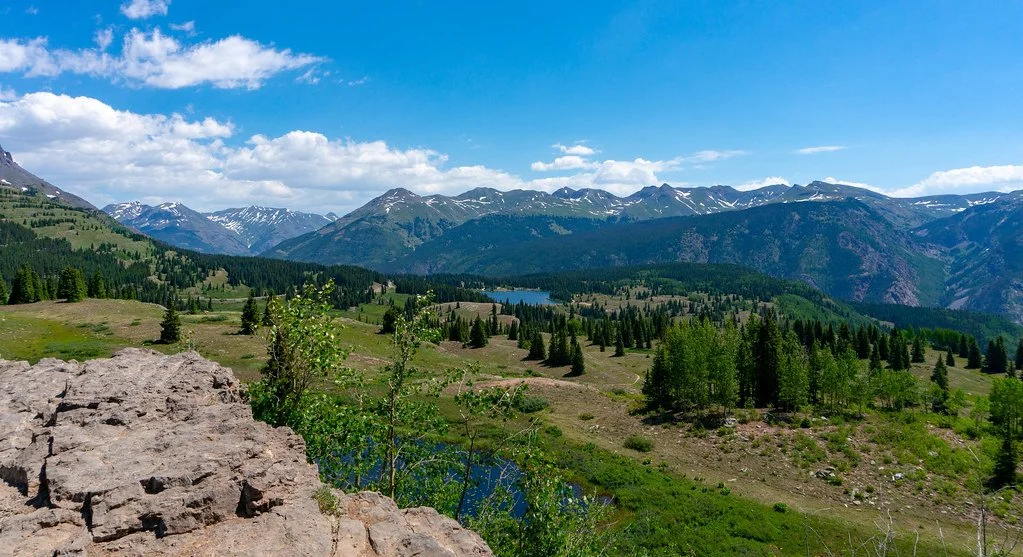
San Juan National Forest. stefanserena. CC0 1.0.
Rocky Mountain National Park in Colorado is regarded by some as the quintessential Rocky Mountain landscape. However, it only has one mountain higher than 14,000 feet: Longs Peak. The highest concentration of 14,000 feet peaks can be found in the southwest corner of the state in San Juan National Forest. In that wide span of mountains, hikers can seek solitude in the 2,399 miles of trails. There is also a scenic train ride between Durango and Silverton that allows riders to view the heart of the San Juan Mountains without much physical exertion.
6. Instead of Acadia National Park, go to White Mountain National Forest in New Hampshire.

Acadia National Park. moonjazz. CC BY-NC 2.0.
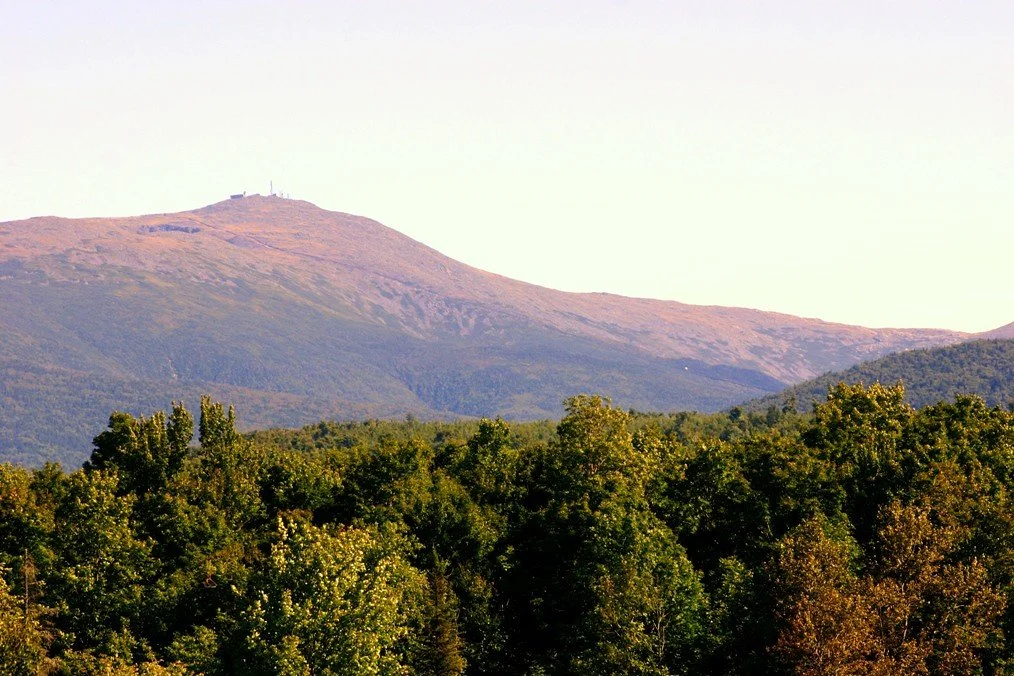
White Mountain National Forest. johncudw2399. CC BY-NC 2.0.
The convergence of mountains and the coast, along with its proximity to several northeastern cities, make Acadia National Park a popular place to visit. The crashing waves along the rocky shore makes for some chaotic scenes, and Cadillac Mountain is the first mountain in the United States to see the sunrise. But, the tallest mountains in the Northeast are located in White Mountain National Forest in New Hampshire. Mount Washington, the tallest mountain in the state, has famously unpredictable weather, being the site of the highest wind speed ever recorded. A cog railway takes visitors up the mountain.
7. Instead of Grand Teton National Park, go to the Wind River Range in Wyoming.

Grand Teton National Park. fortherock. CC BY-SA 2.0.
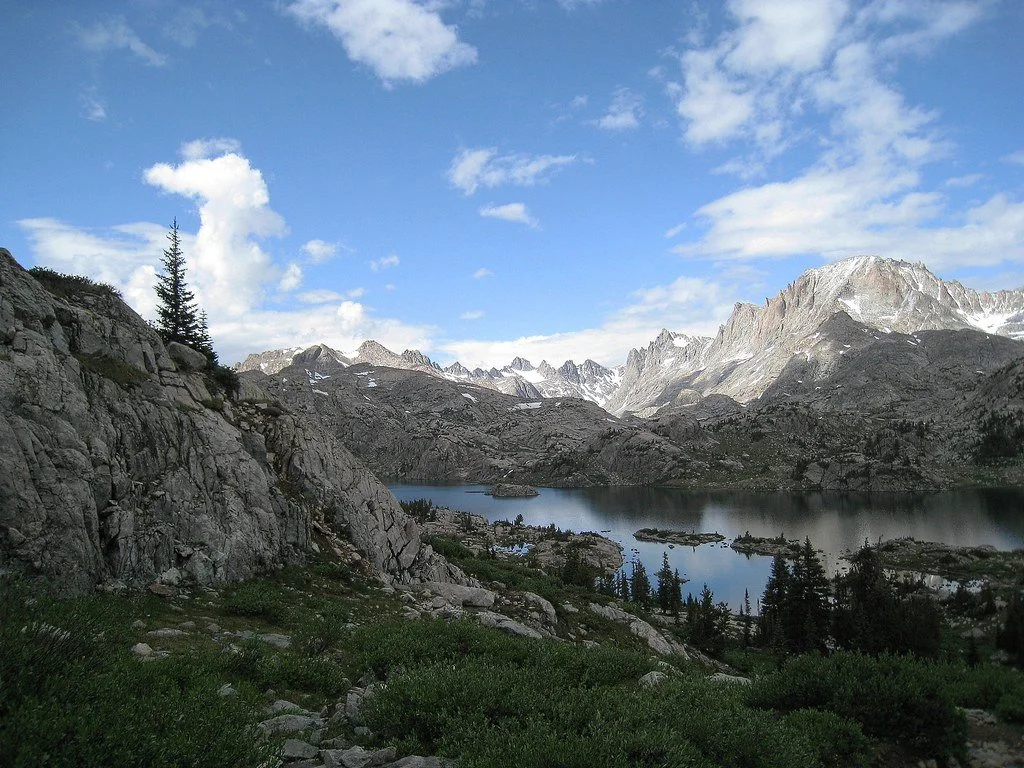
Wind River Range. LoneWolfMontana. CC BY-NC-ND 2.0.
Grand Teton National Park, located just south of Yellowstone, hosts a number of iconic views, from the rugged peak of Grand Teton itself to the T.A. Moulton Barn. Its lakes are a popular place for boating. While visitors crowd the viewpoints at Grand Teton, the nearby Wind River Range, which is shared by the Shoshone National Forest and the Bridger-Teton National Forest, offers much more solitude. Like Grand Teton, there are no roads in the interior of the Wind River Range, and adventurous travelers go on multi-day treks into the center of the mountain range. Gannett Peak, the tallest mountain in Wyoming, is located in the Wind River Range.
8. Instead of Yosemite National Park, go to the Alabama Hills in California.
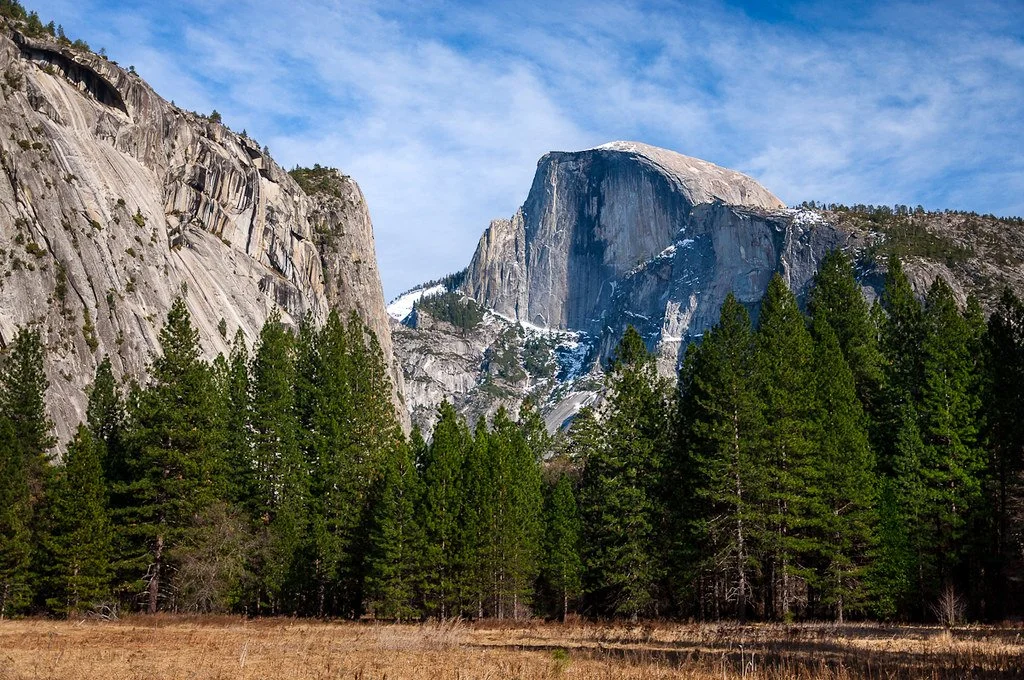
Yosemite National Park. Eric Leslie. CC BY-NC-SA 2.0.

Alabama Hills. RS2Photography. CC BY-NC-ND 2.0.
Yosemite National Park offers majestic landscapes shaped by the remnants of glaciers in the Sierra Nevada mountains. Outside of Yosemite Valley, snowy peaks and bare mountains characteristic of the Sierra Nevadas abound. For a more quiet experience of the Sierras, visitors should consider the “other side” of the mountains, more specifically, the Alabama Hills. Located around the town of Lone Pine, those hills just below the highest peaks of the Sierras include unique geological formations. Hikers can also climb Mount Whitney, the tallest mountain in the contiguous United States. Mono Lake, by the town of Lee Vining, also offers a look at an endorheic salt lake.
9. Instead of Indiana Dunes National Park, go to Pictured Rocks National Lakeshore in Michigan.
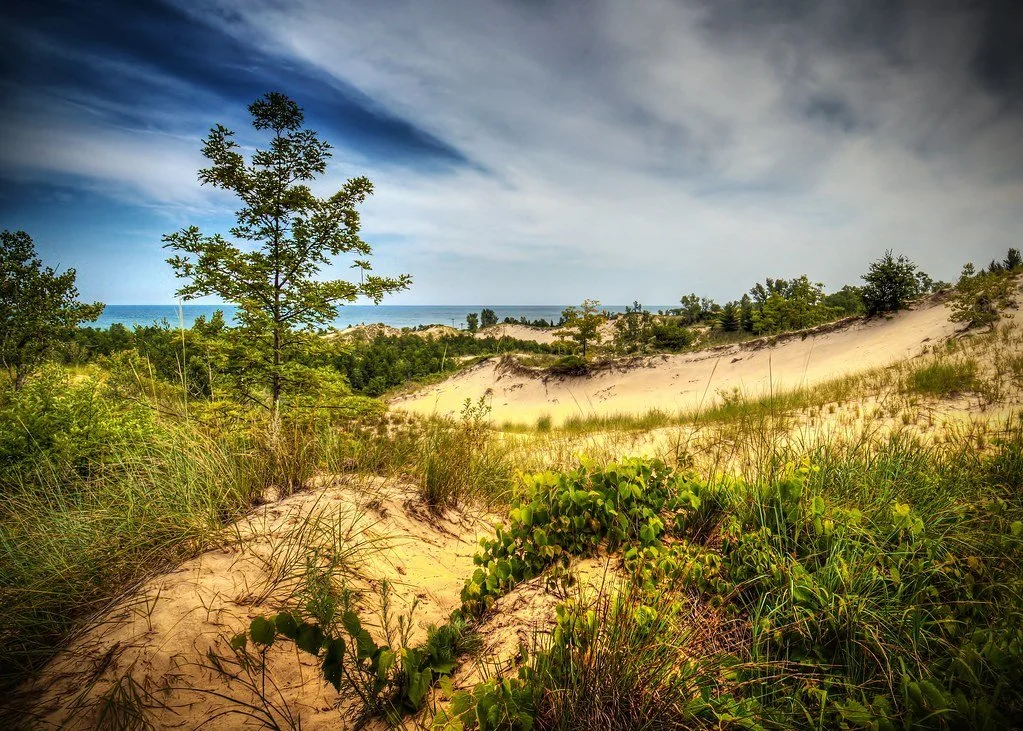
Indiana Dunes National Park. toddwendy. CC BY 2.0.

Pictured Rocks National Lakeshore. kirsten.elise. CC BY-NC-SA 2.0.
As one of the newest national parks, only gaining the status in 2019, Indiana Dunes National Park preserves a unique ecosystem in Northwest Indiana just an hour outside of Chicago and South Bend. The beaches along Lake Michigan are popular in the summer and the South Shore Line railroad provides added accessibility by having a few stations in the vicinity. However, Indiana Dunes can get overcrowded in the summer, and Pictured Rocks National Lakeshore on the Upper Peninsula of Michigan provides a more rustic experience. At Pictured Rocks, there are sand dunes like in Indiana Dunes, but also cliffs and waterfalls. While a multi-day hike along the North Country Trail will take intrepid travelers to all of the major sites, most of them are also accessible by car.
10. Instead of Glacier National Park, go to North Cascades National Park in Washington.
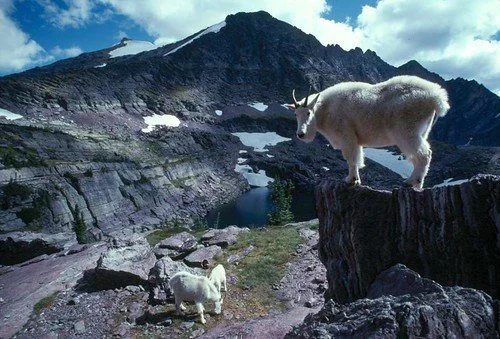
Glacier National Park. U.S. Geological Society. CC0 1.0.

North Cascades National Park. i8seattle. CC BY-NC 2.0.
In a place known for its namesake feature, Glacier National Park has relatively few of them. There are only 25 glaciers in the park and the last of them may be gone by 2030 due to climate change. However, there are 300 glaciers in North Cascades National Park, only a bit more than 2 hours away from Seattle. The main road through North Cascades goes through a deep valley with turquoise blue lakes, colored by the minerals carried by the glaciers. The end of the 23-mile unpaved Cascade River Road leads to a trail to Cascade Pass, which rewards visitors with scenic views of Forbidden Peak and Boston Mountain.

Bryan Fok
Bryan is currently a History and Global Affairs major at the University of Notre Dame. He aims to apply the notion of Integral Human Development as a framework for analyzing global issues. He enjoys hiking and visiting national parks.
The Night Markets of Taiwan
One of the most well-known attractions in Taiwan are the night markets where people flock for delicious food, shopping and games.
Read MoreThe Danger of Selective Dog Breeding
Selective breeding has produced many of the dog breeds we know and love today, but also poses a serious threat to their safety.

Great Danes are selectively bred in order to maintain their large size. Paul Brennan. CC0.
Out of the over 300 dog breeds alive today, many are the result of a process called selective breeding. Dating back almost 200 years, the practice has resulted in many of these breeds developing significant health problems as a result of their breeding. Breeders bred dogs to create or accentuate physical characteristics that were considered aesthetically pleasing to their customers, like the tiny physiques of toy and teacup poodles or the flat faces of French bulldogs.
Selective breeding describes the specific selection of dogs to mate in order to produce a litter with specific traits. In theory, this will allow breeders to add, remove or change various characteristics of the offspring depending on what their clients are looking for. This, of course, takes place in contrast to natural breeding which is when the mating process between the dogs is left up to them.

A newborn litter of purebred St Bernard puppies at a breeding center. Royvon. CC BY-NC 2.0.
The motivations behind selective breeding fall broadly into two categories, the first being the desire to breed purebred dogs. In order to have a litter of purebred puppies, breeders must ensure that both parents come from pure lineages of the breed in question. This type of breeding largely occurs when buyers are looking to show their dogs at competitions, although some may simply have a preference for purebreds.
The second main cause of selective breeding has to do with the addition, removal or reinforcement of certain traits. By mating a dog that displays a certain dominant trait with one that doesn’t, breeders can introduce the trait into the lineage. Similarly, if breeders are trying to produce dogs that are specifically skilled in certain areas -- hunting, trainability or strength, for example -- they will likely choose to mate dogs that display these traits in order for the offspring to receive them as well. Conversely, by mating a dog with an undesirable trait with a dog that doesn’t, it will be much less likely for the offspring to display the trait. This last technique is often done when breeders are trying to remove traits for certain heritable diseases.

Teacup poodles are the product of selective breeding and are also at risk of a large variety of health problems because of their miniature size. Animal Corner. CC BY-NC-ND 2.0.
While there can be benefits to selective breeding like preventing the inheritance of certain disease-causing genetic traits, the process is still a very controversial one because of the many dangers associated with it. Most prominently among these are the many unethical breeders who treat their dogs very badly in order to maximize the production of offspring. Because selective breeding can be a very lucrative business, especially when producing purebred puppies that will go on to compete, it is extremely important to choose a breeder who prioritizes the health and safety of the dogs over their profit. It is also very important to find breeders who don’t engage in inbreeding (forcing dogs who are related to one another to mate), as this can cause a variety of health problems ranging from decreased immunity to genetic disorders.

Bulldogs are one of the many breeds of dog that have arisen from selective breeding. Stockvault. CC0.
Breeding dogs that are too genetically similar can also worsen pre-existing health conditions in the parent dogs. A very common example of this occurs in bulldogs which were selectively bred in order to accentuate their stout physiques. Their skulls were enlarged, snouts and legs shortened and underbite exaggerated, all to produce a dog that looked appealing to customers. The breeding is so extreme that almost 95% of bulldog births must be achieved by Cesarean section because the puppies’ heads are too large for the mother to give birth naturally. Their flattened faces tend to cause respiratory problems, while their excessive folds of skin can result in skin infections and eyelid problems. Their forcibly shortened limbs and tails often develop joint problems, and their eyesight may also be compromised due to the weight of the excessive skin around their faces.
All of these health issues can be directly traced back to the selective breeding that created the breed in the first place, and bulldogs are just one of many such examples. Until money stops flowing into the industry however, putting a complete end to selective breeding will prove extremely difficult.
TO GET INVOLVED
Many animal rights groups have long been advocating for the end of selective breeding given the potential risk to the dogs. Prominent among these are People for the Ethical Treatment of Animals (PETA), a group which has long demonstrated against animal abuse and the wrongful breeding practices. The Dog Breeding Reform Group (DBRG) has published a number of welfare reports on the state of dog breeding in the UK. The Universities Federation for Animal Welfare (UFAW) also provides a number of resources to prospective pet owners about the dangers of selective breeding and better alternatives.
To discover more about PETA’s position, click here.
To read the DBRG’s welfare reports, click here.
To explore the UFAW’s resources, click here.
The Camino de Santiago: Hiking a Medieval Pilgrimage
This pilgrimage has seen a modern revival and is now a popular hiking route for those seeking a spiritual or physical retreat.
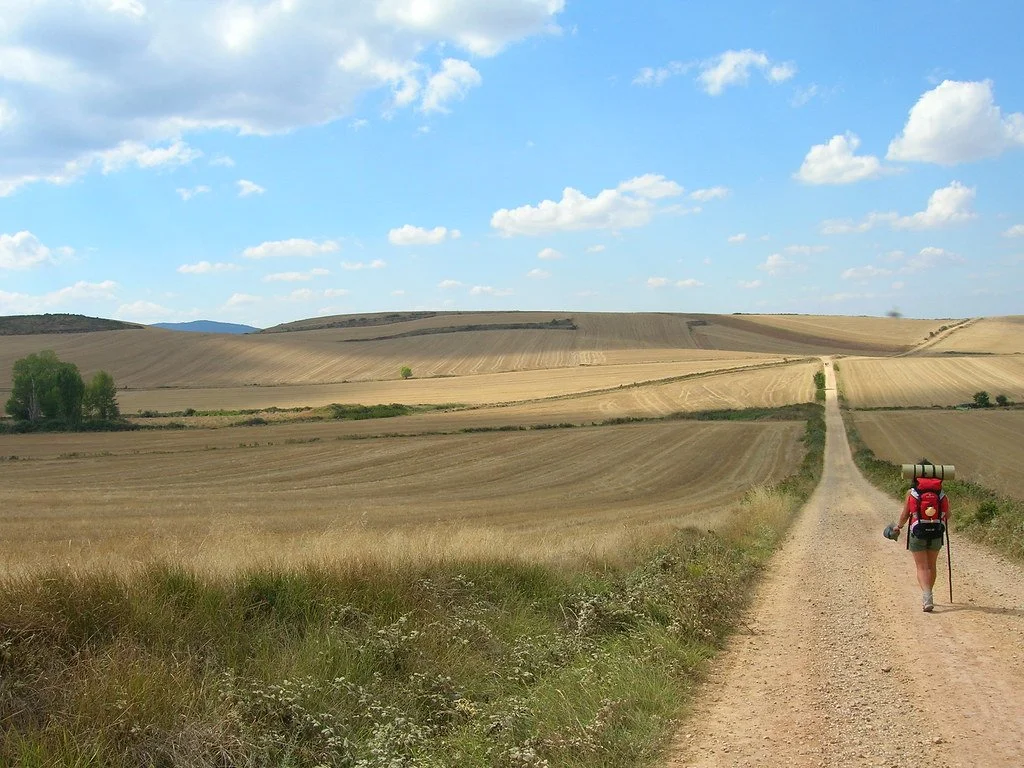
A hiker on the Camino de Santiago trek through rolling hills. FreeCat. CC BY 2.0.
The apostle St. James had done considerable missionary work in Iberia when he was martyred in Rome in A.D. 44. After his death, his remains were transported to Galicia in modern-day northwest Spain, where they were discovered in the 9th century at the city of Santiago de Compostela. That discovery caused the site to become a pilgrimage destination, as many wanted to visit the relics of St. James for spiritual growth. A romanesque cathedral was built in the city, the destination of the pilgrimage that would be called the Camino de Santiago (Way of St. James in English, or just the Camino) in 1078, which further cemented the status of the pilgrimage as one of the most important in the Christian world.
The late Medieval period, roughly the 12th and 13th centuries, was the heyday for the pilgrimage. However, as the political situation in Europe got unstable, especially with the onset of the Protestant Reformation and religious wars, the Camino fell into decline.
Starting in the late 20th century, the Camino experienced a resurgence, thanks to people like Father Don Elías who marked the path after centuries of disuse and promoting it to a wider audience. Today, it is a network of hiking paths across Portugal and Spain that converge at Santiago de Compostela. In 2019, almost 350,000 pilgrims arrived at Santiago de Compostela.
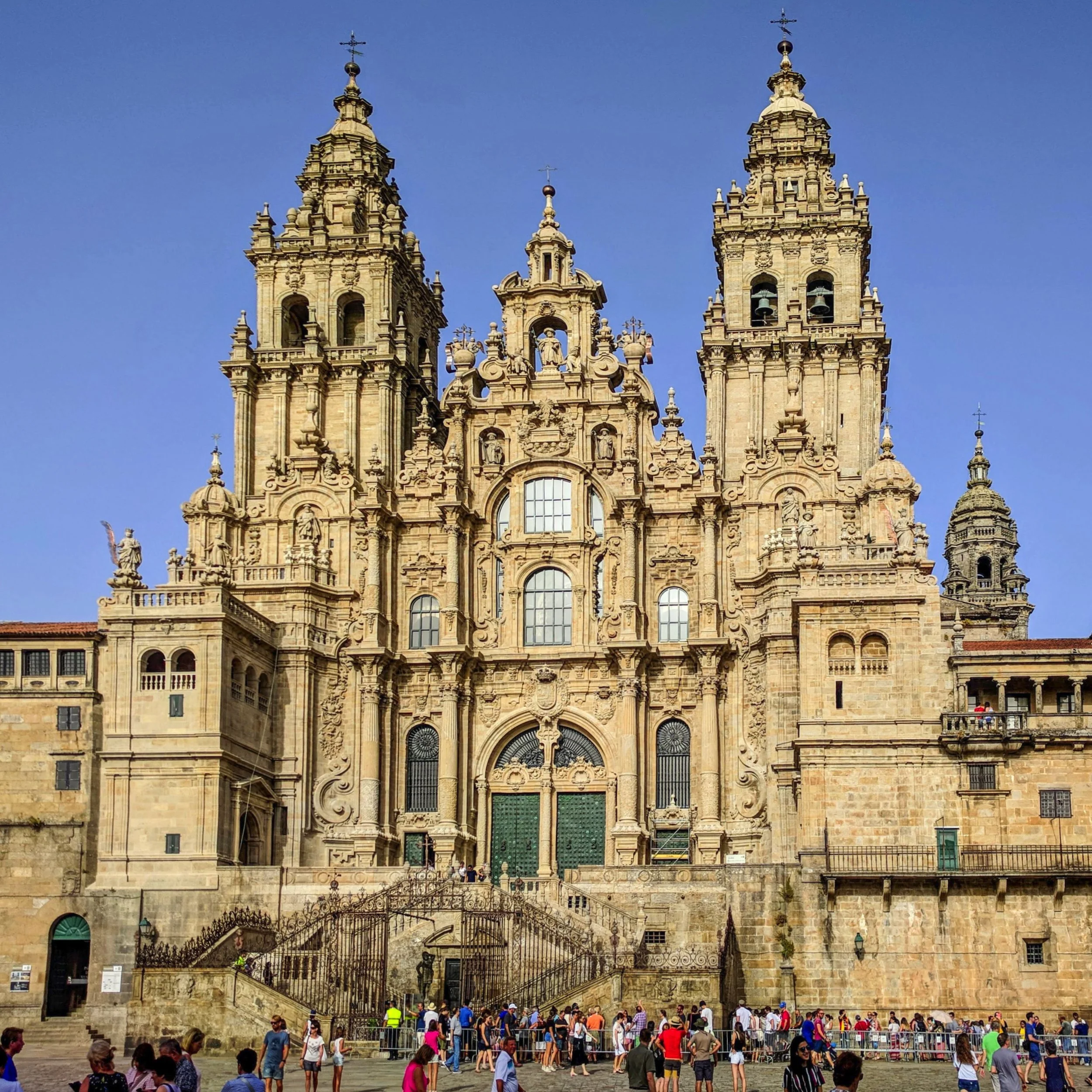
The cathedral at Santiago de Compostela serves as the culmination of the trek. CC BY-SA 4.0.
The experience of hiking the Camino is different from most other long-distance hikes such as the Appalachian Trail or the Pacific Crest Trail. While there are sweeping wilderness views, they are not the focus of the Camino. Instead, the focus is cultural. Hikers experience all the history the region has to offer, like the intricate Gothic churches and Medieval ruins. People take the trek for a variety of reasons, including for a spiritual awakening, physical challenge, or cultural experience.
Similarly, unlike a traditional hiking trail, the Camino is actually a network of paths that converge at Santiago de Compostela. Hikers can start anywhere they like and make their way to Santiago. There are, however, several defined routes that modern hikers usually follow, with the most popular being the French Way, which starts in the town of St.-Jean-Pied-de-Port in France and winds nearly 500 miles along northern Spain to Santiago de Compostela. Other routes criss-cross Iberia; some start in Portugal, others start in southern Spain, and still others go across northern Spain.
There are other differences from traditional long-distance hikes as well. Instead of camping out in the open every night, pilgrims on the Camino stay in ‘albergues,’ which are hostels specifically for pilgrims. There, pilgrims stay in bunks with other pilgrims and get to know them. Camping is discouraged and widely prohibited outside of designated campsites in Spain. There are pricier options, such as hotels, for travelers who prefer a more luxurious experience.
Lastly, in order to gain all of the benefits of being a pilgrim, such as the completion certificate and access to some albergues, it is necessary to show a pilgrim’s passport. The passport can be stamped at various locations along the way to Santiago de Compostela, which is proof that one has walked or biked the required distance. At Santiago, pilgrims who have walked at least 100 kilometers or biked 200 kilometers can show their passport for a certificate of completion at the pilgrim’s office.
While the Camino used to facilitate cultural exchange across Europe, today, it connects travelers from all over the world who wish to take part in this historic pilgrimage.

Byran Fok
Bryan is currently a History and Global Affairs major at the University of Notre Dame. He aims to apply the notion of Integral Human Development as a framework for analyzing global issues. He enjoys hiking and visiting national parks.
Belize: The World’s “Cradle of Chocolate”
Belize is home to some of the highest quality cacao farms in the world: meet some of the farmers and activists ensuring fair trade practices.
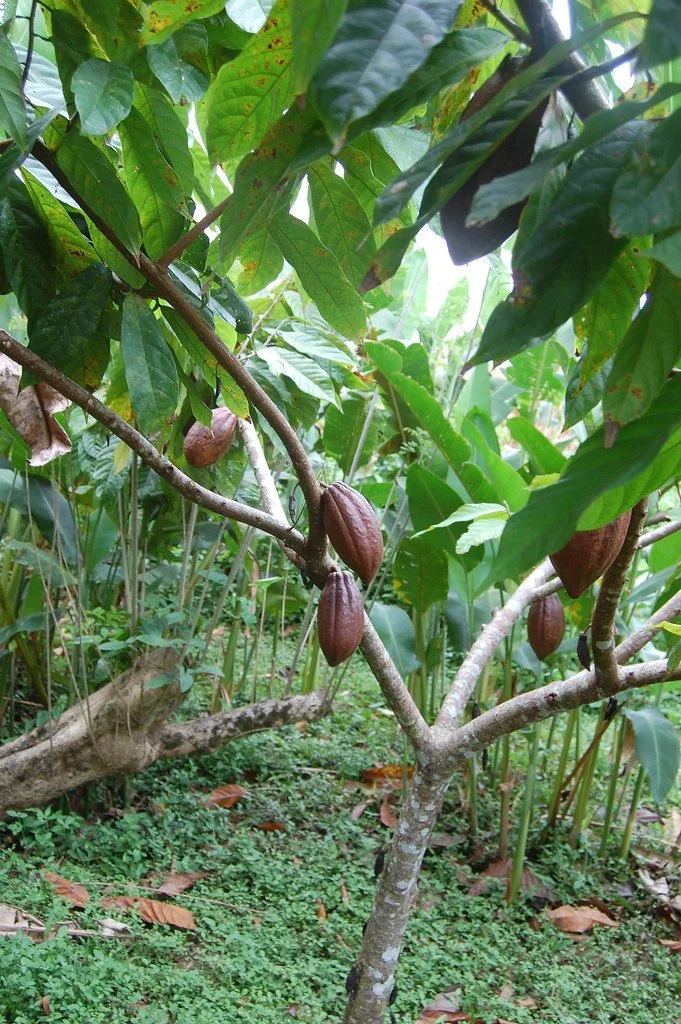
Cacao tree in Belize. Renee Johnson. CC BY-SA 2.0.
Many scholars believe Belize is the first place where cacao was cultivated. Cacao was very important to the Mayans who lived in Belize in ancient times, and artifacts have even been found in modern-day Belize to prove cacao’s historical significance. A “chocolate pot” used by the Mayans believed to be 2600 years old was found in Belize—a chocolate pot being a pot to serve a chocolate drink. Traces of cacao were found on the pot, and this drink is still common among some cacao farmers in Belize today.
In the 1980s, Hershey had a deal with the Belizean government to partner with cacao farmers to produce organic chocolate using the most up to date methods. Unfortunately, when the global price of chocolate dropped, Hershey abandoned the deal, as they were able to produce chocolate at a lower price elsewhere in the world. Belize’s chocolate production and exports essentially stopped for about ten years, leaving many farmers in dire financial situations.
Green & Blacks, an organic chocolate company founded in 1991, eventually partnered with the Toledo Cacao Growers Association to source organic, high quality and most importantly, ethically sourced cacao from the Toledo district in Belize. Since this partnership, the cacao industry in Belize has slowly been strengthened. Below are two examples of family-owned farms in Belize, as well as ways to support Belizean and Mayan chocolate companies.
Justino Peck is a cacao farmer from San Jose, Belize, and a chairman of the Toledo Cacao Growers Association. His farm is in partnership with Green & Blacks, and they produce a chocolate bar called Maya Gold which is marketed in Europe. Maya Gold chocolate was the first chocolate in the UK to be verified as Fair Trade in 1994. After being devastated by the decrease in price of cacao, Peck’s family was able to renovate their home and send one of their children to college after this deal. Peck also became a leader in his community: he lobbied the Belizean government on issues such as land rights and fair pay and working conditions for cacao farmers. Peck’s farm reflects the importance of being a mindful consumer: knowing where your goods come from can have a real, tangible impact on peoples’ lives.
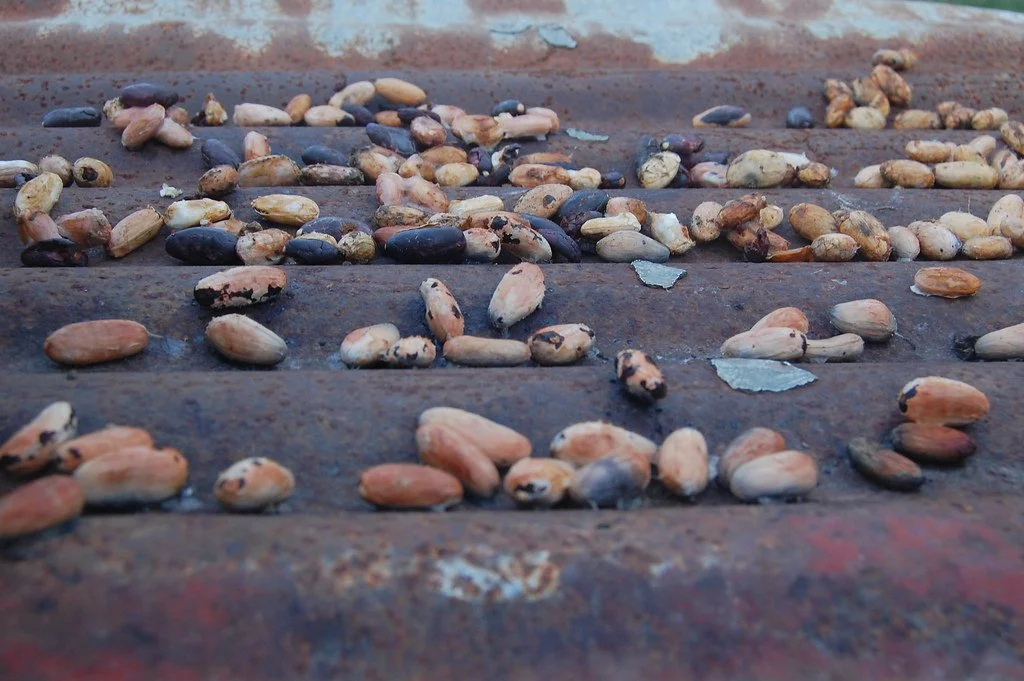
Cacao from Belize during the drying process. Renee Johnson. CC BY-SA 2.0.
Abelina Cho is the owner of a small chocolate company in San Felipe called Ixcacao. Cho is known as “Chocolate Queen”, and her farm is currently the only family-owned, Mayan chocolate producer today in Belize. Abelina Cho and her husband, Juan, are passionate about cacao’s cultural importance to Mayan people, and they produce dark chocolate the traditional Mayan way, without a recipe. Cho is shifting the credit for fine, high-quality chocolate back to the indigenous farmers who created these practices. Post colonization, high-quality chocolate was known as a European export, when really, it is Mayan farmers who created the practices used to cultivate cacao. Crediting the original creators of the chocolate we all enjoy, and paying them for their labor, is of the utmost importance.
TO GET INVOLVED
The best way to support small, Belizean-owned cacao producers is to be mindful of where you buy your chocolate from. Try to steer away from large corporations like Hershey, which are known to abuse and underpay their workers. Maya Gold chocolate—produced by both Justino Peck’s and Abelina Cho’s farms—is available throughout Europe and on many websites that ship to the U.S. and worldwide. Cho’s chocolate and other products are also available directly from the Ixcacao Mayan Belizean Chocolate website. If you ever find yourself traveling to Belize near the San Felipe area, Ixcacao farm also offers tours and chocolate making classes, where not only can you witness firsthand the historically rich and complex method of Mayan cacao production, but Abelina also cooks travelers a home cooked meal. Essentially, being a thoughtful consumer is the best way to get involved on this issue.

Calliana Leff
Calliana is currently an undergraduate student at Boston University majoring in English and minoring in psychology. She is passionate about sustainability and traveling in an ethical and respectful way. She hopes to continue her writing career and see more of the world after she graduates.
From Plants to Pleather: The Vegan Fashion Revolution
Nike’s newest plant-based products are the latest in a long line of collections to hit shelves.

Customers lining up outside of a Nike store in China. gunman47. CC BY-NC-ND 2.0.
As vegan activism rapidly increases in popularity around the world, consumers are pressuring more than just food manufacturers and restaurants to provide them with vegan options. These products are made entirely from plant-based or synthetic materials and don’t rely on animal products at all. This gives them much smaller carbon footprints, while also making them cheaper to produce because they aren’t associated with the exorbitant costs of leather and fur production. More recently, clothing and fashion brands have begun expanding their product lines to include vegan versions of their products in order to serve the growing popularity of veganism. In September of 2021, sportswear giant Nike also bought into the trend through a collaboration with popular musician Billie, which included vegan versions of their Air Jordan 1 and 15 sneakers that are normally made of leather and are therefore non-vegan.
The partnership was their second foray into intentionally plant-based products, and they’ve teamed up with Billie again this year to release an entirely new model of sneaker which is being described as being her “unique spin on the iconic Air Force 1” silhouette. Prior to this collaboration, Nike’s first release of vegan Air Force 1s were made with pineapple leather, but this new line is made using an entirely synthetic leather-like material which is produced from 80% recycled components. The collection also includes a line of matching tan-colored vegan apparel in Billie’s signature oversized style.

Singer Billie Eilish modeling apparel and sneakers from her latest vegan collaboration with Nike. Nike. CC BY-NC 2.0.
Nike’s desire to include plant-based products in their already massive product line closely matches growing trends in favor of cruelty-free and environmentally sustainable goods. Consumers are becoming much more conscious about the harmful practices associated with harvesting high quality leather and fur, largely thanks to awareness campaigns by activist groups like People for the Ethical Treatment of Animals(PETA). From a commercial standpoint, the vegan fashion market for women’s apparel was valued at just under $400 billion USD in 2019, a number which is set to increase significantly over the coming decade. This makes vegan product lines a great investment for fashion brands both established and upcoming.
Although their collaboration has received a lot of publicity, Nike definitely isn’t the first large brand to release a commercially successful plant-based product line. Fashion designer Stella McCartney’s eponymous luxury brand has proudly advertised their vegetarian products from the get go. This high-end collection, among others by Hermes, Balenciaga, and Chanel to name a few, have received a lot of support from celebrities who provide excellent publicity for the movement by wearing plant-based pieces on the red carpet. In fact, it was Billie Eilish that famously convinced haute couture brand Oscar de la Renta to stop using fur altogether in exchange for her wearing one of the fashion house’s dresses to the MET Gala in 2021.

Models backstage at the Stella McCartney fashion show during Paris Fashion Week. Kris Krüg. CC BY-NC-SA 2.0.
It may be hard to believe, but the widespread prevalence of vegan products is actually quite a new phenomenon. As recently as 2014, PETA made headlines for their protests outside international winter-wear producer Canada Goose’s first store in the UK. Activists gathered in London to peacefully demonstrate against the brand’s unethical treatment of geese and their extensive use of various animal furs in the production of their globally popular parkas. It wasn’t until mid 2021 that representatives of the company finally announced that they would stop using fur by the end of 2022.
As brands continue to research and innovate new ways to produce environmentally friendly and cruelty free products, it is ultimately up to consumers to continue pushing the market in a sustainable and plant-based direction. Buying from producers whose priorities align with these values is a great way to support the movement, and the list of brands who have done so ranges from high-fashion and couture brands to affordable, off-the-shelf sellers like TopShop and Zara. It’s clear that vegan products have made their mark and are here to stay, so now it’s simply a question of how long it will take for them to completely take over the market.

Tanaya Vohra
Tanaya is an undergraduate student pursuing a major in Public Health at the University of Chicago. She's lived in Asia, Europe and North America and wants to share her love of travel and exploring new cultures through her writing.
Cancer Alley: Fighting For Environmental Justice in Louisiana
Petrochemical plants have been polluting an area of Louisiana known as Cancer Alley for years, and now the residents there are taking action.

The petrochemical plants of Cancer Alley. GinesAlberto. CC BY-NC-ND 2.0.
Along an 85 mile stretch of the Mississippi River between New Orleans and Baton Rouge, Louisiana, the landscape is dotted with petrochemical plants. They were built in the 1980s, when it was thought the plants would bring an economic boom to the region. Now, the residents of the region, known as Cancer Alley, believe that the preponderance of petrochemical plants have caused great harm to their communities.
Today, Cancer Alley contains 25% of the United State’s petrochemical plants. The concentration of petrochemical plants in the area has resulted in widespread pollution. The state of Louisiana produced 145.9 million pounds of toxic waste in 2018, with much of it coming from the petrochemical plants of Cancer Alley. The chemical chloroprene is especially prone to increasing the risk of cancer, as is benzene. Over the course of 2019, the ExxonMobil Baton Rouge Refinery and Chemical Plants increased its release of benzene from 6.5 micrograms per cubic meter to 8.5 micrograms per cubic meter.
The widespread pollution of the region has led to health disparities among its residents. Emissions from a chloroprene manufacturing plant in St. John the Baptist Parish have caused the area around it to have a cancer risk 700 times above the national average. And while there may be a dispute about the true connection between the pollution and cancer rates—research has shown that of over 400 cancer clusters examined in the last 20 years, only one can be identified as a true cancer cluster—there is no dispute that the cancer disproportionately affects impoverished and Black communities.
Cancer Alley is 40% Black, compared to 12% nationally. Over 79 census tracts in Jefferson, St. John the Baptist, East Baton Rouge and Orleans Parishes report being 90% Black and extremely low household income. Those living low-income census tracts have a cancer risk of 12% more than those living in high-income tracts, and those living in predominantly Black areas have a 16% elevated risk of cancer compared to those in predominantly white areas.
Petrochemical companies have traditionally taken advantage of the impoverished communities of the region, building their plants there without the regard for the local communities. They also employ surprisingly few residents of the local community, with a 1995 survey revealing that only 9% of the jobs at those plants were held by local residents. The communities surrounding those plants have now had enough. They are starting to organize to prevent further expansions of the petrochemical industry in the area and are holding the companies accountable for the amount of pollutants that they release.
In 2018, Louisiana’s Department of Environmental Quality granted Formosa, a Taiwanese petrochemical company, approval to build a new plant in St. James Parish. When Sharon Lavigne first heard of those plans, she immediately expressed her disapproval and turned her outrage into a grassroots community organization RISE St. James. That group opposes the new construction or expansion of petrochemical plants in Cancer Alley.
Other efforts have also been made to oppose the petrochemical companies. In St. Gabriel, residents pushed to incorporate their town in the 1990s so the residents themselves could control building permits in the area, rather than county officials working an hour’s drive away. That effort was successful, and in 2015, the municipal government denied a Chinese company’s request to build an industrial complex. In 2017, the town also denied an expansion by hazardous waste incinerator Absorbent Solutions.
However, unincorporated communities do not have the ability to push back against new plants, and the county and state government have a history of ignoring concerns of the local communities of Cancer Alley. In fact, UN experts have called the government policy regarding Cancer Alley to be a prime example of environmental racism. However, the outlook is changing, as the EPA is opening a civil rights investigation over pollution in Cancer Alley, examining whether the factors that cause the preponderance of petrochemical plants in the region violate the rights of African Americans. In a victory for RISE St. James, the Army Corps suspended the permit for the Formosa plant on October 4, 2020.

Bryan Fok
Bryan is currently a History and Global Affairs major at the University of Notre Dame. He aims to apply the notion of Integral Human Development as a framework for analyzing global issues. He enjoys hiking and visiting national parks.
Mosquito Borne Illness: Transmission, Treatment, Prevention
The World Mosquito Program has successfully prevented outbreaks of Dengue and Zika using a unique and effective method.
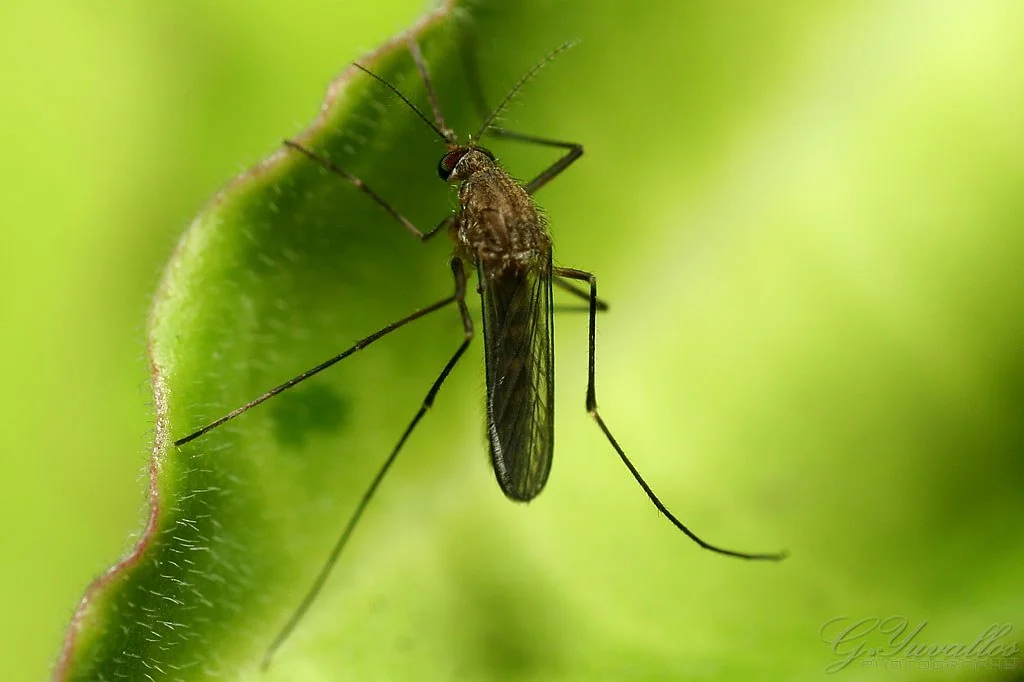
Mosquito. Gerald Yuvallos. CC BY-ND 2.0.
The World Mosquito Program (WMP) is an Australian-based nonprofit organization working to eradicate several diseases carried and spread by mosquitoes, specifically Dengue and Zika. About 50 million people per year contract Dengue, while there are roughly between 100,000 and 500,000 cases of Zika per year worldwide. Both Dengue and Zika are mosquito-born illnesses, but they have very different effects. Dengue has a wide range of symptoms, and in the worst cases, the disease can end in hospitalization and death. Dengue is primarily a problem in Asia, with 70% of global cases occurring in the continent, though cases have been reported in 129 countries total. There is a vaccine for Dengue, but regardless, Dengue is still a leading cause of death in certain places in Asia and South America.
Zika, on the other hand, rarely causes death, but it is known for causing birth defects if caught by pregnant women. In addition to issues for fetuses, if caught by teens or adults, Zika can cause Guillain-Barré syndrome, in which the body’s immune system attacks its nervous system, leading to nerve damage of differing severity. There is no vaccine for Zika, and thus, the World Mosquito Program’s work is necessary in this area.
The primary strategy for WMP is breeding mosquitoes that carry a specific bacteria—Wolbachia—which prevents the mosquitoes from spreading these diseases. Once WMP has bred the Wolbachia mosquitoes, they work with governments to determine a plan to disperse the mosquitoes. The goal is that eventually, the non-Wolbachia carrying mosquitoes will die out by natural evolutionary processes. This method has produced positive results multiple times. While it takes some time to see results, the Wolbachia method has been praised for the fact that it uses a naturally occurring bacteria. Thus, it has a minimal impact on the ecosystem. Though there are treatments for Zika and Dengue, there are very few prevention methods other than the Dengue vaccine, which makes the Wolbachia method unique in its field. While Dengue and Zika are both serious and dire diseases, the most well-known mosquito-borne disease is malaria. Zika and Dengue are spread by the same type of mosquito, while malaria is transmitted by a different type, which is why the Wolbachia method cannot be used for malaria prevention.
I had the opportunity to interview Christie Hubbard, the Director of Philanthropic Partnerships for WMP. She explained in a bit more detail how the Wolbachia method is carried out. Hubbard explained the function of the bacteria, and the surprising simplicity of the process, saying: “This bacteria, Wolbachia, renders the female unable to transmit disease… Because it naturally occurs we don’t have to modify it, and we literally breed mosquitoes.” These “Wolbachia mosquitoes” are then released (with governmental permission) into areas suffering from Dengue outbreaks, under the assumption that through natural reproduction eventually the disease carrying mosquitoes will die out.
In terms of the tangible impact that WMP has had, Hubbard gave a few examples: “We did a gold standard trial in Indonesia… it resulted in a 77% reduction in Dengue and an 80% reduction in hospitalizations, which is really big… We’ve also seen success in Australia, which is where we’re founded and there’s a lot of Dengue. That’s where the program really first started and where we really… we never say eradicate, but we eliminated Dengue.” The near elimination of Dengue in two countries is an extreme feat, and WMP’s website also lists some other countries in which their method has seen success, such as Mexico and Sri Lanka. In both of these countries, there have not been any Dengue outbreaks in the areas where the Wolbachia mosquitoes were released in the years following their release.

Wolbachia method is launched by Brazil Ministry of Health. Ministério da Saúde. CC BY-NC-SA 2.0.
An obvious complication to WMP’s approach is that they are an Australian-based organization going into other countries. Hubbard addressed this, saying, “Our intervention is really geared towards governments and countries, so that’s who we work with and not so much private individuals. So yeah, we just go in, we release the mosquitoes, but it’s not as simple as that. It takes a long time, you’ve got to get the eggs to the country—we’ve got an insectary in every country—and of course there’s a big piece with community engagement, because you don’t just walk into another country and say, ‘hi, we’re bringing in more mosquitoes’... and working very closely with the ministries of health, and government officials.” WMP works in conjunction with the governments and the health officials of the countries which they work in, trying to eliminate any disruption or possible harm to the local communities. WMP’s website also publicly lists the percentage of the population of each place it works in that supports their intervention.
Get Involved
In terms of getting involved with WMP, there are few volunteer opportunities outside of the places where they are currently working. However, their website does have a page listing the places where they have or are currently working. Another, more accessible way to get involved that doesn’t require money is by simply raising awareness for WMP, and for the issue of mosquito-borne illness in general. Following and promoting their instagram, or even just educating yourself further on the issue through reading articles and sharing them with the people you know is a way to get involved, as this issue is not a high profile one.

Calliana Leff
Calliana is currently an undergraduate student at Boston University majoring in English and minoring in psychology. She is passionate about sustainability and traveling in an ethical and respectful way. She hopes to continue her writing career and see more of the world after she graduates.
The Colonial Legacy of the Portuguese in Macau
Though Macau has been an autonomous region of China since 1998, its 400 years of Portuguese rule has given Macau a distinctive flair found nowhere else in Asia.
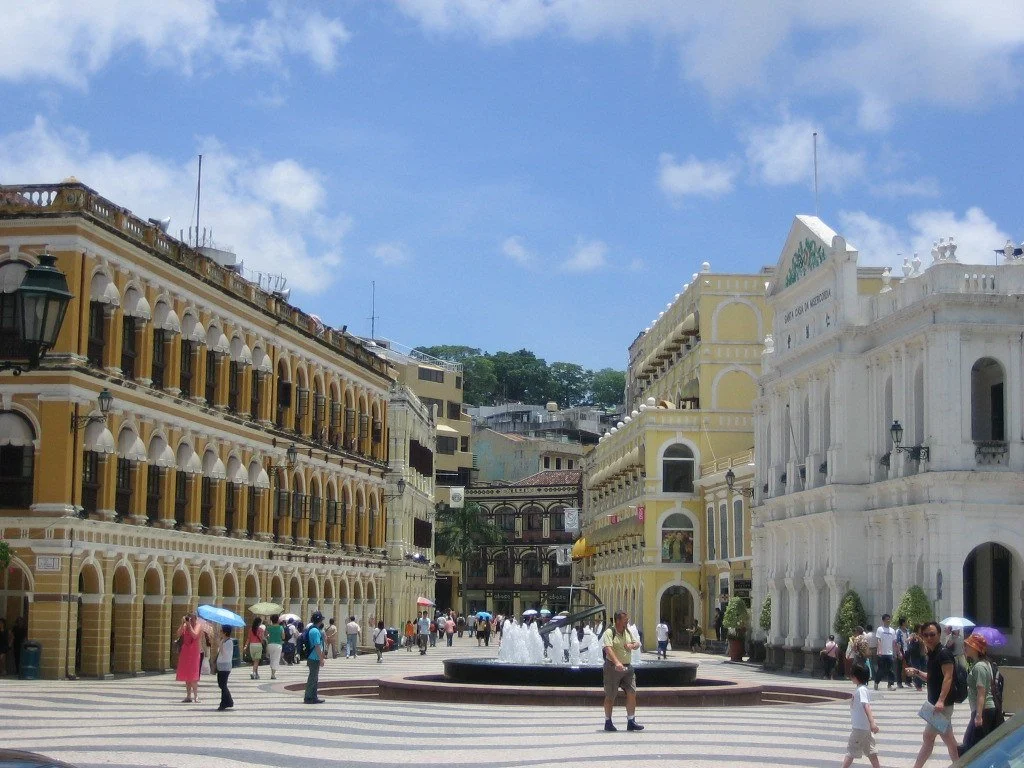
The pastel-colored buildings of Senado Square give off a European flair. Teen Wolf. CC BY-NC 2.0.
Macau, a Special Administrative Region (SAR) of China, located on the Pearl River Delta south of Guangdong province, was a Portuguese colony from 1557 to 1999. In its early years, the city quickly became a bustling commercial center, since it was at the crossroads of several notable trade routes. It was the gateway to China for the Portuguese. By the time Macau became a SAR of China in 1999, ending the period of European colonization of Asia, the Portuguese had left their mark on the city.
When the Portuguese first established Macau as a colony, settlement was limited to a small island that became the Macau Peninsula. As the original colony expanded, it incorporated the islands of Taipa and Coloane. Today, the land between Taipa and Coloane has been reclaimed, and the resulting strip of land, the Cotai Strip, is home to many casinos. Those casinos are one of the major economic drivers of Macau, generating even more revenue than Las Vegas, and they attract many tourists from around Asia. Macau is quickly becoming a cosmopolitan center, but the historic core of the region, on the Macau peninsula, is full of buildings constructed in the Portuguese style. Other influences remain of Portuguese rule, such as its cuisine, languages and legal system.
Architecture
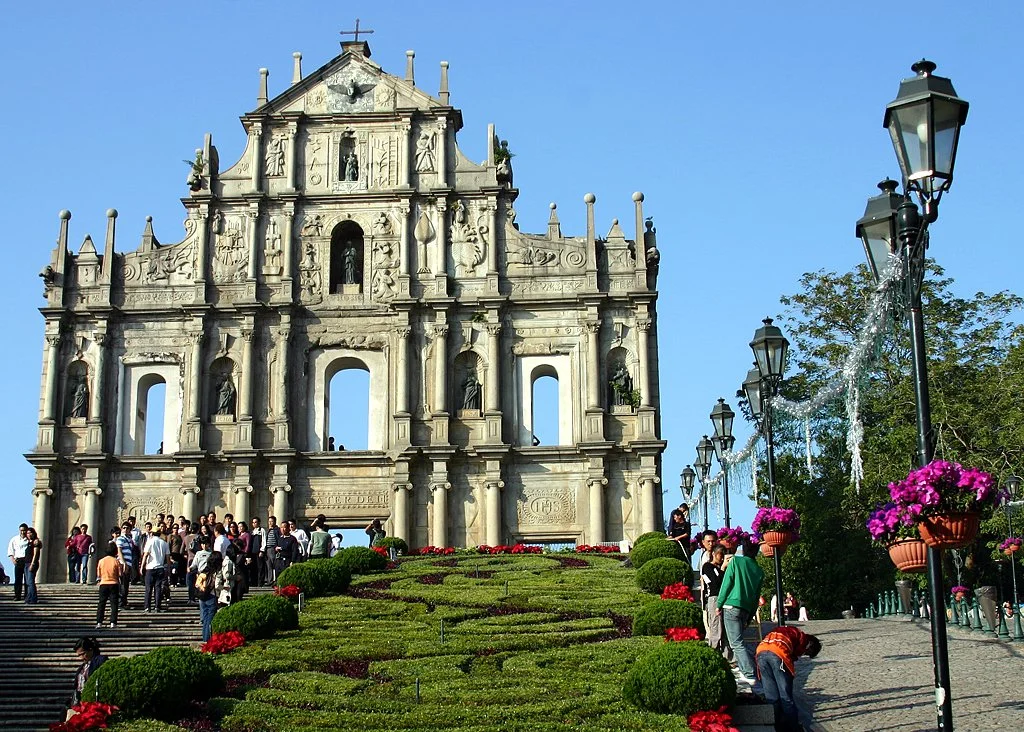
The ruins of St. Paul’s Church. Christian Junker | Photography. CC BY-NC-ND 2.0.
It is easy to spot the Portuguese influence on the buildings in Macau, because many of them have Ionic columns and baroque appearances. The Portuguese mainly left their mark on religious and administrative buildings in the city, such as the Ruins of St. Paul’s Church and the buildings of Senado Square.
St. Paul’s Church was built between 1604 and 1640 by the Jesuits, and the church became their base of operations in Asia. It was the largest church in Asia at the time and was called the “Vatican of the Far East”. The baroque front of the church combines Eastern elements, as Japanese Christians who were fleeing persecution in their home country were involved with its construction. However, most of the church was made of wood, and much of it burned down during a typhoon in 1836. All that remains is its ornate façade, which has become a popular site in Macau.
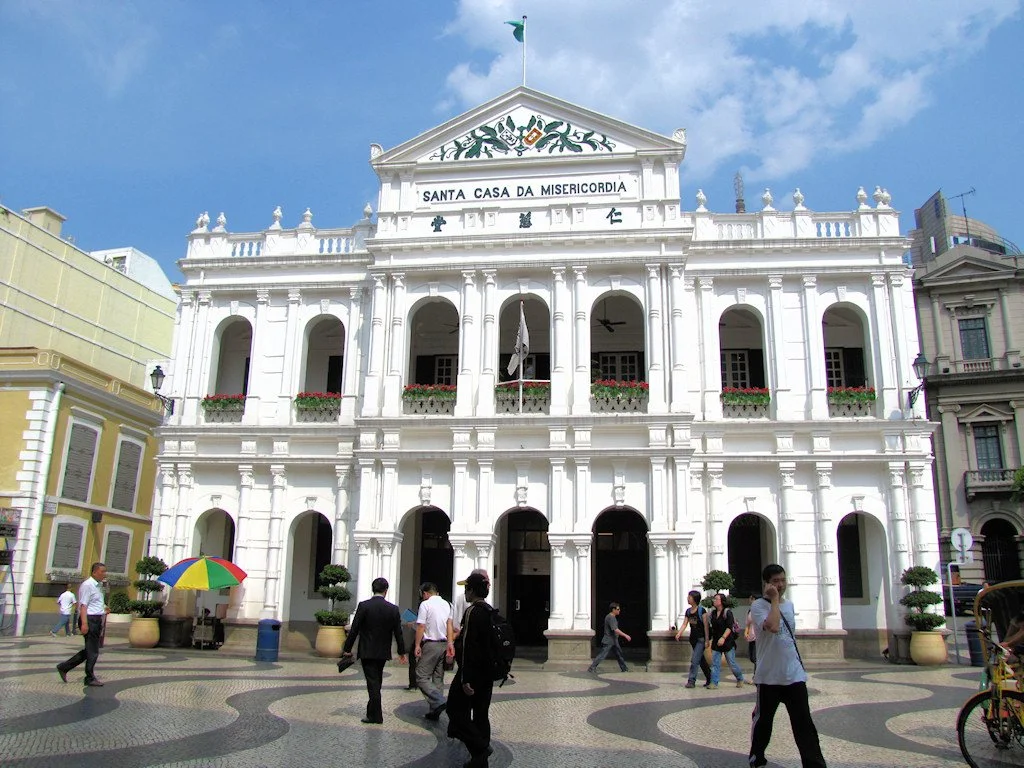
The Holy House of Mercy is intricately linked with the early history of Macau. wiredtourist.com. CC BY 2.0.
The historic colonial administrative buildings are also preserved in Senado Square, which is full of pastel-colored, neo-classical buildings. It served as the main town square in centuries past and it contains a fountain. The square is flanked by the Leal Senado Building and the Holy House of Mercy. The Leal Senado Building, built in 1784 in a neoclassical style, was Macau’s first municipal chamber. Today, the building continues to host the city’s municipal council meets. There is also a Portuguese-styled courtyard behind the building.
Across Senado Square from the Leal Senado Building lies the Macau Holy House of Mercy. Built in 1569 shortly after the establishment of the colony, the Holy House of Mercy served as a medical institution originally and now serves a charitable institution. The Holy House of Mercy is also a present-day museum that holds a collection of Macau’s Catholic relics, telling the story of how Western culture entered Asia through the city.
Cuisine

Macau egg tart. foodnut.com. CC BY-NC-ND 2.0.
Portuguese influences also affect the food of Macau, which is “one of the best places in the world to sample Portuguese cuisine.” It is easy to find signature Portuguese dishes such as bacalhau, which is dried and salted cod, in local restaurants.
Macau is also the home of the world’s first fusion cuisine, combining Chinese and Portuguese influences into local staples. Portuguese settlers in Macau added new spices and herbs to traditional Chinese foods and introduced new cooking methods like roasting, grilling and stewing to create a unique Macanese cuisine. Today, well-known Macanese dishes include minchi (considered Macau’s national dish and made from minced beef, soya sauce, onions and fried egg), tacho (a stew containing both Chinese and Western ingredients) and cappela (a meatloaf with cheese, black olives and breadcrumbs). Another popular dish, the Macau egg tart, has its origins in Portuguese pastries, but they are slightly different from similar dishes found in Portugal and neighboring Hong Kong.
Language
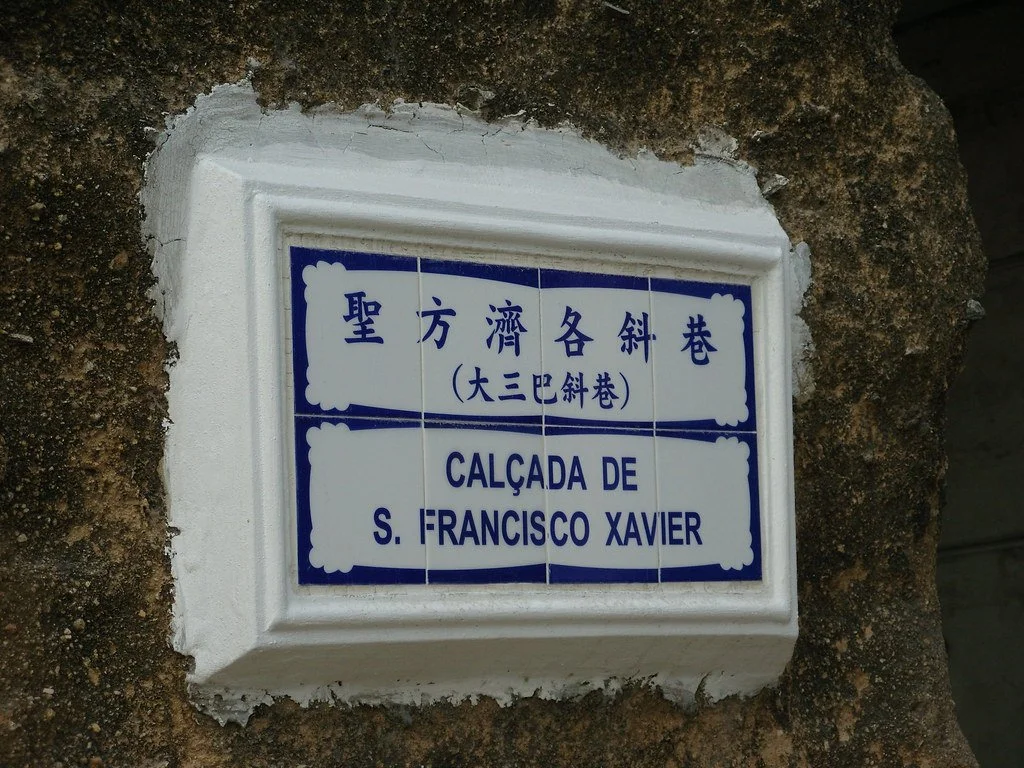
Street signs in Macau are still written in both Chinese and Portuguese. shankar s. CC BY 2.0.
The Portuguese language retained its official status in Macau after the handover, but only around 6,200 people speak it (based on the data from 2014). While its popularity dwindled in the years immediately following the handover, the Portuguese language has seen a resurgence in Macau due to the increase in Lusophone countries doing business with China, which is leading to a growing number of people learning it.
Macau is also the home of the very unique creole language of Macanese Patois, also known as patuá to its native speakers, which is a combination of Cantonese and Portuguese with a few influences from Malay and Indian languages. There is no standard orthography in the language. The number of speakers is decreasing rapidly, and it is only spoken by around 50 people of Macanese ancestry. The Macanese people are a distinct group of people who are of mixed Portuguese and Chinese ancestry. However, there is a growing effort to preserve the language, with a drama group called Doci Papiaçam di Macau leading the revival by performing original plays in patuá.
Legal System

Macau government headquarters, which was also built in a Portuguese architectural style. Friscocali. CC BY-NC 2.0.
When Macau was returned to China in 1999, the Chinese government promised that Macau would be governed under the concept of “one country, two systems”. As part of that arrangement, Macau would be able to keep its existing political and economic systems for at least 50 years after becoming an SAR of China. Because of this, the legal code of Macau, though it is under Chinese sovereignty, is still based on the Portuguese legal code. However, recently, the Chinese government has undermined the agreements to keep the Portuguese legal code in place by removing Portuguese judges from presiding over sensitive cases. As China exerts more influences over Macau, which may have diminished some Portuguese influences, and the city could be in a much different place by 2049, when the agreement made in 1999 ends.

Bryan Fok
Bryan is currently a History and Global Affairs major at the University of Notre Dame. He aims to apply the notion of Integral Human Development as a framework for analyzing global issues. He enjoys hiking and visiting national parks.
Where is the World on Abortion?
As abortion makes headlines around the world due to the U.S. Supreme Court’s decision to overturn Roe v. Wade, it is also a contested issue globally.
Read MoreAlaska: The Land of the Midnight Sun
In the summertime, Alaska experiences 24-hour long daylight for months at a time.
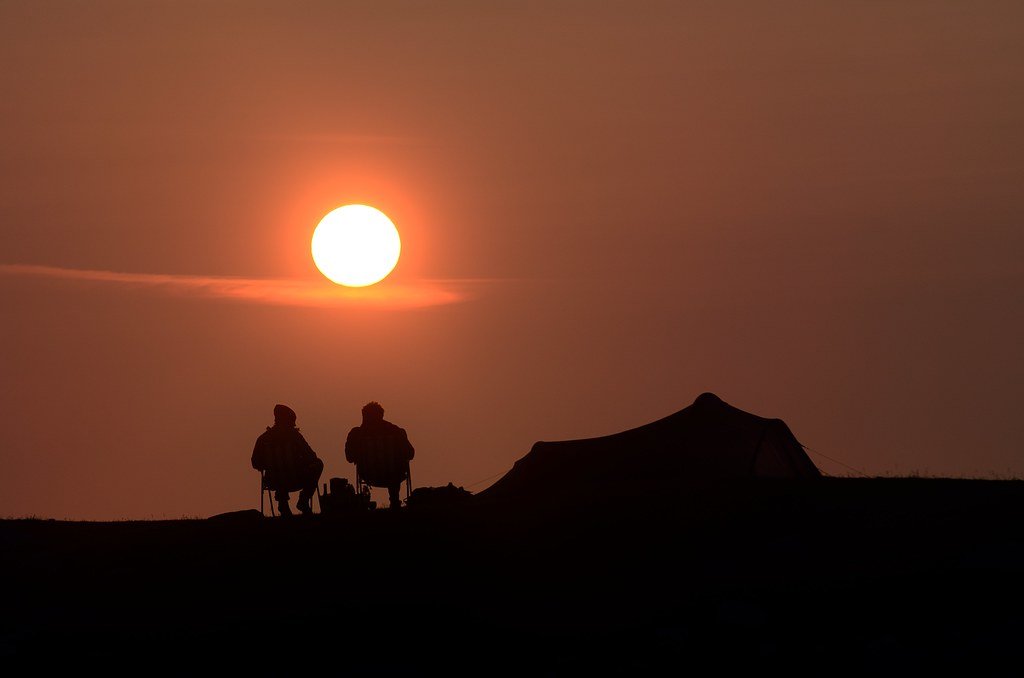
Two people watching the Midnight Sun. Aha24. CC BY-NC 2.0.
“The Land of the Midnight Sun” is the nickname given to the state of Alaska. In certain areas of the state, the sun does not fully set for months – typically between April and August – granting Alaskans and travelers roughly 24 hours of daylight. Additionally, this extra daylight allows for a unique phenomena that has given Alaska its greatest nickname; with daylight occurring even in the late hours of the evening, the sun can be seen even when the clock strikes midnight, donning Alaska the Land of the Midnight Sun. Alaskans and travelers alike visit locations in Alaska specifically for the pleasure to witness and experience this event.
The phenomena of the Midnight Sun occurs due to the relationship between the Earth’s axial tilt and how the planet rotates the sun. The rotation of the Earth around the sun is what allows our planet to experience seasons that cycle every year with the globe's movement. The northern hemisphere of the Earth experiences summer time in the months between April and August due to the fact that the North Pole points in the direction of the sun during these months. Alaska, being extremely close to the North Pole, experiences summer during these months as well.
In understanding how the rotation of the Earth allows for the seasons to change, we can then use the Earth’s axial tilt to explain why the Midnight Sun phenomena occurs in the summer. Already facing the sun due to the rotation of the Earth, the tilt of the globe – which is 23.5 degrees – places the North Pole directly into the sunlight coming from the star. This means that the North Pole - and surrounding areas like Alaska – face the sun continuously for around 4 months straight, causing the sun to rarely dip below the horizon. In this way, the Midnight Sun is a result of the combination between the Earth’s rotation and its axial tilt.
This long occurrence of sunlight also serves to explain and off put the two months of darkness Alaska experiences as well. When the North pole is not tilted towards the sun, and the earth has rotated around the sun into winter months, the North Pole – and subsequently Alaska – experiences what is called a Polar Night, where the sun doesn’t rise for nearly 60 days. That means Alaskans, especially those in more northern parts of the state, experience blackness during the winter months of November through January.
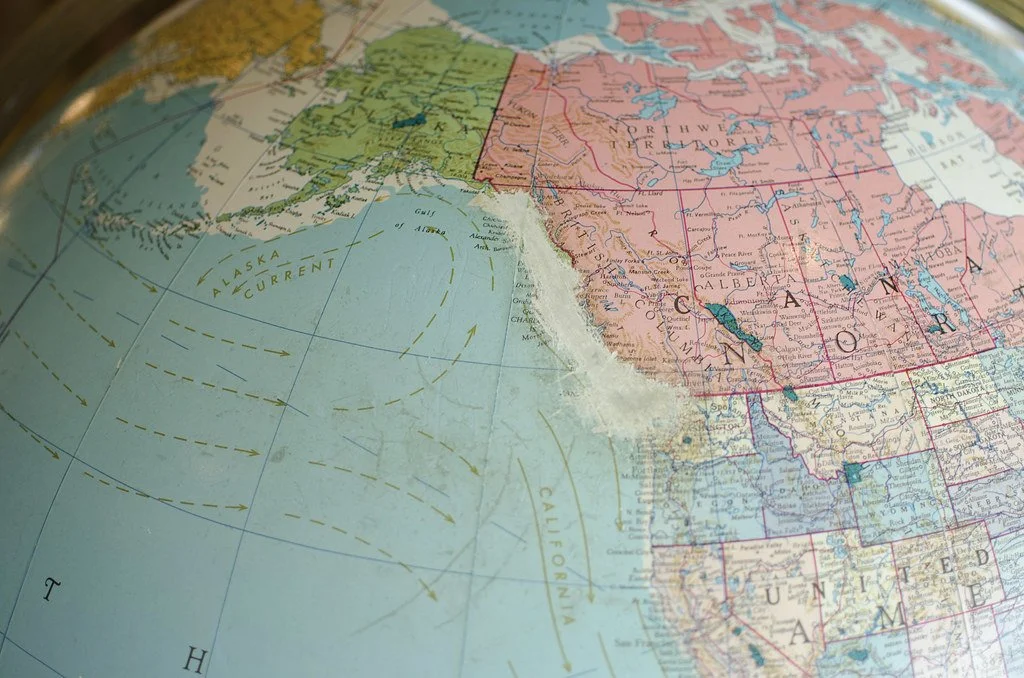
Alaska in green near the North Pole. Theron Trowbridge. CC BY-NC 2.0.
The further in Alaska you travel north during the summer, the longer the days become and the higher chances you will have of seeing the Midnight Sun. In Barrow, Alaska, the northernmost place in Alaska, the sun through the summer months does not set. That means that Barrow experiences 84 days of constant daylight straight, without a single sunset. In Fairbanks, which is at the lower center of the state and a few hundred miles south than Barrow, the sun can be seen for 21 hours a day. In Anchorage it is 19 hours and in Seward it is 18 hours.
For Alaskan’s that have been living in darkness during long winters, the Midnight Sun and long days of sunshine are a welcome occurrence. The thrill of enjoying the daylight for extended periods of time brings Alaskans out of a pseudo-hibernation. Climatologist Dr. Brian Brettschneider told the Weather Channel, “Not once have I heard an Alaskan say they don’t like long days. It isn’t uncommon to hear a lawnmower running or kids outside at 11 p.m.”
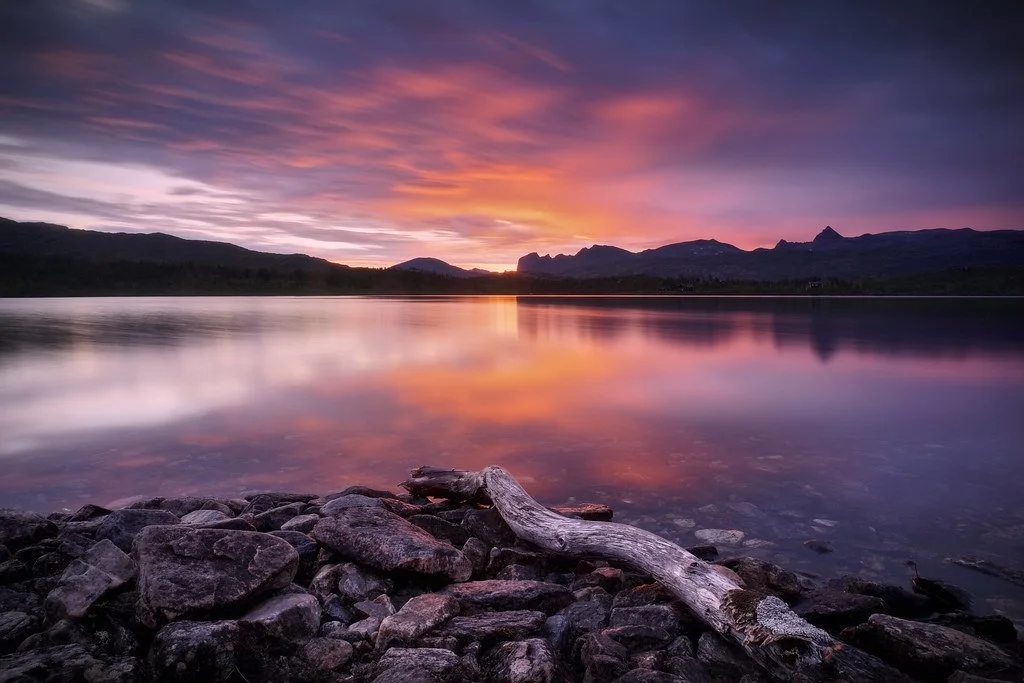
Midnight Sun behind clouds. PoetheusFotos. CC BY-NC-SA 2.0.
Brettschneider also mentioned that many who live in Alaska and work during the day use the extra hours of daylight to further enjoy their downtime. Outdoor activities like hiking are made possible after work because of the additional daylight during late hours.
For travelers visiting Alaska, the summer months are the most popular for the same reason. Able to really make the most of their time there, travelers can explore more areas of the beautiful wildlife found in the state, while witnessing once in a lifetime natural occurrences like the Midnight Sun.

Ava Mamary
Ava is an undergraduate student at the University of Illinois, double majoring in English and Communications. At school, she Web Writes about music for a student-run radio station. She is also an avid backpacker, which is where her passion for travel and the outdoors comes from. She is very passionate about social justice issues, specifically those involving women’s rights, and is excited to write content about social action across the globe.
More Than A Desert: The Natural Beauty of Oman
From deep canyons and golden dunes to lush rivers and turtle beaches, Oman’s landscape has a lot to offer nature lovers and curious travelers alike.
Read More